














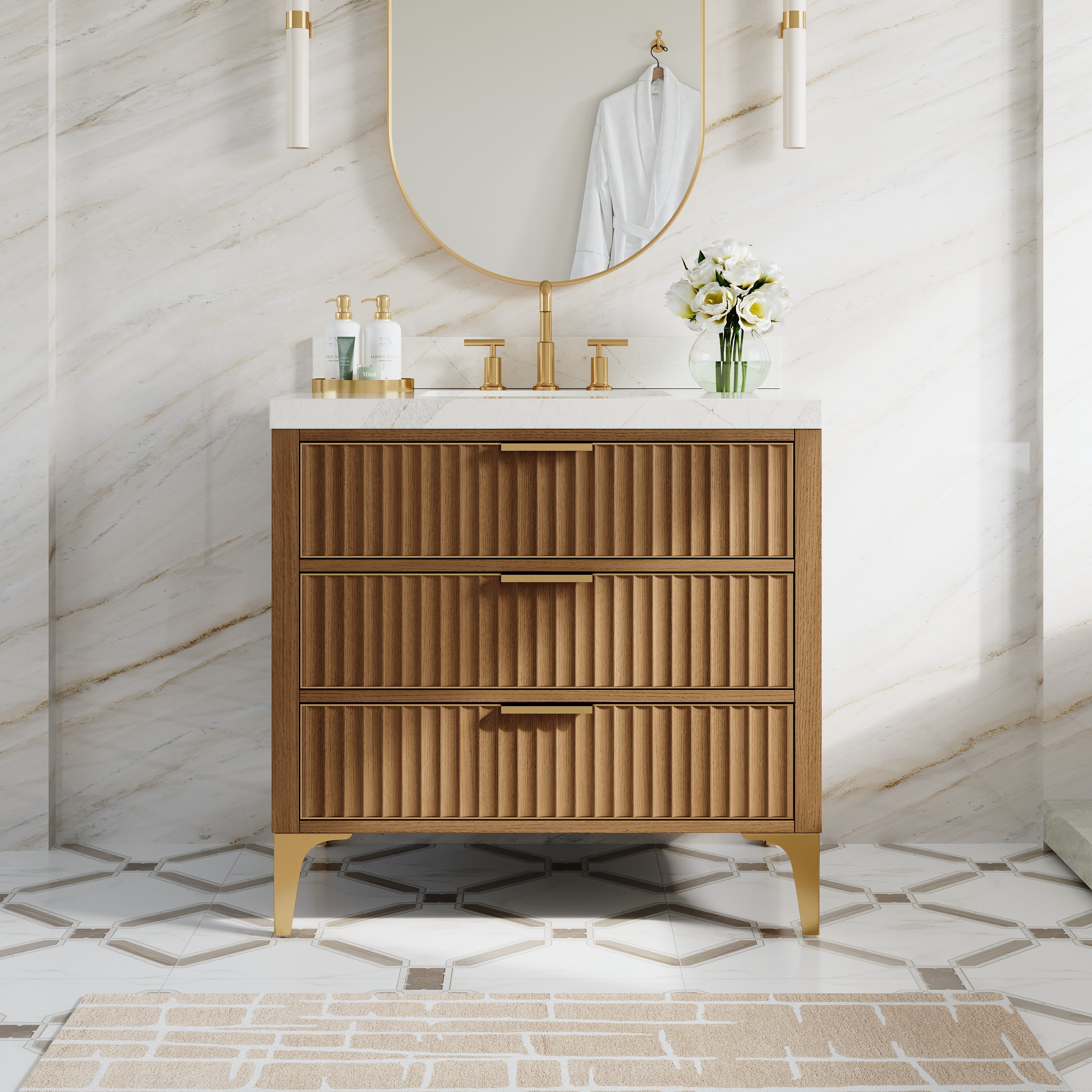
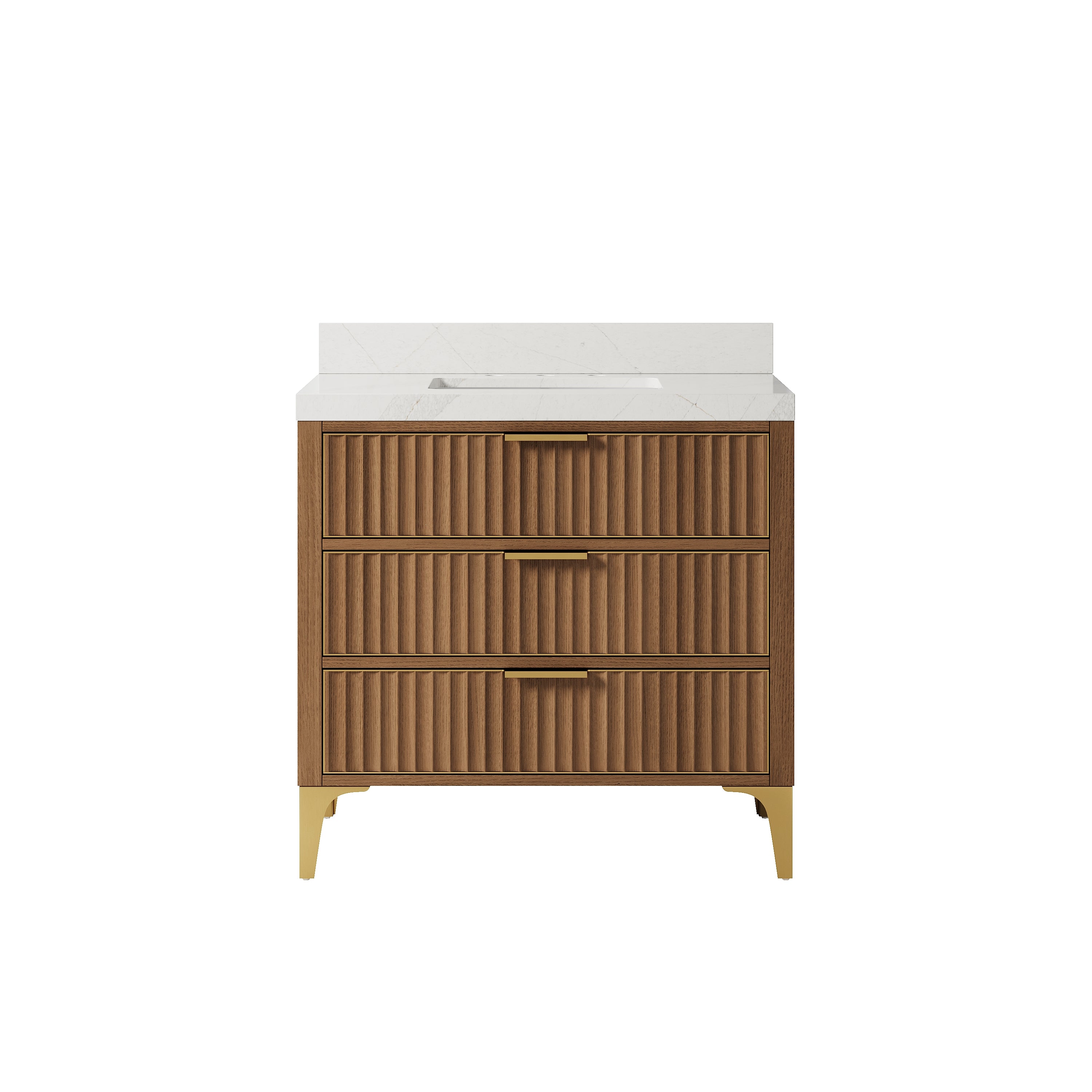
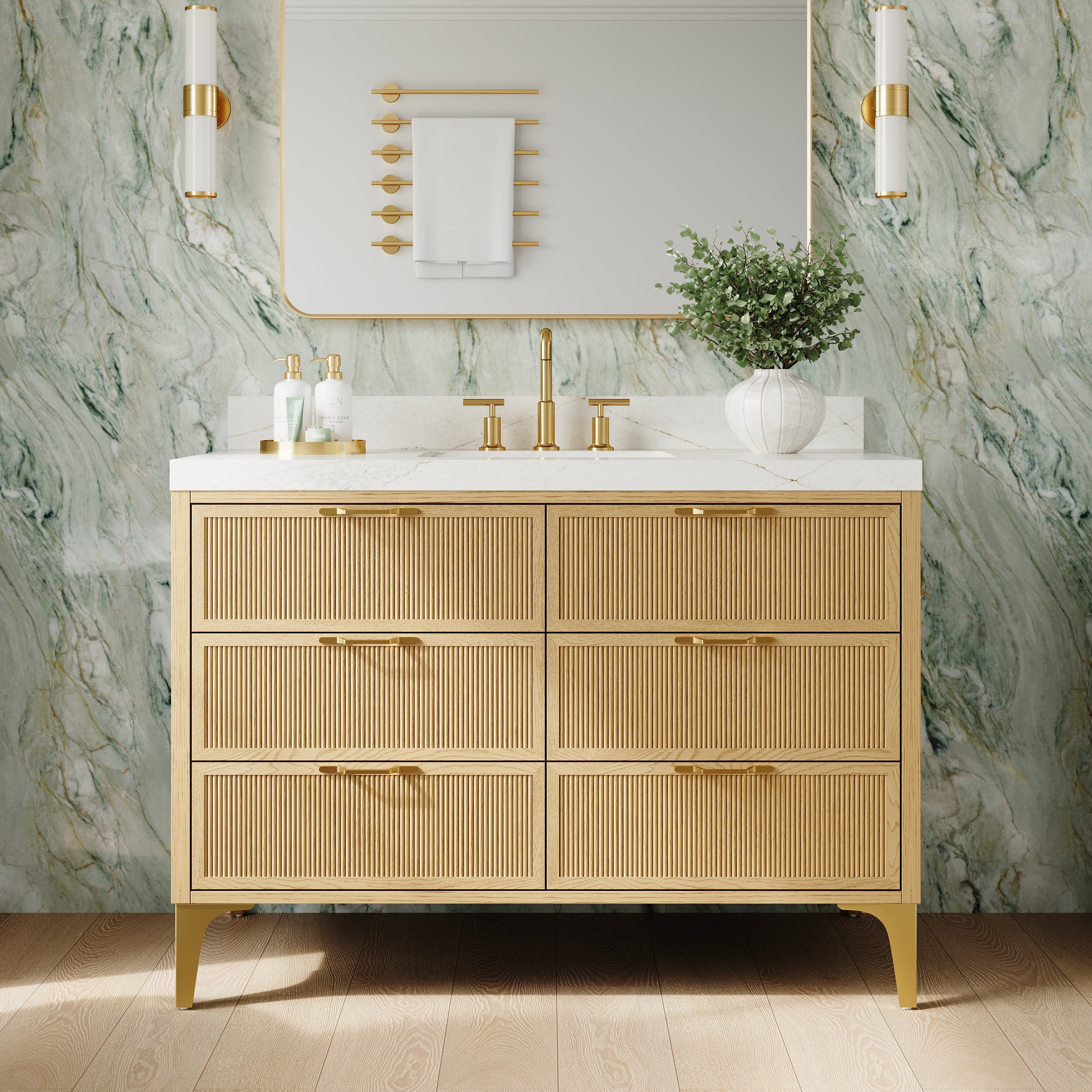
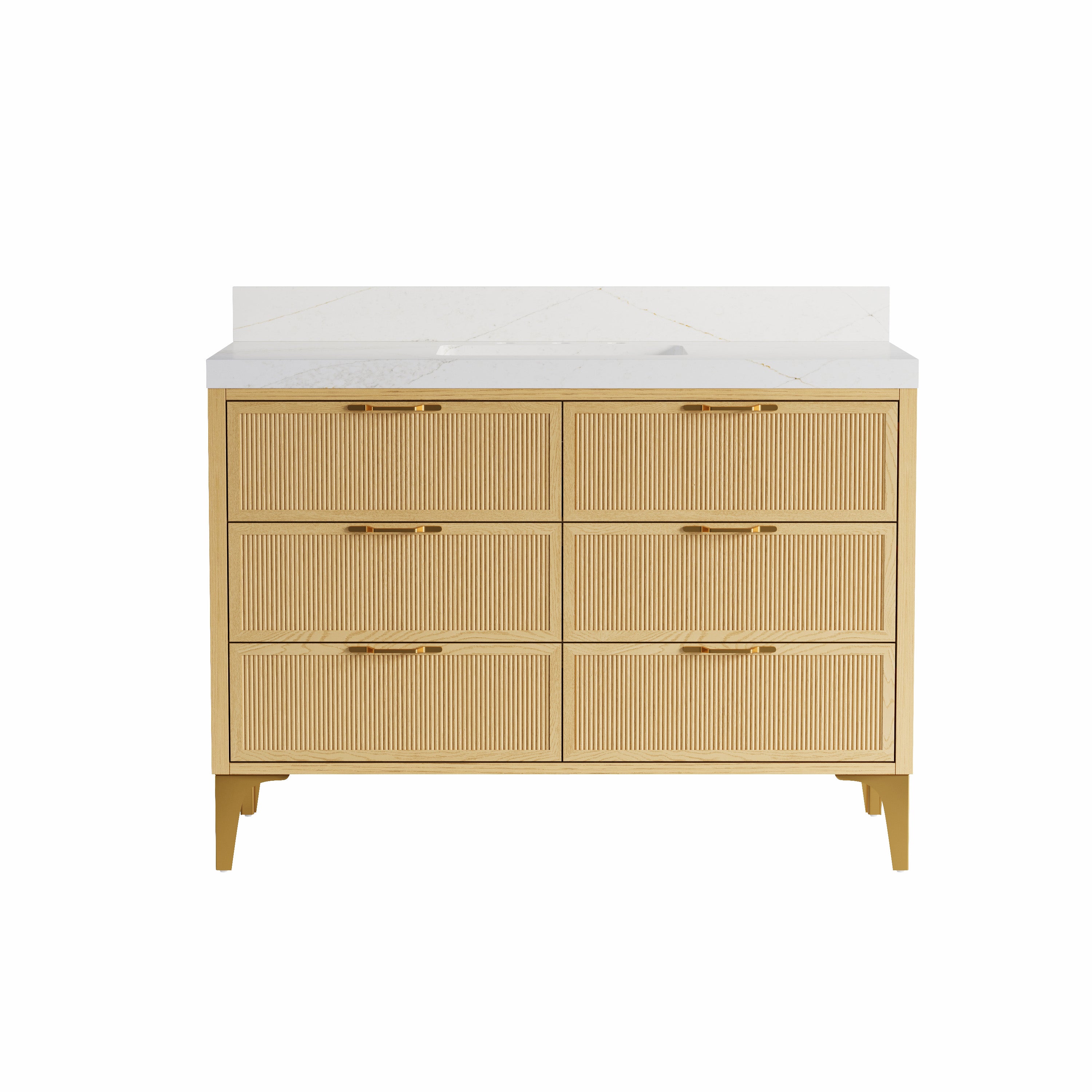


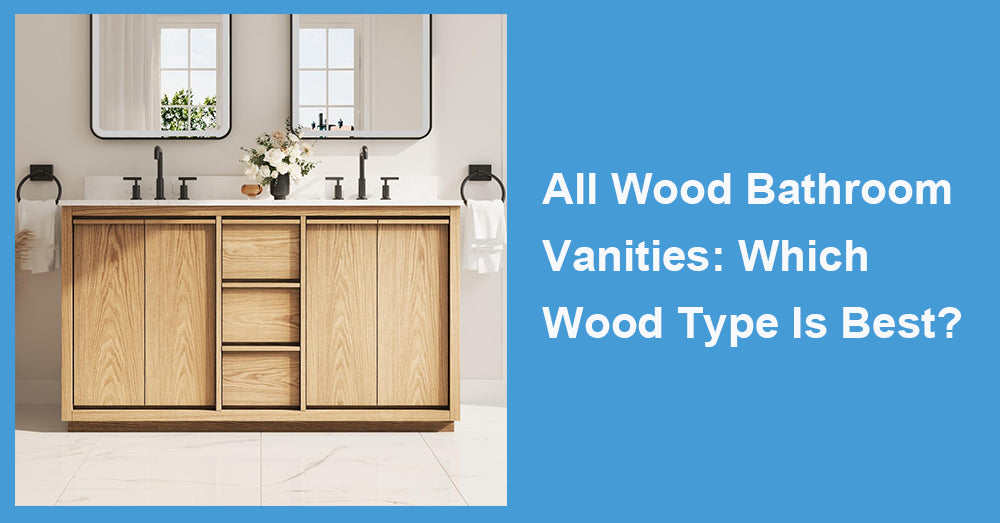
Wood bathroom vanities are getting more attention this year because they solve two problems at once: they add practical storage and bring a warmer texture to a room often filled with tile, glass, metal, and stone. For many homeowners, the bathroom is no longer treated as a purely functional space. It is becoming a place for daily routines, better organization, and a calmer start or end to the day. That shift makes the vanity more important than before. It is not just a sink base; it is the visual anchor, the main storage zone, and one of the hardest-working pieces in the room.
1. Wood Adds Warmth to Clean Bathroom Design
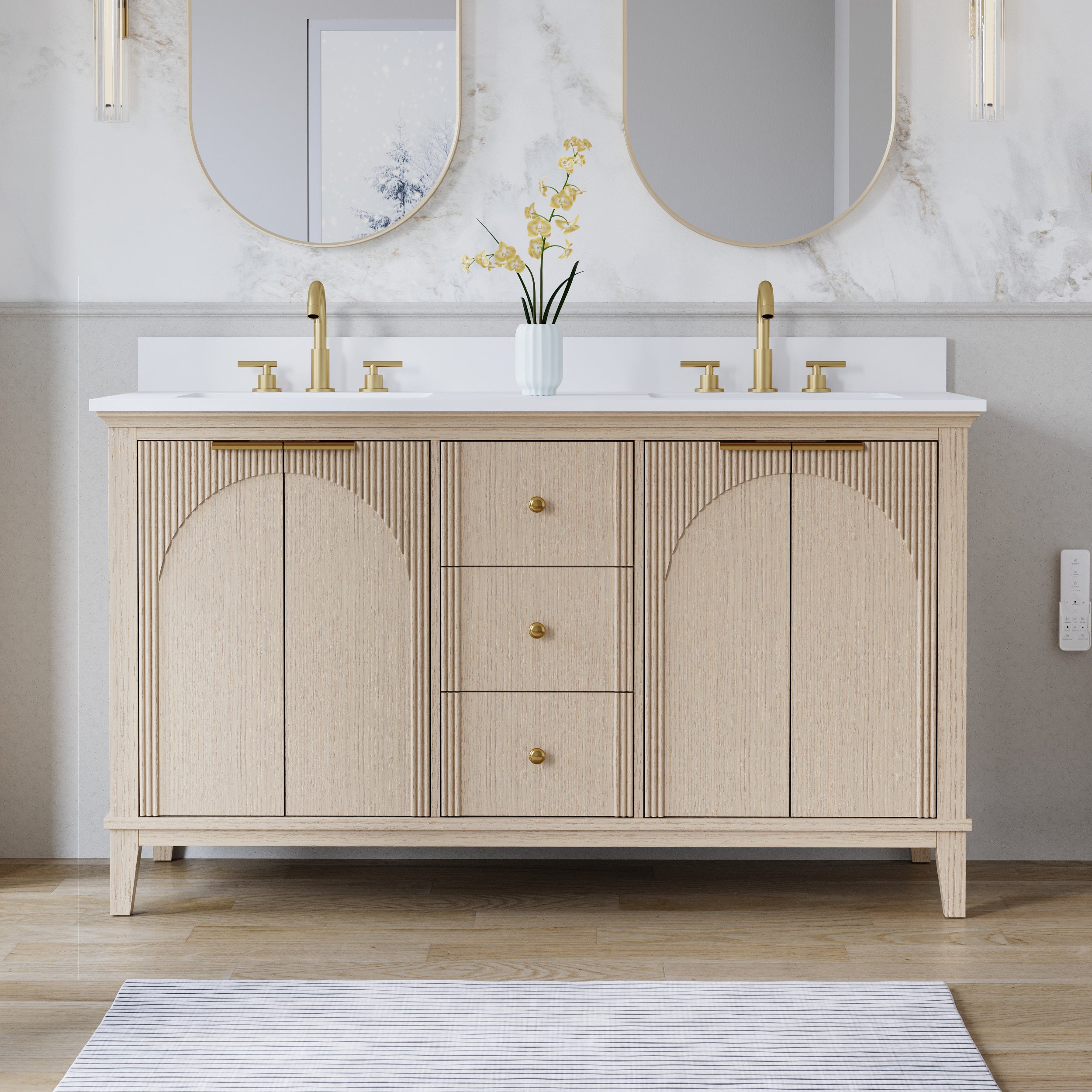
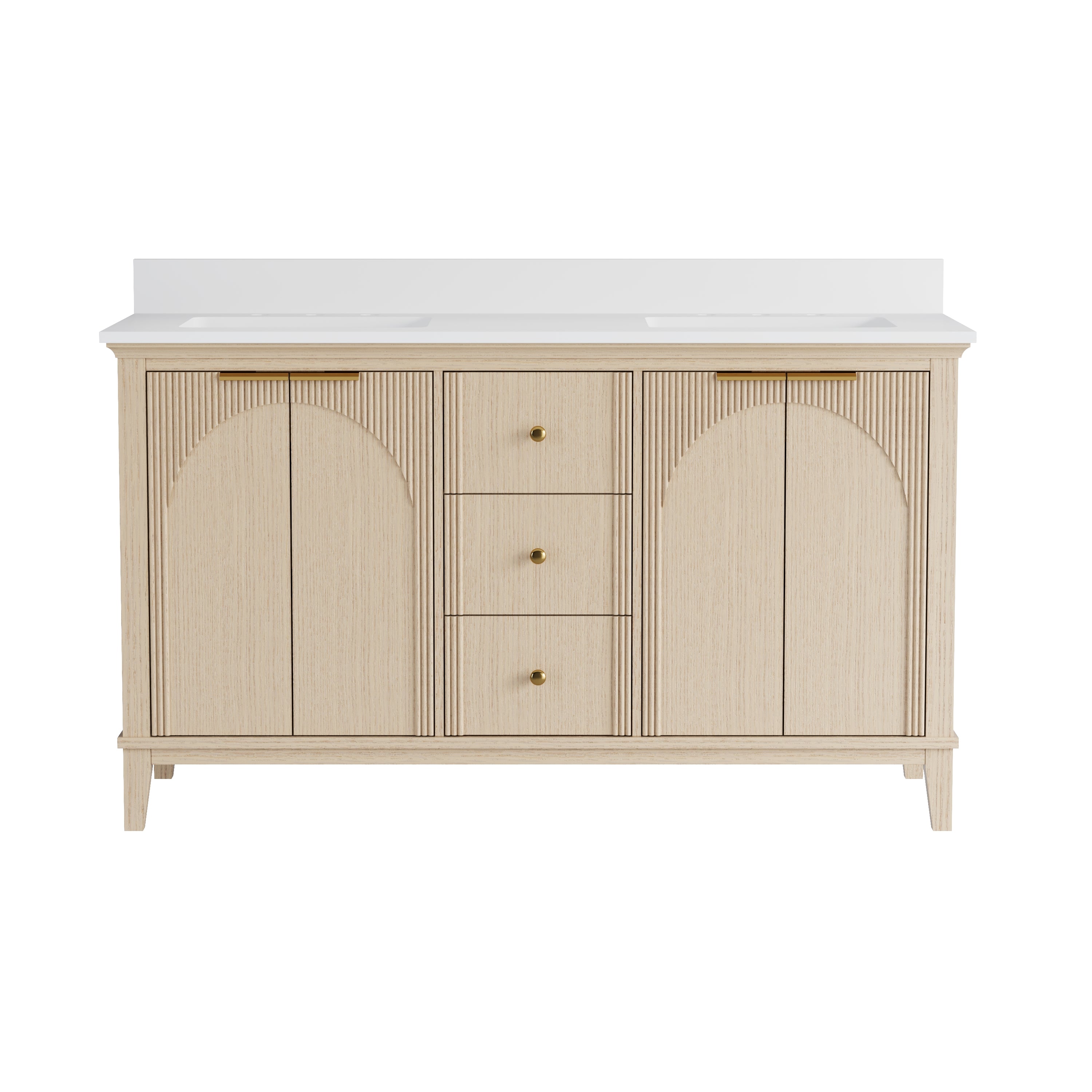
Many bathrooms built over the past decade leaned heavily on white, gray, chrome, and polished surfaces. Those materials can look clean, but they can also feel cold if the room has no natural texture. Wood changes that feeling quickly. A light oak cabinet can soften the look of white tile. A walnut finish can make a large primary bath feel more grounded. A medium brown tone can bridge modern and traditional styles without making the room feel dated.
Industry trend data support this direction. Houzz reported that wood tones became the leading vanity color direction in its 2025 bathroom trends research, chosen by 28% of renovating homeowners, while white followed at 20%. Solid wood also remained the most selected wood vanity material, chosen by 74% of renovating homeowners who selected wood construction.
This does not mean every wood cabinet is automatically stylish or well-built. The best designs use wood in a controlled way. Clean lines, balanced grain, simple hardware, and a well-matched countertop make the cabinet feel current instead of heavy.
2. Storage Is Becoming a Bigger Priority
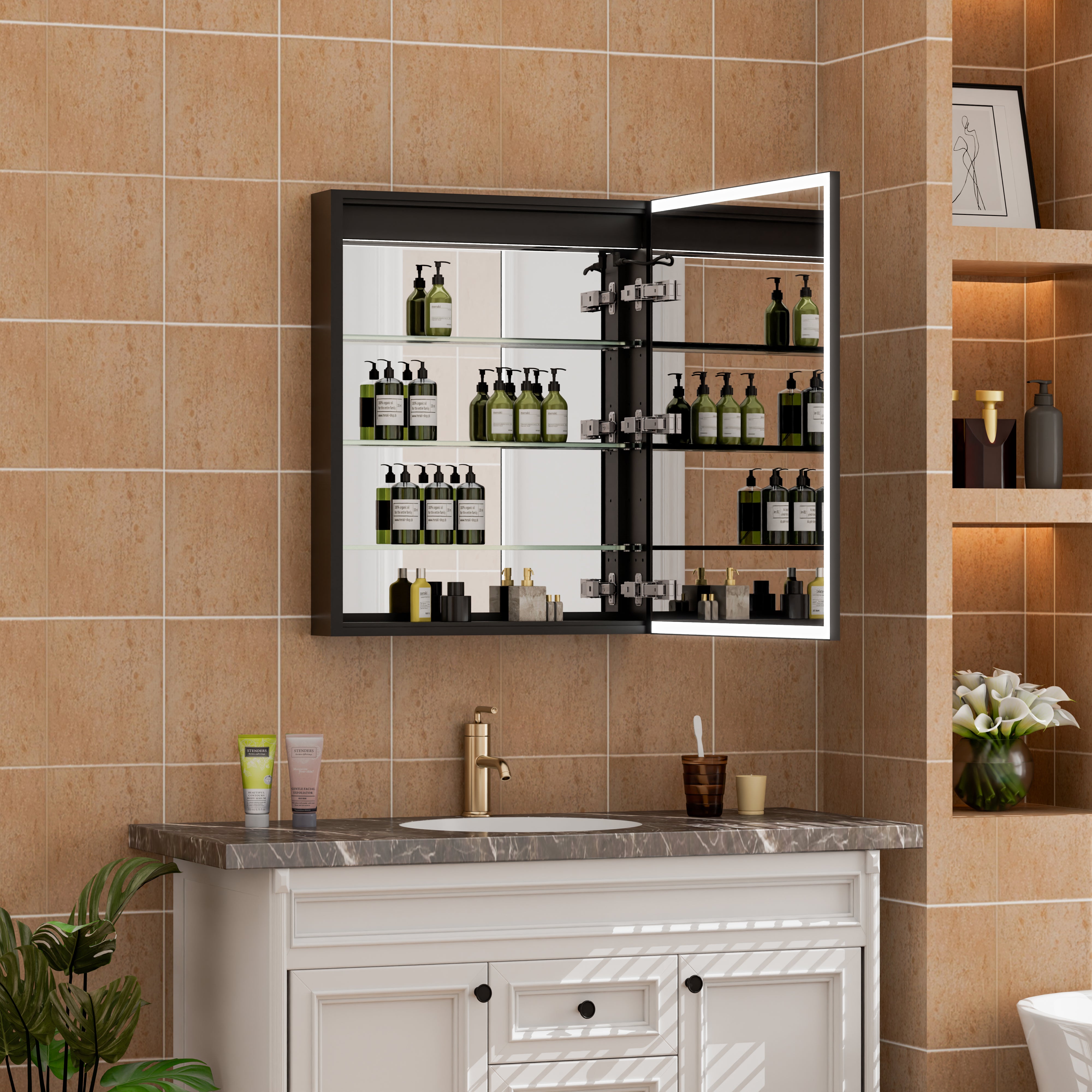
A major reason to upgrade is better storage. Older bathroom cabinets often have deep open spaces behind doors, which can make items difficult to reach. Modern designs are more focused on usable organization. Full-extension drawers, adjustable shelves, drawer dividers, and tall bottle storage can make everyday routines easier.
This matters because the bathroom is now expected to hold more than basic toiletries. Hair tools, skincare, towels, cleaning products, grooming items, extra paper goods, and personal care devices all need a place. A well-planned vanity helps keep the countertop clear and makes the room easier to maintain.
NKBA’s recent bath trend reporting shows that storage and space planning are becoming major priorities. The organization reported that 89% of surveyed professionals see primary bath space allocation as a top concern. In comparison, 72% expect bath footprints to grow to support wellness features, universal design, and more efficient storage.
3. Sizes Are More Flexible Than Before
Another reason to upgrade is that today’s vanity sizes and layouts are more flexible. Common widths include 24 inch, 30 inch, 36 inch, 48 inch, 60 inch, and 72 inch. This gives homeowners more ways to match the cabinet to the room, rather than forcing a one-size-fits-all layout.
A 24-inch or 30-inch cabinet can work well in a powder room. A 36-inch or 48-inch cabinet often fits a guest bath or hallway bath. A 60-inch or 72-inch double-sink vanity can support shared use in a larger primary bath. Depth also matters. Many full-size vanities are around 21 inches to 22 inches deep, while slimmer options around 18 inches can help smaller rooms feel more open.
The important point is not to buy the widest cabinet possible. The right upgrade should leave enough clearance for doors, drawers, walking space, towel bars, shower glass, and nearby fixtures.

4. Better Materials Can Improve Long-Term Value
A wood vanity upgrade can also make sense when the current cabinet is swollen, peeling, noisy, or poorly organized. Bathrooms expose furniture to steam, splashes, wet hands, cleaning products, and plumbing connections. Weak materials usually show problems first around edges, drawer fronts, sink areas, and bottom panels.
Solid wood is often valued for doors, face frames, legs, and drawer fronts because it feels strong and substantial. Plywood is commonly used for cabinet boxes because it offers good stability and holds fasteners well. The best products also feature sealed edges, smooth interiors, durable topcoats, and moisture-resistant construction.
A cabinet should be inspected beyond the front view. Drawer boxes should feel solid. Doors should close evenly. Edges should feel sealed, not raw. The topcoat should look consistent across the surface. A beautiful finish is not enough if the construction cannot handle daily bath conditions.
5. Countertops and Faucets Are Part of the Upgrade
A vanity upgrade often includes a new top, sink, or faucet, and these choices affect how the whole setup performs. Engineered quartz remains a practical countertop option because it is nonporous, consistent in appearance, and easier to maintain than many natural stones. Houzz reported that engineered quartz was the leading vanity countertop material in its 2025 bath research, selected by 45% of renovating homeowners.
White and off-white countertops continue to pair well with wood, keeping the cabinets looking fresh. A white quartz top can make walnut or medium brown wood feel sharper. An off-white top can soften light oak and warm up the room. Dark countertops can look dramatic, but they may show water spots, dust, and toothpaste marks more easily.
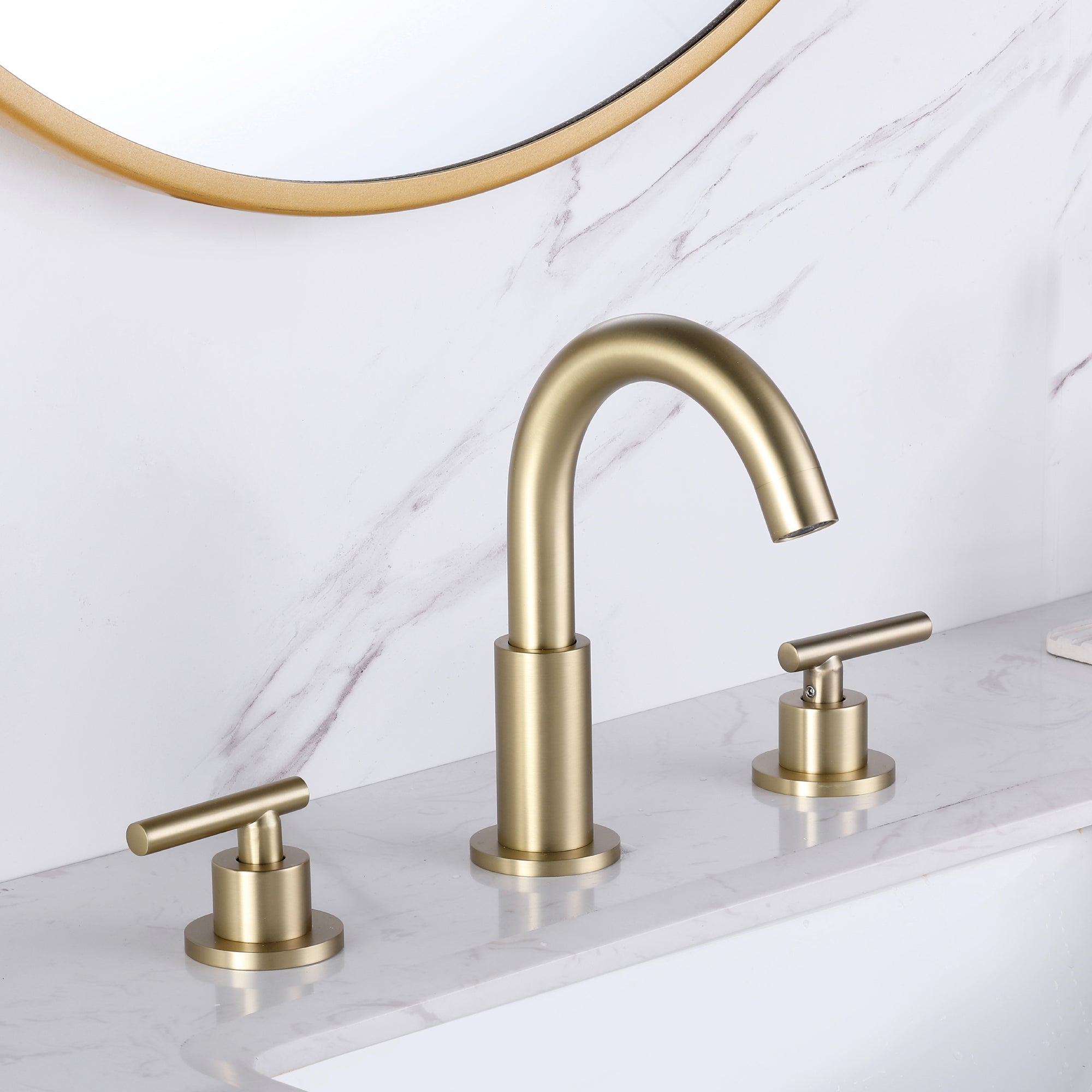
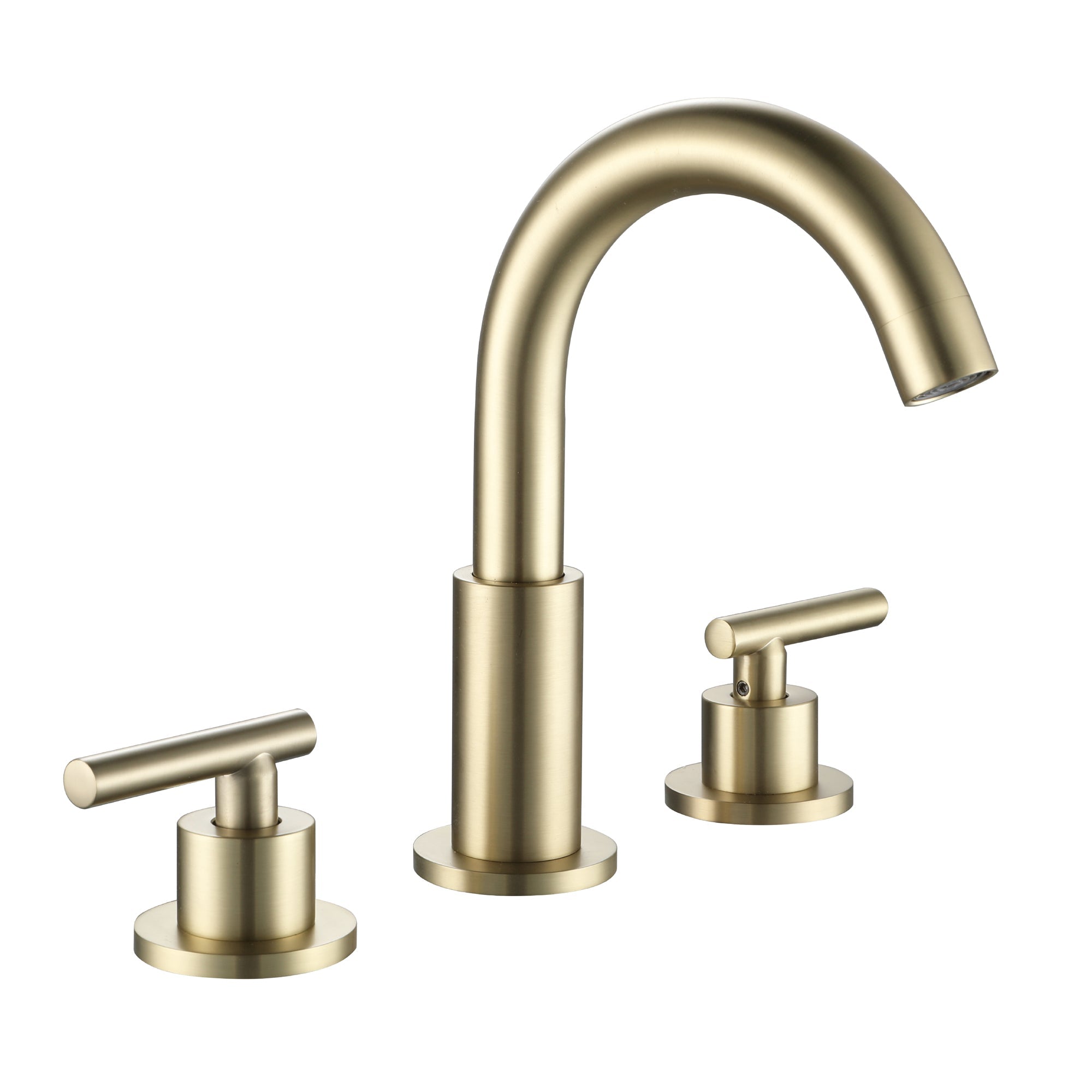
Faucet performance also matters. EPA WaterSense sets its labeled bathroom sink faucet flow level at 1.5 gallons per minute, which is lower than the older 2.2 gallons per minute benchmark. When paired with the right sink and faucet height, this can support water savings without making daily handwashing feel inconvenient.
6. A Wood Vanity Can Help Modernize Without a Full Remodel
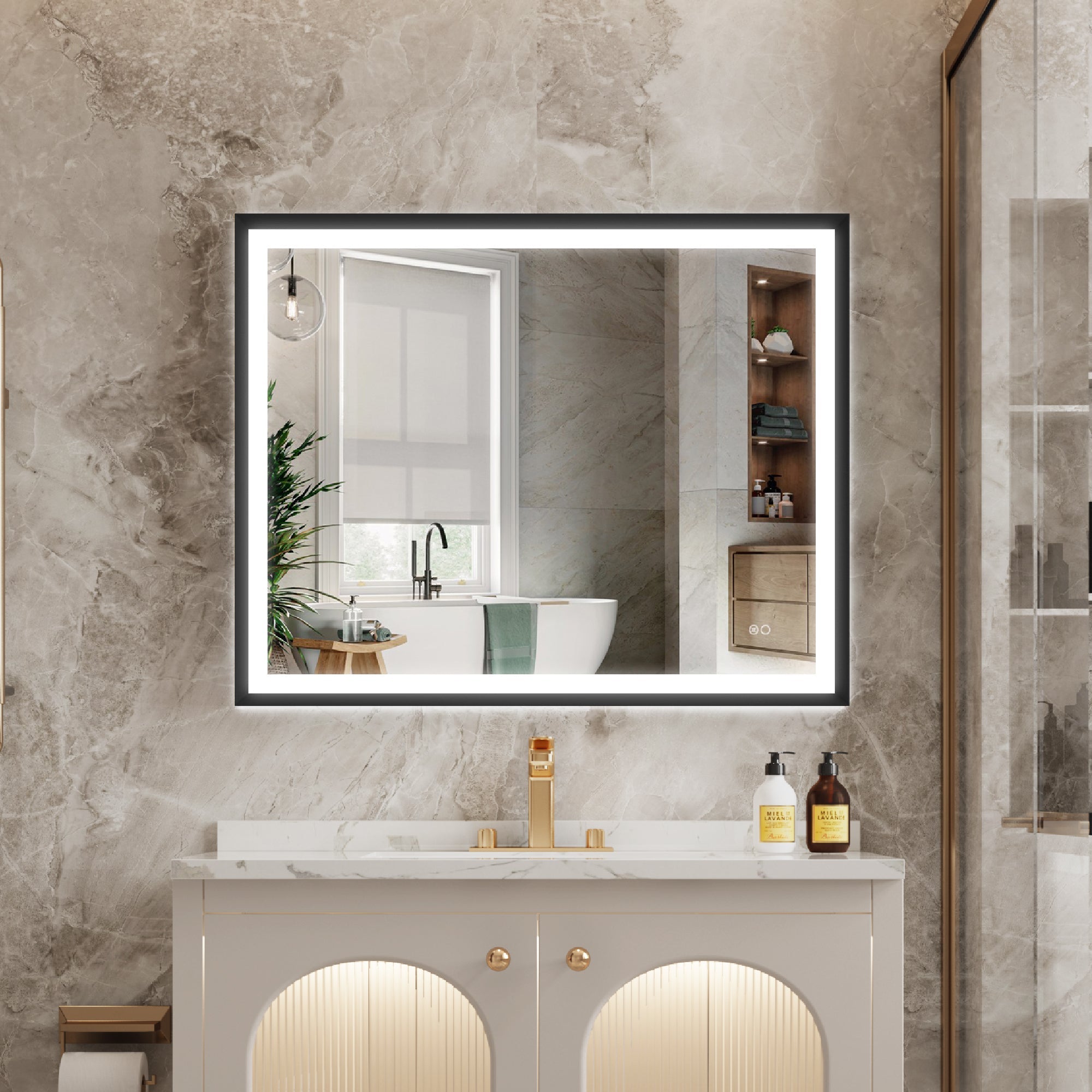
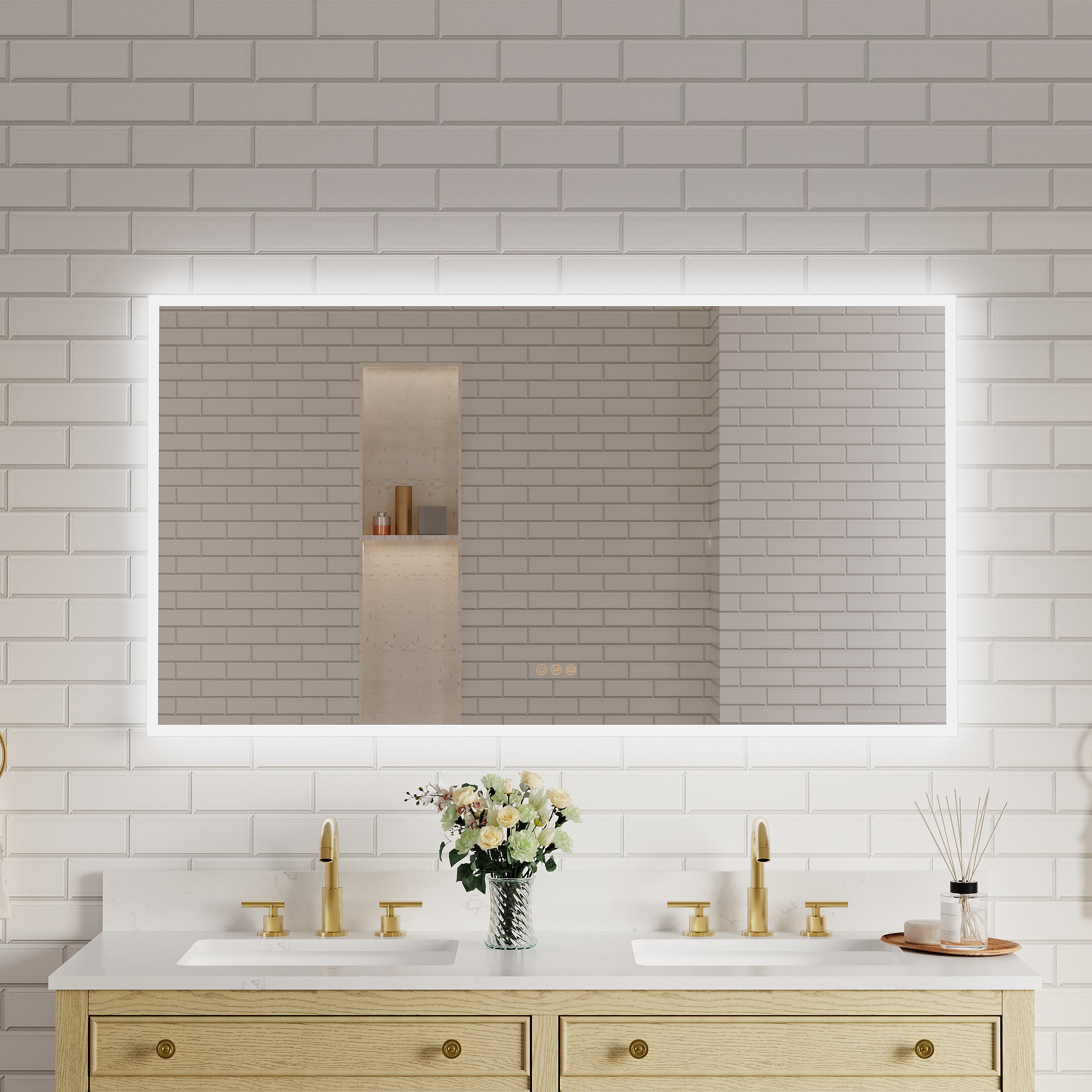
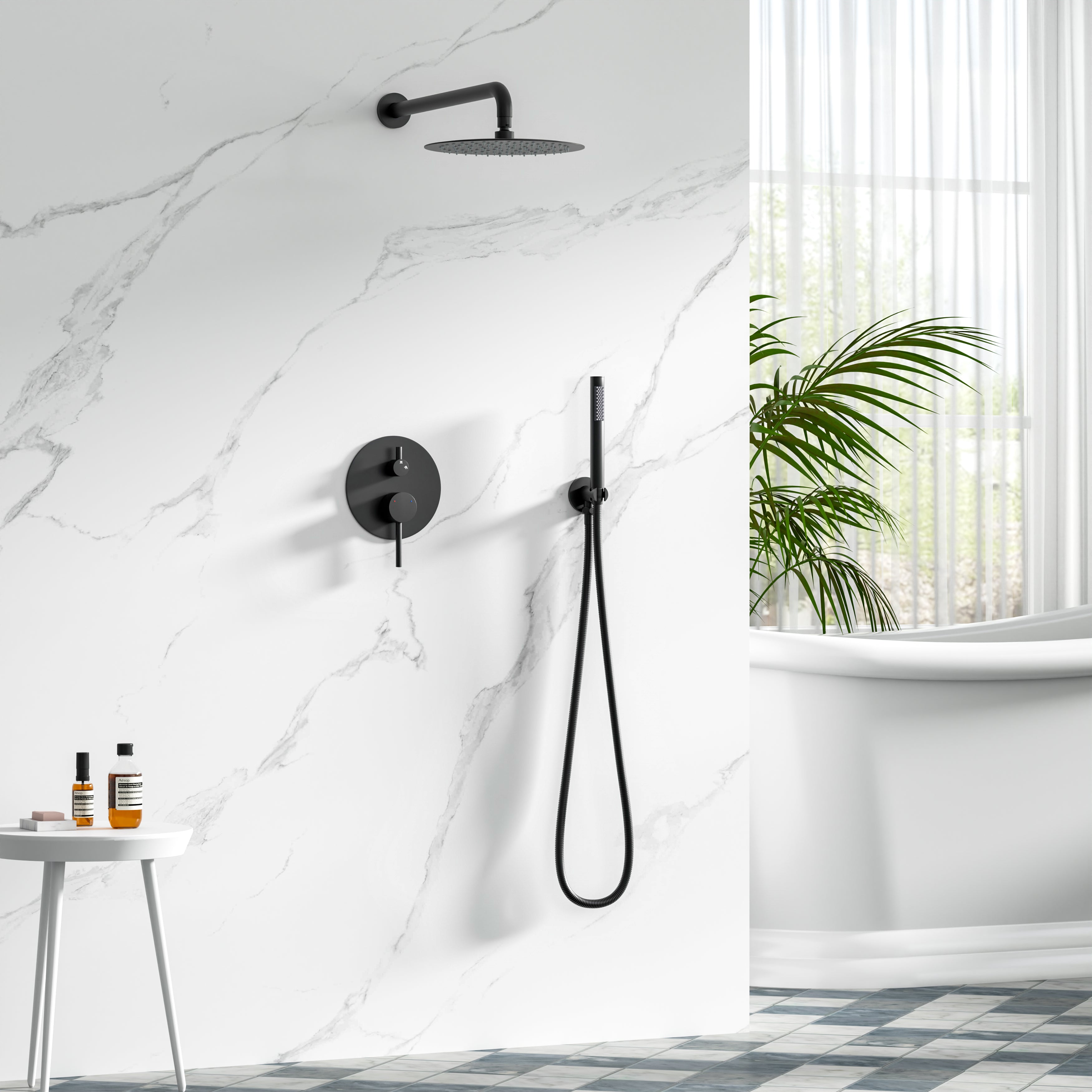
Not every bathroom needs to be fully rebuilt. In many cases, replacing the vanity can make the room feel updated without changing every surface. A new wood cabinet can visually connect the mirror, lighting, faucet, floor tile, and shower hardware. It can also improve storage and reduce clutter without moving walls.
This is one reason vanities are such an important decision in remodeling. Houzz reported that the median spend for bathroom renovations reached $13,000 in 2024, while major remodels reached $22,000. Larger bathrooms of 100 square feet or more reached a median spend of $25,000. With that level of investment, the vanity should be chosen carefully because it affects both appearance and daily function.
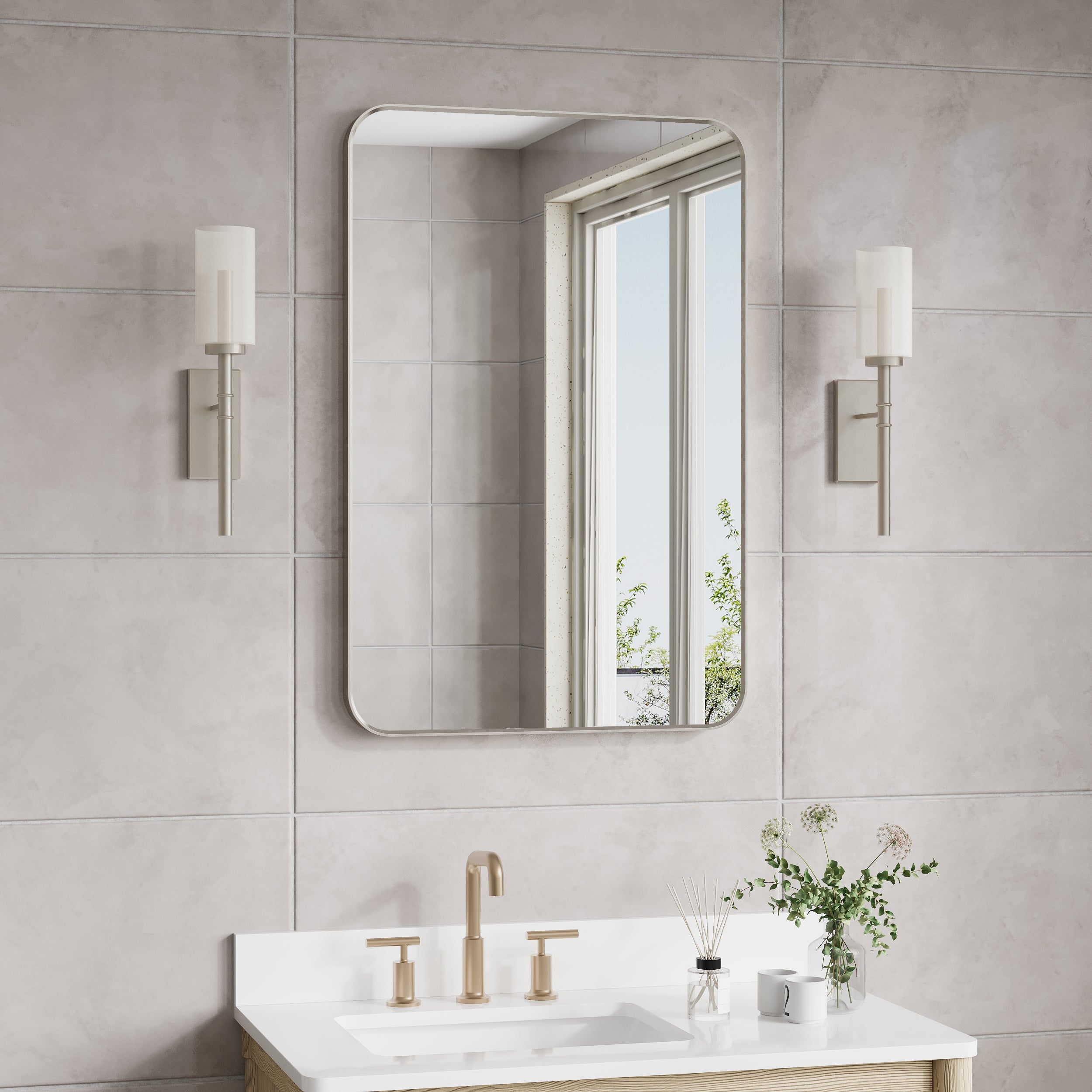
For a budget-conscious update, a cabinet with a durable finish, simple hardware, and a clean countertop can have a major visual impact. For a larger renovation, the vanity should be coordinated early with the mirror size, wall sconces, plumbing rough-in, and flooring.
7. The Best Upgrade Is Practical, Not Just Decorative
The strongest reason to upgrade is not just style. It is the combination of better storage, stronger materials, easier cleaning, and a more comfortable room. A good wood vanity should fit the space, support the sink and countertop, resist moisture, and align with the bathroom's design direction.
For a small bath, lighter wood, simple hardware, and a slimmer cabinet can help the room feel more open. For a shared bath, drawers, counter space, and a durable top should come first. For a primary bath, a larger cabinet with balanced storage, a calm finish, and coordinated fixtures can make daily routines smoother.
Upgrading this year makes sense when the current cabinet no longer works well or no longer fits the way the space is used. The right wood vanity does more than refresh the room. It makes the bathroom warmer, more organized, and better prepared for everyday life.












Leave a comment
This site is protected by hCaptcha and the hCaptcha Privacy Policy and Terms of Service apply.