














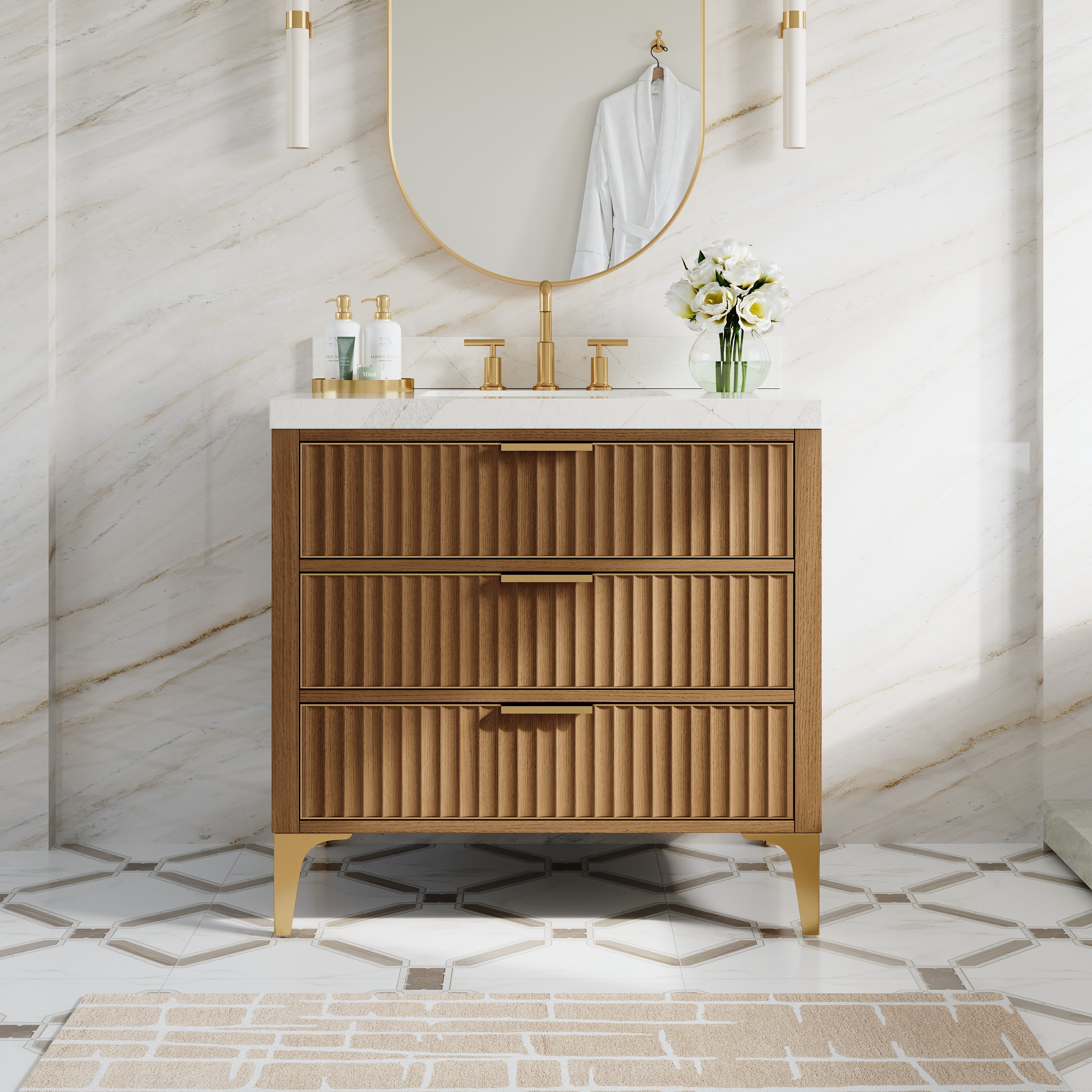
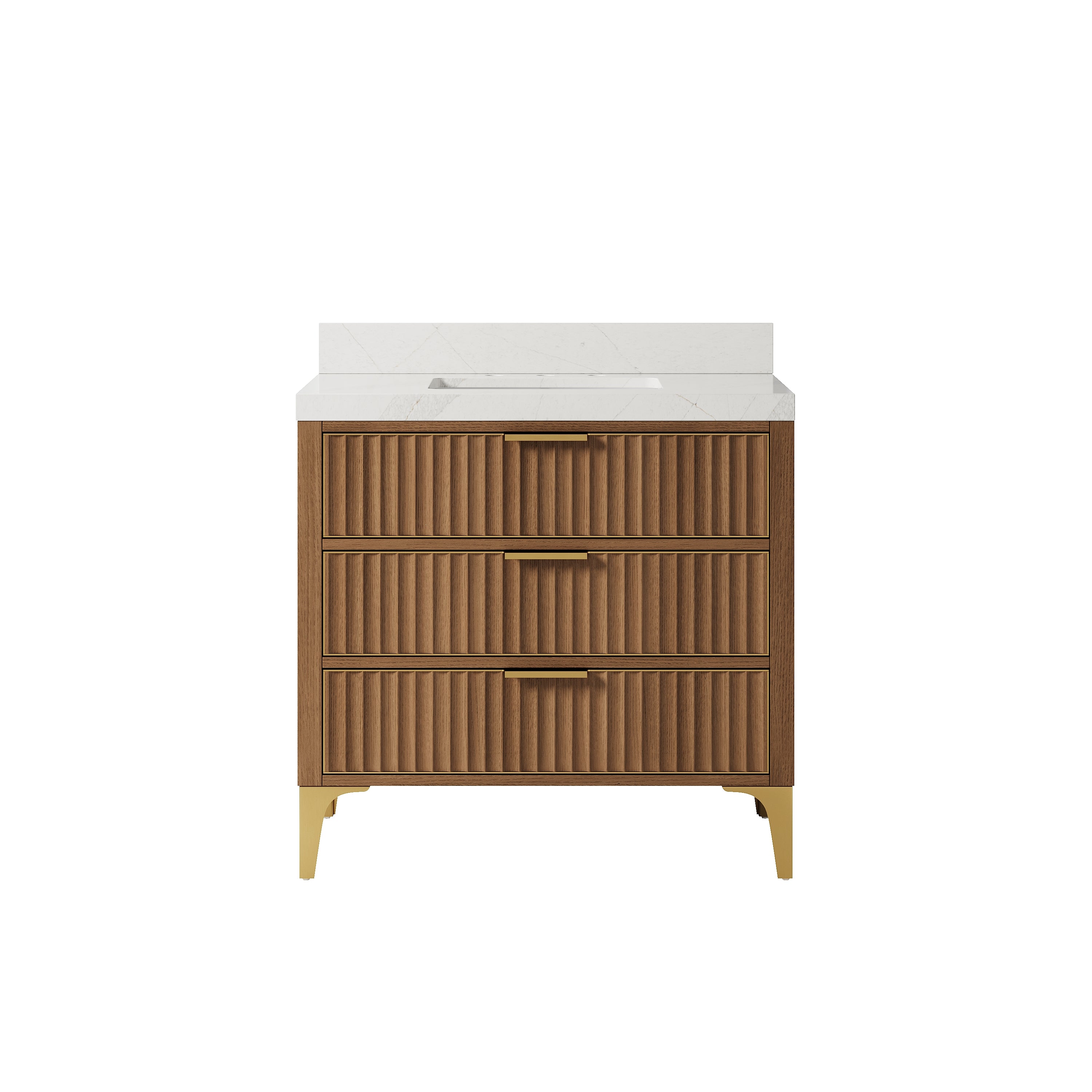
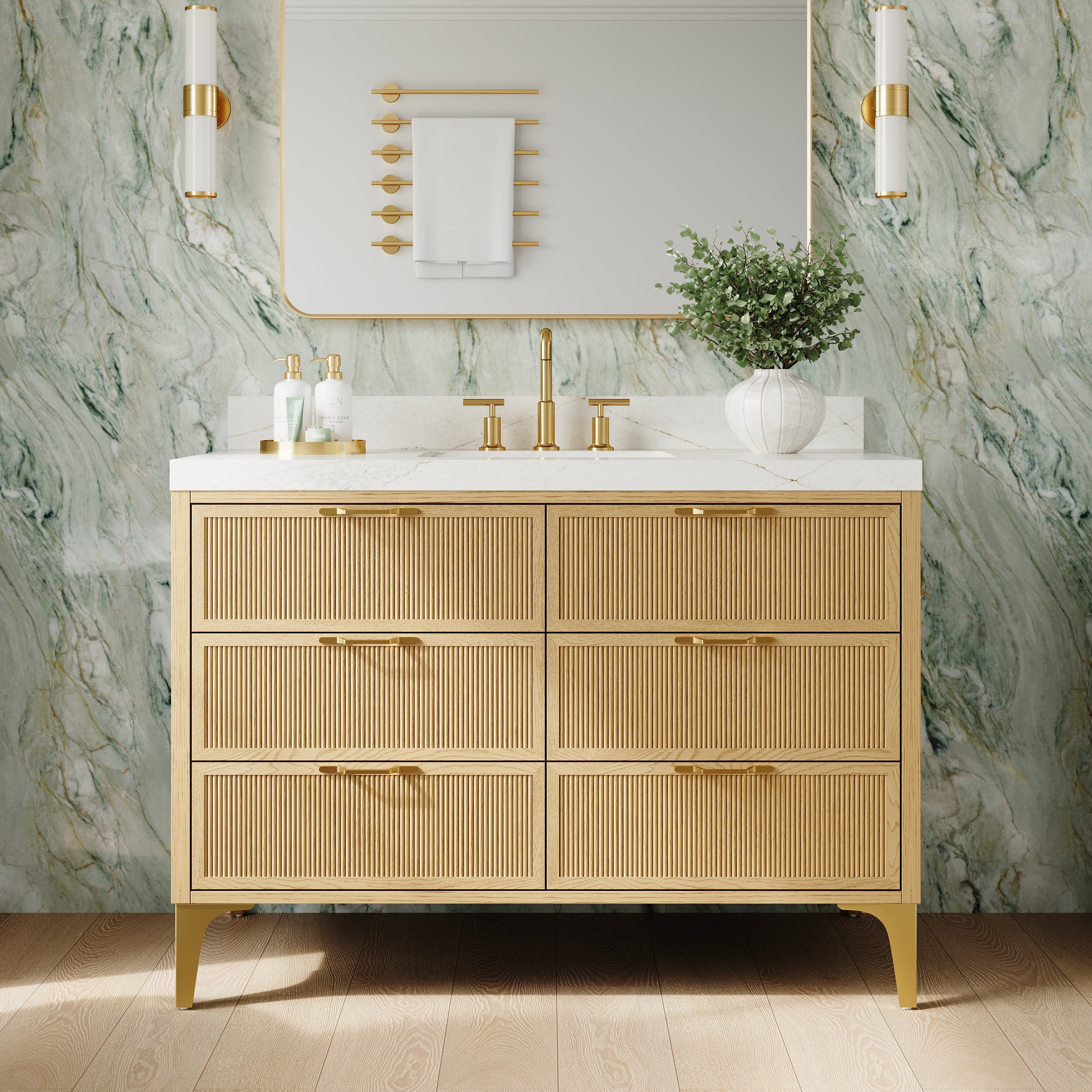
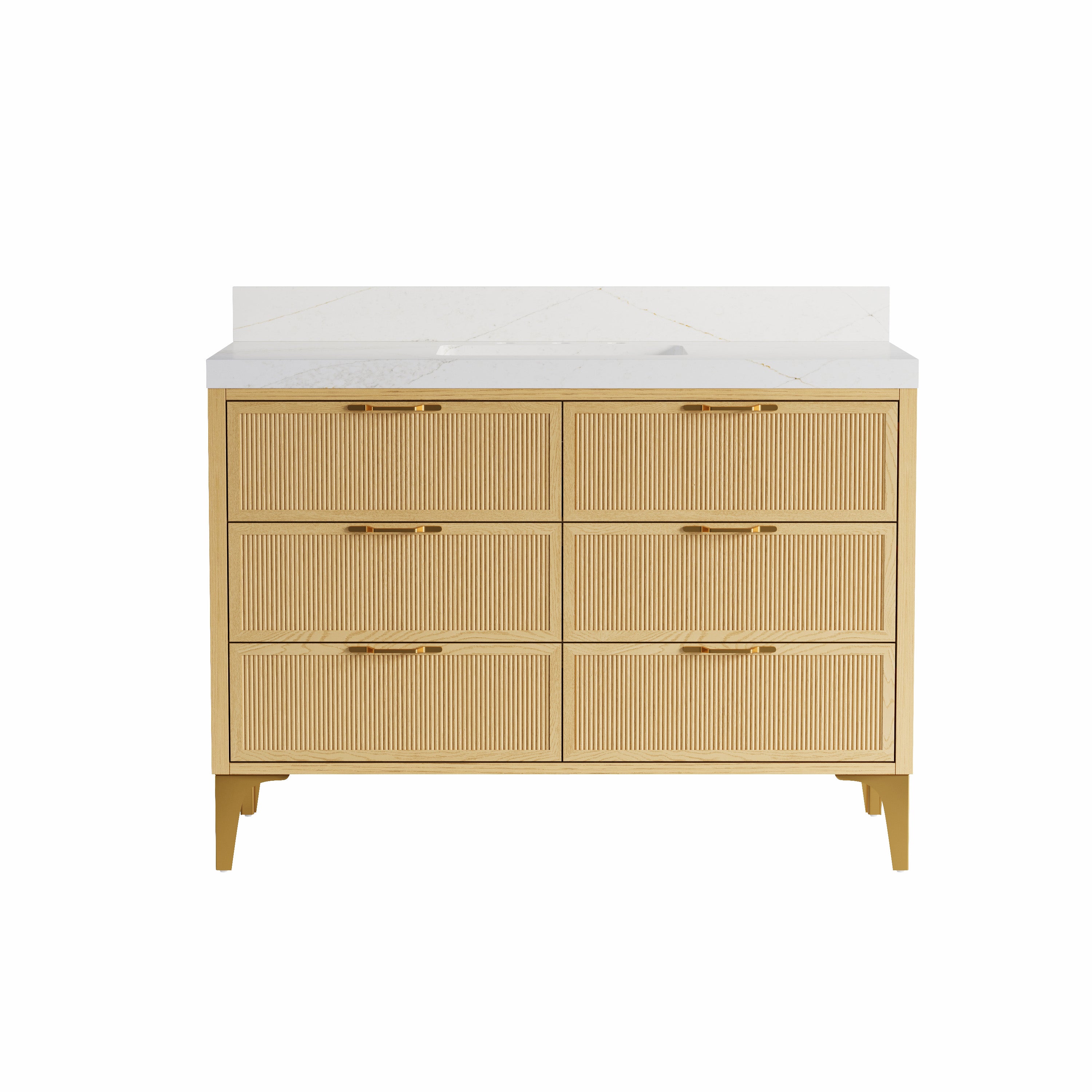


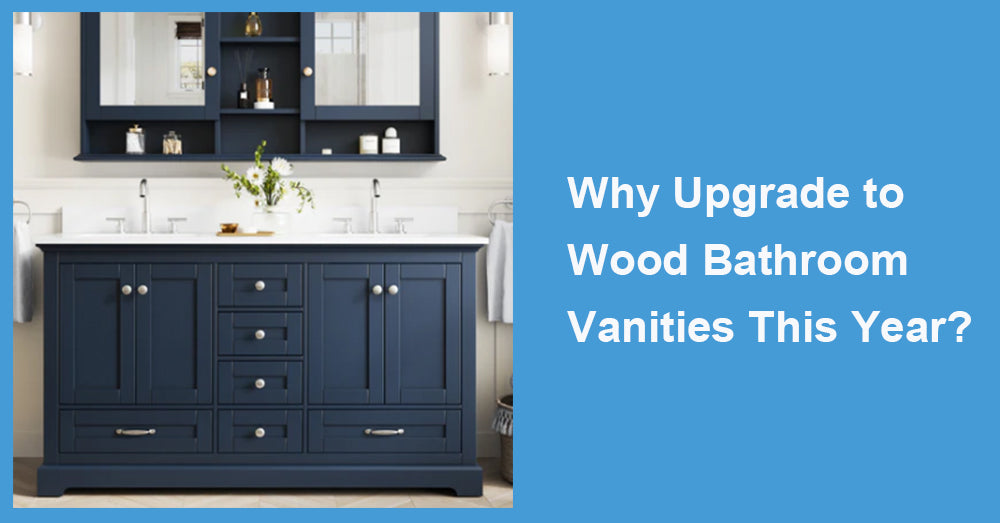
A wood vanity can transform a bathroom's overall feel, adding warmth, storage, and a more finished look to a space often dominated by tile, glass, stone, and metal. But choosing one is not just about picking a color or measuring the wall. The right cabinet has to fit the room, support the sink and countertop, withstand daily moisture, and match how people actually use the space. With bath remodels becoming more design-focused and storage-driven, buyers need to look more carefully at size, construction, finish, and long-term durability before making a purchase.
1. Why Wood Vanities Are Getting More Attention
Wood has become one of the most important materials in bath furniture because it adds a softer, more natural feel to the room. A white or gray bath can look clean, but it may also feel cold if every surface is hard and smooth. Wood helps balance that. Light oak can make a compact bath feel brighter. Walnut can make a larger primary bath feel richer and more grounded. Medium brown finishes can work well in both modern and transitional spaces.
Recent industry data supports this shift. Houzz reported in its 2025 bath trends research that solid wood was the leading wood material choice for new vanity cabinets, selected by 74% of renovating homeowners who chose wood. Wood tones also ranked as the top vanity color direction at 28%, ahead of white at 20%. This shows that wood is not only a classic choice, but also a strong current design preference.
However, not every wood cabinet is built the same way. A beautiful finish can hide weak drawer boxes, unsealed edges, thin panels, or poor moisture protection. That is why the buying process should go deeper than style.
2. Start With the Right Size
The first question is simple: what size actually fits the room? Common widths include 24, 30, 36, 48, 60, and 72 inches. A powder room may work best with a 24-inch or 30-inch cabinet. A guest bath often needs more counter space and may fit a 36-inch or 48-inch option. A primary bath may support a 60-inch or 72-inch design, especially if two sinks are needed.
Depth is just as important. Many full-size bath cabinets are about 21 to 22 inches deep. In narrow layouts, an 18-inch depth can make the space feel more usable. A cabinet can fit the wall and still be wrong if the drawers hit the door trim, the toilet, the shower glass, or the towel bar.
Before buying, measure the wall width, the walking space in front, the door swing clearance, the plumbing location, and the drawer clearance. If the cabinet has drawers, make sure they can open fully. If the room is small, a slimmer profile may be more useful than a wider cabinet that crowds the walkway.
3. Match the Style to the Bathroom
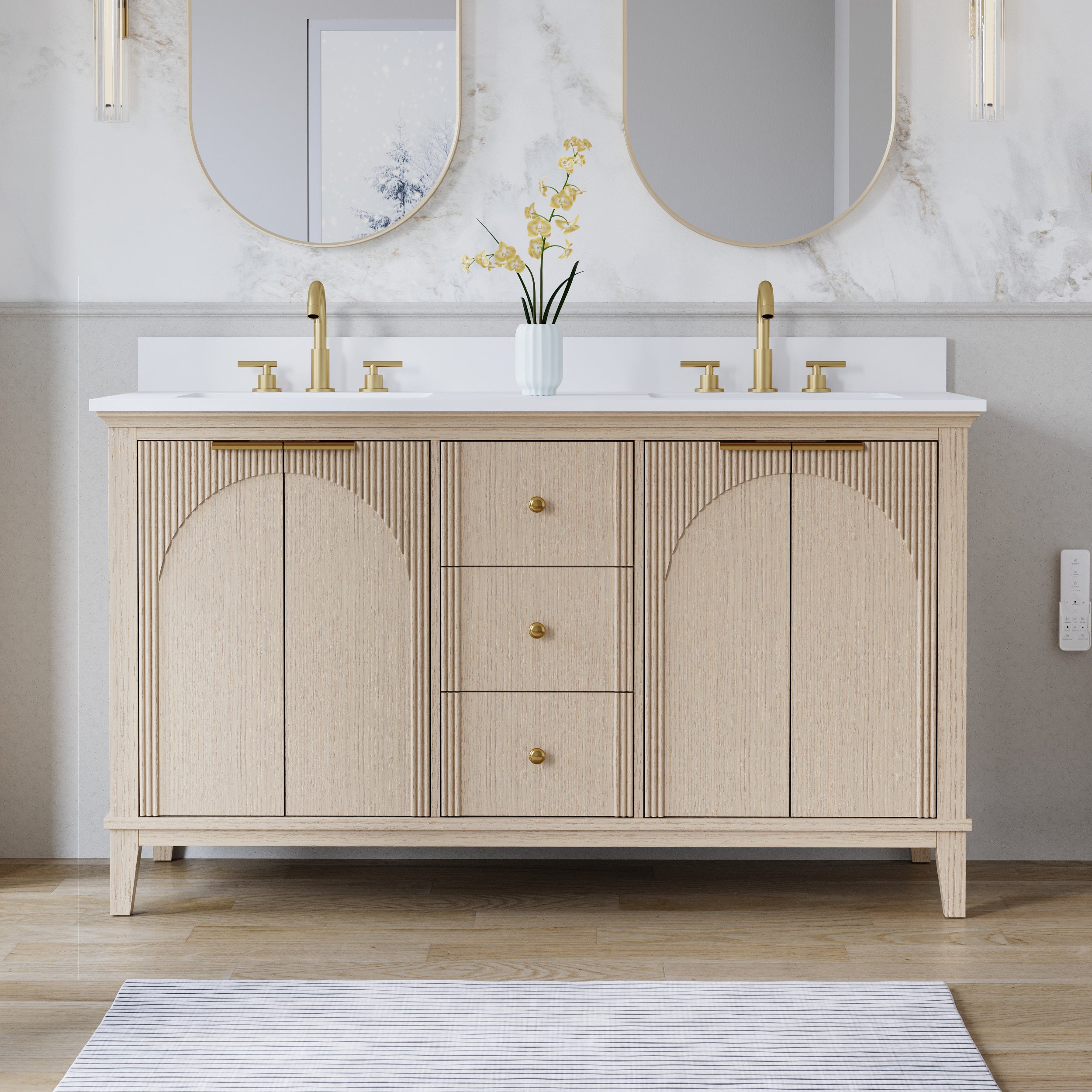
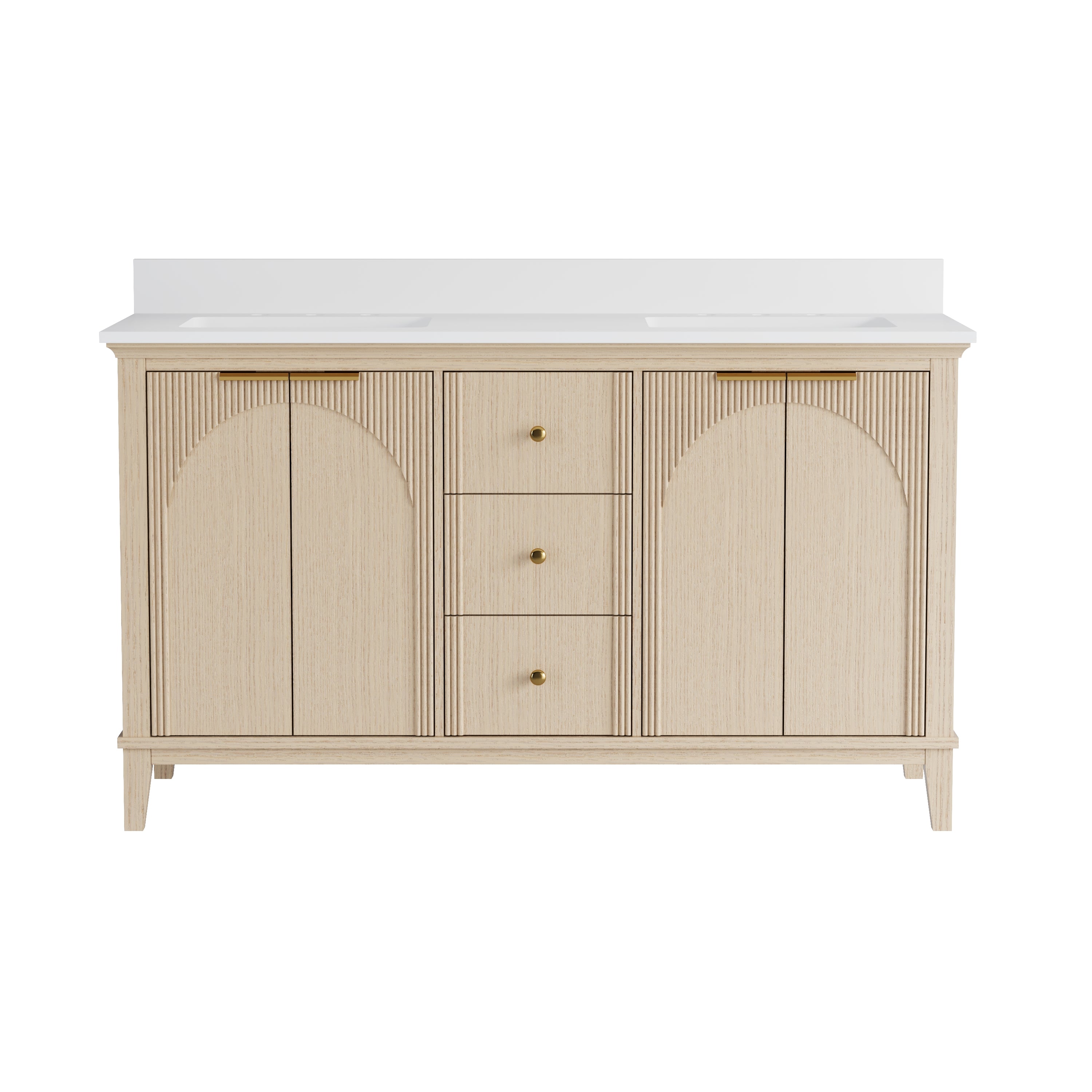
A wood cabinet should work with the entire room, not just look good on its own. Flat-panel doors are a strong choice for modern spaces because they keep the lines clean. Shaker doors fit transitional bathrooms because they add detail without becoming too heavy. Fluted fronts, reeded textures, curved corners, and open-leg designs can add character, but they need the right room to avoid looking busy.
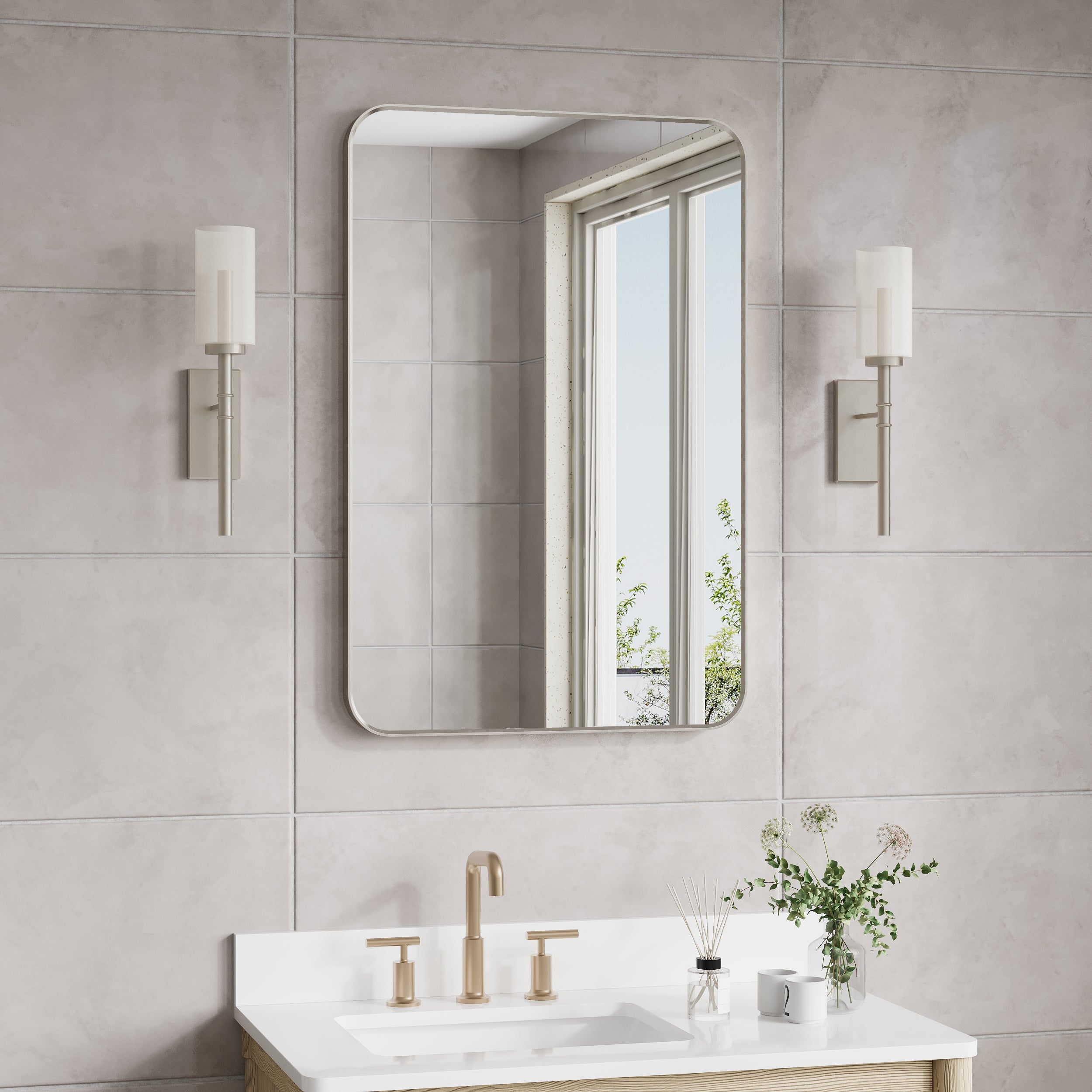
The finish should also connect with the floor, wall tile, countertop, faucet, mirror, and lighting. Light wood pairs well with white quartz, warm beige tile, brushed nickel, and soft gold hardware. Dark wood looks better when the room has enough light and visual space. Painted wood can also work, but the coating needs to be durable because chips and water marks are more visible on painted surfaces.
A good rule is to limit competition between materials. If the tile has heavy veining, keep the cabinet finish quieter. If the cabinet has strong grain, choose a simpler countertop. The best bath designs usually feel layered, not crowded.
4. Look Closely at Construction
Wood furniture for the bath has to deal with more stress than many other household cabinets. It is exposed to steam, splashes, wet hands, cleaning products, and plumbing connections. Strong construction matters.
Check the drawer boxes first. Dovetail joints are often a sign of better drawer construction because the corners interlock and resist pulling apart. Full-extension drawer slides make storage easier to reach. Soft-close hardware improves daily use and reduces slamming. Doors should sit evenly with consistent gaps, and hinges should feel stable.
The cabinet box also matters. Solid wood is often used for face frames, legs, doors, and drawer fronts. Plywood is commonly used for the cabinet body because it offers good strength and stability. MDF can be used for smooth, painted surfaces, but the edges need to be well sealed. Low-quality particleboard is more prone to moisture damage in damp spaces, especially if the surface coating is thin or damaged.

5. Check the Finish and Edges
The finish is not only decorative. It protects the wood from water, stains, soap, toothpaste, cosmetics, and cleaning products. A good topcoat should feel smooth and even across the doors, drawer fronts, side panels, and edges. It should not look cloudy, sticky, rough, or thin around corners.
Edges deserve special attention because water often enters through weak spots. Check the top edges, bottom rails, door edges, drawer fronts, plumbing cutouts, and sink area. If any part feels raw, sharp, or unfinished, moisture can become a problem later.
Bathrooms need protected wood, not exposed wood. A natural-looking cabinet can still have a sealed surface. Matte and satin finishes are popular because they look softer and more current, but they still require sufficient coating to withstand daily use.
6. Think About Countertops and Faucet Setup
A wood cabinet does not work on its own. The countertop and faucet affect how the whole vanity performs. Engineered quartz remains a practical countertop choice because it is nonporous, consistent, and easier to maintain than many natural stones. Houzz found that engineered quartz was the leading vanity countertop material in its 2025 bath study, selected by 45% of renovating homeowners.
White and off-white tops pair especially well with wood. A white top can make walnut or medium brown wood feel cleaner. An off-white top can make light oak feel warmer. Dark tops can look dramatic, but they may show water spots and toothpaste marks more easily.
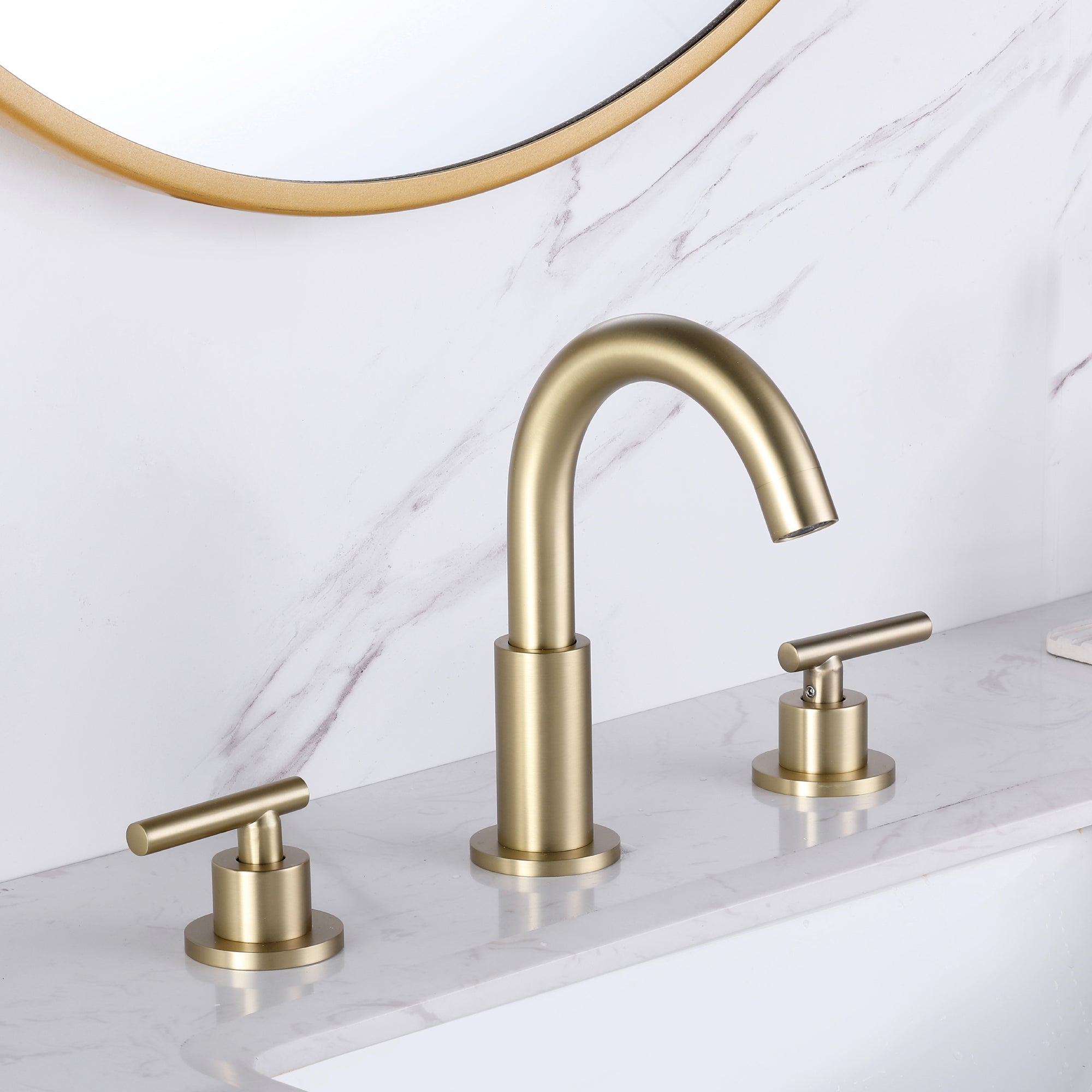
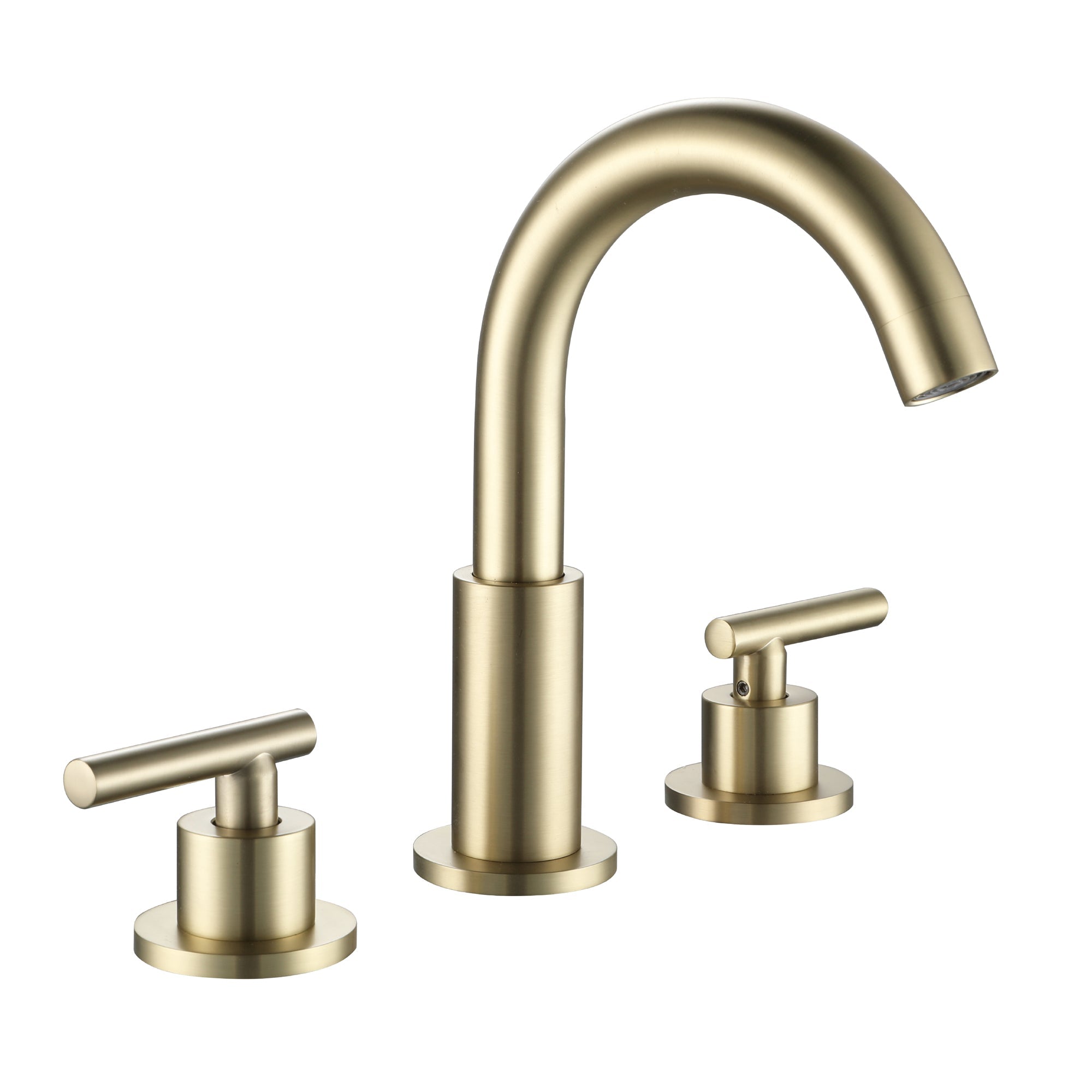
The faucet should match the sink and counter depth. EPA WaterSense sets its labeled bathroom sink faucet flow limit at 1.5 gallons per minute, compared with the older 2.2 gallons per minute benchmark. In practical terms, that can reduce water use at the sink by about one-third without making the faucet feel weak when the product is properly designed.
7. Storage Should Match Daily Habits
Storage is one of the biggest reasons people choose a larger cabinet. NKBA’s recent bath trend report shows that designers are paying more attention to primary bath space planning, storage, and wellness-focused layouts. The organization reported that 89% of surveyed professionals view space allocation in the primary bath as a major priority. In comparison, 72% expect bath footprints to increase for better storage, universal design, and wellness features.
For buyers, this means storage should be planned around real routines. Shallow drawers are useful for daily grooming products. Deep drawers work for towels and hair tools. Adjustable shelves help with taller bottles. Open shelves can look attractive, but they require neat storage baskets to stay organized.
A cabinet that looks stylish but lacks useful storage can quickly become frustrating. The best design keeps daily items accessible without cluttering the countertop.
8. Choose for Long-Term Use, Not Just First Impression
A wood vanity is a major piece in the bathroom, so it should be chosen for years of use, not just the first photo after installation. The right one should fit the wall, provide adequate clearance, support the sink and countertop, resist moisture, and match the room's style.
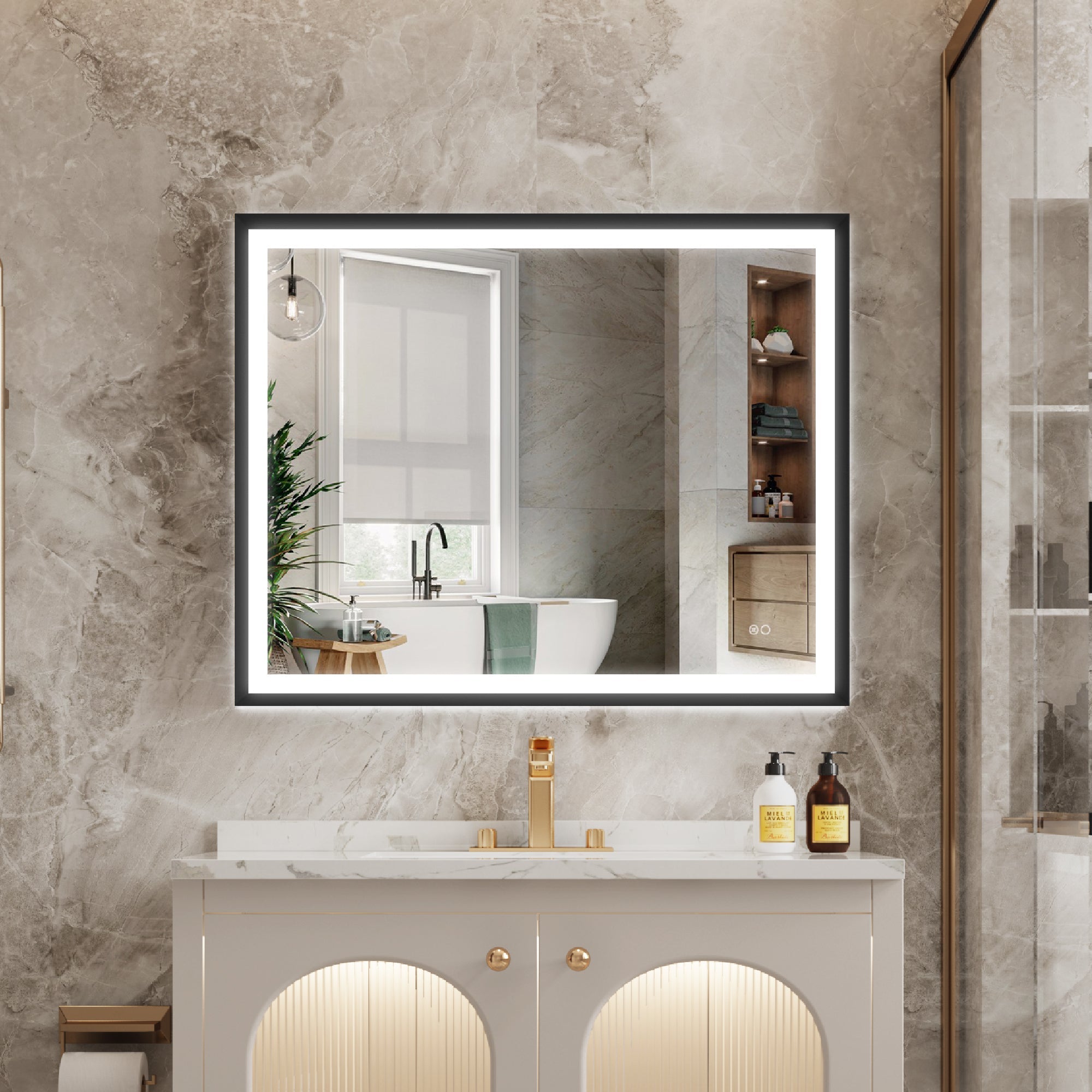
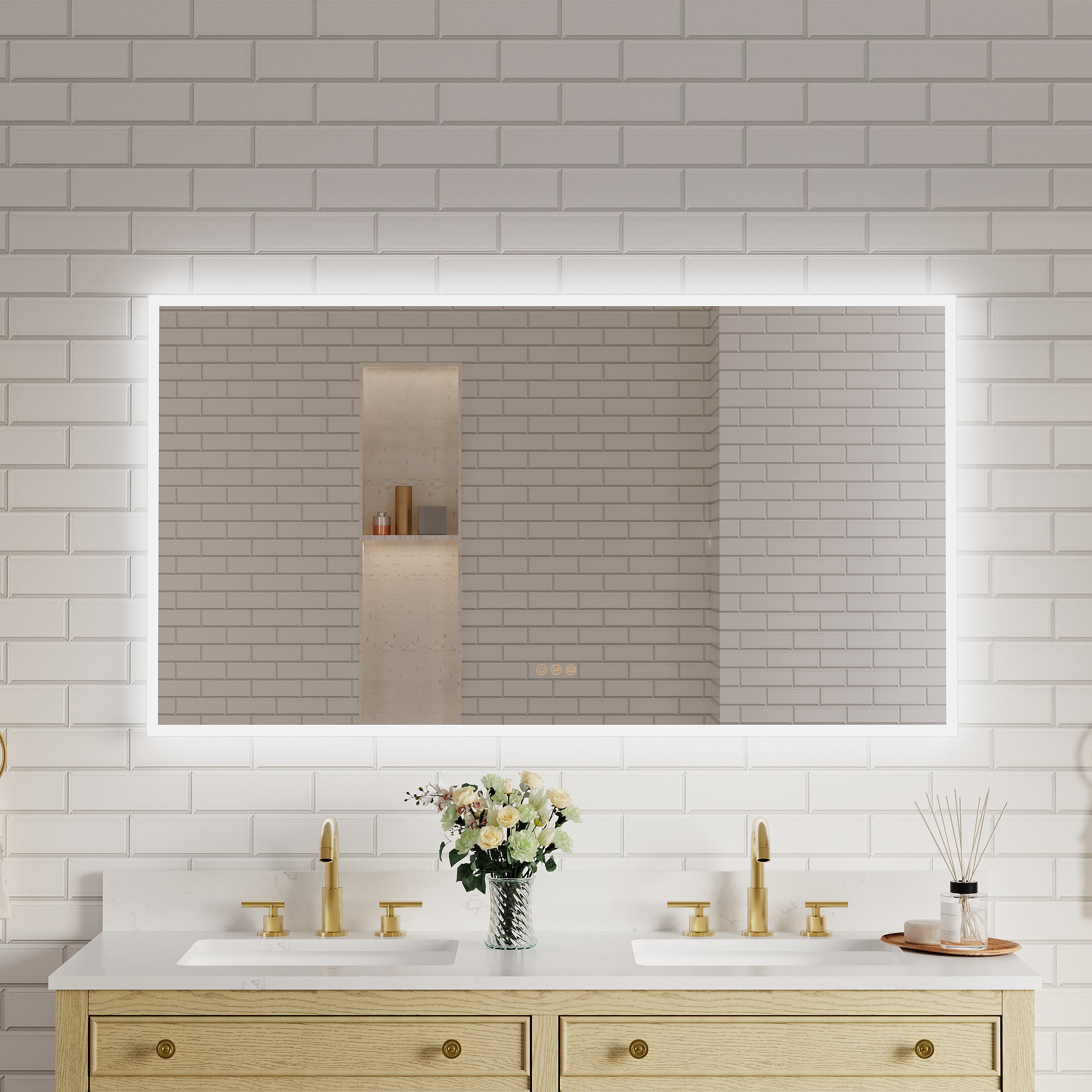
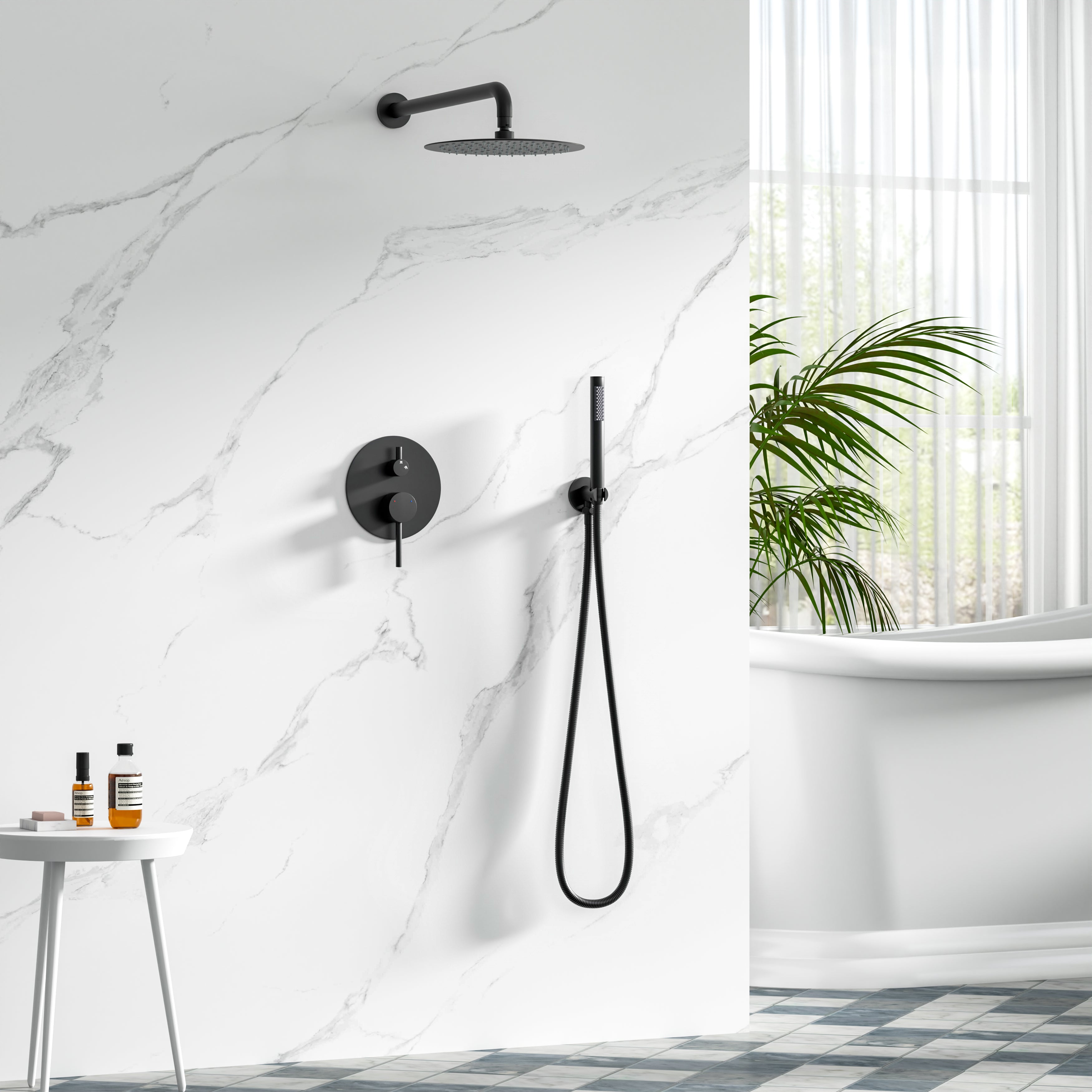
For a small bath, choose a compact size, lighter finish, and simple hardware. For a shared bath, focus on drawers, counter space, and durable surfaces. For a larger primary bath, coordinate the cabinet with the mirror, lighting, faucet, shower hardware, floor tile, and countertop before ordering.
The smartest purchase is not always the widest cabinet or the trendiest finish. It is the one with the right size, solid construction, sealed surfaces, and storage that supports daily life. When those details come together, a wood cabinet becomes more than a design feature. It becomes the piece that makes the bathroom feel complete, organized, and comfortable.











Leave a comment
This site is protected by hCaptcha and the hCaptcha Privacy Policy and Terms of Service apply.