
















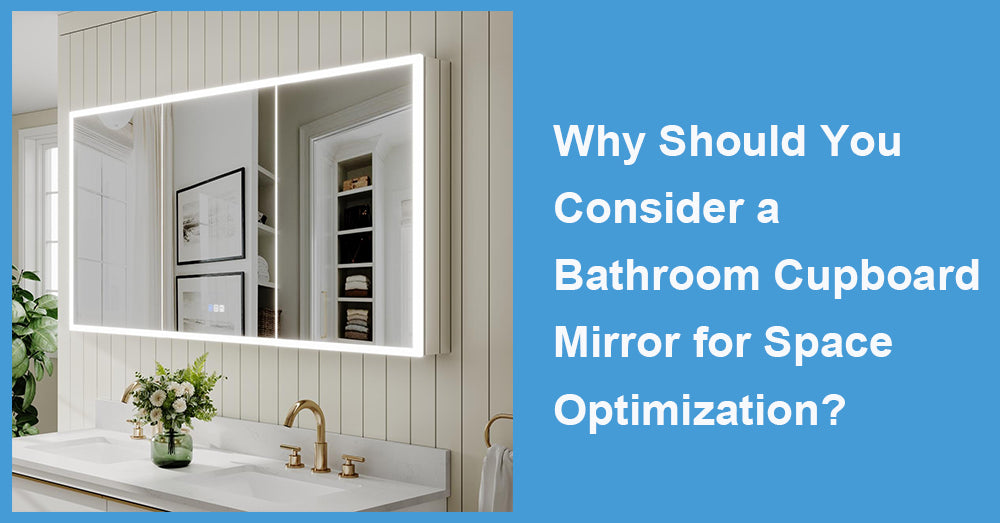
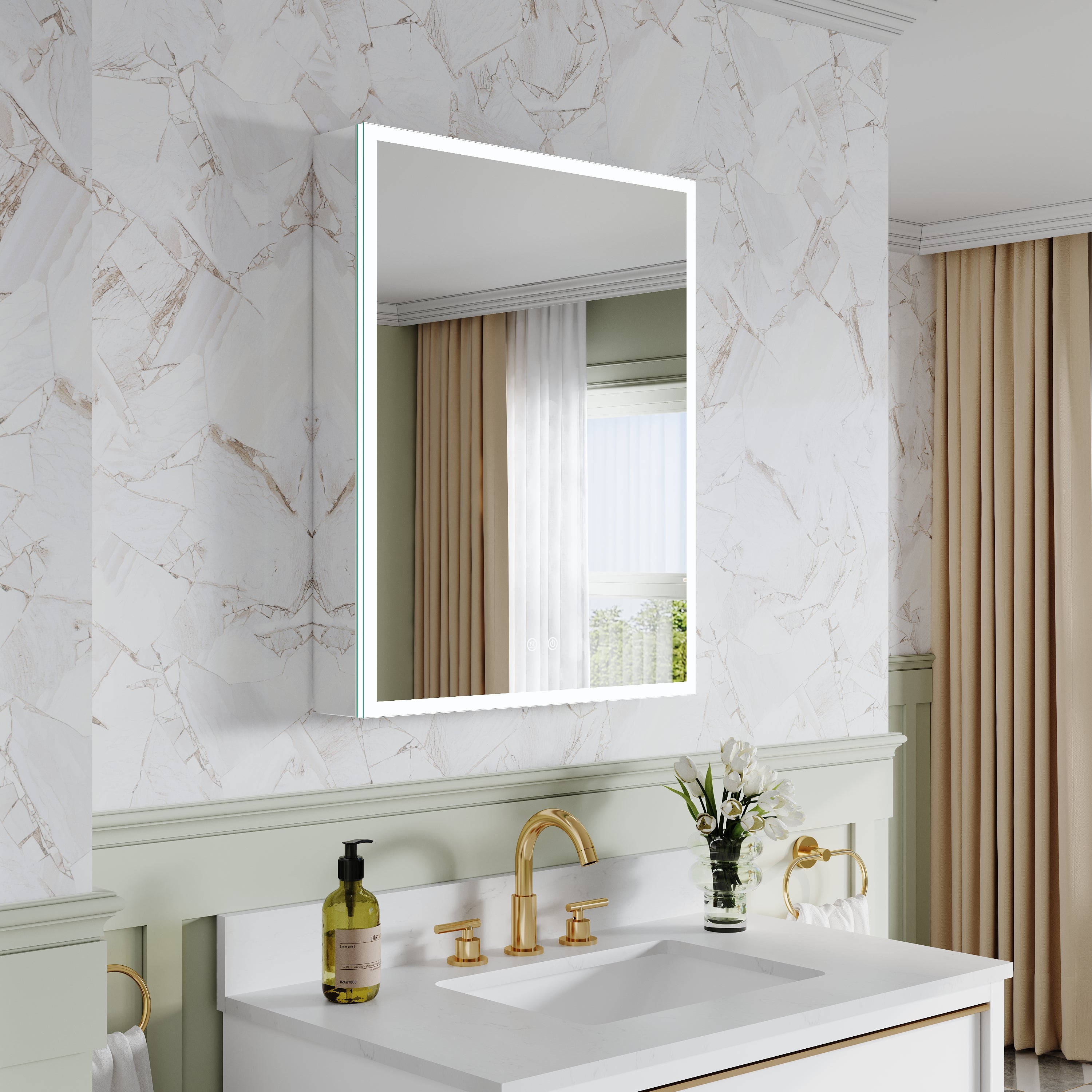
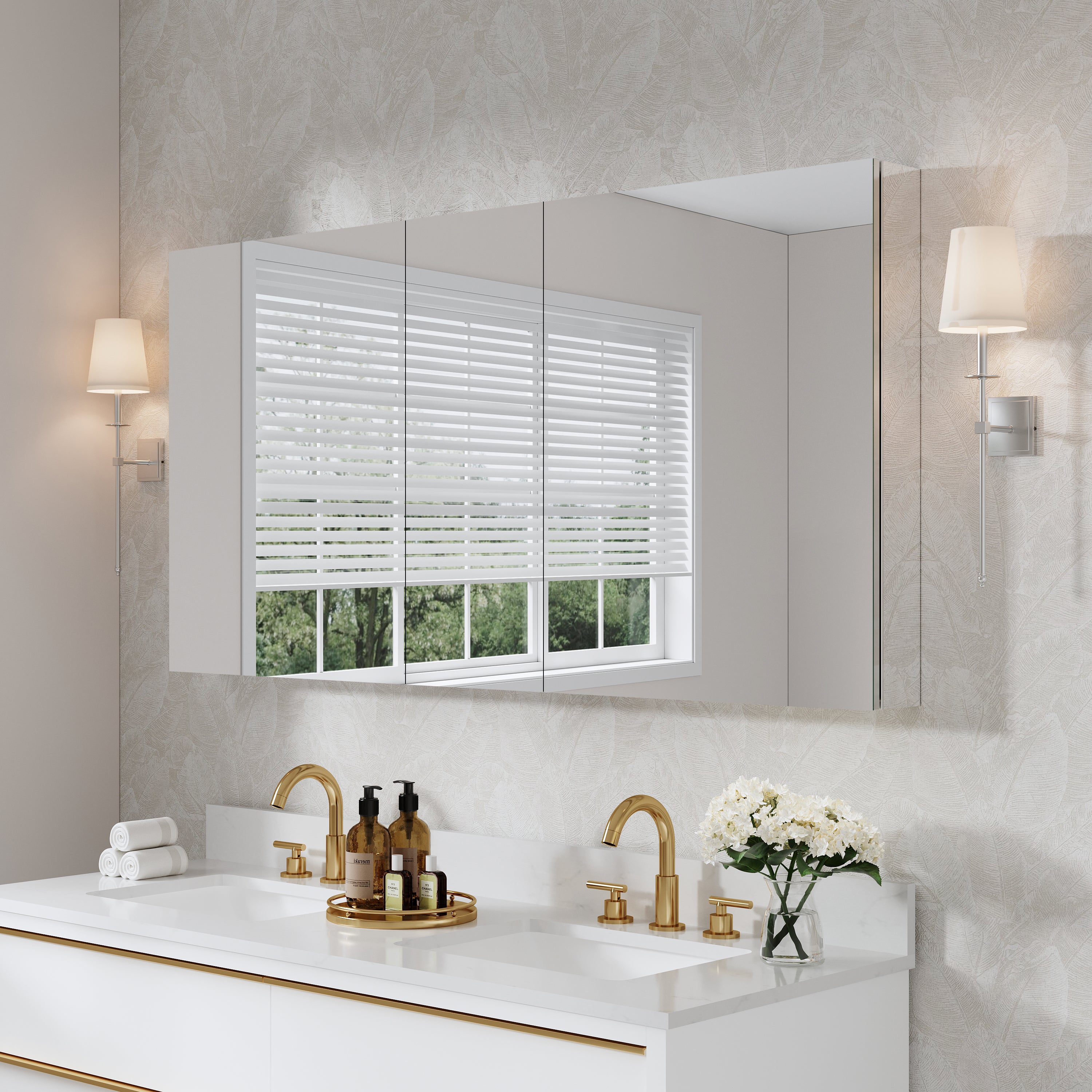
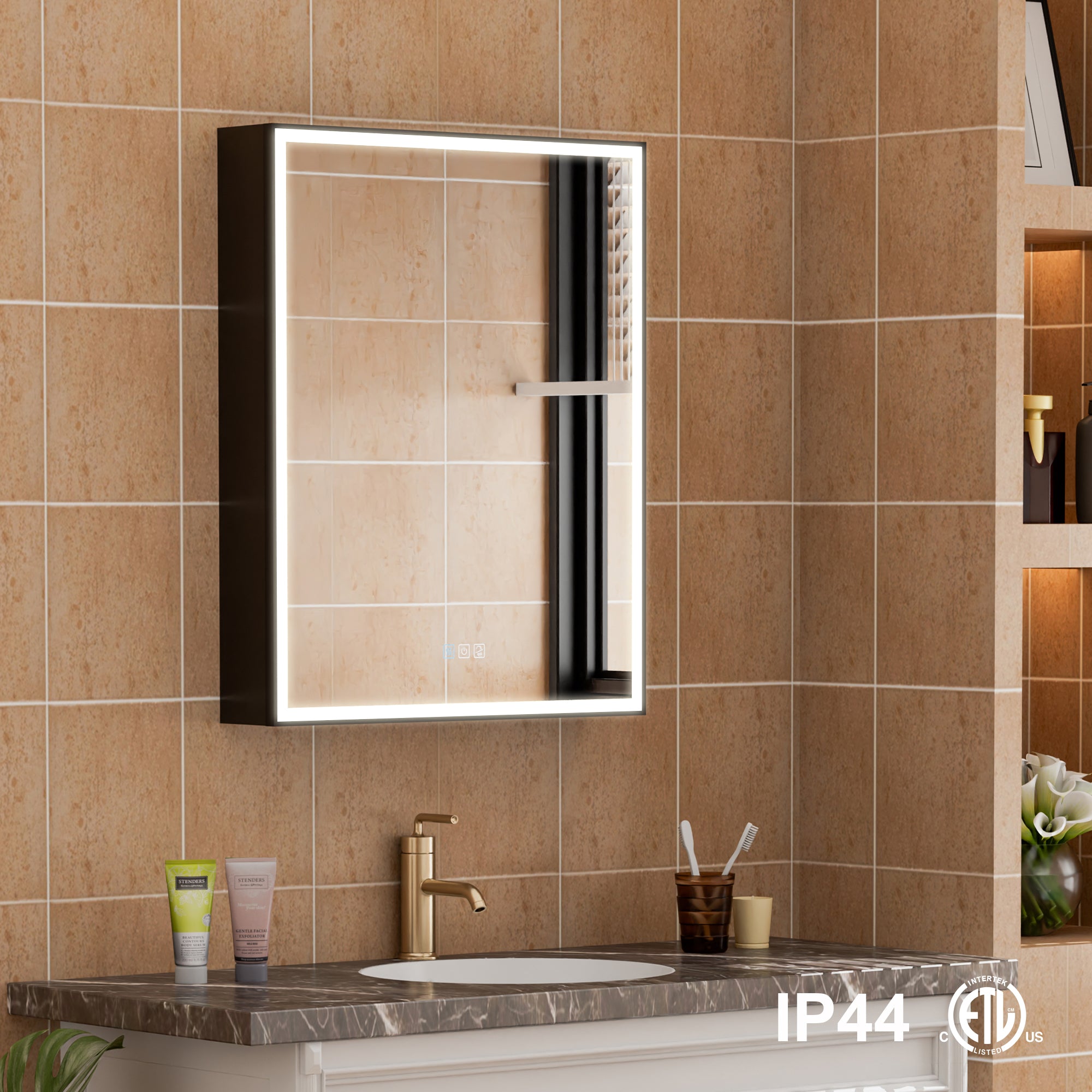
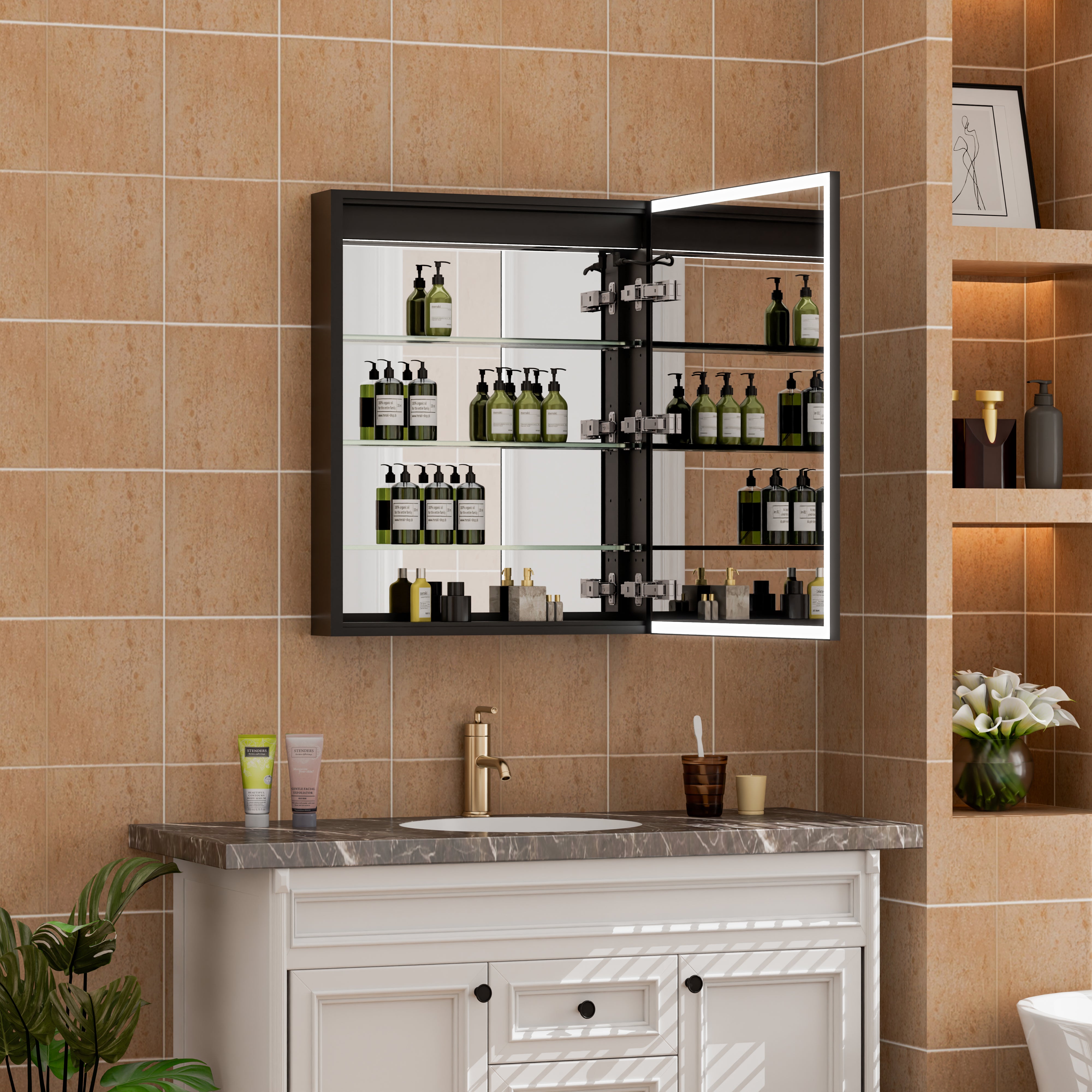
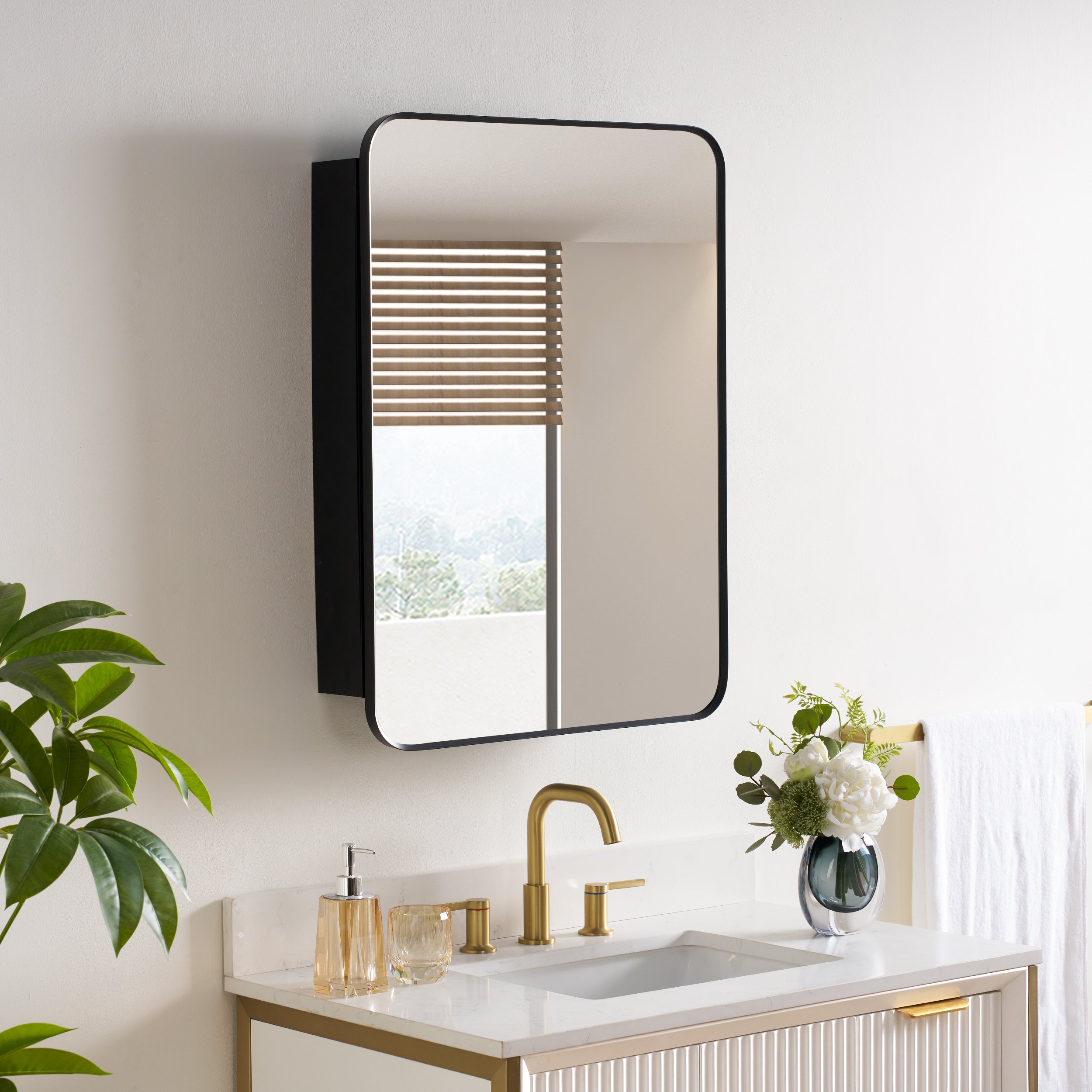
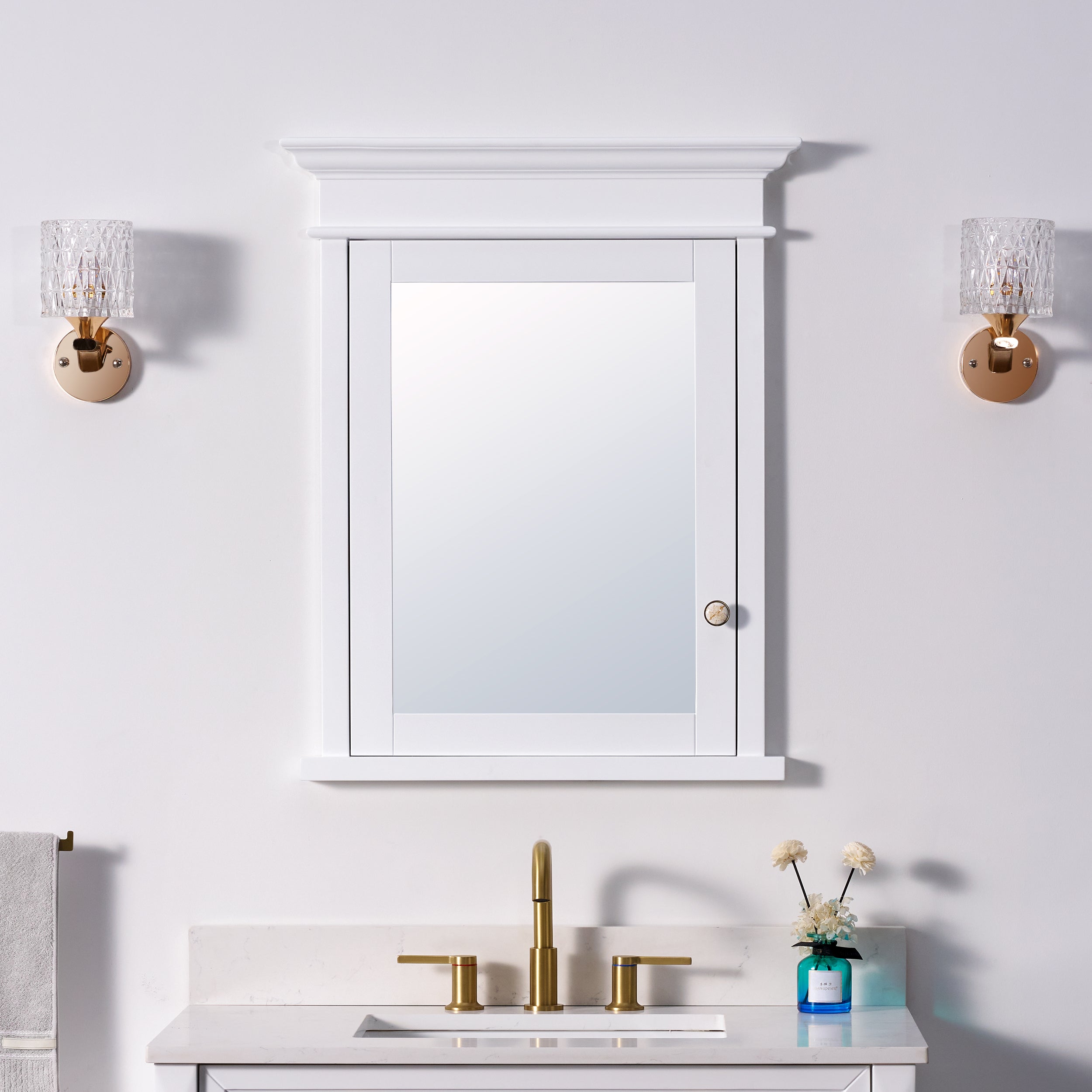
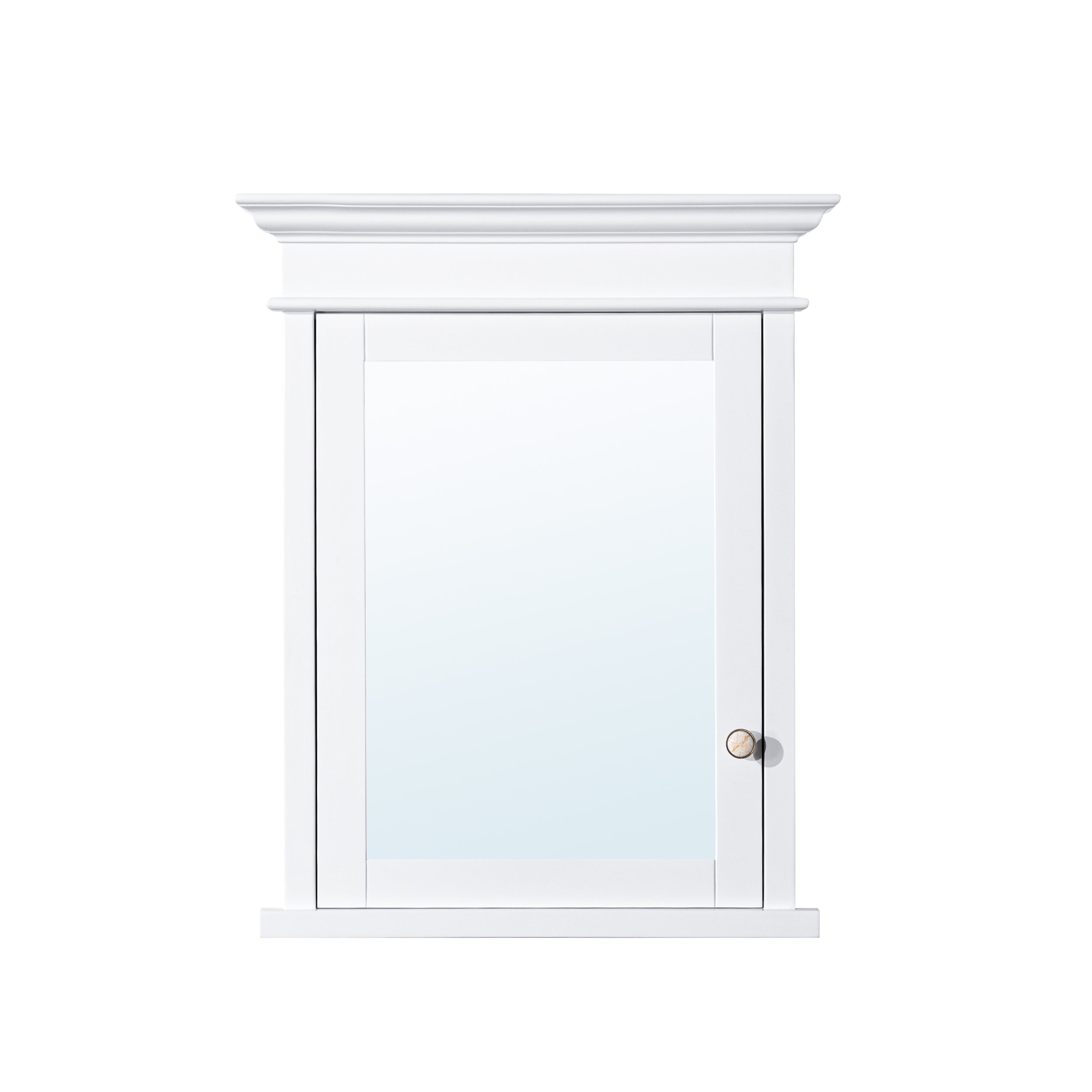
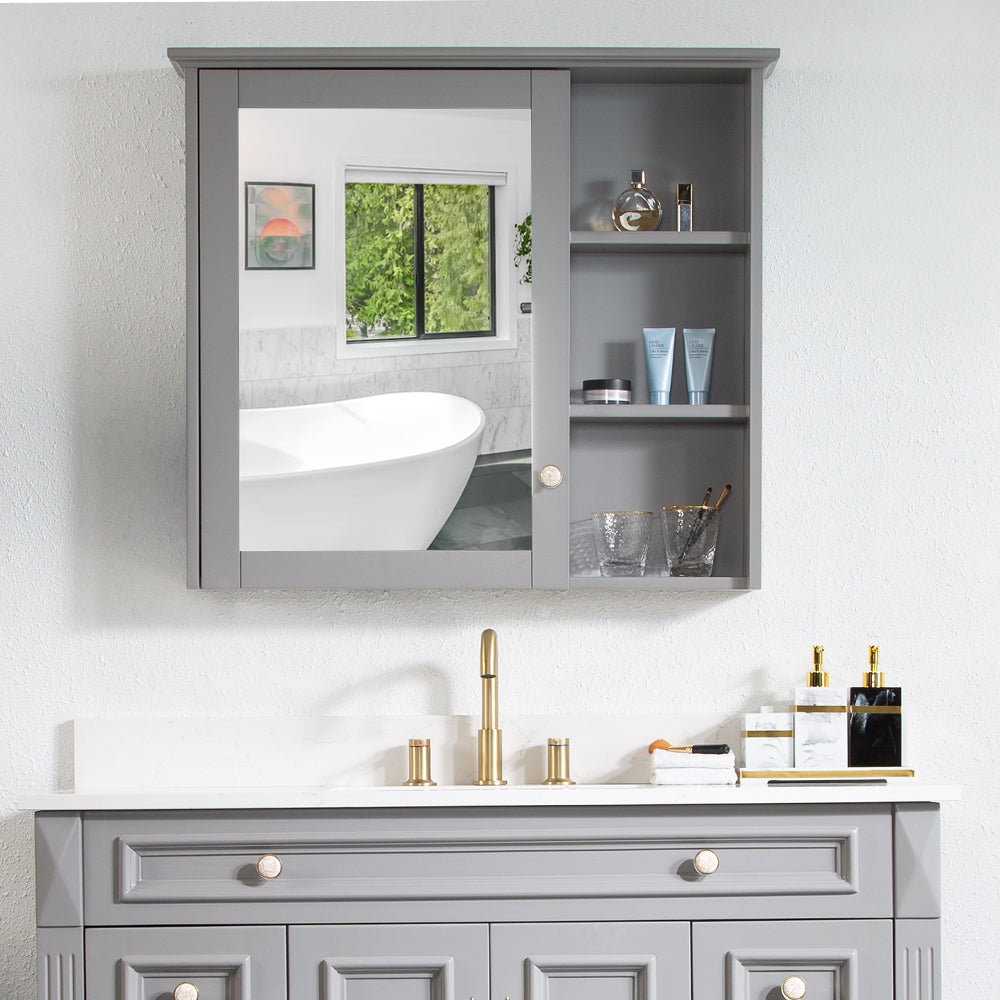
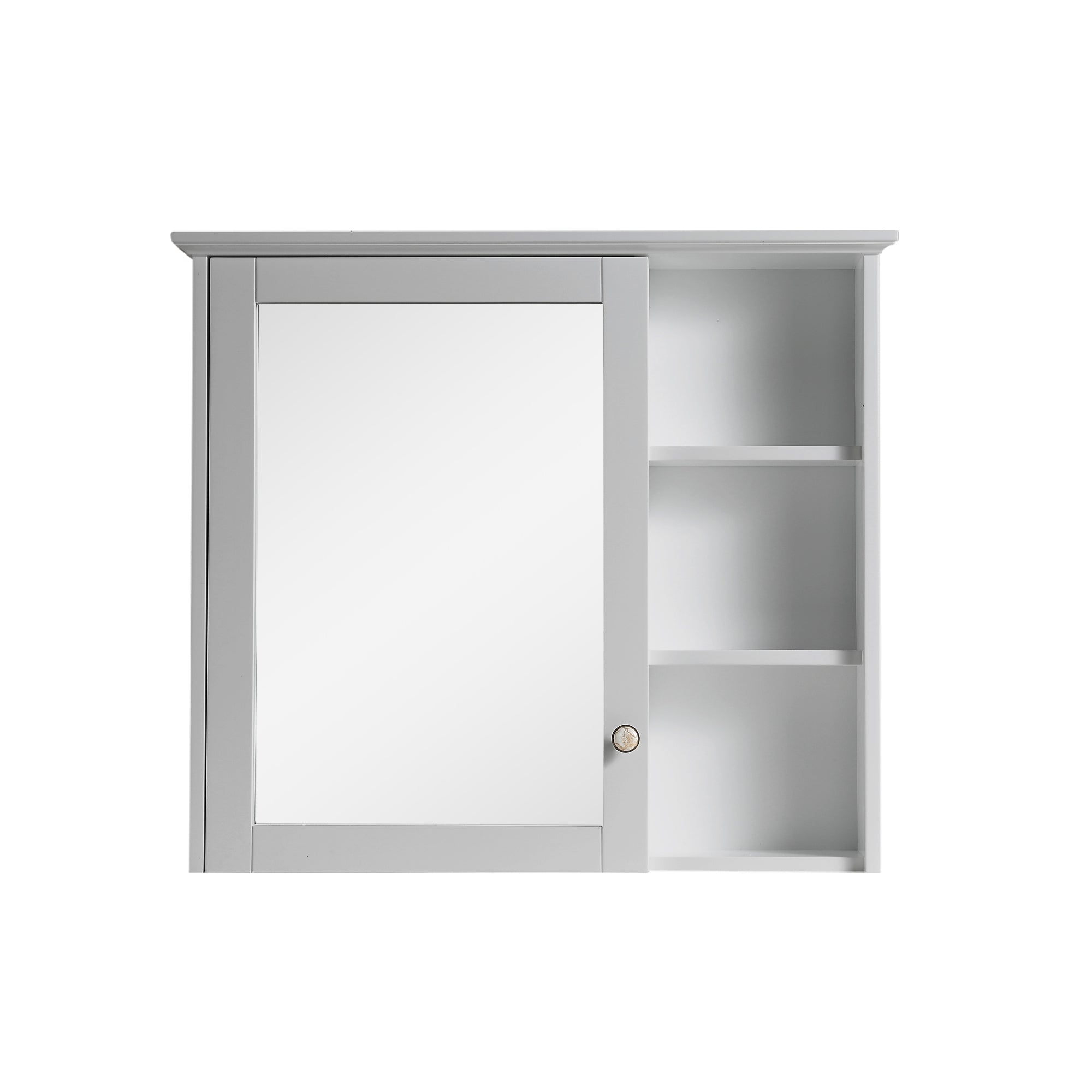
A bathroom cupboard mirror is one of the smartest upgrades for space optimization because it combines two essentials—your main mirror and your most-used storage—into a single, wall-mounted zone. Instead of spreading toiletries across the countertop or relying on bulky floor cabinets, a cupboard mirror uses “vertical real estate” above the vanity to hide clutter, streamline routines, and make the room feel larger and calmer. When chosen and installed correctly, it improves storage capacity, daily function, and the overall look of the vanity wall without demanding extra square footage.
1. It Solves the Real Space Problem: Countertop Clutter
Most bathrooms don’t feel “small” only because of square footage—they feel small because surfaces are busy. A cupboard mirror reduces the number of items living on the counter by giving everyday essentials a dedicated home behind the mirror. This is a space optimization win in three ways:
· Visual space: fewer items on the counter makes the room look larger and cleaner.
· Functional space: you reclaim usable counter area for handwashing and daily routines.
· Time efficiency: items stay in one consistent location, reducing “where did I put it?” moments.
If you want a bathroom to feel more open without a full remodel, the fastest route is often removing clutter from sight—exactly what a cupboard mirror is built to do.
2. It Uses the “Best Storage Wall” in the Bathroom
The vanity wall is typically the most valuable wall because you already stand there daily. A cupboard mirror puts storage exactly where you use it—at face height—so you don’t bend down, open drawers, or walk across the room for basics.
Recessed vs. surface-mount: space optimization choices
· Recessed (in-wall) cupboard mirrors maximize space efficiency by reducing projection into the room. They’re ideal in tight bathrooms because they keep walkways clear and create a built-in look.
· Surface-mount models are often easier to install (especially when you don’t want to cut tile), but they add depth to the wall—so you’ll want a cabinet with a slim profile and good door clearance.
The “best” option depends on your wall conditions and how tight the bathroom feels when you stand at the sink.
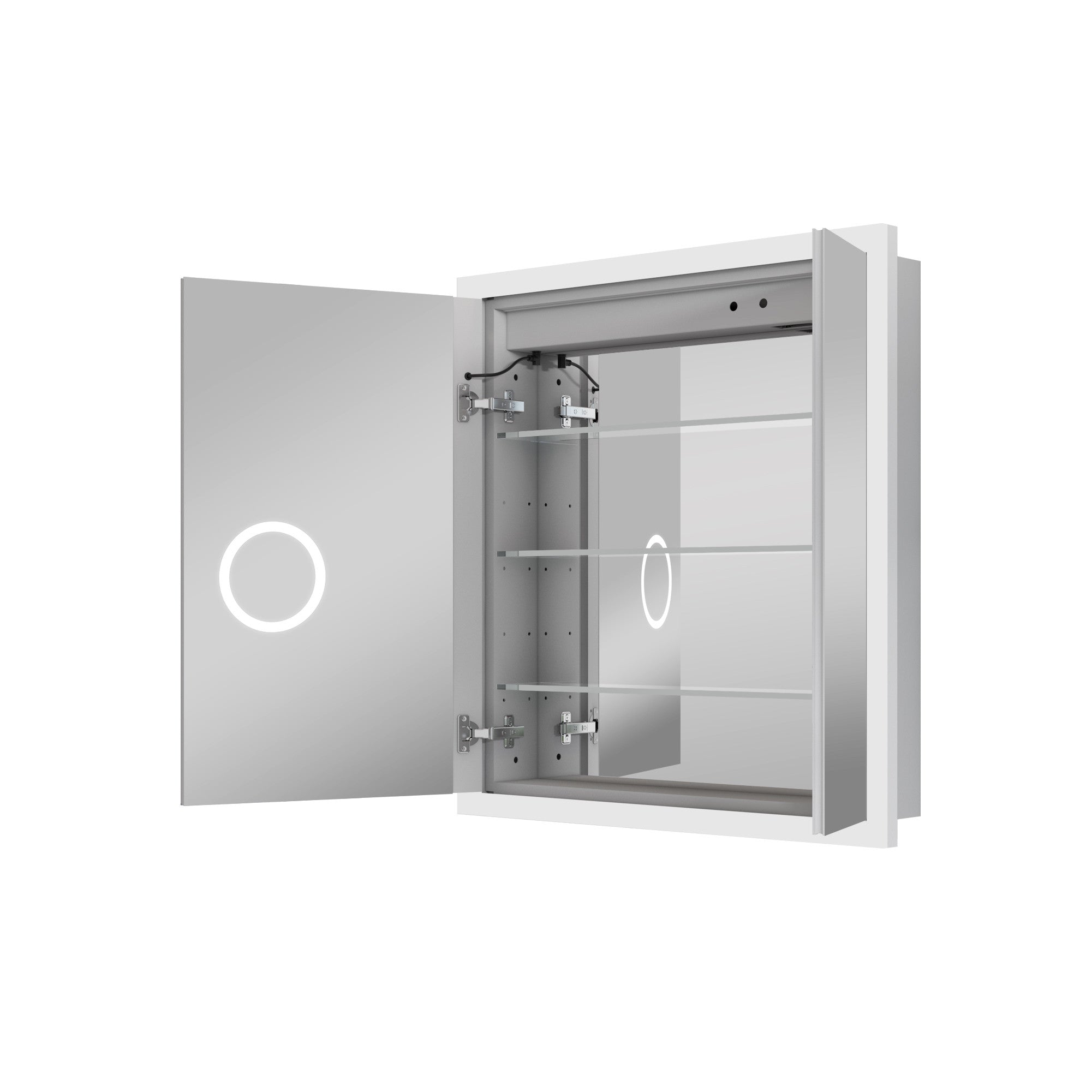
3. Depth Is the Hidden Metric That Decides Whether Storage Is Truly Useful
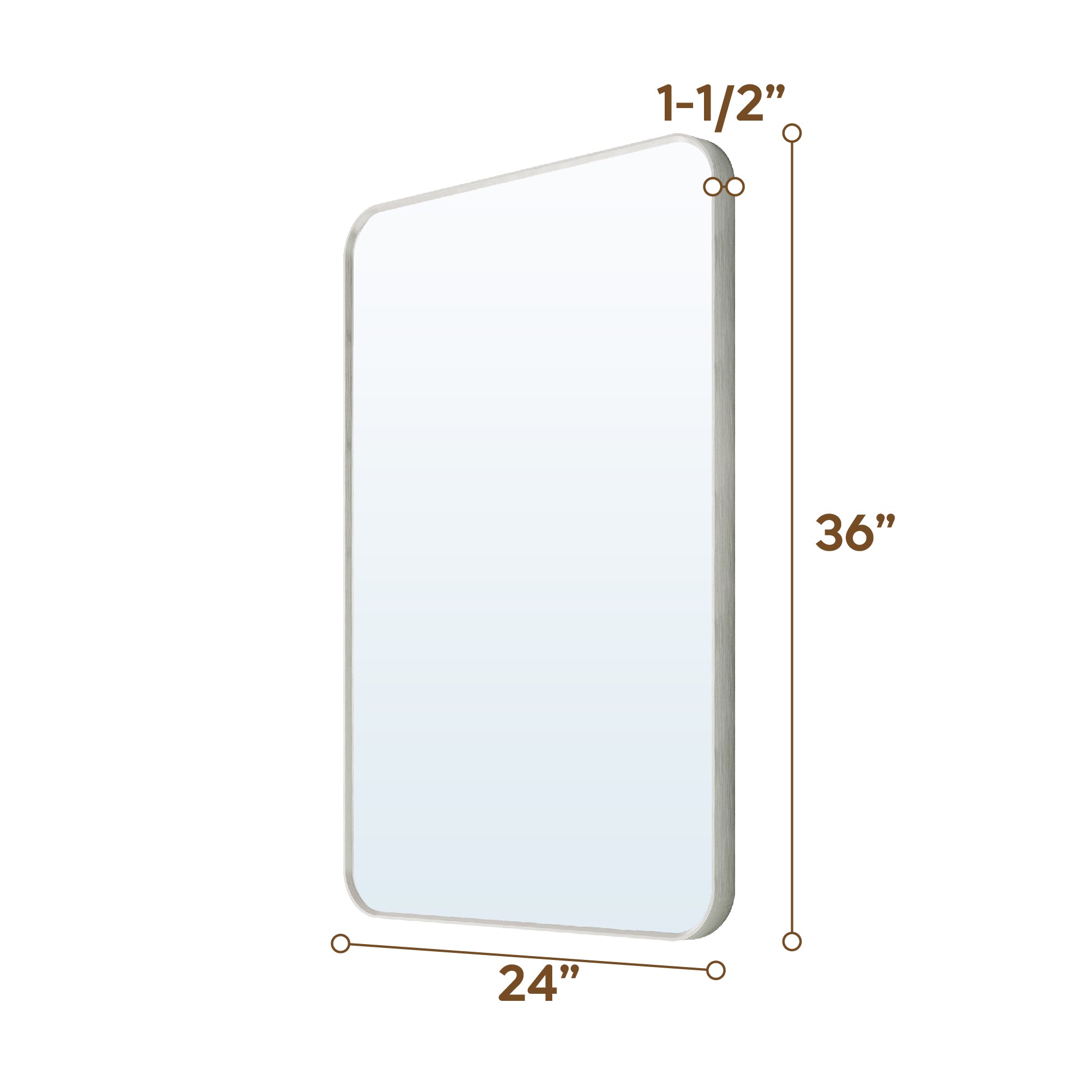
A cupboard mirror must be deep enough to hold real items, but not so deep that it feels bulky. Many sizing references describe common medicine-cabinet-style depths around 4–5 inches, often yielding roughly 3–4 inches of usable interior storage depending on construction (Source: Simple Project US, “What Is the Standard Medicine Cabinet Size?”).
That range often hits the sweet spot: it fits typical toiletries while keeping the cabinet from dominating the room.
Practical sizing tip: measure your tallest must-fit item (skincare bottle, hair product, electric toothbrush accessory) and make sure it fits upright with shelf spacing you can actually use.
4. It Improves Everyday Function With Better Organization “Zones”
Space optimization is not just “more storage.” It’s storage that matches behavior. A cupboard mirror works best when it supports a simple, repeatable organization system:
· Daily zone: toothbrush, toothpaste, cleanser, moisturizer, razor
· Weekly zone: treatments, masks, grooming tools
· Backup zone: refills and extras (kept higher or lower)
Features that make this system work:
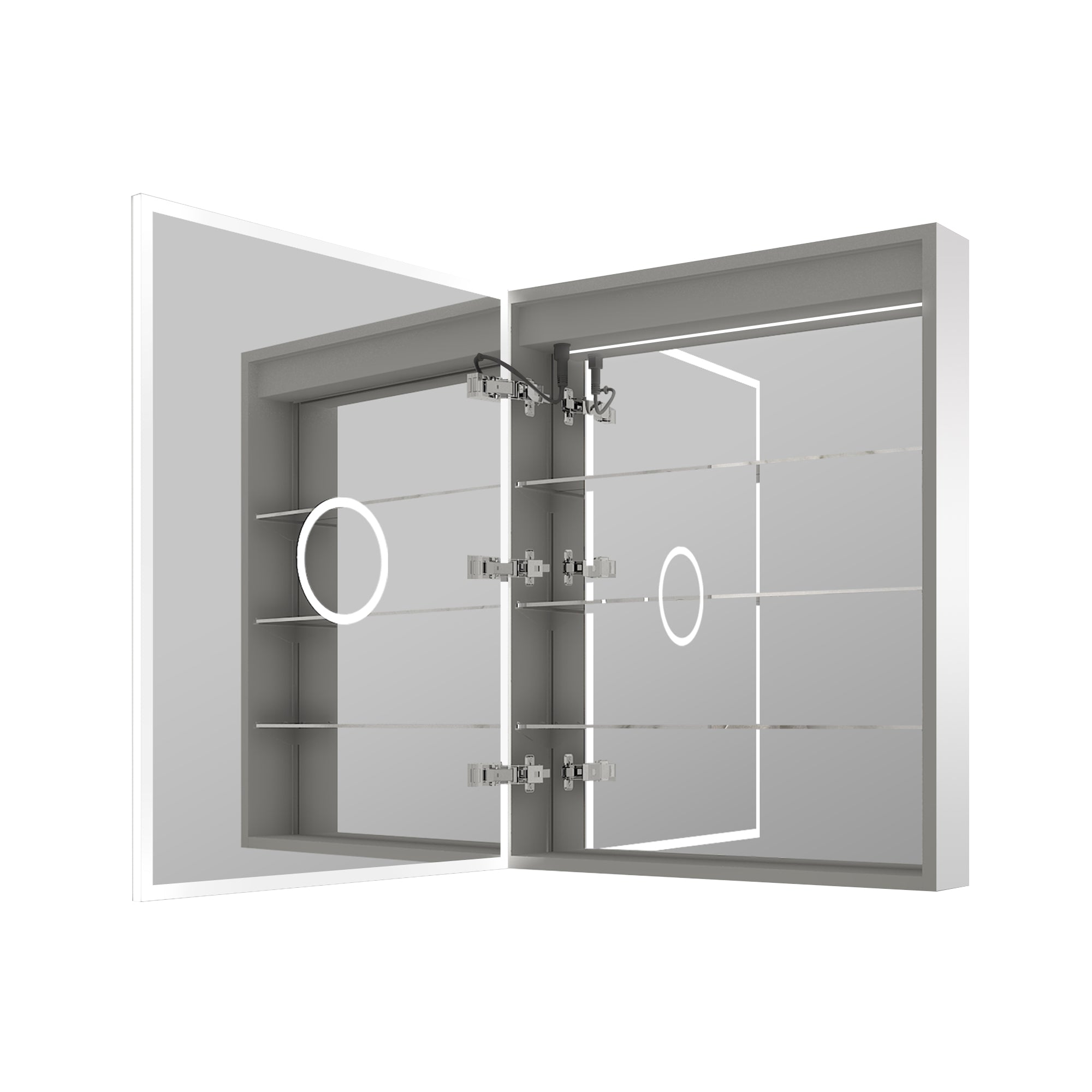
· Adjustable shelves: the single most important feature for real storage efficiency.
· Stable shelf supports: prevents wobble and noise.
· Logical interior layout: so small items don’t get lost behind tall ones.
When the cabinet supports these zones, the countertop stays clean—which is the most visible form of “space gained.”
5. It Can Make the Bathroom Feel Brighter and Larger (Without Adding Floor Space)
Mirrors amplify perceived space by reflecting light and extending sightlines. A cupboard mirror does that and also removes visual clutter, which makes a bathroom feel more open even if nothing moves.
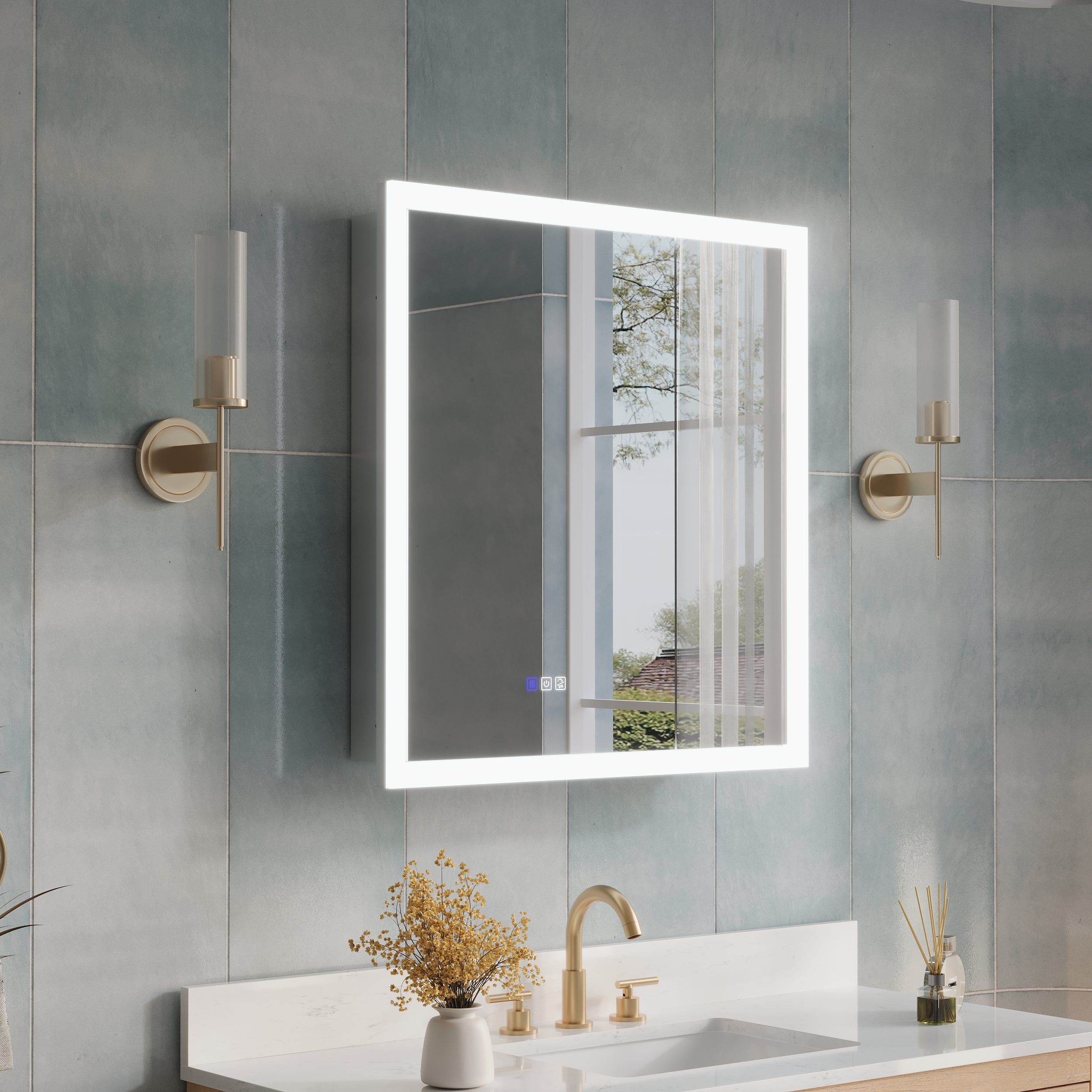
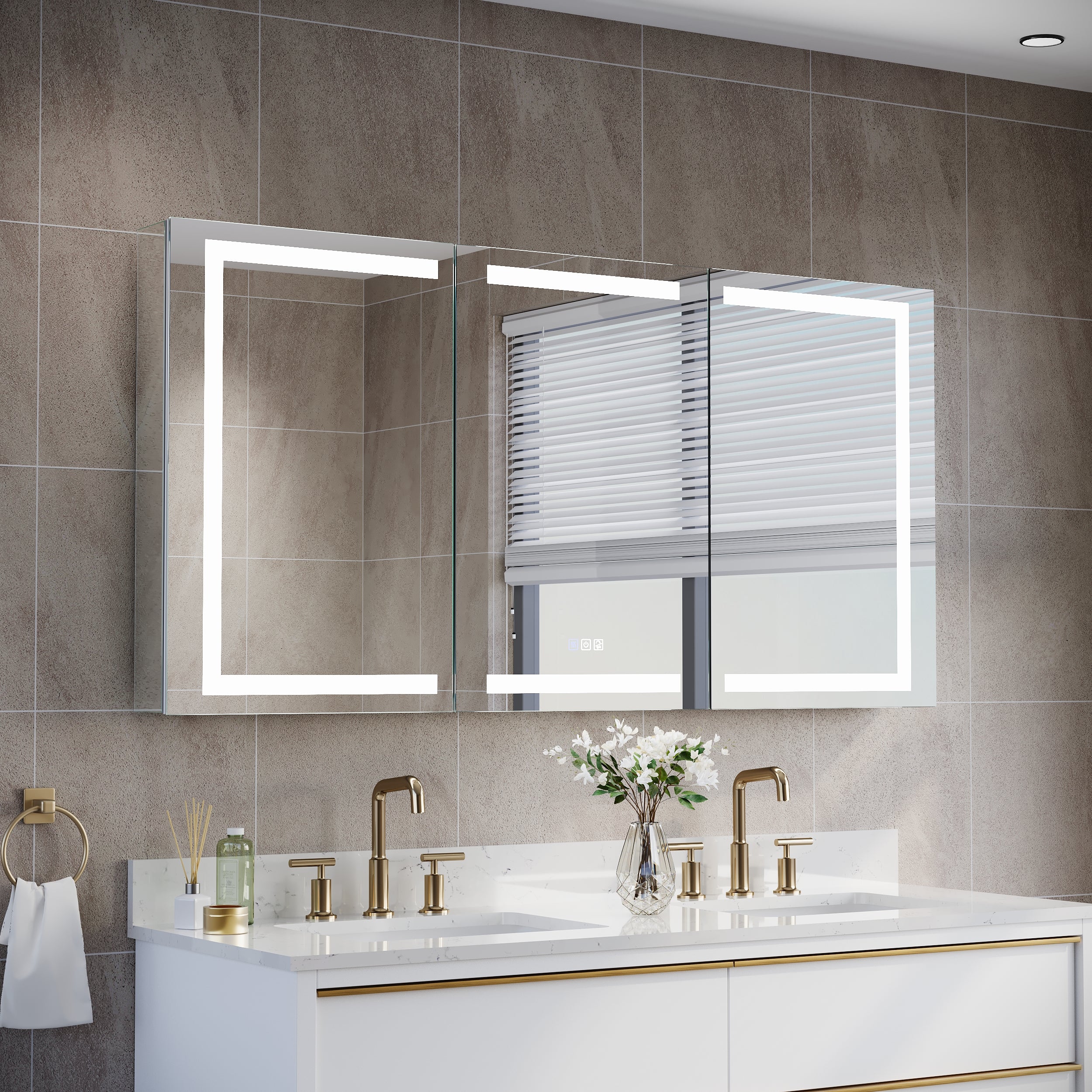
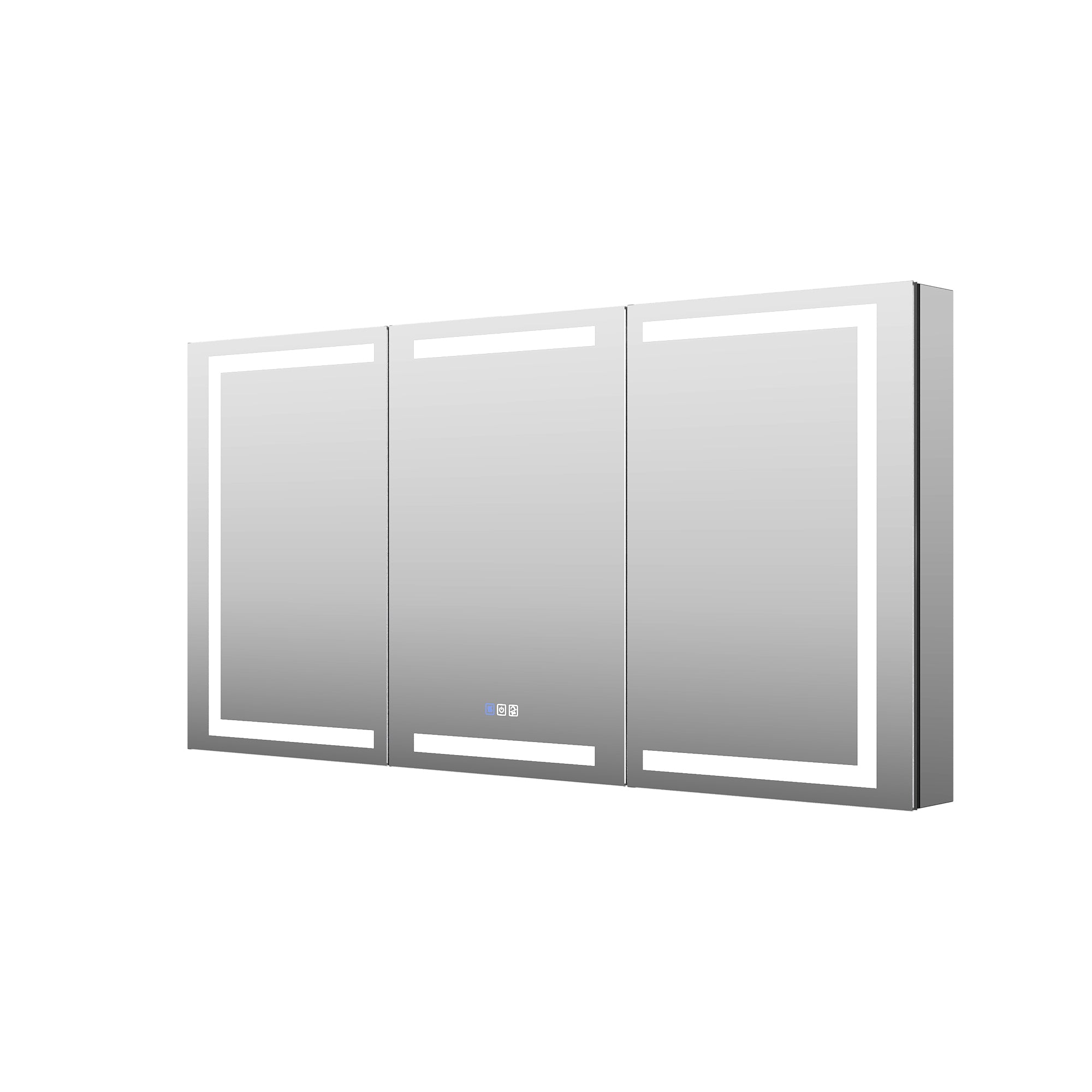
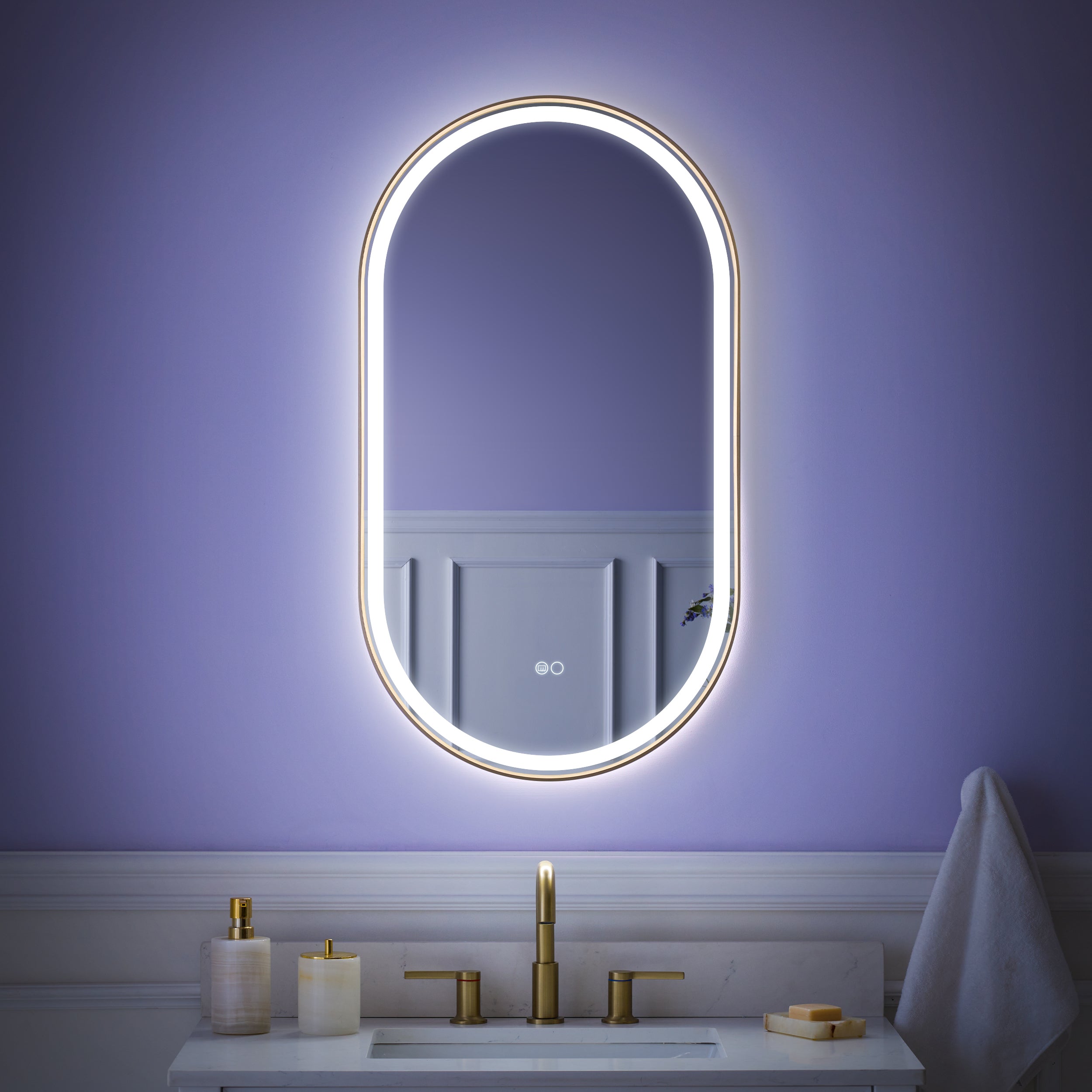
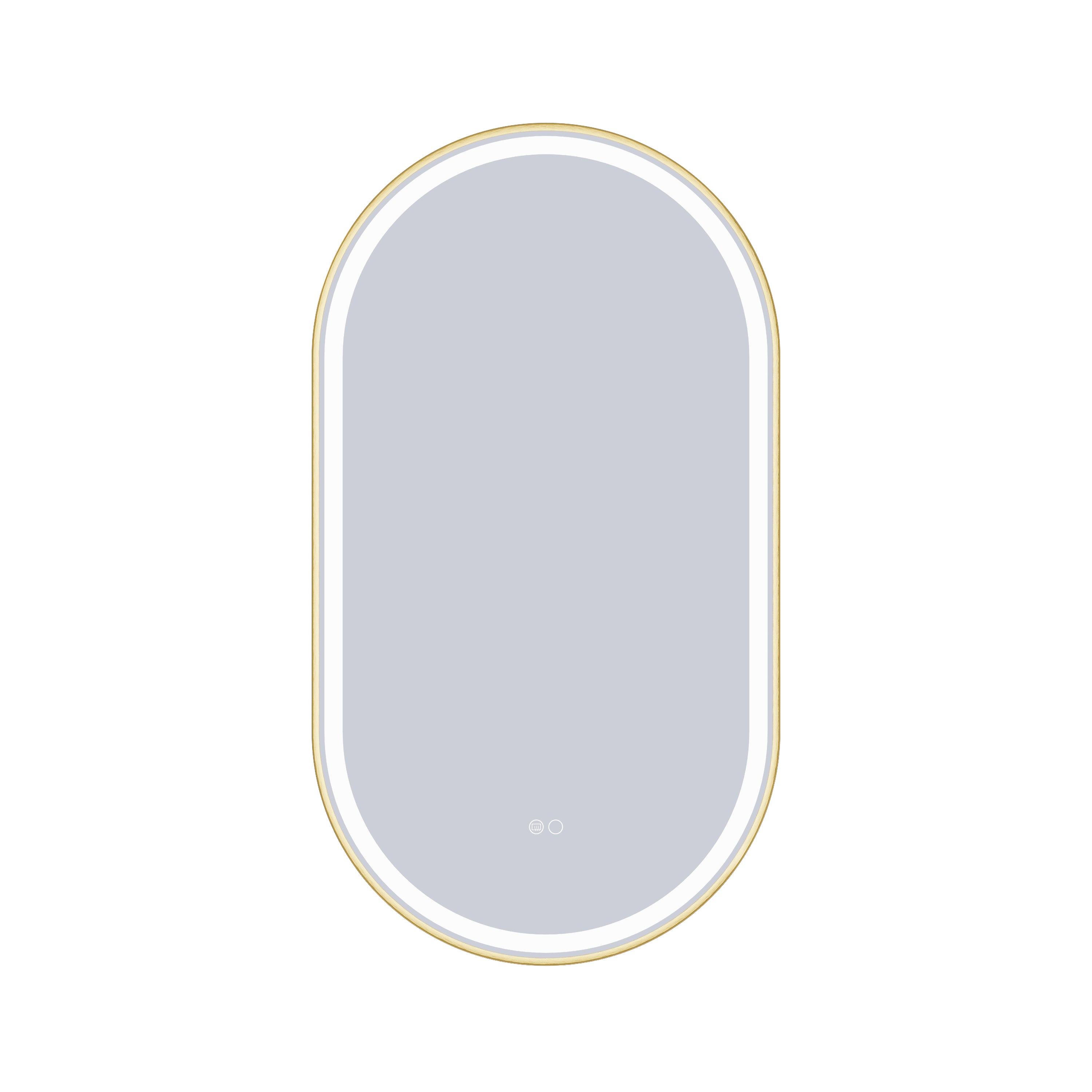
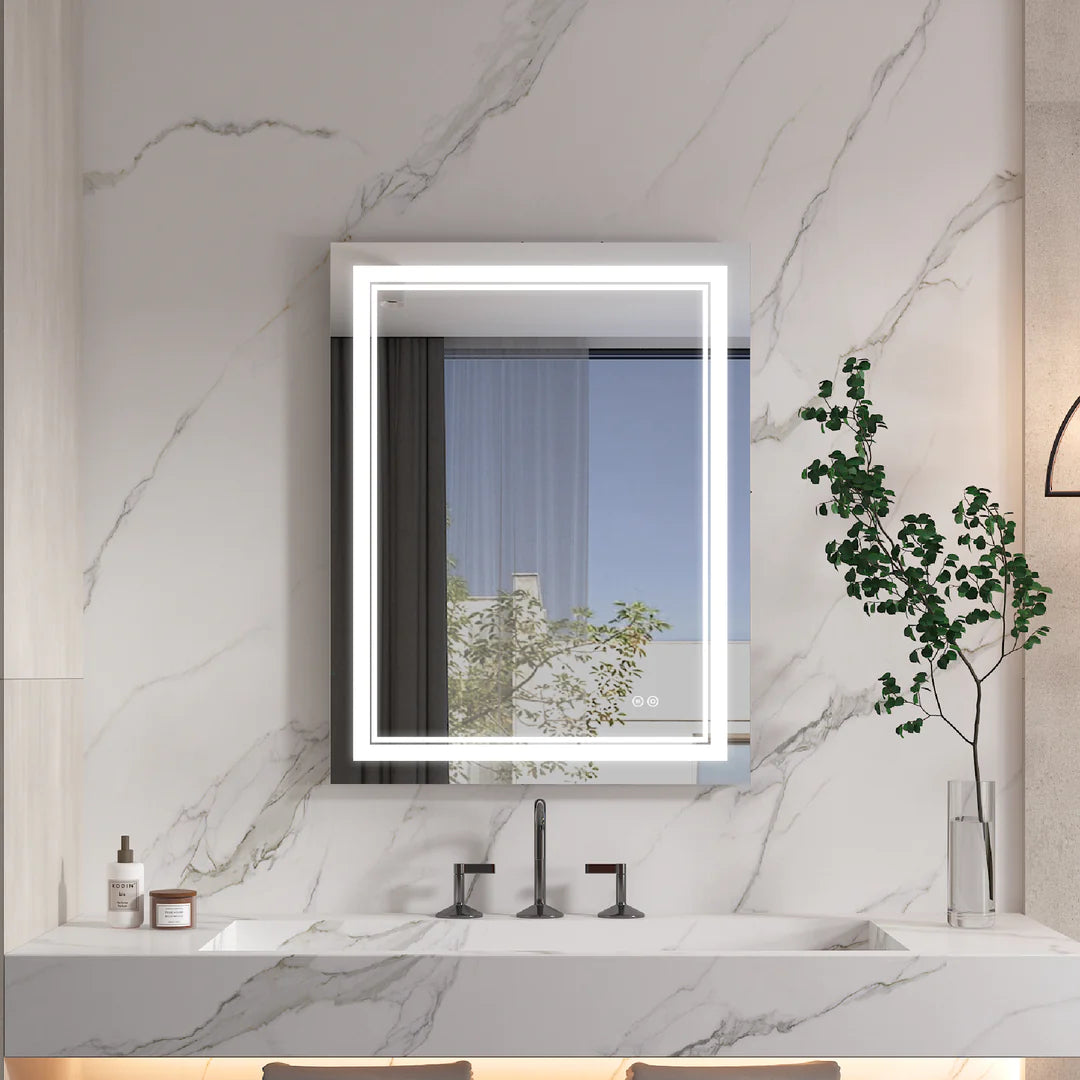
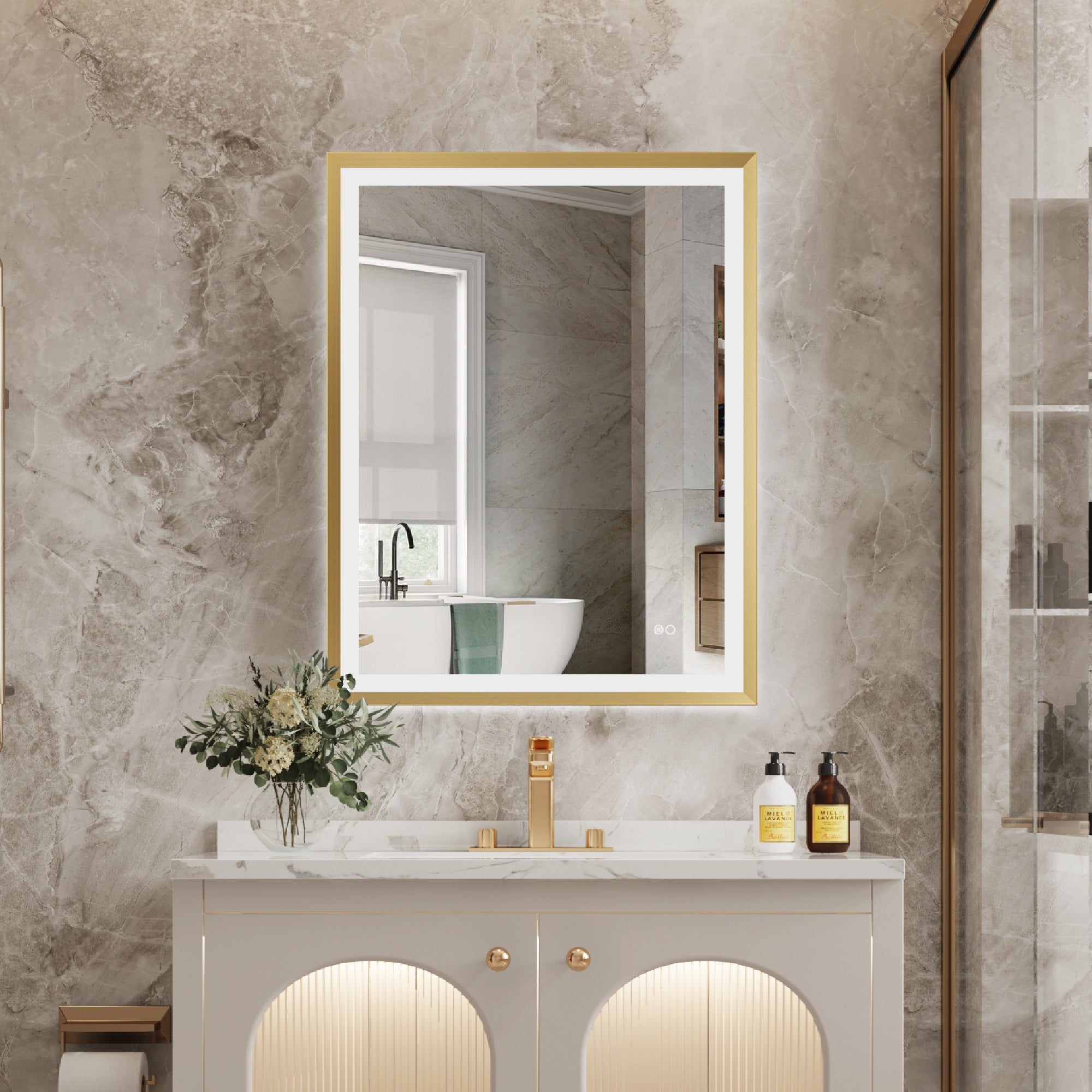
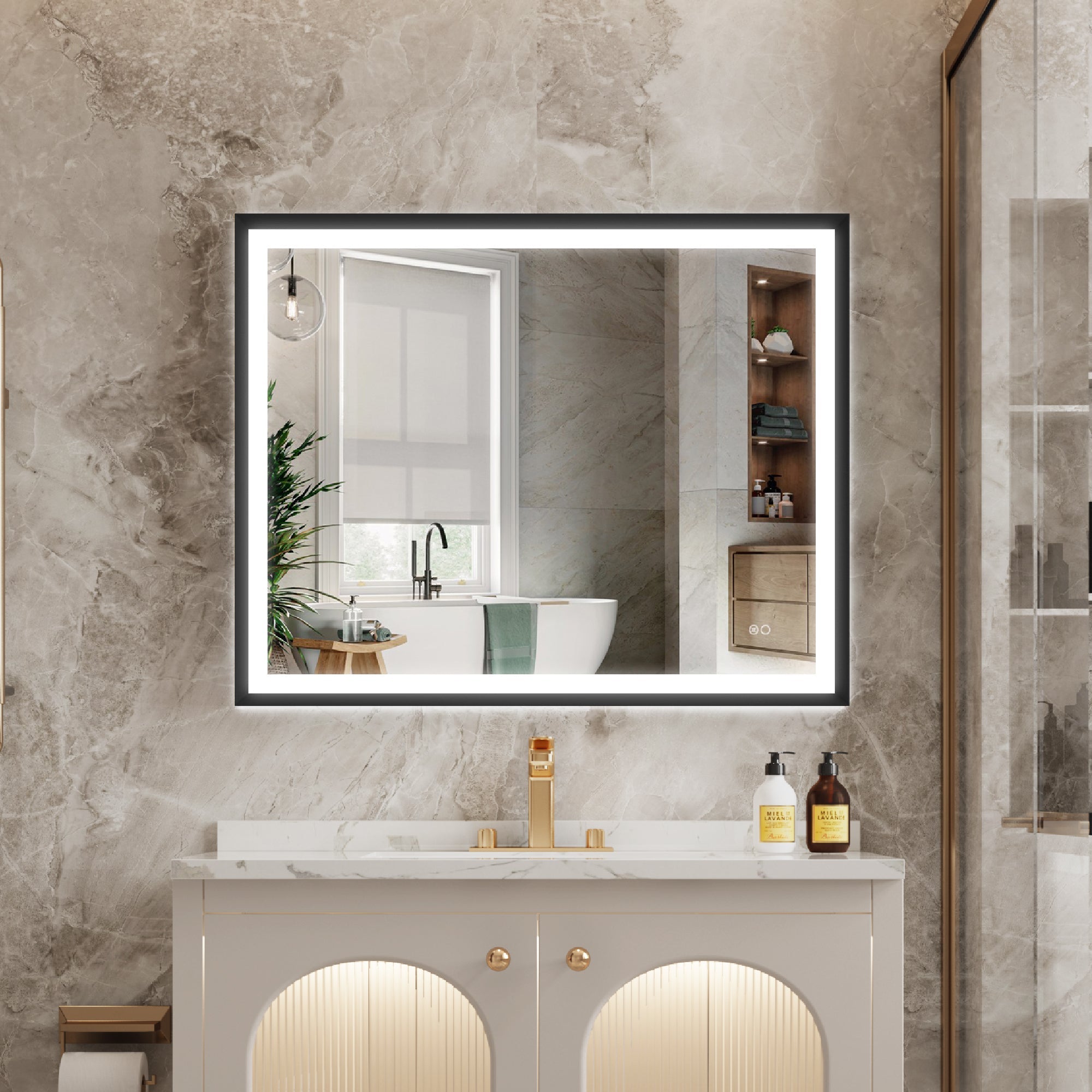
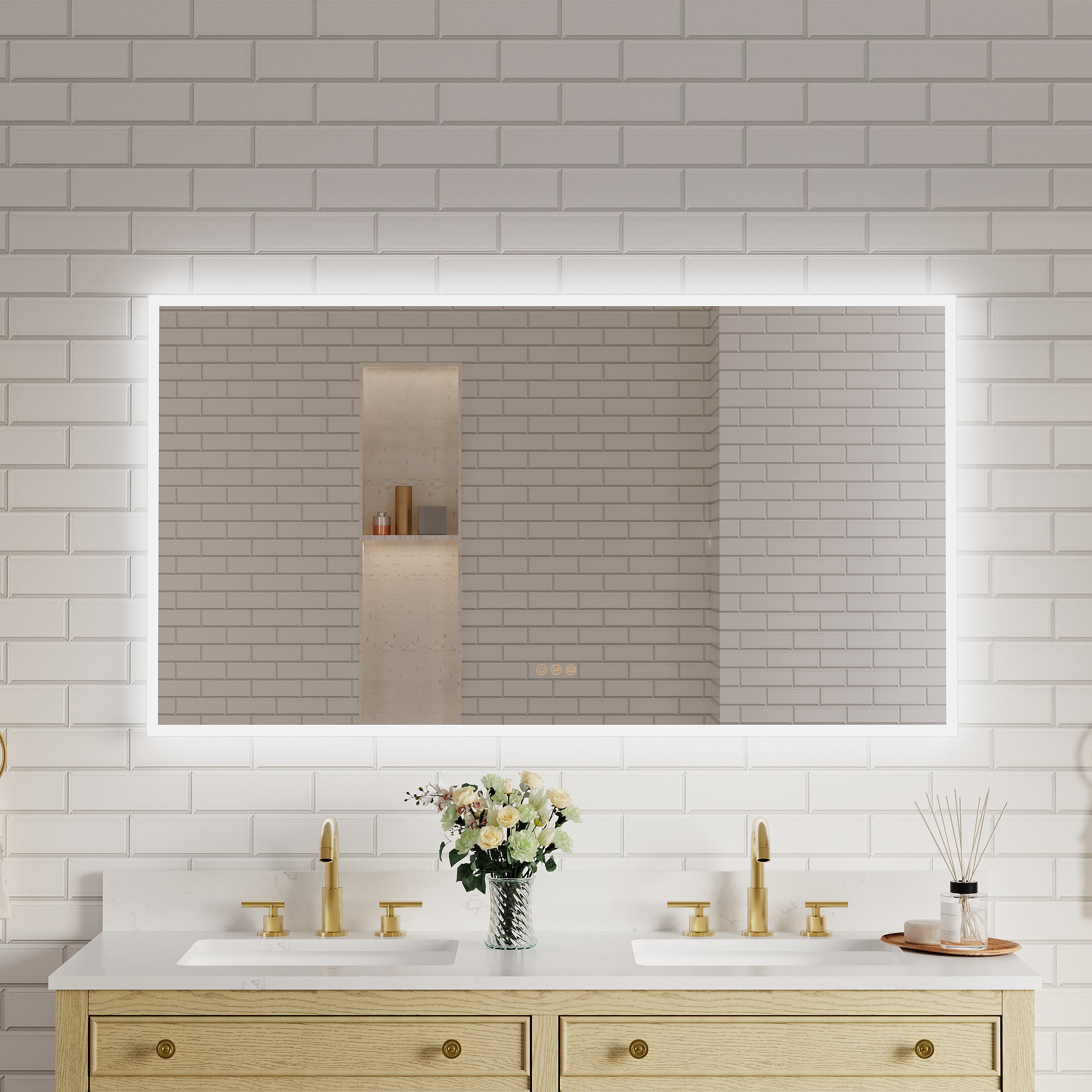
If you choose a model with integrated LED lighting, you also improve vanity visibility while keeping the wall visually clean. LEDs have strong efficiency and longevity advantages: the U.S. Department of Energy notes that residential LEDs (especially ENERGY STAR–rated products) use at least 75% less energy and can last up to 25 times longer than incandescent lighting (Source: U.S. Department of Energy, “LED Lighting”).
This matters for a fixture used daily—less energy waste, fewer replacements, and more consistent light over time.
6. It Helps You Maintain Comfortable Mirror Height and Daily Ergonomics
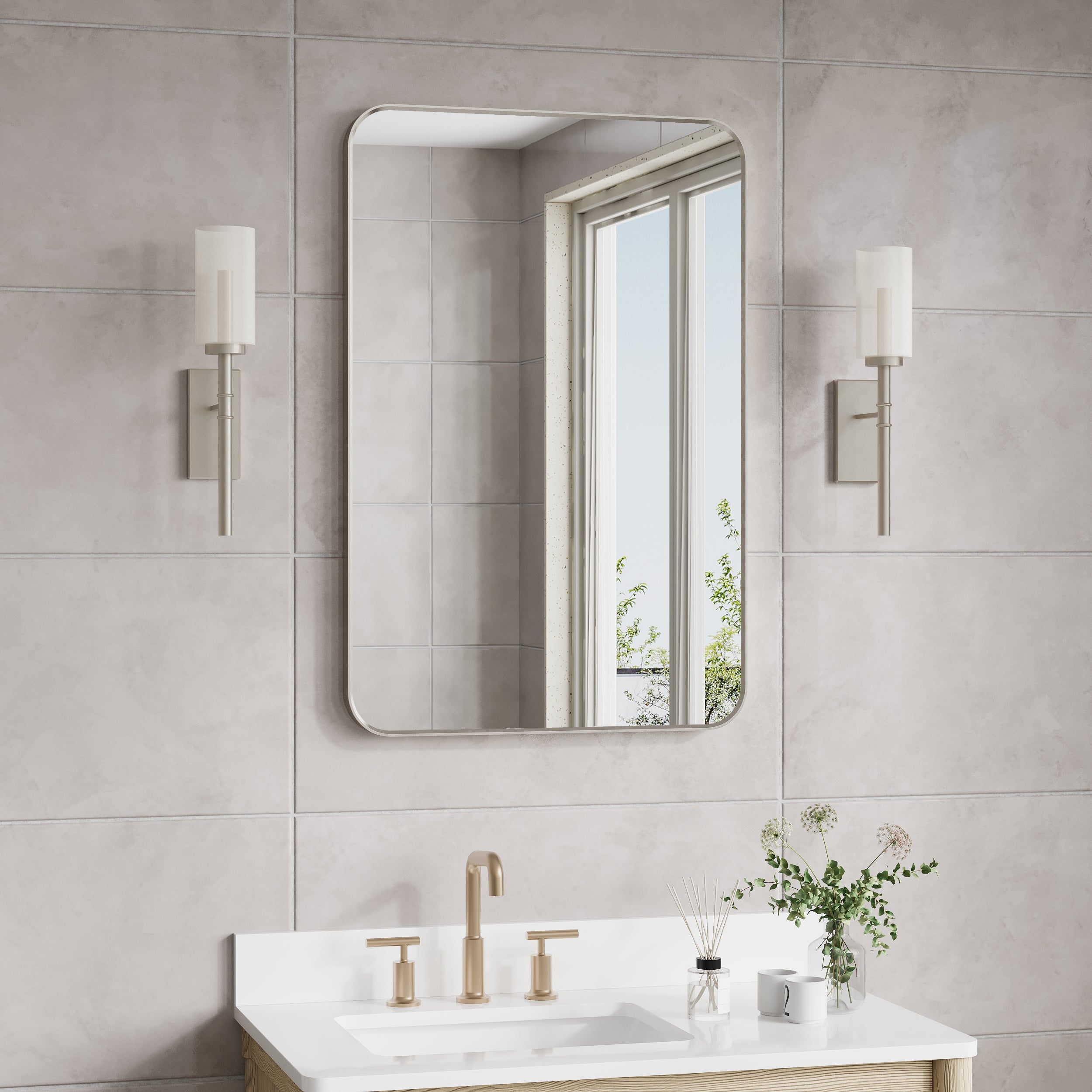
A bathroom can feel “off” if the mirror is mounted too high. A practical reference point comes from accessibility guidance: mirrors located above lavatories/countertops should have the bottom edge of the reflecting surface 40 inches max above the finished floor; mirrors not above a lavatory/countertop should have the bottom edge 35 inches max (Source: 2010 ADA Standards for Accessible Design, Section 603.3).
Even if you’re not designing to accessibility requirements, these numbers are excellent comfort guardrails—especially for cupboard mirrors, which people sometimes mount high to “make space” below. A cabinet that’s too high reduces usability and can create glare angles if the cabinet includes lighting.
Simple placement method: stand at the sink and ensure your eye level lands around the upper-middle of the mirror area—not near the bottom edge.
7. It Avoids Common Bathroom Layout Conflicts When You Choose the Right Door Style
Space optimization fails if the doors hit everything. The best cupboard mirror is the one that opens smoothly without colliding with:
· sconces or vanity lights
· side walls in corners
· towel rings or hooks
· nearby doorways and traffic flow
Door options and what they optimize:
· Single door: cleanest look, but needs the most swing clearance.
· Tri-view (three doors): smaller swing arcs, often easier in tight bathrooms.
· Sliding doors: minimal clearance, but tracks can require more cleaning.
If your vanity wall is tight or you have hardware nearby, tri-view or sliding designs often deliver better “functional space” because they reduce daily collisions.
8. Installation Reality Matters: Anchoring Is Part of Space Optimization
A cupboard mirror is opened and closed thousands of times. If it isn’t mounted correctly, it loosens, shifts, or feels cheap—even if it looks great on day one.
Many walls have studs commonly spaced 16 inches apart, and installation guides use that spacing as a planning reference (Source: The Home Depot, “How to Install a Medicine Cabinet”). This affects both recessed placement and surface-mount fastening points.
Smart mounting approach:
· Catch studs where possible for maximum stability.
· If studs don’t align, use appropriate heavy-duty anchors/toggles rather than light-duty plastic anchors.
A stable cabinet feels more premium and lasts longer—because doors stay aligned, hinges stay square, and the mirror doesn’t wobble.
9. It Protects Style Over Time When You Manage Humidity
Bathrooms are humid environments, and humidity can damage hinges, finishes, and mirror edges over time. EPA guidance recommends keeping indoor relative humidity below 60%, ideally between 30% and 50% when possible (Source: U.S. EPA Mold Course, Chapter 2).
For a cupboard mirror, this matters because:
· humidity can corrode hardware
· condensation can accelerate mirror edge deterioration
· electronics (if lighted) can fail faster in persistent moisture
Simple “space optimization habit” that also protects durability: run the exhaust fan during showers and for a period after. A drier bathroom preserves the cabinet and keeps the mirror clearer.

Conclusion
A bathroom cupboard mirror is worth considering for space optimization because it upgrades the most valuable zone in the bathroom—the vanity wall—by combining mirror function with hidden storage. It reduces countertop clutter, improves daily organization, and can even enhance perceived brightness and openness. Choose the right depth (often around the common 4–5 inch range) (Source: Simple Project US), plan door clearance to avoid collisions, mount it securely with stud awareness (Source: The Home Depot), and protect it from humidity (Source: U.S. EPA). If you add LED lighting, you also gain efficiency and longevity advantages documented by DOE (Source: U.S. Department of Energy). The result is a bathroom that feels larger, calmer, and easier to maintain—without needing more floor space.










Leave a comment
This site is protected by hCaptcha and the hCaptcha Privacy Policy and Terms of Service apply.