
















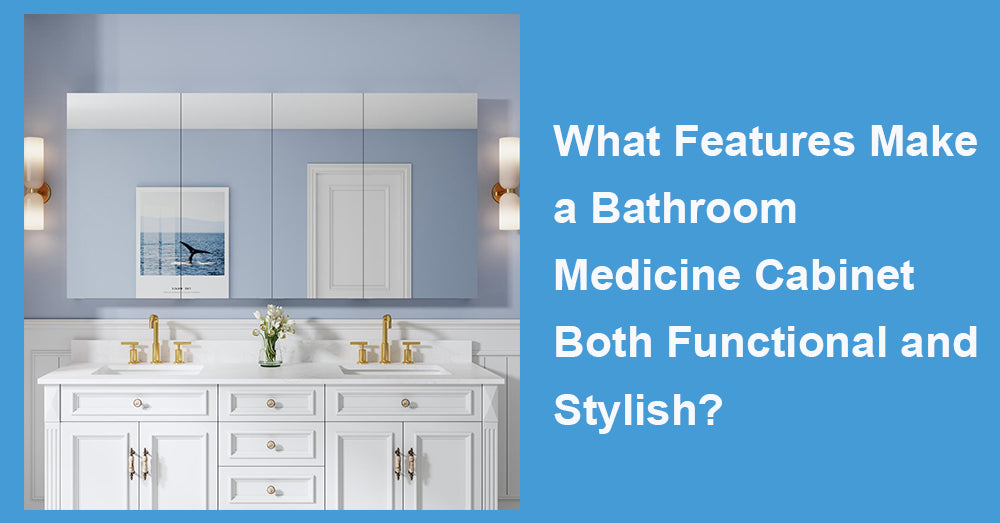
A bathroom medicine cabinet is one of the few bathroom elements that can improve daily routines and elevate the wall design at the same time. The best cabinets don’t just “add storage.” They reduce countertop clutter, improve mirror usability, support better lighting at the vanity, and keep the bathroom looking calm and intentional. To get both function and style, focus on the features that affect real-life use—installation type, depth and layout, door behavior, lighting quality, moisture durability, and long-term serviceability.
1. Recessed vs. Surface-Mount: The Feature That Sets the Look
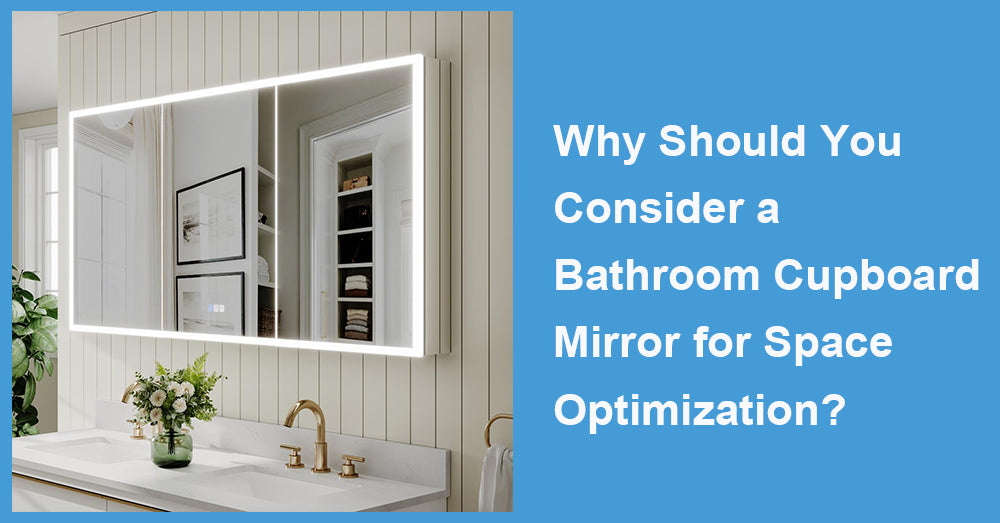
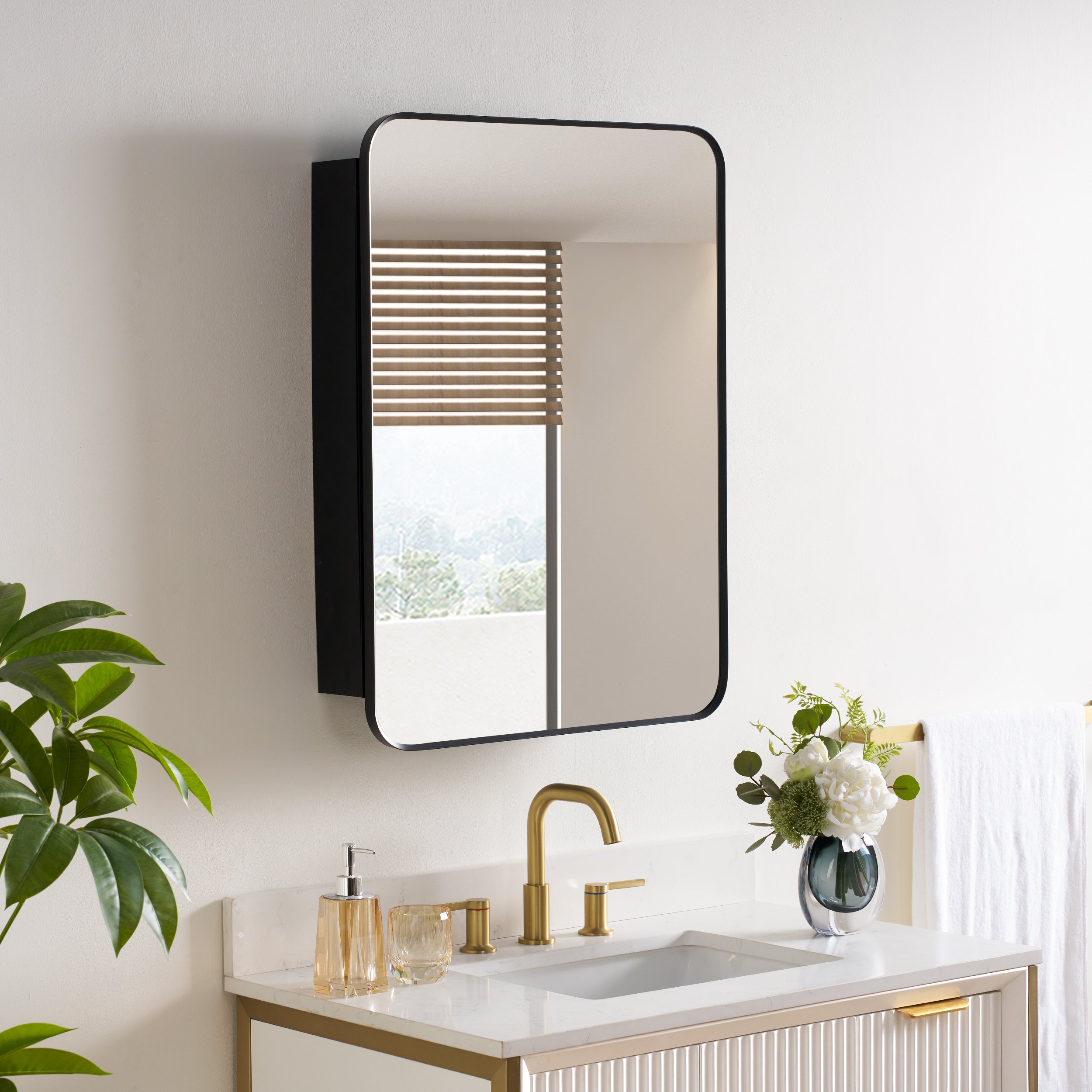
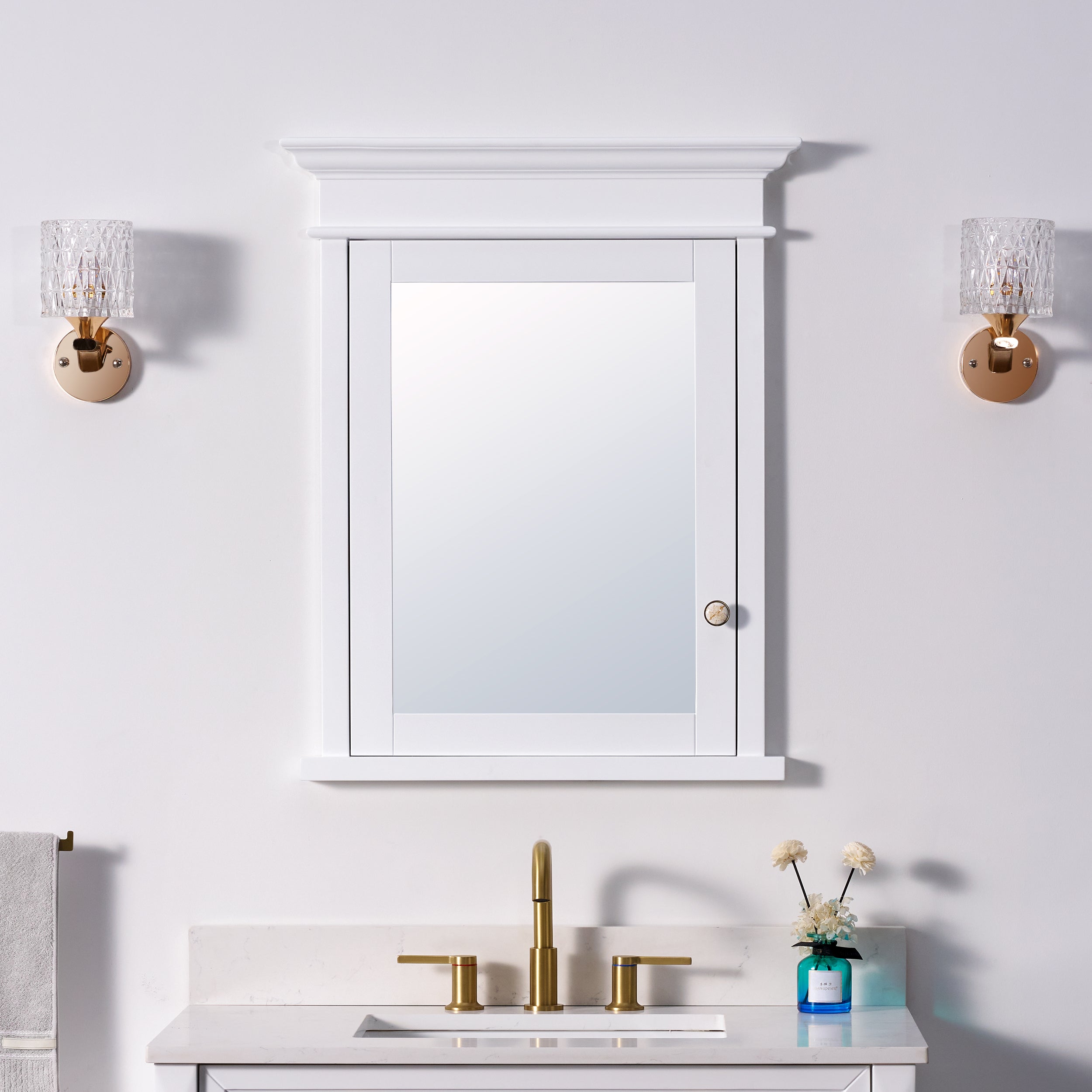
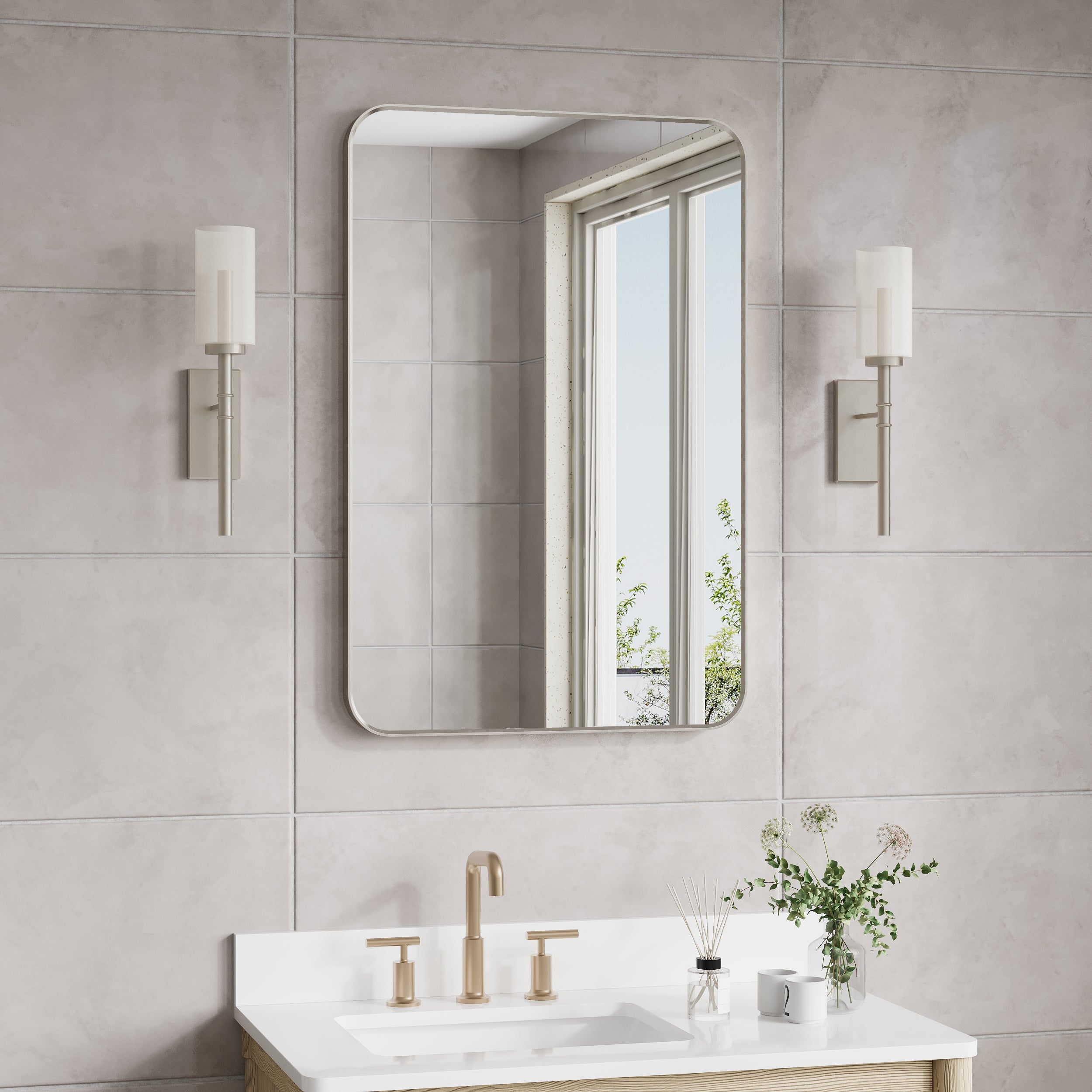
Recessed (in-wall) cabinets are the most style-forward option when you want a clean, built-in look. Because the cabinet sits inside the wall cavity, the profile is slim and the wall feels less “busy.” Functionally, recessed cabinets also reduce the chance of bumping into the cabinet in tight bathrooms.
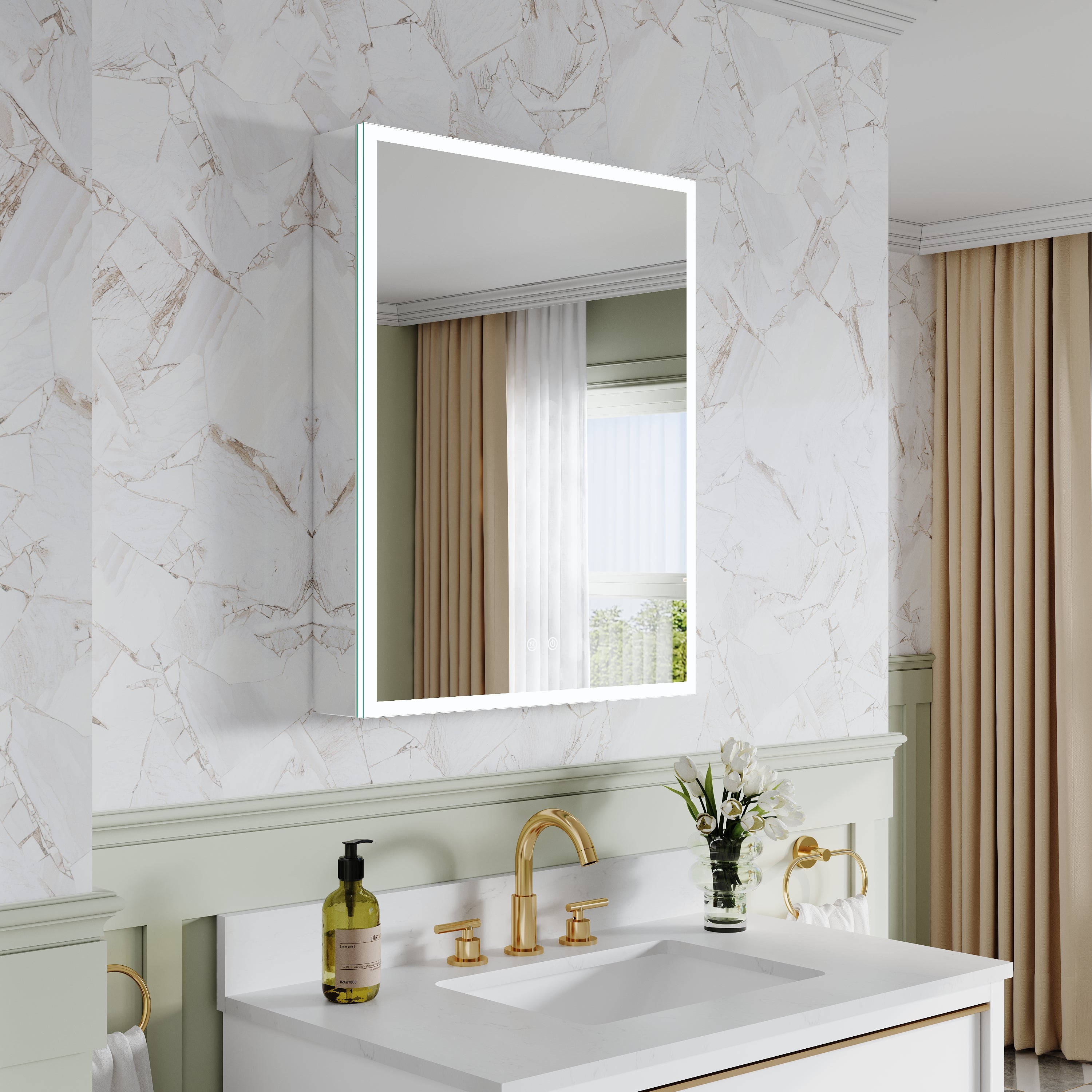
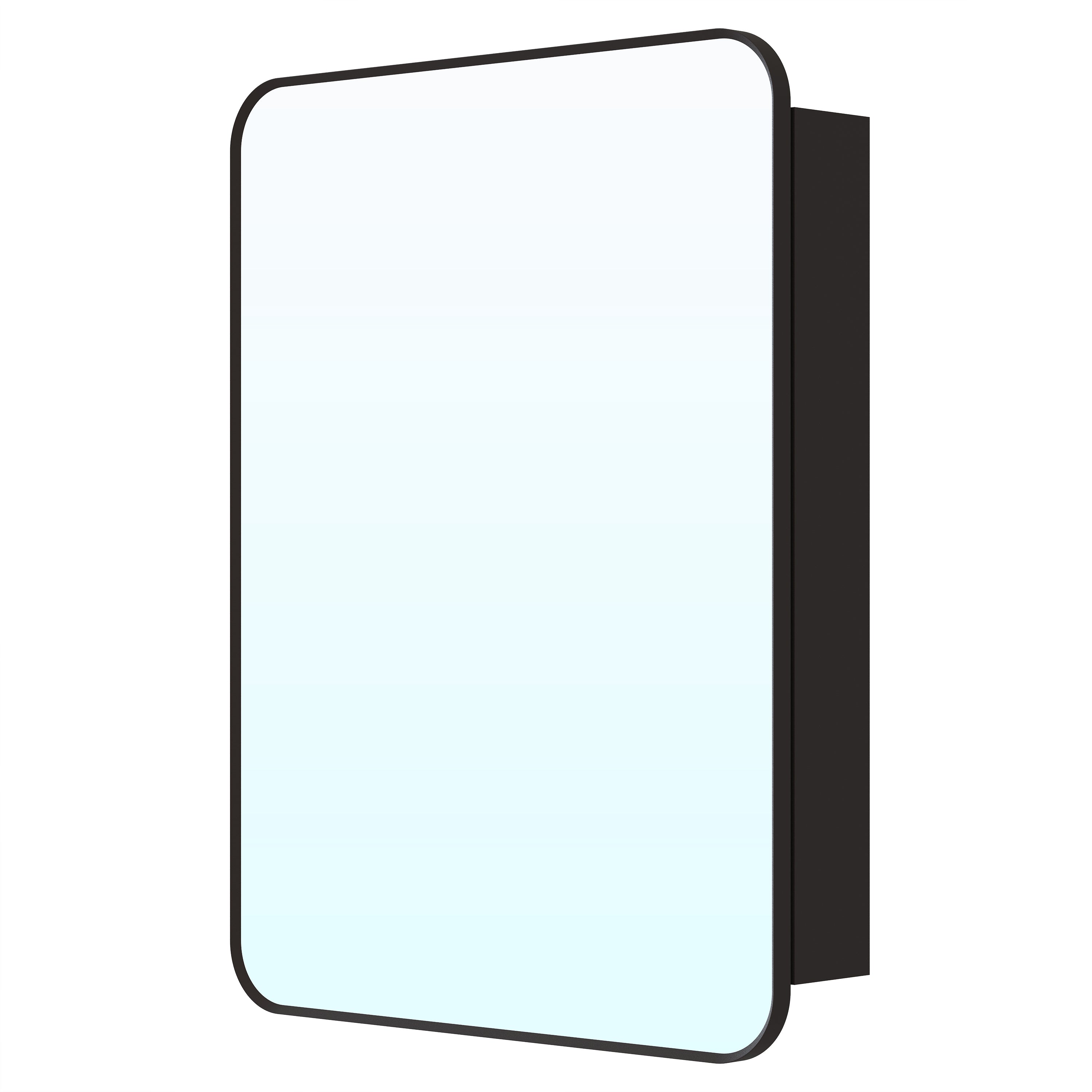
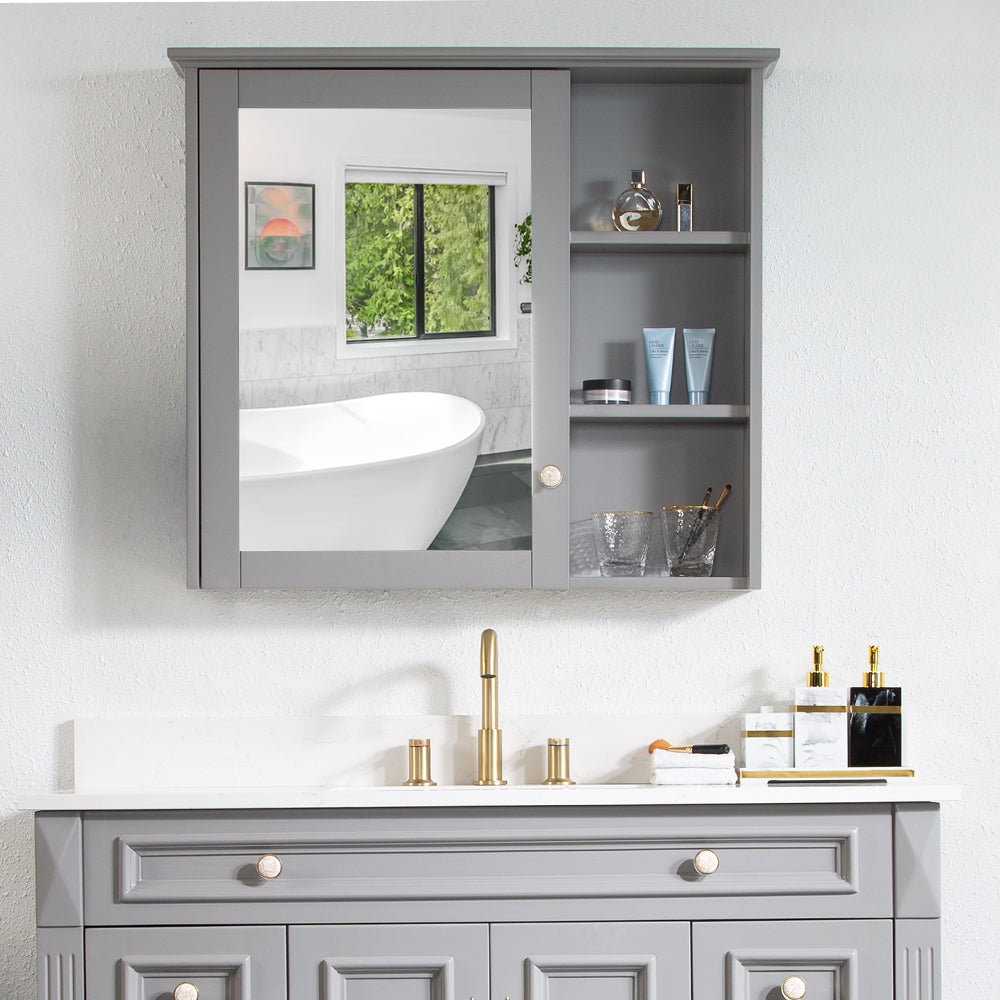
Surface-mount cabinets are often easier to install—especially when you don’t want to cut tile or open the wall—but they project into the room. A well-designed surface-mount cabinet can still look modern if it has a slim depth and clean edges, but you’ll want to be careful about bulk.
A practical installation reality: Many walls are framed with studs commonly spaced 16 inches apart (Source: The Home Depot “How to Install a Medicine Cabinet”). That spacing can limit recessed width unless you reframe, and it can influence where mounting screws land for surface-mount models.
Style takeaway: Recessed looks most “custom.” Surface-mount installs faster and can still look premium when the profile is slim and the door design is clean.
2. Right Size, Right Proportion: Stylish Starts With Fit
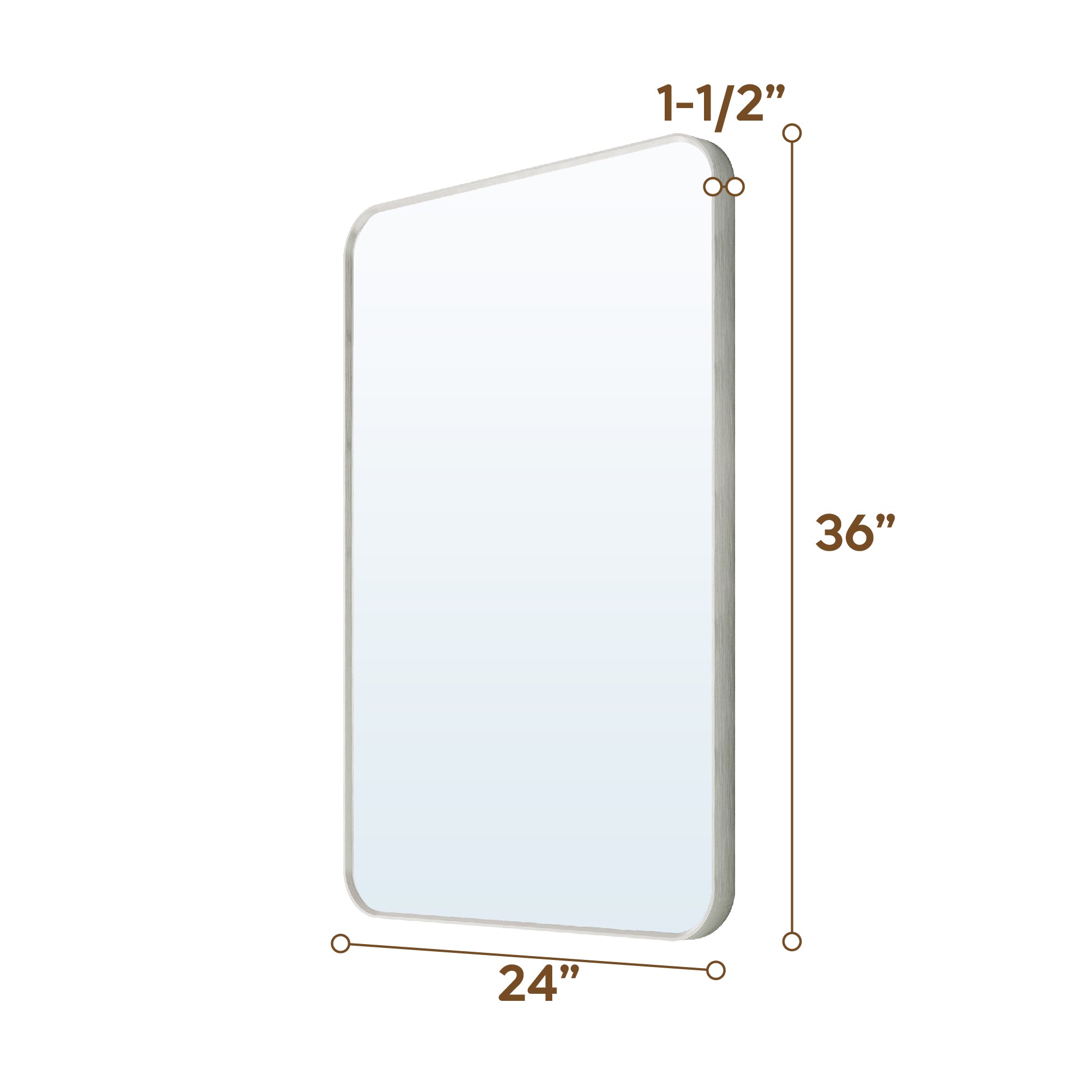
A cabinet that’s “nice” but poorly sized will never look refined. The most stylish cabinet mirrors align with the vanity zone rather than floating awkwardly on the wall.
Width
· For single sinks, center the cabinet over the basin.
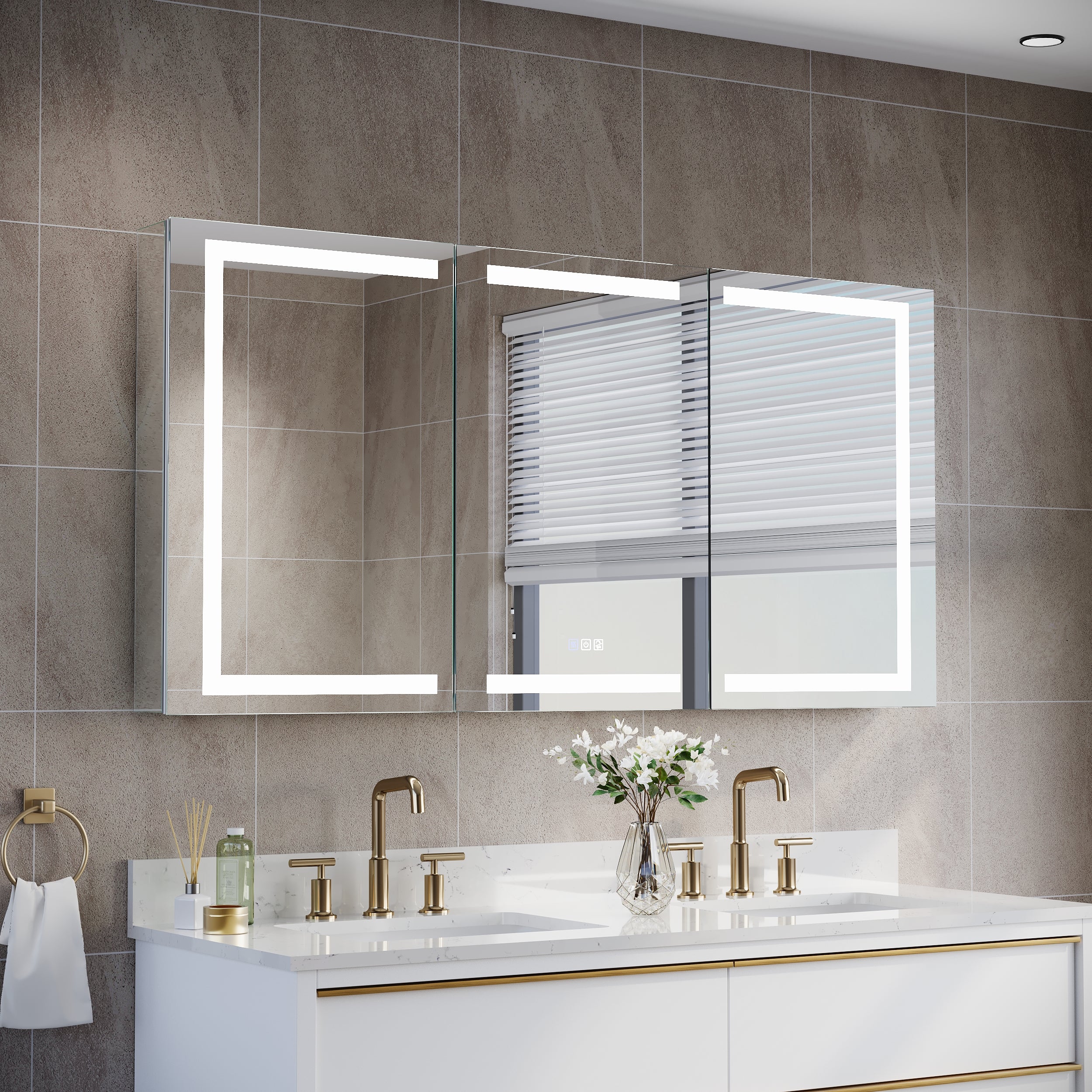
· For double vanities, consider two cabinets (symmetry + personal storage) or one wide cabinet if the wall is clear and lighting is planned.
Height and comfort (the hidden style feature)
A cabinet can look visually centered but feel uncomfortable in daily use. A widely used reference from accessibility standards suggests mirrors above lavatories/countertops should have the bottom edge of the reflecting surface 40 inches max above the finished floor, and mirrors not above a lavatory/countertop should be 35 inches max (Source: 2010 ADA Standards for Accessible Design, Section 603.3).
Even if you’re not building to accessibility requirements, this guidance is an excellent comfort check. A mirror that’s placed too high often causes glare and makes grooming feel awkward—two things that quickly ruin the “luxury” feel.
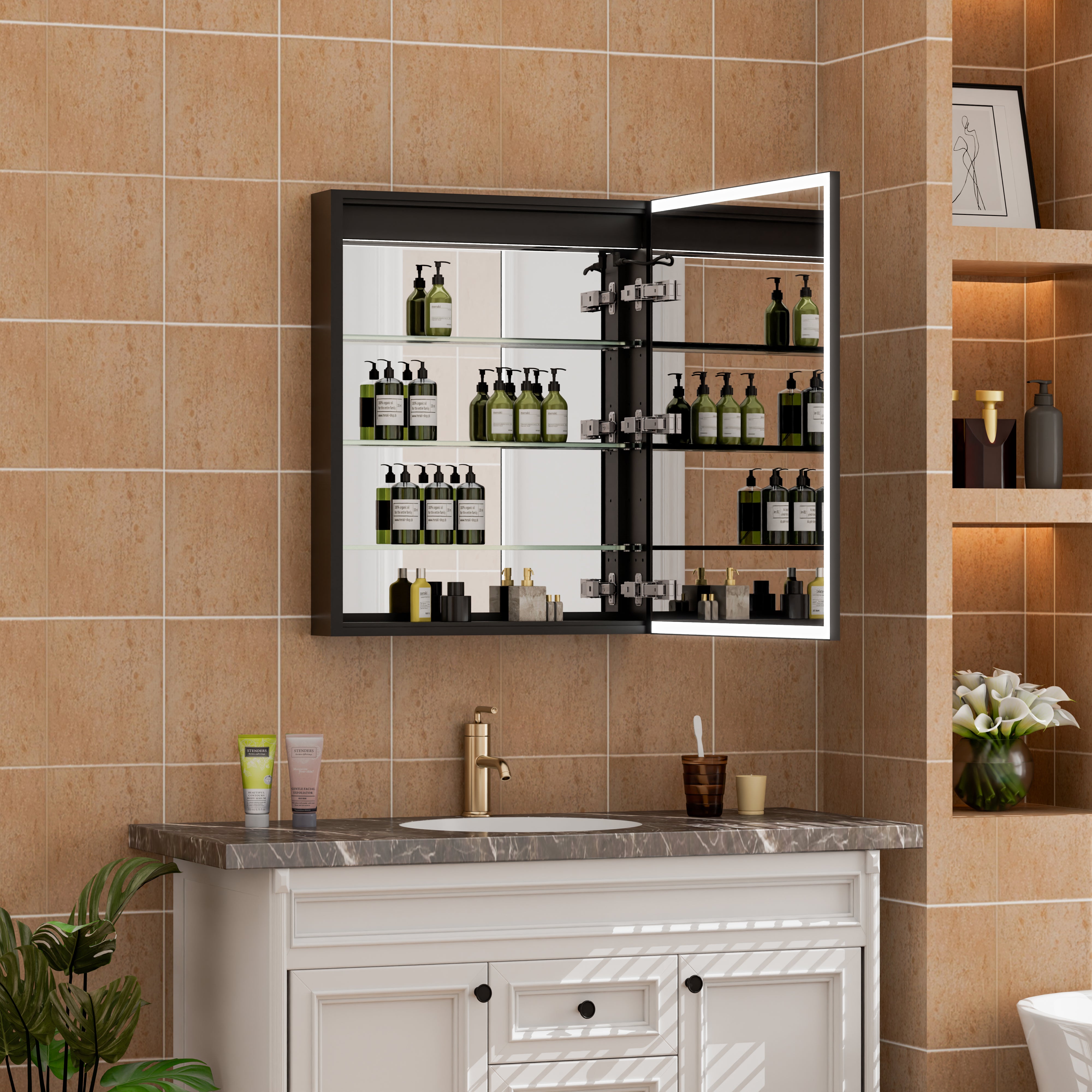
3. Depth and Interior Layout: Functional Storage That Doesn’t Look Bulky
A cabinet can only be functional if it fits real items. At the same time, oversized depth can make the wall look heavy.
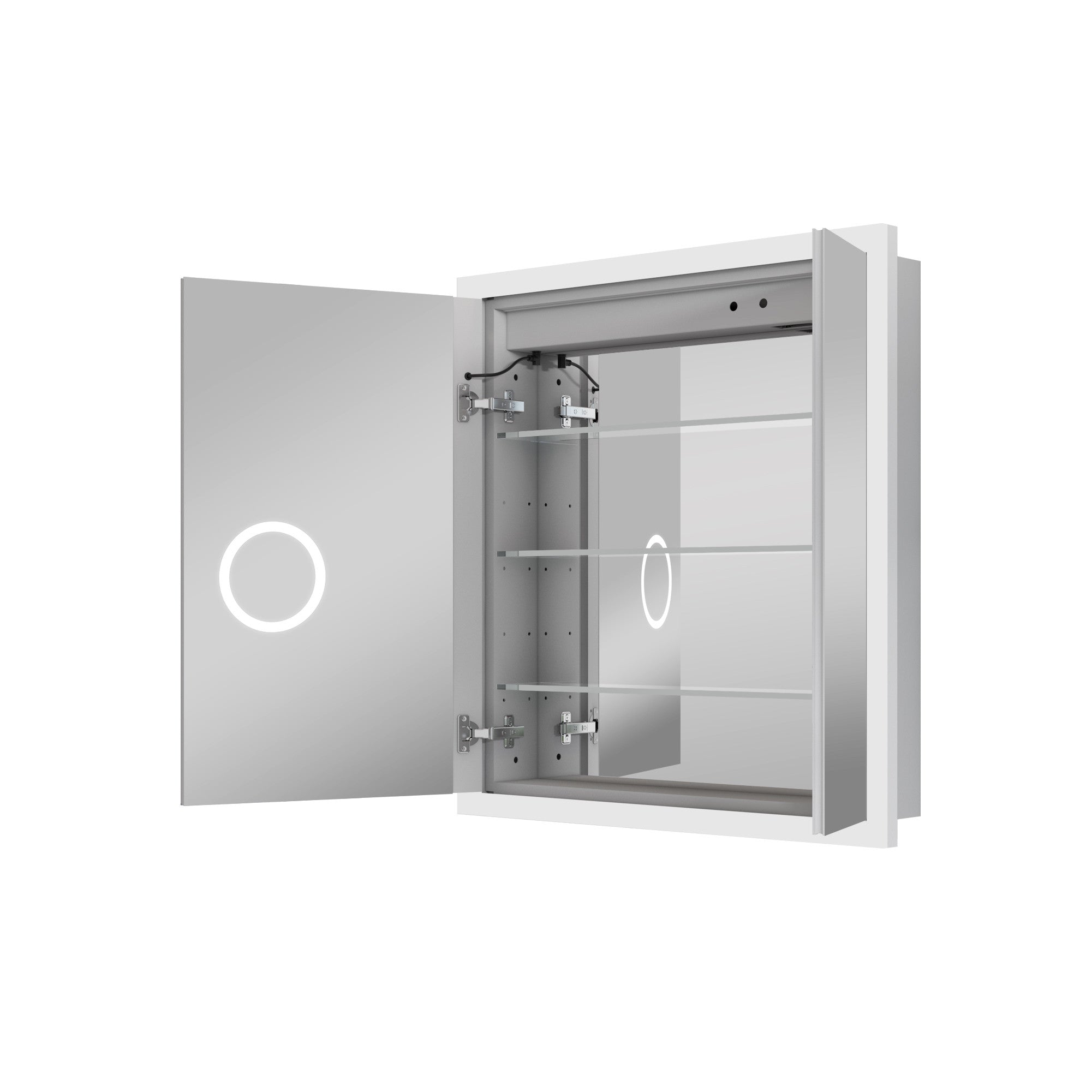
Many sizing references describe common medicine cabinet depths around 4–5 inches, with roughly 3–4 inches of usable interior storage depending on construction (Source: Simple Project US, “What Is the Standard Medicine Cabinet Size?”). That range often balances a clean profile with real capacity.
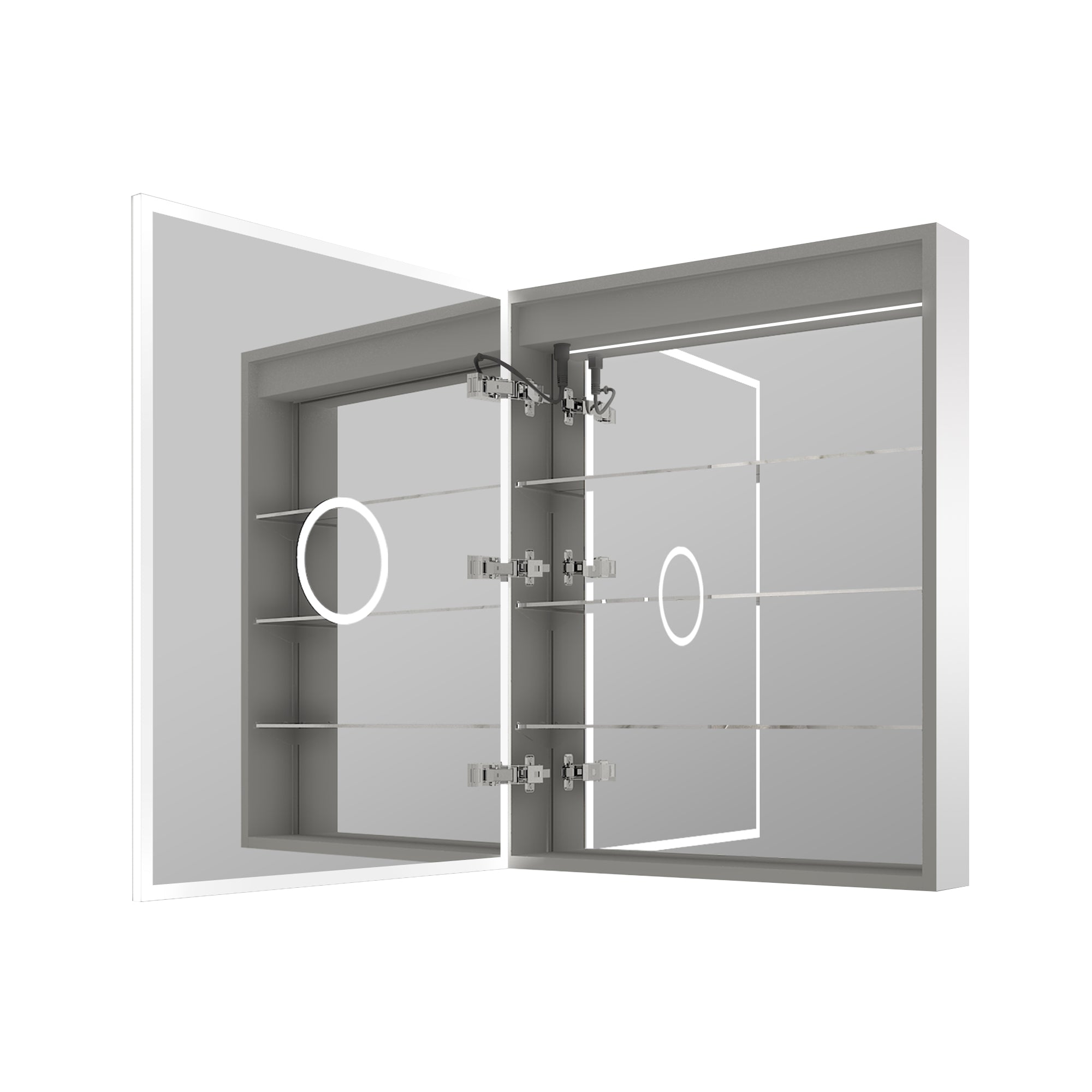
Must-have storage features
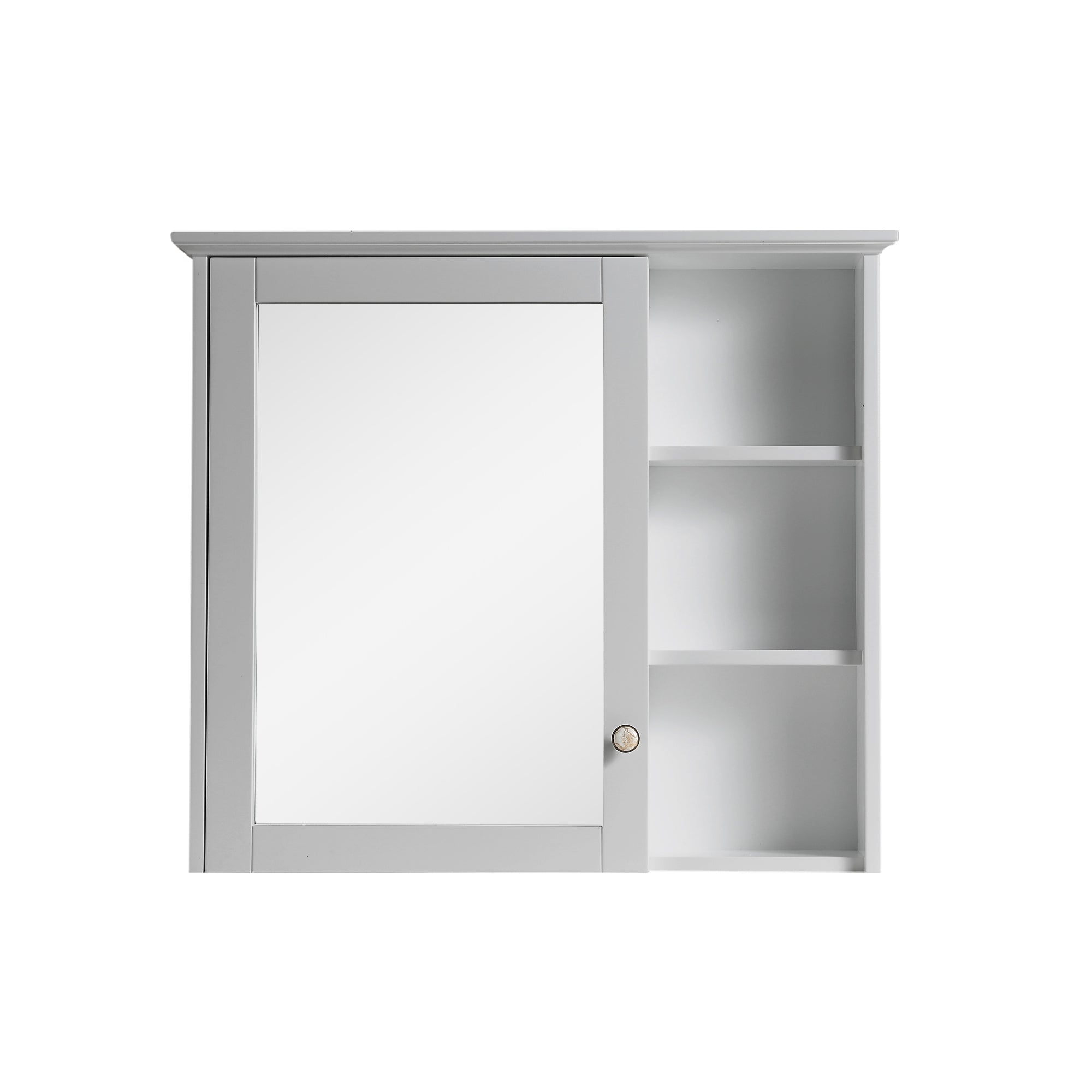
· Adjustable shelves: the single biggest usability upgrade.
· Stable shelf supports: prevents sagging and rattling over time.
· A layout that matches routines: daily items at eye level, backups higher, less-used items lower.
Quick “real-life” test: measure your tallest must-fit item (often a skincare bottle or electric toothbrush accessory) and make sure it fits upright without wasting a shelf.
4. Door Design: Where Style and Daily Convenience Meet
Door behavior matters more than people expect.
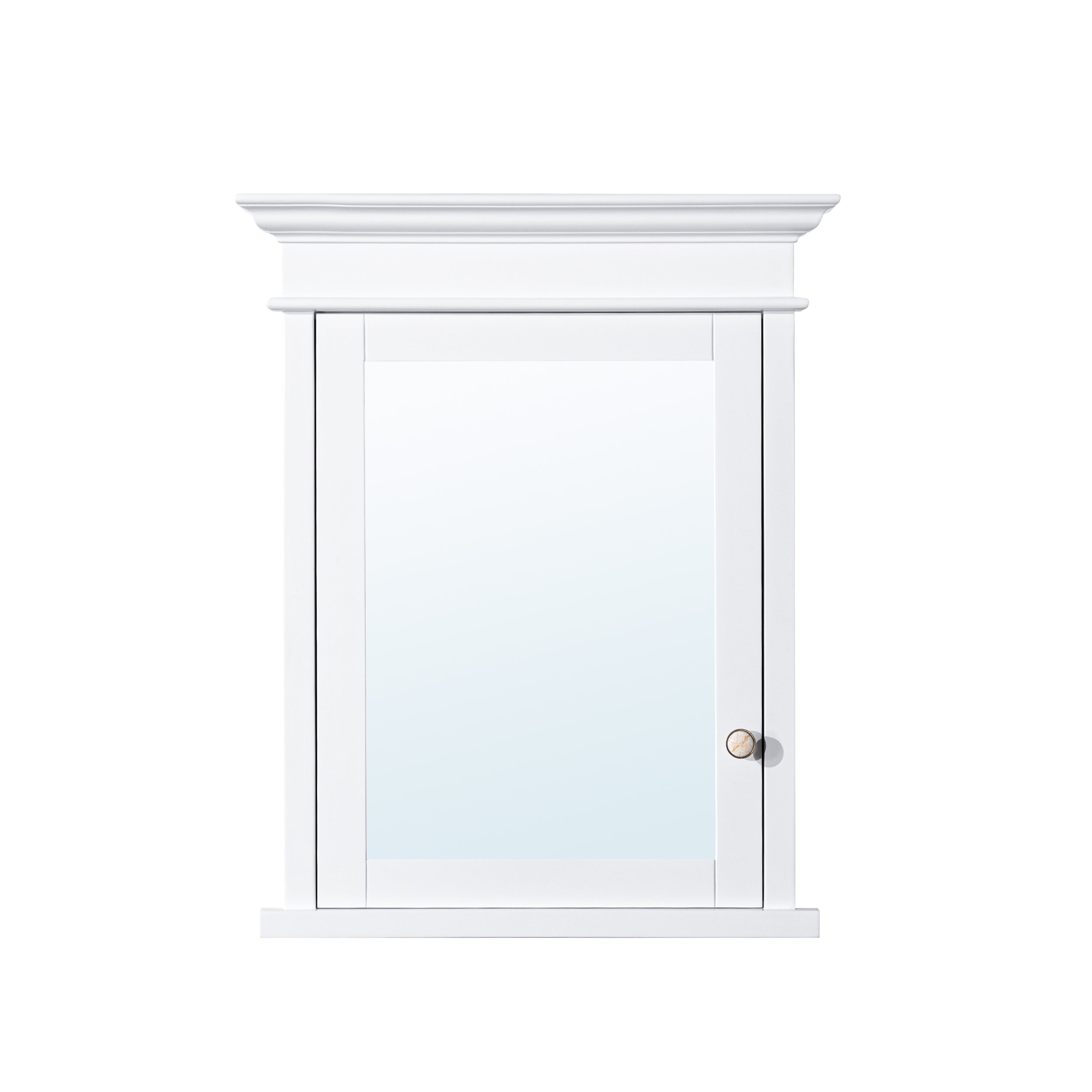
Single door
· Cleanest look (fewer seams)
· Needs the most clearance to swing open
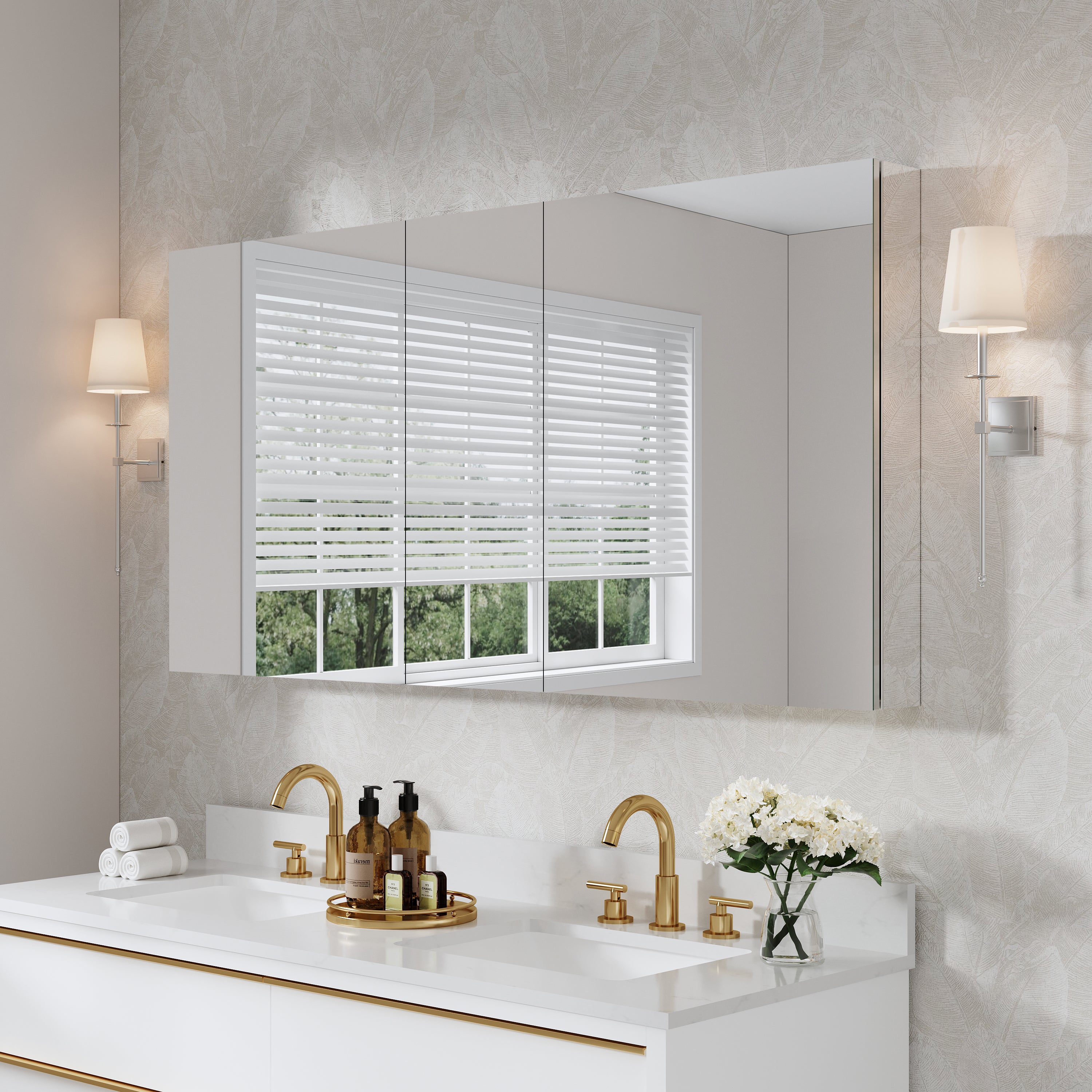
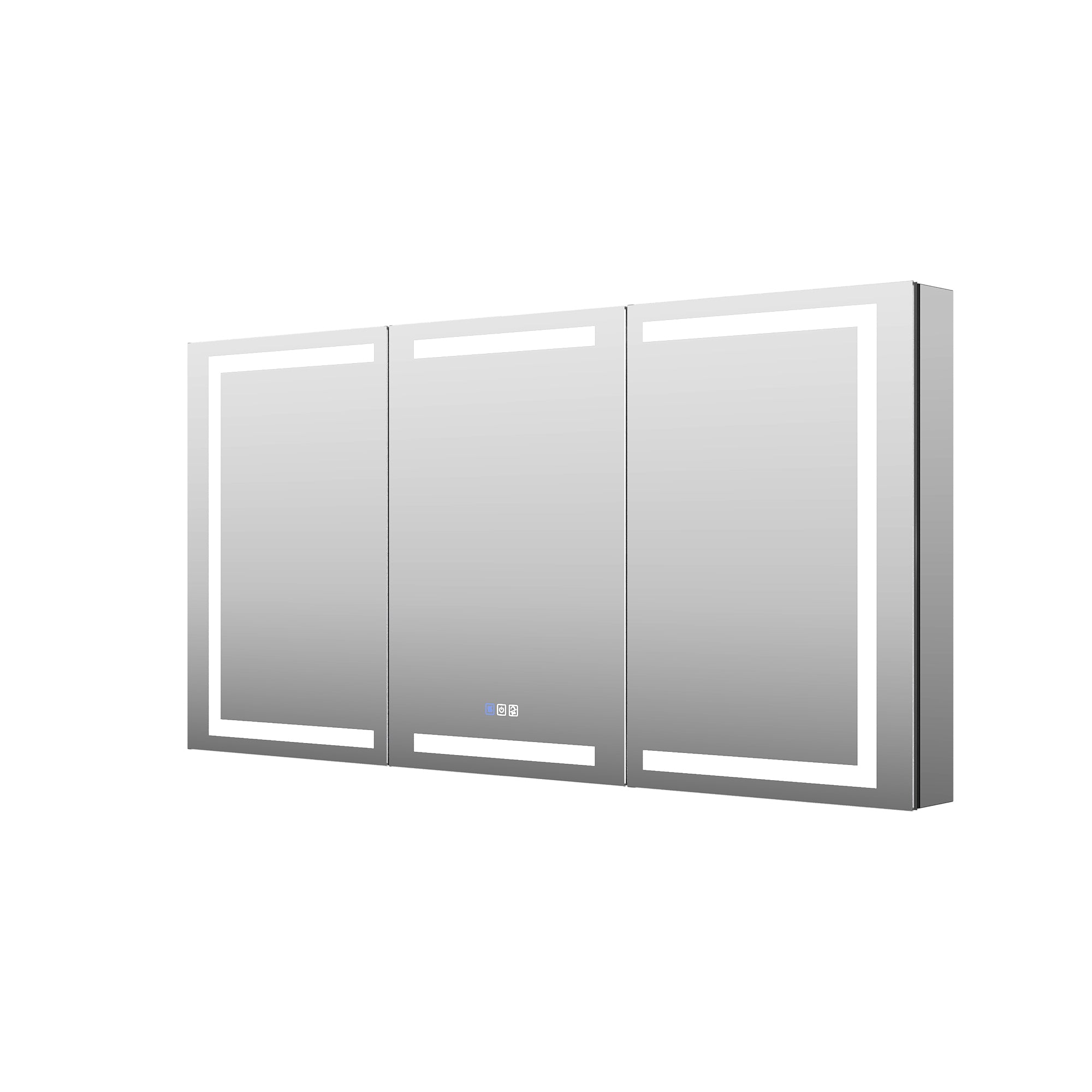
Tri-view (three doors)
· Often better in tight bathrooms because each door swings less
· More hinges and alignment points over time
Sliding doors
· Minimal swing clearance
· Tracks can require more cleaning
Functional + stylish sweet spot: a door configuration that avoids collisions with sconces, towel rings, side walls, or a nearby doorway. If doors hit things, the cabinet stops feeling “premium” fast.
5. Soft-Close Hardware and Full-Extension Slides: Luxury You Feel Daily
Style isn’t only what you see; it’s what you feel. Soft-close hinges and quality slides reduce slamming stress and make the cabinet feel refined.
Look for:
· Soft-close hinges (less noise, less wear)
· Smooth alignment adjustment (doors stay straight over time)
· Solid handles or recessed pulls that are easy to grip with wet hands
A cabinet can look minimalist but still be practical—clean lines don’t have to mean slippery or awkward.
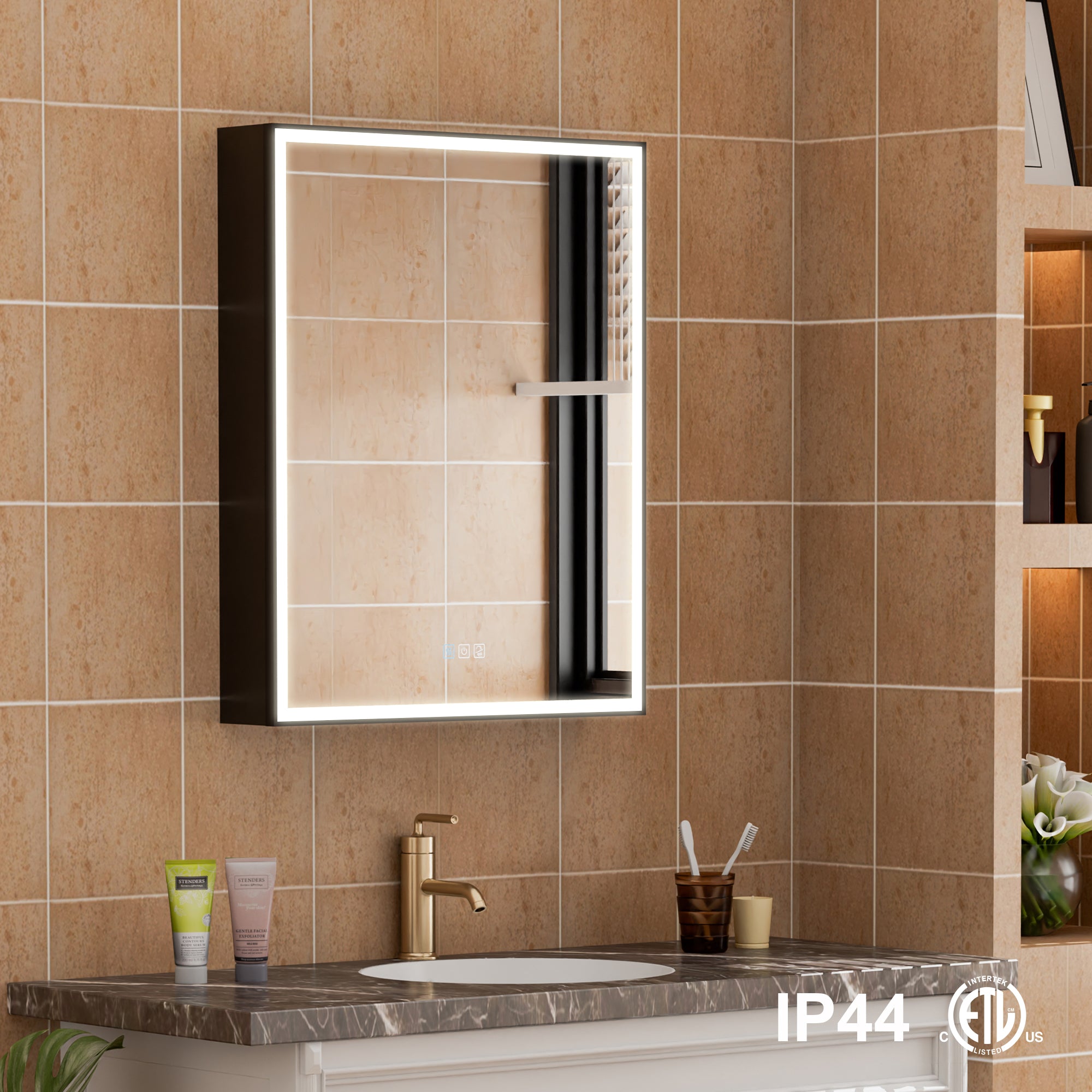
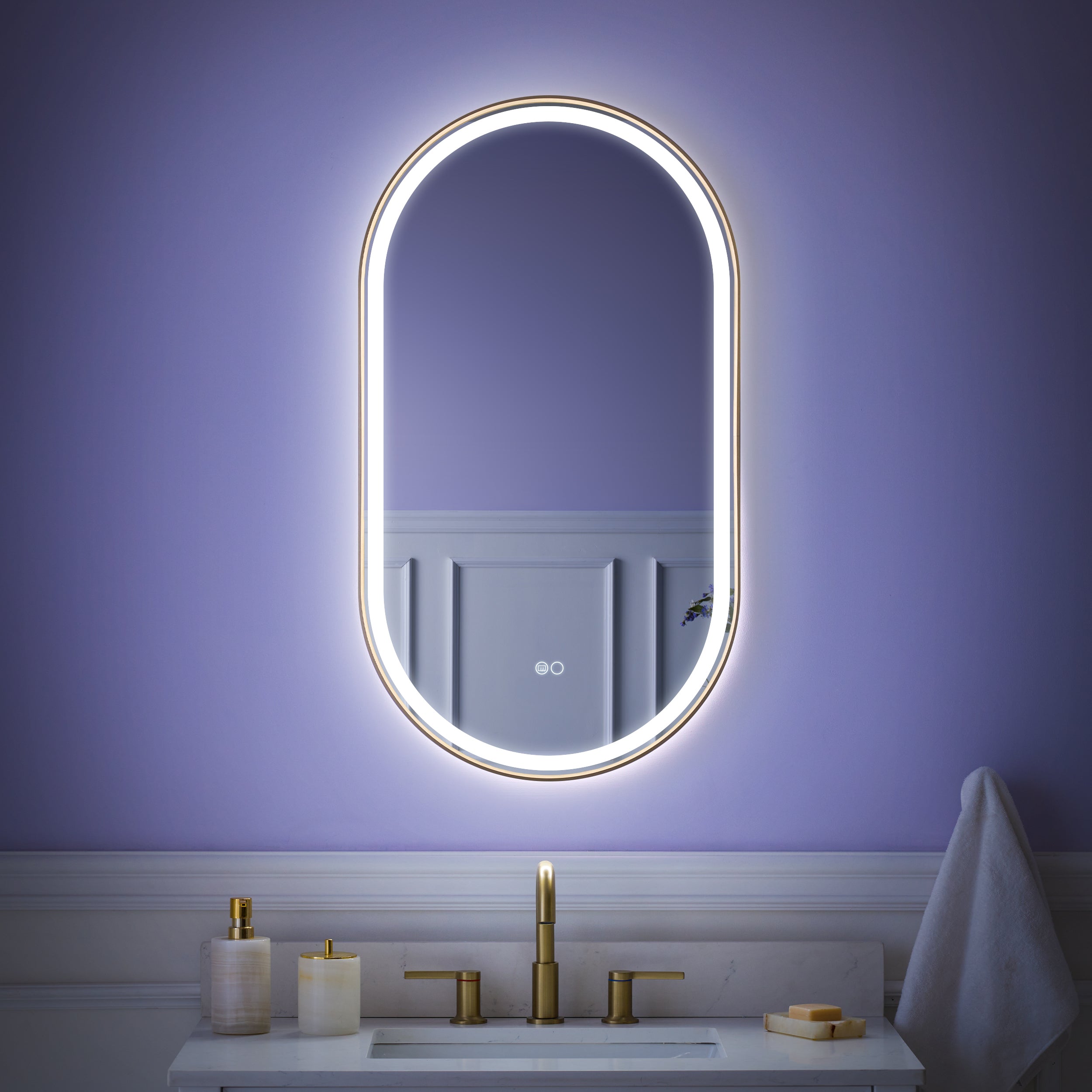
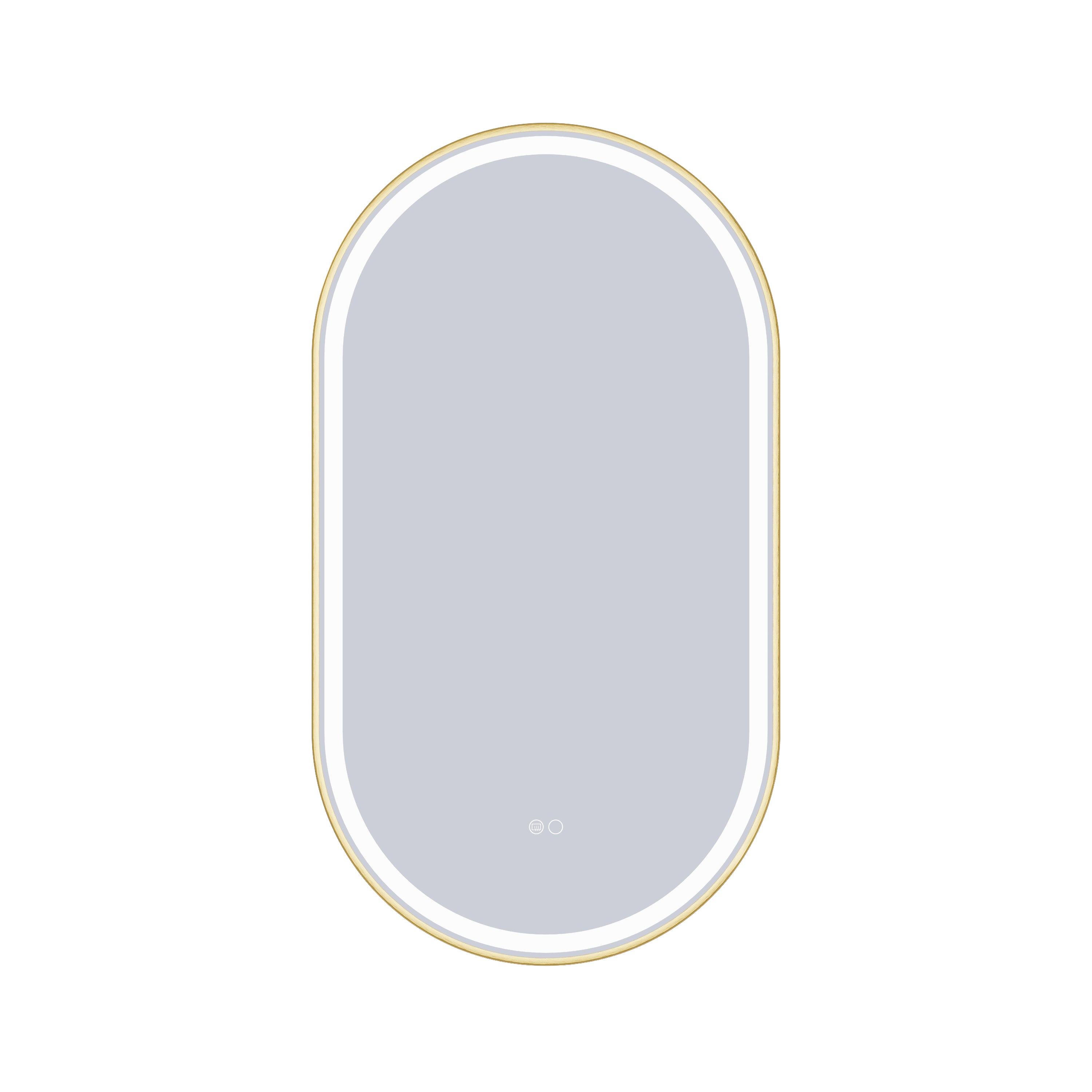
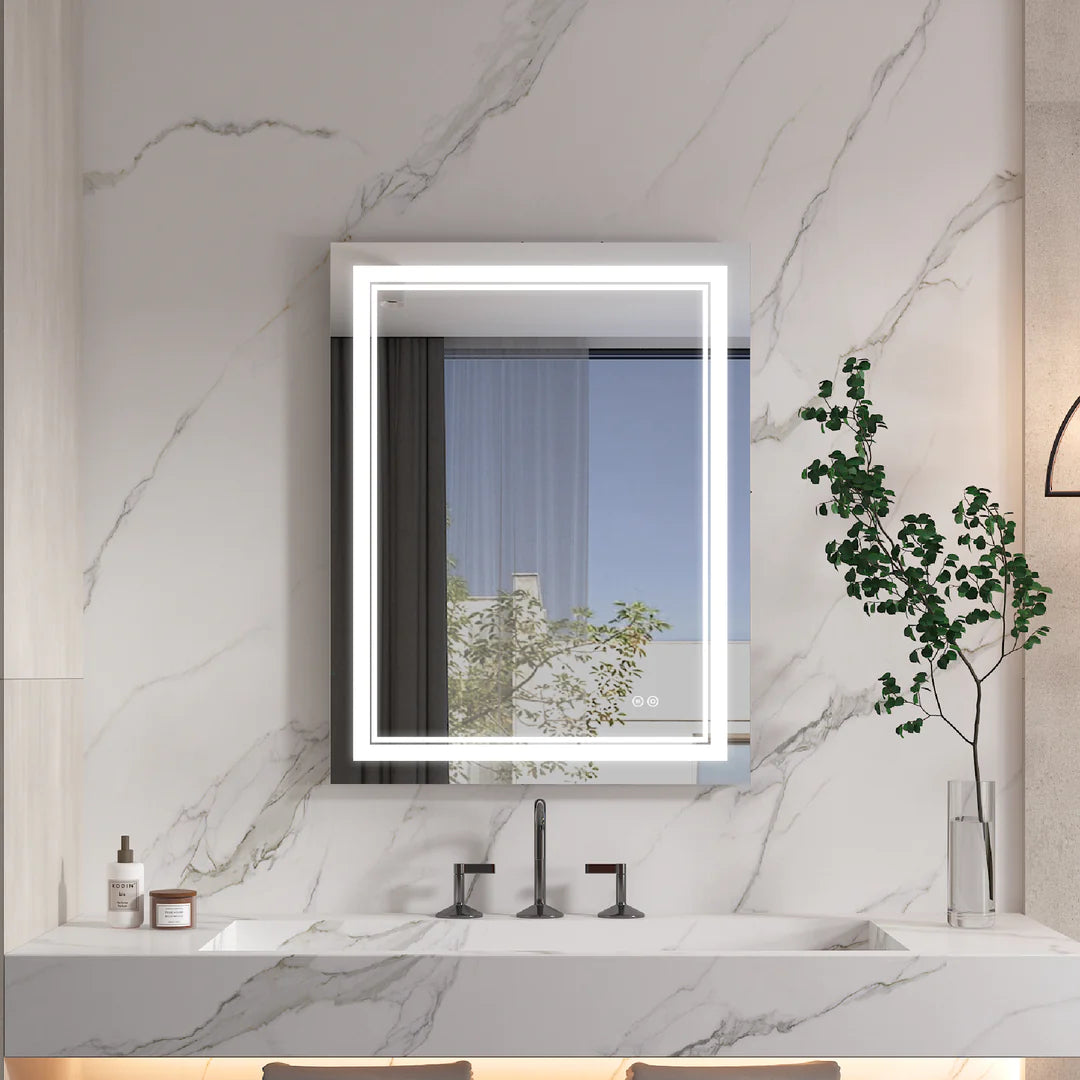
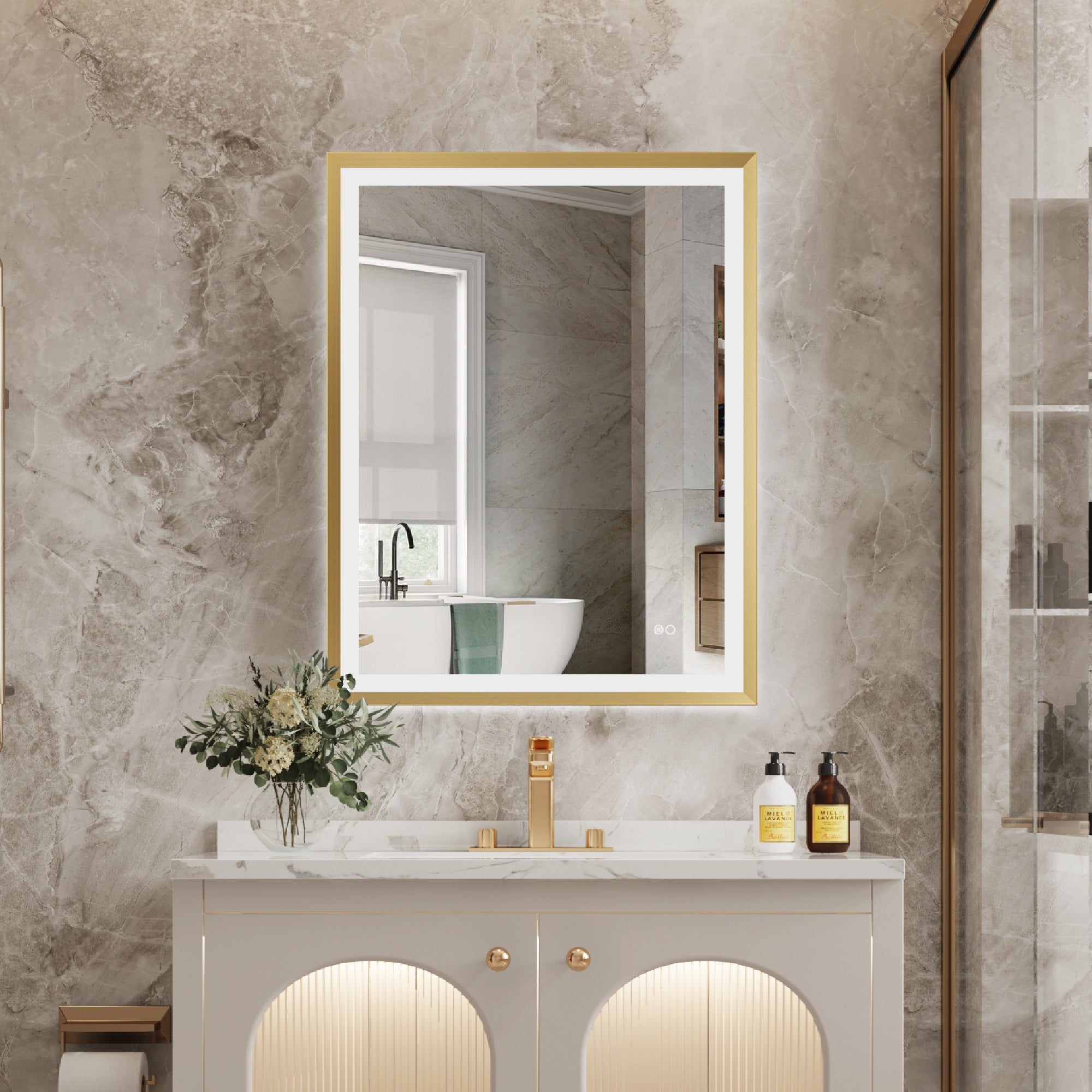
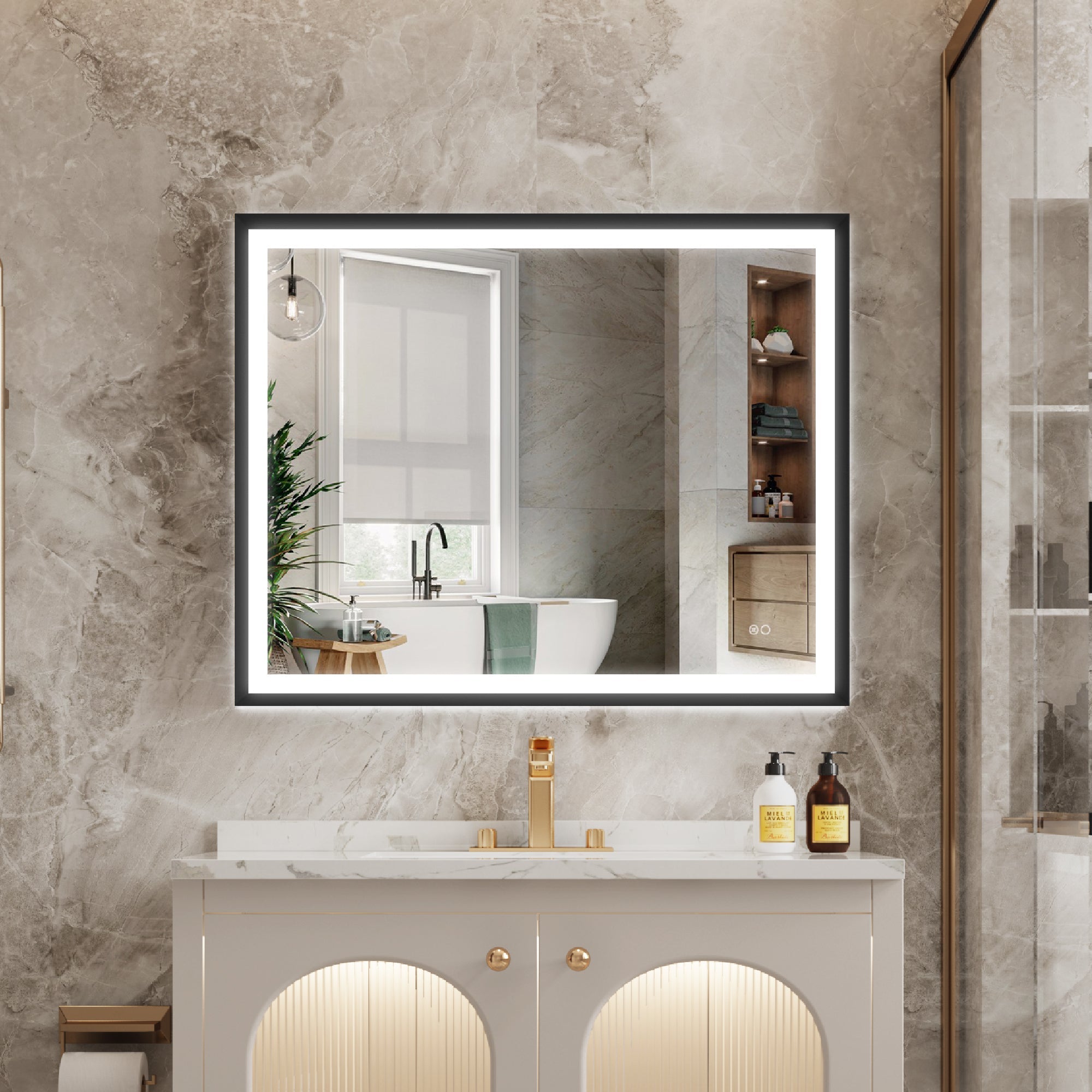
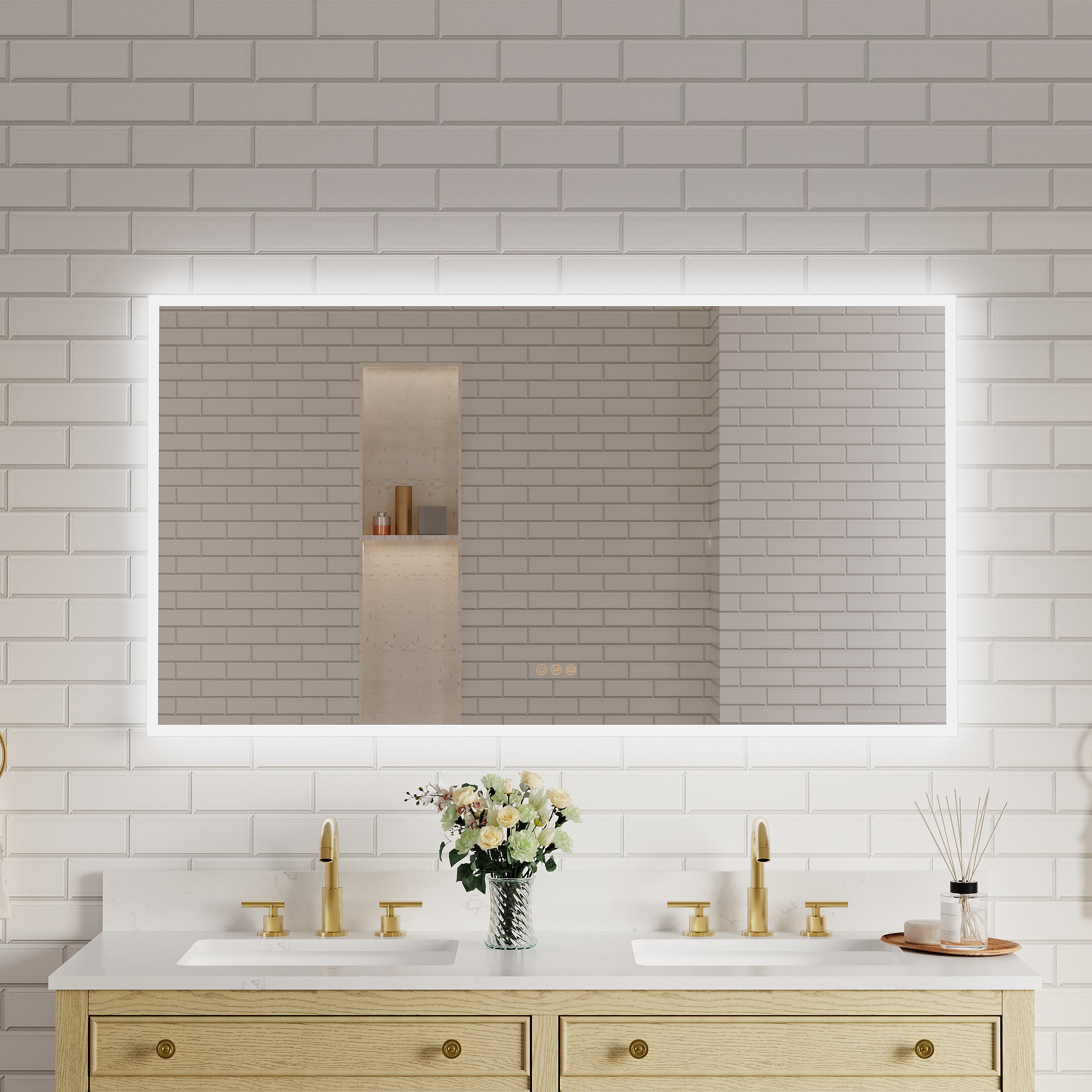
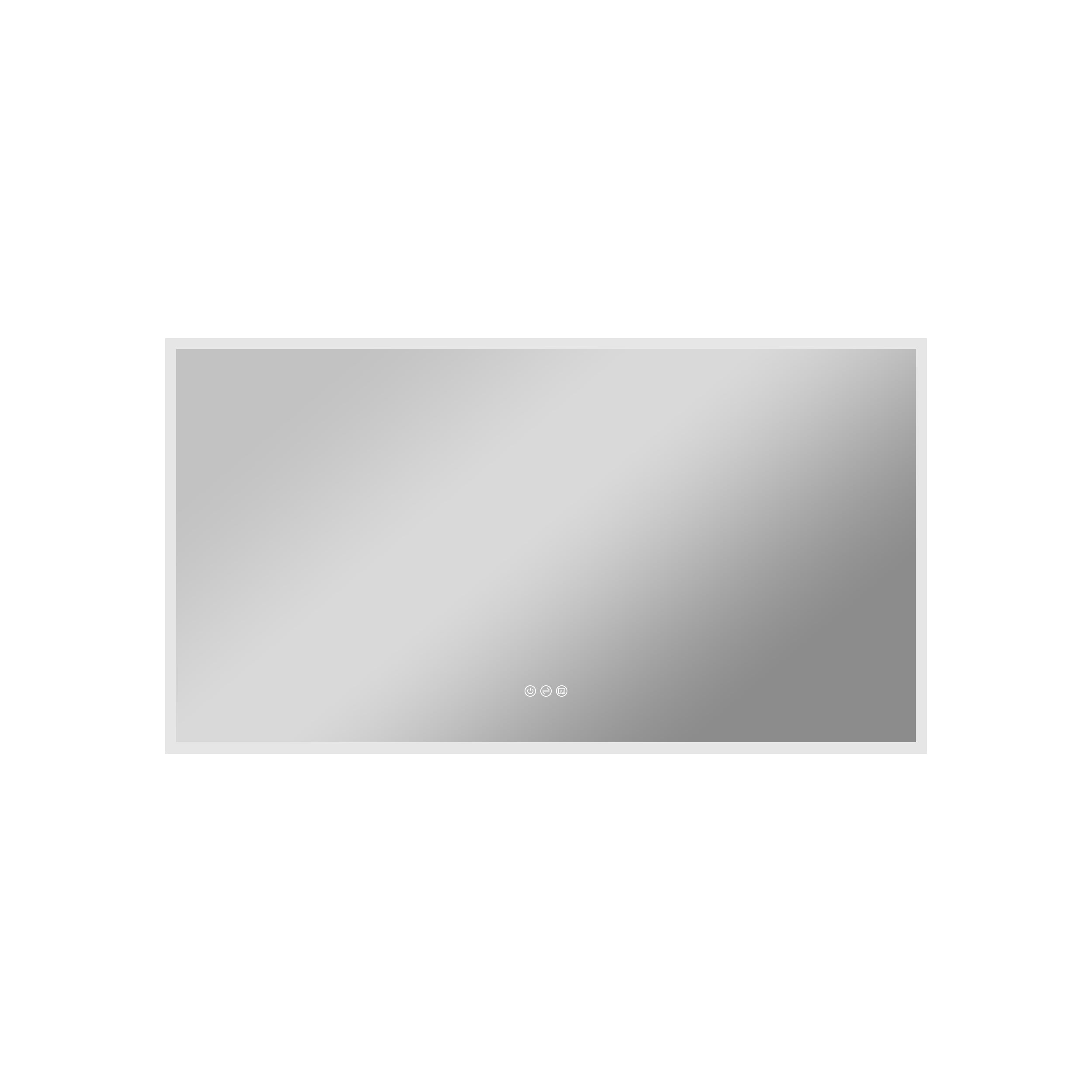
6. Integrated Lighting: The Feature That Can Upgrade the Whole Vanity Area
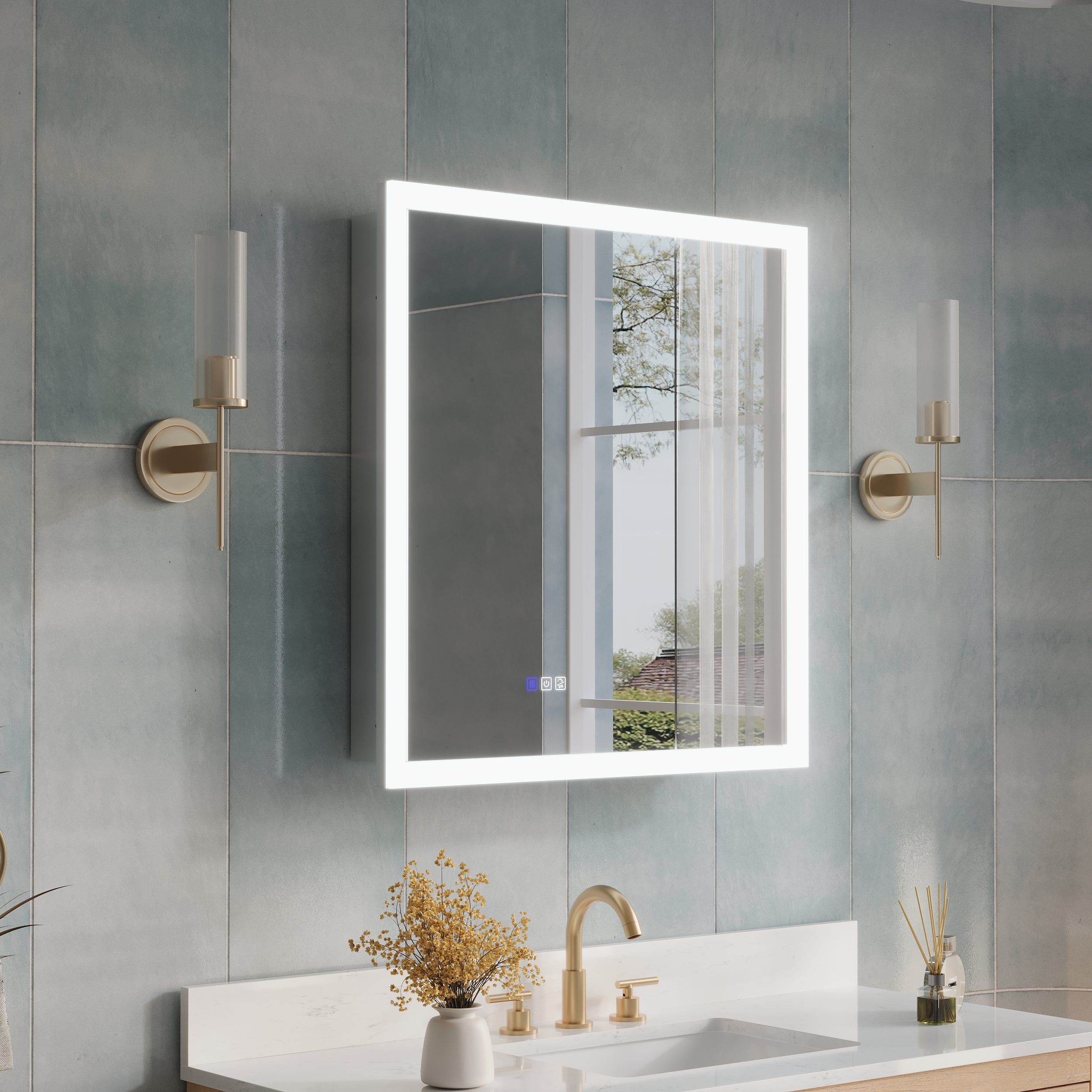
A stylish cabinet can also improve visibility if lighting is integrated well. The key is diffusion and control, not just brightness.
Why LED matters for long-term practicality: The U.S. Department of Energy notes that residential LEDs (especially ENERGY STAR-rated products) use at least 75% less energy and can last up to 25 times longer than incandescent lighting (Source: U.S. DOE “LED Lighting”). Those benefits matter when lighting is used daily.
Lighting features that feel premium
· Dimming: reduces glare at night and adapts to different routines.
· Adjustable color temperature: helps match your preferred tone for grooming vs. winding down.
· Even diffusion: avoids visible “LED dots” and harsh hotspots.
If you want a cabinet that stays stylish, avoid lighting that looks like a bright strip with glare. Smooth light reads more modern—and feels better.
7. Outlets, USB, and Defoggers: Only “Stylish” If They’re Integrated Cleanly
Built-in outlets and USB ports can reduce counter clutter, and defoggers can improve comfort if fogging is frequent. But these features only feel upscale when:
· cords don’t hang into your face,
· the outlet placement doesn’t disrupt the interior layout,
· controls are intuitive,
· and the unit is designed for bathroom humidity.
Treat these as functional tools, not gimmicks. If you’ll never use them, they’re not “features”—they’re failure points.
8. Moisture Durability: The Hidden Feature That Protects Style
Bathrooms are humid, and humidity destroys “pretty” details first: hinges corrode, finishes dull, and mirror edges can deteriorate over time.
EPA guidance recommends keeping indoor relative humidity below 60%, ideally between 30% and 50%, to reduce moisture problems (Source: U.S. EPA Mold Course, Chapter 2). While showers will spike humidity, the goal is to return to a safer baseline with ventilation.
Durability features worth paying for
· Corrosion-resistant hinges and fasteners
· Sealed interior finishes
· Clear manufacturer guidance for bathroom suitability
A cabinet cannot stay stylish if it’s rusting, swelling, or degrading at the edges.
9. A Copy-Friendly Feature Checklist
If you want a cabinet that’s both functional and stylish, prioritize these features in order:
1. Installation type: recessed for the cleanest look; surface-mount for simplest install.
2. Correct proportion: width aligned to the vanity; height placed for comfortable daily use (Source: ADA 603.3 mirror guidance).
3. Usable depth and adjustable shelves: common 4–5 inch depth range often balances capacity and profile (Source: Simple Project US).
4. Door behavior: choose single/tri-view/sliding based on clearance and traffic.
5. Soft-close hardware: improves daily experience and longevity.
6. Moisture durability: aim for RH below 60% (ideally 30–50%) with ventilation (Source: EPA Mold Course).
7. If lighted: look for dimming, clean diffusion, and LED longevity/efficiency benefits (Source: U.S. DOE LED Lighting).
8. If powered: outlets/defoggers only if integrated cleanly and supported by clear warranty/service.

Conclusion
A bathroom medicine cabinet becomes both functional and stylish when it’s chosen like a built-in fixture: the right installation style, proportional sizing, usable storage layout, doors that don’t fight the room, hardware that feels refined, and materials that survive humidity. Get those fundamentals right, and the cabinet won’t just “match your bathroom”—it will make the entire vanity area look cleaner, work better, and stay that way for years.









Leave a comment
This site is protected by hCaptcha and the hCaptcha Privacy Policy and Terms of Service apply.