
















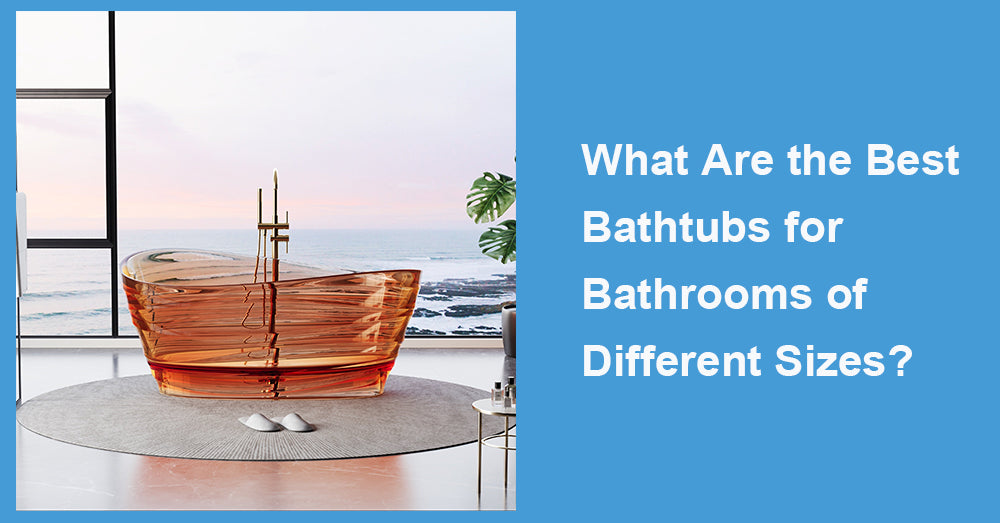
Choosing bathtubs for bathrooms of different sizes is getting more strategic as layout expectations shift toward spa-like comfort, easier cleaning, and smarter use of floor space. Recent renovation research shows bathtub style choices are clustering around a few “best-fit” formats, with freestanding flat-bottom tubs and alcove tubs leading the pack in many upgraded spaces.
Measure Like a Designer, Not Like a Shopper
Before comparing styles, start with the hard limits: the wet-zone footprint, door swing, and standing space in front of the fixtures. NKBA’s bath planning guidelines recommend at least 30 inches of clear floor space in front of fixtures for comfortable use, while noting 21 inches is a common minimum code baseline in front of a tub and other fixtures.
This matters because the “best” tub is often the one that preserves usable circulation. A tub that technically fits wall-to-wall can still feel wrong if it forces people to sidestep around a vanity corner, or if the tub apron blocks natural standing space. Treat clearance as part of the tub size, not an afterthought.
Small Bathrooms: Prioritize Wall-Hugging Layouts and Multi-Use
In smaller bathrooms, the best bathtub is usually the one that stays tight to the perimeter and supports a simple shower pairing. That’s why alcove tubs remain a top choice for many remodels, especially when the tub must share space with a shower. In broader renovation data, alcove tubs consistently hold a large share of selections alongside freestanding tubs.
Practical small-bath winners include:
l Standard alcove tubs are around 60 inches long by 30 inches wide for the most straightforward replacement and surround compatibility. Major manufacturers commonly offer this footprint, making it the easiest option when plumbing and walls are already in place.
l Slightly wider alcove options (about 60 x 32 inches) when elbow room matters and the layout allows it.
l Compact-length tubs (often around 54 inches long) for unusually tight rooms or secondary baths where a full 60-inch run disrupts the rest of the plan (these exist, but always confirm framing and drain placement before committing).
l If the bathroom is small enough that every inch counts, also pay attention to shower minimums and entry clearance because many “tub-or-shower” decisions come down to code-legal geometry. A common residential code reference allows a minimum 30-inch by 30-inch shower with at least 24 inches of clearance in front of the shower opening, which can influence whether a tub-shower combo is the cleaner solution.
Medium Bathrooms: Choose Between “Everyday Practical” and “Boutique Hotel.”
In medium-sized bathrooms, the best tub choice usually splits into two directions:
Option A: Upgrade the alcove experience
A deeper soaking alcove tub keeps the efficient footprint while improving comfort. Many alcove designs emphasize a more relaxed soak depth and easier step-over, without demanding extra floor space. For example, Kohler describes some alcove models with a 19-inch step-over height while maintaining a deeper bathing profile, which can be a useful balance for daily use.
Option B: Add a freestanding tub as the focal point
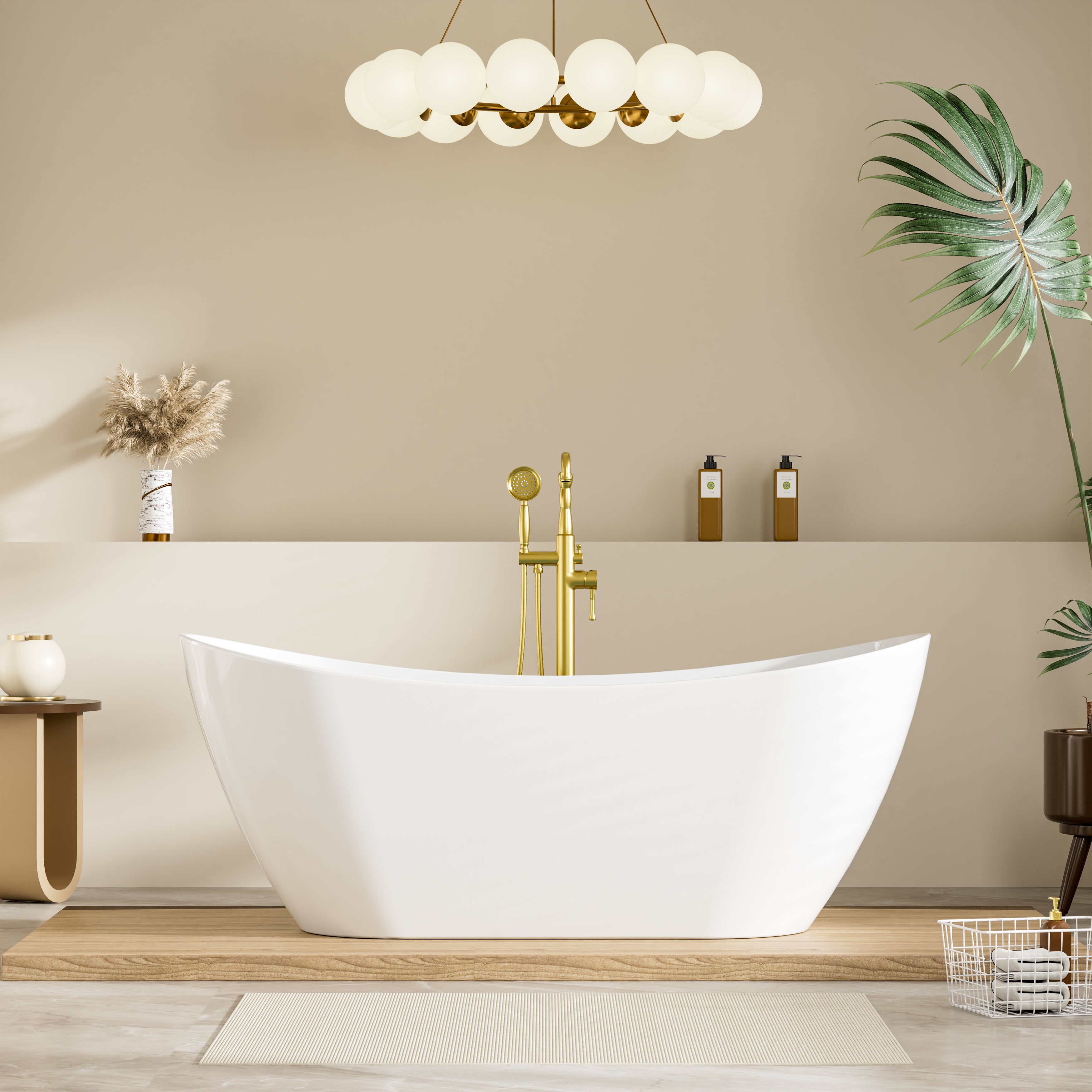
If you can maintain comfortable clearances, a freestanding tub becomes a design feature that elevates perceived quality. In renovation trend reporting, freestanding flat-bottom tubs are repeatedly among the most selected styles.
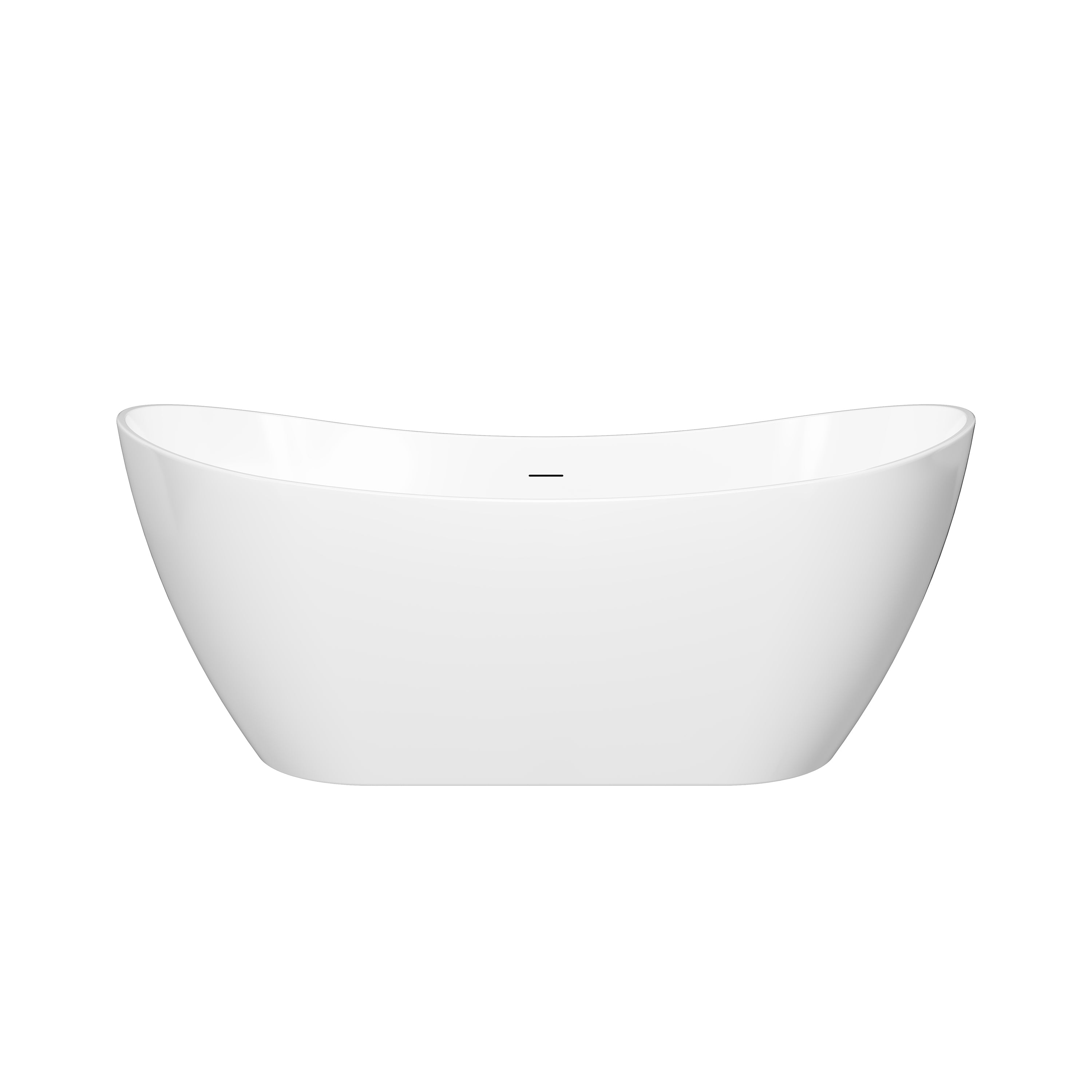
For medium bathrooms, freestanding tubs around 60 to 67 inches long are often the sweet spot: large enough to feel premium, but not so large that the room becomes tub-dominant.

Large Bathrooms: Go for Soaking, Wet Rooms, and True Spa Proportions
In larger bathrooms, the best tub choice is less about “fit” and more about experience: deeper soaks, double-ended lounging, and placement that works with a larger shower zone.
A major signal from recent bath trend research is the growth of wet rooms and the types of tubs being chosen for them. In Houzz’s 2025 bathroom trends report on wet rooms, freestanding flat-bottom tubs were the top choice (57%), with alcove tubs at 27%, meaning the vast majority of wet rooms still rely on those two core formats.
Even more telling: as part of wet room upgrades, soaking bathtubs dominate, with close to three-quarters of renovators favoring soaking styles in that context.
For large bathrooms, strong choices include:
l Freestanding soaking tubs (often 67 to 72 inches long) are positioned to create a clear “dry zone” walkway and an intuitive towel and robe landing area.
l Deck-mounted or drop-in tubs, when you want surrounding ledges for candles, bath trays, and practical storage, but only when the room can support the extra surround depth without pinching circulation. (Deck-mounted tubs exist in the trend mix but at smaller shares than freestanding and alcove.)
l Two-person or double-ended tubs are used when the bathroom is sized to keep all other fixtures comfortably accessible.
Households With Kids or Daily Utility Needs: Don’t Ignore Water Capacity and Safety
For family utility, the “best” tub is often the one that’s easiest to use repeatedly: bathing children, rinsing after sports, washing pets, or soaking laundry.
A useful spec to watch is water capacity, because it hints at soak depth and fill expectations. For example, American Standard lists a common 60 x 30 alcove tub with a 48-gallon capacity.
Also, look for safety details that make day-to-day use smoother:
l Textured floors to reduce slip risk (common on many practical alcove models).
l A comfortable step-over and inner ledge shape for stable entry and exit.
l Rounded interior corners that are easier to wipe down and less likely to trap grime.
Material Choices: Match the Tub to the Floor and Maintenance Reality
Bathroom size affects material choices because larger, heavier tubs can raise installation complexity.
l Acrylic is popular for weight and comfort, and many widely used alcove models are acrylic for easy cleaning and manageable installation.
l Cast iron tends to feel ultra-solid and retains heat well, but it adds significant weight that may affect delivery, handling, and floor considerations.
l Stone resin / solid-surface styles can look very high-end in large bathrooms, especially as freestanding centerpieces, but always validate weight and placement plans.
The best material is the one that supports the room’s real-life routine. In small bathrooms, lighter materials and simpler installs can keep the project on track. In large bathrooms, heavier “statement” tubs can make sense if the rest of the layout stays effortless to move through.
Water and Efficiency: Balance Soaking Comfort With Smarter Fixtures
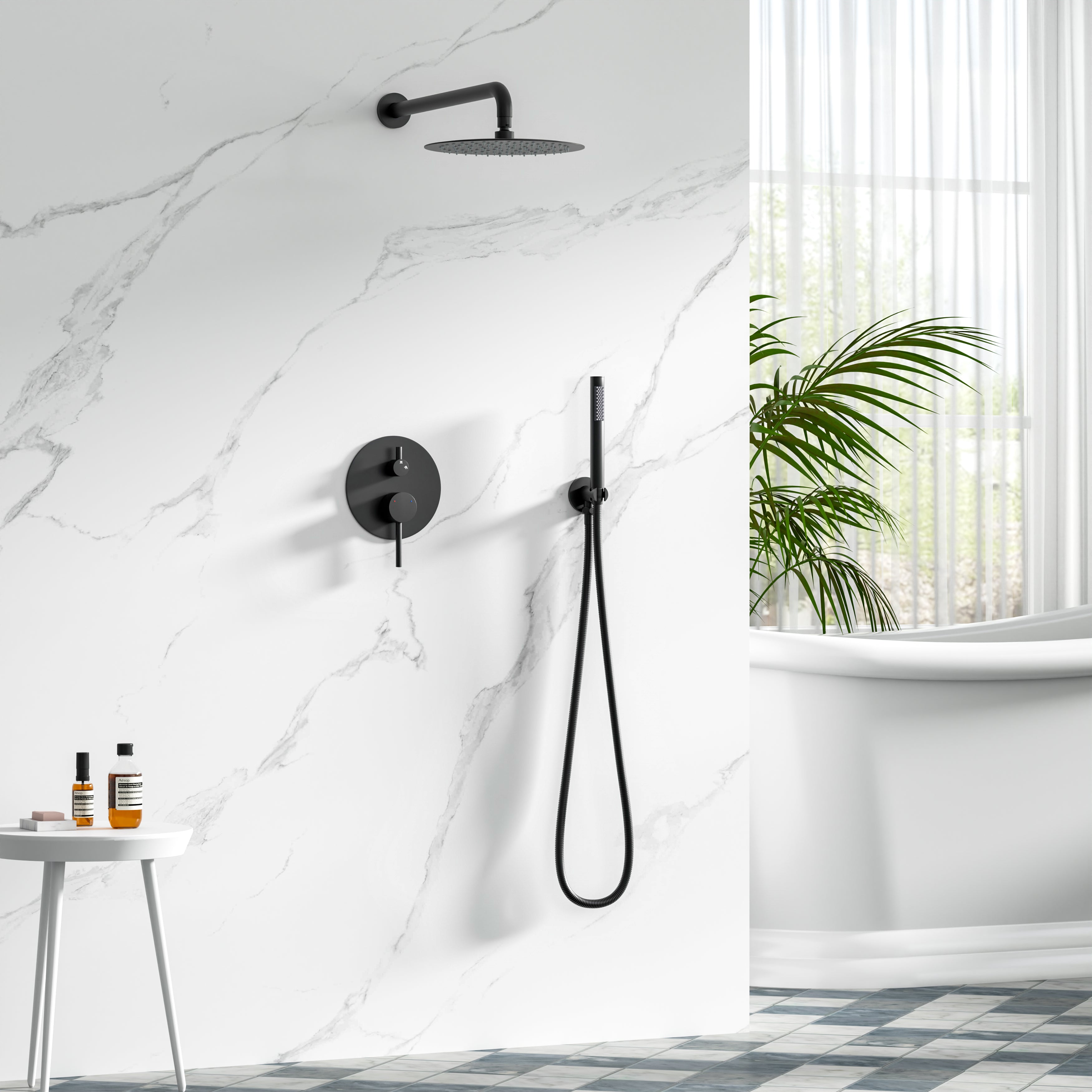
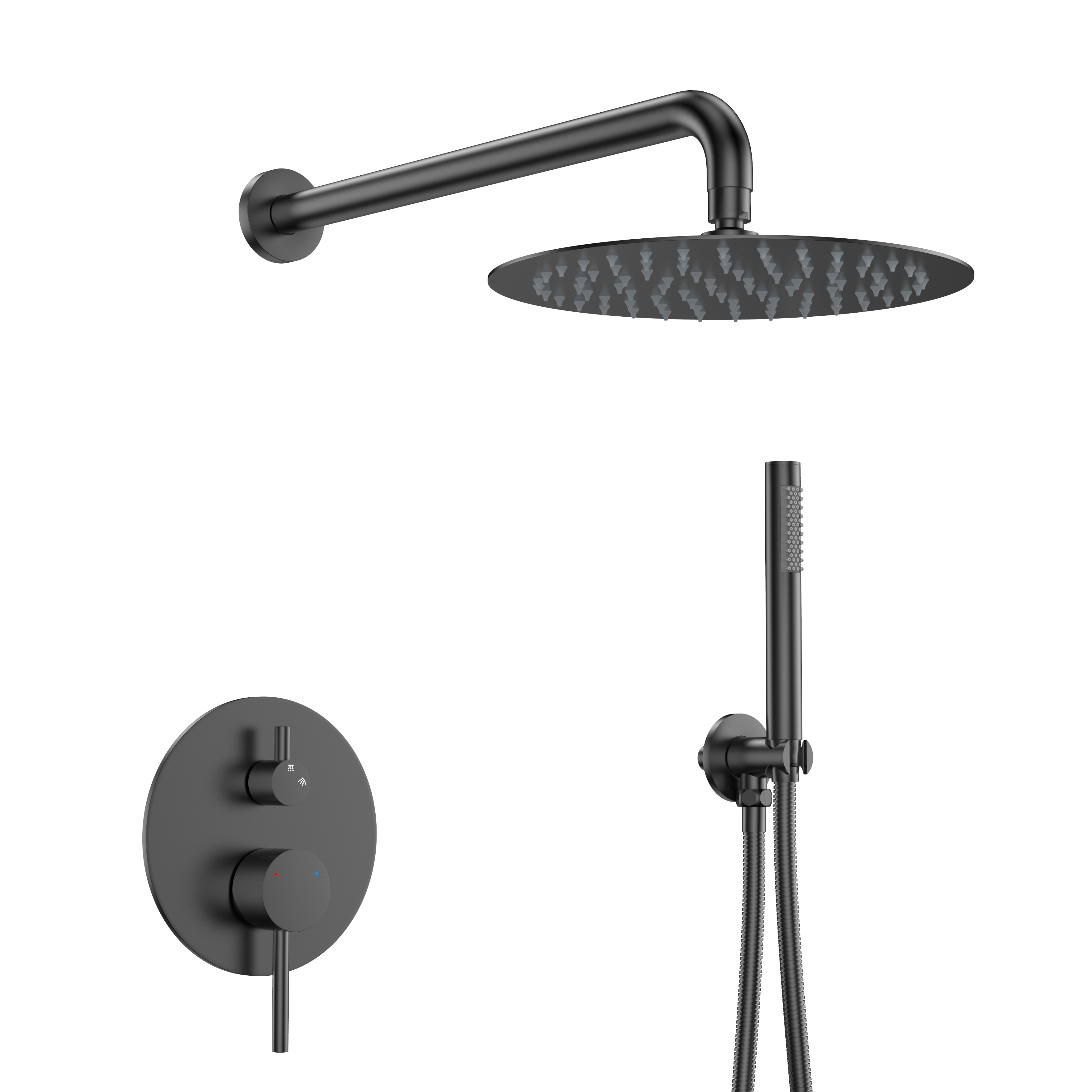
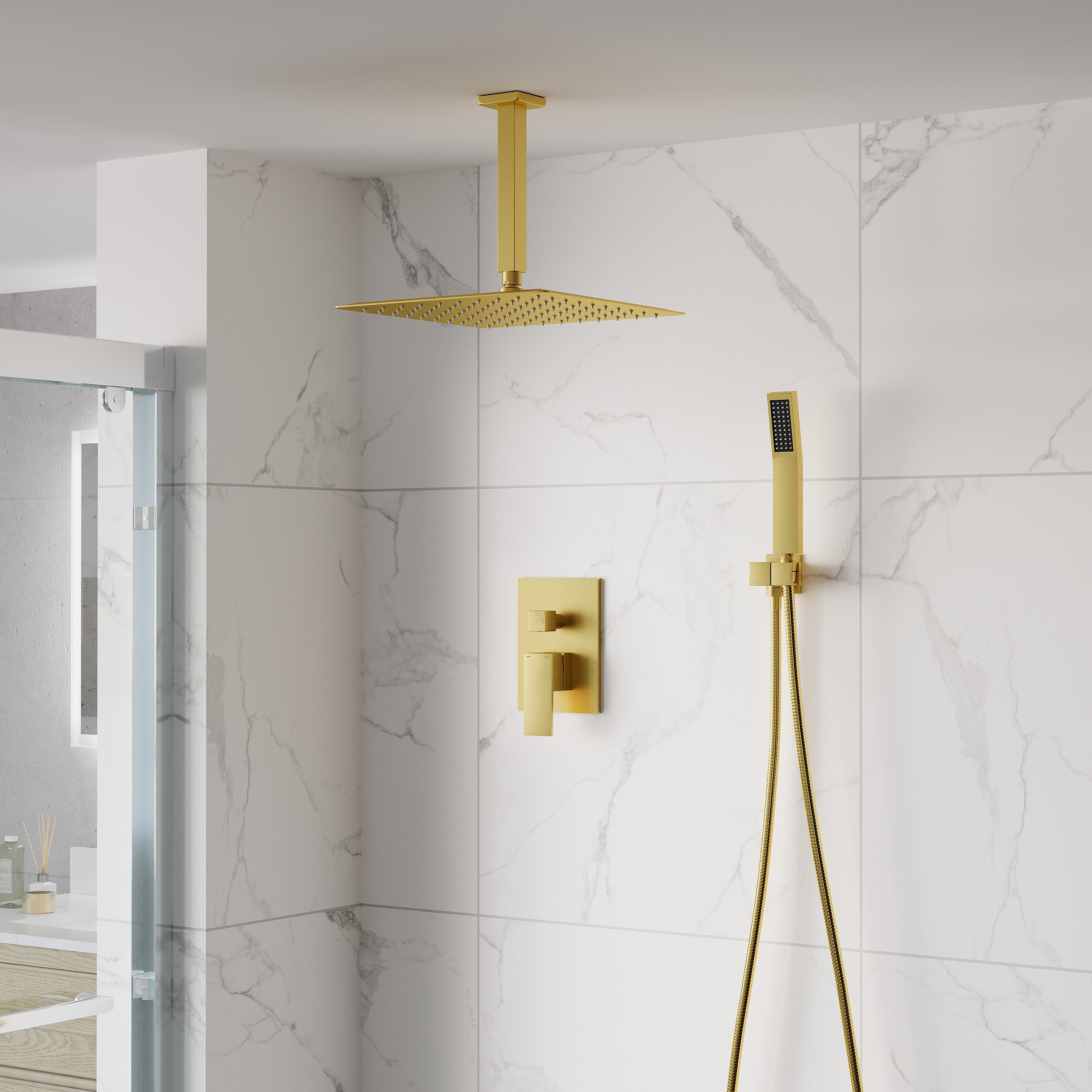
If a bathroom plan leans toward showers most days and occasional baths, efficiency choices shift to shower hardware. EPA WaterSense notes that standard showerheads use 2.5 gallons per minute, while WaterSense-labeled showerheads use no more than 2.0 gallons per minute, targeting about a 20% reduction compared to the federal standard.
That context is relevant because a bathroom’s “best tub” is often paired with a shower strategy: tubs for occasional deep soaks, showers for daily speed. It’s also consistent with broader bath trend commentary, noting that larger showers continue to outpace tubs in many remodel visions, even as tubs evolve into more intentional comfort features.












Leave a comment
This site is protected by hCaptcha and the hCaptcha Privacy Policy and Terms of Service apply.