















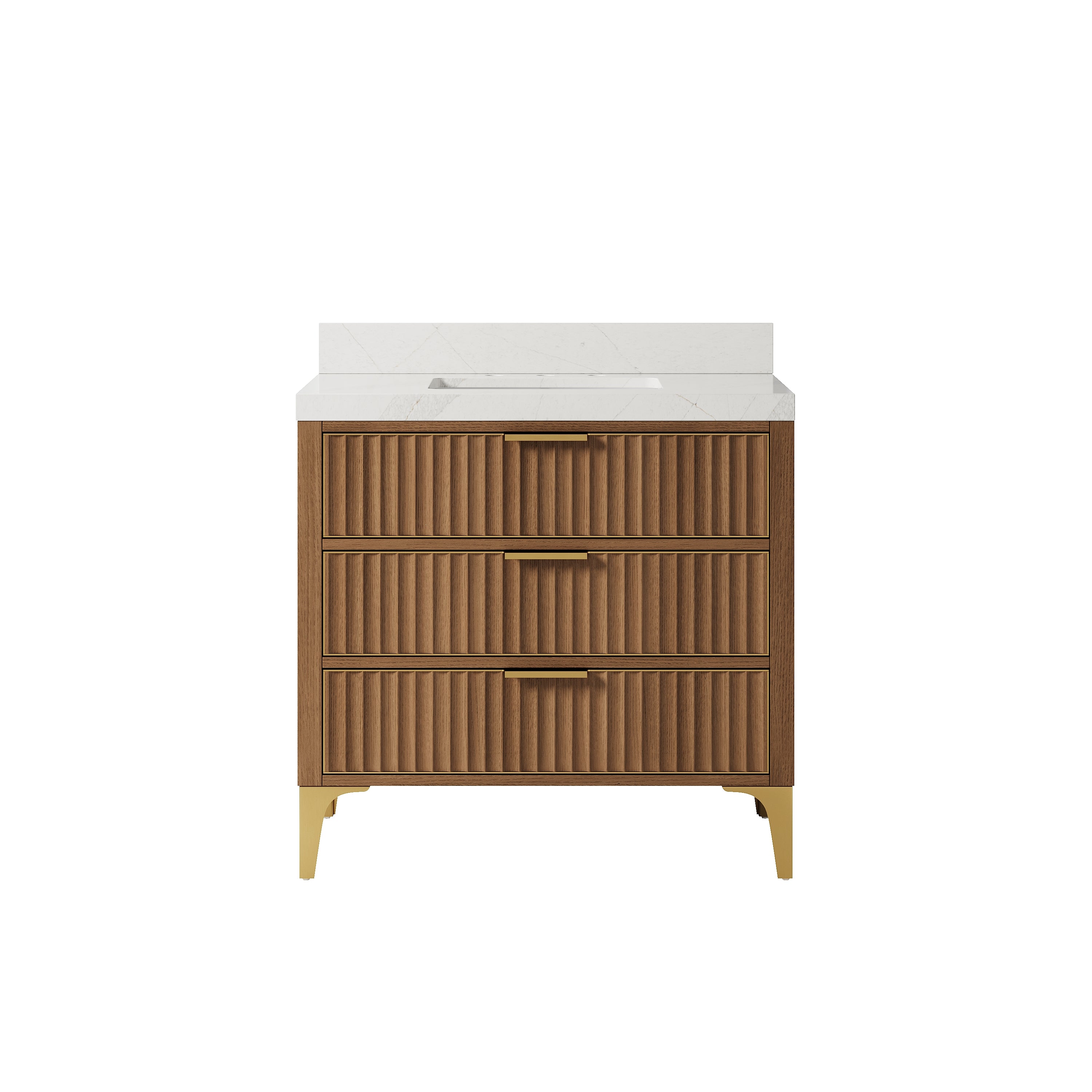

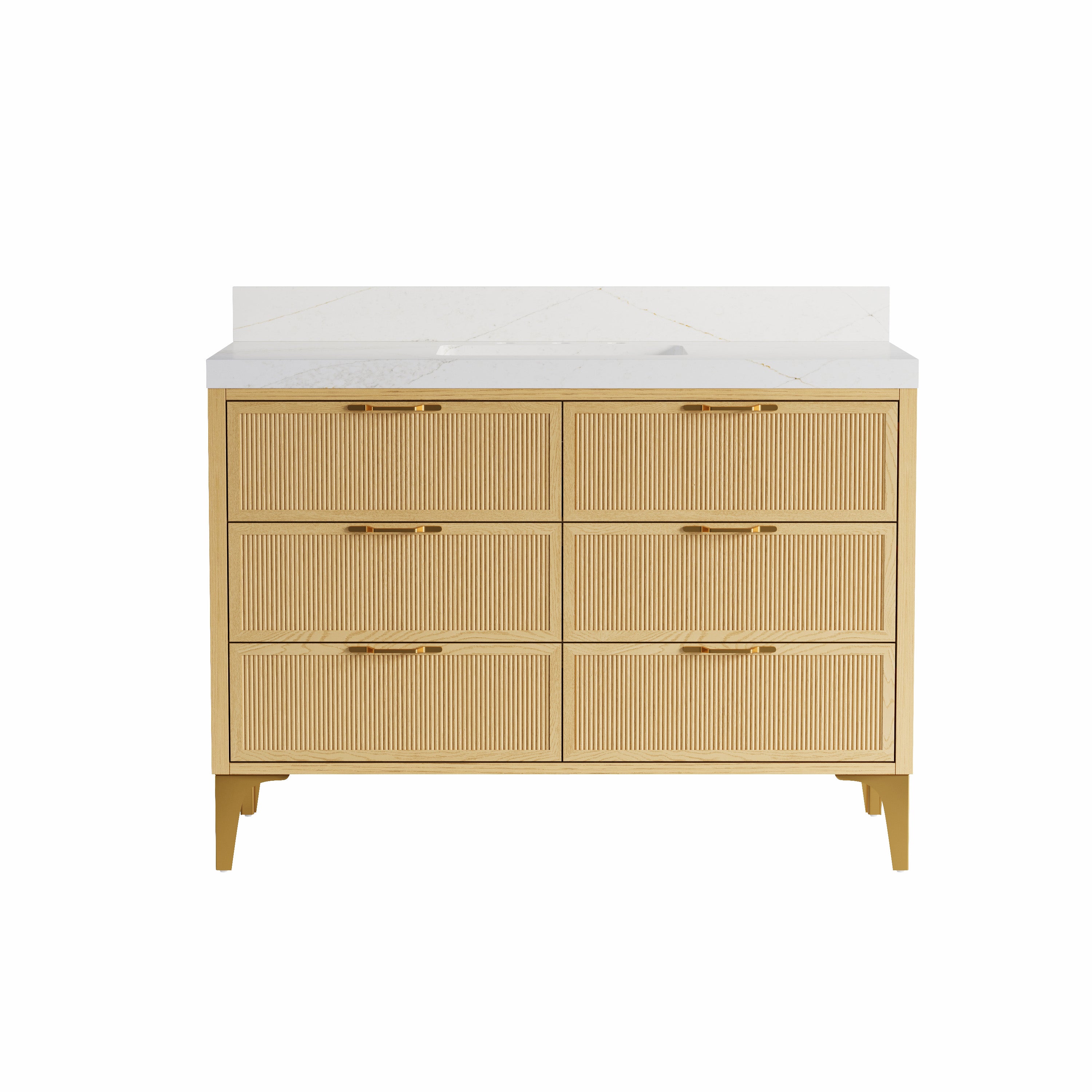


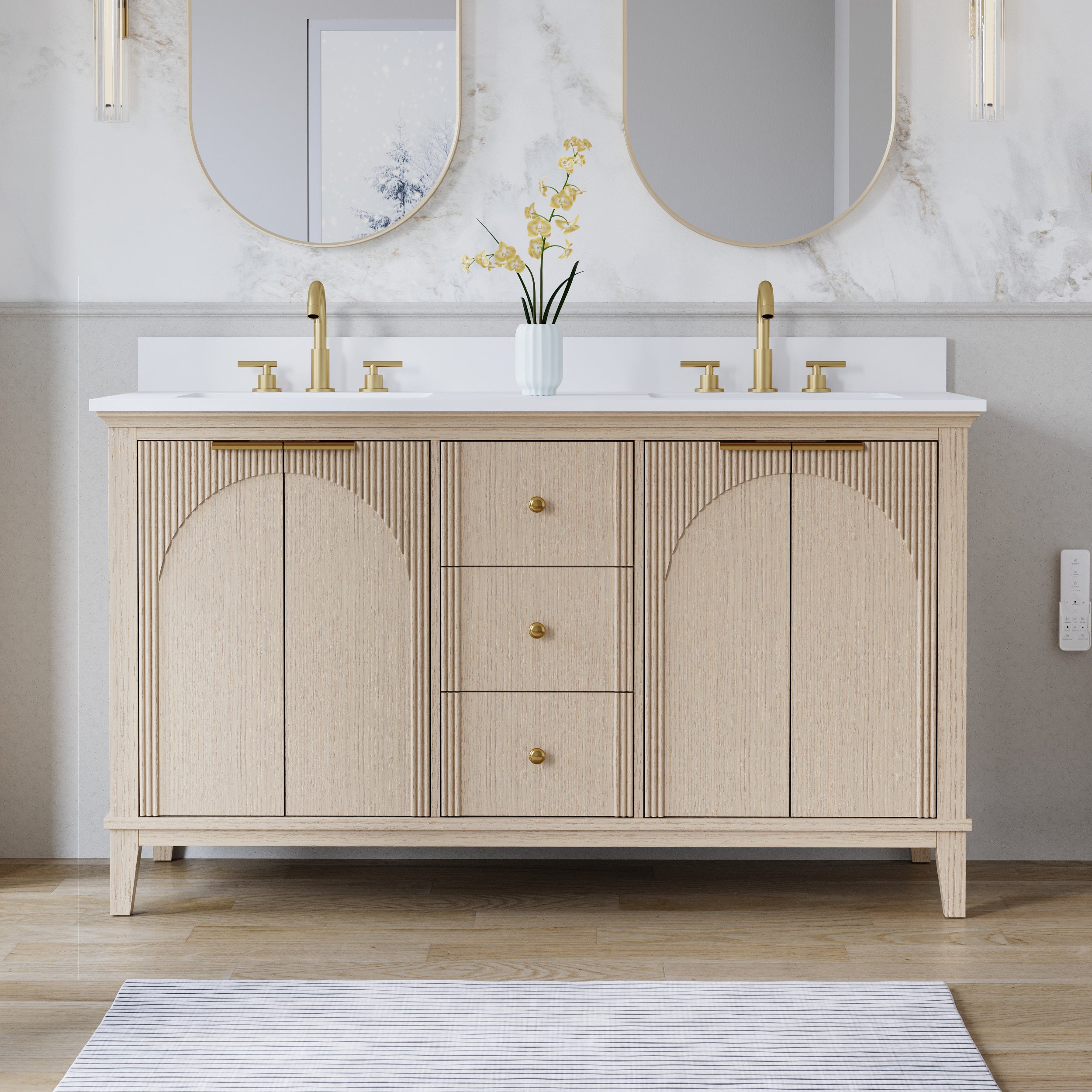
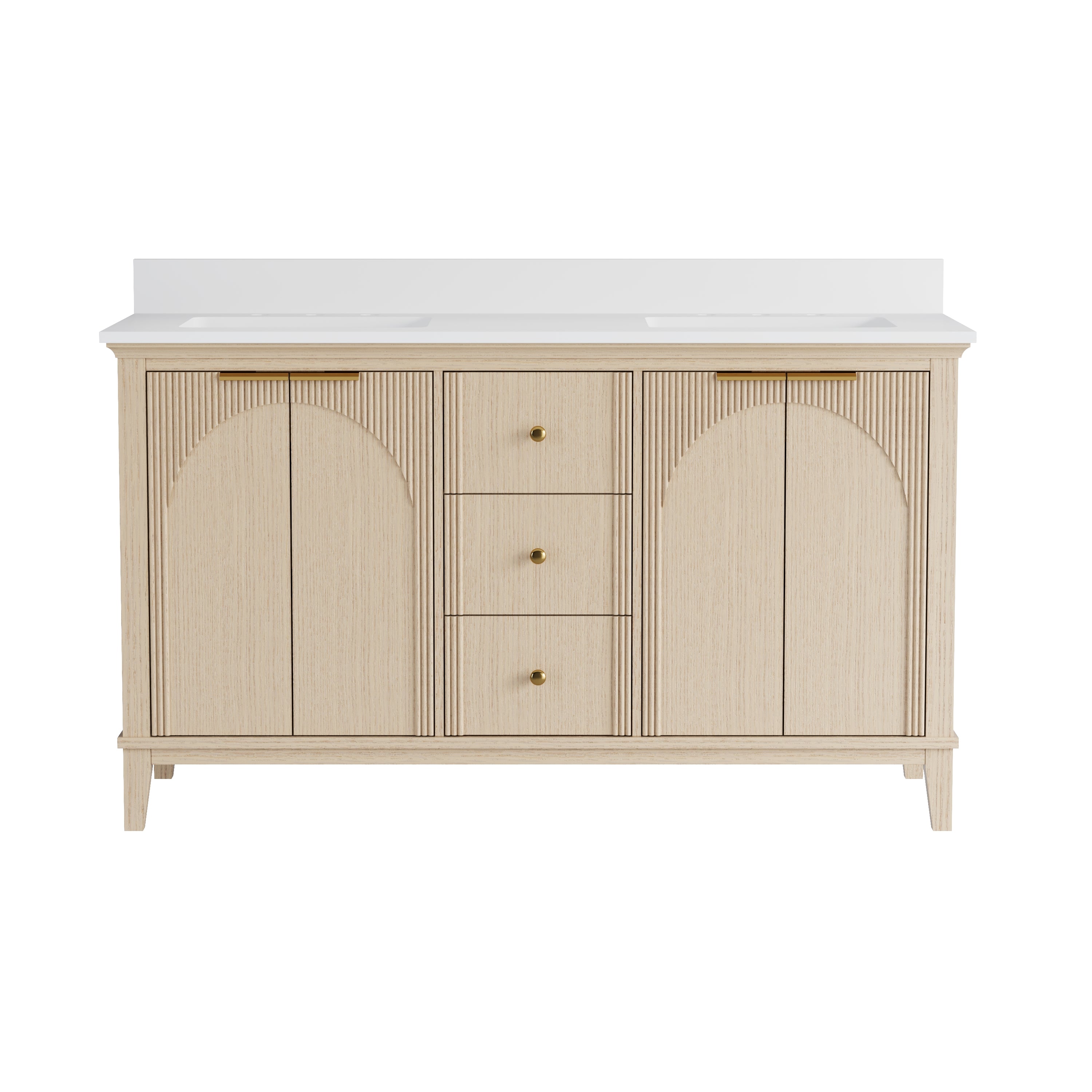

In today’s renovation cycle, solid wood bathroom vanities are gaining attention not just for their furniture-like look, but for what they signal: a shift toward longer-lasting materials as remodeling budgets stay high and homeowners expect better daily performance from core fixtures. With renovation activity still sizable and projected to keep moving through 2026, material choices that reduce replacement risk and elevate perceived quality are becoming more strategic than ever.
1. Strong renovation economics reward “keep-it-longer” materials
When a bathroom upgrade can cost real money, durability stops being a nice-to-have. Industry benchmarking from the 2025 Cost vs. Value Report shows a midrange bathroom remodel with an average job cost of $26,138 and an estimated 80% cost recouped at resale. That doesn’t mean every item returns dollar-for-dollar. Still, it reinforces a practical point: bathrooms are scrutinized spaces, and higher-quality cabinetry tends to read as “worth it” because it sits at eye level and is used every day.
Meanwhile, Harvard’s remodeling outlook projects year-over-year growth in renovation and repair spending of about 2.1% in mid-2026, easing to around 1.6% by late 2026. In a market where labor and project complexity can pressure budgets, a vanity that holds up well becomes one of the simplest ways to protect the investment.
2. Homeowner preference is swinging toward solid wood
Recent survey data points to a clear preference for real wood cabinetry in bathrooms. In Houzz’s 2025 Bathroom Trends Study (a survey of 1,737 homeowners), 74% of renovating homeowners who chose wood vanities selected solid wood. Houzz also reports the leading wood choices skew toward classic, durable species: maple (29%), white oak (23%), followed by birch (12%) and walnut (9%).
This matters because it’s not just a designer-led trend. It’s a demand signal: people want vanities that feel substantial, look less “flat,” and hold their finish better under daily use.
3. Better repairability and lifespan than many budget panels
A solid wood vanity doesn’t have to be “indestructible” to be a smart buy. The advantage is how it ages. Solid wood can often be re-sanded, touched up, or refinished when it picks up minor scratches or dull spots, especially on doors and face frames. With many low-cost panels, damage can be harder to disguise because the surface layer is thin or the core can swell if moisture penetrates.
That said, a strong industry reality is that many “solid wood” vanities are actually solid wood frames paired with plywood for boxes or shelves, which is often a good thing. Well-built plywood panels can add dimensional stability while keeping the visible, high-touch parts (doors, drawer fronts, face frames) in solid wood for durability and aesthetics. The win is not “all wood everywhere,” but smart construction that fits a humid room.
4. Moisture performance depends on finish and construction details
Bathrooms are hard on cabinetry: steam, splashes, and frequent cleaning. Solid wood can expand and contract slightly with humidity, so what really determines long-term performance is how the vanity is built and sealed.
Look for these build details that matter in real bathrooms:
1. Sealed edges and finished interiors (raw edges are where moisture problems start).
2. Dovetail or robust joinery in drawers for long-term alignment.
3. Soft-close hinges and slides to reduce racking over time.
4. Raised feet or legs (or a well-sealed toe kick) to avoid standing water damage.
5. A countertop with a proper overhang and caulk line to keep drips from running down the front.
If you’re choosing between similar-looking options, these details often matter more than a marketing label.

5. A cleaner materials story, backed by formaldehyde standards
Bathroom vanities often include composite wood components. For those products, formaldehyde emissions are a valid concern, which is why there are clear regulatory standards for composite wood products such as hardwood plywood, MDF (including thin MDF), and particleboard under TSCA Title VI. The federal rule framework (40 CFR Part 770) covers emission standards, testing, certification, and labeling for composite wood products and finished goods that contain them.
Choosing a vanity with more solid wood in its visible structure can reduce reliance on higher-emitting panel cores. Still, the practical takeaway is simpler: whichever build you choose, look for documentation that the product is TSCA Title VI compliant if composite panels are involved.
6. Sustainability is not just a buzzword: wood stores carbon during use
For renovation buyers trying to balance durability with environmental impact, wood has a credible angle: harvested wood products can continue to store carbon for the duration of their useful life, according to USDA climate and forestry resources. A vanity is a long-lived interior product when built well, which makes “use life” an important part of the sustainability conversation—keeping cabinetry in service longer generally reduces waste and replacement cycles.
7. How to pick the right solid wood vanity in inches
A smart selection process is mostly about fit and function:
1. Confirm size: common widths include 24 in, 30 in, 36 in, 42 in, 48 in, and 60 in; typical depths are around 18–22 in; typical heights range 32–36 in, depending on style and legs.
2. Match storage to routines: drawers are better for daily items; doors are better for tall bottles and plumbing clearance.
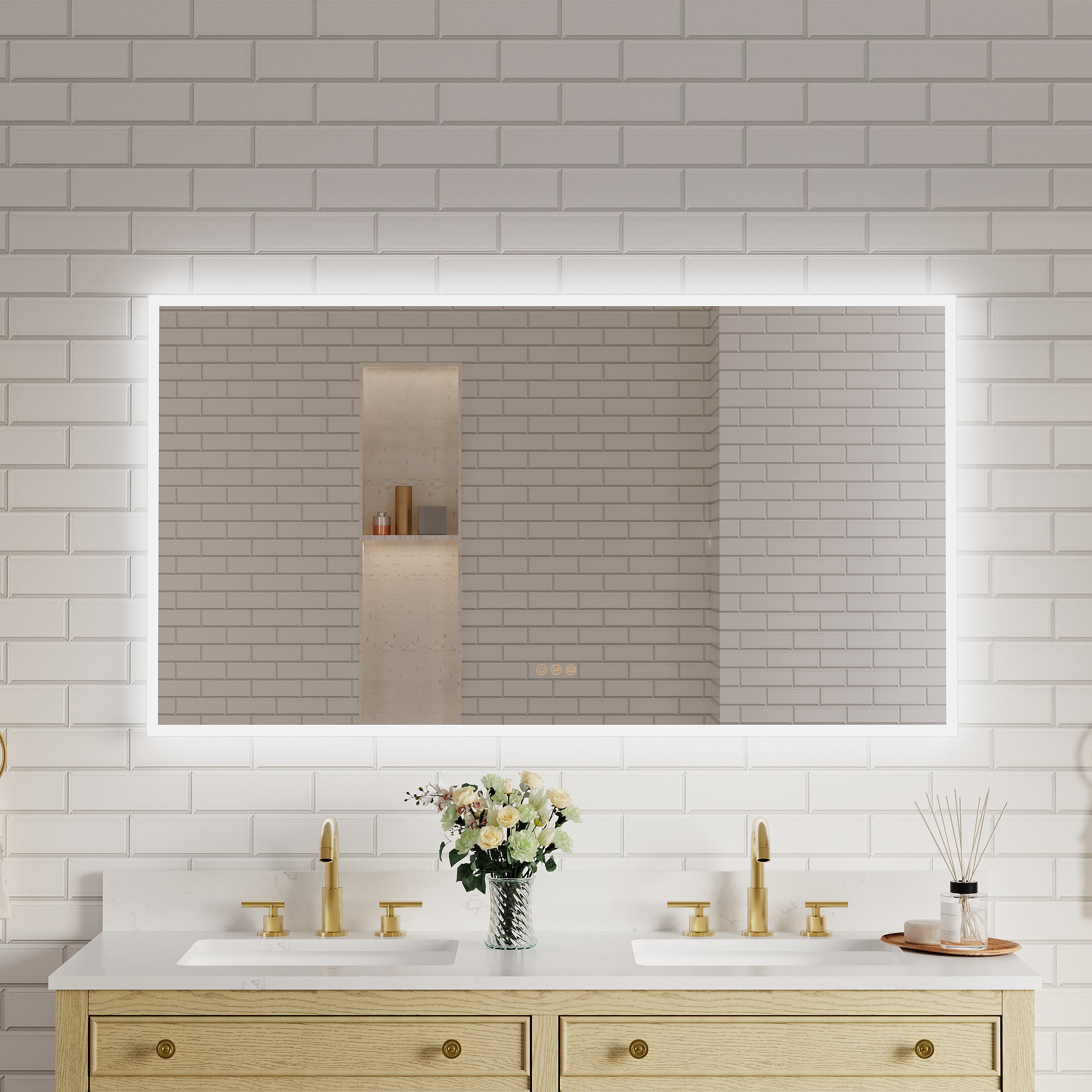
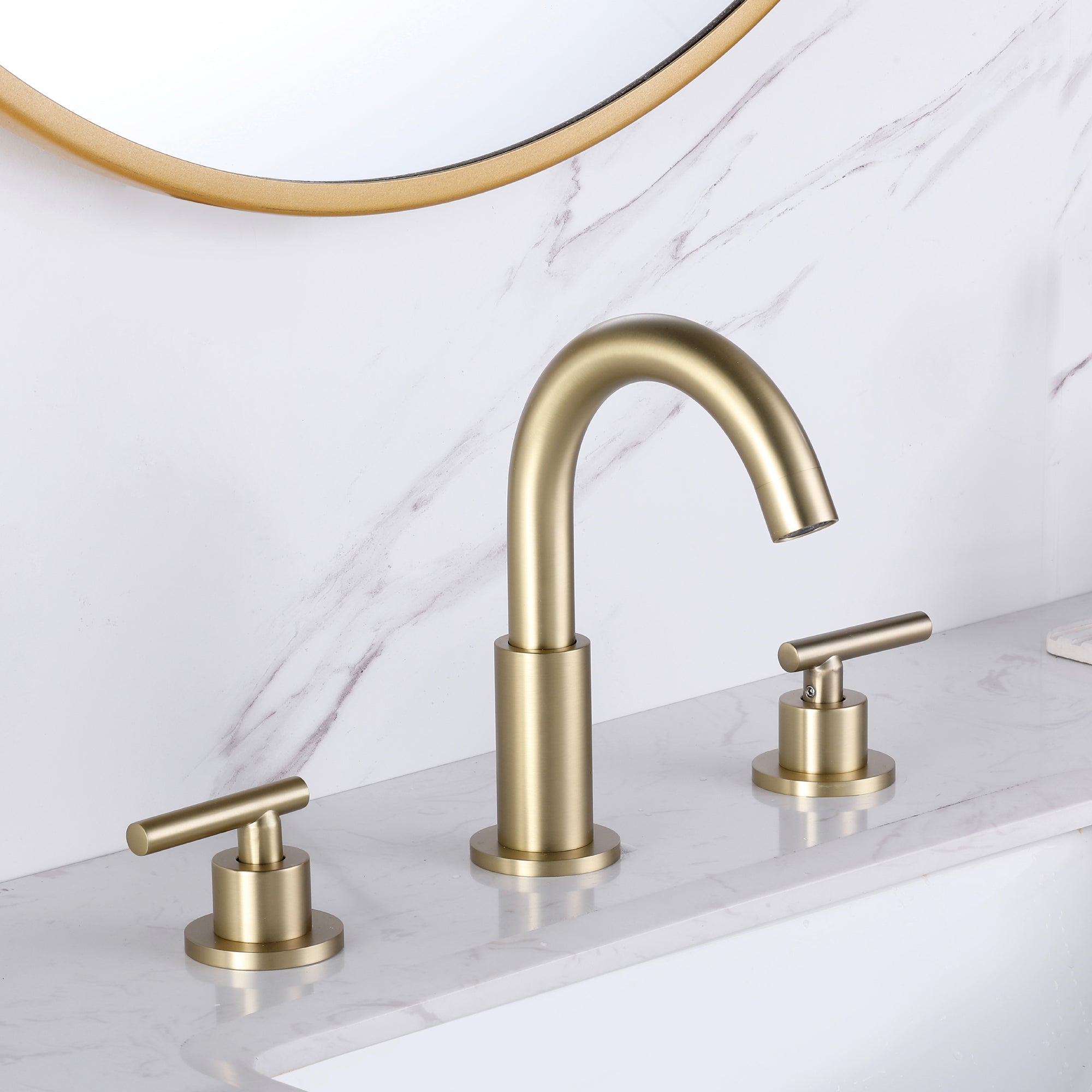
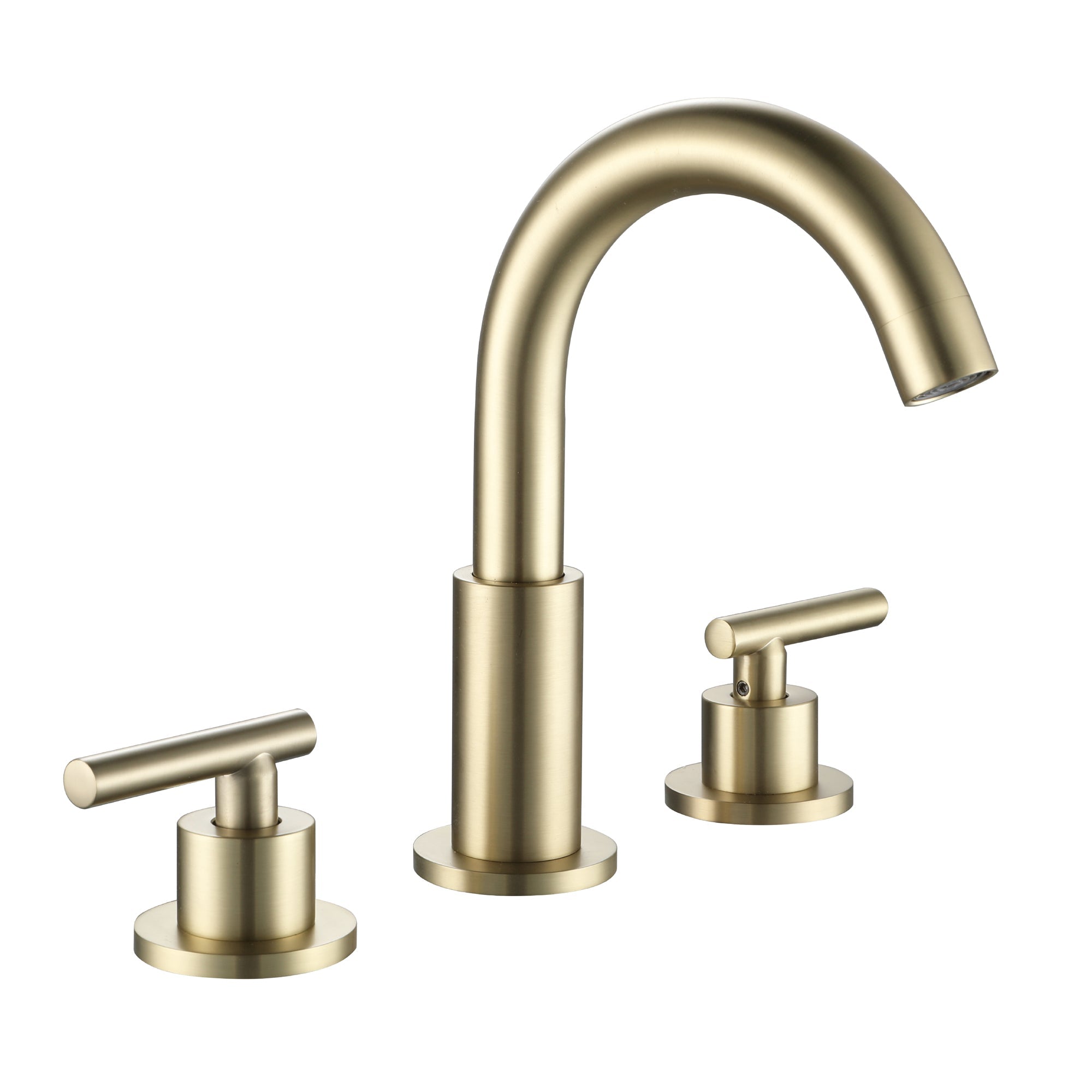
3. Check countertop compatibility: verify faucet hole spacing and sink type before you buy.
4. Protect the investment: run the bath fan during showers and for a short time after; wipe standing water near seams.
Solid-wood bathroom vanities aren’t just about looks. They align with what renovation data and homeowner behavior already point toward: spend where you touch things every day, pick construction that holds up in humidity, and choose materials that age gracefully rather than fail suddenly.



















Leave a comment
This site is protected by hCaptcha and the hCaptcha Privacy Policy and Terms of Service apply.