














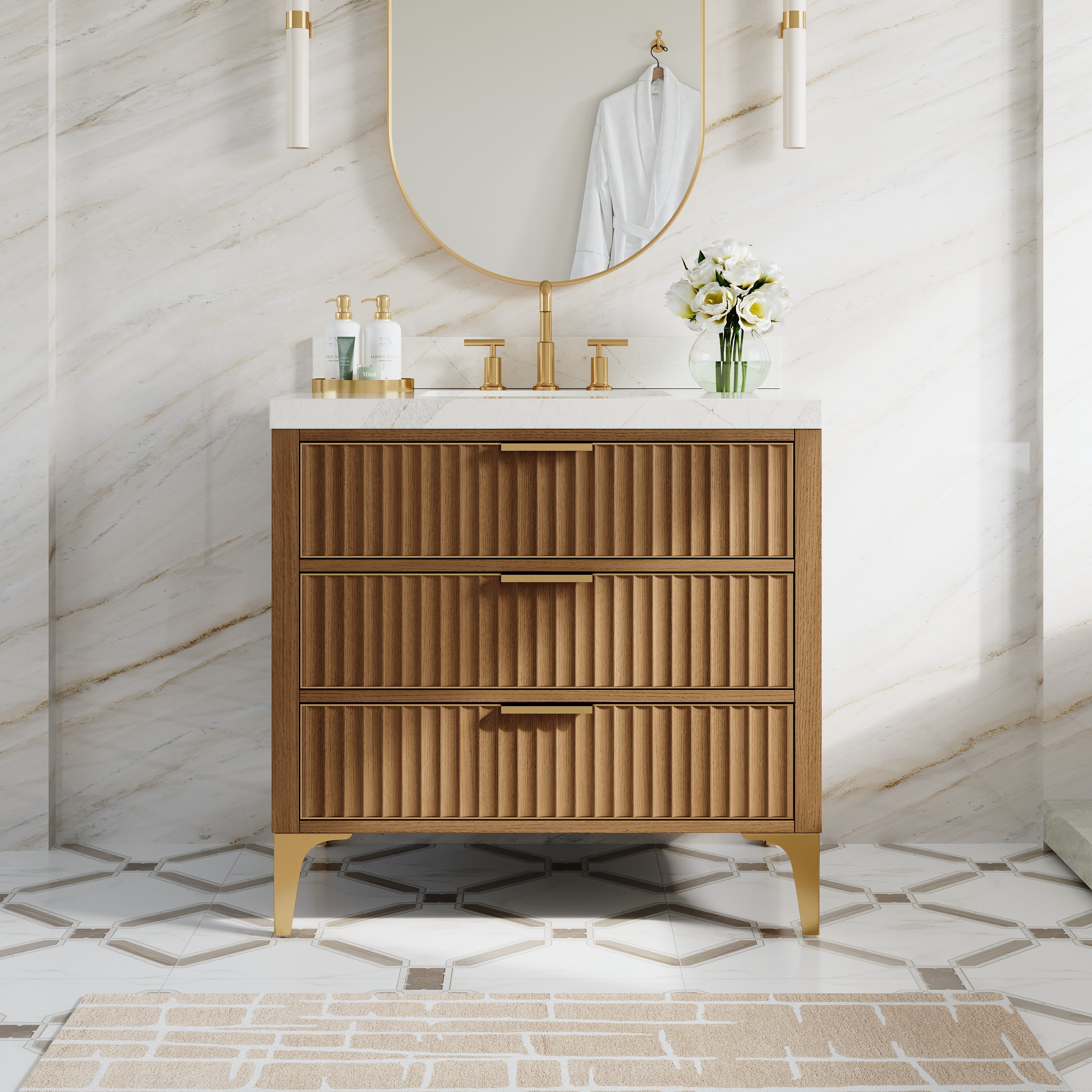
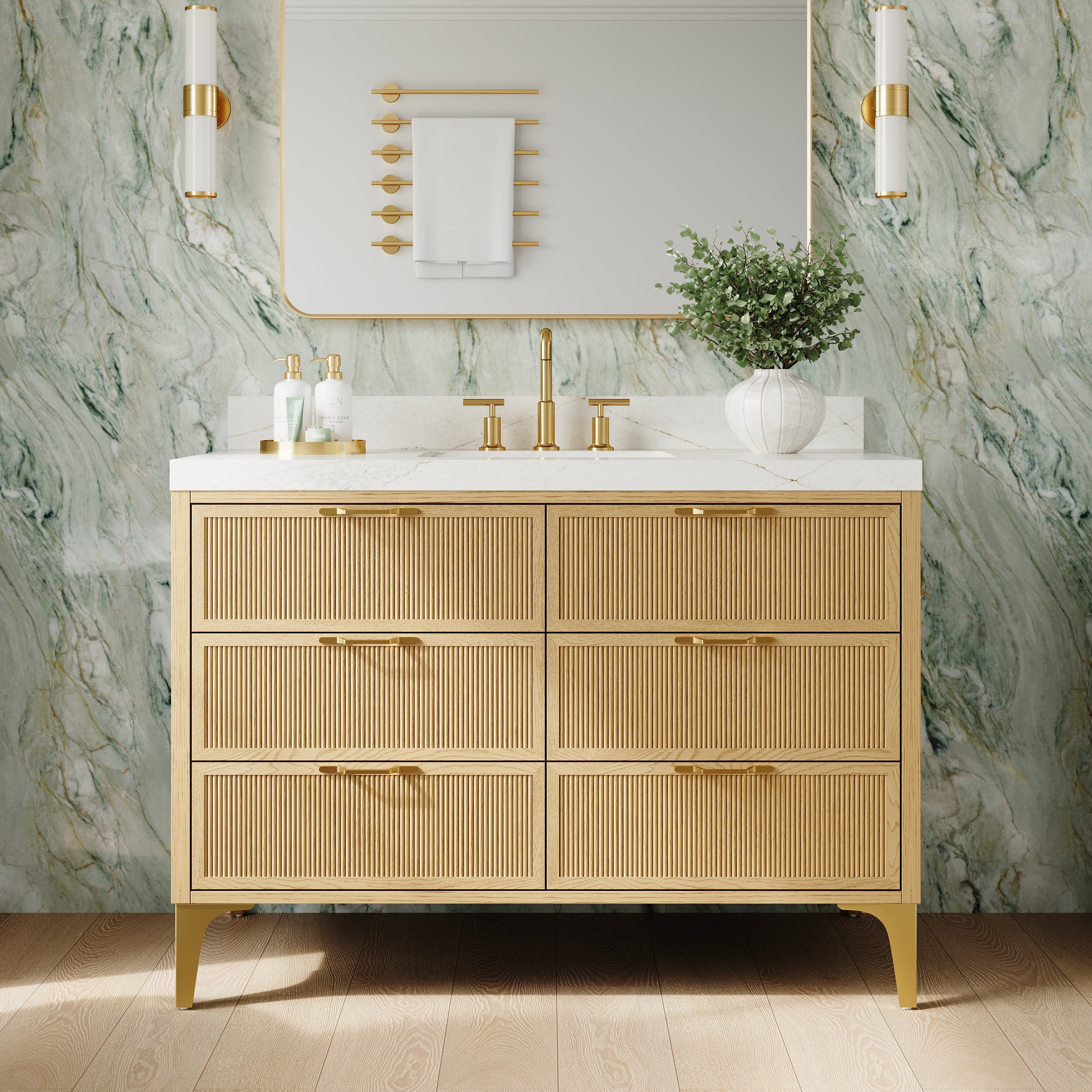


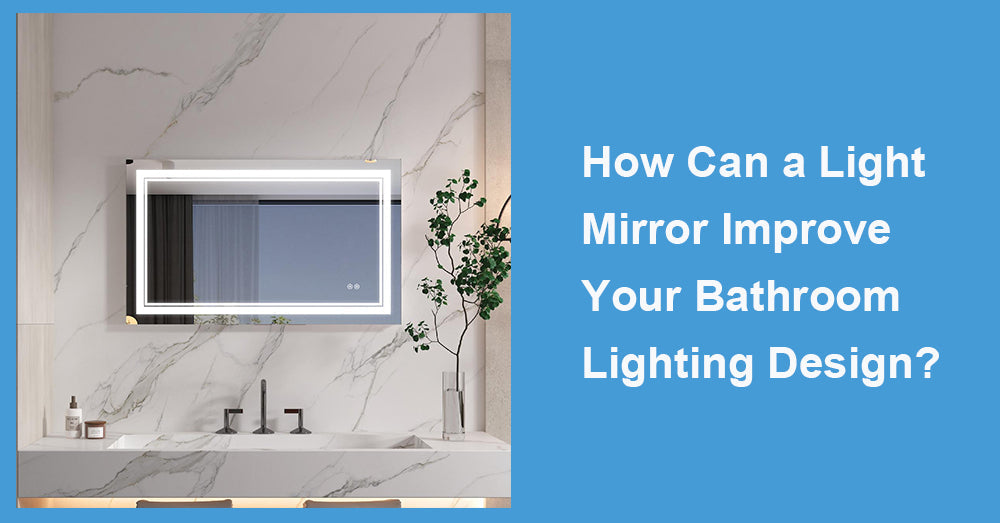
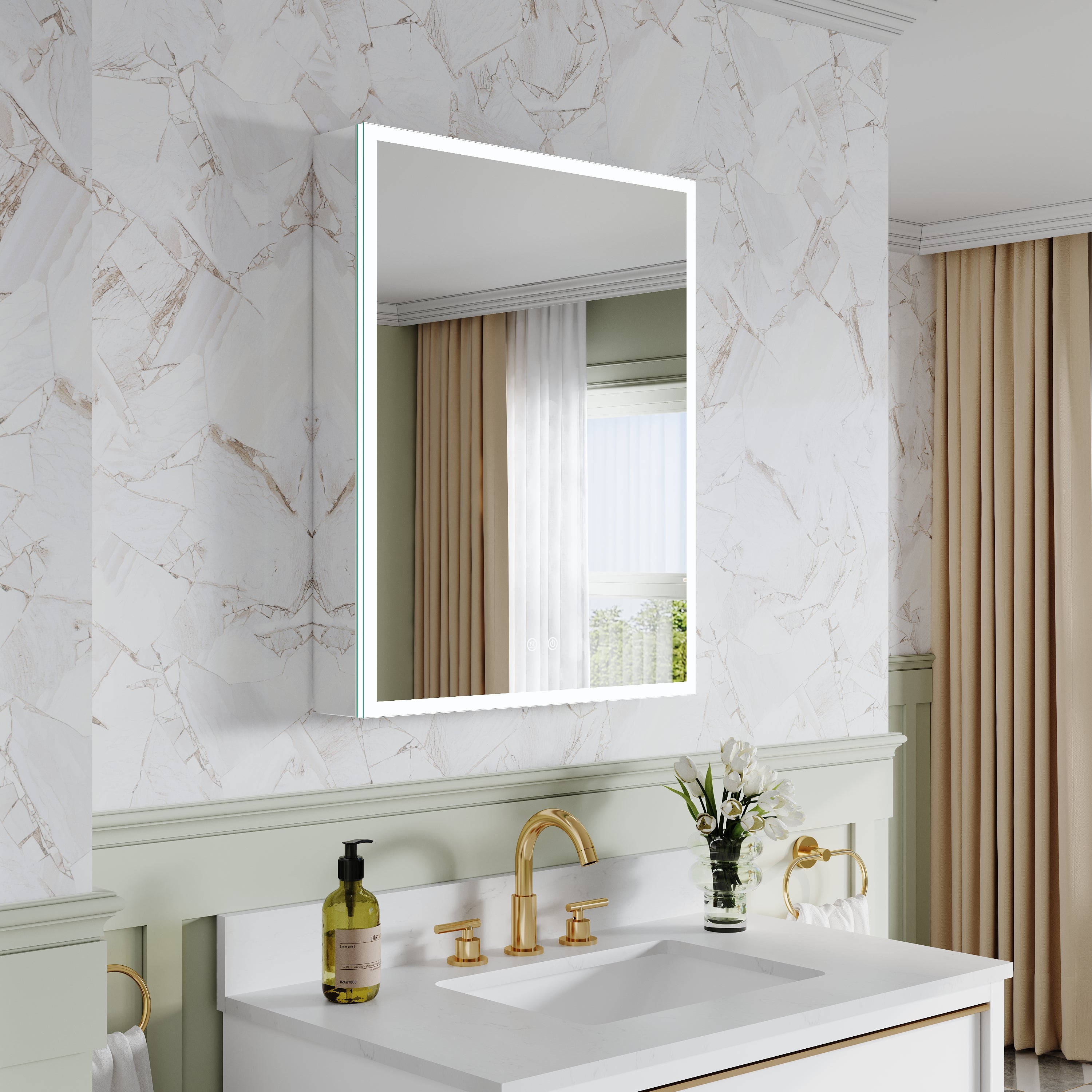
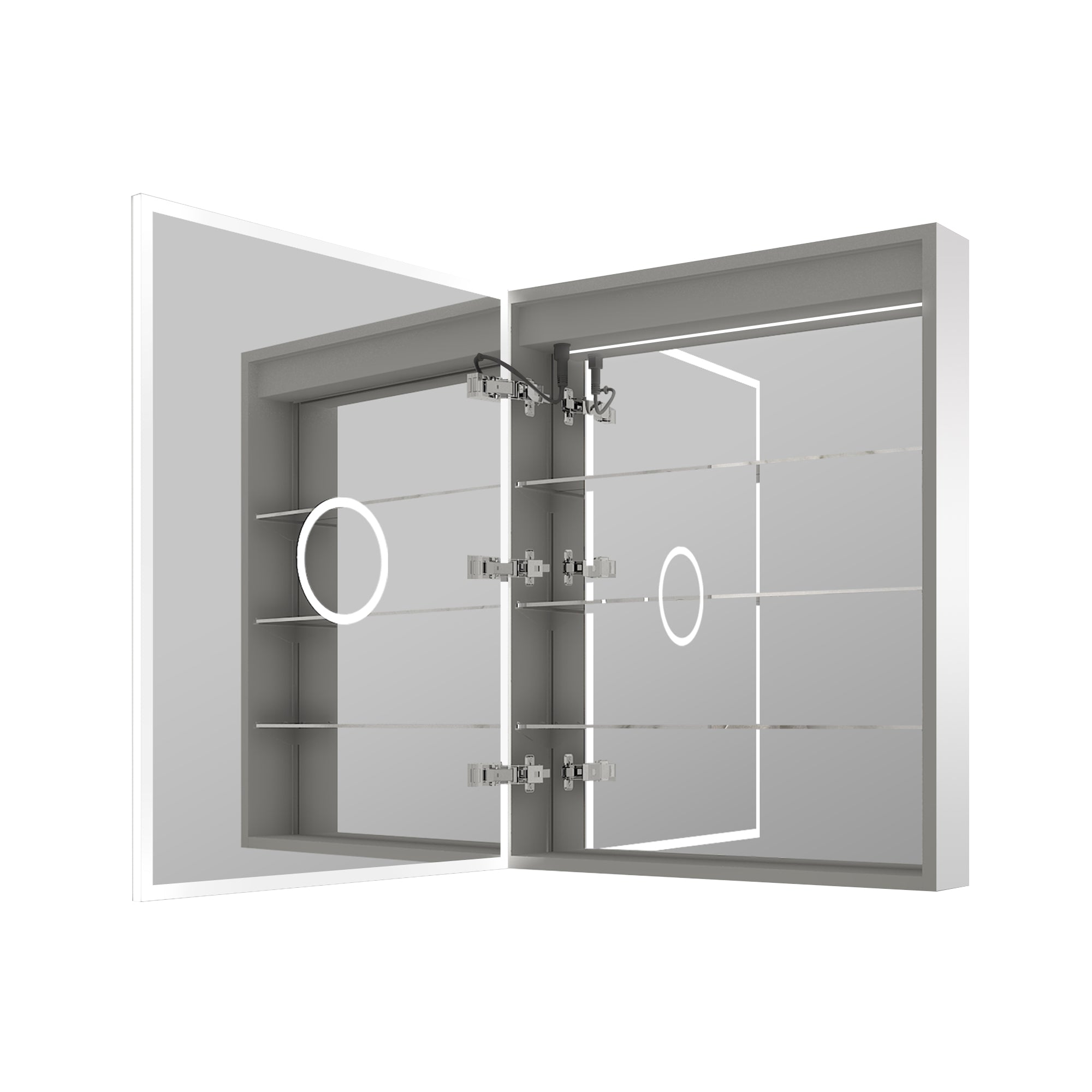
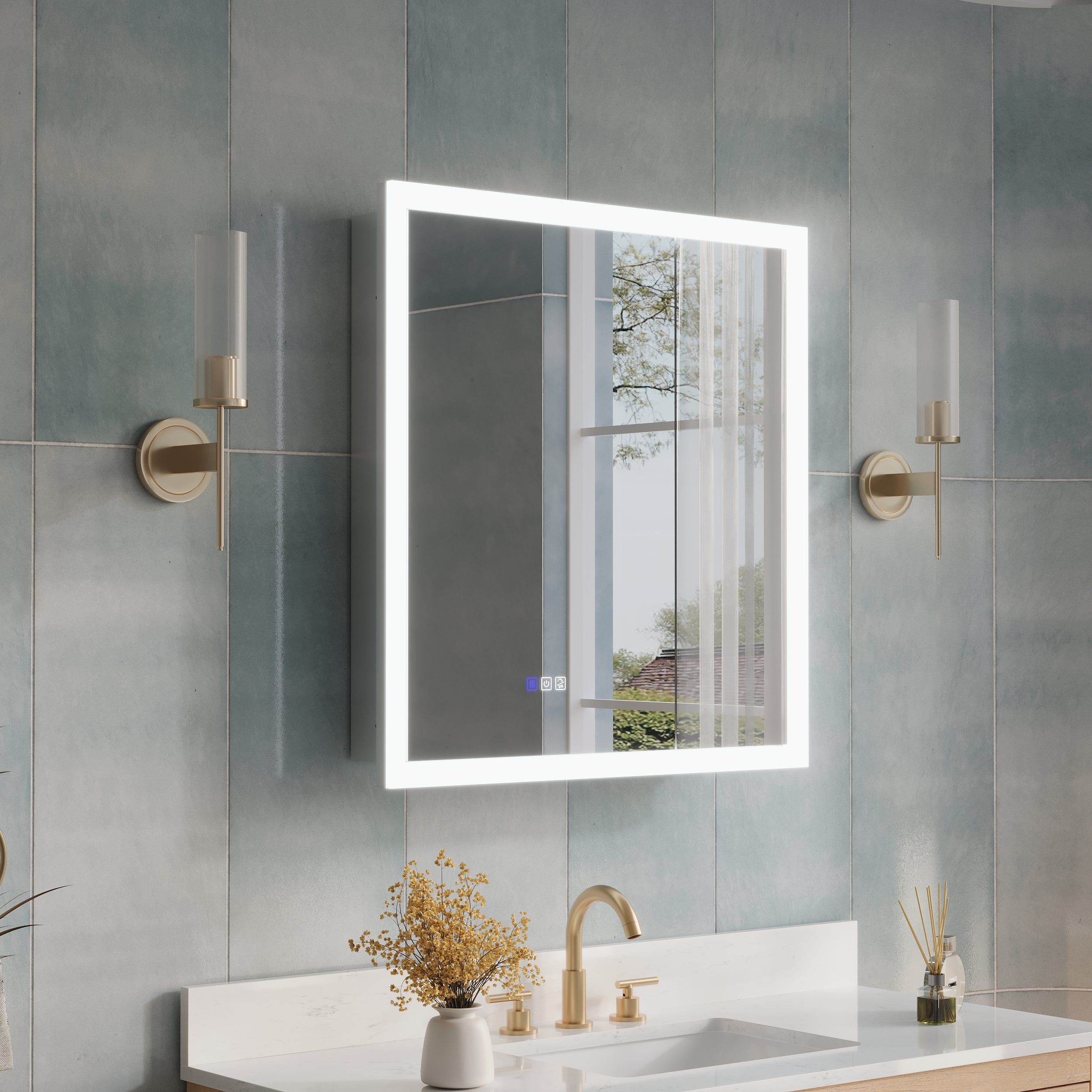
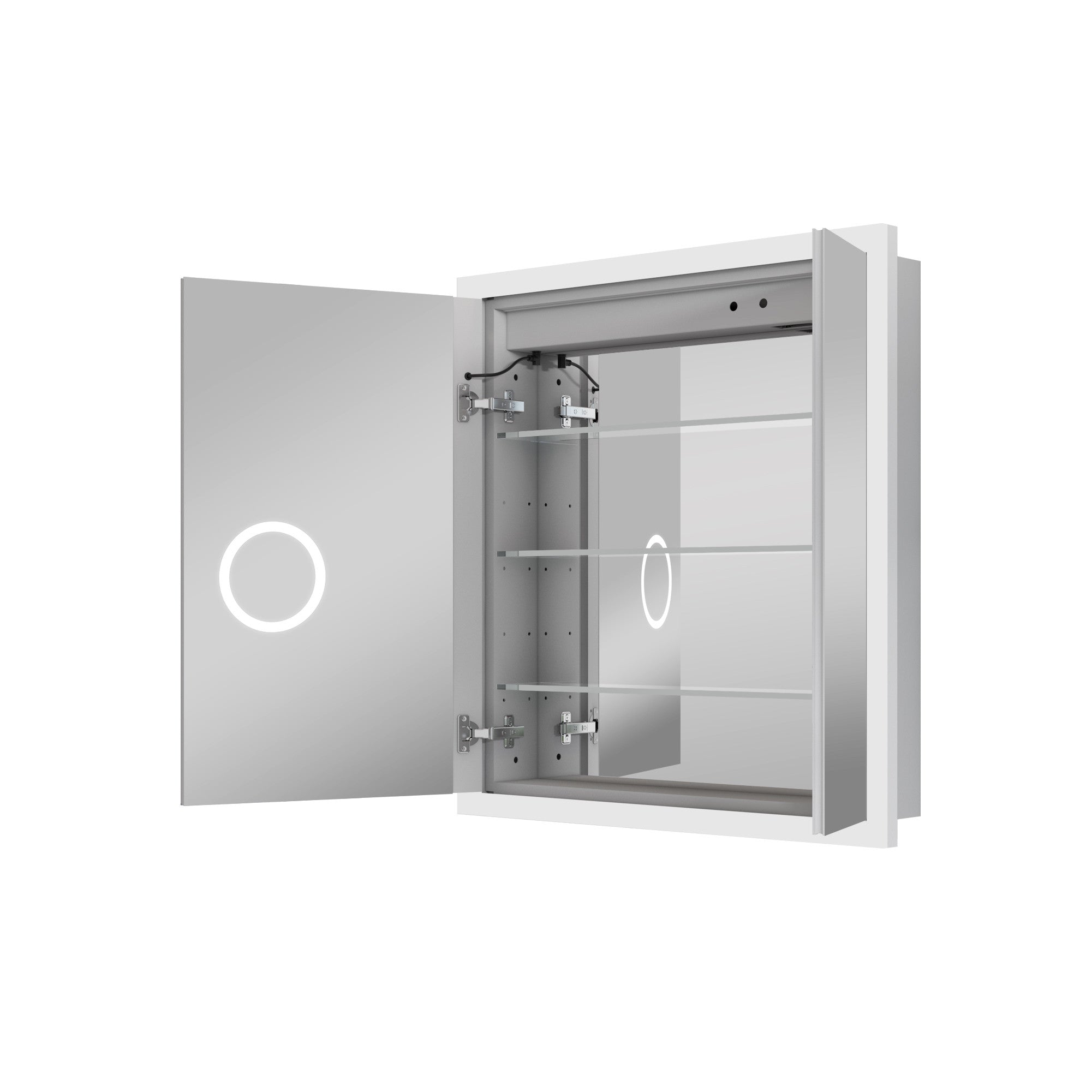
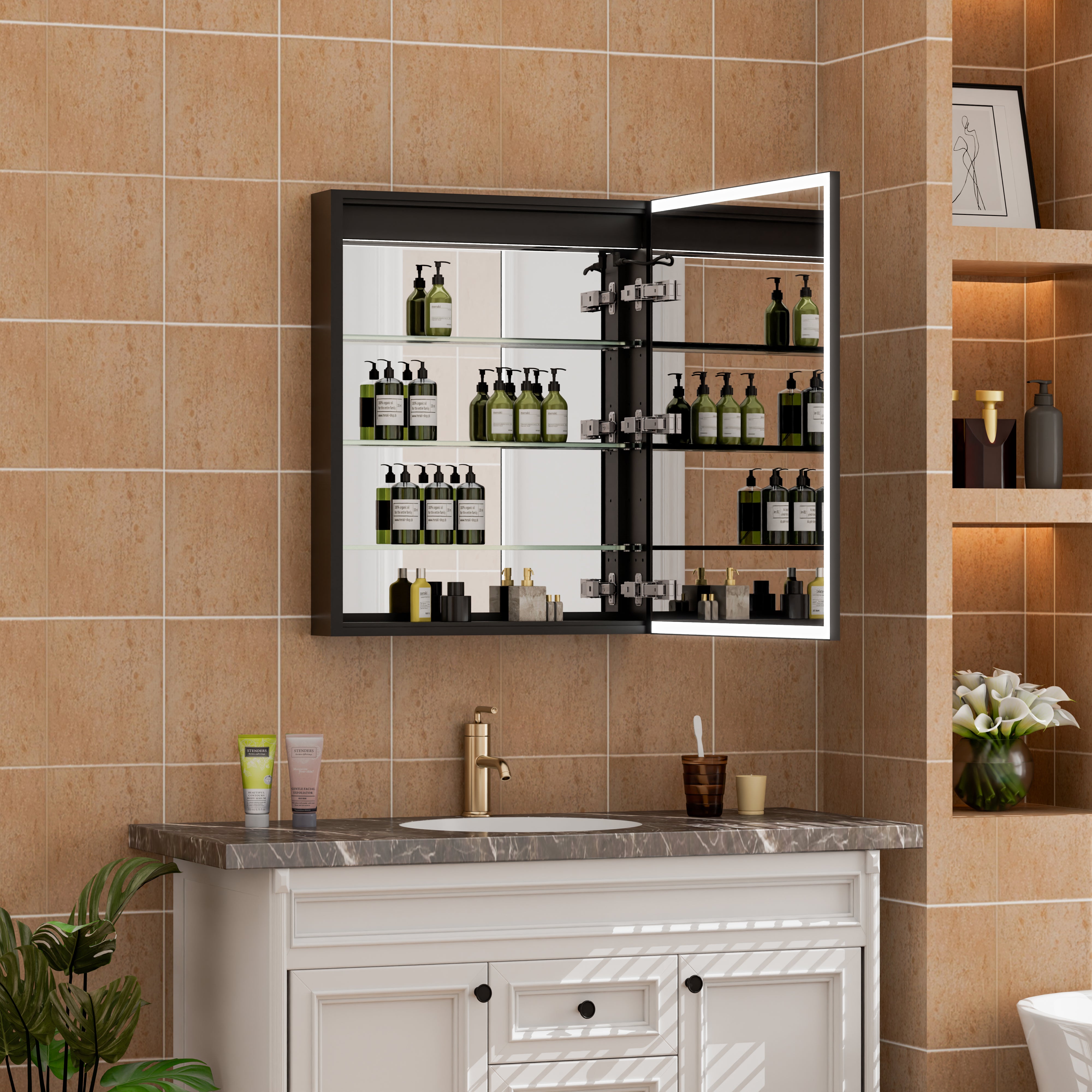
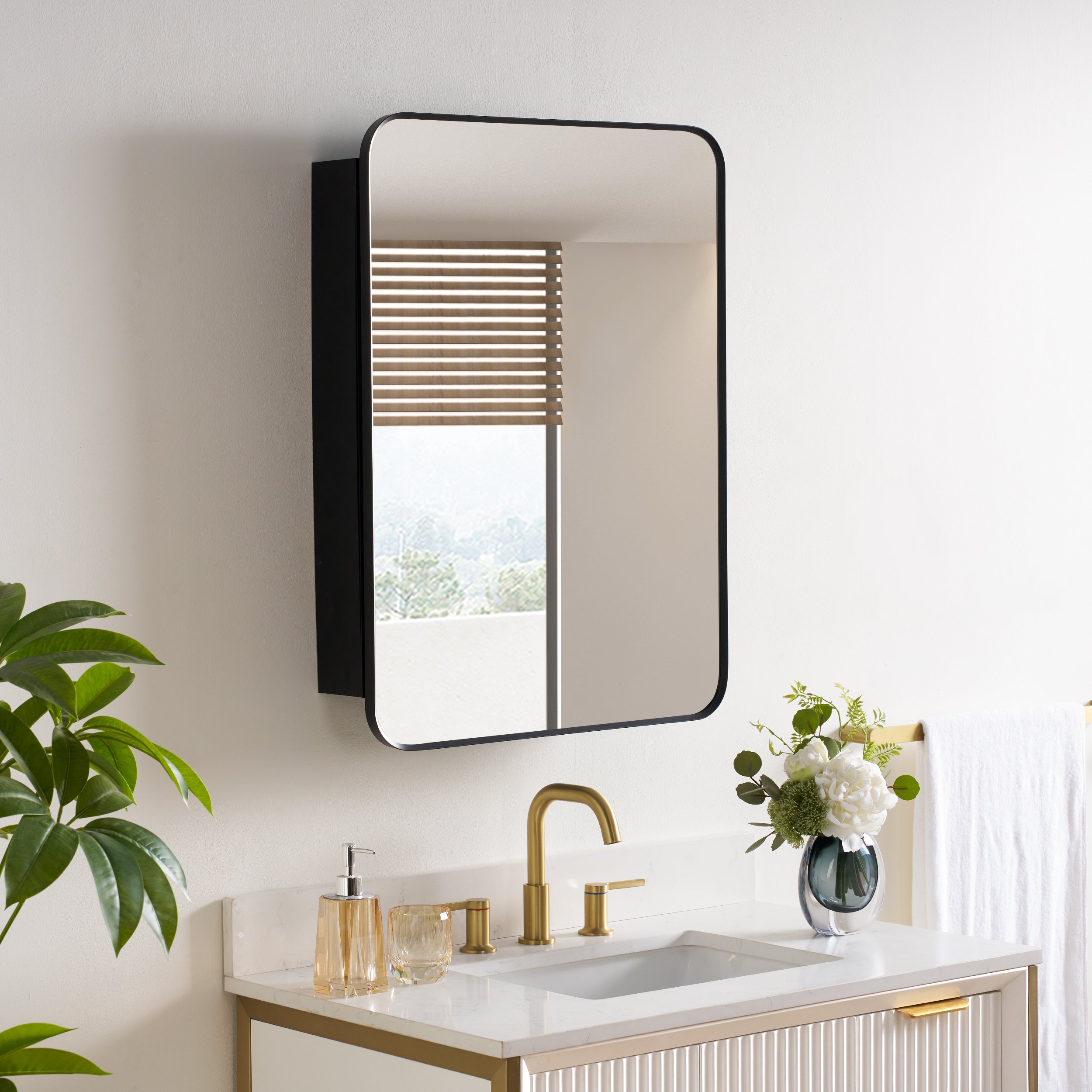
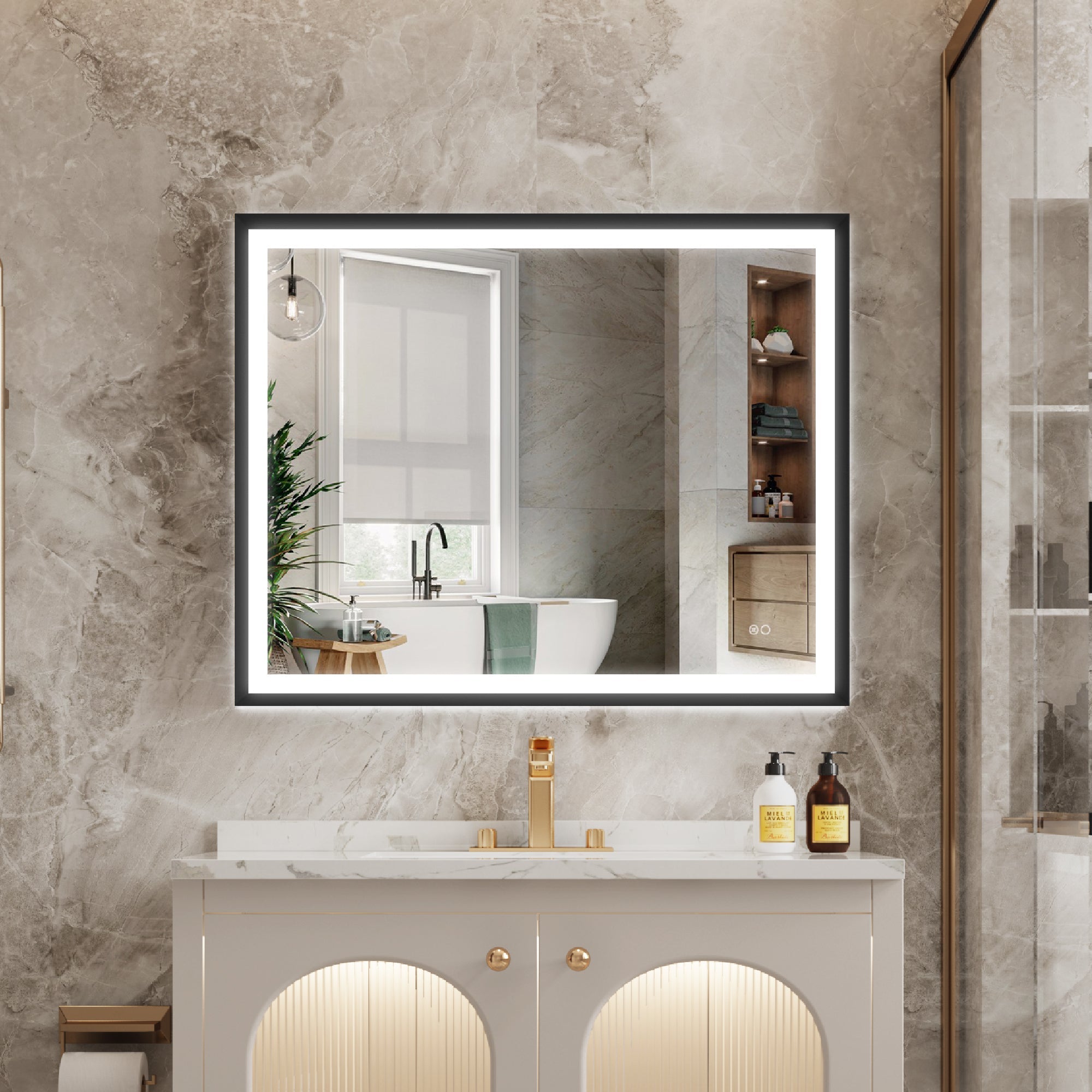
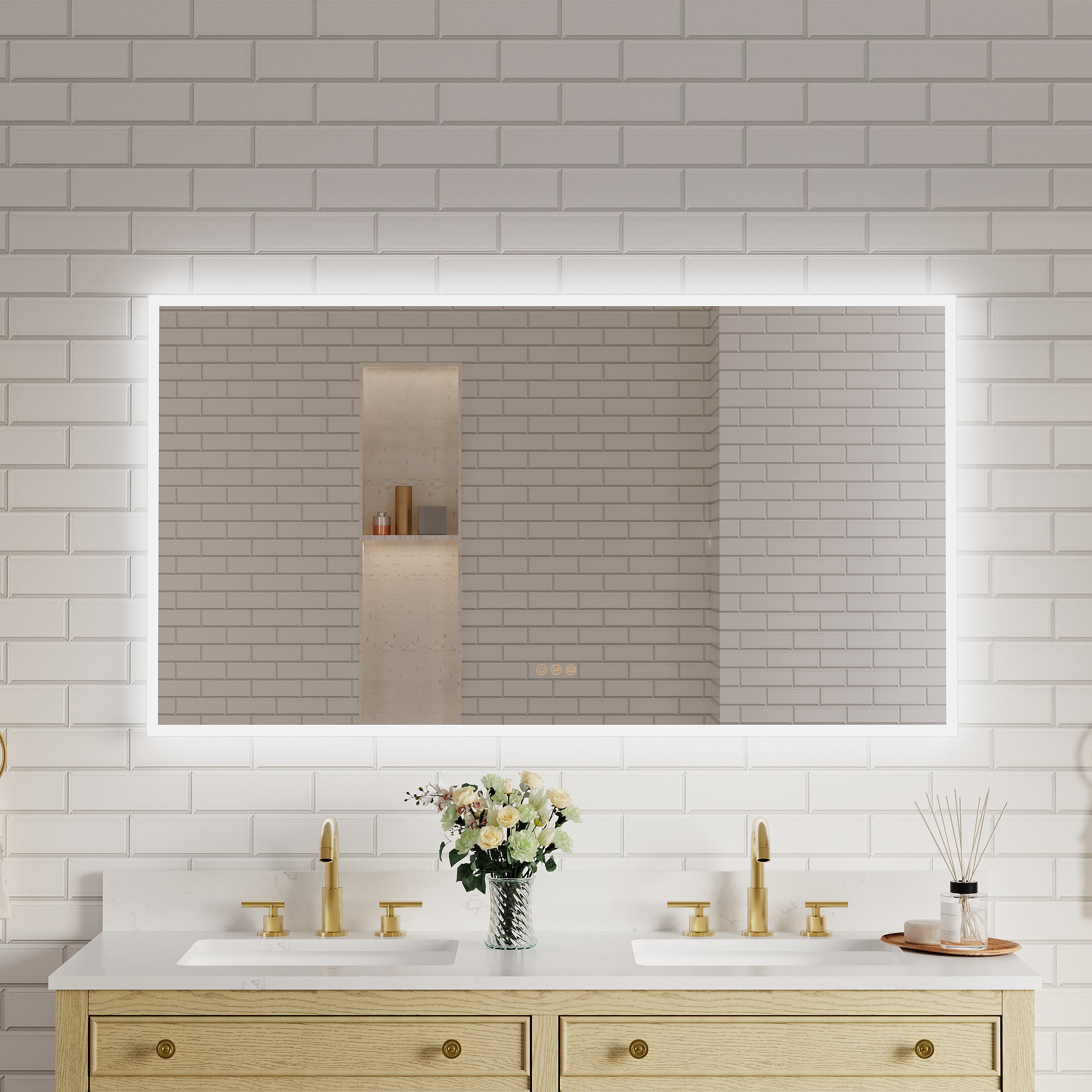
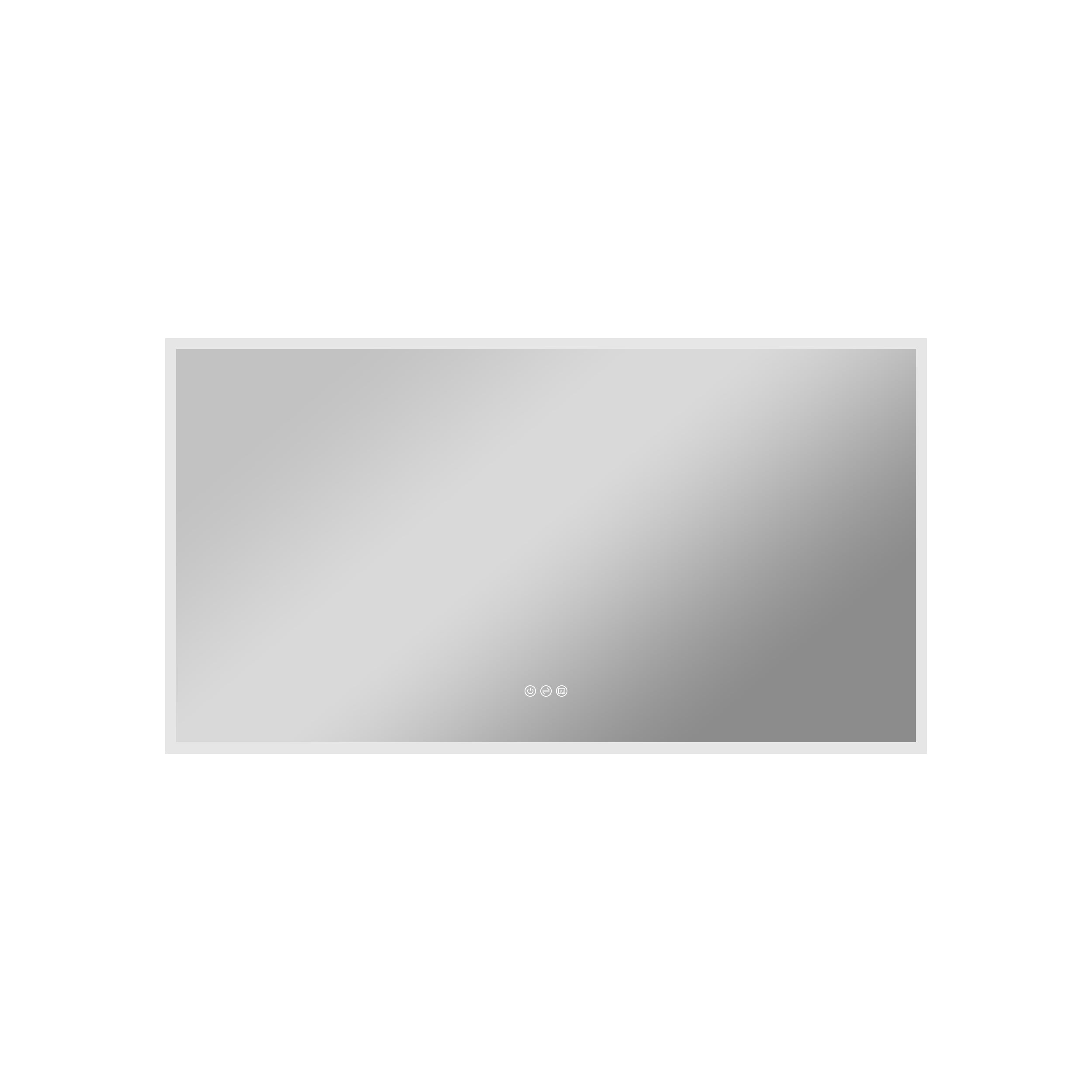
A light mirror is changing bathroom lighting from a “one ceiling fixture solves everything” approach into a more intentional, layered design. Instead of relying on overhead light, which often casts shadows on the face, a lighted mirror provides controlled illumination right where daily tasks take place. The result is a vanity area that looks brighter, feels more modern, and performs better for grooming, makeup, and skincare.
1. Start with the real problem: vertical light at the sink
Most bathrooms have sufficient overall brightness but not enough vertical illuminance (light hitting the face). Lighting guidance tied to IES recommendations highlights this difference by listing separate targets for horizontal and vertical light levels; for a wash area, the quick-reference chart shows 15 footcandles (horizontal average) and 20 footcandles (vertical average).
That’s why a bright ceiling light can still leave the mirror zone looking flat: the light is landing on the counter and floor more than your face. A lighted mirror helps close that gap by pushing light forward at eye level.
2. Reduce shadows and glare with the right mirror lighting type
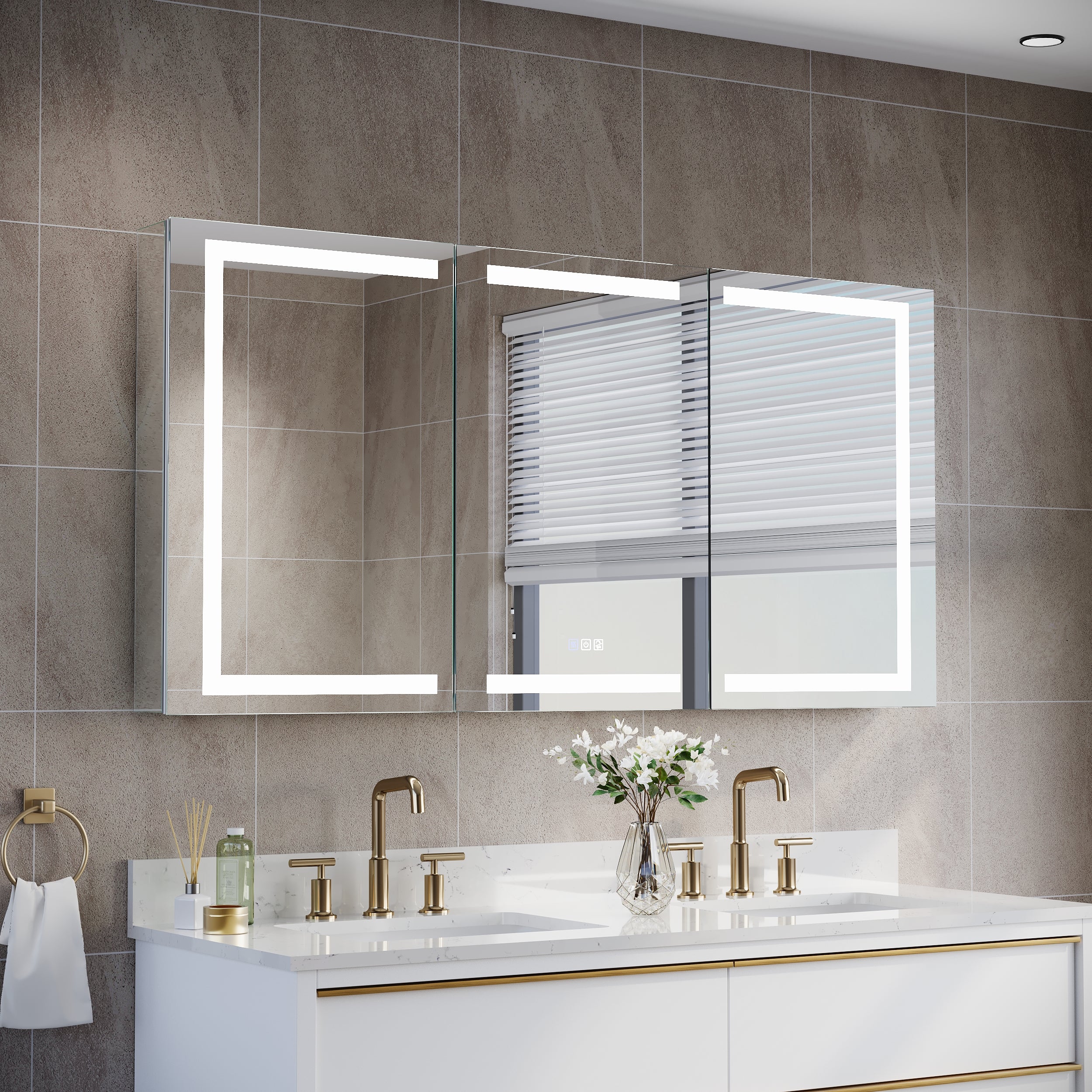
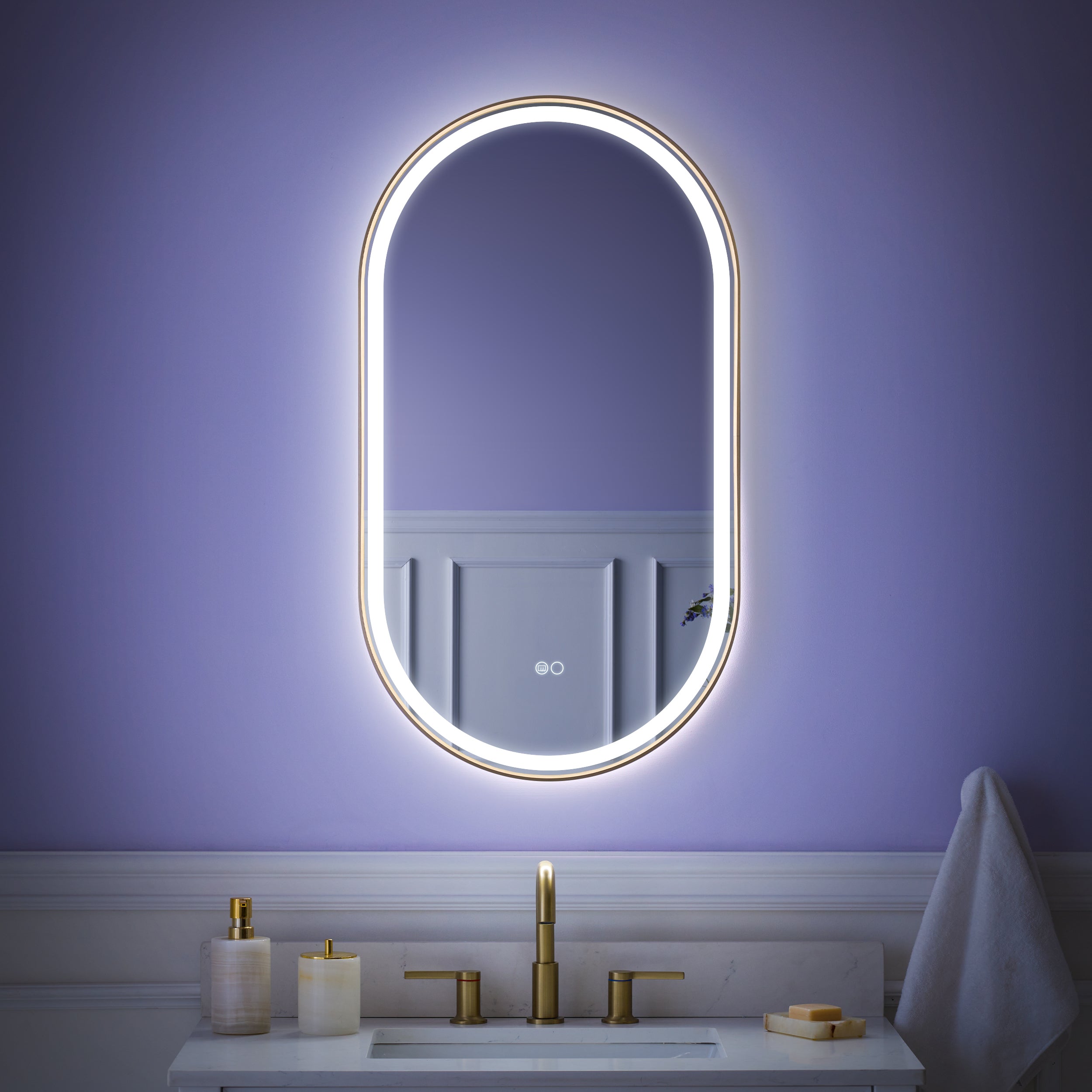
Overhead fixtures commonly cast shadows under brows, noses, and chins. A light mirror solves this by directing light around the reflection zone, lighting the face more evenly. Design-wise, you’ll typically see two useful formats:
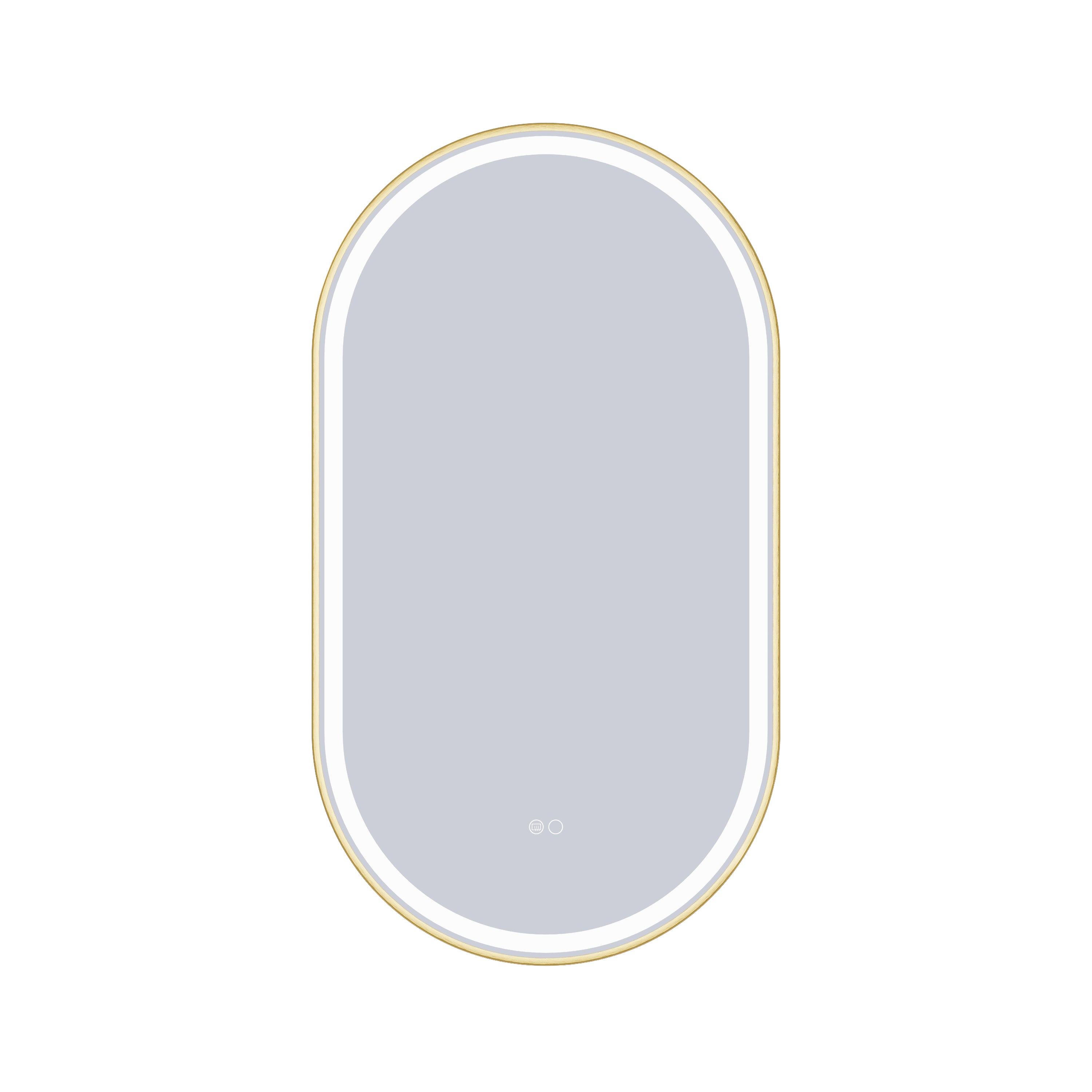
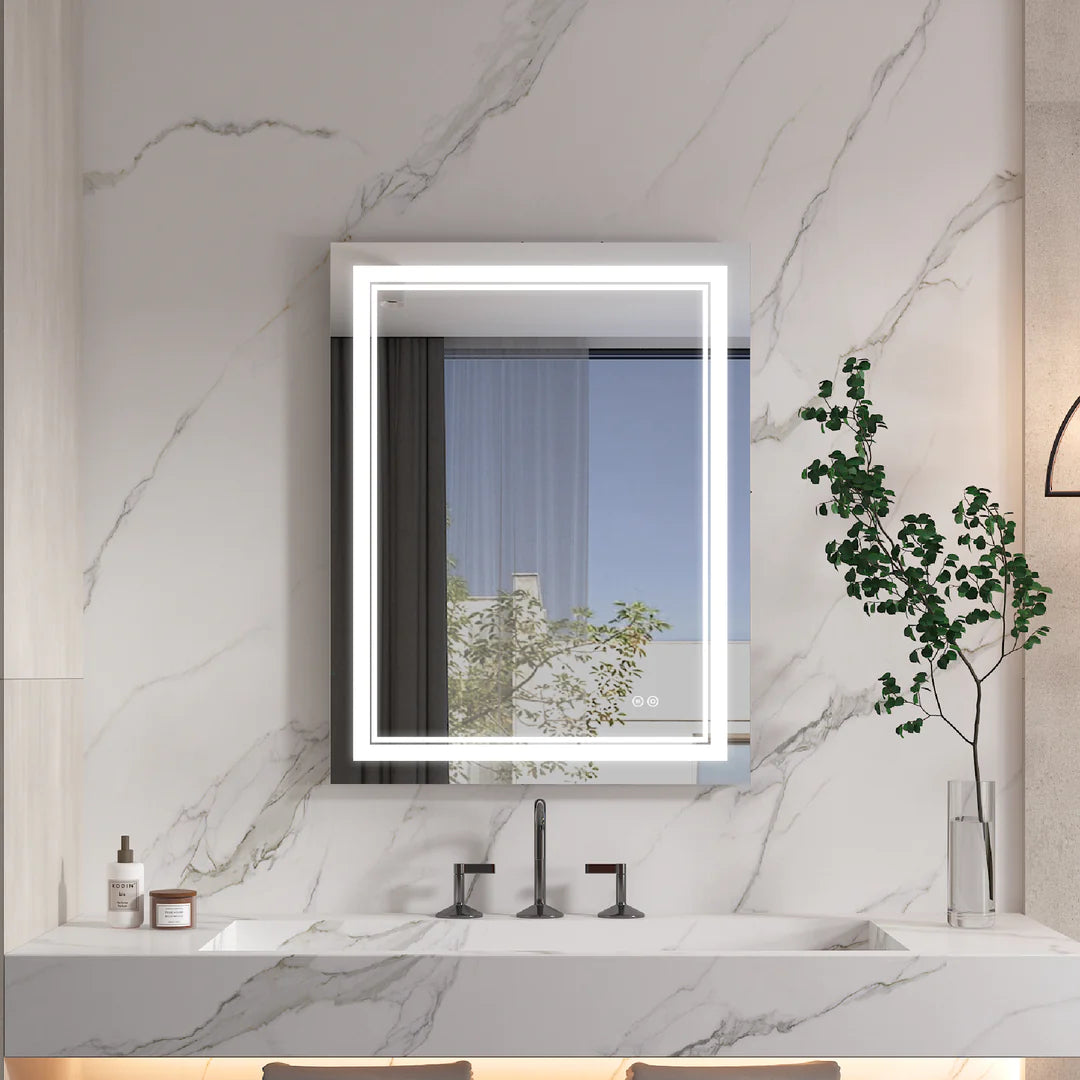
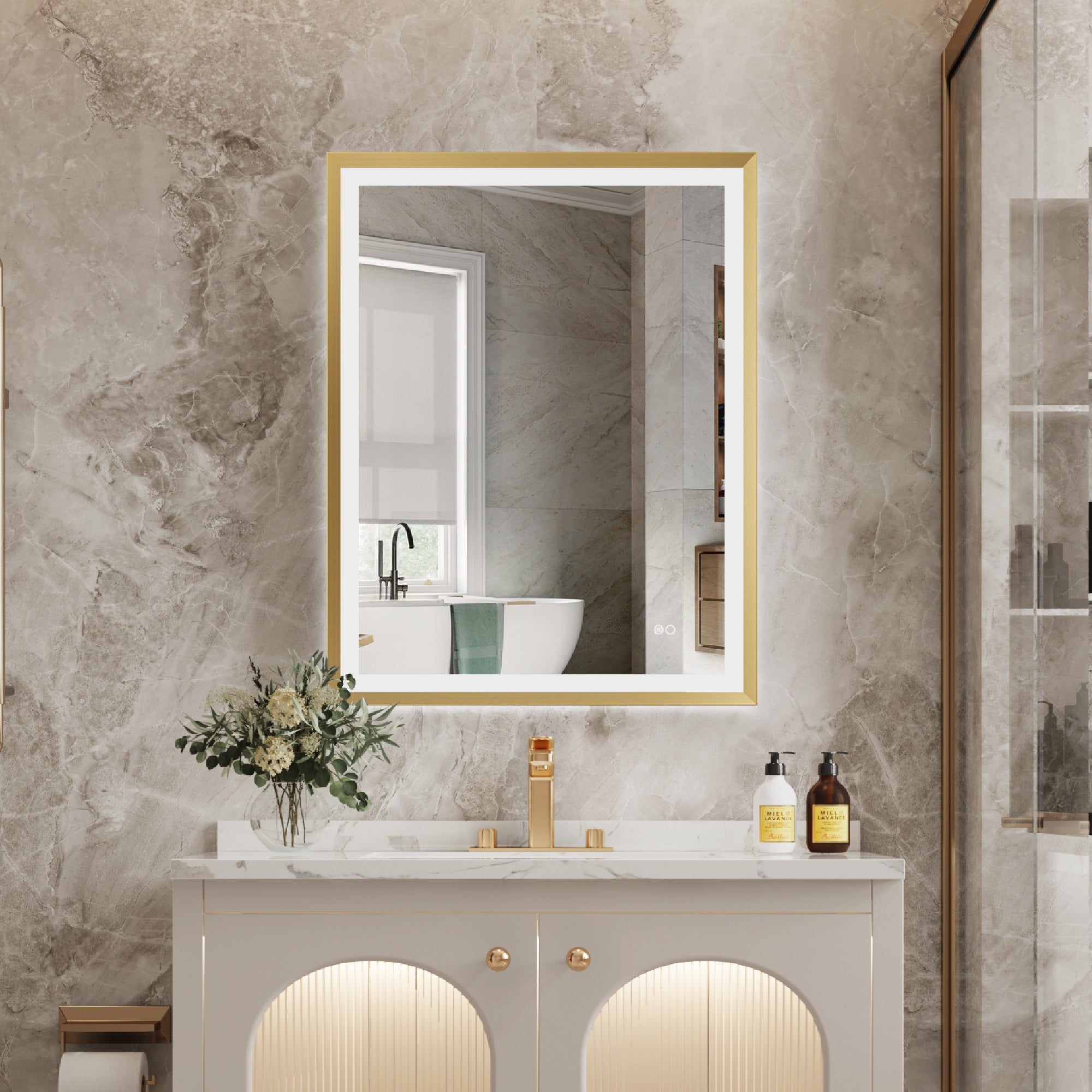
· Front-lit (or framed-lit): LEDs face outward through a diffuser to provide direct task light.
· Backlit: LEDs wash the wall behind the mirror for a softer halo effect, often best paired with another task source if the backlight is the only light.
The best lighting designs also control glare by using diffusers, keeping LEDs out of direct sight lines, and balancing brightness so the mirror doesn’t feel like a “headlight” in a small room.
3. Build a layered plan with fewer compromises
A good bathroom lighting plan usually has three layers: ambient light for the room, task light for the vanity, and accent light for depth. A light mirror can take over much of the task layer, letting ceiling lighting focus on comfortable ambient coverage. This is practical in remodels because it can reduce the need for perfectly positioned sconces, while still improving how the vanity actually functions.
It also helps with consistency. When the mirror is the task source, you’re less dependent on the shadows cast by a ceiling fixture, and you can tune the rest of the lighting to make the whole room feel cohesive.
4. Make color temperature and dimming part of the design, not an afterthought
The fastest way to make a bathroom feel “off” is mixing color temperatures—warm ceiling light with a cool, blue-ish mirror glow. ENERGY STAR guidance recommends choosing a consistent “light appearance” (color temperature) within the same space, noting examples like 2700K for a soft, warm feel and 4100K+ for a whiter, crisper look.
Dimming matters as much. ENERGY STAR also emphasizes that packaging typically provides dimming capability and compatibility information, helping avoid flicker or a limited dimming range when pairing LEDs with older dimmers.
For many households, the practical setup is simple: brighter and cooler in the morning, warmer and dimmer at night.
5. Energy efficiency is now a baseline benefit, not a bonus
Adoption data shows how fast this shift is happening. An Energy Information Administration analysis found that the share of households relying mostly on LED bulbs for indoor lighting jumped from 4% in 2015 to 63% by 2024. Over the same period, the portion of homes using mostly incandescent or halogen bulbs fell to 10%. That kind of swing in less than a decade signals more than a trend—it reflects a market reset driven by everyday factors such as lower operating costs, longer service life, and greater product availability across common fixtures. As LEDs became the default choice in kitchens, living rooms, and bedrooms, it also became easier for homeowners to extend the same benefits into “task-heavy” spaces like bathrooms, where consistent, face-level lighting matters most.
That broader LED transition makes integrated LED mirrors feel like a natural next step: efficient, long-lived light placed exactly where it improves daily use.

6. Placement in inches: the details that make it look “designed.”
Even the best mirror won’t perform if it’s mounted too high or disconnected from the vanity. Two solid references help anchor placement:
· NKBA planning guidance (with accessibility references) notes that mirrors above lavatories should have the bottom edge of the reflecting surface no more than 40 in above the floor, in accordance with ICC A117.1.
· The ADA accessibility standard similarly states that the bottom edge of the reflecting surface above lavatories/countertops must be no more than 40 in above the finished floor.
For everyday visual balance (not code), many installers also keep the mirror’s bottom edge 5–10 in above the highest part of the faucet, which helps avoid splash zones and awkward gaps.
Once the height is right, sizing is the next lever: most designers prefer a mirror slightly narrower than the vanity, so the composition feels intentional rather than oversized or floating.
7. A quick spec checklist designers watch for in lighted mirrors
If you want the mirror to improve lighting design (not just add a glowing object), look for:
1. Diffused, even output so faces look natural and hotspots are minimized.
2. Dimming + stable driver performance to avoid flicker, buzzing, or “dead zones” at low dim levels (check compatibility guidance).
3. A sensible CCT choice that matches the rest of the room lighting (e.g., warm vs crisp).
4. Moisture-appropriate construction for a humid environment (finishes, seals, and clear safety documentation).
5. Long-life LED expectations are aligned with mainstream LED performance benefits.
Done well, a light mirror doesn’t just make the vanity brighter—it makes the whole bathroom lighting plan easier to control, more flattering for real tasks, and more consistent from morning to night.











Leave a comment
This site is protected by hCaptcha and the hCaptcha Privacy Policy and Terms of Service apply.