
















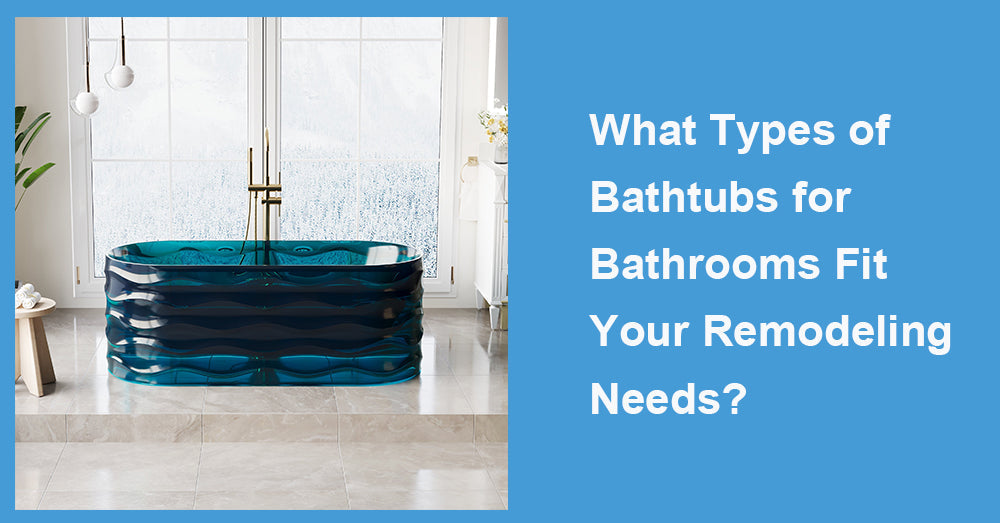
Choosing bathtubs for bathrooms is no longer just a matter of style. It is increasingly a planning choice shaped by layout constraints, wellness features, accessibility, and the real cost of changing plumbing. With remodeling activity staying elevated, many projects aim to improve daily comfort without triggering a full reconfiguration. The Joint Center for Housing Studies at Harvard projects homeowner improvement spending to reach $518 billion by the end of 2026, which helps explain why “right-fit” bathtub choices are getting more attention than ever.
Start With Constraints: Clearance, Door Swings, and the Wet Zone
Before picking a tub type, set your usable footprint. Industry planning guidance recommends at least 30 inches of clear floor space in front of fixtures, while code-referenced guidance notes a 21-inch minimum in front of a tub and a 24-inch minimum at a shower entry. This clearance reality often determines whether you should keep a compact tub-shower combo, move to a freestanding focal tub, or skip the tub entirely in favor of a larger shower.
A practical tip: treat clearance as part of the tub’s “true size.” A 60-inch tub that forces tight standing space can feel worse than a slightly smaller tub that restores comfortable circulation.
Alcove Tubs: Best for “Keep the Plumbing, Upgrade the Finish.”
If your remodeling goal is a clean refresh with minimal risk, the alcove tub is usually the best fit. It is designed to sit between three walls, making it the most straightforward replacement when the drain location and supply lines remain in place. The most common footprint remains 60 inches L x 30 inches W, with 60 x 32 inches also popular when you can spare the extra width.
This is also the tub type embedded in many midrange remodel assumptions. The Journal of Light Construction’s midrange bath remodel scope explicitly includes a 30 x 60-inch tub with a tiled surround, reflecting how frequently this format anchors “update without relocating everything” projects.
Choose an alcove tub when you want: predictable installation, easy shower pairing, and the strongest compatibility with surrounds, doors, and standard bathroom layouts.
Tub-Shower Combos: Best for Small Baths and Everyday Utility
When a bathroom needs both bathing and showering in one zone, a tub-shower combination is often the most space-efficient solution. It keeps water contained, limits tile scope, and supports family utility (kids, pets, quick rinses). It also protects your layout from becoming too tight, because combining functions reduces fixture count.
This approach pairs well with code-based planning guidance that emphasizes maintaining usable access space at the wet area. If the bath is compact, a tub-shower combo can preserve standing room that would otherwise be lost to a separate shower footprint and additional partitions.
Pick a tub-shower combo when you want: maximum function per square inch, easy resale familiarity, and a practical everyday setup.
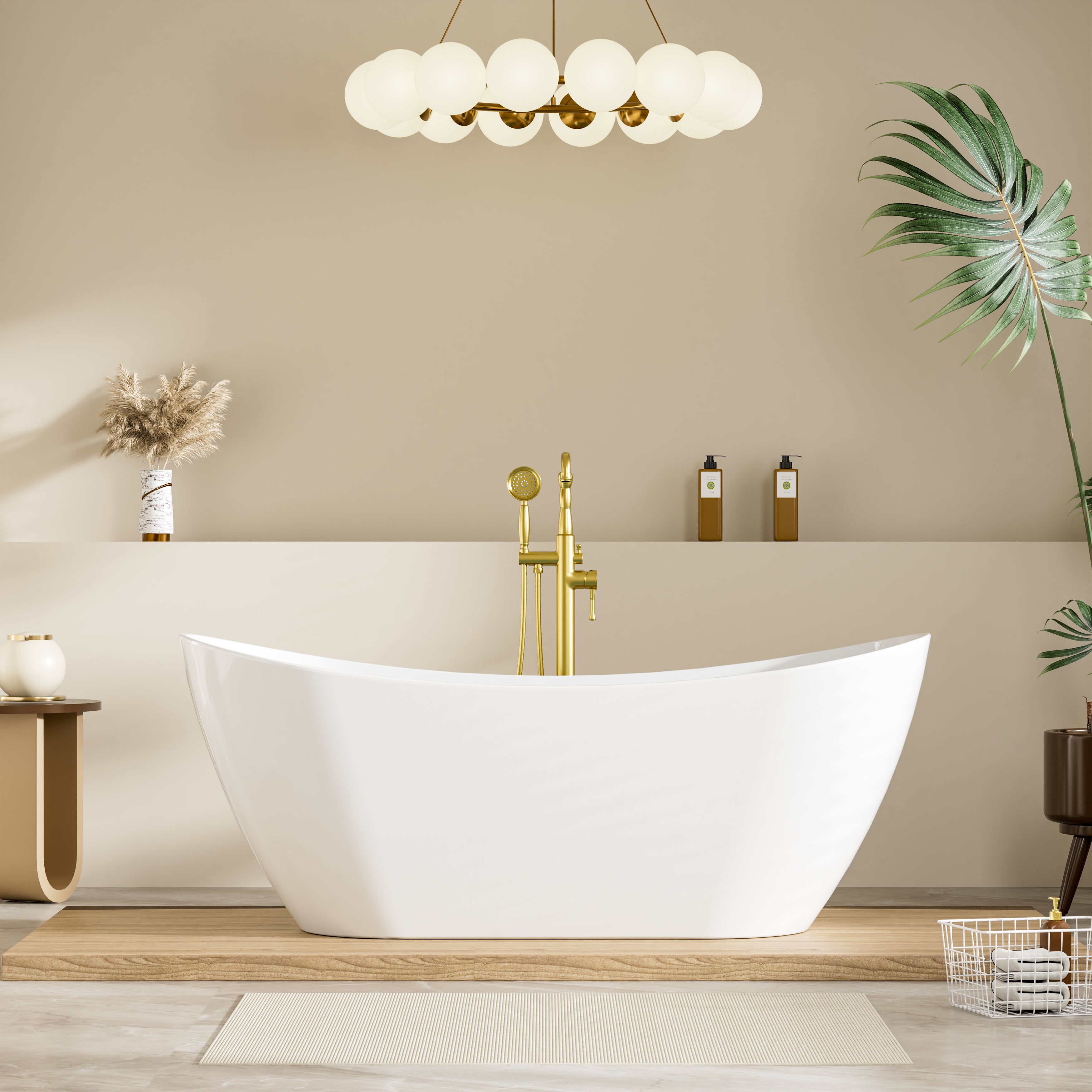
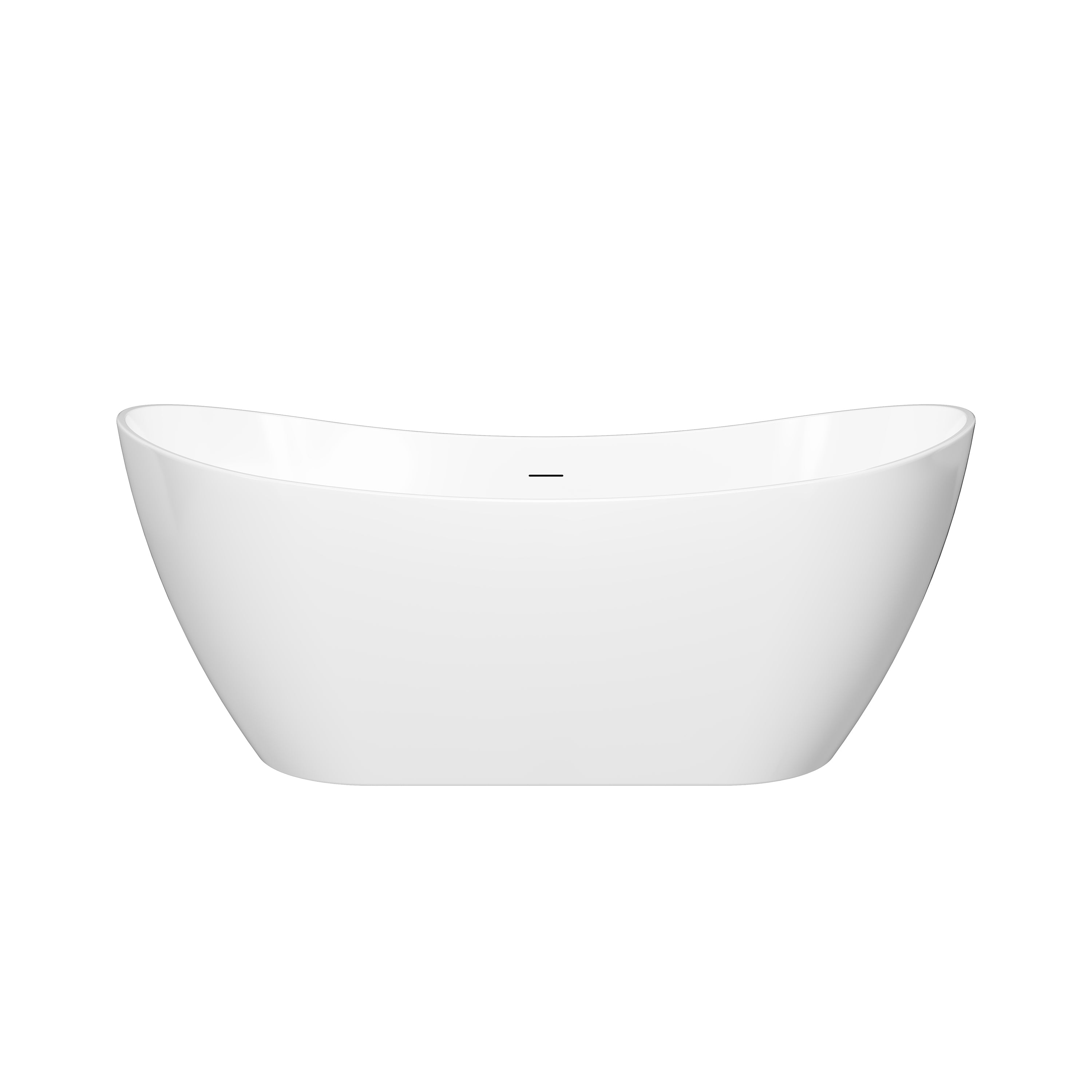
Freestanding Soaking Tubs: Best for “Spa Feel” Without Cabinetry
The freestanding tub has become the signal piece of many primary-bath remodels, especially as wellness features rise. Trend data shows that in wet-room-style remodels, freestanding flat-bottom tubs are the top tub style (57%), followed by alcove tubs at 27%, meaning these two formats dominate most wet-room tub choices.
Freestanding tubs typically work best when your remodeling goal includes a visual centerpiece and a more open, hotel-like layout. Common sizes range from 60 to 67 inches for many homes, while larger spaces can support up to about 72 inches if clearances remain comfortable.
Choose freestanding when you want: a design-forward focal point, deeper soaking options, and flexibility in placement (as long as plumbing can be routed correctly).

Drop-In and Deck-Mounted Tubs: Best for Built-In Storage and Ledges
Drop-in and deck-mounted tubs fit remodeling plans that call for ledges for toiletries, bath trays, or integrated storage. The tradeoff is that they require a framed surround, more finish work, and a service-access plan for plumbing. In trend data focused on wet rooms, deck-mounted tubs appear but at a much smaller share (about 4%), reflecting how often homeowners prioritize open layouts over bulky platforms.
These tubs shine in larger bathrooms where you can afford the extra footprint and want a built-in look. They also pair well with tile-heavy designs because the surround can be finished to match walls or floors.
Choose drop-in or deck-mounted when you want: integrated ledges, a custom built-in aesthetic, and you have the space and budget for additional framing and finishing.
Walk-In Tubs: Best for Accessibility-Driven Remodels
A walk-in tub is a specialized solution for accessibility, improved entry, and a safer bathing routine. They are not a mainstream choice in most style-led remodels, but they matter when needs change. In wet-room renovation selections reported in bathroom trend research, walk-in tubs were chosen by only about 2% of renovators, suggesting this is typically a needs-based rather than a trend-based decision.
Walk-in tubs can require plumbing and electrical upgrades, and they may affect the bathroom’s overall appeal to future buyers. Still, for the right household, the functionality outweighs everything else.
Choose walk-in when you want: safer entry, seated bathing, and your remodeling goal is centered on accessibility.
Jetted and Air Tubs: Best for Therapeutic Comfort, With Extra Maintenance Planning
Whirlpool (jetted) tubs and air baths can deliver a spa experience, but they add complexity. They typically require electrical planning, access panels, and ongoing attention to cleaning protocols (especially with water-jetted systems). These tubs are best when your remodel already includes electrical updates, and you are comfortable maintaining the system over time.
If your remodeling goal is “low-maintenance and timeless,” a soaking tub often achieves most of the comfort benefit with fewer long-term variables.
Choose jetted or air tubs when you want: massage-like comfort, and you are willing to plan for service access and maintenance.
Material Match: Pick the Tub Body Based on Install and Lifestyle
Tub type is only half the story. Material changes the daily experience and installation risk.
l Acrylic is popular for comfort and lighter weight, often making delivery and installation easier.
l Enameled steel can be cost-effective but may feel colder and be noisier without good support.
l Cast iron feels solid and retains heat well, but weight can complicate handling and floor considerations.
l Solid-surface or stone-resin styles can look premium and feel warm, but you should verify weight, support, and handling requirements.
Match material to your remodeling need: quick install and practicality often favor acrylic, while long-term “heirloom feel” often points to cast iron if your structure and budget support it.
Water and Operating Costs: Don’t Forget the Shower Side of the Equation
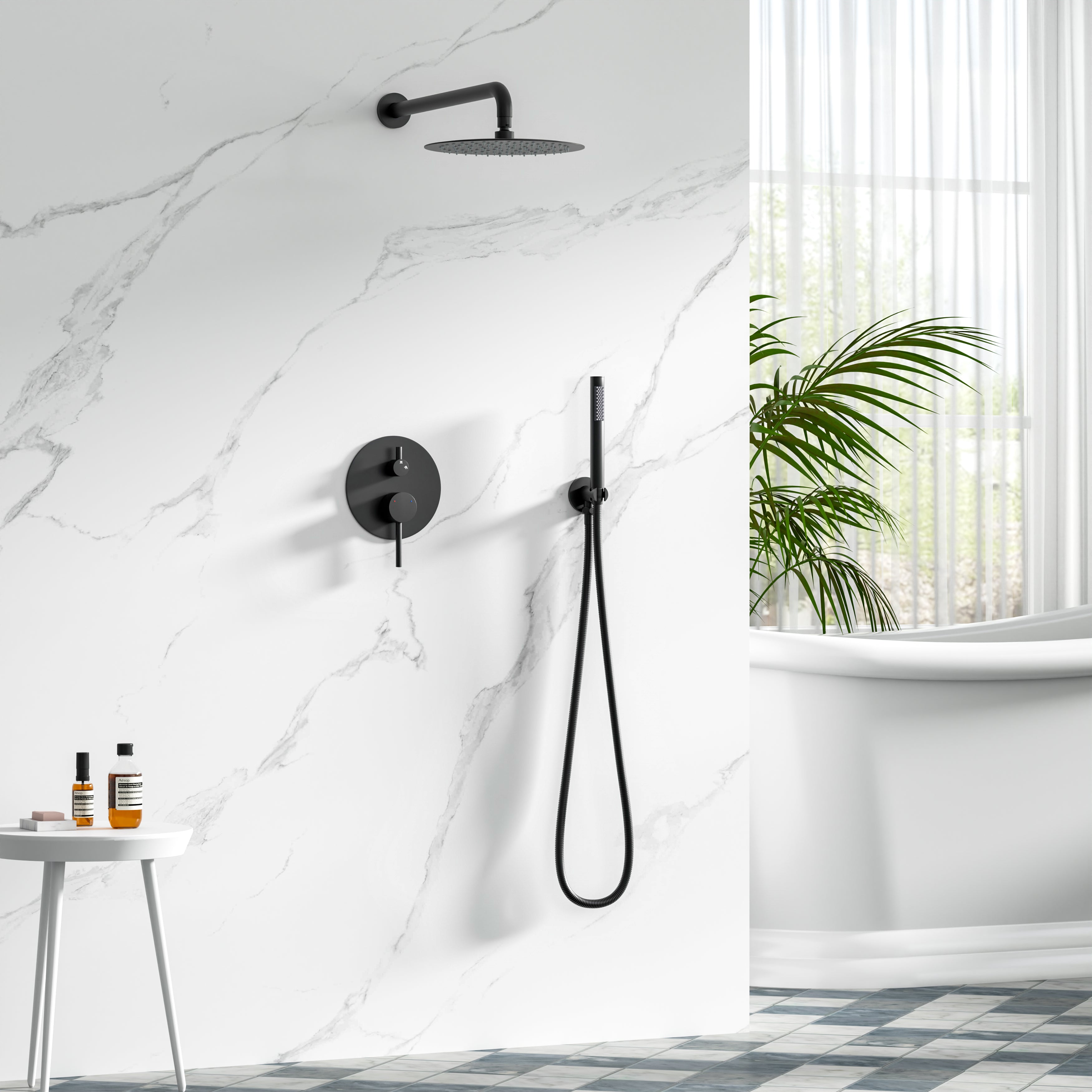
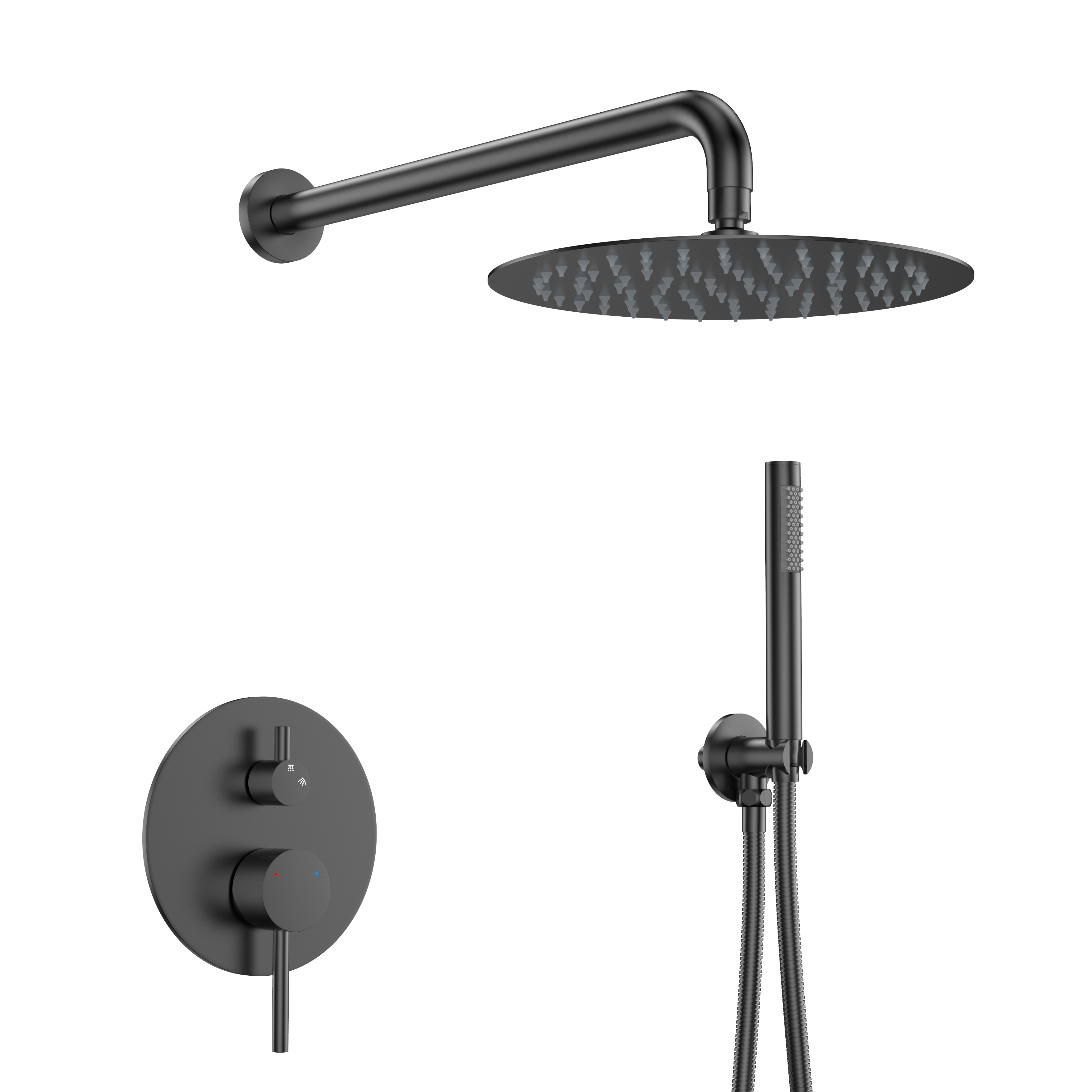
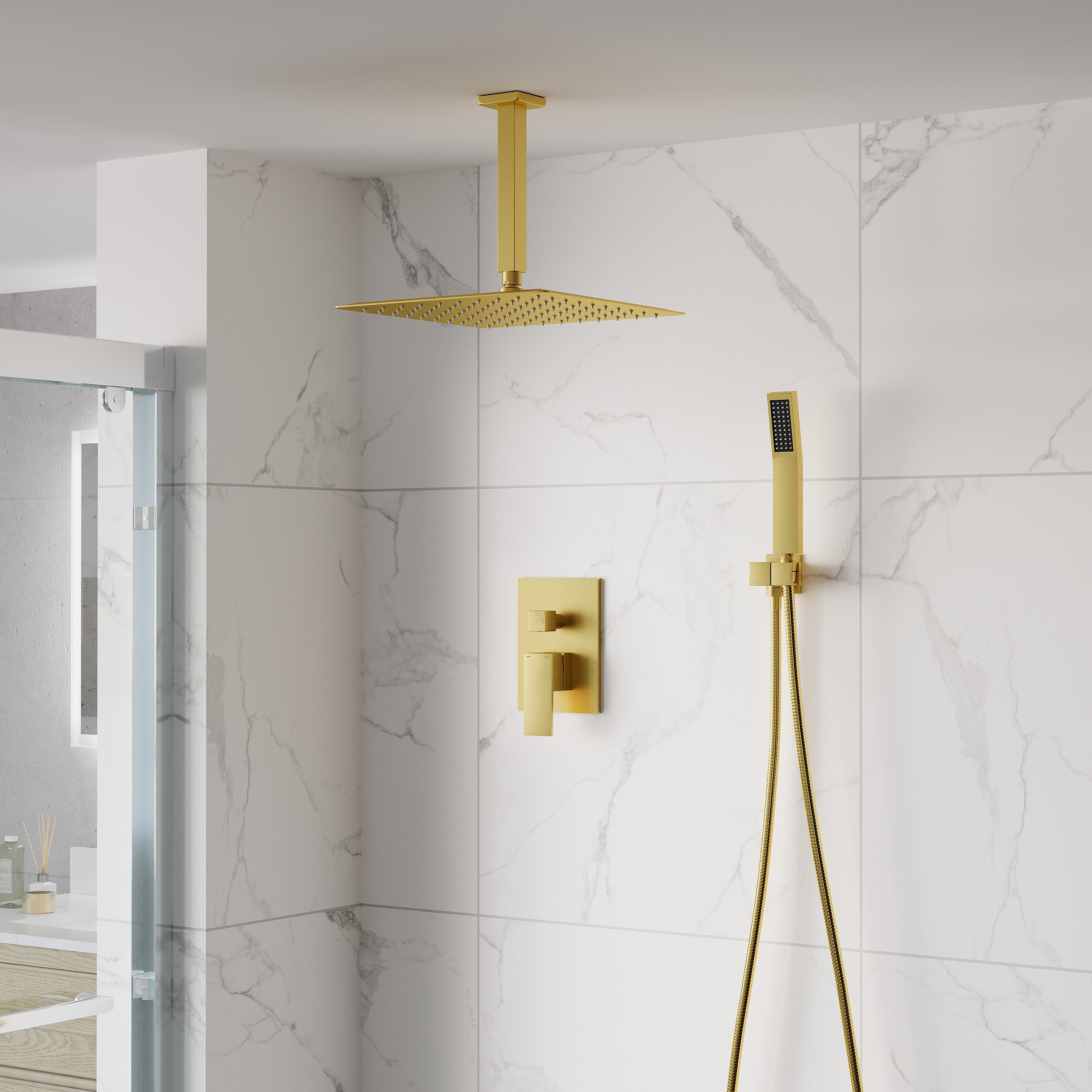
Many bathrooms still function as “mostly shower, sometimes bath.” If your remodel keeps a tub-shower combo, shower efficiency becomes part of the tub decision. EPA WaterSense notes that standard showerheads use 2.5 gpm, while WaterSense-labeled showerheads use no more than 2.0 gpm, representing about a 20% reduction from the federal standard.
That means you can keep the flexibility of a tub while improving everyday water use through smart fixture selection, without changing the footprint.
A Fast Selection Framework: Which Tub Type Fits Your Remodel?
If you want the simplest “best fit” logic:
l Choose the alcove if you want the safest upgrade with minimal plumbing change.
l Choose a tub-shower combo if space is tight and daily utility matters most.
l Choose freestanding soaking if the goal is a spa look, and you can protect clearances.
l Choose drop-in or deck-mounted if you want built-in ledges and have room for a surround.
l Choose a walk-in if accessibility is the primary driver.












Leave a comment
This site is protected by hCaptcha and the hCaptcha Privacy Policy and Terms of Service apply.