














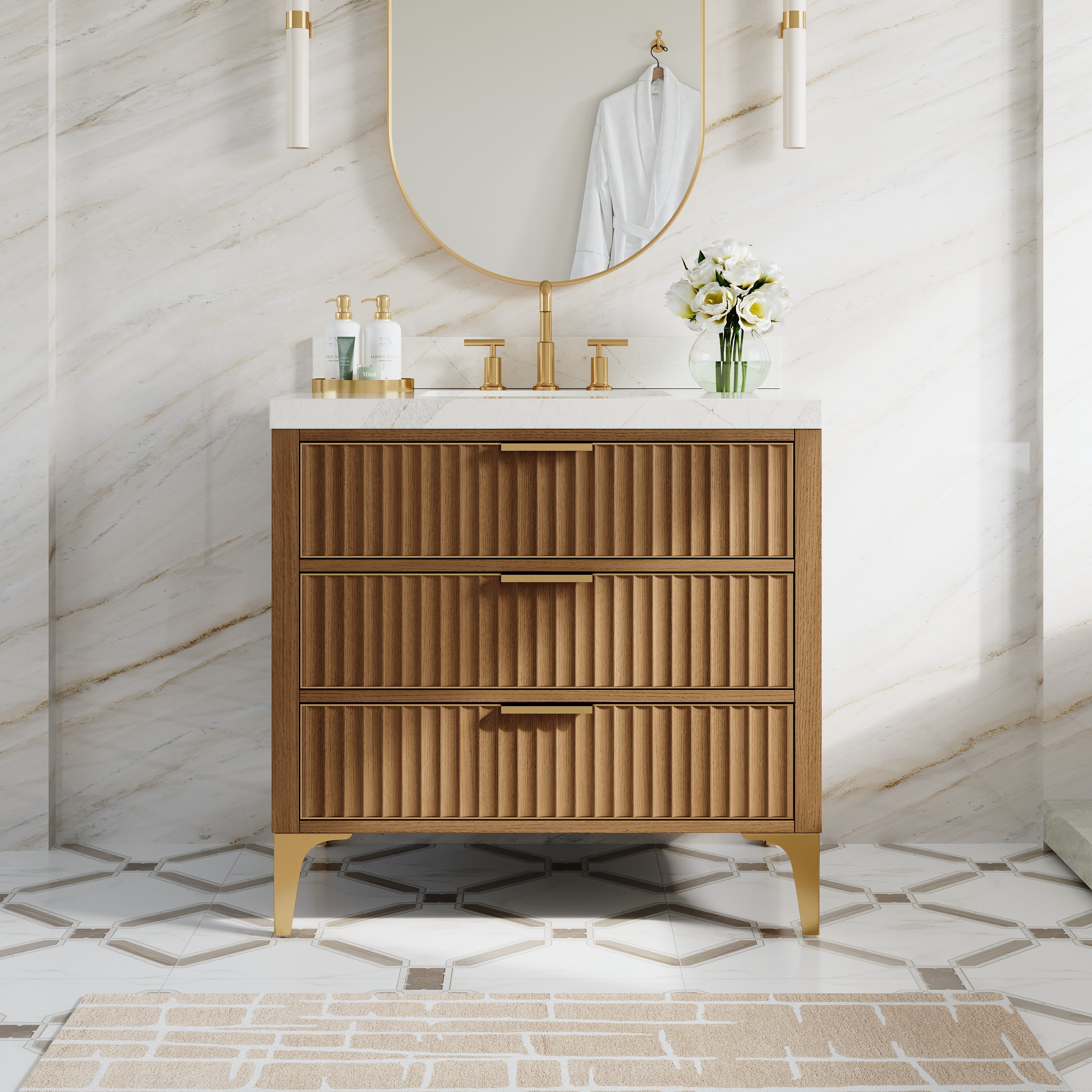
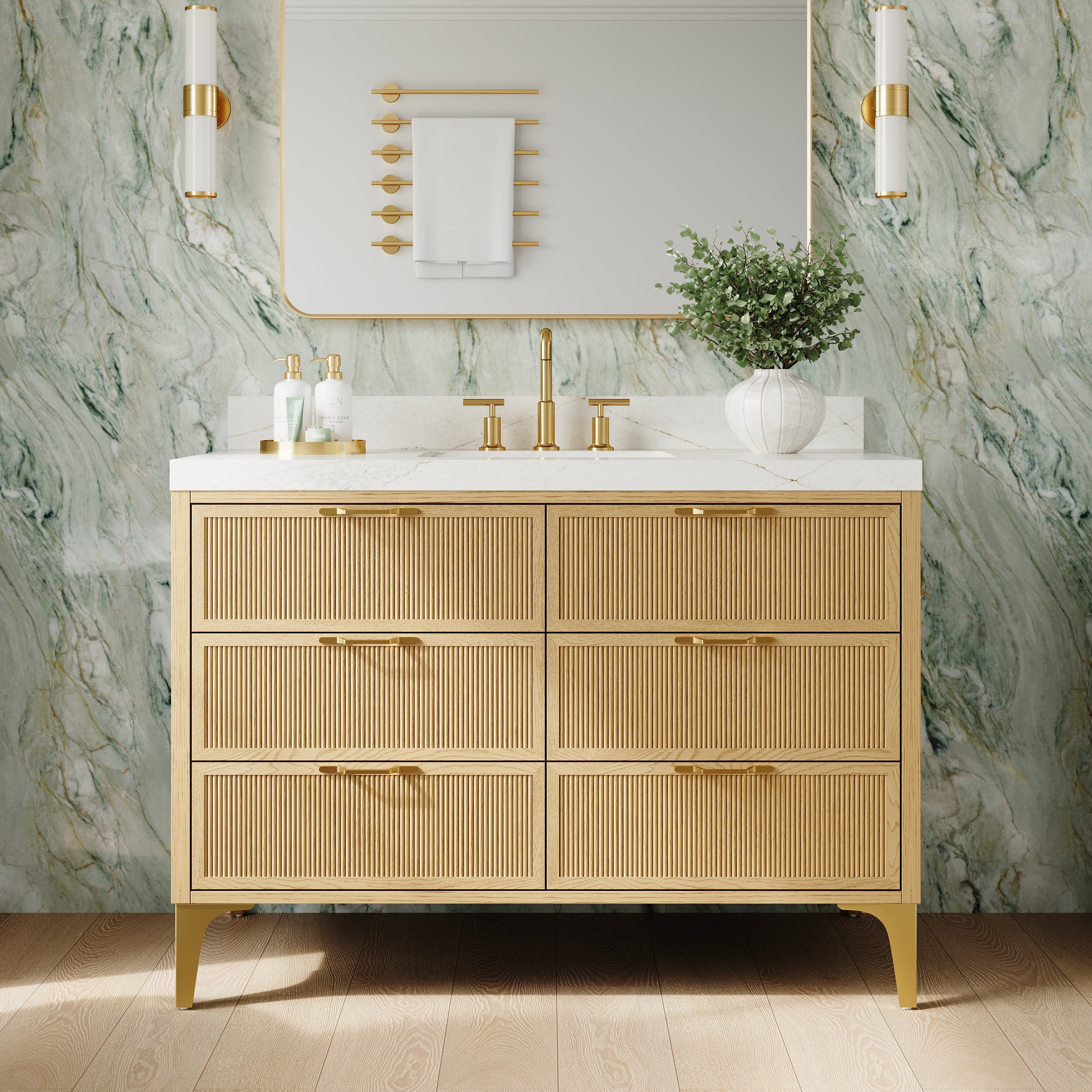


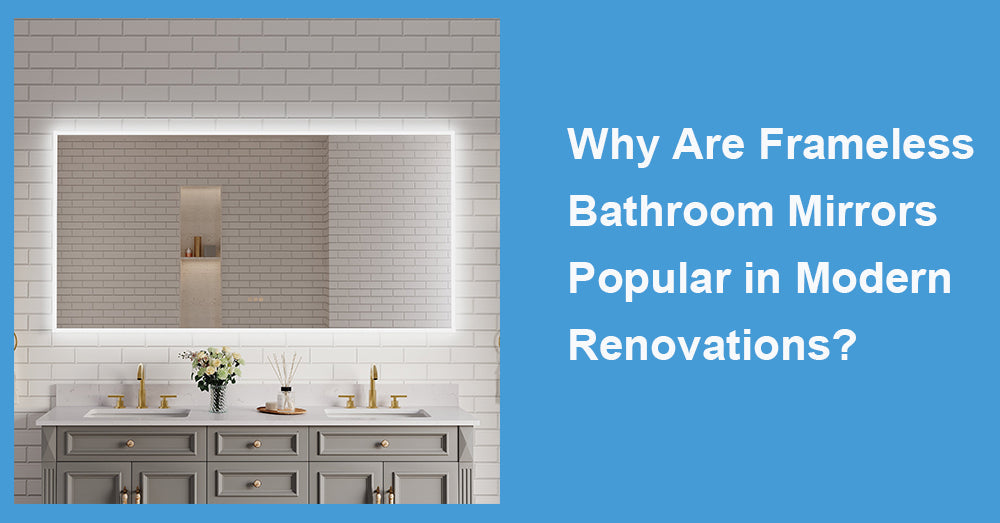
Frameless bathroom mirrors have become one of the most common “quiet upgrades” in renovation projects because they deliver a cleaner look, better light, and fewer visual distractions without demanding a full layout change. That matters in a remodeling cycle where spending remains high, but many homeowners still want improvements that feel modern, durable, and worth the effort.
High-Impact Updates Matter When Renovation Costs Stay Elevated
Renovation activity is still strong overall, even as growth cools. The Joint Center for Housing Studies at Harvard projects annual homeowner spending on improvements and maintenance to reach $518 billion by the end of 2026. At the same time, the cost of repair and remodeling work has risen significantly over the past decade, making “big impact, smaller scope” changes more attractive.
A mirror swap fits that mindset. It can refresh the vanity wall, improve everyday use, and modernize the room’s “first impression” without moving plumbing, retiling a shower, or replacing cabinetry.
Minimal, Seamless Surfaces Match Where Bathroom Design Is Heading
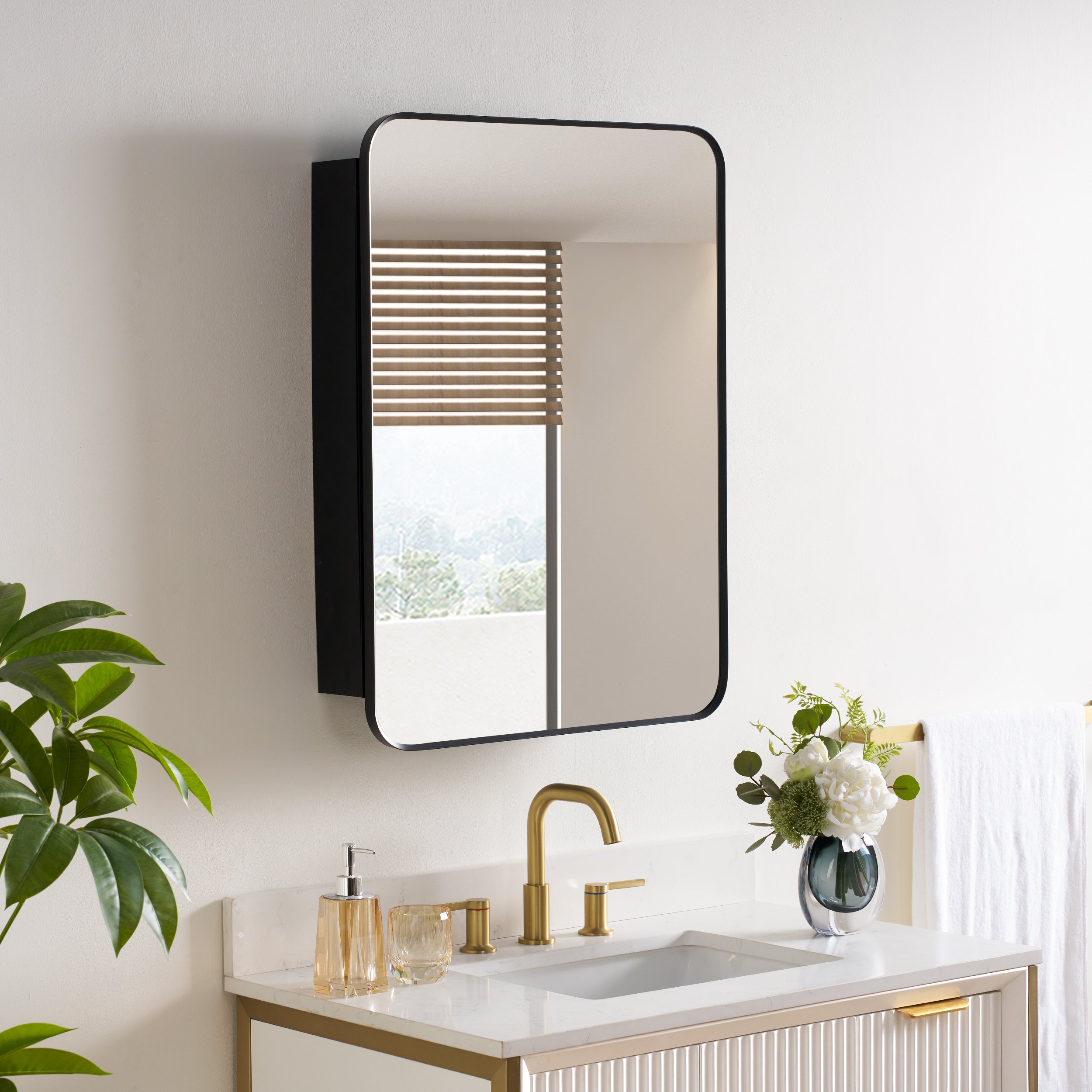
Modern bathroom design is leaning into calmer visuals, fewer lines, and surfaces that feel continuous. NKBA’s 2025 trend report highlights bathrooms evolving into wellness-driven spaces, with intentional lighting and minimal upkeep as priorities. Frameless mirrors fit naturally here: no heavy border, no ornate profile, and less contrast competing with tile, stone, and hardware.
The result is a vanity wall that reads more “architectural” and less “decorative object,” which is exactly the vibe many renovations are chasing.
Lighting Is a Top Upgrade, and Frameless Mirrors Play Well With It
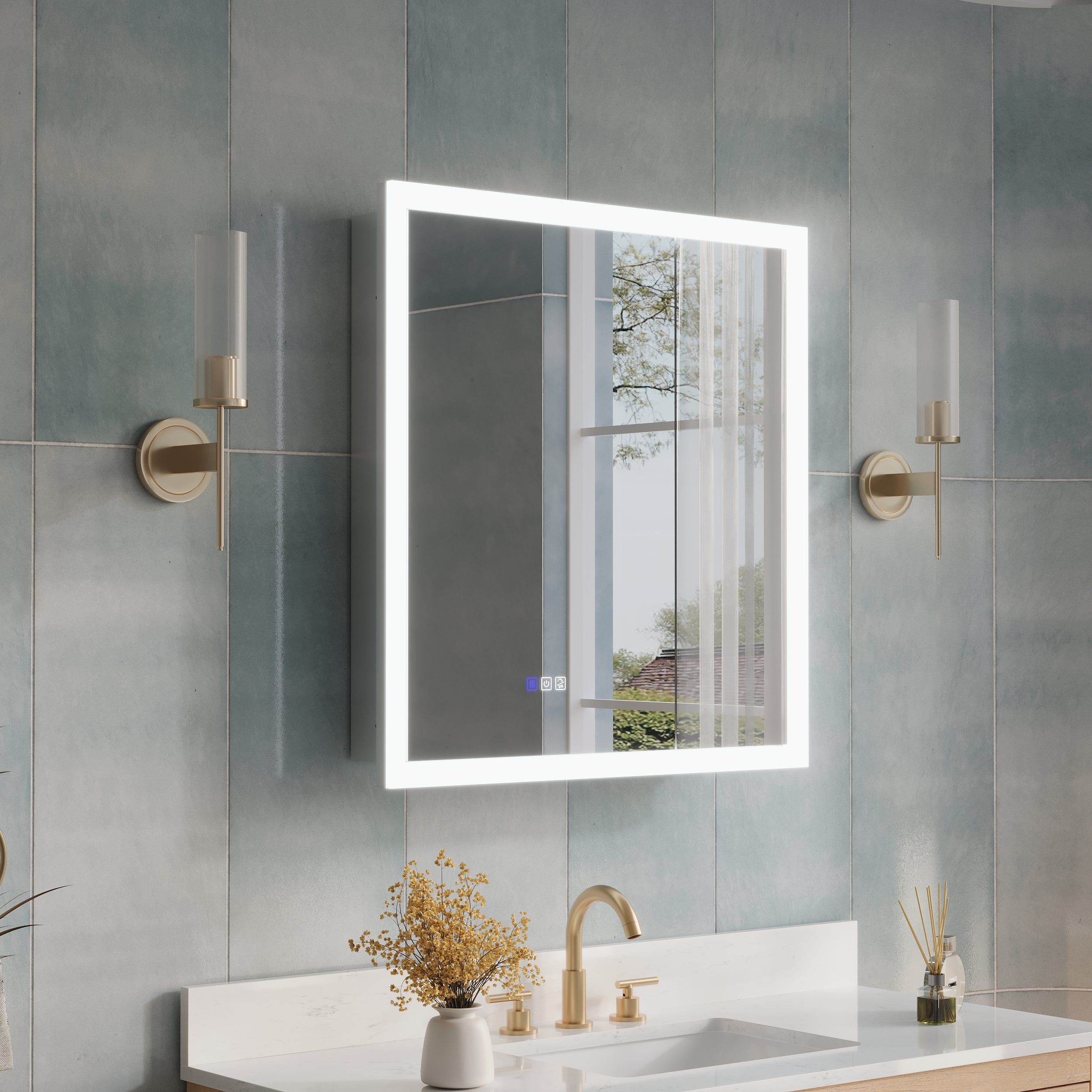
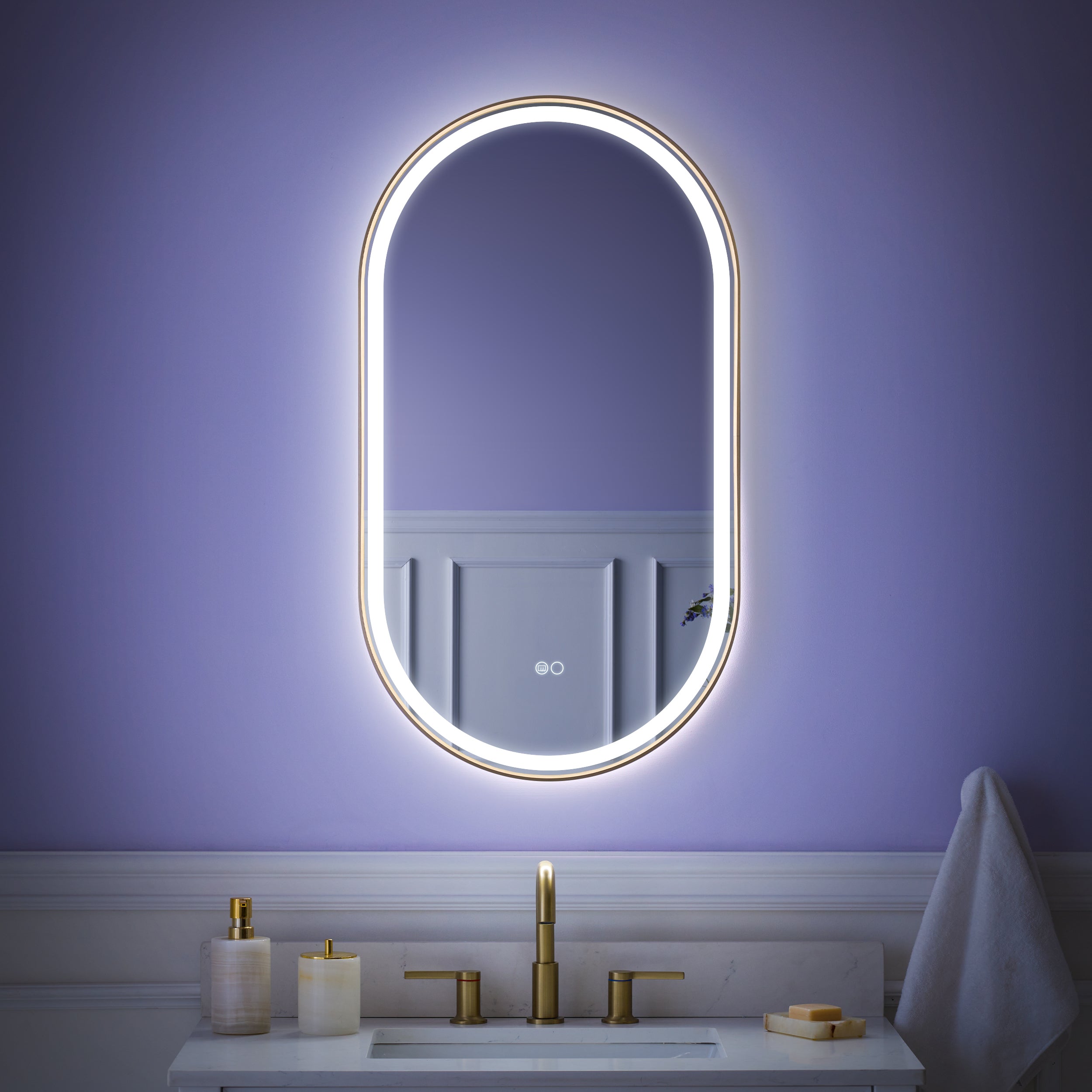
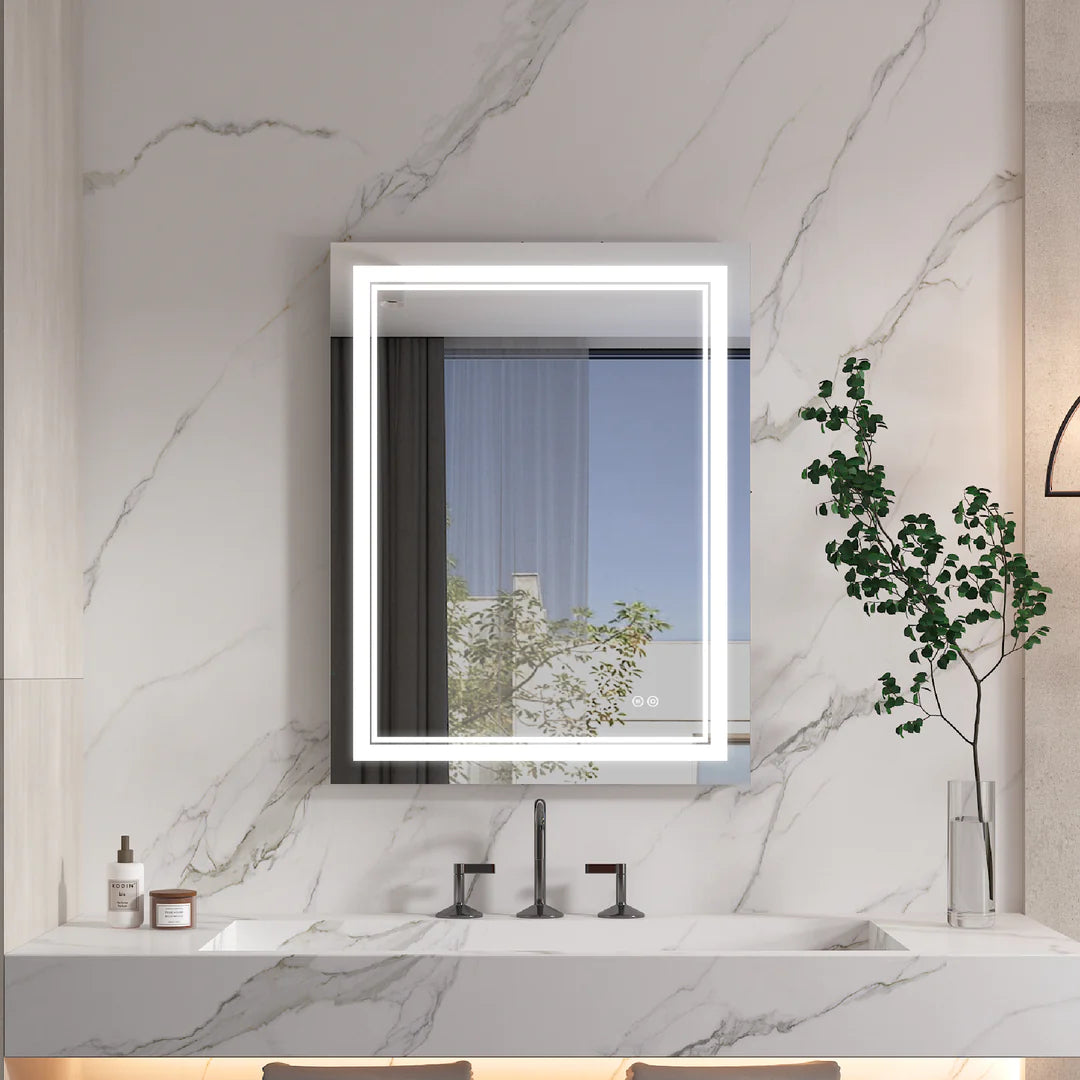
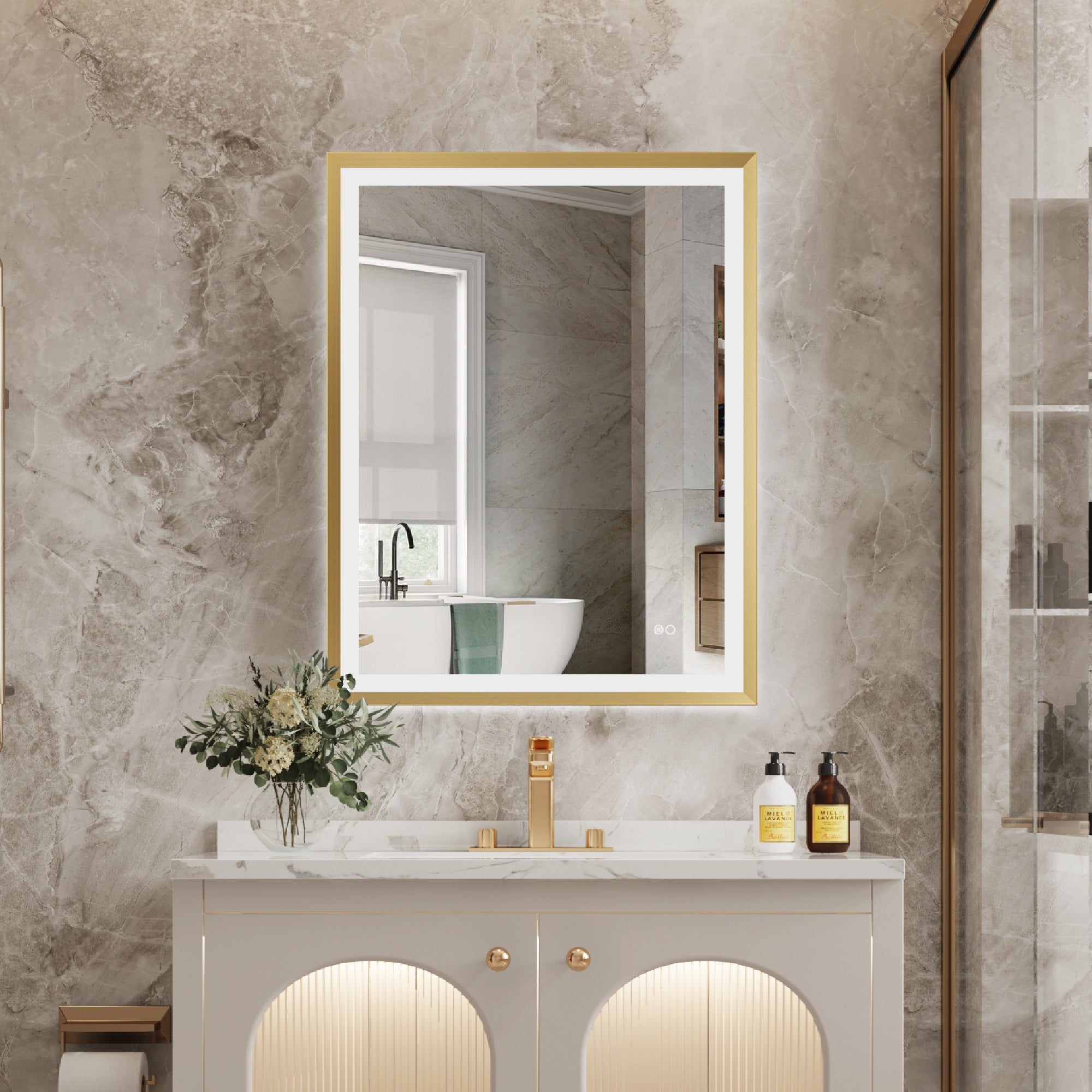
Lighting is one of the most upgraded elements in bathroom remodels. Houzz reports 82% of renovating homeowners upgrade lighting, placing it near the top of common project changes. At the fixture level, lighted mirrors are also gaining traction, rising to 22% of upgraded light fixtures in renovated bathrooms.
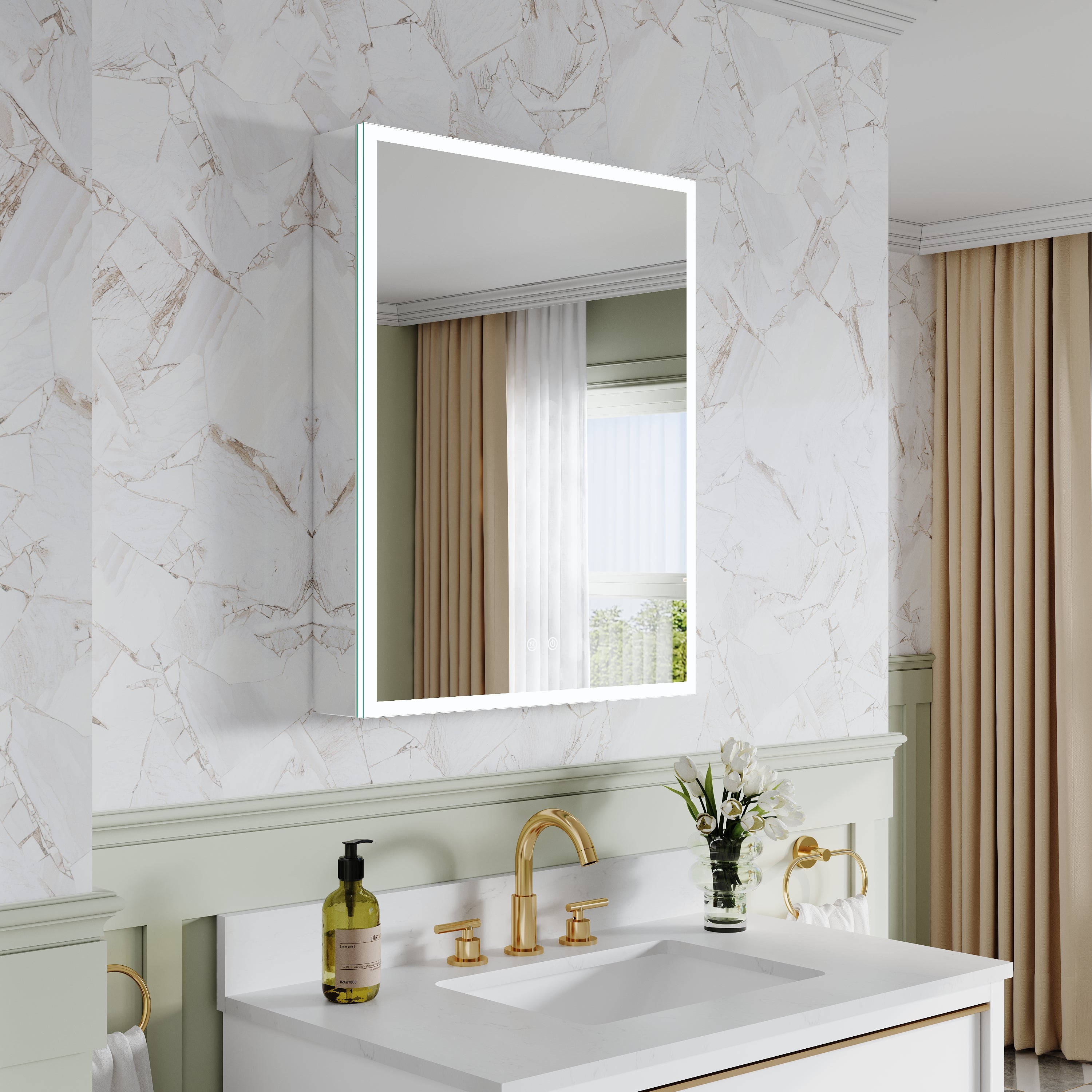
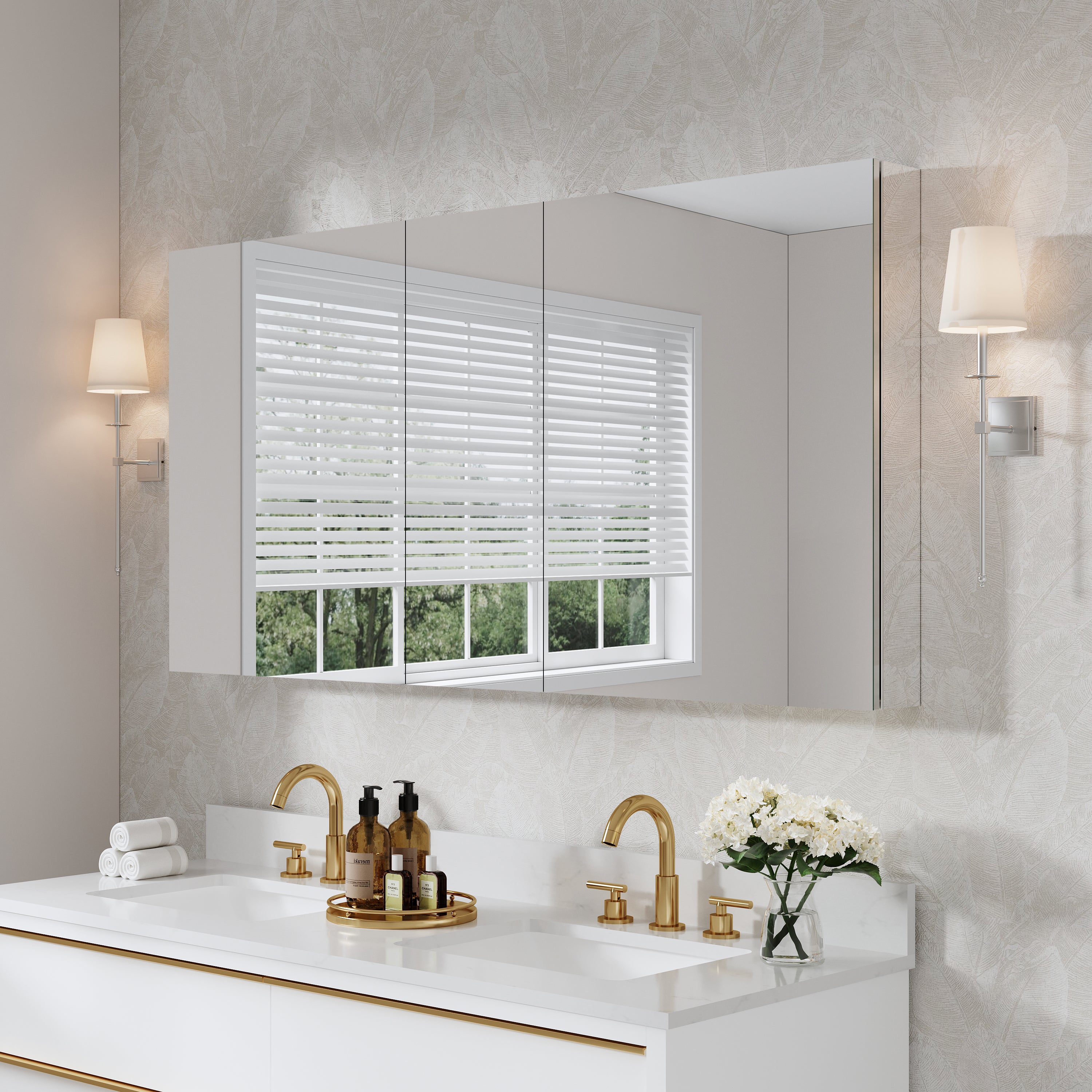
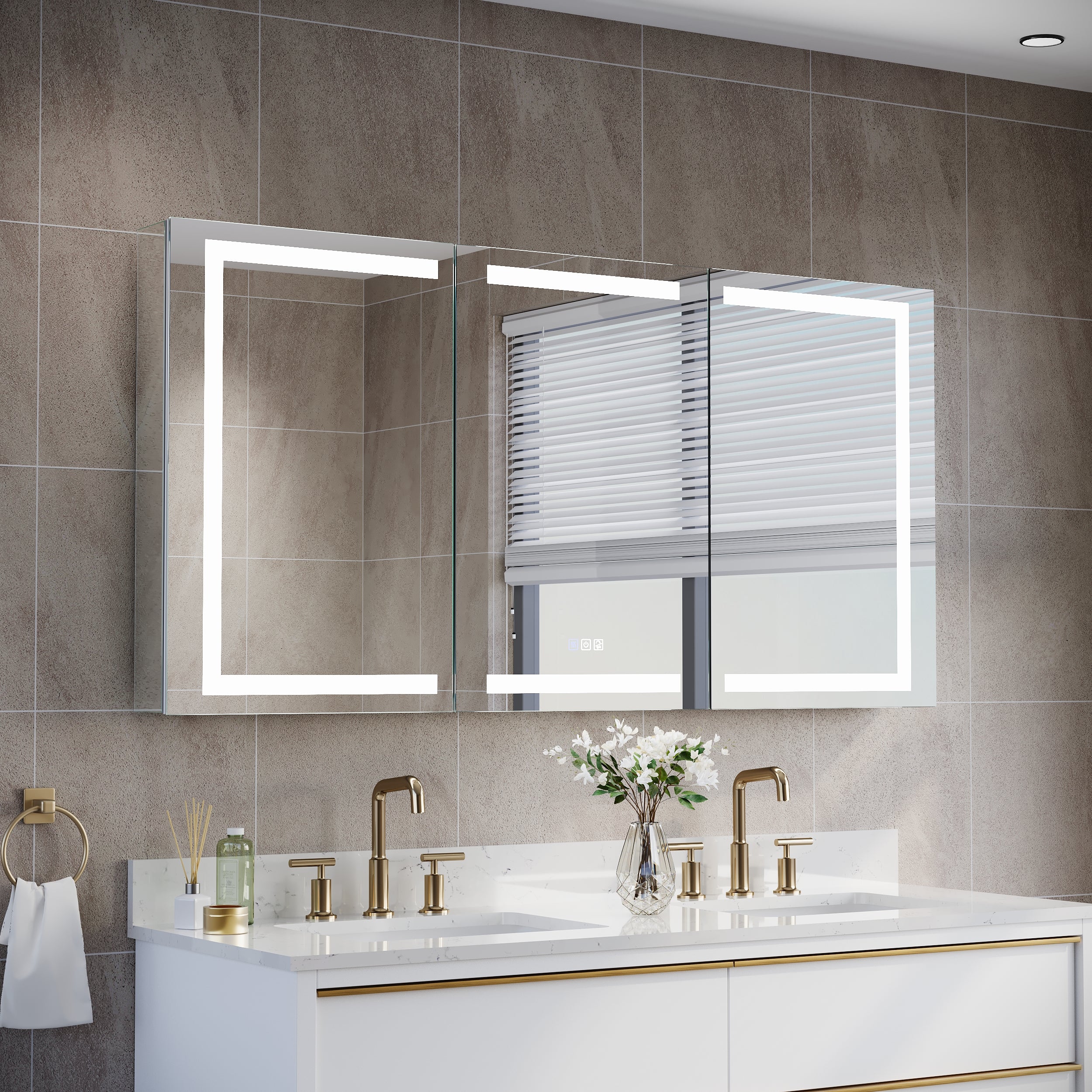
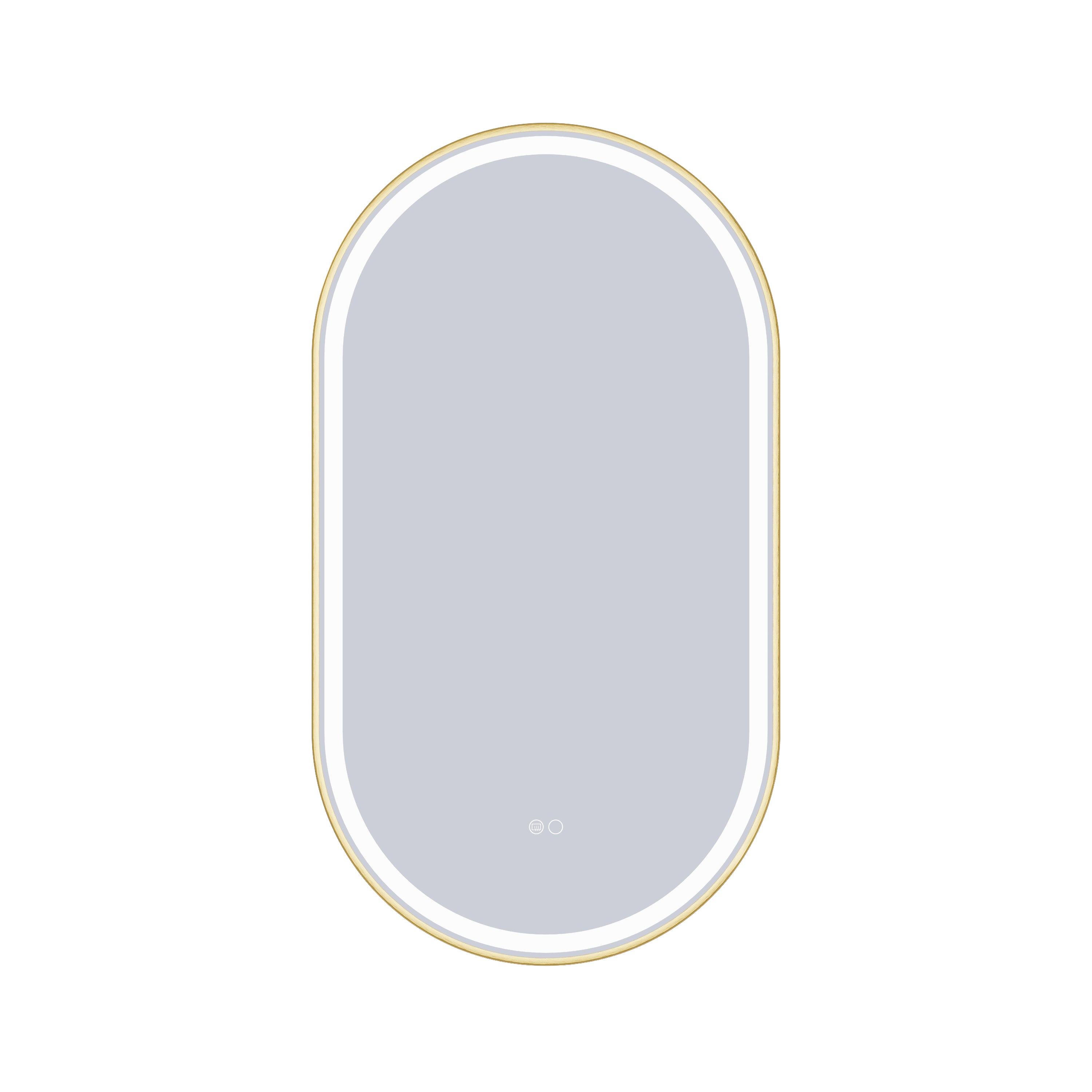
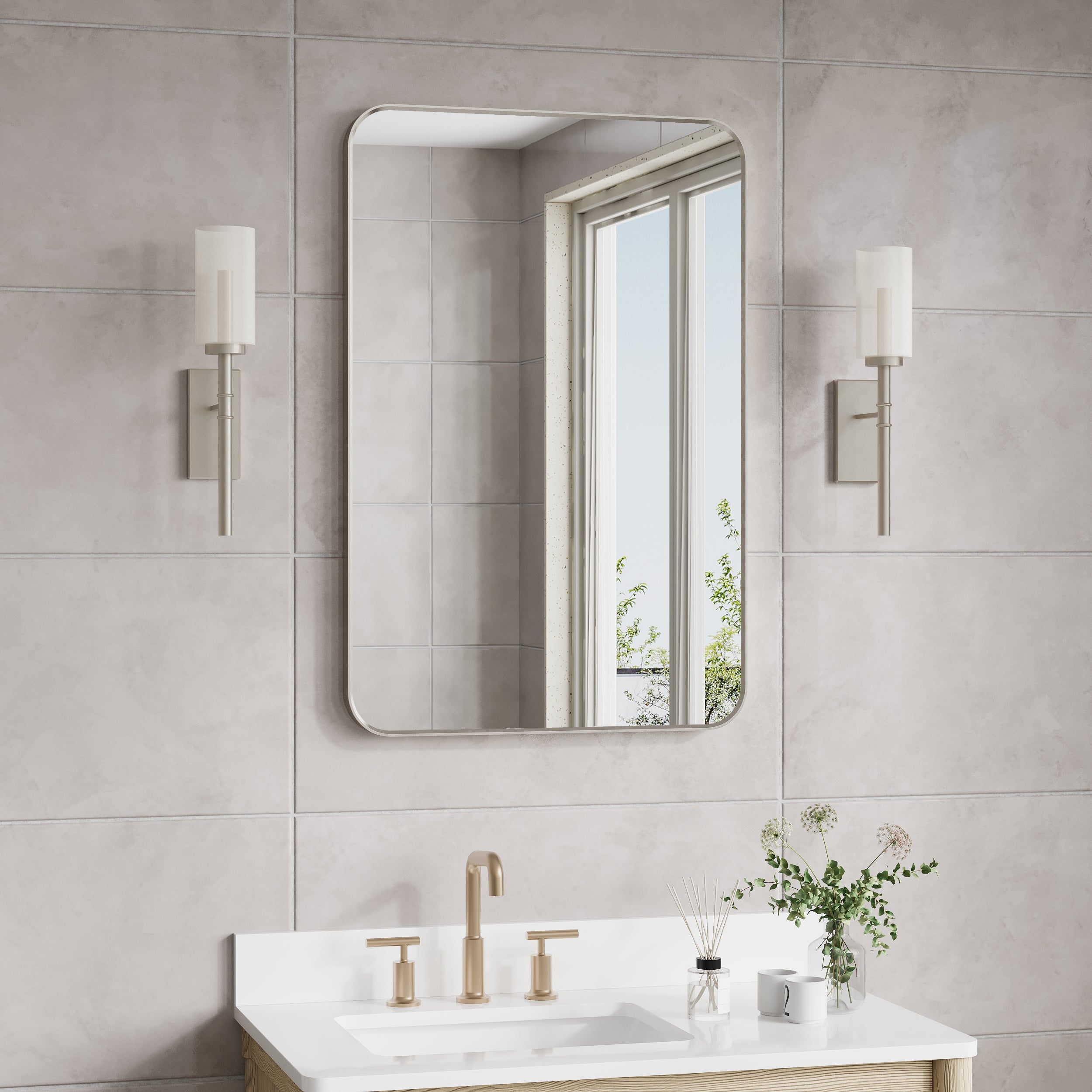
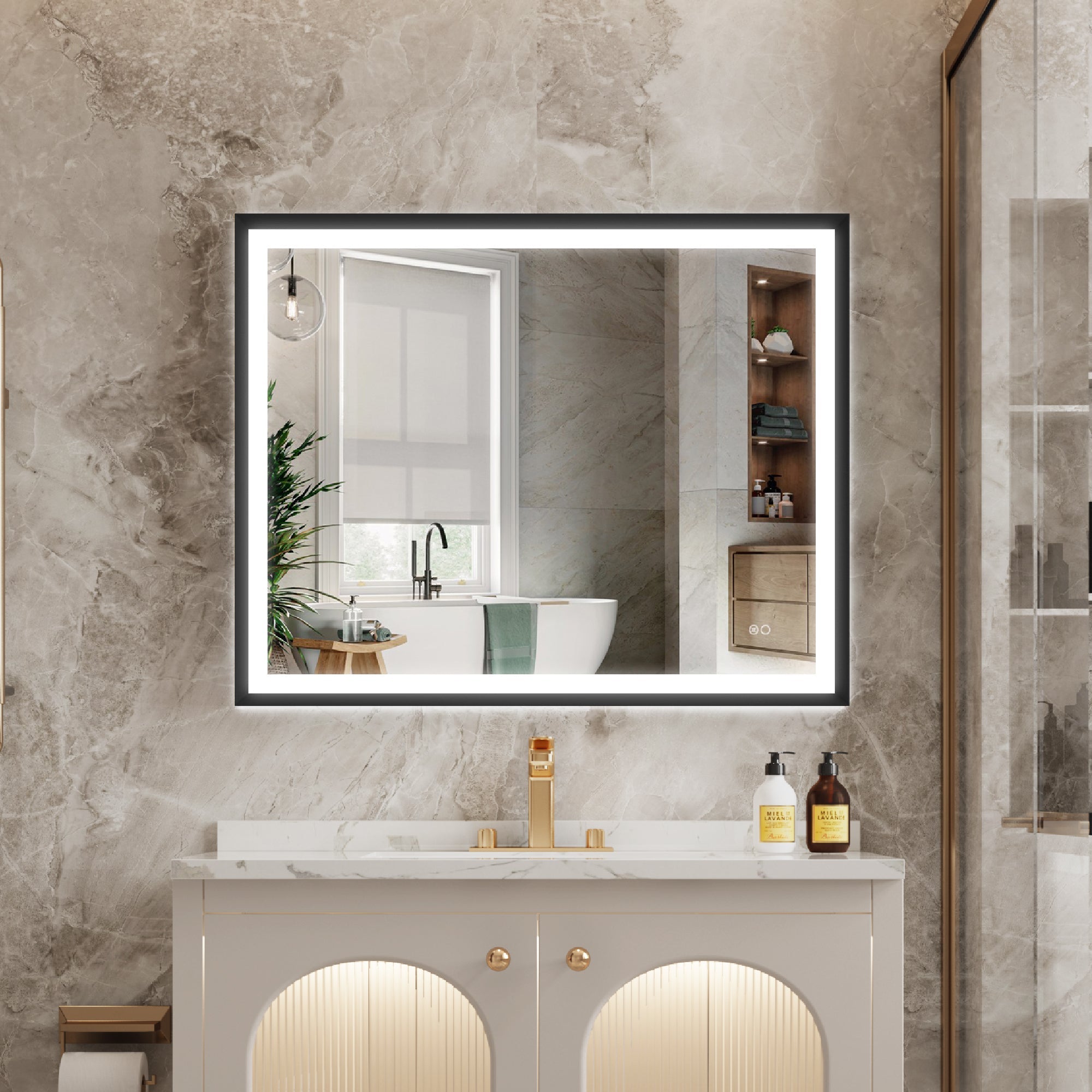
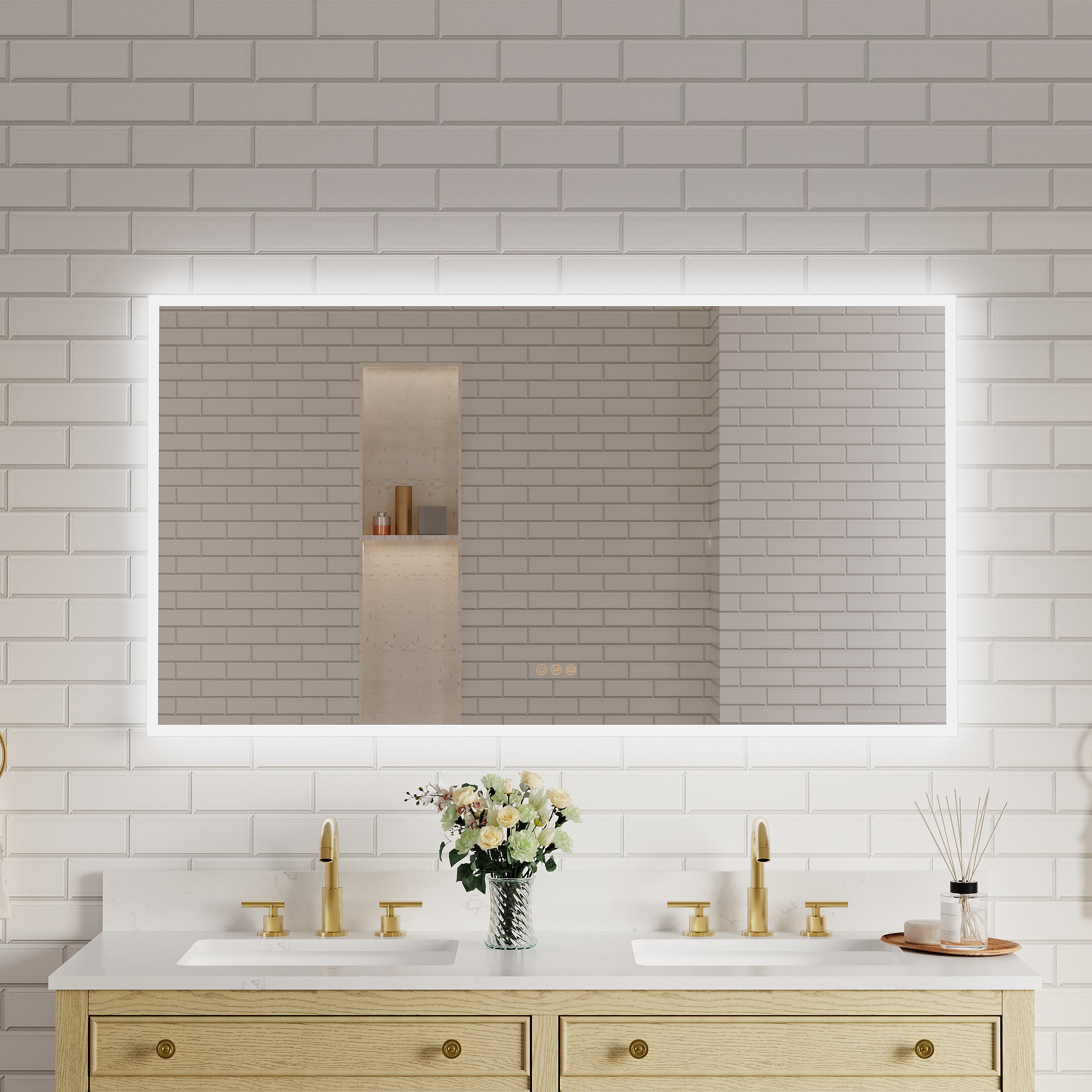
Frameless designs help lighting look cleaner. Whether it is a backlit mirror, a front-lit perimeter, or sconces beside the glass, a minimal edge avoids casting chunky shadows and keeps the light effect crisp. The mirror becomes part of the lighting plan instead of fighting it.
Frameless Looks “Bigger,” Which Helps Bathrooms Feel Bigger
Bathrooms often feel tight even when the square footage is decent, because fixtures, doors, and sightlines break up the room. A frameless mirror visually reduces that clutter. This is especially effective above common vanity sizes:
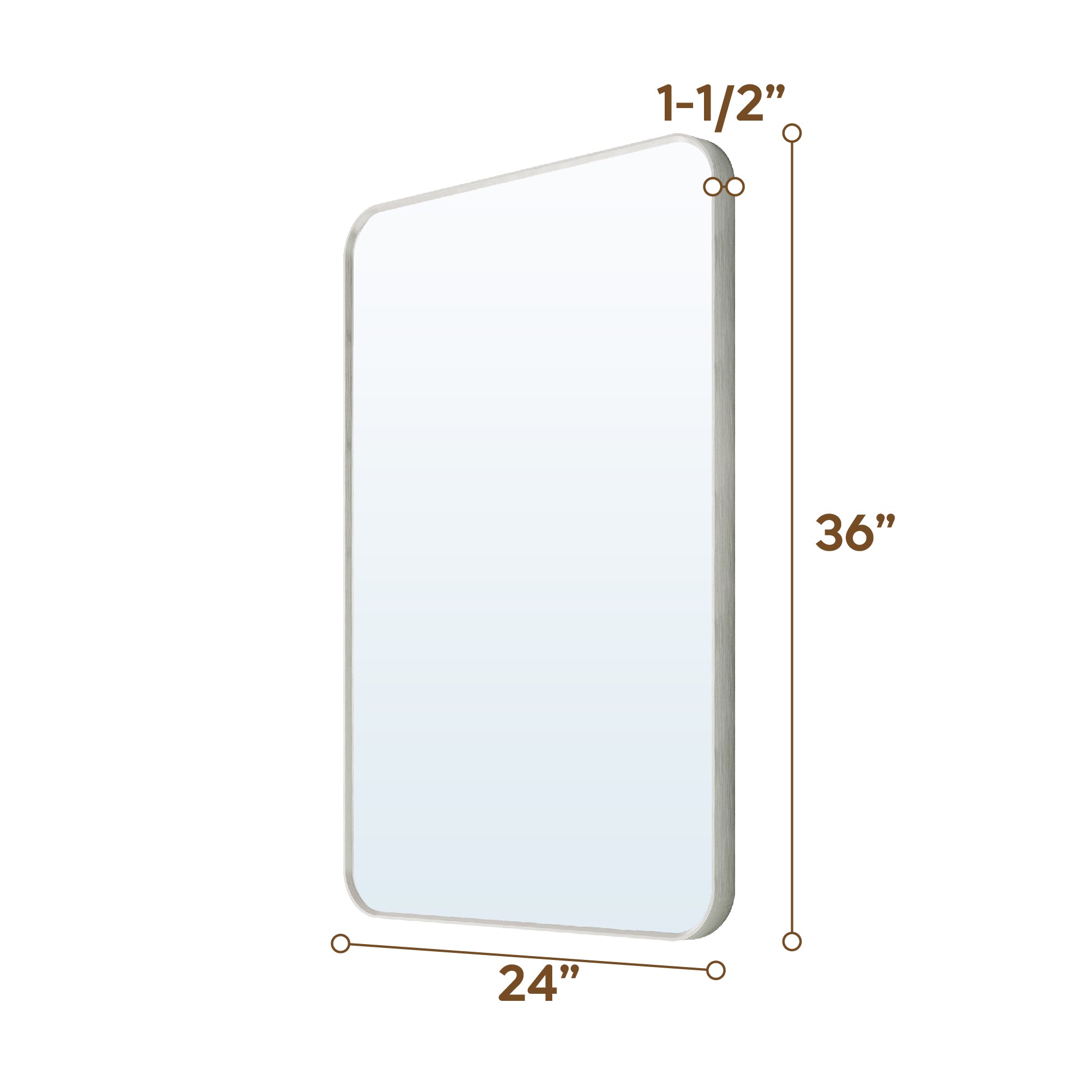
l A 24-inch W single vanity often looks more balanced with a mirror around 20 to 24 inches W.
l A 36-inch W vanity typically pairs well with a 30 to 36-inch W mirror.
l A 60-inch W double vanity often looks strongest with either one wide mirror (for example, 55 to 60 inches W) or two matching mirrors (for example, 24 to 30 inches W each).
Those aren’t rules, but they show why frameless mirrors are popular: when you increase mirror area, the wall feels more open and reflective, and the “vanity zone” reads larger without changing the footprint.
It Avoids Finish Conflicts in a Time of Mixed Metals
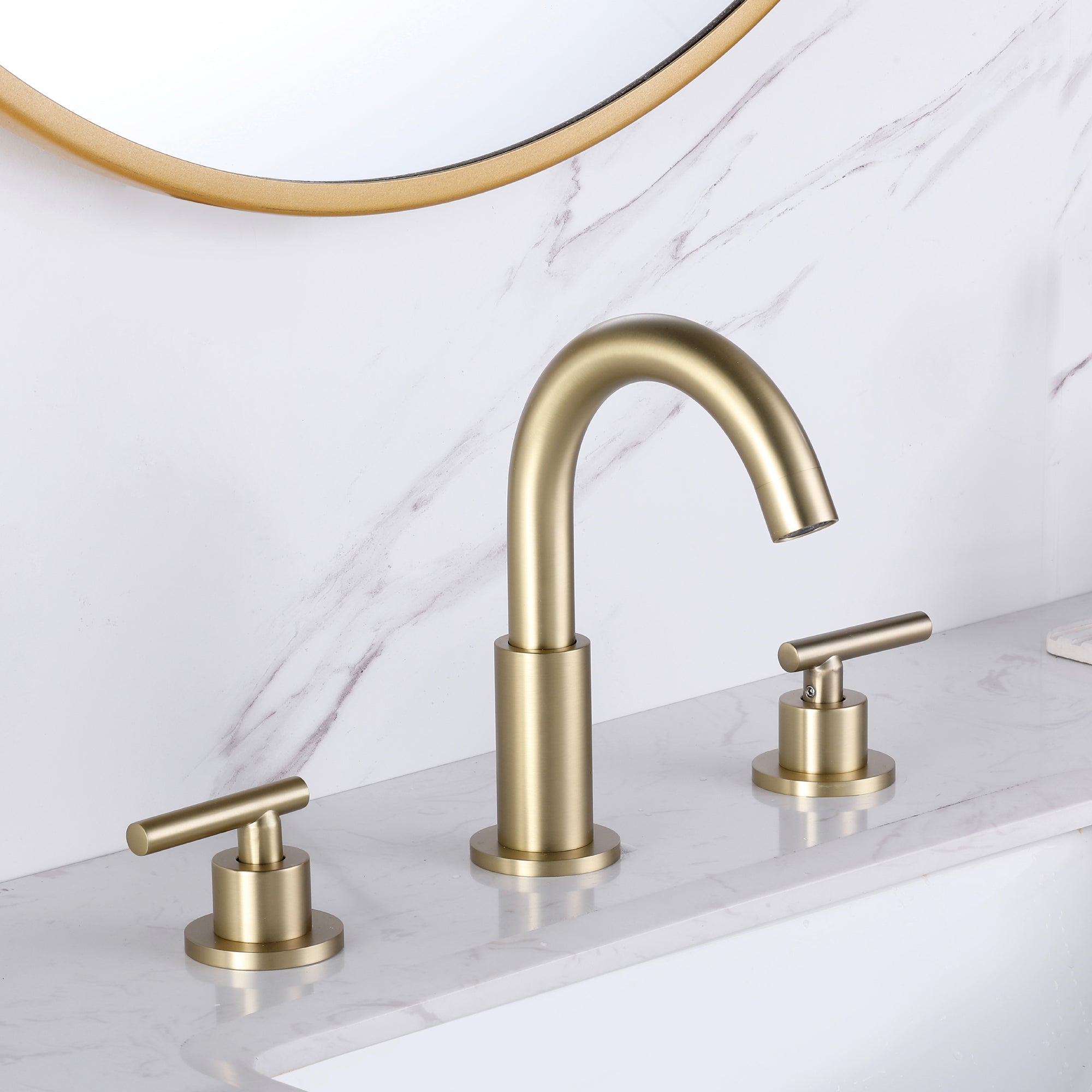
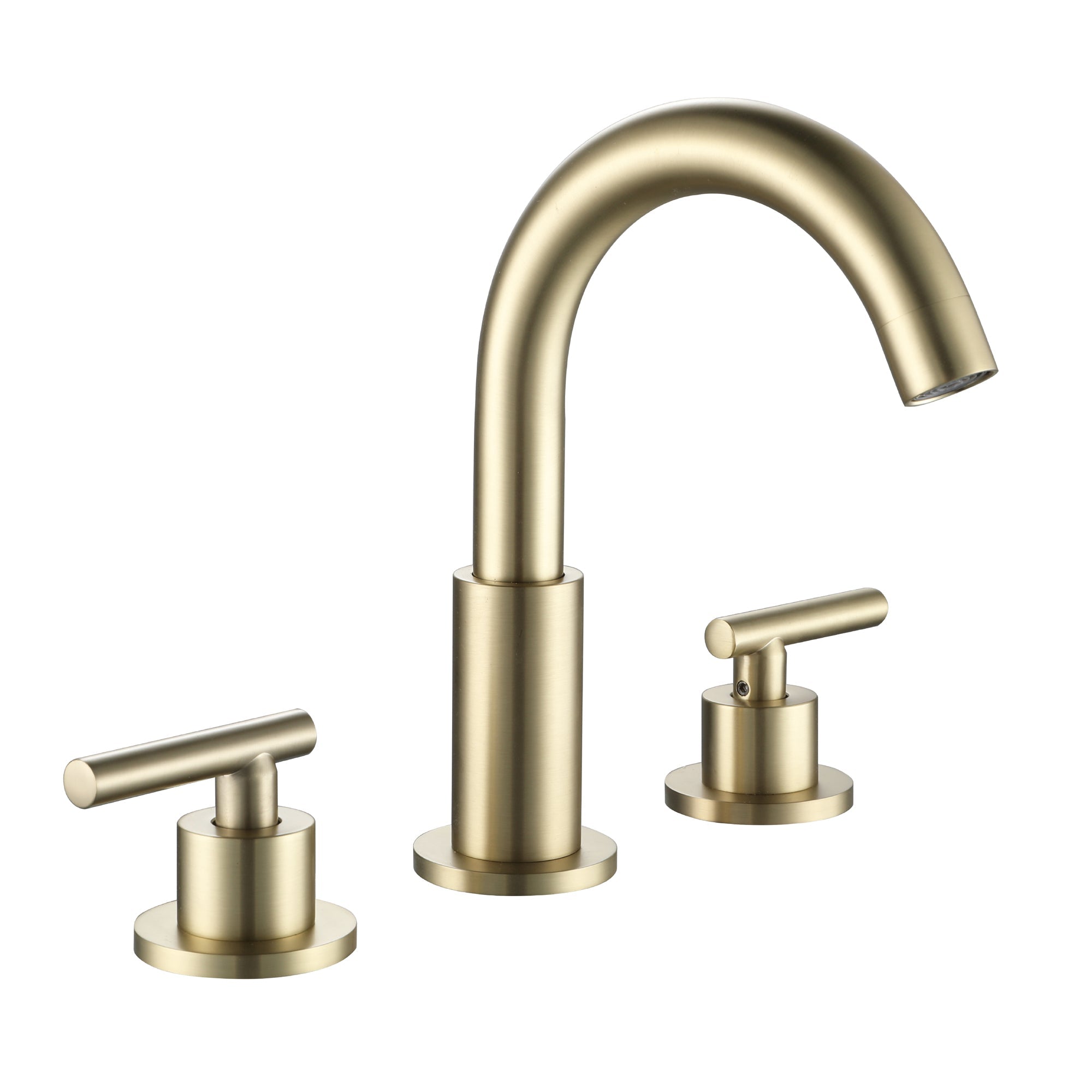
Another reason frameless mirrors are winning is that they stay neutral while everything else gets more specific. Bathrooms today commonly mix finishes: brushed nickel faucets with matte black lighting, champagne bronze hardware, or warm brass accents. A framed mirror can accidentally introduce a third or fourth finish, or force you into a perfect match that is hard to maintain across lighting, faucets, and accessories.
Frameless mirrors act like a visual “reset.” They let the faucet and lighting be the stars, making it easier to update finishes later without replacing the mirror again.

Frameless Is Practical: Fewer Seams, Less Grime, Easier Cleaning
Bathrooms are humid, and that environment is unforgiving to ornate edges. Frames can trap dust and moisture at joints, especially at the bottom edge, where splashes happen. A frameless mirror is typically simpler to wipe down, and there is less detail work to discolor over time.
This aligns with what industry trend reporting keeps emphasizing: homeowners want designs that look good but also require less effort to maintain that look.
The “Frameless Preference” Shows Up Elsewhere in the Bathroom
One of the clearest signals that homeowners like this look for is how often they choose it in showers. In the 2025 Houzz Bathroom Trends Study, among homeowners whose upgraded shower includes a door, frameless doors lead at 75%, compared with 18% semiframed and 7% framed.
While shower doors and mirrors are different products, the design preference is consistent: fewer visual borders, more transparency, cleaner lines. When the shower enclosure goes frameless, a heavy-framed mirror can feel out of sync. Frameless mirrors keep the room cohesive.
Accessibility and Visibility Are Becoming More Important
Bathrooms are increasingly being designed to stay usable over time. Houzz notes 68% of homeowners factor special needs into bathroom renovation planning, and added lighting is a common choice to help reduce hazards. A frameless mirror supports that goal simply: it can be sized larger without feeling bulky, improving visibility for grooming and daily routines.
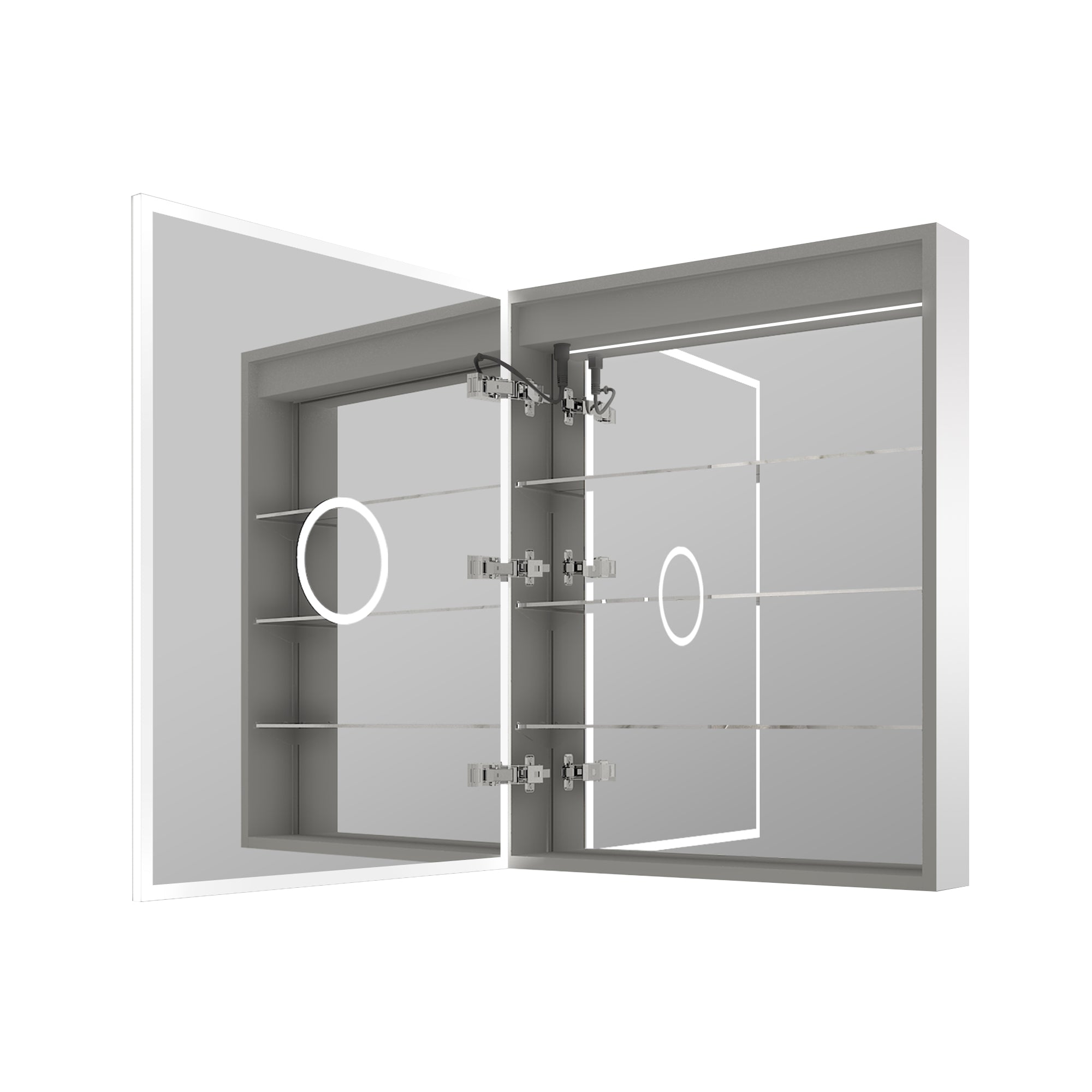
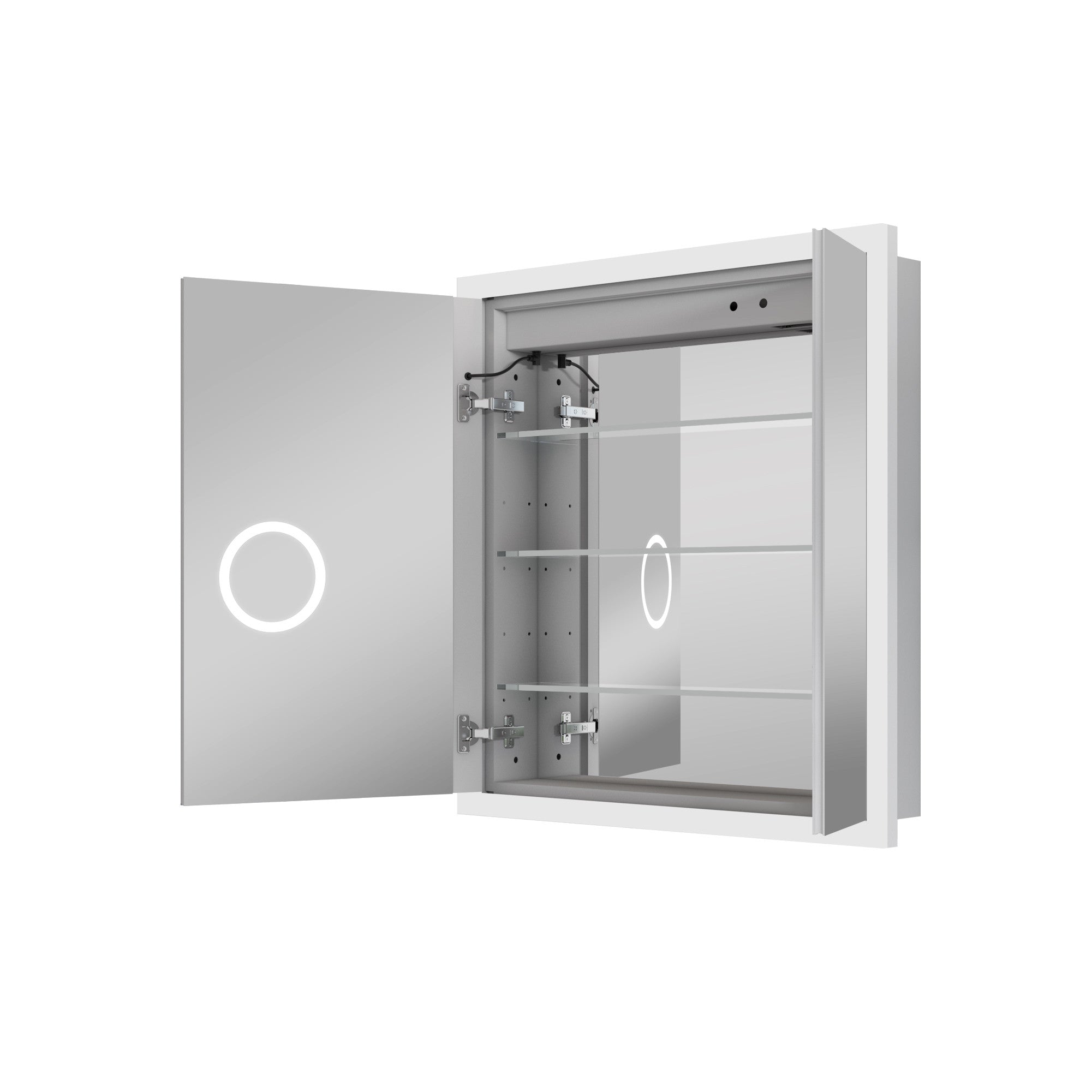
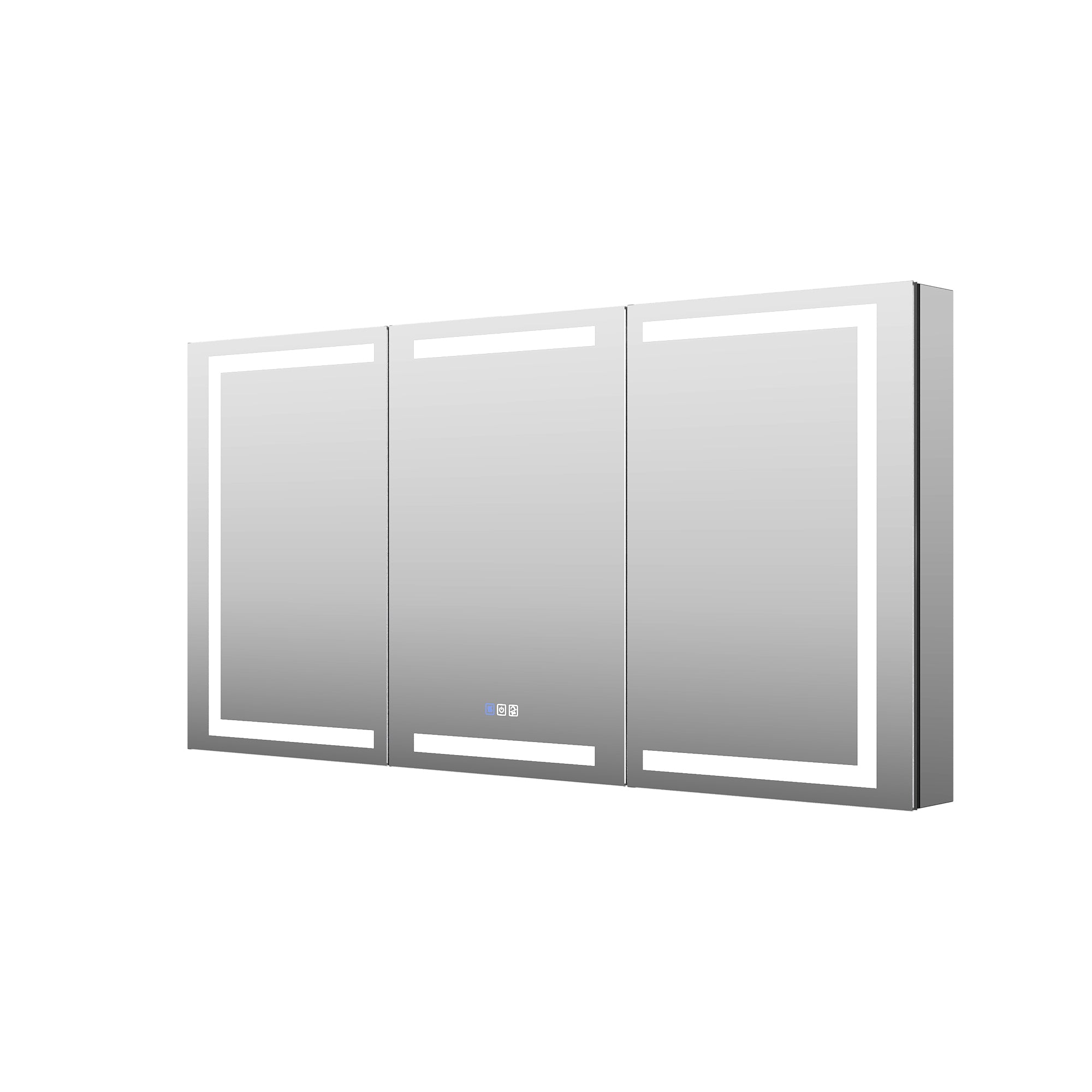
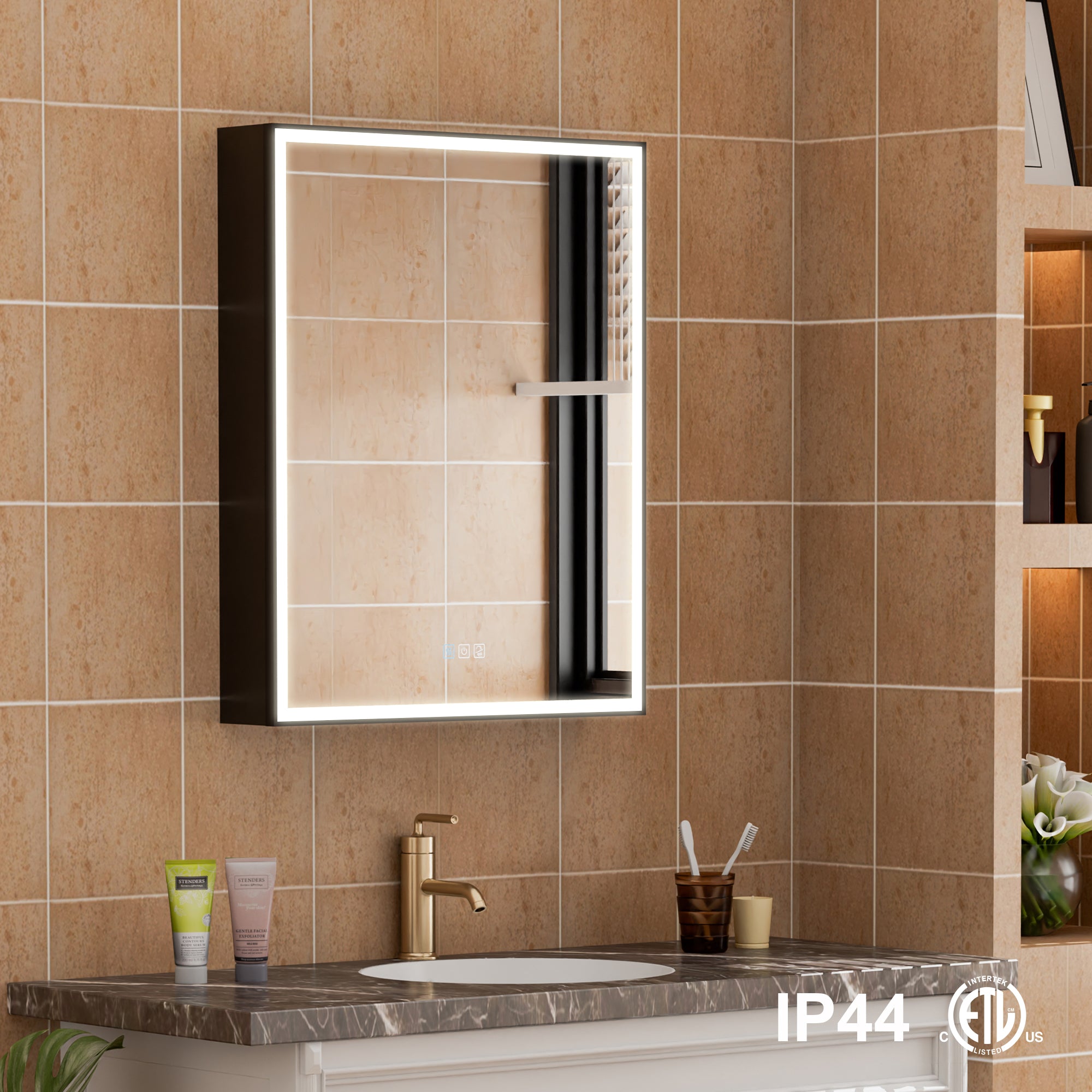
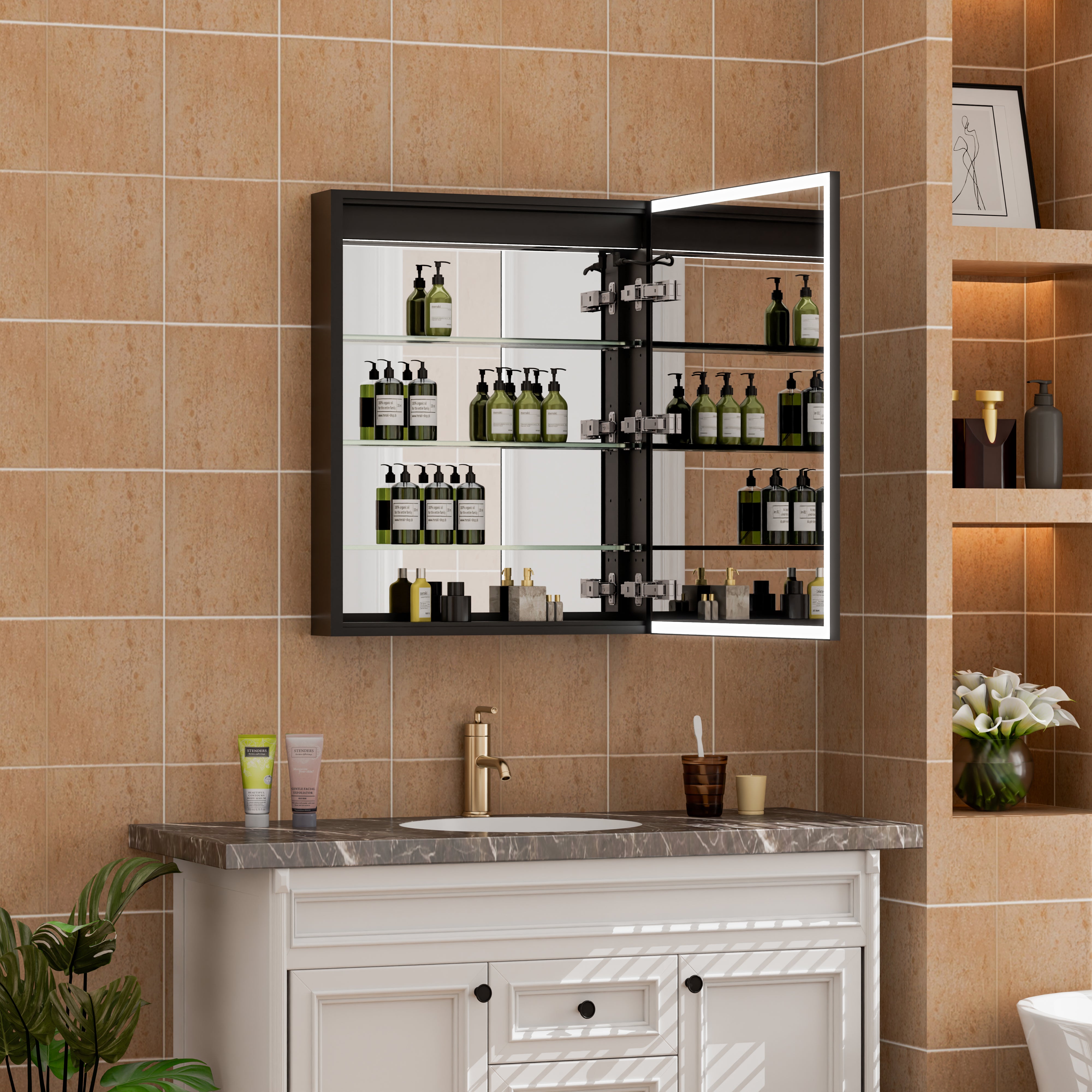
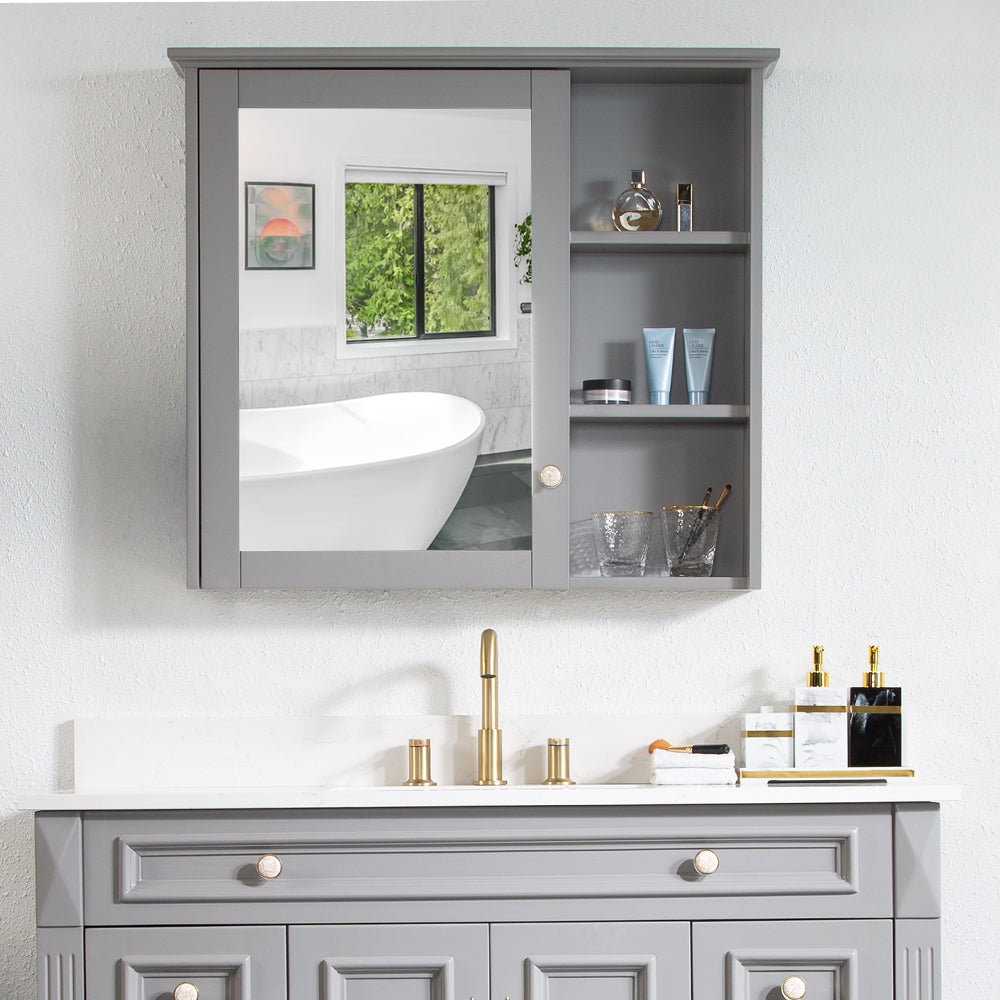
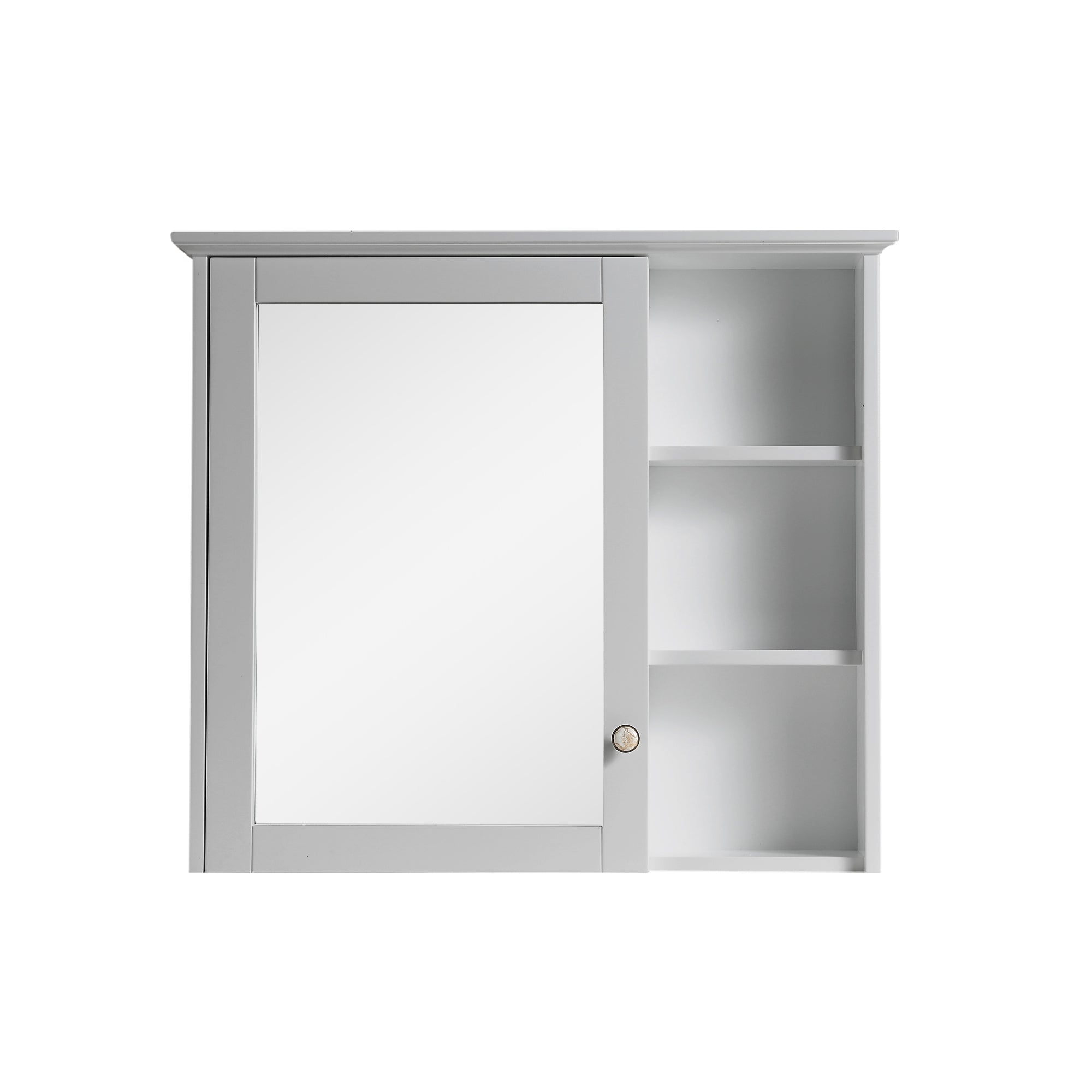
Many renovators also refresh storage at the vanity wall. Houzz reports 32% update medicine cabinets, and interest in convenience features such as hidden outlets and anti-fog systems is notable. Frameless mirrors pair well with both standard mirrors and mirrored medicine cabinets, so you can choose either “pure reflection” or “reflection plus storage” without changing the overall style language.
What to Look for When Choosing a Frameless Mirror
If the goal is a mirror that looks modern and lasts, the details matter more than the lack of a frame:
l Edge finish: Polished edges look crisp; beveled edges add a softer highlight. Either can work, but the edge quality should look intentional.
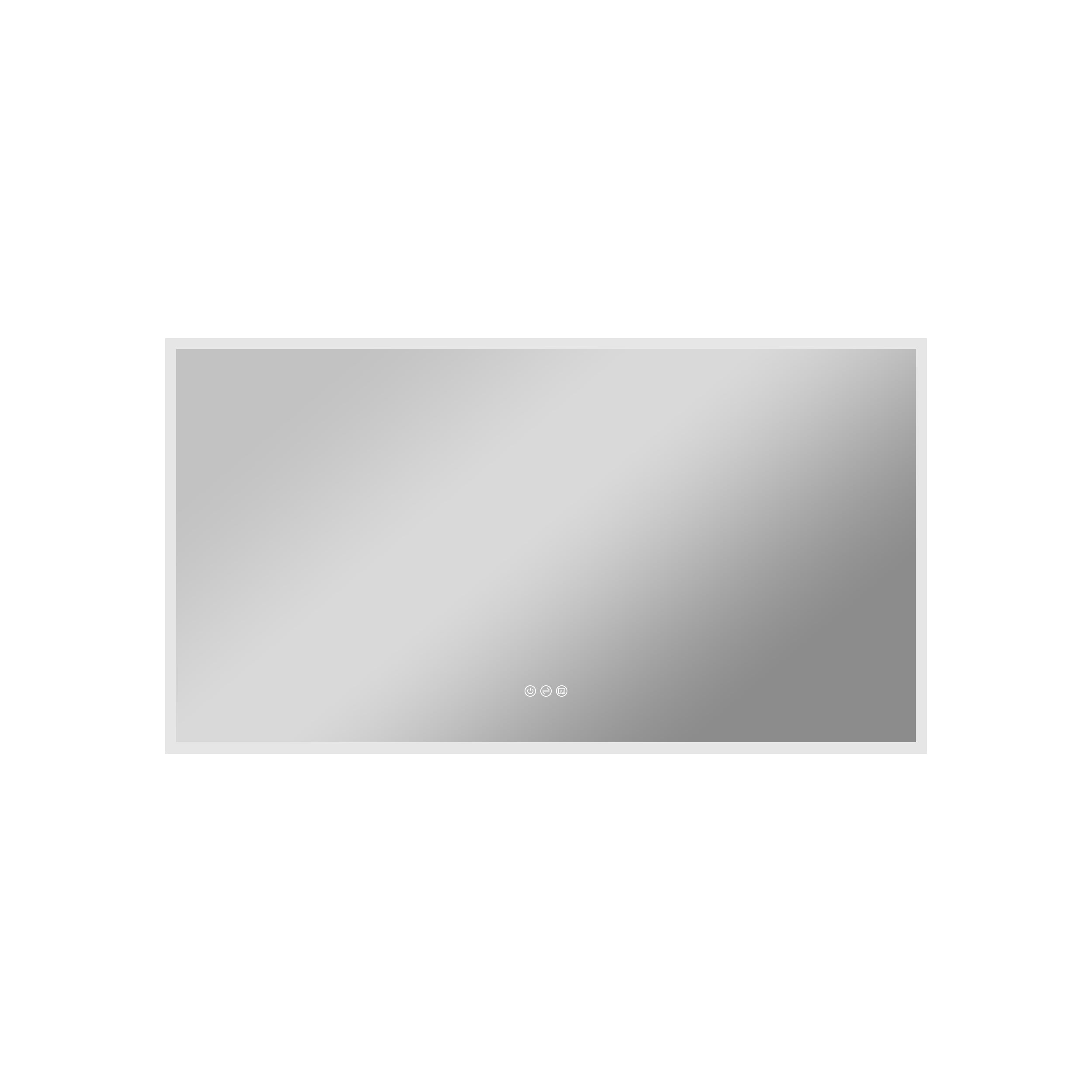
l Moisture readiness: In bathrooms, look for quality backing and secure mounting hardware. If you want anti-fog, prioritize models with clearly defined defogger zones and easy controls.
l Proportion: Let the vanity width guide the mirror width, and choose a height that supports real use (a common practical range is 30 to 40 inches H for many vanities, depending on ceiling height and lighting plan).
l Lighting plan: If you are adding sconces or upgrading overhead lighting, confirm spacing early so the mirror size and light placement feel balanced.
The Outlook: Mirrors Are Becoming a Bigger “Design Category.”
One reason the mirror space is evolving quickly is that the industry is actively trying to catch up. NKBA trend coverage notes that designers see manufacturers ahead in some bathroom categories but behind in vanities, mirrors, and flooring, signaling active product development and change ahead.
That momentum favors frameless mirrors because they are the easiest foundation for newer add-ons, such as integrated lighting, defogging, hidden outlets, and cleaner mounting systems. In short, frameless is popular not just because it looks modern, but because it fits how bathrooms are being redesigned: calmer, brighter, easier to maintain, and more adaptable.











Leave a comment
This site is protected by hCaptcha and the hCaptcha Privacy Policy and Terms of Service apply.