
















— A 2026 Deep Dive into Bathroom Renovation Trends and the Color Economy
As the residential renovation market continues to heat up, bathroom spaces are evolving from traditional "utility zones" into "emotional experience hubs." According to the 2026 Houzz Residential Design Study, approximately 50% of homeowners plan to take on renovation projects this year, with bathrooms remaining a top priority for investment. Amidst this wave of upgrades, the navy blue vanity is rapidly shifting from a niche design choice to a central focal point for the industry.
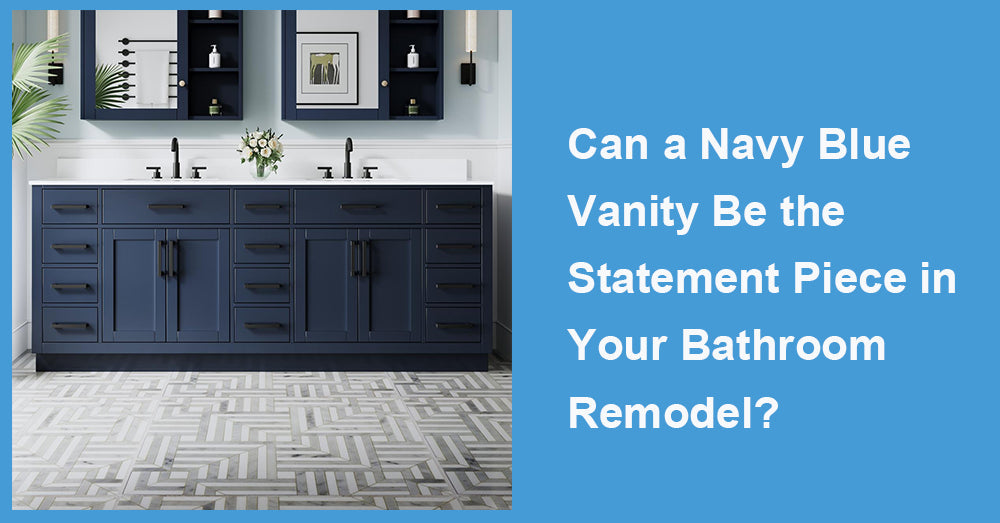
So the question is: Can a navy blue bathroom vanity truly become the finishing touch that elevates a bathroom renovation project?

1. Bathroom Renovation Market: The Continued Growth of the “Emotional Economy.”
Macro data shows that the bathroom remodeling market is expanding steadily. Industry figures indicate:
l The median spend for bathroom remodels ranges from $13,000 to $15,000.
l High-end projects can exceed $22,000.
l Over 78% of home renovations involve an upgrade to the primary bathroom.
These numbers point to a clear trend: bathrooms are no longer just maintenance projects; they are the core of a household's "experience-driven investment." Furthermore, about 36% of renovated bathrooms now feature wellness-oriented design elements—such as soft lighting, dedicated soaking areas, and mood-soothing color palettes. Against this backdrop, the importance of color design has been magnified, with navy blue at its center.
2. Why Is Navy Blue? The Data Behind Shifting Design Preferences
In the design industry, navy blue is undergoing a clear shift toward mainstream popularity.
Research shows that:
l Navy blue is now one of the most common accent colors in bathroom spaces.
l On certain design platforms, it accounts for roughly 18% of color-related statistics.
l Search volume for muted tones like "Powder Blue" and "Mist Blue" has grown noticeably through 2025 and 2026.
Designers are moving away from "clinical minimalism" toward color systems that offer more emotional expression. Recent industry commentary suggests that bathroom design is shifting from cold, detached aesthetics to warm, natural, and emotionally layered spaces. Navy blue’s advantage lies in its triple-threat design attributes:
l Visual Stability (Reduces visual fatigue)
l Psychological Soothing (Strengthens the association with relaxation)
l Spatial Adaptability (Coexists seamlessly with wood, stone, and metal)
In other words, it is no longer just a “decorative color,” but a “mood regulator” for the space.
3. Navy Blue Bathroom Vanities: Why They Have Become Designers’ “Focal Point Tool”
In practical design, the vanity is often the largest single piece of furniture in the room with the highest visual weight. This makes it a natural canvas for color.
The Focal Point Effect: In a bathroom dominated by white or gray, a navy blue vanity creates a sharp contrast, making the room’s structure feel more defined.
Emotional Stability: Research indicates that over 60% of users believe bathroom colors directly impact their level of relaxation. Navy blue is a standout performer in "anxiety reduction."
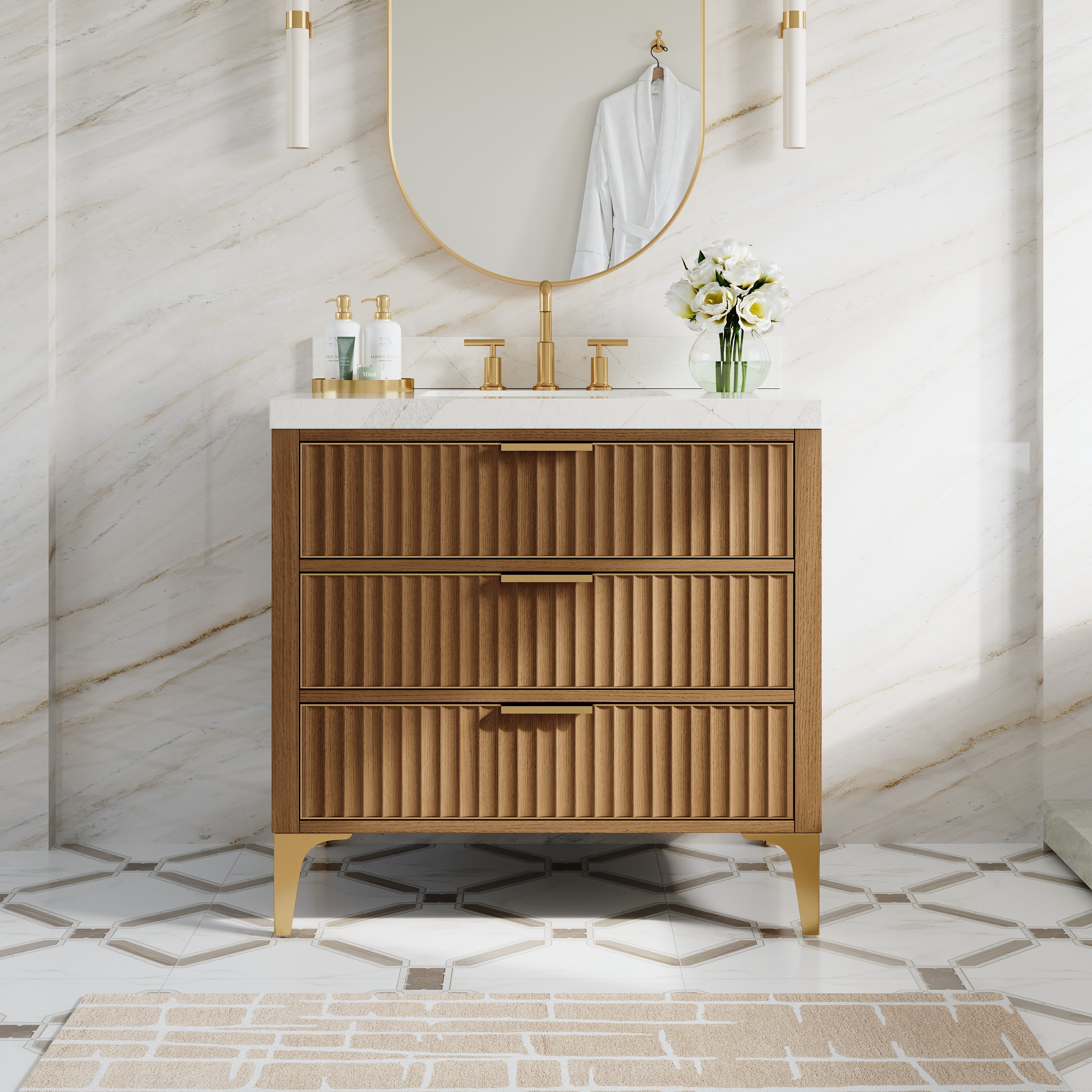
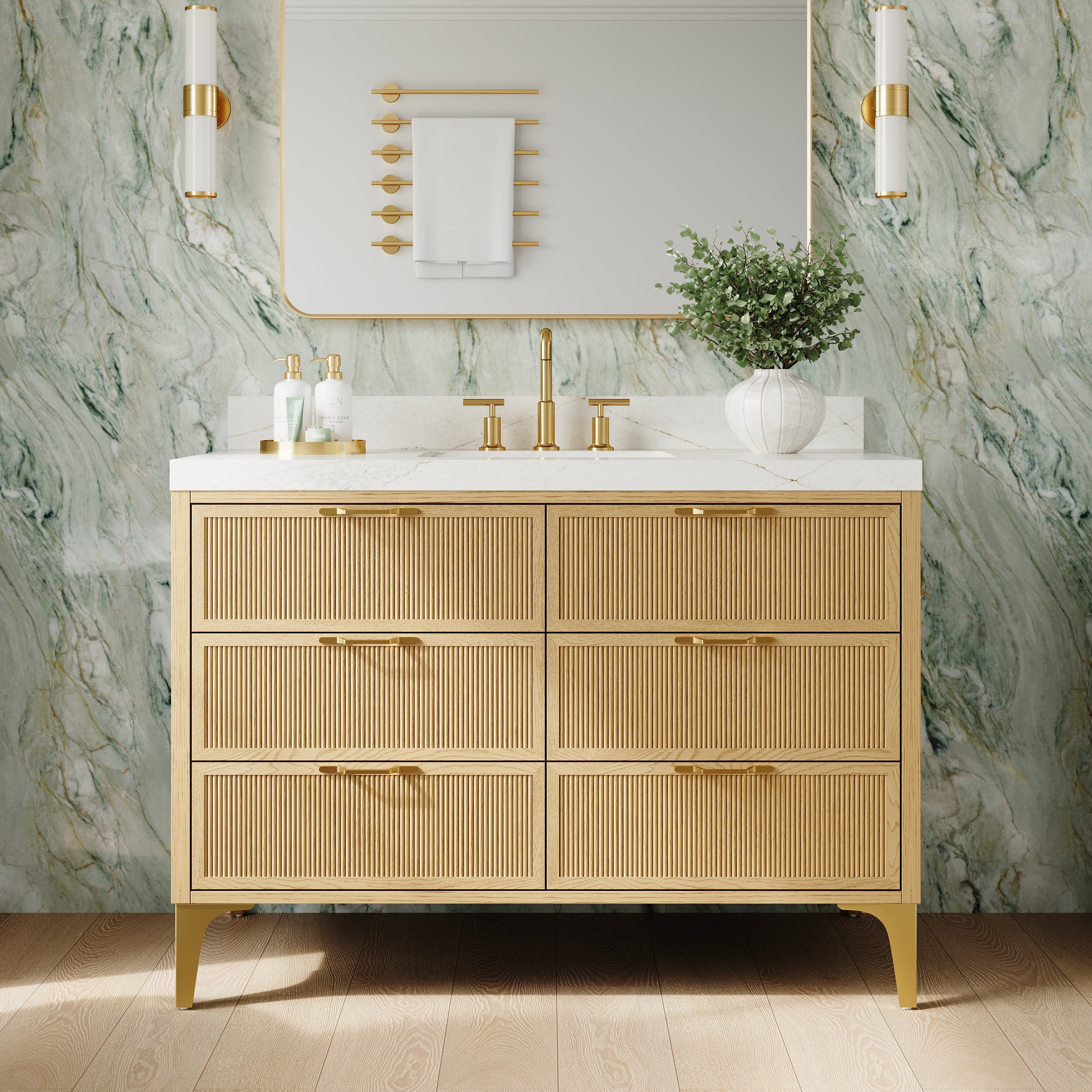
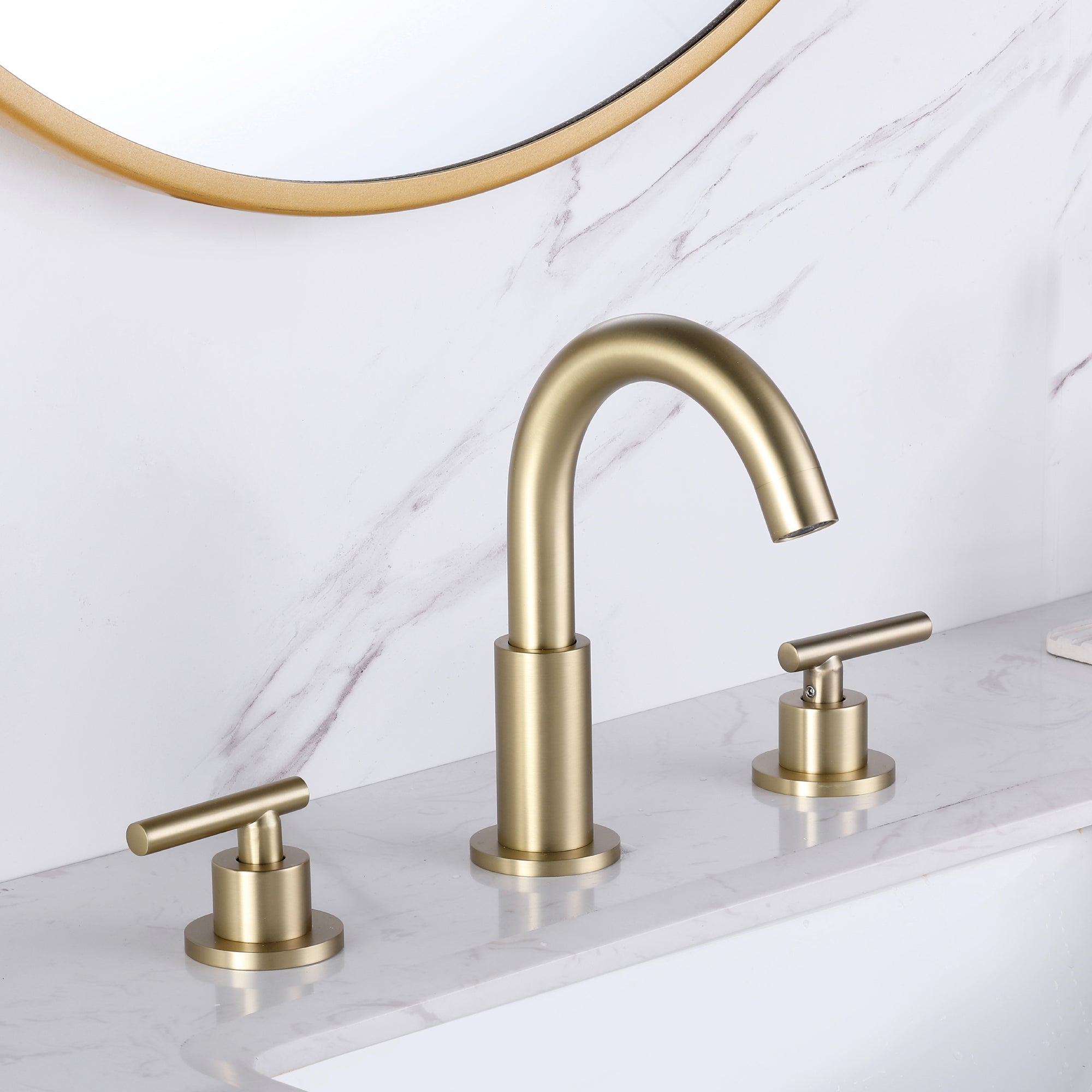
High-Versatility Material Pairing: Navy blue cabinetry pairs reliably with elements like white marble countertops (for a premium feel), brass or nickel hardware (for light luxury), and raw wood (to add organic warmth).
4. Market Perspective: Navy Blue Bathroom Vanities Are Entering the “Mainstream Middle-Class Choice” Segment
A key shift in the residential market is that personalization is moving from high-end luxury down to middle-class households. Data shows:
l Over 55% of homeowners choose custom or semi-custom vanities.
l Mid-budget households prefer "targeted upgrades" over full-scale gut renovations.
Under this budget structure, changing the vanity color is a high-ROI strategy. Compared to retiling or reconfiguring a layout, a color swap provides a low-cost visual overhaul and a rapid style transformation. Navy blue has thus become one of the most cost-effective tools for design expression.
5. The Turning Point in Design Trends: From the “Safe Zone of White” to the “Era of Color Expression.”
The bathroom design in 2026 is undergoing a significant transformation:
The Old Guard: All-white, gray marble, and achromatic designs.
Current Trends: Mist Blue, Sage Green, Warm Gray, and mixed-material textures.
Industry experts even suggest that pure white bathrooms are beginning to feel "sterile" or "devoid of personality," gradually being replaced by more layered palettes. In this context, a blue vanity is a "safe way to break the mold"—it offers color without being an overwhelming risk.
6. Risk Factors: Navy blue is Not a Universal Cure-All
Despite the positive trends, the industry notes some limitations:
Lighting Dependency: In bathrooms with poor natural light, deep blues can make the space feel cramped.
Style Constraints: Navy blue leans toward modern, light luxury, or coastal styles; it may not work for certain traditional or rustic aesthetics.
Long-Term Aesthetic Shifts: Compared to neutrals, a colored vanity is harder (and more expensive) to change during future updates.
7. Future Outlook: Integration with Smart Systems
Over the next three to five years, bathroom design will move toward "Smart Emotional Spaces." Potential integrations include:
l LED lighting synced with cabinetry colors.
l Modular vanity systems with swappable panels.
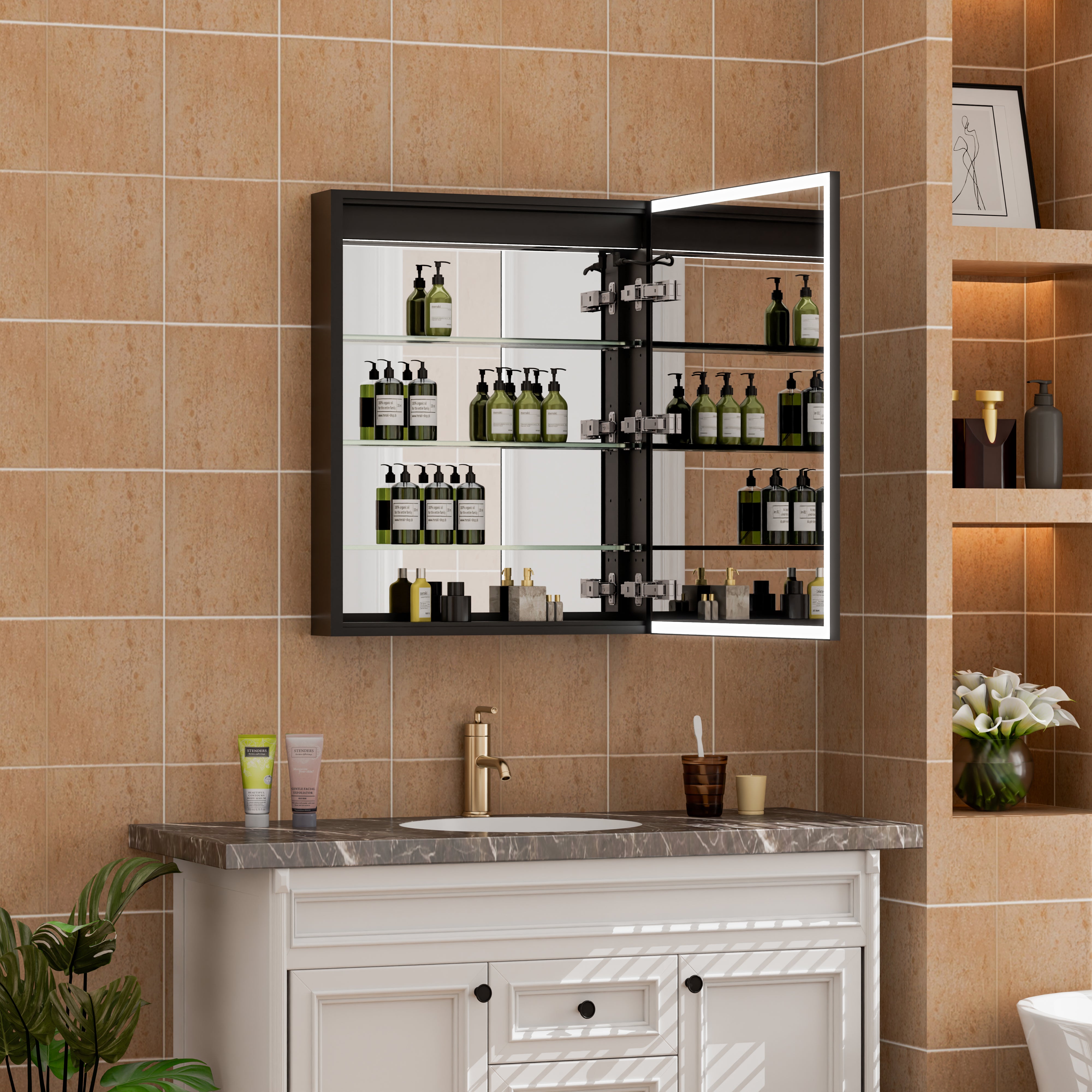
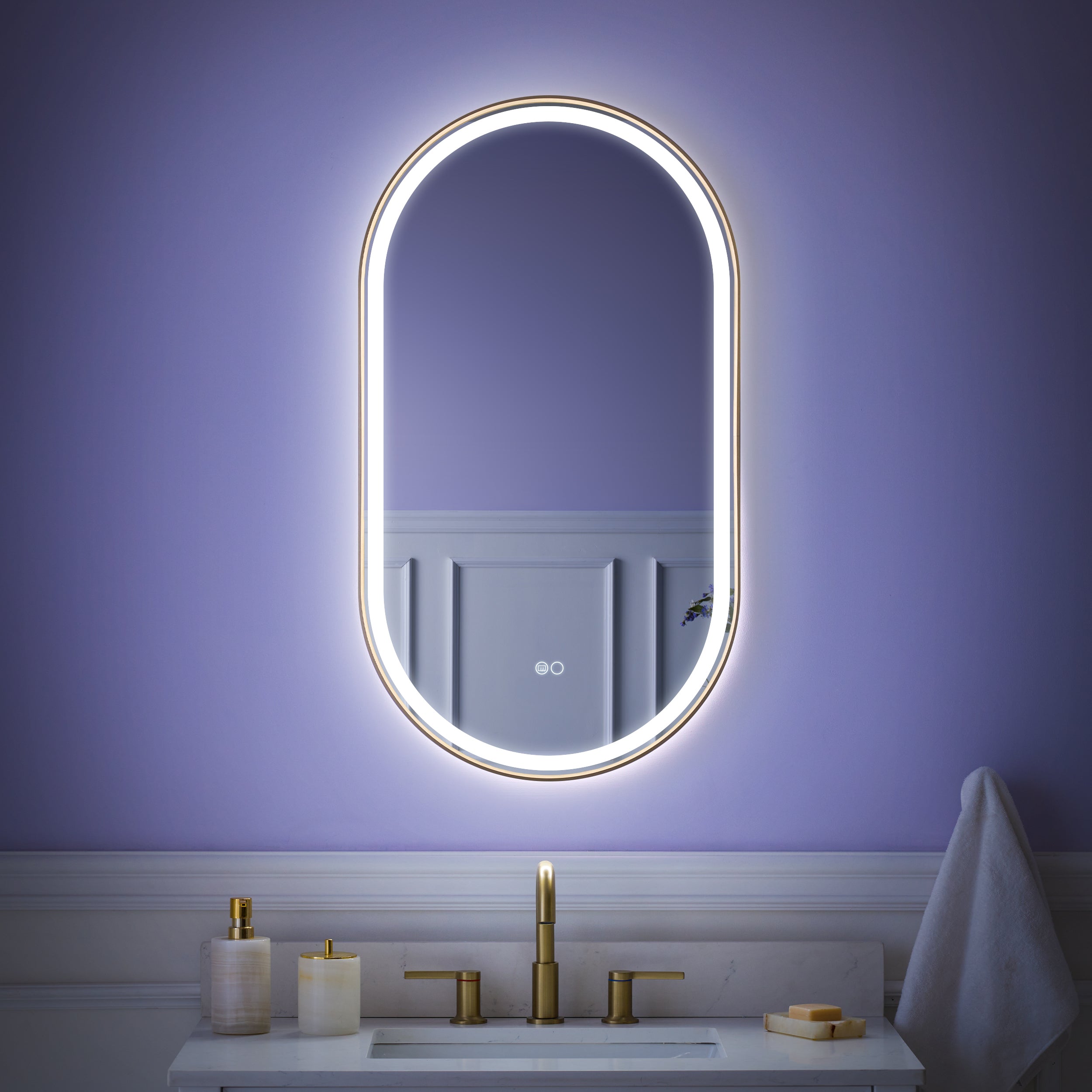
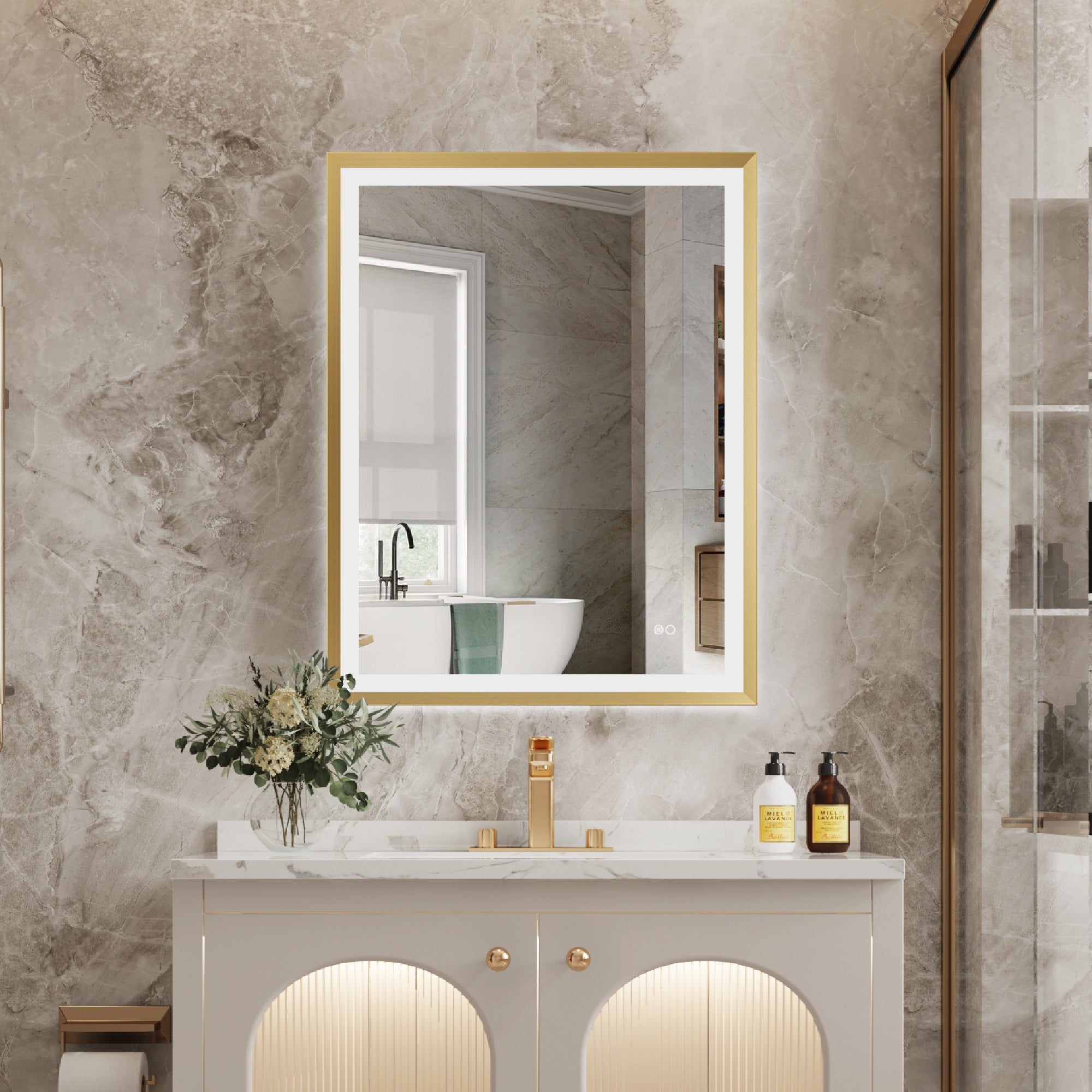
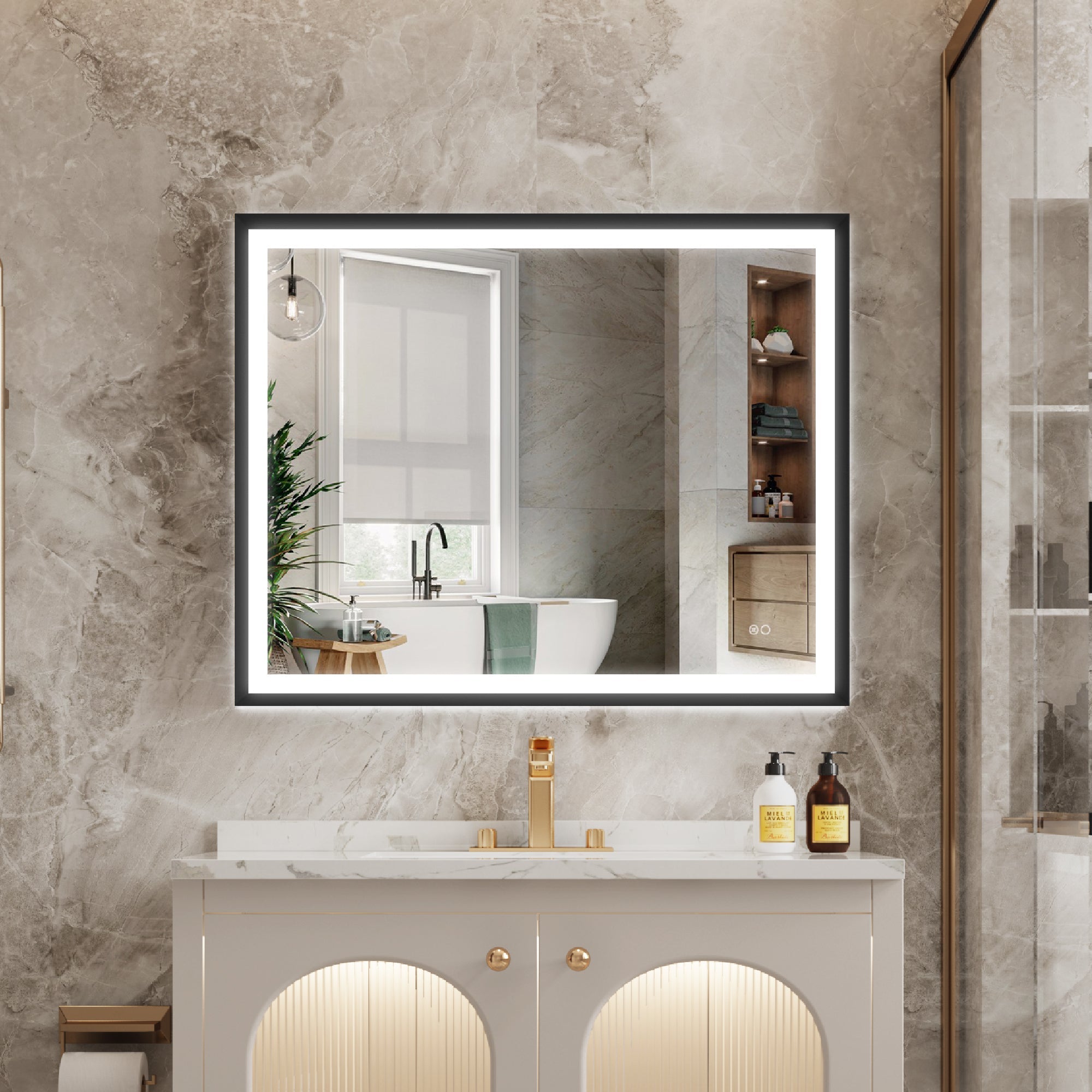
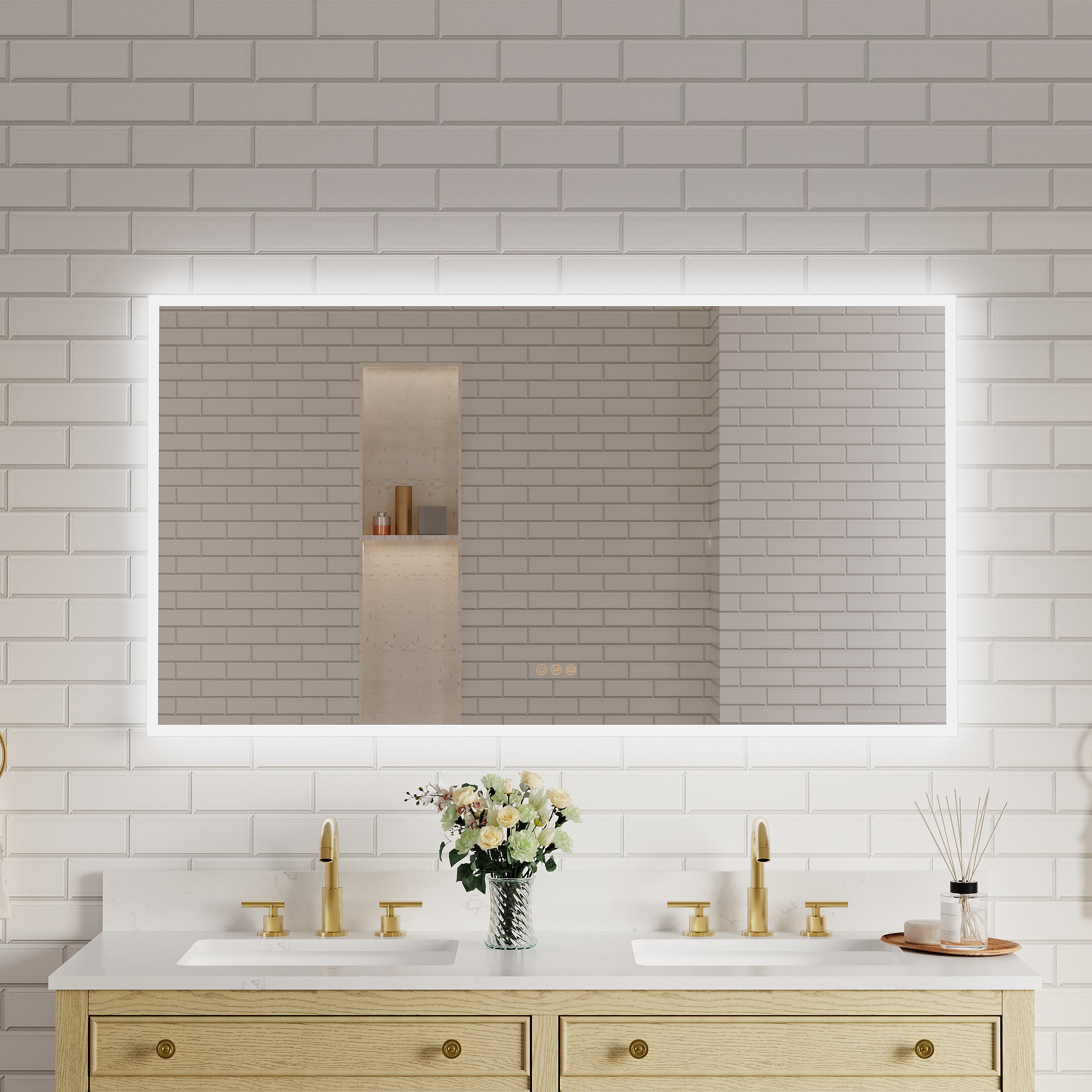
l Smart mirrors coordinated with color temperature settings.
Navy blue will serve as a "foundational mood color," used to build a stable visual and psychological framework.
Conclusion: Is a navy blue vanity worth it as a "finishing touch"?
Based on market data and design trends, the conclusion is clear: A navy blue vanity can absolutely be the "crown jewel" of a remodel, provided the design logic holds up.
Its importance stems not just from the color itself, but because it satisfies three critical needs:
l A visual anchor for the space
l An emotionally soothing experience
l A cost-controlled way to upgrade
In the design context of 2026, the navy blue vanity has evolved from a "decor choice" to a "spatial strategy." Whether it becomes the highlight of your room depends on a single realization: Bathroom design is shifting from simply “looking clean” to “making people feel calm.”










Leave a comment
This site is protected by hCaptcha and the hCaptcha Privacy Policy and Terms of Service apply.