














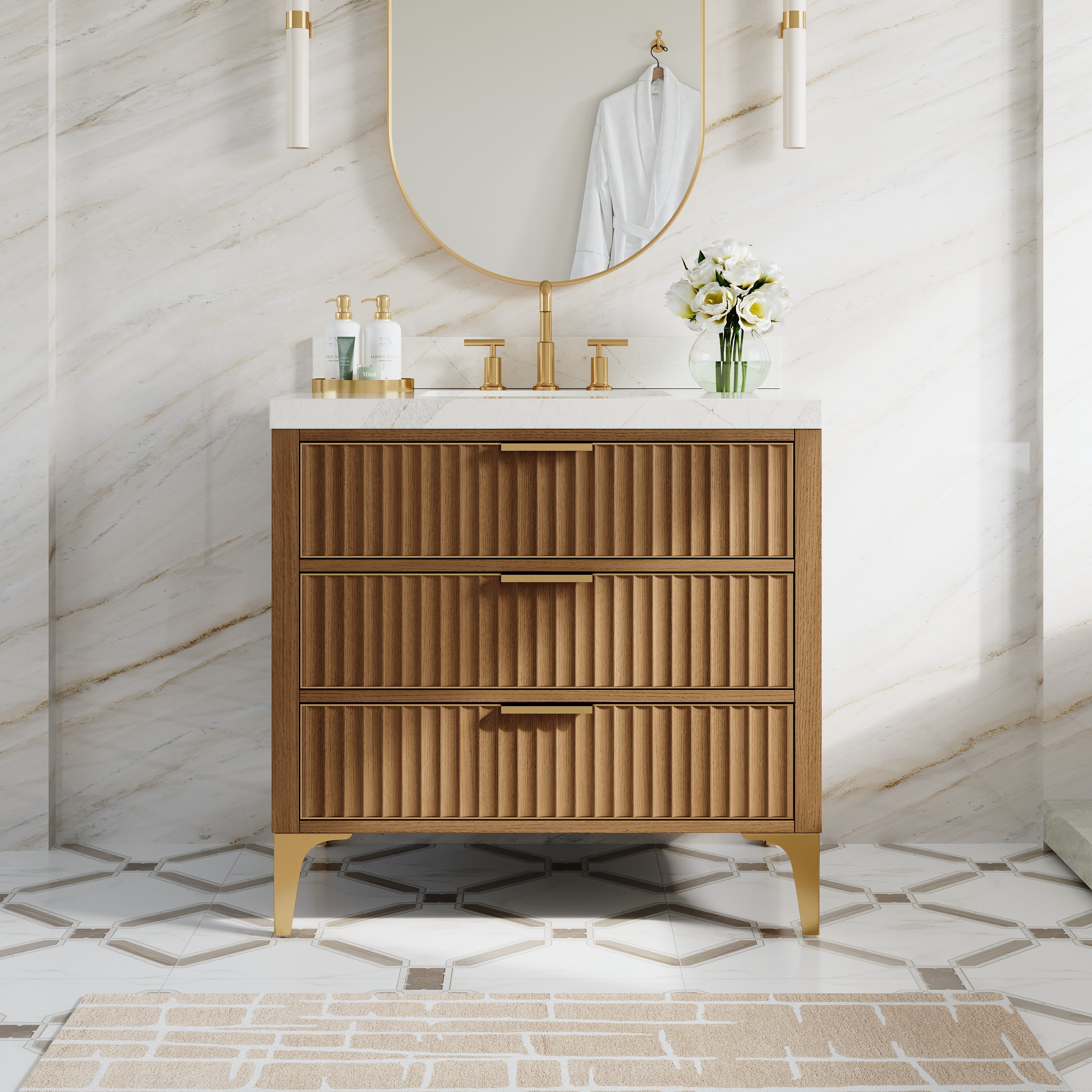
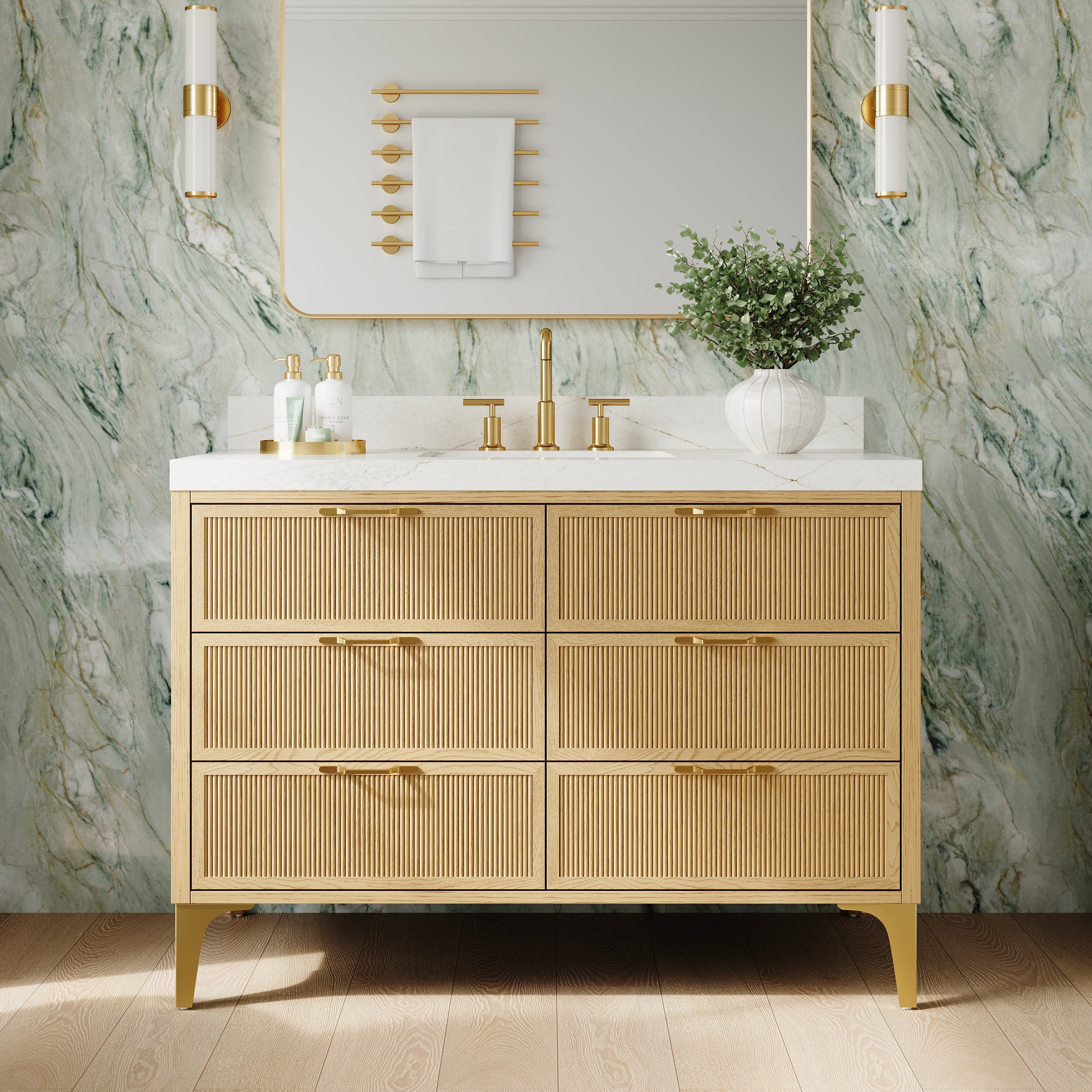


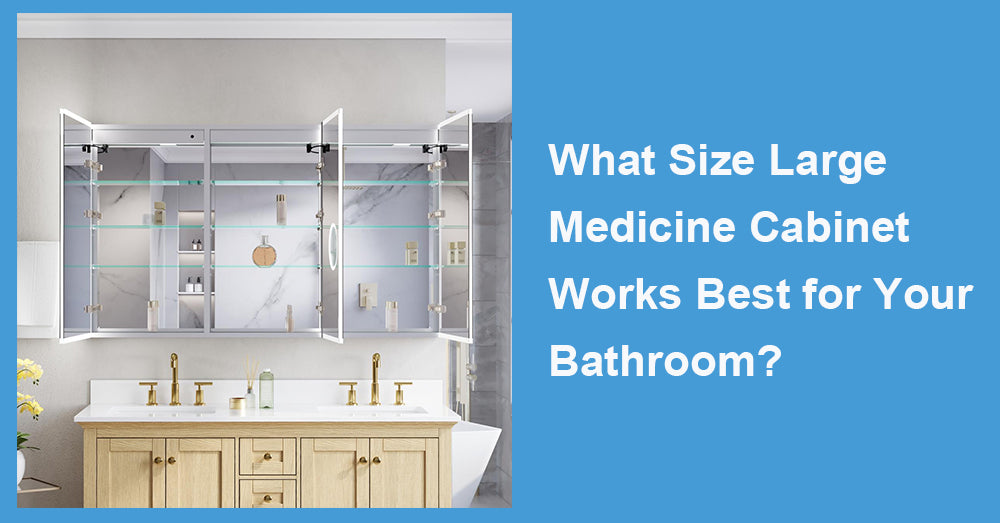
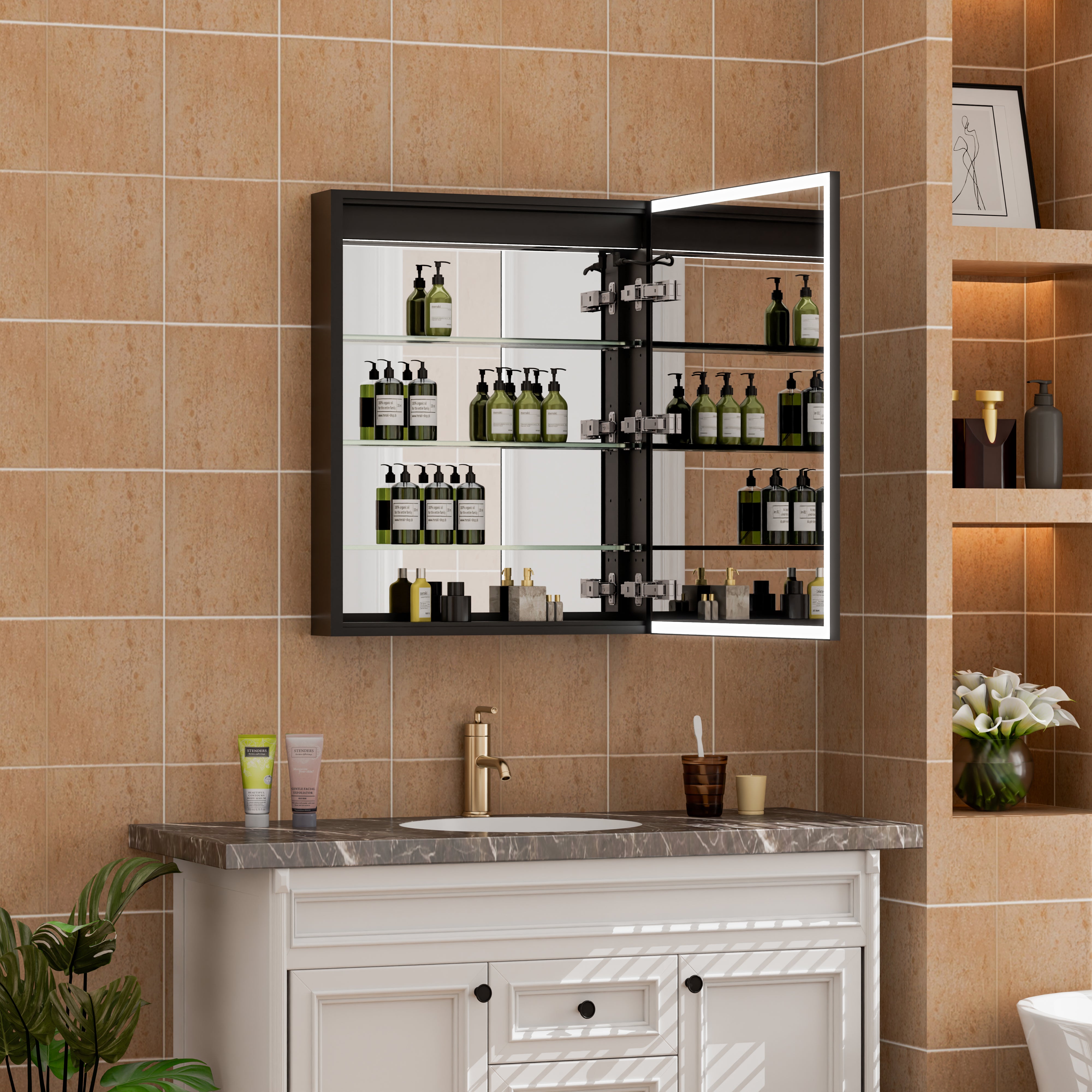
As the residential renovation market continues to heat up in 2025, bathroom storage systems are becoming one of the core areas for home decoration upgrades. Among them, the large medicine cabinet has grown rapidly due to its space-integration capabilities and functional upgrades, such as lighting, defogging, and intelligent storage. Industry data shows that the market for bathroom furniture and storage systems is expected to exceed $18 billion around 2025, with the annual growth rate of medicine cabinet products maintaining between 5% and 7%, making it one of the fastest-growing sub-categories.
In this context, "size selection" is shifting from a simple decoration issue to a key decision that affects spatial efficiency and living experience.

1. Market standard: The 'size range' of large medicine cabinets is being redefined
According to standard data from multiple home industry research institutions and manufacturers, the mainstream classification of "medicine cabinet size" in the market has become relatively stable:
Small medicine cabinet: 16-20 inches wide
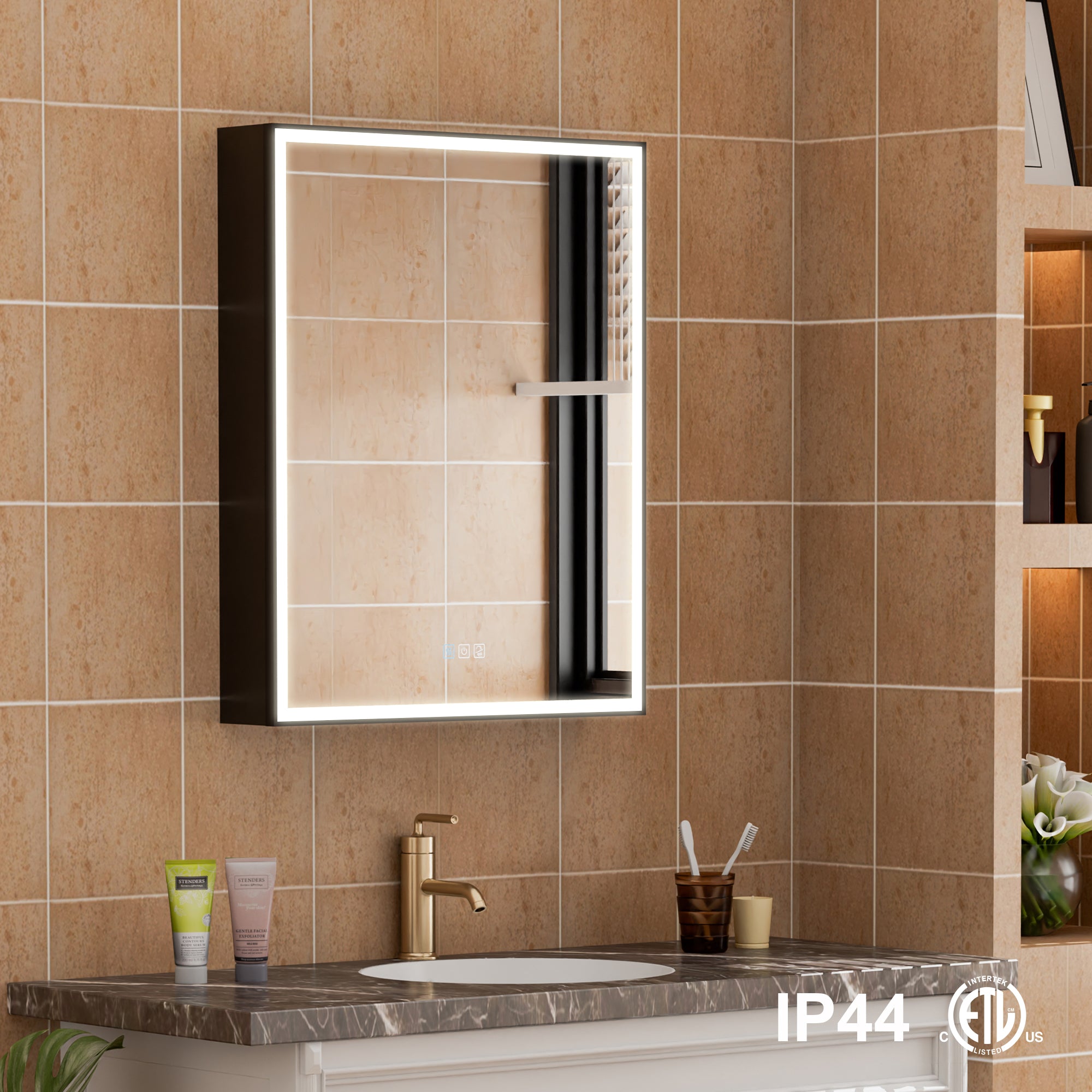
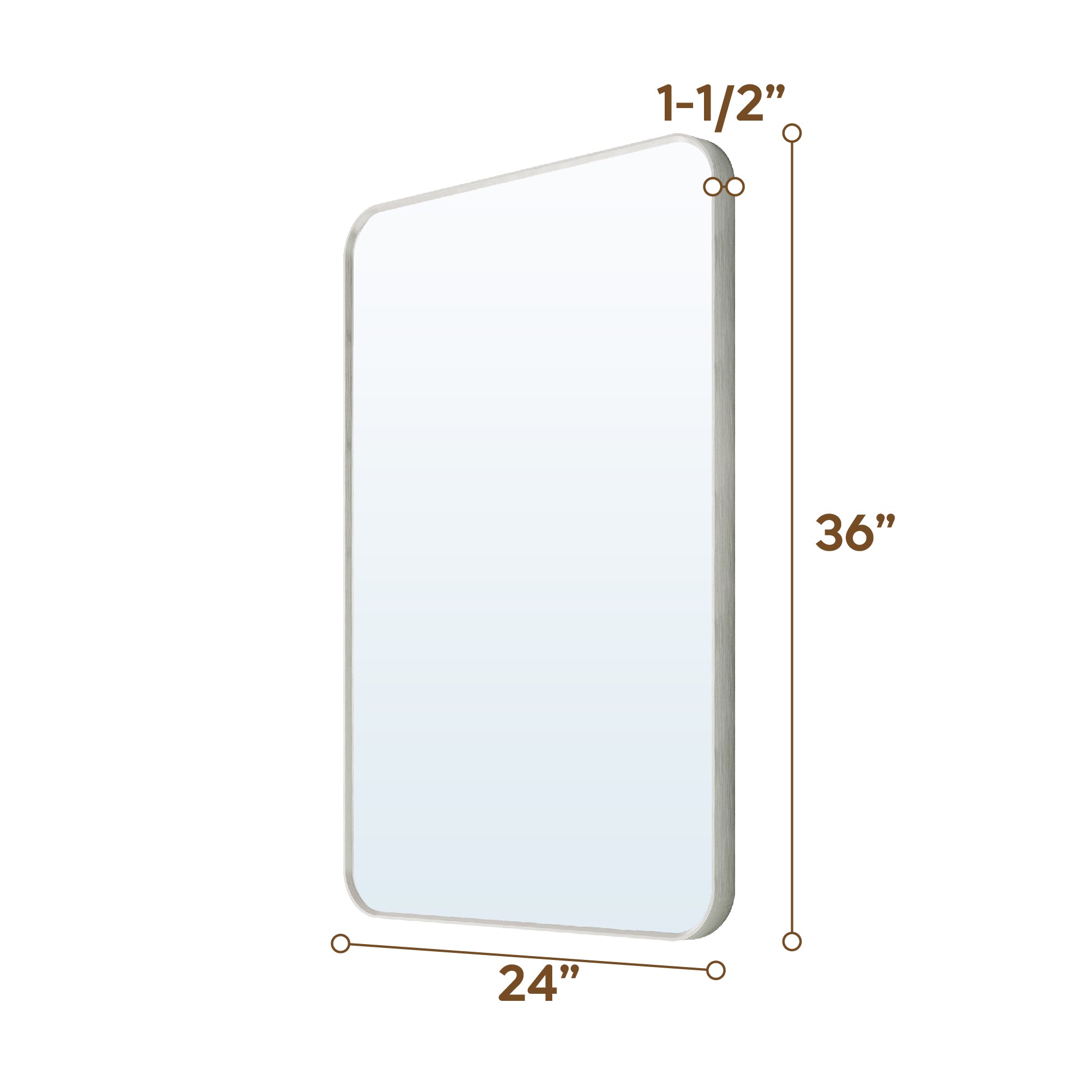
Medium-sized medicine cabinet: 20-30 inches wide
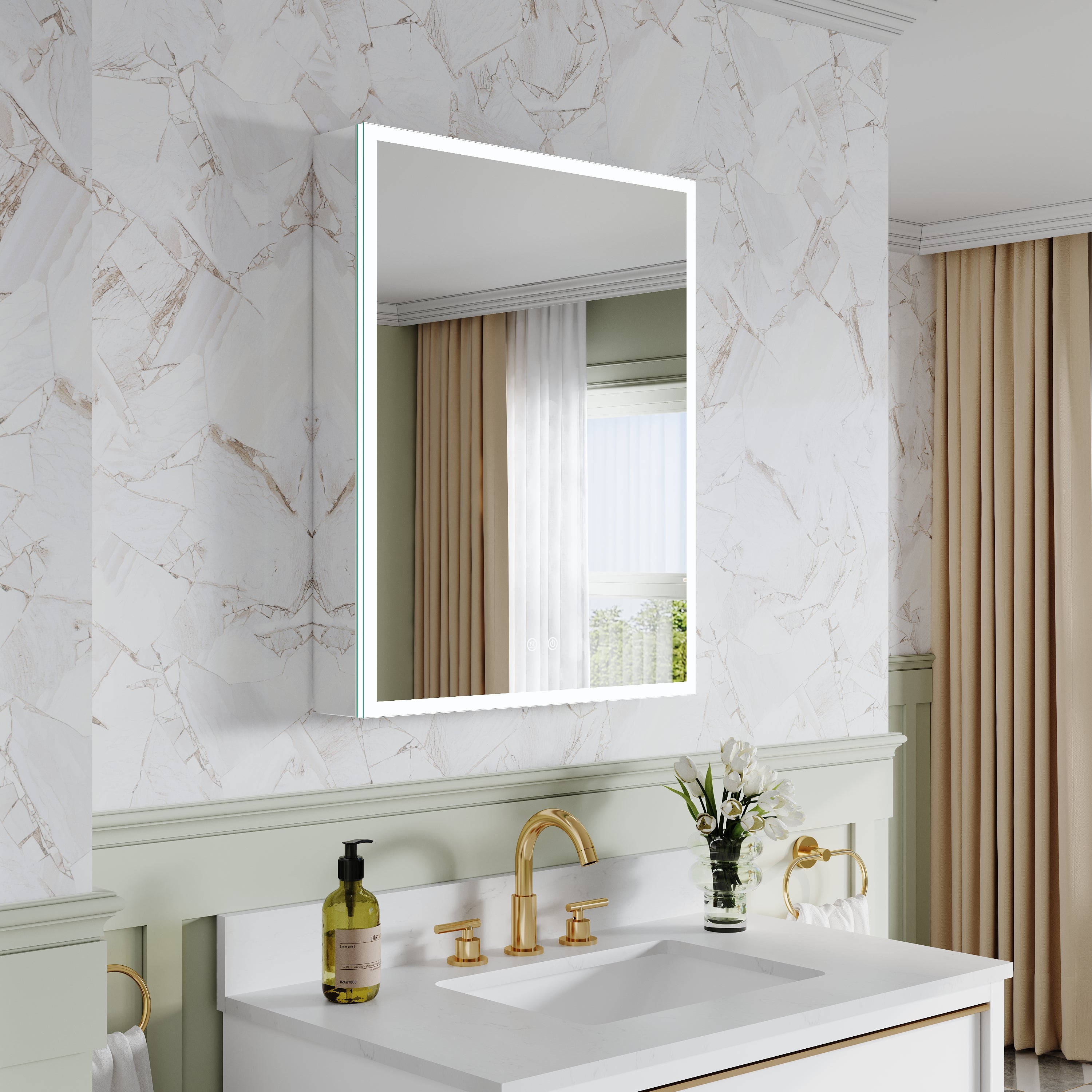
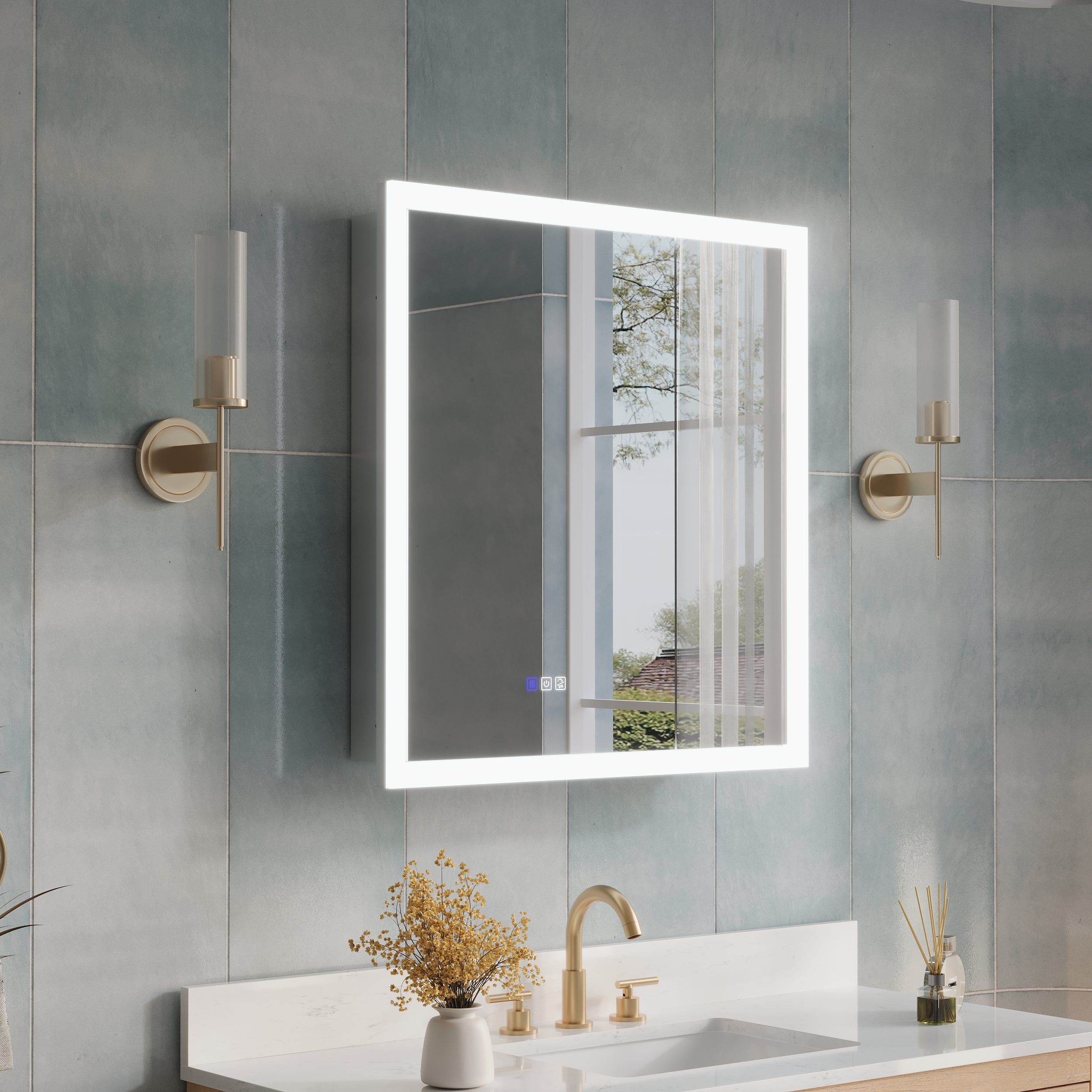
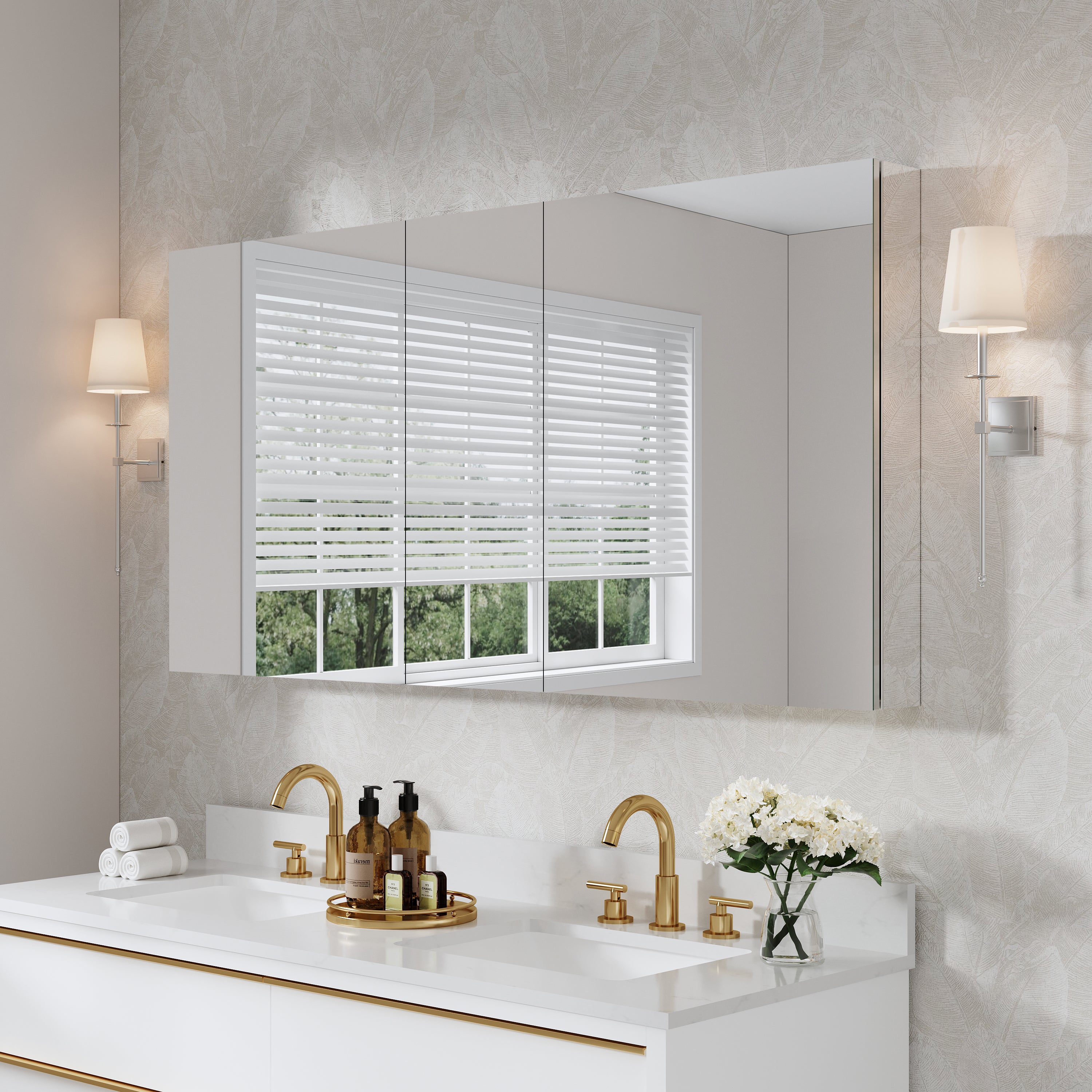
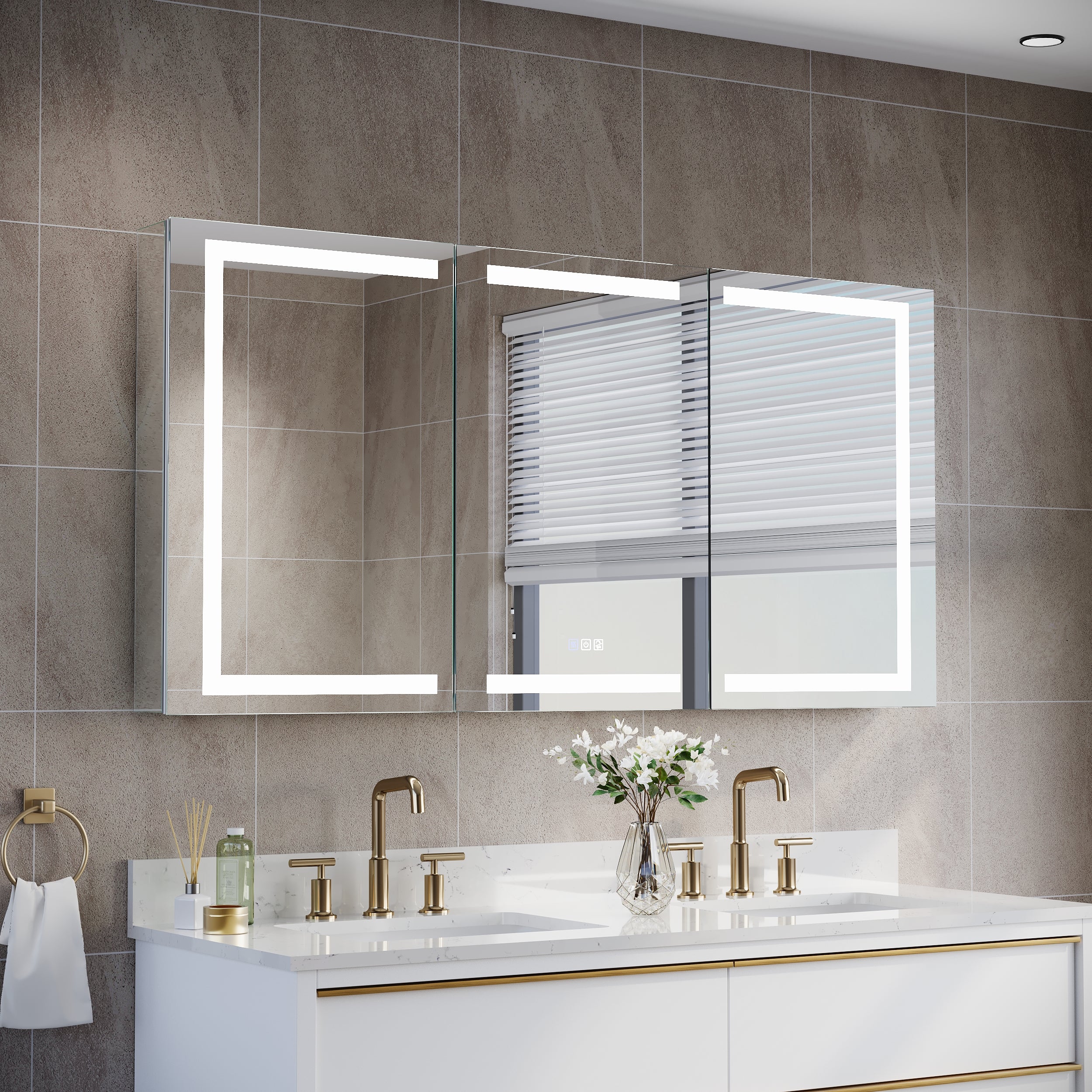
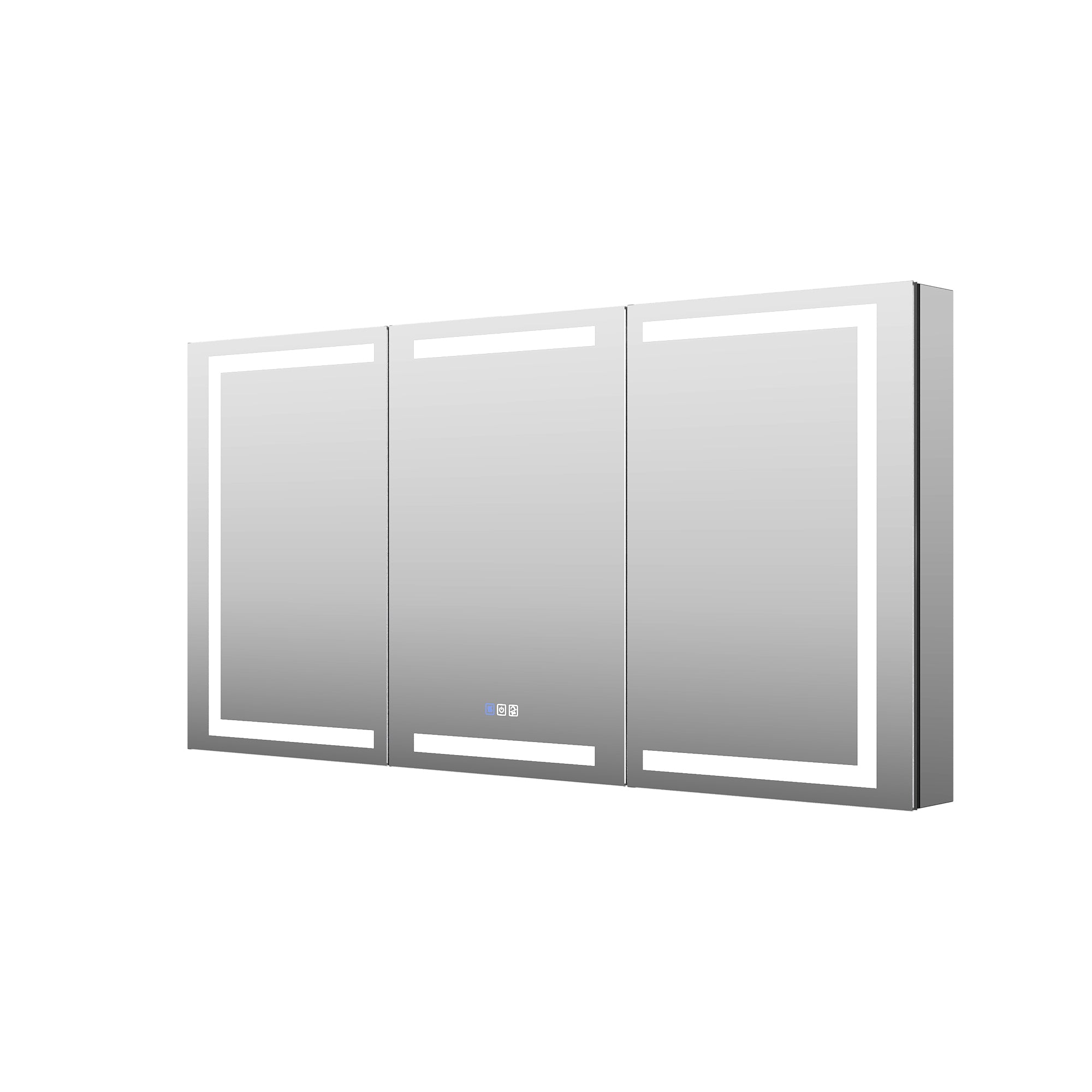
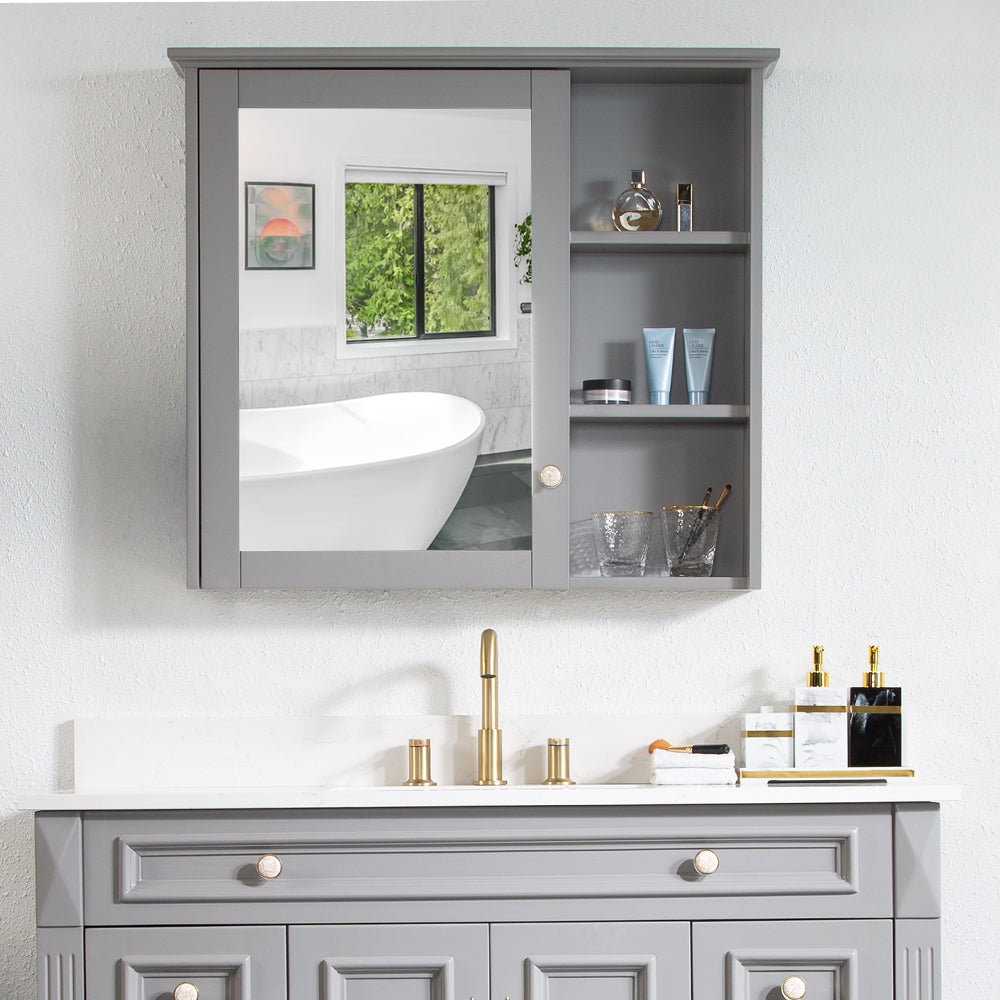
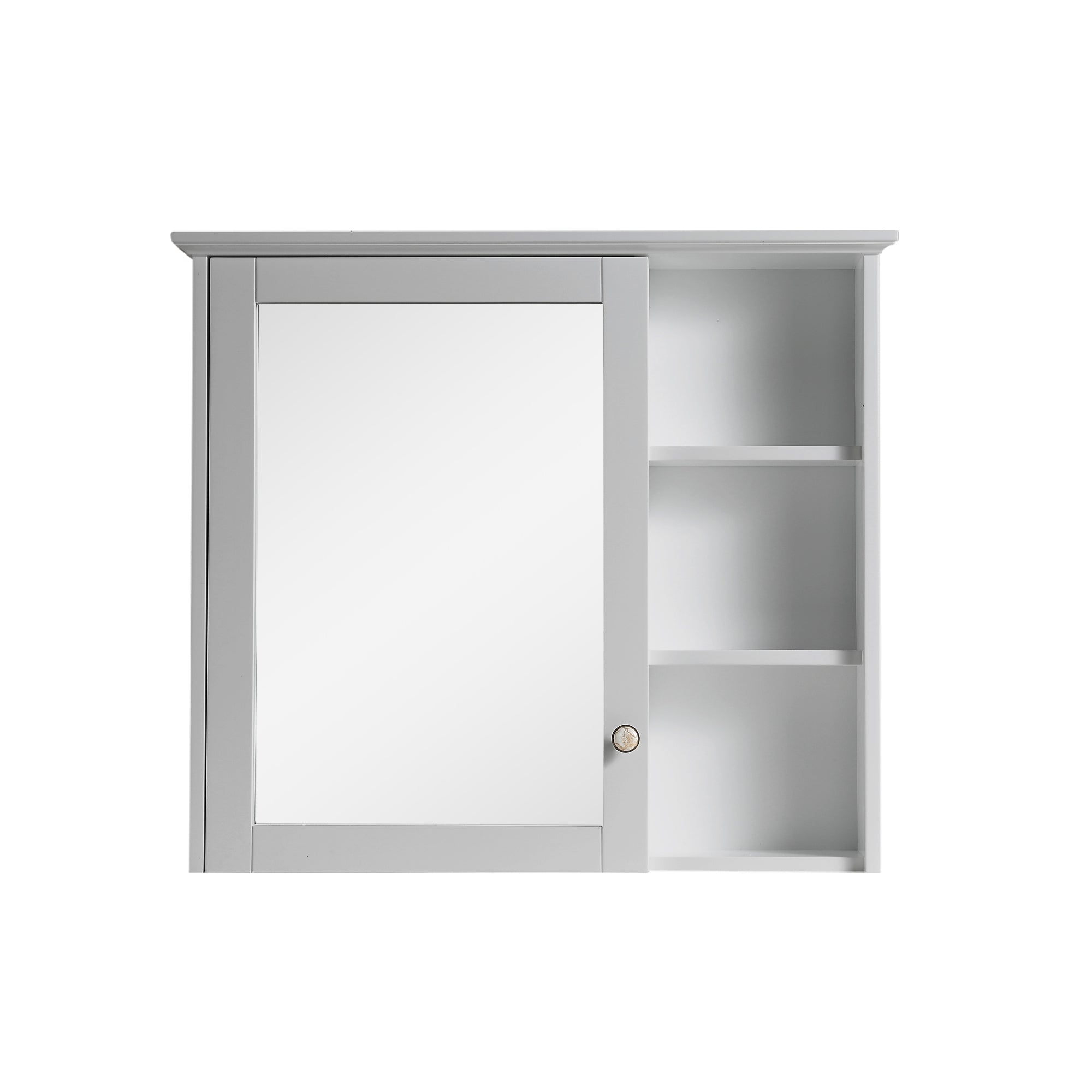
Large medicine cabinet: 30-48 inches wide
Among them, large medicine cabinets are usually used for main bathrooms or double vanities, and have gradually become a standard configuration in high-end residences. Industry data shows that about 62% of newly built or renovated master bathrooms will choose medicine cabinets over 30 inches to match wider sink structures and higher storage requirements.
In terms of depth, large medicine cabinets are generally:
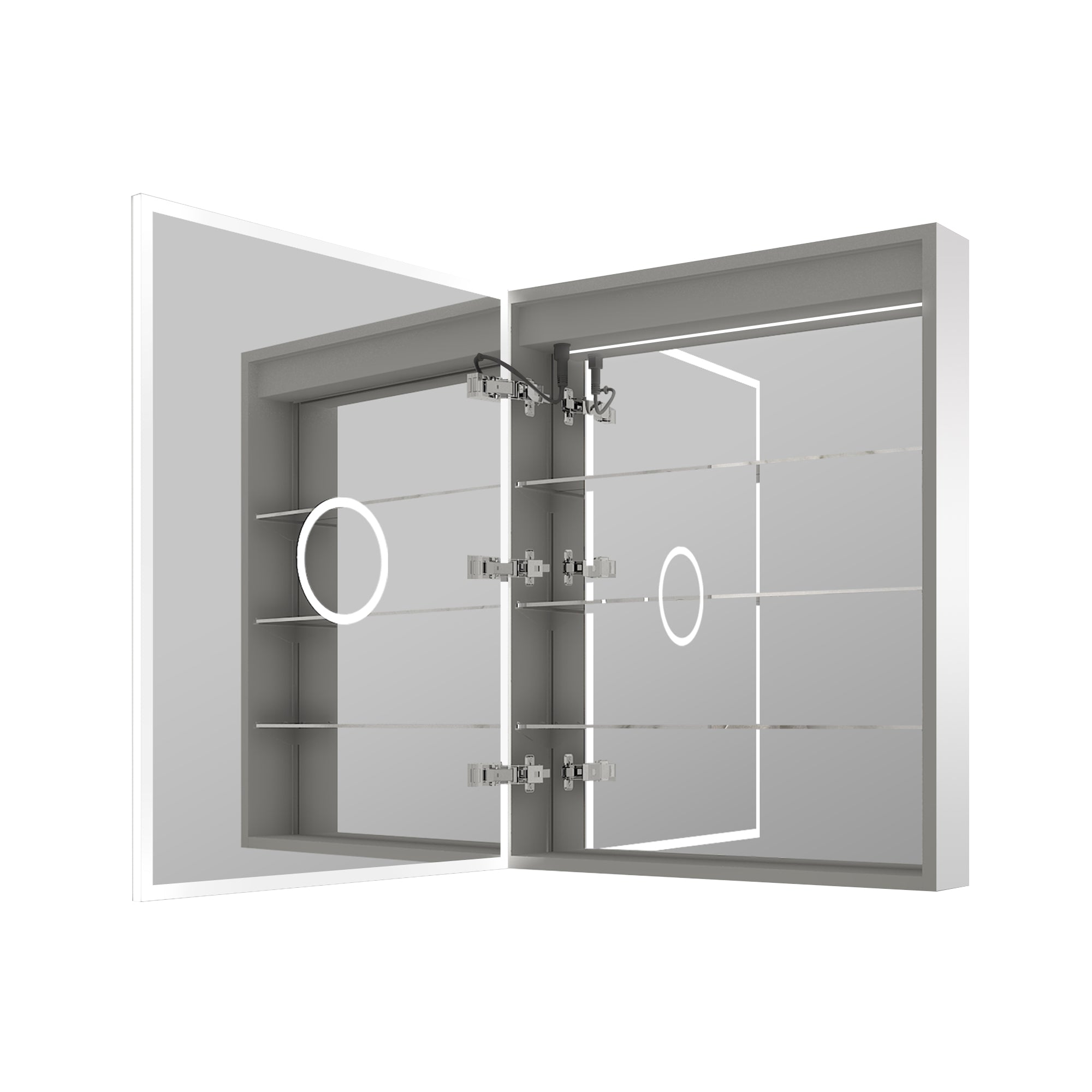
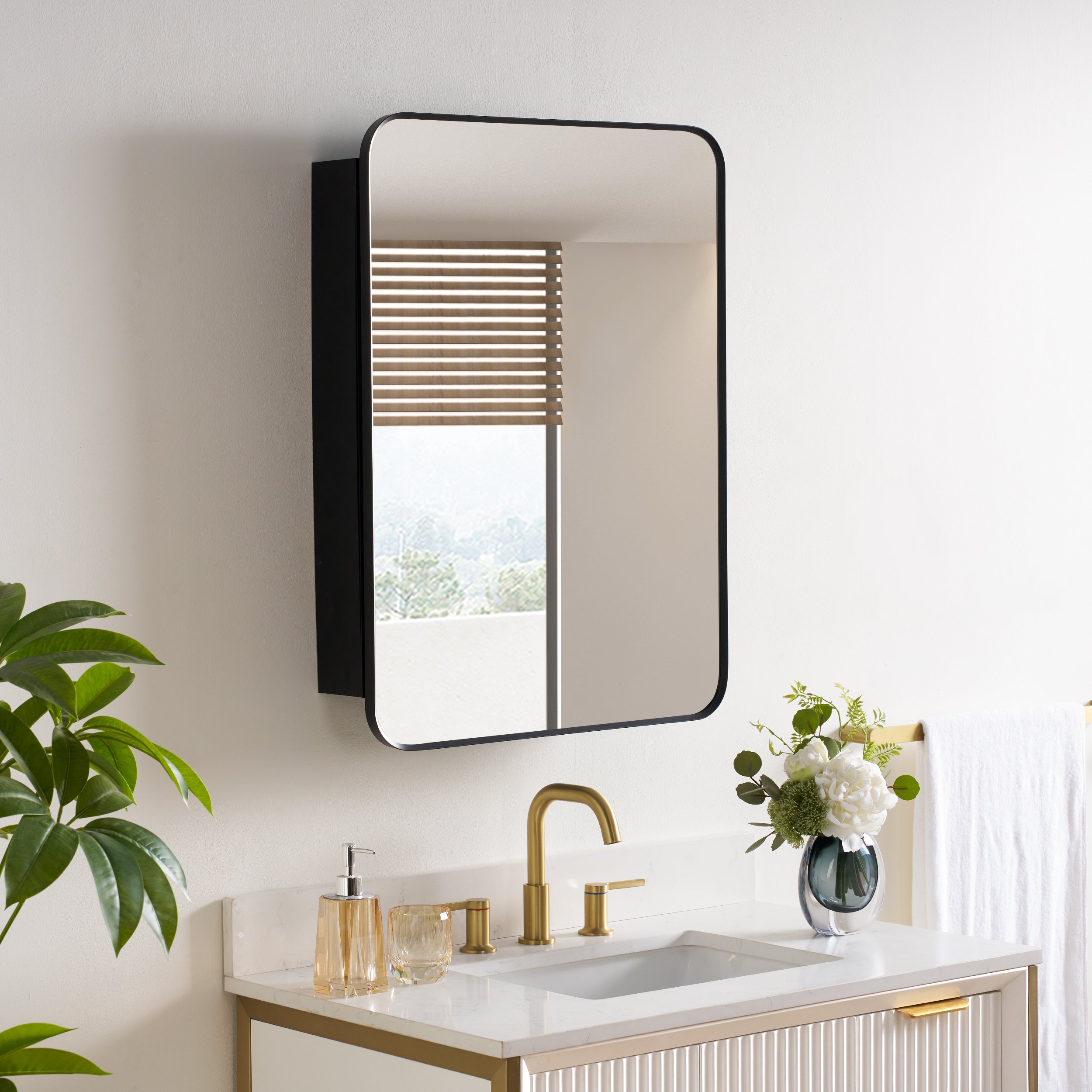
Embedded: 3.5-5 inches
Wall-mounted: 5-8 inches
This structural difference directly affects storage capacity and wall construction complexity.
2. The "Just Right" Ratio: A Strategic Approach to Dimensions
Industry experts point out that the larger the medicine cabinet, the better, but it should form a "proportional relationship" with the bathroom space. The mainstream design guidelines propose an important empirical formula:
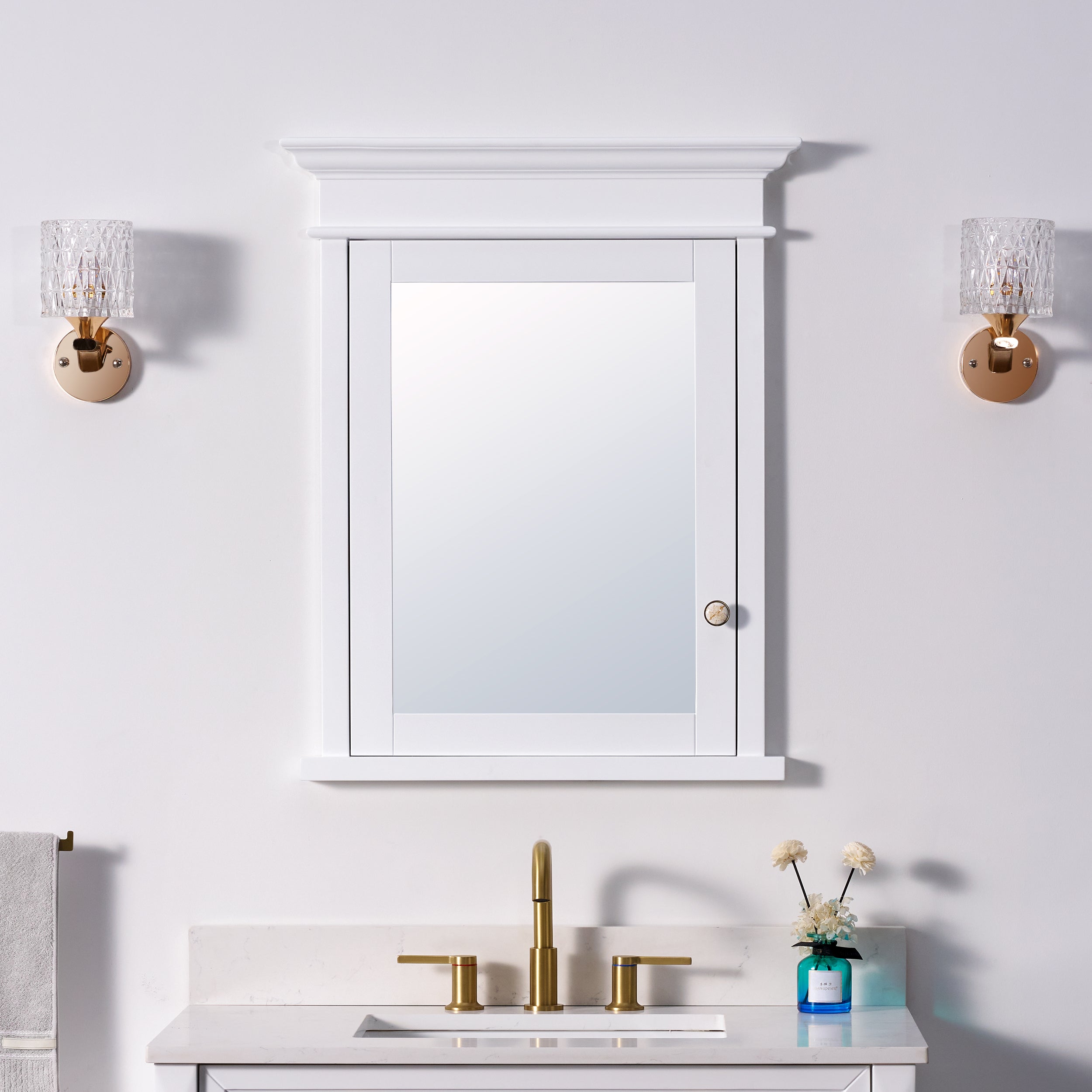
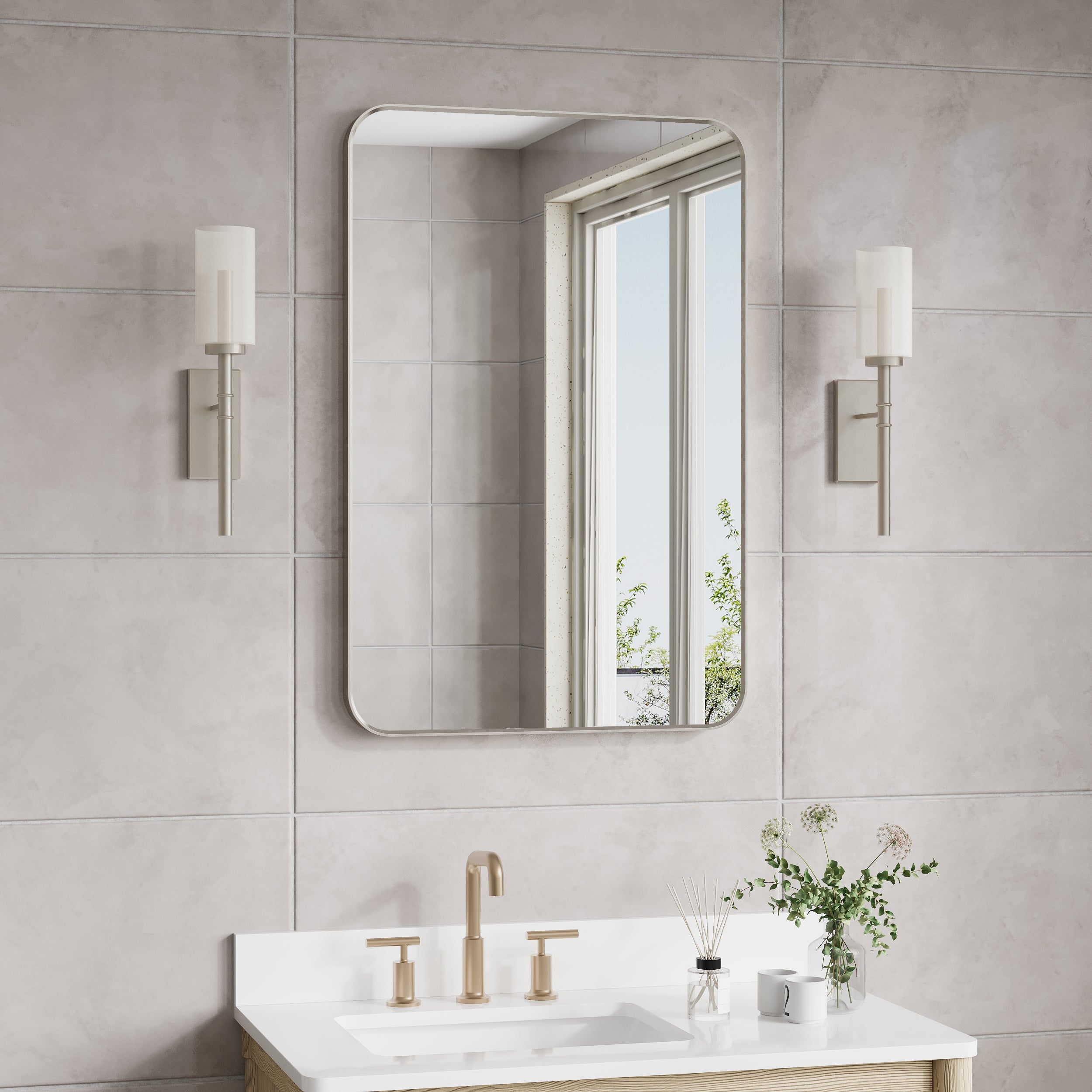
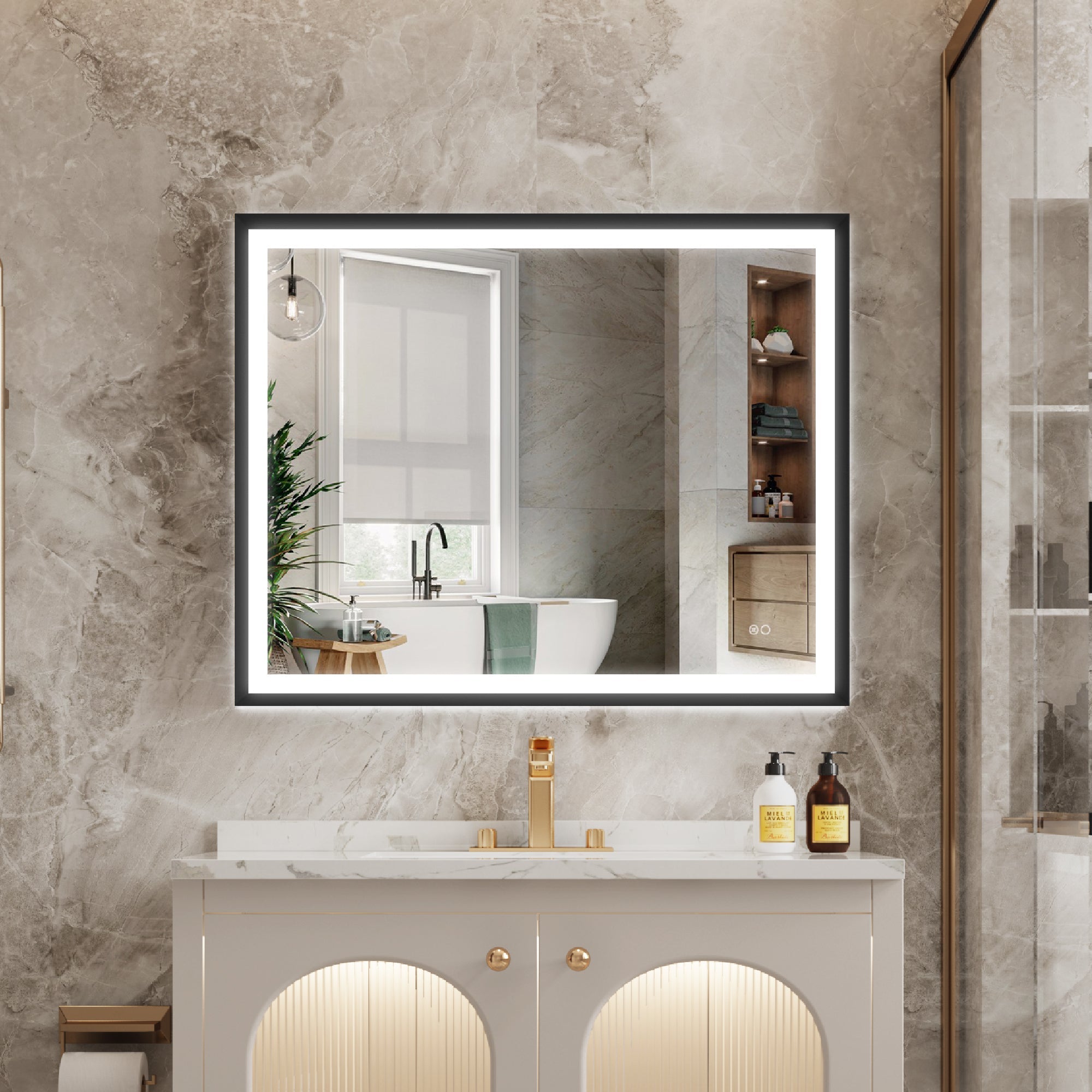
The width of the medicine cabinet is approximately 60%- 75% of the washbasin's width.
For example:
48-inch washbasin → suitable for 25-30-inch medicine cabinets
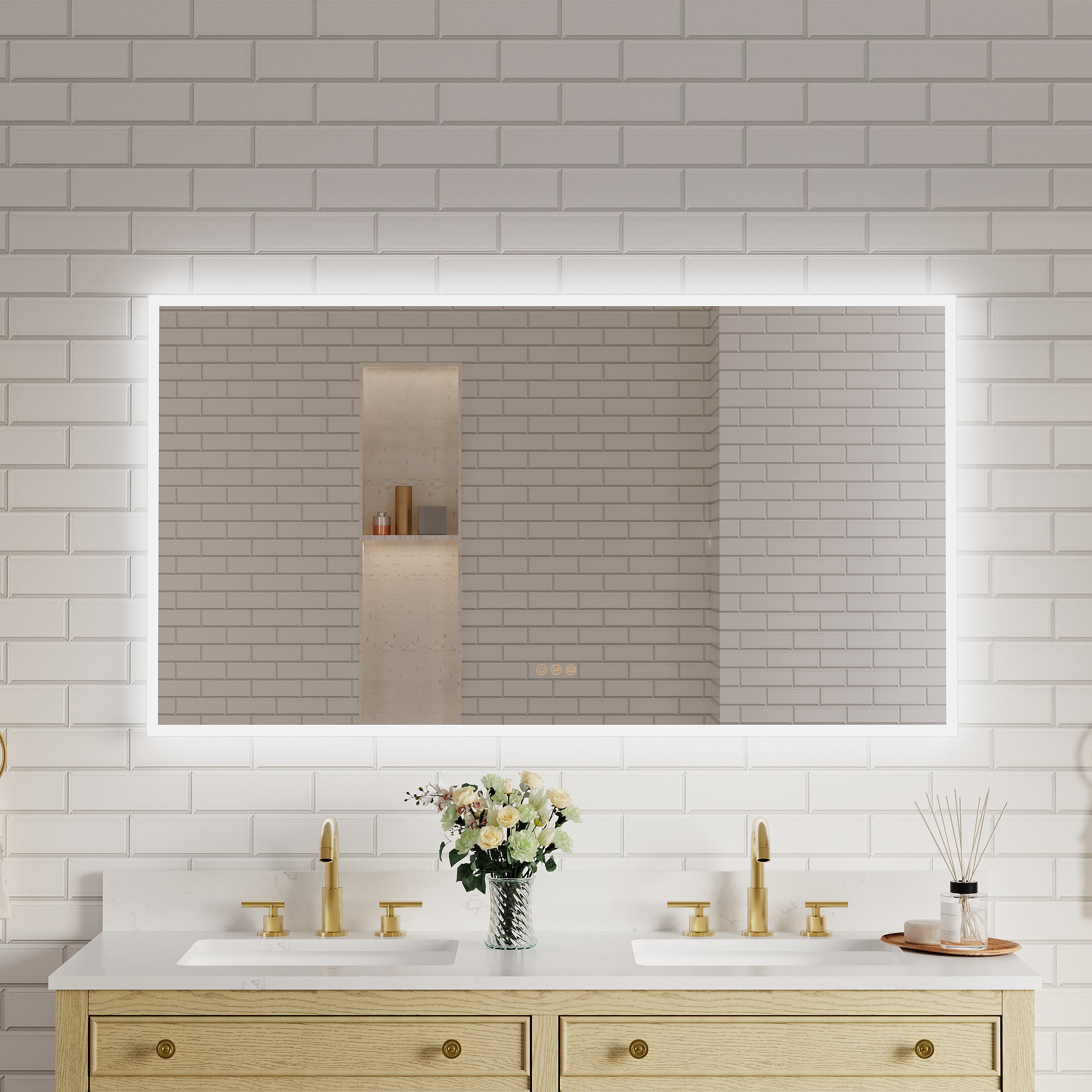
60-72 inch double table → can use two 20-24 inch medicine cabinets or a complete 60 inch integrated cabinet
This ratio can ensure visual balance while avoiding excessive pressure on the mirror area.
3. Evolving Trends: The Shift Toward Width and Depth
According to statistical analysis of multiple residential decoration platforms, three obvious trends have emerged between 2024 and 2025:
l The trend of width upgrade is obvious
Demand for medicine cabinets over 30 inches increases by approximately 18%
The proportion of 36-48 inch products in newly built residential buildings continues to rise
l Increase depth to enhance storage capacity
Traditional depth: 3-4 inches
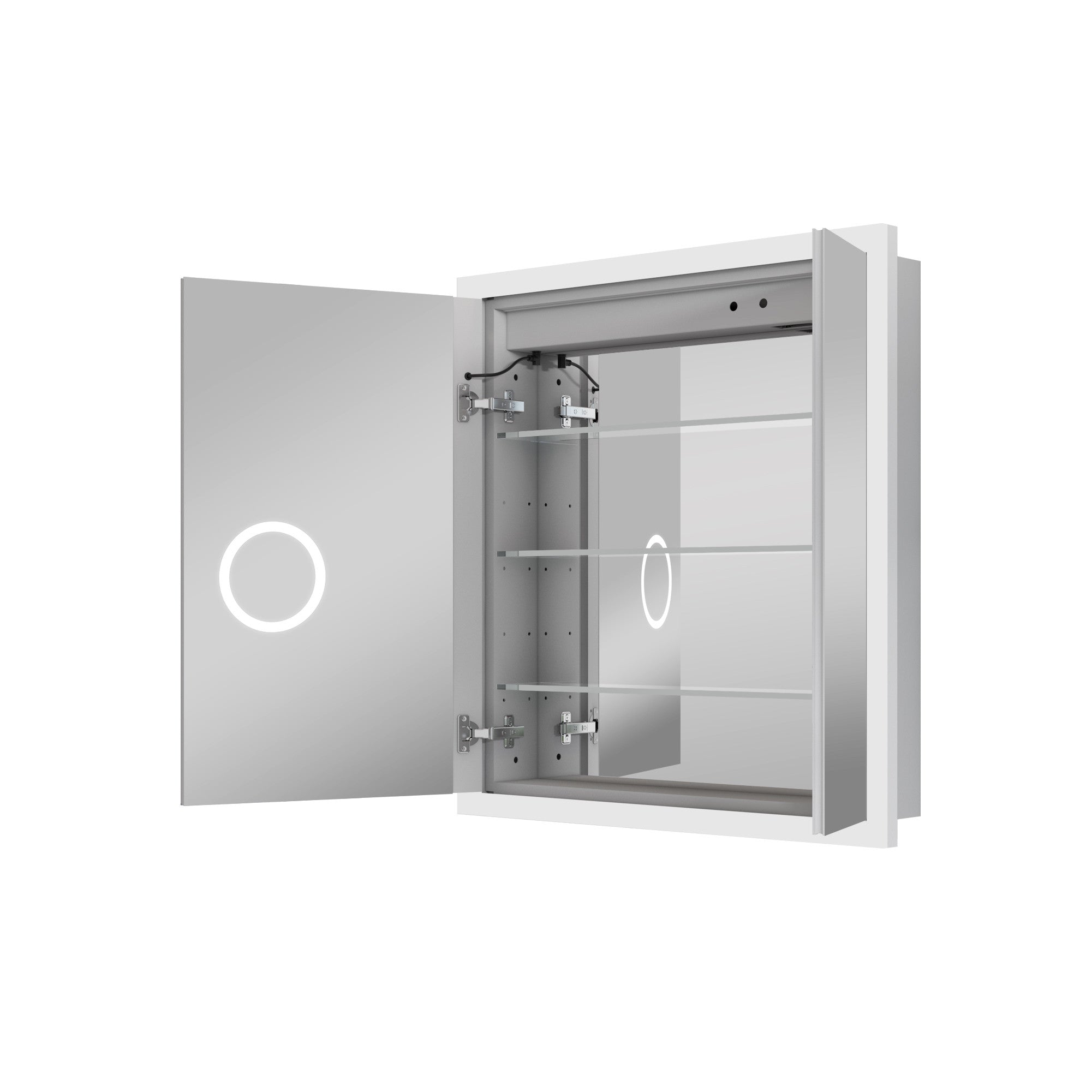
New mainstream: 4-6 inches
High-end product: up to 8 inches
This means users are increasingly emphasizing "storage capacity" rather than just mirror functionality.
l Dual cabinet system replaces single cabinet design
In the double-washbasin bathroom:
The proportion of using two independent 24-inch medicine cabinets has exceeded 40%
More flexible and convenient to maintain than traditional single large mirror cabinets
l Strong coordinated growth between large medicine cabinets and deeper vanity cabinets
As standard bathroom vanity depths stabilize at around 21–22 inches (with some reaching up to 24 inches), medicine cabinets are also trending toward greater depth. Industry data shows that approximately 45% of new primary bathroom projects now choose medicine cabinets deeper than 5 inches, aligning with increased storage needs for toiletries and reducing countertop clutter to create a cleaner overall space.
l Double-user layouts are driving the popularity of symmetrical configurations
In primary bathroom upgrades, double vanity setups continue to grow, shifting medicine cabinet designs from a single central mirror cabinet to symmetrical “left-right” configurations. Data indicates that in projects with vanities 60 inches or wider, the adoption rate of dual or split medicine cabinets is approaching 50%, enhancing user independence and further reinforcing the trend toward wider spatial layouts.
4. Recommended Dimensions Based on Bathroom Square Footage
The architecture and interior design industry is typically classified by area:
Small bathroom (<50 square feet)
Recommended size: 16-24 inches
Features: Embedded design, space-saving
Medium-sized bathroom (50-75 square feet)
Recommended size: 24-36 inches
Features: Balance storage and visual perception
Large bathroom (>75 square feet)
Recommended size: 36-48 inches or double cabinet structure
Features: Emphasize design sense and storage systematization
Data shows that the proportion of medicine cabinets over 36 inches used in large bathrooms has approached 70%, especially in newly built single-family homes.
5. The Intelligence and Customization Frontier
The latest changes in the market are not only reflected in size, but also in functional upgrades:
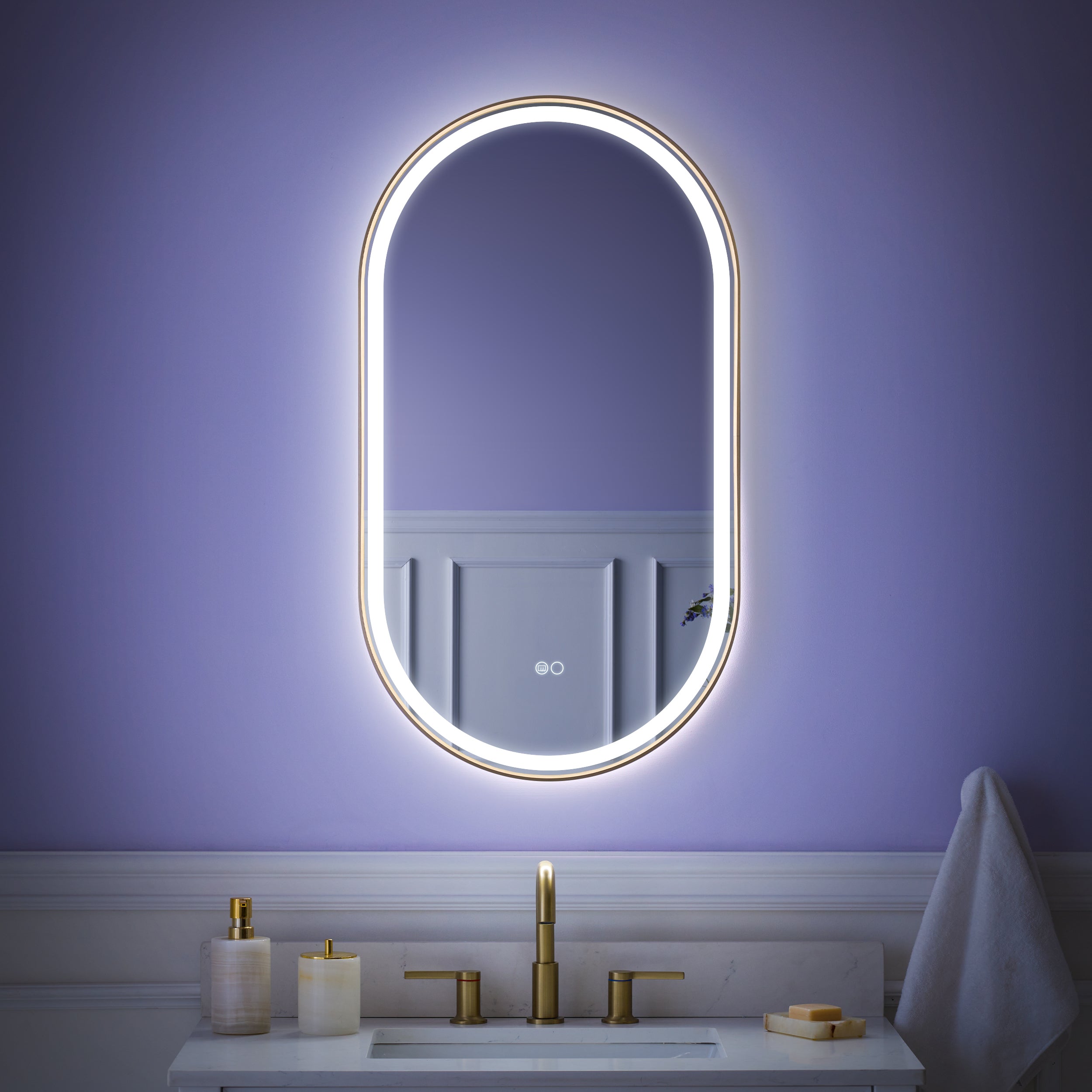
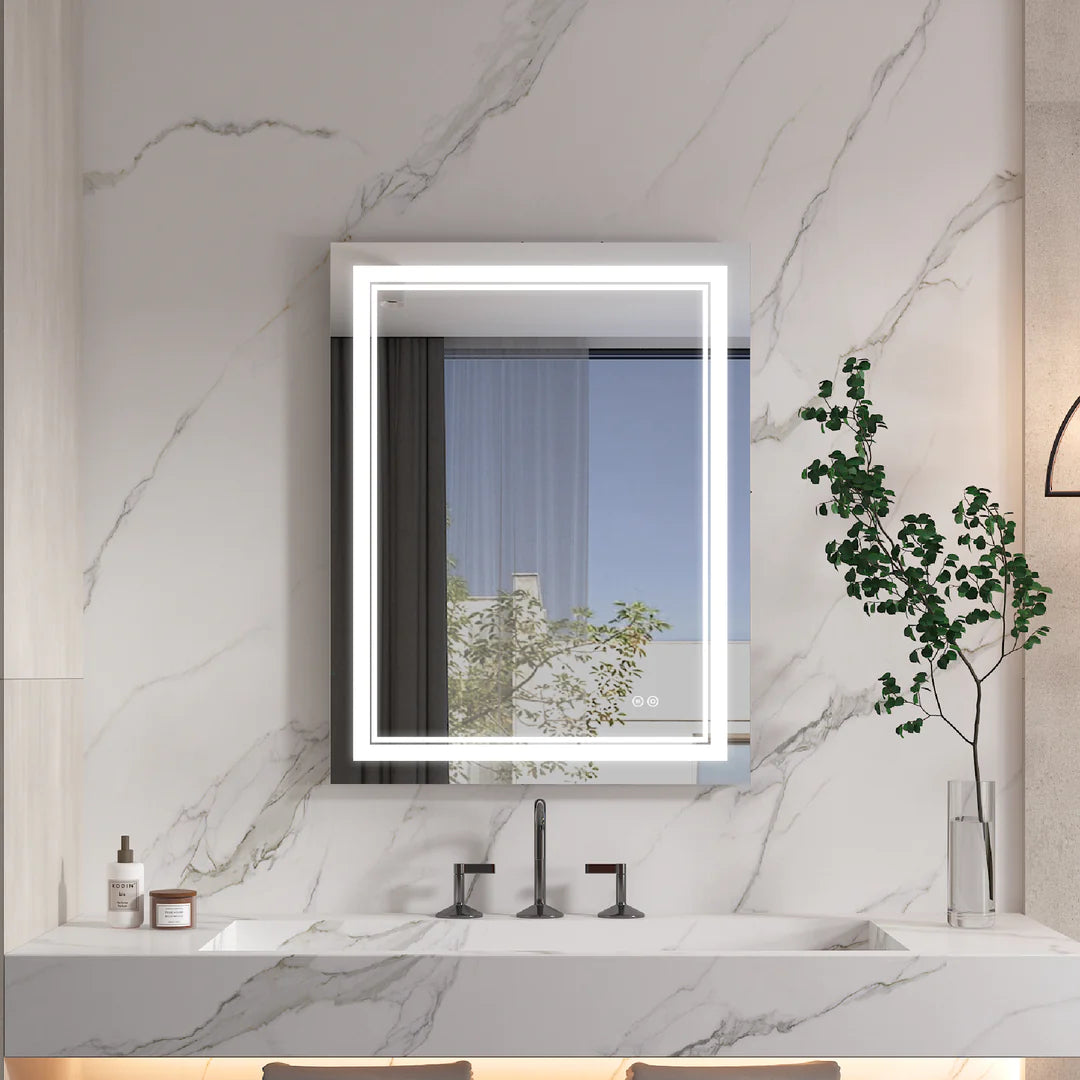
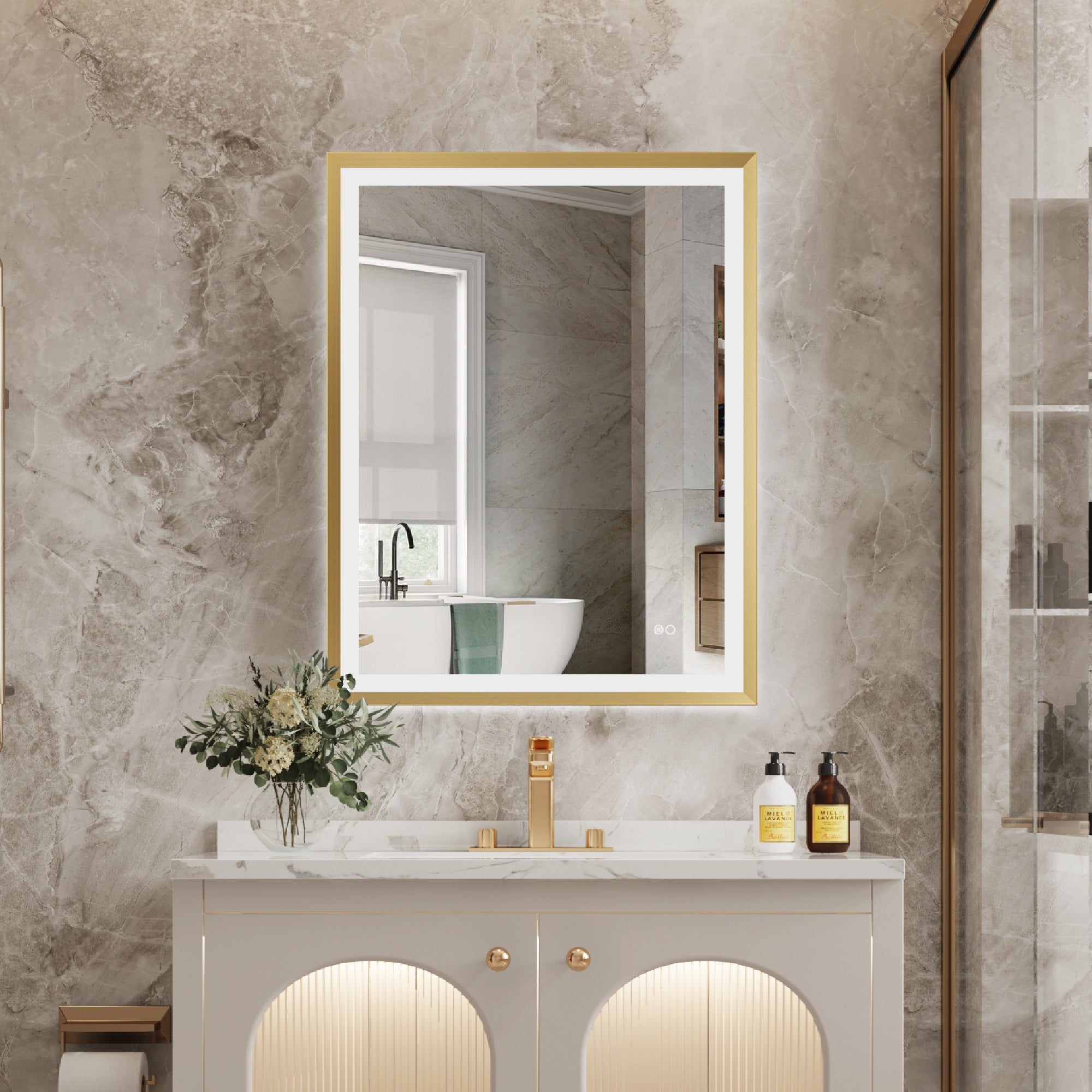
l LED mirror integrated lighting design is rapidly becoming mainstream in new products, driven by improved lighting uniformity and enhanced spatial aesthetics.
l Anti-fog heating functions have gradually transitioned from premium features to standard configurations in mid-to-high-end products.
l The integration of USB ports and built-in power outlets has seen significantly higher adoption rates, reflecting the increasing usage of daily electronic devices.
l Orders for custom-sized units are growing at a noticeably faster pace than standard products, indicating a rising consumer demand for personalized spatial fit and customization.
Industry analysis suggests that within the next three years, the proportion of "customized size medicine cabinets" in the high-end residential market may exceed 30%.
6. Expert Guidelines for Final Selection
Not exceeding 75% of the width of the washbasin (to avoid pressure)
Prioritize the depth of the wall structure (embedded construction requires advanced planning)
Reserve at least 12-18 inches of usage distance (ensuring door opening and operating space)
These standards are becoming the 'implicit norms' of the decoration industry.
7. Conclusion: Dimensions as the Core of the Spatial Experience
In the current era of residential upgrades, the large medicine cabinet has transitioned from a functional accessory to the focal point of bathroom design. Size selection is no longer a matter of mere inches; it is a comprehensive decision involving spatial proportions, user habits, and lifestyle aspirations. From the modest 16-inch single unit to the sprawling 48-inch luxury system, consumers are using precise measurements to redefine the standards of comfort and utility in the modern home. As the market moves toward larger, sleeker, and smarter units, dimensions will remain the primary factor in determining product value and homeowner satisfaction.











Leave a comment
This site is protected by hCaptcha and the hCaptcha Privacy Policy and Terms of Service apply.