
















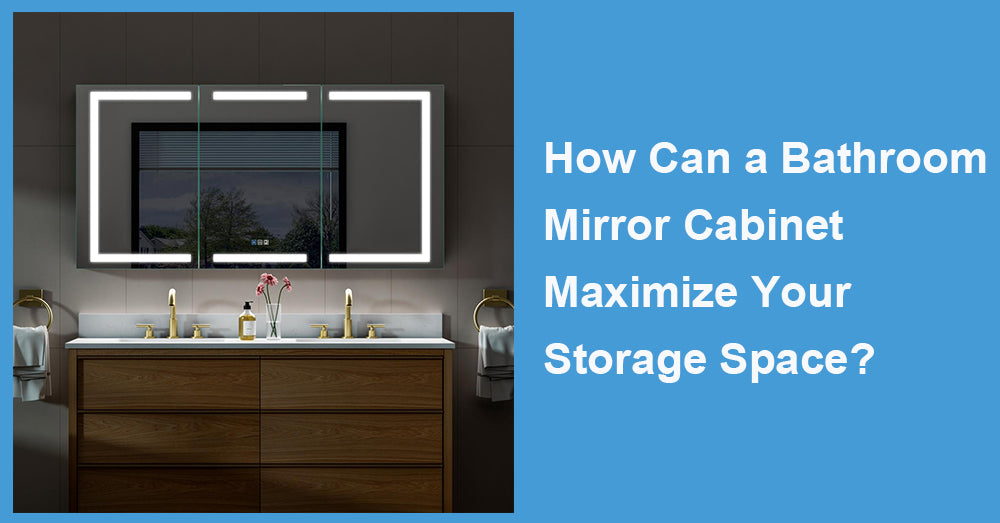
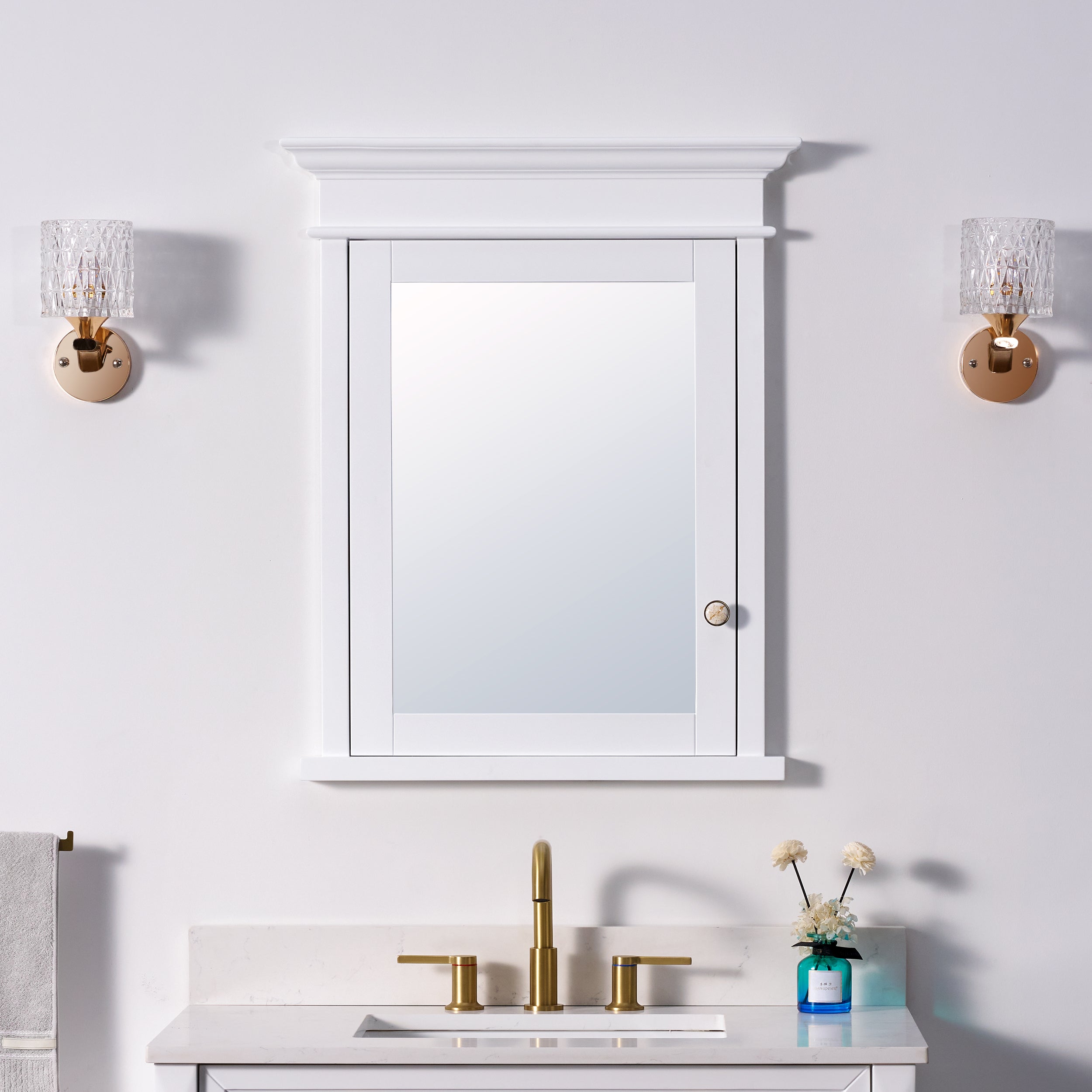
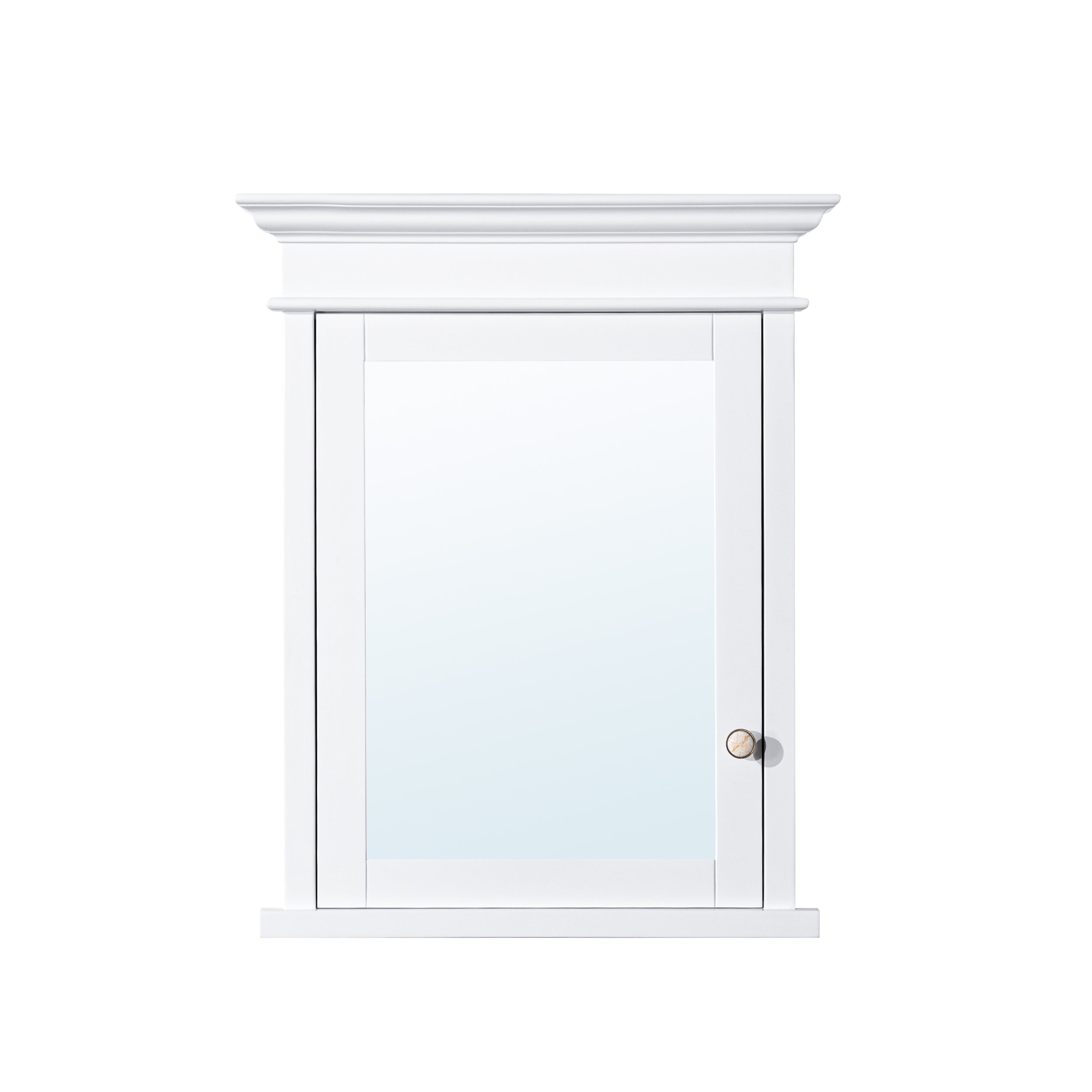
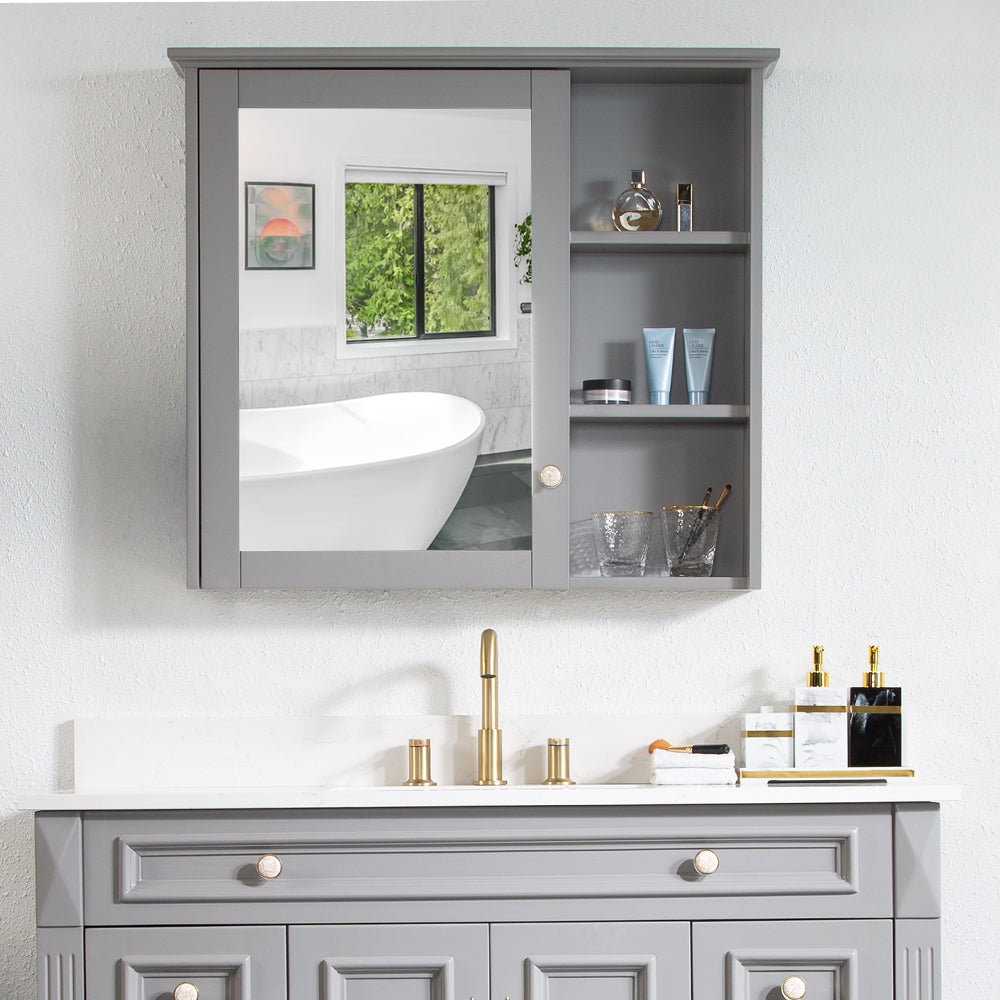
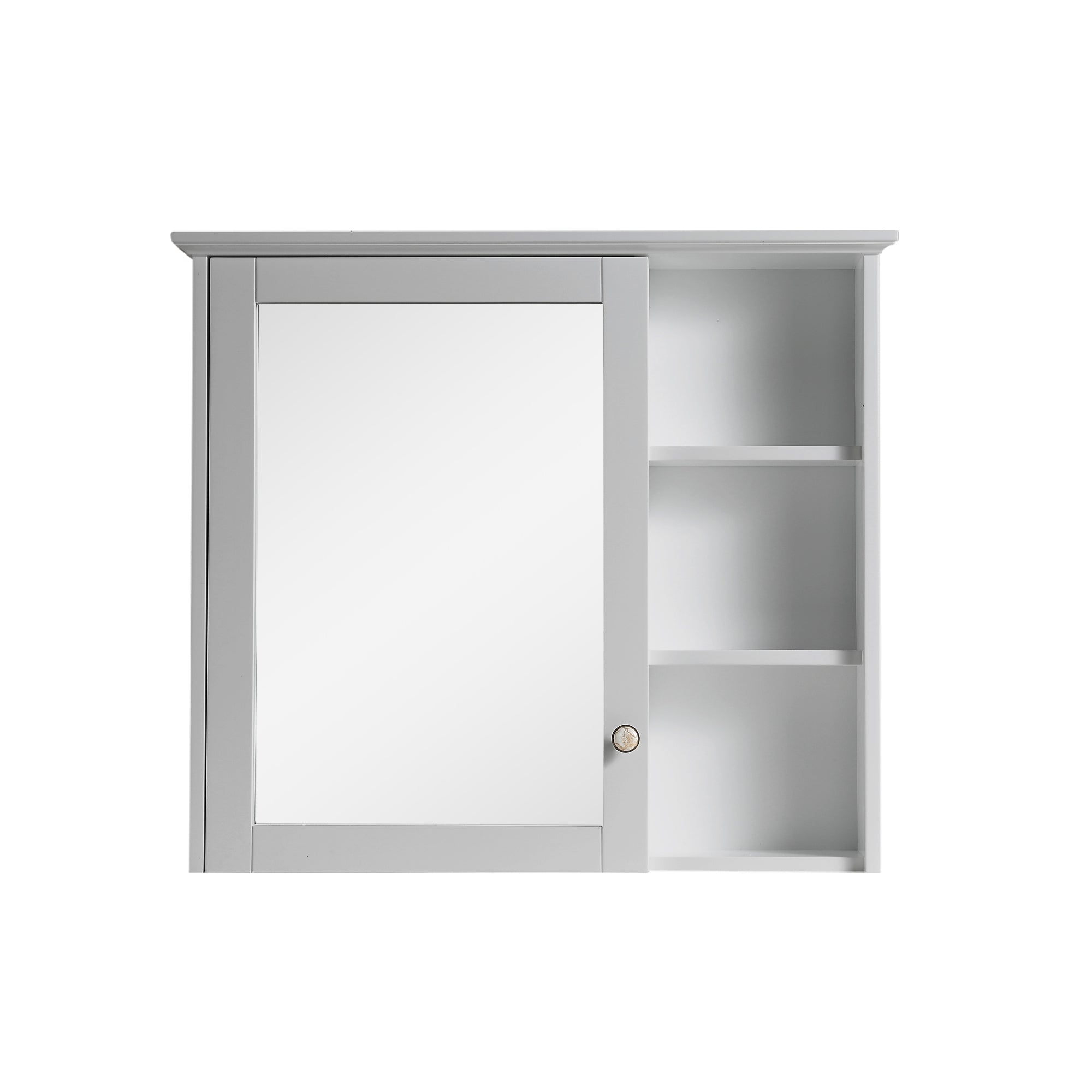
A bathroom mirror cabinet is one of the most efficient upgrades for storage because it turns the wall above your vanity into a hidden organization zone, without taking up any extra floor area. Instead of crowding the countertop with bottles and tools, you move frequently used items to eye level, right where your routine happens. When you choose the right cabinet type, depth, shelf layout, and door configuration, you gain usable storage, faster daily access, and a cleaner looking bathroom that feels more spacious.
1. It Converts “Dead Wall Space” Into High-Value Storage
Most bathrooms already have storage under the sink, but that space often becomes a messy catch-all because it is low, dark, and inconvenient to access during daily routines. A mirror cabinet solves this by placing storage at the exact height where you brush teeth, wash your face, shave, or apply skincare. That location advantage matters as much as raw volume. When storage is easy to reach, items are more likely to go back into the cabinet instead of living permanently on the counter. Less counter clutter also improves perceived space because the eye reads a calmer, more open surface.
2. Recessed vs. Surface-Mount: Two Different Ways to Maximize Space
To maximize storage without making the room feel tighter, pick the installation style that matches your layout and wall conditions.
Recessed mirror cabinets maximize usable space in tight rooms
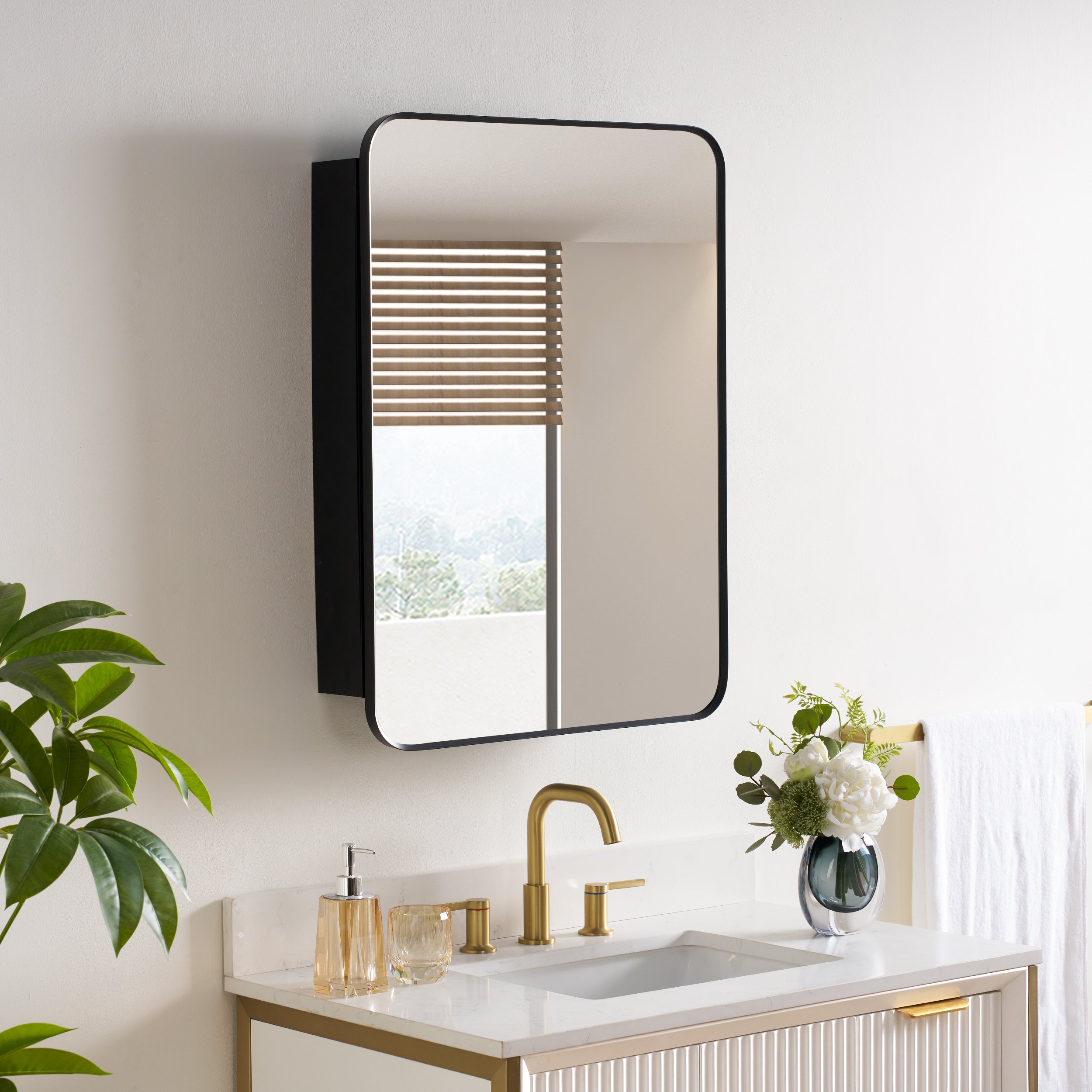
A recessed cabinet sits partly inside the wall cavity, so it typically projects less into the room. This can preserve walkway comfort and reduce the chance of bumping into the cabinet in narrow bathrooms. Recessed installs also look more built-in, which can make the vanity wall feel cleaner and more intentional.
The main constraint is what is inside the wall. Studs, wiring, and plumbing can limit size and placement. Many installation guides reference that wall studs are commonly spaced 16 inches apart, which affects how easily a cabinet can fit and how mounting points align (Source: The Home Depot, “How to Install a Medicine Cabinet”).
Surface-mount mirror cabinets maximize installation flexibility
Surface-mount cabinets install on top of the wall, which is often easier if you do not want to cut drywall or tile. They are also useful when recessed placement is blocked. The tradeoff is projection. If the cabinet is too deep, it can feel bulky. To keep the bathroom feeling open, choose a slimmer profile and a door style that works with your clearances.
3. Depth Is the Storage “Make or Break” Measurement
Most buyers focus on width and forget that depth determines whether items actually fit. A common guideline for medicine-cabinet-style depth is about 4 to 5 inches, often yielding roughly 3 to 4 inches of usable interior space depending on construction (Source: Simple Project US, “What Is the Standard Medicine Cabinet Size?”). This range tends to balance real capacity with a wall profile that does not dominate the room.
A practical way to choose depth:
· Measure your tallest must-fit item, such as a skincare bottle or electric toothbrush accessory.
· Confirm it can stand upright on a shelf without forcing diagonal placement.
· Make sure the cabinet can still open comfortably without crowding the sink zone.
Depth that is too shallow creates “false storage,” where you technically have shelves but cannot store the items you actually use. Depth that is too deep can reduce comfort in front of the vanity, especially in narrow bathrooms.
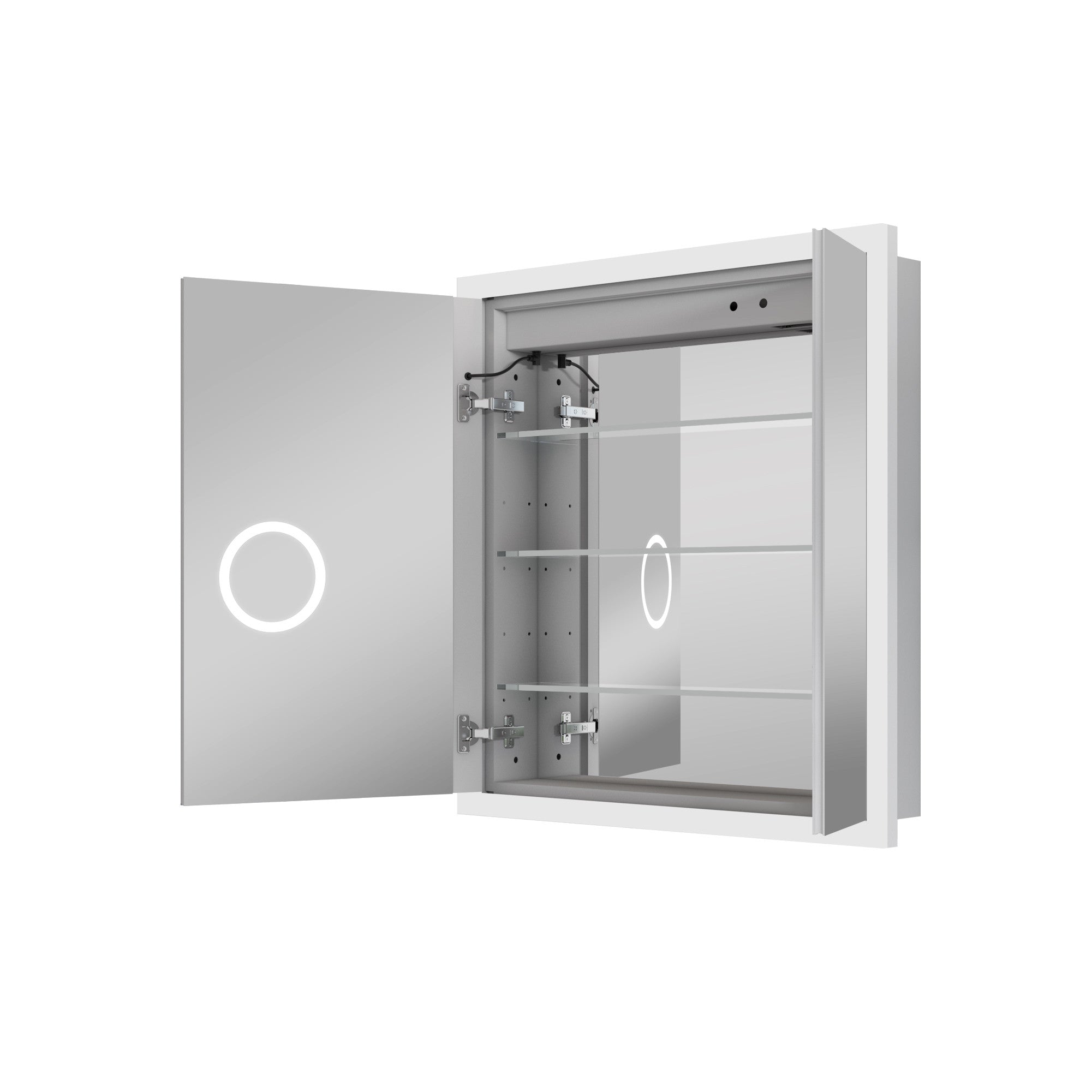
4. Adjustable Shelves Multiply Usable Storage More Than Any Other Feature
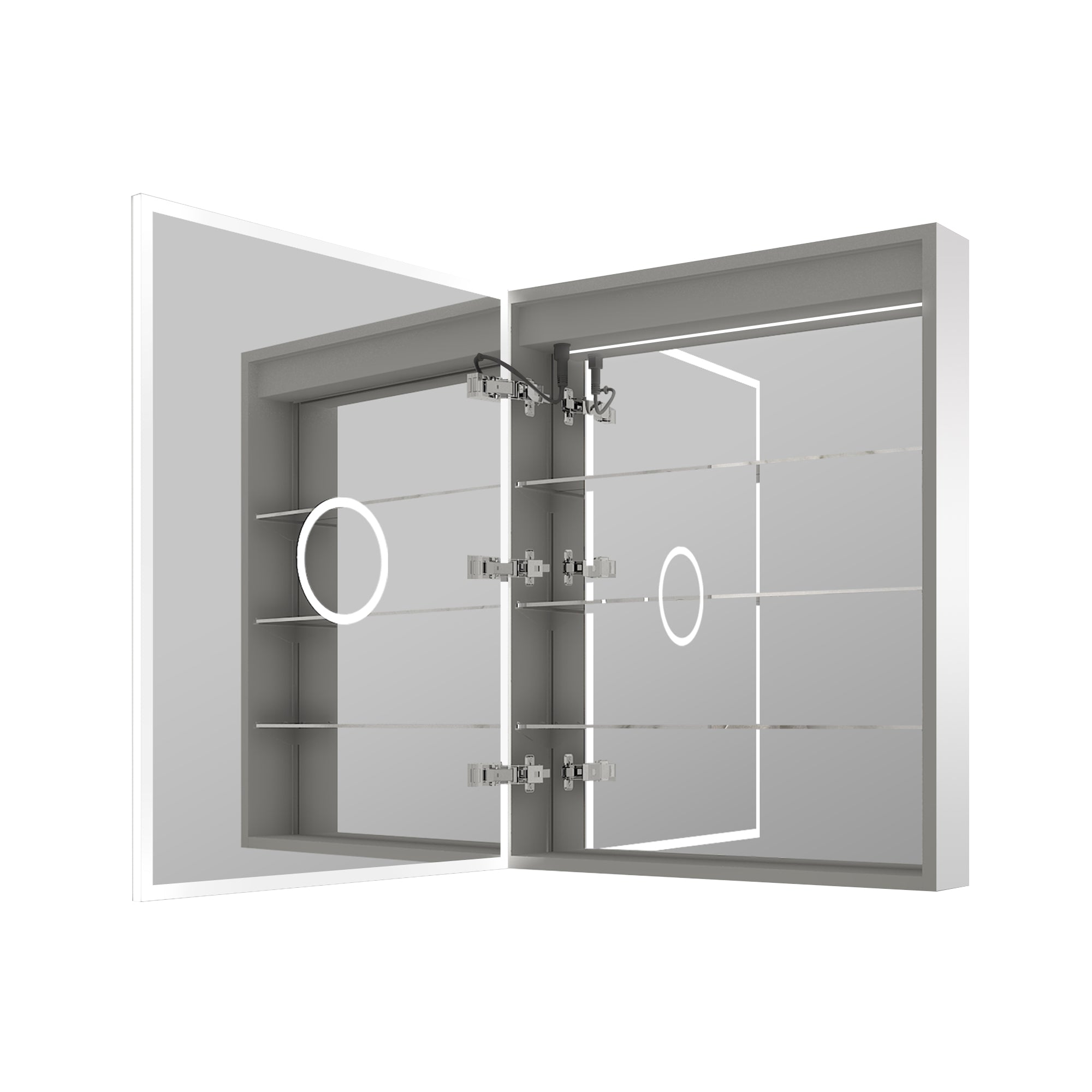
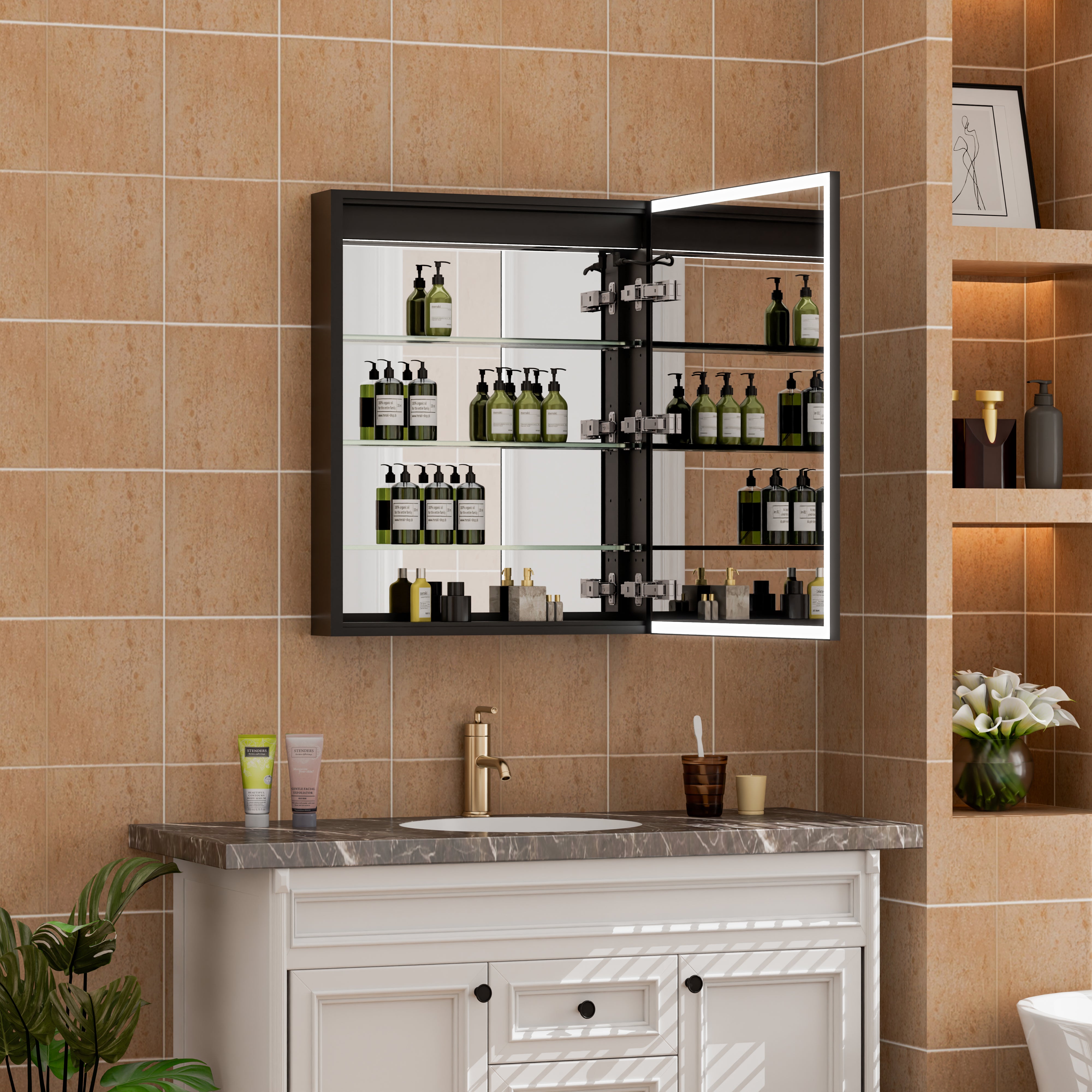
If you want real storage gains, prioritize adjustable shelves. Fixed shelves waste vertical space because toiletries come in mixed heights. Adjustable shelving lets you build simple, repeatable zones:
· Daily items at eye level.
· Weekly items above.
· Backup supplies lower or higher depending on who uses the cabinet.
This zoning reduces the need to stack items. Stacking is the fastest way a cabinet becomes annoying, because you have to remove items to reach what you need. A cabinet that supports zoning makes it easier to keep countertops clear and routines fast.
5. Door Style Determines Whether You Can Access the Storage Easily
A cabinet cannot maximize storage if you cannot open it comfortably. Door collisions are a common failure point, especially near sconces, towel rings, side walls, or inward-swinging bathroom doors.
Common door formats:
· Single door: clean look, but needs the most swing clearance.
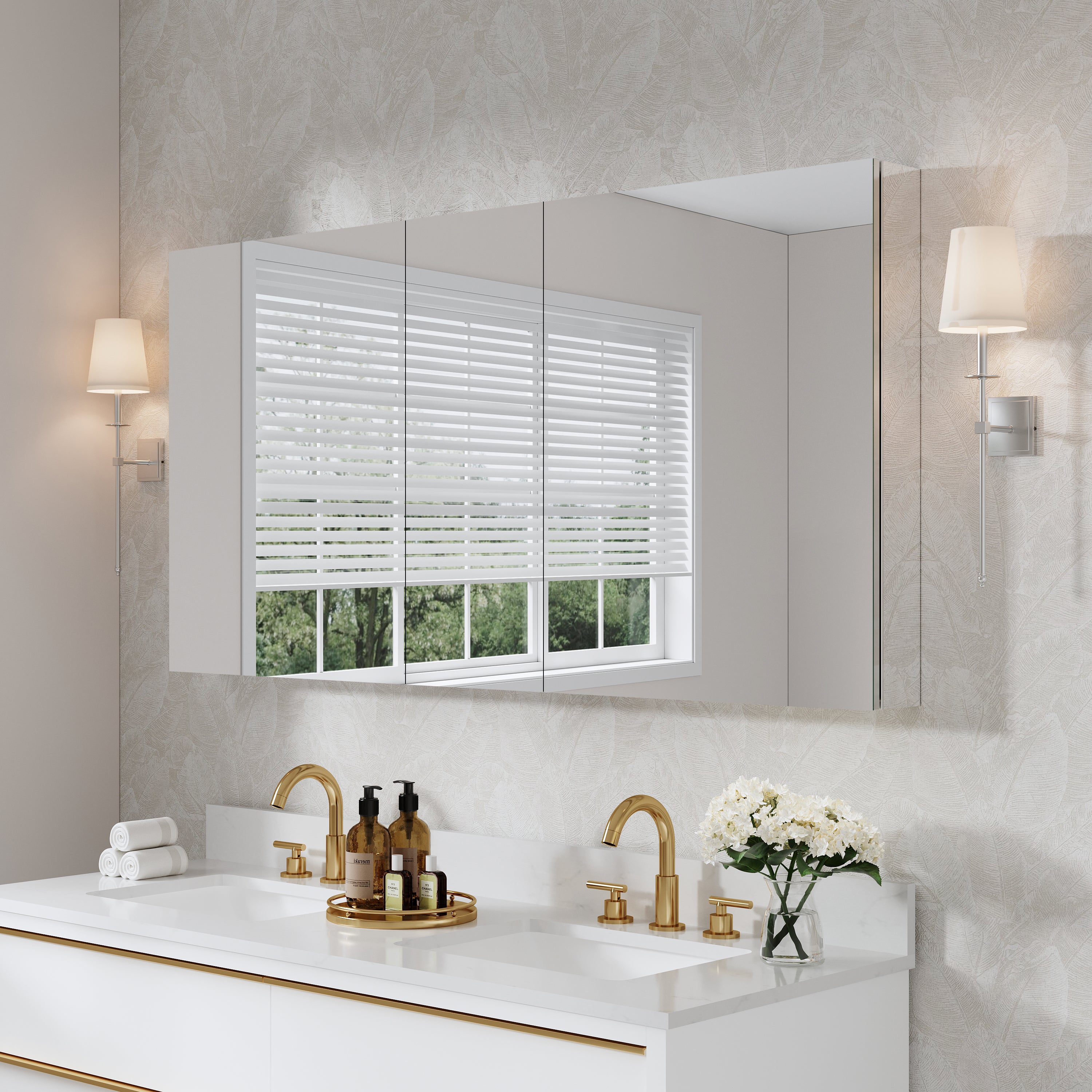
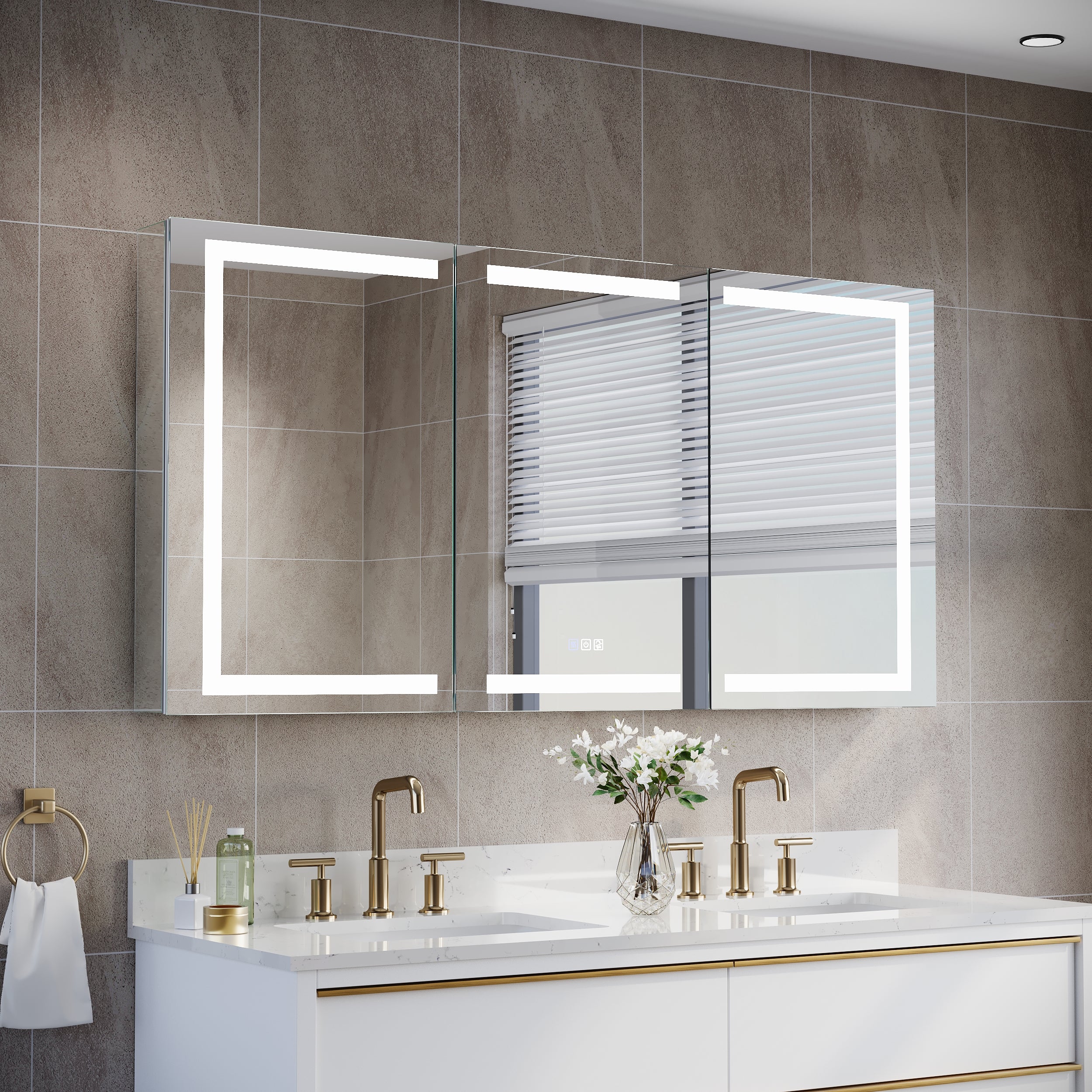
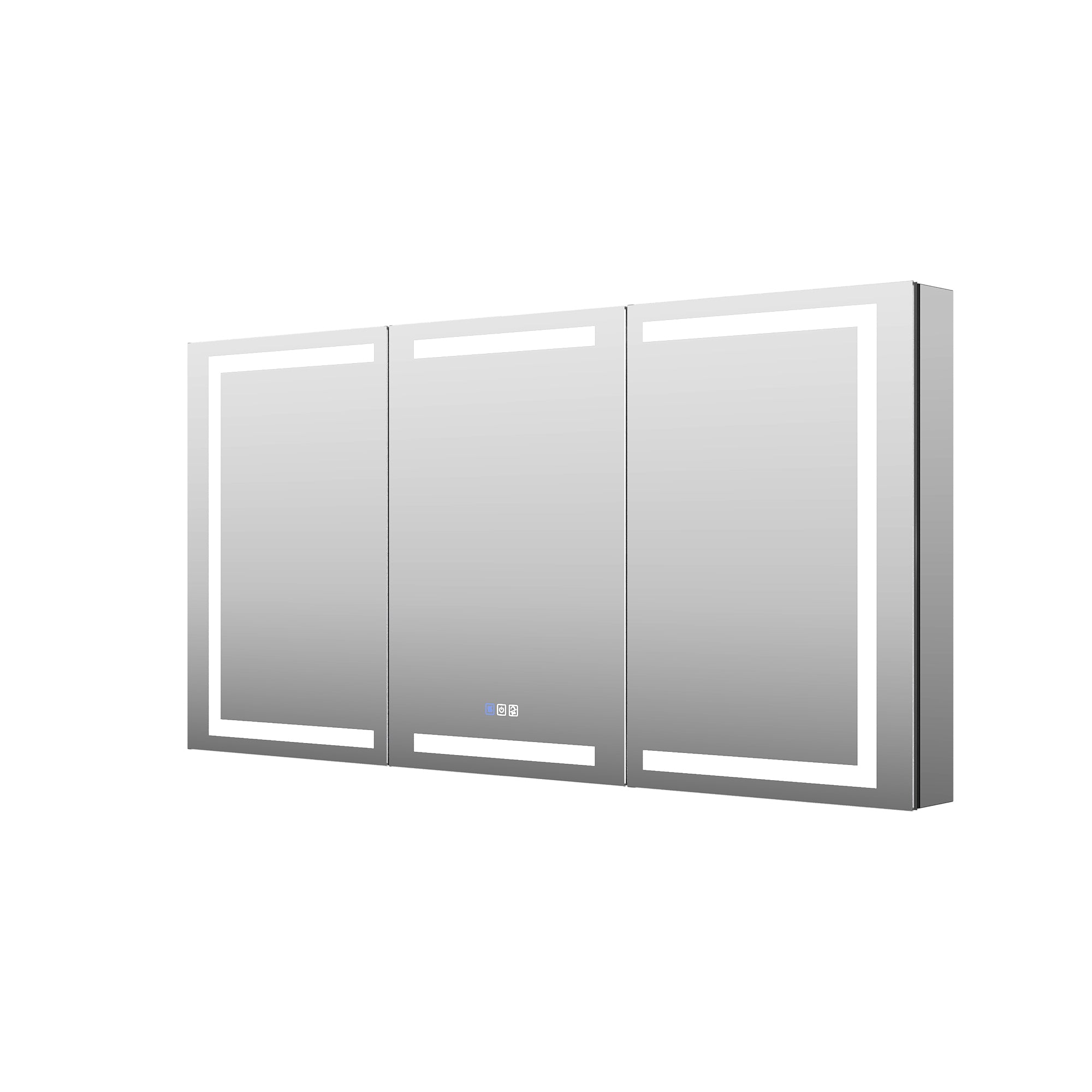
· Tri-view doors: smaller swing arcs and multiple viewing angles, often more practical in tight layouts.
· Sliding doors: minimal swing clearance, but tracks can require more cleaning.
If your layout is tight, tri-view or sliding designs often provide better functional access, which translates into better storage use.
6. Mounting Height Impacts Storage Behavior and Comfort
A cabinet mounted too high reduces both mirror comfort and storage usability. If reaching the shelves feels awkward, people stop using the cabinet consistently and items drift back to the counter.
A useful reference from accessibility standards states:
· Mirrors above a lavatory or countertop should have the bottom edge of the reflecting surface 40 inches max above the finished floor.
· Mirrors not above a lavatory or countertop should have the bottom edge 35 inches max (Source: 2010 ADA Standards, Section 603.3, via Corada).
Even if you are not designing to formal accessibility requirements, this guideline is a strong comfort guardrail. A simple method:
1. Stand at the sink and mark your eye level.
2. Place the cabinet so your eyes land around the upper-middle of the mirror.
3. Verify you can reach the shelves without stretching.
Comfortable placement increases the likelihood that the cabinet is used as intended, which is what actually maximizes storage.
7. Secure Anchoring Keeps the Cabinet Useful for Years
A mirror cabinet is opened and closed thousands of times. If it is not anchored well, it will loosen, shift, and feel unstable. Many guides reference typical 16-inch stud spacing as a key planning detail for mounting and alignment (Source: The Home Depot). Whenever possible, mount into studs for stability. If studs do not align with mounting points, use appropriate heavy-duty anchors or add blocking during a renovation.
Stability matters for storage because:
· Doors stay aligned and close properly.
· Shelves remain level.
· The cabinet does not wobble during use.
A cabinet that feels solid is a cabinet people keep using.
8. Humidity Management Protects Hardware, Shelves, and Mirror Edges
Bathrooms are humid environments, and humidity can degrade hinges, finishes, and mirror edges over time. EPA guidance recommends keeping indoor relative humidity below 60 percent, ideally between 30 percent and 50 percent, to reduce moisture-related problems (Source: U.S. EPA Mold Course, Chapter 2).
For storage optimization, durability is not optional. If hinges corrode or doors sag, the cabinet becomes frustrating and stops being used well. Protect your cabinet by:
· Running the exhaust fan during showers and for a period afterward.
· Wiping standing water near the backsplash.
· Choosing corrosion-resistant hardware when available.
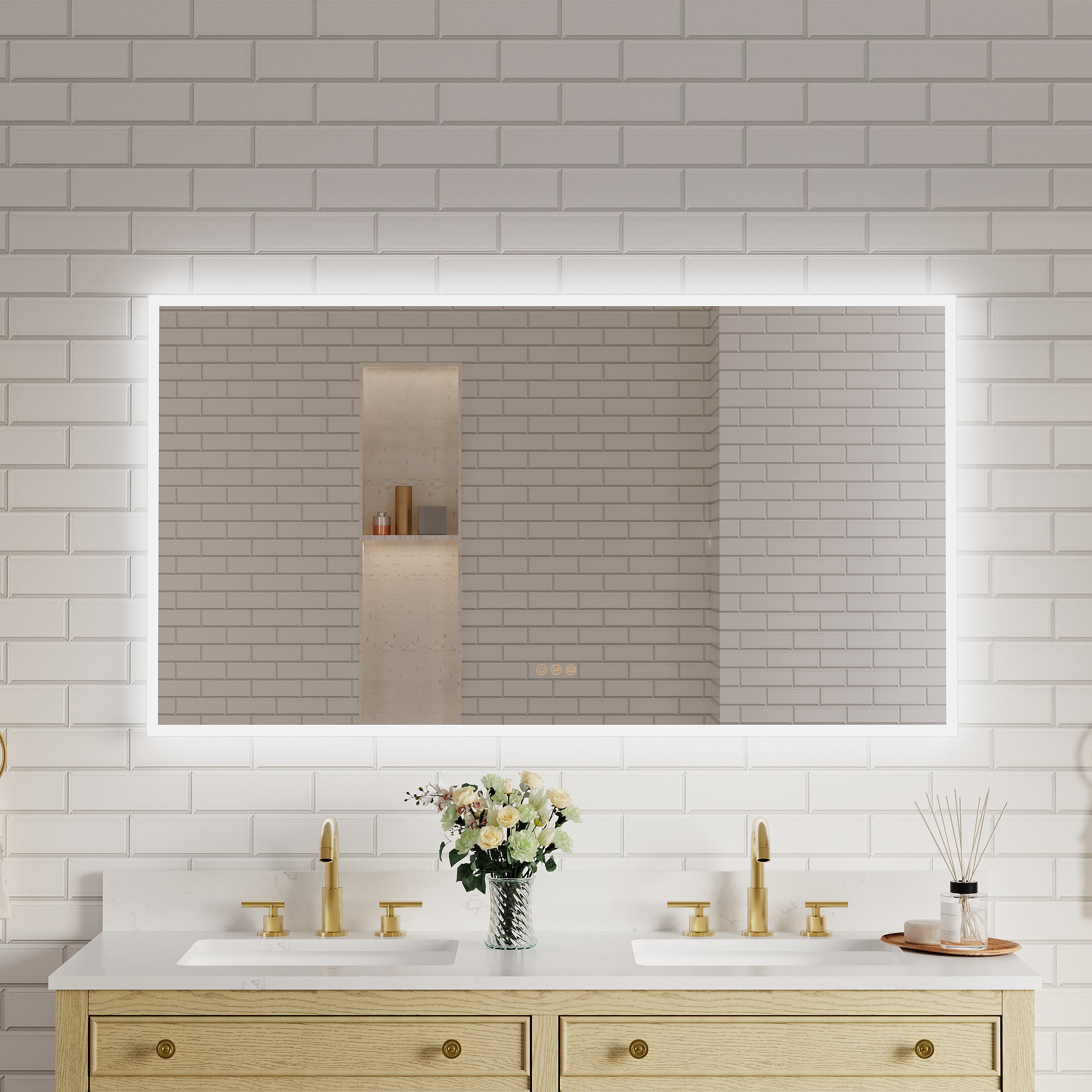
9. Optional Lighting Can Improve Storage Habits and Daily Use
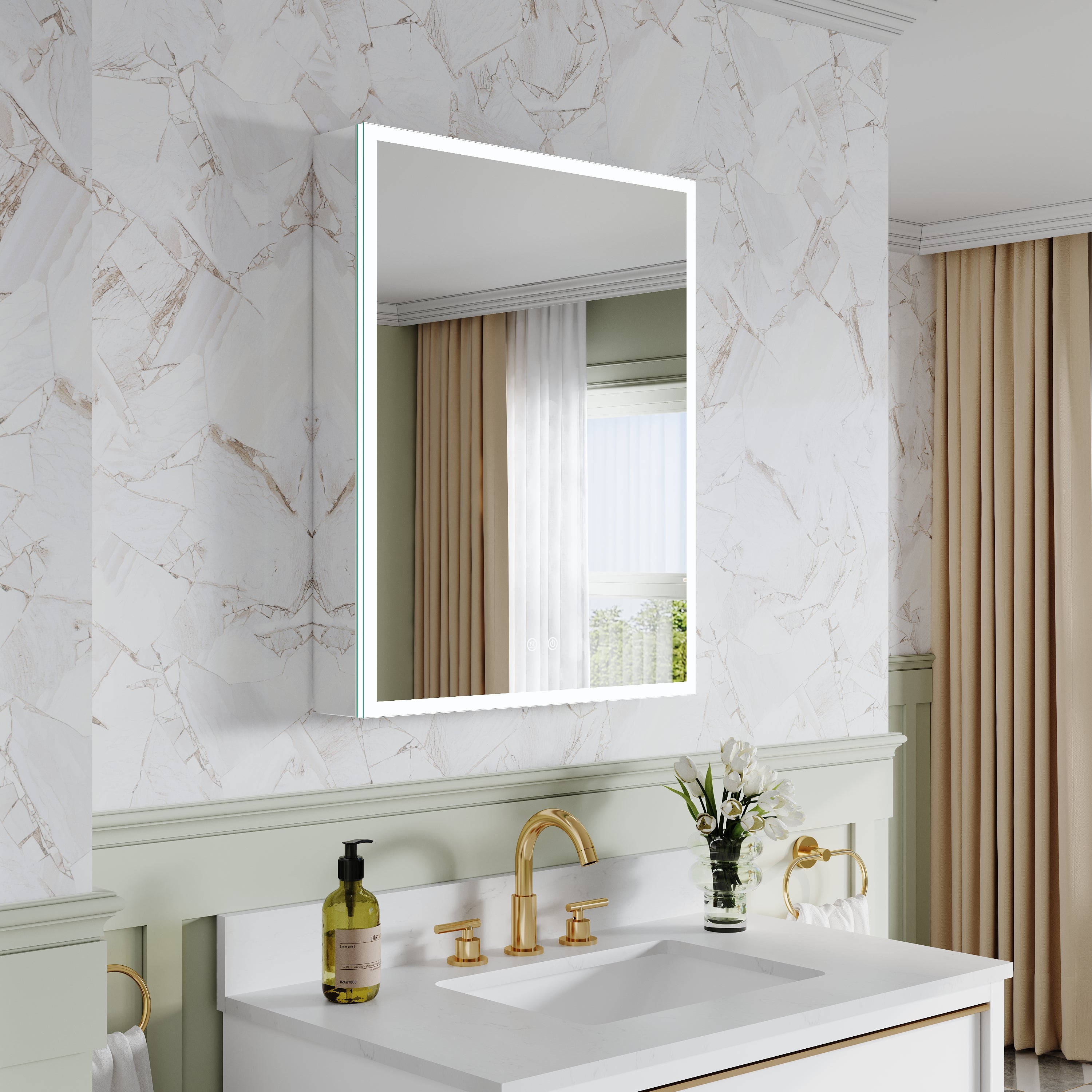
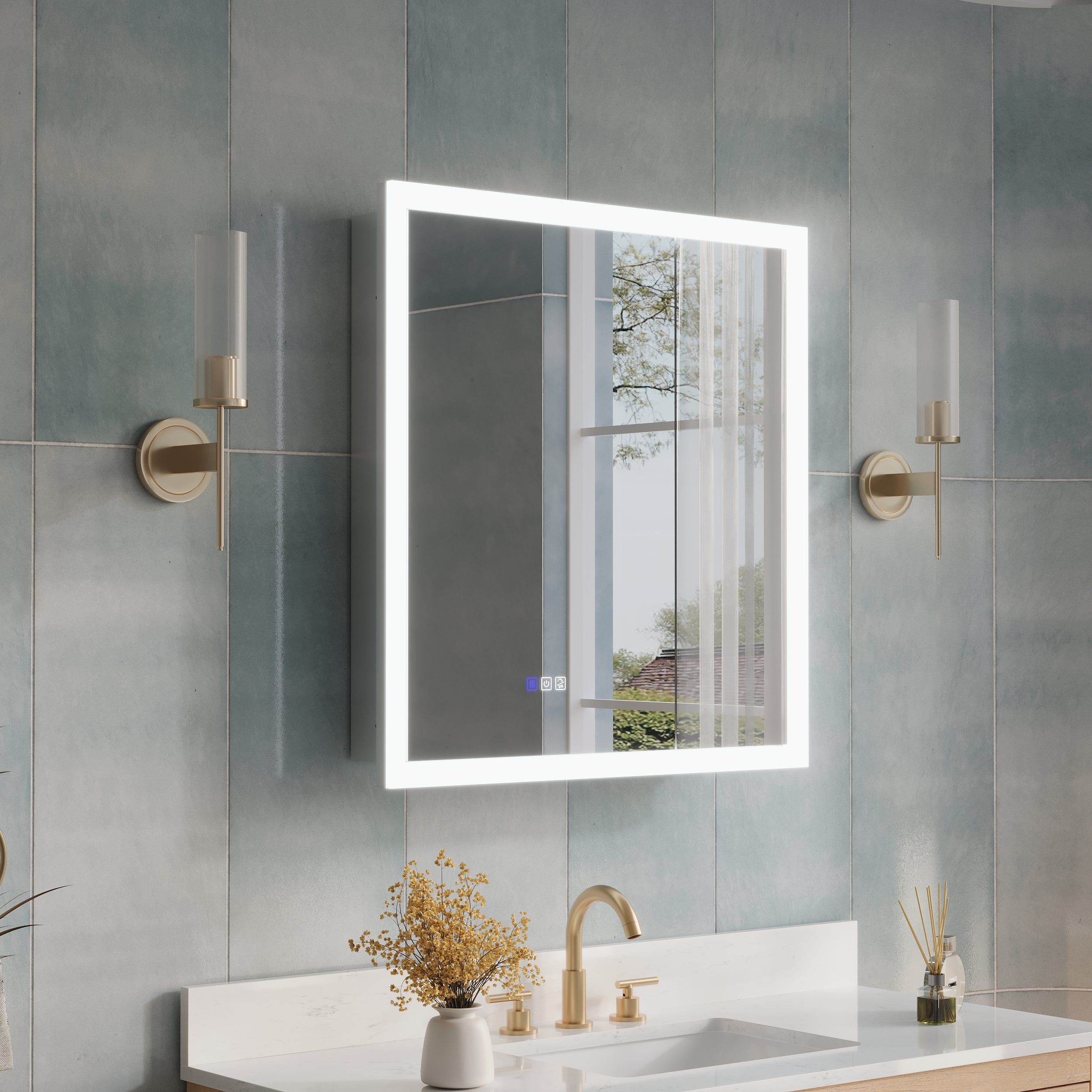
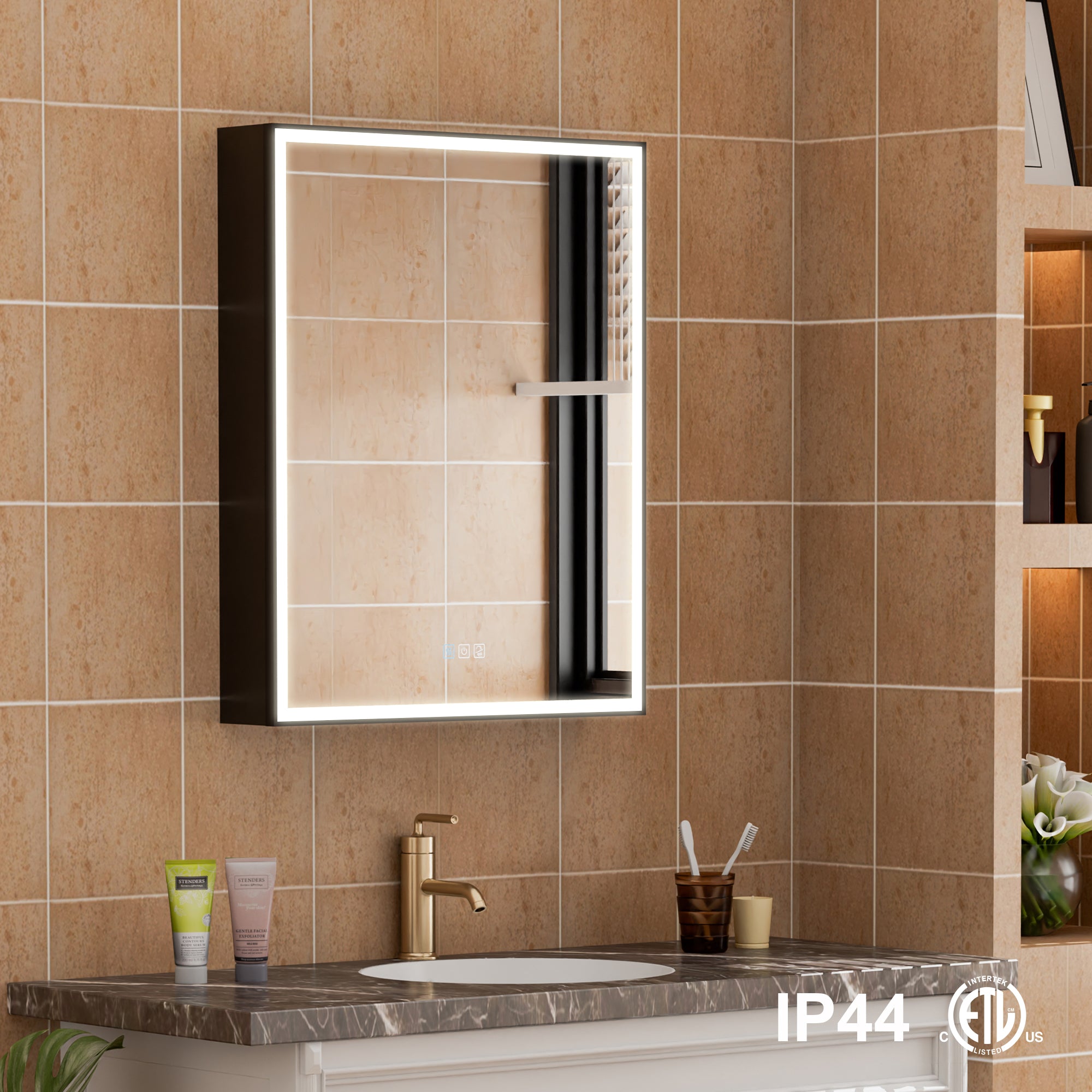
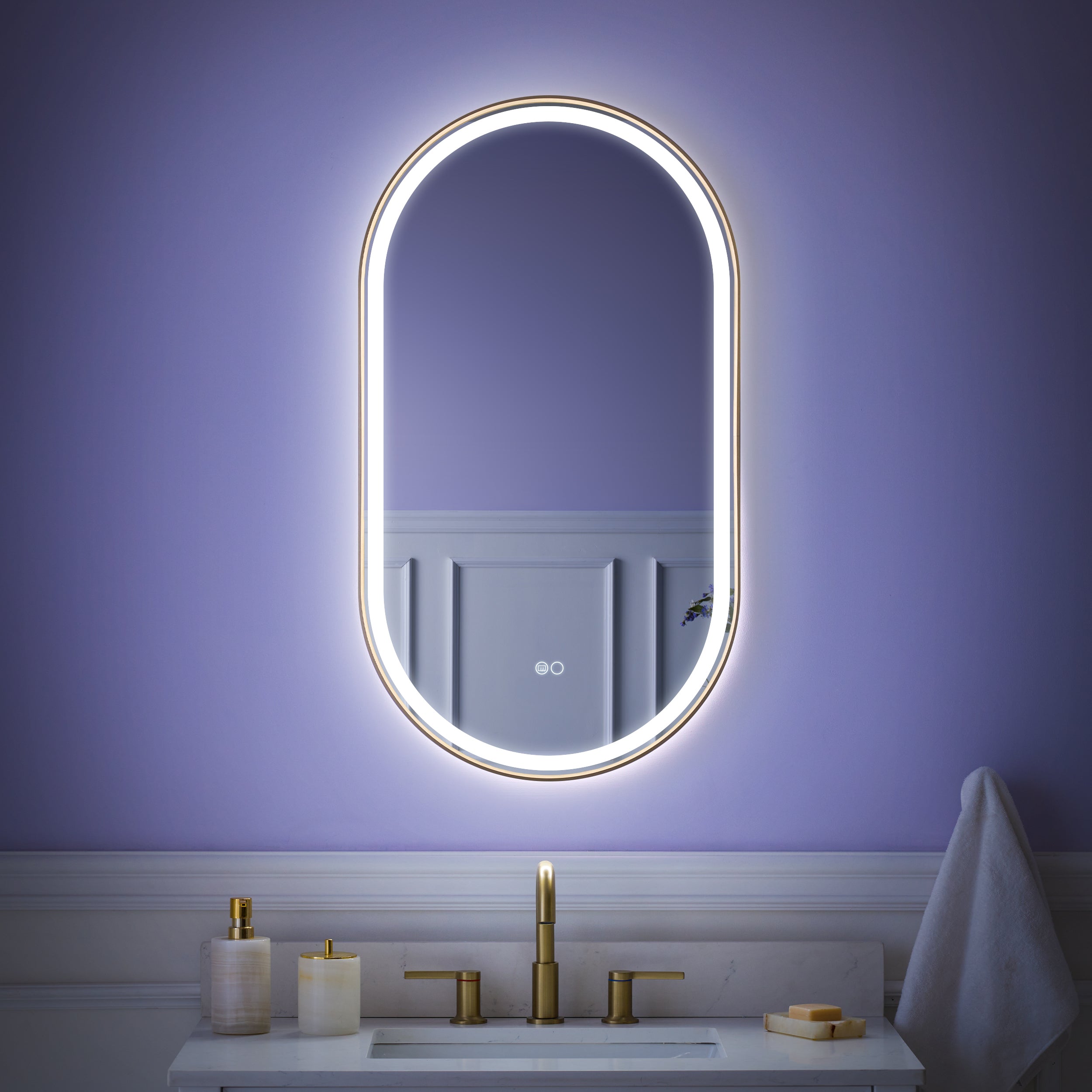
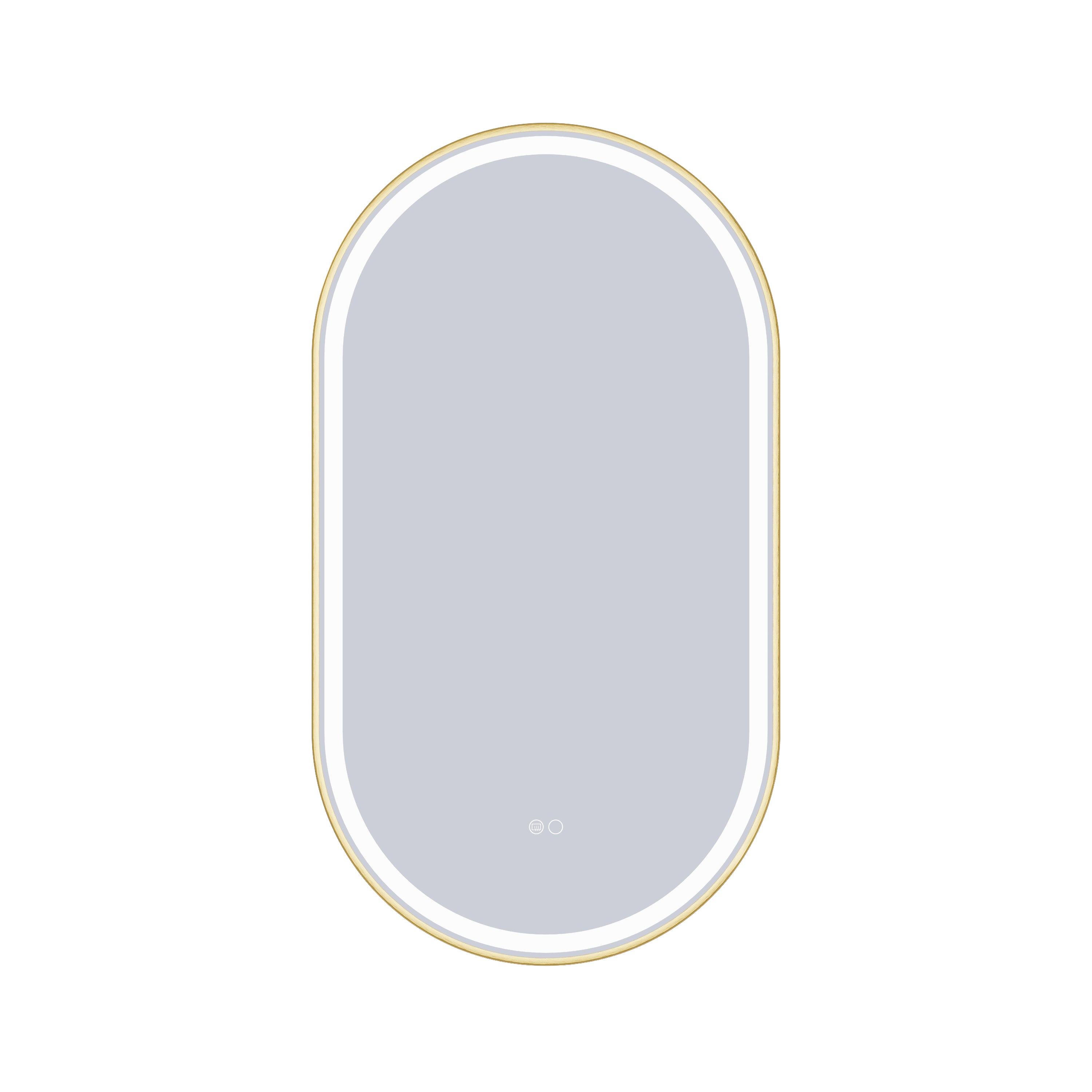
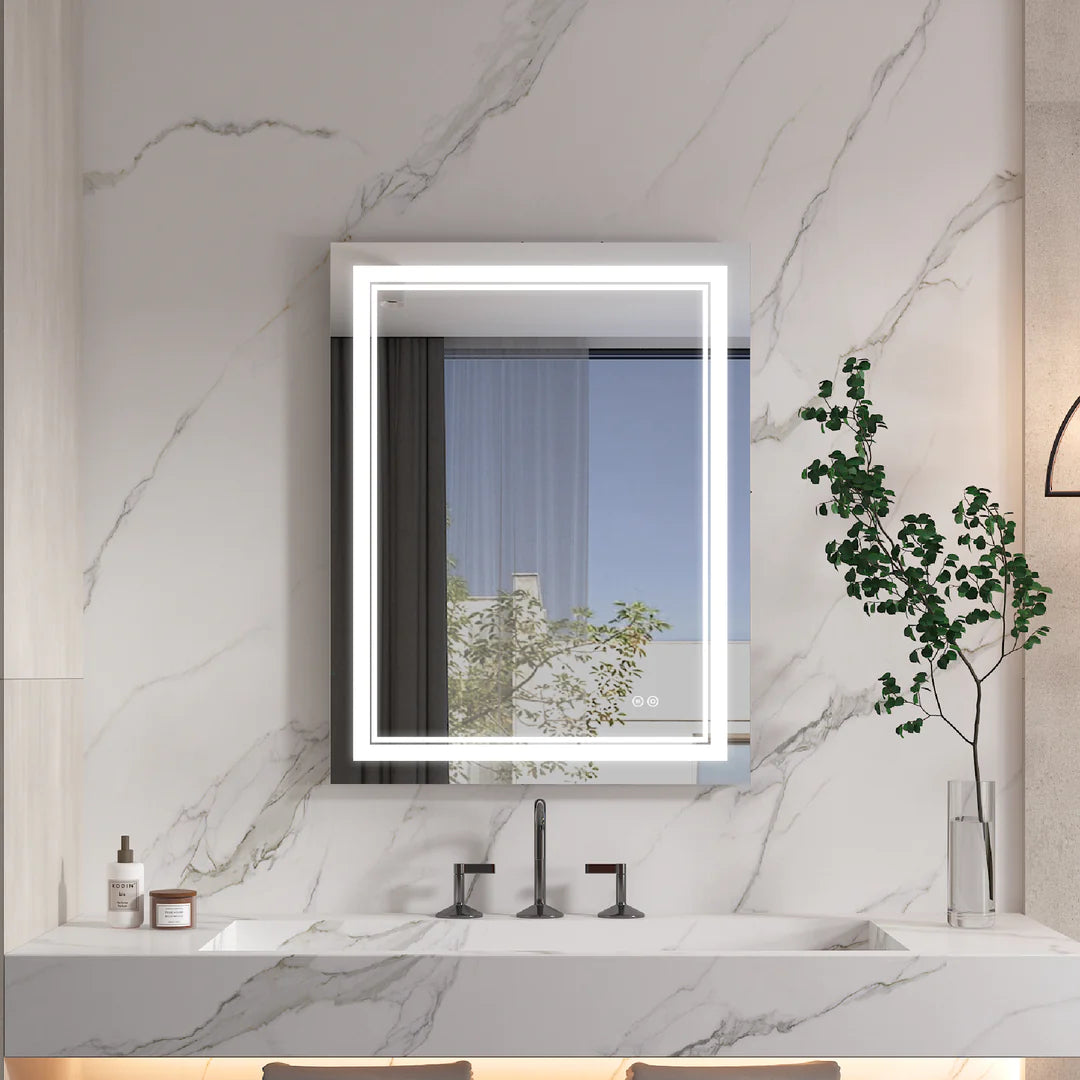
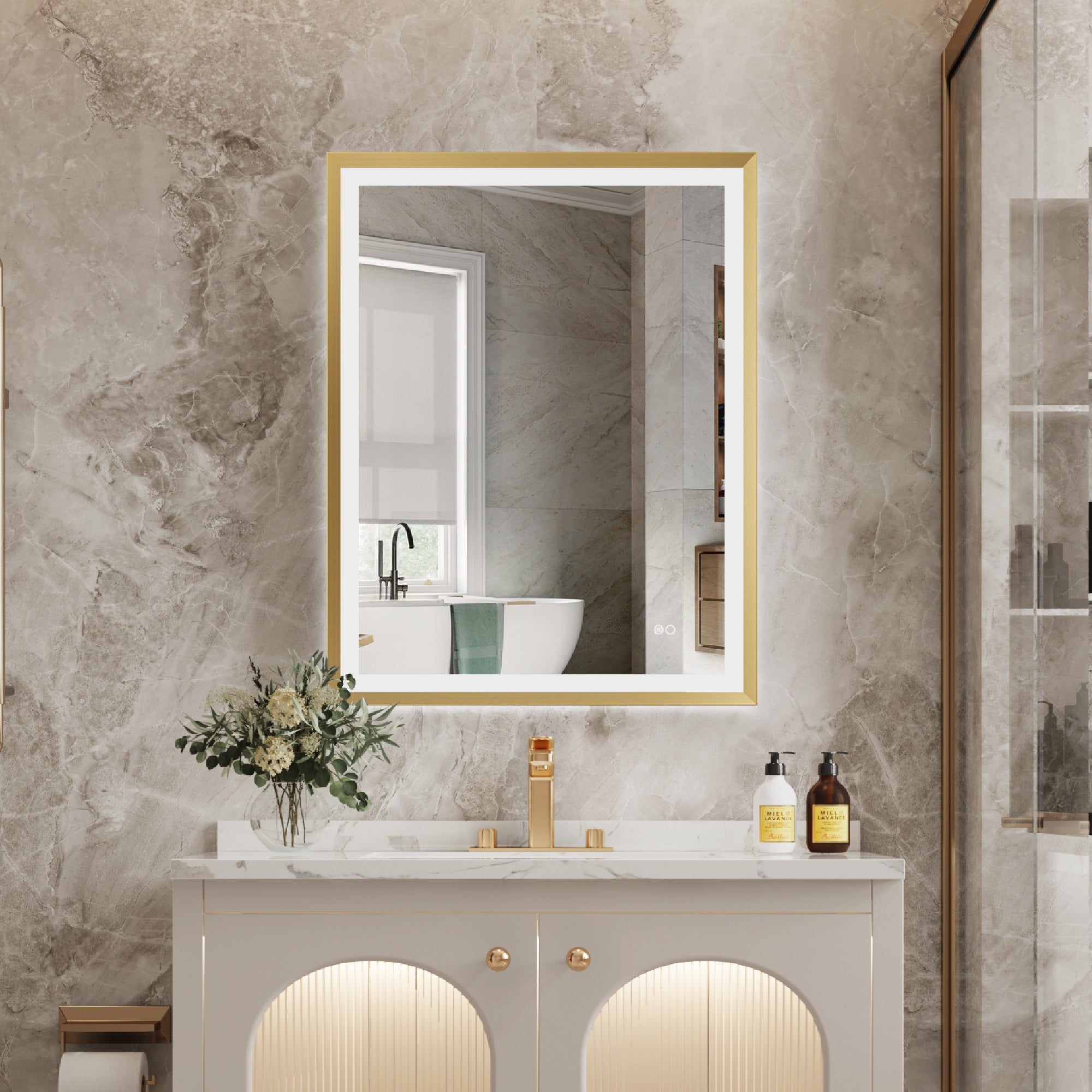
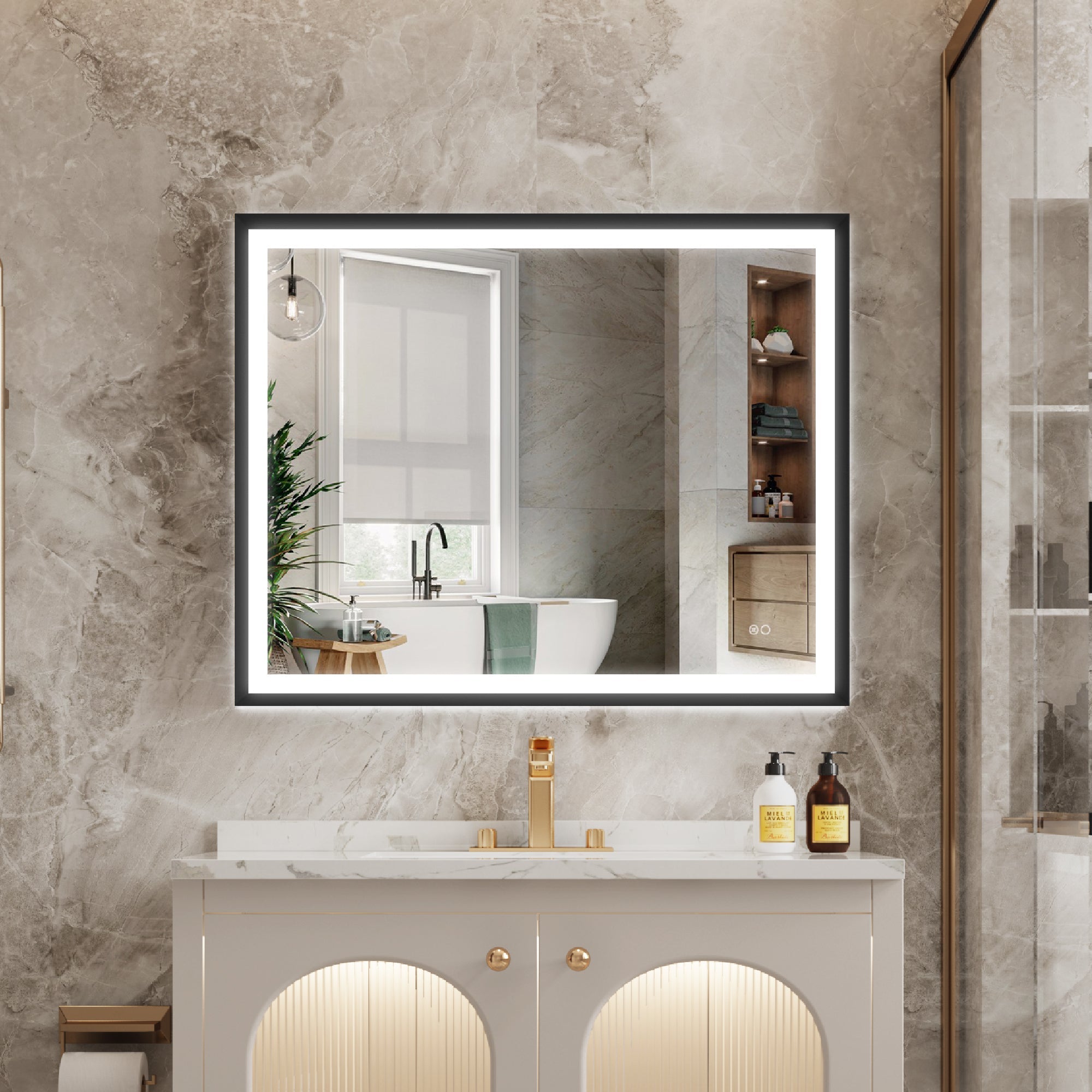
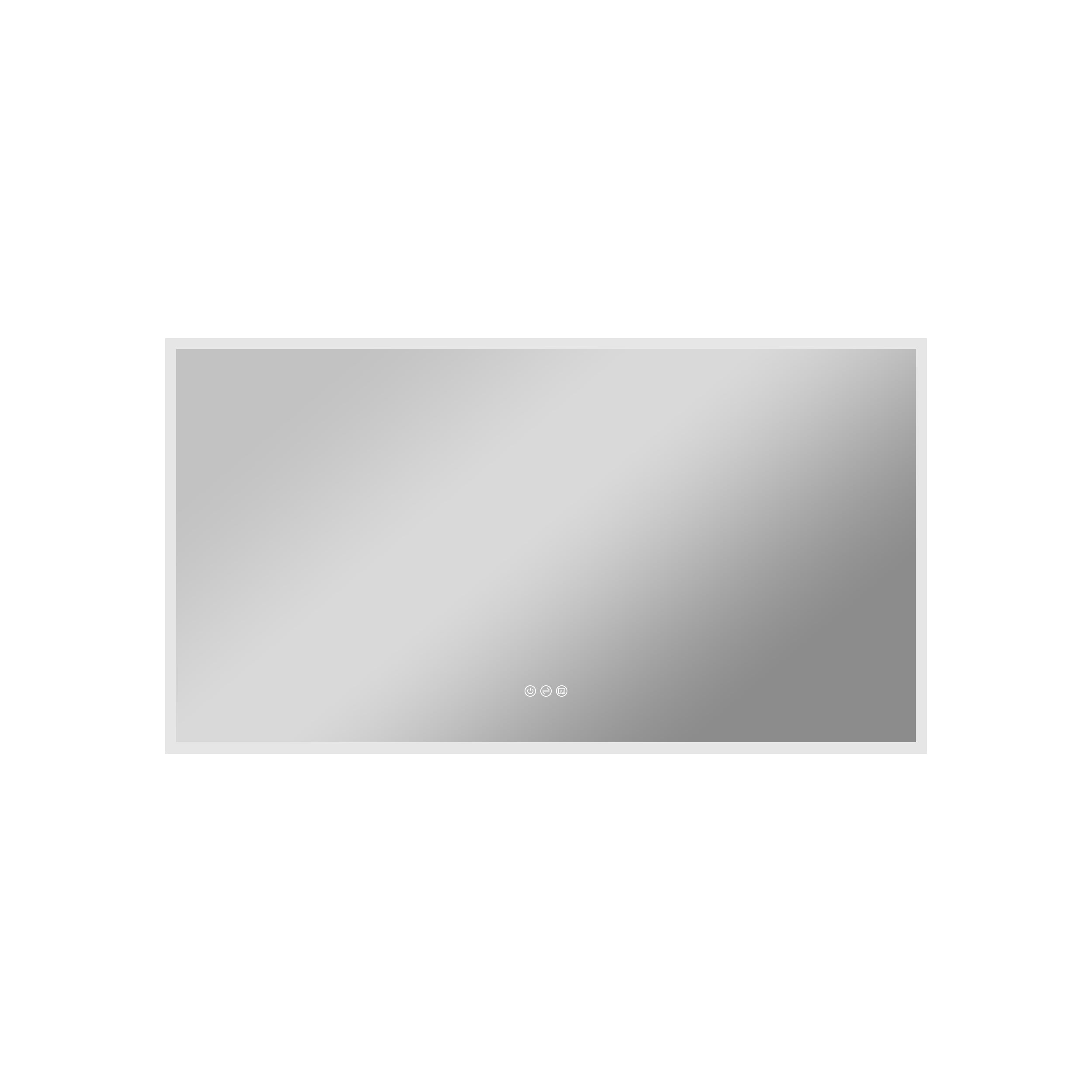
Some mirror cabinets include integrated LED lighting. Good lighting can improve grooming visibility and make the vanity zone feel more functional, which supports better routines and less counter clutter. LEDs also offer efficiency and longevity advantages. DOE notes that residential LEDs, especially ENERGY STAR-rated products, use at least 75 percent less energy and can last up to 25 times longer than incandescent lighting (Source: U.S. Department of Energy, “LED Lighting”).
If you choose a lighted cabinet, prioritize smooth diffusion and dimming. Harsh hotspots reduce comfort and make the upgrade feel cheap.

Conclusion
A bathroom mirror cabinet maximizes storage space by using vertical wall area where you already stand, keeping daily items at eye level, and reducing countertop clutter. The most important success factors are choosing recessed versus surface-mount based on wall constraints, selecting practical depth in the commonly cited 4 to 5 inch range, using adjustable shelves for real organization zones, choosing a door style that fits your clearances, mounting at a comfortable height using the 40-inch and 35-inch reference points, and installing with secure anchoring aligned to typical stud spacing (Sources: Simple Project US; ADA 603.3; The Home Depot). Finally, manage humidity below 60 percent when possible so hinges and finishes stay durable (Source: EPA). If lighting is included, LED systems can add daily convenience while reducing long-term maintenance and energy use (Source: DOE).








Leave a comment
This site is protected by hCaptcha and the hCaptcha Privacy Policy and Terms of Service apply.