














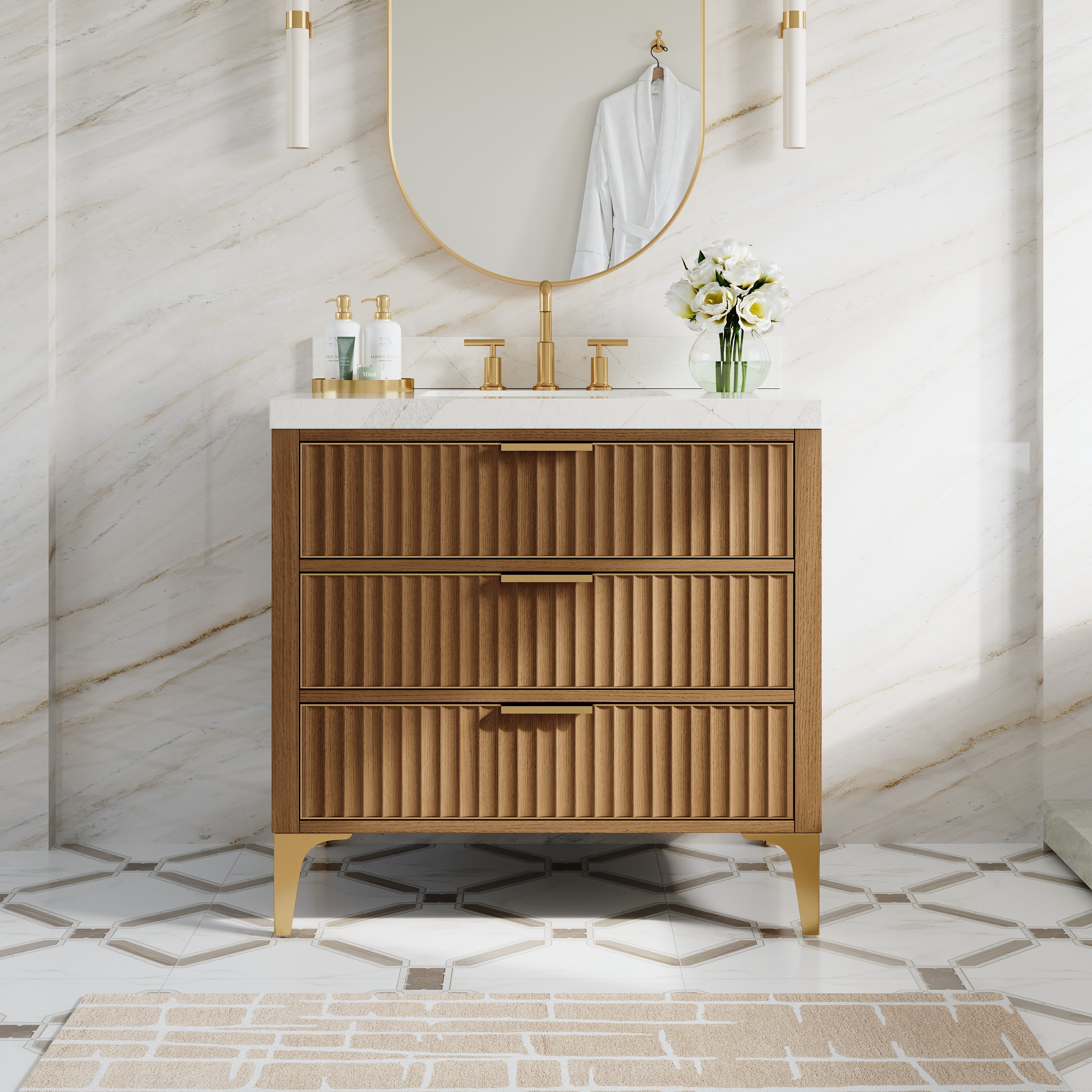
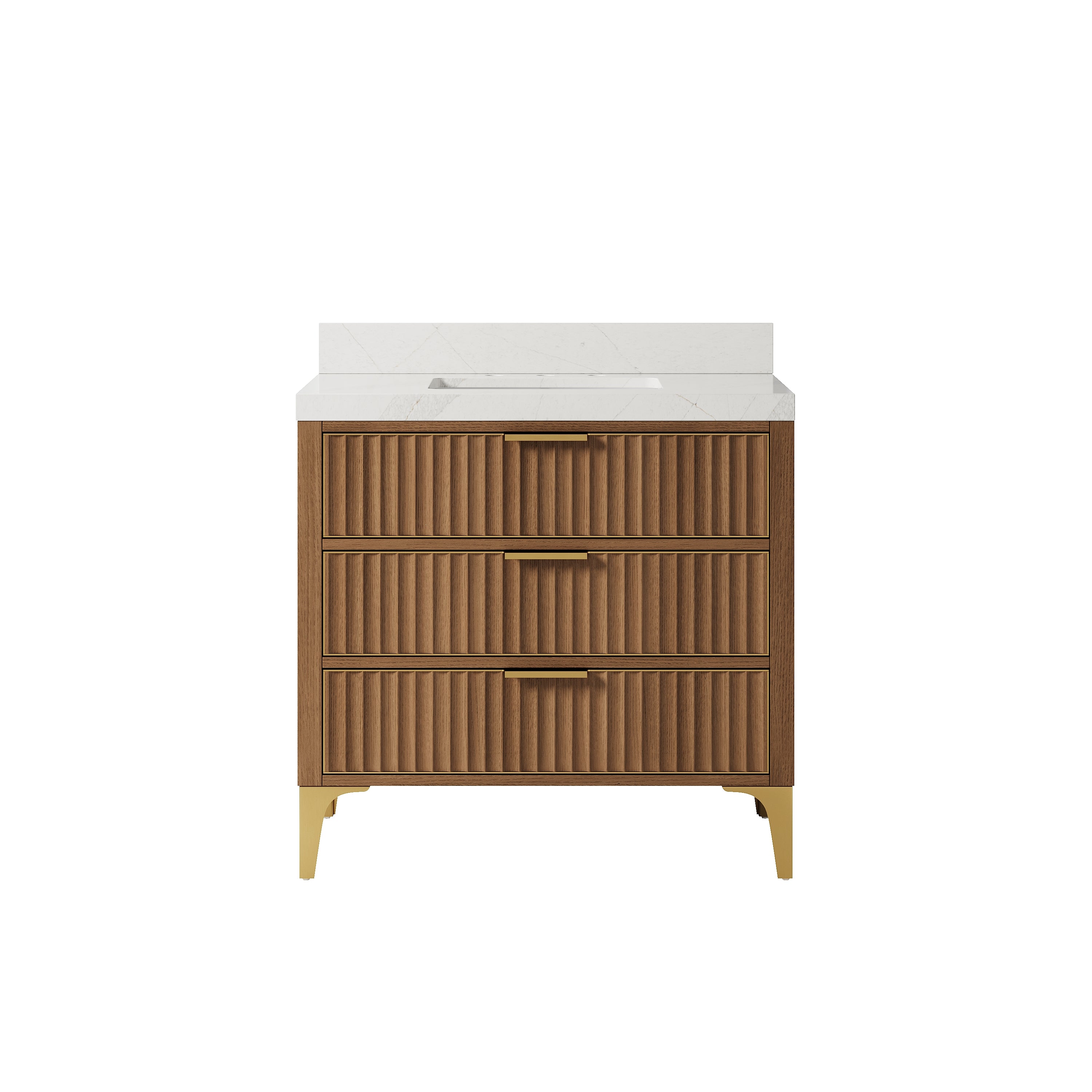
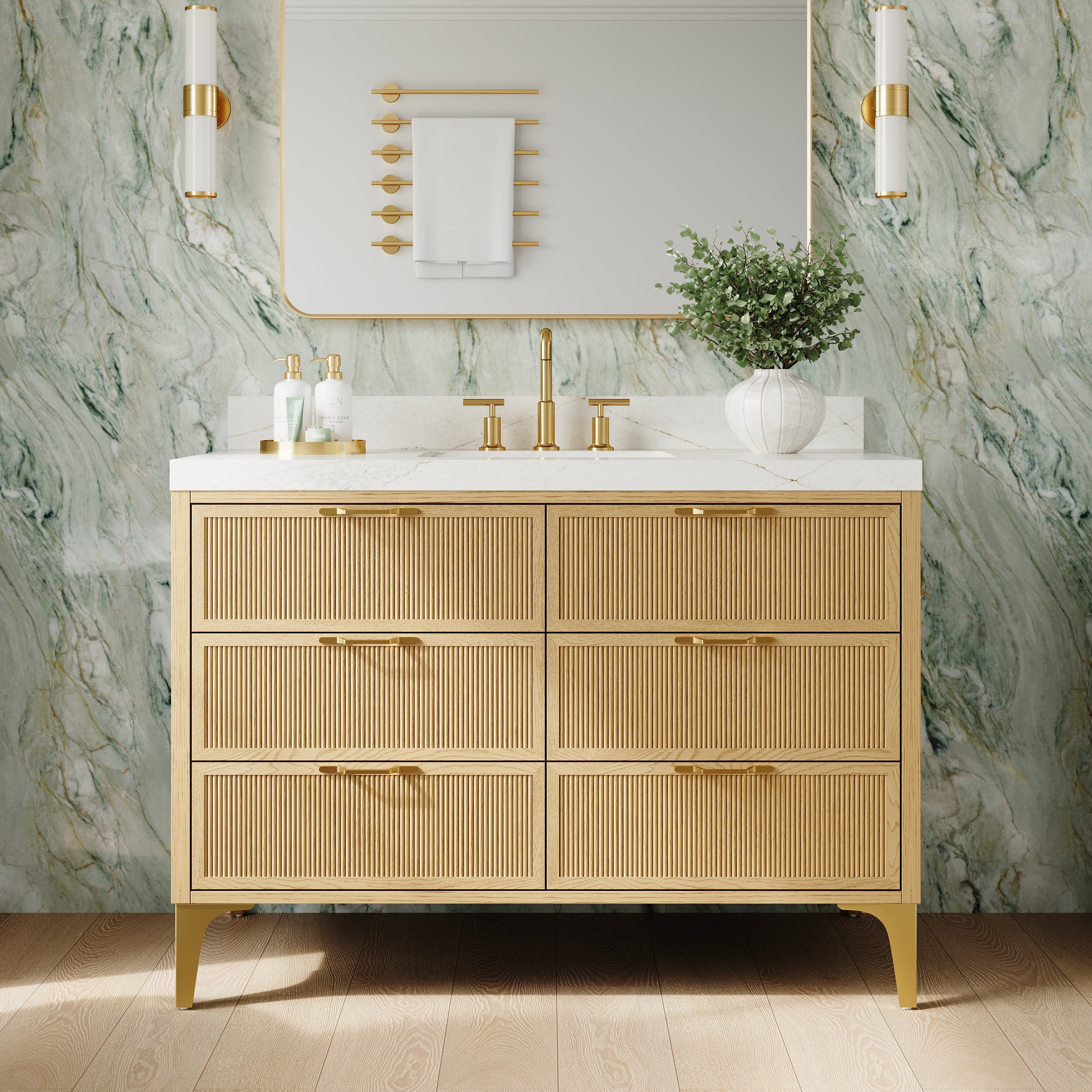
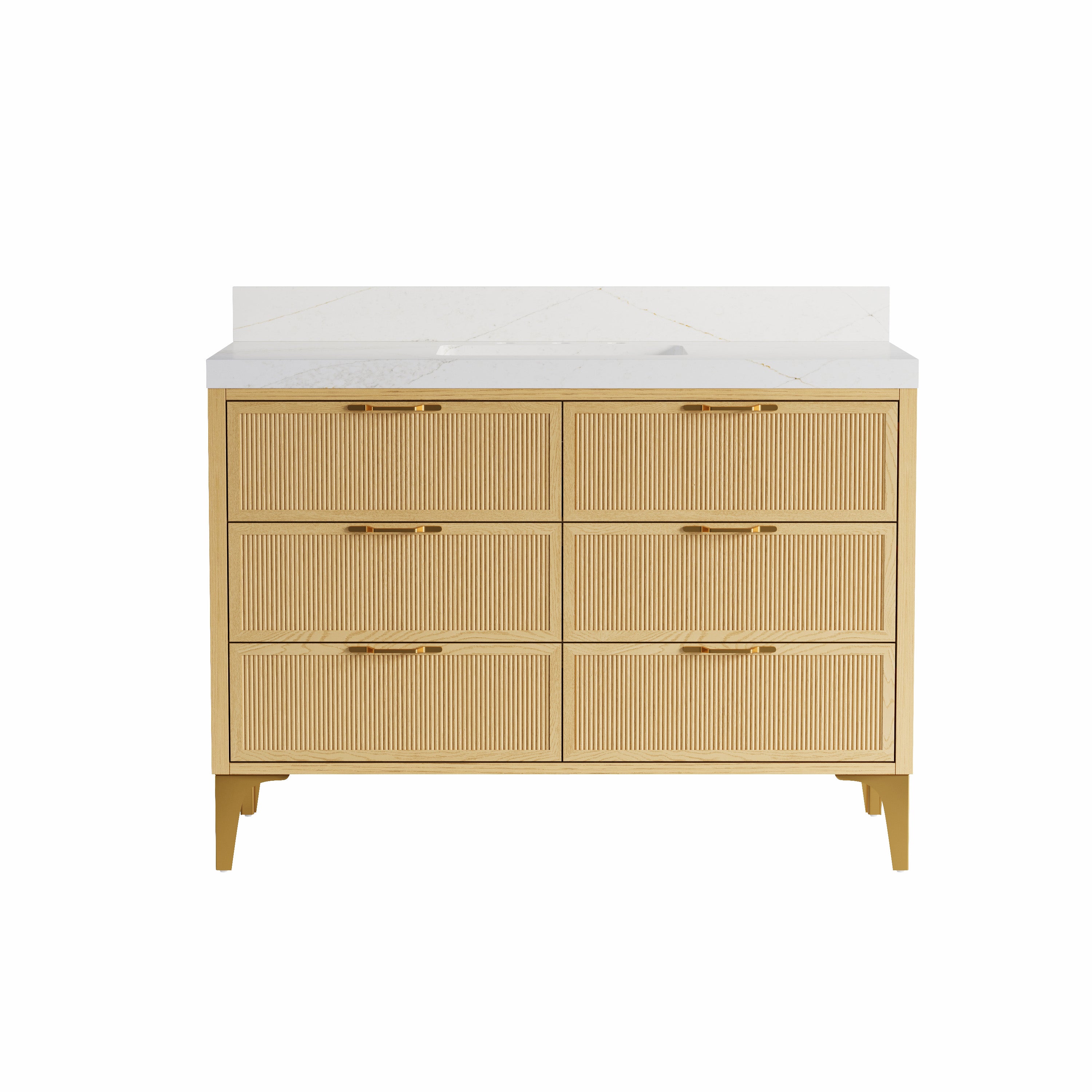


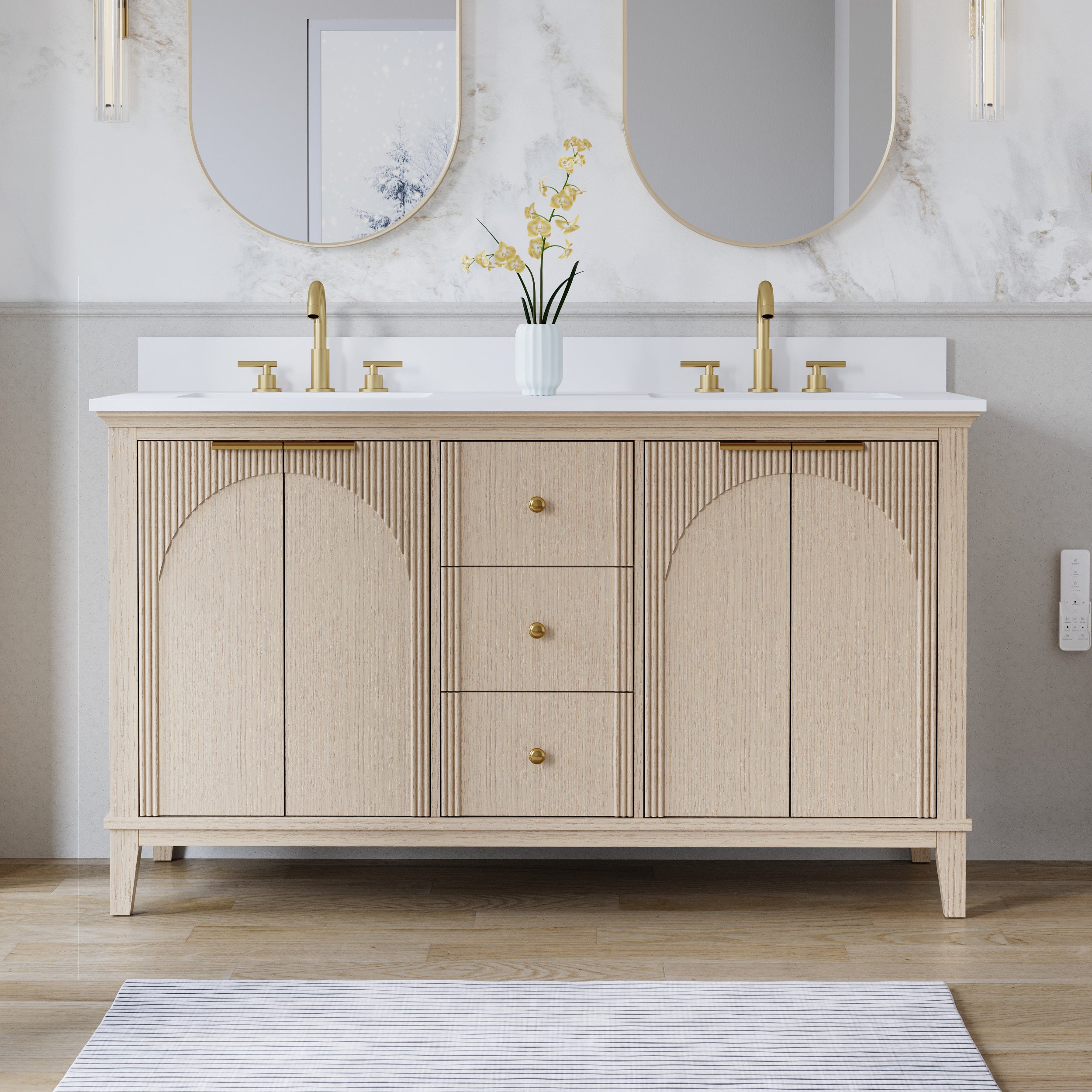
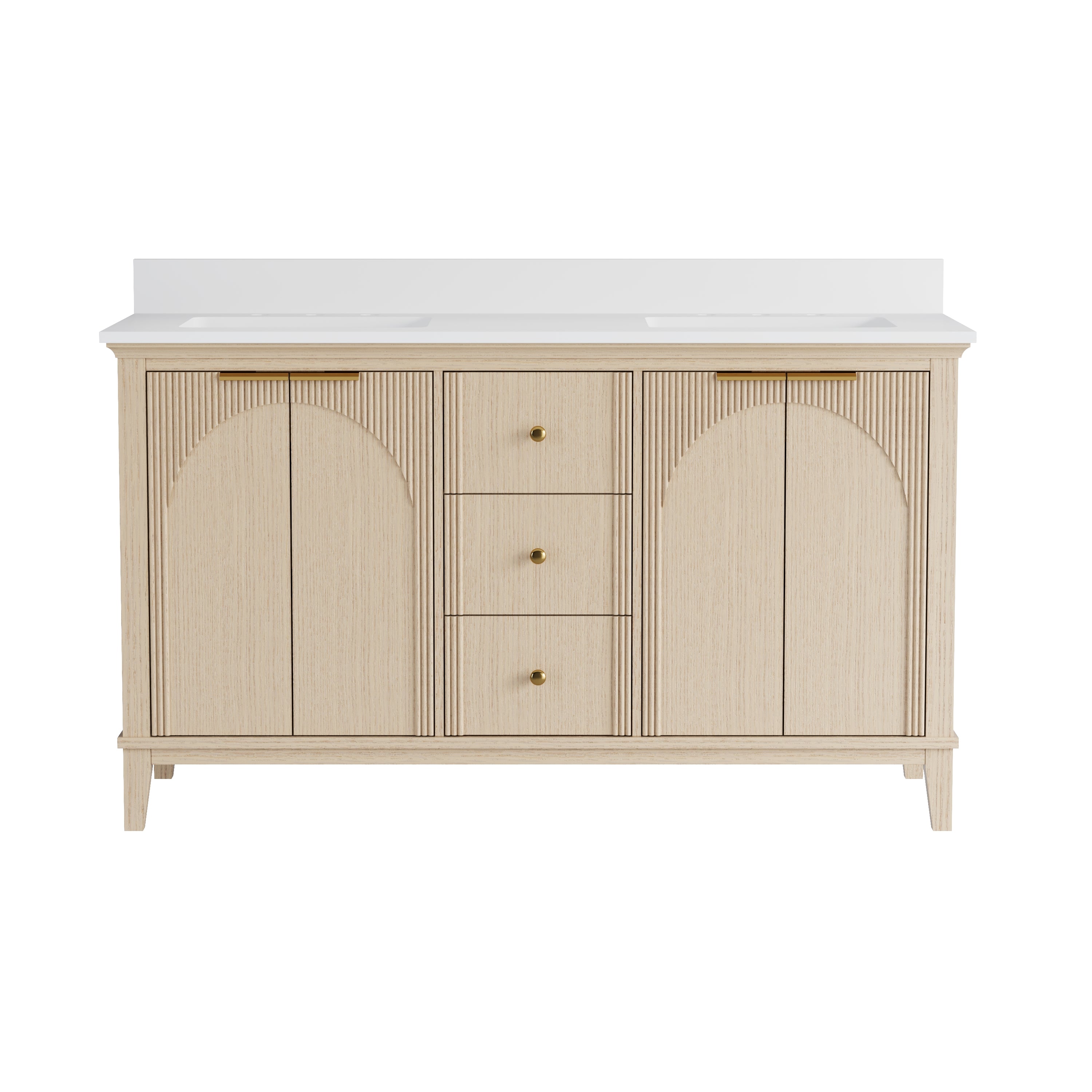
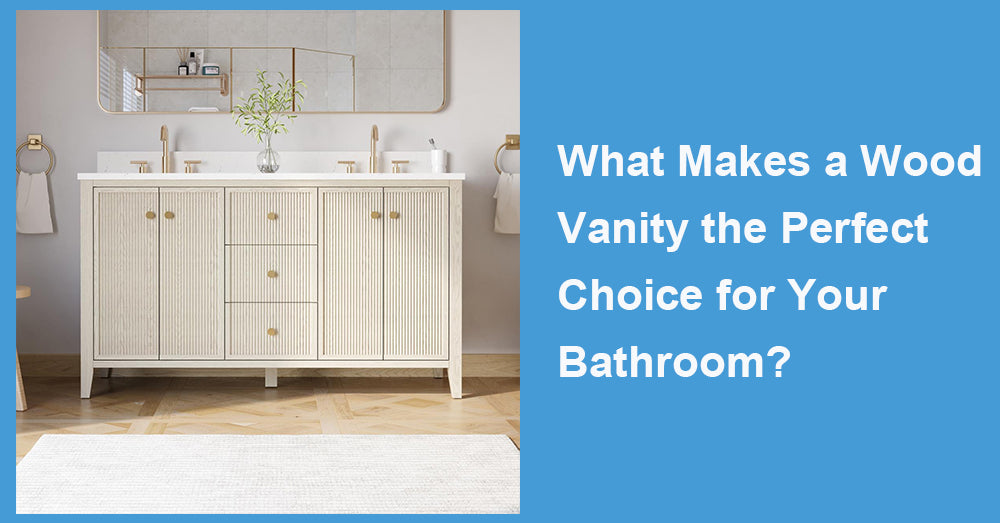
A wood vanity can be the perfect choice for a bathroom because it delivers three things at once: a warmer, more “spa-like” visual feel, durable day-to-day usability, and storage that keeps countertops calmer. Unlike flat, high-gloss cabinetry that can read cold or overly clinical, wood adds natural grain depth and texture that helps the room feel intentional rather than purely functional. The key is choosing the right wood, construction, finish, and moisture strategy so the vanity stays beautiful and stable over years of humidity and daily cleaning.
1. Wood Looks Premium Because It Adds Natural Depth, Not Just Color
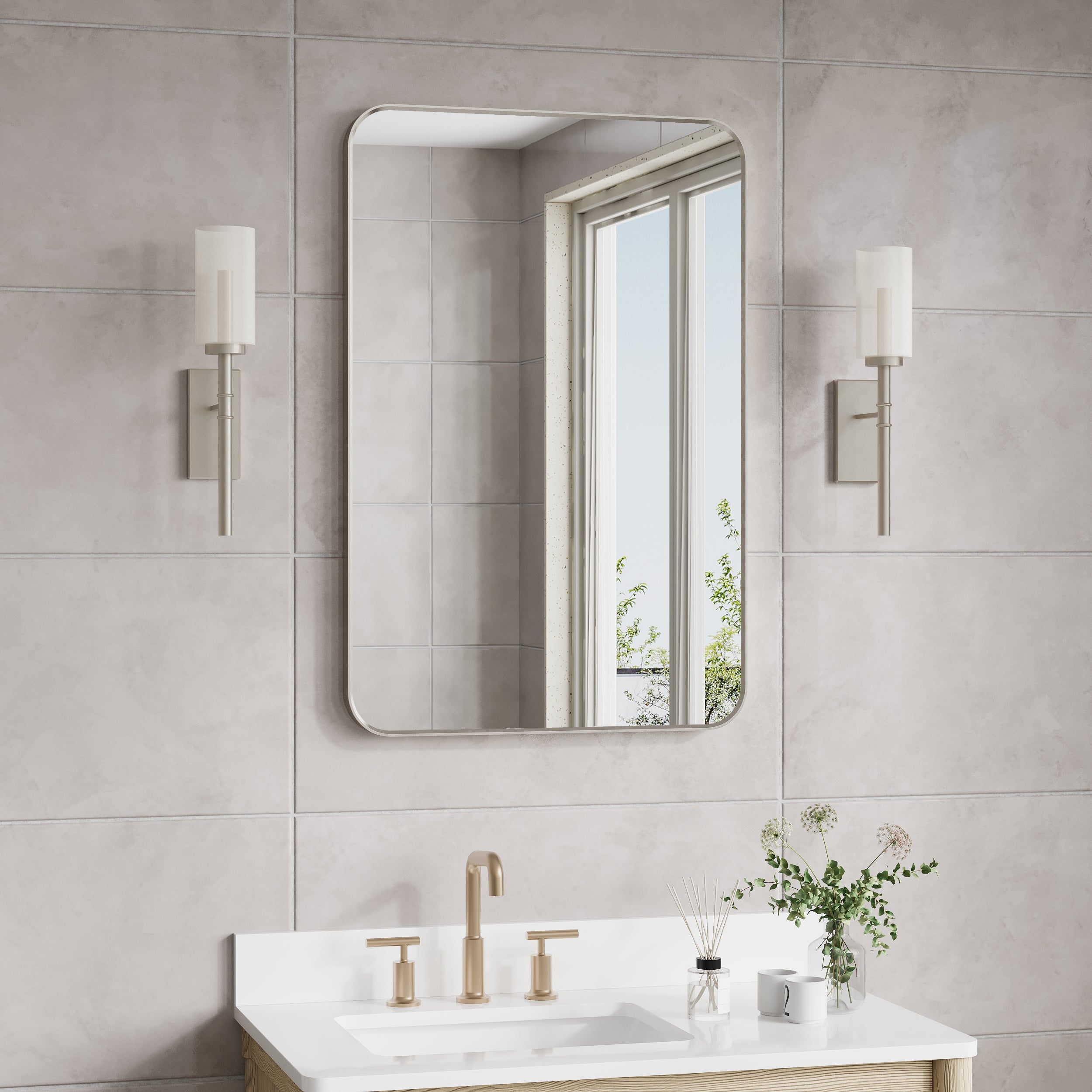
Bathrooms are packed with hard, reflective materials: tile, glass, chrome, stone. Wood balances that with organic variation that changes subtly as lighting shifts through the day. This is one reason wood works across design styles, from modern minimal to classic and transitional. It also makes other finishes look more intentional, because wood acts as a warm anchor for metals and stone.
If you want a bathroom to feel more like a retreat, wood is one of the fastest ways to soften the space without adding clutter. It gives the eye a calmer “resting point,” which can make the entire room feel more composed.
2. Durability Is Not a Guess: Hardness Data Helps You Compare Woods
A bathroom vanity gets bumped by hair tools, drawers, and daily cleaning routines. One practical way to compare how well different wood species resist dents and wear is the Janka hardness test, which measures the force required to embed a 0.444 inch steel ball into wood to half its diameter (Source: Bell Forest Products, Janka hardness explanation).
Hardness values are often listed in pounds-force, and common reference points include:
· Hard Maple: 1,450 lbf.
· White Oak: 1,360 lbf.
· Red Oak: 1,290 lbf.
Higher numbers generally indicate better dent resistance. This does not mean softer woods are “bad,” but it does help you predict which vanity fronts are more likely to stay crisp-looking in busy households.
Practical buying tip: ask what parts are hardwood (door fronts, drawer fronts, face frame) versus engineered panels. Many high-quality vanities use hardwood where you touch and see it most, and stable engineered materials for large panels.
3. The Best Wood Vanities Are Built to Handle Humidity, Not Fight It
Wood moves with moisture changes. The goal is not to find “wood that never moves,” but to choose construction that tolerates movement without cracking or warping.
A well-known Purdue Extension reference explains that wood shrinks and swells greatest in the tangential direction, about half as much radially, and only about 0.1% to 0.2% longitudinally (Source: Purdue Extension, FNR-163 PDF). That directional movement is why quality cabinetry often uses frame-and-panel doors: the panel can move slightly within the frame rather than splitting.
What to look for in construction:
· Frame-and-panel doors rather than one large solid slab that can warp more easily.
· Cabinet boxes that stay square and resist racking.
· Drawer boxes and joinery that remain stable under repeated humidity cycles.
4. Moisture Management Is Part of the Vanity Choice
Even the best-built vanity will age faster in a bathroom that stays damp for hours after showers. The EPA recommends keeping indoor relative humidity below 60%, ideally between 30% and 50%, if possible (Source: EPA Mold Course, Chapter 2).
You do not need to obsess over a humidity meter to benefit from this guidance. Simple habits make a difference:
· Run the exhaust fan during showers and for a period after.
· Avoid leaving standing water along the backsplash and sink edges.
· Wipe pooled water where it repeatedly contacts the vanity finish.
A wood vanity can be a long-term win when the bathroom returns to a drier baseline quickly.
5. Finish Quality Determines Whether Wood Still Looks “Luxury” in Five Years
In a bathroom, the finish is not just appearance, it is protection. A strong finish system helps resist:
· repeated wipe-downs and cleaning products,
· water splashes near sink edges,
· humidity spikes,
· and minor abrasion from daily use.
If you want a low-stress routine, choose a vanity with clear care guidance and a finish designed for wet environments. Also consider the finish sheen:
· Matte can look premium but may show marks sooner.
· Satin can be more forgiving for fingerprints and wiping.
· Very glossy finishes can highlight imperfections and water spots.
The “perfect” choice is the finish you can realistically maintain without babying the vanity.
6. Wood Vanities Make Bathrooms Feel Bigger by Keeping Surfaces Clear
Luxury bathrooms often feel luxurious because they look calm. Calm usually comes from storage that actually works, so products are not permanently staged on the countertop.
Features that increase usable storage in a wood vanity:
· Full-extension drawers so you can reach the back without digging.
· Soft-close hinges and slides for quieter daily use and less wear.
· Deep drawers for bottles and hair tools.
· Built-in dividers or organizers so small items do not become a pile.
A vanity that helps you maintain a “daily zone” and a “backup zone” reduces clutter, which makes the room feel more spacious without changing any square footage.
7. Wood Pairs Easily With High-End Countertops and Hardware
Wood is flexible because it plays well with both warm and cool materials:
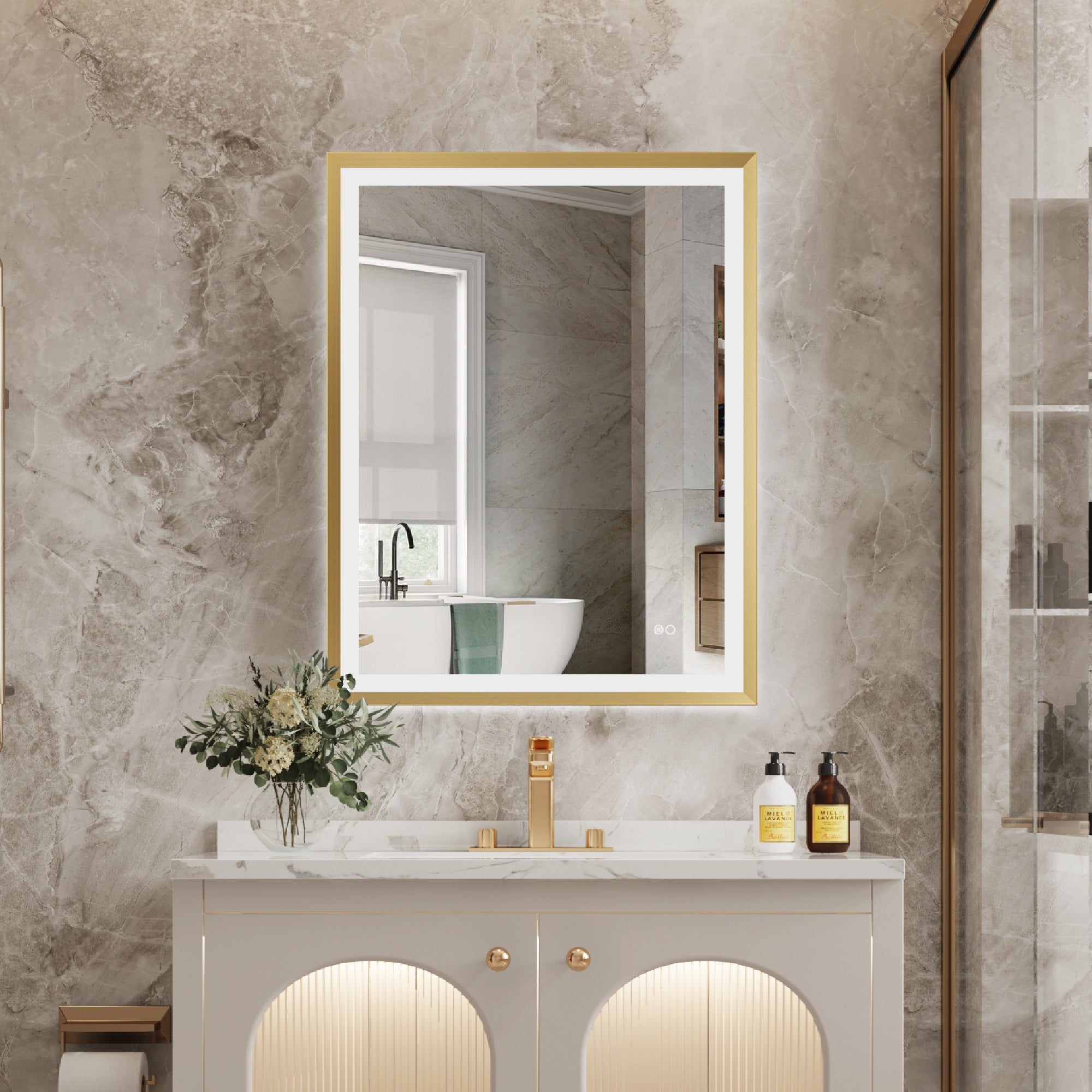
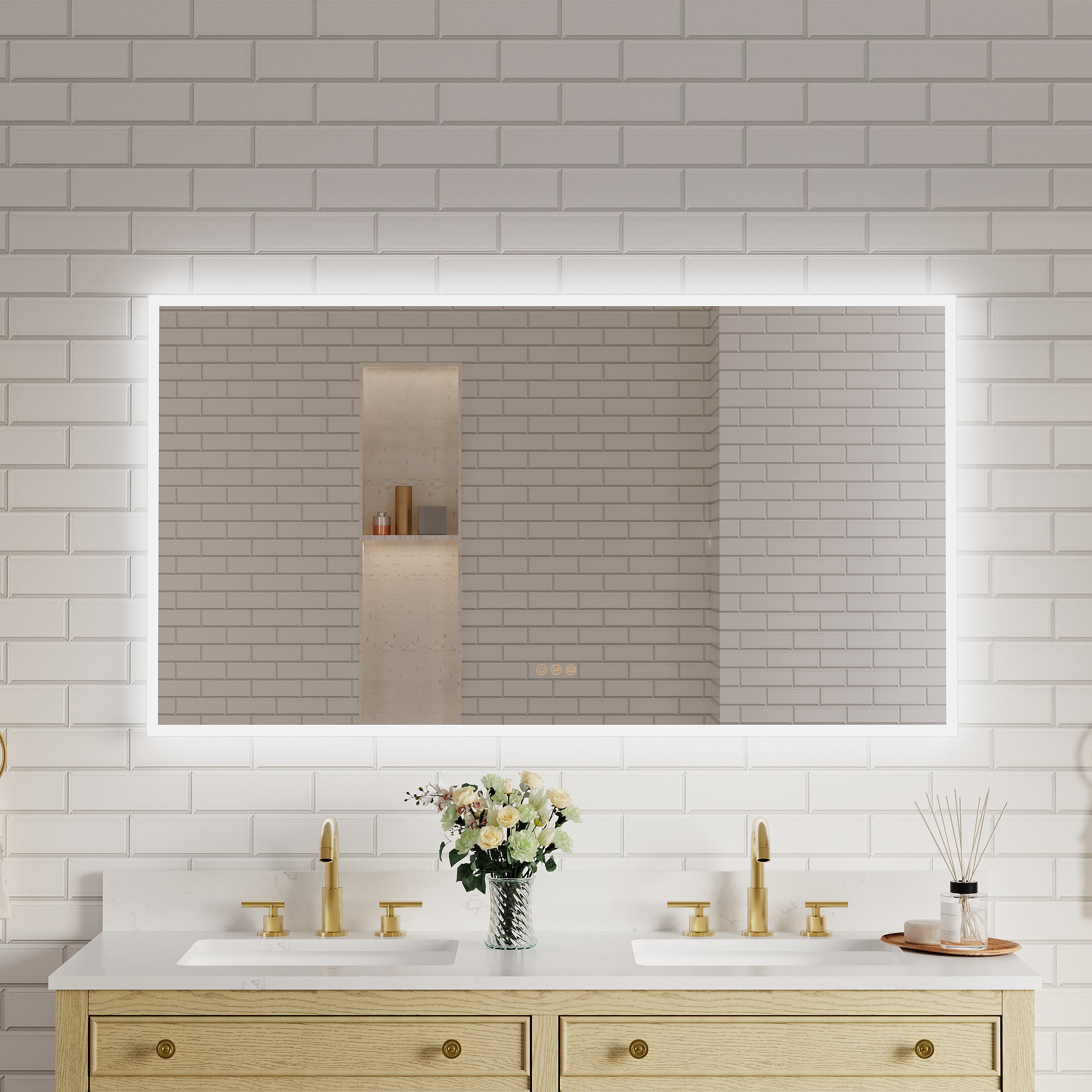
· Stone-look tops (marble-style, quartz patterns) for a classic luxury feel.
· Matte black or brushed nickel for modern contrast.
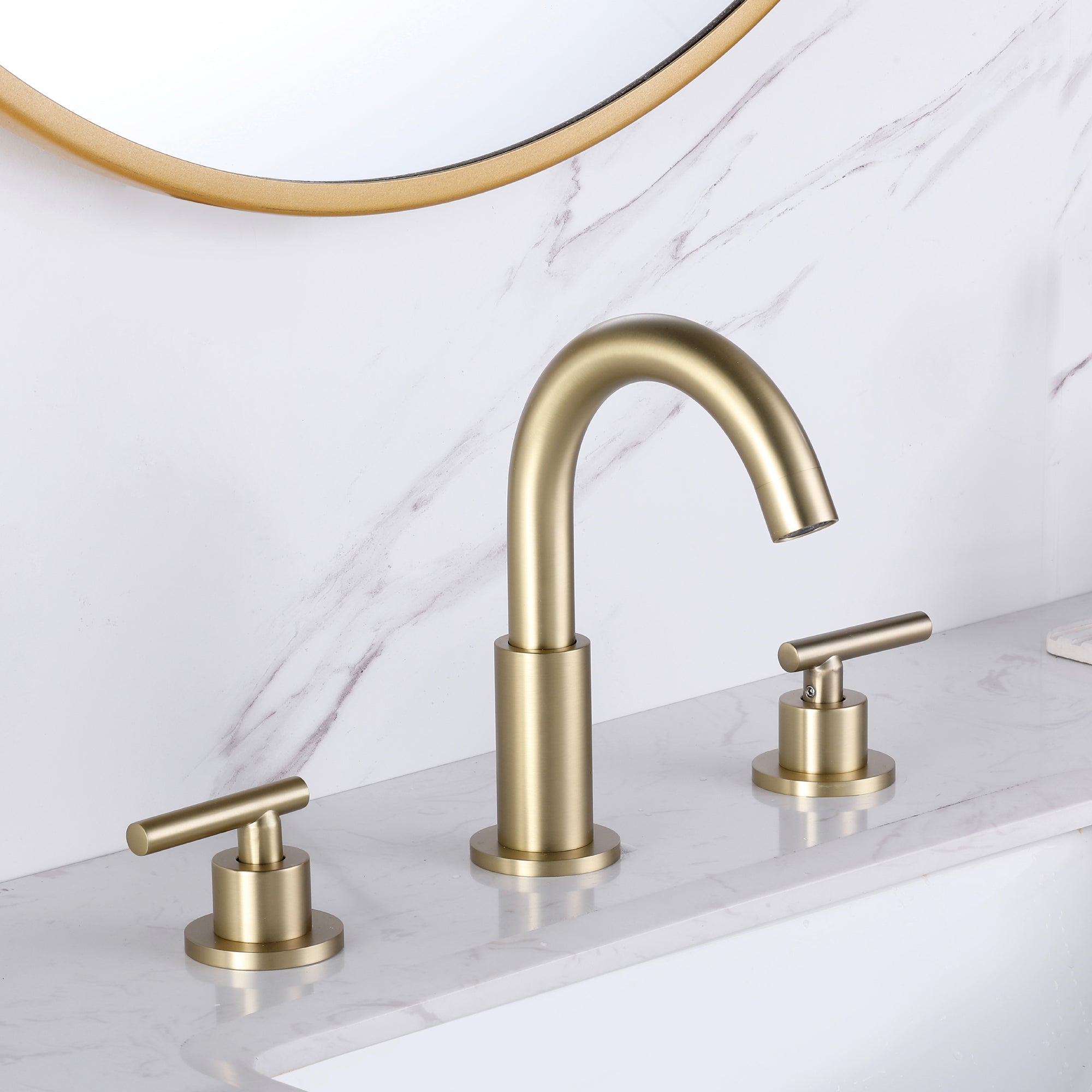
· Warm brass tones for a richer, boutique-hotel look.
The design advantage is that wood can be the warmth while other finishes provide crispness. That balance is a big part of why wood vanities are chosen for bathrooms meant to feel elevated rather than purely utilitarian.
8. Value Thinking: A Vanity Is a High-Impact, Daily-Touch Upgrade
A vanity is not the entire remodel, but it is one of the most visible and frequently used fixtures. Bathroom remodel categories also tend to retain meaningful value in published benchmarks. The 2025 Cost vs. Value Report lists “Bath Remodel | Universal Design” at 61% cost recouped (Source: JLC 2025 Cost vs. Value Report).
This does not mean you should buy only for resale. It supports a practical point: choosing a timeless, durable vanity material is rarely wasted effort, because the vanity is both a daily-touch item and a major visual anchor.
9. A Copy-Friendly Checklist for Choosing the Right Wood Vanity
Use this checklist before you buy:
· Wood species and dent resistance: compare Janka values like Hard Maple 1,450 lbf, White Oak 1,360 lbf, Red Oak 1,290 lbf (Source: Osborne Wood Janka chart).
· Construction that tolerates movement: wood movement direction and 0.1% to 0.2% longitudinal shrinkage guidance (Source: Purdue Extension FNR-163).
· Humidity plan: keep RH below 60%, ideally 30% to 50% when possible (Source: EPA Mold Course Chapter 2).
· Finish strategy: choose a finish you can maintain with realistic cleaning habits.
· Storage design: drawers, full extension slides, organizers, and soft close hardware.
· Support and serviceability: replacement parts availability for hinges and slides, and clear warranty terms.

Conclusion
A wood vanity can be the perfect choice because it makes the bathroom feel warmer and more refined while staying practical for everyday life. With measurable durability clues like Janka hardness values (Source: Osborne Wood). and real-world construction guidance on how wood moves with moisture (Source: Purdue Extension FNR-163). you can choose a vanity that holds up, not just one that looks good in photos. Pair that with humidity control targets below 60% RH (Source: EPA). and a finish you can maintain, and wood becomes a long-term upgrade that improves both the look and the daily routine of your bathroom.











Leave a comment
This site is protected by hCaptcha and the hCaptcha Privacy Policy and Terms of Service apply.