














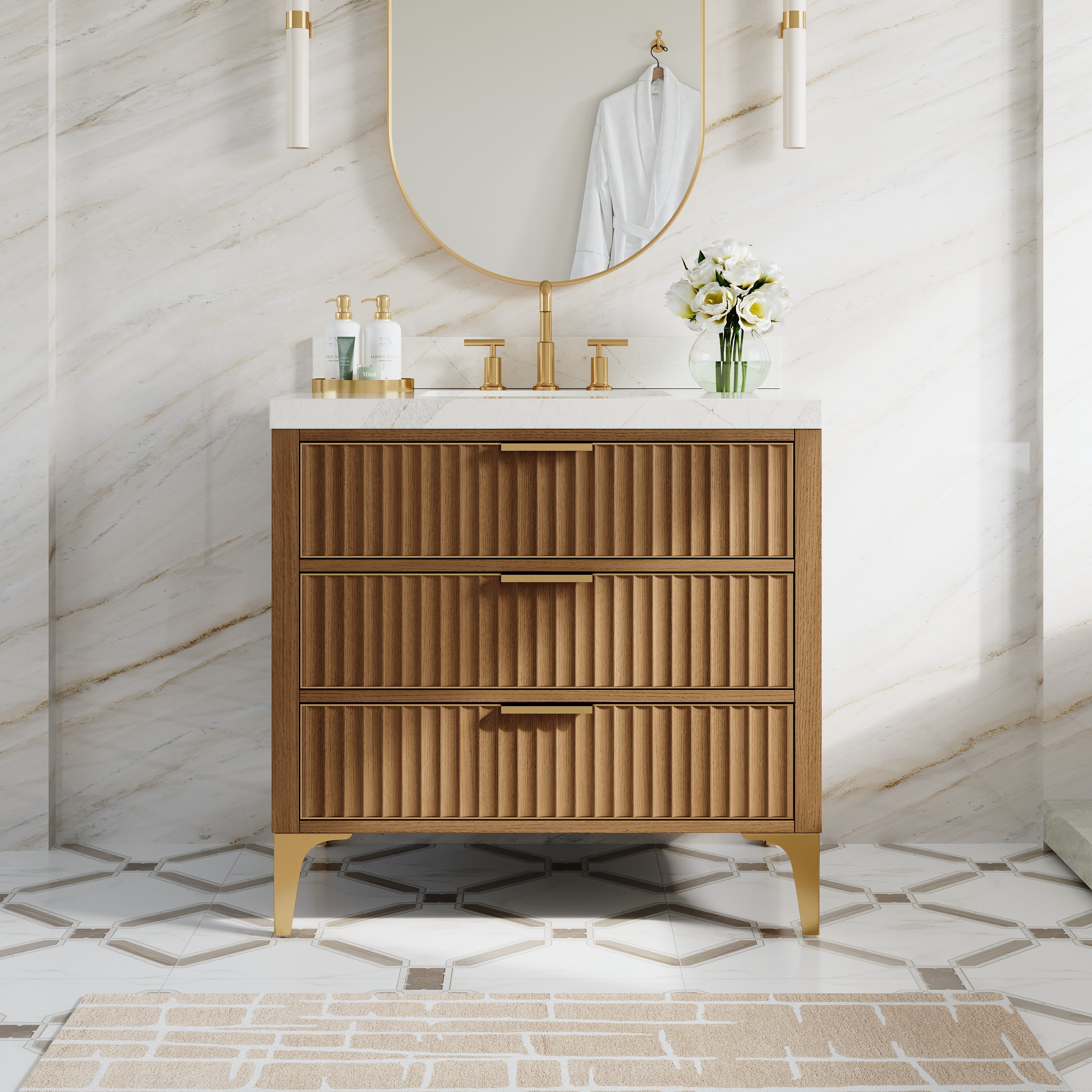
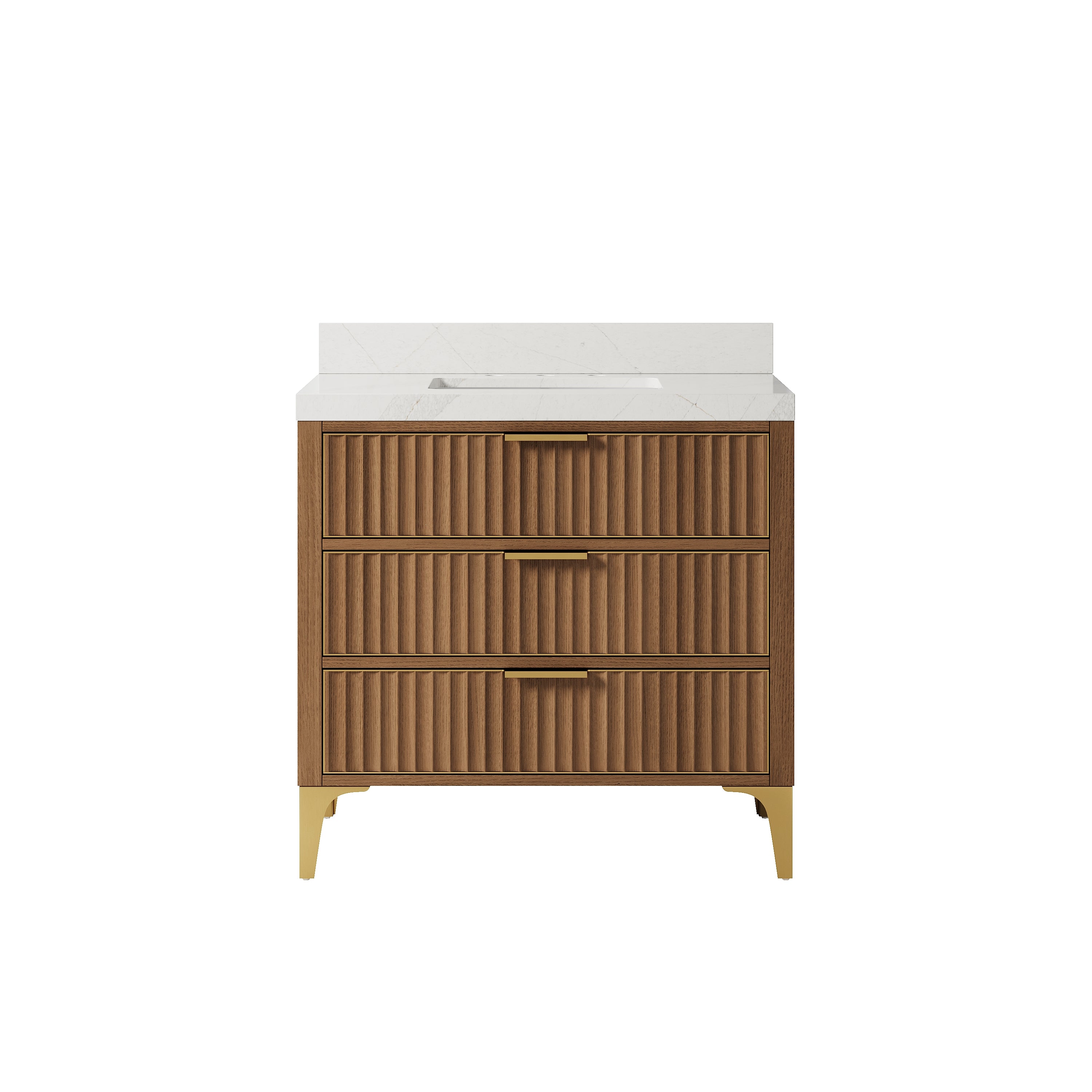
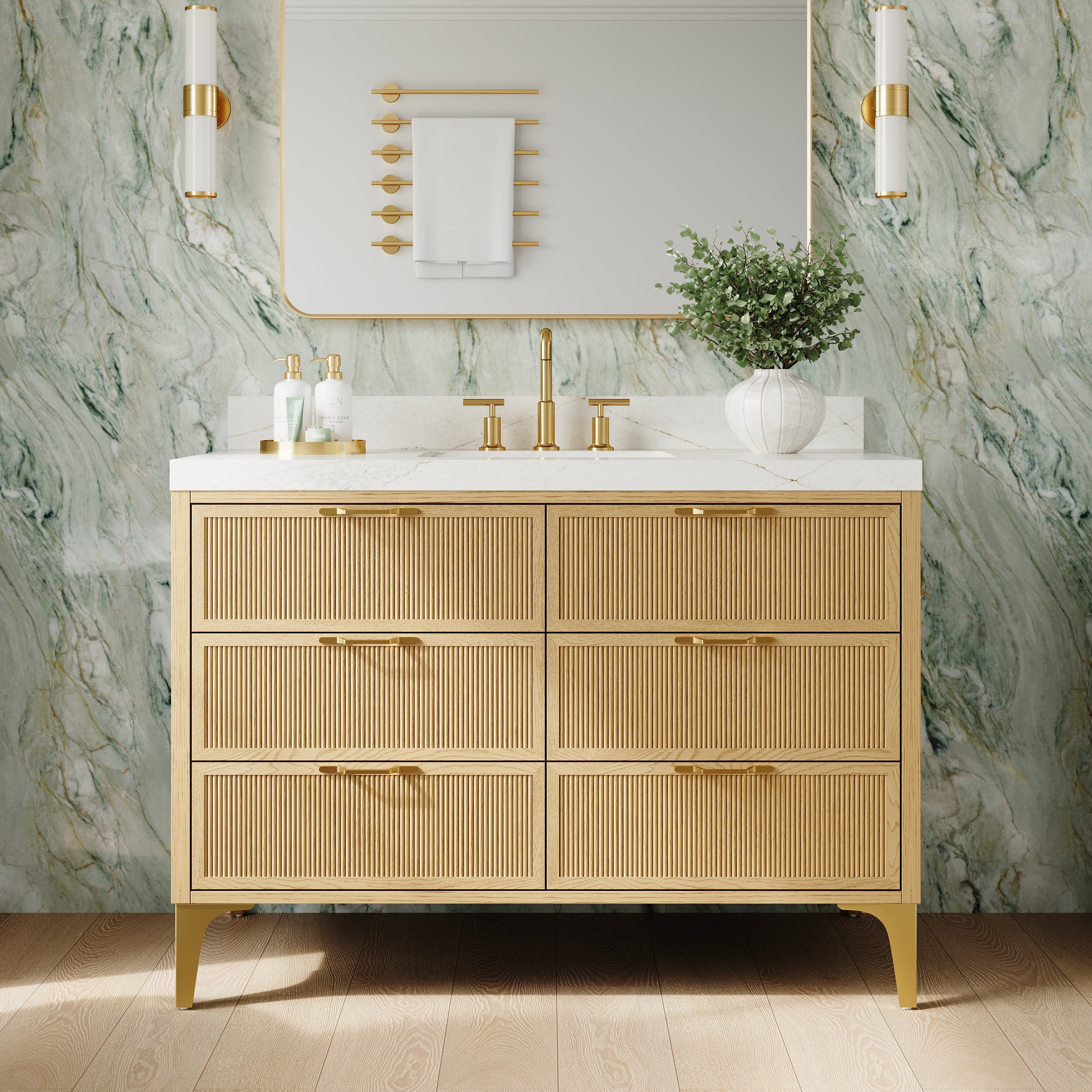
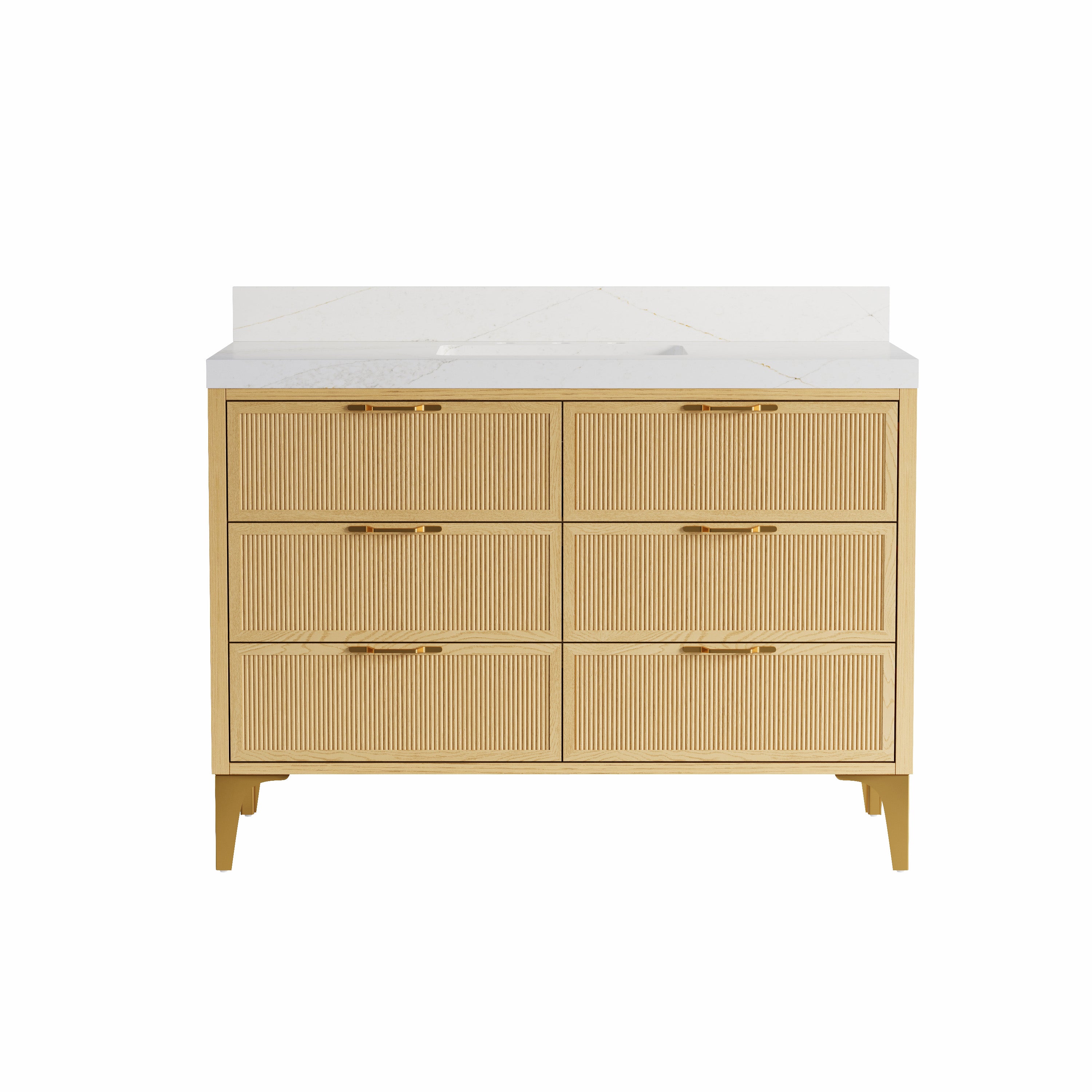


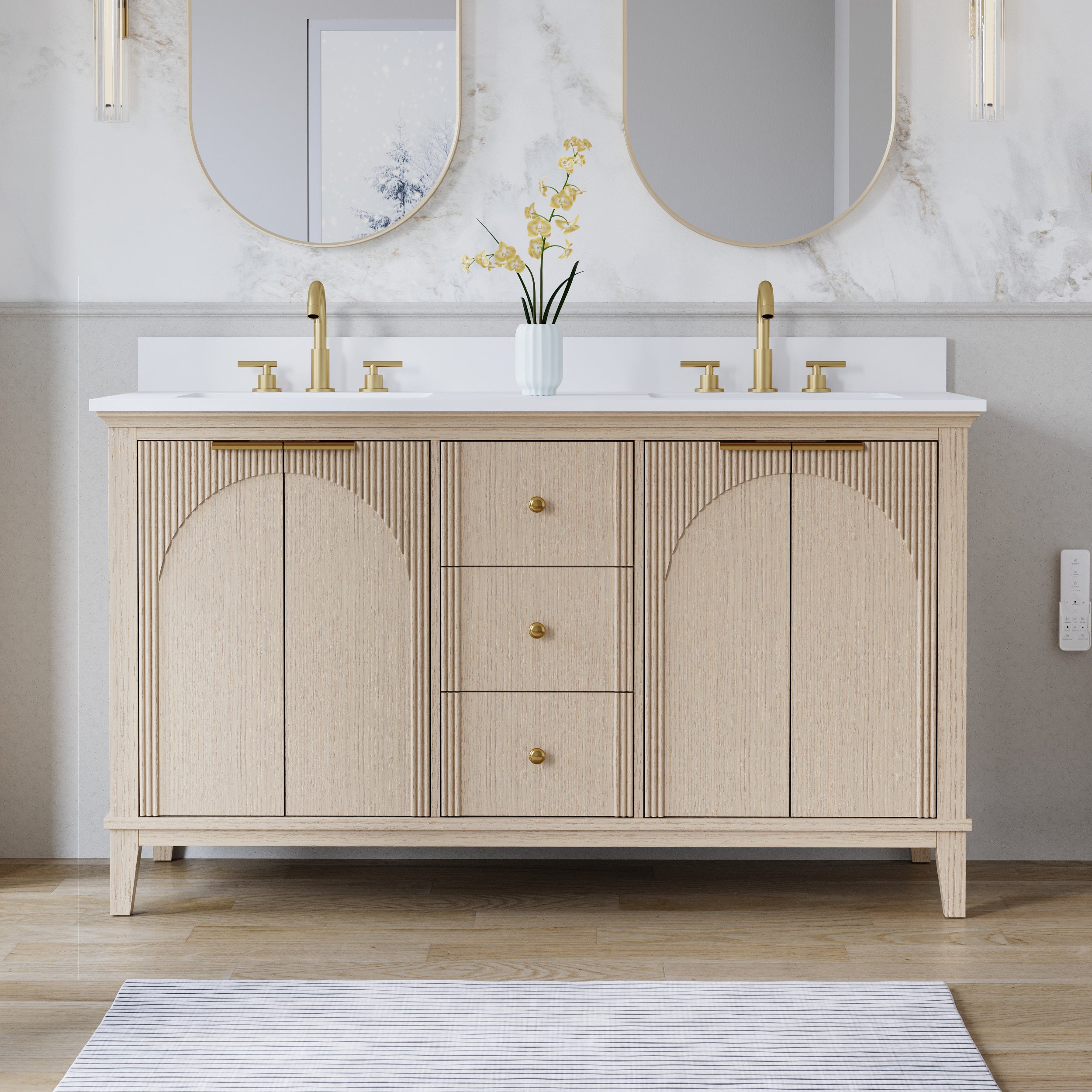
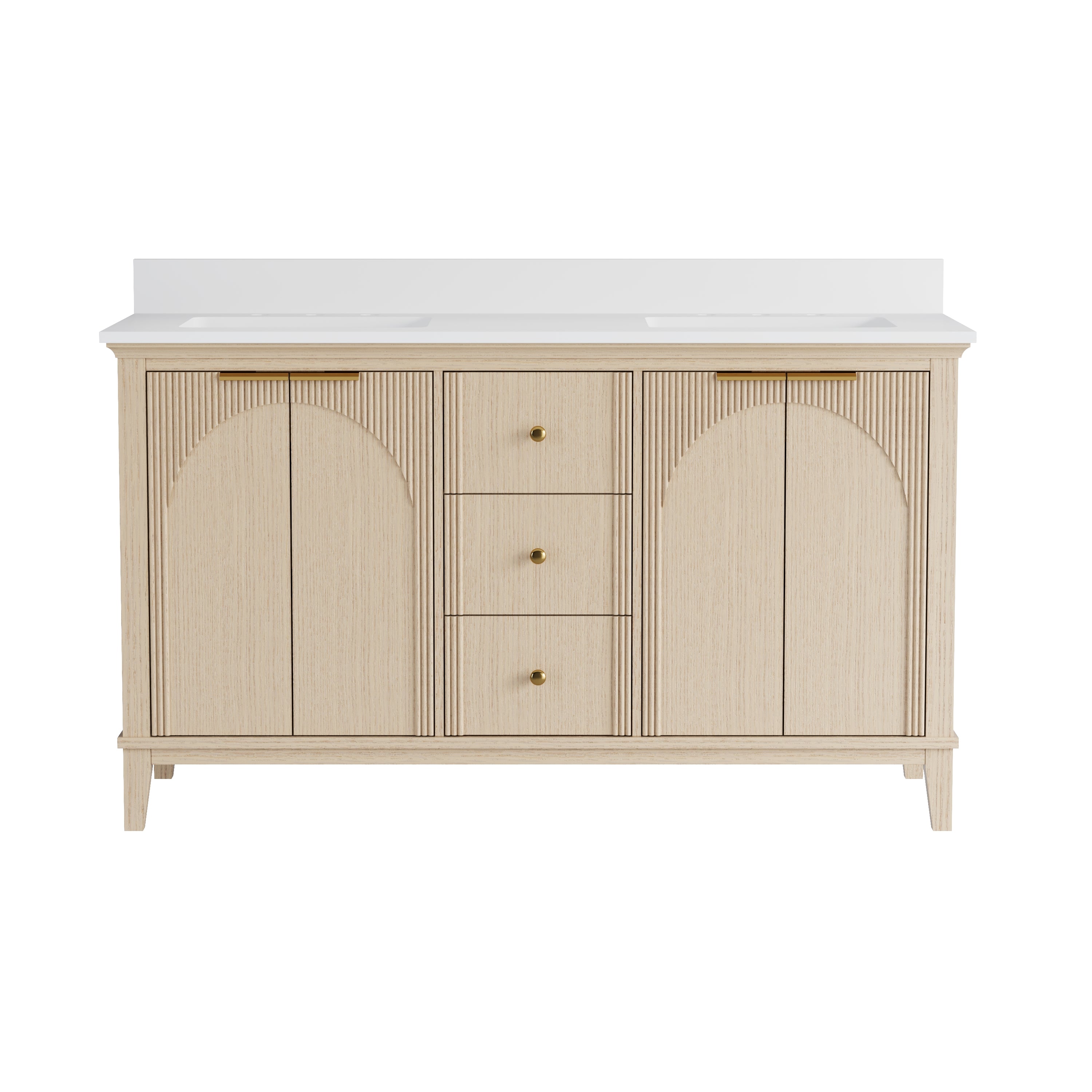
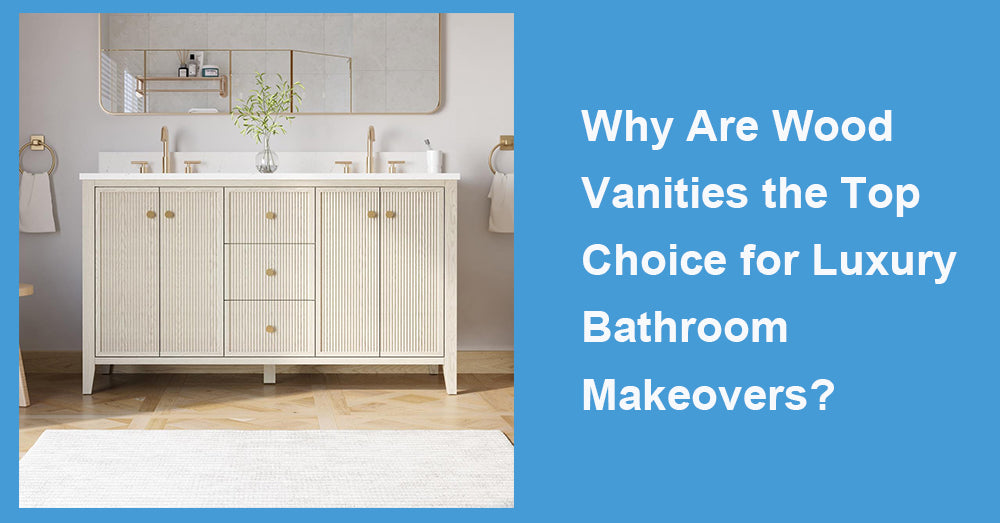
A wood vanity is often the centerpiece of a luxury bathroom makeover because it delivers something hard to replicate with painted composites or all-metal builds: natural depth, warm texture, and a “crafted” presence that makes the entire room feel more premium. Beyond aesthetics, well-made wood vanities can also perform extremely well in daily use—when the species, construction, finish system, and moisture strategy are chosen correctly. The result is a bathroom that looks elevated on day one and still feels solid years later.
1. Wood Looks Expensive Because It Has Natural Depth and Variation
Luxury design is rarely about one flashy element; it’s about materials that hold up under close inspection. Real wood grain has subtle variation in tone and pattern that changes with lighting throughout the day. That shifting depth makes a vanity feel architectural rather than “flat.” Even modern minimalist bathrooms benefit from wood because it adds warmth without adding visual clutter.
In makeovers, the vanity also carries a disproportionate share of the room’s visual weight. It sits at eye level, anchors the mirror and lighting, and defines the style language (modern, transitional, classic). Wood reads as intentional and substantial, especially when paired with restrained hardware and a high-quality countertop.
2. Durability Gets Real When You Compare Hardness (Not Just “Wood vs. Not Wood”)
Daily bathroom life is full of small impacts—drawer pulls, hair tools bumping corners, kids leaning on doors, and constant wiping. One practical way to compare dent resistance across wood species is the Janka hardness rating, which measures how much force is required to embed a steel ball into the wood (Source: PreciseBits, Janka hardness test explanation).
Here are common benchmark ratings used in flooring and cabinetry discussions:
· Hard Maple: 1,450 lbf (Source: Bruce Hardwood, Janka hardness chart)
· White Oak: 1,360 lbf (Source: Bruce Hardwood, Janka hardness chart)
· Red Oak: 1,290 lbf (Source: Bruce Hardwood, Janka hardness chart)
Higher Janka numbers generally indicate better resistance to dents and wear. This is one reason hardwood vanities (or hardwood door fronts and face frames) feel more “luxury”: they stay crisp-looking longer with normal use.
Practical takeaway: Ask what parts are hardwood (doors/drawer fronts/face frame) versus what parts are engineered (side panels, cabinet box). A premium vanity often uses hardwood where you touch and see it, and stable engineered materials where large flat surfaces need to resist warping.
3. Luxury Performance Means Respecting Humidity Physics (Wood Movement Is Real)
Bathrooms swing between dry and steamy conditions, and wood responds to moisture changes by expanding and contracting. The best vanities don’t “fight” this reality—they’re built to accommodate it.
Wood movement isn’t equal in all directions. Furniture engineering guidance explains that wood movement is greatest tangentially, about half as much radially, and very small longitudinally (Source: Purdue Extension, FNR-163 “The Shrinking and Swelling of Wood and Its Effect on Furniture”). This is why high-quality doors often use frame-and-panel construction: the panel can move slightly without cracking the frame.
Humidity control also matters for longevity. Moisture guidance commonly recommends keeping indoor relative humidity below 60%, ideally 30%–50% when possible (Source: U.S. EPA, Mold Course Chapter 2). Bathrooms will spike higher during showers, but a strong exhaust fan and good habits help the room return to a safer baseline. That protects wood finishes, reduces swelling risk, and helps hardware resist corrosion.
4. High-End Wood Vanities Win on Construction, Not Marketing Labels
“Solid wood” sounds luxurious, but the best long-term performance often comes from smart construction, not a simplistic materials checklist.
A premium vanity often includes:
· Hardwood door frames + stable panels (movement-friendly design)
· Quality plywood cabinet boxes (strong fastener holding, stable in humidity)
· Well-built drawer boxes (joinery that stays square under repeated cycling)
· Soft-close hinges and slides (reduces slamming stress and wear)
A vanity can be “real wood” and still be poorly built if it lacks stable joinery, proper reinforcement, or moisture-protective finishing. Luxury is the combination of material and engineering.
5. Finish Quality Is What Keeps Wood Looking Luxury After Thousands of Wipes
In a bathroom, the finish system is the first line of defense. A luxury vanity isn’t only about a beautiful stain or paint color—it’s about how the finish resists:
· water splashes and sink-edge pooling
· cleaning products and repeated wiping
· humidity cycles and condensation
A high-quality finish helps seal the surface so moisture doesn’t penetrate easily. It also maintains a consistent sheen and color over time, which is a big part of the “high-end” look.
Practical habit that protects any finish: wipe standing water near sink edges and around the faucet base. Even the best finishes degrade faster when water repeatedly pools at seams.
6. Wood Vanities Make Luxury Feel Organized (Because Storage Design Matters)
Luxury bathrooms look calm. That calm is usually created by storage that keeps counters clear.
Wood vanities often offer stronger cabinet-style storage options, such as:
· deeper drawers for bottles and hair tools
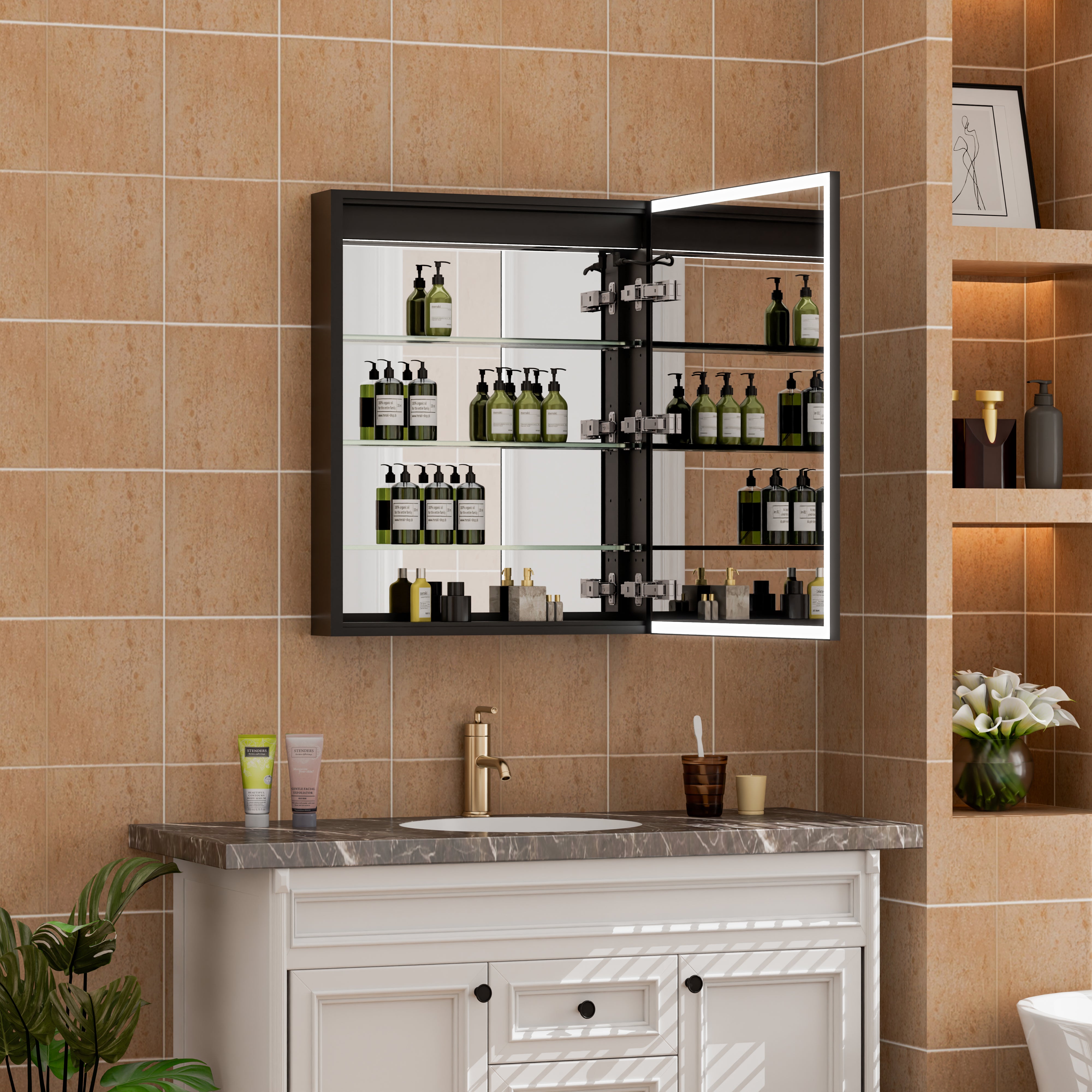
· interior organizers that prevent clutter piles
· full-extension drawer slides that improve access
· soft-close hardware that makes daily use feel refined
This is where wood vanities become more than décor: they make routines easier. When storage works, the room stays cleaner—and the “luxury” look lasts between cleanings.
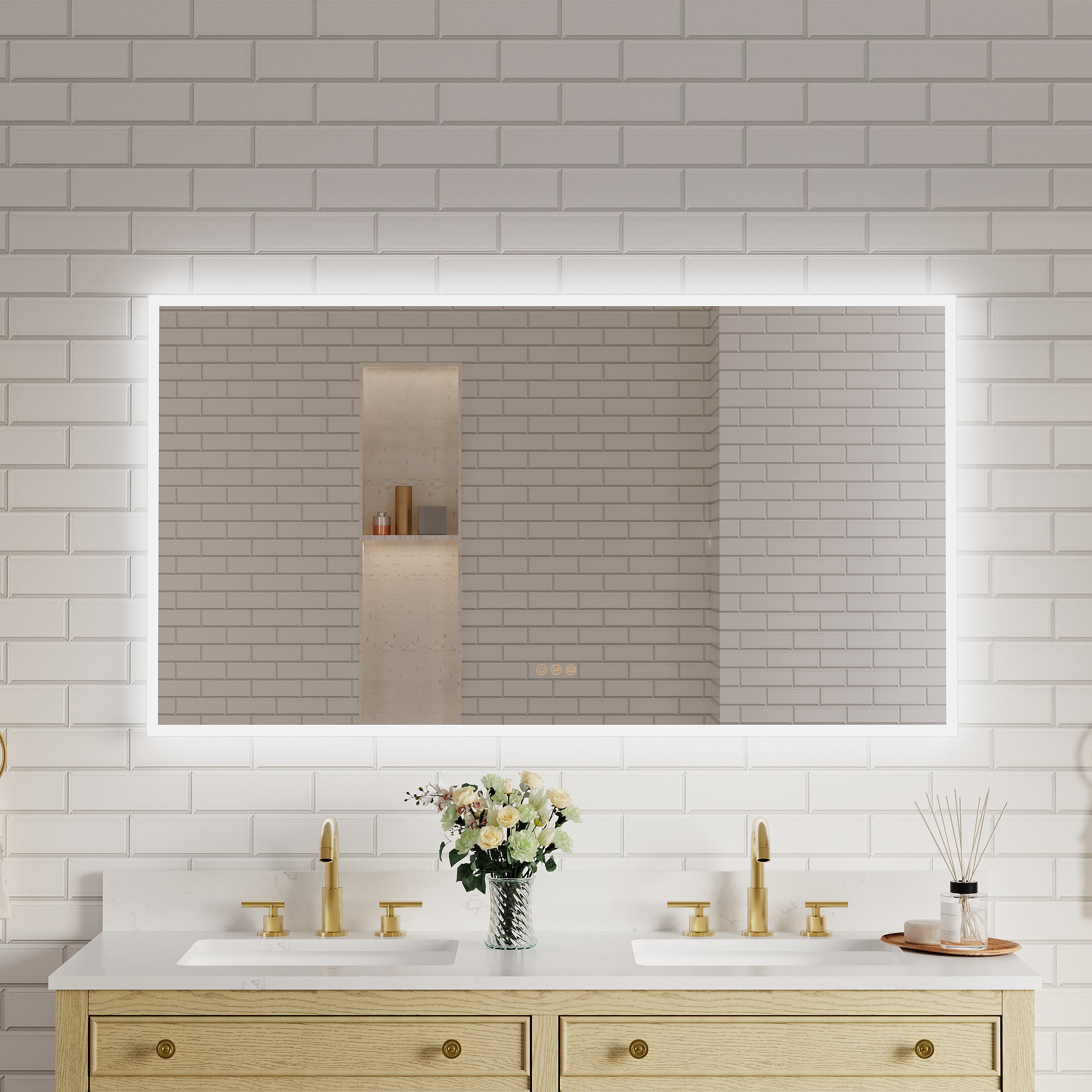
7. Wood Pairs Beautifully With Premium Countertops and Fixtures
Wood’s versatility is one reason it dominates luxury makeovers. It pairs well with:
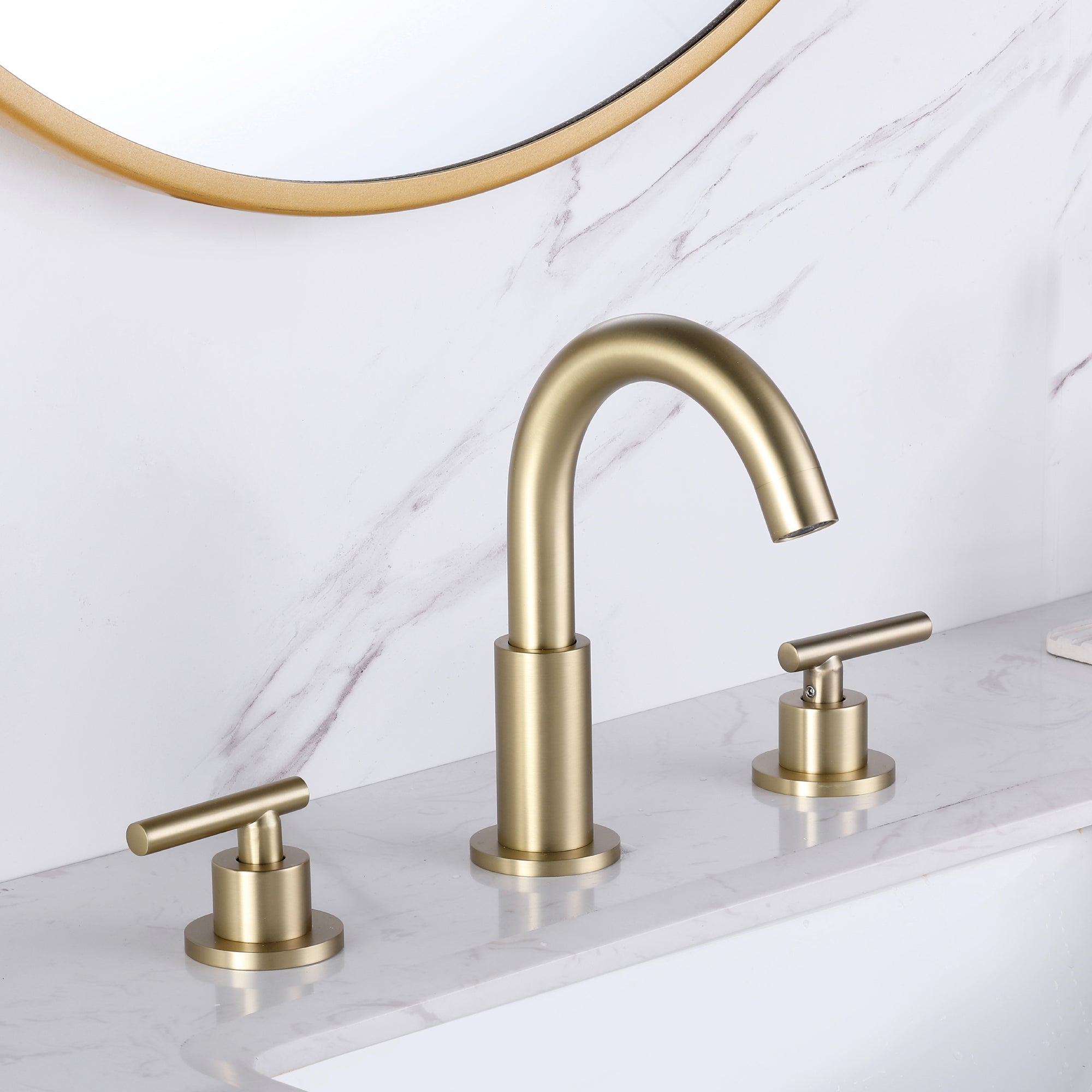
· stone or stone-look tops (marble-inspired patterns, quartz, granite)
· matte black, brushed nickel, or warm brass hardware
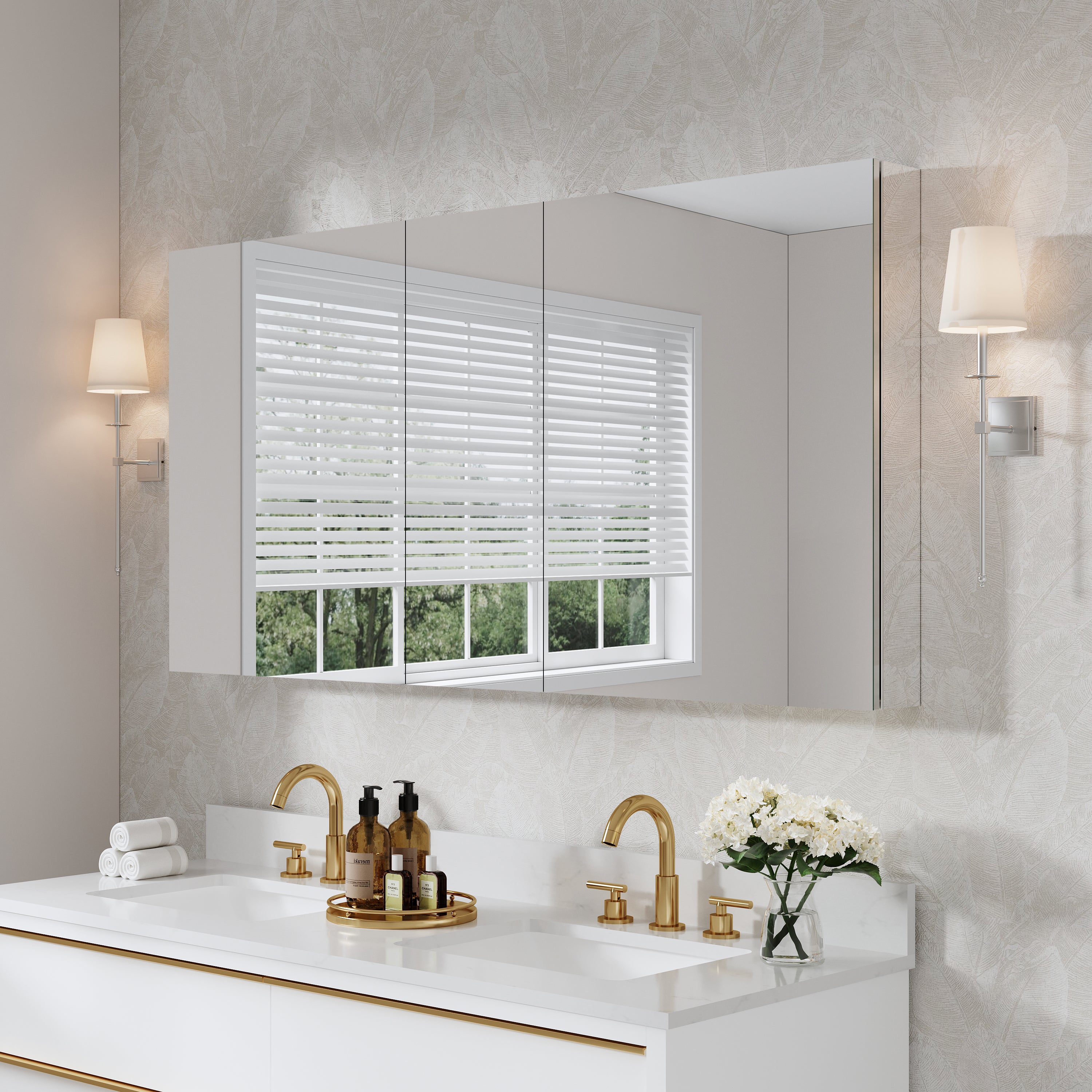
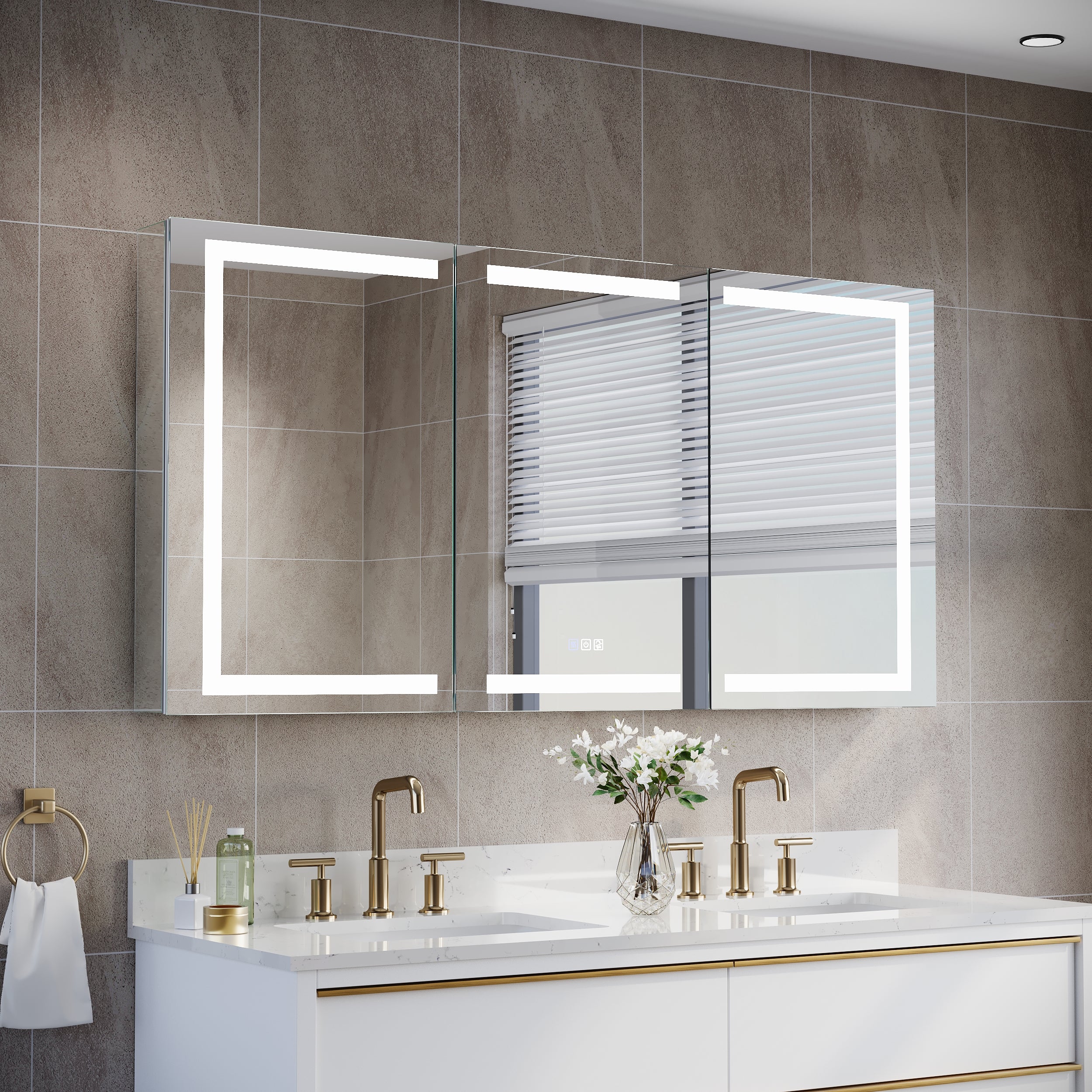
· modern mirrors and layered lighting
The key is balance: wood adds warmth, while stone and metal add crispness. Together, they create a deliberate, curated feel.
8. They Support “Value Thinking” in Renovations
Luxury upgrades are emotional, but they’re also investments. Bathroom improvements often retain meaningful value depending on scope and market conditions. A widely referenced remodeling benchmark reports a “Bath Remodel | Universal Design” recouping about 61% on average (Source: JLC, 2025 Cost vs. Value Report). While every project differs, this supports a practical point: selecting a durable, well-built vanity is part of making a makeover feel worthwhile long after the reveal moment.
9. A Quick “Luxury Wood Vanity” Checklist (Copy-Friendly)
Before buying, use this shortlist:
· Species and durability: ask what wood is used in doors/drawer fronts; compare hardness benchmarks like maple/oak if durability matters (Source: Bruce Hardwood Janka chart; PreciseBits Janka test explanation).
· Construction: frame-and-panel doors; stable cabinet box (often quality plywood); strong drawer joinery.
· Hardware: soft-close hinges and full-extension slides for daily comfort.
· Finish system: moisture-resistant finish with clear care guidance; avoid standing water at seams.
· Humidity strategy: strong ventilation; aim for RH below 60% and ideally 30%–50% outside shower spikes (Source: U.S. EPA Mold Course Chapter 2).
· Serviceability: replacement parts availability (hinges, slides, handles) and clear warranty terms.

Conclusion
Wood vanities lead luxury bathroom makeovers because they deliver both visual richness and long-term satisfaction when chosen wisely. Natural grain adds depth that feels expensive, harder species resist daily wear, and quality construction handles humidity-driven movement instead of failing under it. Add a durable finish system, practical storage, and good ventilation habits, and a wood vanity becomes the kind of upgrade that looks refined in photos—and feels even better in everyday life.












Leave a comment
This site is protected by hCaptcha and the hCaptcha Privacy Policy and Terms of Service apply.