














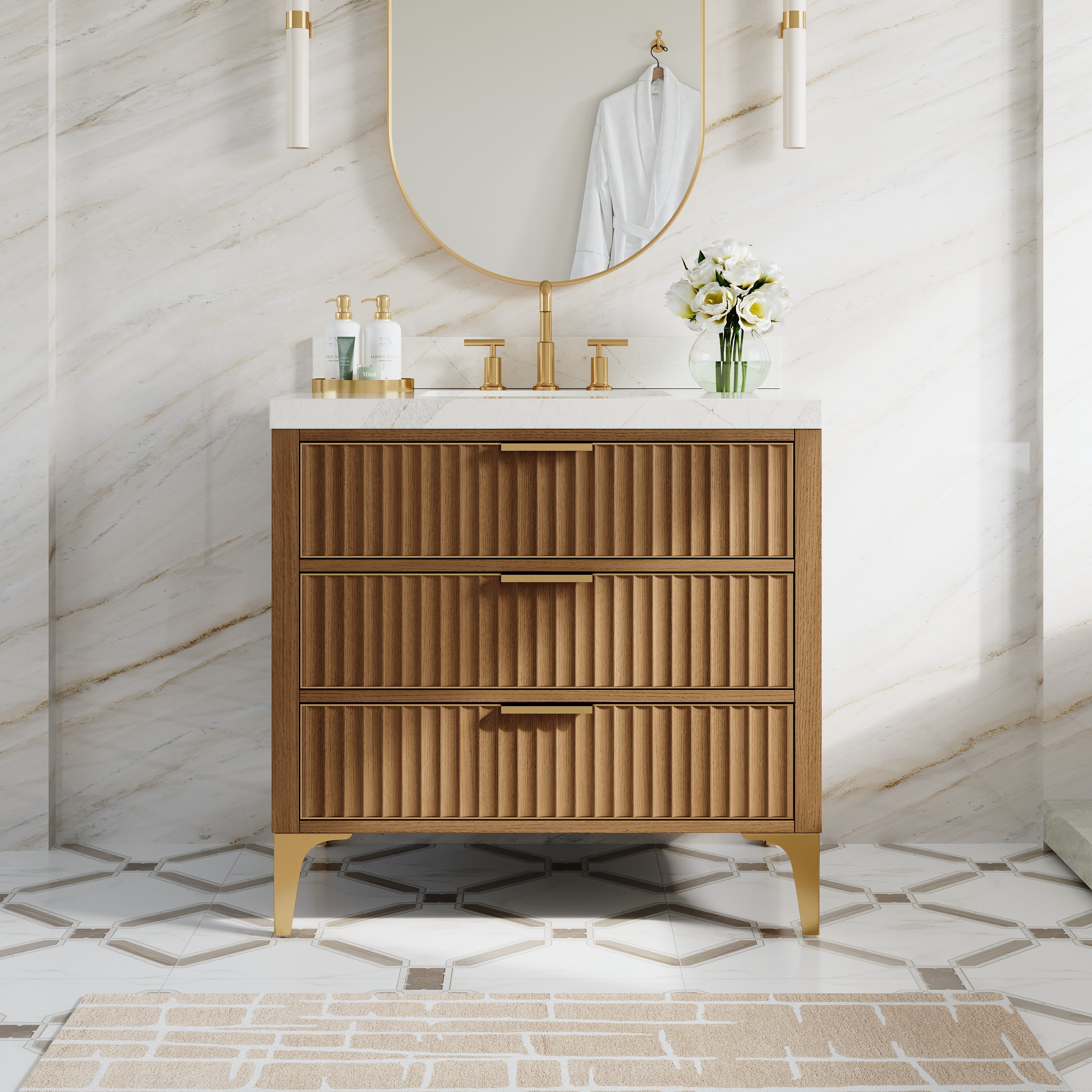
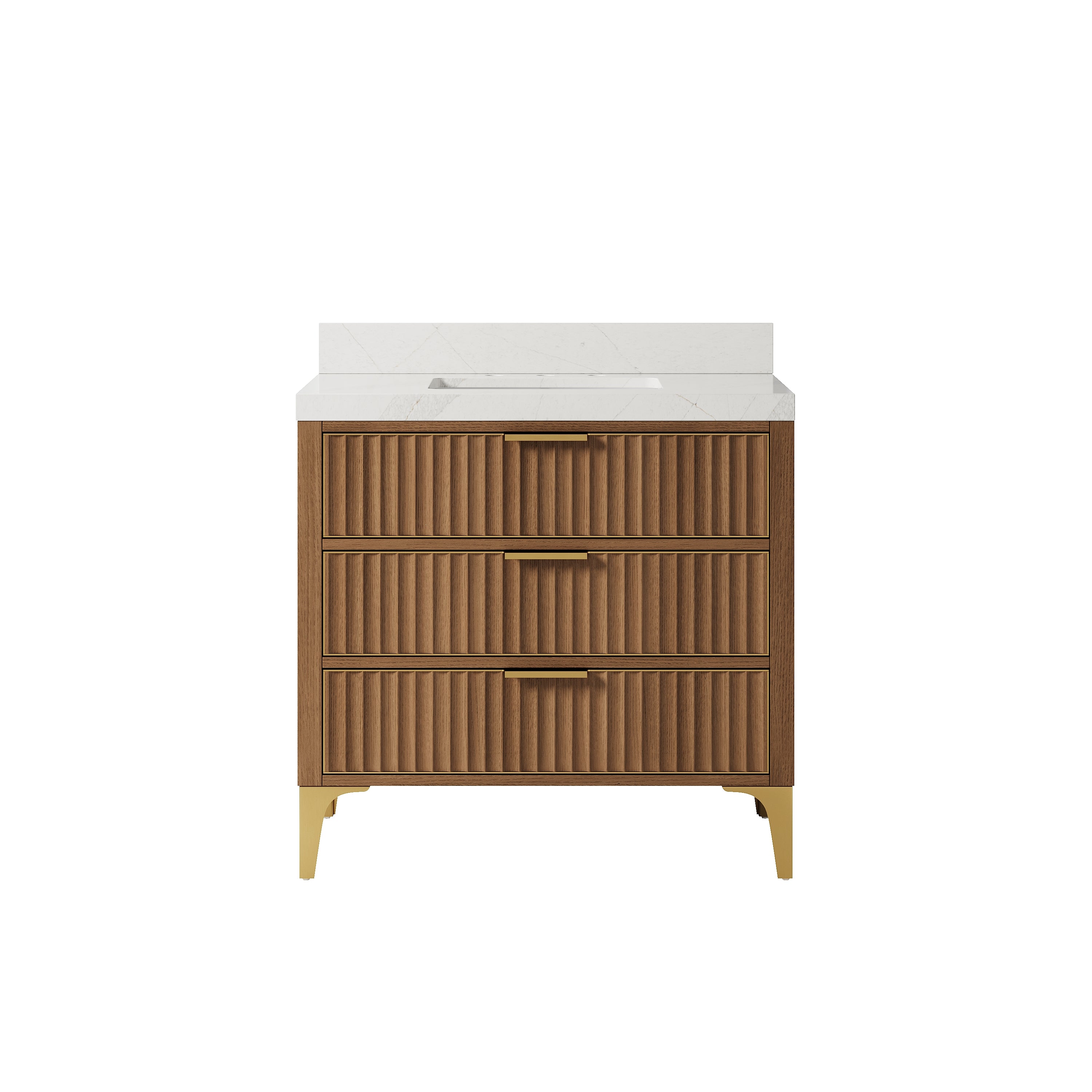
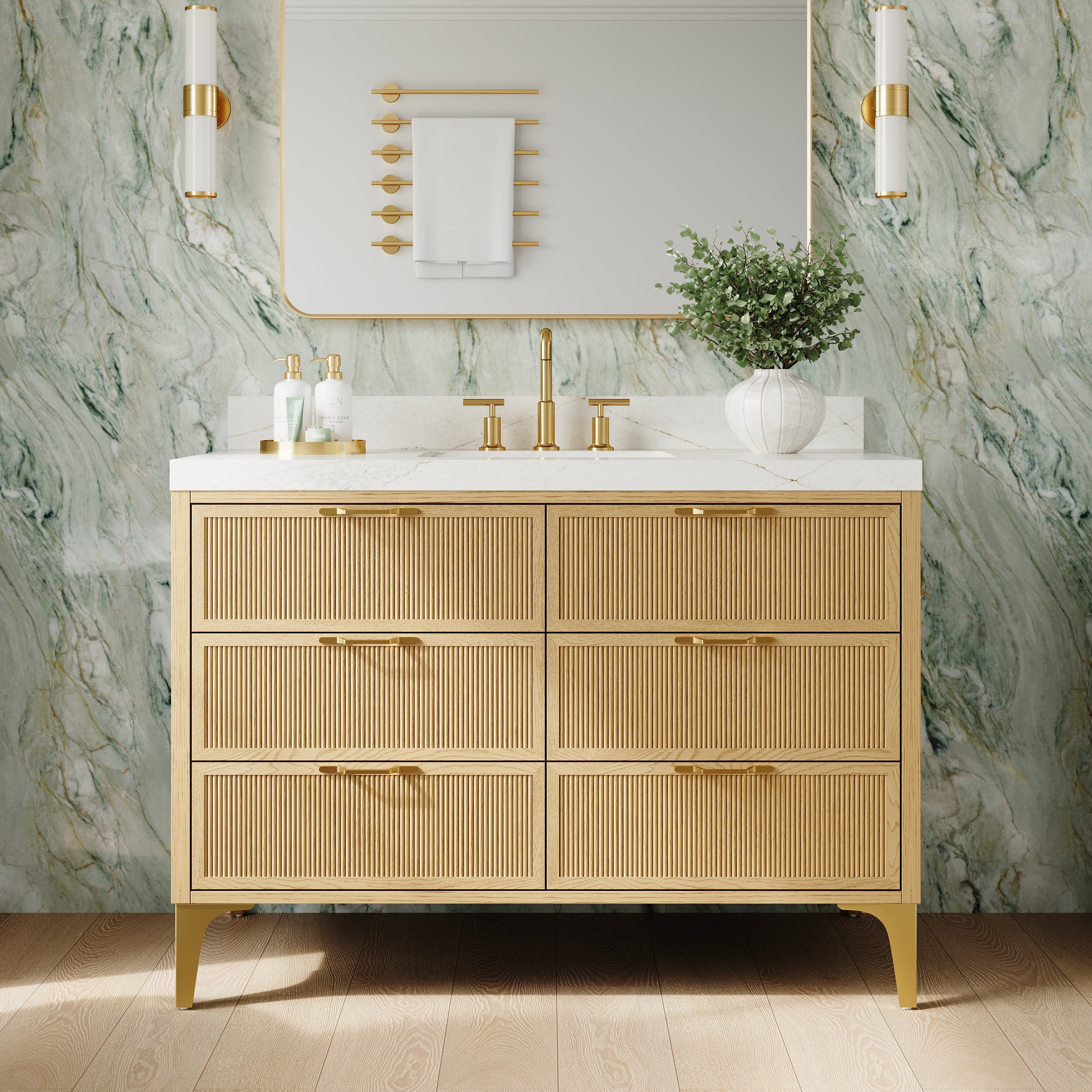
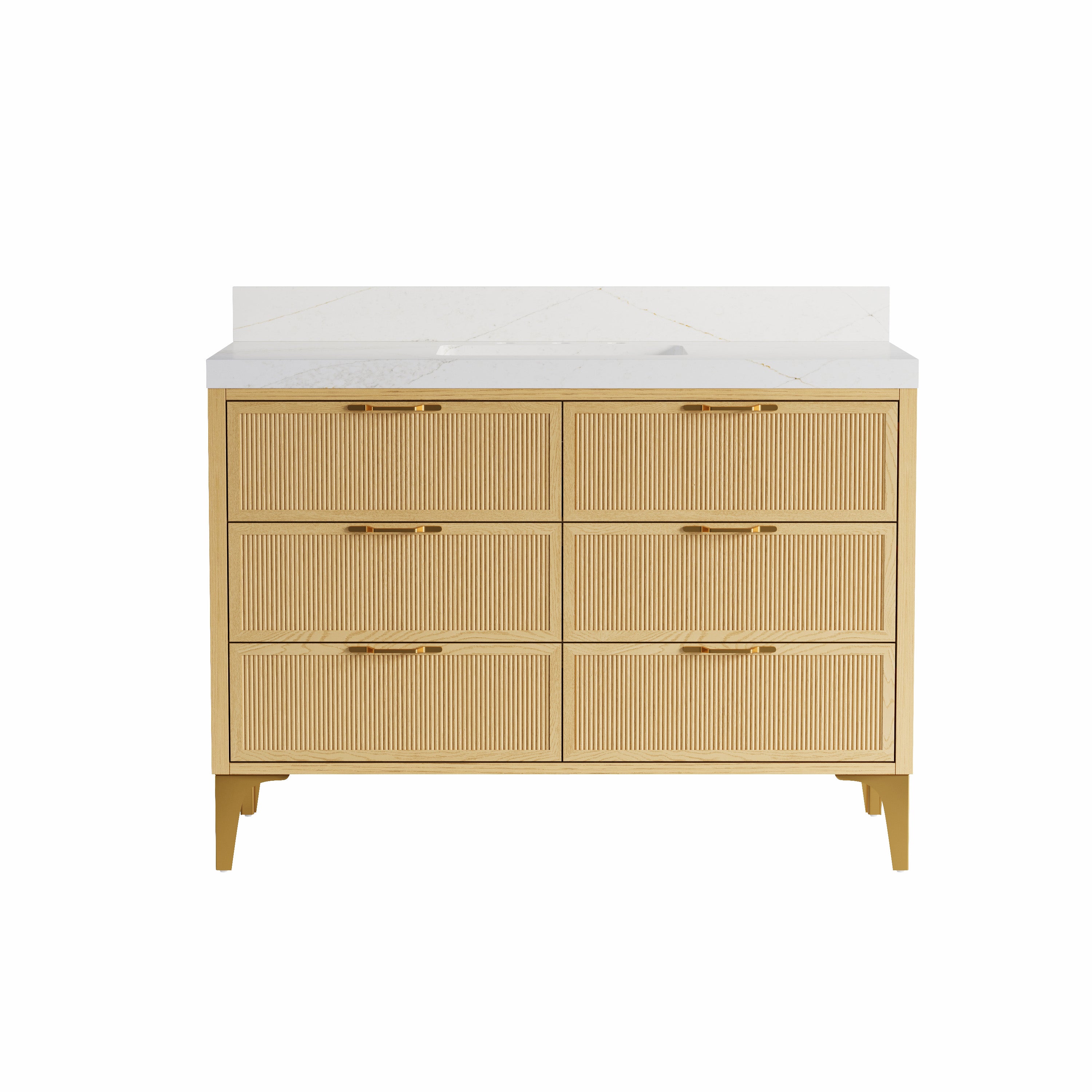


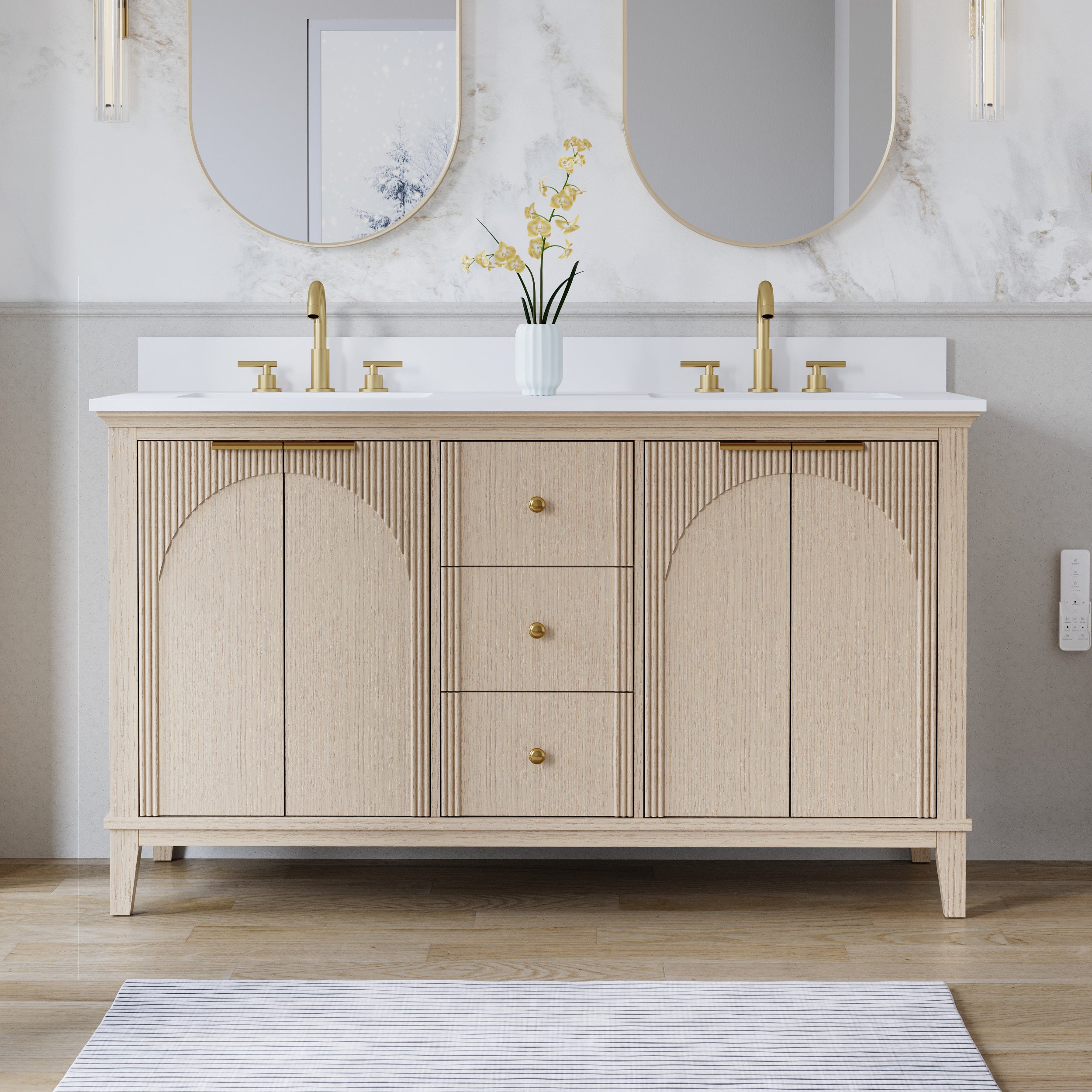
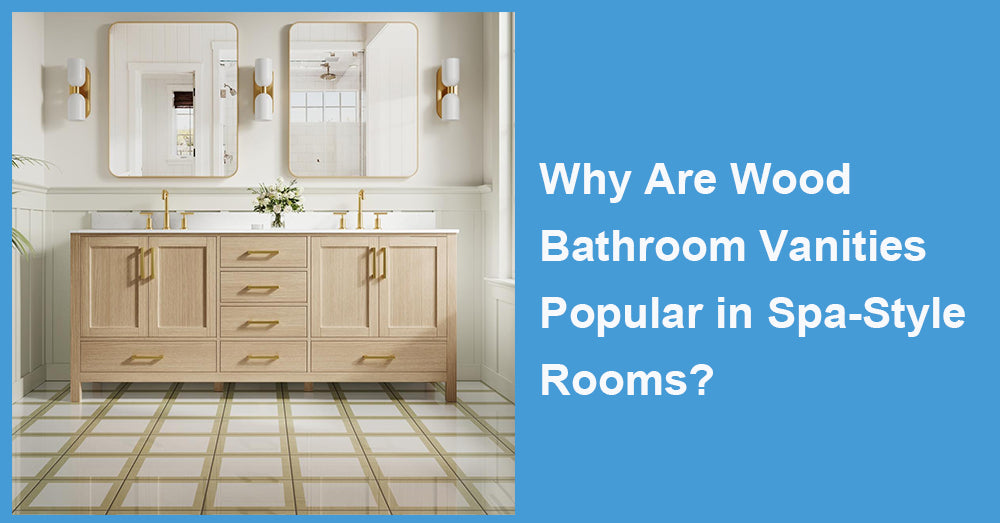
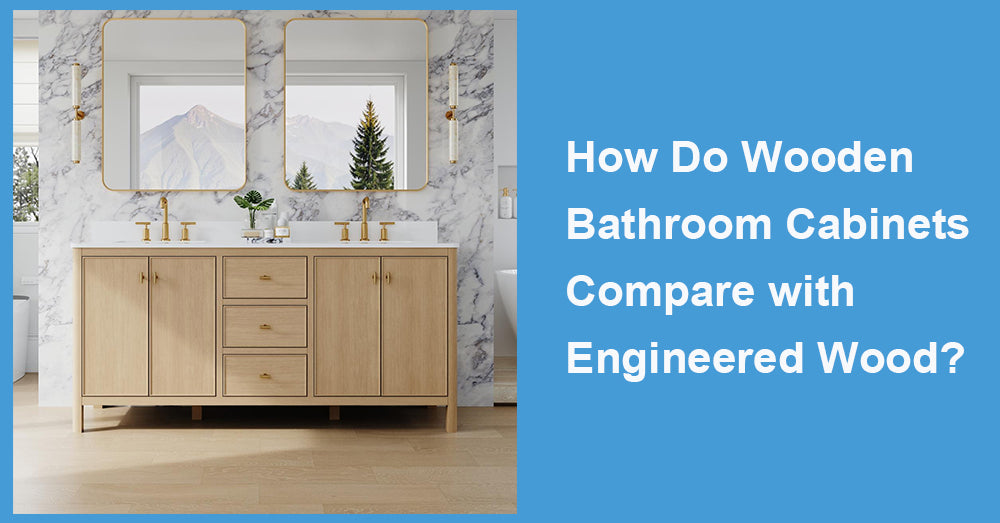
Wood bathroom vanities are showing up more often in spa-style rooms because they deliver the two things this look depends on: a calm, natural visual and a quieter, more organized daily routine. As bathrooms evolve from “get in, get out” spaces into wellness zones, designers are leaning on wood’s warmth and texture to soften hard surfaces like tile, stone, and glass.
1. Wood tones are rising to the top in vanity choices
Recent remodeling trend data shows wood finishes moving from “accent” to “default.” In the 2025 edition of the Houzz Bathroom Trends Study, wood tones were the most frequently chosen color for new vanities at 28%, with lighter wood shades accounting for 11% and medium-to-darker wood shades for 17%; the next closest was white at 20%. Earlier findings also flagged wood as the leading vanity color choice in the prior year’s study.
Meanwhile, NKBA’s 2026 Bath Trends report signals a broader industry shift toward biophilic materials: wood-faced vanities were cited at 62% versus 53% for painted vanities, suggesting wood finishes are now the more commonly specified direction in forward-looking bath design.
2. Spa style is less about “luxury” and more about nervous-system calm
Spa-style bathrooms are built around sensory comfort: softer visuals, fewer harsh contrasts, and materials that feel “alive” to the touch. Wood grain does a lot of work here. It adds pattern without feeling busy, and it visually warms up a room that cool whites, gray stone, and reflective surfaces might otherwise dominate.
That same wellness framing is showing up in trend coverage: spa bathrooms are being described as multi-sensory spaces where touch, sound, and atmosphere matter, not just aesthetics. Wood is one of the easiest ways to get that tactile, restorative feel without adding clutter.
3. The “quiet bathroom” effect: hardware choices support the spa mood
A spa-like room is supposed to feel hushed, and the vanity function is part of that. Soft-close mechanisms are now a mainstream expectation, and they directly reinforce that quiet, slow-close experience. In the 2024 Houzz Bathroom Trends Study, the most popular upgraded-vanity features were soft-close drawers (78%) and soft-close doors (75%). The 2025 study repeats the same pattern, again showing that 78% chose soft-close drawers and 75% chose soft-close doors.
Wood pairs naturally with these “silent upgrades.” A warm wood vanity plus soft-close hardware creates a calmer daily rhythm: less banging, fewer rattles, and fewer visual distractions.
4. Wood reads “natural” even when the build is engineered for moisture
One reason wood finishes fit spa rooms is that they look authentic, while modern construction methods remain practical. Many of today’s “wood” vanities are built with solid-wood frames, stable panels (often plywood), and a sealed veneer or finish layer. That mix helps control movement while preserving the grain and warmth that people want.
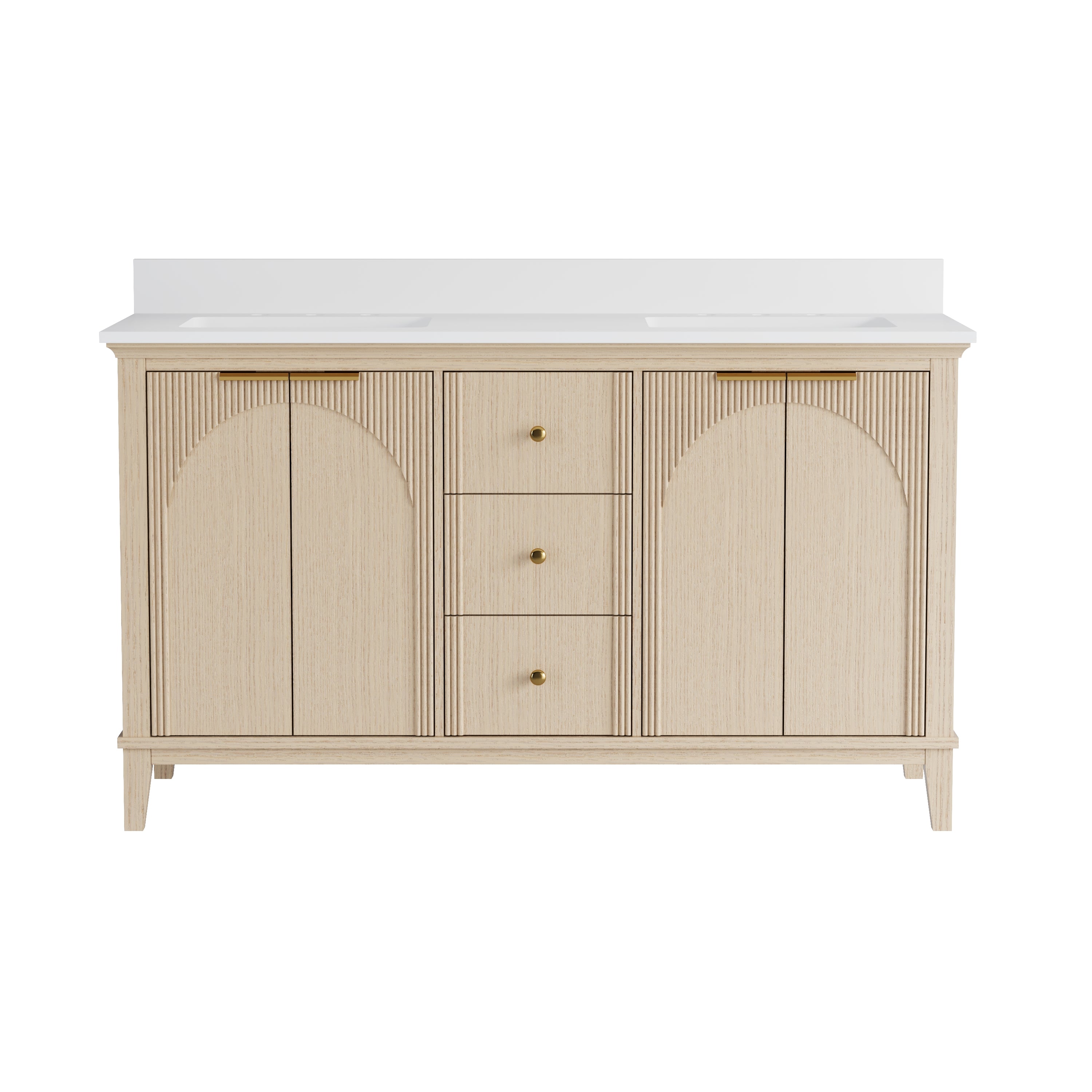
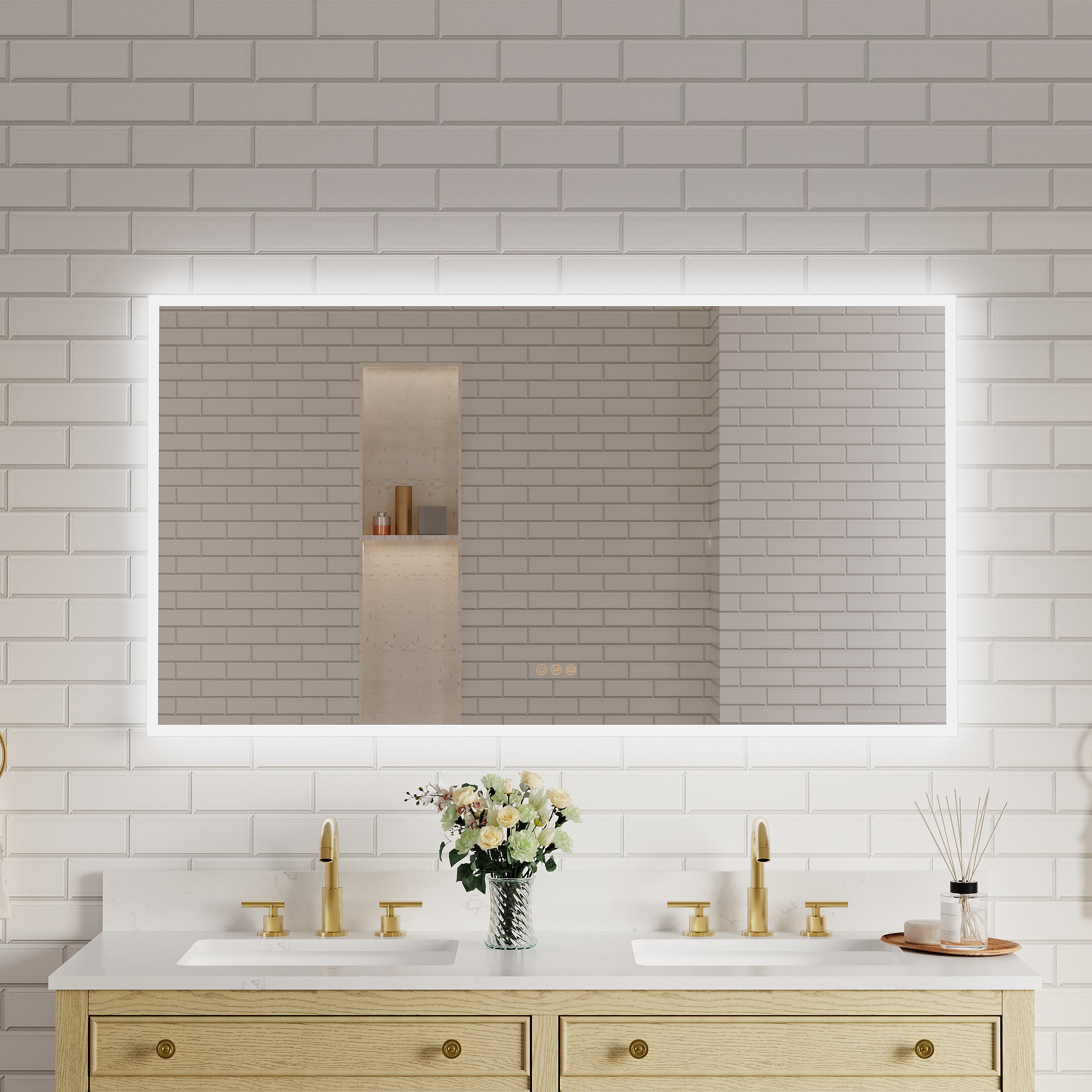
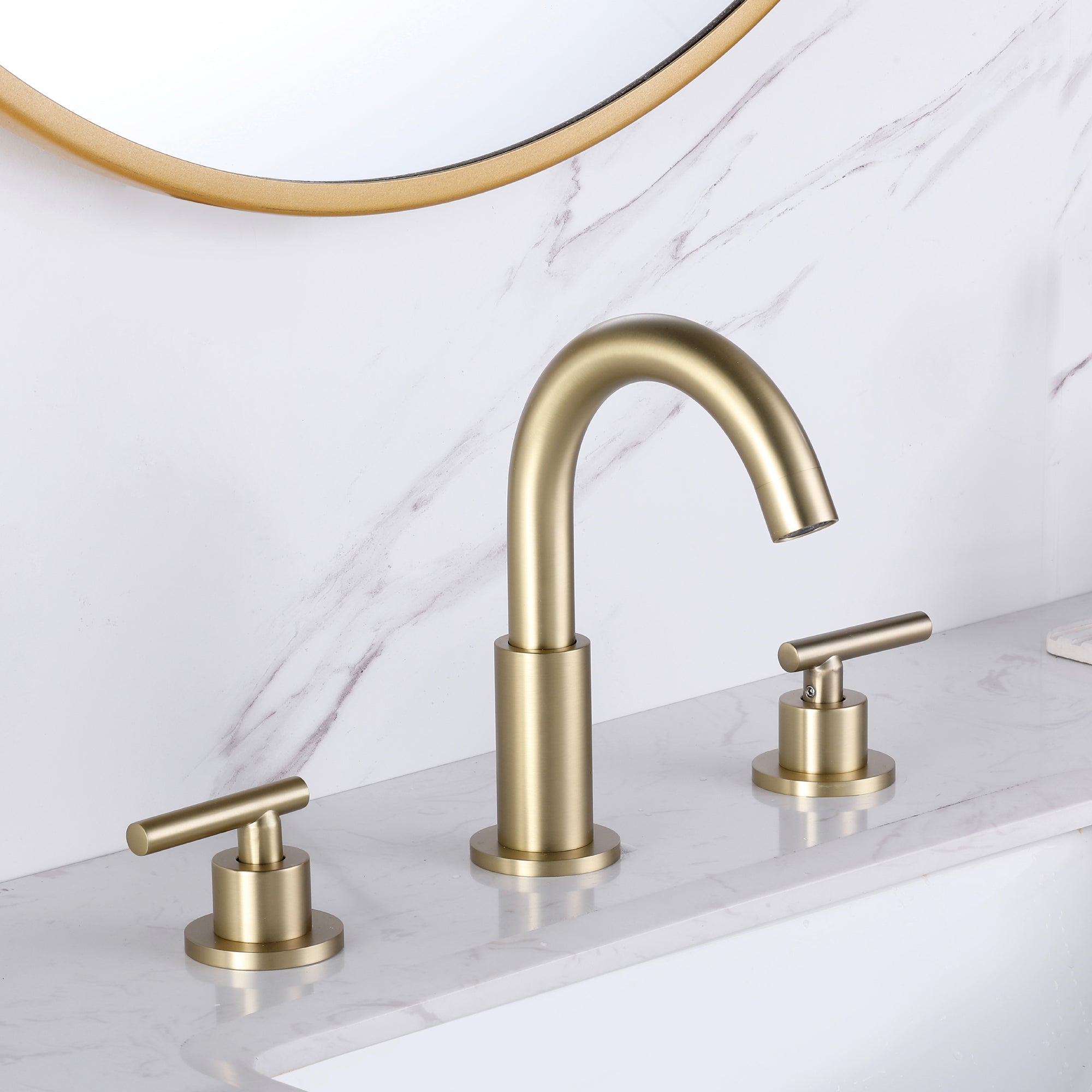
In spa-style rooms, the vanity often sits next to materials like marble-look tops, fluted details, and brushed metals. Wood’s texture becomes the bridge that keeps the room from feeling cold or overly clinical.

5. The size and layout trends align with spa-style planning
Spa-style bathrooms often favor clean lines and clear counters, which changes the “right” vanity size. The same Houzz data that tracks features also shows a continued preference for compact widths: 51% selected vanities 48 inches or less in the 2024 study. That size range is ideal for spa rooms because it leaves breathing space for elements like a larger mirror, wall sconces, a towel ladder, or a small stool.
Common spa-friendly dimensions and layouts include:
· 36-inch to 48-inch single vanities with 2 to 3 drawers for daily items, keeping counters minimal.
· 60-inch to 72-inch double vanities with drawer stacks on both sides, so each user gets a defined zone.
· Floating installations that expose more floor, making the room feel larger and easier to clean, especially when the depth is kept around 18 inches to 21 inches rather than oversized.
6. Biophilic design is turning wood into a “core material,” not décor
Spa style is increasingly tied to biophilic design: natural materials, organic colors, and a subtle connection to the outdoors. NKBA trend coverage explicitly links the growth of wood-faced vanities to biophilic priorities in bath design. And it’s not just wood, it’s the whole supporting cast: softer greens, warmer neutrals, matte and brushed finishes, and less high-gloss shine.
This helps explain why wood vanities work so consistently in spa rooms: they aren’t a one-off statement; they’re a foundational material that complements stone, plaster-like walls, linen textures, and warm metals without competing for attention.
7. What “spa-style storage” demands, and why wood vanities fit it
A spa room fails fast if it looks busy. That’s why storage design matters as much as finish. Spa-style storage is usually:
· Drawer-forward (to hide small items and avoid countertop clutter),
· Zoned (skincare, hair tools, and linens each have a home),
· Cable-managed (hidden outlets or tidy charging spots).
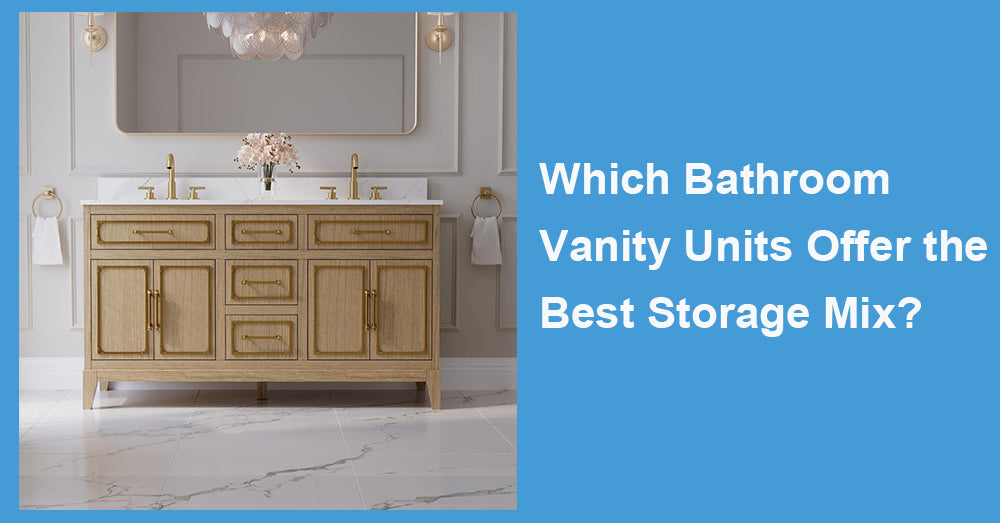
Those storage expectations show up in trend data, too: built-in electrical outlets and drawer organizers are commonly selected upgrades in the Houzz study. Wood vanities are often offered in furniture-style configurations with greater emphasis on drawers, making them a natural match for the “ritual-driven” routines spa-style rooms are designed around.
In short, wood bathroom vanities are popular in spa-style rooms because they hit the sweet spot between emotion and function: warm grain for visual calm, quiet hardware for a softer daily experience, and storage layouts that keep the space feeling like a retreat instead of a supply closet.












Leave a comment
This site is protected by hCaptcha and the hCaptcha Privacy Policy and Terms of Service apply.