














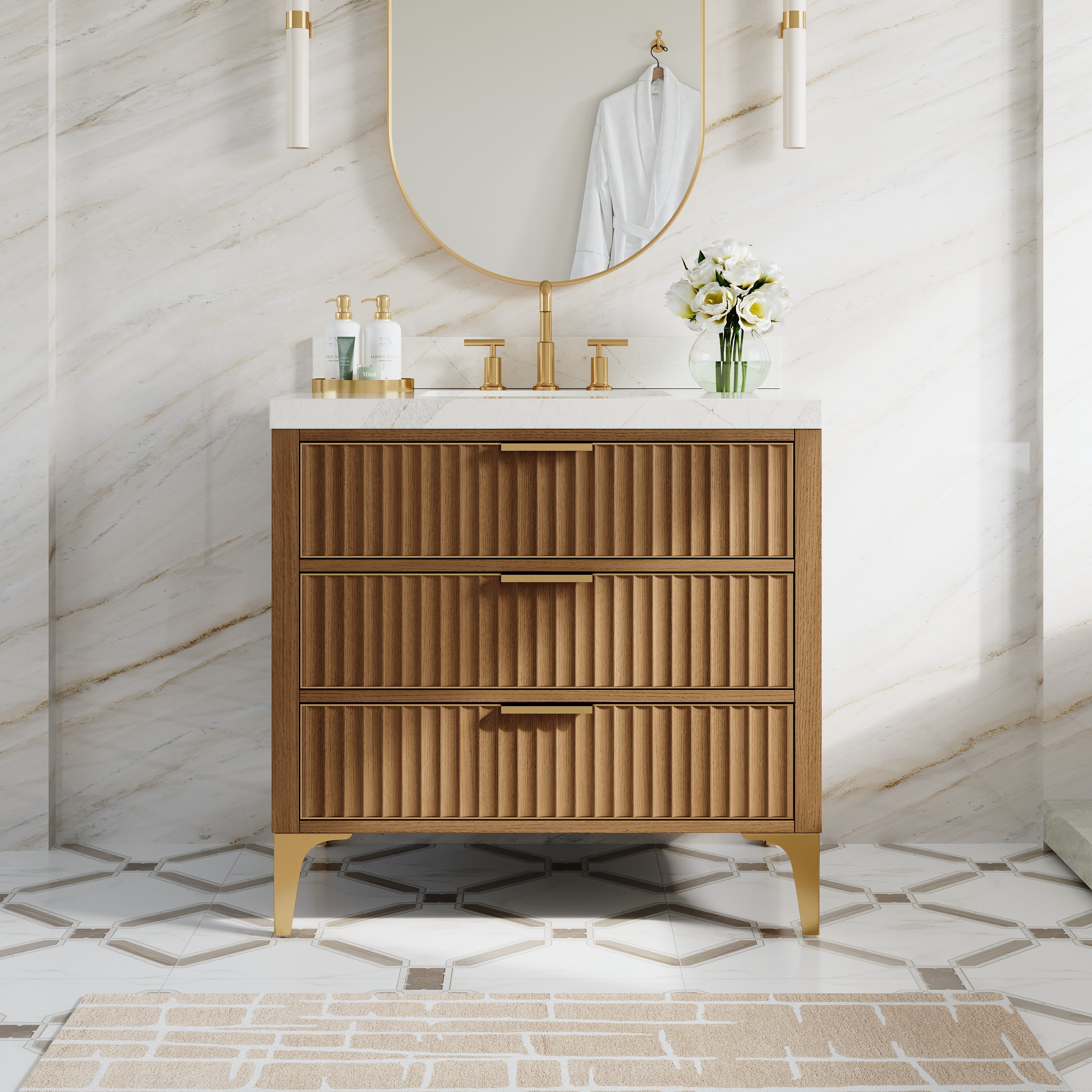
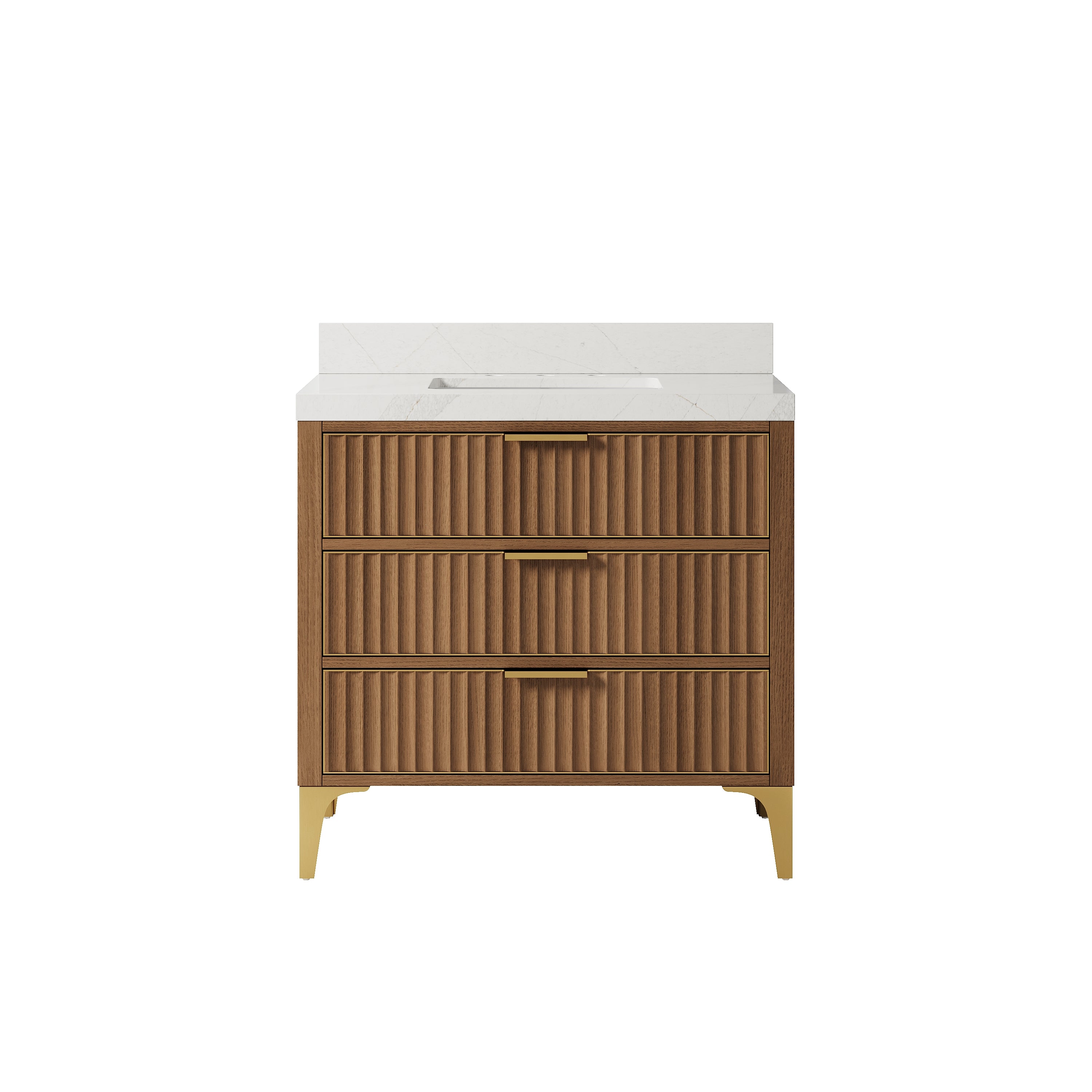
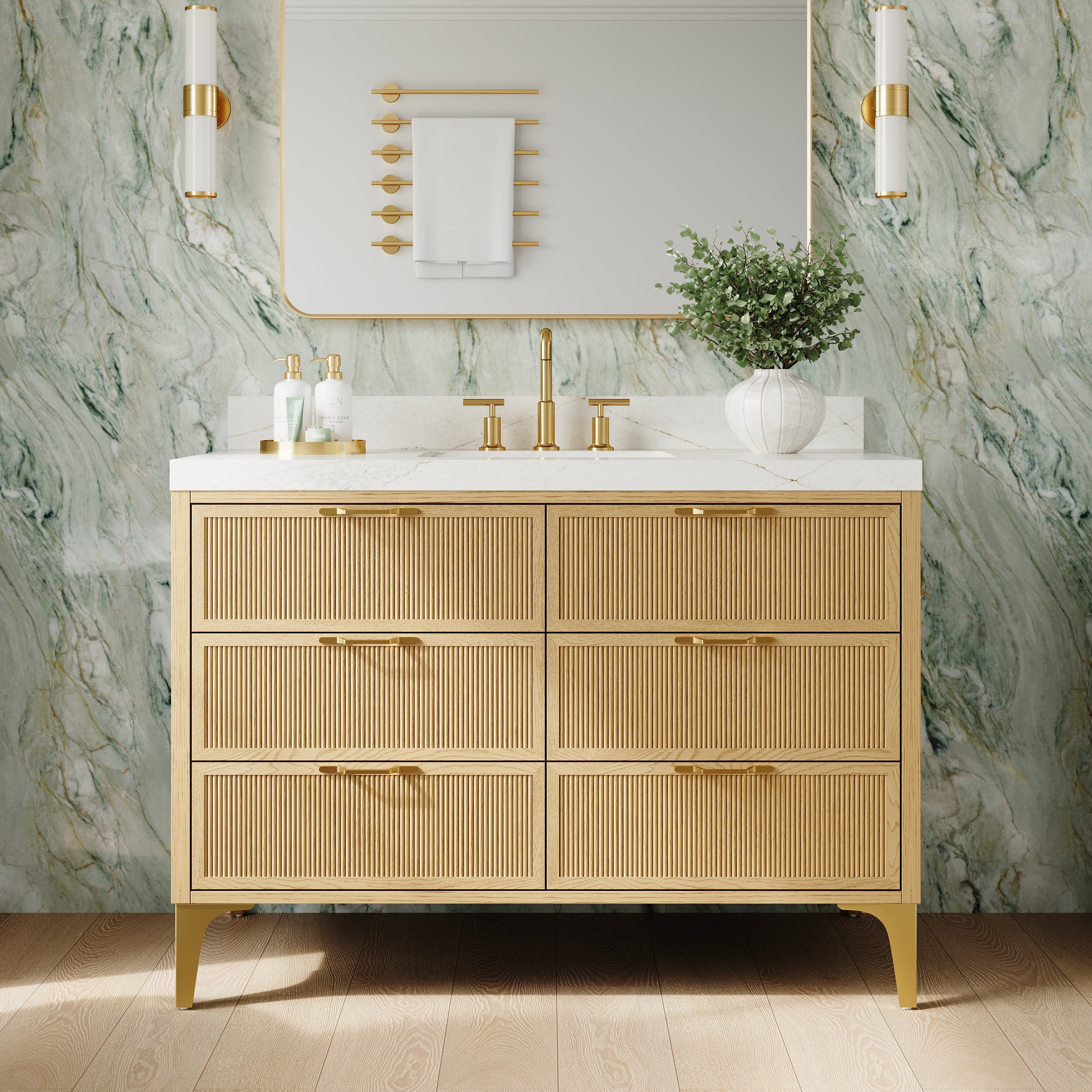
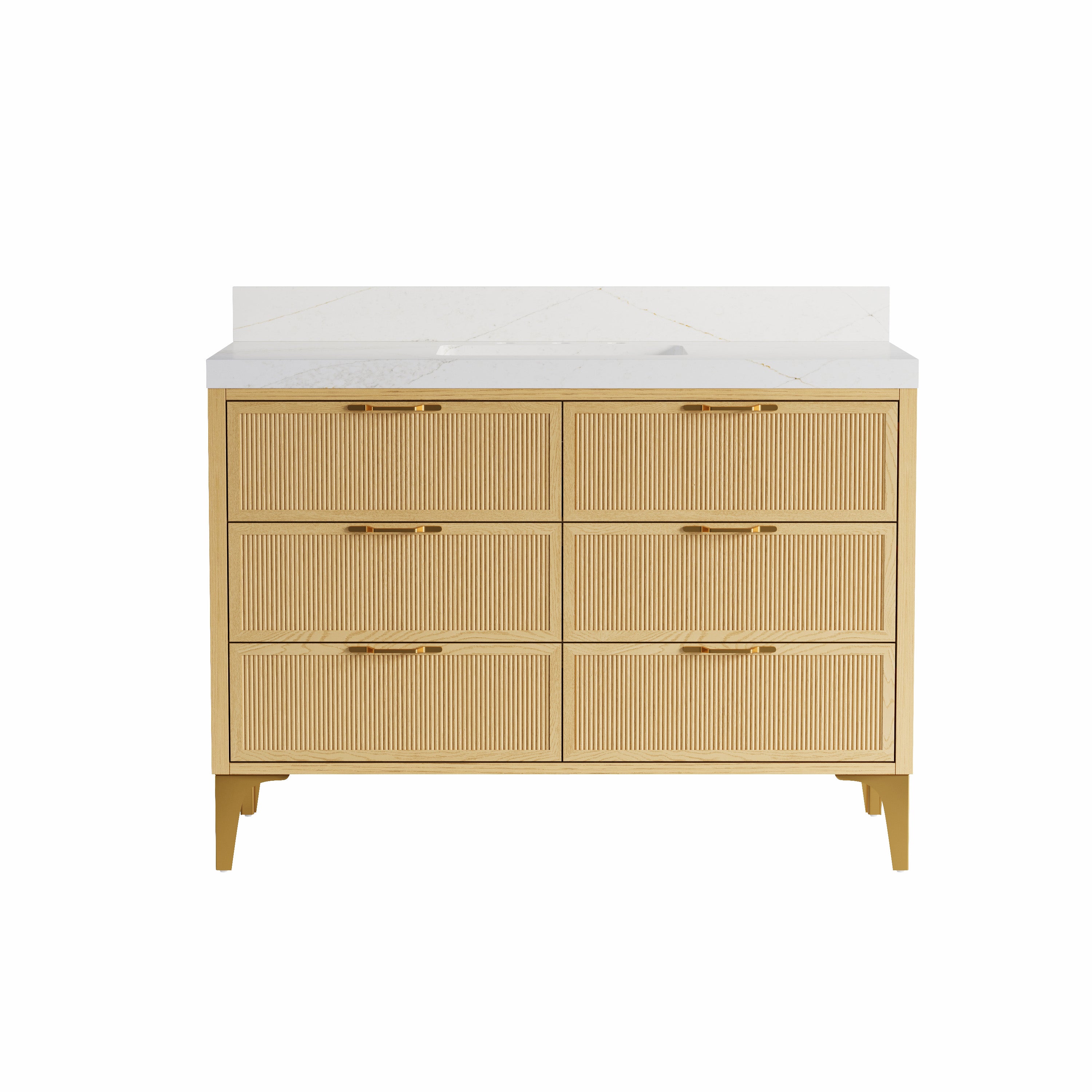


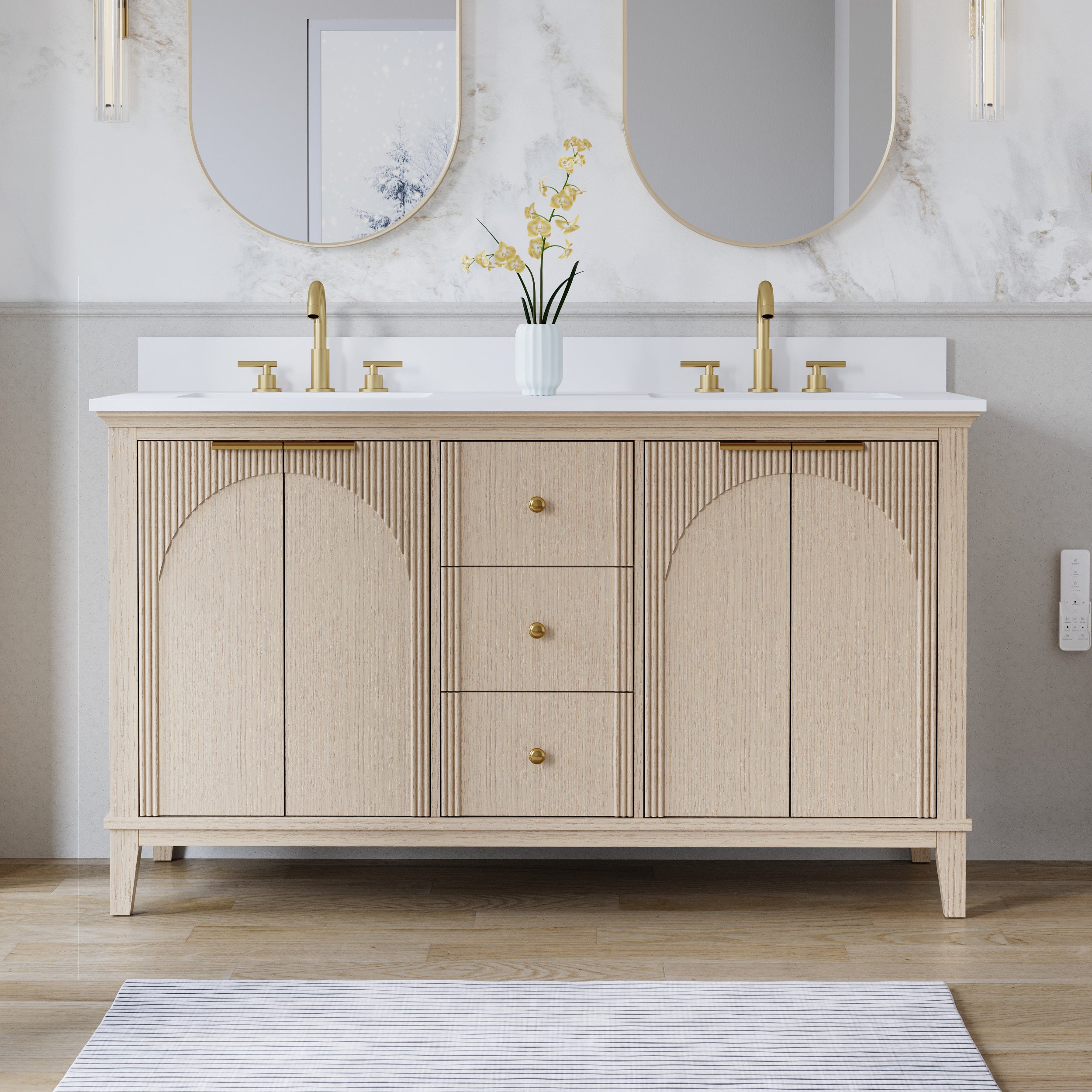
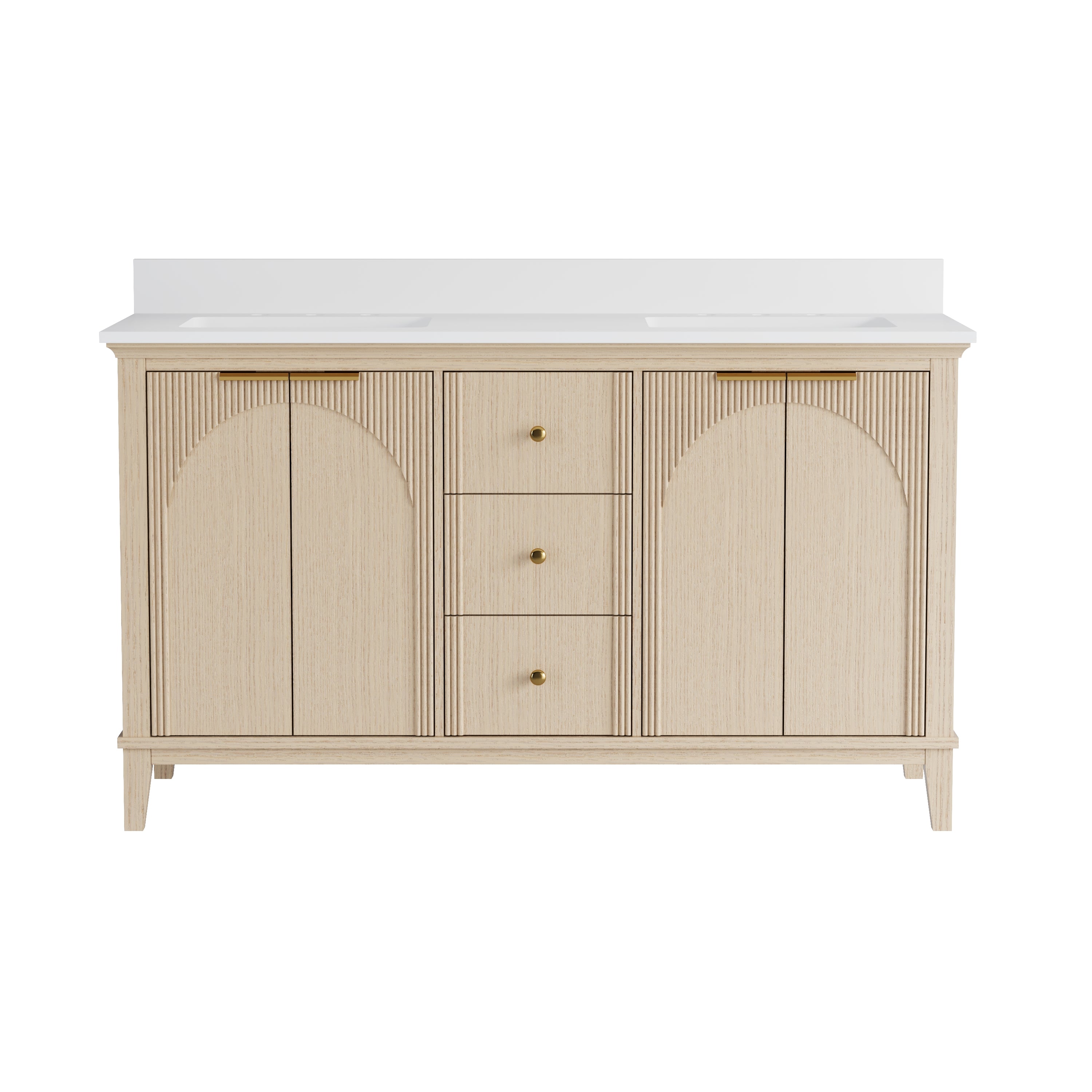
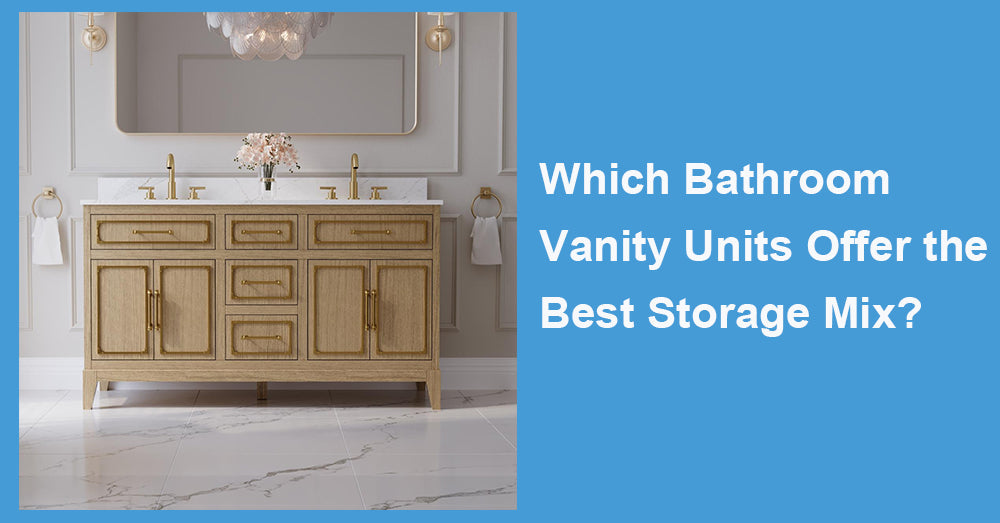
Bathroom vanity units are being redesigned around a smarter mix of drawers, doors, and vertical storage that keeps daily items close and bulk supplies out of sight. Organizers and hidden power are shifting from “upgrade” features to near-basics in many new specifications.
1. Why “storage mix” beats “storage volume.”
Two vanities can share the same footprint yet work very differently. The deciding factor is the storage mix: full-extension drawers for small items, enclosed door space for tall bottles and cleaners, and optional vertical storage to keep counters clear. The best layouts separate “everyday” from “occasional,” putting frequently used items in shallow or mid-depth drawers and reserving door cavities for height-hungry products.
2. What does the latest trend data point to
Drawers are winning, and storage is getting more specialized. In the 2024 Houzz Bathroom Trends Study, soft-close drawers (78%) and soft-close doors (75%) were the top upgraded-vanity features, followed by built-in electrical outlets (29%) and built-in drawer organizers (22%). The same report shows a strong tilt toward compact widths, with 51% choosing vanities 48 inches or less, while 12% selected vanities wider than 72 inches.
On the design side, NKBA trend reporting highlights configurable modules, charging integration, and item-specific storage (for hair tools, makeup, and medications) as a defining direction. In related reporting on the 2025 bath trends survey, 83% of respondents said homeowners are seeking vanities with customizable storage modules, and 79% agreed that integrated power outlets are becoming standard.
3. The 36- to 48-inch sweet spot: drawer-forward single vanities
For the best storage mix per inch, many bathrooms benefit from a 36- to 48-inch single-sink vanity built around drawers plus a dedicated sink zone. Look for at least two deeper drawers (for hair tools, toiletry bags, or stacked bins) and one shallow top drawer for daily smalls. A tip-out tray at the sink is helpful, but it should not be the only small-item storage.
If space is tight, consider a reduced depth around 18 inches (instead of ~21 inches) and insist on full-extension slides so the back of each drawer is usable.
4. Wide vanities that stay organized: 60 inches and up
With widths of 60 inches or larger, the risk isn’t a lack of storage; it’s “dead space.” The best wide layouts usually give each user a full drawer stack, plus a shared zone for bulky items. Two strategies work especially well: maximize the number of drawers across the front while keeping plumbing confined to a narrower center bay, or use an offset sink to preserve a full-depth drawer bank on one side.
Double sinks are popular, but every second sink reduces uninterrupted drawer runs. If two people share the space and both keep many small items, prioritize at least one full drawer bank per person, even if that means a tighter sink base. For households that stock up, plan a “bulk home” elsewhere (tower cabinet, linen closet, or nearby storage) so the vanity can stay disciplined.
5. Add vertical storage and hidden solutions to complete the mix
A vanity rarely has to carry the whole storage load. Pairing it with a slim tower cabinet (often 12 to 18 inches wide) can outperform simply upsizing the base cabinet by using height rather than floor area. NKBA trend reporting also points to a strong pull toward add-on storage and concealed features, including linen storage cabinets (72%) and vanities with hidden outlets (62%).
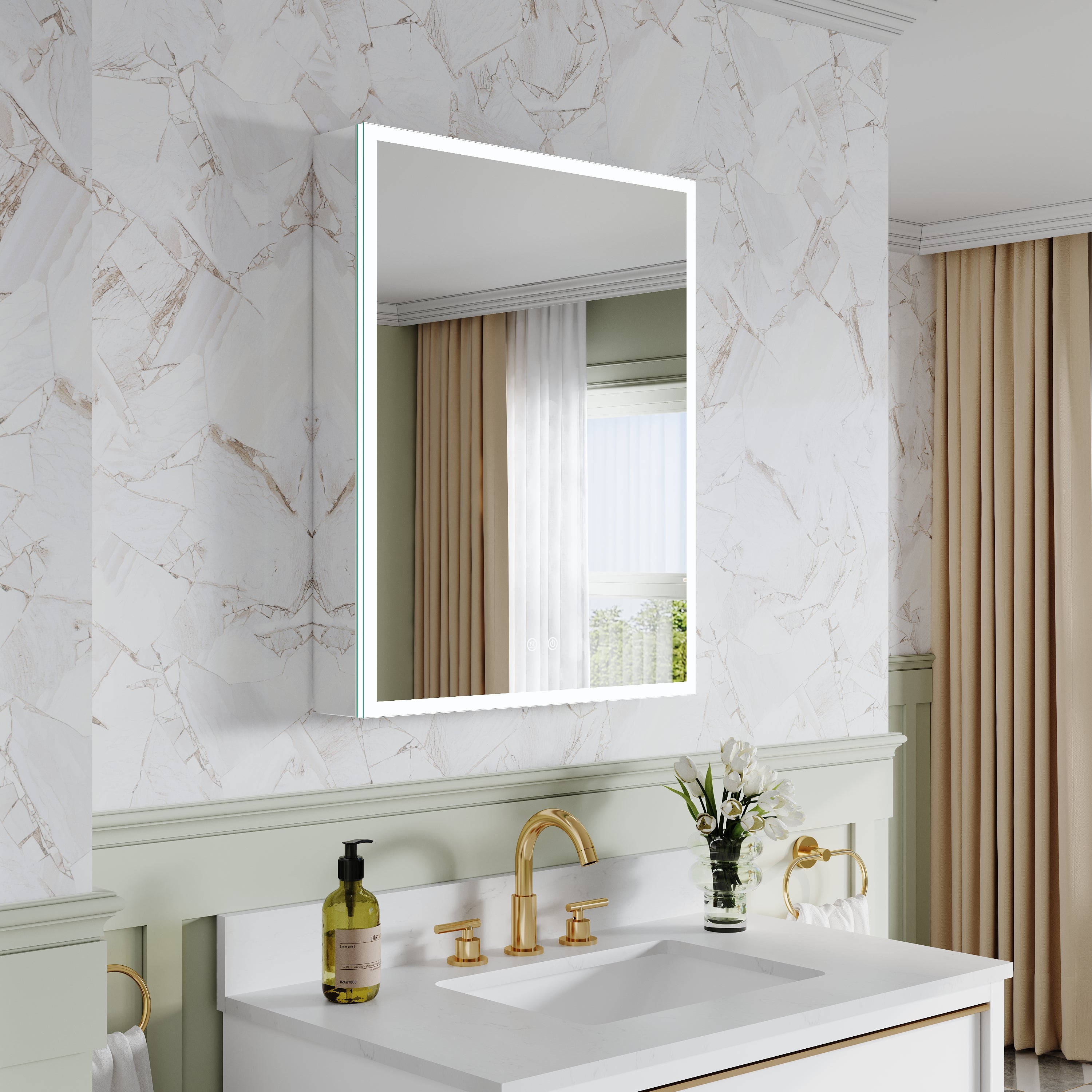
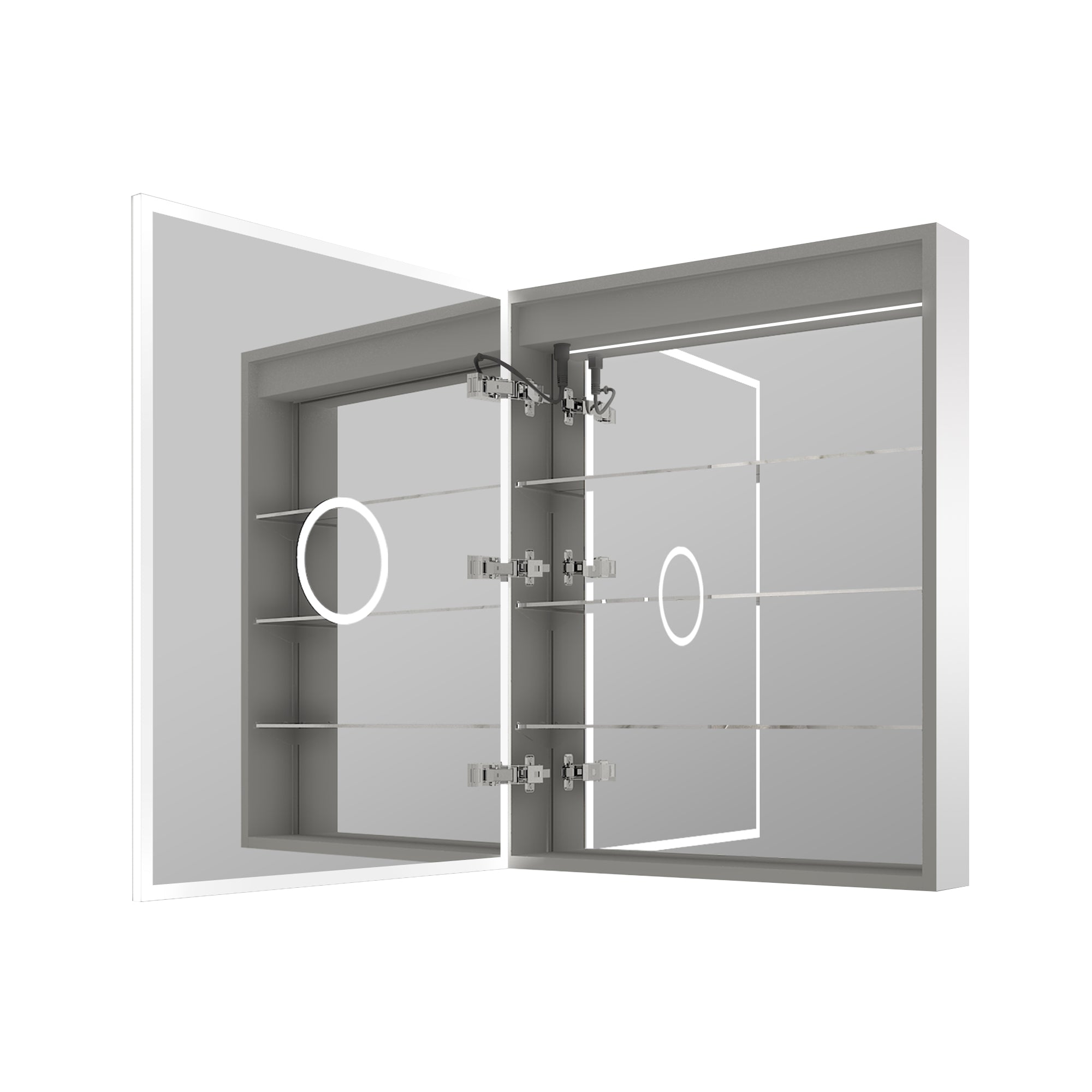
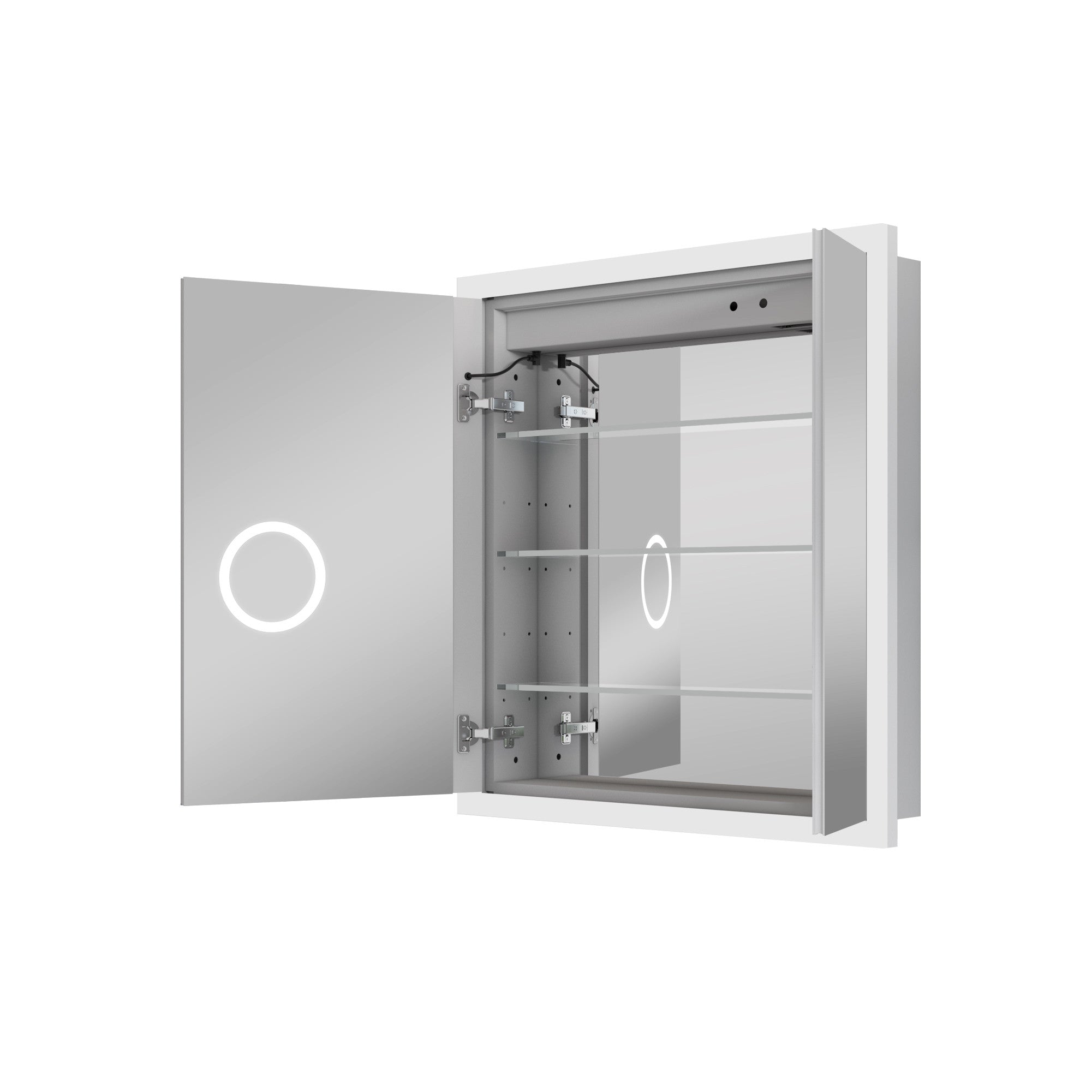
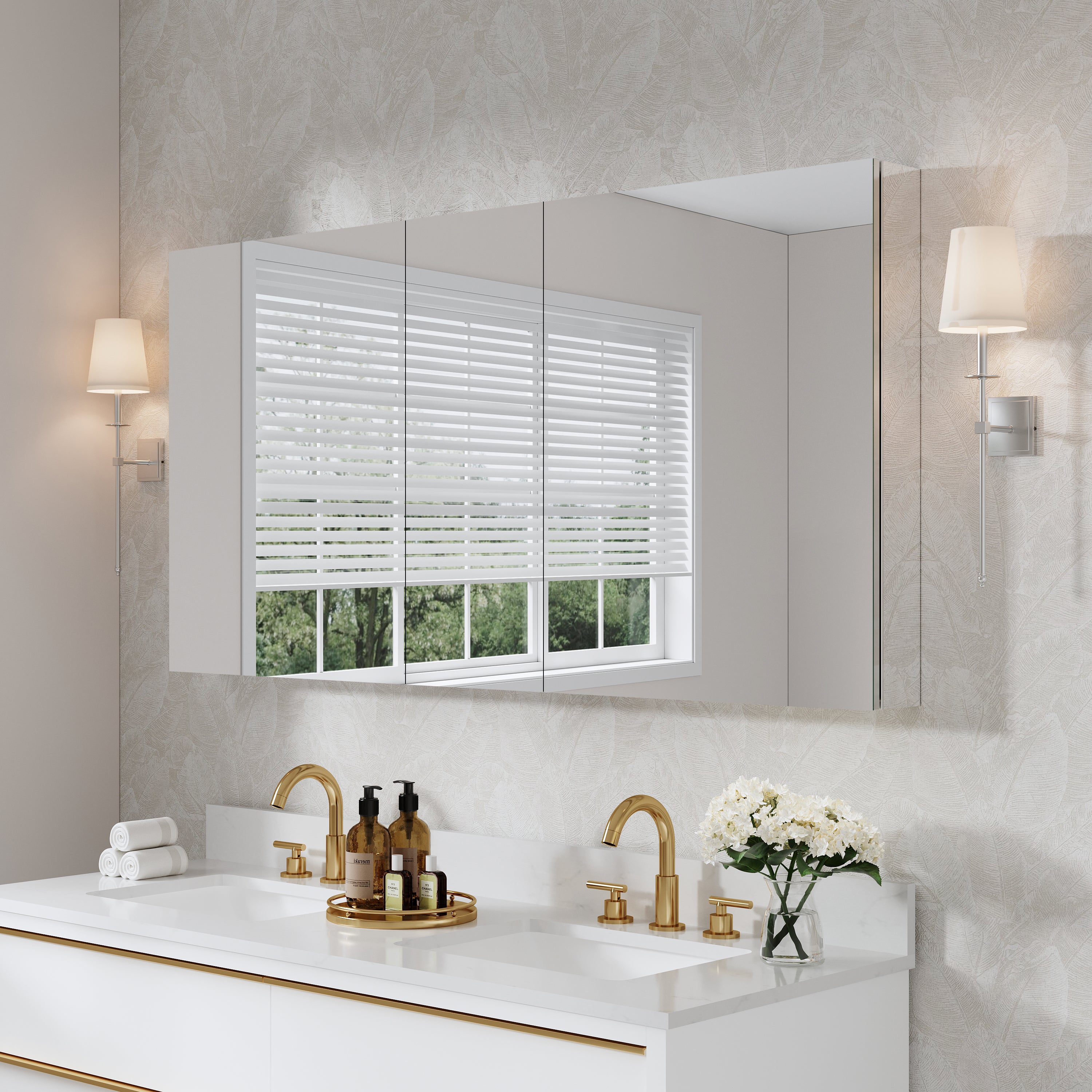
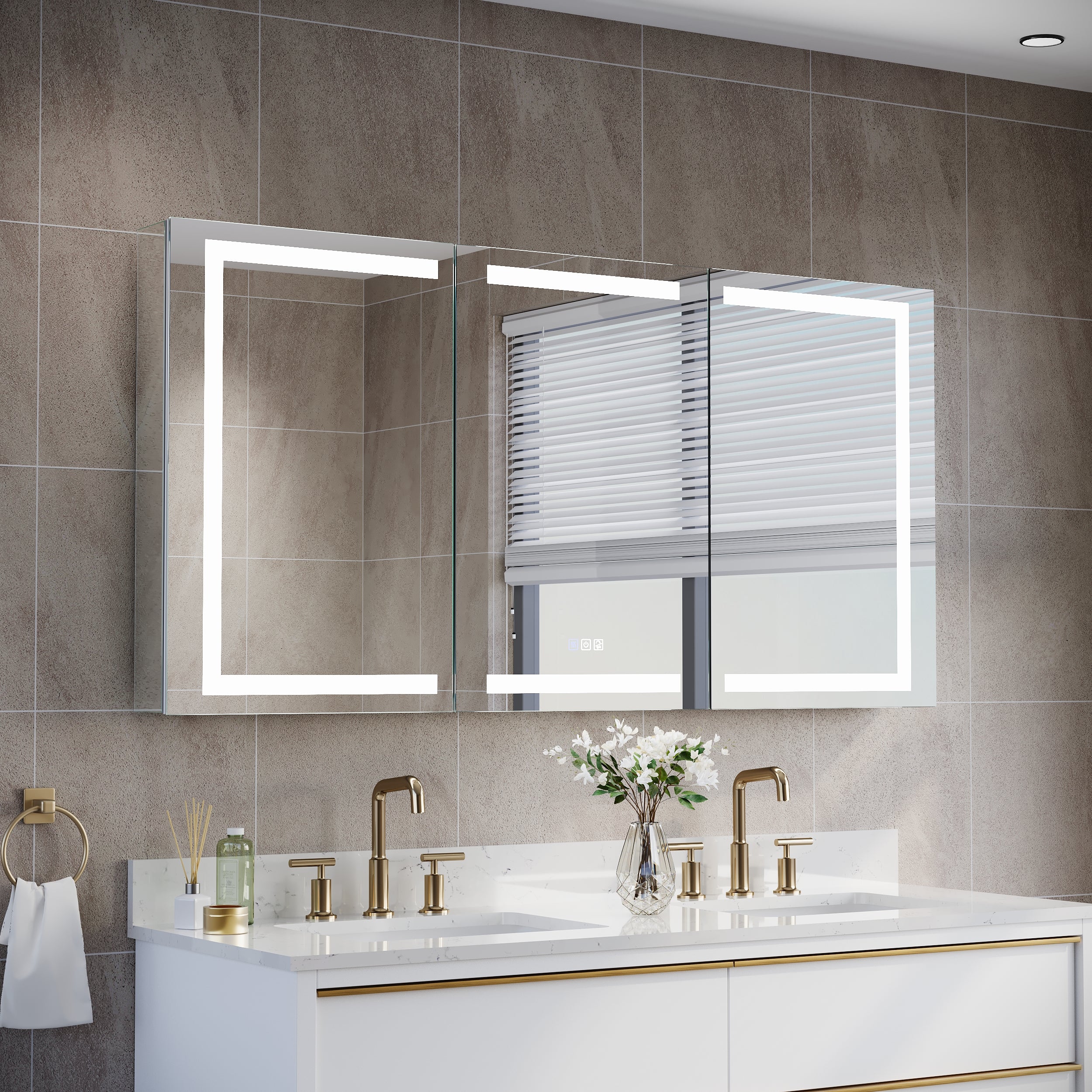
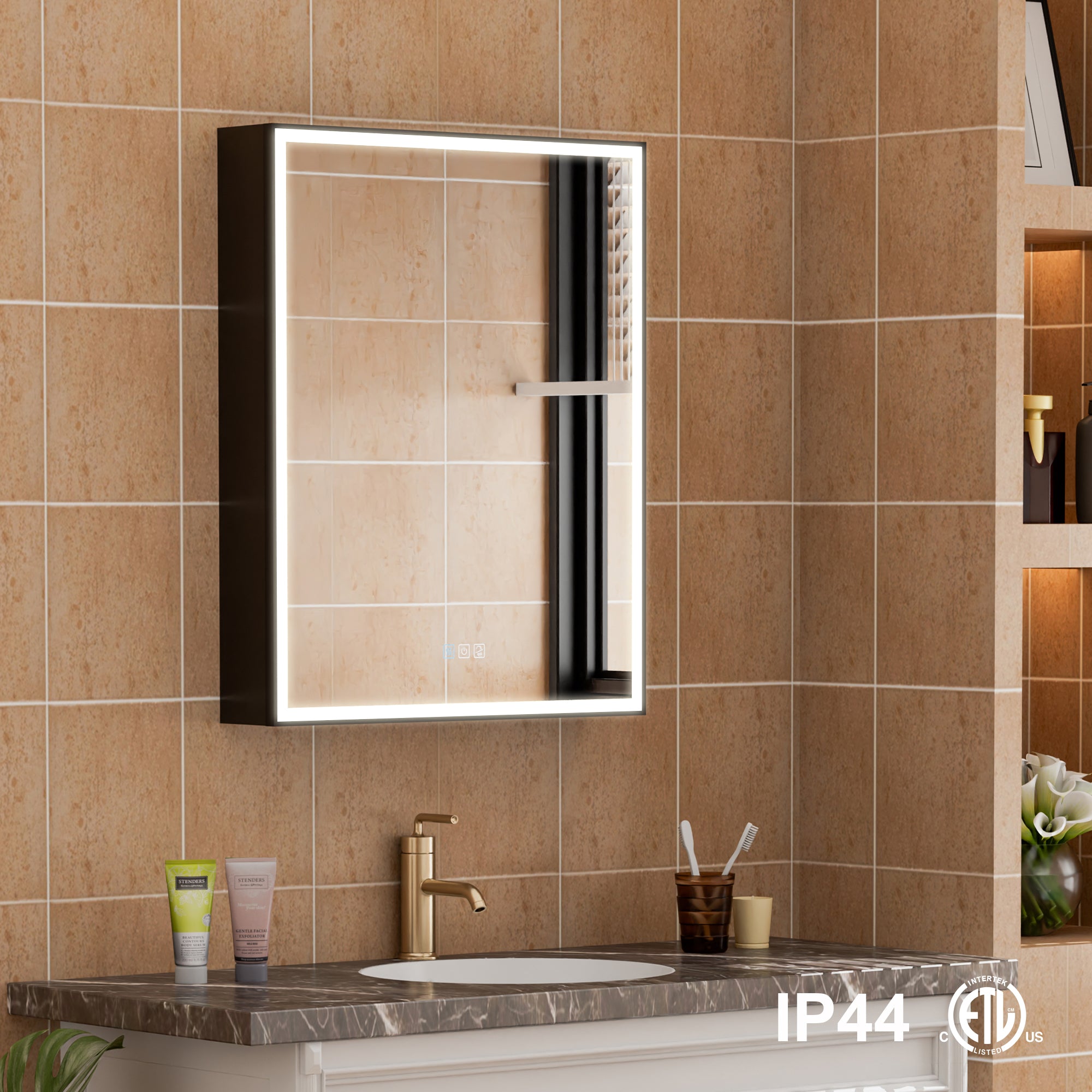
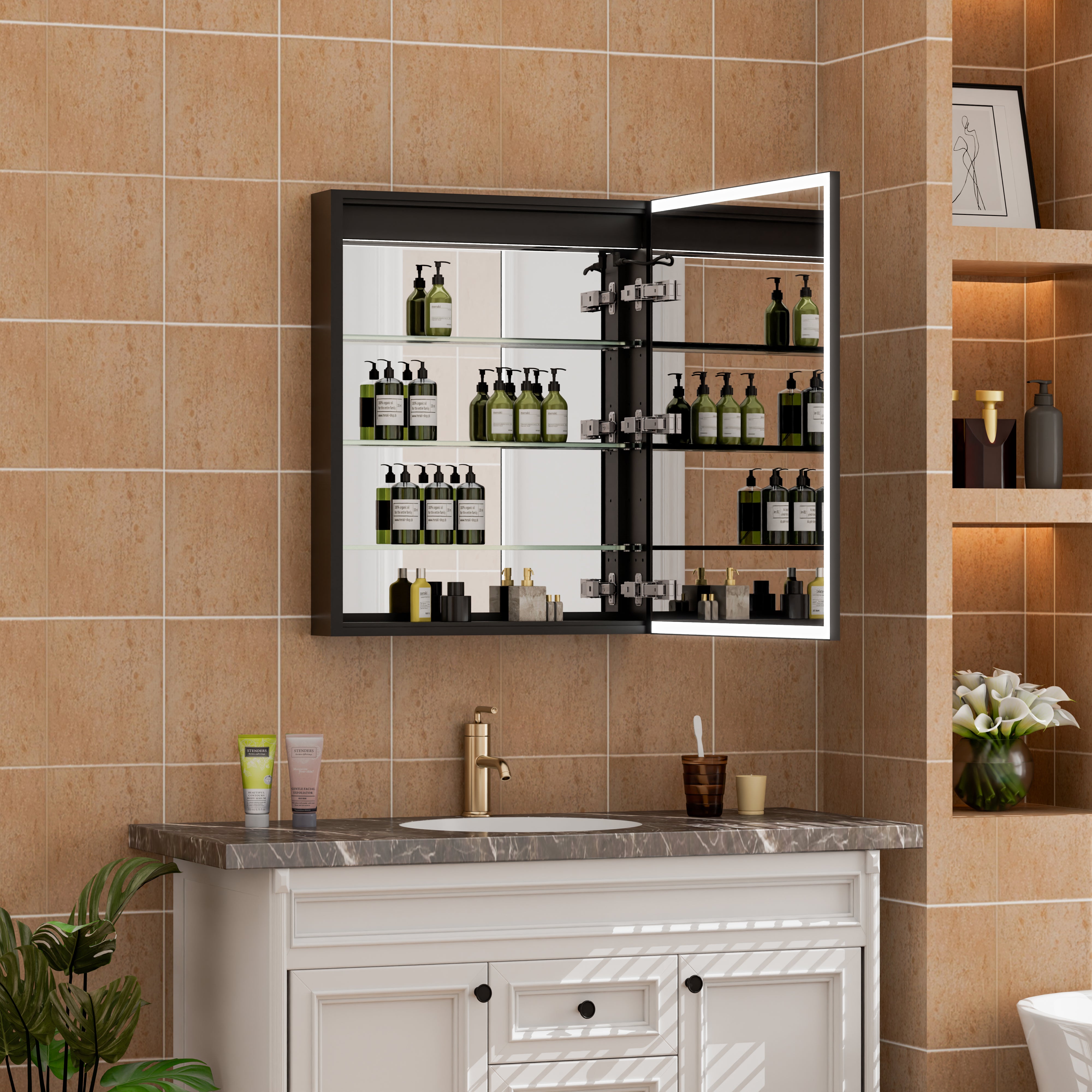
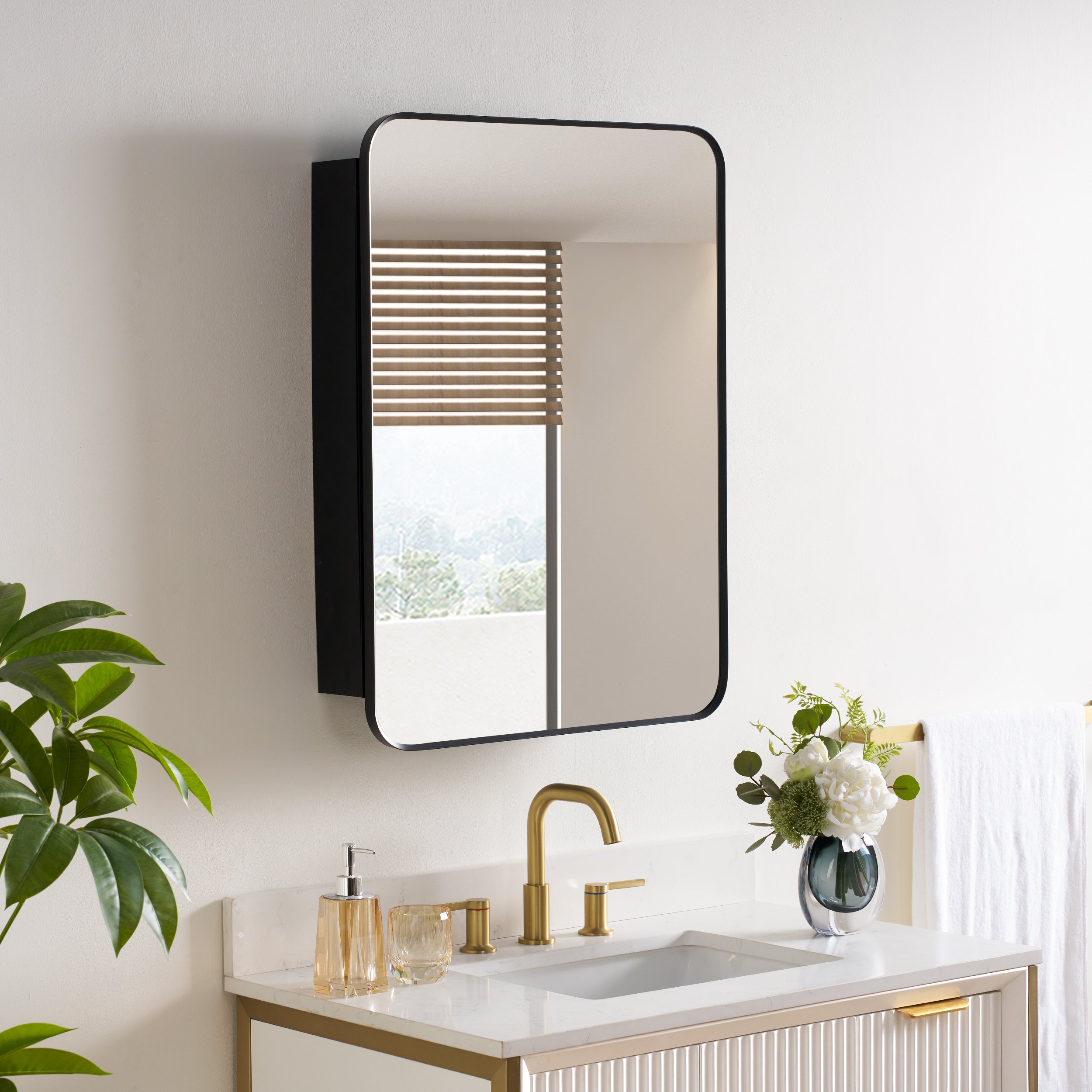
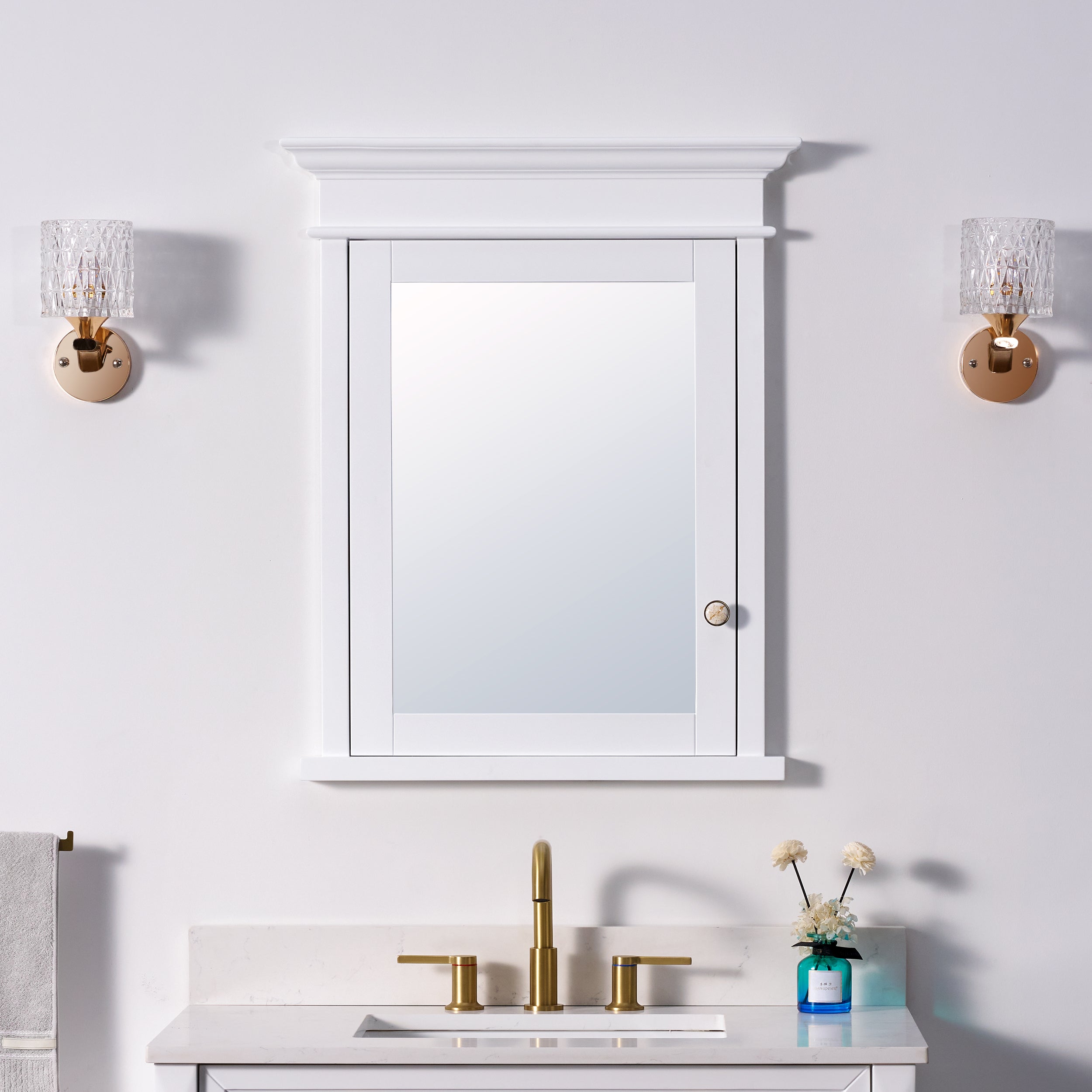
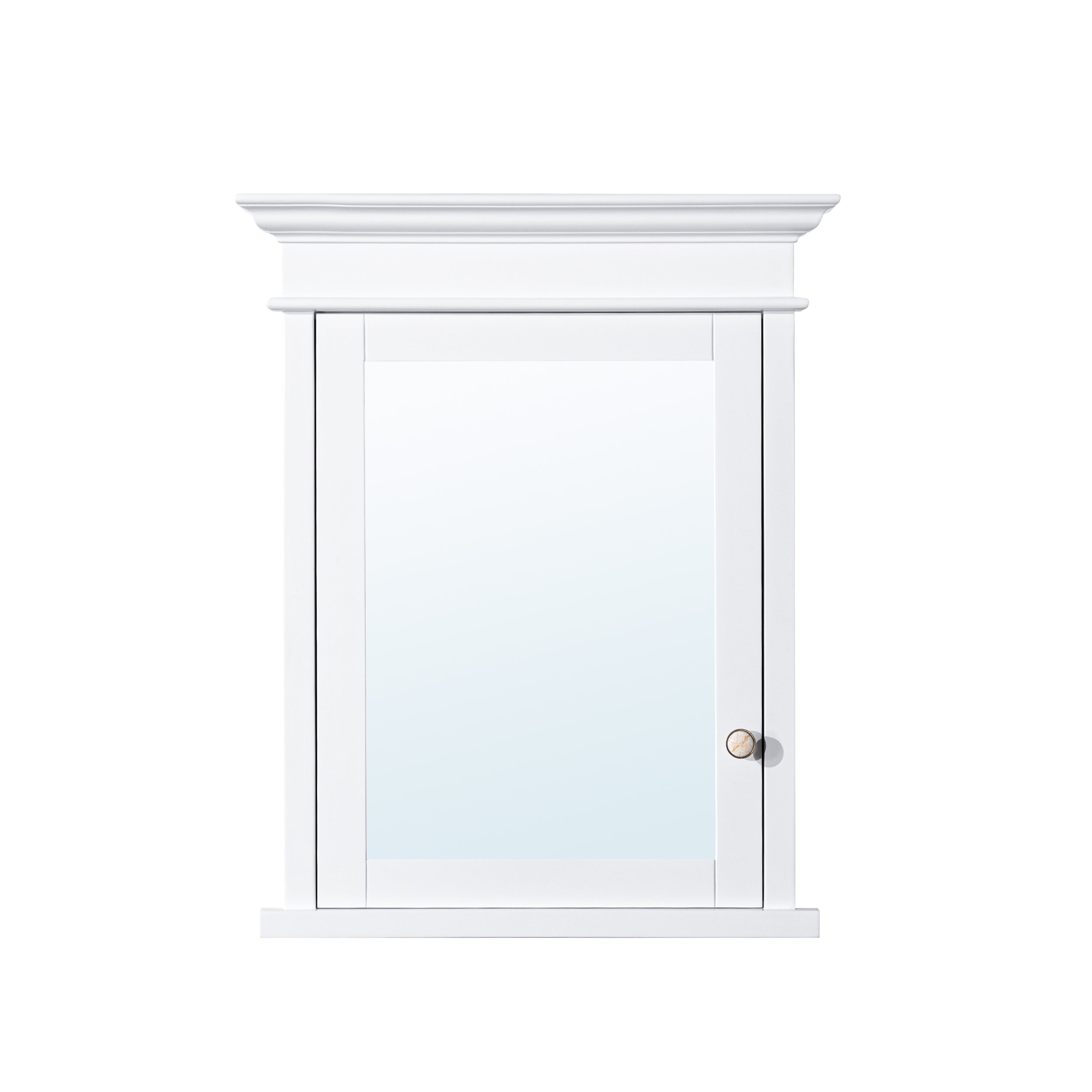
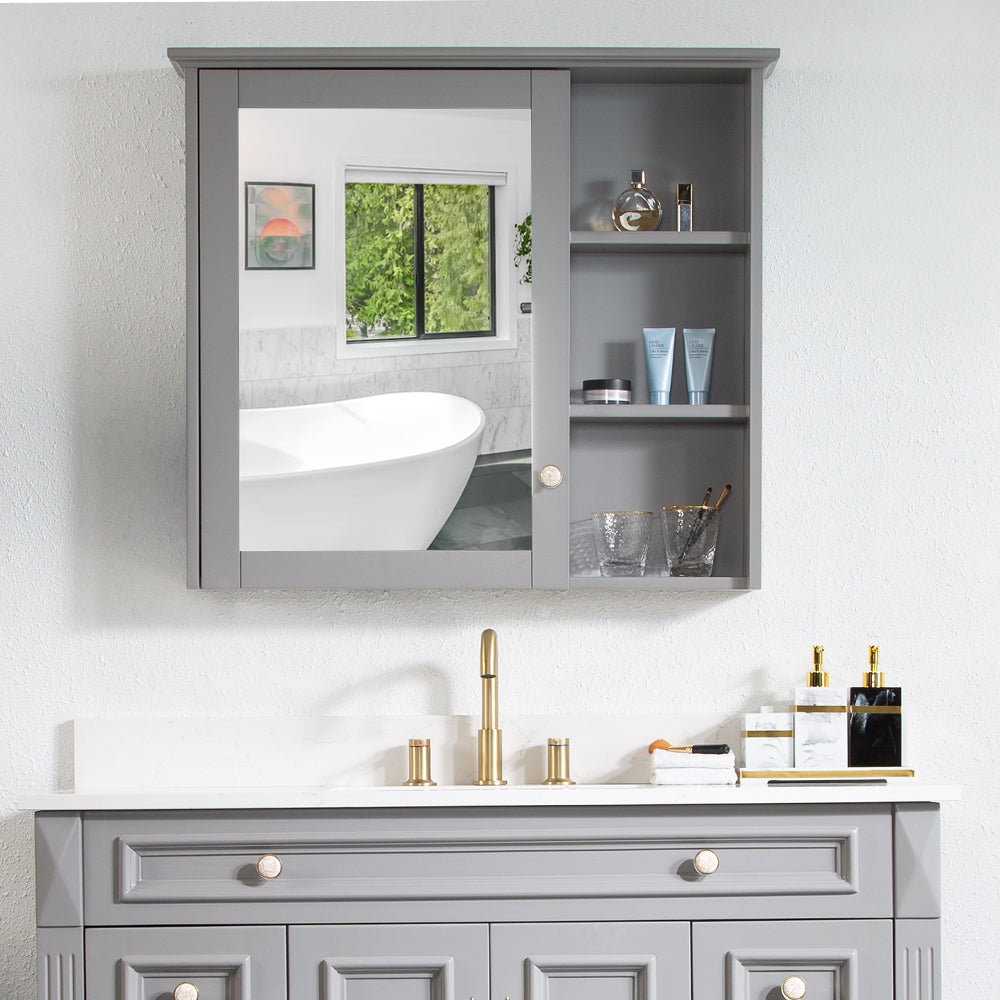
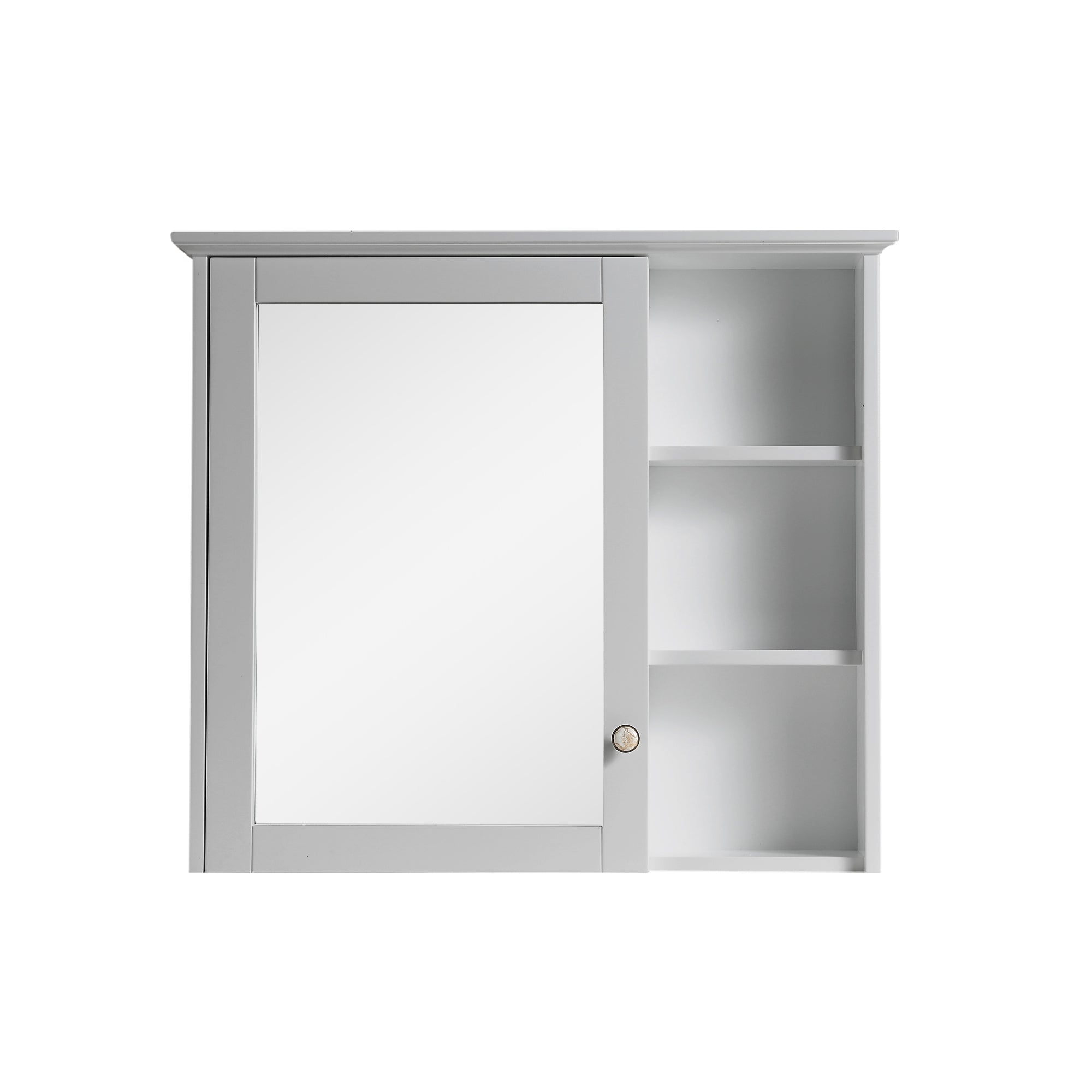
A recessed medicine cabinet can absorb small toiletries and first-aid items without competing with drawer space. At the same time, open shelving works best as “display-only” storage for a small, curated set. If open shelves become the default drop zone, they tend to amplify visual clutter.

6. The inside features that make storage actually usable
Hardware and interior details determine whether storage works day-to-day. The Houzz study’s high adoption of soft-close mechanisms reflects how much users value quiet, controlled motion. When comparing options, prioritize:
· Full-extension drawer slides (so the last few inches aren’t wasted).
· Dividers or adjustable organizers in the top drawer for daily smalls.
· Integrated or hidden outlets for toothbrushes and hot tools, placed to avoid cord clutter.
· A sink base that reclaims space with pull-outs, removable shelves, or a U-shaped drawer.
Recent NKBA trend notes also emphasize electrical integration, custom dividers, and charging stations built into vanity cabinetry to increase drawer efficiency and reduce countertop device clutter.
7. A quick fit guide for choosing the best mix
Start with what you store. If your daily set is mostly small items, prioritize drawers and shallow organizers. If you keep tall products and cleaning bottles, make sure you have at least one door bay with real vertical clearance. If you buy in bulk, pair the vanity with a tower or linen cabinet so backups don’t crowd out daily essentials.
Three configurations show up repeatedly in successful projects: a 36- to 48-inch single vanity with a dedicated drawer bank plus a sink base for tall items, a 60- to 72-inch vanity that gives each user a drawer stack, and a modest vanity paired with a 12- to 18-inch tower cabinet for towels and backstock. NAHB recently reported an average new single-family home size of around 2,405 sq. ft., with a median of 2,176 sq. ft., in third-quarter 2025 data, reinforcing the push for storage that works in tighter rooms. The best bathroom vanity units aren’t defined by one “perfect” configuration, but by a balanced mix: drawers for precision, doors for height, and vertical storage to keep the countertop clear.











Leave a comment
This site is protected by hCaptcha and the hCaptcha Privacy Policy and Terms of Service apply.