
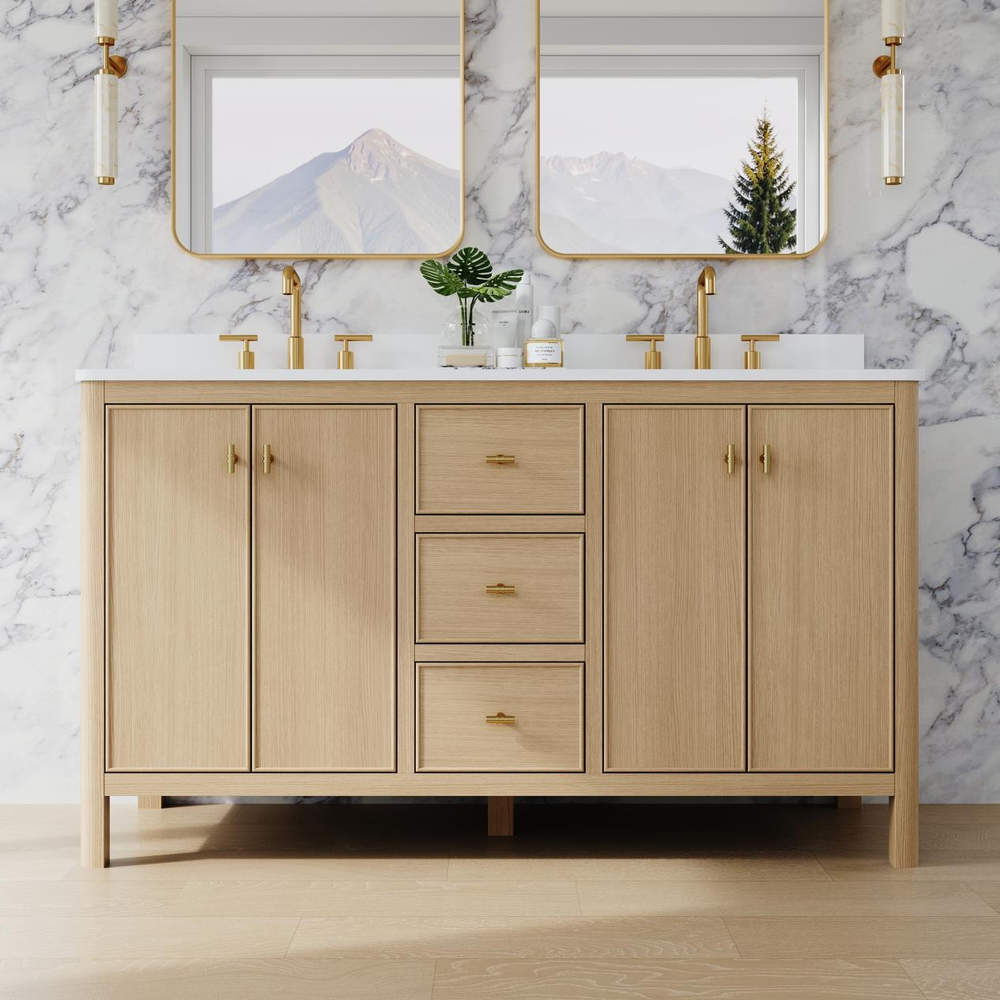
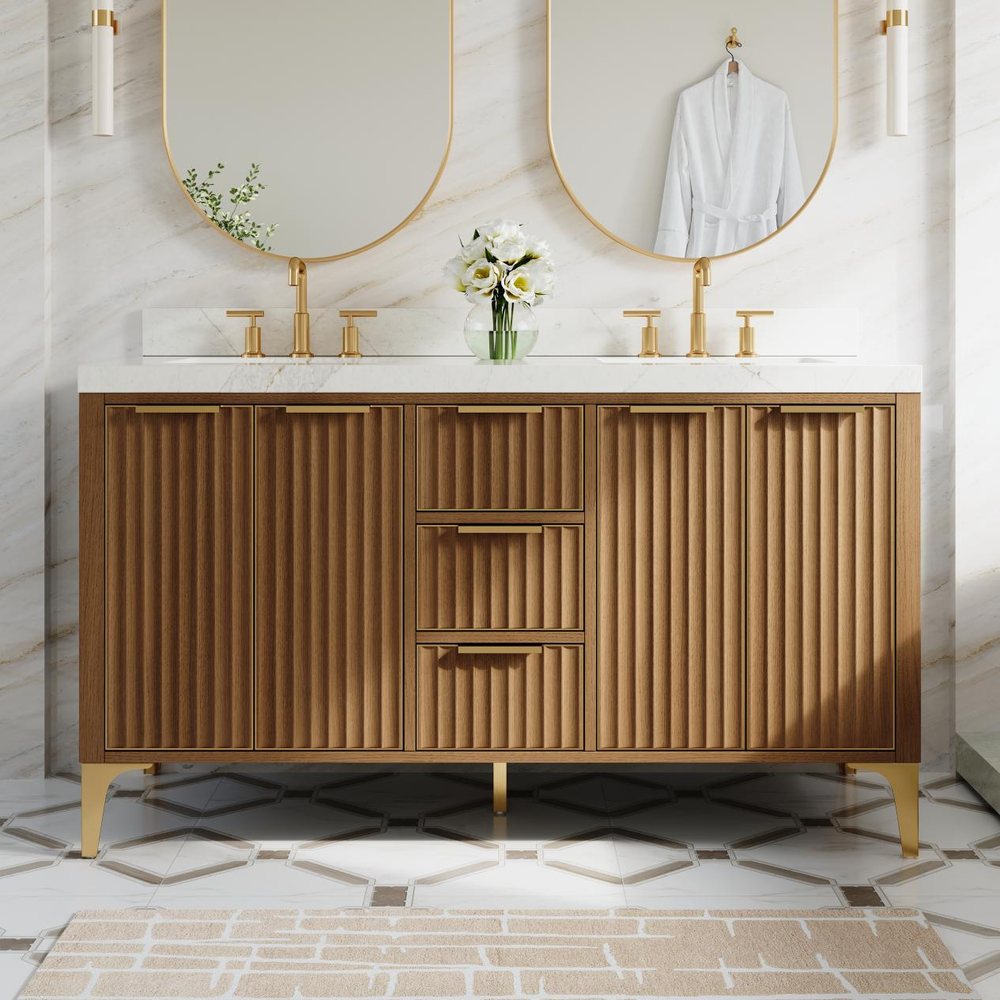
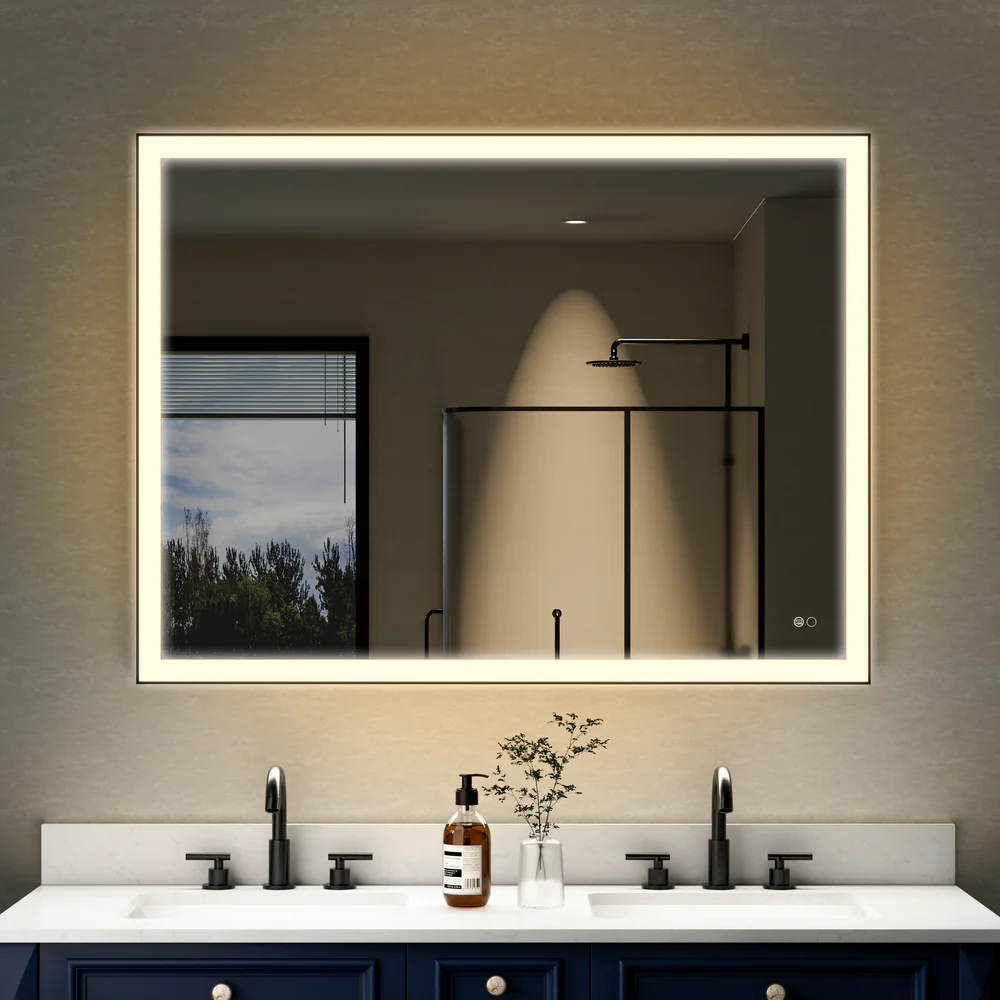

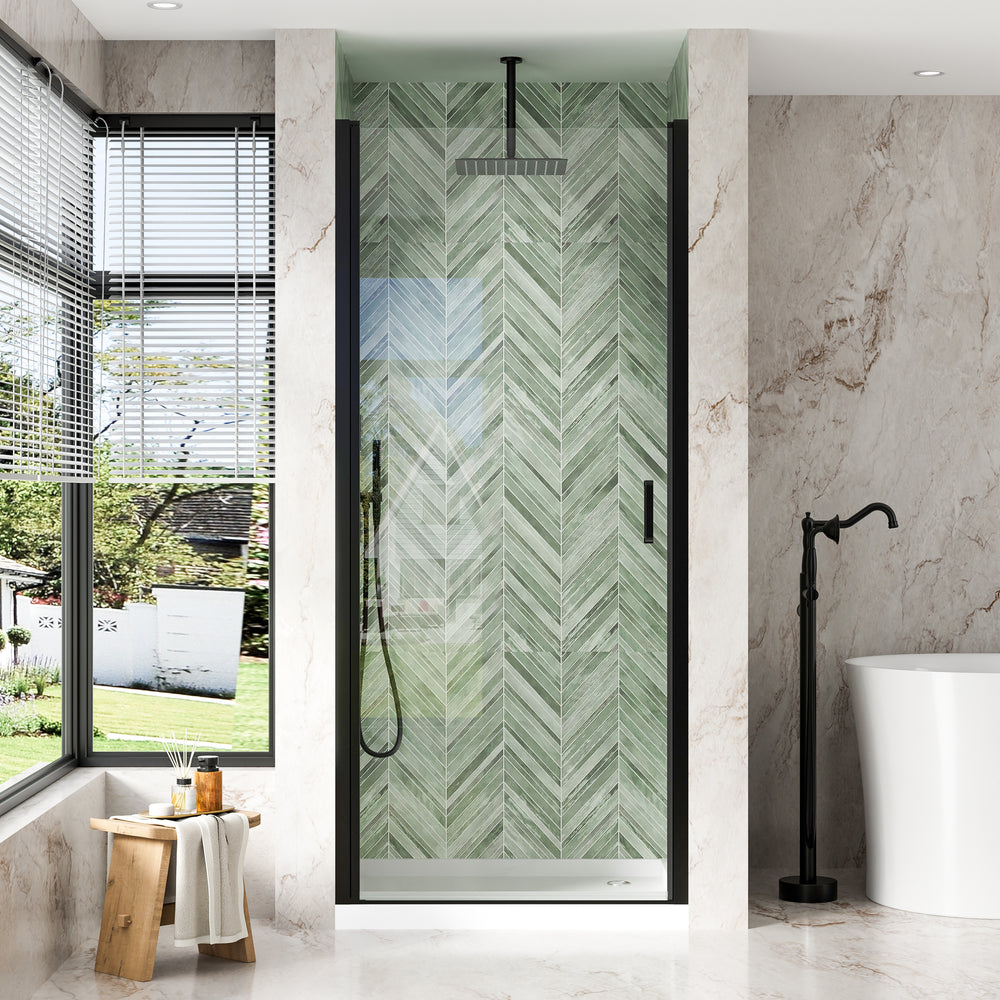
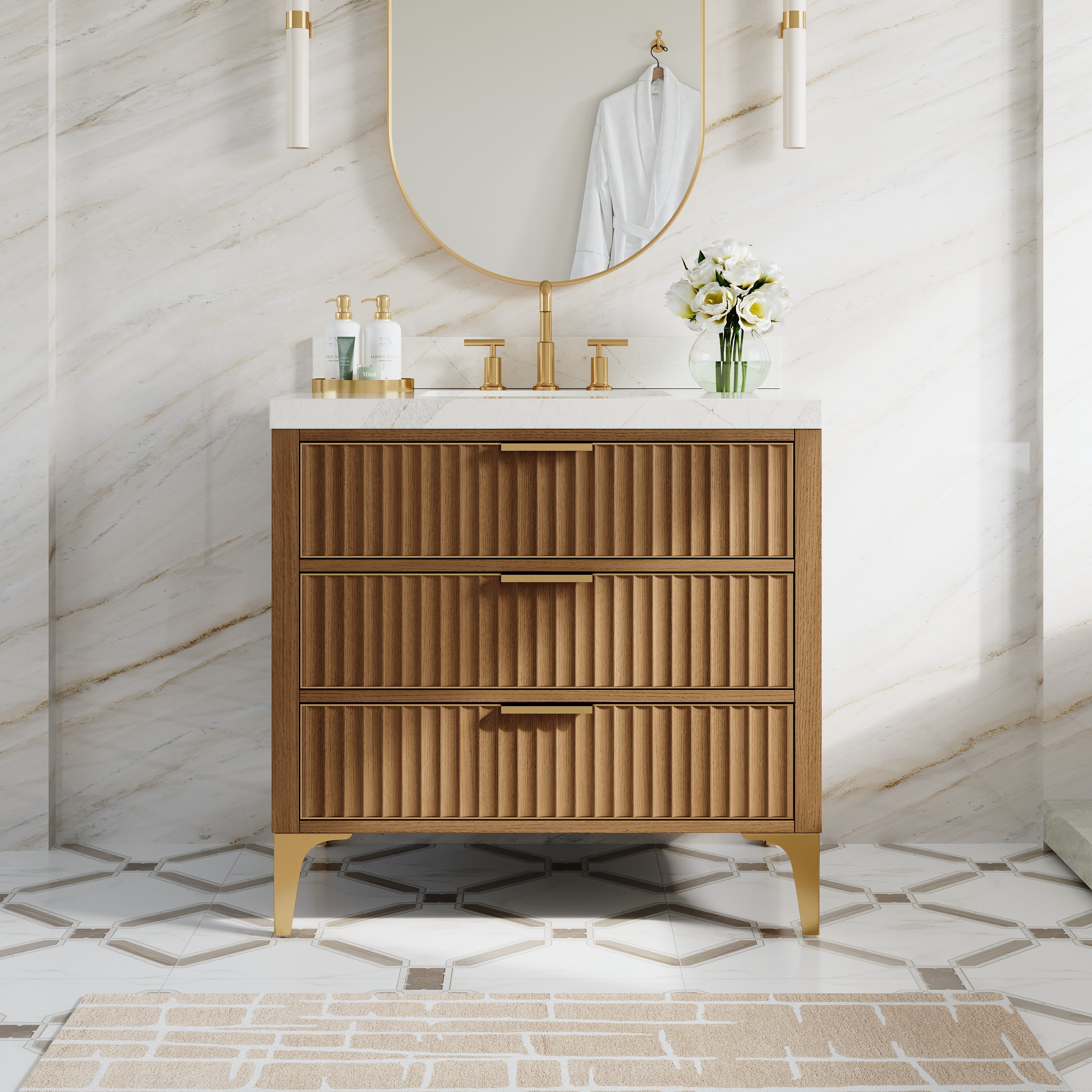
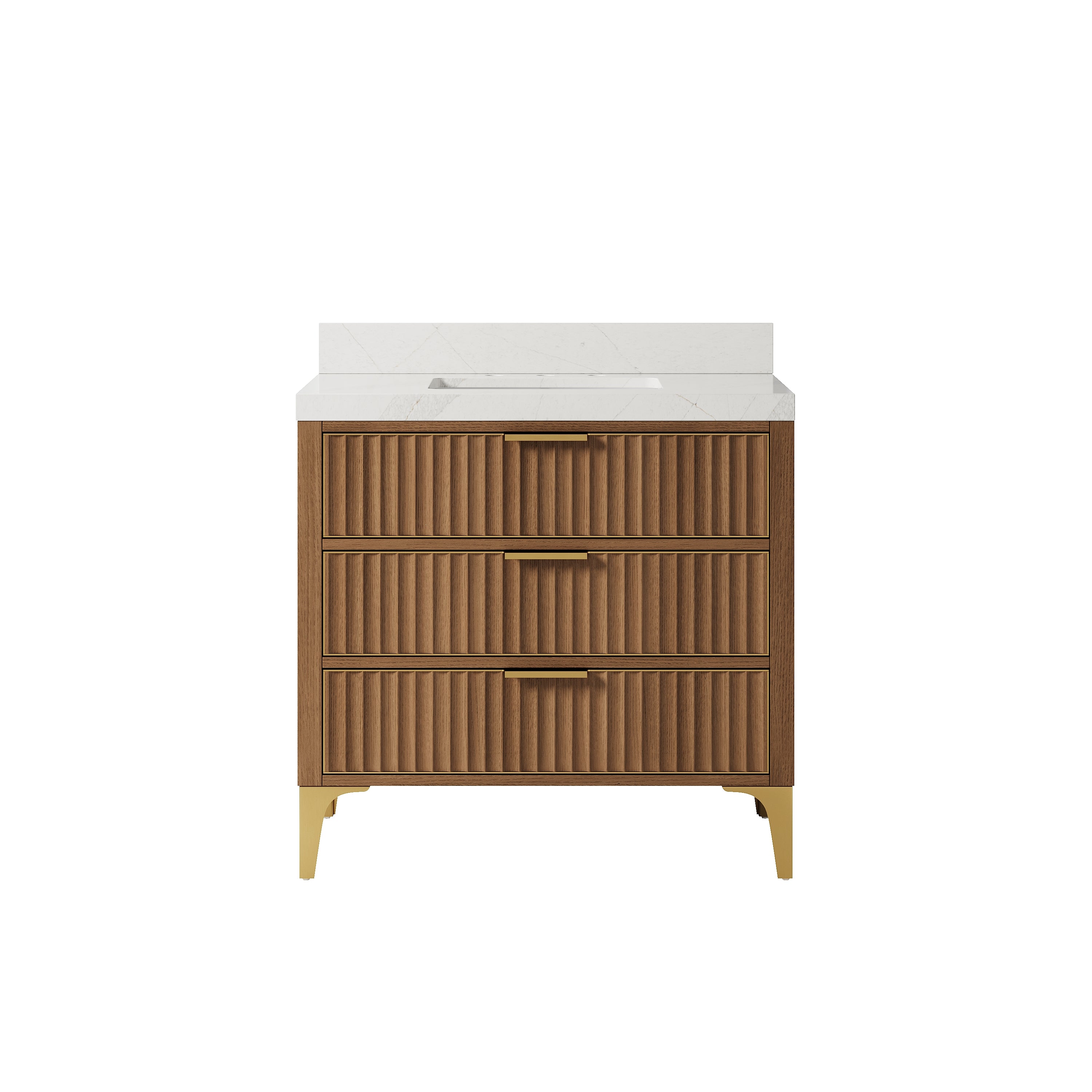
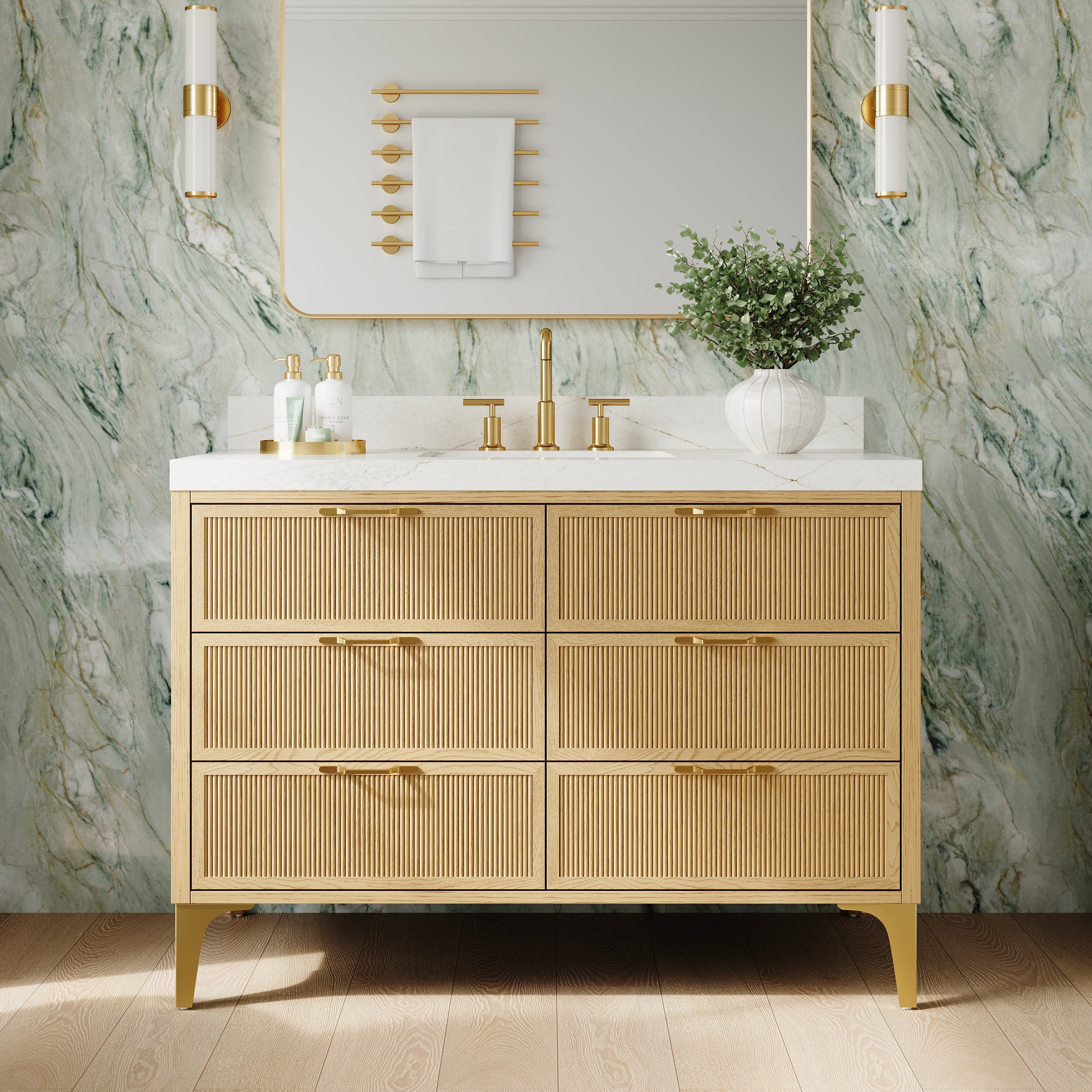
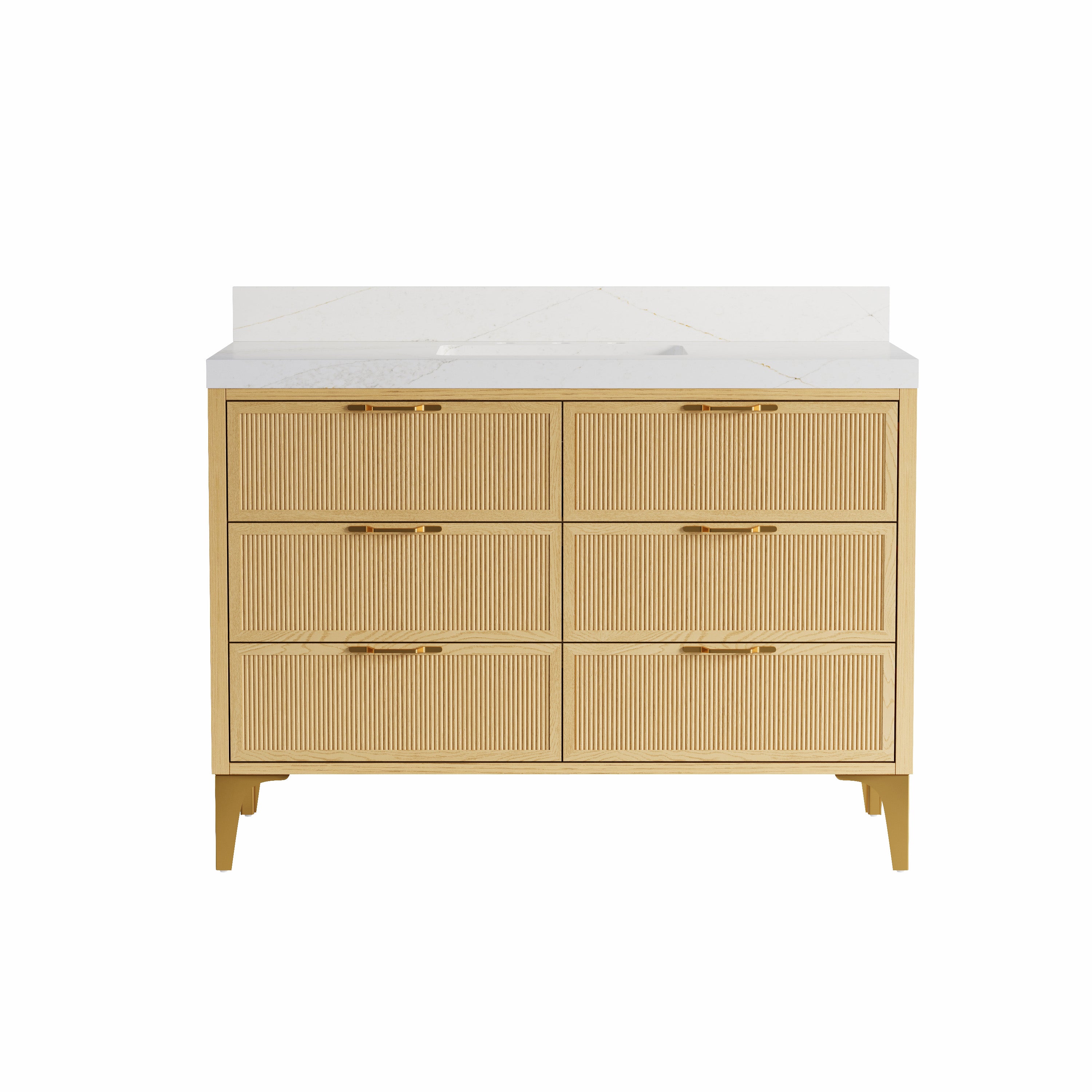
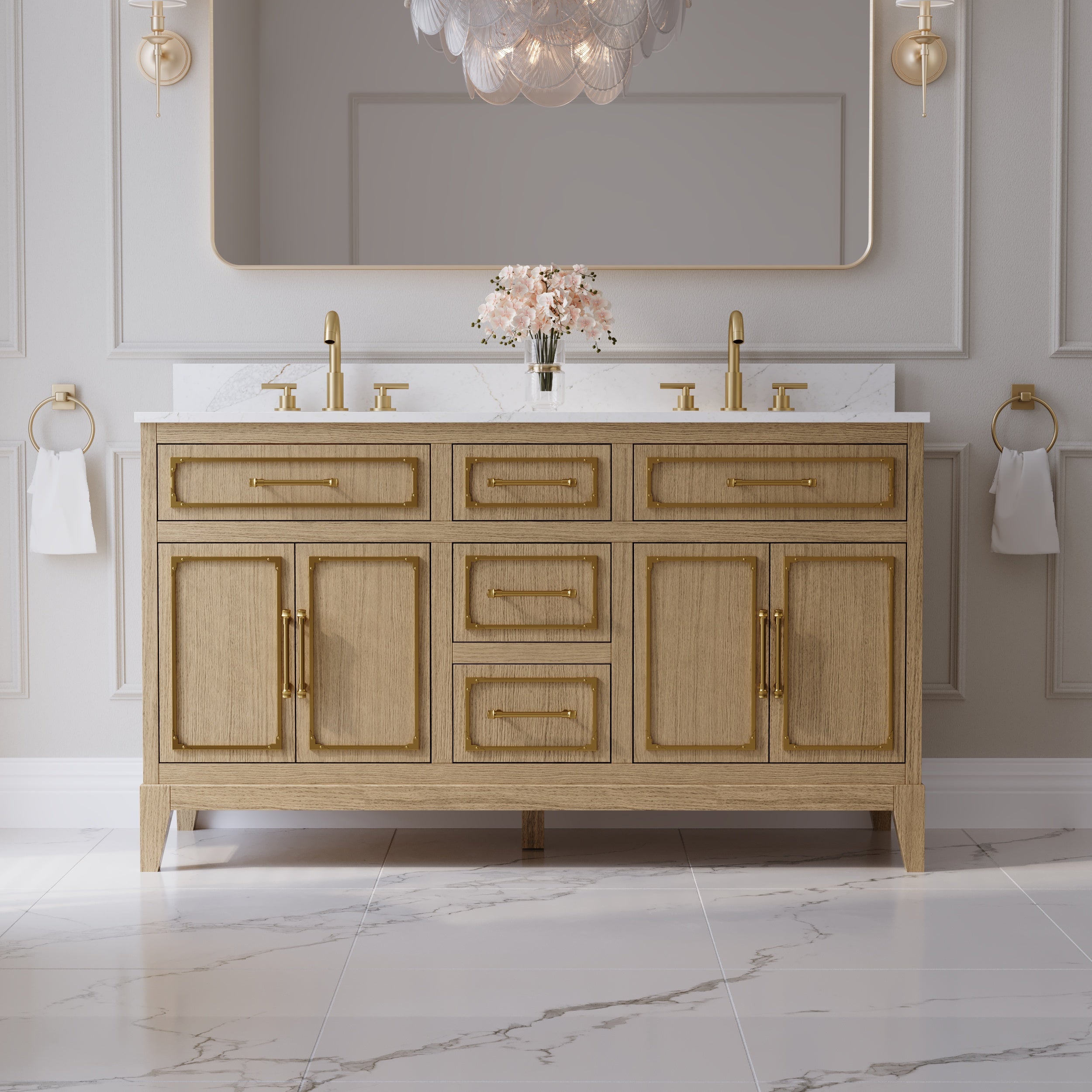
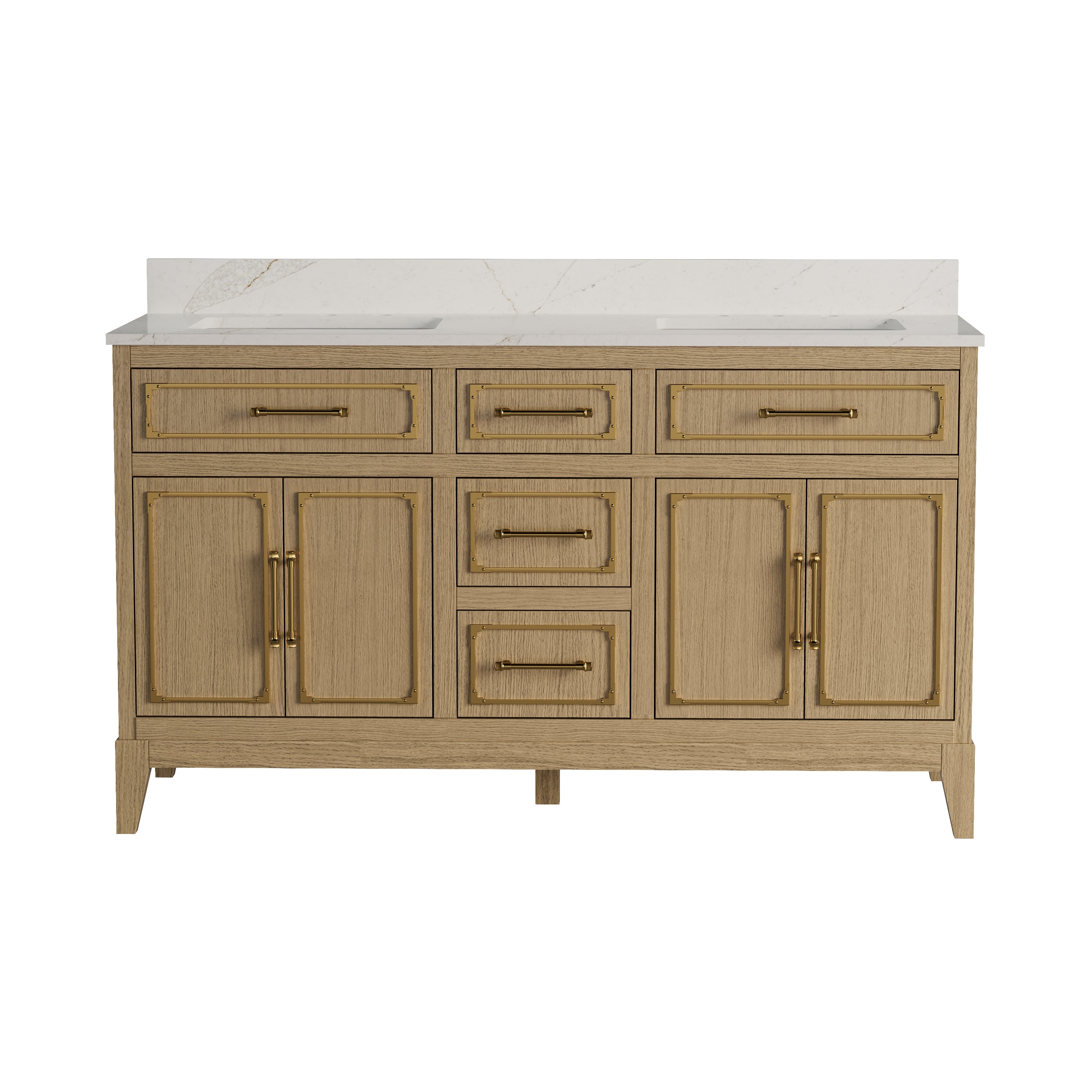
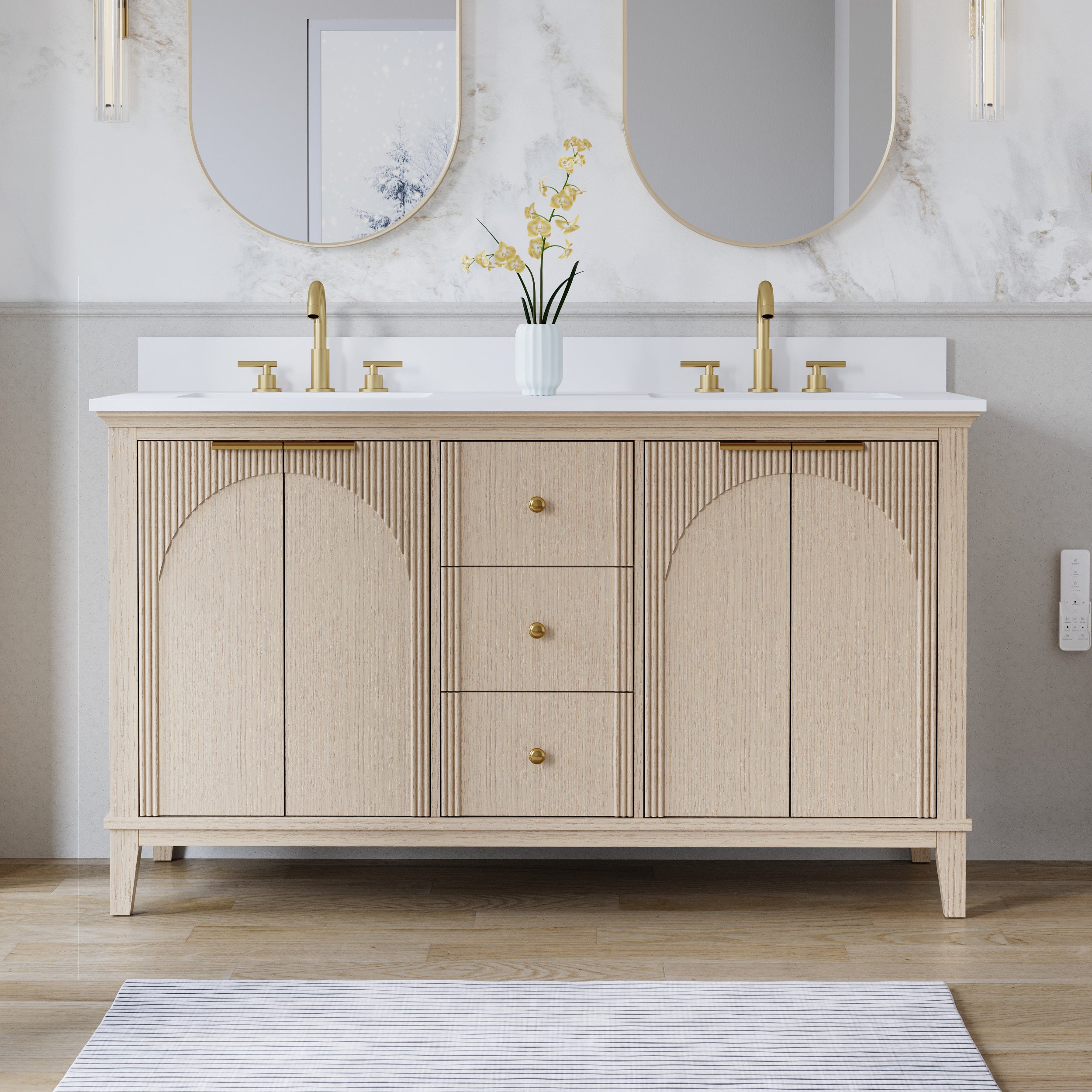
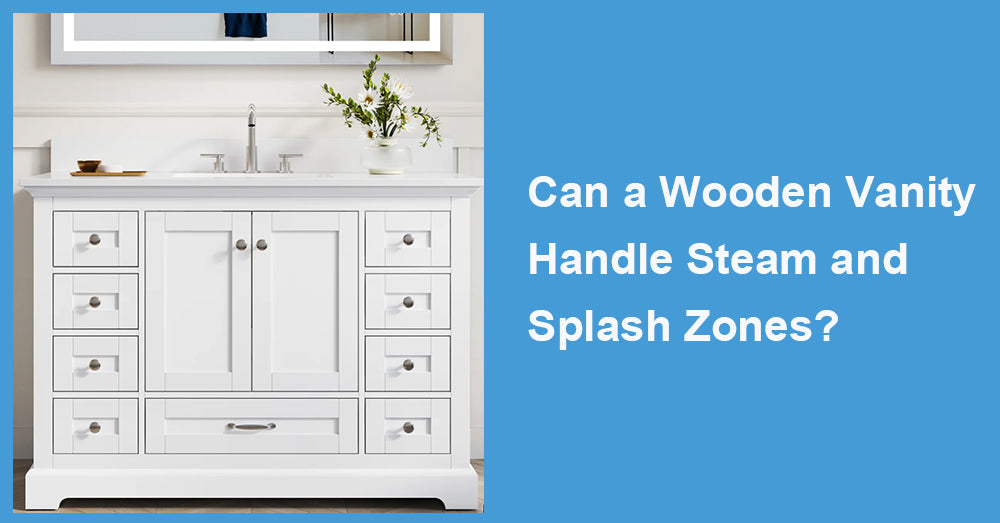
A wooden vanity can absolutely work in a bathroom with steam and splash zones, but it needs the right construction, finish, placement, and daily care. Wood is not the problem by itself. The real risk comes from trapped humidity, standing water, poor ventilation, exposed edges, and leaks that go unnoticed inside the cabinet. In a well-planned bathroom, wood can bring warmth and storage without becoming a maintenance headache. In a poorly ventilated room, even a beautiful cabinet can struggle sooner than expected.
1. Steam Affects the Whole Cabinet, Not Just the Front
Steam behaves differently from a quick splash. A splash lands on one surface and can be wiped away. Steam fills the room, reaches corners, moves behind doors, and settles on cooler surfaces. That means the cabinet front, drawer boxes, side panels, back panel, toe-kick, and underside of the countertop can all be exposed.
Wood naturally responds to moisture in the air. When the room is humid, wood can take in moisture. When the air dries, it releases moisture. Over time, repeated changes can cause slight movement. If the cabinet is poorly sealed or unevenly exposed, that movement may show up as swollen edges, uneven gaps, sticking drawers, or small cracks in the finish.
This is why steam control matters. The cabinet does not need a perfectly dry bathroom, but it does need a room that dries out after bathing.
2. Keep Humidity in a Safer Range
A bath space with a wood cabinet should not stay damp for hours after every shower. EPA indoor air guidance recommends keeping indoor relative humidity under 60% when possible, with 30% to 50% as a more comfortable target range. That advice is often discussed for mold prevention, but it also helps explain why bath furniture performs better in rooms with steady airflow.
A simple humidity gauge can be helpful, especially in bathrooms without windows. If the number stays high long after the shower ends, the exhaust fan may be too weak, too dirty, or not be used long enough.
A good habit is to turn on the fan before showering and leave it running afterward until the room feels clear. Opening the door after bathing can also help air move out of the room. These steps are small, but they reduce the moisture swings that make wood work harder.
3. Splash Zones Need Better Surface Protection
Splash zones are more direct. Around a vanity, the most exposed areas are the countertop edge, sink rim, faucet deck, drawer fronts, door edges, side panels near the sink, and the lower cabinet base. Water may look harmless, but repeated wetting can slowly wear down weak finishes.
The most important areas to inspect are the edges. A glossy front panel does not mean the cabinet is fully protected. The top edges under the counter, the inside edges around plumbing openings, the bottom rail, and the drawer-front corners should feel smooth and sealed. Rough or raw edges are warning signs.
A backsplash can also help. A 4-inch backsplash behind the sink reduces water contact with the wall and the rear countertop line. It does not make the cabinet waterproof, but it can make daily cleanup easier and protect the most common splash area.
4. The Countertop Does Part of the Work
The cabinet and countertop should be considered as one system. A durable countertop helps keep water away from the wood structure below. Engineered quartz remains a practical choice because it is nonporous, consistent in appearance, and easy to wipe clean. Houzz’s 2025 bathroom research reported that engineered quartz was the top vanity countertop material, selected by 45% of renovating homeowners.
Sink style matters too. An undermount sink gives a clean surface, but the cutout and underside must be sealed well. An integrated sink reduces seams and can be easier to maintain. A vessel sink can look stylish, but it needs careful faucet placement. If the faucet is too tall or too far forward, splashing becomes a daily problem.
Water flow is another small detail that affects the splash area. EPA WaterSense-labeled bathroom sink faucets use no more than 1.5 gallons per minute, compared with the older 2.2 gallons per minute benchmark. With a well-matched sink and faucet, lower flow can still feel normal while reducing unnecessary water spray.
5. Placement Can Decide How Long the Cabinet Lasts
Where the cabinet sits in the bathroom can make a big difference. A vanity placed across from a shower is usually safer than one placed directly beside an open shower entry. In wet-room layouts, where the shower area is more open, cabinet placement becomes even more important.
The cabinet should not sit where the shower spray regularly reaches the side panel or base. It also should not touch a damp bathmat or wet towel for long periods. If the floor slopes toward the cabinet, water can collect near the legs or toe-kick, which is not good for wood.
Clearance planning helps here. NKBA planning guidance recommends a 30-inch by 48-inch clear floor area at bath fixtures when access and maneuvering are considered. In practical terms, that means the vanity should have enough open space around it for comfortable use, cleaning, and airflow.
6. Construction Quality Matters in Steam Zones

A bathroom cabinet has a harder job than a bedroom dresser or hallway console. It must handle moisture, weight, plumbing access, and daily opening and closing. Stronger construction makes a real difference.
Look for solid joinery, square doors, sealed drawer fronts, and stable side panels. Solid wood can be a good choice for frames, doors, legs, and drawer fronts. Plywood is often useful for cabinet boxes because it offers stability and holds fasteners well. The important point is not just the material name, but how the cabinet is built and sealed.
Hardware also affects long-term use. Soft-close drawers and doors reduce slamming, which helps protect alignment over time. Houzz’s 2025 bath study found that soft-close drawers were selected by 78% of renovating homeowners, while soft-close doors were selected by 75%. That demand makes sense in a room used multiple times a day.
7. Daily Habits Still Matter
A well-built vanity can handle normal bathroom conditions, but it should not be treated like tile. After handwashing, shaving, or cleaning, wipe standing water from the counter edge and cabinet front. Do not let soap, toothpaste, or cleaner sit on the finish. Use a soft cloth instead of abrasive pads.
Check inside the cabinet occasionally. A slow supply-line drip or drain leak can damage wood faster than visible splashes because it stays hidden. Look at the cabinet floor, back panel, and pipe connections after installation and after any plumbing work.
Also, pay attention to storage. Wet towels should not be kept inside the cabinet. Damp cleaning cloths should not be left against side panels. If the inside of the cabinet is wiped down, leave the doors open for a short time so the interior can dry.
8. When Wood Is the Right Choice
A wooden vanity is a smart choice when the bathroom has decent ventilation, a properly sealed cabinet, a protective countertop, and enough space to keep the cabinet away from direct shower spray. It works best when water is wiped up quickly, and leaks are fixed early.
Wood is not ideal for a room with constant standing water, poor airflow, leaking plumbing, or an open shower that regularly sprays the cabinet. Those conditions are tough on almost any furniture material.
For most well-planned bathrooms, though, wood is practical. It softens the look of tile and glass, adds real storage, and brings a warmer character to the room. The key is simple: treat steam and splash zones as part of the design plan, not as an afterthought. When moisture is controlled from the start, a wood cabinet can stay stable, clean, and attractive for years.










Leave a comment
This site is protected by hCaptcha and the hCaptcha Privacy Policy and Terms of Service apply.