














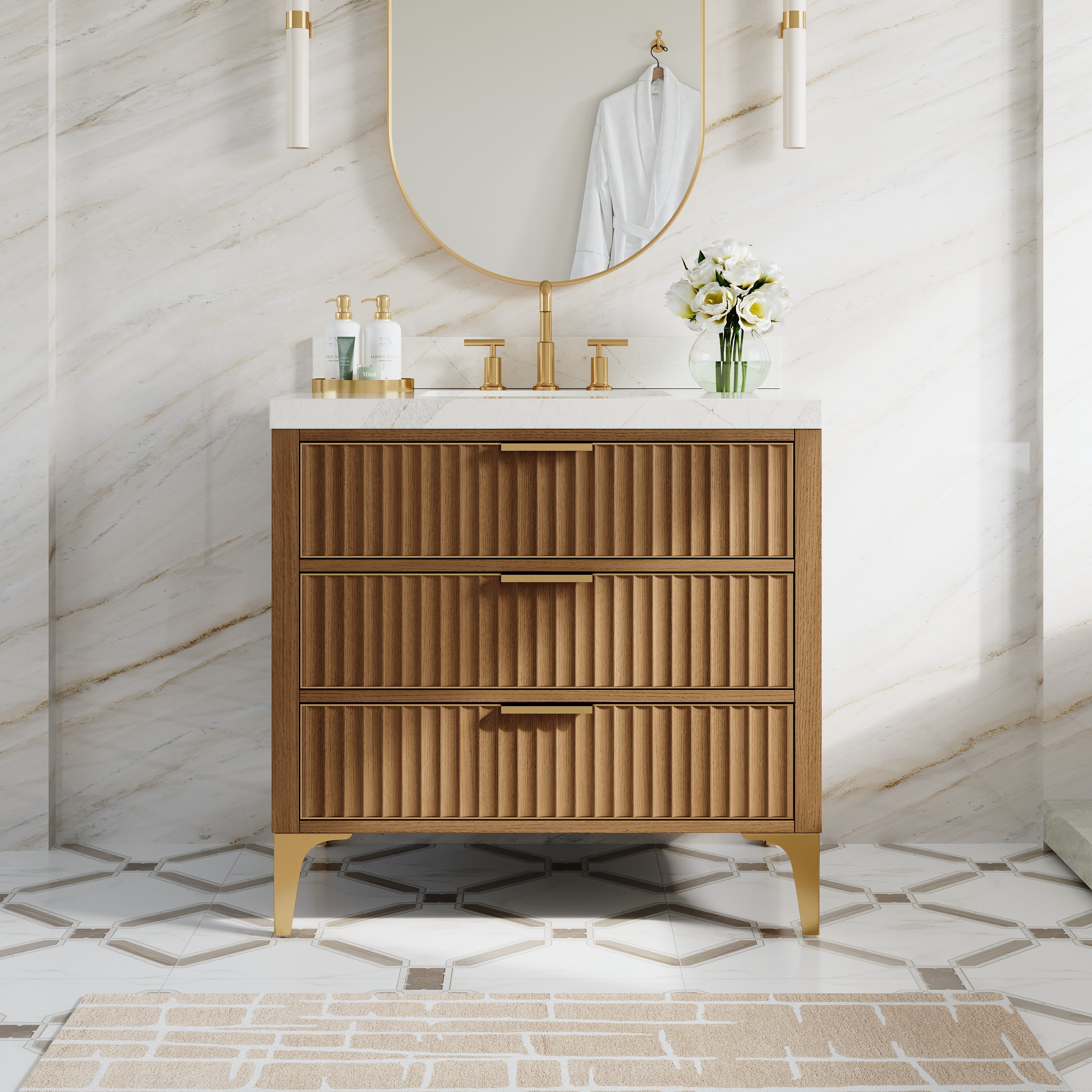
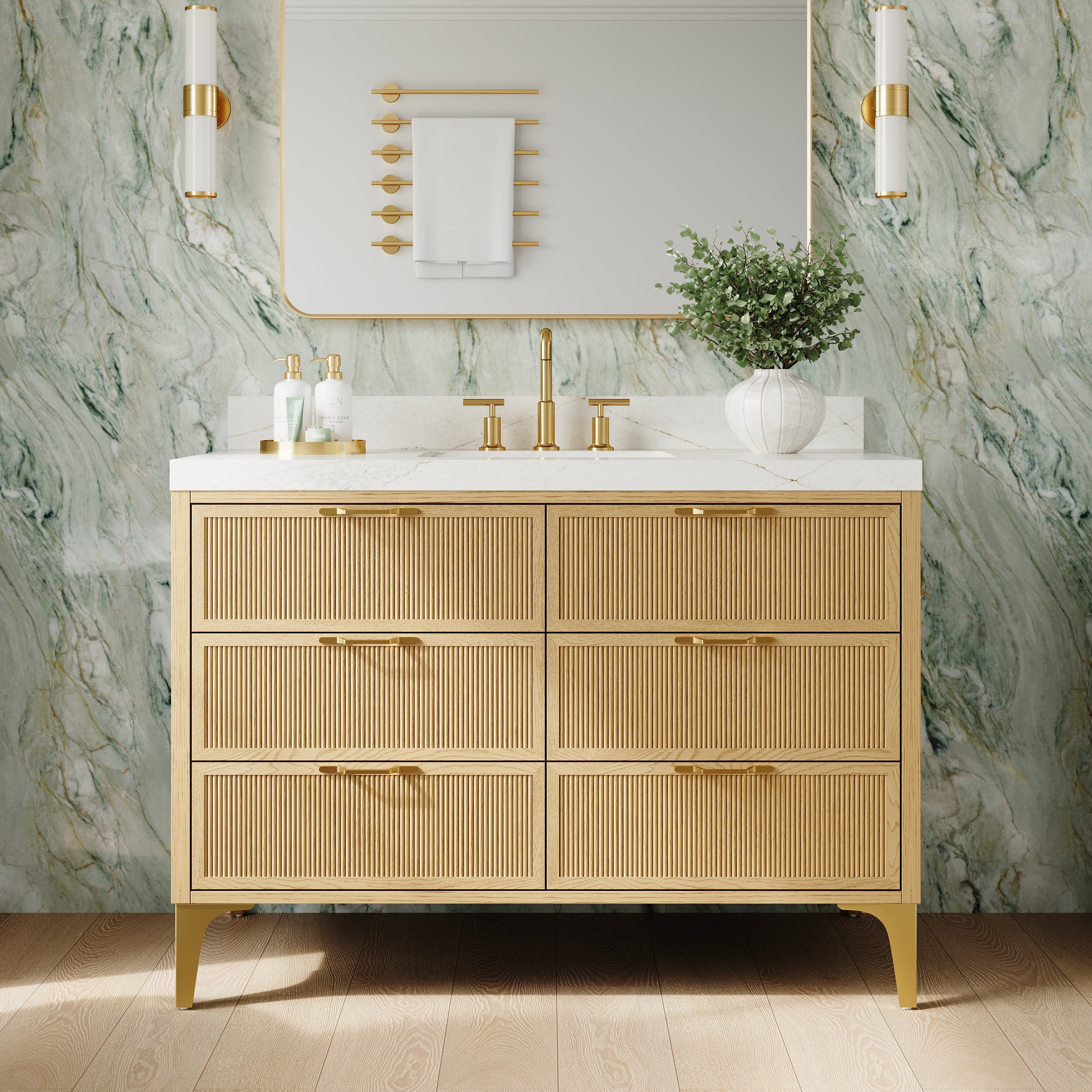


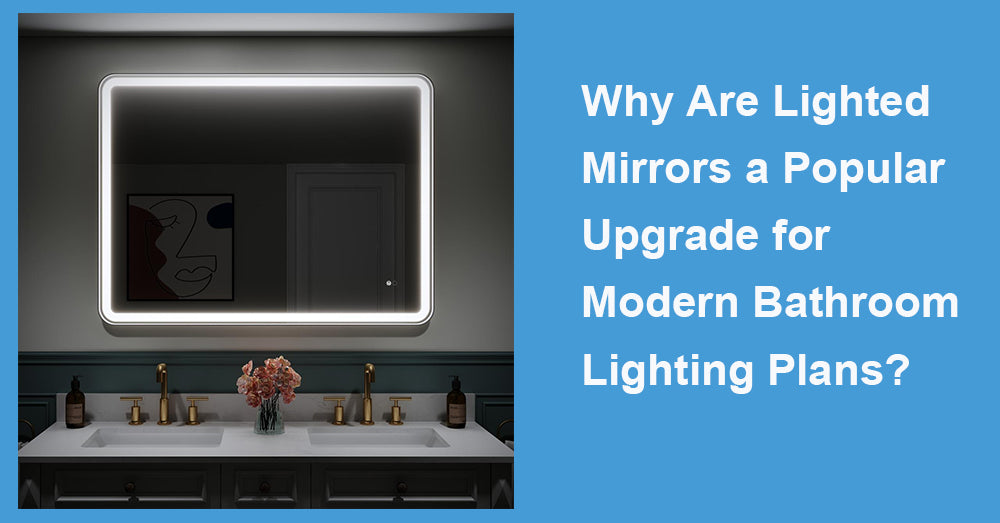
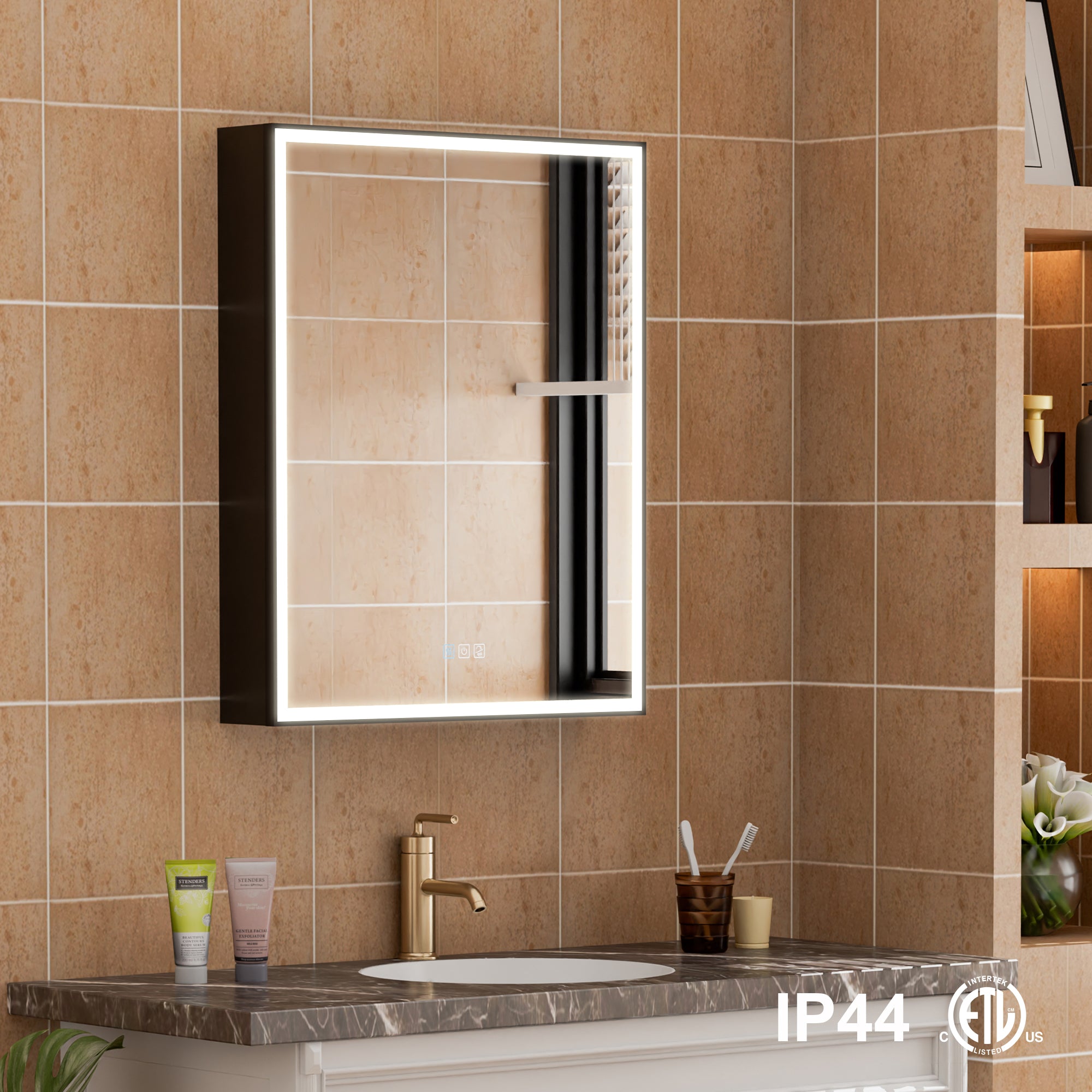
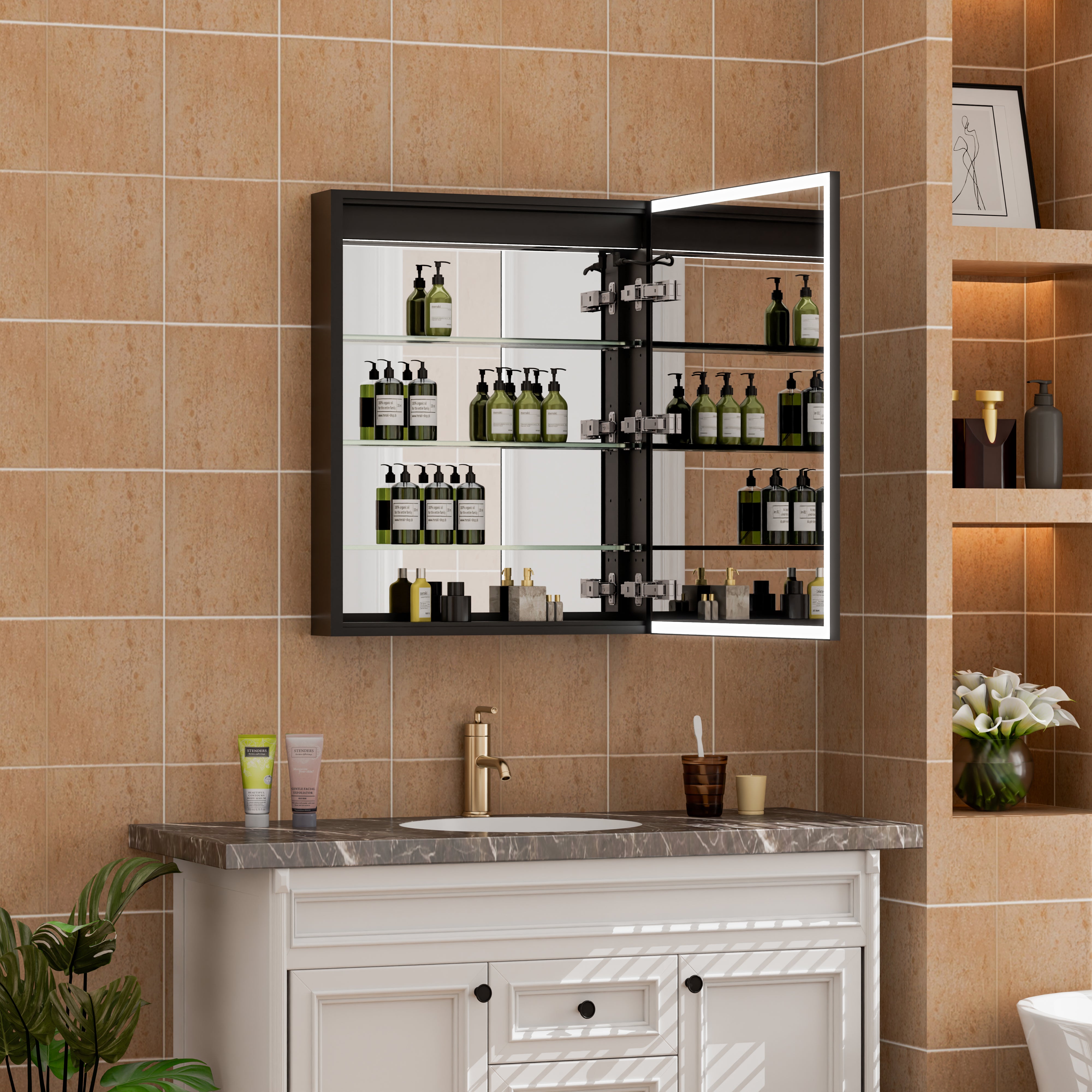
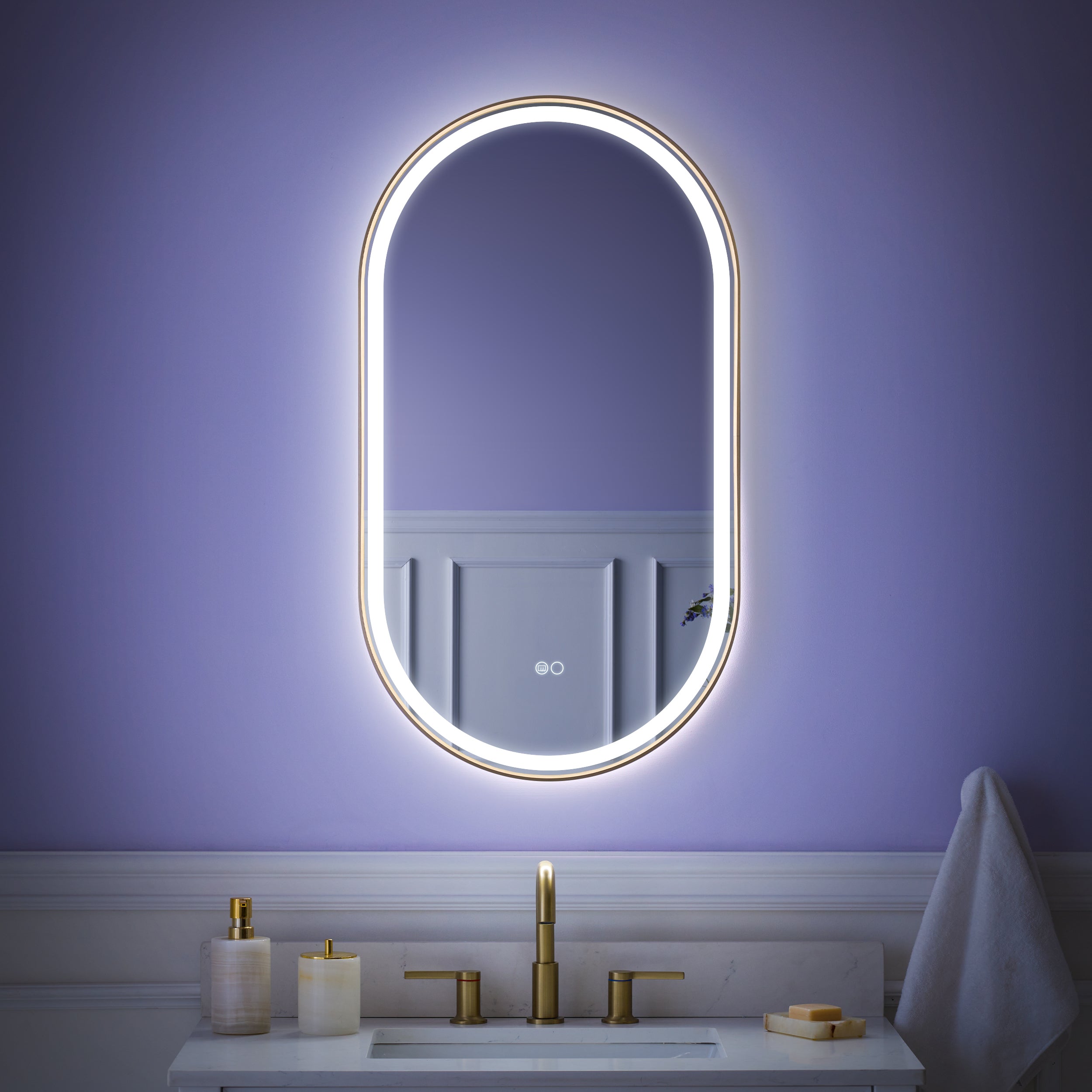
Lighted mirrors have become a go-to upgrade because they solve a problem that many bathrooms quietly struggle with: getting even, practical face lighting in a small space—without adding visual clutter. A well-designed , well-lit mirror can reduce harsh shadows, simplify the lighting layout, and make daily grooming easier. When paired with smart controls (dimming, color tuning) and the right humidity strategy, it can also be a reliable, long-term fixture rather than a trendy accessory.
1. They Improve Face Lighting Where It Matters Most
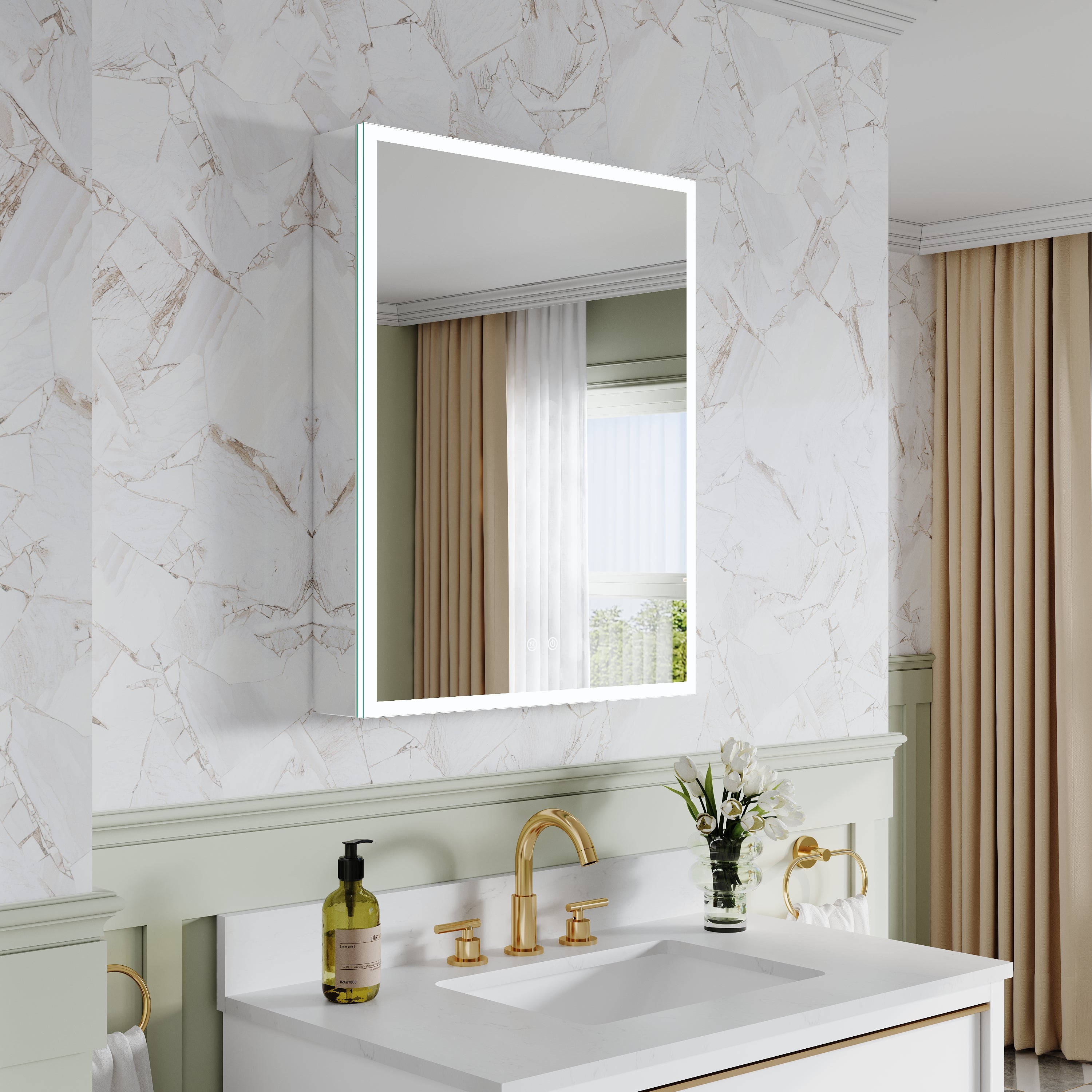
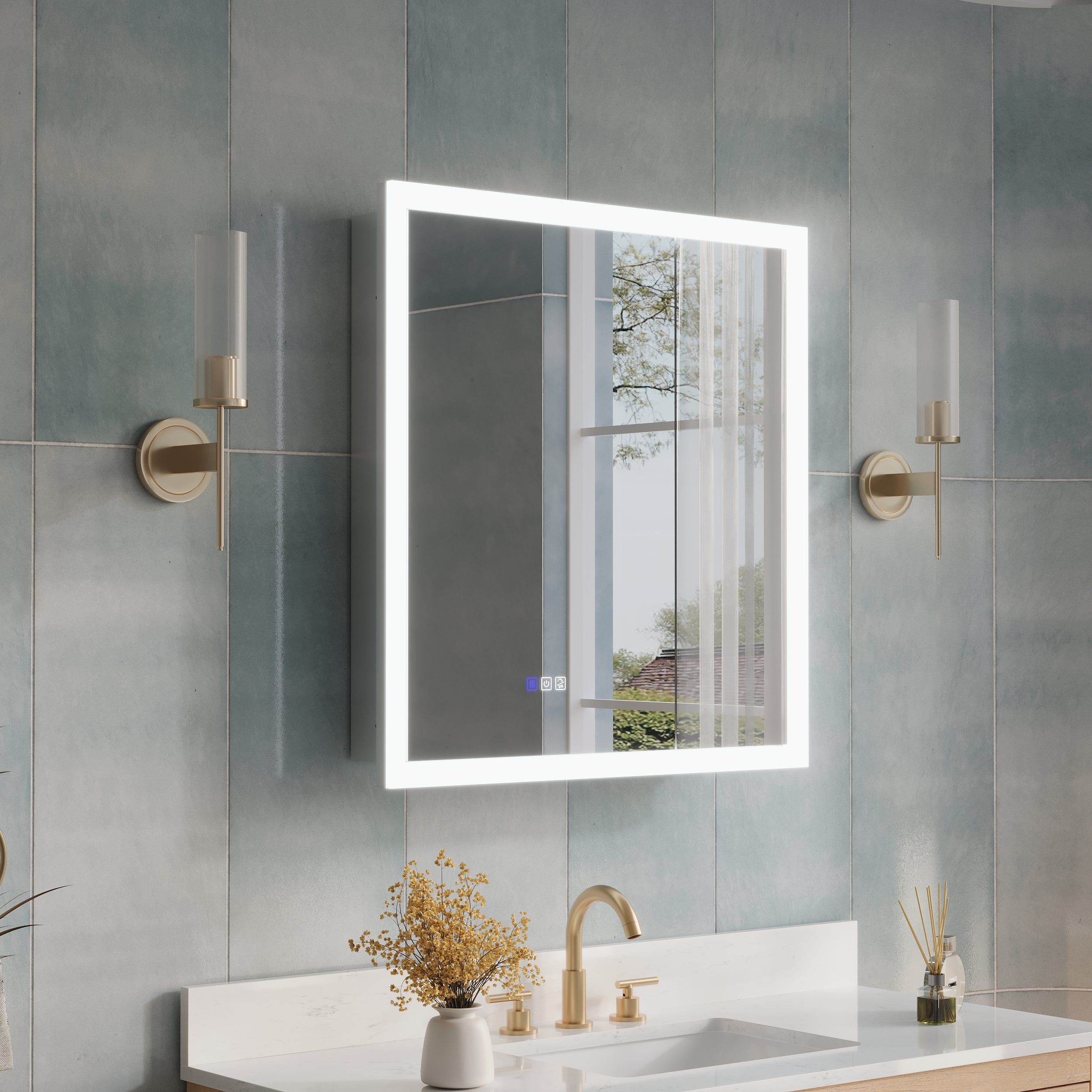
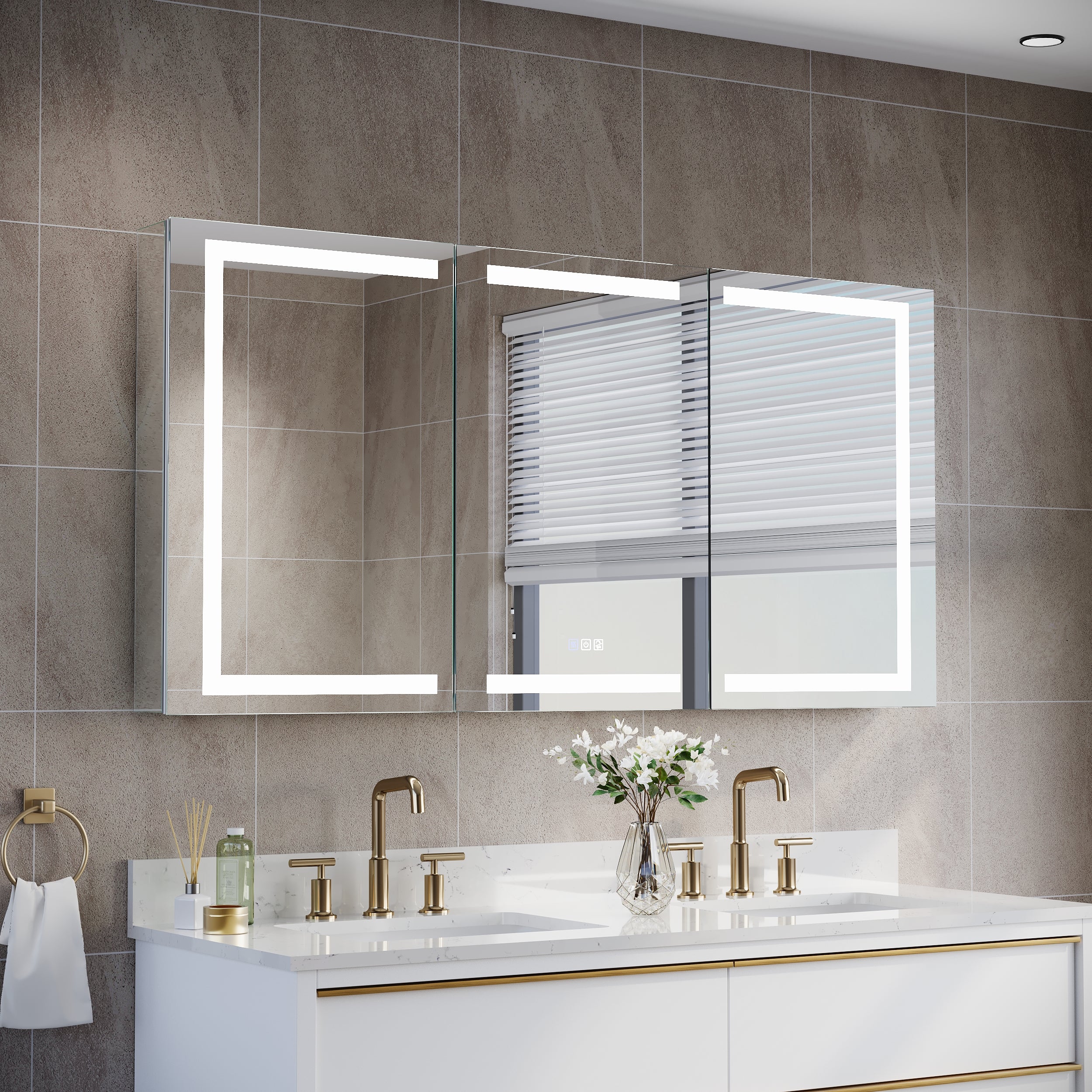
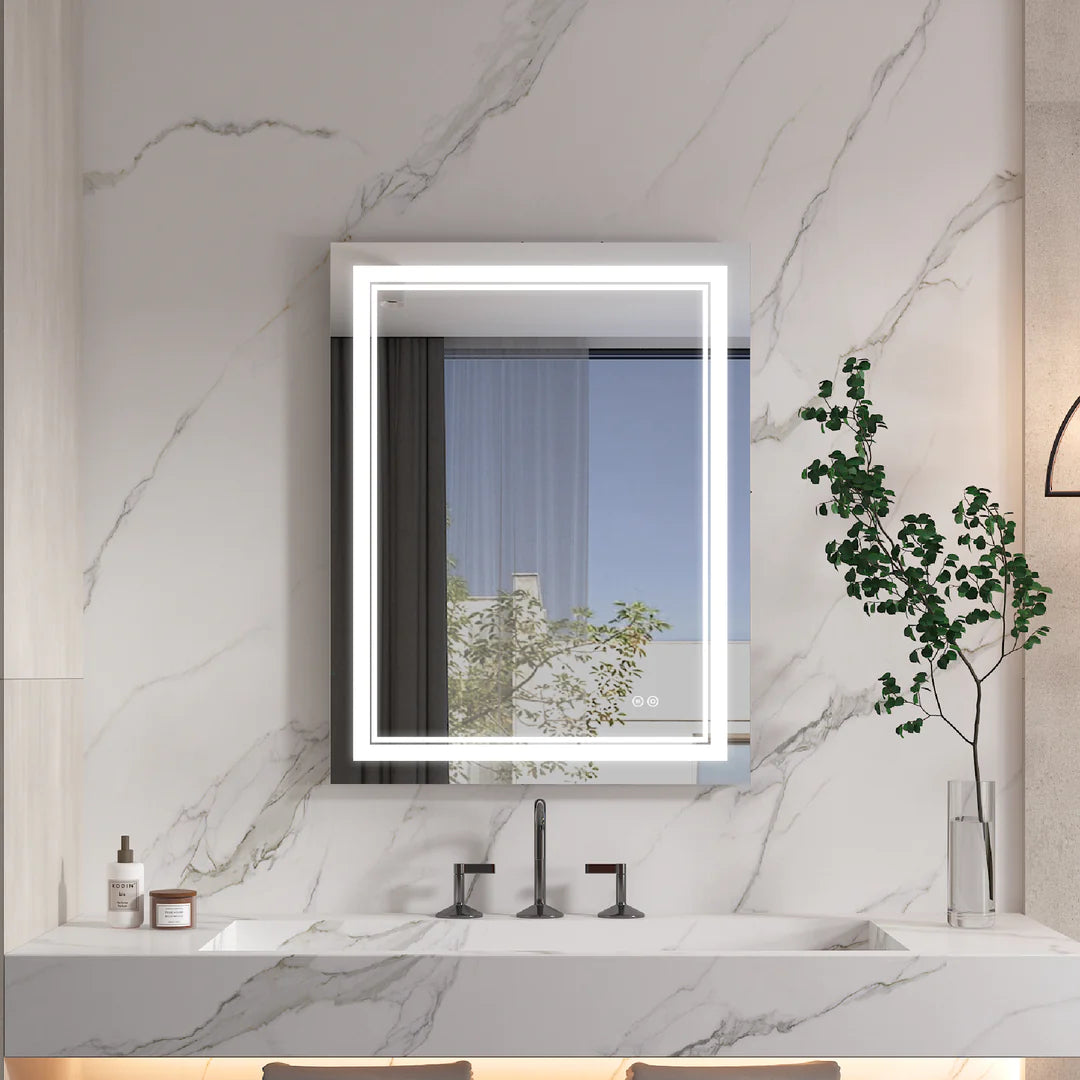
Bathrooms often rely on overhead fixtures that illuminate the room but leave faces unevenly lit. That’s why lighted mirrors feel like a “quality-of-life” upgrade: they bring light closer to eye level and can distribute it more evenly around the mirror area.
A practical way to think about this is illuminance at the user’s face, not just “how bright the bathroom looks.” Lighting professionals commonly use foot-candles to describe the amount of light reaching a surface. A foot-candle is the illuminance on a one-square-foot surface from a uniform light source (Source: Lighting Design Lab Footcandle Light Guide PDF).
Many compiled IES reference tables place bathroom-type spaces in a broad 20–50 foot-candle range depending on application and expectations (Source: IES Recommended Light Levels PDF compiled from the IES Lighting Handbook).
A lighted mirror can help push the vanity zone toward a more useful “task-friendly” feel—especially when the light is diffused and positioned to reduce under-eye and chin shadows.
2. They Simplify the Lighting Plan Without Making the Wall Look Busy
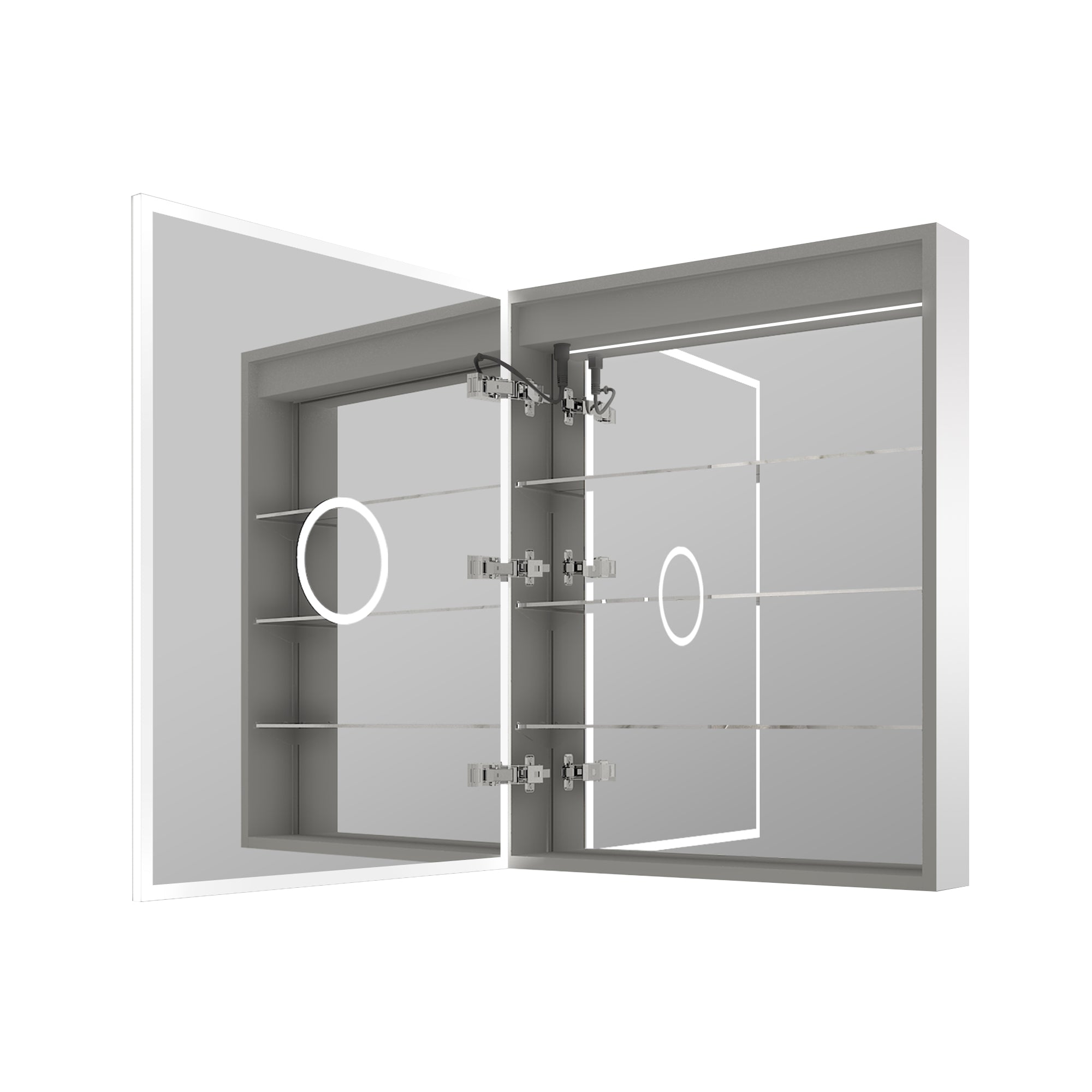
Modern bathrooms often aim for cleaner lines: fewer fixtures, fewer competing finishes, and less visual noise around the vanity. Lighted mirrors combine the mirror and a portion of the task lighting into one element, which can reduce the need for additional sconces or decorative vanity bars.
That doesn’t mean “a lighted mirror replaces every other light.” Most bathrooms still benefit from layered lighting—ambient (overall), task (grooming), and night/low-level options—but lighted mirrors can reduce complexity by making the task layer more predictable.
3. They Offer Tunable Comfort With Dimming and Color Control
A big reason people prefer lighted mirrors over a single overhead fixture is control. Brightness that feels perfect at noon can feel glaring at night. Dimming allows you to adapt the mirror lighting to time-of-day routines (quick check vs. detailed grooming).
Color temperature control is equally practical. Many lighted mirrors offer adjustable Kelvin settings so you can choose a warmer, calmer look or a cleaner, more neutral light for detail work. Even without getting overly technical, the benefit is simple: you can reduce the “why do I look different under this light?” problem by matching your mirror lighting to the rest of your bathroom’s lighting mood.
4. They Pair Naturally With Efficient, Long-Life LEDs
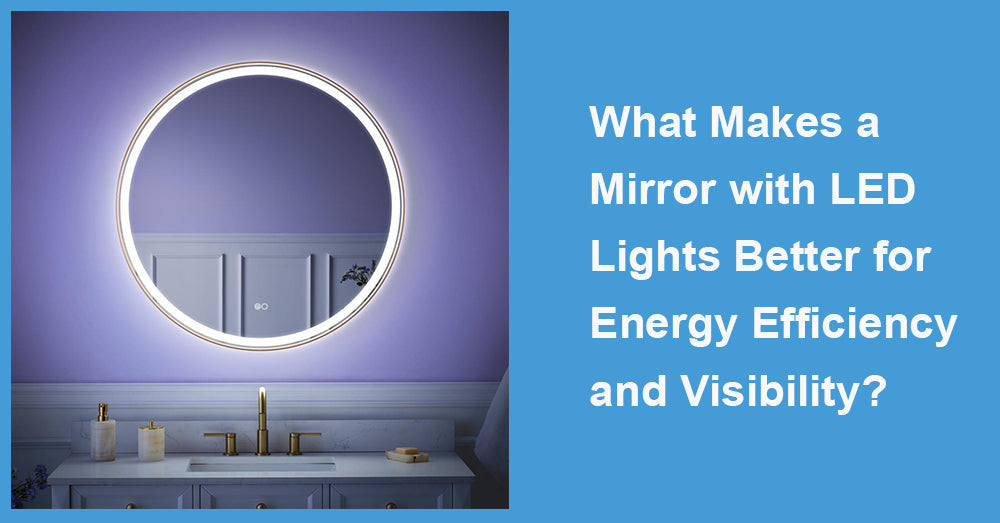
Lighted mirrors are typically LED-based, and LED performance is one of the strongest practical arguments for the category. Modern LED lighting can be dramatically more efficient and longer-lasting than older technologies.
The U.S. Department of Energy notes that residential LEDs—especially ENERGY STAR rated products—use at least 75% less energy and last up to 25 times longer than incandescent lighting (Source: U.S. Department of Energy, “LED Lighting”).
For something you use daily, longevity matters not just for energy savings but also for maintenance: fewer replacements, fewer failures, and more consistent lighting over time.
5. They Make Bathrooms Feel Brighter Without Always Increasing Wattage
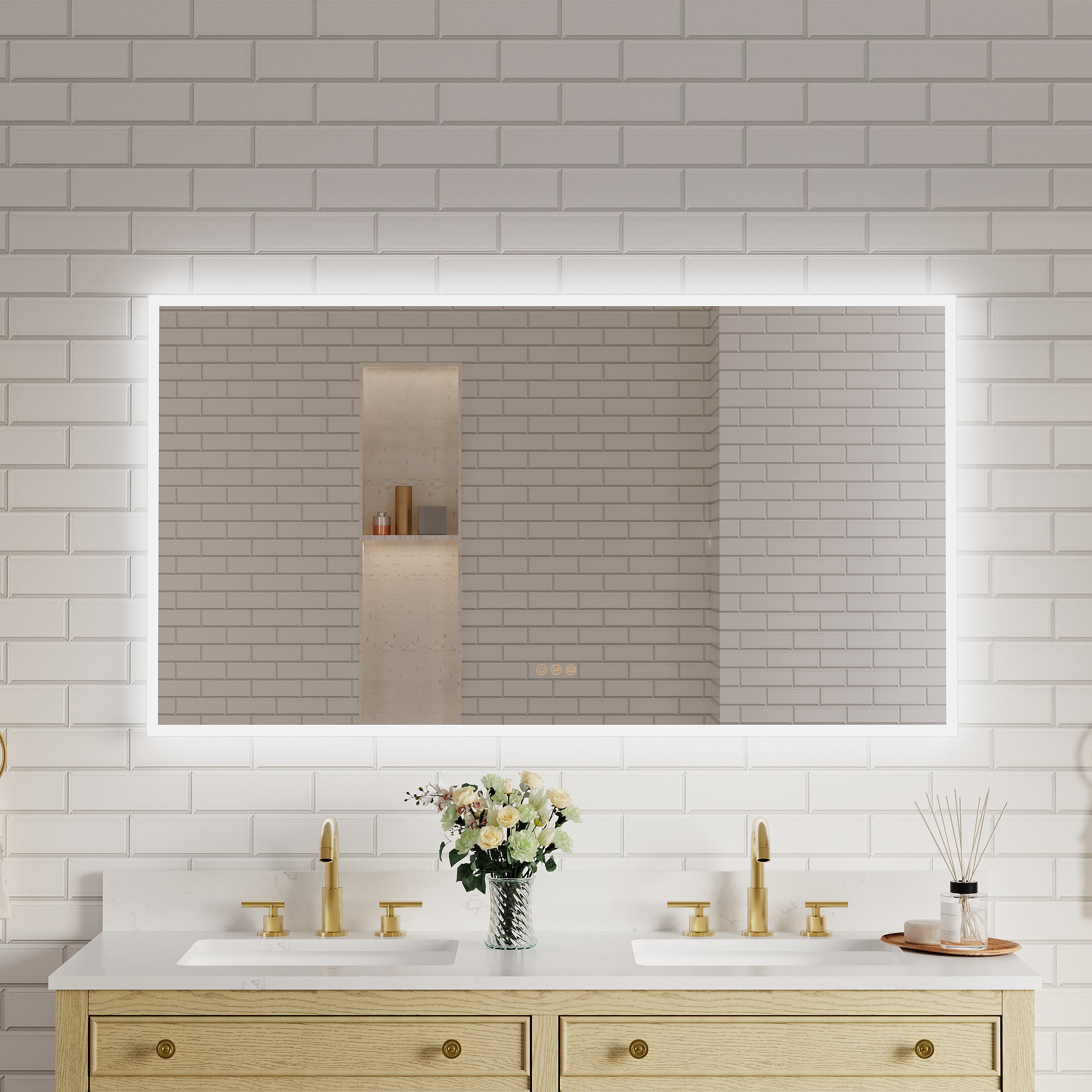
One reason lighted mirrors feel impactful is that mirrors are reflective surfaces. When a light source is integrated around or behind a mirror, it can increase perceived brightness by adding a controlled glow and reflecting light back into the space. In smaller bathrooms, that “bounce” can make the room feel more open—especially when walls are light-colored ,and surfaces are clean and matte rather than overly glossy.
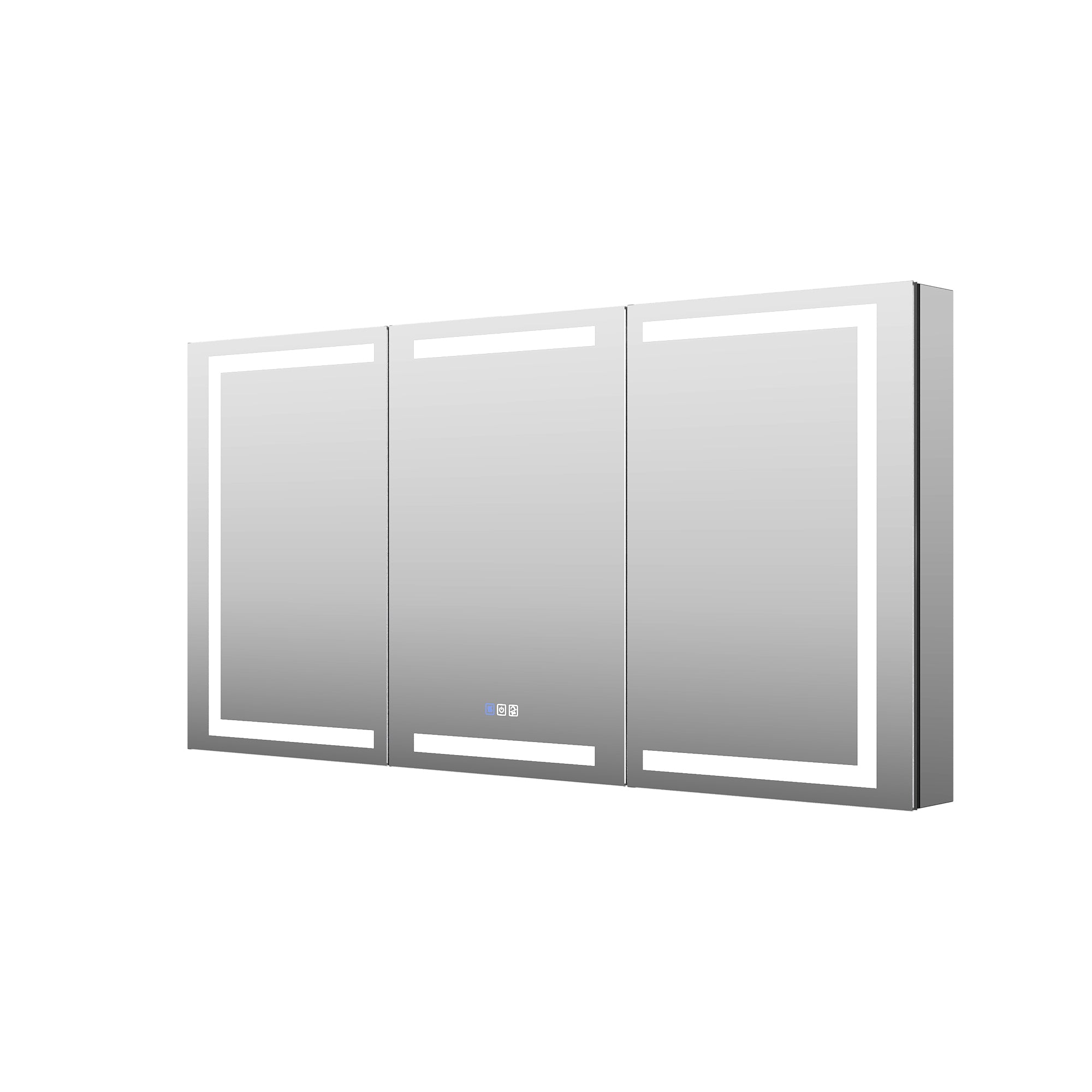
The key is diffusion. A high-quality lighted mirror hides point-source LEDs behind a diffuser so the light reads as smooth rather than dotted. That improves comfort and reduces eye fatigue, particularly when you’re close to the mirror.
6. They Support Better Moisture Management When Chosen Correctly
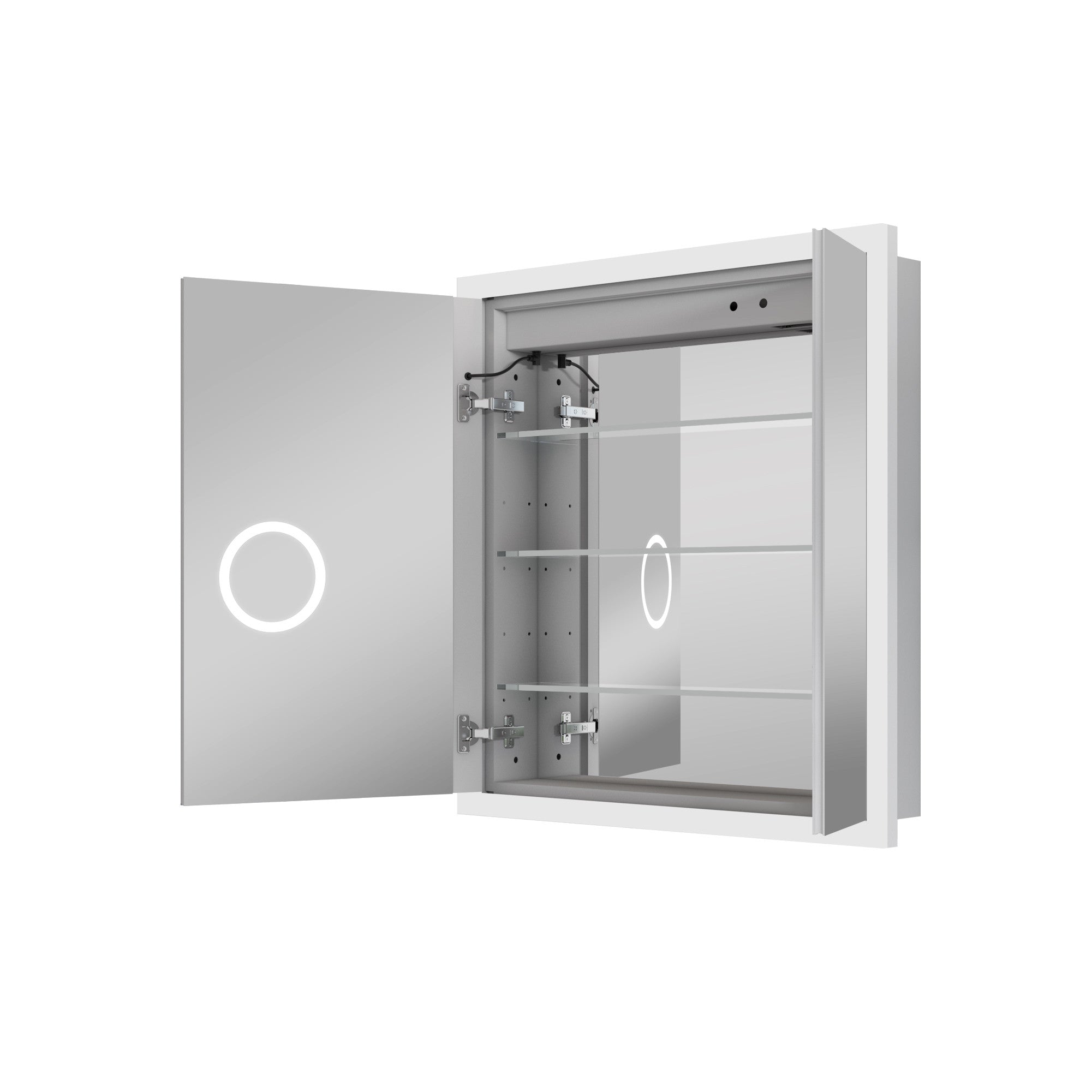
Bathrooms are humid environments. Any product mounted near a sink or shower must handle condensation and repeated humidity spikes. Lighted mirrors have become more popular partly because many designs now incorporate features that address these realities, such as anti-fog pads and sealed housings.
Humidity guidance is clear about what “healthy indoor” targets generally look like. EPA guidance notes that indoor relative humidity should be kept below 60%, ideally between 30% and 50% if possible (Source: U.S. EPA Mold Course Chapter 2).
Even a high-quality mirror can degrade faster if moisture sits on edges daily, so a bathroom lighting plan that includes a lighted mirror should also include a ventilation habit: run the fan during showers and for a period after, and avoid persistent condensation buildup.
7. Performance Expectations Are Shifting Toward “Verified, Not Just Brighter”
A subtle reason lighted mirrors keep growing in popularity is that home fixtures increasingly borrow the “performance criteria” mindset found in other efficiency categories. People don’t only want “less energy” or “more features”—they want proof that the experience is still good.
A helpful analogy is how efficiency programs frame performance. For example, EPA WaterSense describes that WaterSense-labeled showerheads must use no more than 2.0 gpm and still provide a shower experience that is “equal to or better” than conventional products (Source: U.S. EPA WaterSense Showerheads).
The underlying idea—measurable performance + user satisfaction—is increasingly what shoppers expect from lighting products too: stable output, comfortable color, low glare, and dependable components.
In practical terms for lighted mirrors, this means the best options are the ones that clearly state specs, have reliable drivers, and provide smooth dimming and consistent color—not just dramatic photos.
8. They Fit Modern Aesthetics Across Many Styles
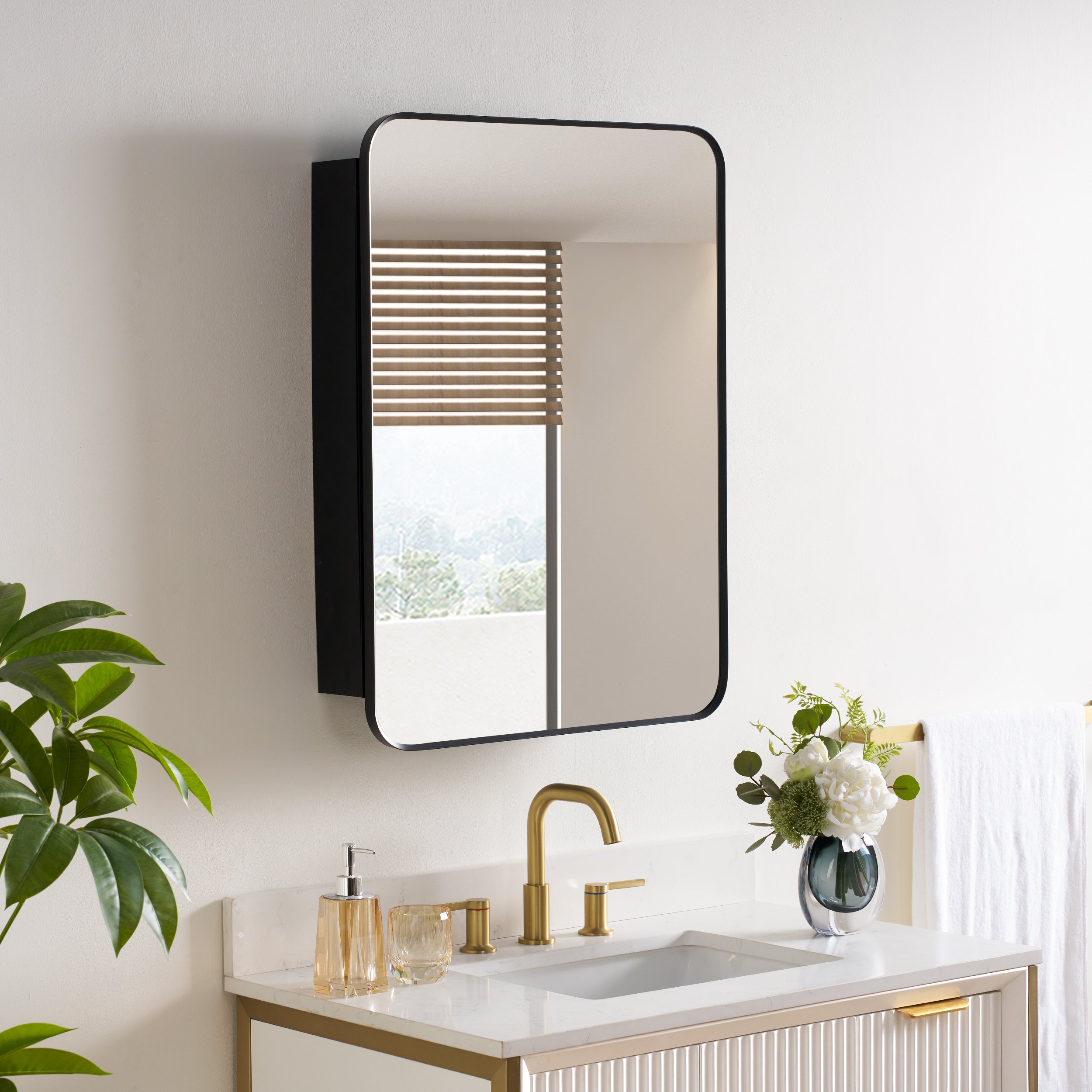
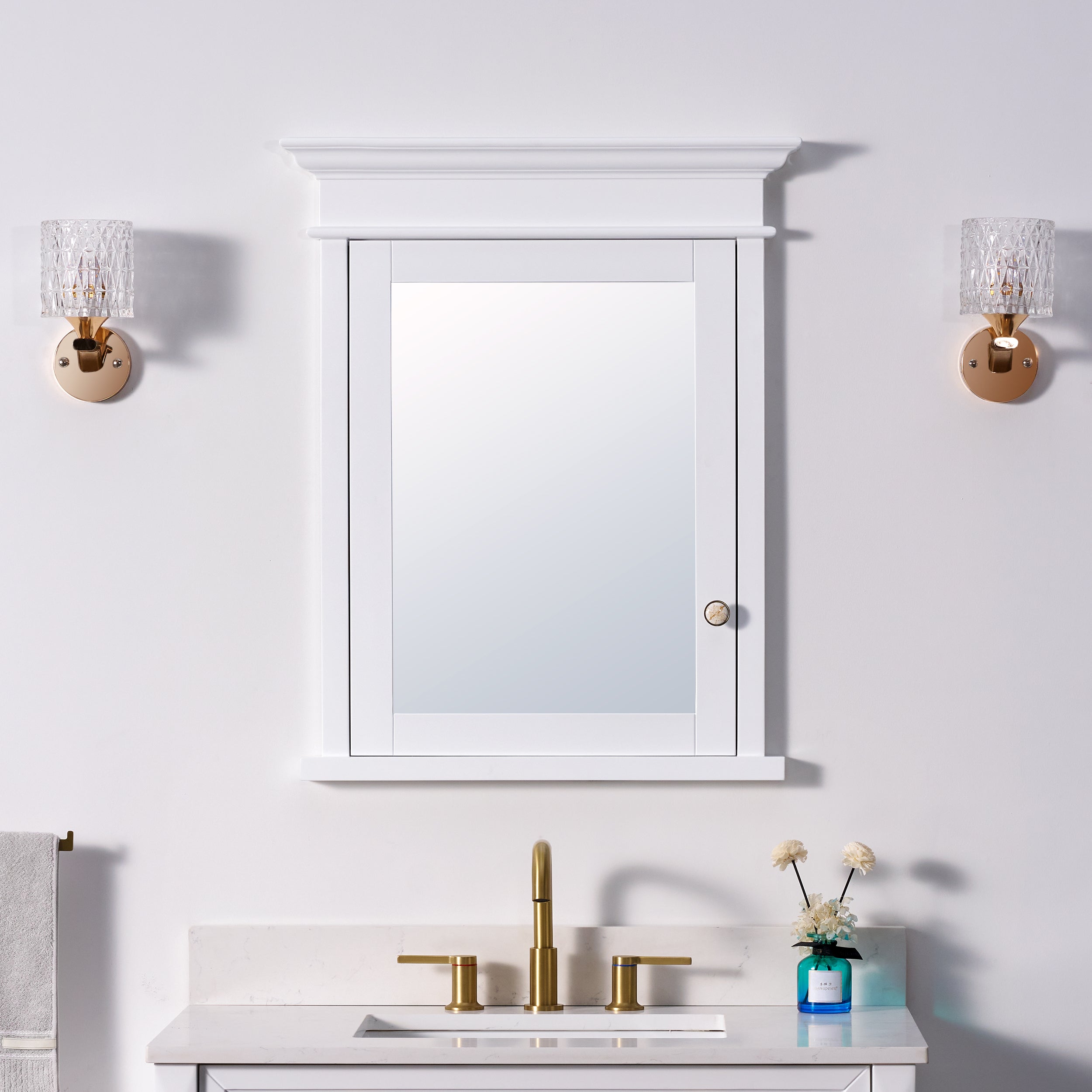
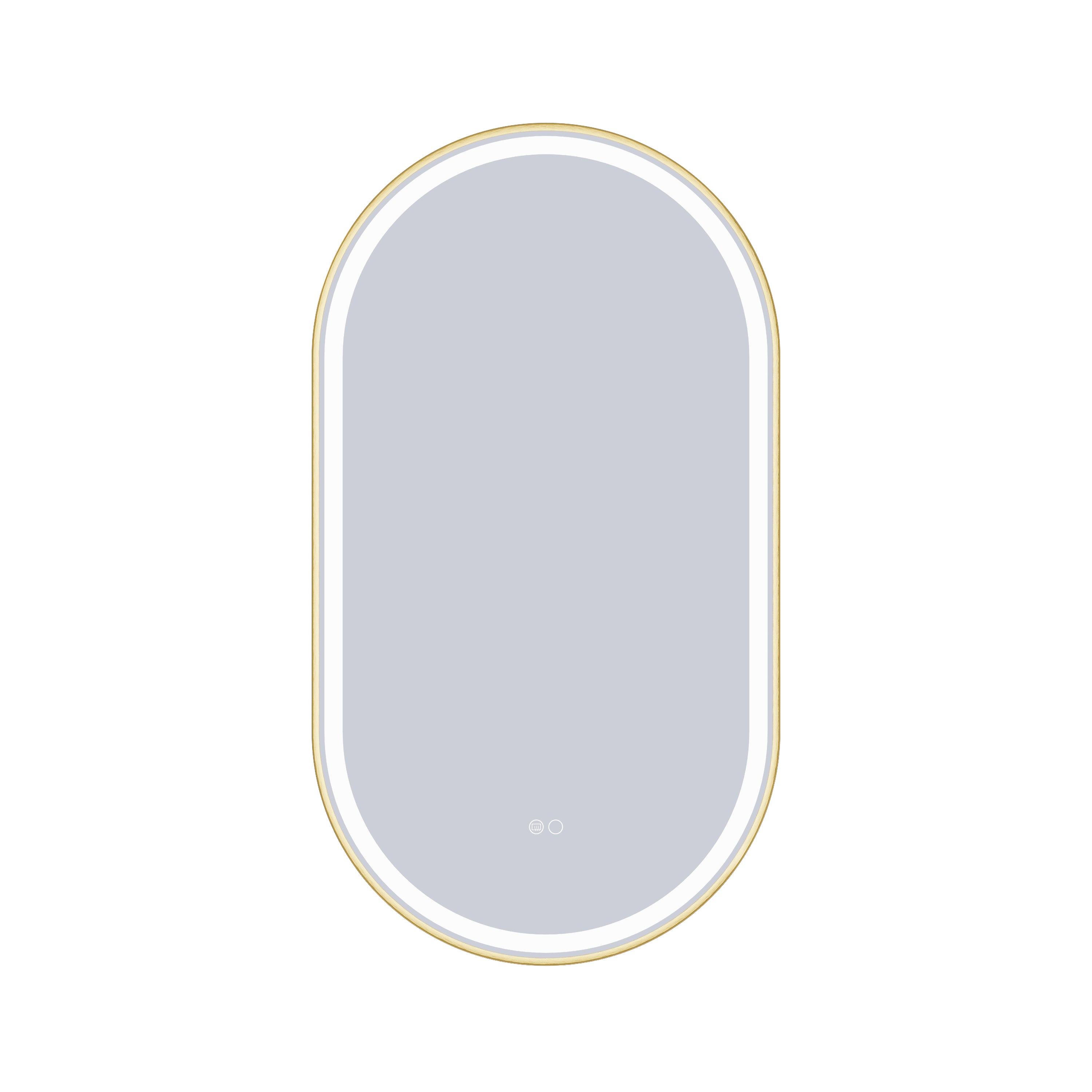
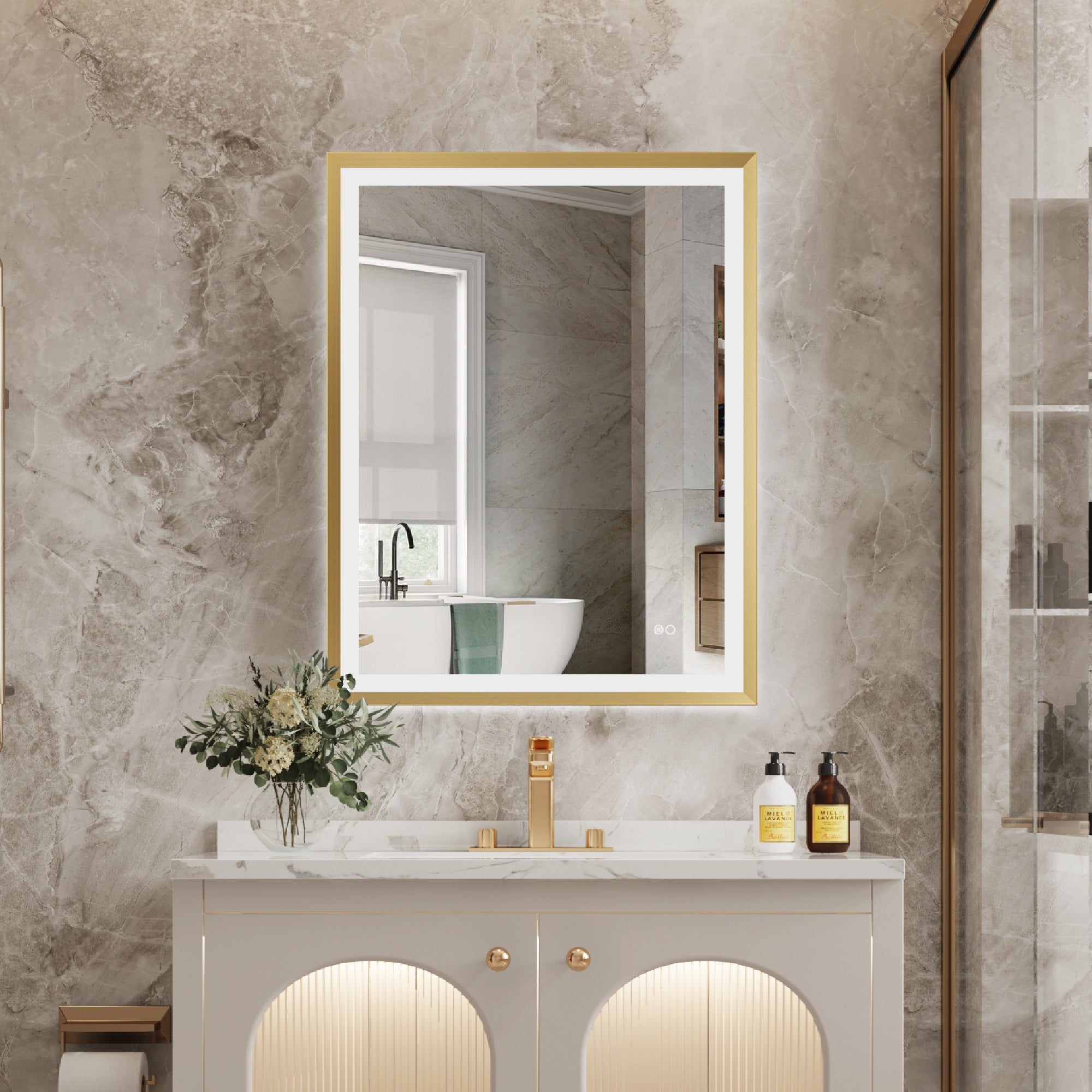
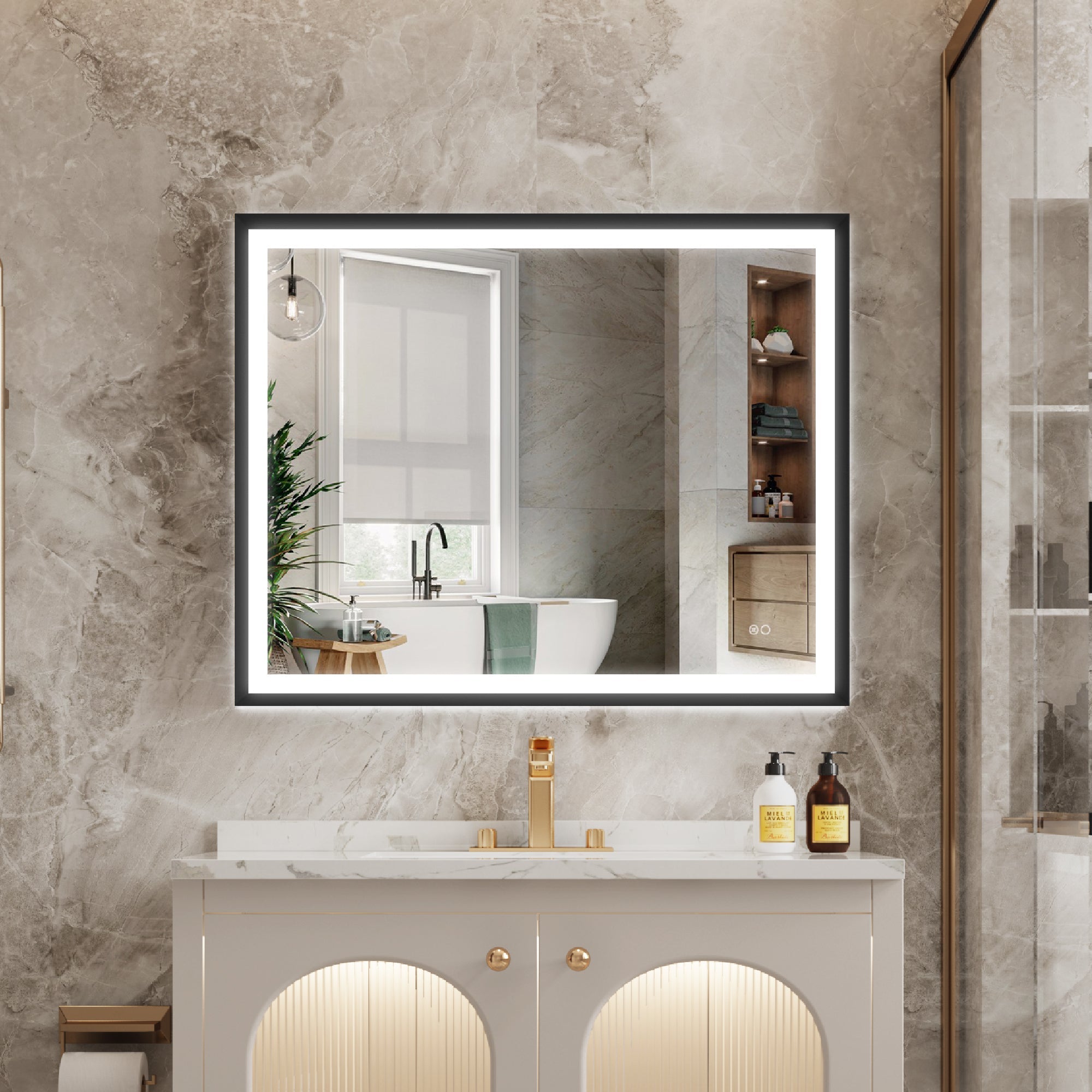
Lighted mirrors blend especially well with modern, minimalist, and transitional bathrooms because the light source is integrated rather than added as a separate decorative fixture. They can also work in more classic spaces when the mirror shape is softer (arched, rounded corners) and the lighting is tuned warmer.
This flexibility is part of their popularity: one product can improve function and elevate the wall visually, without requiring a full vanity lighting redesign.
9. How to Choose a Lighted Mirror That Feels “Worth It”
If you want a lighted mirror that genuinely improves your lighting plan (rather than adding glare), focus on a few practical checkpoints:
A. Light quality and diffusion
Choose a design with smooth diffusion—no visible “LED dot” pattern—and a light distribution that supports face lighting.
B. Controls that match daily life
Dimming and (ideally) color temperature adjustment make the mirror useful across morning, daytime, and night routines.
C. Humidity strategy
Plan for moisture control with ventilation. Aim to keep indoor RH below 60%, ideally 30–50% when possible (Source: U.S. EPA Mold Course Chapter 2).
D. Long-term LED reliability
Look for well-documented LED performance and a meaningful warranty. LEDs can be extremely efficient and durable—75%+ less energy and up to 25x longer life vs. incandescent is a well-supported benchmark (Source: U.S. Department of Energy, LED Lighting).
E. Lighting plan fit
A lighted mirror works best when it complements—not replaces—ambient lighting. Use it to strengthen the task layer around the vanity.

Conclusion
Lighted mirrors are popular because they deliver a rare combination: better face lighting, cleaner design, and practical daily comfort. They also align with modern expectations for efficiency and longevity—LED systems can use far less energy and last dramatically longer than older lighting (Source: U.S. Department of Energy, LED Lighting). When paired with realistic humidity control targets—below 60% RH, ideally 30–50% (Source: U.S. EPA Mold Course Chapter 2). —a lighted mirror becomes a dependable upgrade that improves both function and aesthetics in a modern bathroom lighting plan.










Leave a comment
This site is protected by hCaptcha and the hCaptcha Privacy Policy and Terms of Service apply.