
















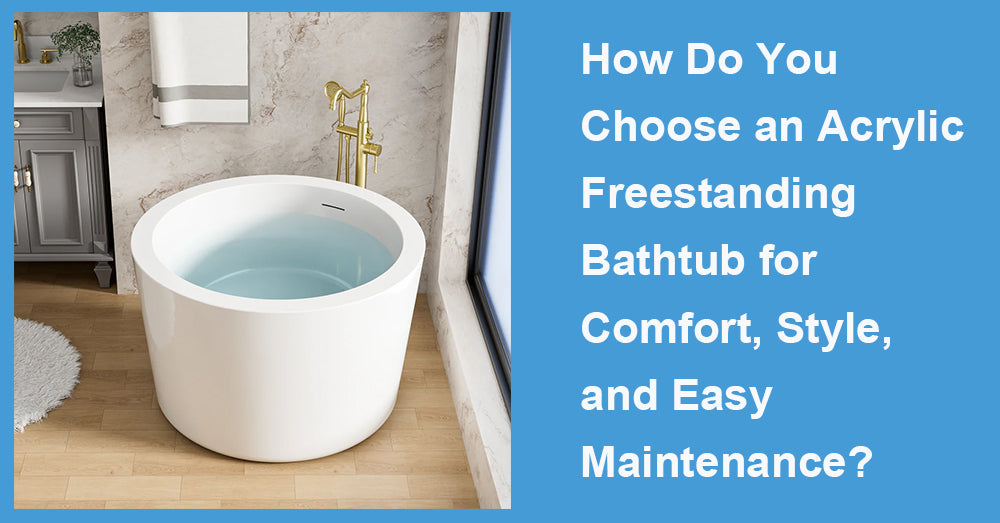
An acrylic freestanding bathtub has become a go-to upgrade in bathroom remodel conversations because it delivers a spa-like focal point without the heavy structural demands of cast iron or the complexity of stone-style materials. The timing is not random: remodeling activity remains elevated, and industry outlooks still project very large annual spending totals heading into 2026, which keeps demand high for upgrades that feel “premium” but are practical to install and live with.
Start with space planning before you fall in love with a shape
Freestanding tubs look effortless in photos, but comfort starts with clearances. A tub that is technically “the right length” can still feel cramped if the room has tight walking paths, doorways that swing into each other, or no space to towel off safely. Planning guidance commonly recommends 30 inches of clear floor space in front of fixtures (including the tub), while many codes allow a minimum of 21 inches.
A practical approach is to mark the tub footprint on the floor with painter’s tape and then “walk the room” like you would on a busy morning. If you cannot comfortably pass the tub edge, open drawers, and stand with both feet flat in front of the tub, the tub will not feel like a luxury in daily use.
Choose dimensions for real comfort, not just for the spec sheet
Freestanding tubs often get sold by outside dimensions, but comfort is driven by interior geometry: the slope of the backrest, the flat area where you sit, and the water depth to the overflow. If you want a soak that supports shoulders and neck, pay attention to the “usable” back angle rather than just overall length.
Many remodel scopes still reference a 60-inch tub as a common baseline size in bathroom planning, which is why many homes can accommodate something in that range, but freestanding styles may need extra clearance around the perimeter.
For taller users or for a more lounge-like posture, tubs in longer lengths (often around the high-60s to low-70s in inches) can feel dramatically different, as you gain legroom without forcing your knees up.
A quick rule that works: prioritize soaking depth and backrest ergonomics over chasing maximum exterior length. A well-shaped 60-inch tub can feel more comfortable than a longer tub with a shallow recline and a cramped footwell.
Understand what “good acrylic” means (and why it matters)
Acrylic tubs vary widely. The best-performing ones typically use a thicker acrylic layer, strong reinforcement (often fiberglass backing), and a stable base that minimizes flex. Flex is not just a “quality feel” issue—it affects long-term comfort and maintenance because a surface that gives too much can be noisier, feel less secure, and become more prone to stress over time.
If warmth is a priority, also look for designs that support optional insulation underneath or around the tub body. Acrylic is often chosen because it feels comfortable to the touch and is lightweight enough to simplify installation compared with heavy materials, but insulation is what helps keep the soak feeling consistent for longer sessions.
Let style follow function, then match the bathroom’s visual “lines.”
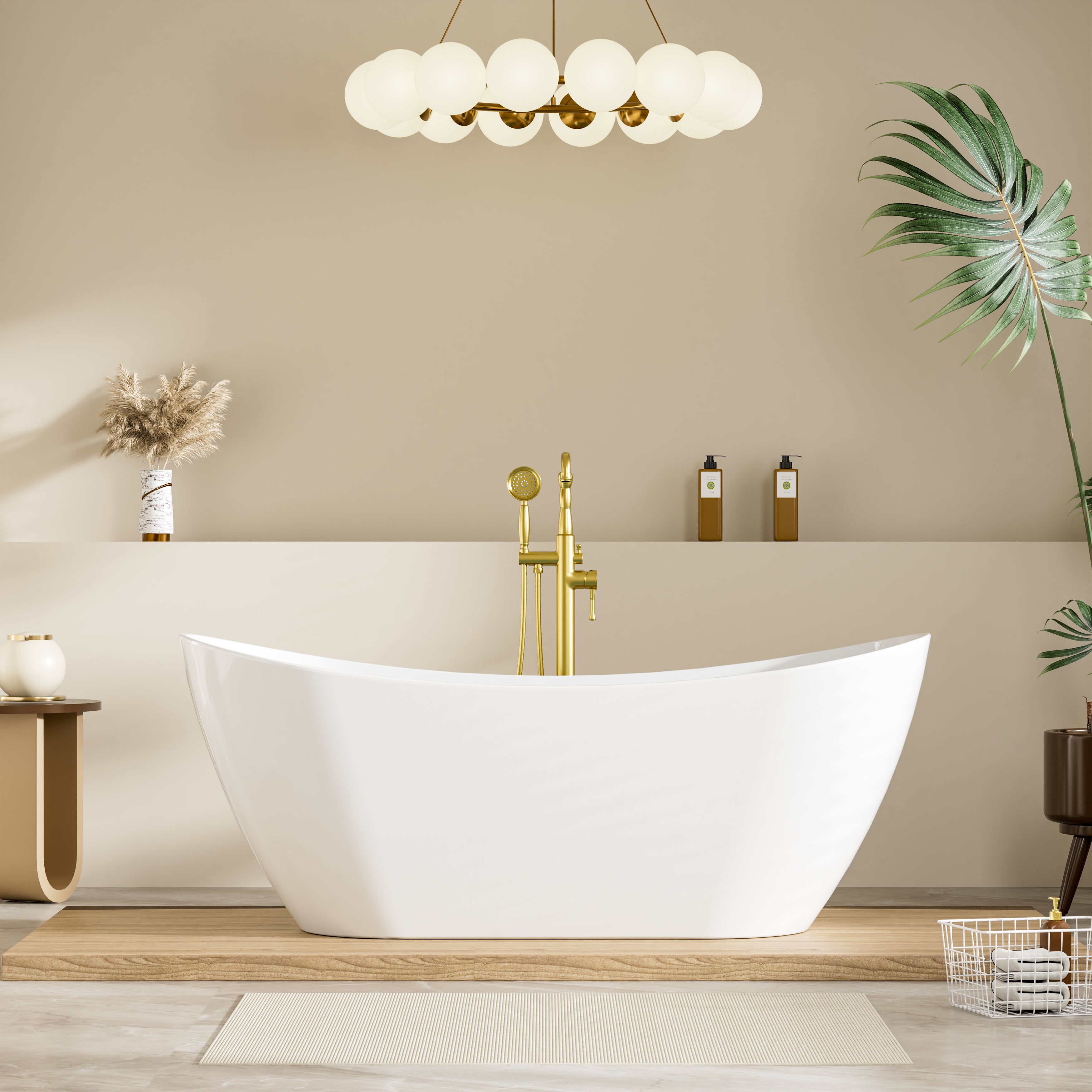
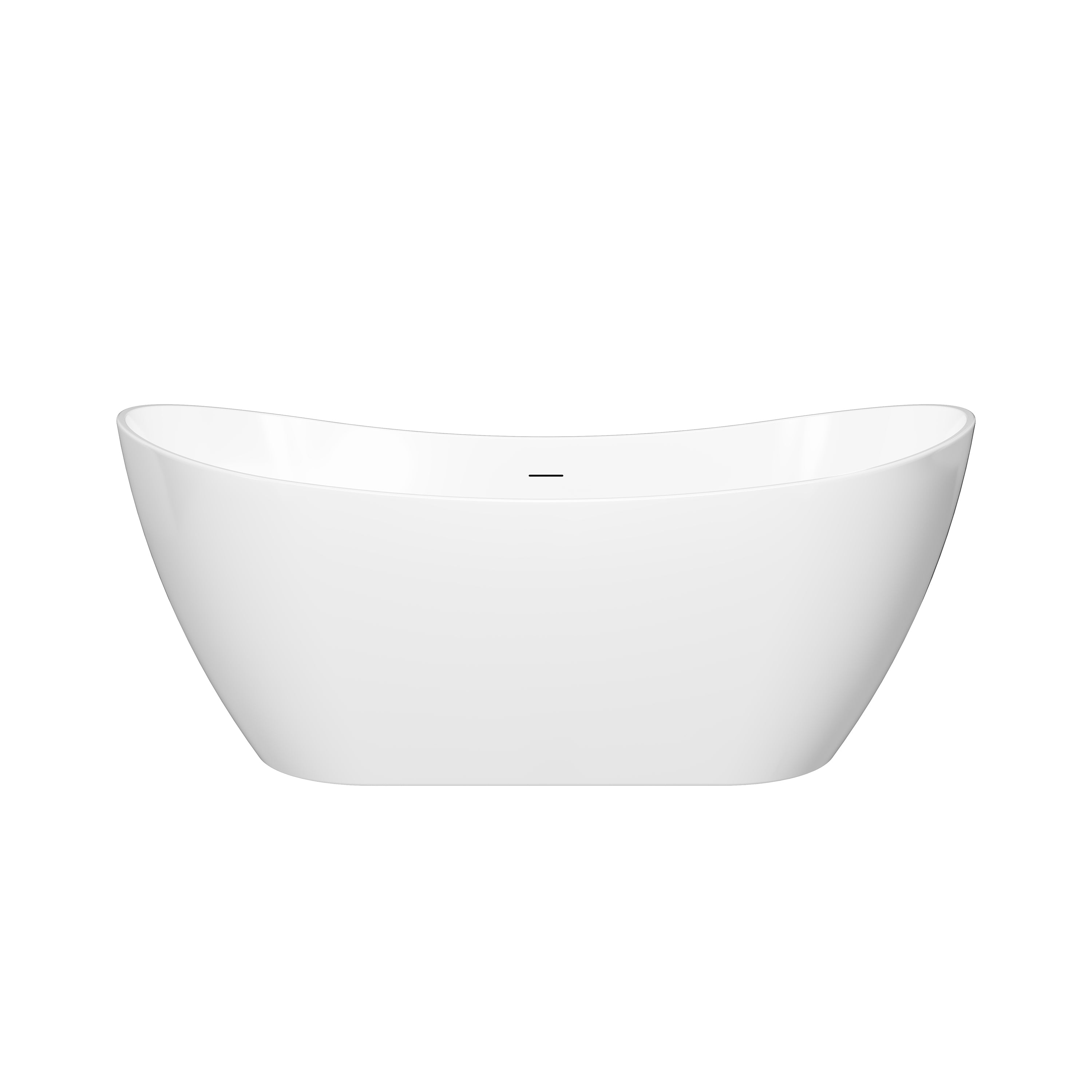
Freestanding tubs are increasingly selected as a design anchor, and trend research shows freestanding flat-bottom tubs are a leading choice among homeowners upgrading their bathtubs, outpacing many other styles.
To keep the look contemporary and cohesive, decide which “line language” your bathroom uses and match the tub to it:
· Soft and organic: oval silhouettes, gentle rim lines, minimal hardware
· Architectural and sharp: rectangular or tapered forms, crisp edges, linear drains/overflows
· Hotel-spa: double-ended soaking shapes with symmetrical slopes
Also, think about finishing. High-gloss acrylic reads bright and clean under strong lighting; matte or satin finishes can hide water spots better and feel more “designer,” but they may require more disciplined cleaning habits to keep the surface uniform.
Choose for easy maintenance: the cleaning rules are simple but non-negotiable
Acrylic is popular because it is easy to maintain when you use the right routine. Manufacturer guidance is consistent on the basics: use a soft cloth or sponge, avoid abrasive pads/brushes, and stay away from harsh cleaners that can dull the finish.
For regular cleaning, a mild soap-and-water approach is commonly recommended, and some brands explicitly warn against abrasive products or strong detergents designed for tile or porcelain surfaces.
To keep it looking new with minimal effort:
· Rinse after bathing if you use oils or heavy soaps.
· Wipe dry to reduce water spotting and mineral film.
· Use non-abrasive cleaners only (if it “scrubs,” it is usually too aggressive)
If you ever get light surface scratches, acrylic is often more “recoverable” than people expect—many can be minimized with gentle polishing—but prevention is still the easiest maintenance strategy.

Verify safety and daily usability details that people skip
Acrylic tubs can be extremely comfortable, but details determine whether they feel secure:
· Bottom stability: a well-built base should not rock or creak
· Slip-resistance: consider textured bottoms or use a non-slip mat if the finish is very smooth
· Rim usability: a rim that is too thin can feel sharp on arms; too thick can look bulky and collect splashes
· Drain/overflow placement: center drains look clean, but make sure they do not force an awkward sitting position
Also, check the warranty length and what it covers. In real life, that matters more than marketing claims, especially in humid bathroom environments.
Match the tub to your water and hot-water reality
Soaking comfort is not only about shape—it is also about water volume. Water-efficiency guidance notes that a full bathtub can require up to 70 gallons of water, and even if most people do not fill to the top, capacity still affects how quickly you run out of hot water.
Before choosing a deep-soak model, look at:
· The tub’s listed water capacity and overflow height.
· Your water heater size and recovery rate
· Whether you want a “deep soak” routinely or only occasionally
A tub that looks perfect but constantly forces lukewarm top-offs will not feel like an upgrade after the first week.
Plan installation and future service access like a pro
Freestanding tubs can simplify the visual design, but they shift attention to plumbing planning: drain rough-in location, leveling, and faucet selection (wall-mounted vs freestanding filler). If you are concealing connections, code provisions for access can apply—some plumbing standards require an access panel or utility space at least 12 inches in its smallest dimension for concealed slip-joint connections.
Even when not strictly required, service access is smart. A small, well-placed access strategy can save major rework if you ever need to adjust or repair anything.
Bottom line: the best acrylic freestanding tub choice comes from aligning three things—how you want to soak (comfort), how you want the bathroom to read (style), and how you want it to live day to day (maintenance). If you plan clearances, prioritize interior ergonomics, follow acrylic-safe cleaning rules, and size the tub to your hot-water reality, you get a bathtub that looks like a design statement and performs like a daily upgrade.














Leave a comment
This site is protected by hCaptcha and the hCaptcha Privacy Policy and Terms of Service apply.