
















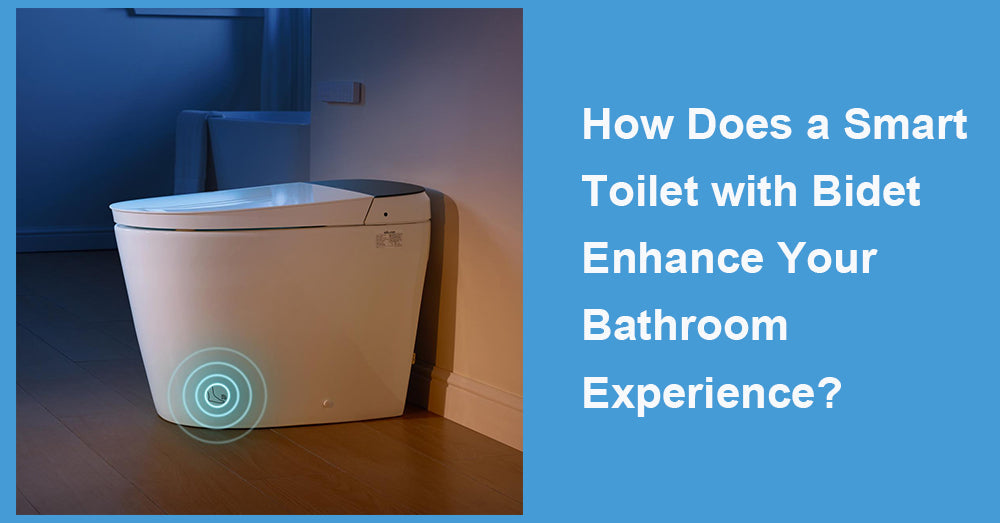
A smart toilet with bidet can elevate a bathroom upgrade from “new fixtures” to a noticeably better daily routine. The biggest improvements tend to show up in three areas: cleanliness and comfort, water-aware performance, and hands-free convenience that makes the bathroom feel more modern and effortless. But the best experience doesn’t come from buying the longest feature list—it comes from choosing a model with proven flush performance, sensible bidet settings, reliable electronics, and a maintenance plan you can actually follow.
1. Cleaner, More Comfortable Hygiene (Where the Upgrade Feels Most Real)
The most immediate difference is how you feel after each use. Bidet washing can reduce reliance on abrasive wiping, which matters for people with sensitive skin, hemorrhoids, or anyone who simply wants a cleaner finish.
Health guidance from clinicians often emphasizes starting with low water pressure, using lukewarm water, avoiding overuse, and keeping the nozzle clean to reduce irritation risk (Source: Health.com, “5 Doctor-Approved Tips…”). Bidet direction also matters—front-to-back technique is commonly recommended to reduce bacterial transfer risk (Source: Cleveland Clinic, “Is Using a Bidet Healthy?”).
What this means for your bathroom experience:
· Less irritation when skin is sensitive or inflamed (best paired with gentle pressure and correct technique).
· More consistent cleanliness, especially after workouts, during hot weather, or when mobility is limited.
· A calmer routine, because you’re not relying solely on paper for comfort and confidence.
Feature tip: Adjustable water pressure and nozzle positioning are not “nice extras”—they’re what make bidets work safely and comfortably for different users.
2. A More “Premium” Routine Through Hands-Free and Comfort Features
Many smart toilets include features that change the feel of the space, even if you can’t “see” the upgrade in a photo:
· Heated seat (comfort in colder seasons and at night)
· Warm water washing and warm air drying (varies by model and effectiveness)
· Deodorizing and night lighting (helps usability without turning on bright overhead lights)
· Auto-open/close lids and automatic flushing (less contact with surfaces)
These features don’t just add convenience—they reduce friction. When the toilet feels quieter, warmer, and easier to use, the bathroom starts to feel like a more intentional environment instead of a purely functional one.
A practical reality check: The more you value a “hotel-level” experience at home, the more these features feel worth it. If you only care about bidet washing, a simpler model (or a bidet seat on a reliable toilet) can deliver most of the benefit with fewer electronics to maintain.
3. Water Efficiency: A Smarter Toilet Can Reduce a Major Source of Indoor Water Use
Toilets are one of the biggest drivers of indoor water use. EPA notes that toilets account for nearly 30% of an average home’s indoor water consumption (Source: EPA WaterSense, “Residential Toilets”). That makes toilet efficiency a meaningful part of a bathroom upgrade—not just a “green” talking point.
A common efficiency benchmark is the WaterSense label. WaterSense-labeled toilets use 1.28 gallons per flush (gpf) or less, which EPA describes as 20% less than the federal standard of 1.6 gpf, while still providing equal or superior performance (Source: EPA WaterSense, “Residential Toilets”; EPA WaterSense fact sheet PDF on tank-type toilets).
Quick savings math (simple and grounded)
If you move from 1.6 gpf to 1.28 gpf, you save 0.32 gallons per flush (Source: EPA WaterSense). If a household averages around 5 flushes per person per day (commonly cited in water-use research summaries), that’s about 1.6 gallons/day per person, or roughly 584 gallons/year per person (0.32 × 5 × 365). Even small reductions add up when the fixture is used every day.
Important note: Many older toilets can use far more—EPA notes older toilets may use as much as 6 gpf (Source: EPA WaterSense, “Residential Toilets”). If you’re replacing an older model, the water reduction can be dramatic.
4. Flush Performance Still Matters More Than “Smart” Features
A smart toilet that doesn’t flush reliably is not a premium experience. The good news is that flush performance can be compared using independent-style metrics.
MaP (Maximum Performance) testing describes a toilet’s ability to clear simulated waste, reporting results in grams cleared in one flush (Source: MaP Testing, “Consumer Household Toilets”). WaterSense certification is commonly associated with a minimum MaP performance threshold of 350 grams, and MaP Premium toilets commonly target 600 grams or more (Sources: MaP Testing search notes; MaP Premium page).
How to use this in shopping:
· If clogging is a frequent frustration, prioritize stronger performance (often 600g+ is a meaningful confidence zone). (Source: MaP Premium; MaP Search)
· Don’t assume “smart” equals “strong flush.” Check documented performance references.
This is especially relevant for bidet toilets because user experience is holistic—cleaning features won’t feel good if you’re also dealing with poor flushing.
5. Convenience vs. Complexity: Electricity, Installation, and What to Plan
A smart toilet with bidet almost always requires power. That can include:
· a nearby outlet location,
· cord management to keep the setup looking clean,
· and long-term reliability of electronics (heater, sensors, control board, remote).
This is where “worth it” becomes personal. If your bathroom is already being renovated, it’s easier to plan power cleanly. If not, you may prefer a bidet seat approach to reduce installation complexity.
Experience advice: Choose controls that match how you live. A remote with clear buttons often beats a complicated app workflow for daily use. Smart features should reduce steps, not create them.
6. Health and Safety: Use It Correctly to Get the Benefits
Bidets are generally safe for most people, but correct use matters. Medical guidance highlights risks from high pressure, overuse, and poor nozzle hygiene (Source: Health.com). Research literature also notes that excessive bidet use has been associated with symptoms such as irritation in some populations, reinforcing the idea that gentle settings and moderation are important (Source: PMC article on bidet toilet use and symptoms).
Practical best practices for a better experience:
· Start with low pressure and increase only if needed (Source: Health.com).
· Use lukewarm water rather than extremes (Source: Health.com).
· Keep cleaning front-to-back when relevant (Source: Cleveland Clinic).
· Clean the nozzle regularly and follow the manufacturer’s care routine (Source: Health.com).
7. What Features Actually Improve the Experience (And Which Don’t)
Features that usually matter
· Adjustable pressure + nozzle position
· Warm water + heated seat (comfort)
· Reliable flush + good bowl rinse design
· Night light (practical)
· A deodorizer that works quietly
Features that are often optional
· Overly complex app ecosystems
· Too many automatic behaviors (if they trigger at the wrong time)
· “Luxury” modes you won’t use after the first week
A smart toilet feels best when the features support a smoother routine—not when you feel like you’re operating a device.
8. A Quick “Buy Smart” Checklist
If you want the upgrade to feel genuinely better, check these boxes:
1. Efficiency: Aim for verified low water use (WaterSense: ≤ 1.28 gpf). (Source: EPA WaterSense)
2. Flush performance: Look for documented strength (WaterSense commonly ties to ≥ 350g MaP; premium categories often ≥ 600g). (Sources: MaP Search; MaP Premium)
3. Bidet comfort: Adjustable pressure/position, temperature control, easy nozzle cleaning. (Source: Health.com)
4. Installation readiness: Confirm power plan and clean cord routing.
5. Serviceability: Clear warranty coverage and replacement parts availability.

Conclusion
A smart toilet with bidet enhances your bathroom experience by making hygiene more comfortable and consistent, upgrading the feel of daily routines with hands-free convenience, and supporting water-smart performance in a part of the home that drives a large share of indoor water use. Toilets account for nearly 30% of indoor household water consumption (Source: EPA WaterSense), and WaterSense-labeled toilets at 1.28 gpf or less offer a clear efficiency benchmark versus 1.6 gpf (Source: EPA WaterSense). Pair that with reliable flush performance (MaP guidance around 350g minimum and 600g+ premium thresholds) (Source: MaP Testing) and bidet settings that prioritize gentle, correct use (Source: Health.com; Cleveland Clinic), and the upgrade becomes less about “tech” and more about a better, calmer bathroom routine every single day.











Leave a comment
This site is protected by hCaptcha and the hCaptcha Privacy Policy and Terms of Service apply.