














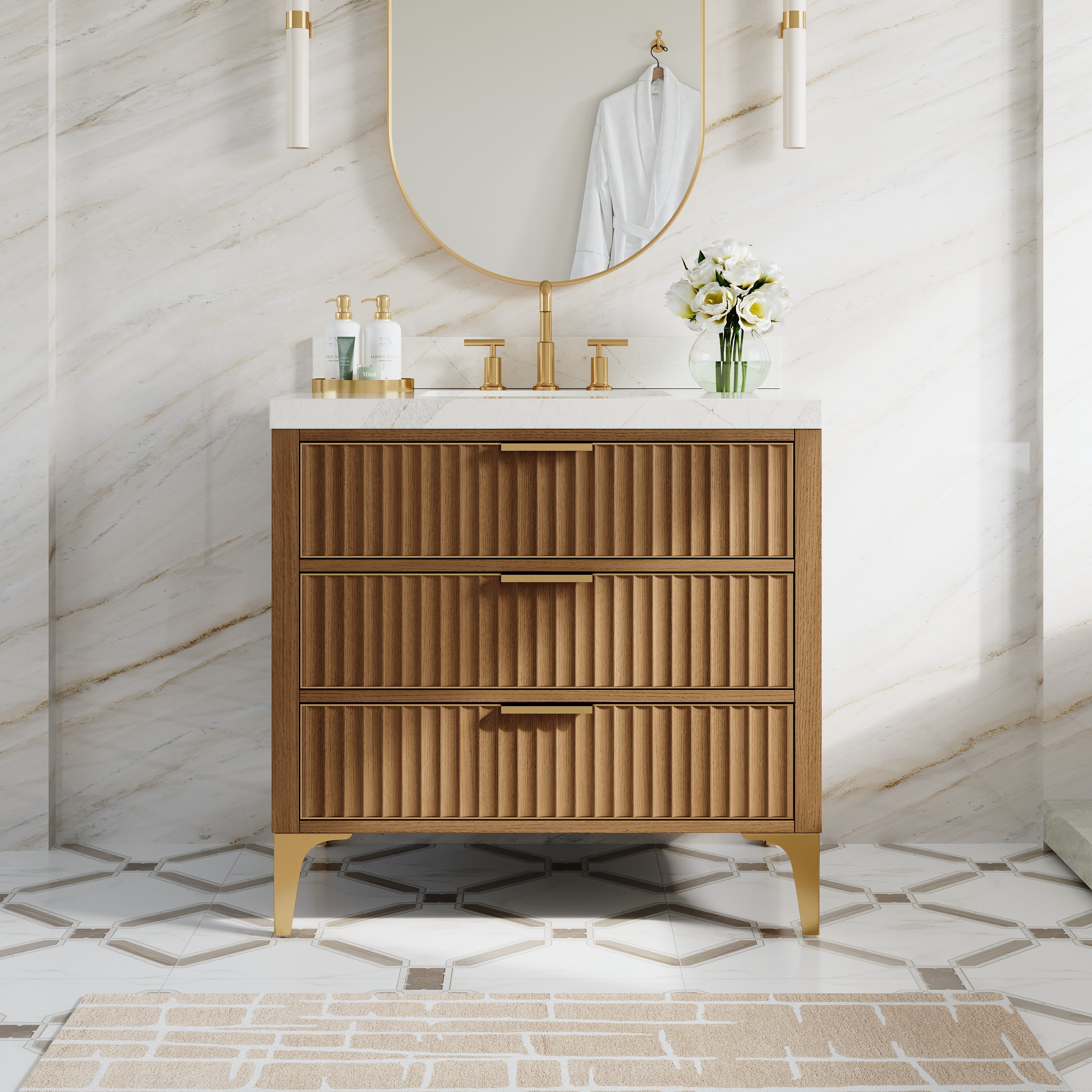
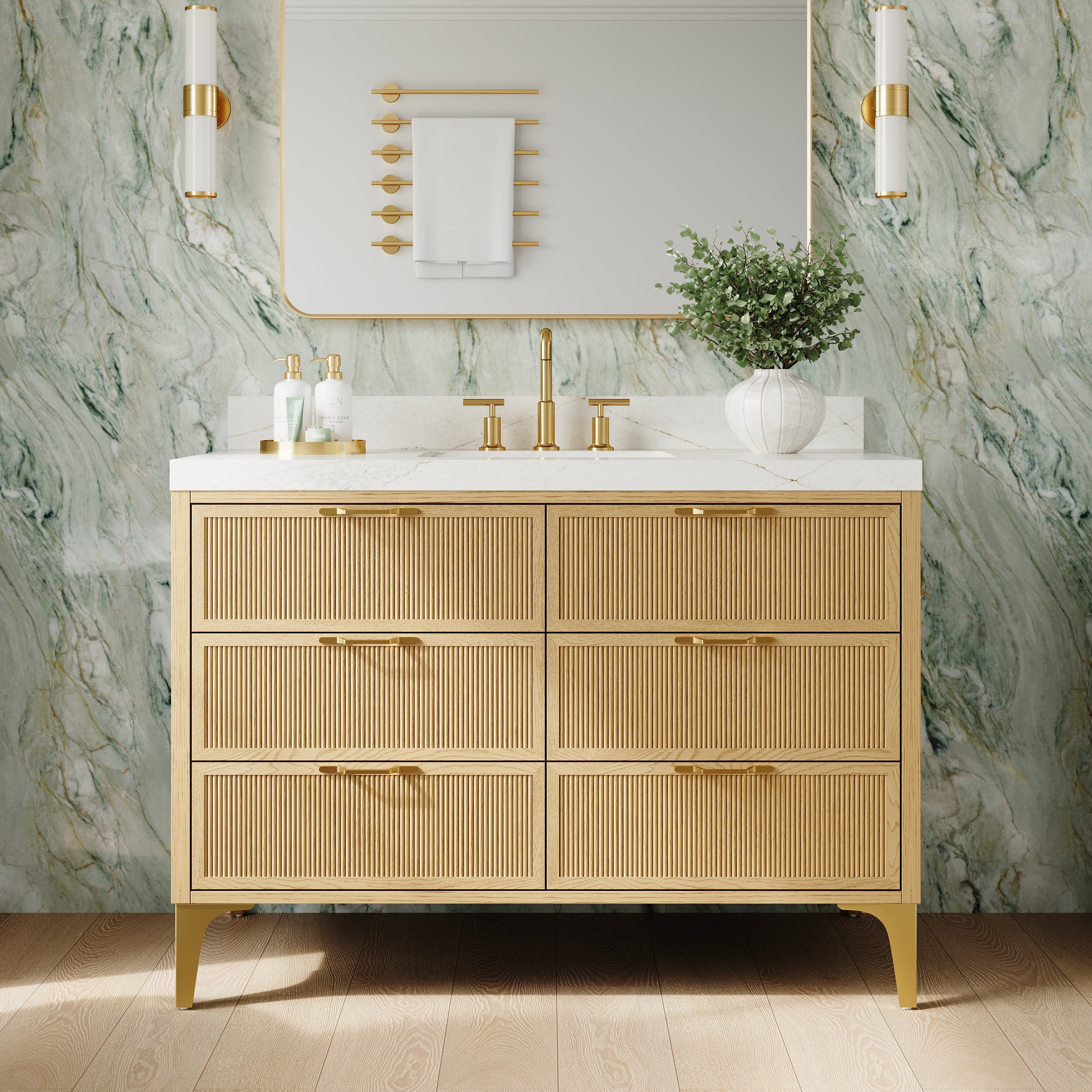


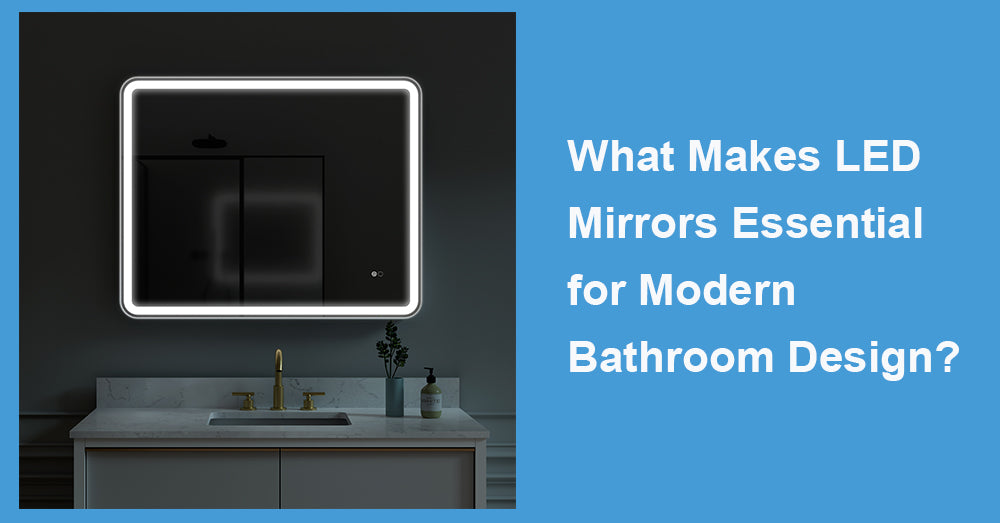
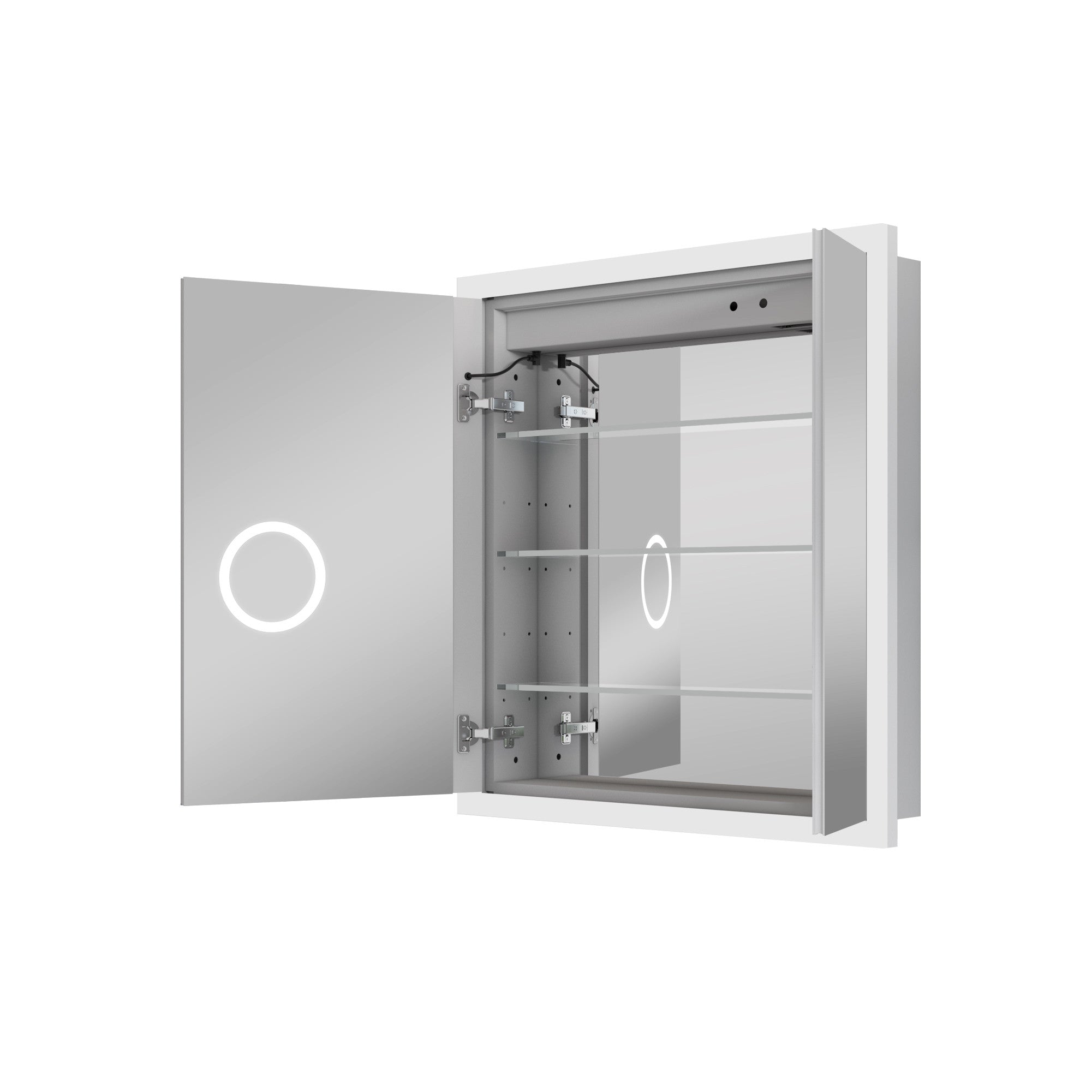
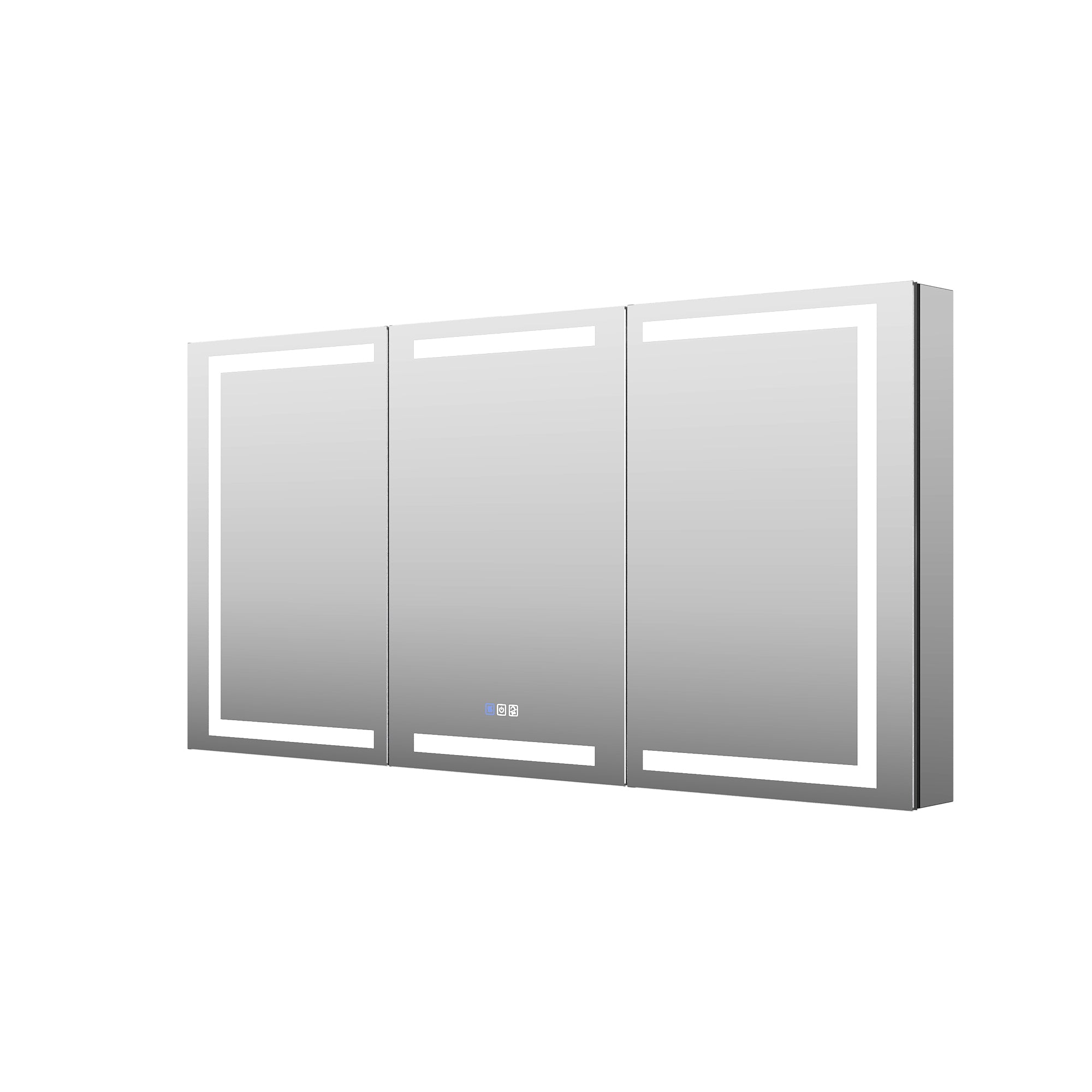
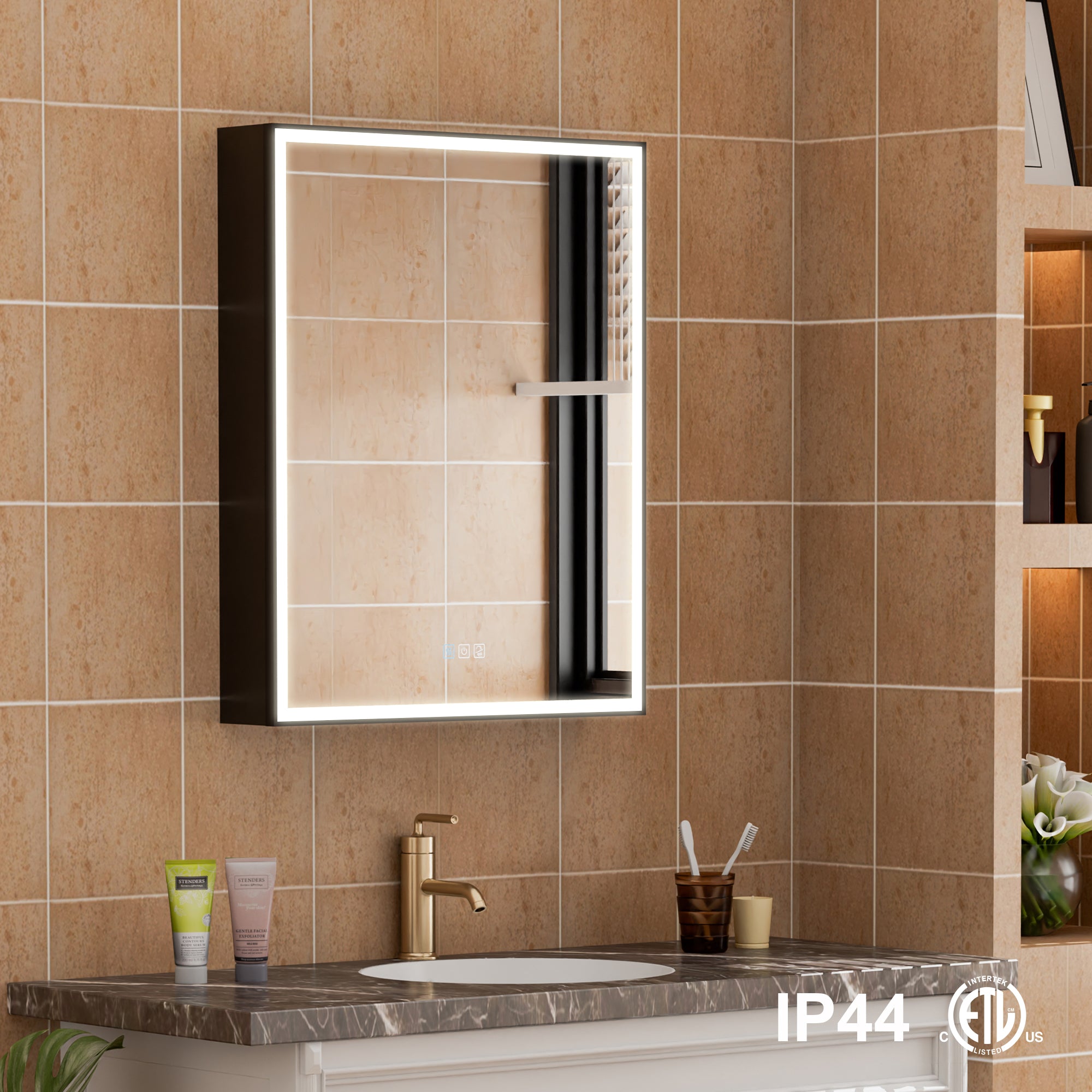
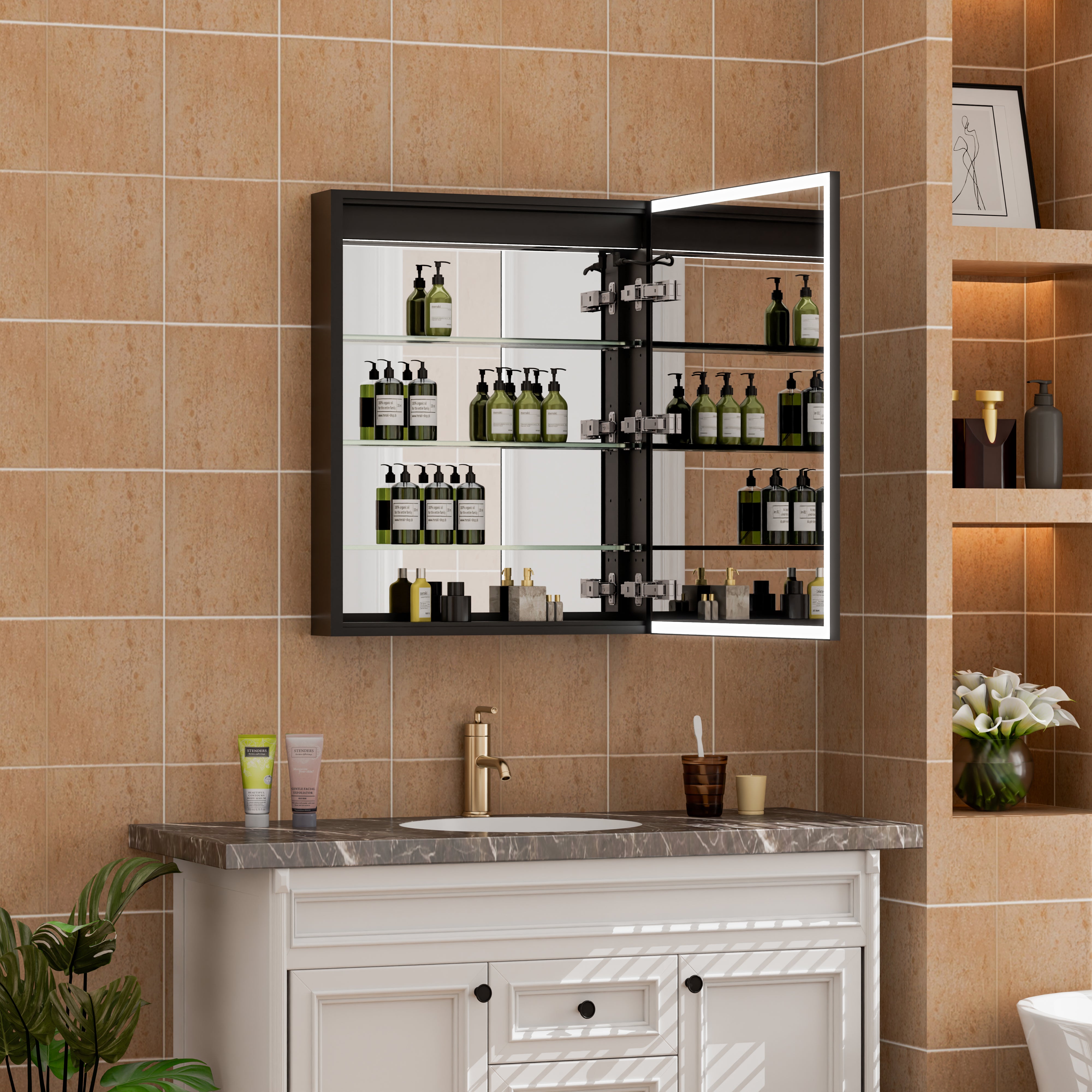
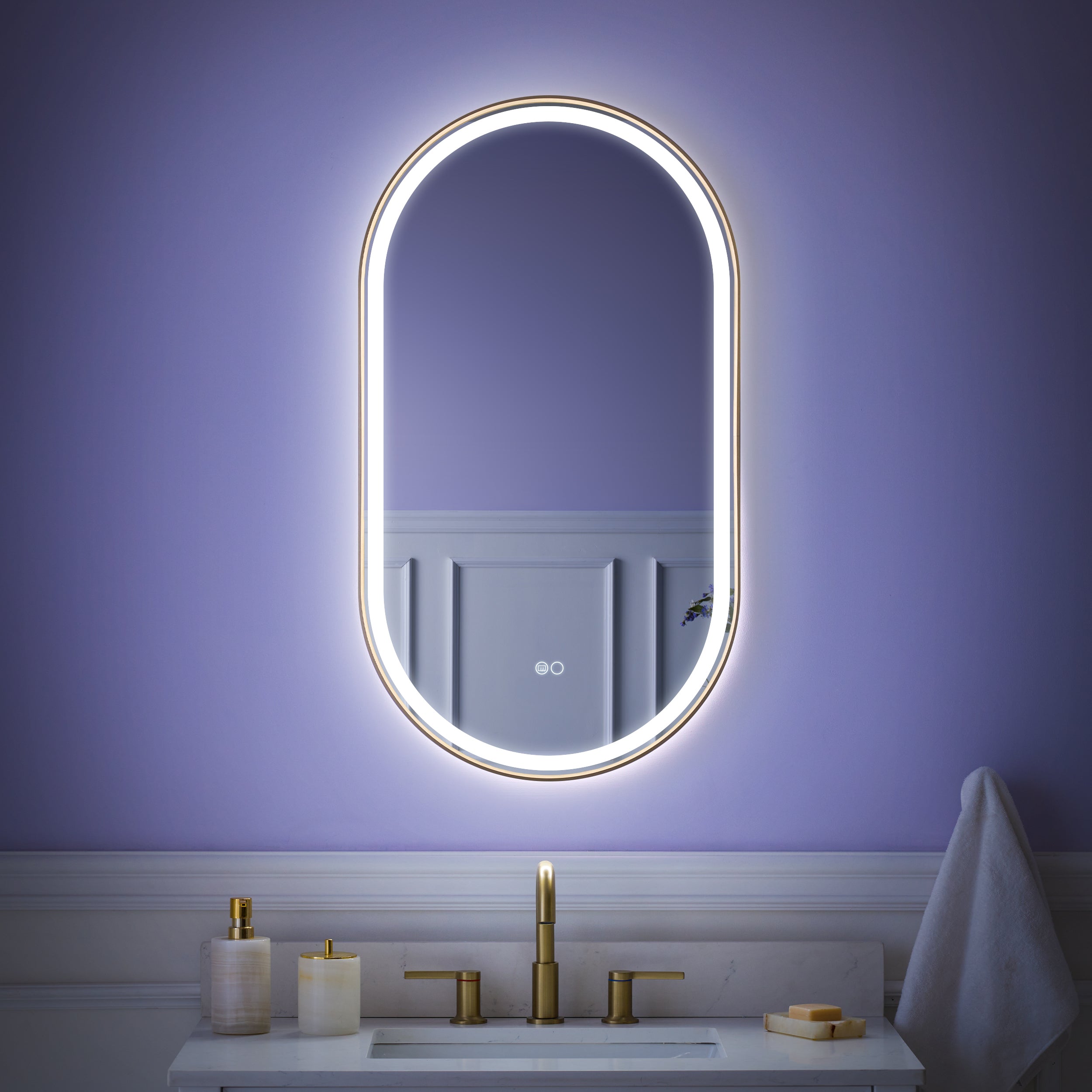
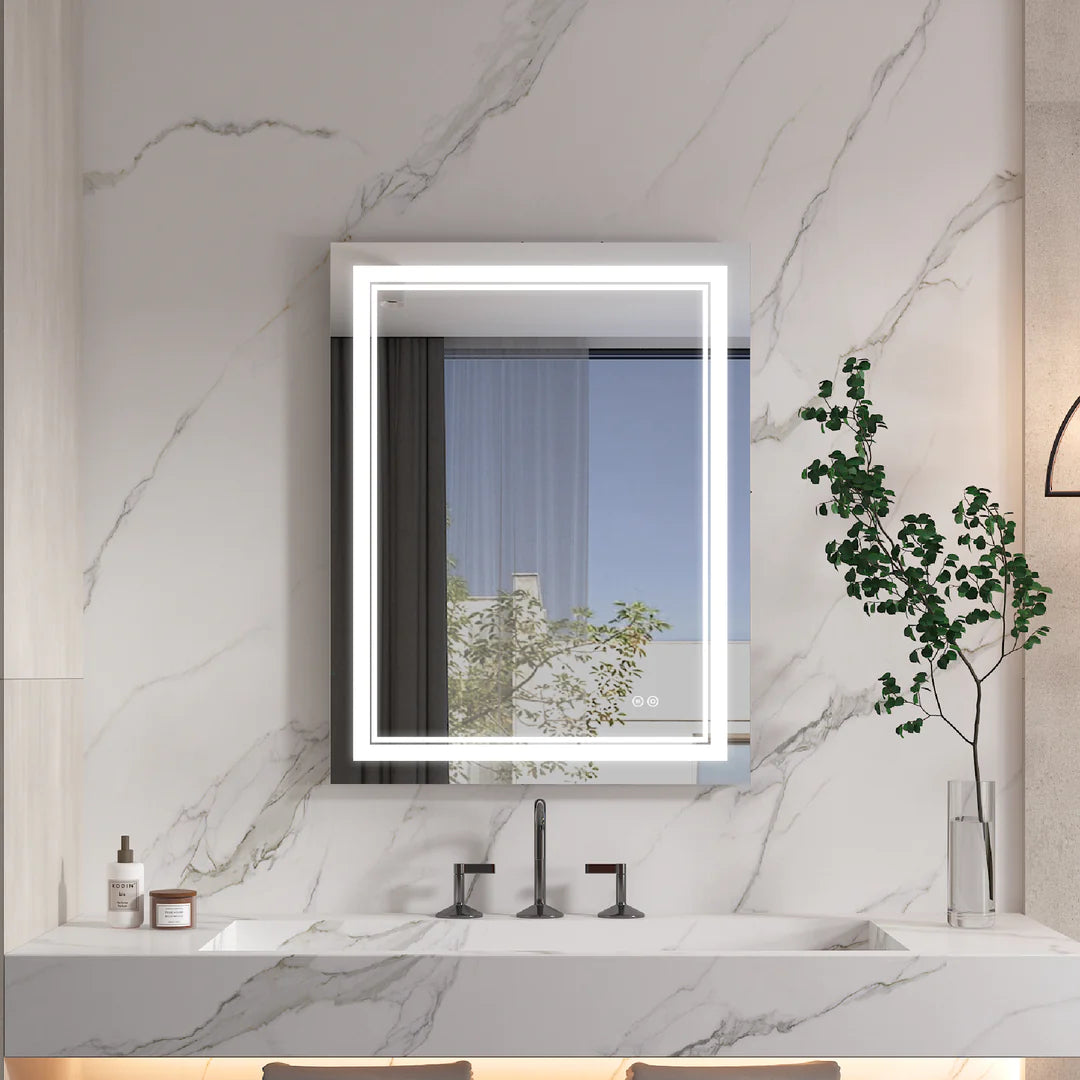
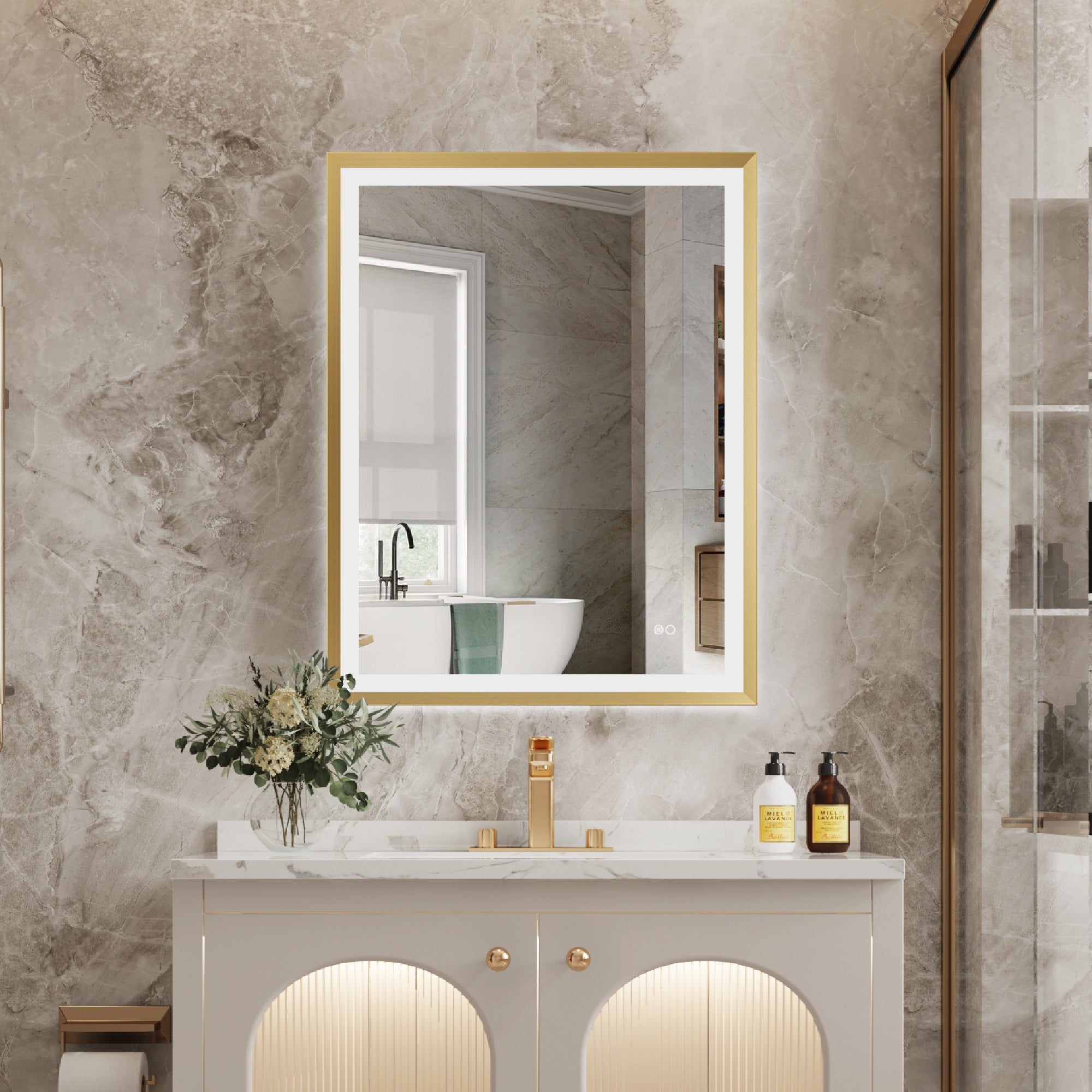
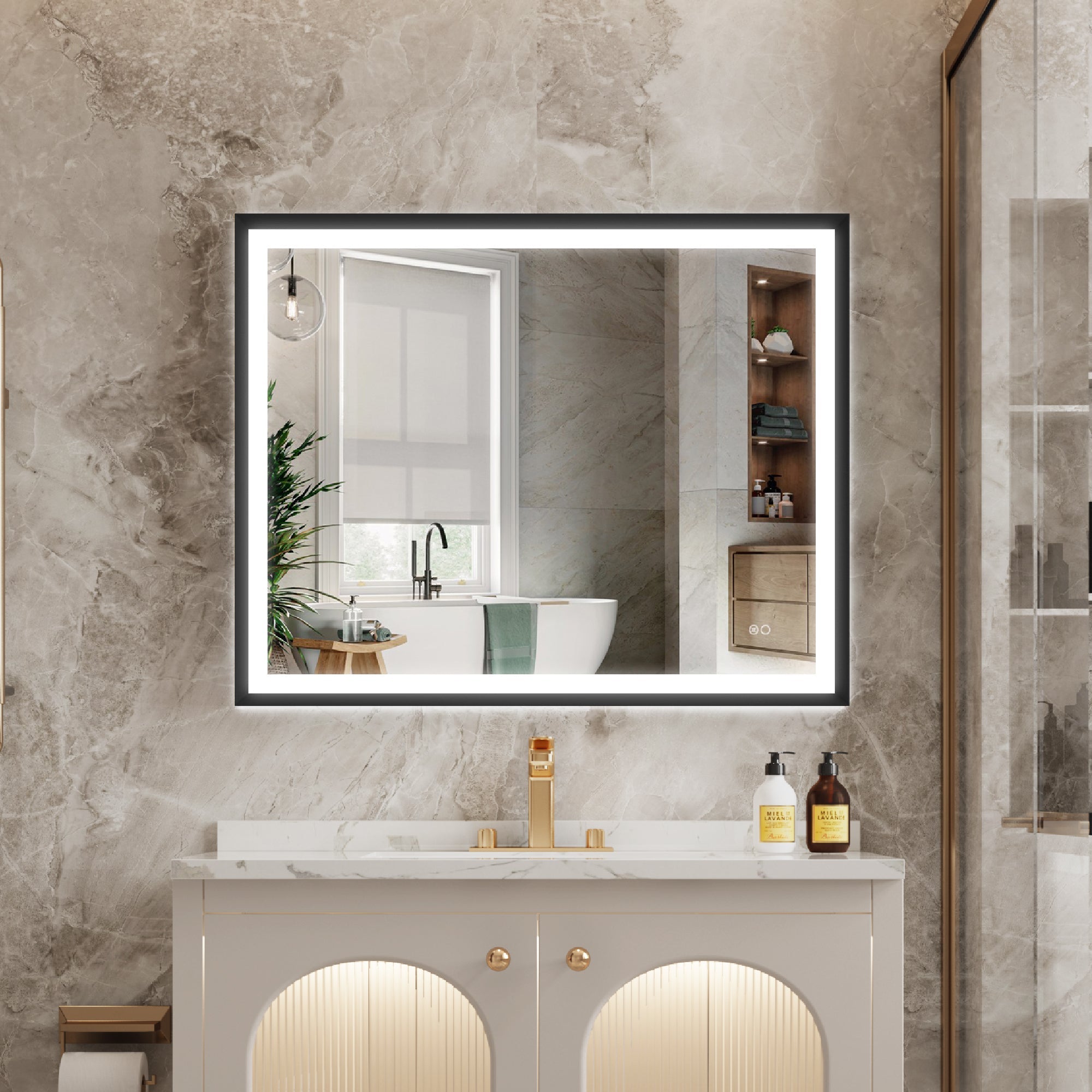
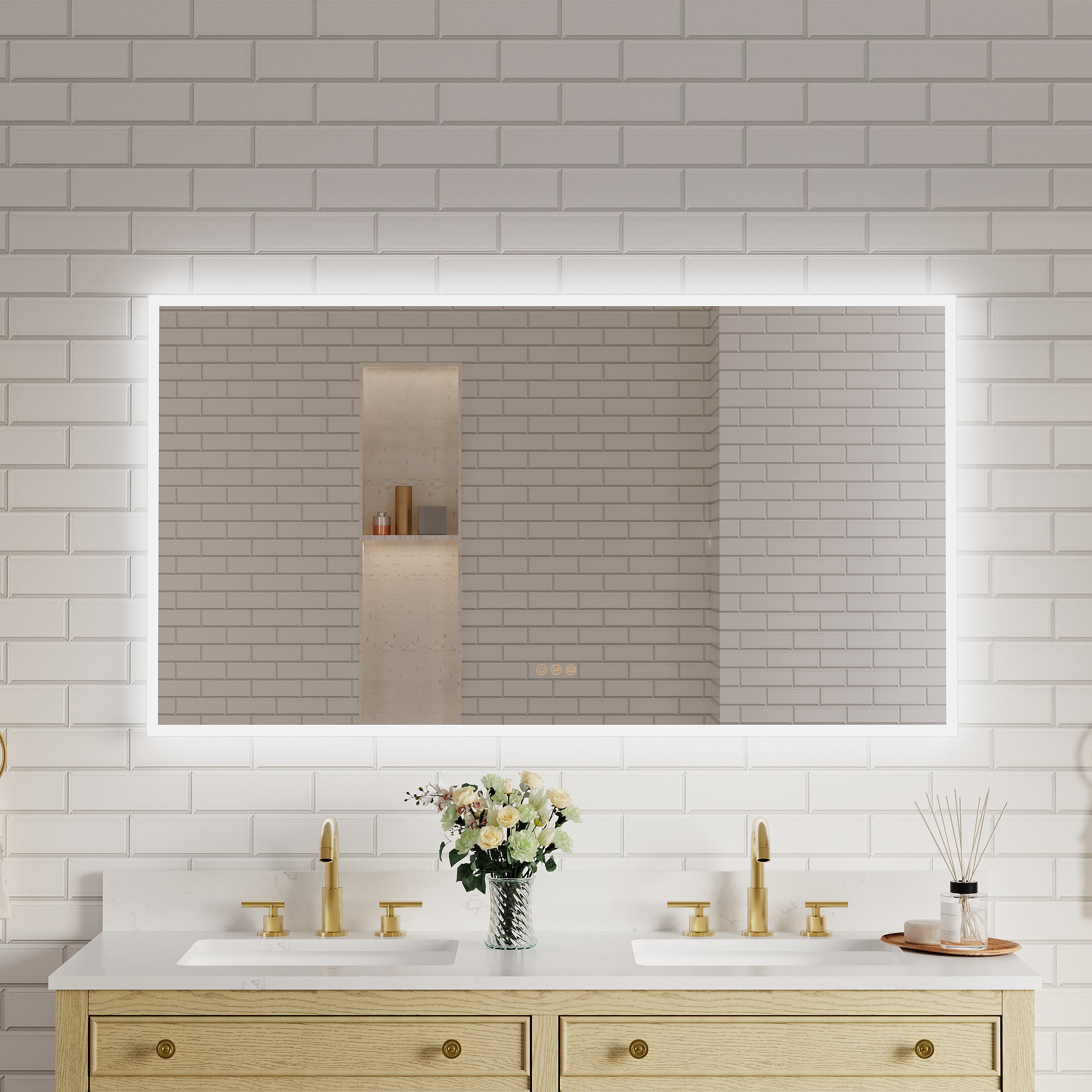
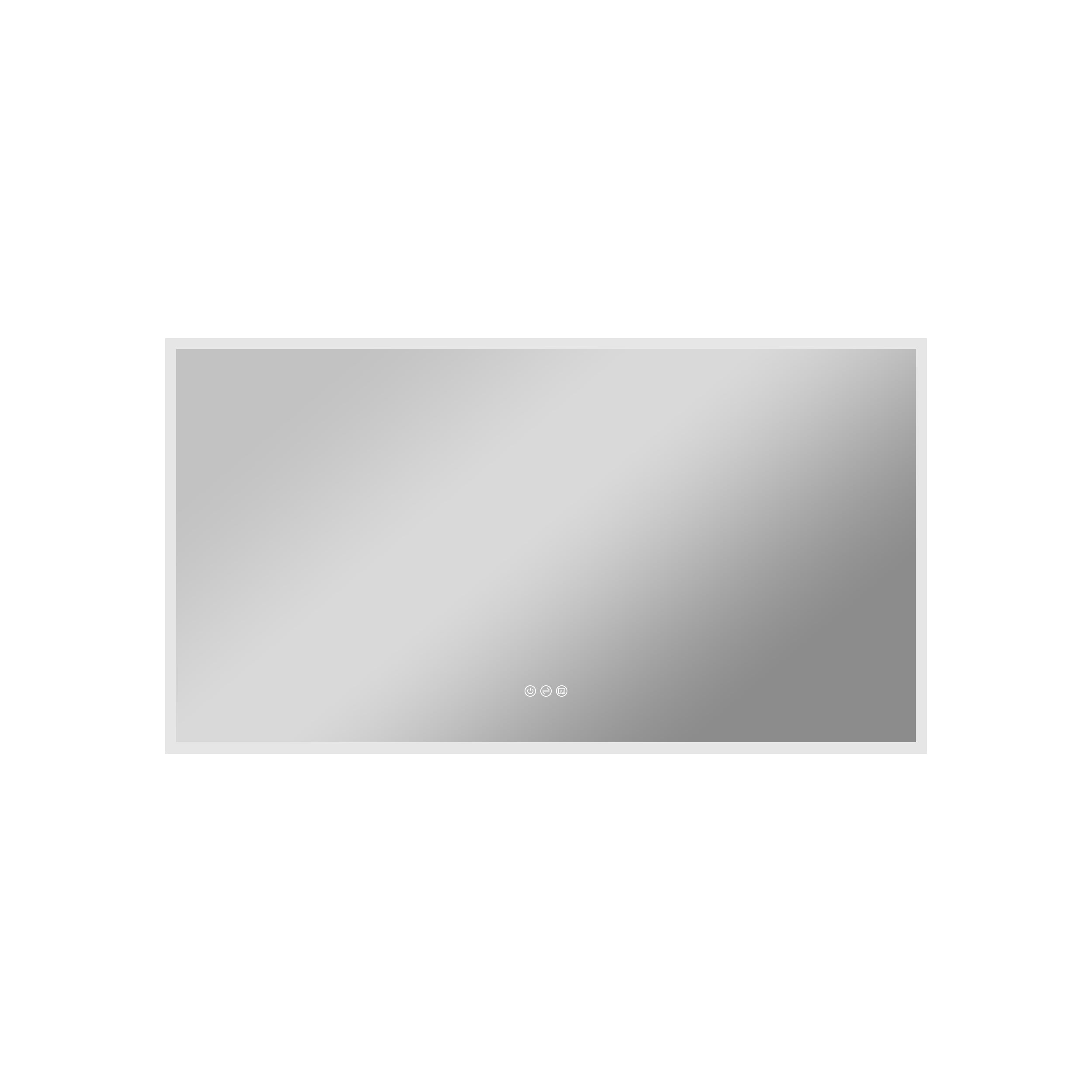
An led mirror has moved from “nice-to-have” to nearly essential in many bathroom plans because it solves two everyday problems at once: how you look at the vanity and how efficiently you light the room. A well-designed LED mirror delivers even, face-friendly illumination (instead of harsh overhead shadows), keeps the wall visually clean, and uses LED technology that can cut energy use while lasting far longer than older lighting. When you combine those benefits with practical features like dimming, color tuning, and moisture-aware construction, an LED mirror becomes a design element that performs like a tool—not just a decorative accessory.
1. LED Mirrors Improve the Light Where You Actually Need It: At Face Level
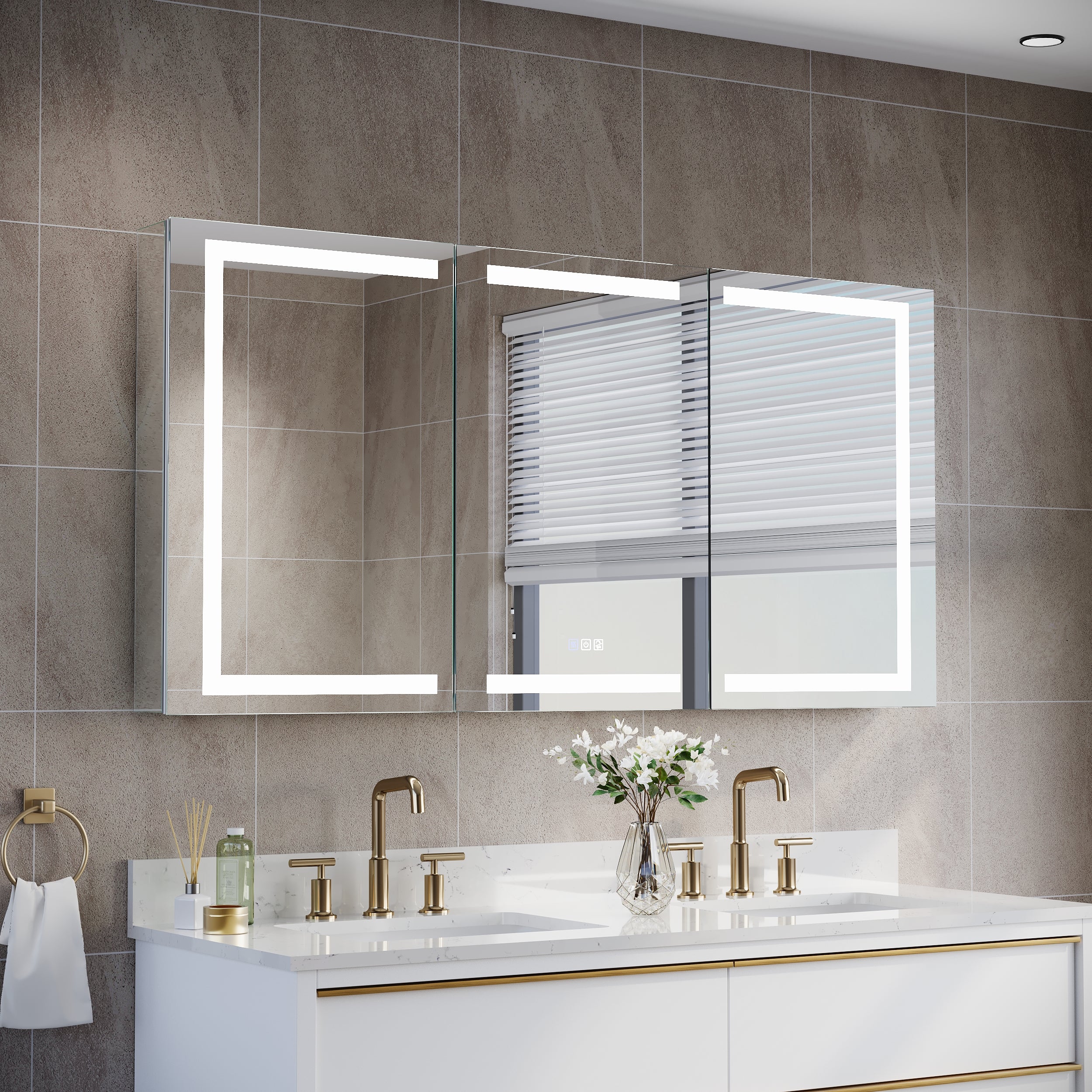
Most bathrooms have some form of overhead lighting. It’s fine for general visibility, but it often creates the classic “raccoon-eye” effect—shadows under brows, nose, and chin—because the light is coming from above. LED mirrors help because they place light closer to the mirror plane and your face. That geometry change usually makes grooming tasks easier: shaving edges look clearer, skincare application is more precise, and makeup blending becomes less guesswork.
To talk about lighting like a professional, it helps to know the unit: foot-candles (fc). A foot-candle is a measure of illuminance, defined as one lumen per square foot (Source: IES recommended light levels reference PDF). This explains why a mirror can have “high lumens” on paper and still feel mediocre in real use—what matters is how much light reaches your face and how evenly it’s distributed.
Many IES-based references place typical indoor applications in broad foot-candle ranges depending on task and environment (Source: IES recommended light levels reference PDF). The practical takeaway is simple: an LED mirror can push the vanity zone toward a more task-friendly result without making the whole room uncomfortably bright.
2. They Make Bathrooms Feel Cleaner and More Modern With Less Visual Clutter
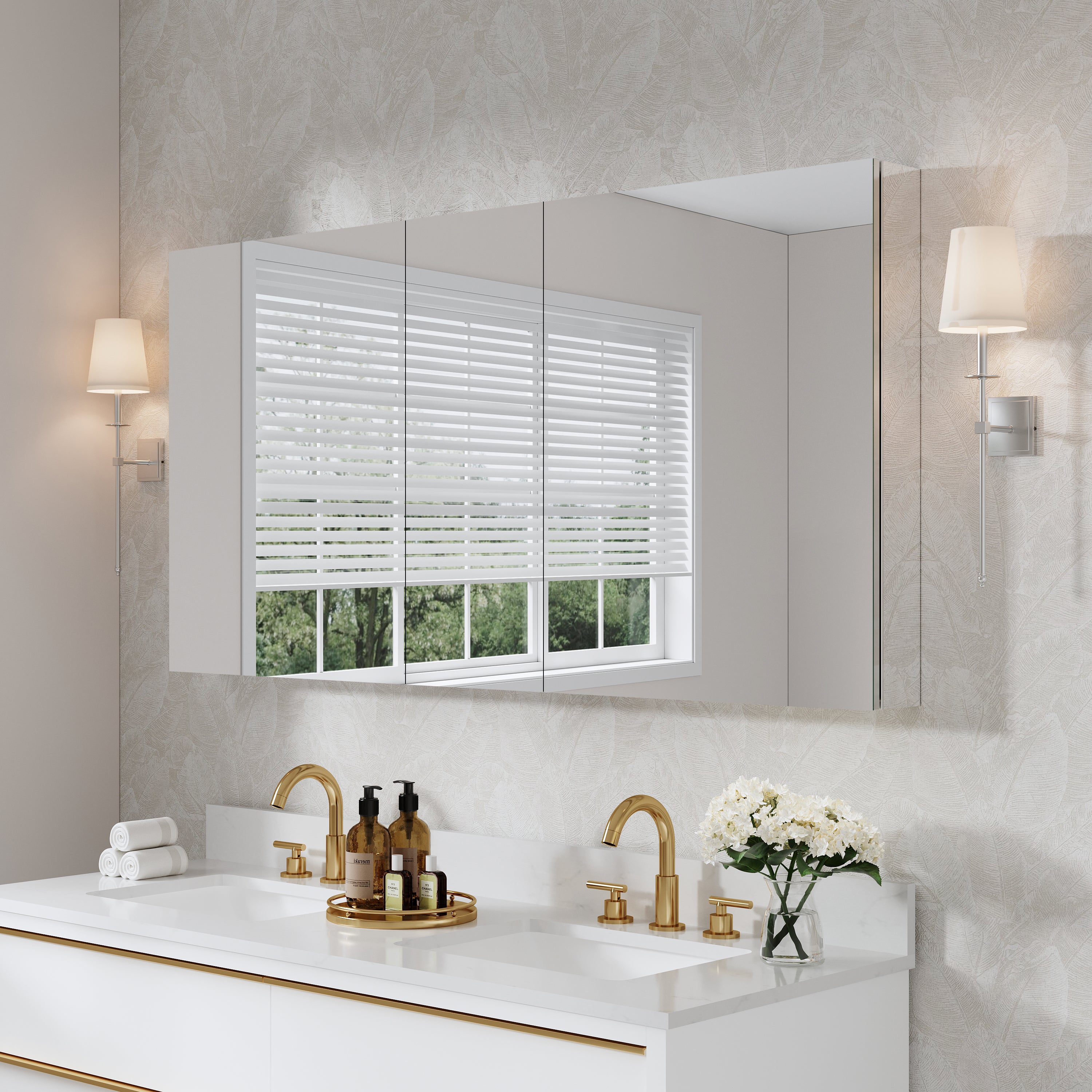
Modern bathroom design often aims for “quiet structure”: fewer competing fixtures, cleaner lines, and a more intentional wall composition above the vanity. LED mirrors support that goal because the mirror itself can provide a portion of the task lighting that would otherwise require separate sconces or a vanity light bar.
This doesn’t mean an LED mirror should replace every other light source. A strong plan still layers lighting (ambient + task + night/low level). But LED mirrors make the task layer simpler and more predictable—especially in bathrooms where adding side sconces is difficult due to wiring, tile, or tight spacing.
3. LED Mirrors Can Be Significantly More Energy-Efficient
Energy efficiency isn’t just a “green” talking point—it’s a practical part of long-term ownership. LEDs are efficient and durable, and the U.S. Department of Energy summarizes the impact clearly: residential LEDs (especially ENERGY STAR rated products) use at least 75% less energy and can last up to 25 times longer than incandescent lighting (Source: U.S. Department of Energy, “LED Lighting”).
DOE also notes that LEDs can use up to 90% less energy and last up to 25 times longer than traditional incandescent bulbs (Source: U.S. Department of Energy, “Lighting Choices to Save You Money”). Even if your bathroom lighting run-time is modest, those differences compound over years—and longer life also means fewer replacements and fewer “why is this flickering?” frustrations.
4. Better Controls Make LED Mirrors Feel Premium (and More Practical)
The reason some LED mirrors feel like a true upgrade isn’t only brightness—it’s control. The two controls that most directly improve real-life usability are:
Dimming
Dimming lets you match brightness to the moment: lower output at night (less glare), higher output for precision grooming. It’s also an efficiency feature because you’re not running maximum output when you don’t need it.
Adjustable color temperature
Color temperature affects how skin tones and materials read. A mirror that lets you shift between warmer and more neutral light helps you avoid the “this looks fine here, but different everywhere else” problem. In practical terms, it reduces the temptation to turn on extra overhead lights just to feel confident about what you’re seeing.
5. Color Quality Matters for “Visibility,” Not Just Brightness
Visibility is not only about how bright the mirror appears—it’s also about whether colors look natural. Poor color rendering can make skin look flat or overly red, and it can distort makeup matching. Some manufacturers provide CRI; others provide more advanced metrics.
If you want a credibility signal, look for brands that reference ANSI/IES TM-30 color evaluation. DOE provides educational resources explaining TM-30 as a modern method for evaluating color rendition beyond CRI alone (Source: DOE TM-30 tutorial PDF). While you don’t need TM-30 data for every purchase, published color metrics usually indicate that the brand is taking light quality seriously, not just selling a “glowing frame.”
6. They Support Better Proportion and Daily Comfort When Placed Correctly
A mirror can be beautiful and still feel “off” if it’s mounted too high. A practical reference point often used for comfortable viewing comes from accessibility standards: mirrors above lavatories/countertops should have the bottom edge of the reflecting surface 40 inches max above the finished floor; mirrors not above lavatories/countertops should be 35 inches max (Source: 2010 ADA Standards, Section 603.3).
Even if you’re not building to accessibility requirements, this is a useful reality check. LED mirrors, in particular, can create glare if the light source sits too high relative to your eye line. A simple approach is to stand at the sink and ensure your eye level lands around the upper-middle of the reflective area—not near the bottom edge.
7. Moisture and Durability: LED Mirrors Are Best When the Bathroom Environment Is Managed
Bathrooms are humid environments, and durability depends on both product choice and moisture control habits. EPA guidance recommends keeping indoor relative humidity below 60%, ideally between 30% and 50% when possible (Source: U.S. EPA Mold Course, Chapter 2).
Why this matters for LED mirrors:
· Humidity can stress electronics (drivers and switches).
· Condensation can accelerate mirror edge deterioration.
· Metal hardware can corrode if finishes are weak.
The best LED mirrors are designed for bathroom conditions and paired with a simple habit: run the exhaust fan during showers and for a period afterward. If fogging is common, consider mirrors with anti-fog features—but also recognize that ventilation often solves more than any single feature.
8. What to Look For When You Want an LED Mirror That Truly Performs
If you want the “essential” benefits—clean design, practical visibility, and long-term efficiency—use these checkpoints:
1. Light distribution: Prefer smooth diffusion; avoid visible LED dot patterns.
2. Controls: Dimming and (ideally) adjustable color temperature for real-life routines.
3. Efficiency and longevity: LED performance aligned with DOE benchmarks (75% less energy, up to 25x longer life) (Source: U.S. Department of Energy).
4. Color credibility: Clear color information; TM-30 references are a strong trust signal (Source: DOE TM-30 tutorial PDF).
5. Placement: Use the 40-inch/35-inch reflecting-surface reference as a comfort guardrail (Source: ADA 603.3).
6. Moisture strategy: Maintain RH below 60% (ideally 30–50%) with ventilation to protect both mirror and electronics (Source: EPA).

Conclusion
LED mirrors have become essential in modern bathroom design because they deliver a rare combination: better face lighting, cleaner wall composition, and long-term efficiency. When you choose a model with strong diffusion, useful controls, credible color quality, and moisture-aware durability—and you place it at a comfortable height—the result is a daily upgrade that feels both more practical and more refined. And with LED efficiency and lifespan advantages documented by DOE, the mirror doesn’t just look modern; it performs like a modern fixture should (Source: U.S. Department of Energy).










Leave a comment
This site is protected by hCaptcha and the hCaptcha Privacy Policy and Terms of Service apply.