
















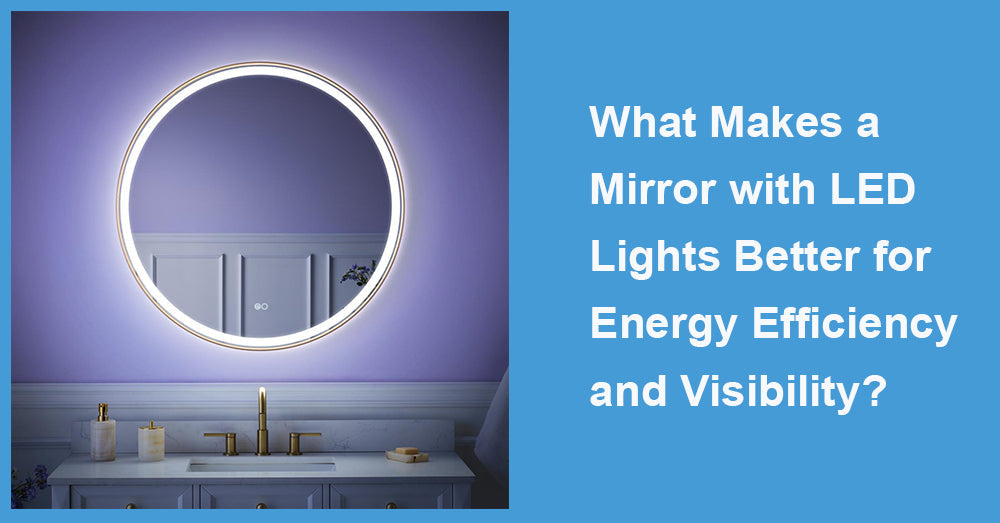
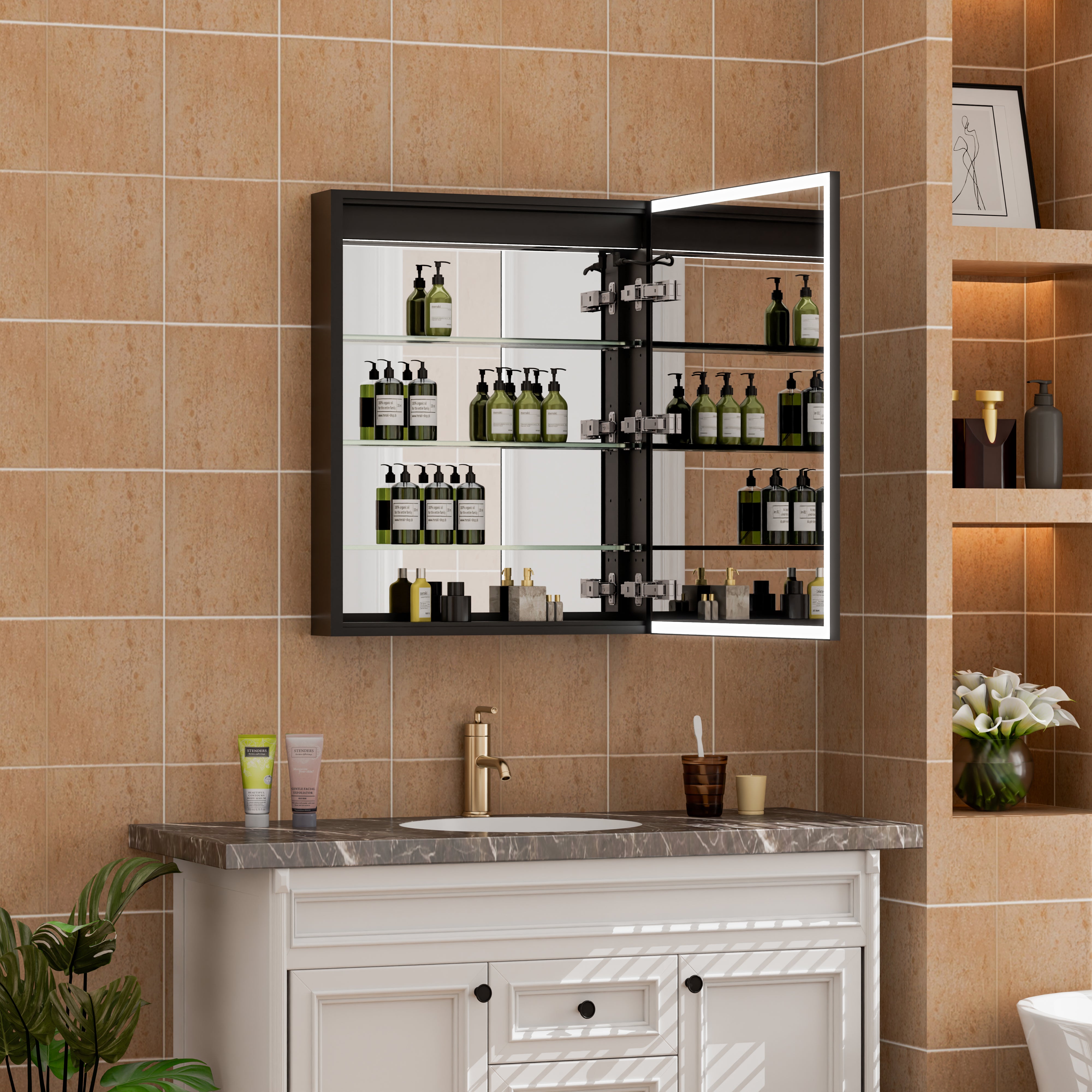
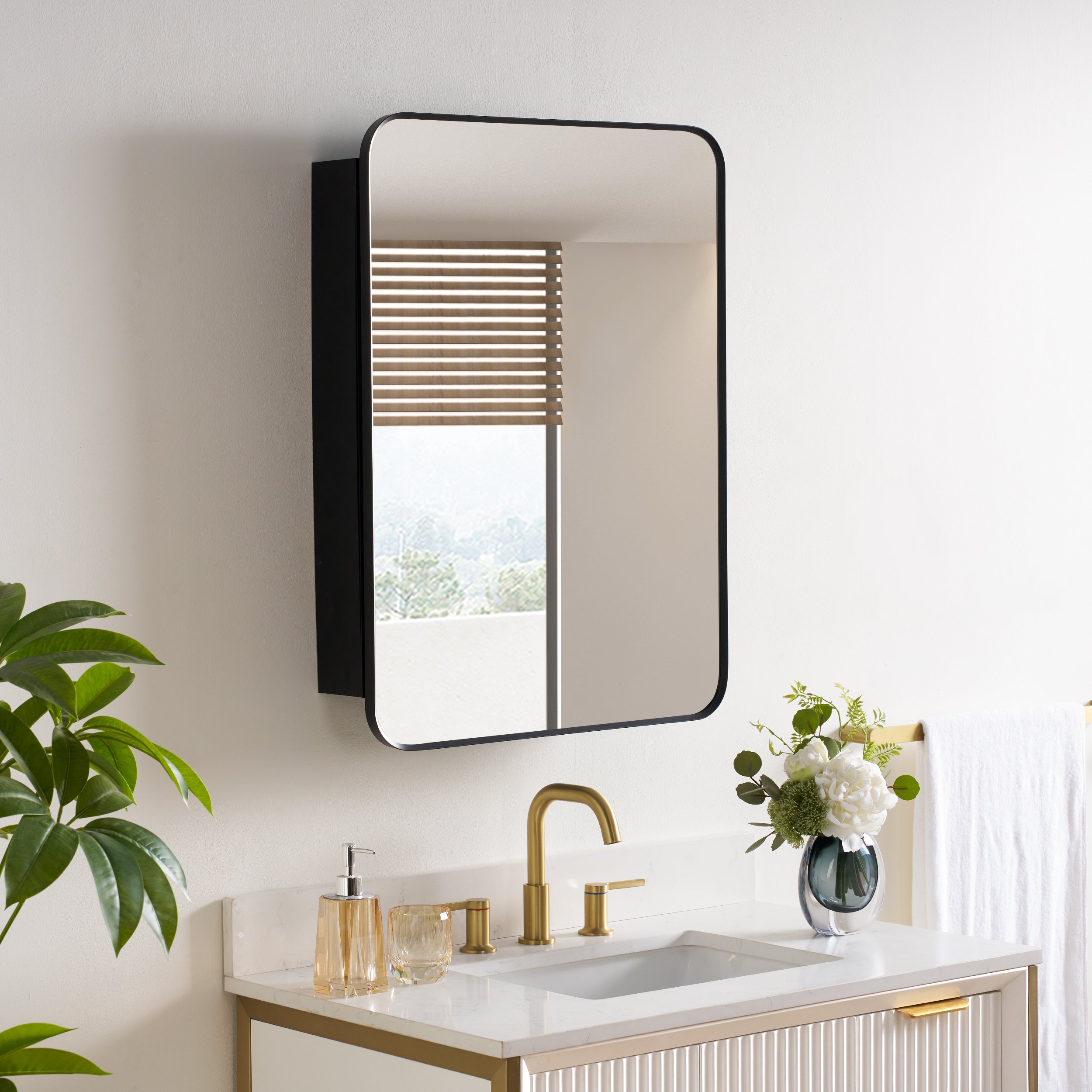
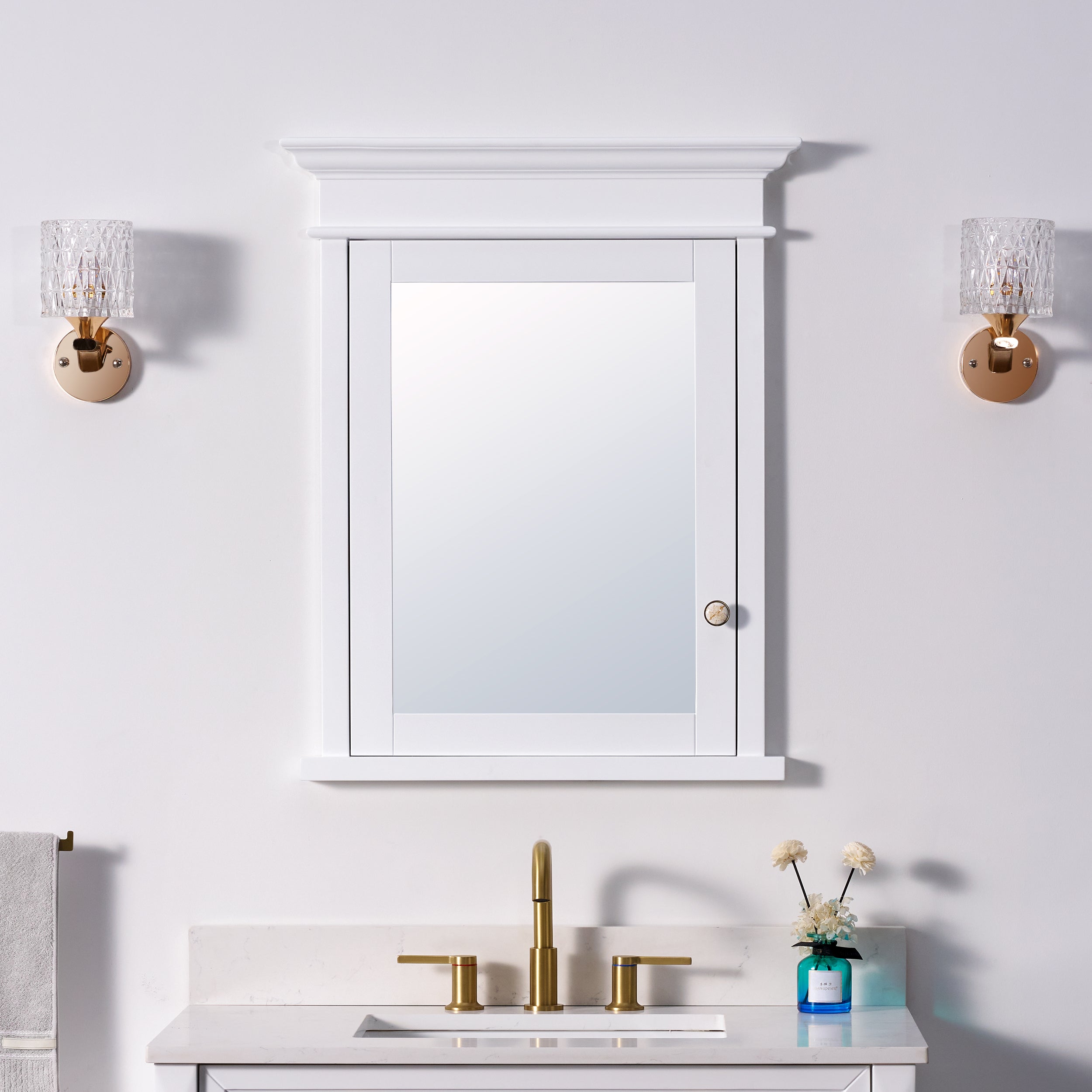
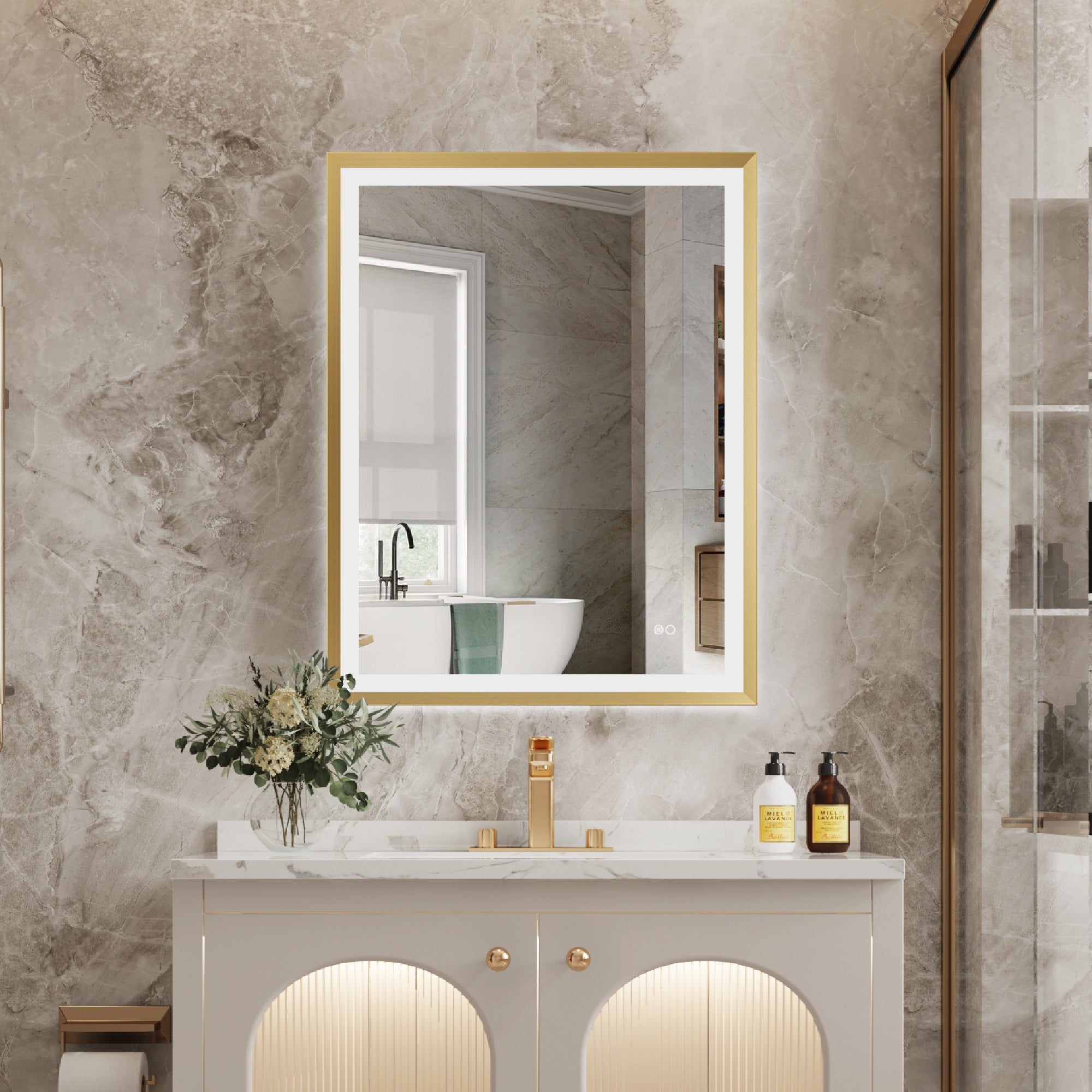
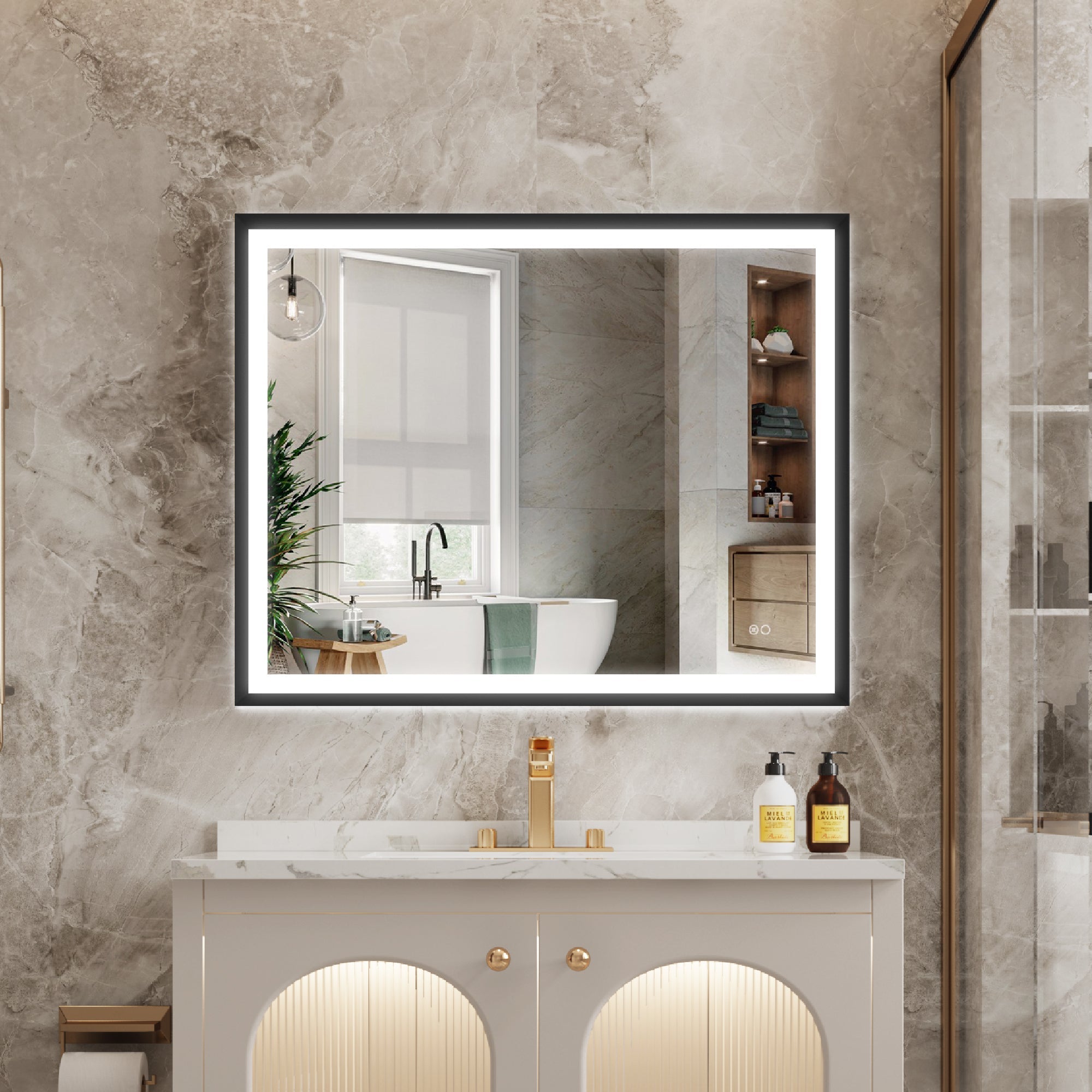
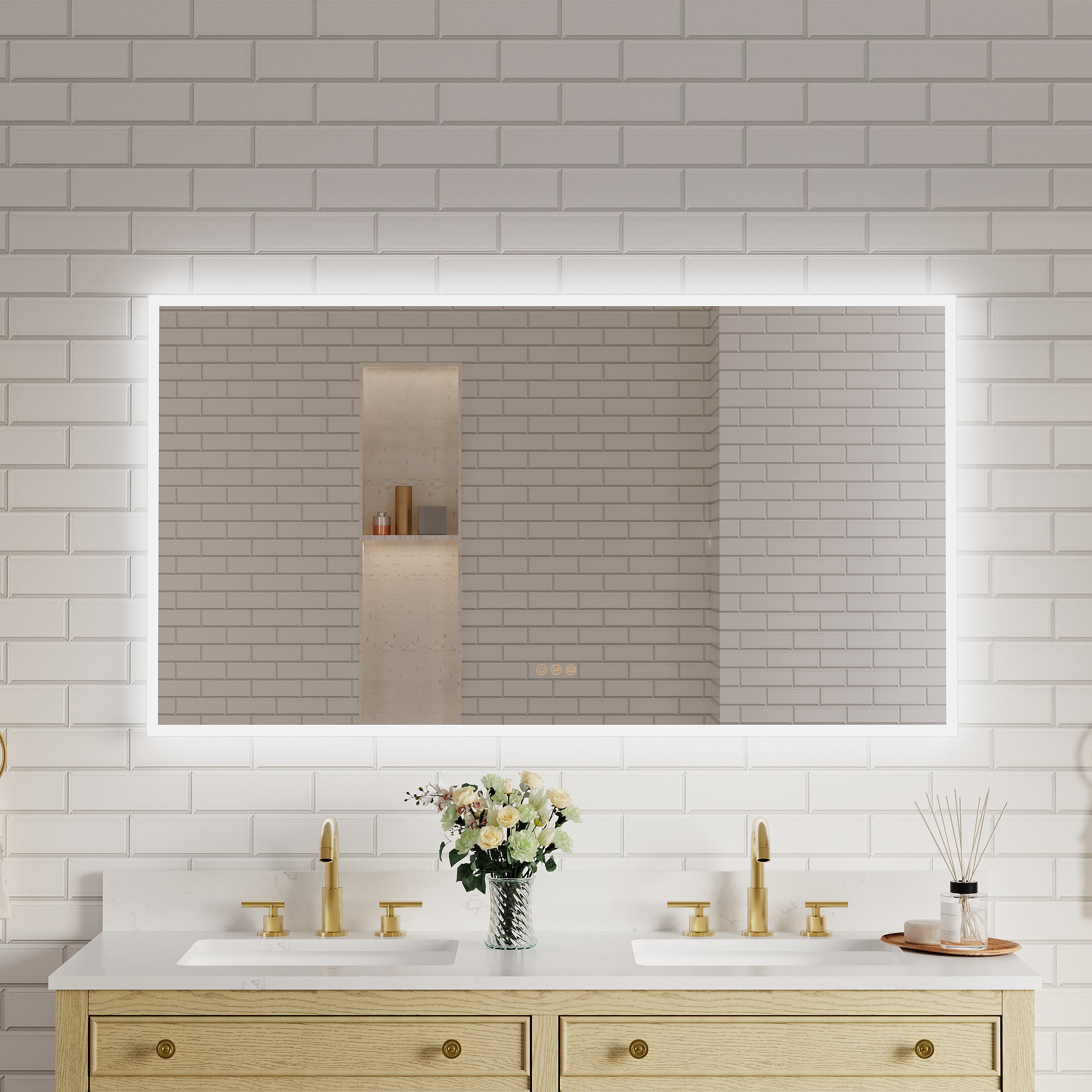
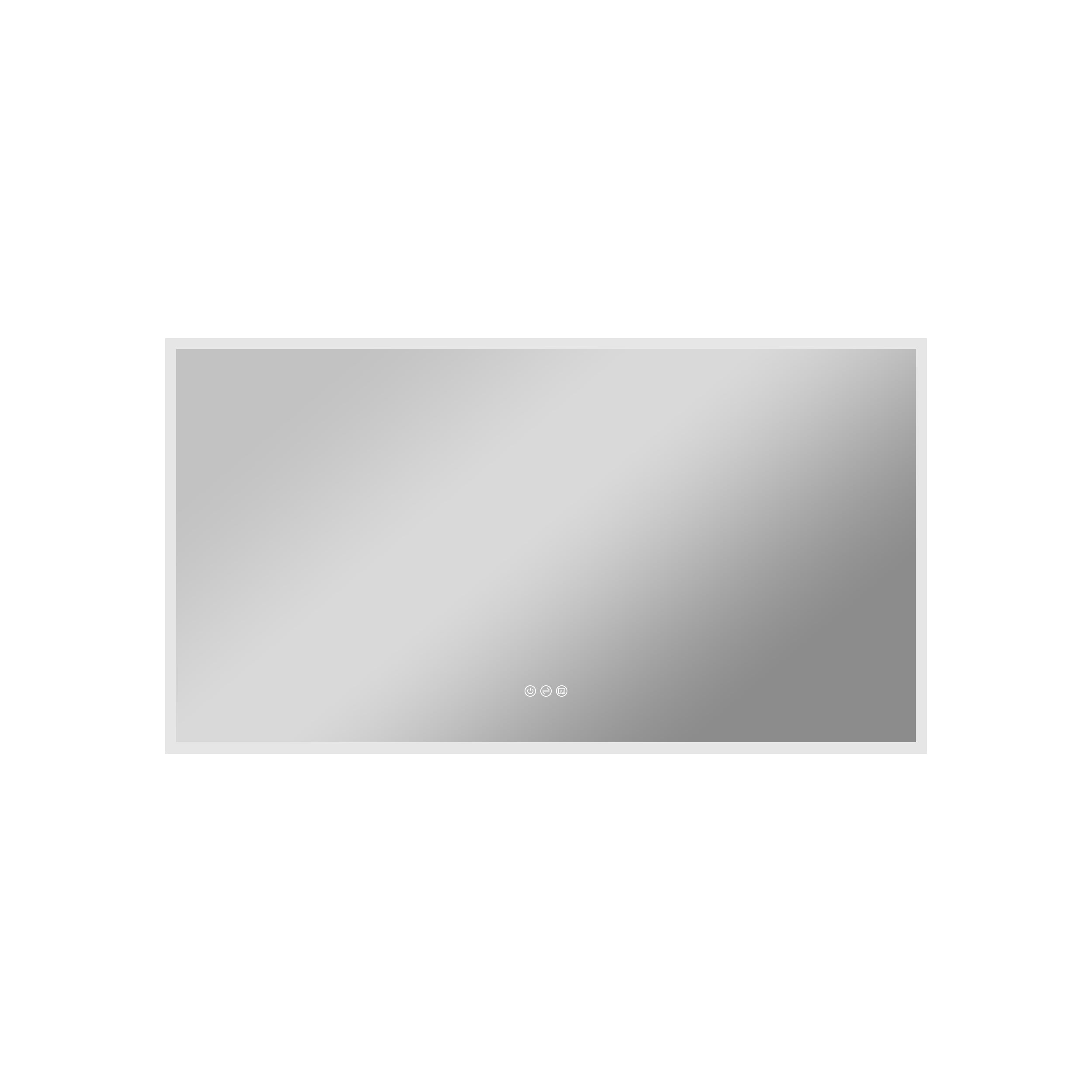
A mirror with led lights is more than a style upgrade—it’s a lighting tool that can make daily grooming clearer while reducing wasted energy over time. The best LED mirrors improve visibility by placing smooth, even light closer to face level, where shadows matter most, and they improve efficiency because LEDs convert far more electricity into light (and far less into heat) than older bulb types. To choose a mirror that truly performs, it helps to understand a few practical specs—brightness, light distribution, color quality, and controls—plus the durability details that matter in a humid bathroom.
1. Why LEDs Are Naturally More Efficient (Less Heat, More Light)
Traditional incandescent lighting is inefficient because most of the electricity becomes heat instead of usable light. The U.S. Department of Energy notes that incandescent bulbs release about 90% of their energy as heat, while LEDs emit very little heat by comparison (Source: U.S. Department of Energy, “LED Lighting”).
That efficiency advantage is not minor. DOE also summarizes that LEDs can use up to 90% less energy and last up to 25 times longer than traditional incandescent bulbs (Source: U.S. Department of Energy, “Lighting Choices to Save You Money”).
Why it matters for an LED mirror: bathroom lighting is used every day, often multiple times. Long LED life reduces replacement hassles, and lower heat output helps the fixture run cooler—important for electronics like LED drivers that can degrade faster under heat stress.
2. Visibility Improves When You Measure the Right Thing: Lumens vs. Foot-Candles
Many listings emphasize lumens, but “seeing better” at the vanity is about how much light reaches your face.
· Lumens = how much light the product produces.
· Foot-candles (fc) = how much light lands on a surface.
A foot-candle is defined as one lumen per square foot (Source: “Foot-candle,” Wikipedia). This is helpful because it explains why two mirrors with similar lumen claims can feel very different: one may throw light sideways or behind the mirror, while another directs it toward the user.
For reference, one lighting guide summarizes common targets and lists detailed task areas around 50–100+ fc (Source: LED Light Expert). You don’t need to chase a perfect number, but the concept is powerful: a good LED mirror should create a task-friendly zone at the vanity without glare.
Practical tip: if you want to verify performance, you can use a basic light meter or a phone app to compare illumination at face height before and after installing the mirror. (The goal is “even and sufficient,” not “maximum possible.”)
3. The Real “Visibility Upgrade” Is Shadow Control
Most unflattering bathroom lighting comes from overhead fixtures. Ceiling lights brighten the room but cast shadows under the brow ridge, nose, and chin—exactly where you need clarity for shaving, skincare, or makeup.
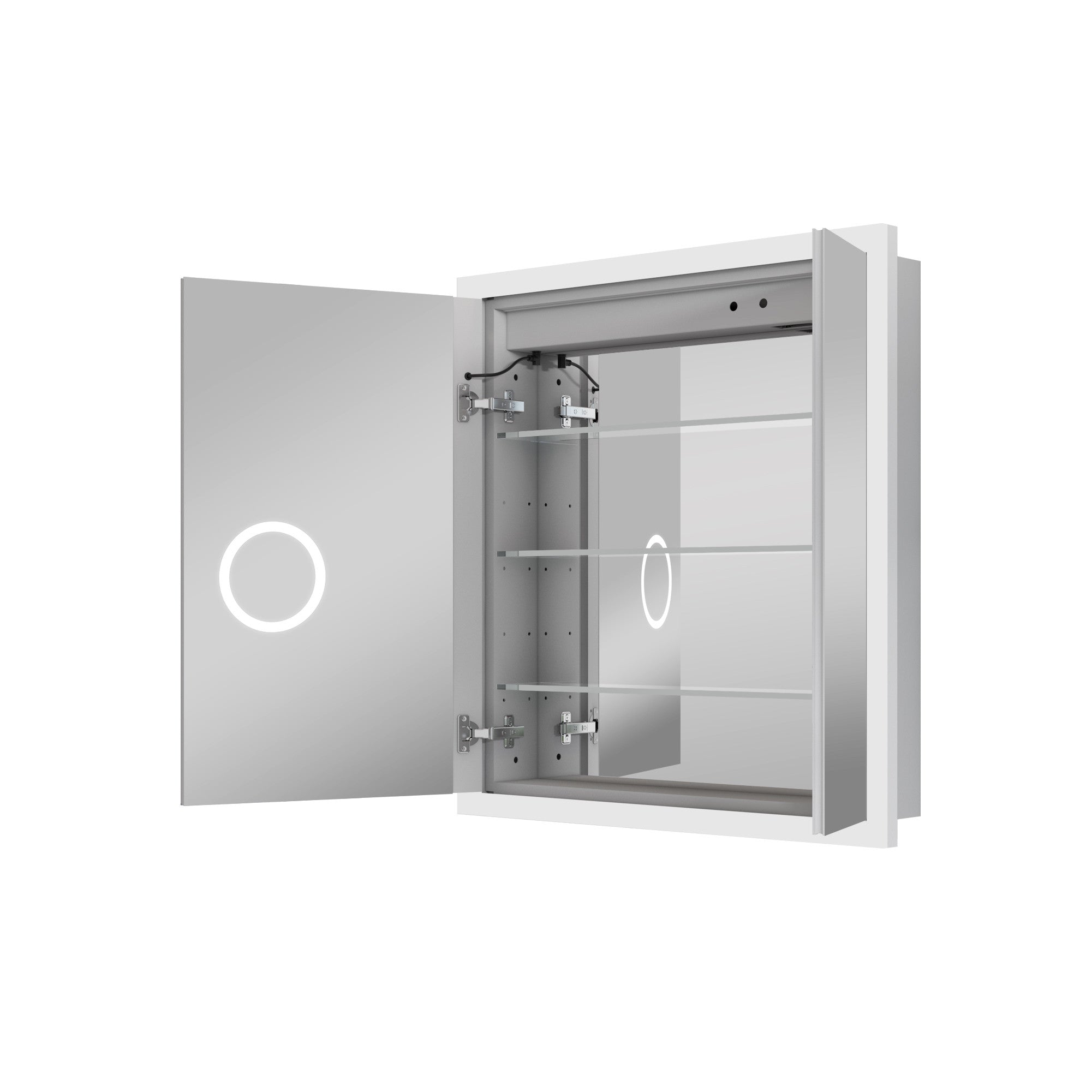
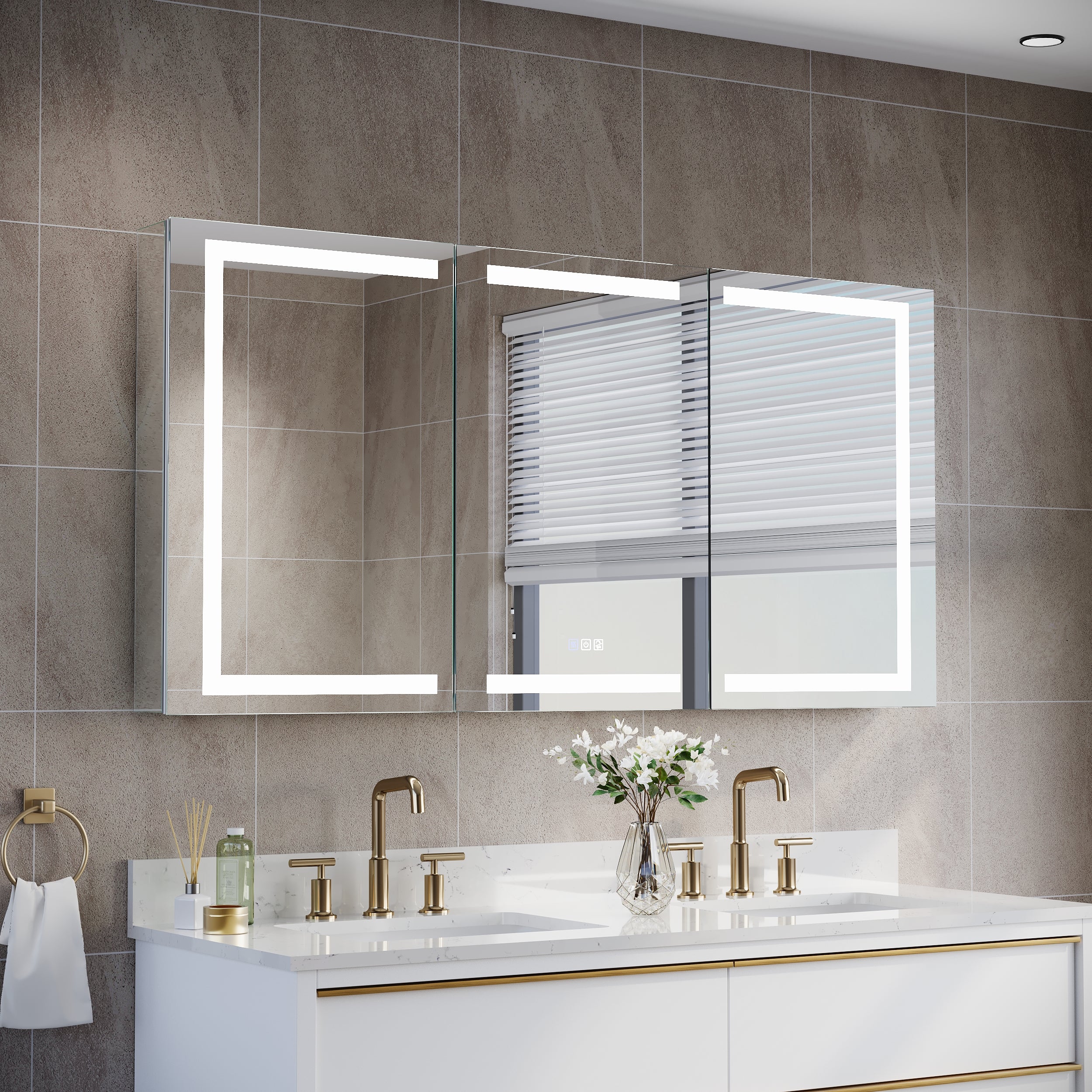
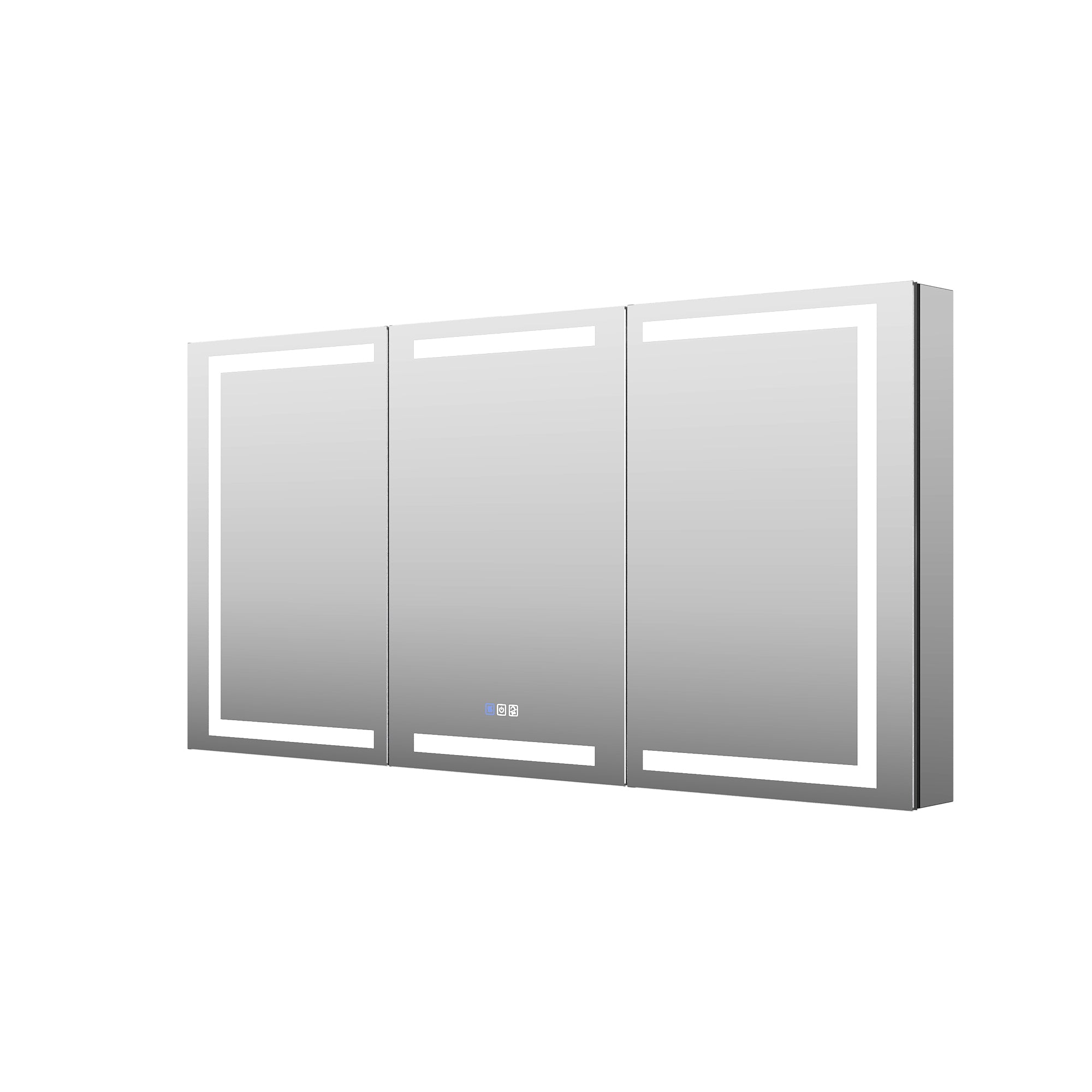
LED mirrors improve visibility mainly because they change light geometry:
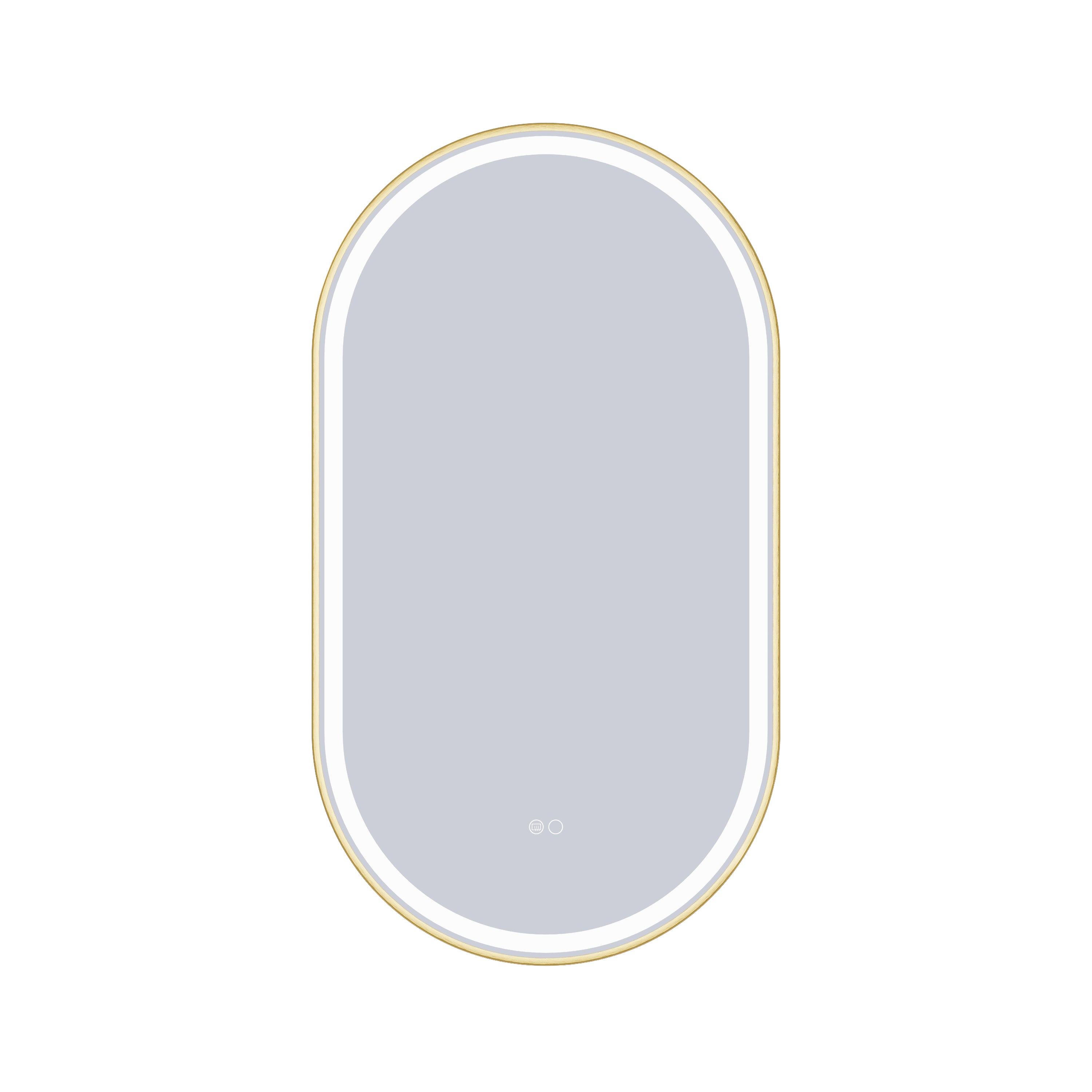
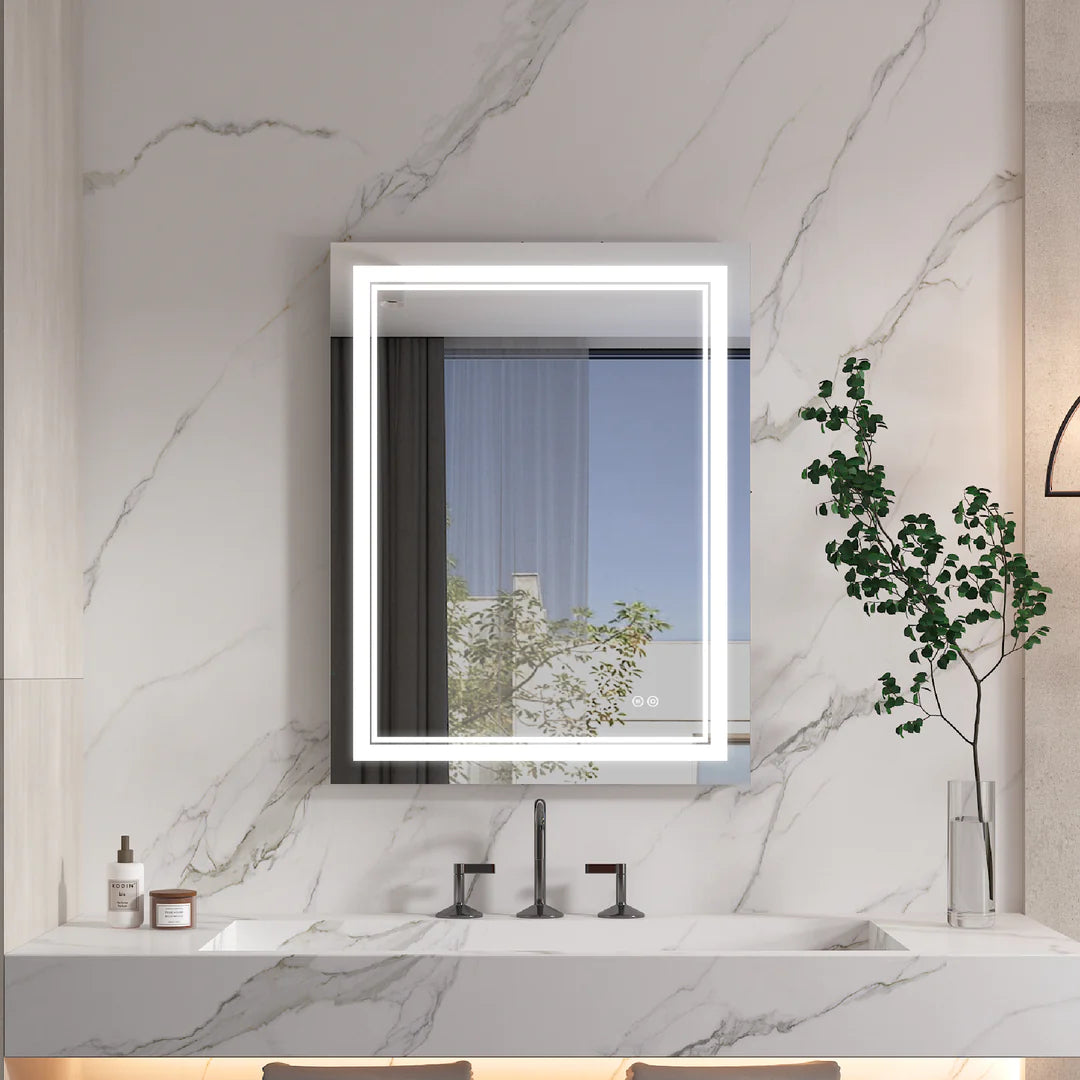
Front-lit designs (best for task visibility)
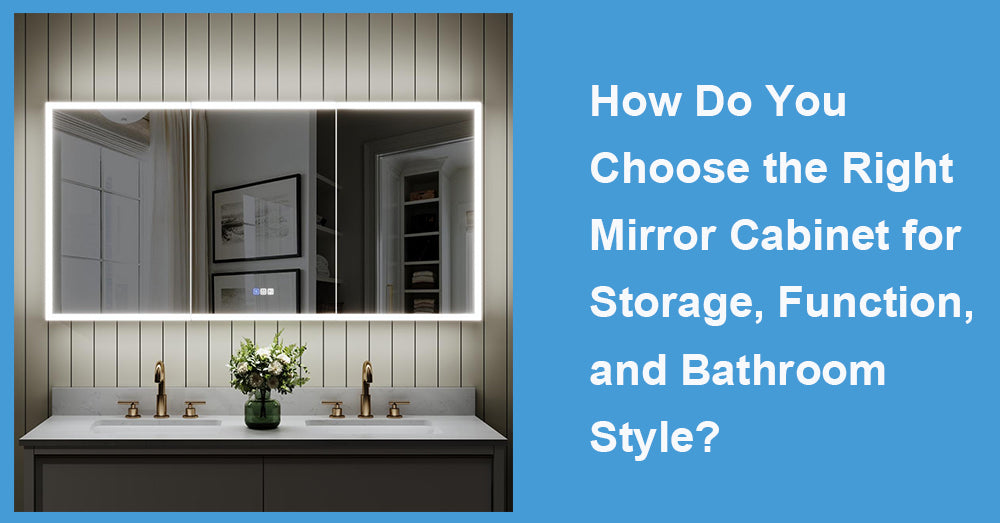
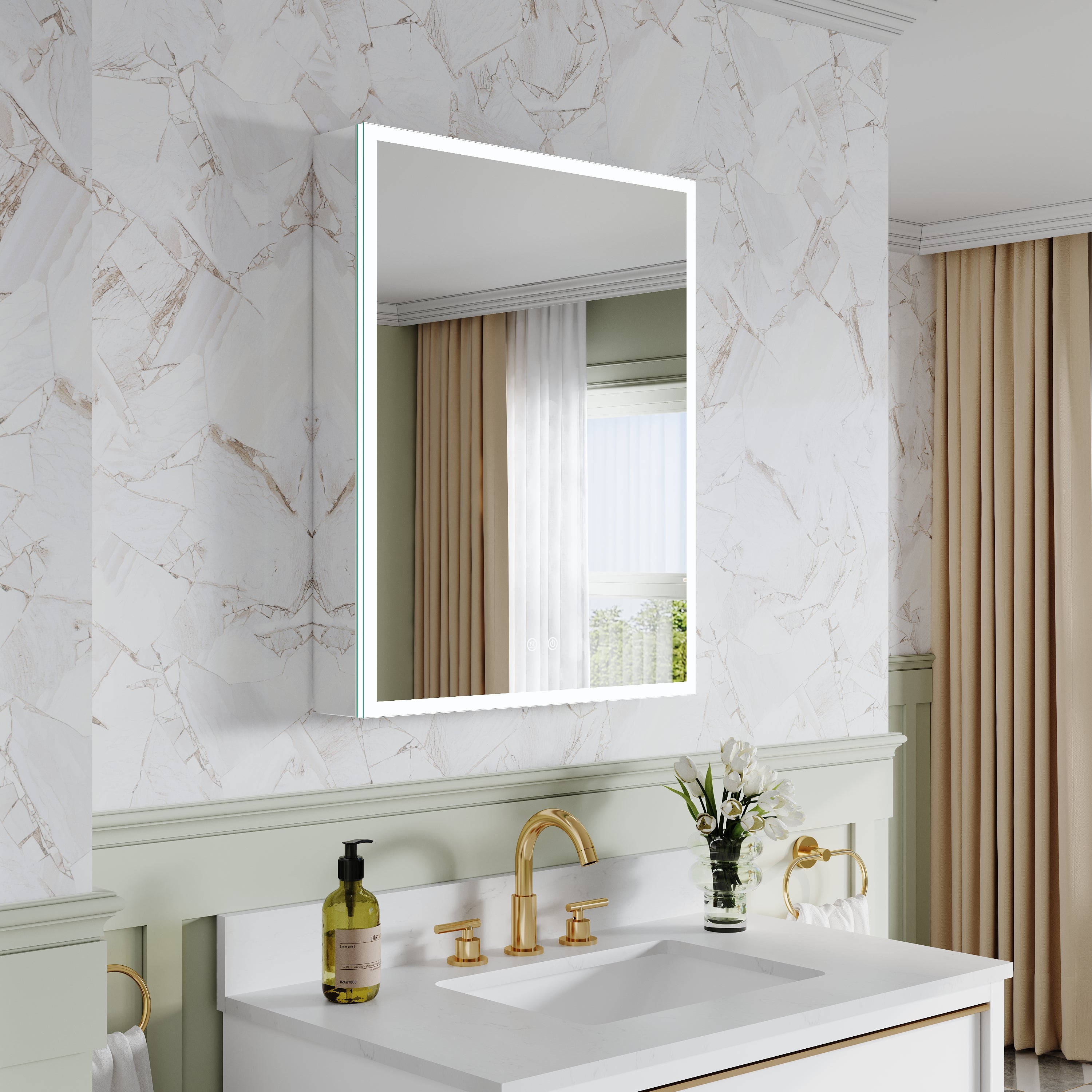
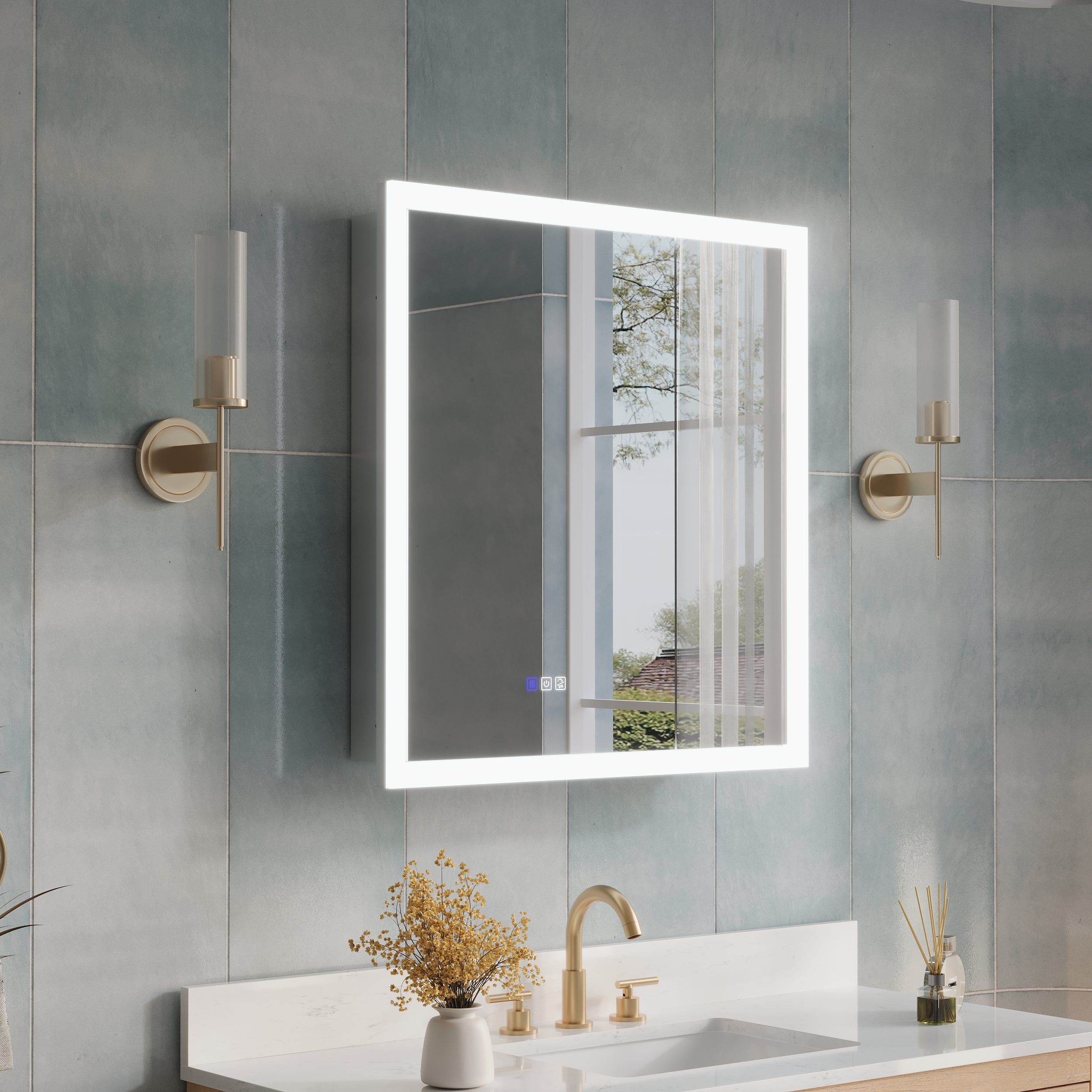
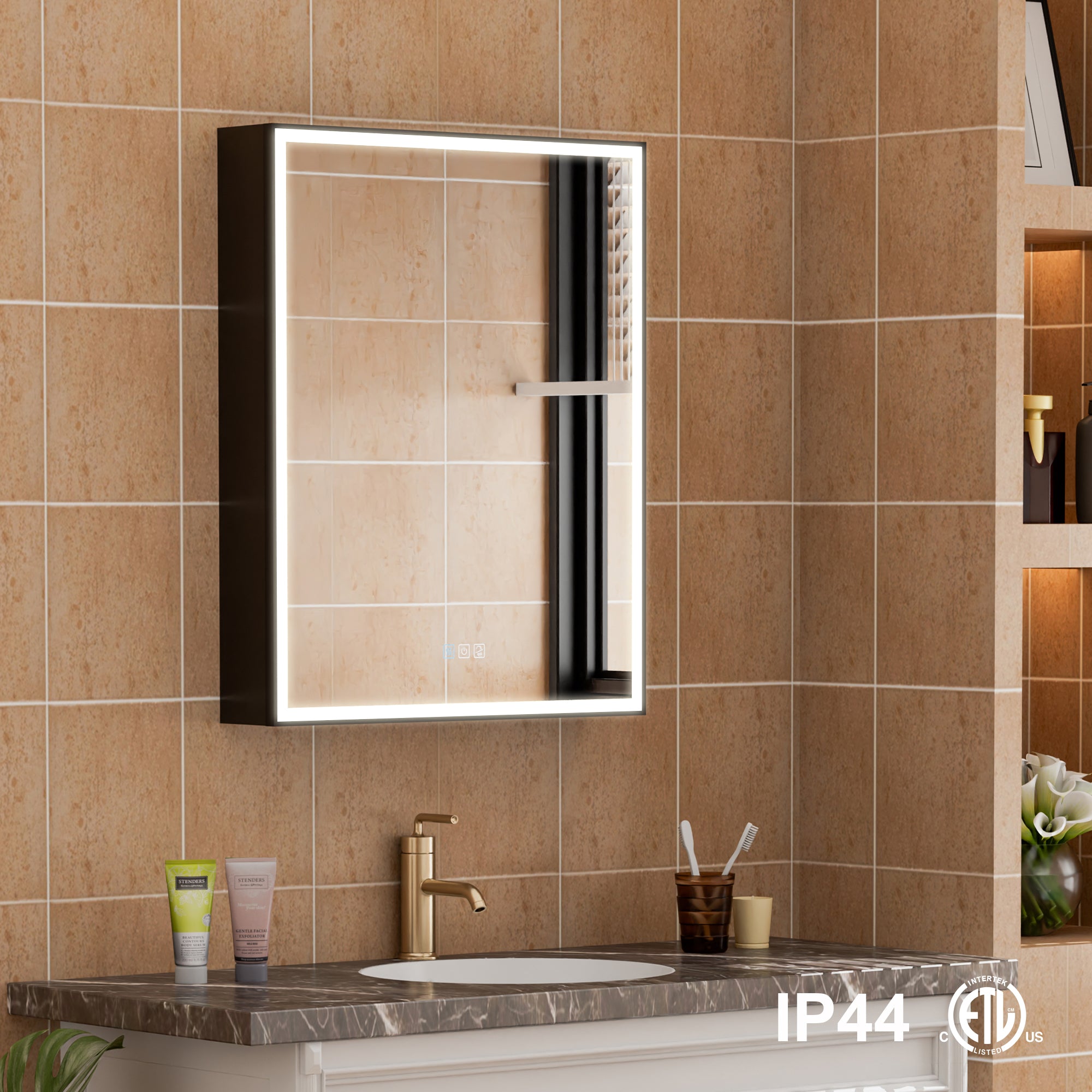
Front-lit LED mirrors push light outward through a diffuser. When done well, they reduce facial shadows and deliver smooth, even illumination. If you can see individual LED dots, the diffusion is weak—brightness may be high, but comfort and visibility can suffer due to glare hotspots.
Backlit designs (best for ambience, sometimes weaker for tasks)
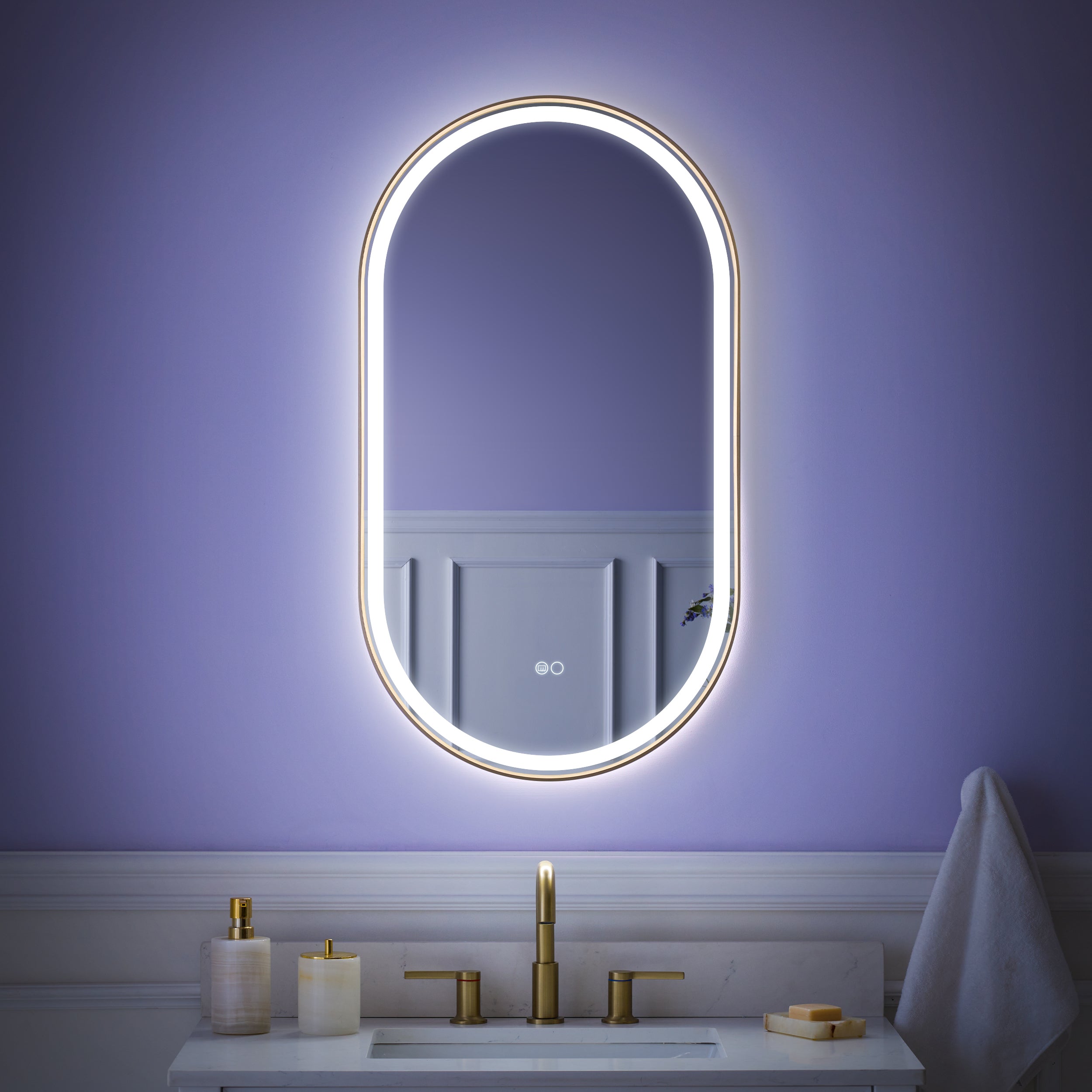
Backlit mirrors create a halo glow against the wall. They look modern and can make the room feel larger, but they may function more like ambient lighting unless output is strong and the wall finish reflects light forward.
Rule of thumb: If grooming accuracy is the priority, choose front-lit or hybrid designs (front + back) rather than purely backlit.
4. Controls Turn “Efficient Lighting” Into “Efficient Use”
Even the most efficient light wastes energy if it’s always too bright or left on longer than needed. Two features drive real-life satisfaction:
Dimming
Dimming is not just mood—it’s practicality. It reduces glare at night, helps the mirror feel comfortable early in the morning, and lowers energy use by reducing output. A mirror that supports smooth dimming (not just a few steps) is easier to live with.
Adjustable color temperature
Adjustable Kelvin settings let you choose warmer light for relaxing routines or a cleaner, more neutral tone for detail work. When you can tune the mirror light to match your routine, you’re less likely to turn on extra fixtures “just to see better,” which indirectly reduces energy use.
5. Color Quality Is Part of Visibility: CRI and TM-30
Visibility isn’t only brightness—it’s whether colors look accurate. Poor color rendering can make skin look dull or overly pink, and it can throw off makeup matching.
Many products list CRI, but the lighting industry also uses more modern methods. DOE hosts guidance on ANSI/IES TM-30, an American National Standard method for evaluating light source color rendition (Source: DOE TM-30 tutorial PDF; DOE TM-30 FAQ page).
You don’t need TM-30 data for every purchase, but it’s a credibility signal when a brand publishes serious color metrics. At minimum, look for clear color information and avoid products that provide no color quality details at all.
6. “Better Visibility” Depends on Installation and Placement
Even a great mirror can disappoint if it’s mounted poorly. Two issues show up repeatedly:
1. Mounted too high: the light hits your forehead and eyes but misses your lower face, increasing glare and reducing task usefulness.
2. Poor wall conditions: uneven walls can create gaps, and improper mounting can cause vibration or shifting over time—especially with larger mirrors.
For a comfortable daily experience, position the mirror so your eye level lands around the upper-middle of the reflective area, and ensure the mirror is securely supported according to its weight and mounting requirements.
7. A Quick Buying Checklist (Specs That Actually Predict Performance)
When comparing mirrors, focus on measurable factors:
Energy and longevity
· LED efficiency and lifespan claims aligned with credible benchmarks (DOE notes LEDs can use up to 90% less energy and last up to 25 times longer than incandescent bulbs). (Source: DOE “Lighting Choices to Save You Money”).
Usable illumination
· A design that delivers even face lighting (front-lit or hybrid).
· Brightness that can support task-friendly illumination; detailed task areas are commonly referenced around 50–100+ fc. (Source: LED Light Expert).
· Smooth diffusion (no harsh hotspots).
Controls
· Dimming (smooth is better than step-only).
· Adjustable color temperature if multiple routines use the bathroom.
Color quality
· Clear color specs; TM-30 references are a strong credibility marker for brands that publish them. (Source: DOE TM-30 tutorial/FAQ).
Durability signals
· Clear warranty terms for the LED driver and electronics (drivers are often the first failure point).
· Bathroom-appropriate build and moisture suitability as stated by the manufacturer.

Conclusion
A mirror with LED lights tends to be better for energy efficiency because LEDs waste far less energy as heat—incandescent bulbs can lose about 90% of their energy as heat—while LEDs can use up to 90% less energy and last up to 25 times longer than traditional incandescent bulbs (Source: U.S. Department of Energy). Visibility improves because the light is placed where it helps most: near face level, reducing shadows that overhead lights create, and delivering smoother, more controlled illumination. When you choose a model with good diffusion, useful controls (dimming and color tuning), and credible color performance metrics, the upgrade becomes practical—not just decorative.










Leave a comment
This site is protected by hCaptcha and the hCaptcha Privacy Policy and Terms of Service apply.