
















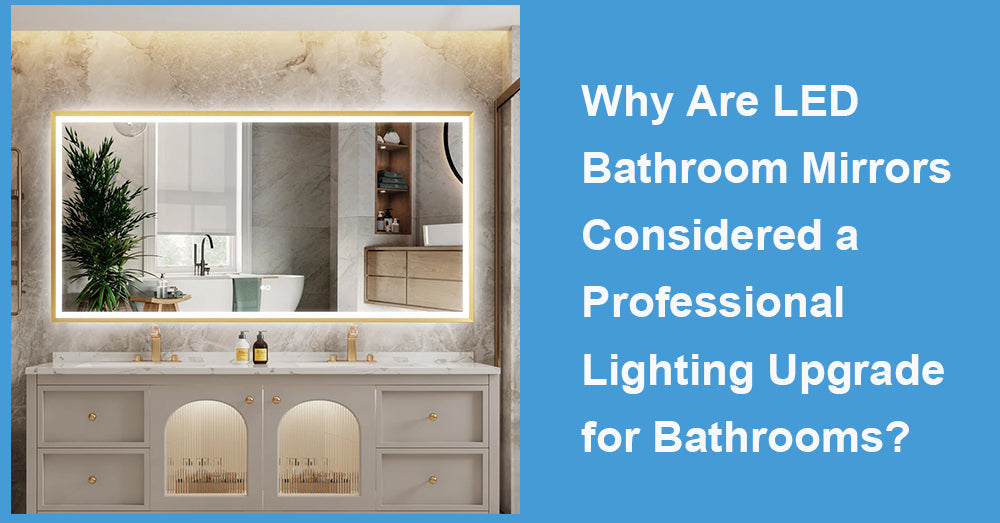
LED bathroom mirrors are increasingly positioned as a “professional lighting upgrade” because they combine high-quality task lighting, a cleaner visual design, and practical comfort features in a single fixture. Design forecasters have been calling out layered lighting and integrated mirror illumination as among the fastest-evolving directions in bathroom design, reflecting how much performance at the vanity matters in daily routines.
They solve the #1 vanity lighting problem: shadows from overhead fixtures
Most bathrooms rely heavily on ceiling lighting, especially recessed downlights. The issue is physics: light from above creates downward shadows under the brow, nose, and chin, making grooming harder and distorting how skin tone and makeup appear. The Department of Energy has noted that recessed downlights are extremely common, estimating more than 600 million installed in homes and businesses, which helps explain why “top-down shadowing” is a widespread baseline lighting problem.
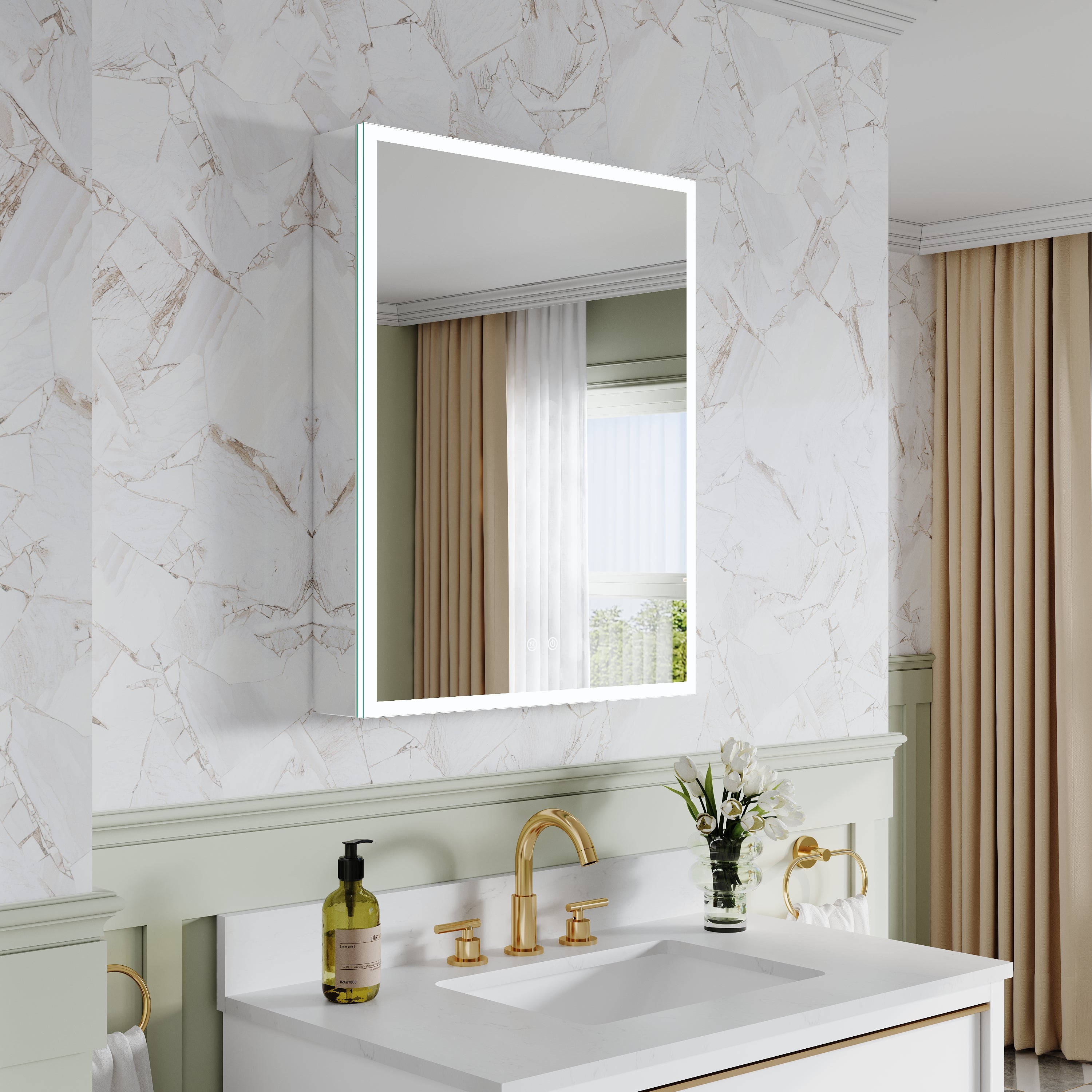
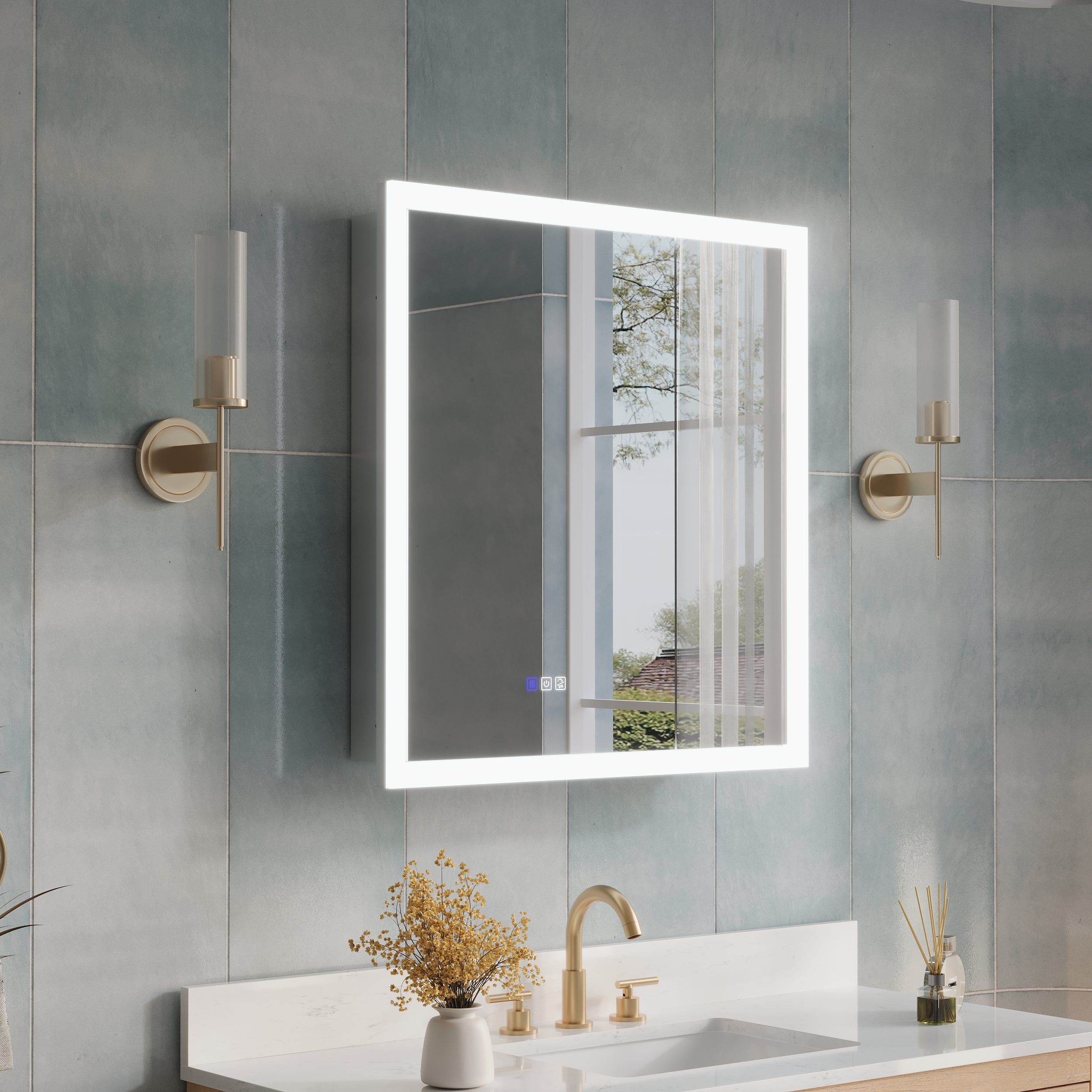
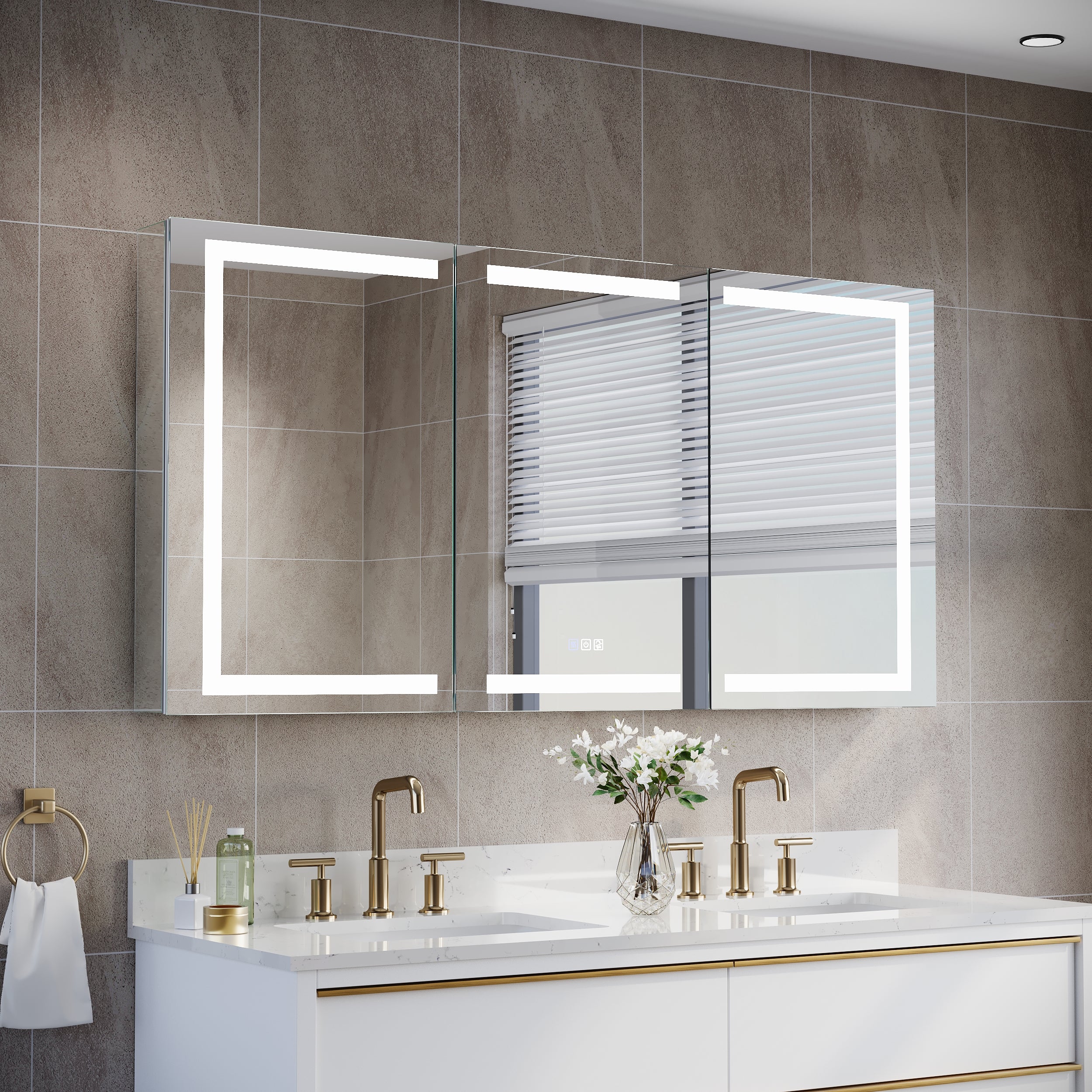
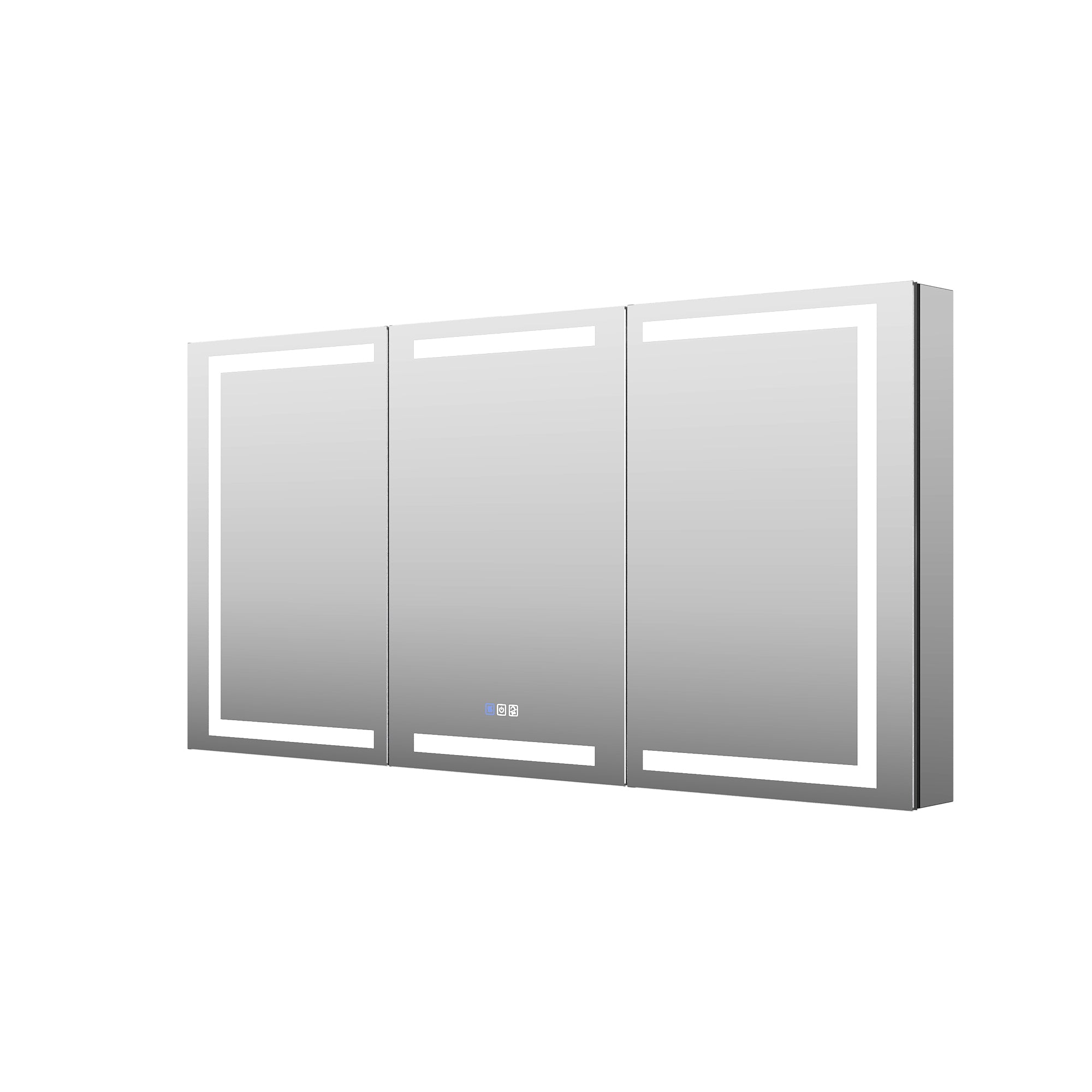
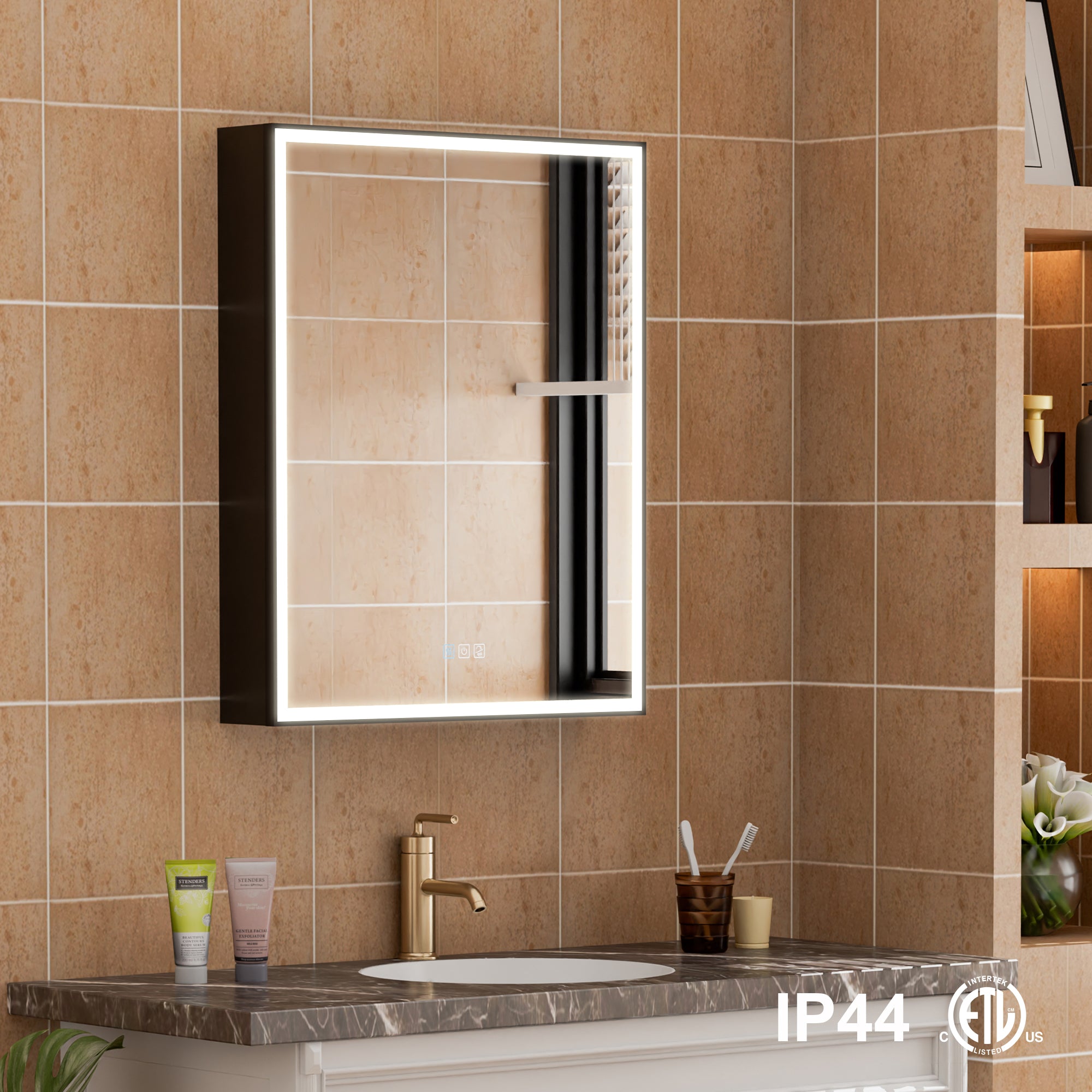
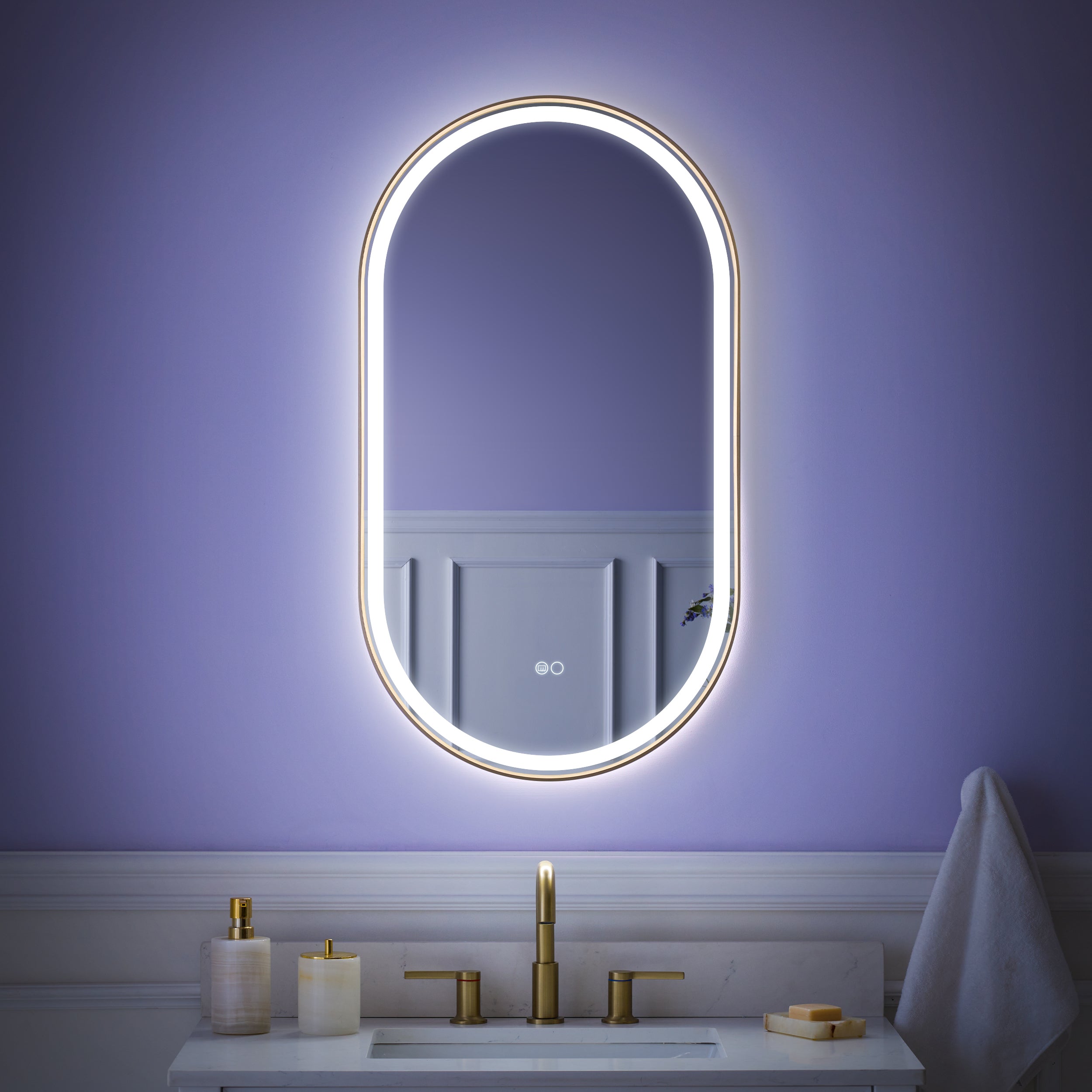
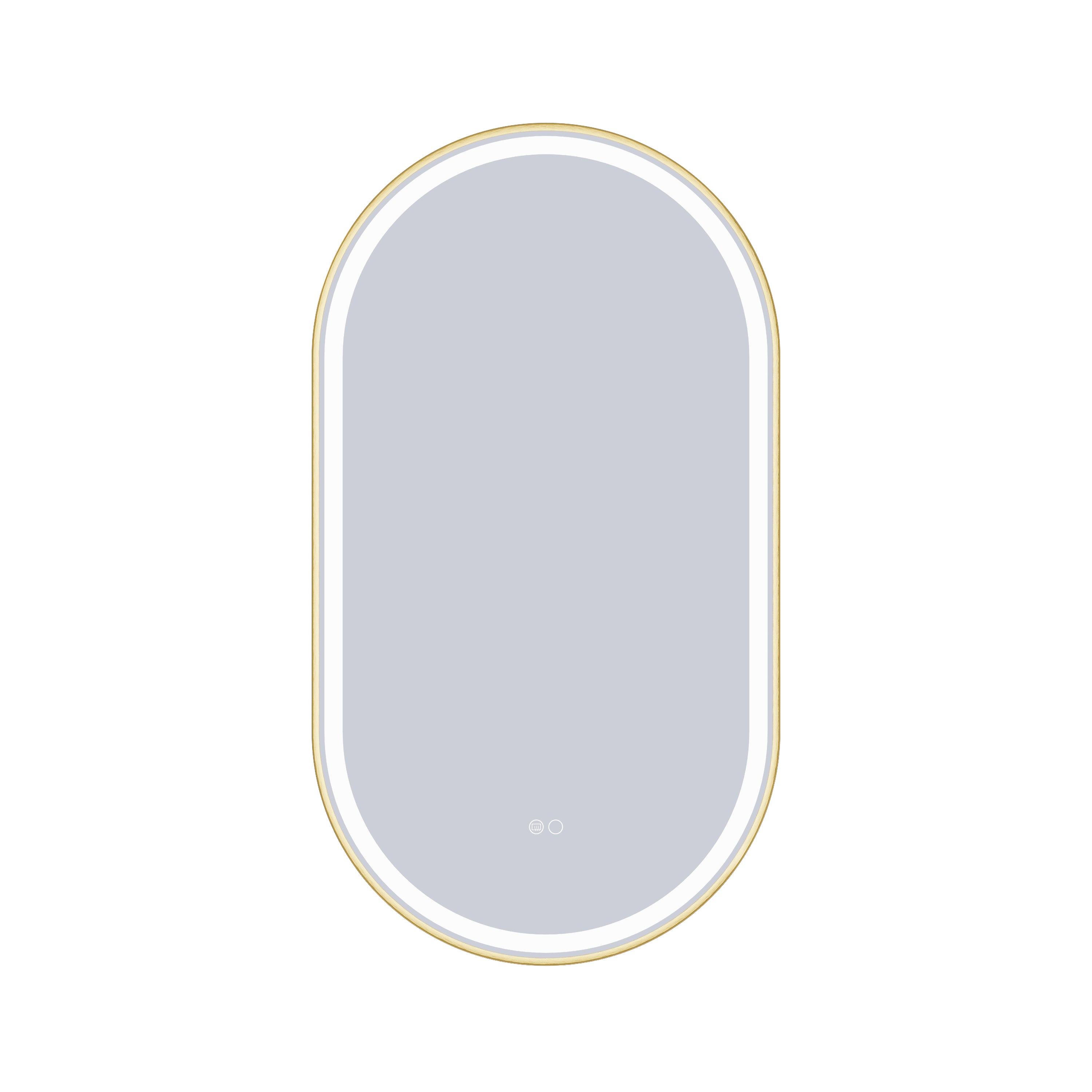
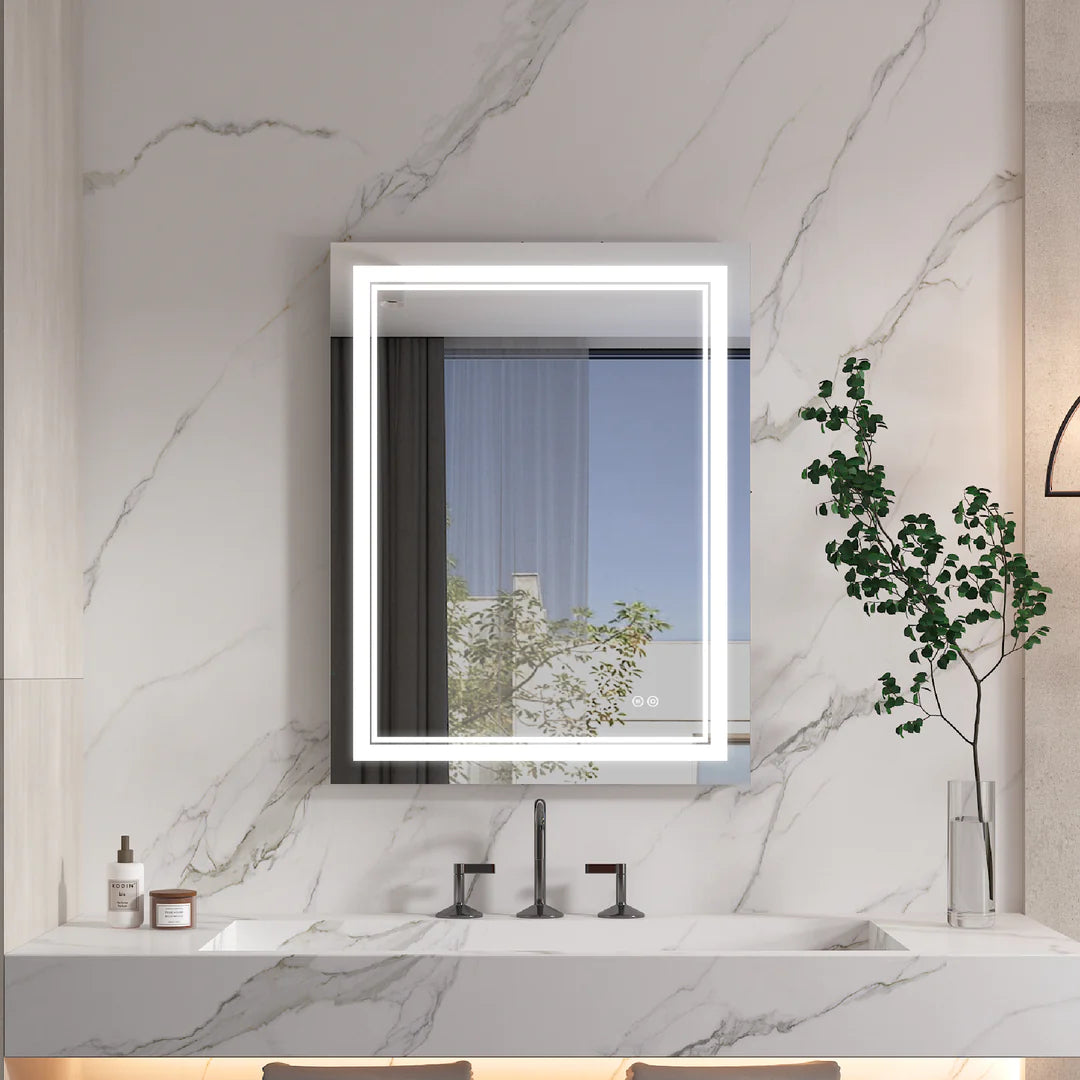
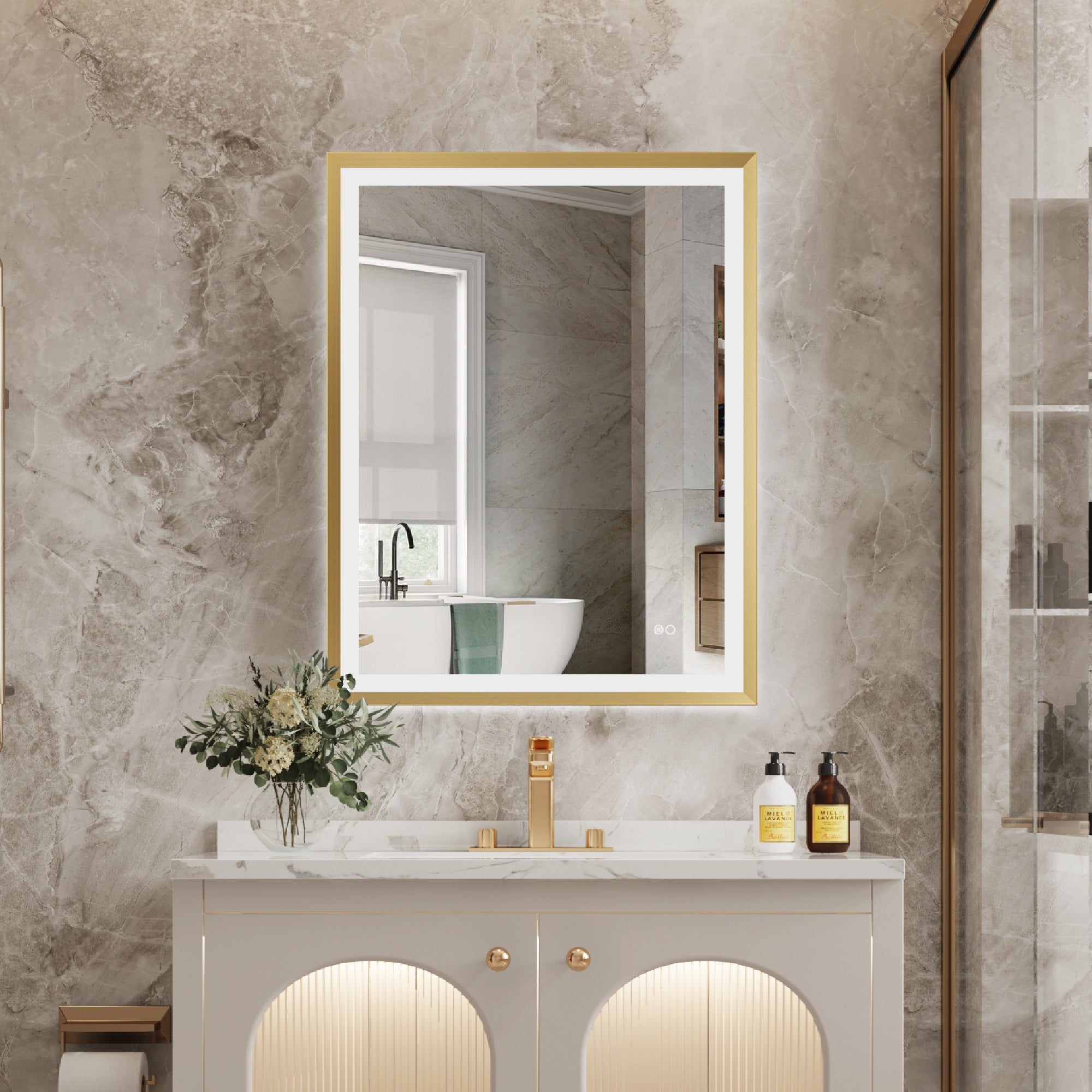
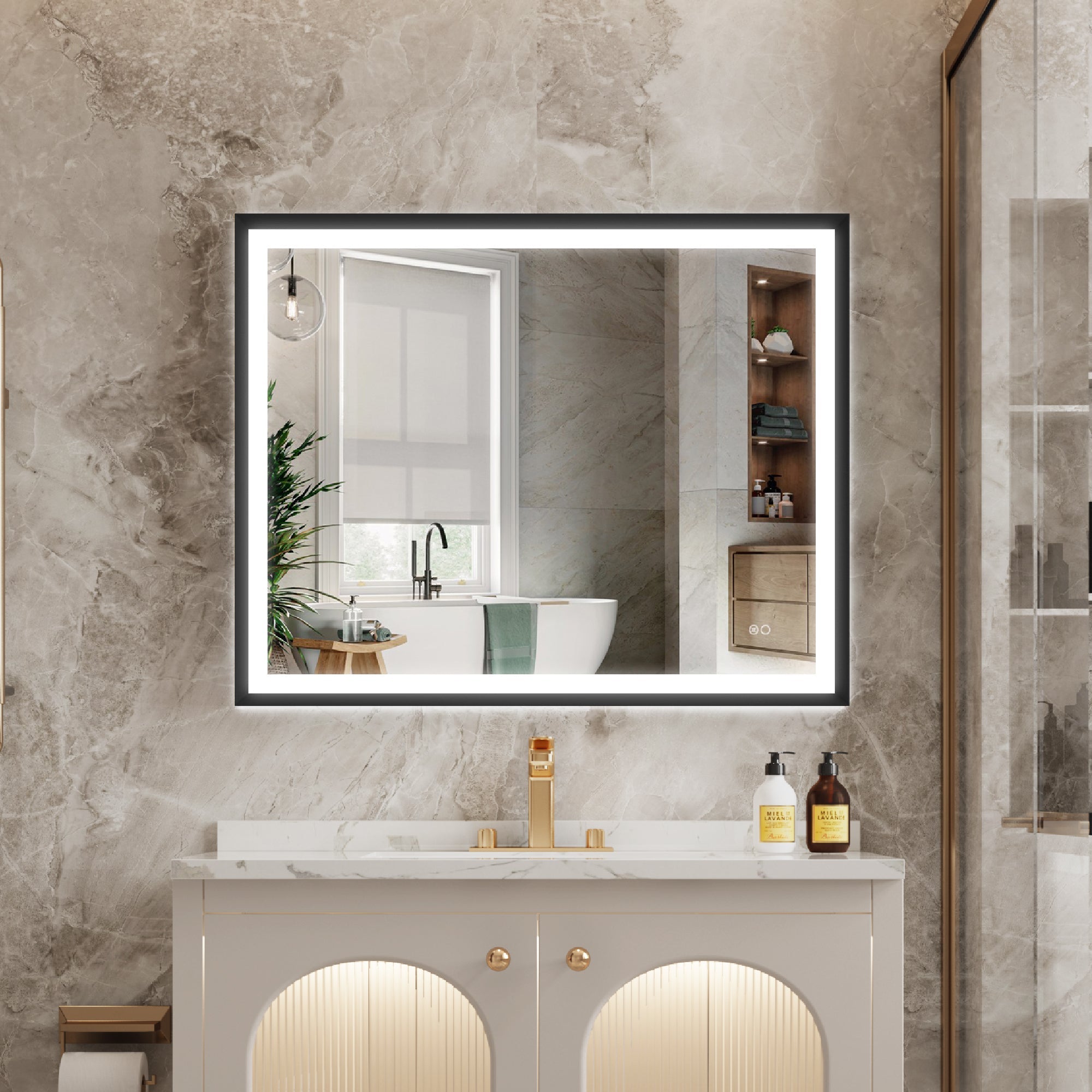
LED mirrors add face-level light near the mirror, reducing harsh shadows and creating a more even wash. This aligns with “professional” lighting goals, similar to well-placed task lights.
They support layered lighting, which is where bathrooms are headed
Bathrooms are no longer treated as purely utilitarian spaces. Industry trend reporting increasingly emphasizes layered lighting: natural light, ambient light, and task lighting, with integrated mirror illumination used to fine-tune the vanity zone.
Brightness does not equal good lighting. A single ceiling fixture can brighten the room but poorly light the face. LED mirrors add task lighting exactly where needed, letting designers use softer ambient lighting while maintaining strong visibility at the sink.
They deliver measurably “better light” for color-critical tasks
Professional-quality vanity lighting is not just about brightness; it’s also about color quality. The color rendering index (CRI) is a common metric that describes how accurately a light source reproduces colors compared to a reference. A federal energy purchasing guide explains CRI as a 0–100 scale and notes that ENERGY STAR-qualified light bulbs must have a CRI of 80 or greater.
For bathroom routines—shaving, skincare, hair color checks, makeup—better color fidelity reduces unpleasant surprises when you step into different lighting later. Many LED bathroom mirrors also offer selectable color temperatures (warm-to-cool whites). DOE’s consumer lighting guidance describes color temperature on the Kelvin scale and explains how higher Kelvin values appear cooler/bluer while lower values appear warmer.
Bottom line: LED mirrors can be tuned to match the “look” of your preferred lighting (warm spa vibe vs. crisp task light) without changing fixtures.

They’re energy-efficient, long-lasting, and lower-maintenance than legacy lighting
Energy efficiency is a major reason LED mirrors are considered an “upgrade,” not just a style choice. DOE’s Energy Saver guidance states that residential LEDs (especially ENERGY STAR-rated products) use at least 75% less energy and last up to 25 times longer than incandescent lighting.
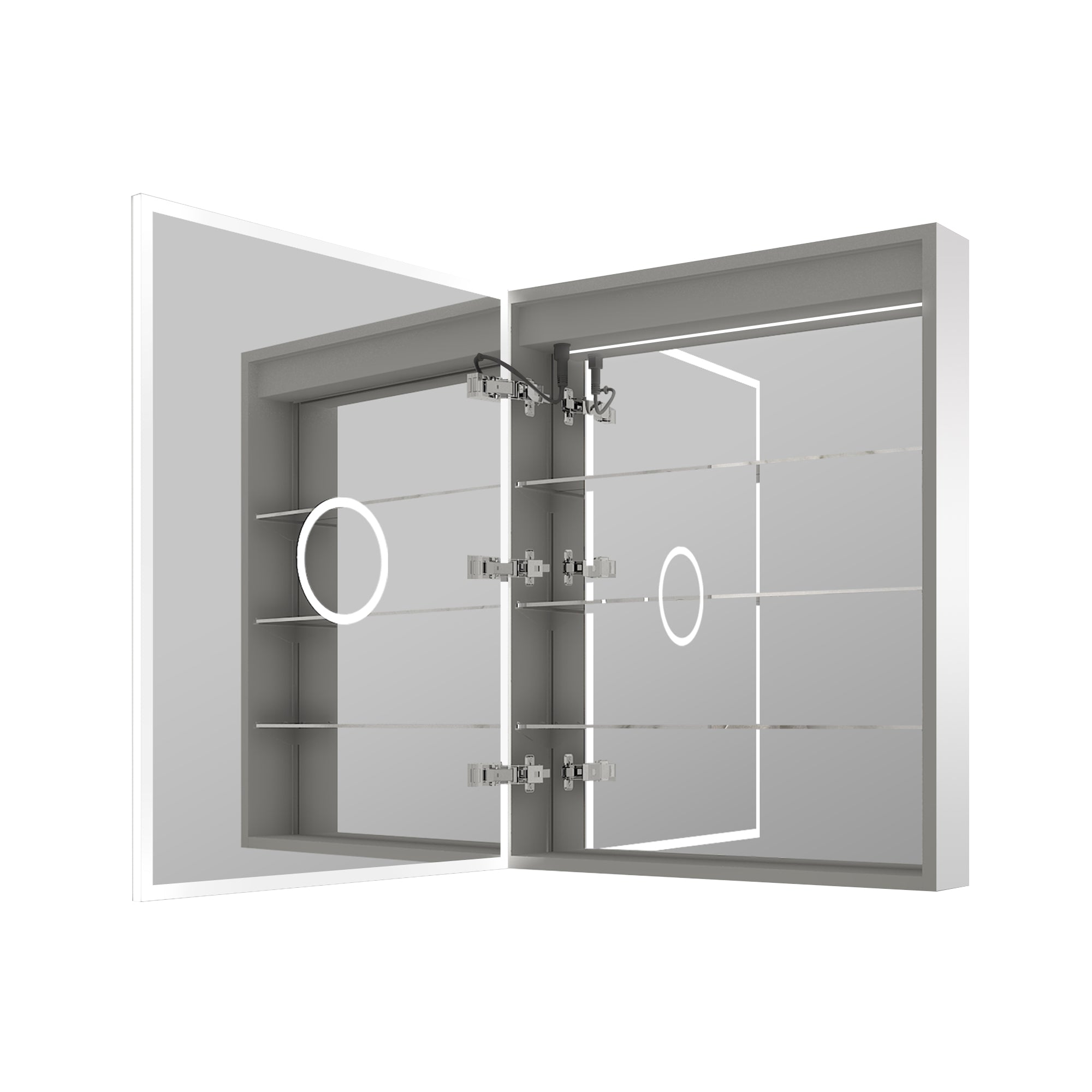
That durability matters in bathrooms, where lights are switched on and off frequently and replacing bulbs can be annoying (especially for fixtures over mirrors or in tight spaces). LED bathroom mirrors typically use integrated LED boards rather than replaceable bulbs, reducing the risk of color temperature mismatches from bulb to bulb over time.
They bundle “comfort tech” that people actually use
LED mirrors increasingly include features that solve everyday bathroom annoyances, especially fogging. In Houzz’s 2025 bathroom trends research (a survey-based report), more than a third of renovating homeowners selected mirrors with specialty features (34%), including LED lighting (24%) and antifog systems (22%).
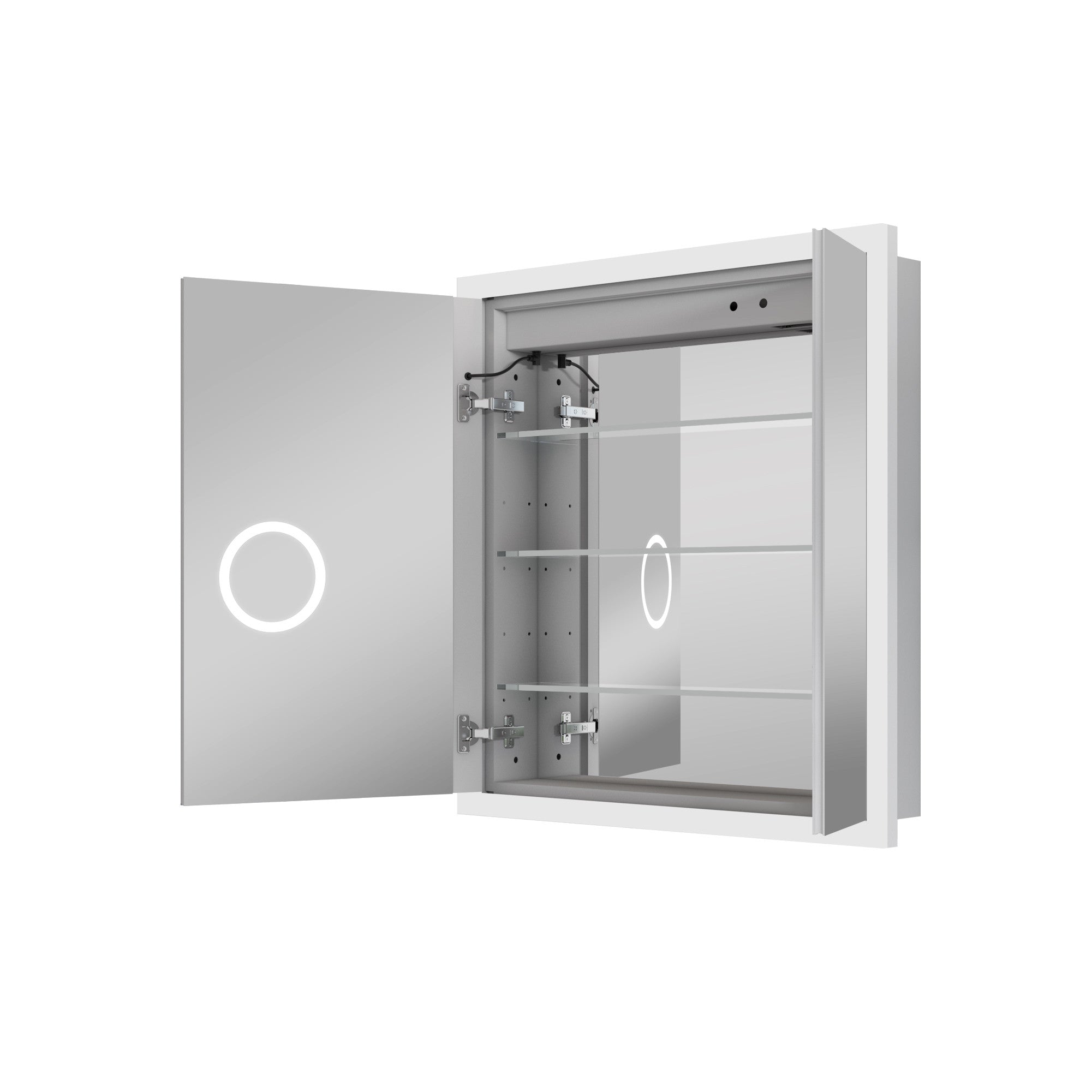
That adoption pattern is telling: people are prioritizing practical upgrades first. Antifog supports usability right after showers; integrated lighting improves task performance without requiring additional wall fixtures; and some models add small conveniences (like integrated touch controls). The “professional” label sticks because these features improve the experience every day, not just on reveal day.
They create a cleaner design with fewer parts and fewer “visual interruptions.”
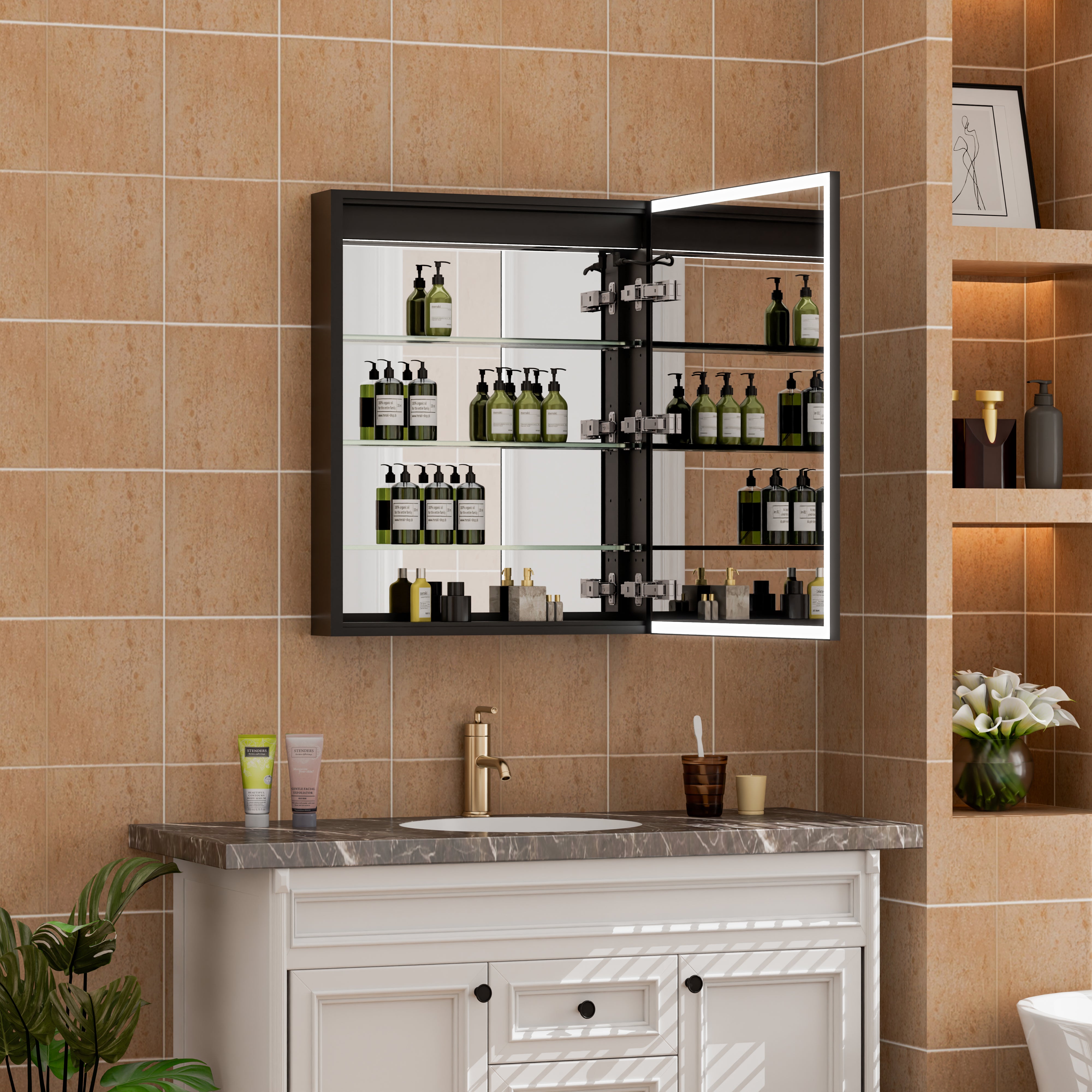
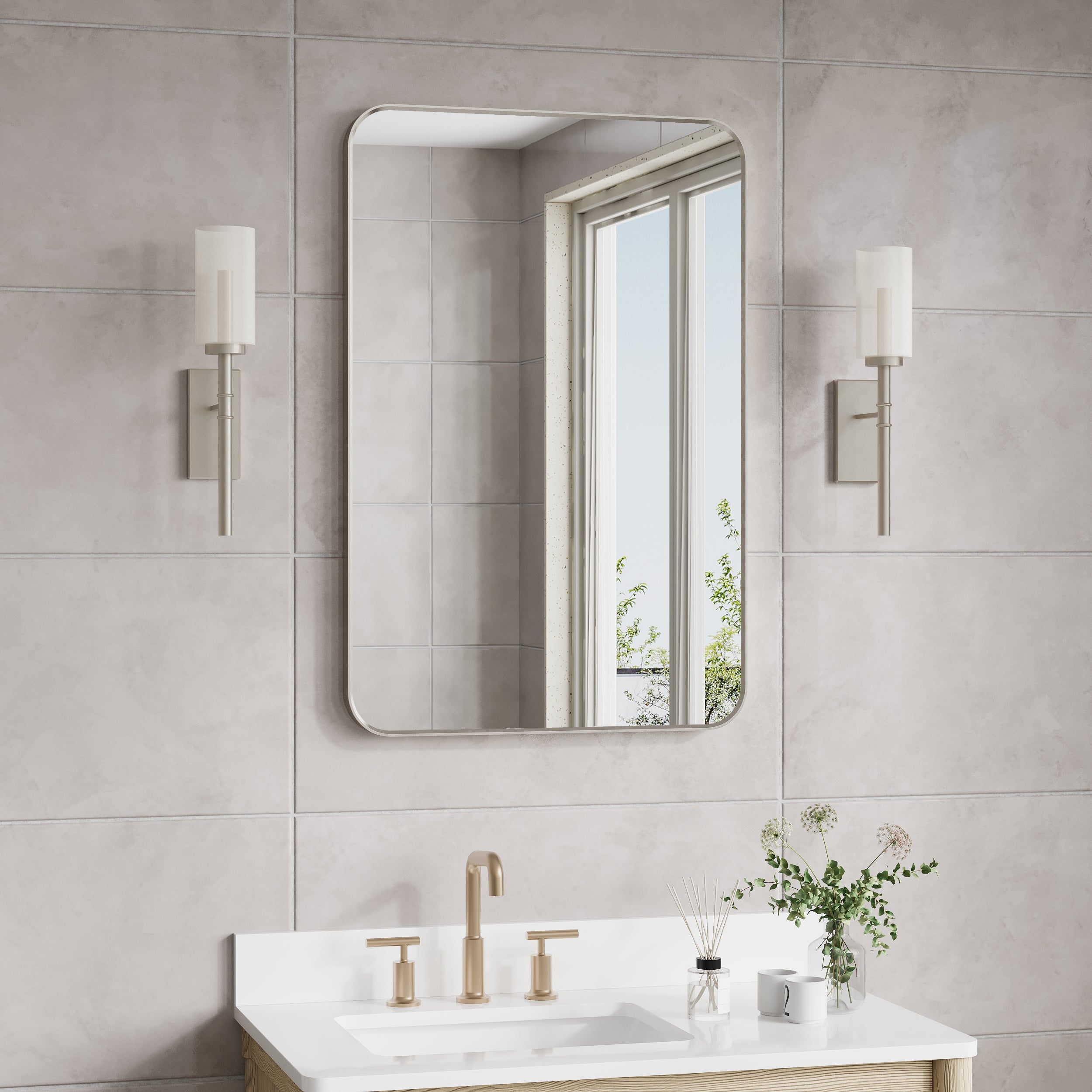
From a design standpoint, LED bathroom mirrors often replace multiple elements: a mirror plus a vanity light bar, or a mirror plus two sconces. Fewer components can mean fewer competing lines on the wall and fewer finishes to match. That simplicity is one reason integrated mirror illumination shows up so often in trend summaries and design forecasting for bathrooms.
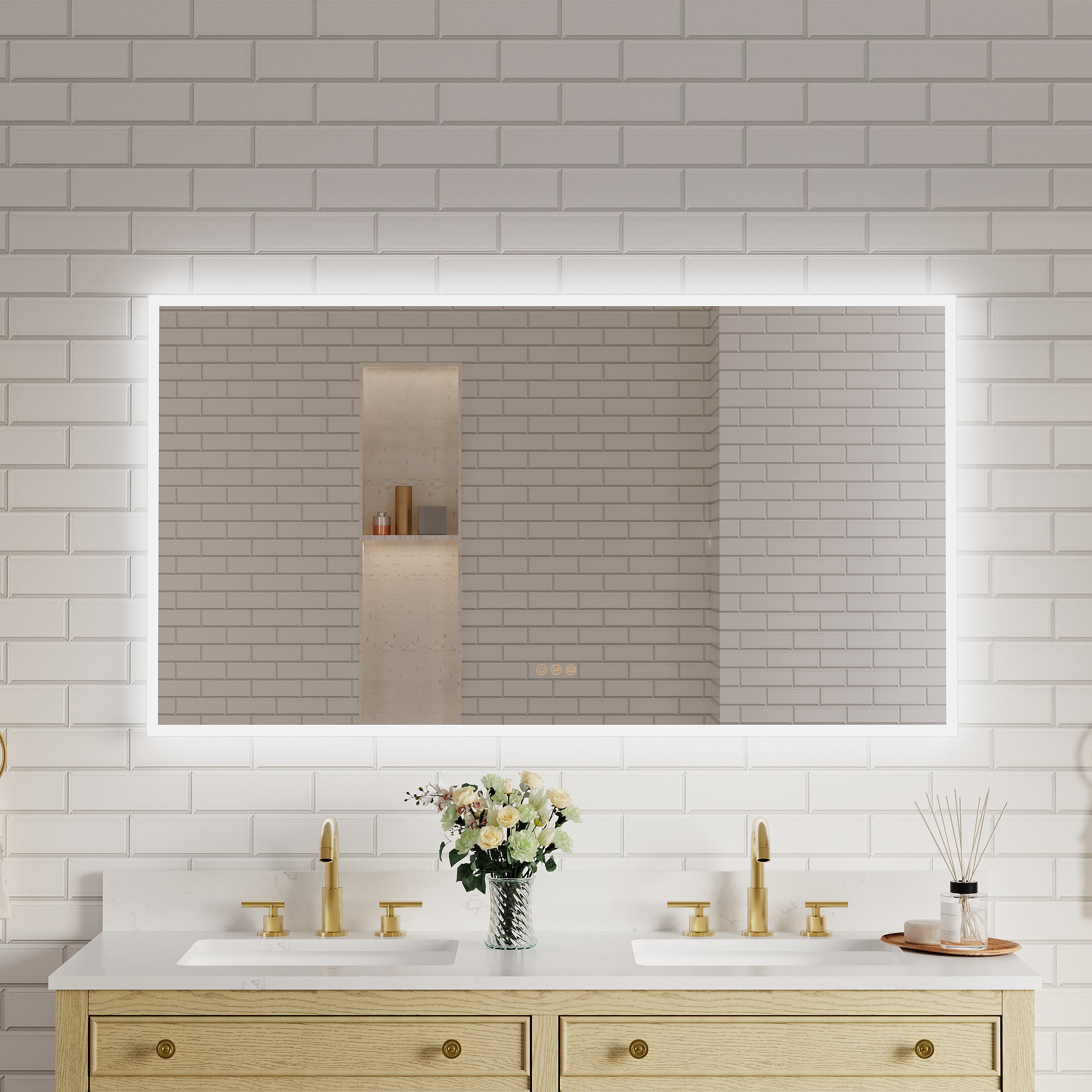
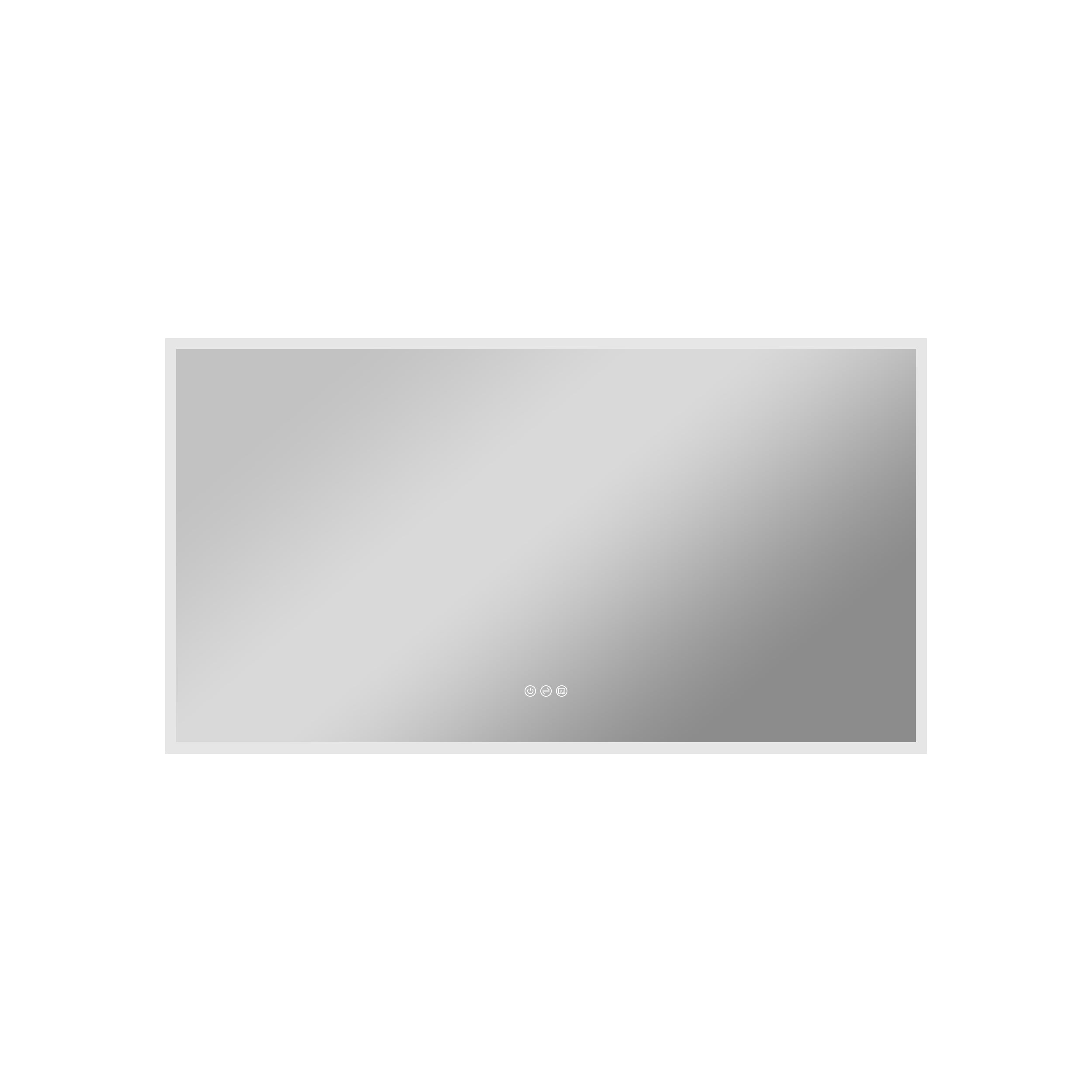
Frameless LED mirrors amplify this effect. Without a frame edge, the glow reads more architectural and less like an added accessory, which helps contemporary bathrooms look calmer and more spacious.
What makes a “professional-grade” LED mirror selection
If you’re evaluating LED bathroom mirrors like a specifier, a few checkpoints matter more than marketing phrases:
First, prioritize the light quality: look for a solid CRI baseline (80+ is a common minimum in ENERGY STAR lighting requirements) and a color temperature range that fits the space. Second, confirm the mirror supports the layered lighting plan rather than fighting it—many designs still benefit from some ambient ceiling light, with the LED mirror serving as the task layer.
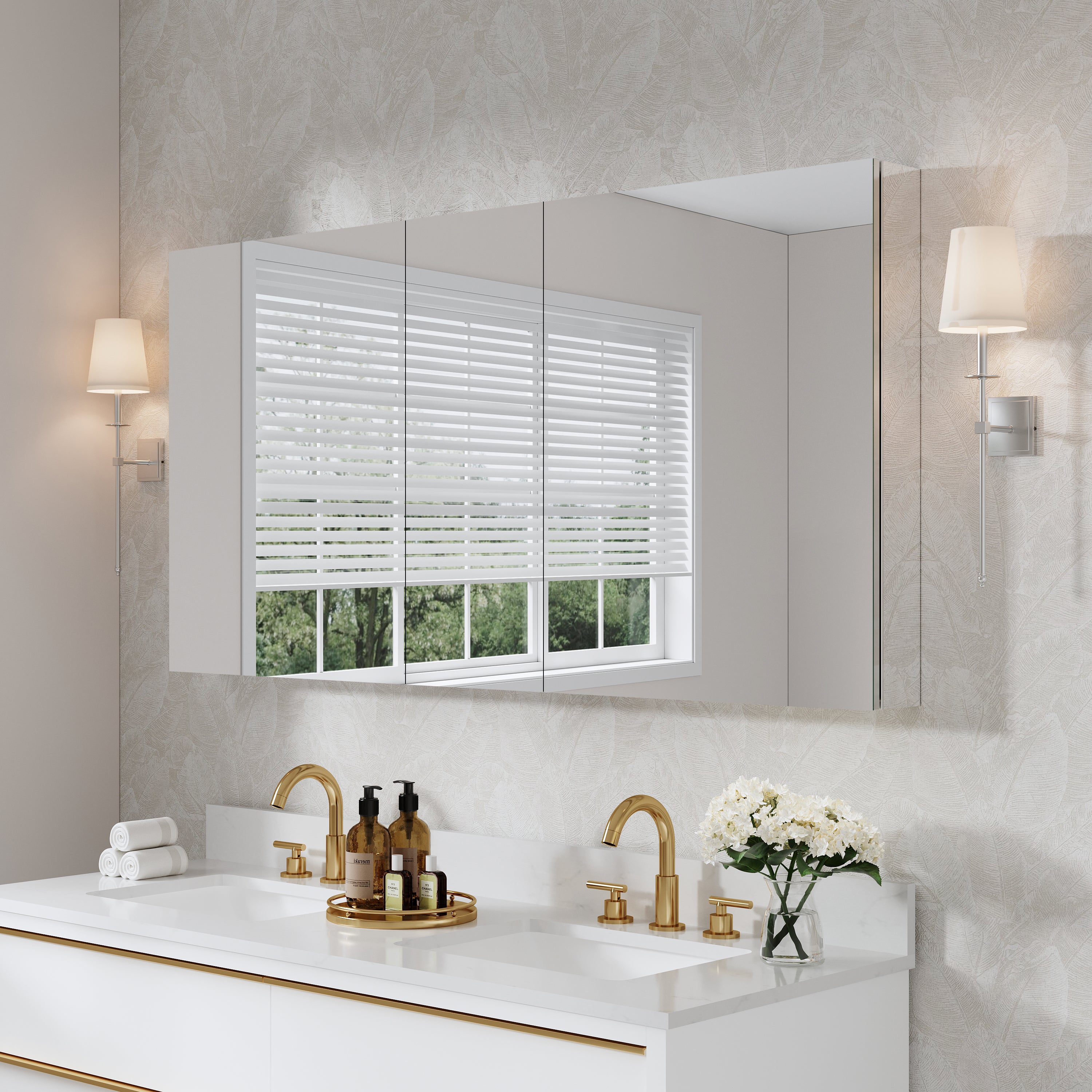
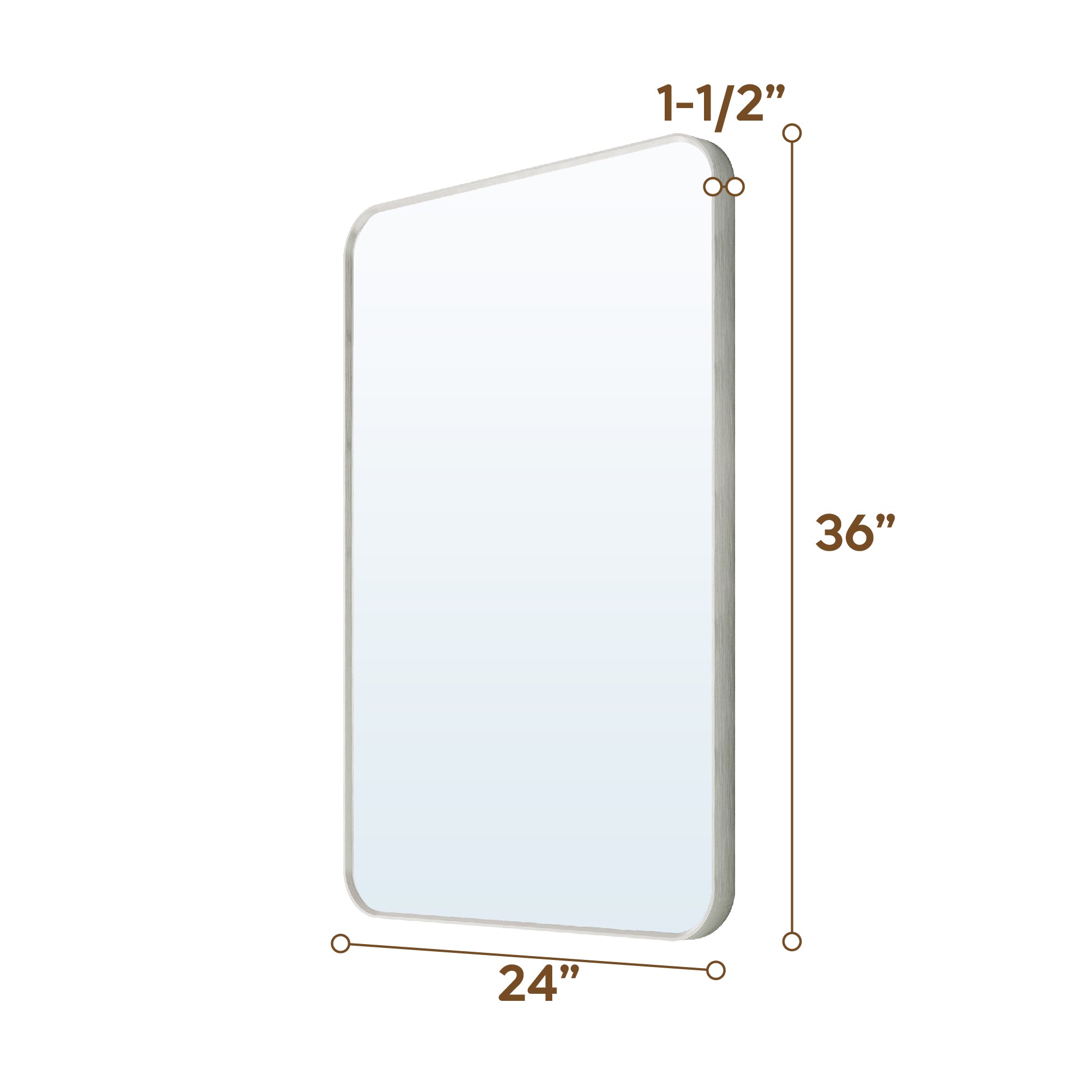
Third, size and placement should be intentional. Common vanity mirror widths are often selected in familiar increments like 24 inches, 30 inches, 36 inches, 48 inches, and wider for double vanities. For mounting height, a widely used guideline is to center the mirror around 60 inches from the floor for an average eye-level midpoint, then adjust based on users and ceiling conditions. Finally, consider bathroom conditions: moisture and steam are normal, so choosing products designed for bathroom environments (and installing them according to electrical best practices) is part of what makes the upgrade feel “professional,” not DIY-fragile.
In today’s bathroom design direction, the mirror is no longer just reflective glass—it’s a lighting instrument. LED bathroom mirrors earn the “professional upgrade” label because they improve the one place in the bathroom where lighting performance matters most: the face in the mirror.










Leave a comment
This site is protected by hCaptcha and the hCaptcha Privacy Policy and Terms of Service apply.