
















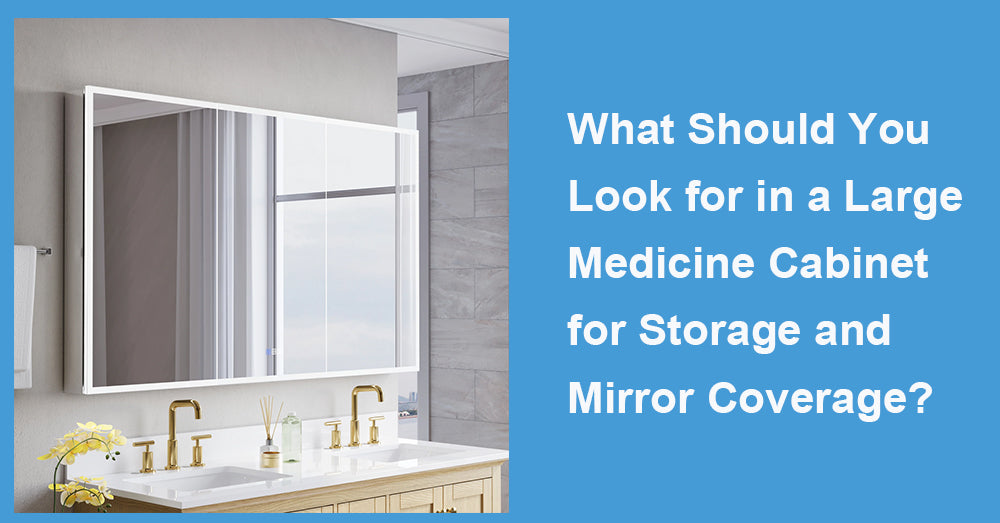
A large medicine cabinet is no longer just a narrow box above the sink. It has become a major bathroom planning element, combining mirror coverage, daily storage, lighting support, and cleaner countertop organization. Recent Houzz bathroom research found that medicine cabinets were refreshed in 32% of bathroom renovation projects, up 3 percentage points year over year, showing that this category is gaining attention alongside faucets, lighting, flooring, and vanities. The same study was based on 1,737 homeowners with recent or planned bathroom renovation projects, giving the trend useful industry weight.
Start With the Right Width for Mirror Coverage
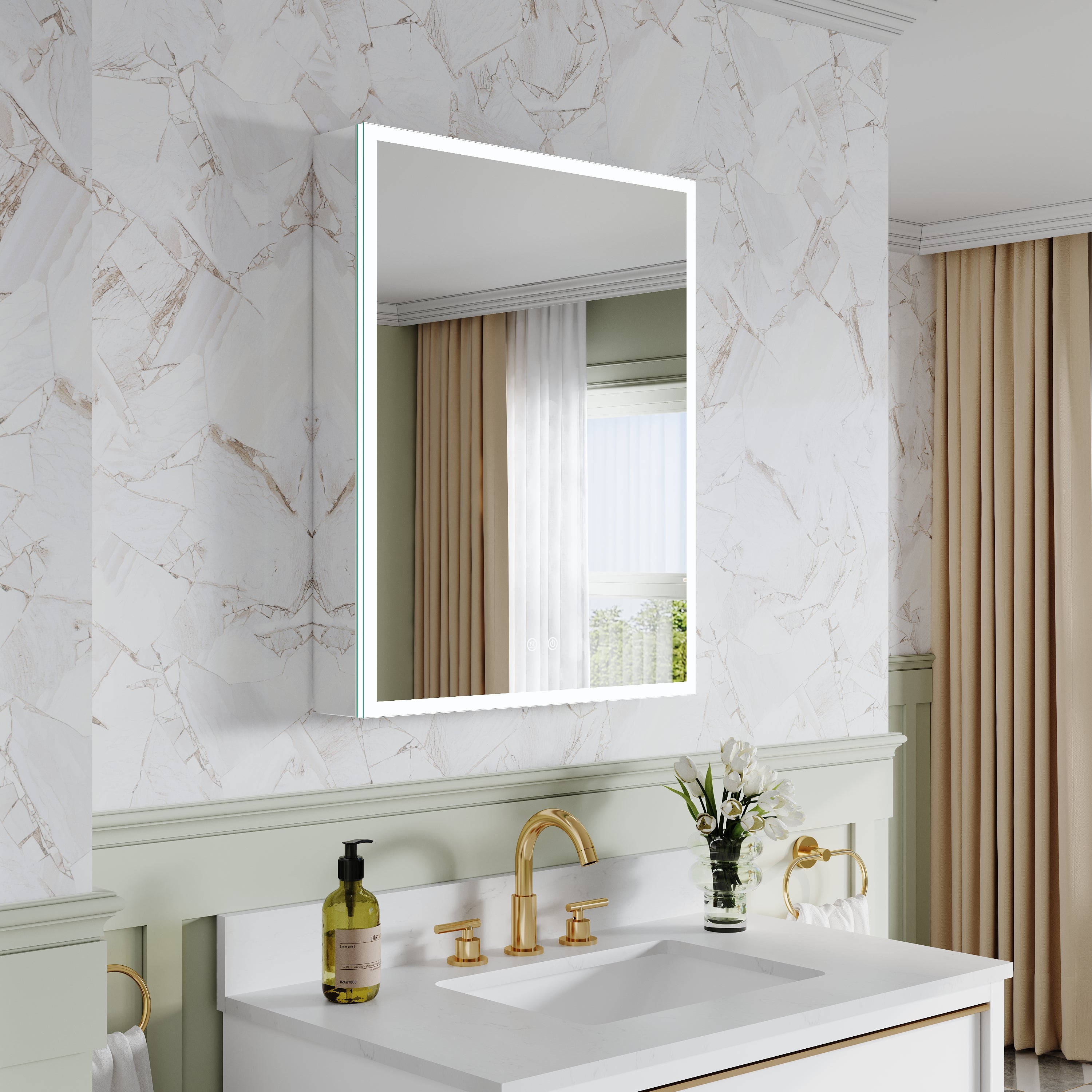
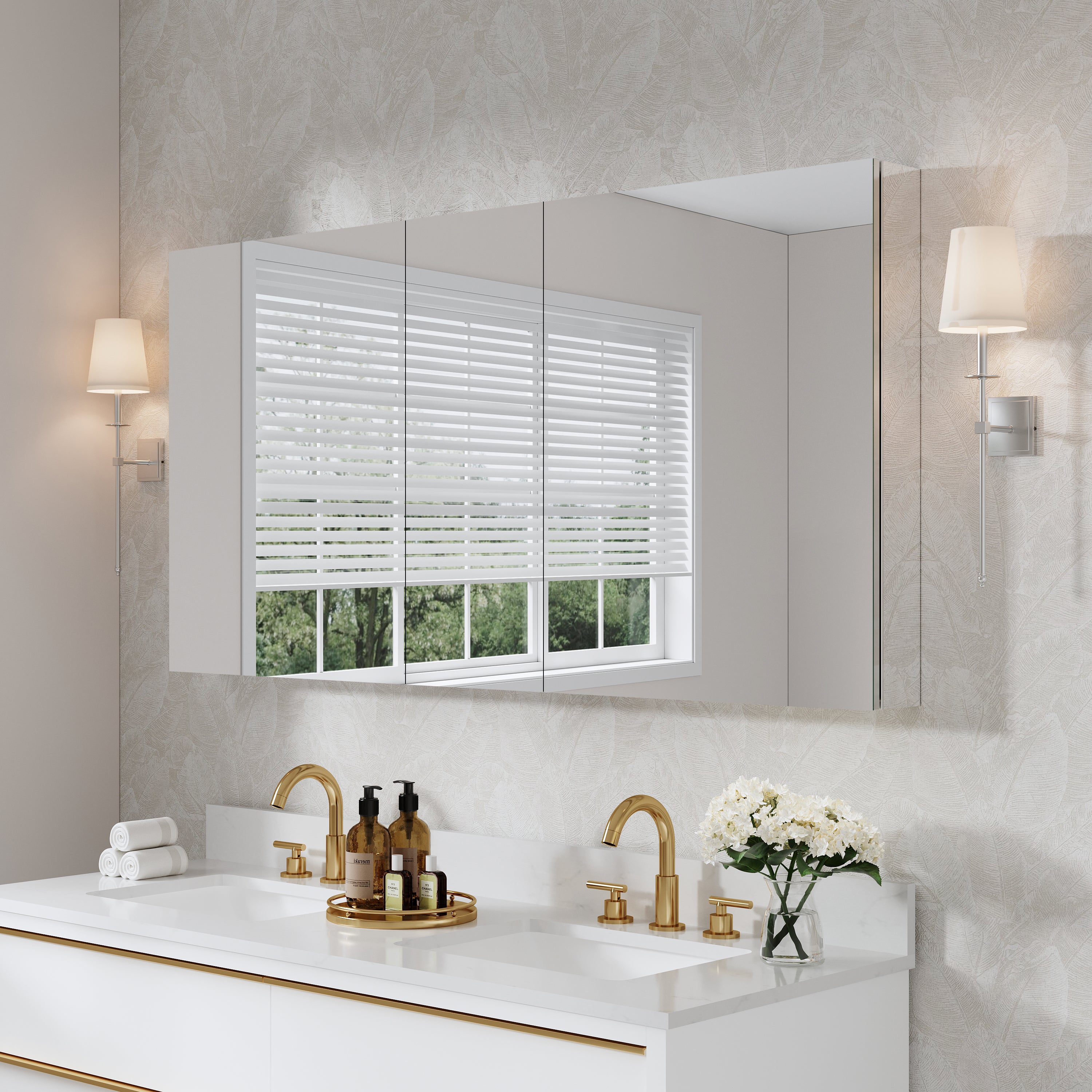
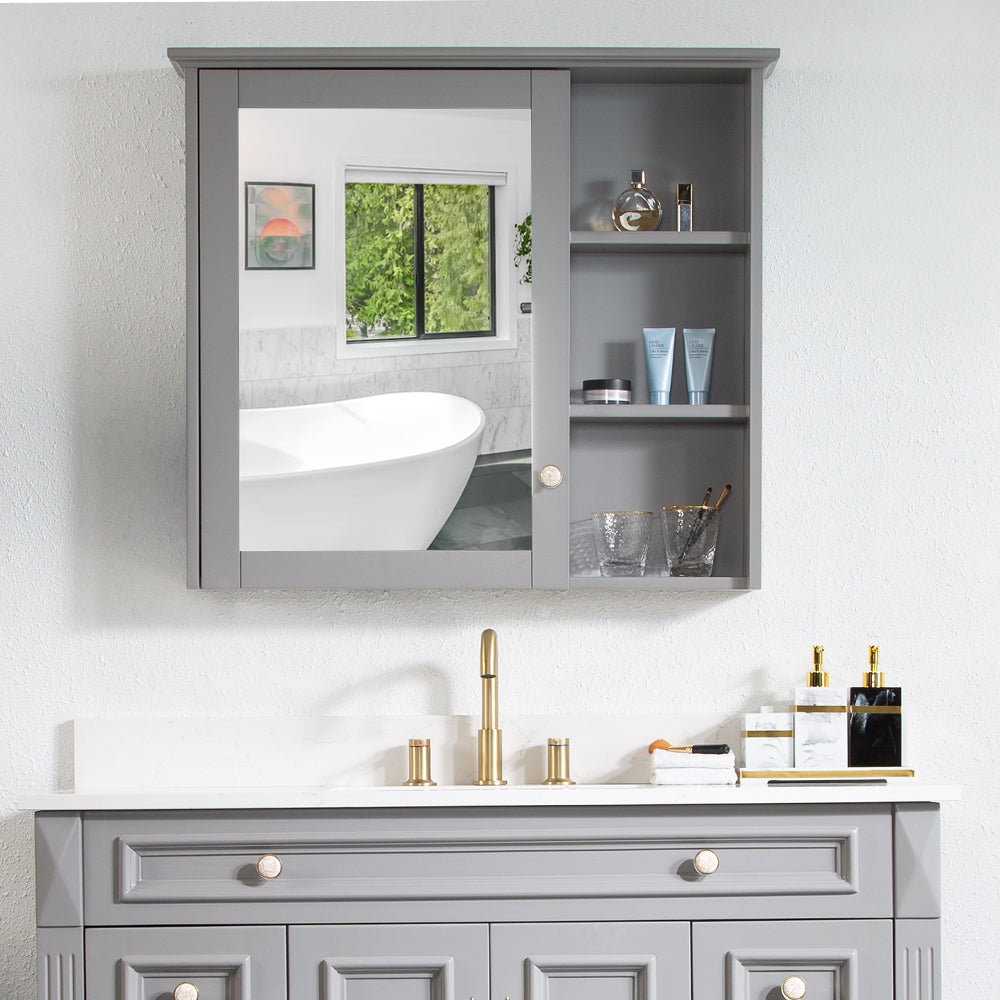
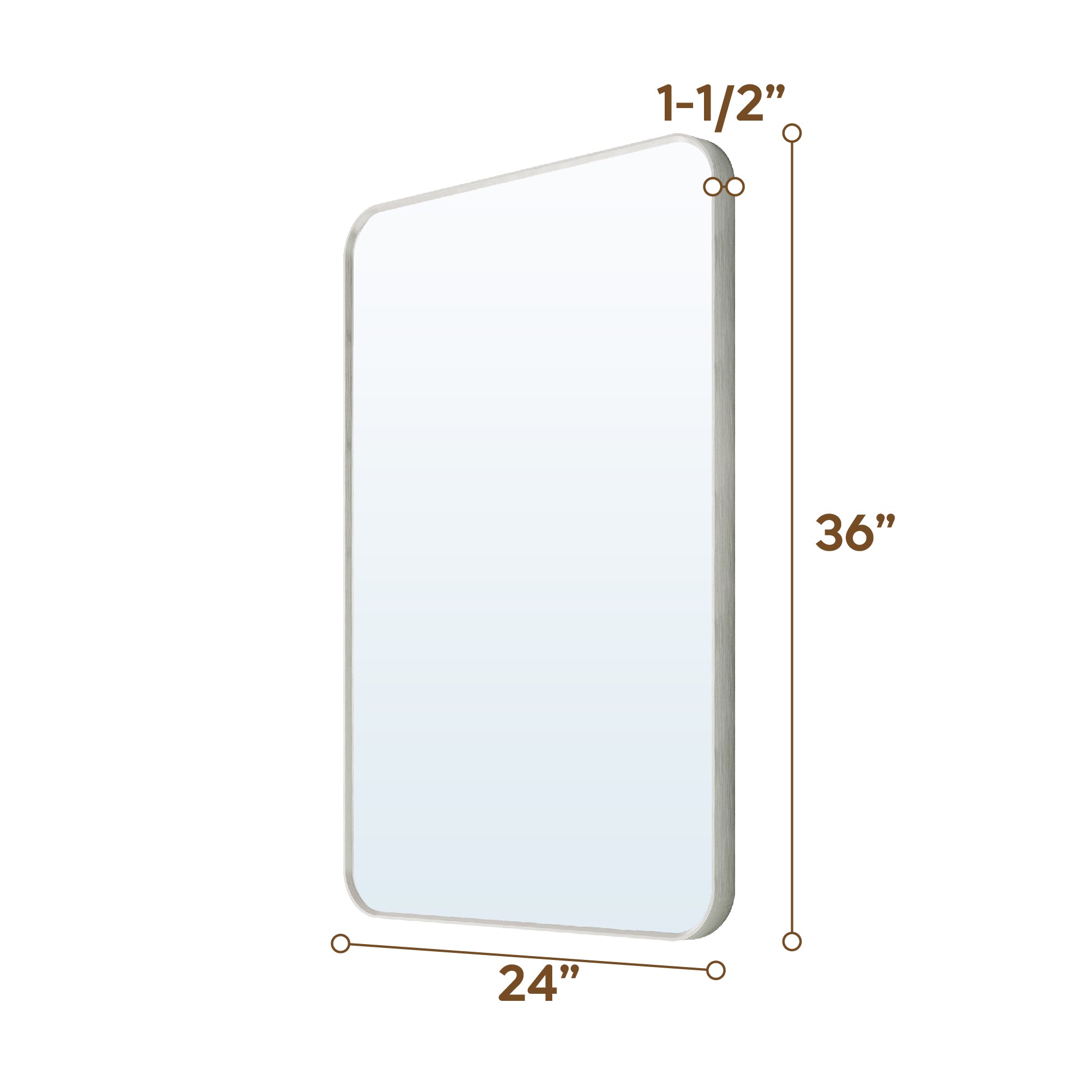
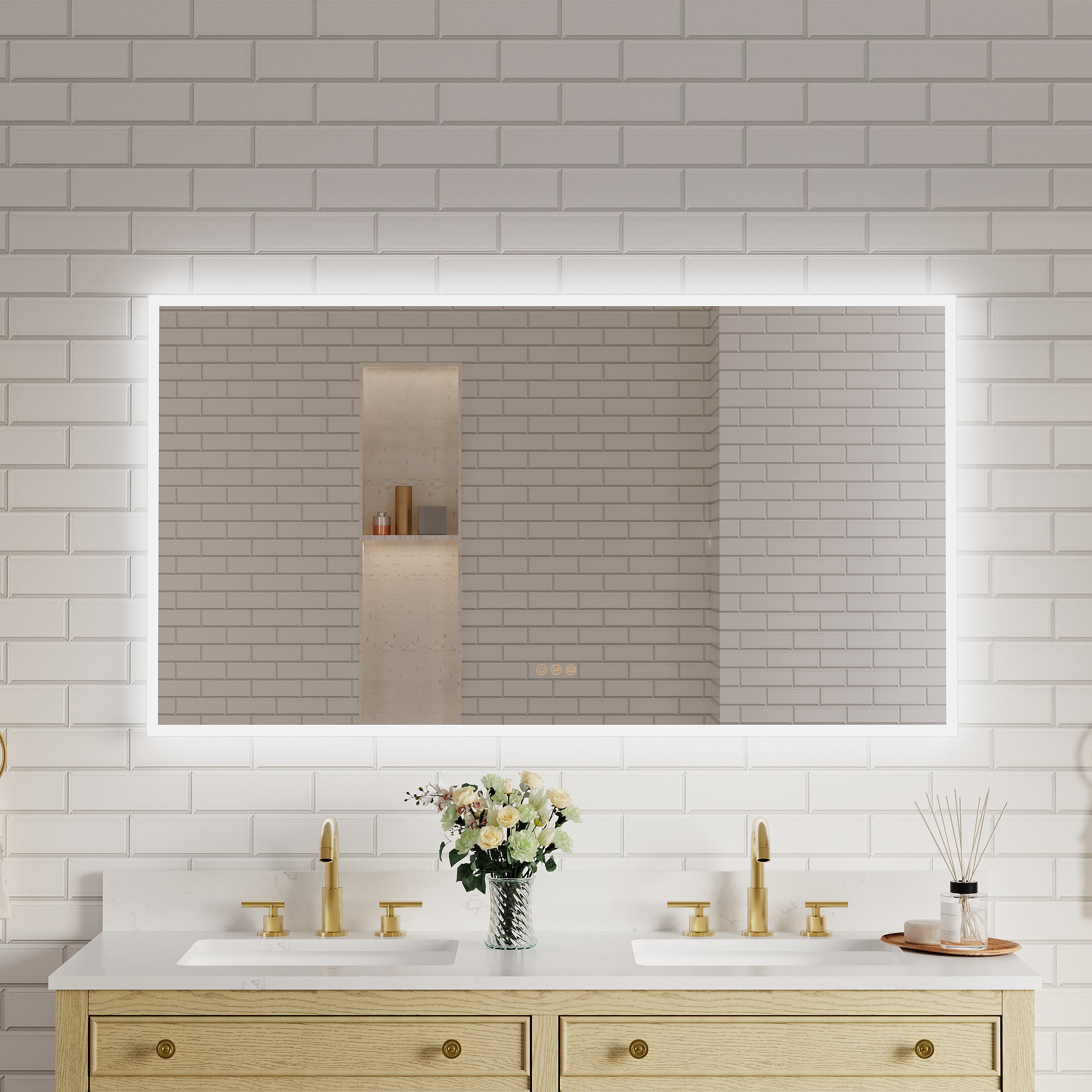
The first thing to evaluate is width. A large medicine cabinet should visually connect with the vanity below it instead of looking undersized or floating awkwardly on the wall. For a 48-inch vanity, a medicine cabinet around 36 to 48 inches wide often creates balanced coverage. For a 60-inch or 72-inch vanity, double-door or tri-view cabinets usually work better because they provide wider mirror coverage without making one oversized door feel heavy.
Mirror coverage matters because bathrooms are increasingly used for grooming, skincare, and self-care routines. Houzz data shows that 25% of homeowners use the primary bathroom for rest and relaxation, while 24% use it for beauty and pampering routines. This makes the mirror zone more important than before, especially when more than one person uses the same vanity area.
Check Height, Sight Lines, and Daily Use
Height is just as important as width. Many large medicine cabinets range from about 26 inches to 40 inches tall, but taller options can offer stronger mirror coverage and more interior shelf space. The best height depends on who uses the bathroom most often. A cabinet should allow comfortable face-level viewing without forcing users to lean forward or stand too far back.
For shared bathrooms, a taller mirror surface is usually more forgiving. It can support users of different heights and make the room feel more open. If the cabinet is installed above a vanity with a faucet, backsplash, or wall-mounted light fixture, leave enough clearance so the door can open smoothly and the mirror does not visually crowd the wall.
Prioritize Interior Storage Depth
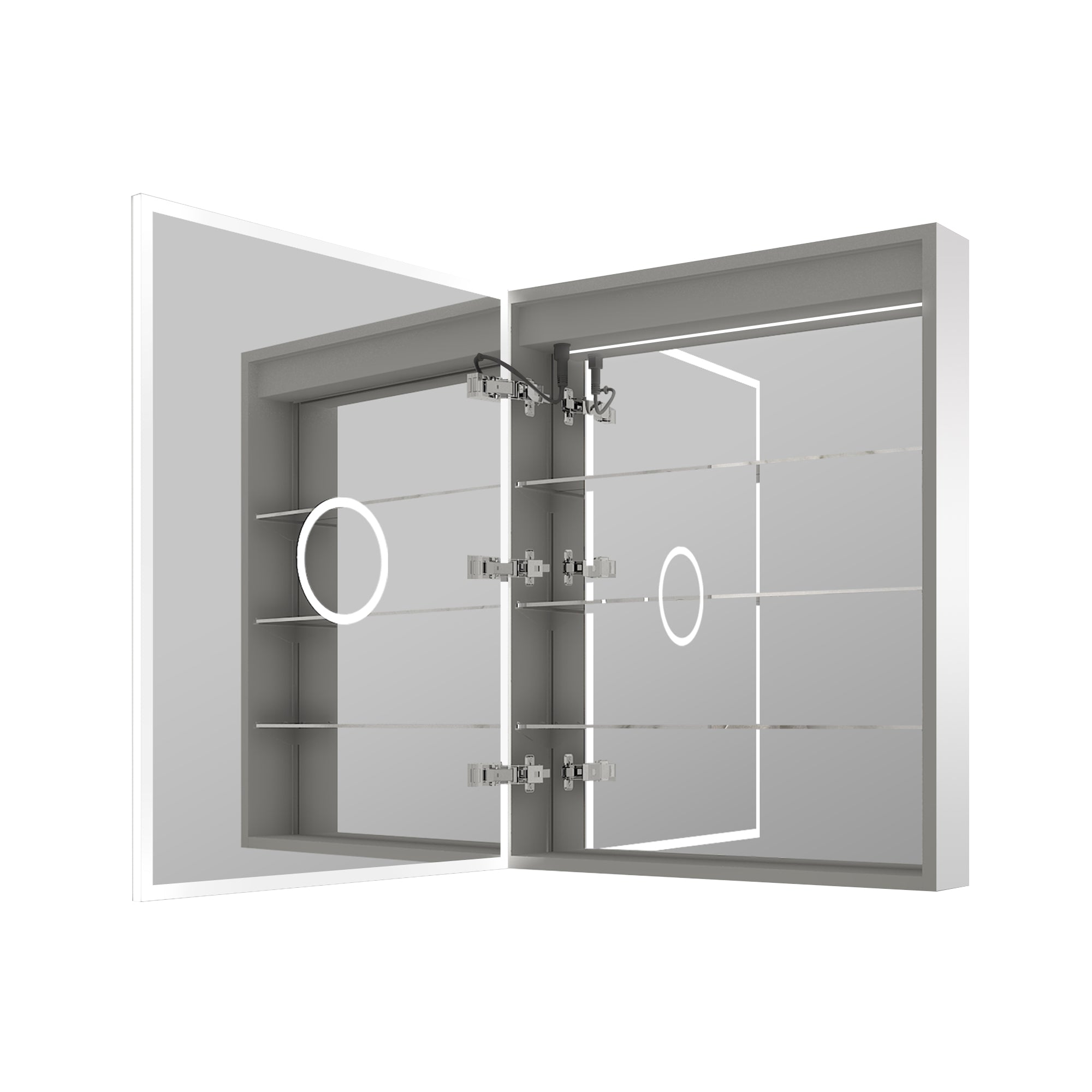
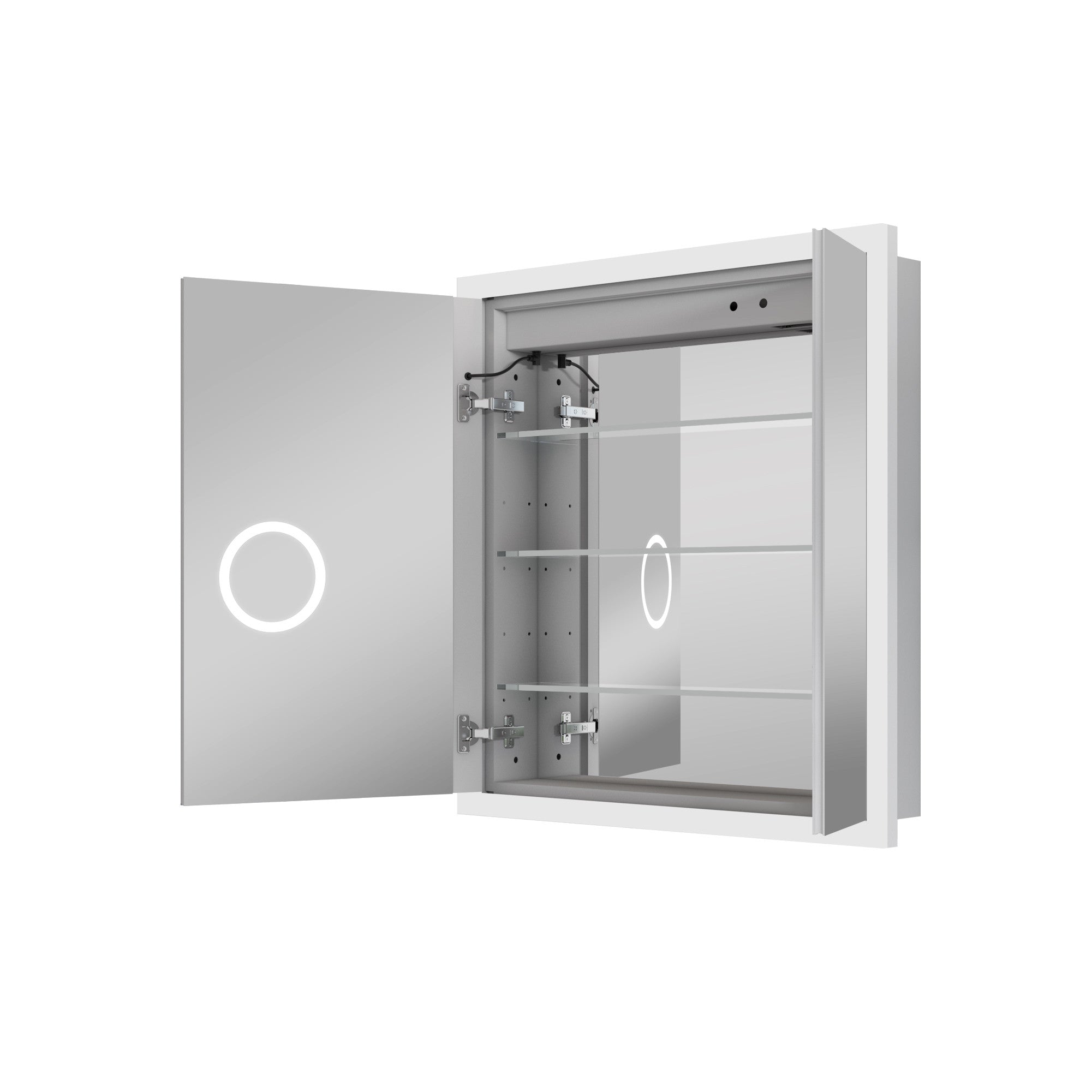
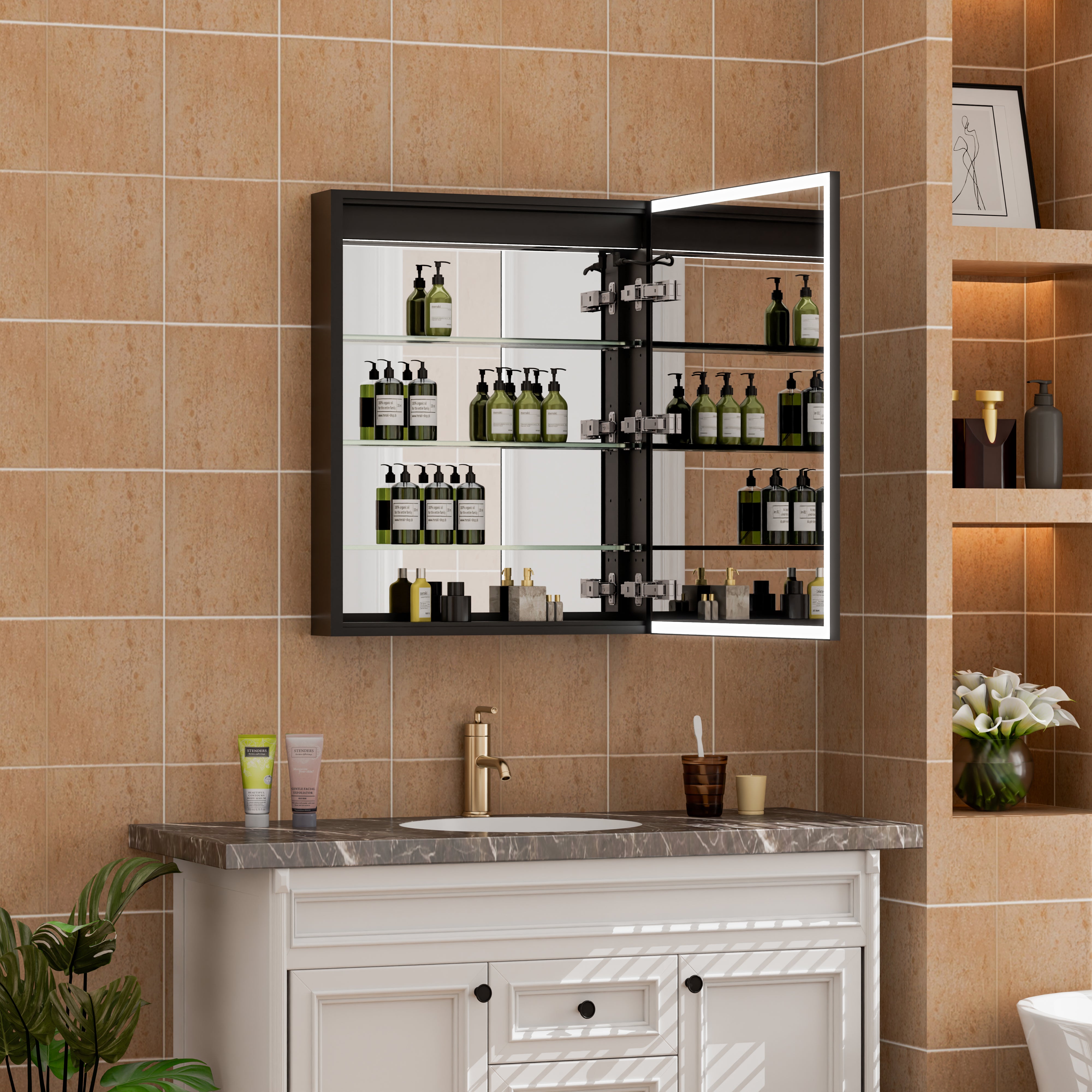
A large mirror does not automatically mean useful storage. The inside layout needs to hold real bathroom items, including skincare bottles, oral care products, razors, first-aid items, small towels, and daily grooming tools. Recessed medicine cabinets often have shallower storage because they must fit within the wall cavity, while surface-mount cabinets can offer more usable depth.
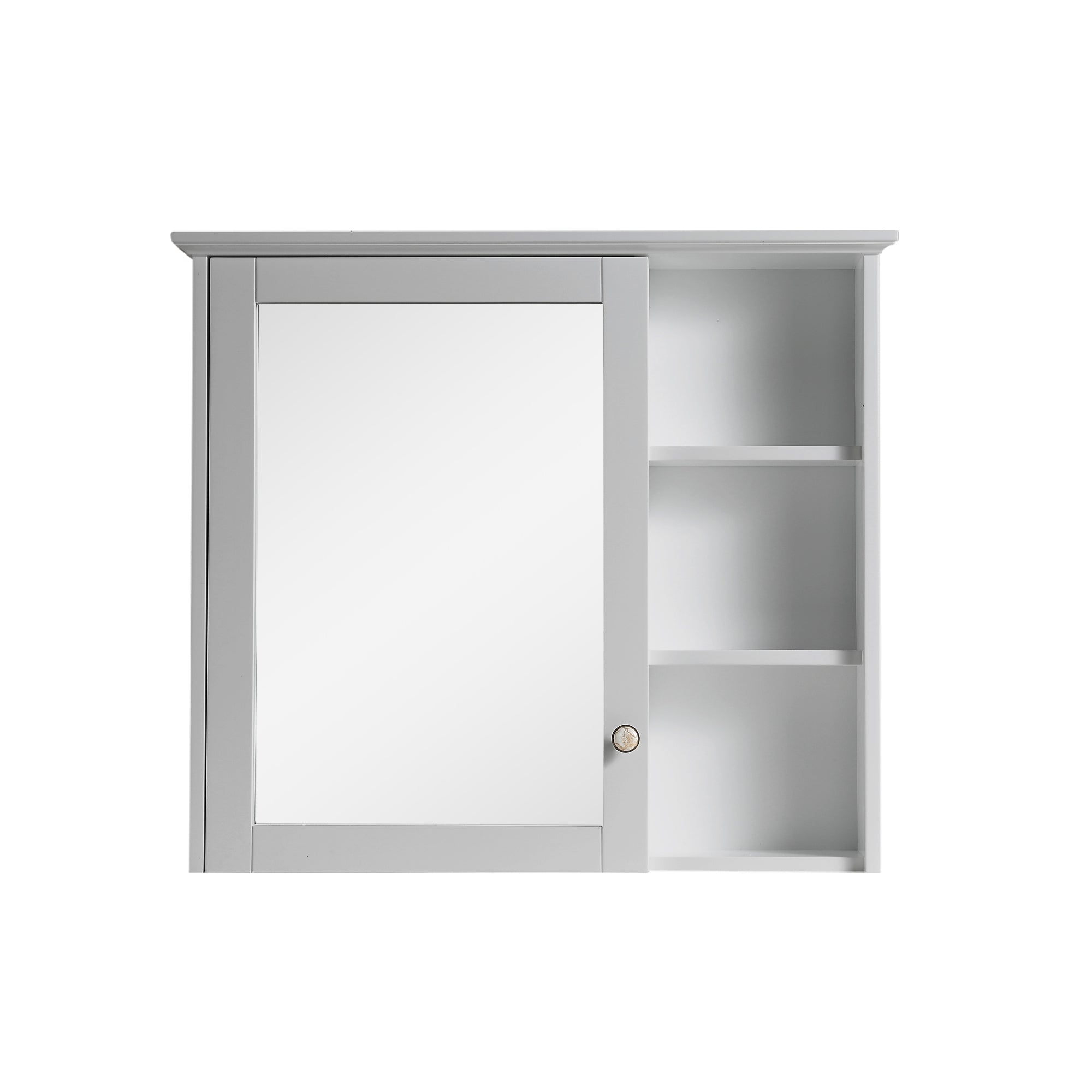
Adjustable shelves are a major advantage. Fixed shelves may look clean, but they can waste vertical space when products are taller than expected. Glass shelves, especially thicker clear shelves, help the cabinet feel brighter and easier to clean. For larger medicine cabinets, multiple shelf positions are better than one uniform layout because users can separate small items from taller bottles.
Decide Between Single, Double, and Tri-View Doors
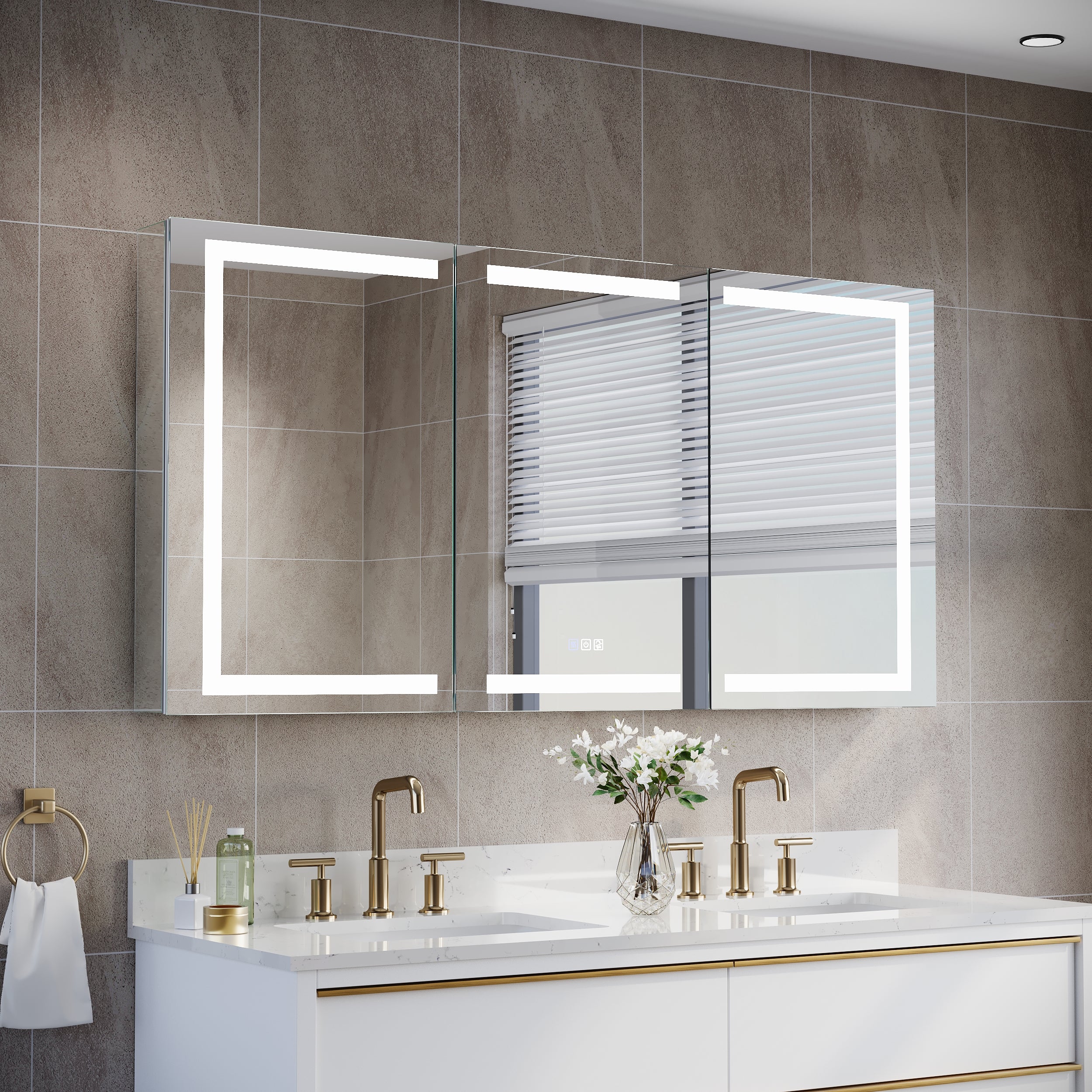
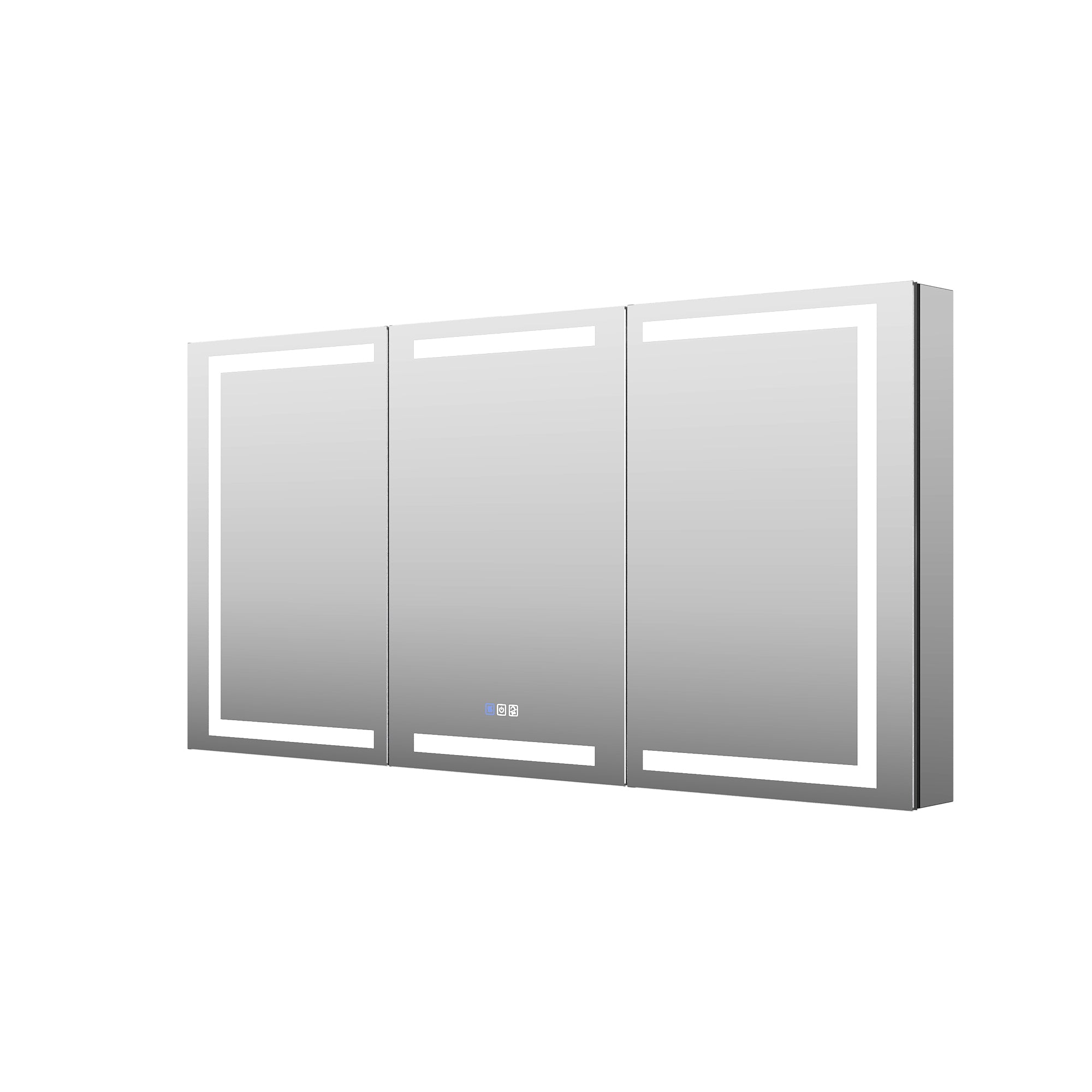
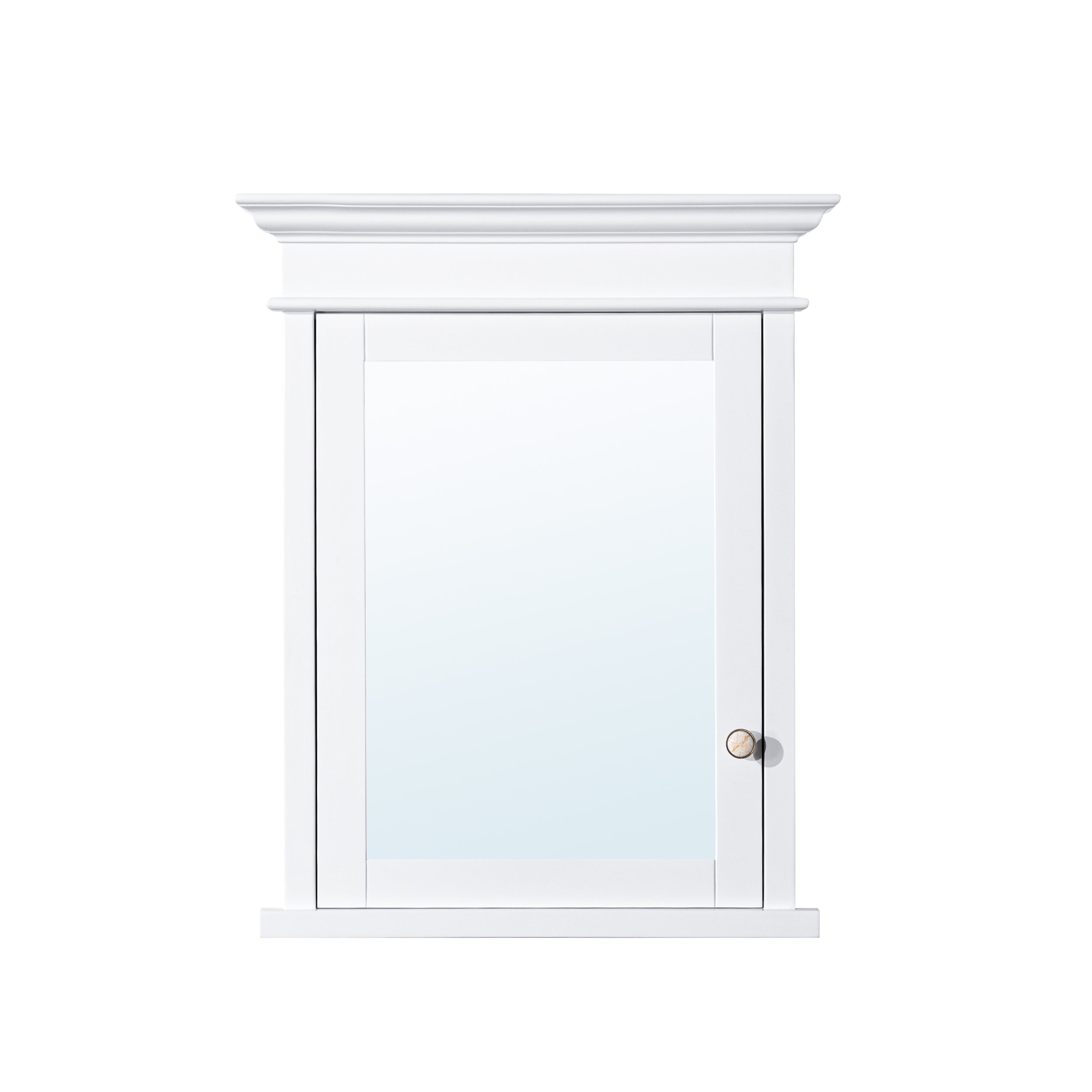
Door configuration affects both storage access and mirror function. A single large mirrored door can look sleek, but it may require more swing clearance. Double-door cabinets are practical for wider vanities because each door is easier to open. Tri-view medicine cabinets are especially useful in larger bathrooms because side mirrors can support angled viewing for shaving, hairstyling, and makeup.
The industry is also moving toward more tailored storage. A 2025 Houzz bathroom trends summary reported that 14% of homeowners chose custom medicine cabinets and 12% chose semi-custom medicine cabinets, suggesting growing interest in cabinets that fit specific spaces and routines rather than one-size-fits-all storage.
Look for Materials That Handle Moisture
Bathrooms are humid spaces, so material selection matters. A large medicine cabinet should have a moisture-resistant body, stable door construction, and corrosion-resistant hardware. Aluminum bodies are common in higher-quality models because they resist rust and keep the cabinet lighter than many wood-based alternatives. Stainless steel or high-quality concealed hinges are also worth checking because large mirrored doors place extra stress on hardware.
Mirror quality should not be ignored. Copper-free mirrors are often preferred for better long-term resistance to edge corrosion. Safety backing is another useful feature because it helps keep mirror fragments bonded if the glass is damaged. For large cabinets, these details matter more because the mirrored surface area is larger.
Consider Recessed or Surface-Mount Installation
A recessed medicine cabinet creates a built-in look and keeps the cabinet closer to the wall, which can make a bathroom feel cleaner and more spacious. However, recessed installation requires checking wall depth, plumbing, wiring, and stud placement. It is often easier to plan during a remodel than after the bathroom is finished.
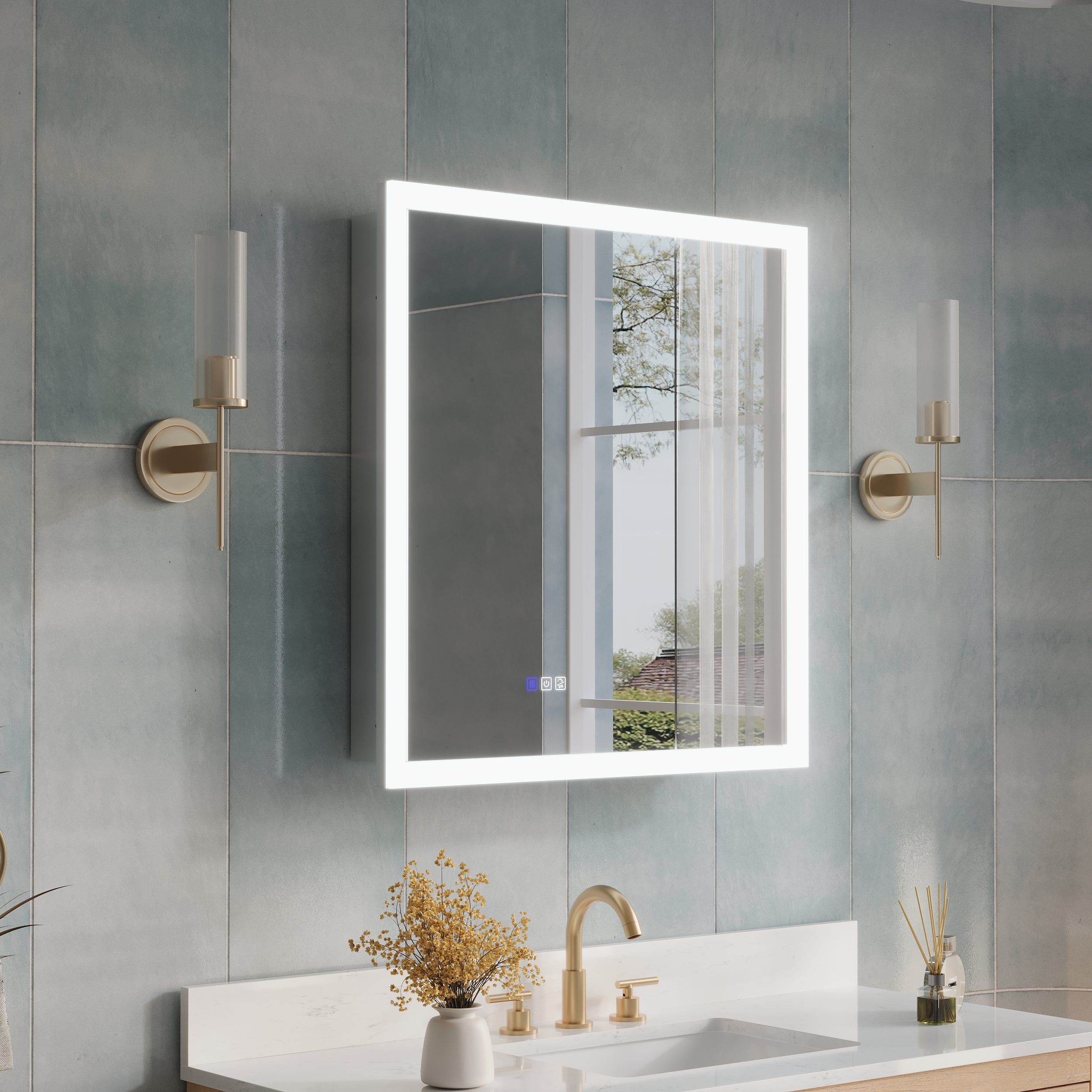
Surface-mount installation is more flexible and usually simpler. It works well when the wall cannot be cut open or when the cabinet needs deeper storage. For surface-mounted large cabinets, side mirror panels or finished side kits help the product look complete from different angles. This is especially important in bathrooms where the side of the cabinet is visible from the doorway.

Evaluate Lighting Compatibility and Anti-Fog Options
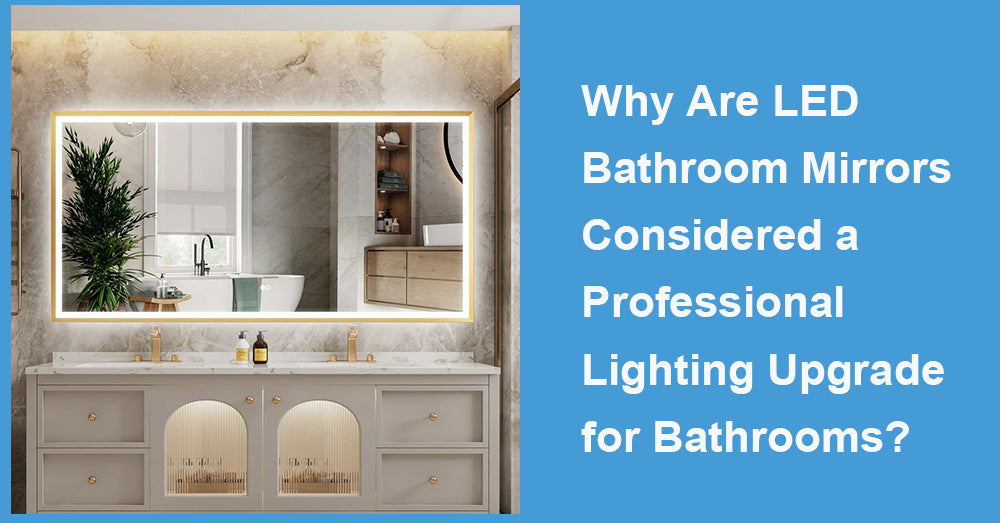
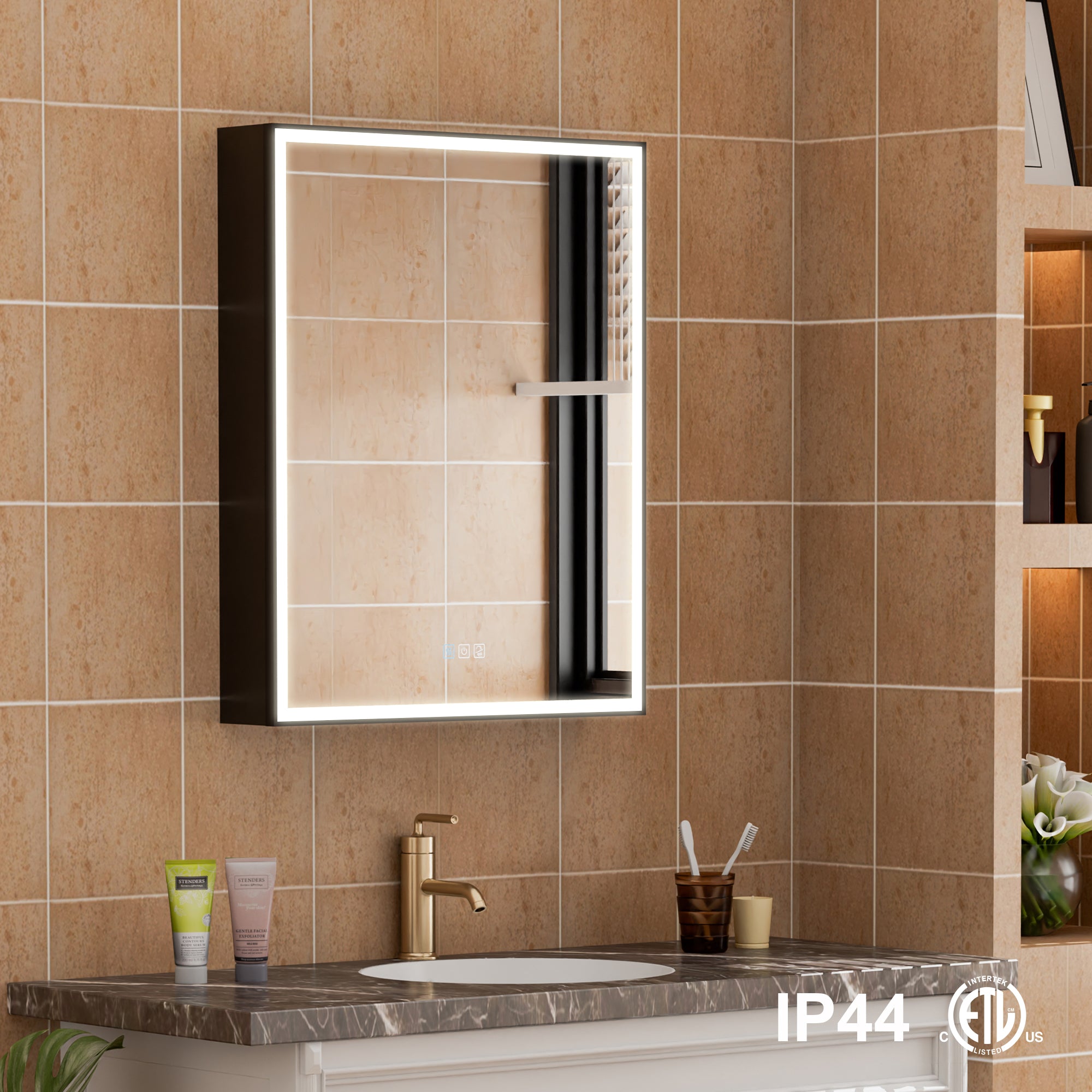
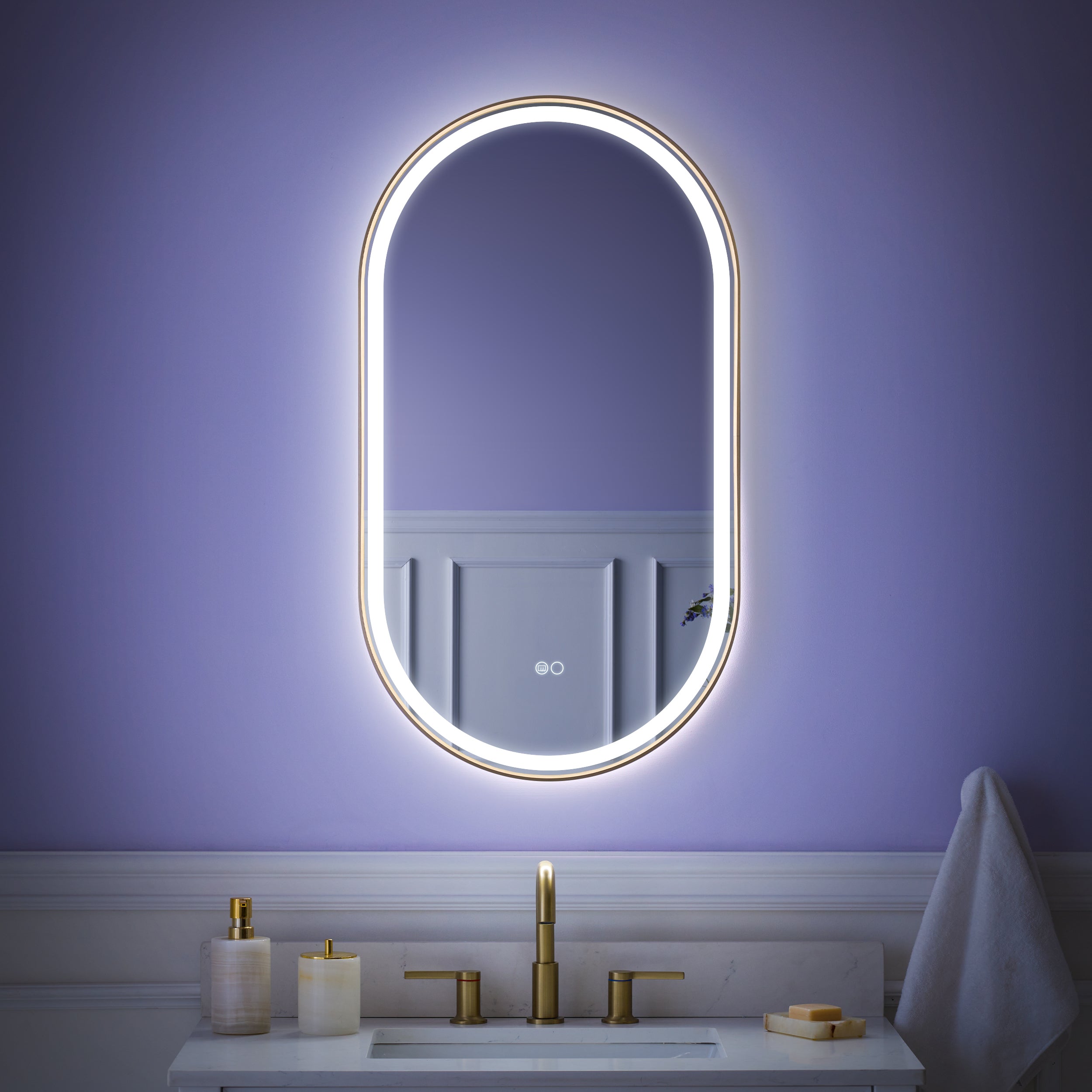
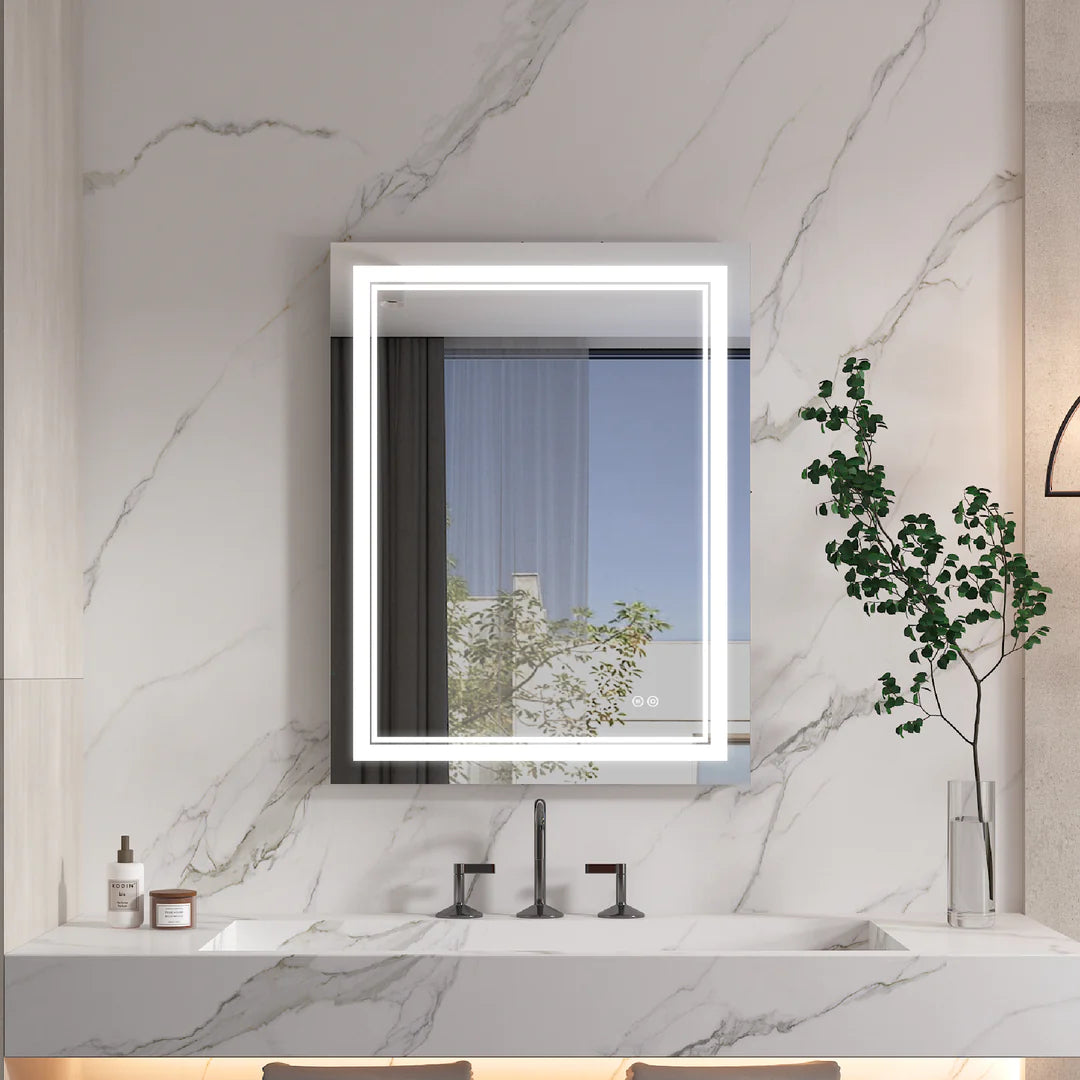
Lighting and mirror coverage should work together. A large medicine cabinet may reflect more light into the room, but it also needs proper task lighting near the face. Integrated LED lighting, side sconces, or overhead vanity lights can all work, depending on the layout. The key is to reduce shadows under the eyes and chin.
Wellness-focused bathroom features are gaining traction. Houzz found that 36% of renovated bathrooms include wellness-oriented features, with upgraded lighting leading that group at 30%. That supports the idea that mirror cabinets are becoming part of the broader comfort and grooming experience, not just storage boxes.
Think About Countertop Clutter
One of the strongest reasons to choose a large medicine cabinet is countertop control. A wide cabinet can remove visual clutter from the vanity by storing everyday items behind the mirror. This is especially useful for bathrooms with vessel sinks, smaller countertops, or double-sink layouts where two users need separate storage zones.
The National Kitchen & Bath Association’s 2025 Bath Trends Report identifies “ample, elegant storage within arm’s reach” as one of the key functional needs in bathroom design. That phrase fits the role of a large medicine cabinet perfectly: the best models keep daily items close without making the vanity look crowded.
Match the Style to the Bathroom
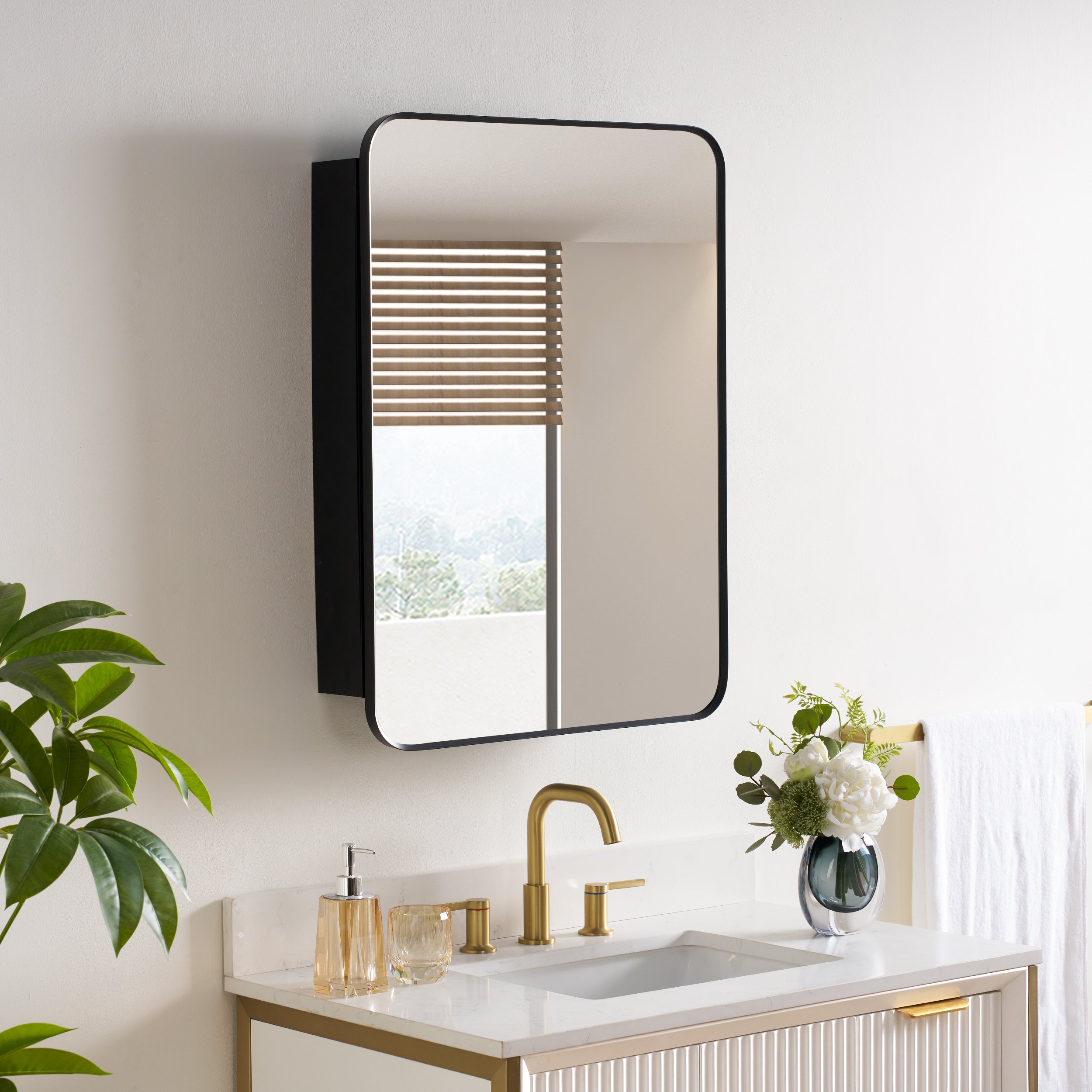
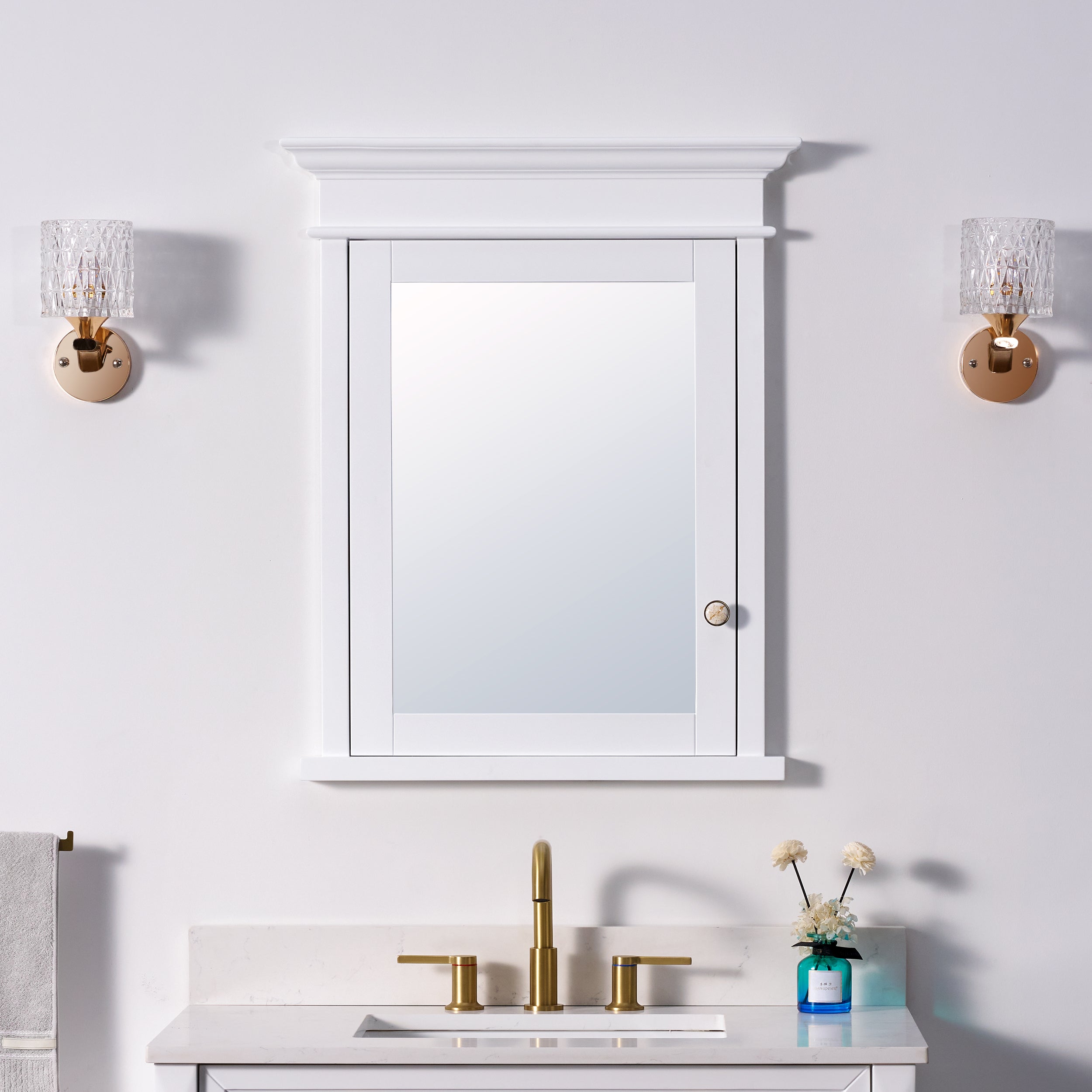
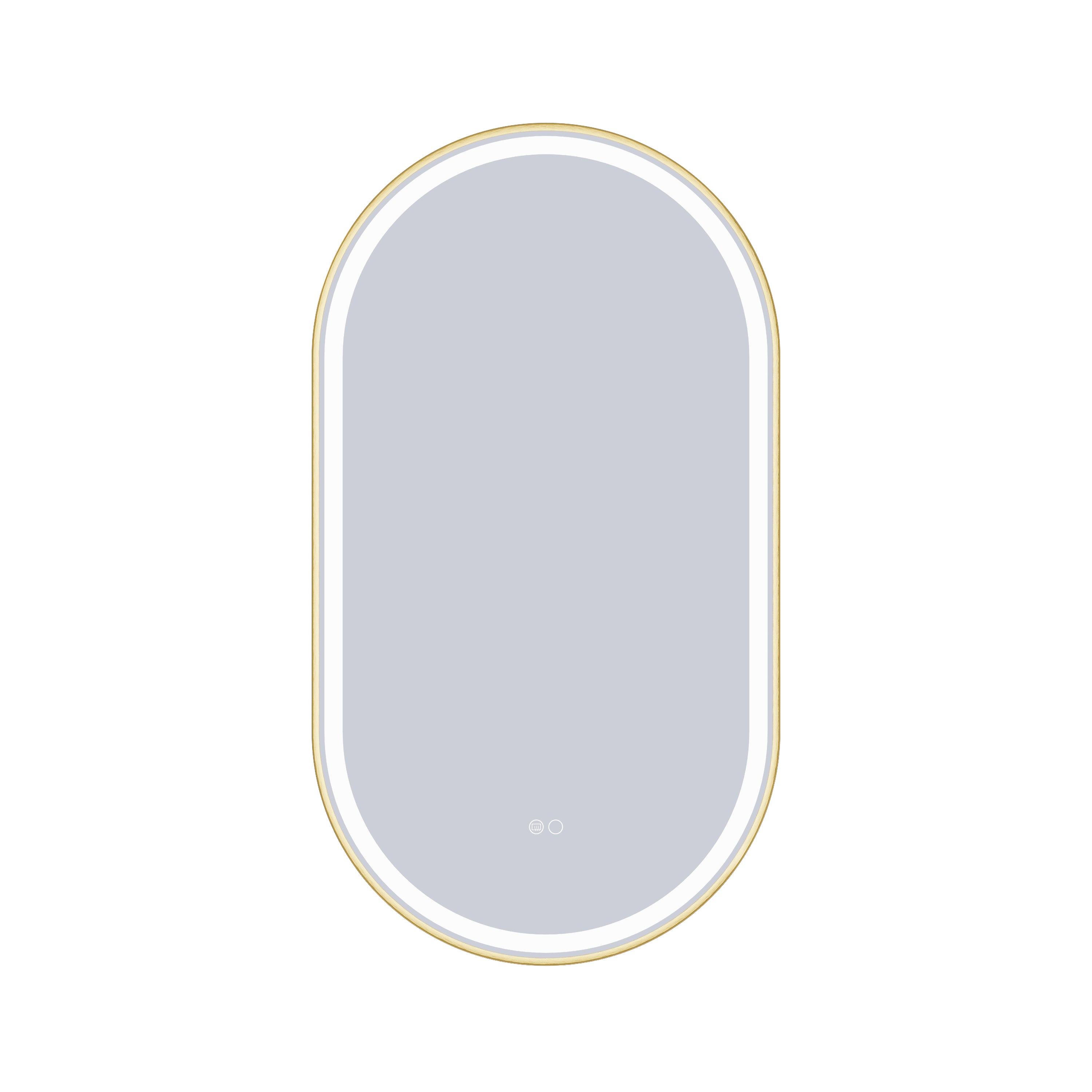
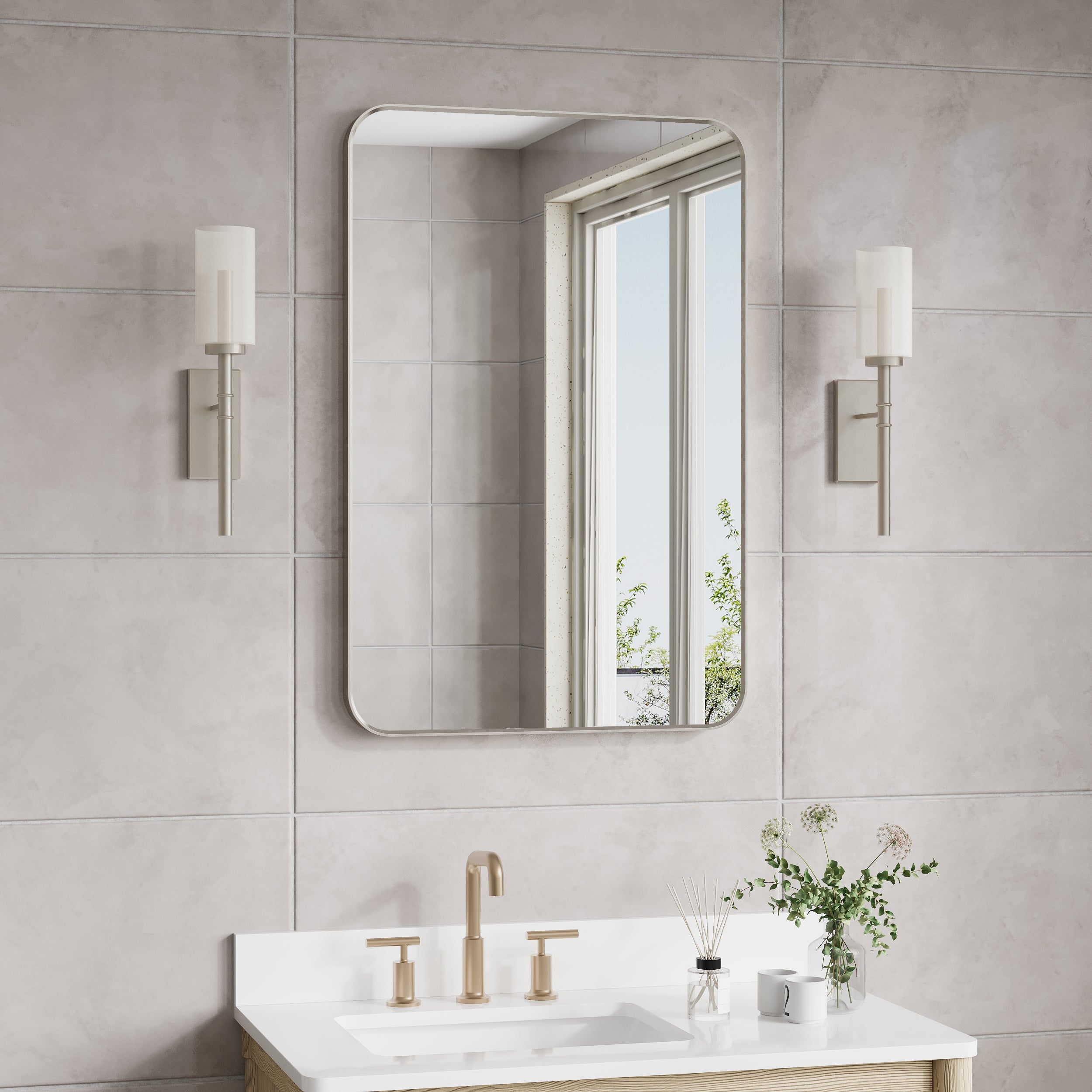
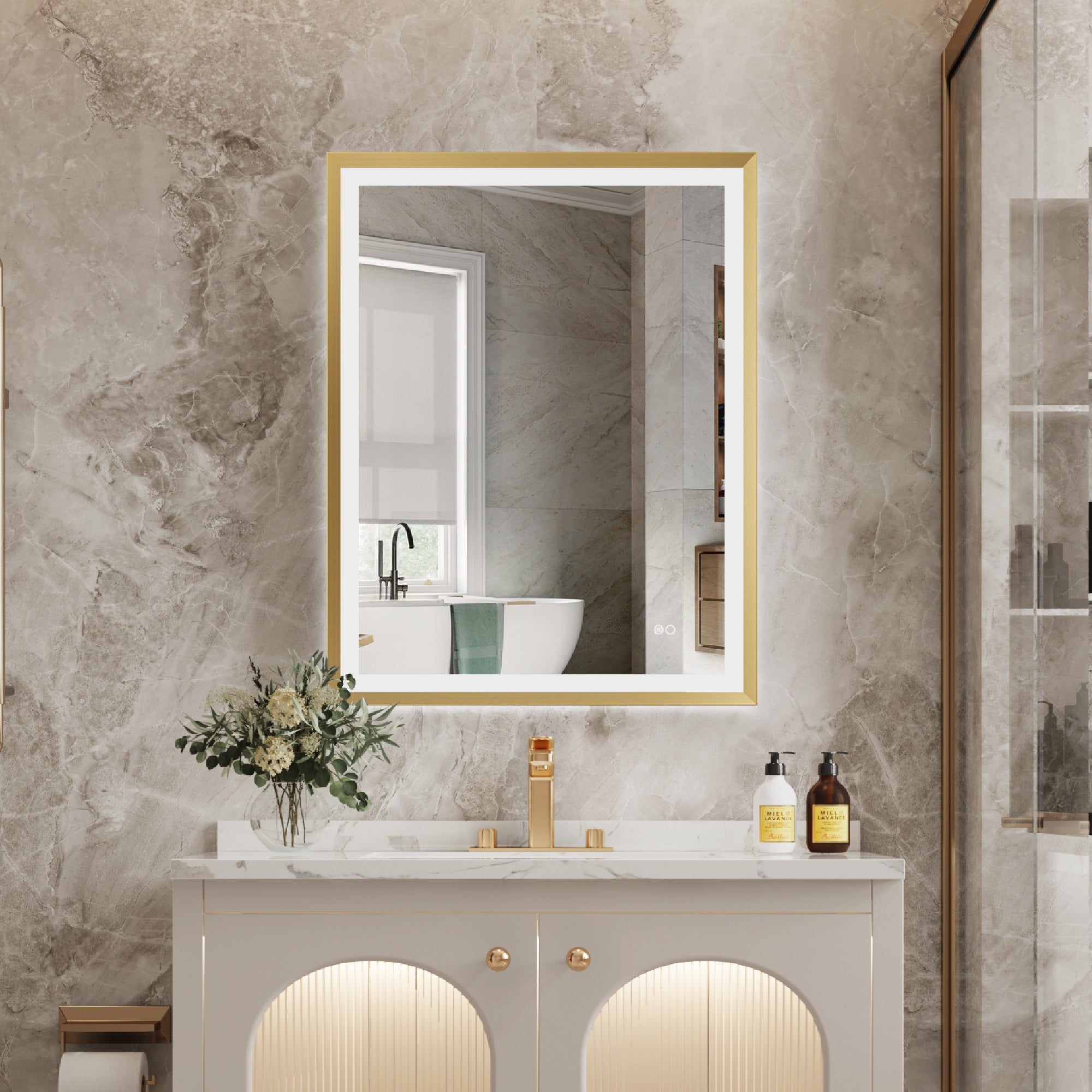
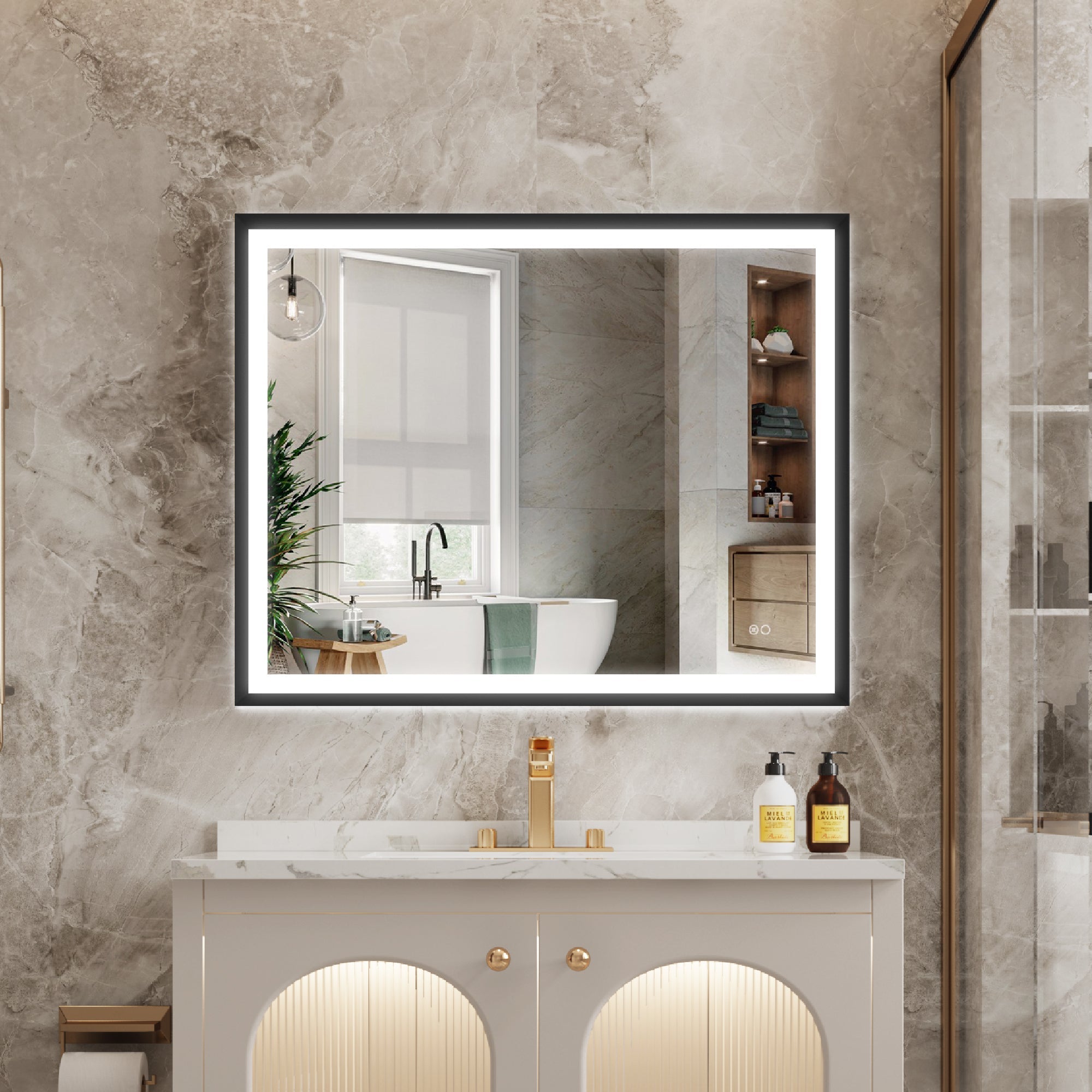
A large medicine cabinet has a strong visual presence, so the frame, edge detail, and finish should match the bathroom’s design language. Frameless cabinets work well in modern and transitional spaces because they keep the mirror surface clean and simple. Thin metal frames in matte black, brushed nickel, chrome, or brushed gold can coordinate with faucets, shower doors, and lighting fixtures.
Final Buying Takeaway
A good large medicine cabinet should balance four things: mirror coverage, usable storage, moisture-resistant construction, and installation flexibility. Width and height determine how well it supports daily grooming. Interior shelf design determines whether it actually solves clutter. Materials and hinges determine whether it performs well in a humid bathroom. Installation style determines whether it fits the wall and remodel plan.
With remodeling spending remaining a major part of the housing sector, product choices that combine function and visible improvement continue to matter. Harvard’s Joint Center for Housing Studies notes that home maintenance and improvement spending exceeds $600 billion annually, while the 2025 Remodeling Impact Report cited an estimated $603 billion spent on remodeling in 2024. A large medicine cabinet fits that practical direction: it improves storage, expands mirror coverage, and helps the bathroom feel cleaner without requiring a full layout change.










Leave a comment
This site is protected by hCaptcha and the hCaptcha Privacy Policy and Terms of Service apply.