














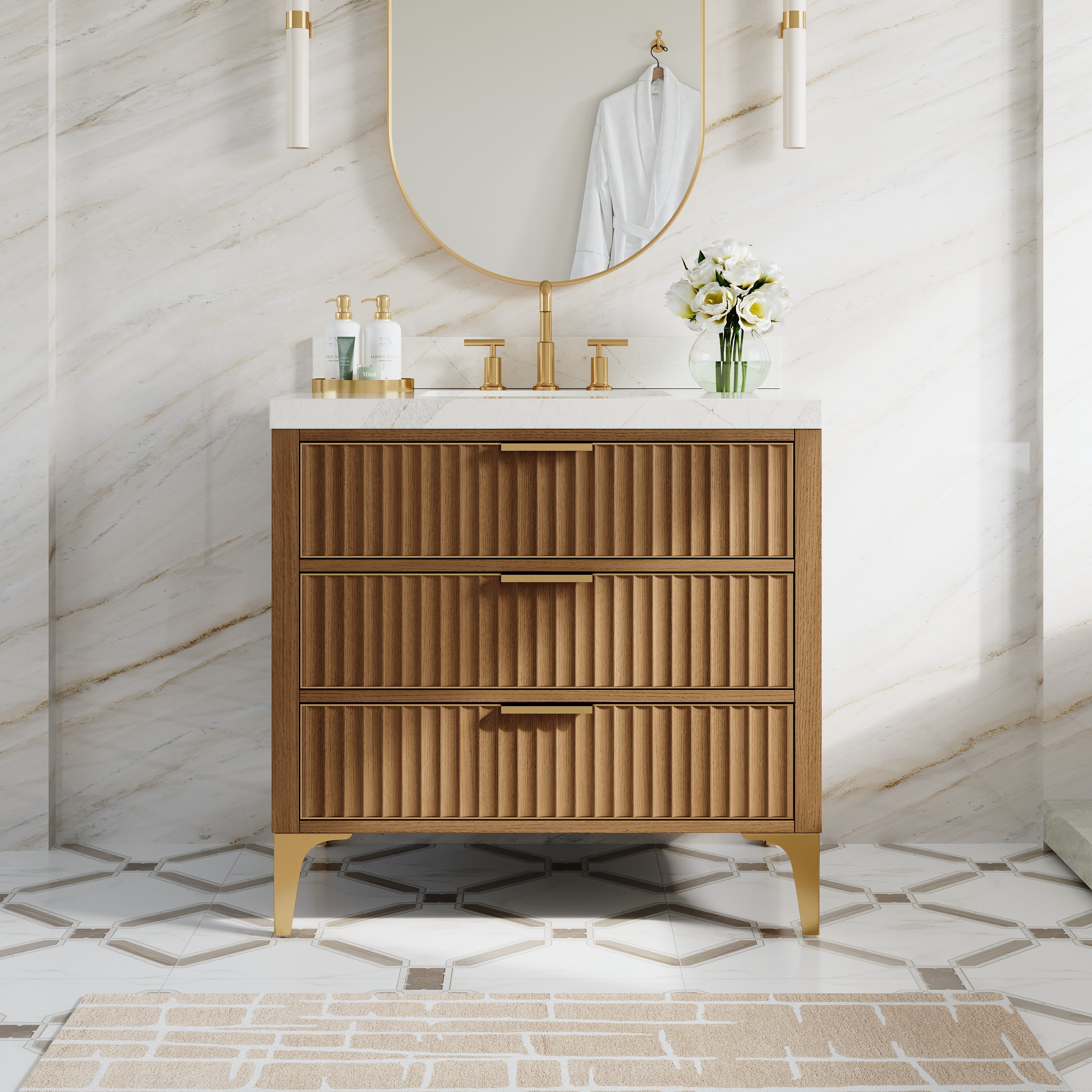
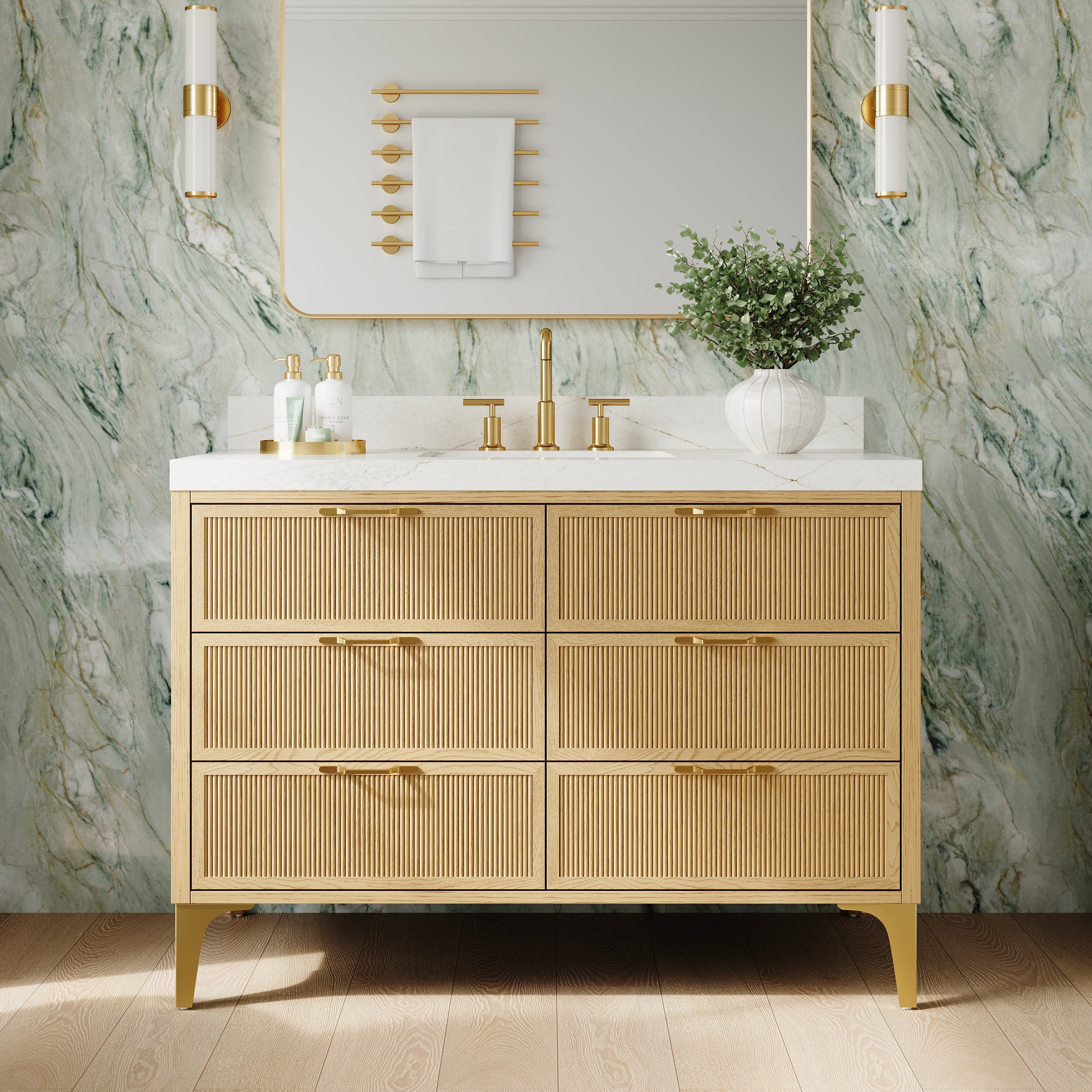


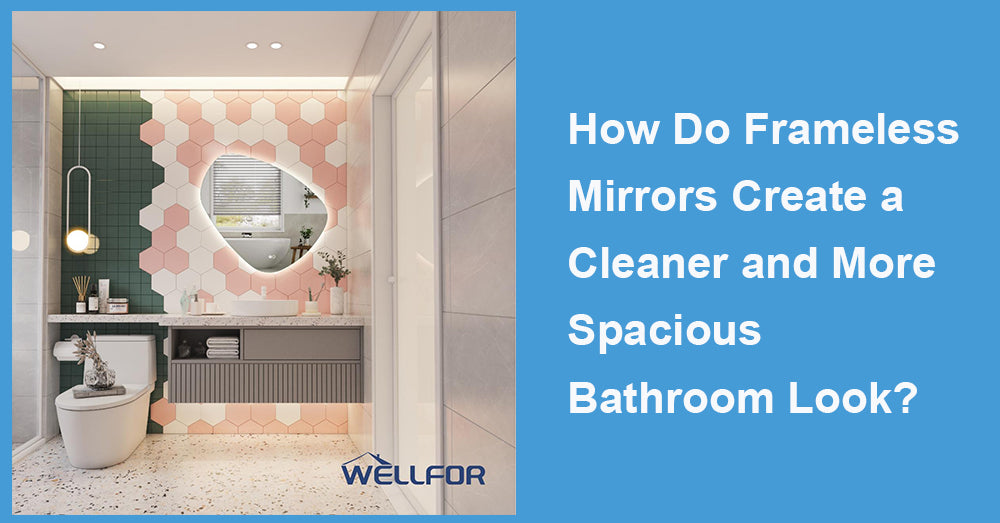
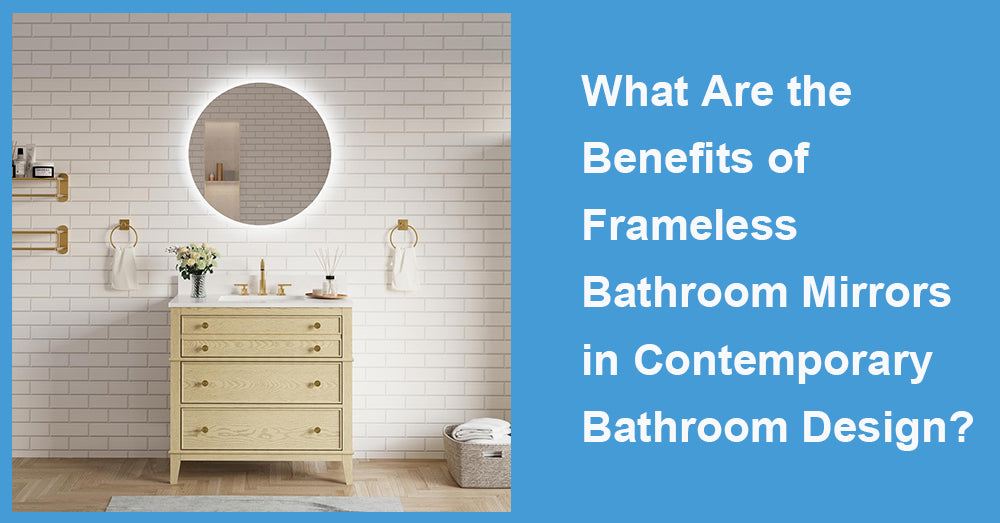
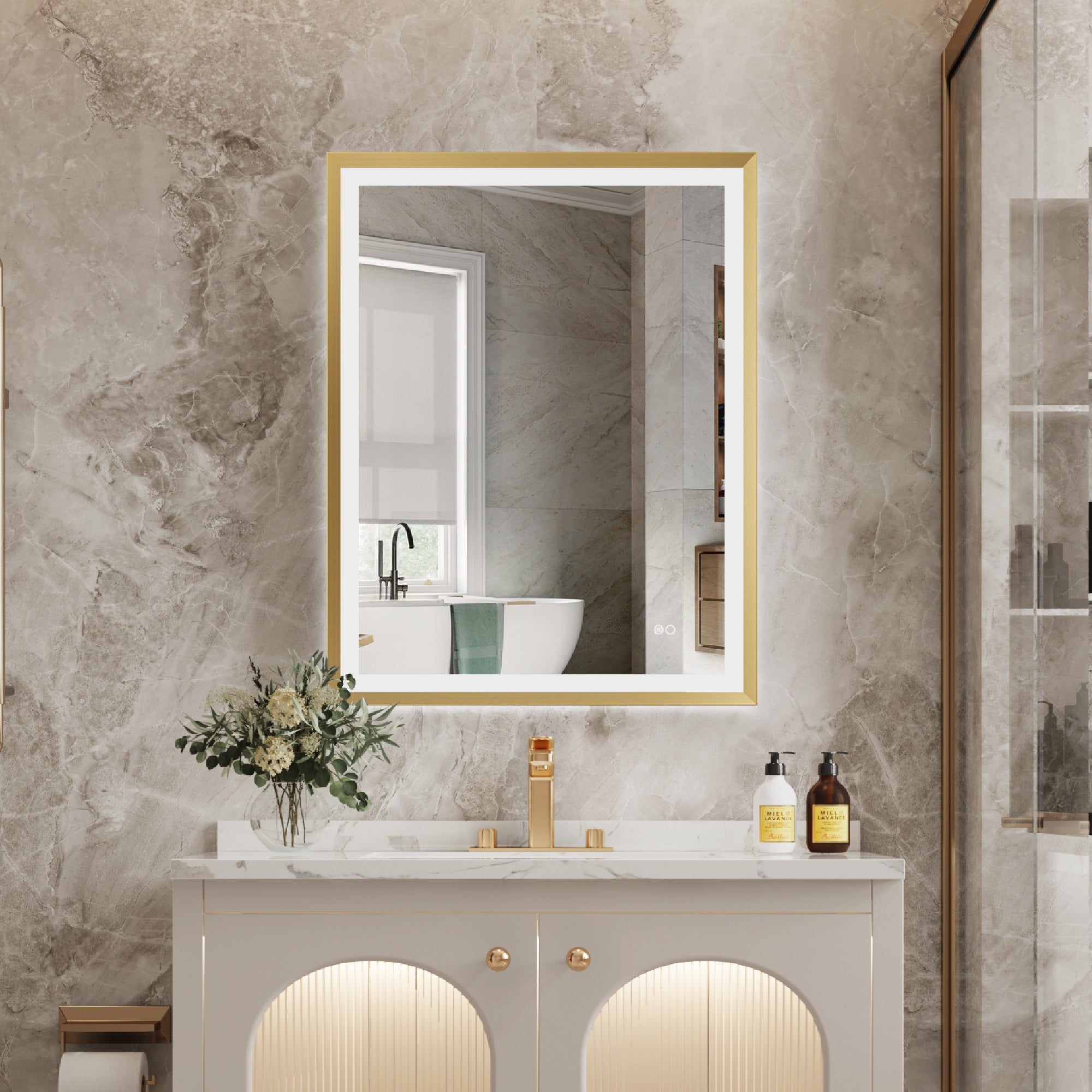
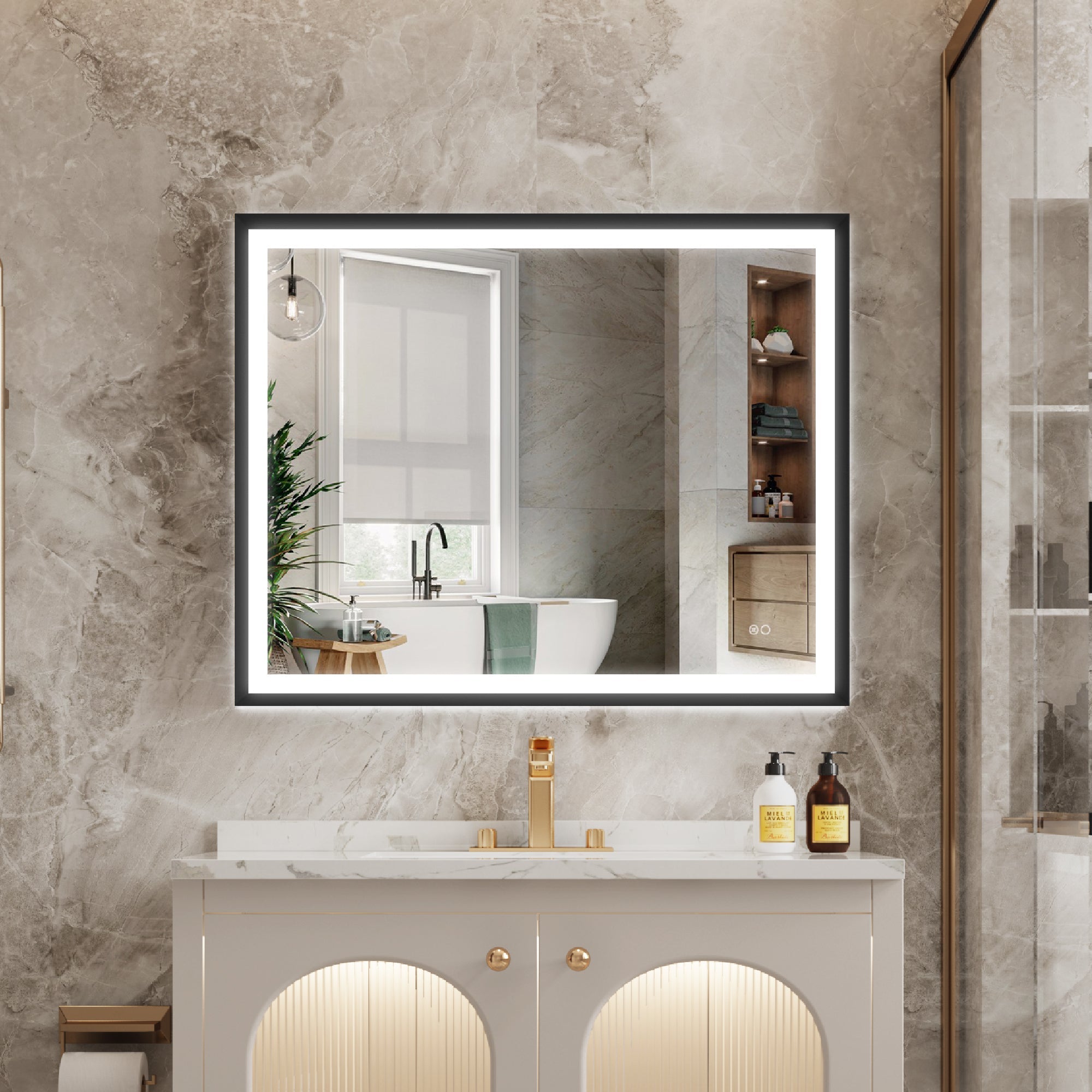
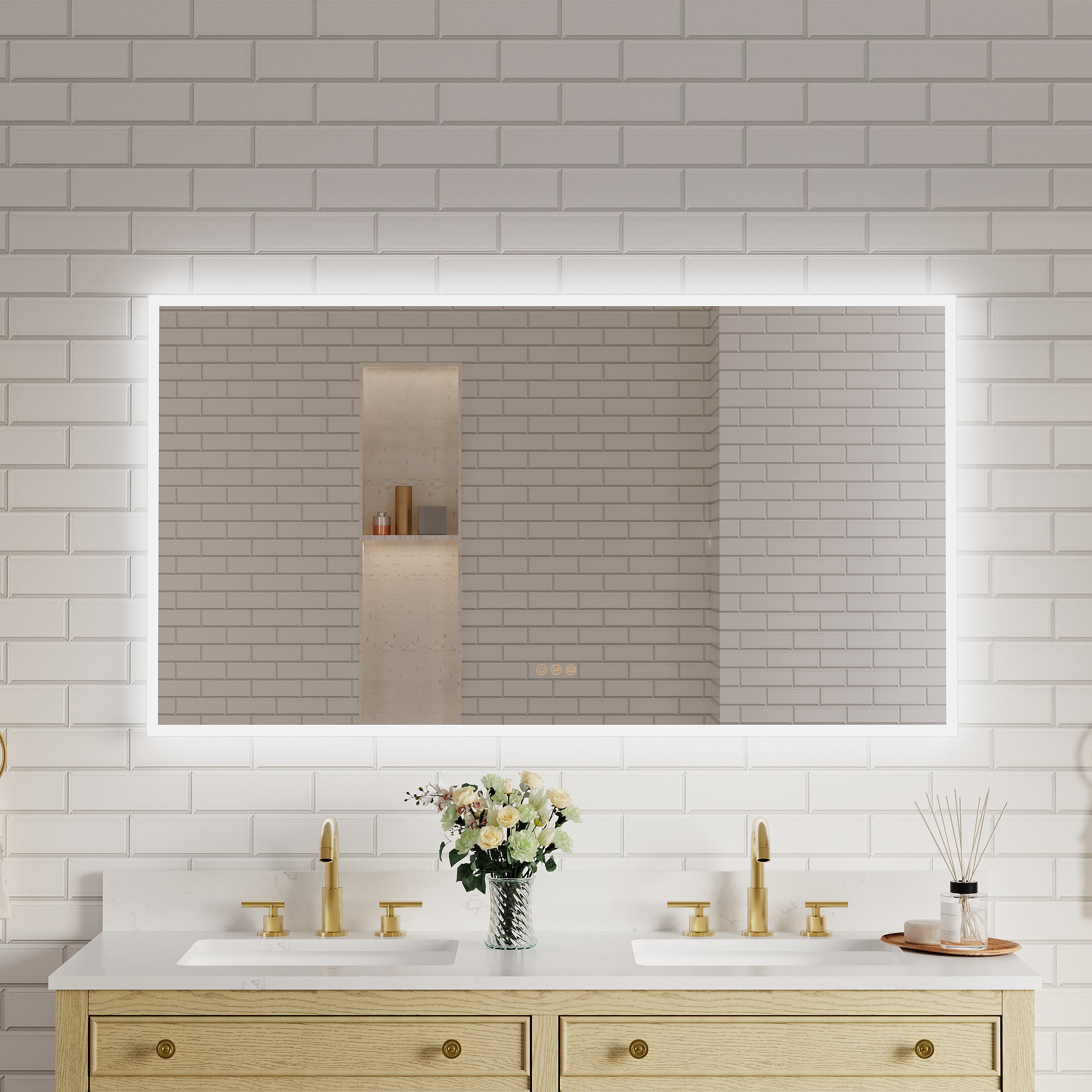
Frameless mirrors are appearing in more contemporary bath projects because they solve two problems at once: they simplify the vanity wall and visually expand the room without changing the footprint. That matters in a renovation cycle where overall home improvement spending remains near record levels, keeping design decisions focused on upgrades that feel high-impact but efficient to execute.
1. They erase the “border effect” that visually shrinks a wall
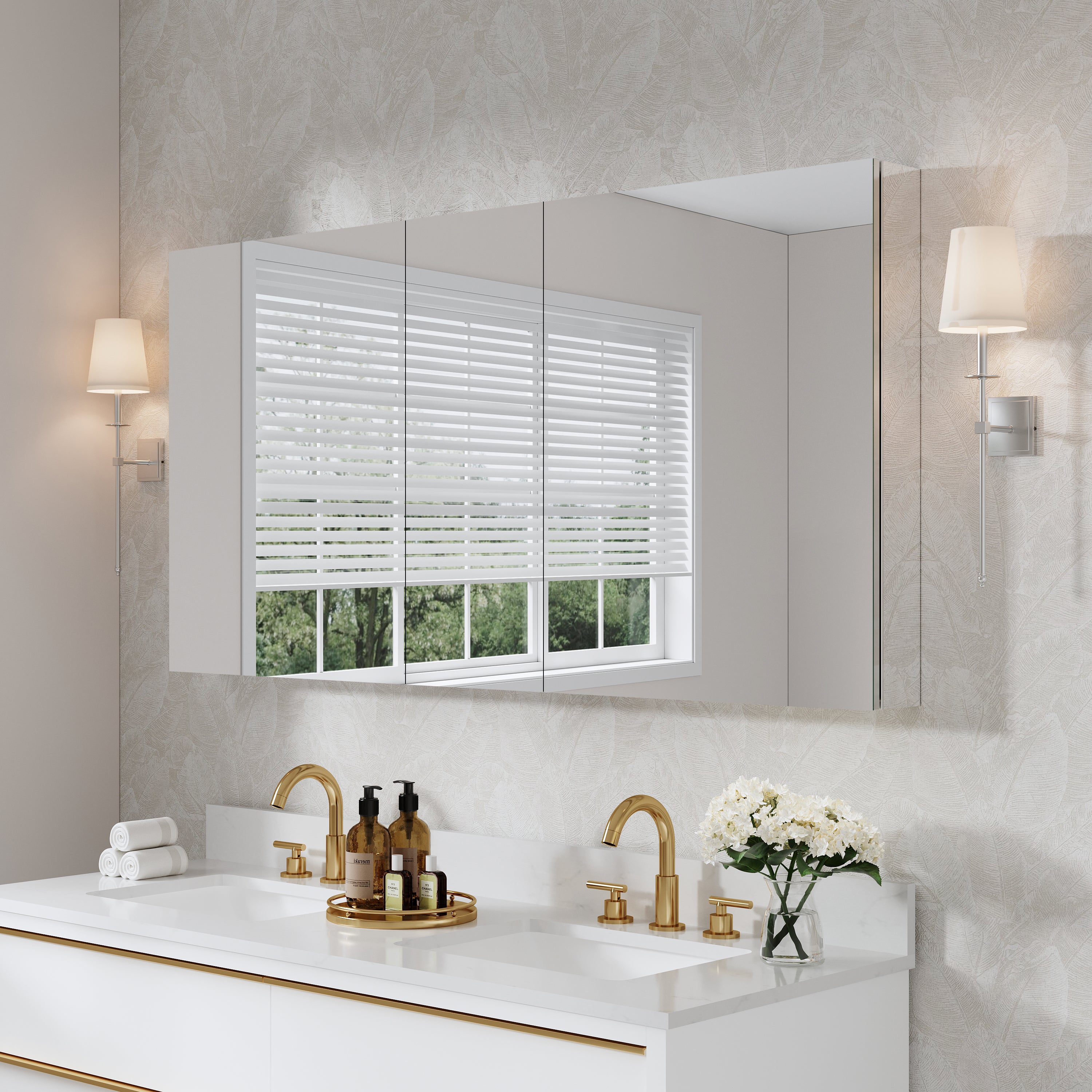
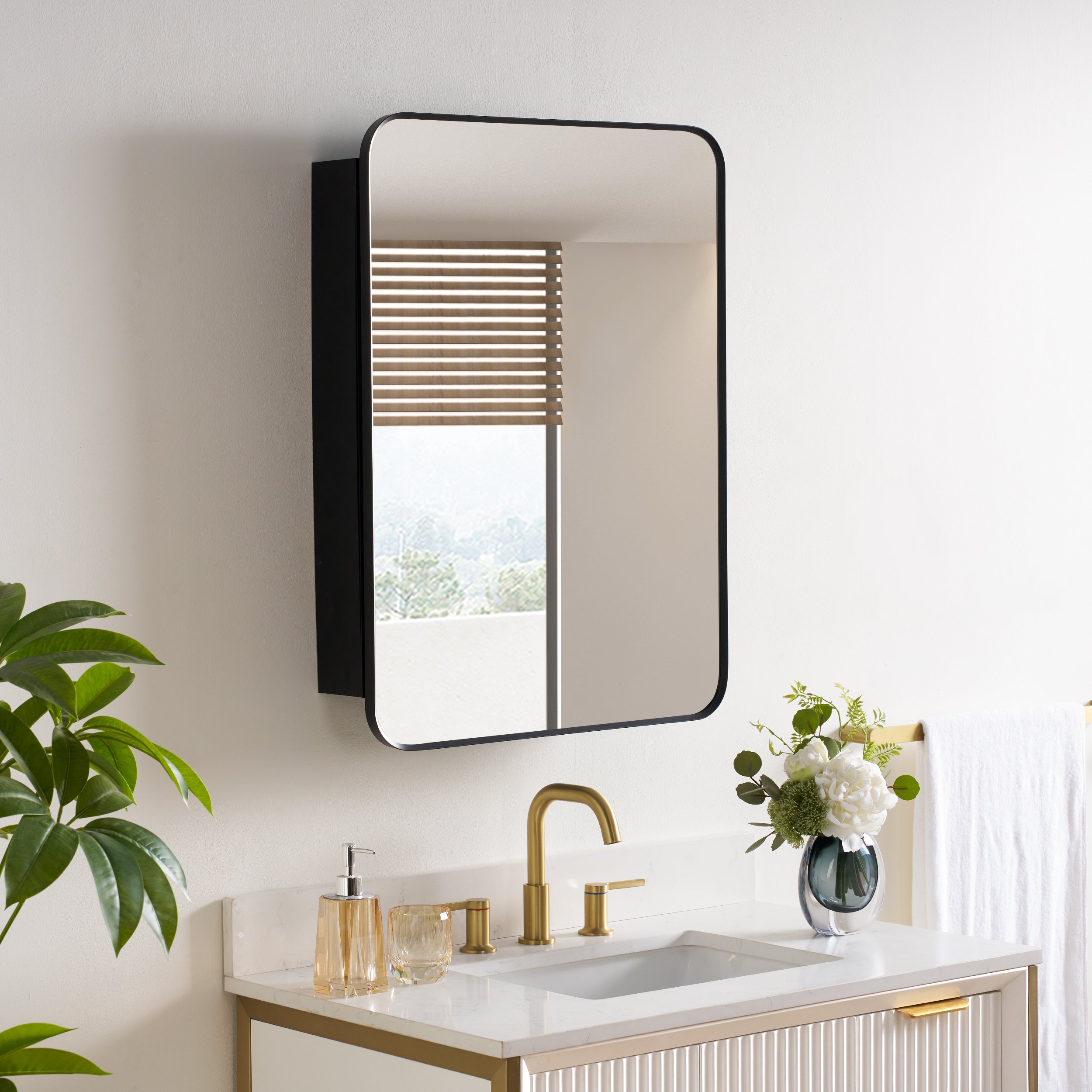
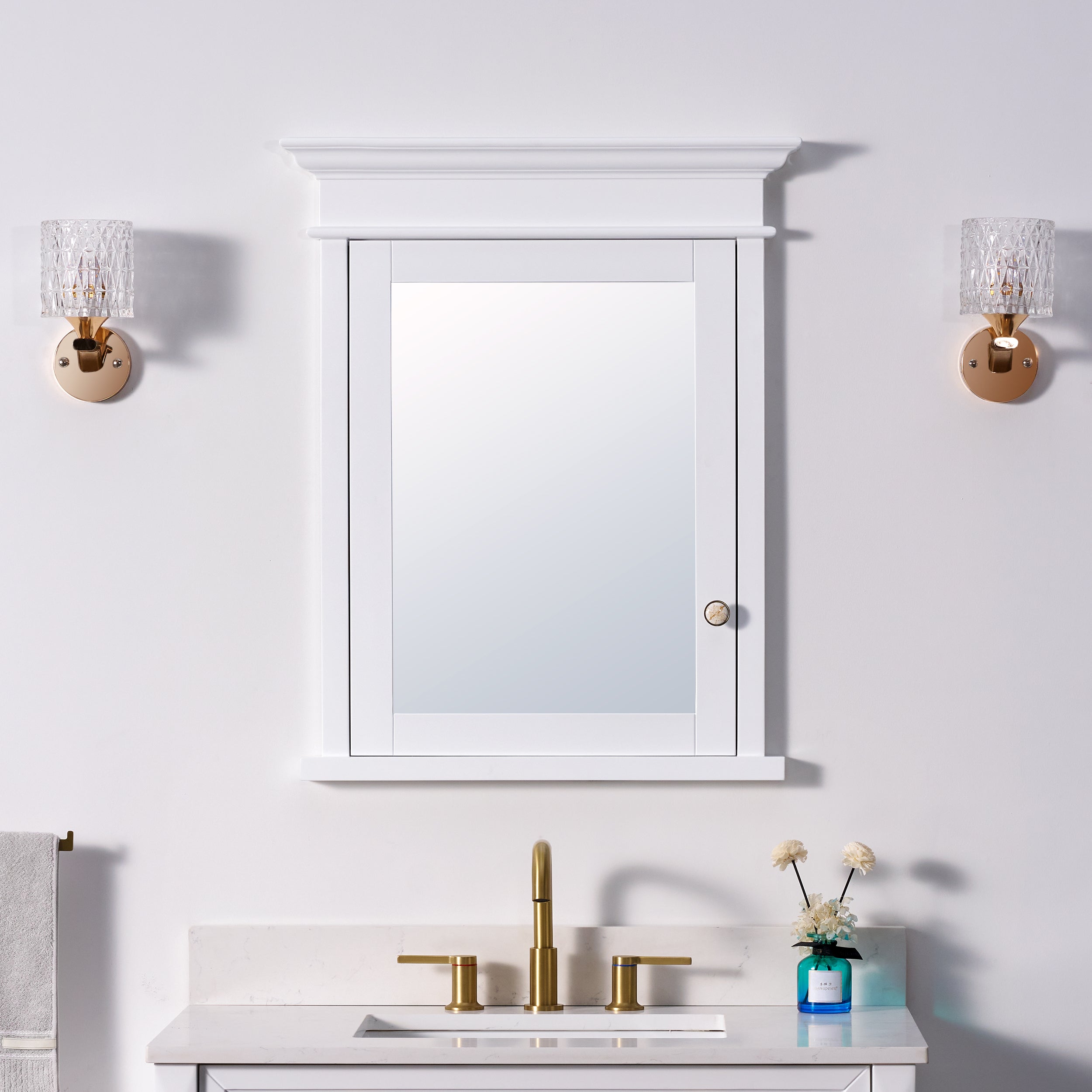
A framed mirror creates a hard perimeter line, which acts like a visual stop sign on the wall. In compact bathrooms, that border can make the vanity area feel boxed in, because your eye reads the frame as an object sitting on the wall rather than a continuous surface that belongs to the architecture. Frameless mirrors remove that boundary, so the reflection reads more like an extension of the room. The wall plane feels calmer, and the mirror feels larger even when the dimensions stay the same.
This is especially noticeable in contemporary spaces built around clean materials and repeating lines, such as large-format tile, slab-style counters, or flat-panel cabinetry. Without a frame competing with grout lines or stone veining, the vanity wall looks more intentional and less visually busy.
2. They amplify light with fewer shadows and fewer competing elements
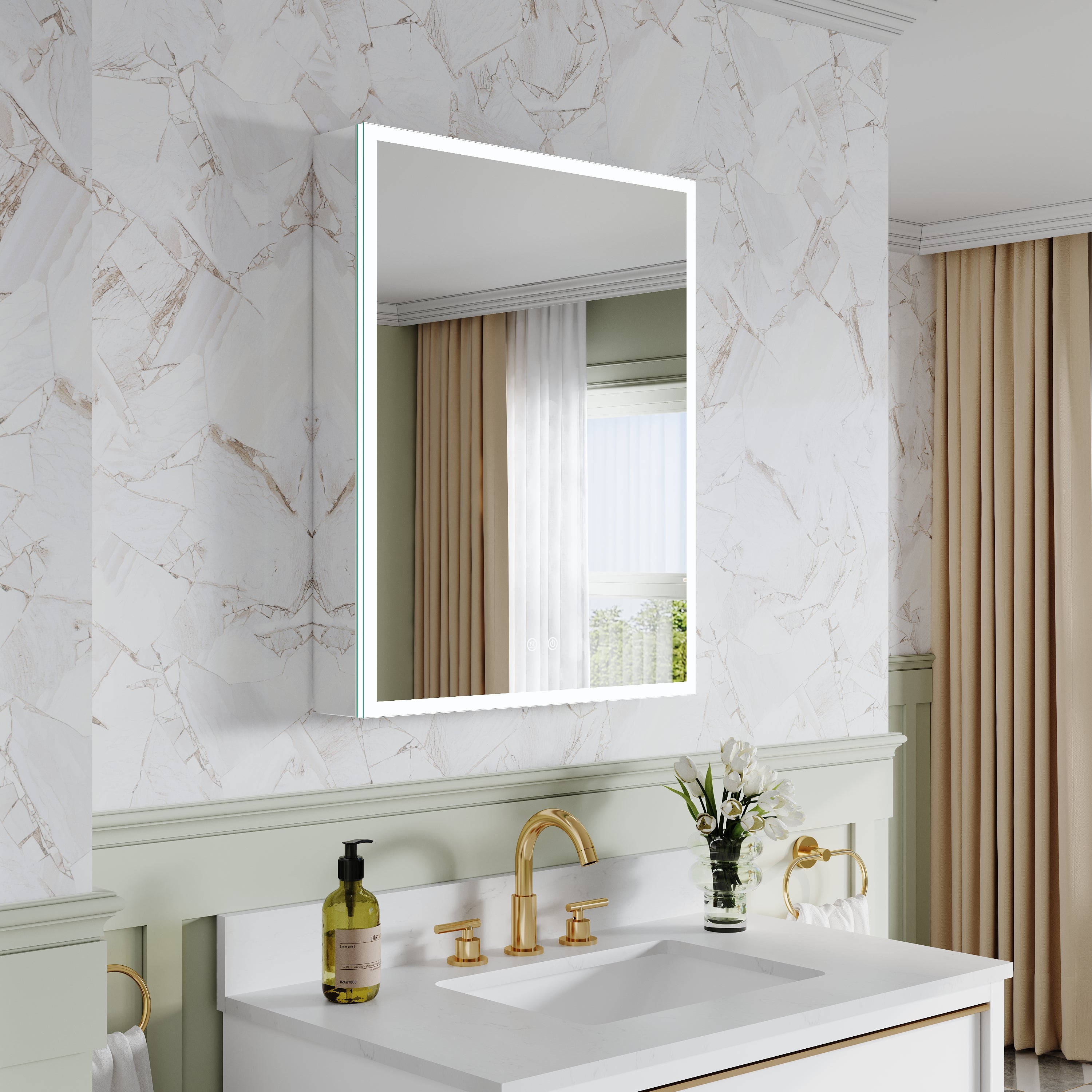
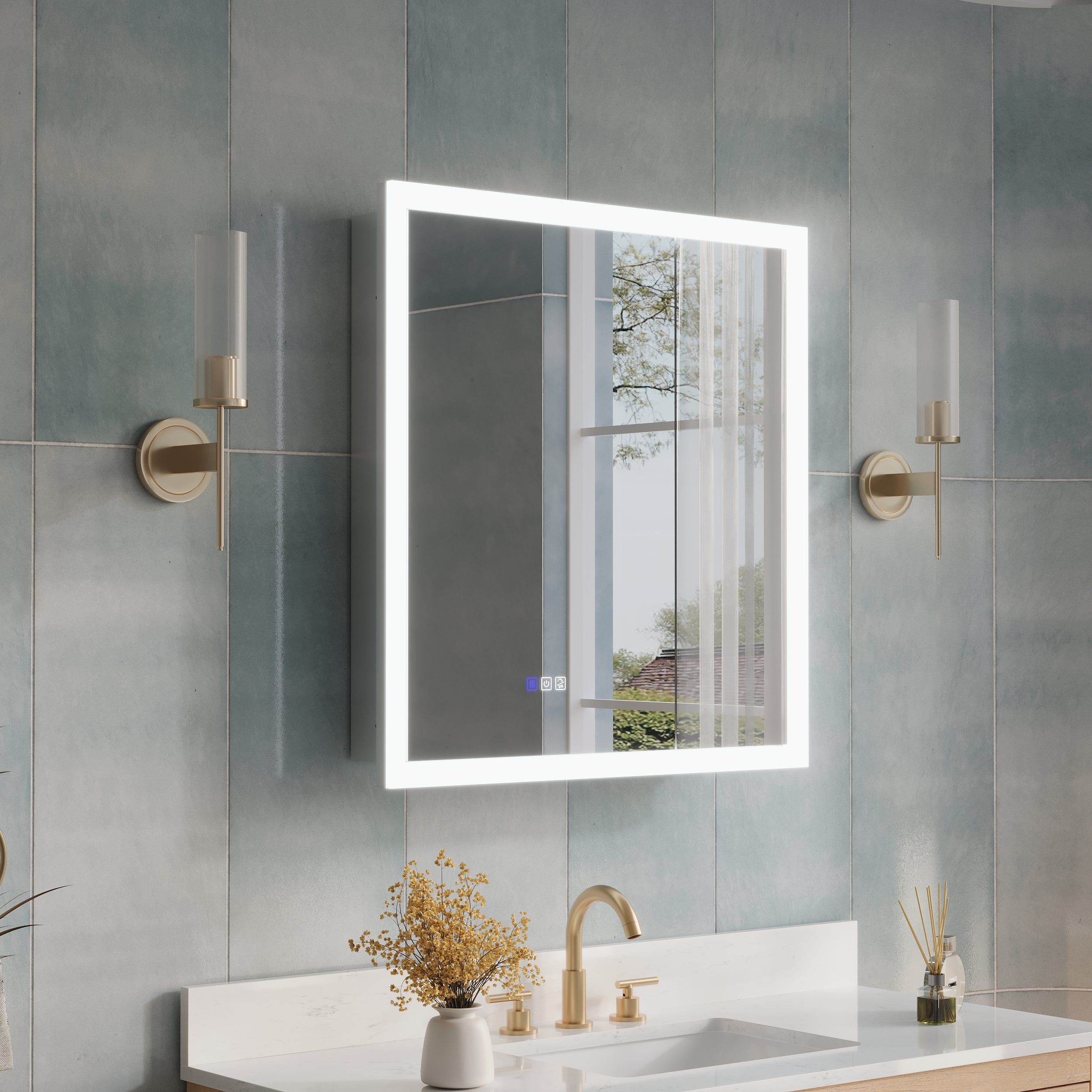
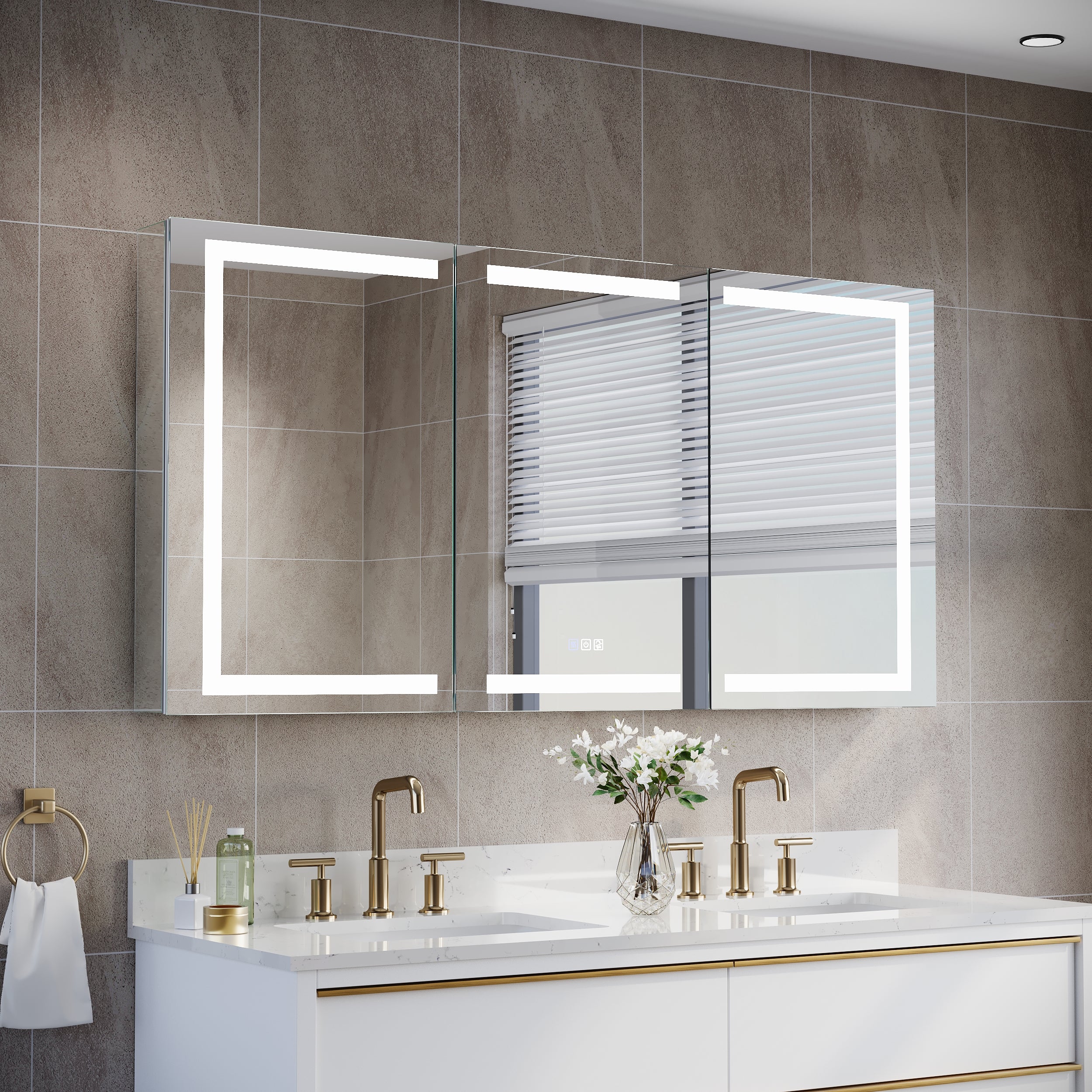
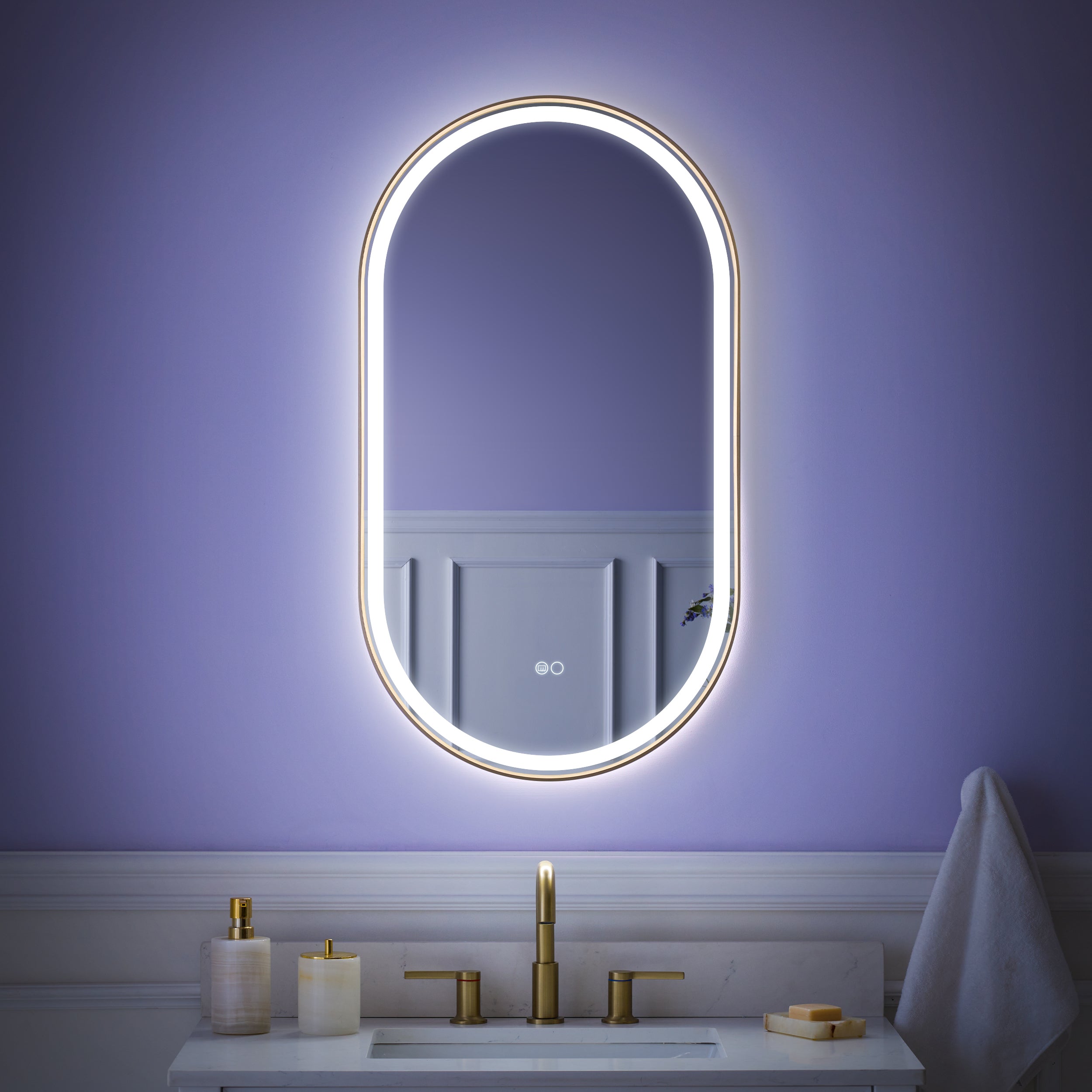
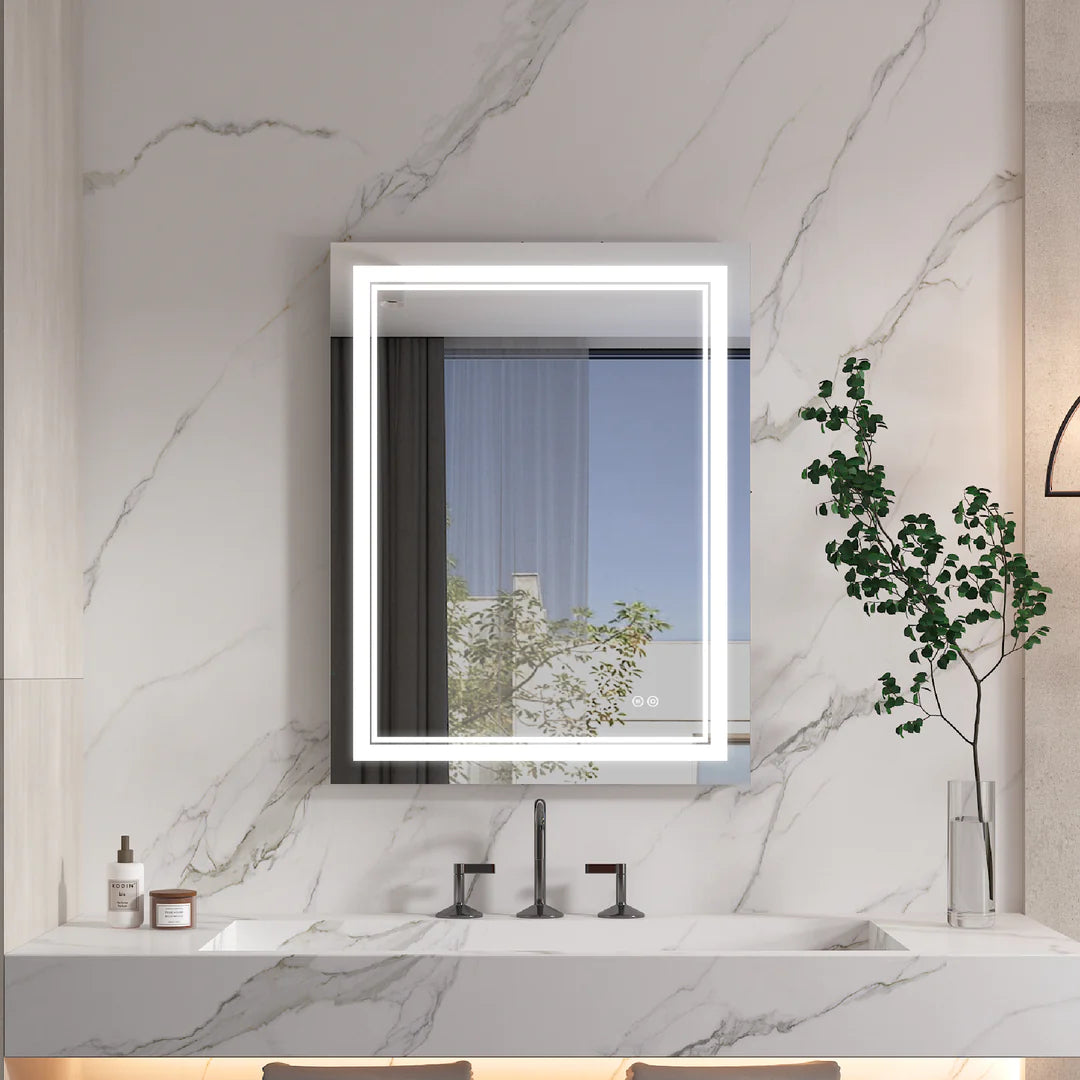
Modern bathrooms increasingly rely on layered lighting, combining natural, ambient, and task lighting with integrated mirror illumination to support daily routines. A frame can introduce small edge shadows and extra contrast lines that fight the lighting plan. Frameless mirrors reduce those interruptions, so the light distribution across the face and vanity wall feels smoother. The result is a more even, flattering wash of light that helps minimize harsh hotspots around the mirror edge, improves visibility for shaving and makeup, and makes the entire vanity zone look brighter without adding extra fixtures.
3. They let you scale the mirror to the vanity, which is often not oversized
A larger mirror usually makes a room feel more spacious, but many real bathrooms are still built around modest vanity widths. In Houzz’s 2025 bathroom renovation research, nearly half of renovating homeowners chose vanities 48 inches or less, while the next most common sizes were 60 inches (19%) and 72 inches (14%). When the vanity is compact, a thick frame can make the mirror feel “smaller than it is” because the border eats visual space.
A frameless mirror, on the other hand, can be sized closer to the vanity width or extended wider to visually “stretch” the wall. This matters in common bathroom footprints like the classic 60-inch by 84-inch layout often referenced in midrange remodel scopes, where every visual trick counts.
4. They create a cleaner look by reducing finish decisions and mismatch risk
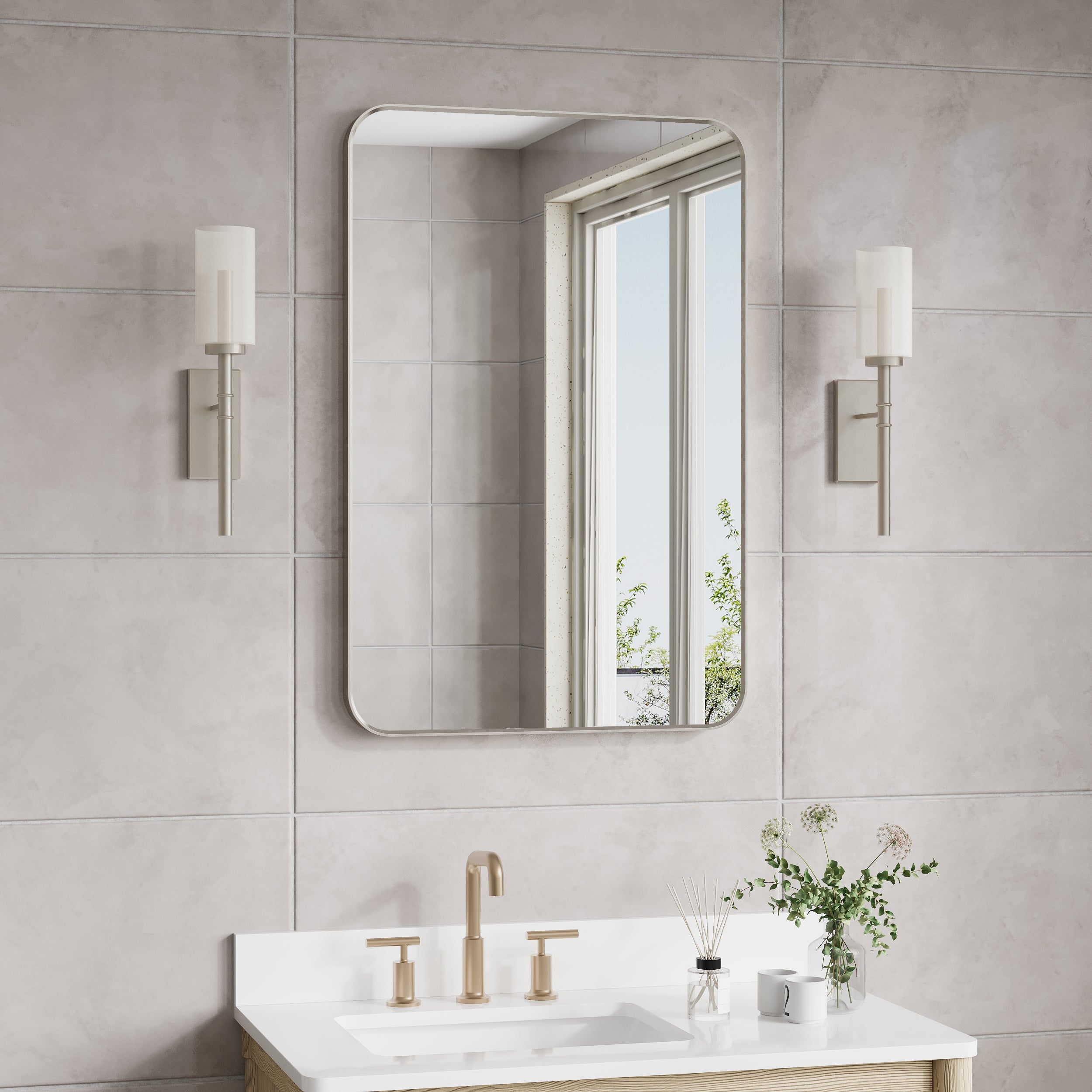
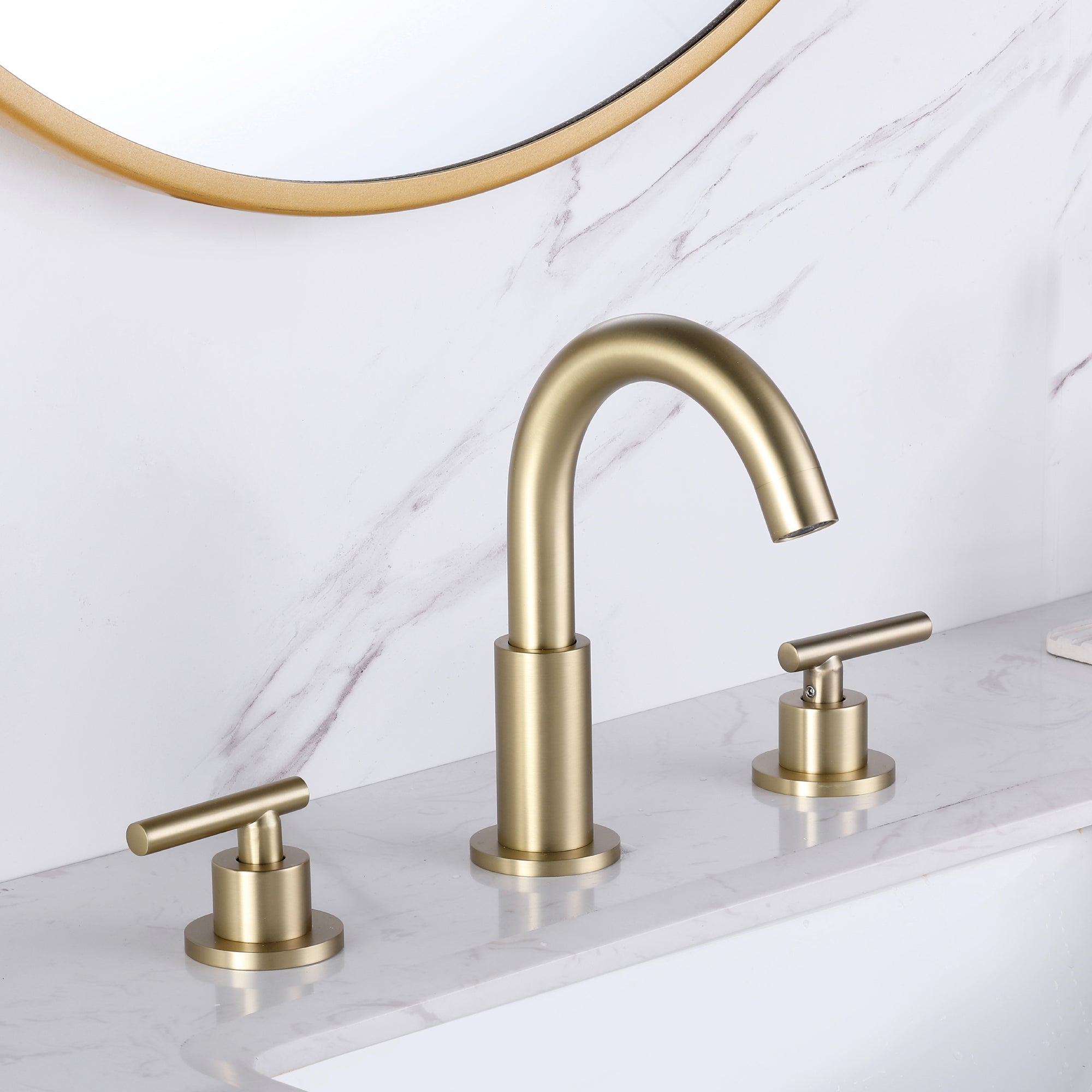
Contemporary bathrooms often combine multiple finishes: brushed faucet metals, matte or satin hardware, warm lighting, and stone surfaces. A framed mirror adds one more finish that must match, and if it does not, the wall can look slightly off. Frameless mirrors avoid that entire problem by staying neutral, letting the faucet, sconces, or cabinet pulls define the finish story.
This is also why frameless mirrors are popular in projects that mix styles, such as a warm wood vanity with a modern wall tile. The mirror does not force the room into one “frame finish,” so the space reads curated rather than over-coordinated.

5. They hide advanced features inside a minimal silhouette
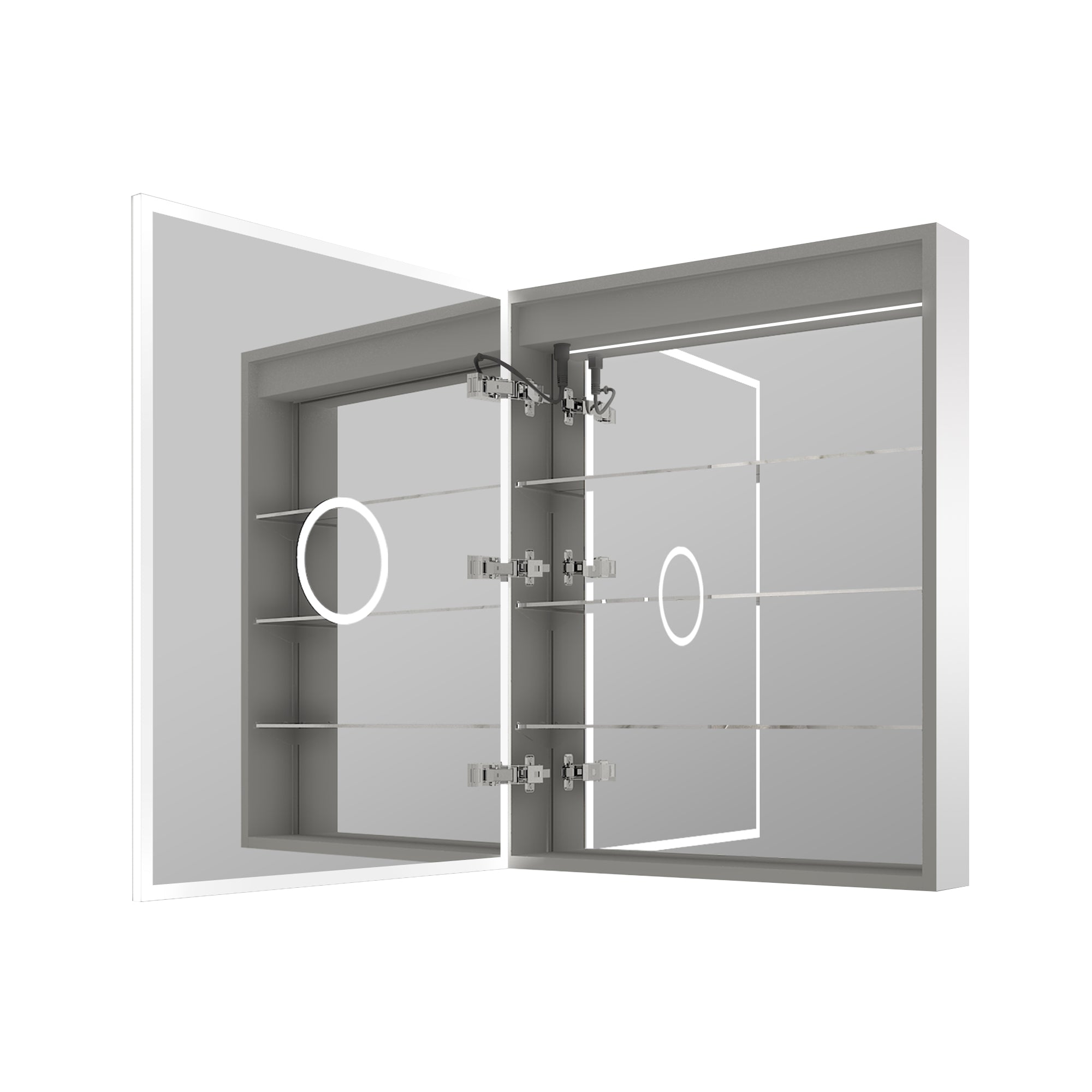
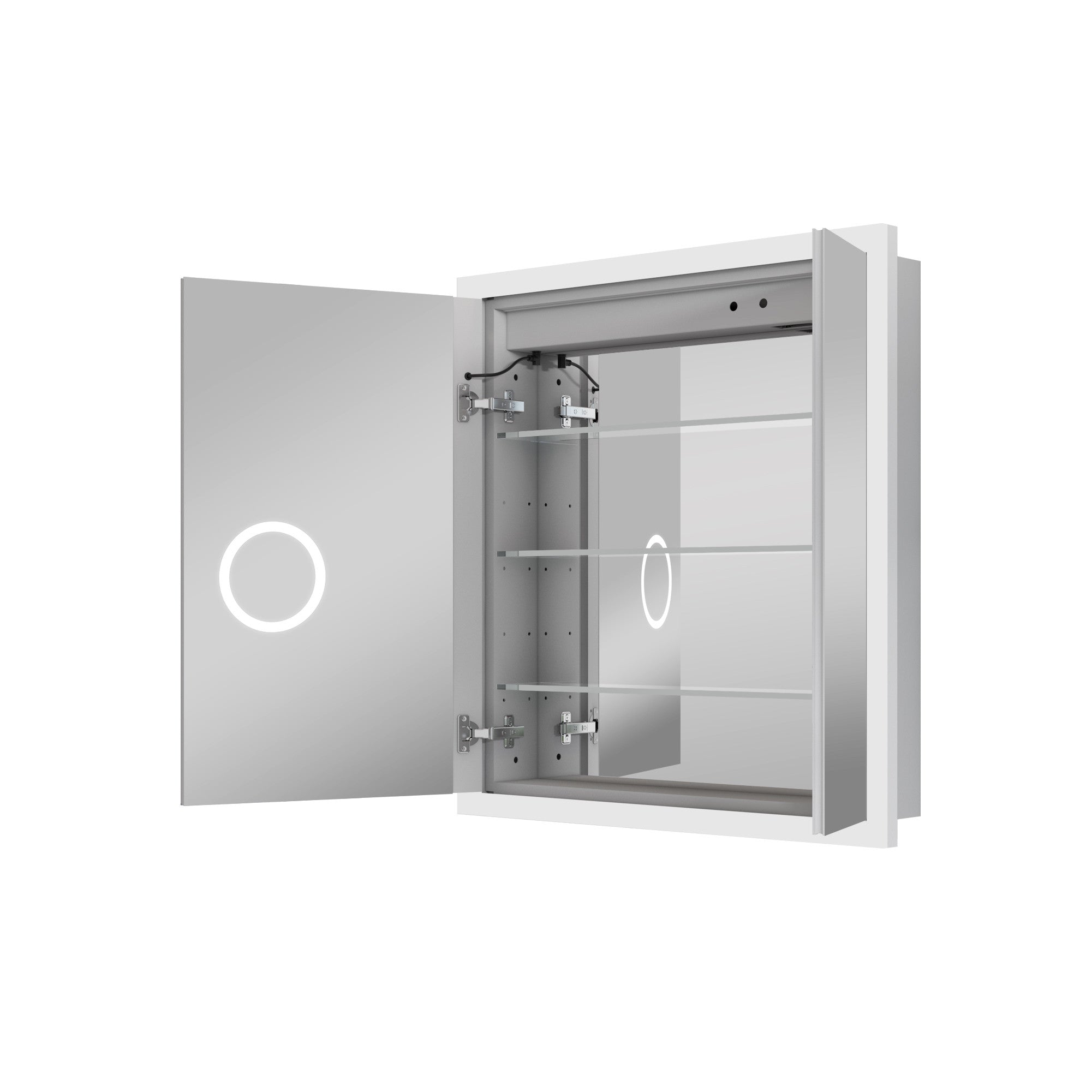
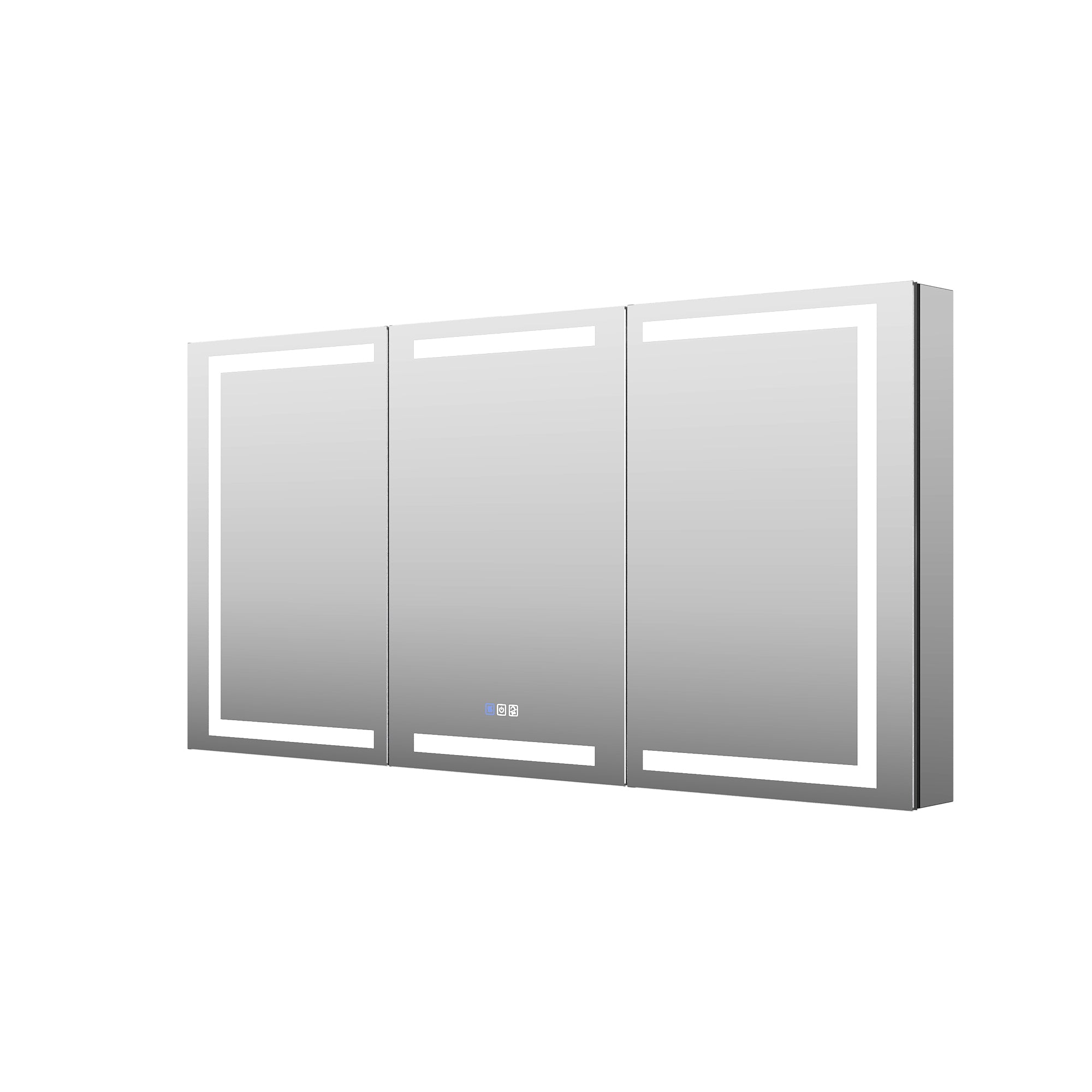
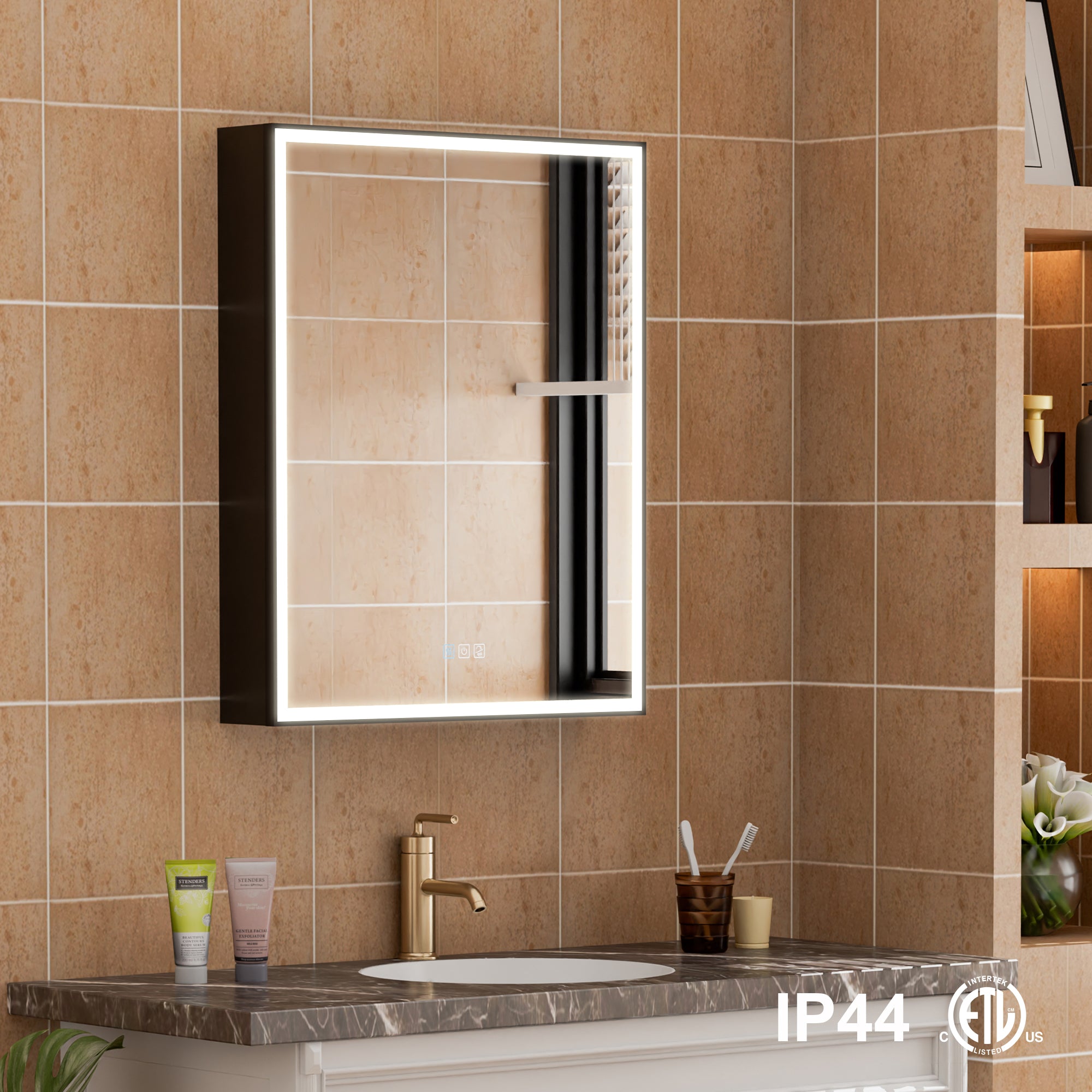
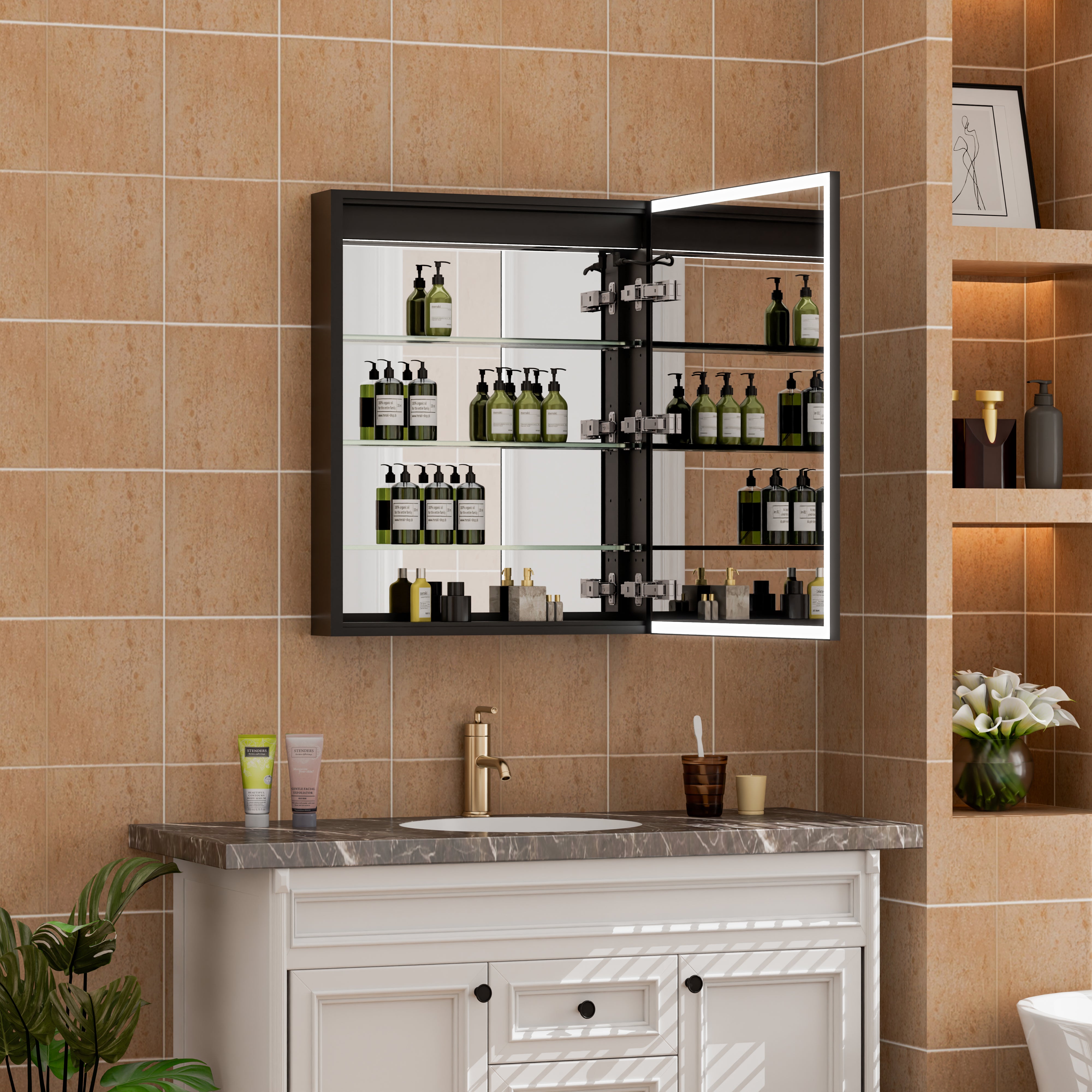
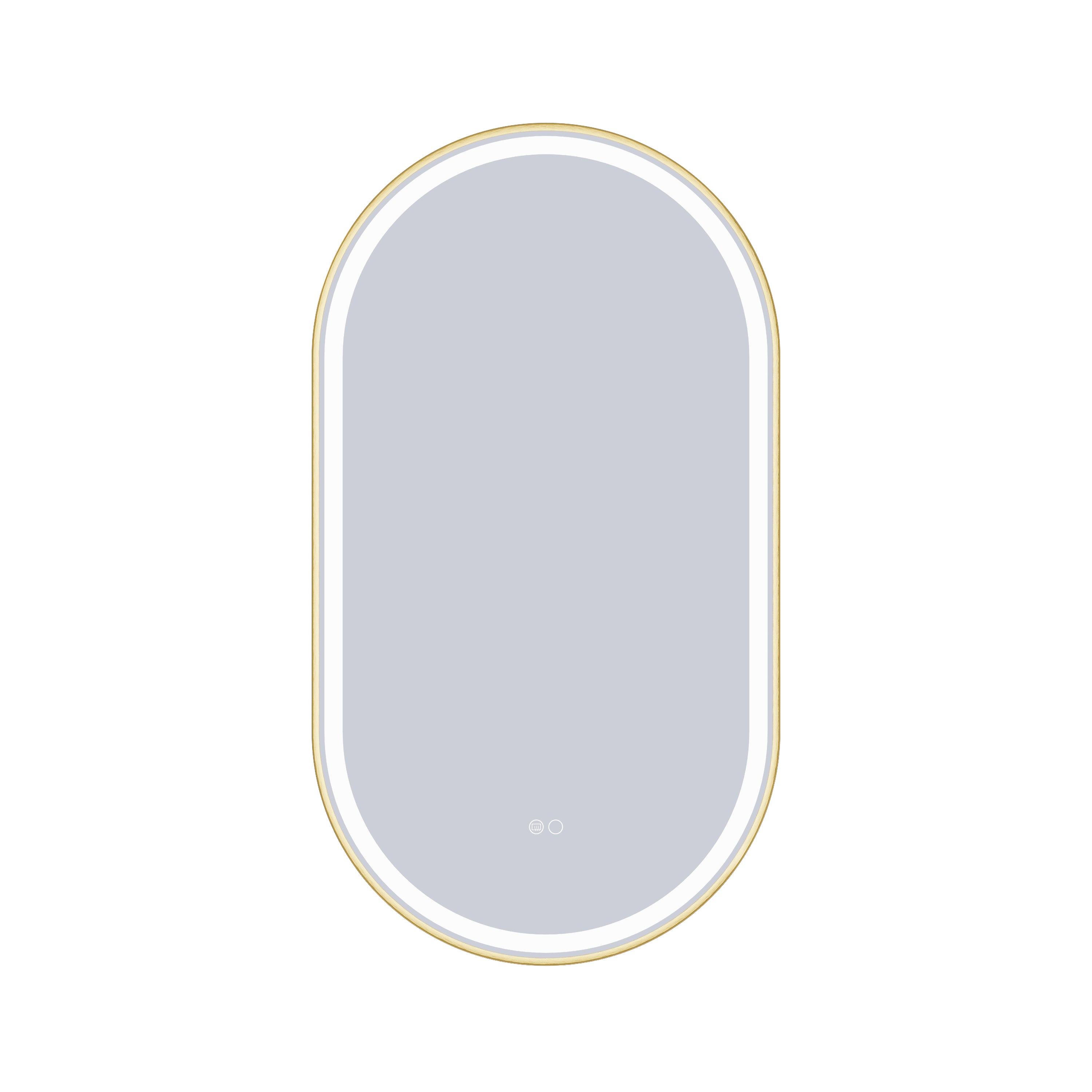
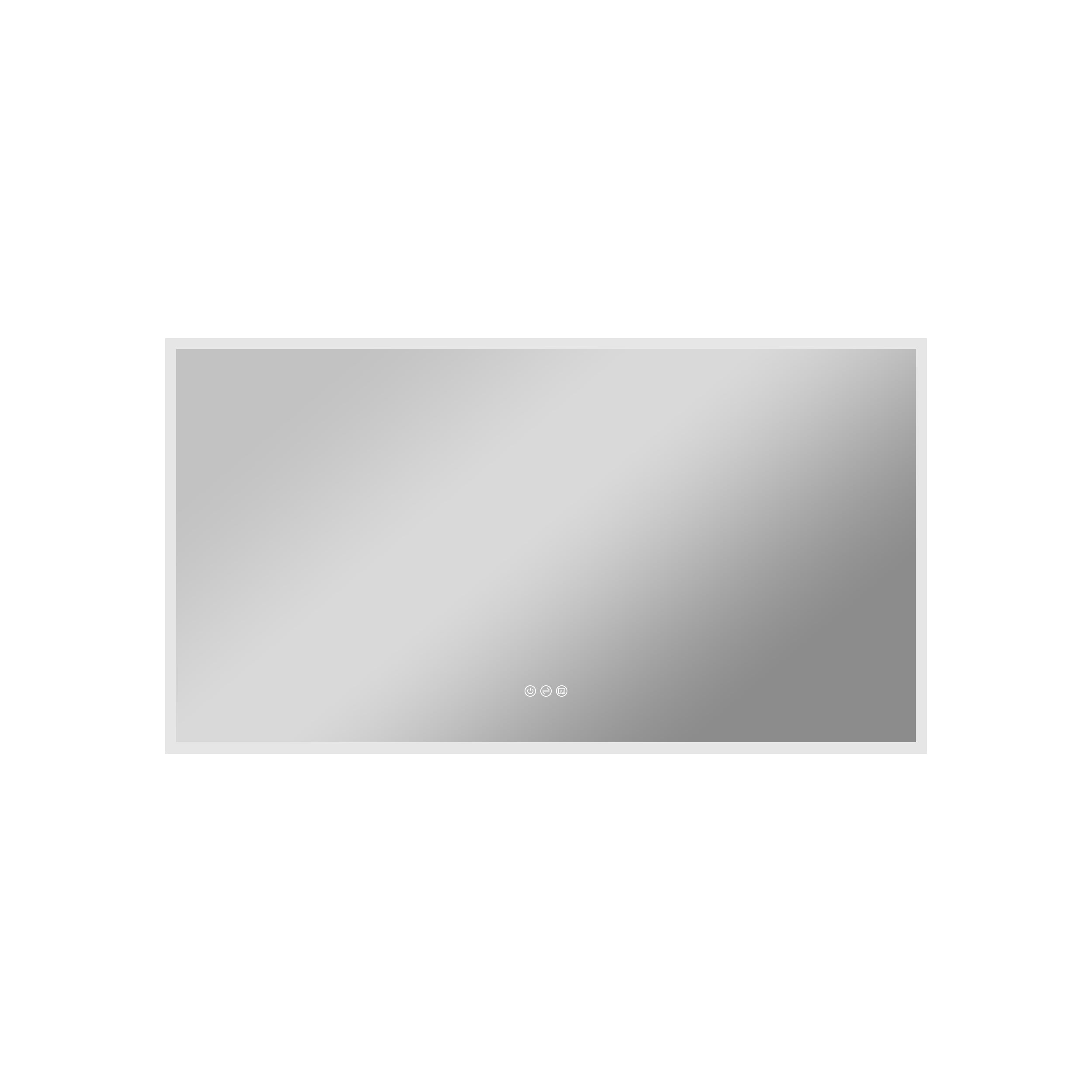
Frameless mirrors are increasingly used as a platform for discreet upgrades that improve comfort without adding clutter. Houzz’s 2025 study found that 34% of renovating homeowners choose mirrors with specialty features, including LED lighting (24%) and antifog systems (22%), with smaller shares selecting options like hidden outlets (5%).
These features practically support the “cleaner and more spacious” goal. Antifog keeps the mirror usable after hot showers without needing a bulky add-on. Integrated lighting can reduce the need for extra fixtures, and hidden power can keep cords off the counter. The wall stays visually simple, which helps the room feel larger.
6. Design moves that maximize the spacious effect
To get the biggest “open” look from a frameless mirror, designers typically lean on a few repeatable tactics.
First, increase coverage. A wider mirror, or even a near wall-to-wall mirror above the vanity, expands the reflection field and makes the room read deeper. Second, align edges. When the mirror edge lines up with vanity edges, sconces, or tile joints, the wall looks organized, and that order makes the space feel calmer. Third, keep the profile tight. Low-profile mounting methods can make the mirror feel built-in rather than added on, reinforcing the contemporary look.
Another high-impact move is to treat the mirror as part of a “quiet zone” around the sink. Keep the countertop visually clear, use minimal accessories, and coordinate the mirror height so it captures more of the open wall and less of clutter-prone surfaces. If you are using sconces, place them so their vertical lines frame the mirror evenly, which strengthens symmetry and makes the room feel more balanced. In smaller baths, even shifting the mirror a few inches wider than the faucet spread can make the vanity wall read larger because the reflection includes more negative space and less hardware.
Finally, plan lighting early. The broader trend direction is clear: layered lighting and integrated mirror illumination keep gaining attention in design forecasting, and the mirror placement should support that strategy rather than fight it.










Leave a comment
This site is protected by hCaptcha and the hCaptcha Privacy Policy and Terms of Service apply.