














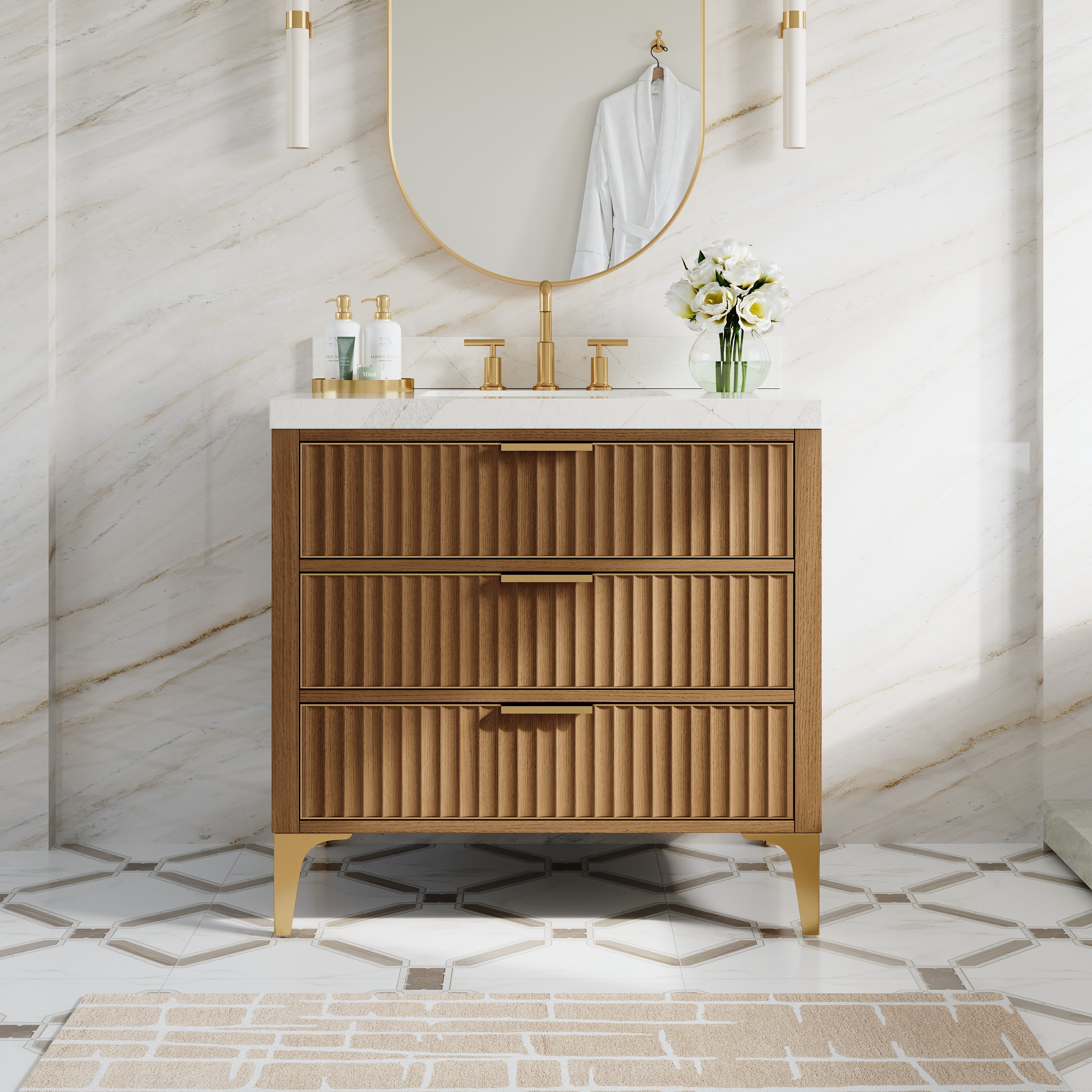
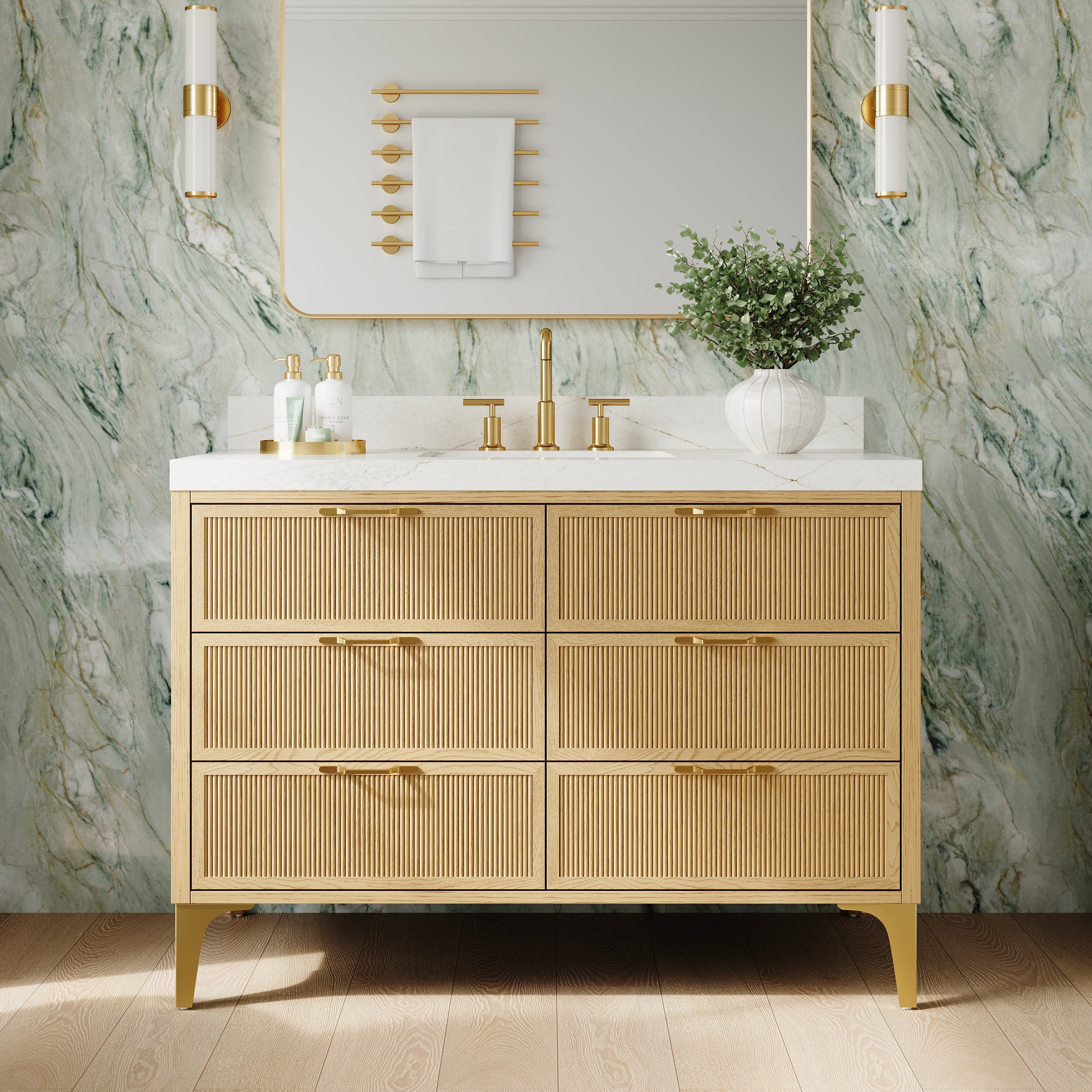


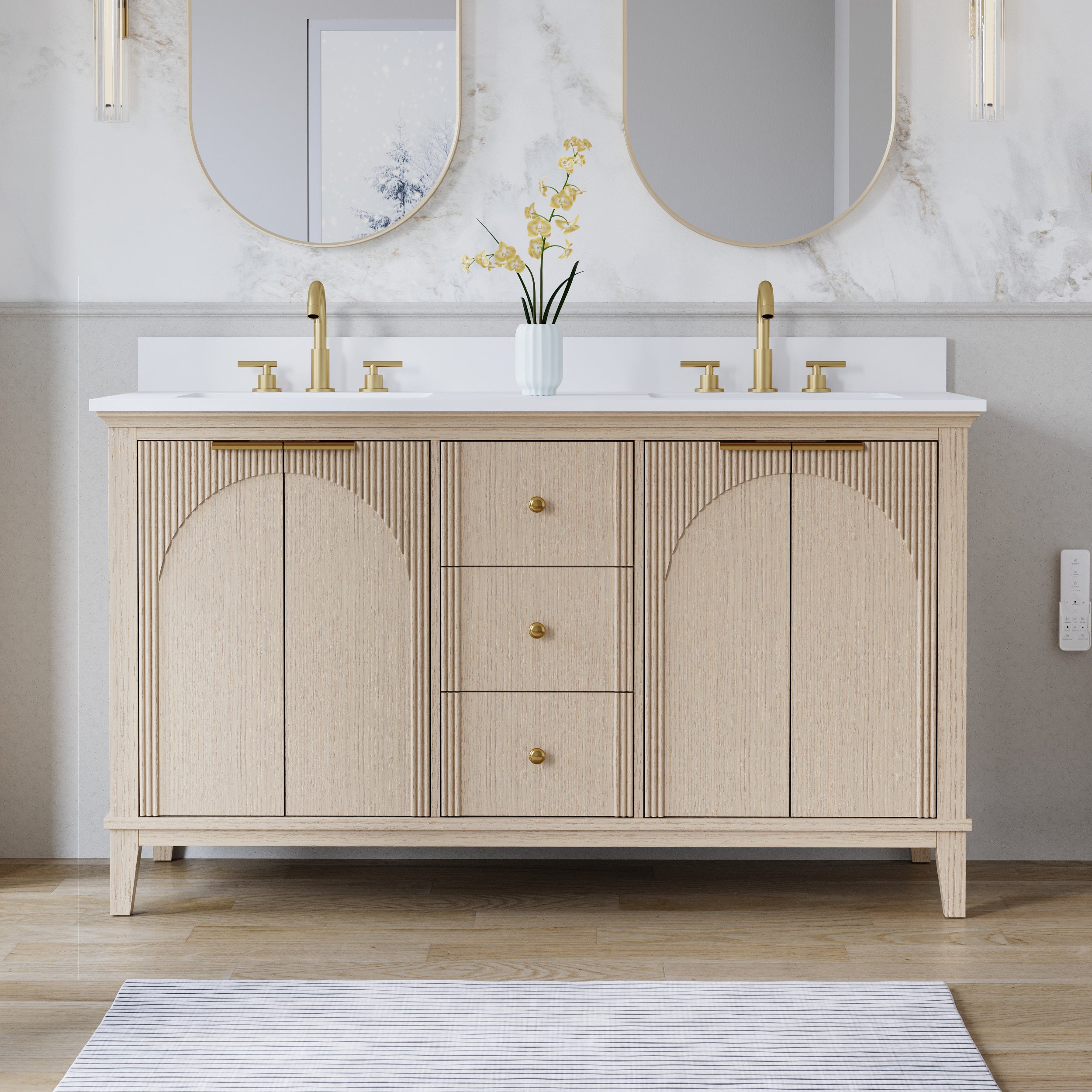
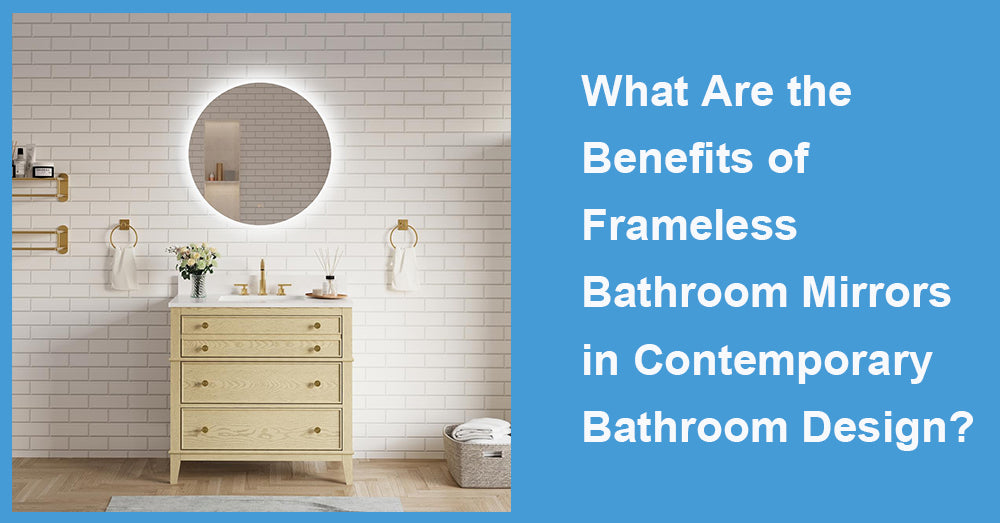
Frameless bathroom mirrors have become one of the most practical “quiet upgrades” in contemporary bathroom design, delivering a cleaner look without demanding more space and pairing naturally with today’s layered lighting and streamlined finishes. With remodeling activity holding strong and homeowners looking for upgrades that feel noticeable but not fussy, the mirror has moved from a basic necessity to a design tool that can shape the entire vanity wall experience.
1. A cleaner visual field that makes rooms feel larger
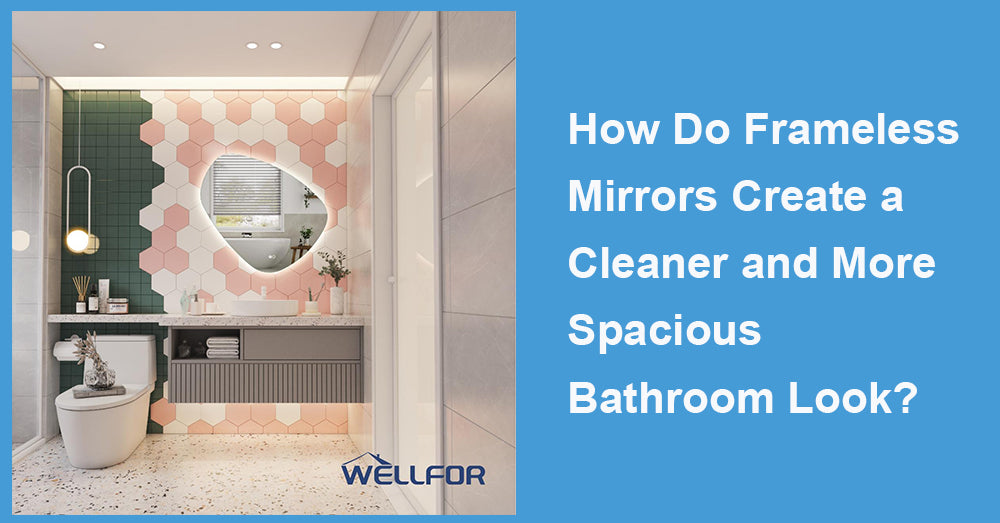
Contemporary bathrooms often emphasize calm surfaces, fewer transitions, and less visual “noise.” A frameless mirror supports that goal by removing the border that visually chops up the wall plane. The result is a continuous reflection surface that feels more architectural, especially above compact vanities. In recent renovation data, more than half of homeowners selecting a new vanity choose widths of 48 inches or less, while the share selecting vanities wider than 72 inches is much smaller. In other words, many vanity walls are not getting bigger, so designers are using optical strategies, like frameless mirrors, to make the room feel more open.
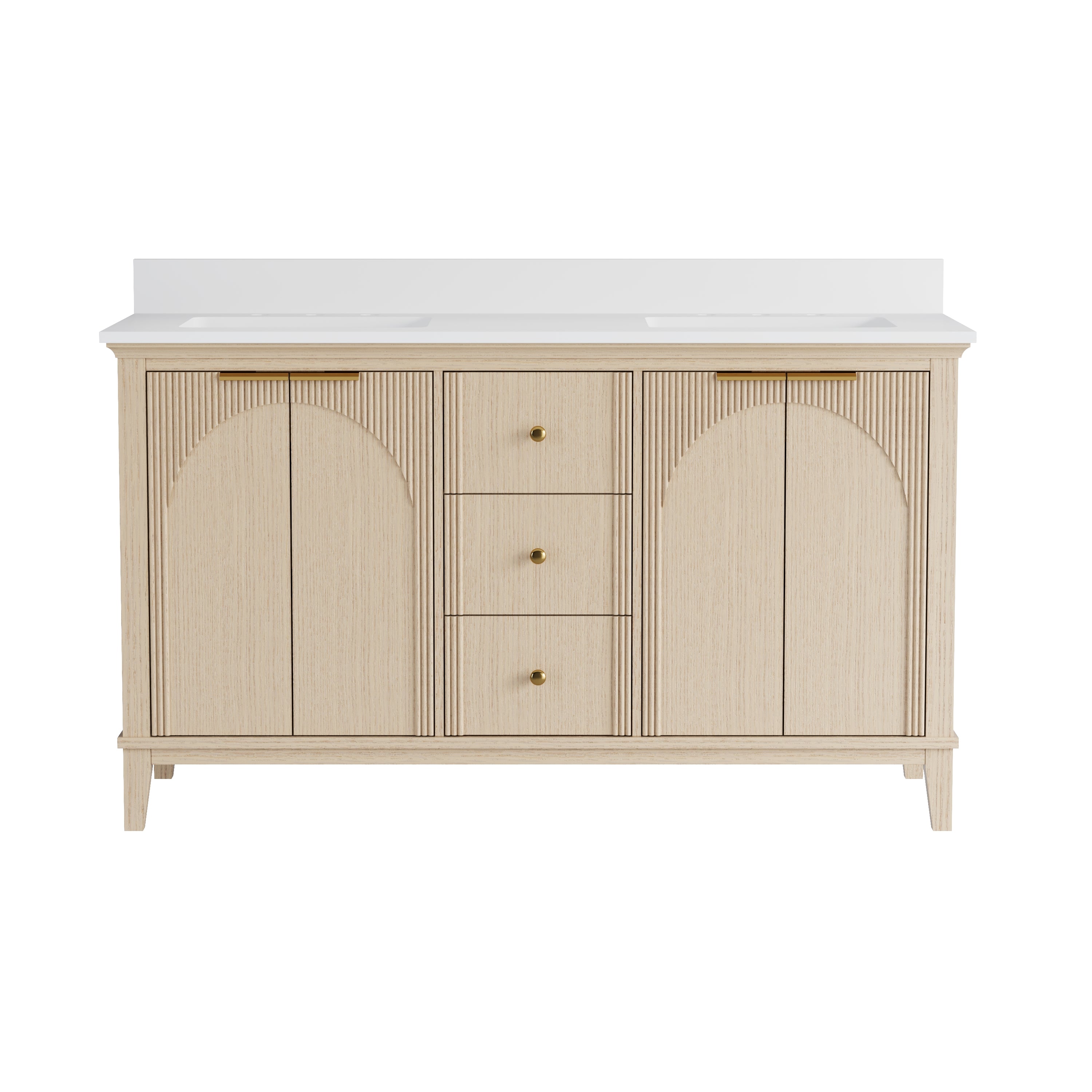
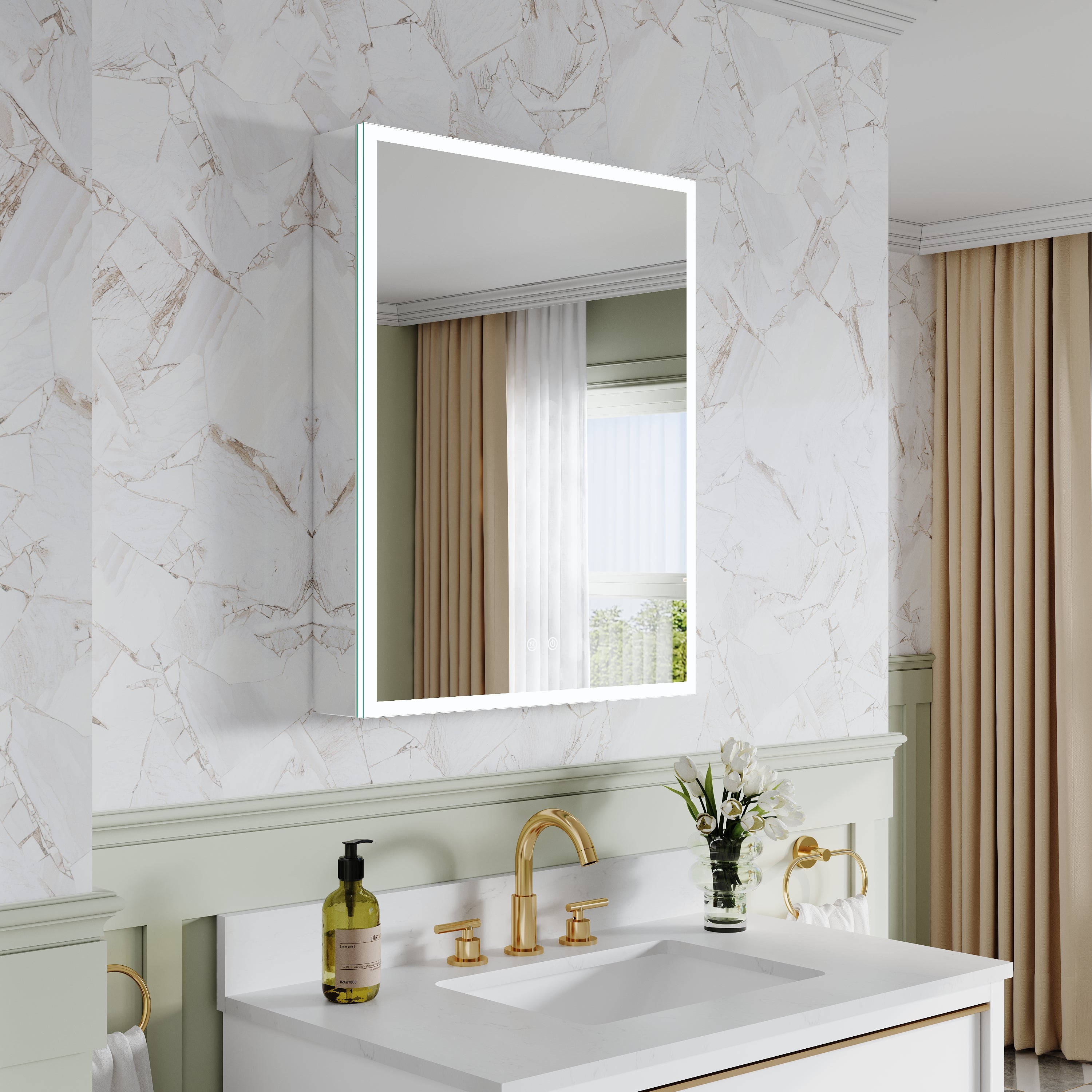
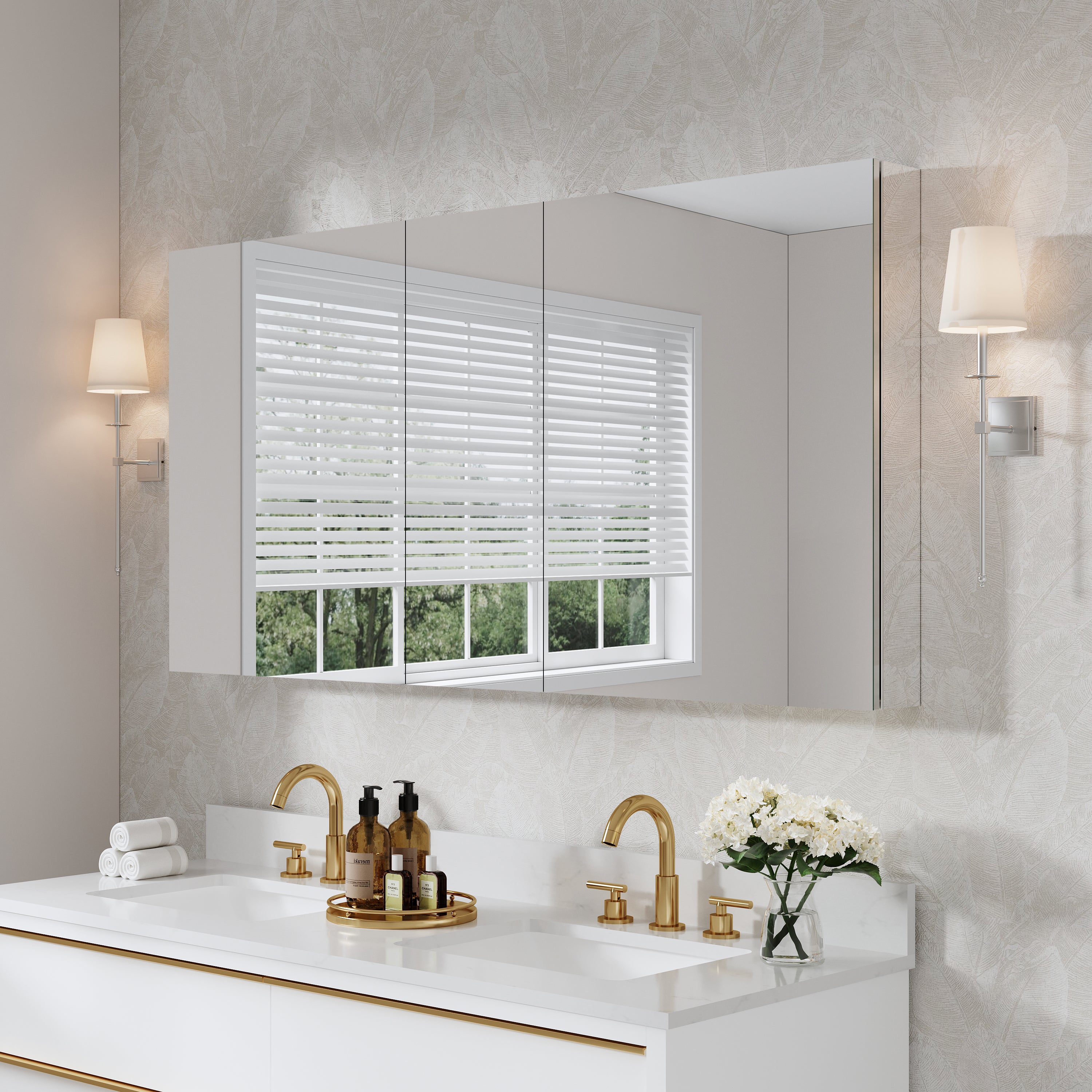
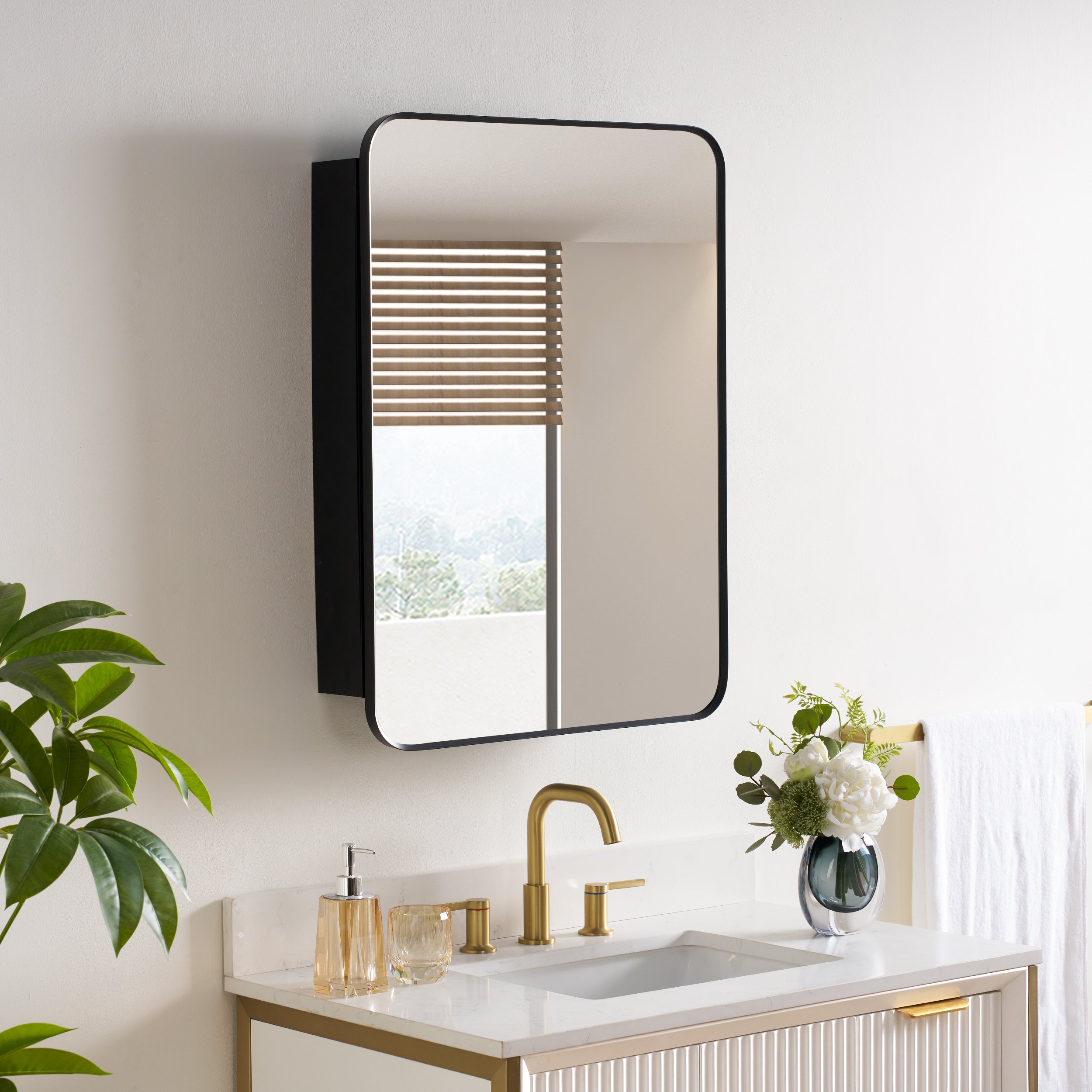
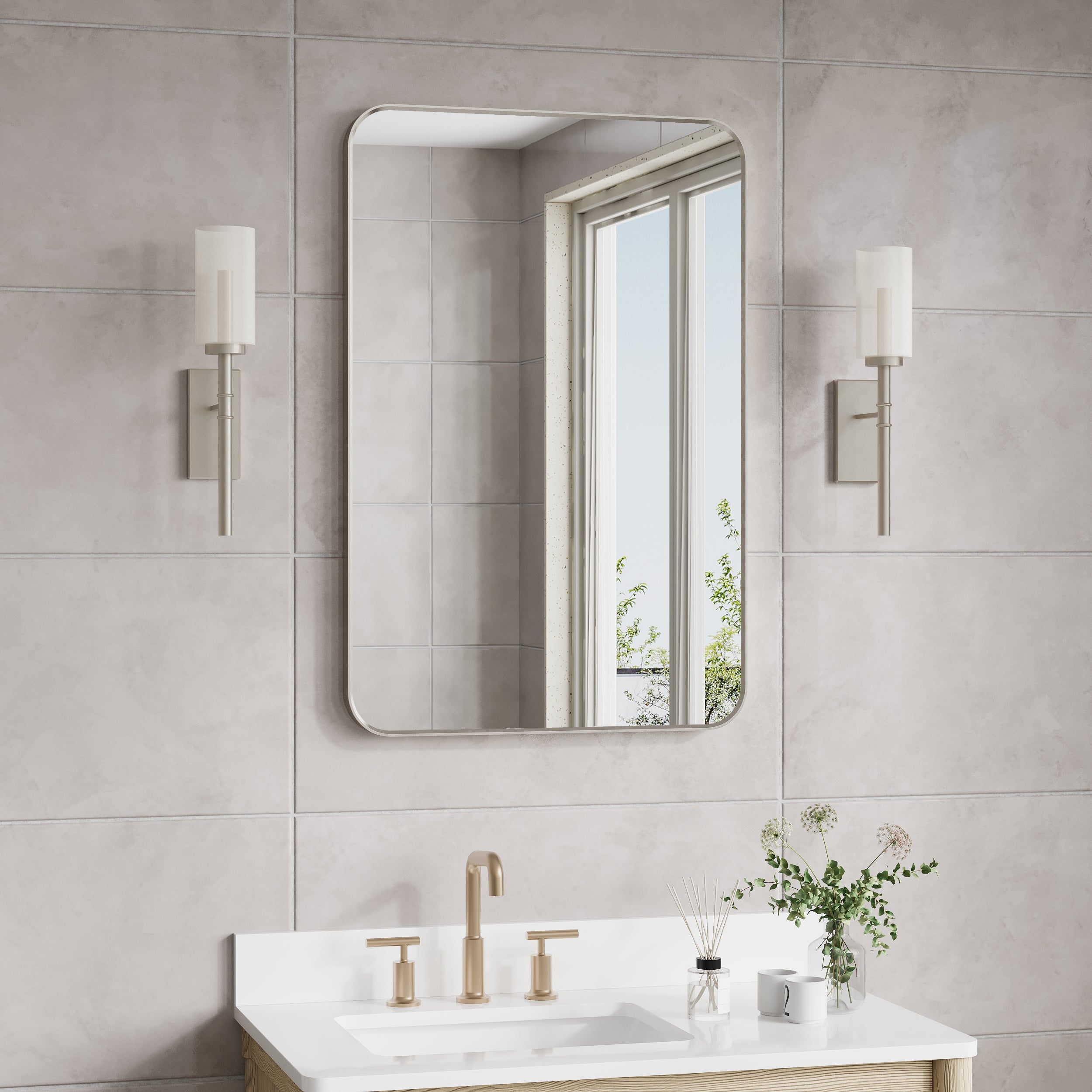
A frameless mirror also plays well with today’s common material pairings: stone-look tops, warm neutrals, fluted or flat-panel cabinetry, and minimal hardware. Because there is no frame finish to “match,” the mirror becomes a neutral anchor that lets lighting, faucets, and metal finishes take center stage.
2. Better light behavior with layered lighting plans
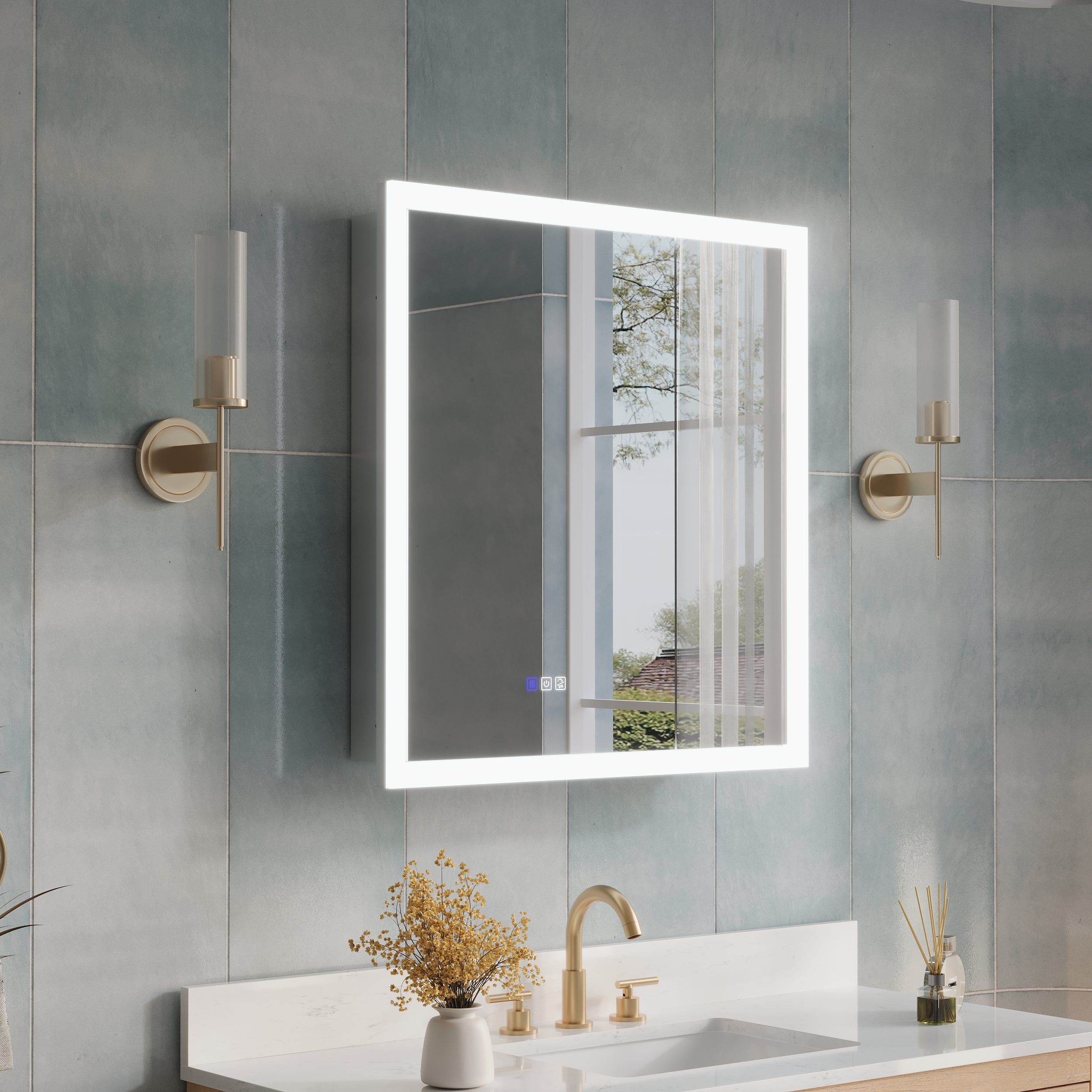
Lighting is one of the fastest-evolving areas in bath design, and integrated mirror illumination is increasingly considered part of a layered lighting strategy alongside natural light, task lights, and ambient fixtures. Framed mirrors can cast a subtle edge shadow and create an extra visual line that competes with sconces or a vanity light bar. Frameless mirrors minimize distractions, making the lighting plan look cleaner and more intentional.
Renovation trend research also shows that homeowners actively pursue targeted lighting choices, including lighted mirrors. This matters in contemporary bathrooms where the goal is often “bright but soft”: even illumination for grooming without adding clutter. A frameless mirror can be sized wider, mounted closer to the wall plane, and aligned precisely with lights and tile lines, improving both symmetry and perceived brightness.
3. Easier cleaning, fewer moisture traps, and a more hygienic feel
Bathrooms are wet, high-touch spaces. Frames can add edges, seams, and corners where moisture and residue accumulate, especially in humid climates or in bathrooms with frequent hot showers. Frameless mirrors eliminate many of those nooks, making daily wipe-downs faster and reducing the chance of grime buildup around frame joints.
That said, “frameless” does not mean “maintenance-free.” Edge quality becomes more important. In a contemporary specification, look for polished edges and a proper back coating, and prioritize humidity control. Renovation data shows ventilation remains a major priority, with ventilation fans being the most common new system added during bathroom renovations. Better moisture management helps protect mirror edges and reduces the conditions that can lead to fogging, water spotting, and premature wear.

4. Feature upgrades without visual clutter
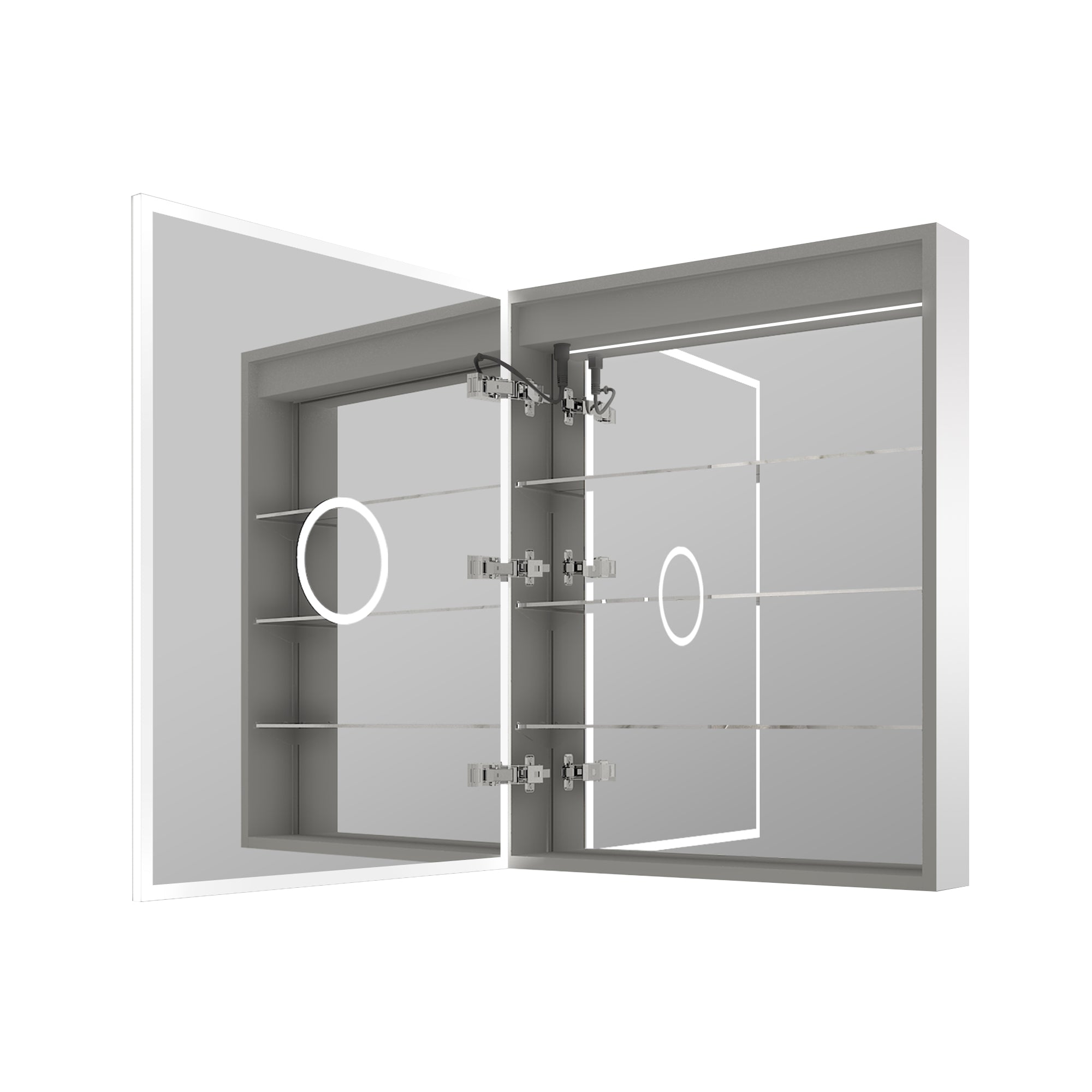
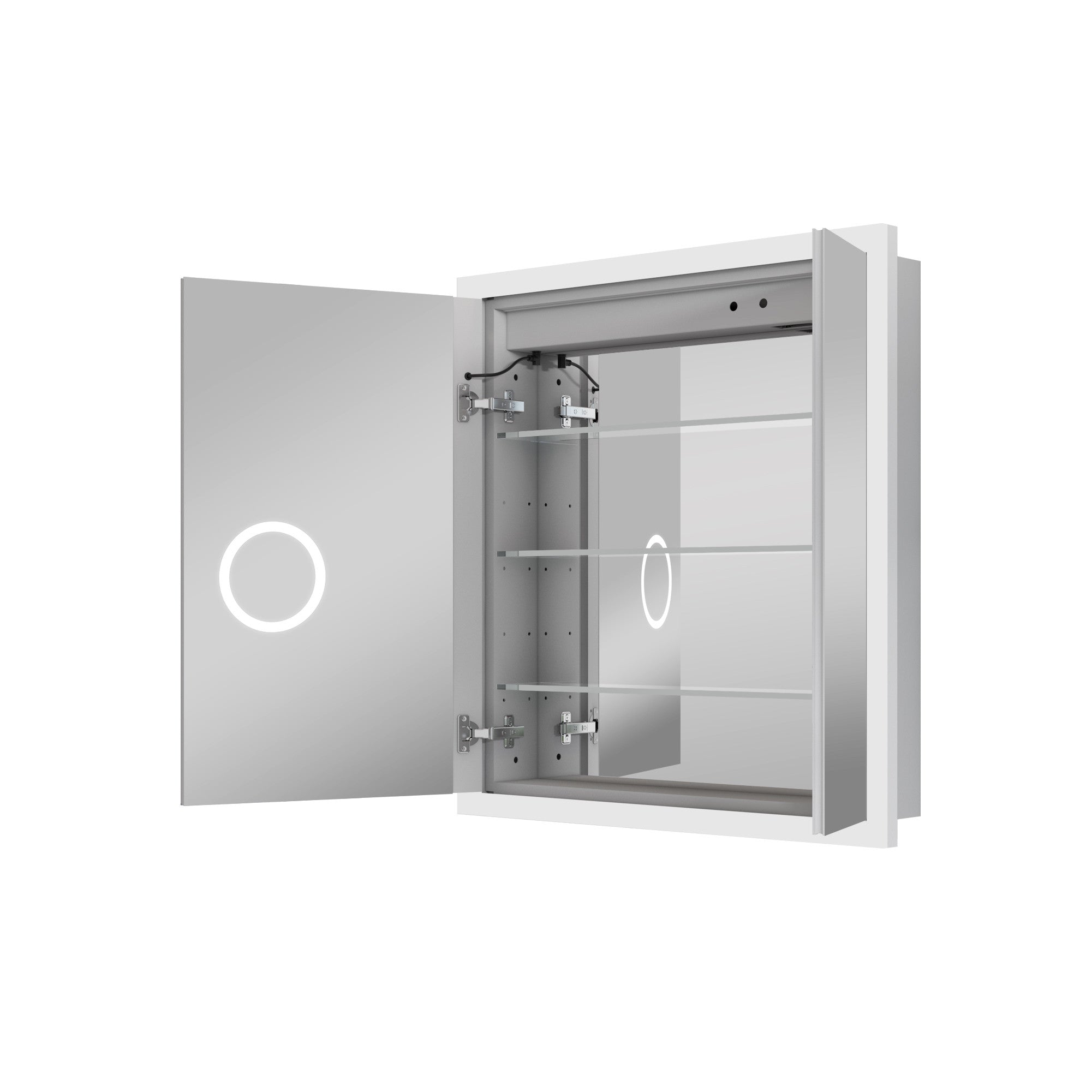
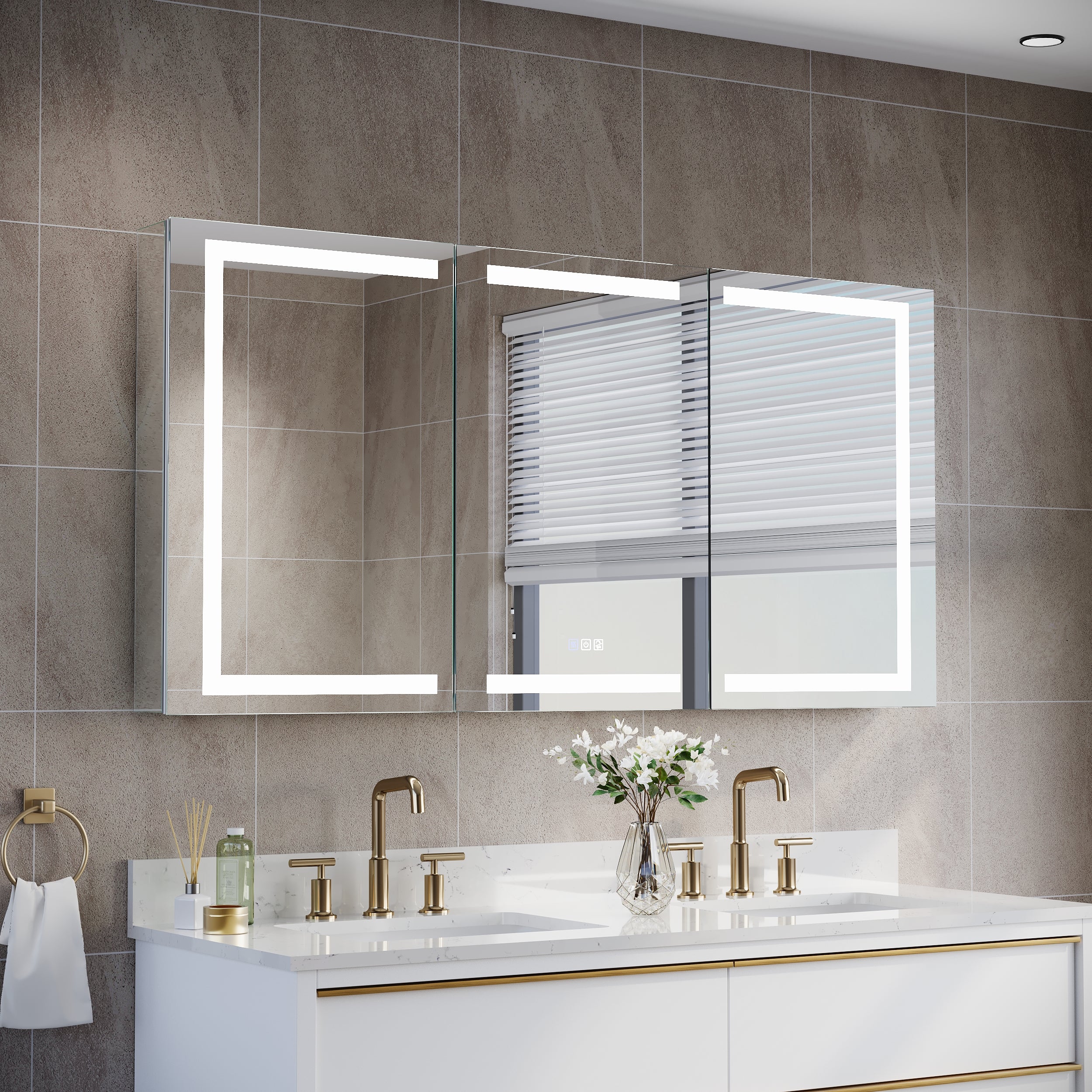
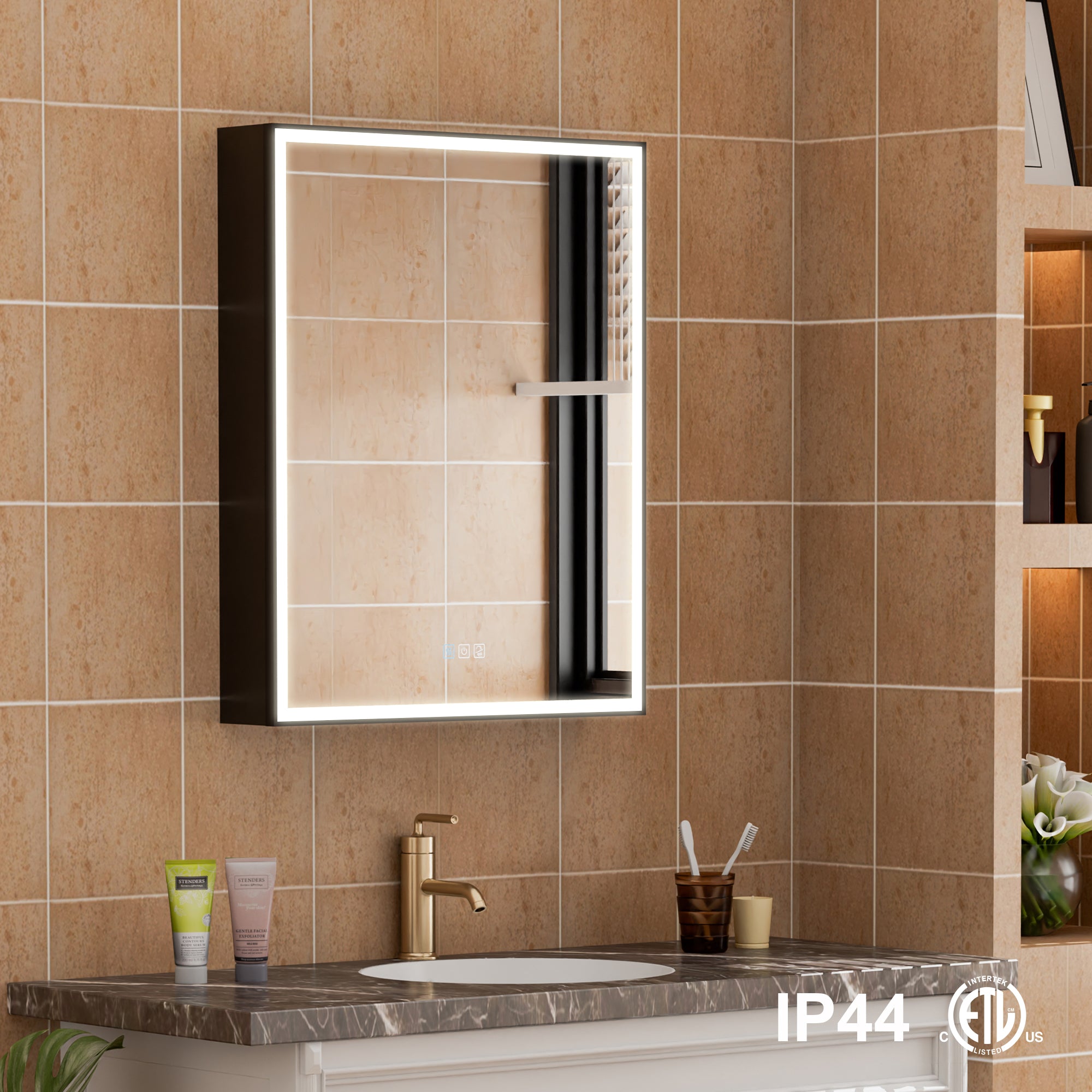
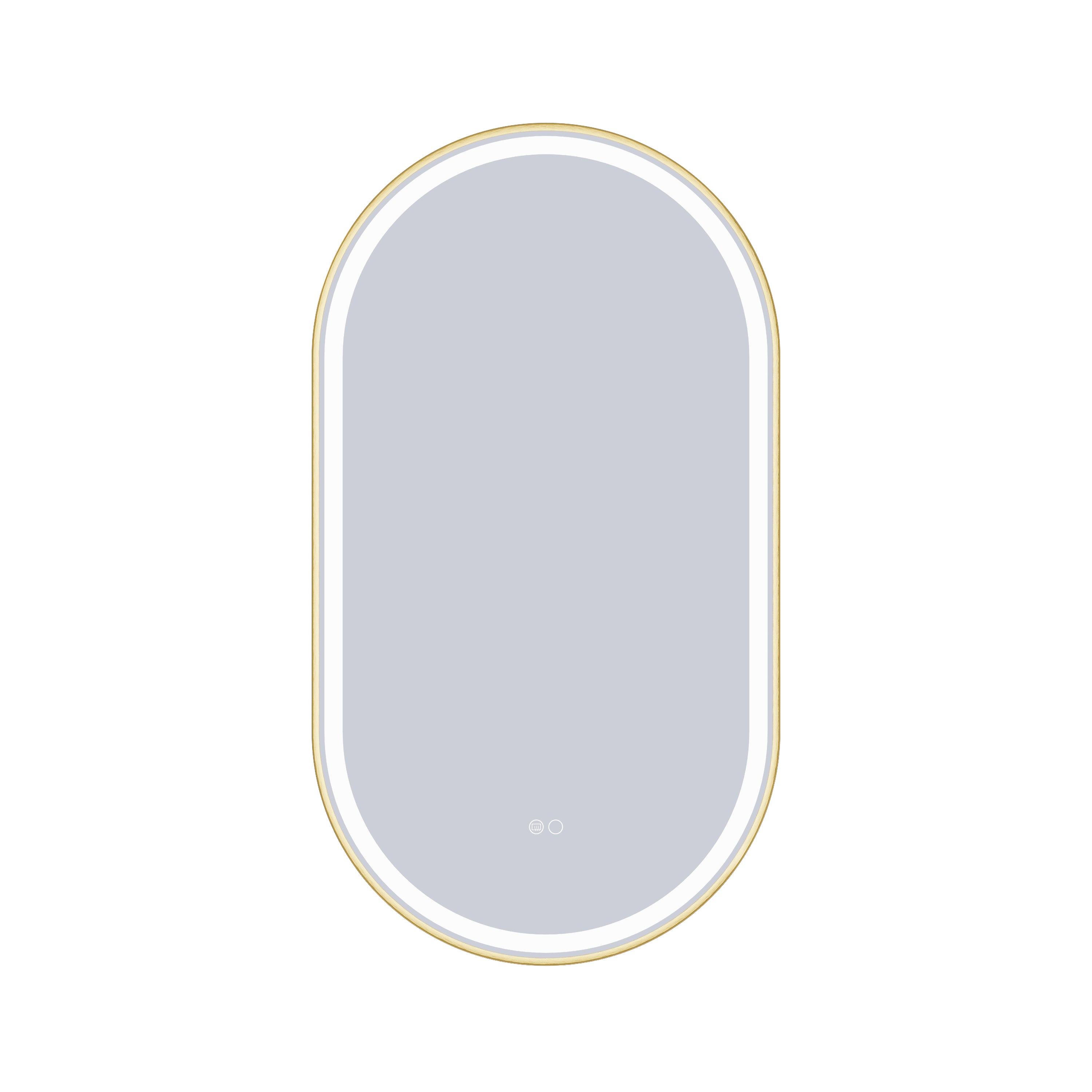
The modern mirror is increasingly asked to do more than reflect. Homeowners frequently upgrade mirrors during bathroom renovations, and feature add-ons like LED lighting and antifog systems rank near the top of desired mirror upgrades. More broadly, a substantial share of renovating homeowners choose mirrors with specialty features, including LED lighting and antifog systems, suggesting that performance expectations for mirrors are rising.
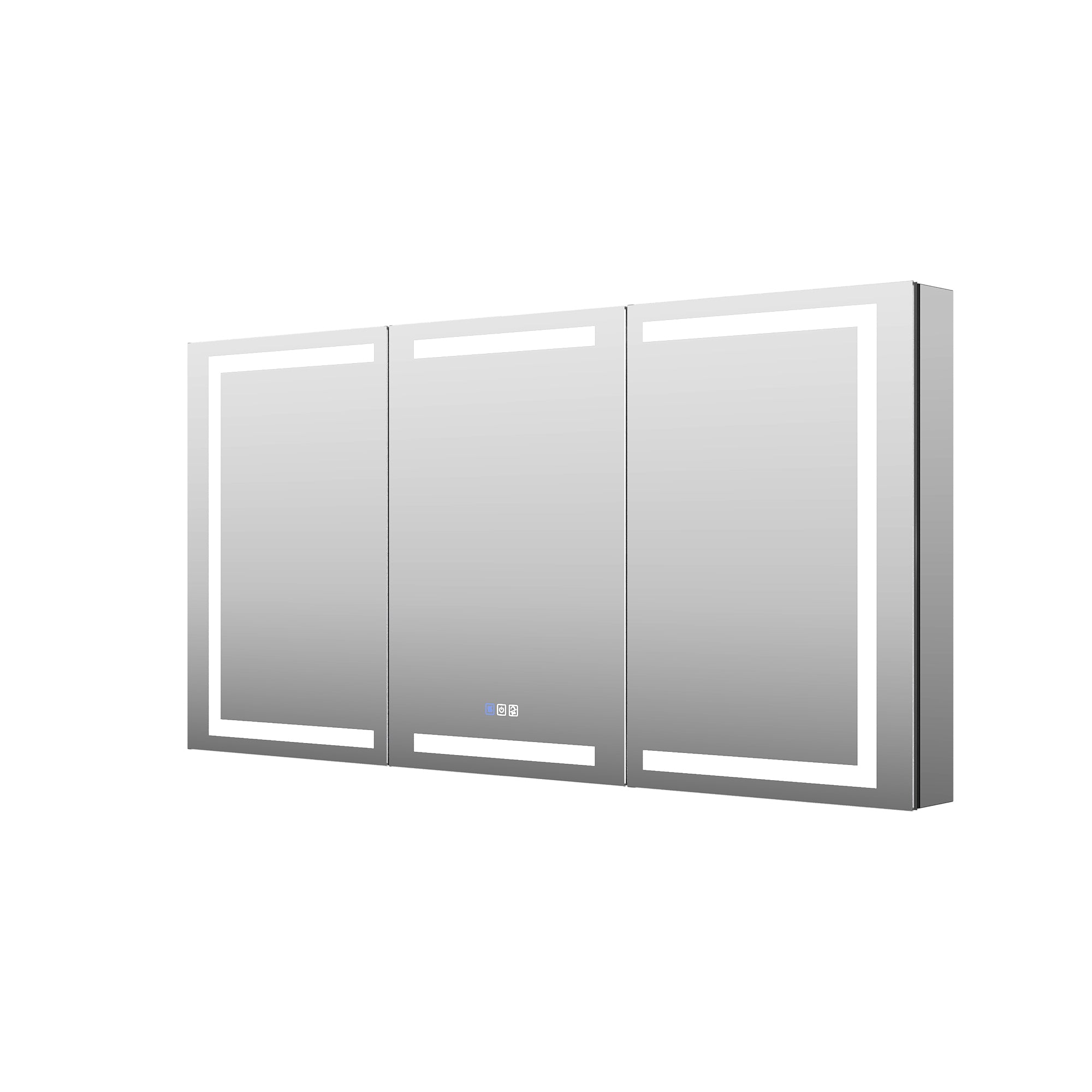
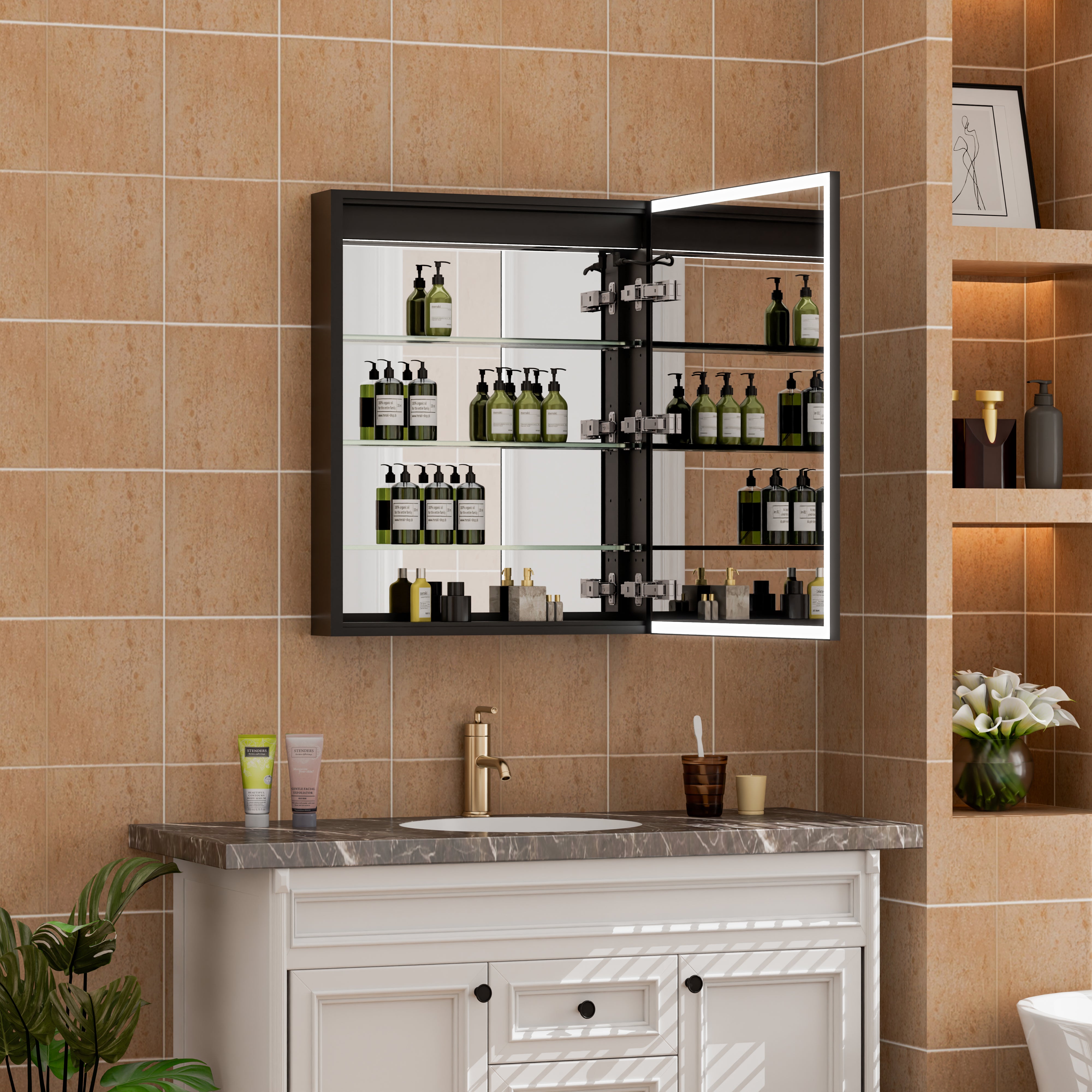
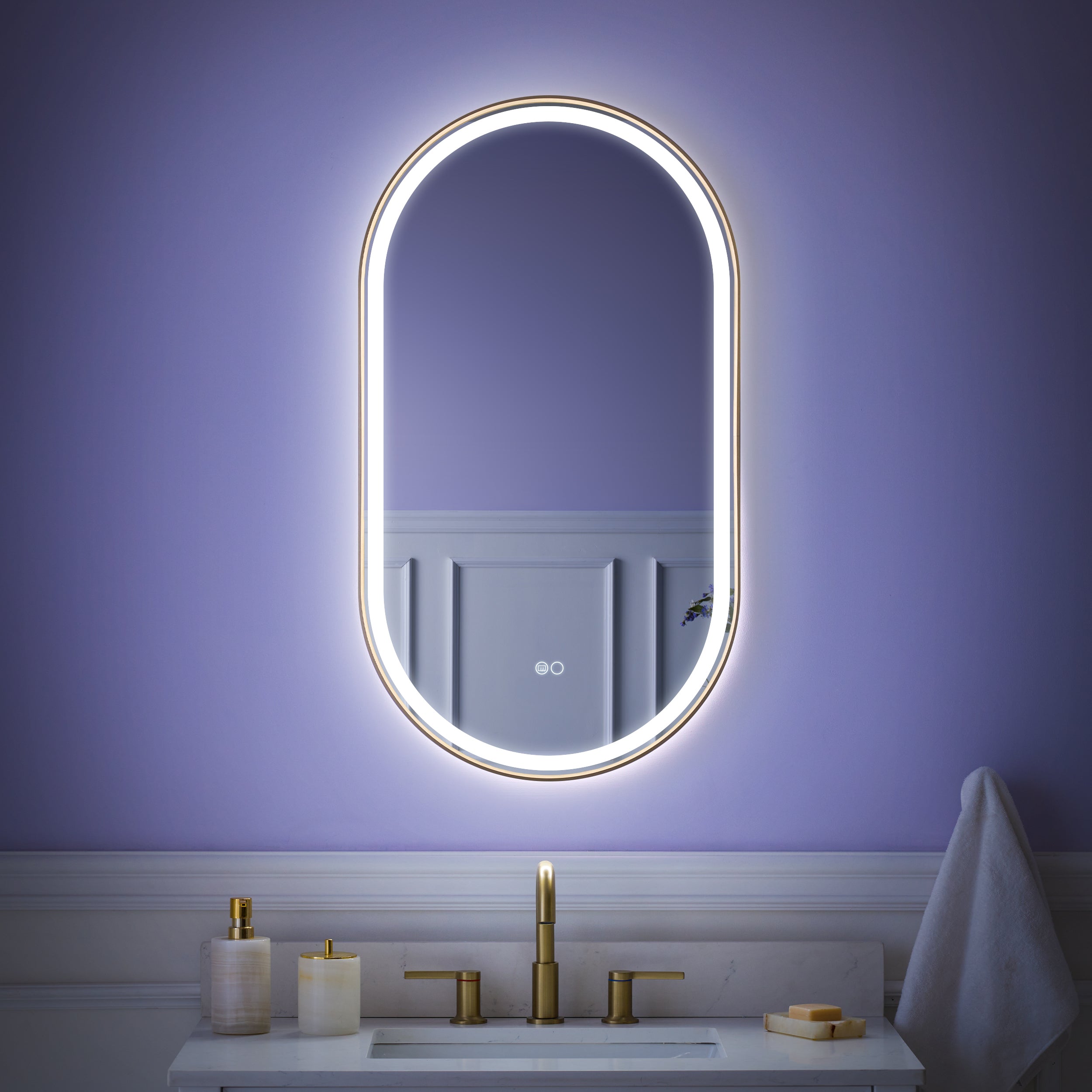
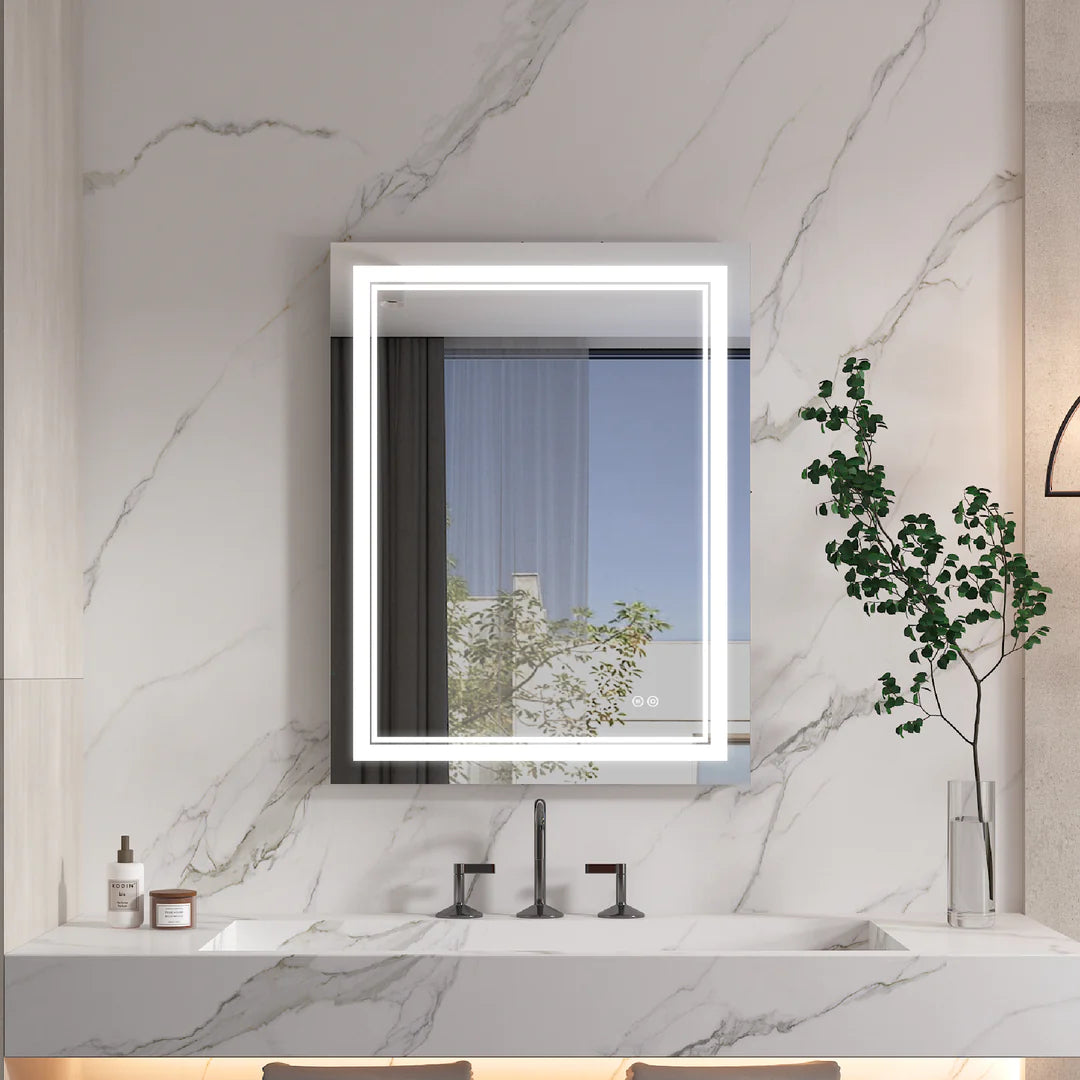
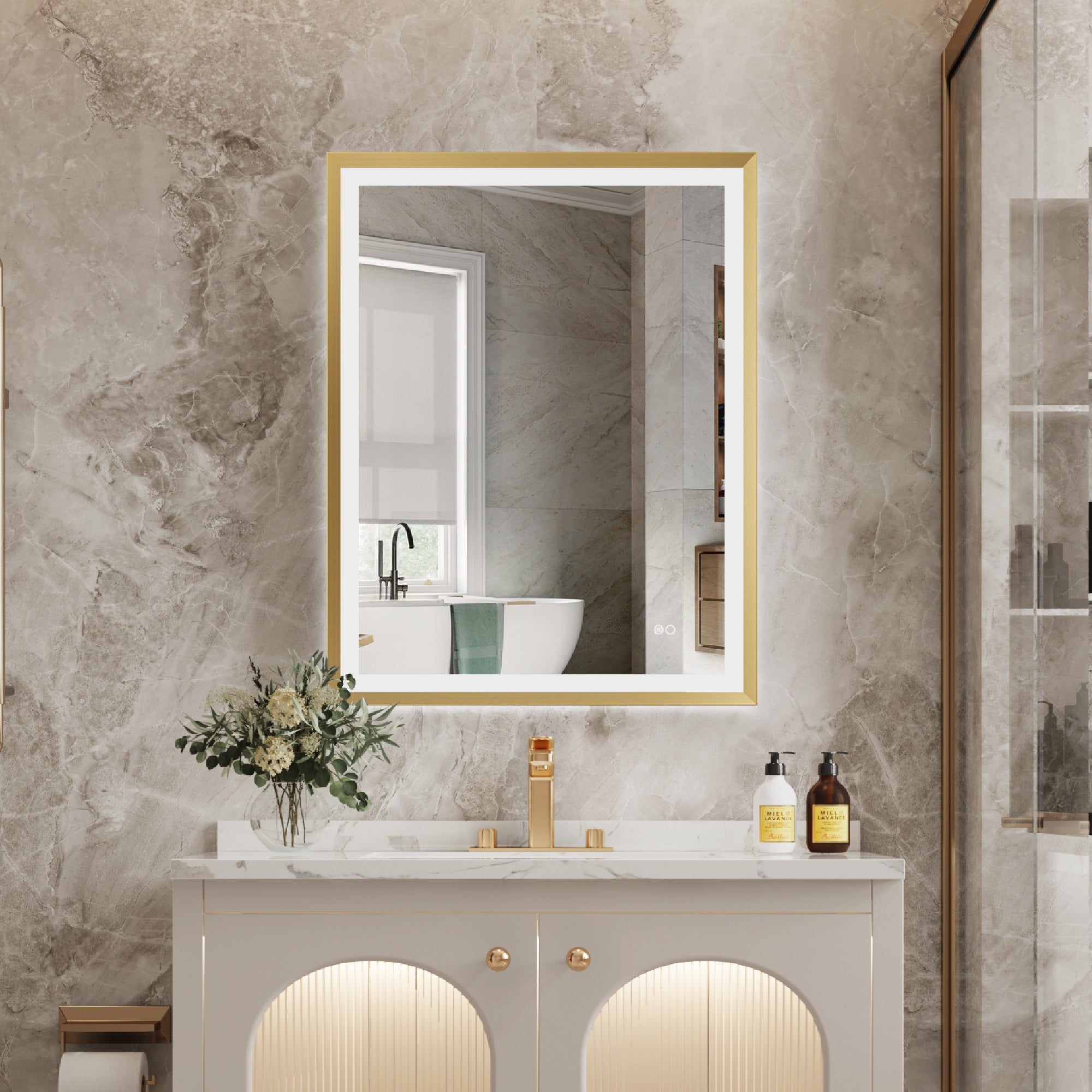
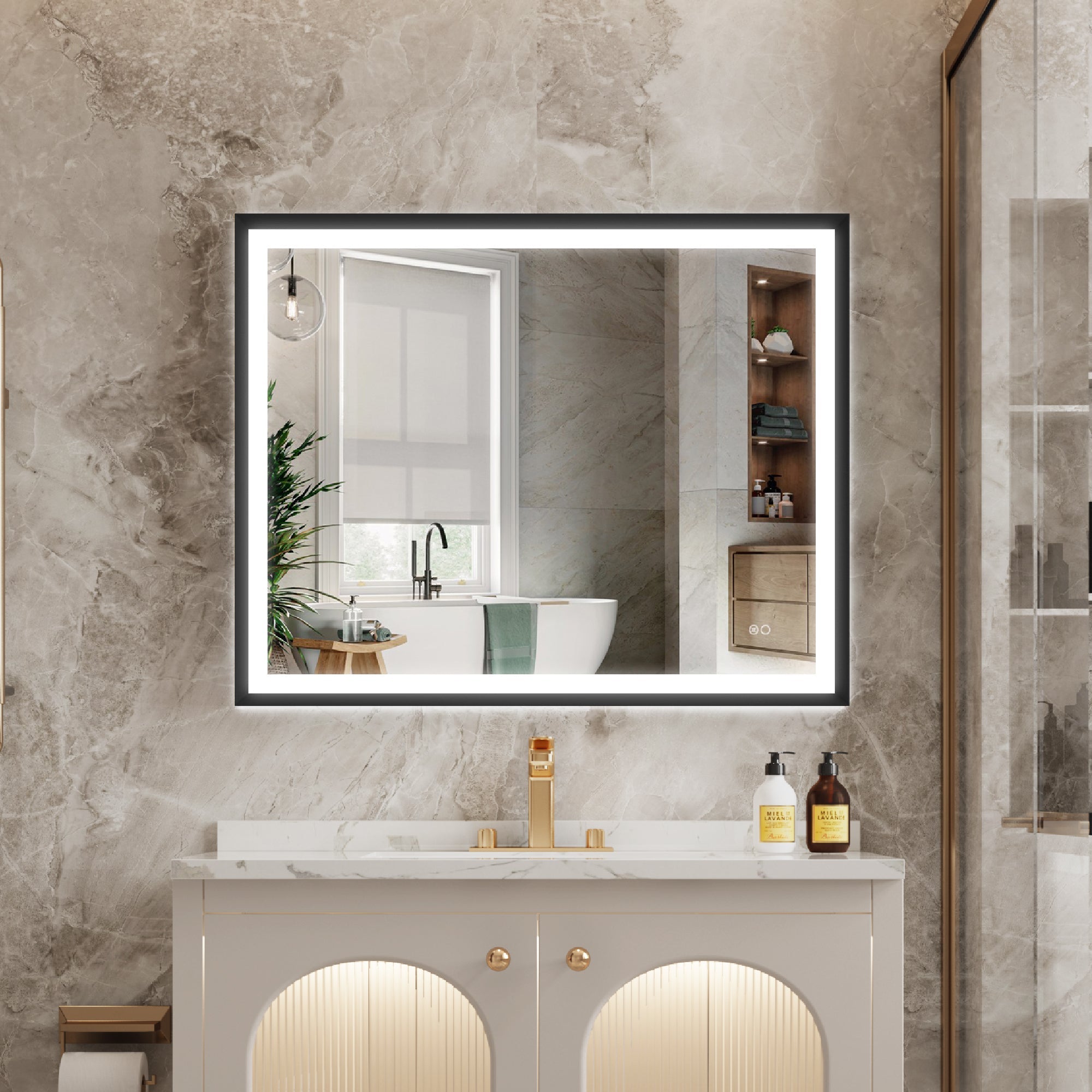
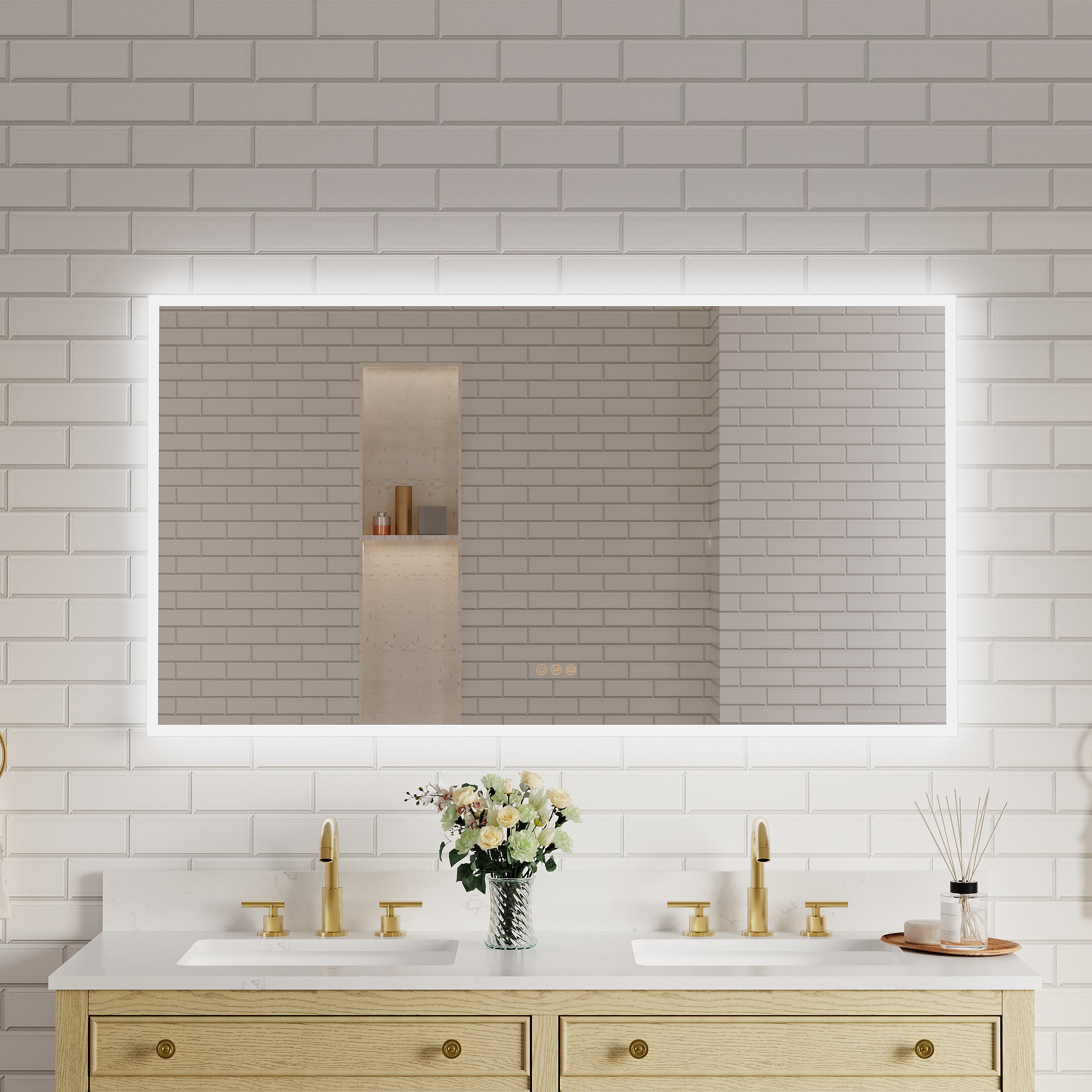
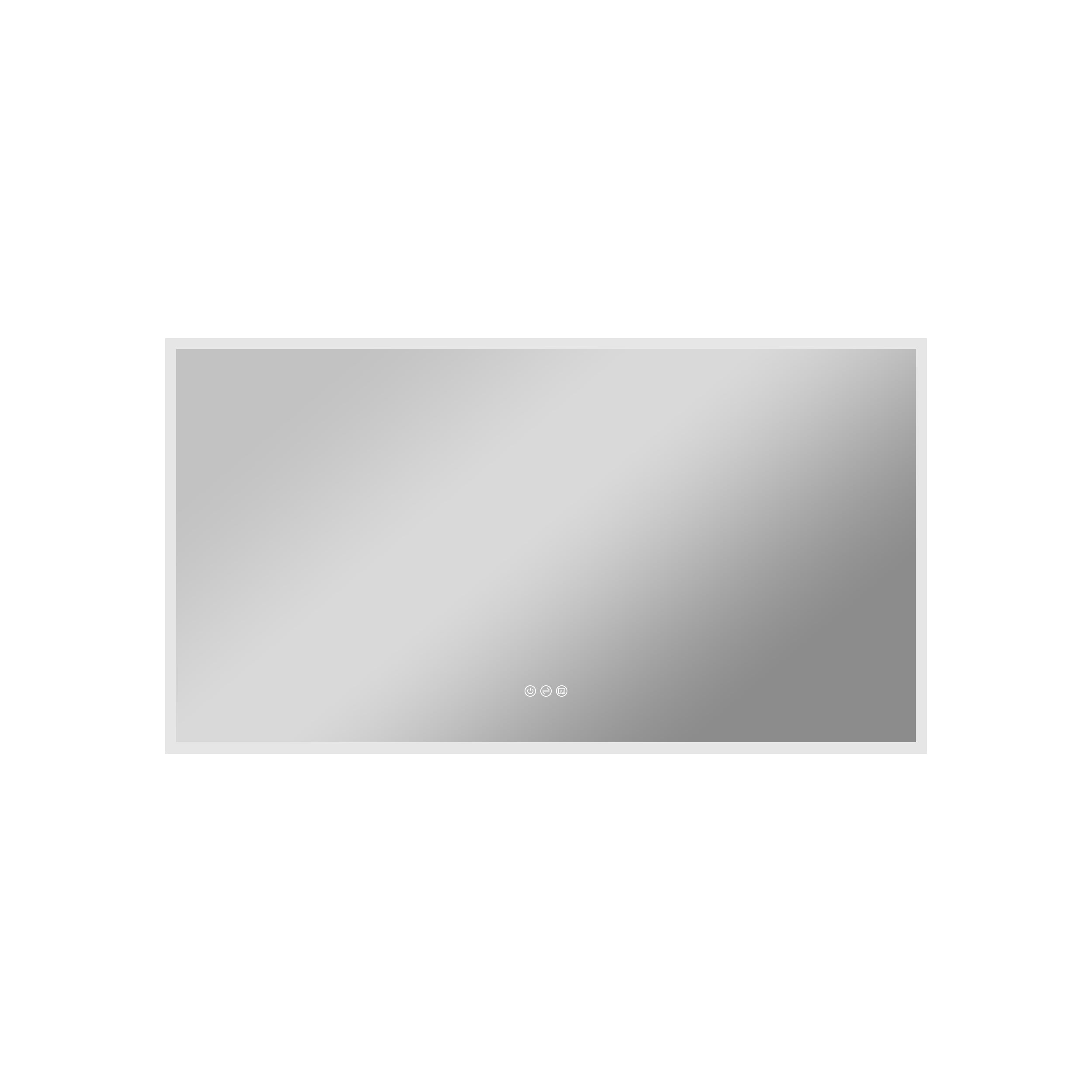
Frameless styling is a natural fit for these features because it keeps the technology visually quiet. A backlit frameless mirror can deliver task lighting with a soft halo effect, while an antifog function supports comfort and usability after showers. Hidden outlets and subtle touch controls can also be integrated while preserving a clean, gallery-like wall appearance.
5. Value-forward design in an expensive remodeling environment
Bathrooms are a high-impact remodeling category, and costs can add up quickly once plumbing, tile, and labor are involved. Industry cost tracking puts a midrange bath remodel at a meaningful price point, with only part of that cost typically recouped at resale. At the same time, broader remodeling spending is projected to remain strong, suggesting homeowners are still investing, but they are also looking for upgrades that feel worth it.
This is where frameless mirrors shine: they are relatively budget-friendly compared with moving plumbing or changing layouts, yet they can dramatically modernize the vanity wall. In contemporary design, the mirror is often one of the largest uninterrupted surfaces in the room. Updating it can change how the entire bathroom reads, especially when paired with a clean lighting plan and a streamlined countertop.
6. A practical specification checklist for contemporary projects
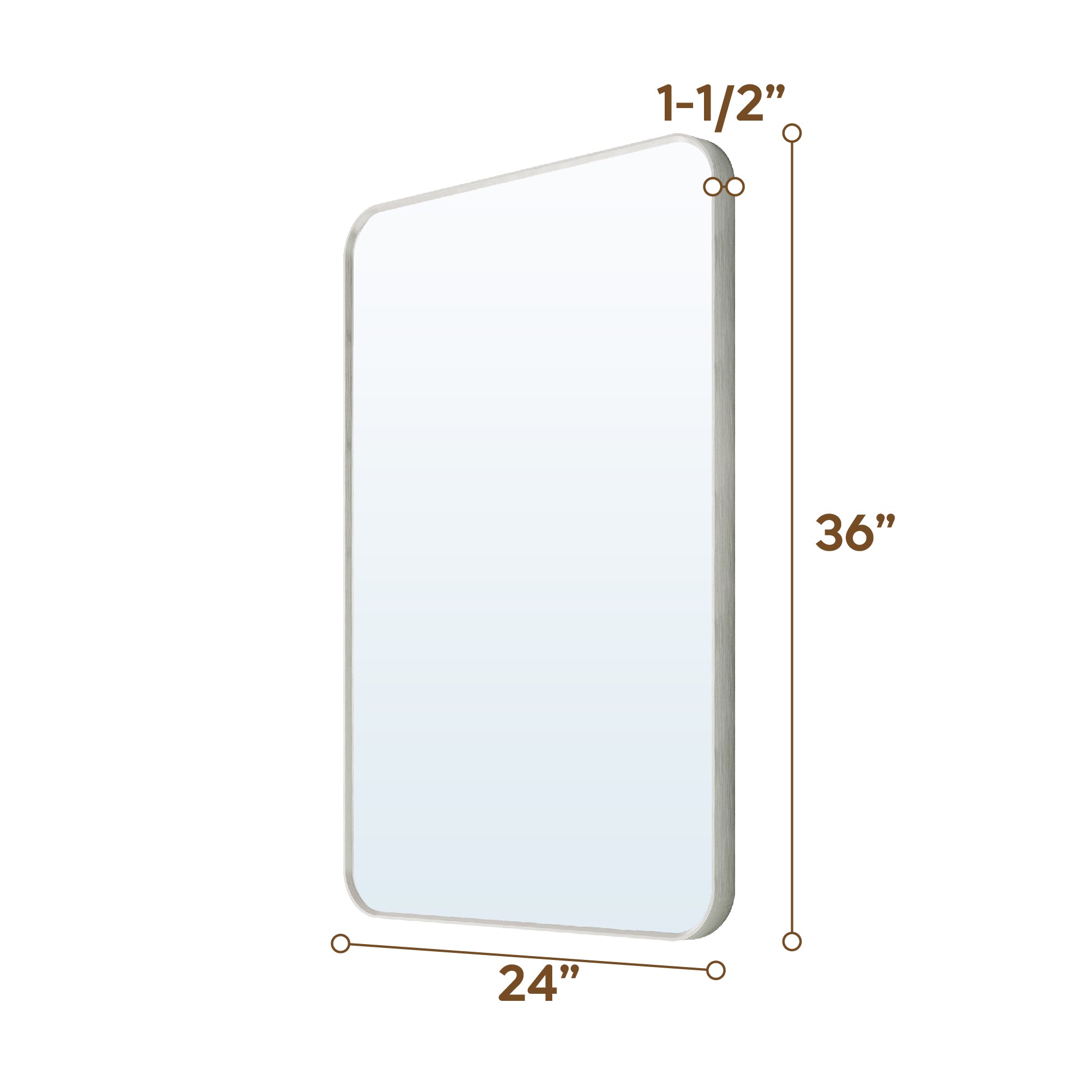
To get the full benefit of frameless mirrors, contemporary bathrooms typically specify proportion, alignment, and safety details early. Common best practices include selecting a mirror width that relates to the vanity (often close to the vanity width for a tailored look, or wider for a more expansive feel), aligning mirror edges with sconces and tile joints, and planning electrical locations if LED, defog, or hidden power is included. It is also smart to coordinate mounting style (clips, J-channel, or adhesive systems) with the desired minimal look, and to confirm wall conditions so the mirror sits flat without stress points.
In short, frameless bathroom mirrors succeed in contemporary bathroom design because they deliver what the style demands: clarity, simplicity, and performance. They expand perceived space, support modern lighting strategies, reduce cleaning friction, and hide advanced features in plain sight, turning a basic component into a quiet centerpiece that elevates the whole room.










Leave a comment
This site is protected by hCaptcha and the hCaptcha Privacy Policy and Terms of Service apply.