
















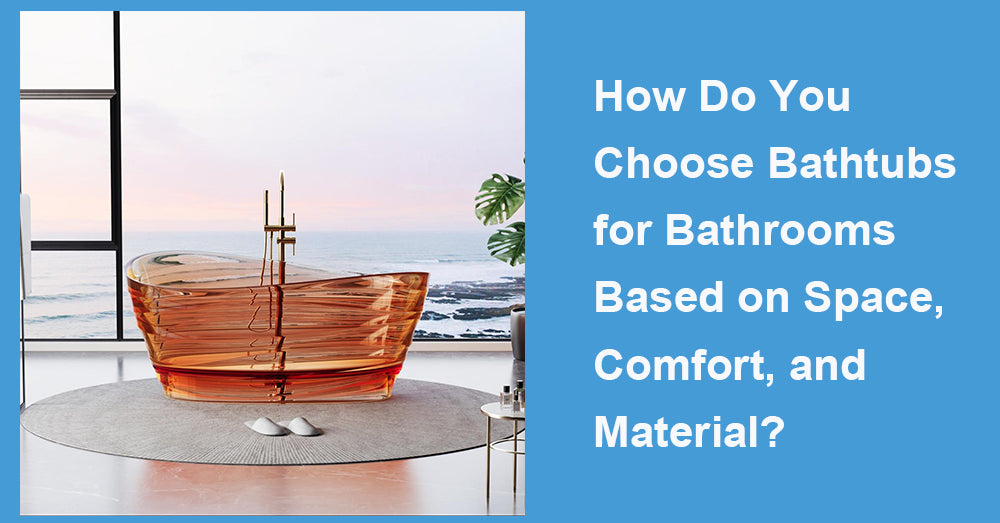
Choosing bathtubs for bathrooms is getting more intentional as remodel budgets stay high and layouts shift toward wellness and efficiency. A 2025 Harvard Joint Center for Housing Studies outlook noted the remodeling market remains above $600 billion, keeping product decisions tightly linked to long-term value. At the same time, renovation trend data shows that tubs are no longer the default: many projects still upgrade a tub, but a sizable share remove it to gain shower space, and wet rooms are becoming more common.
1. Start With Space Planning, Not a Catalog Photo
Before you fall in love with a silhouette, confirm that the room can comfortably support it. Industry planning guidance commonly recommends 30 inches of clear space in front of fixtures for usability. In comparison, minimum code clearances can be tighter in some cases (often 21 inches in front of key fixtures and 24 inches at shower entries). If you are working in a compact bath, that clearance reality usually favors an alcove or back-to-wall tub over a freestanding showpiece.
Also think in “movement paths,” not just bathtub length. Door swings, vanity drawer pull-outs, toilet clearance, and the walking line from entry to sink all compete for the same floor area. When the plan is tight, a tub that technically fits can still feel awkward day to day.
2. Use Size Benchmarks to Narrow Options Fast
In many homes, the most common baseline is still the standard alcove tub. A widely cited sizing rule of thumb is 60 inches long and 30 inches wide, with an overall height of 14 to 16 inches (varies by model). That “default” footprint is useful because it keeps plumbing changes simpler in replacement projects.
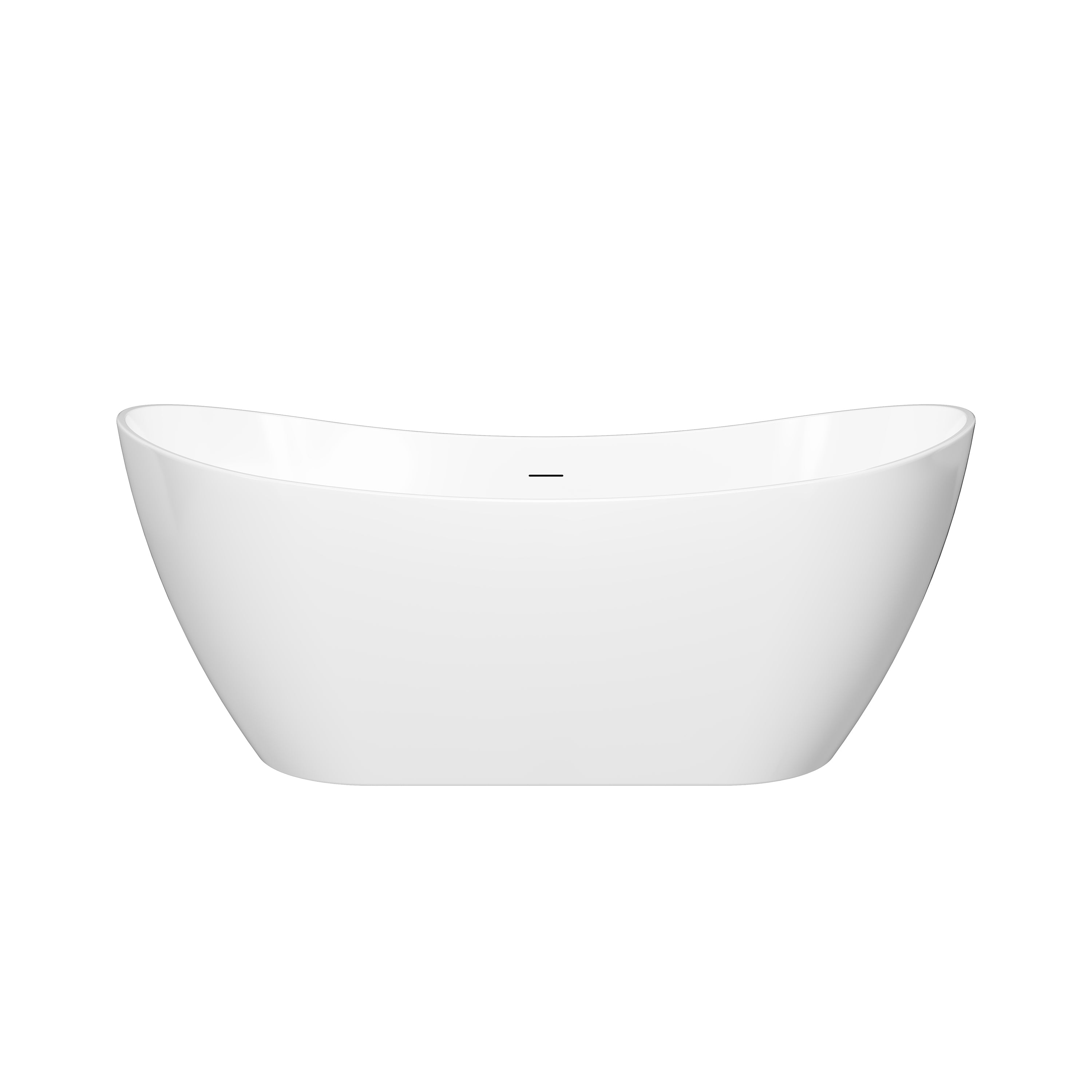
If comfort is the priority, soaking tubs typically run 60 to 72 inches long with a depth of 14 inches or more, while oversized tubs often exceed 70 inches in length and may increase soaking depth as well. The practical takeaway is that a “bigger” tub can mean longer, deeper, wider, or all three, and each choice affects the room differently. Longer tubs demand wall length, deeper tubs raise step-in height, and wider tubs consume aisle space.
3. Comfort Is Mostly About Interior Geometry
Two tubs with the same exterior dimensions can feel completely different because comfort is driven by what happens inside: backrest slope, lumbar support, shoulder room, and the shape of the bathing well. If the goal is actual soaking (not just occasional use), look for:
· A backrest angle that supports the lower back without forcing the neck forward
· Enough interior length for the user’s legs without sliding down
· A floor texture or slip-resistant surface for safer entry and exit
The market is reinforcing that comfort features are not “nice-to-have.” Renovation data indicates that many tub upgraders choose safety and usability add-ons, such as nonslip flooring and grab bars, reflecting a broader push toward comfort that emphasizes stability and confidence underfoot.
4. Material Choice Changes Heat, Feel, Weight, and Maintenance
Material is where a bathtub stops being just a shape and becomes a performance product.
Acrylic remains popular because it is lighter, easier to handle during installation, and generally simpler to clean. It is often the most practical fit for second-floor bathrooms or projects where speed and weight matter.
Fiberglass can be budget-friendly, but it often wears out sooner in high-use bathrooms than thicker, more durable materials.
Enameled cast iron delivers a solid feel and strong heat retention, but it is extremely heavy and can increase delivery and installation complexity. In many remodels, that weight factor becomes the deciding constraint.
Enameled steel can provide a clean look at a lower price point, but it can feel cooler to the touch and may chip more easily if impacted.
Solid surface and stone resin tubs have gained visibility because they offer a substantial feel and a refined, spa-like aesthetic that align with current design direction. Industry trend reporting continues to emphasize wellness-driven bathrooms and material choices that feel calmer, warmer, and more “architectural,” which supports the rise of solid-surface looks.

5. Space Trends Are Pushing a New Tub-or-Shower Decision
One of the biggest changes in bathtub selection is not about tubs at all. It is about what else the space could be used for. In the 2025 Houzz Bathroom Trends Study PDF, among renovators who remove a bathtub, 82% use that space to enlarge the shower, and 20% relocate the shower. That statistic forces a simple question: Will this tub be used often enough to beat the daily benefit of a larger shower?
Wet rooms add another layer to the decision. The same Houzz study reports that wet rooms account for about 16% of renovated bathrooms, and coverage has highlighted that this share has been rising year over year. In practical terms, wet-room planning can make it easier to keep a tub in the plan while still delivering an open shower experience. Still, waterproofing and drainage details must be executed correctly.
6. Water and Energy Considerations Still Matter
Even if design is the headline, efficiency influences many buying decisions. EPA educational guidance commonly contrasts showers and baths by noting that showers use roughly 10 to 25 gallons. In comparison, a bath can use up to 70 gallons, depending on habits and fill level. EPA WaterSense also estimates that replacing one showerhead with a WaterSense-labeled model can save an average family about 2,700 gallons of water per year, plus associated energy and cost savings.
This does not mean “skip the tub.” It means the tub should be chosen for genuine use: deeper soaking, comfort, recovery, or family bathing routines, rather than as a purely decorative placeholder.
7. A Practical Decision Framework That Works in Real Projects
A reliable way to choose is to match the tub to one of three “use cases”:
Space-led choice: If the bathroom is tight, prioritize the footprint and clearances first. A standard alcove size of about 60 inches by 30 inches is often the lowest-risk fit and keeps the layout efficient.
Comfort-led choice: If soaking is the point, prioritize interior depth and back support over exterior style. A slightly longer or deeper soaking tub can matter more than an eye-catching rim shape.
Material-led choice: If the bathroom is positioned as a long-term “sanctuary,” choose materials and finishes that feel premium and stay easy to maintain. This aligns with broader bath trends emphasizing wellness and low-maintenance design.
The best bathtub is the one that fits the room’s clearances, feels good for real bodies (not just photos), and uses a material that matches the household’s tolerance for weight, cleaning, and long-term wear. If you treat space, comfort, and material as equal decision pillars, the final choice usually becomes obvious.











Leave a comment
This site is protected by hCaptcha and the hCaptcha Privacy Policy and Terms of Service apply.