


















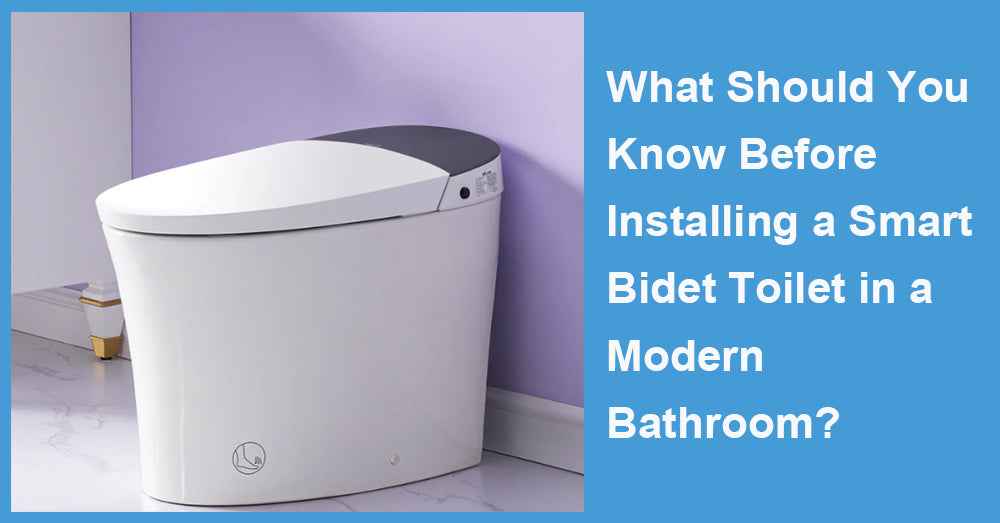
In the era of smart home transformation, the smart bidet toilet has emerged as one of the most talked-about. about bathroom innovations, merging hygiene with high?tech convenience. Once viewed as a luxury fixture reserved for high-end hotels and premium residences, smart bidet toilets are now gaining mainstream momentum worldwide, driven by consumer demand for higher cleanliness standards, water efficiency, and digitally enhanced lifestyles. According to industry intelligence, the global smart toilet market is expanding rapidly, with emerging economies joining early adopters such as Japan, South Korea, and the United States in upgrading bathroom standards. As more architects, designers, plumbers, and property owners consider integrating these advanced systems, it’s critical to understand the key factors that influence performance, sustainability, installation complexity, and long-term satisfaction.
Below are seven essential considerations for homeowners and professionals to consider before installing a smart bidet toilet in a modern bathroom — from electrical and plumbing requirements to usability features and maintenance realities.
1. Technical Requirements: Power, Water Pressure, and Structural Support
One of the key differences between a traditional toilet and a smart bidet toilet is the level of technical support required. Unlike conventional ceramic toilets, smart bidet toilets need both water and electrical connections, which adds complexity to the installation process.
Electrical Wiring and Safety
Smart bidet toilets feature built-in heaters, automatic flush systems, heated seats, night lights, and digital controls — all of which require a reliable power source. Most models need a dedicated circuit rated between 110 and 240V, depending on regional standards. Before installation, it’s important to confirm that:
· A ground-fault circuit interrupter (GFCI) outlet is installed nearby.
Also ensure the wiring meets local building codes for wet areas and is inspected prior to installation.
Ensure there is enough clearance and that strain relief is provided to keep water from electrical components.
Improper or incomplete wiring can not only pose safety hazards but also prevent some premium features from functioning properly, and may increase installation costs.
Water Pressure and Plumbing Compatibility
Smart bidet toilets rely on precise water jets and adjustable cleansing functions, which demand consistent water pressure. Unlike low-flow toilets that depend mainly on gravity, many smart units operate optimally within a manufacturer-specified pressure range. Before purchasing, check that:
· Your household water pressure is within the recommended range.
· Existing valves and pipe diameters are compatible with the new unit.
· Pressure regulators are installed if needed to protect internal components.
Too low pressure can lead to ineffective cleansing, while excessive pressure may damage seals or electronic systems.
Bathroom Floor Reinforcement
While most smart bidet toilets resemble standard models in size and shape, they often carry more weight due to built-in electronics, water tanks, or advanced flushing systems. In some bathrooms — especially in older homes or on upper floors — the floor may need extra support to ensure stability and safety.
Before installation, check that:
· The floor is level and strong enough to support the toilet’s weight.
· Anchoring points are secure and aligned with wall studs if required.
· Any reinforcement needed won’t interfere with plumbing or electrical connections.
Taking these precautions helps prevent issues like wobbling, leaks, or premature wear, ensuring your smart bidet functions reliably for years.
2. Feature Expectations: What Consumers Really Need vs. Marketing Hype
As smart bidet toilet technology evolves, manufacturers are racing to differentiate their products with an array of features — some essential, others purely aesthetic. Understanding which functions add real value and which are buzzworthy can help buyers make informed investments.
Core Functional Features
According to market analysts and consumer reviews, the most practical features often include:
· Adjustable bidet wash functions (with temperature, pressure, and position controls)
· Heated seats
· Automatic flushing
· Soft closing lids and seat
· Remote control or wall panel interface
These core features directly influence comfort and hygiene and are widely regarded as must-haves by repeat buyers.
Advanced Add? Ons: Luxury or Necessity?
There are also advanced features that may or may not be worth the extra cost, depending on user preferences:
· Deodorizing systems
· Air dryers
· UV sterilization
· Voice command
· Bluetooth or app integration
While these features improve the user experience, they can also cause more maintenance and higher costs. They may add extra points of failure. Industry observers advise buyers to prioritize reliability and comfort over novelty.
Accessibility and Special Needs
Another often-overlooked value segment is accessibility features. Smart bidet toilets can greatly benefit:
· Elderly users
· People with reduced mobility
· Postoperative patients
Settings that can be changed, easy-to-clean designs, and simple controls can greatly help people enjoy more freedom and a better life, making these toilets much more than just a fancy extra for many homes.
3. Installation Complexity and Professional Labor Costs
Unlike traditional toilets, which most experienced DIYers can install on their own, smart bidet toilets often require specialized skills because of their electronic and plumbing integration. Industry data shows that labor costs for smart toilet installations are typically 25–60% higher than for standard toilet installations, depending on region and complexity.
Why Professional Installation Matters
Key reasons to hire certified professionals include:
· Electrical conformance: Ensuring proper wiring, grounding, and safety measures that reduce the risk of shock or fire.
· Leak prevention: Smart toilets often use additional connectors for bidet spray systems, increasing potential points of leakage.
· Warranty compliance: Many manufacturers void warranties if installations are not carried out by authorized technicians.
Certified installers are equipped to navigate local codes and perform testing to guarantee optimal performance and safety.
Removal and Disposal of Old Fixtures
Installation costs may also include:
· Removal and disposal of old toilets
· Repair of subflooring or wall surfaces
· Relocation of water connections
· Installation of new shut?off valves
Advanced preparation and transparent pricing help consumers avoid unexpected expenses.
Estimated Cost Breakdown
While costs vary by location, experts generally estimate:
|
Service Item |
Typical Cost (USD) |
|
Standard toilet installation |
$150–$300 |
|
Smart bidet toilet installation |
$300–$800+ |
|
Electrical outlet installation |
$100–$250 |
|
Water pressure regulator installation |
$80–$150 |
|
Floor reinforcement |
$100–$500 |
Prospective buyers should obtain multiple quotes and check references to select reliable installers.
4. Environmental Impact: Water Use, Energy Consumption, and Sustainability
5.

Modern consumers and builders increasingly prioritize sustainability. Smart bidet toilets are often marketed as eco-friendly alternatives. However, their actual environmental impact depends on usage patterns, model efficiency, and installation quality.
Water Consumption Efficiency
Smart bidet toilets can dramatically reduce paper usage, potentially saving thousands of sheets per household annually. With adjustable wash cycles and targeted cleansing, many users find that smart bidets reduce environmental strain compared to toilet paper production and disposal.
Conversely, the wash cycles themselves use water, and in regions with high water costs or scarcity, this can be a concern. Leading manufacturers focus on:
· Low-flow wash streams
· High-efficiency flushing systems
· Water recycling or dual?mode flush options
Consumers should compare gallons per flush (GPF) and bidet wash water use. Do not assume all smart bidets are equally eco-efficient.
Energy Use Considerations
Heated seats, warm water washes, and night lights consume electricity. While many smart bidet toilets incorporate energy? Saving modes and standby power reduction increase energy consumption, adding an operational cost. Industry reviews suggest that:
· Energy impact is generally modest but varies by model.
· Temporary vacation power? Off modes can cut energy waste.
· Solar or renewable power integration can improve eco profiles.
A balanced approach considers water and energy usage together.
Material and Lifecycle Sustainability
Beyond operating efficiency, sustainability also encompasses:
· Recyclability of materials
· Warranty and support for repair
· End?of?life disposal programs
Some premium brands offer refurbishment or trade-in. Incentives for enhancing sustainability for long-term users.
5. Compatibility with Modern Bathroom Design and Space Planning
Smart bidet toilets come in many shapes, sizes, and installation styles. Options include floor-mount and wall-hung. Modern bathrooms emphasize minimalism, comfort, and space optimization. Careful planning ensures the chosen model integrates seamlessly.
Size and Rough?In Dimensions
Not all smart toilets fit spaces designed for traditional units. Key dimensions to vet before purchase include:
· Rough?in distance (distance from the wall to the center of the waste pipe)
· Overall length and height
· Clearance from adjacent walls and cabinets
· Seat width for user comfort
A mismatch in rough? Inaccurate measurements can result in costly replacements or retrofits. Architects and designers should coordinate with plumbers early in the planning process.
Design Aesthetics
Contemporary bathrooms often adopt one of the following styles:
· Minimalist (neutral colors, clean lines)
· Luxury spa (natural stone, warm lighting)
· Tech-centric (integrated smart systems)
Smart bidet toilets can be designed to complement all of these, but finishes, control panel styles, and lighting elements should be selected to harmonize with the overall design language.
Integration with Other Smart Systems
Many modern bathrooms incorporate:
· Smart showers
· Voice-activated lighting
· Climate control
· Moisture sensors
Selecting a smart bidet toilet that can integrate (or coexist without interference) with these systems enhances user experience and future-proofs the design.
6. User Experience Across Demographics: Comfort, Learning Curve, and Accessibility
User experience is central to the adoption of any new technology. While many users delight in the comfort and cleanliness of smart bidet toilets, there is a learning curve that can affect satisfaction — especially among older users or those unfamiliar with digital controls.
Intuitive Controls vs. Overcomplication
Smart bidet toilets use various control interfaces:
· Remote controls
· Wall panels
· Touch buttons
· Smartphone apps
· Voice command
While advanced controls provide customization, they may intimidate some users. Manufacturers strive to balance feature-richness with simplicity, but installers should provide operational guidance to household members after installation.
Hygiene Perception and Cultural Norms
In some cultures, bidet toilets are standard and widely understood. In others, users may need education on proper usage patterns. Industry surveys indicate that clear instructional materials and initial demonstrations significantly increase comfort and acceptance.
Accessibility for Elderly and Disabled Users
Smart bidet toilets can be highly beneficial for:
· Limited mobility users
· Those with joint pain
· Individuals requiring assistance with personal hygiene
Features such as adjustable seat height, preset wash functions, and minimal manual reach controls make these models a form of accessible design when selected thoughtfully.
7. After?Sales Service, Warranty, and Long-term?Term Reliability
As with any advanced appliance, after? Sales support is a critical aspect of ownership that affects long-term satisfaction and total cost of ownership.
Warranty Coverage
Typical warranties for smart bidet toilets include:
· 1–3 years for electrical components
· Longer warranties for ceramic parts
Buyers should scrutinize:
· What is covered (parts vs. labor)
· Exclusions for water damage or incorrect installation
· Availability of extended warranties
Manufacturers with strong service networks reduce downtime and provide peace of mind.
Maintenance and Spare Parts Availability
Smart bidet toilets contain moving parts, filters, nozzles, and electronic modules that may require periodic service. It’s important to verify that:
· Authorized repair centers exist locally
· Replacement parts are available
· Routine maintenance instructions are clear
Proper maintenance extends product life and protects performance.
User Communities and Technical Support
Industry trends show that active online communities, FAQs, and AI-enabled support channels help owners troubleshoot common issues and optimize settings. Brands offering robust support ecosystems tend to retain higher customer loyalty.
Conclusion: A Strategic Choice for Modern Living
Installing a smart bidet toilet is more than a bathroom upgrade — it’s an investment in personal hygiene, comfort, and a modern lifestyle. However, making an informed decision requires considering technical infrastructure, feature value, installation complexity, environmental impact, design compatibility, user experience, and long-term support.
Whether you are a homeowner planning a renovation, a builder specifying fixtures for a new development, or a designer shaping tomorrow’s living spaces, these seven considerations provide a roadmap to navigating the growing smart bidet toilet market with confidence and clarity.
As technology continues to intersect with daily life, smart bidet toilets are poised to become standard fixtures in contemporary bathrooms around the world — not just for luxury, but for practical, sustainable, and inclusive living.












Leave a comment
This site is protected by hCaptcha and the hCaptcha Privacy Policy and Terms of Service apply.