














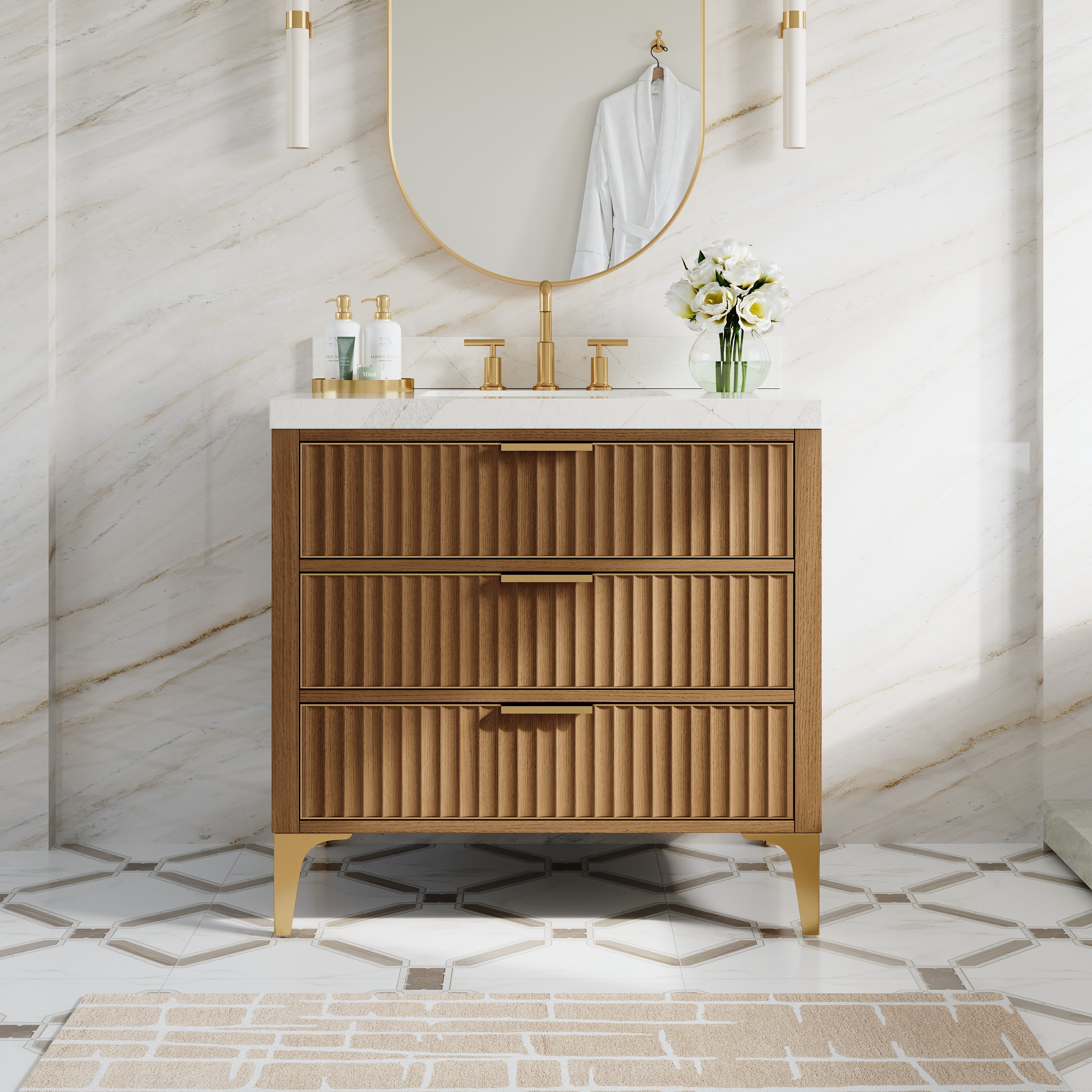
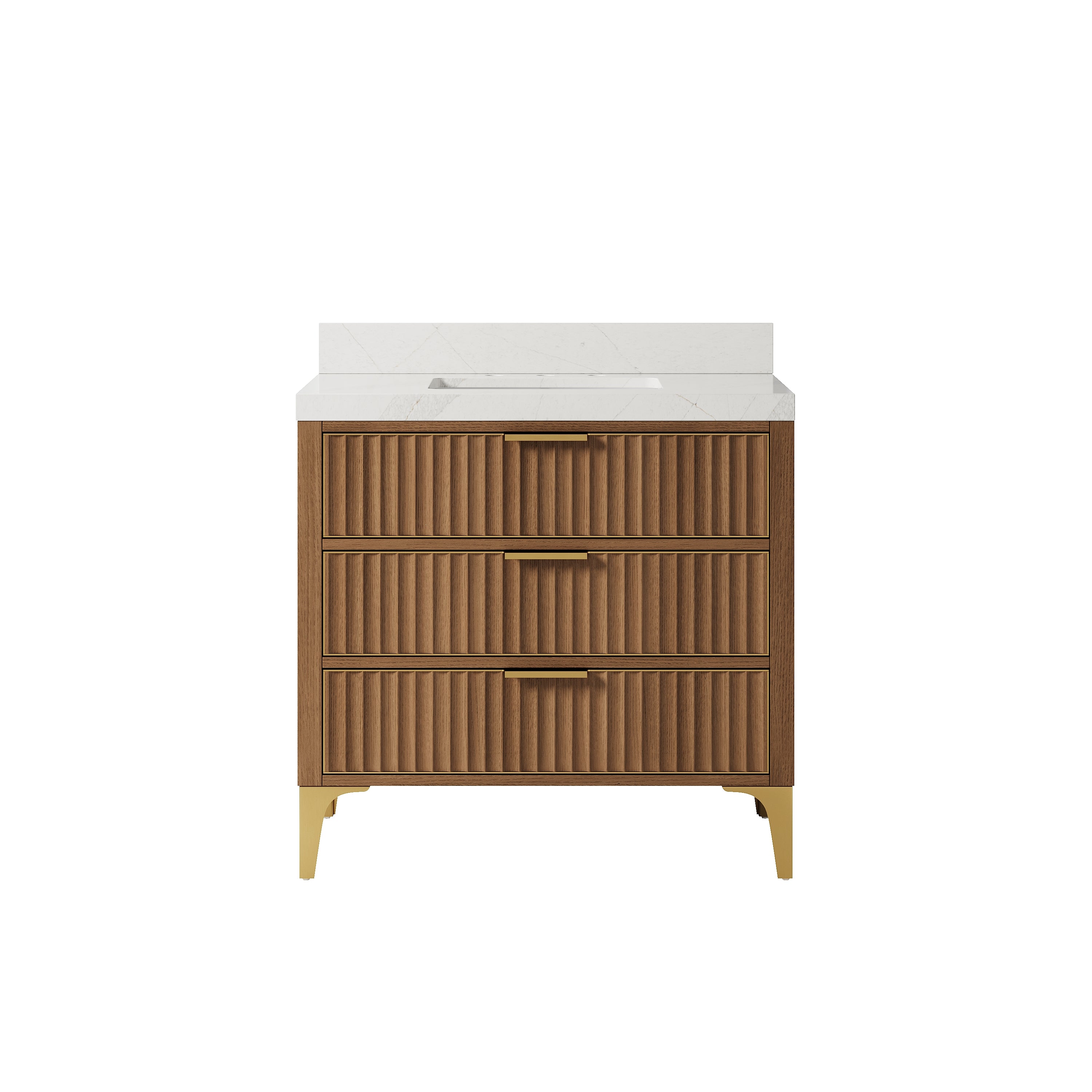
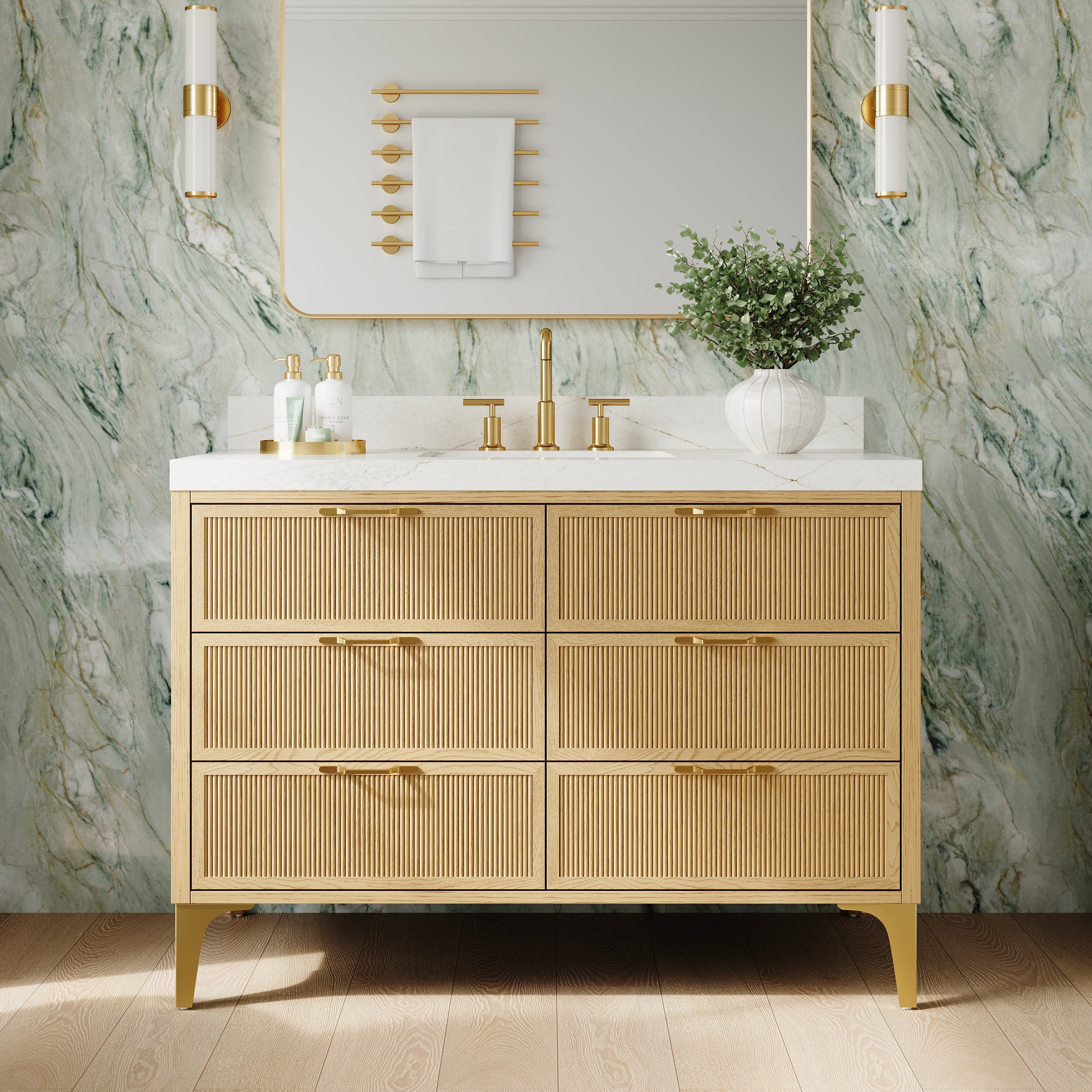
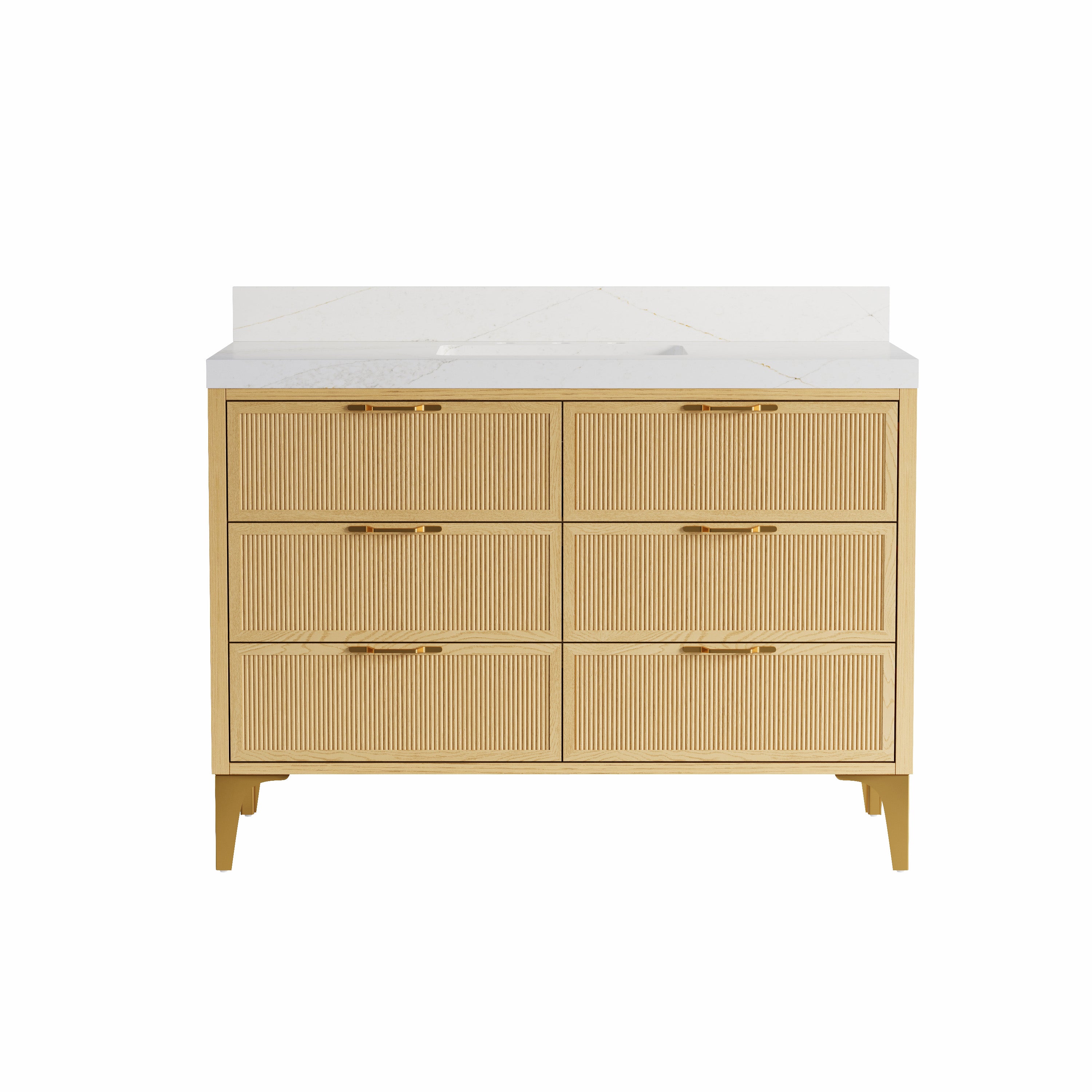


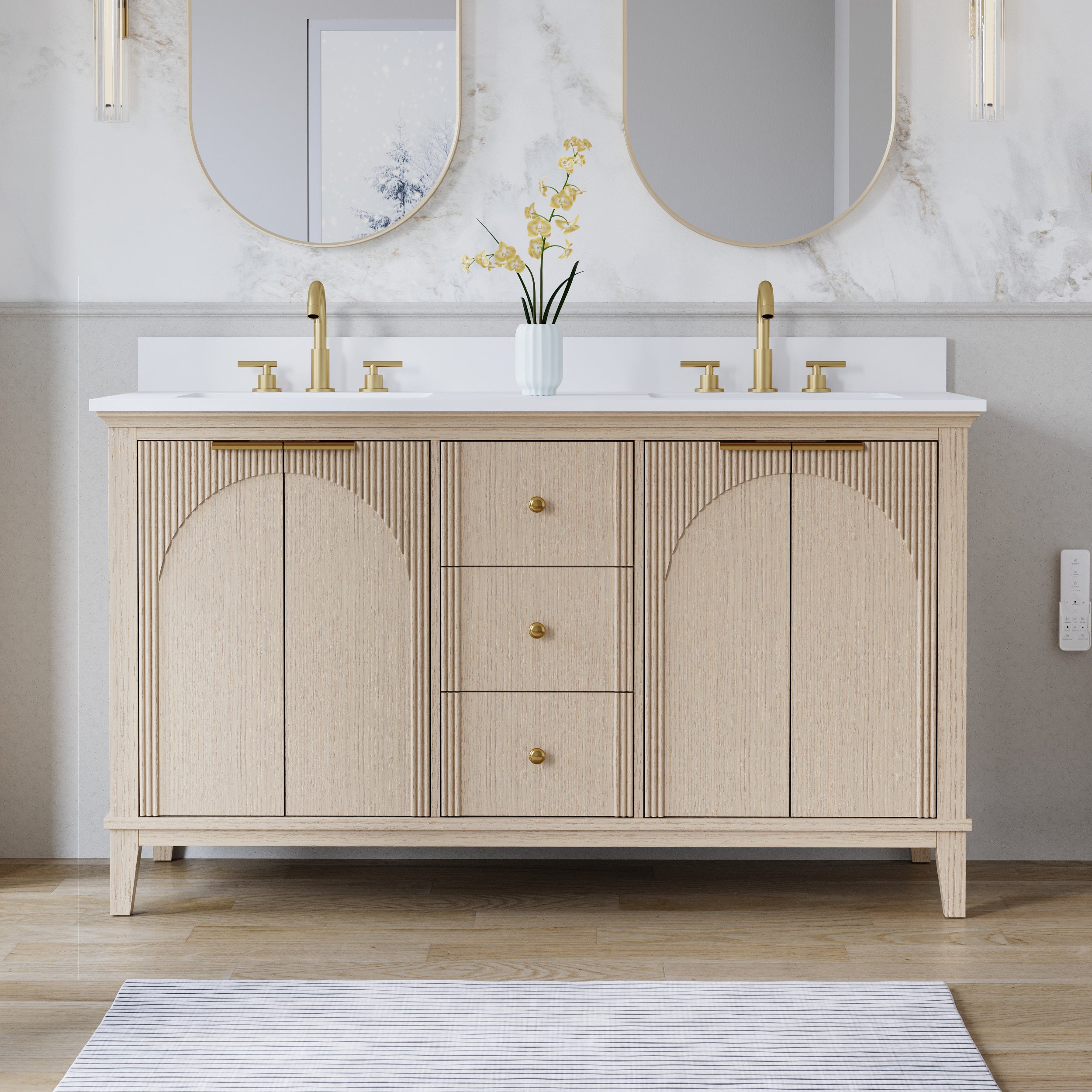
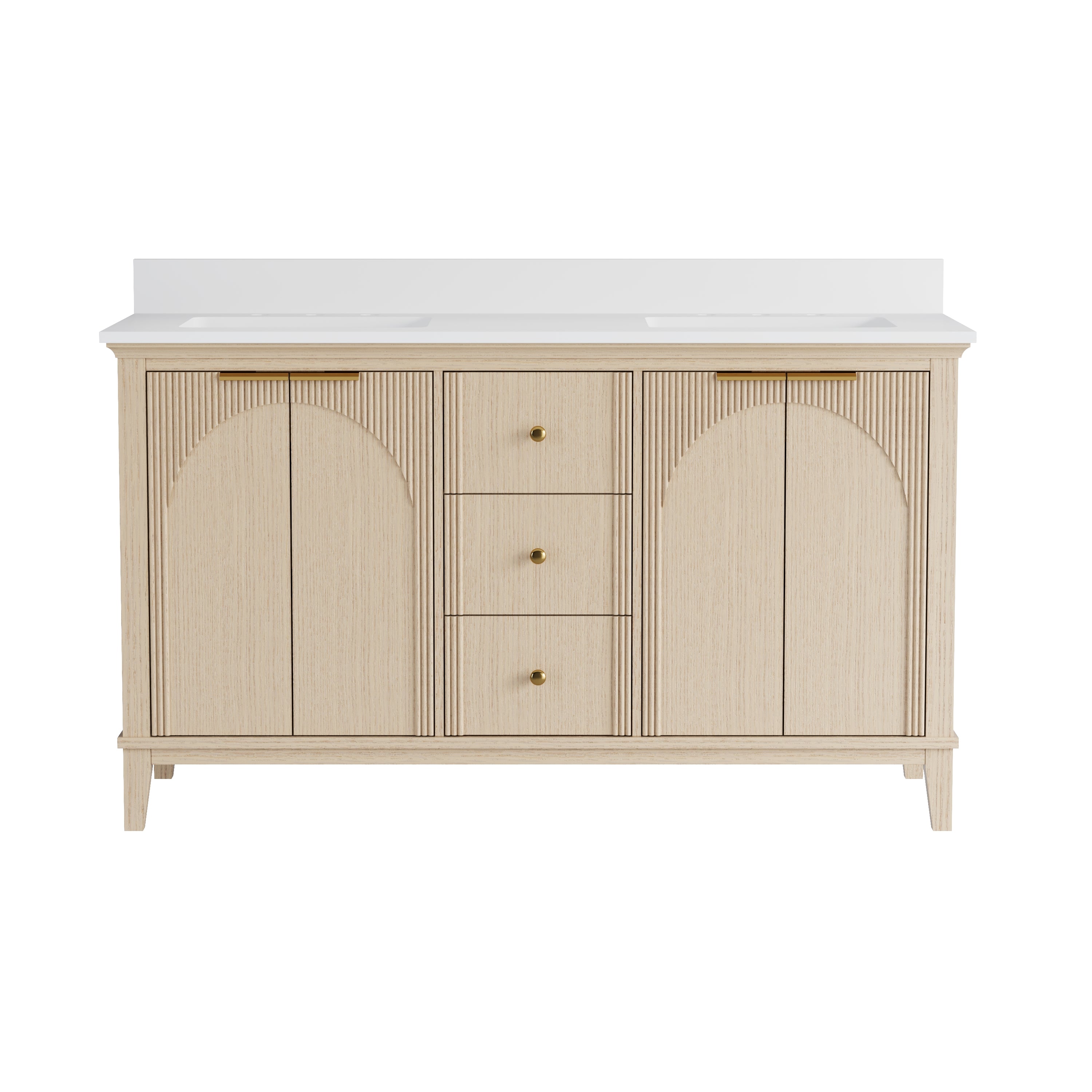
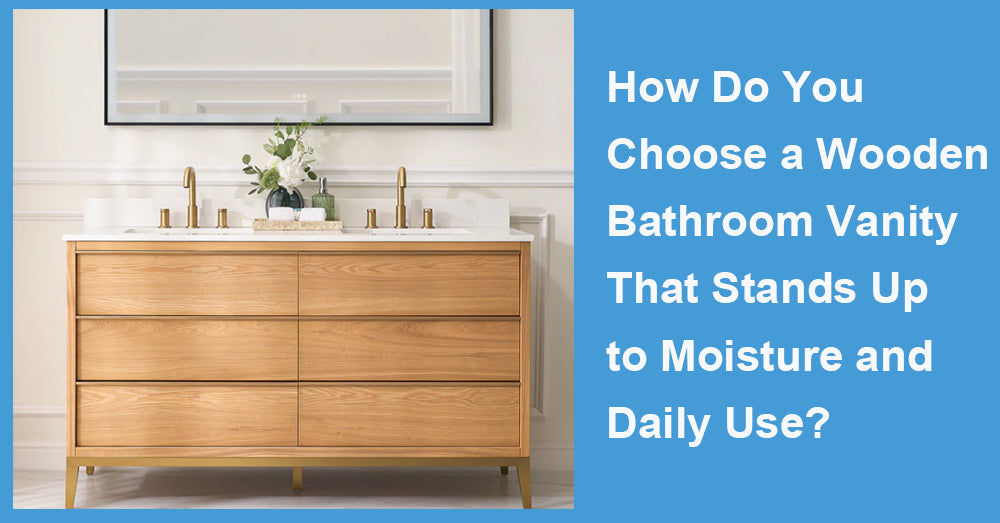
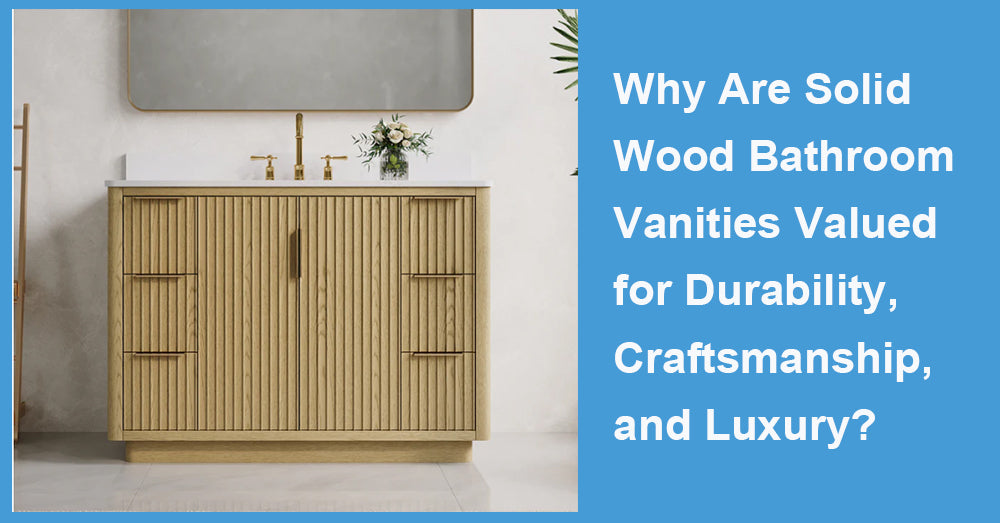
A wooden bathroom vanity can look like a piece of furniture, but it lives in one of the toughest rooms in the house: warm air, daily splashes, and the occasional plumbing surprise. That is exactly why moisture performance has become a bigger part of how pros specify vanities. In the Houzz 2025 Bathroom Trends Study, nearly three-quarters of renovating homeowners who chose wood vanities selected solid wood (74%), while MDF (10%), plywood (6%), and particleboard (4%) trail far behind. At the same time, NKBA’s 2026 Bath Trends Report notes that wood-faced vanities (62%) have overtaken painted vanities (53%), signaling a broader shift toward natural materials that still need to hold up under humidity.
1. Know the Two Moisture Threats: Humidity Cycles and Hidden Leaks
Bathrooms damage wood in two main ways. First, humidity swings cause wood to expand and contract. The USDA Forest Products Laboratory explains that wood’s physical properties and dimensions are closely tied to moisture content, and changes can drive shrinkage, swelling, and distortion over time. Second, localized liquid water (sink drips, supply line seepage, overflow events) attacks vulnerable edges and panel cores, especially under the sink where airflow is weakest.
If you want a vanity to last, you are not just “buying wood.” You are buying a system that manages moisture movement, seals exposed edges, and avoids water-trapping details.
2. Pick the Right Wood “Stack,” Not Just a Marketing Label
A durable wooden vanity is usually a hybrid build: solid wood where it matters, and engineered panels where they add stability.
· Best pattern for moisture + daily use: solid wood face frame and doors, paired with quality plywood for the cabinet box and sink base panels.
· What to be cautious about near water: particleboard and low-grade MDF in the sink base, toe kick, or bottom panel (these areas see the most splash and the longest damp exposure).
Houzz’s material breakdown helps explain why this matters: solid wood dominates, while MDF and particleboard remain minority choices in upgraded wood vanities. The real takeaway is not that MDF is “always bad,” but that the sink base is the wrong place to gamble on moisture-sensitive cores.
3. Choose Species With Practical Grain and Proven Popularity
Species does not automatically guarantee durability, but some woods are simply easier to finish well and keep stable. In Houzz’s study, the most commonly chosen solid wood types for upgraded vanities are maple (29%) and white oak (23%), followed by birch (12%) and walnut (9%).
Why these show up so often in real projects: they can take finishes well, they read as “premium,” and they fit both warm and modern design directions. White oak also tends to hide small wear patterns better than perfectly uniform surfaces, which matters in high-touch bathrooms.
4. Construction Details Matter More Than Thickness Claims
When pros evaluate “stands up to daily use,” they look at joints and moving parts:
· Frame-and-panel doors (instead of one big rigid slab) help tolerate seasonal movement without cracking finishes or racking the door shape, which aligns with the Forest Products Laboratory’s discussion of wood–moisture relationships.
· Soft-close hardware is no longer a luxury detail; it is a longevity feature. Houzz reports 78% choose soft-close drawers and 75% choose soft-close doors in upgraded vanities.
· Drawer boxes and slides: look for sturdy joinery, smooth full-extension slides, and tight drawer alignment. Sloppy drawers create impact stress that loosens joints faster in humid rooms.
Also check the back panel and floor panel. A vanity can have beautiful doors but still fail early if the cabinet bottom is thin, unsealed, and sits in a damp zone.

5. Favor Finishes That Seal, Not Just Color
Finish is your moisture barrier. Paint and stain are not just style choices; they change how well the surface resists water spots and how easily it can be touched up. Houzz reports paint is the most common upgraded vanity finish (36%), followed by stain (23%), wood veneer (15%), and “natural” (9%), with lacquer and varnish each at 3%.
Practical selection tips:
· For maximum wipe-clean durability: look for factory-applied, multi-coat finishes (often catalyzed systems) and ask whether interiors, edges, and the sink base are sealed.
· For long-term repairability: stained solid wood can be easier to spot-refinish than high-gloss painted surfaces if the bathroom is heavily used.
No matter the finish type, the make-or-break detail is edge sealing—especially on the bottom edges of doors, around the sink cutout area, and the cabinet floor.
6. Pair the Vanity With a Water-Resistant Top and Smart Sink Details
Moisture protection is not only about the cabinet. The countertop and sink design determine how much water reaches the wood in the first place. Houzz found engineered quartz is the leading vanity countertop choice at 45%, with quartzite (20%), granite (14%), and marble (13%) also common.
To reduce daily moisture stress:
· Choose tops with a clean drip edge and sealed sink perimeter.
· Use a backsplash and properly seal joints where water commonly pools.
· Pay attention to faucet placement so splash stays inside the bowl, not on the cabinet face.
7. Ask for Emissions Documentation When Engineered Panels Are Used
Even “wooden” vanities often include plywood, MDF, or particleboard components. If any composite wood is present, it is reasonable to look for TSCA Title VI compliance labeling and documentation. EPA explains that hardwood plywood, MDF, and particleboard (and finished goods containing them) must meet TSCA Title VI formaldehyde emission standards and labeling requirements.
This is not just a compliance checkbox. Clear documentation usually correlates with better supply-chain discipline, which often shows up as better build consistency.
8. Build a Moisture Plan: Ventilation and Installation Choices
A vanity’s lifespan depends heavily on how quickly the bathroom sheds humidity. ASHRAE’s residential ventilation standard references 50 cfm as the bathroom local exhaust benchmark in its existing-building compliance appendix, highlighting how important local exhaust is for bathrooms.
Installation practices that help:
· Keep the vanity level and off any chronic wet area on the floor.
· Seal at the wall and countertop interfaces where water can run behind the unit.
· Leave appropriate gaps so doors and drawers do not bind when humidity rises.
· Run the exhaust fan during showers and long grooming routines to reduce moisture cycling.
9. A “Pro” Buying Checklist in Plain English
If you want a wooden vanity that holds up, prioritize this order: sealed construction, stable cabinet materials near the sink, quality hardware, and a water-smart top. In practice, that means: solid wood doors and frames; plywood box and sink base; fully sealed interior and edges; soft-close hinges and slides; and a countertop and sink setup that keeps water from living on the cabinet face.
A wooden bathroom vanity can absolutely stand up to moisture and daily use—but only when it is designed like a bathroom product, not just a beautiful cabinet.










Leave a comment
This site is protected by hCaptcha and the hCaptcha Privacy Policy and Terms of Service apply.