

















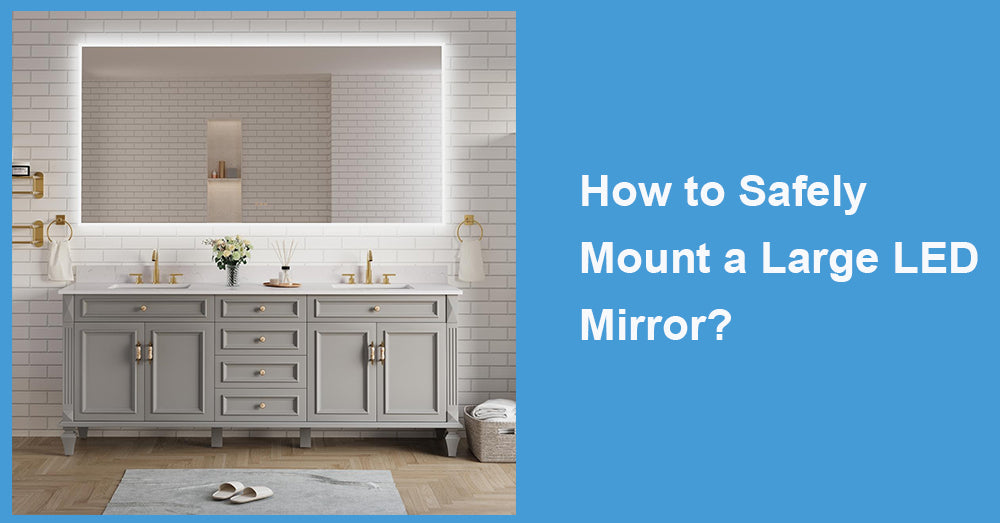
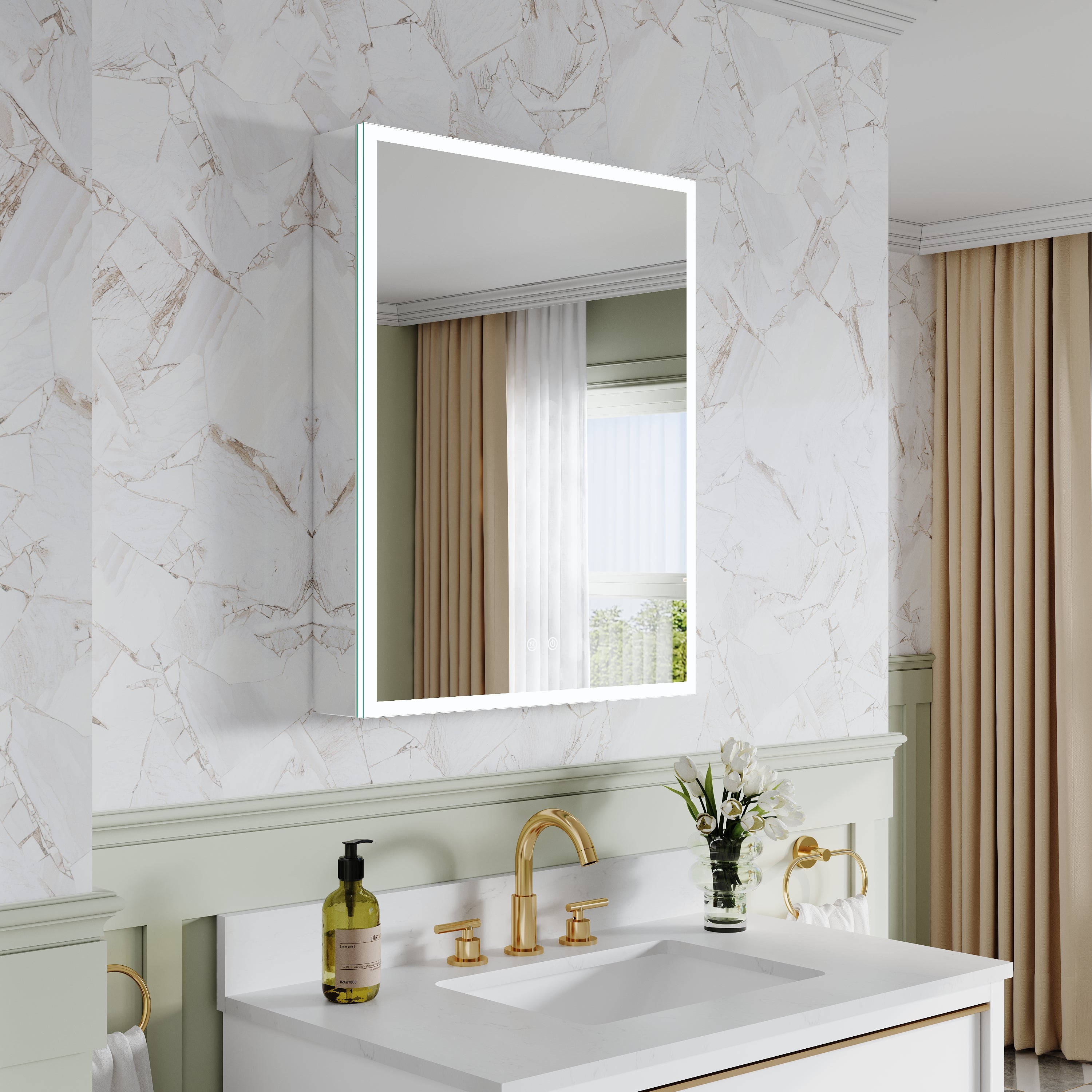
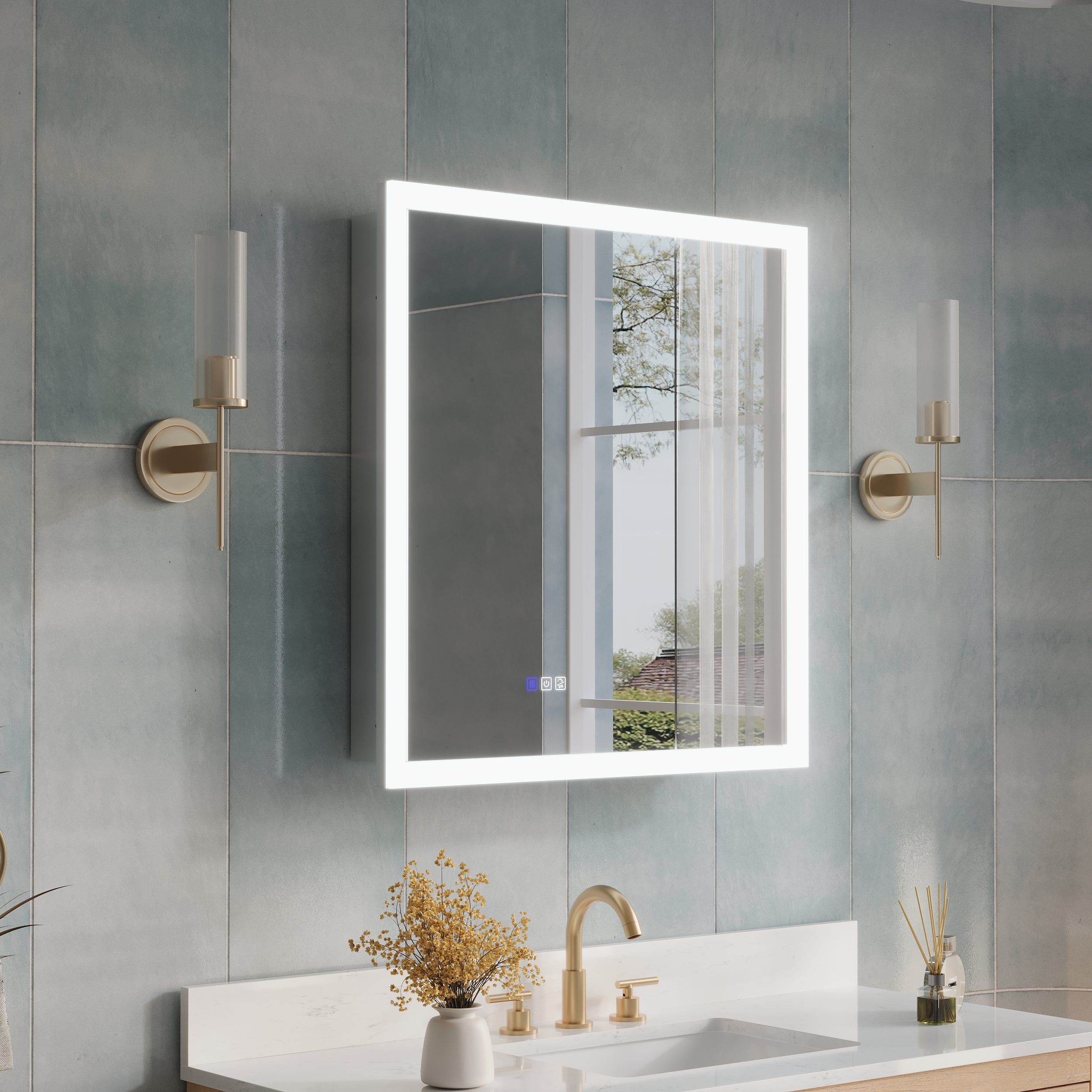
In recent years, as the real estate renovation market has continued to grow, the large led mirror has gradually become a standard feature in bathrooms and high-end residential design. According to industry organizations, the market size of smart bathroom and lighting mirrors is expected to reach nearly 4 billion US dollars by 2025, and is projected to maintain a compound annual growth rate of approximately 6% -8% over the next five years. In this context, "how to safely install large LED mirrors" is becoming a core concern for builders, electricians, and DIY users.

1. Industry Background: From "Decorations" to "Electrical Equipment."
Traditional mirrors are just decorations, while LED mirrors have essentially evolved into "integrated electrical devices". It involves multiple fields, including electrical safety, waterproofing rating, and structural load-bearing capacity. Especially in the United States, related installations are not only subject to the National Electrical Code (NEC) but must also comply with UL or ETL certification standards; they may face project acceptance failure or even legal risks.
Data shows that nearly 30% of bathroom electrical accidents are related to non-standard installation or grounding issues (industry estimates). Therefore, the importance of the installation phase is even higher than that of the product itself.
2. Safety Core 1: Electrical System and Low Voltage Design
The safety foundation of LED mirrors lies in their electrical system design. The current mainstream products use a 12V or 24V low-voltage DC power supply, greatly reducing the risk of electric shock. But 'low voltage does mean no risk', the key lies in the installation method.
1. Grounding and GFCI protection
Standard requirements:
Grounding circuit must be connected
Suggest connecting to GFCI (leakage protection socket)
GFCI can quickly shut down when detecting abnormal current, especially in humid environments.
2. Trends in professional electrician installation
According to industry research, over 65% of mid to high end residential projects choose to be installed by certified electricians rather than DIY. This proportion is even higher in commercial real estate (such as hotels), approaching 90%.
3. Safety Core 2: Waterproof Level and "Bathroom Zoning" Logic
In the United States and international standards, bathrooms are divided into different "wet zones", each with clear requirements for equipment protection levels.
Common standards:
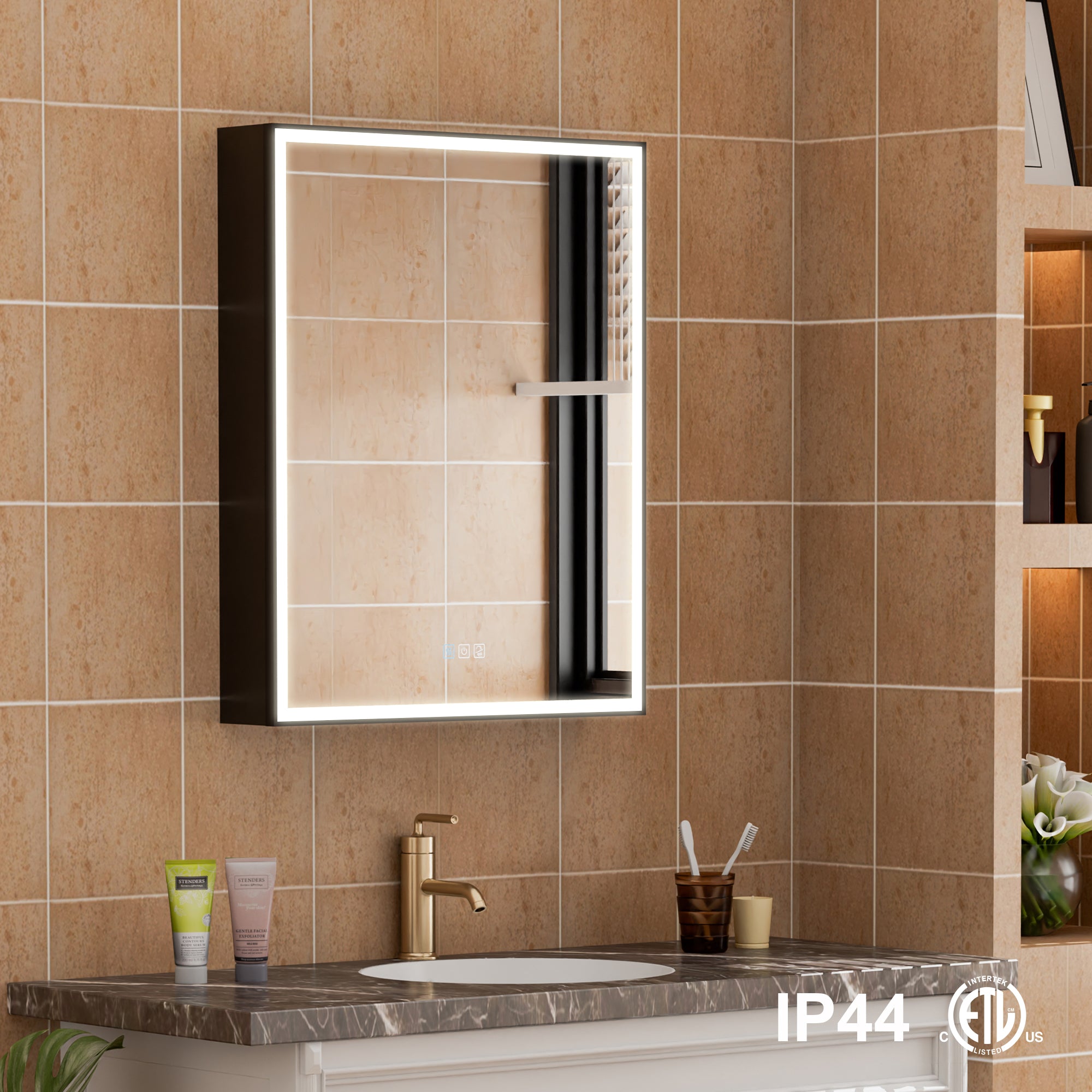
IP44: Splash-proof, suitable for washbasin areas
IP65: Waterproof, suitable for use near showers
If the installation location is close to the water source but the product protection level is insufficient, it may lead to:
Internal circuit corrosion
Short circuit and even fire risk
Industry data shows that about 20%- 25% of LED mirror damage in repair cases is due to moisture intrusion.
4. Safety Core Three: Wall Structure and Bearing System
Large LED mirrors (especially those with a width exceeding 1200mm) typically weigh between 15-40 kilograms. Structural safety has become crucial.
Installation points:
1. Fixed on the structural wall (stud/blocking)
Large mirrors must be fixed on the wall keel or reinforced structure, rather than ordinary gypsum board. Otherwise, there is a risk of detachment.
2. Use professional expansion bolts or hangers
If there is no embedded structure, high-strength expansion bolts should be used.
3. Multi-point force design
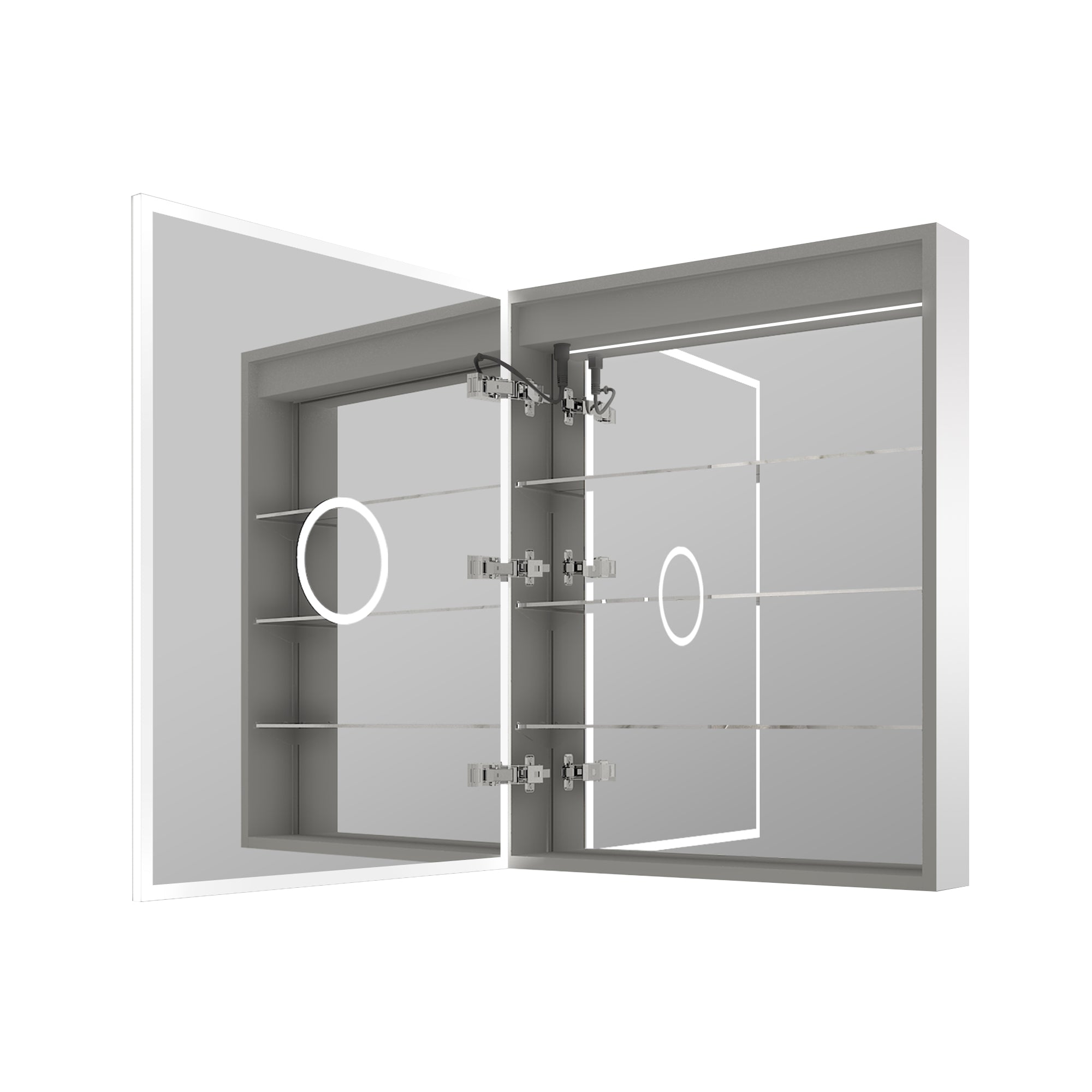
Modern products are usually designed with multiple hanging points to distribute weight and improve stability.
In insurance cases, claims for personal injury caused by mirror drops are not common, but the amount of compensation can reach tens of thousands of dollars per claim.
5. Security Core 4: Standardization of Installation Process
According to industry best practices, a standard installation process typically includes:
Step 1: Power outage and environmental assessment
Ensure that the power is turned off and confirm the humidity level in the installation area.
Step 2: Measurement and positioning
Use a spirit level to ensure the mirror surface is level and avoid stress concentration.
Step 3: Pre-embedded power supply and wiring
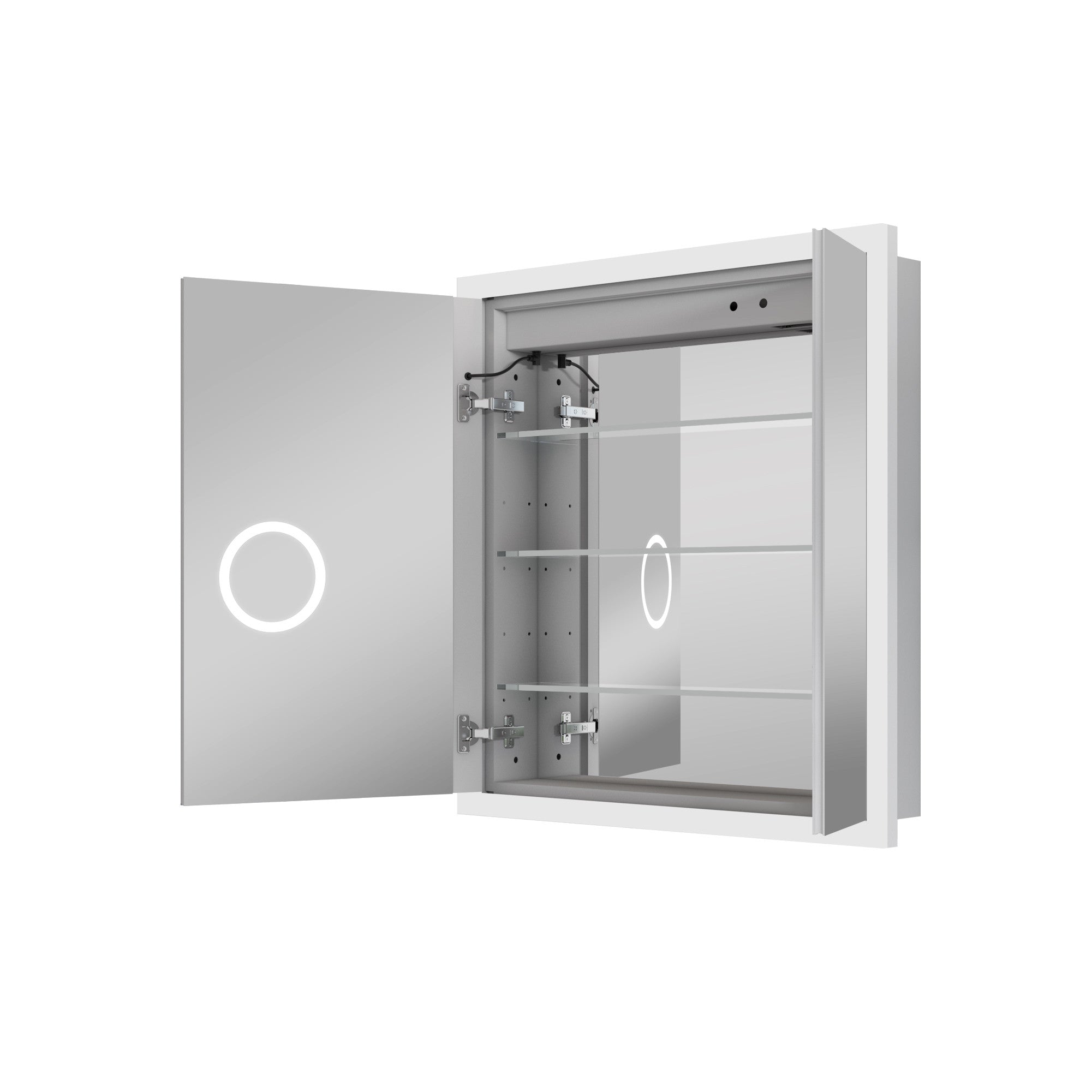
It is recommended to use a concealed junction box to avoid exposing cables.
Step 4: Fix the bracket
Prioritize fixing the bracket before attaching the mirror body.
Step 5: Power on test
Check whether the lighting, anti-fog, and other functions are normal.
Industry data shows that standardizing processes can reduce installation-related failure rates by about 40%.
6. Material and Structural Safety: Neglected Key
Modern LED mirrors have also undergone significant upgrades in materials:
Tempered glass: After breakage, it forms obtuse-angle particles, reducing the risk of injury
Explosion-proof film backplate: prevents fragments from falling off
Anti-corrosion coating: extending service life
These designs enable LED mirrors to have an average lifespan of over 30000 hours.
7. The difference between commercial and residential markets
Commercial project (hotel/office building):
Compulsory Certification (UL/ETL)
Professional team installation
Higher IP level requirements
Residential DIY Market:
Cost sensitive
The installation quality varies greatly
Security issues are more likely to occur
Data shows that about 35% of DIY users do not fully comply with electrical regulations.
8. Industry Trend: Integration of Security and Intelligence
There are three major trends in the installation of LED mirrors in the future:
Modular design: reduces installation difficulty
Plug and play system: reducing the need for hard wiring
Intelligent detection system: Real-time monitoring of voltage and temperature
In addition, more and more products are integrating sensors to detect humidity and circuit abnormalities, further enhancing safety automatically.
9. Conclusion: Safe installation is the core competitiveness of the industry
The value of LED mirrors lies not only in their design and functionality but also in their safety and reliability. Both developers and ordinary consumers must recognize:
Electrical safety is the primary prerequisite
Installation quality determines service life
Compliance directly affects legal and insurance risks
In the market, the shift from being able to install to installing safely is becoming a key upgrade trend across the home and construction industries.
With stricter regulations and increased consumer awareness, the installation standards for large LED mirrors will become more standardized and specialized in the future, and safety capabilities will also become a key indicator of brand competition.









Leave a comment
This site is protected by hCaptcha and the hCaptcha Privacy Policy and Terms of Service apply.