



















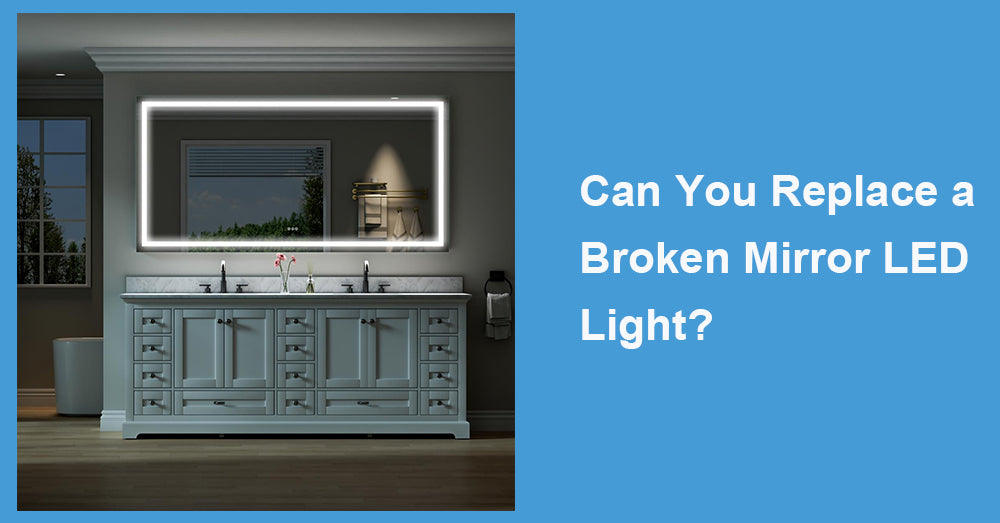
If your mirror led light suddenly stops working, starts flickering, or goes dim on one side, you’re not alone. LED vanity mirrors are built to last, but bathrooms are tough environments—humidity, temperature swings, and daily on/off cycles can eventually stress electronics. The good news is that in many cases, you can fix the lighting. The more honest news is that whether you should replace it yourself depends on how the mirror is designed and how comfortable you are working around electrical components.
Below is a practical, homeowner-friendly guide to figuring out what failed, what can realistically be replaced, and when it’s smarter (and safer) to pursue warranty service or a full replacement.
What Usually “Breaks” in an LED Mirror?
When people say the LED light is broken, the actual failure point is often one of these parts:
· LED driver (power supply): Converts household power into the lower-voltage power LEDs need. Drivers can fail from heat or moisture over time.
· LED strip or light bar: The lighting element itself. Sometimes sections burn out or lose connection.
· Touch sensor / dimmer / CCT controller: If your mirror has color temperature changes (warm/neutral/cool) or dimming, the controller can fail even if the LEDs are fine.
· Wiring connections: Loose connectors, worn spade terminals, or corrosion can cause flicker or partial lighting.
Knowing which part likely failed helps you decide whether replacement is feasible.
First Check: Is It Really the LED Mirror (or the Power)?
Before you assume the mirror needs repair, do quick elimination checks:
1. Confirm power at the source.
2.
· If it’s plug-in: try a different outlet.
· If it’s hardwired: check the switch and breaker (and confirm the switch actually controls the mirror).
3. Look for symptom clues.
4.
· No light, no touch response: often a power issue or driver failure.
· Touch works but no light: often an LED driver or LED strip issue.
· Flickering or strobing: frequently driver instability, loose wiring, or controller problems.
· One side dim or partially out: likely LED strip segment failure or connector issue.
5. Reset behavior
6.
· Some mirrors have memory functions or controllers that can “freeze.” Turning off the power at the breaker for 1–2 minutes and restoring it can clear the issue.
If those checks don’t change anything, it’s time to move to repair options.
Can You Replace the LED Light Itself?
Sometimes yes—but not always. LED mirror designs generally fall into two categories:
1) Serviceable Design (More DIY-Friendly)
These mirrors are used:
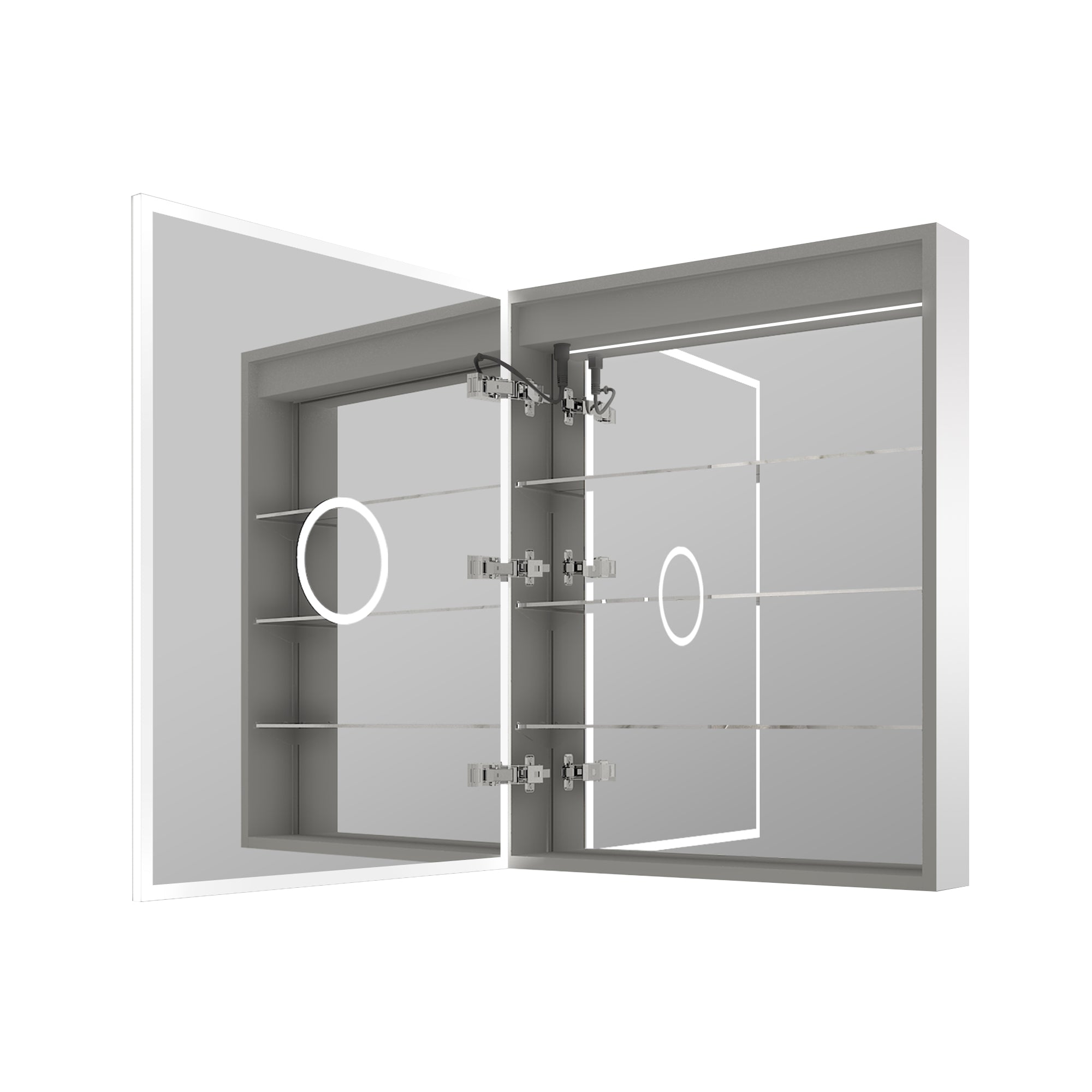
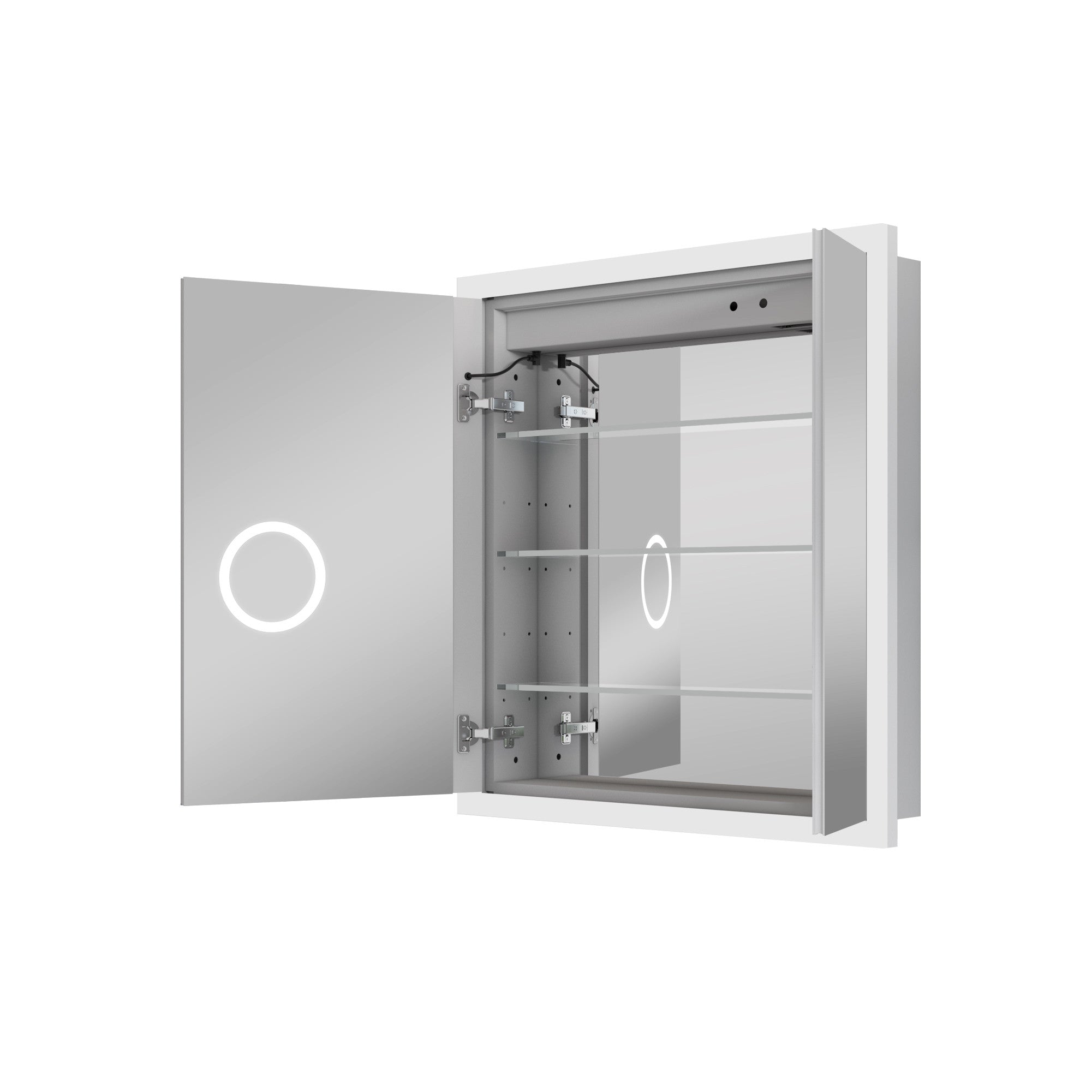
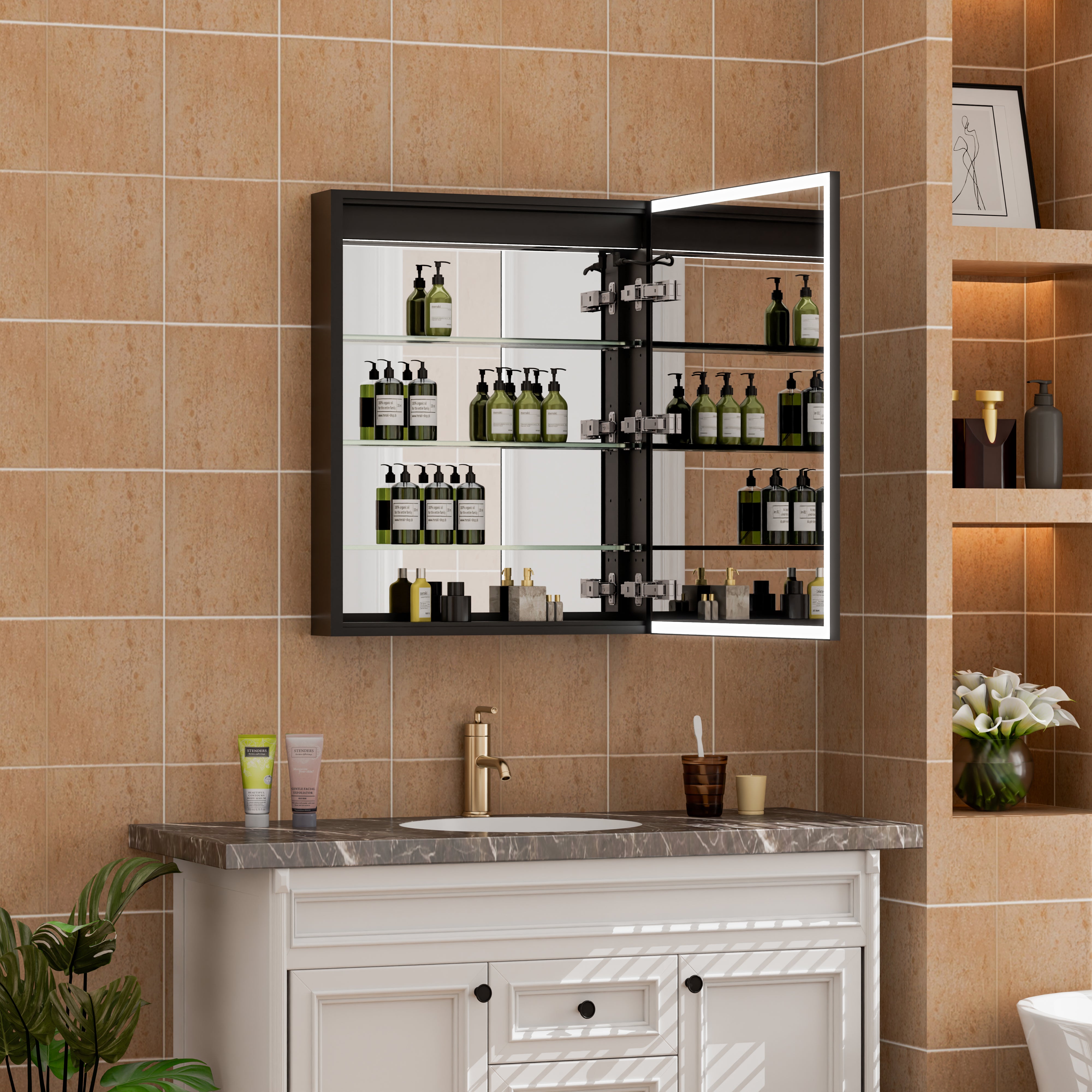
· A replaceable driver is housed behind the mirror
· LED strips connected with plug-style connectors
· A back panel or access area that allows controlled disassembly
If your mirror is built this way, the fix may be as simple as replacing the driver or an LED strip module.
2) Sealed / Integrated Design (Less DIY-Friendly)
Many modern LED mirrors have:
· LEDs embedded behind a diffuser
· Internal wiring is bonded or sealed.
· Limited access without damaging waterproofing, backing, or the light channel
In this case, a true “LED light replacement” can be difficult, risky, or not cost-effective. Often, the manufacturer will handle it through warranty, or the mirror is designed as a replace-when-failed unit.
The Most Common Fix: Replacing the LED Driver
If your LED mirror is hardwired or plug-in, but the lighting is dead (or flickers consistently), the driver is a prime suspect. Drivers are also one of the more replaceable components—if you can access them.
What makes driver replacement realistic:
· You can open the back area without breaking the mirror.
· The driver has a visible label with input/output voltage and wattage.
· The wiring is connector-based or clearly labeled.
What makes it unrealistic:
· No access panel, and the driver is buried behind sealed layers.
· No readable electrical specs
· The mirror is under warranty (and opening it may void coverage)
Important: A driver replacement isn’t about grabbing “any driver.” The output voltage and wattage must match the mirror’s LED system. Using the wrong driver can cause overheating, flickering, or permanent damage.
Replacing the LED Strip: Possible, But More Involved
If only part of the light is out, your LED strip may have a failed segment. This can be fixed if the strip is modular and accessible.
However, LED strip replacement tends to be harder because:
· The strip may be bonded with a strong adhesive.
· Diffusers and channels can crack during removal.
· Re-sealing is critical in a humid bathroom.
For many homeowners, this is the point where a warranty request or professional repair starts making more sense than DIY.
Safety Reality Check (Don’t Skip This)

LED mirrors involve electricity, and bathrooms raise the stakes. If your mirror is hardwired, you should treat it like a light fixture—not a gadget.
If you’re not fully comfortable:
· shutting off power at the breaker,
· verifying power is off,
· and reconnecting wiring correctly,
then you should not attempt repairs yourself.
Even for confident DIYers, moisture exposure and grounding requirements can make mistakes expensive. A mirror isn’t worth an electrical hazard.
Warranty and Support: Often the Best Path
Before you open anything, check:
· Purchase date
· Warranty coverage
· Proof of purchase
· Whether the mirror supports replacement parts (driver/controller)
Many brands will send a replacement driver or controller if the mirror is within warranty, especially if you provide a short video showing the problem (no power, flicker, partial outage, etc.). This can save you time and avoid compatibility issues.
When You Should Replace the Whole Mirror Instead
Sometimes replacing parts isn’t worth it. Consider replacing the mirror if:
· The mirror is older and multiple features are failing (light + defogger + touch controls)
· The LED system is sealed and disassembly risks breaking the mirror
· You can’t identify compatible parts safely
· Repair cost approaches the cost of a new mirror (especially after labor)
In many homes, a full replacement is the cleanest solution—especially if you want upgrades like better brightness, adjustable color temperature, anti-fog, or improved controls.
The Bottom Line
Yes, you can often replace a mirror led light—but in practice, you’re usually replacing a component like the driver, controller, or LED strip rather than “the light” as one simple bulb. If your mirror is designed with accessible parts and clear electrical specs, a repair can be straightforward. If it’s sealed and integrated, your best move is typically warranty support or full replacement.

















Leave a comment
This site is protected by hCaptcha and the hCaptcha Privacy Policy and Terms of Service apply.