














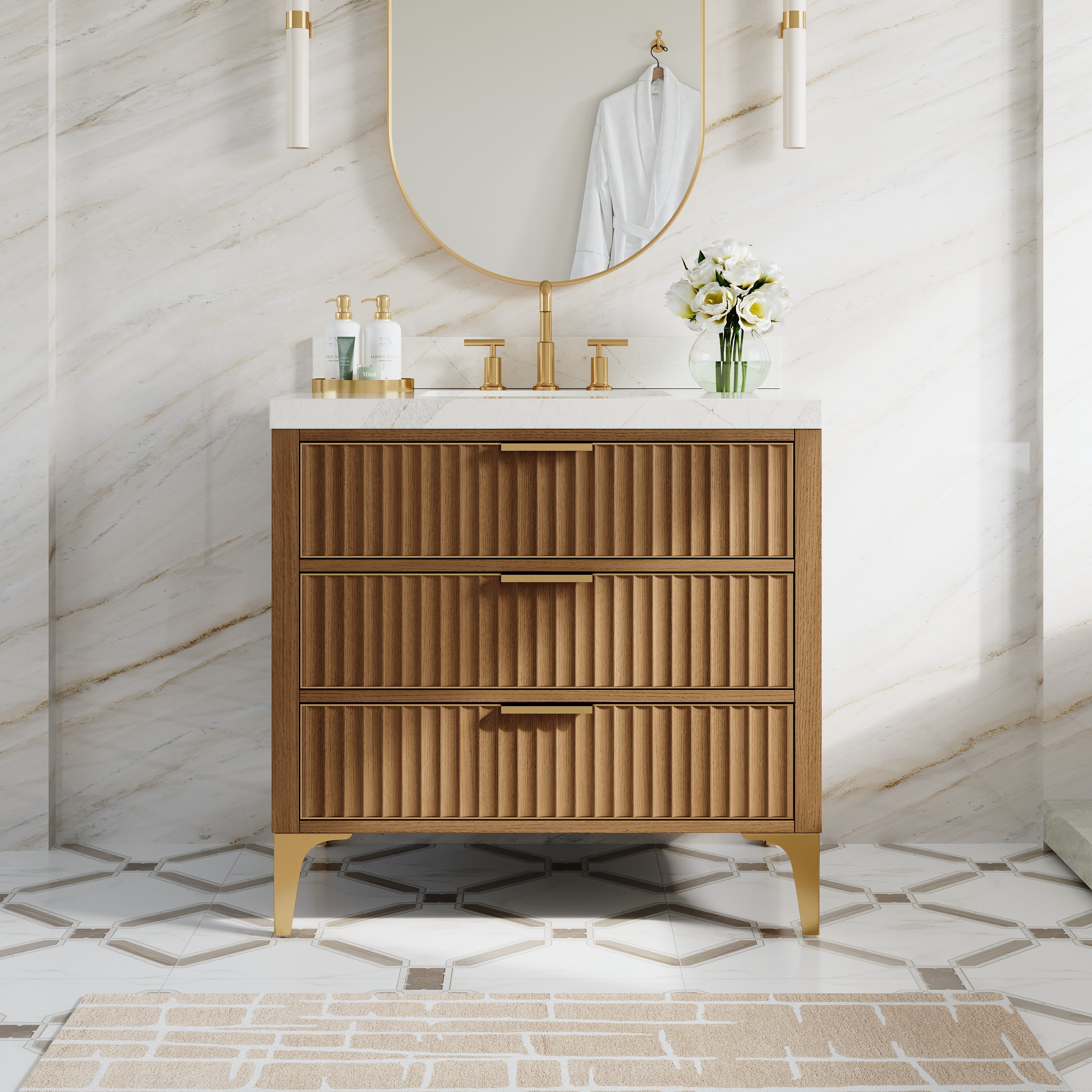
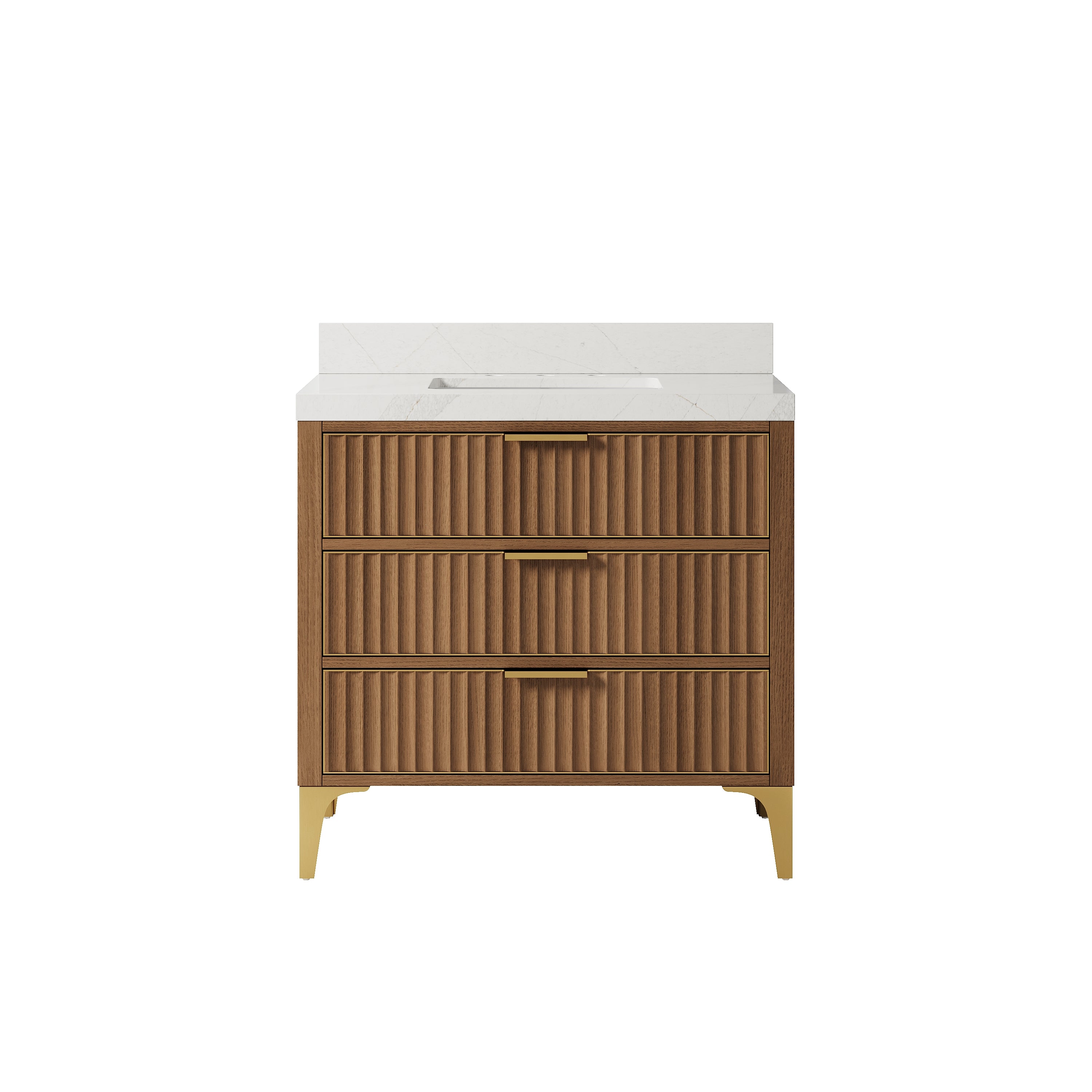
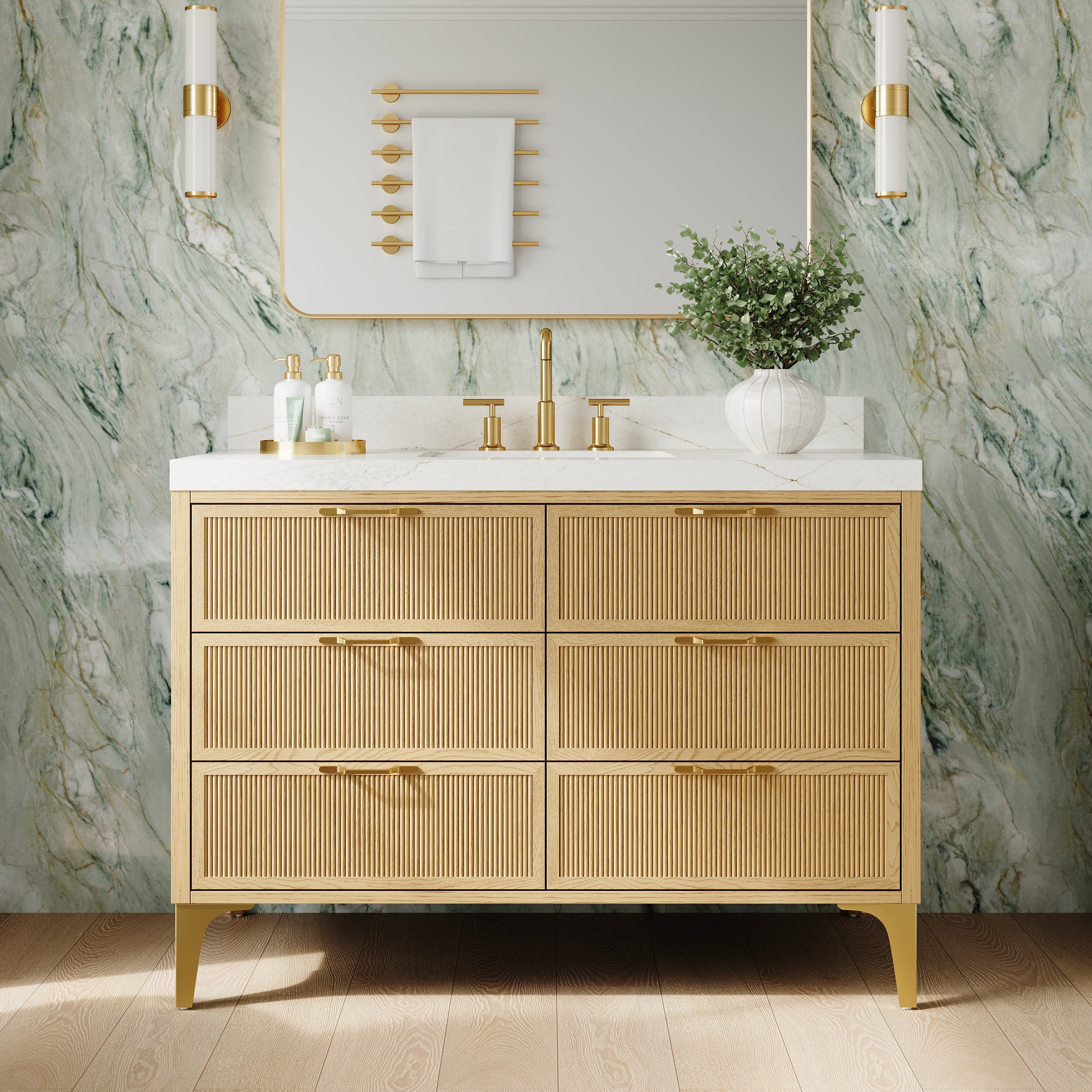
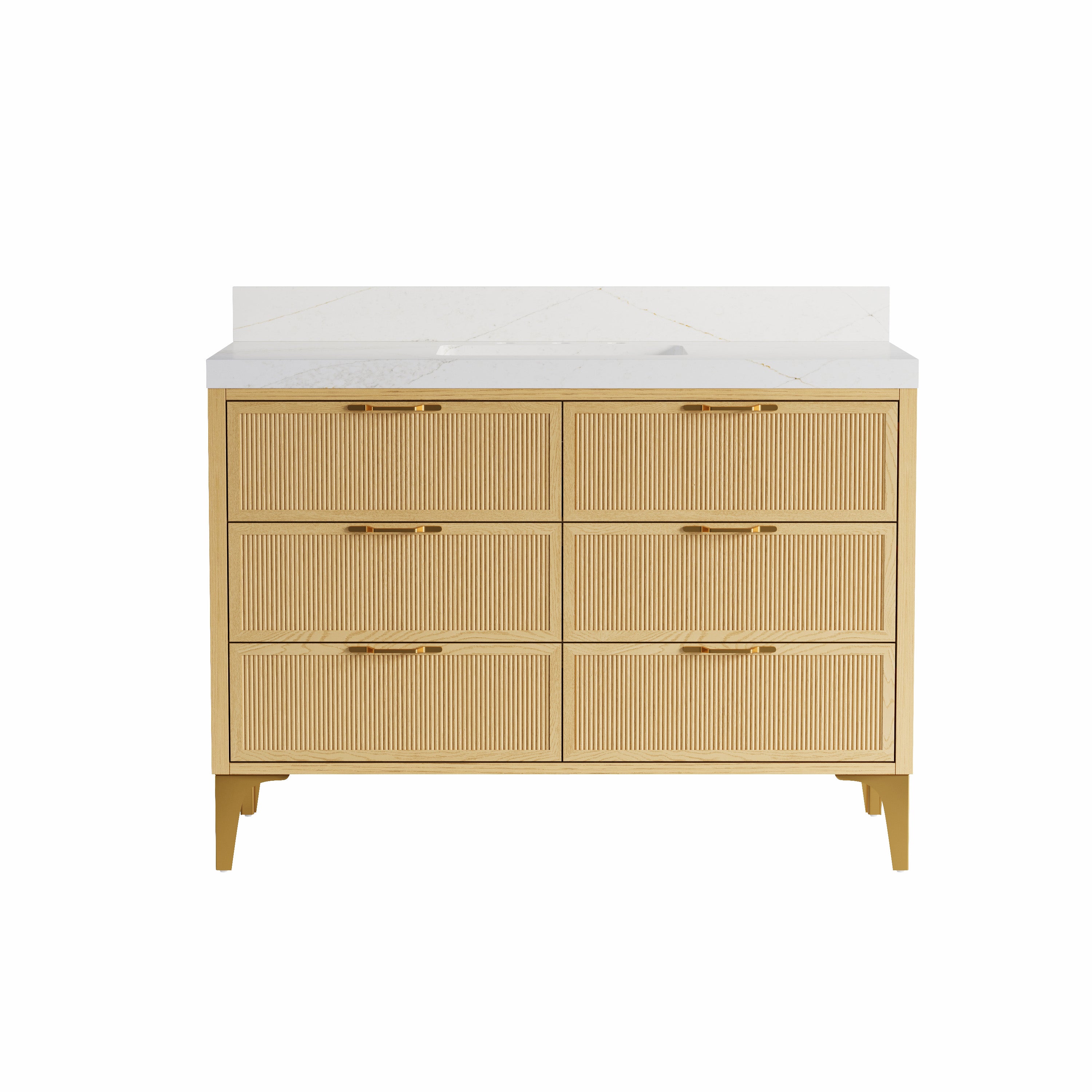


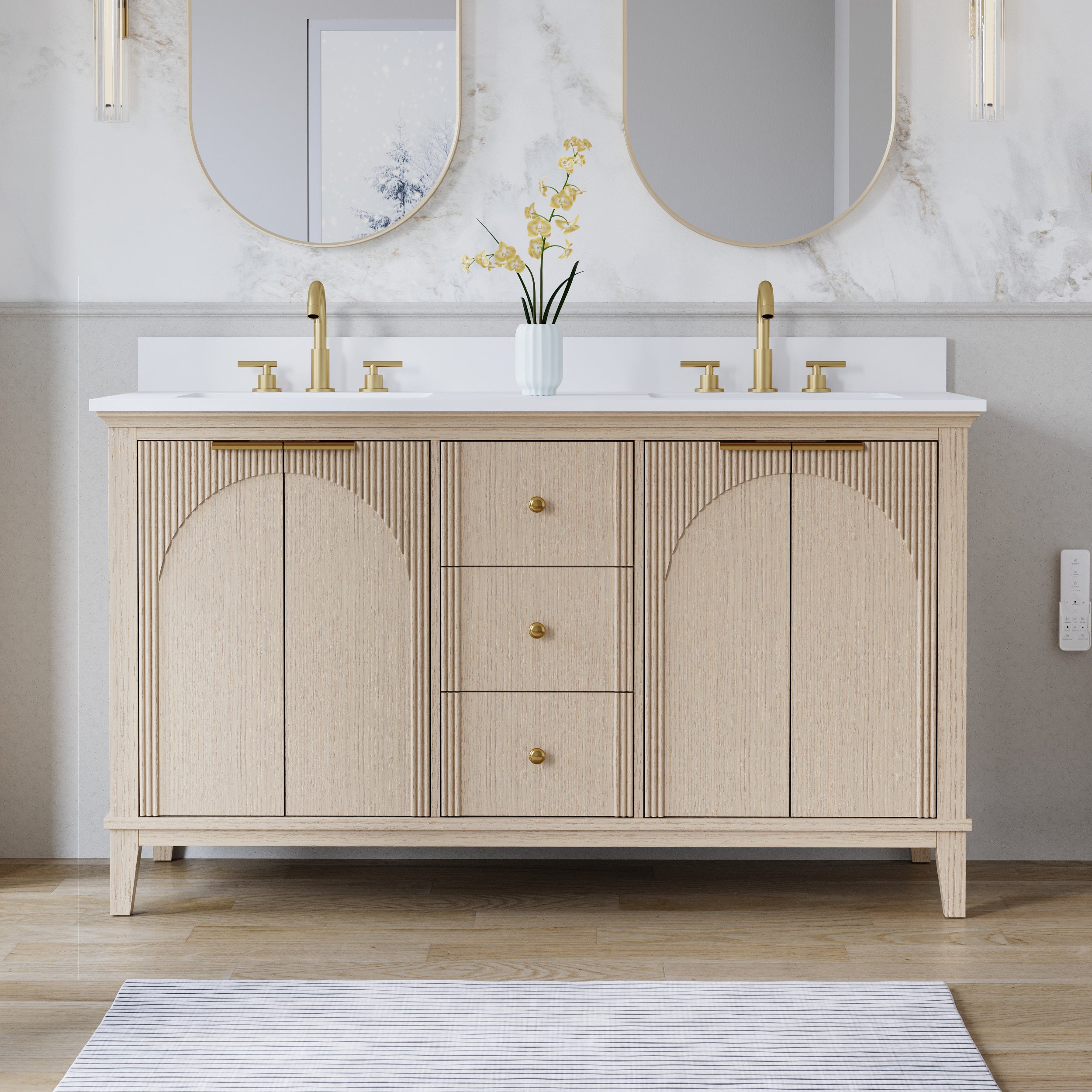
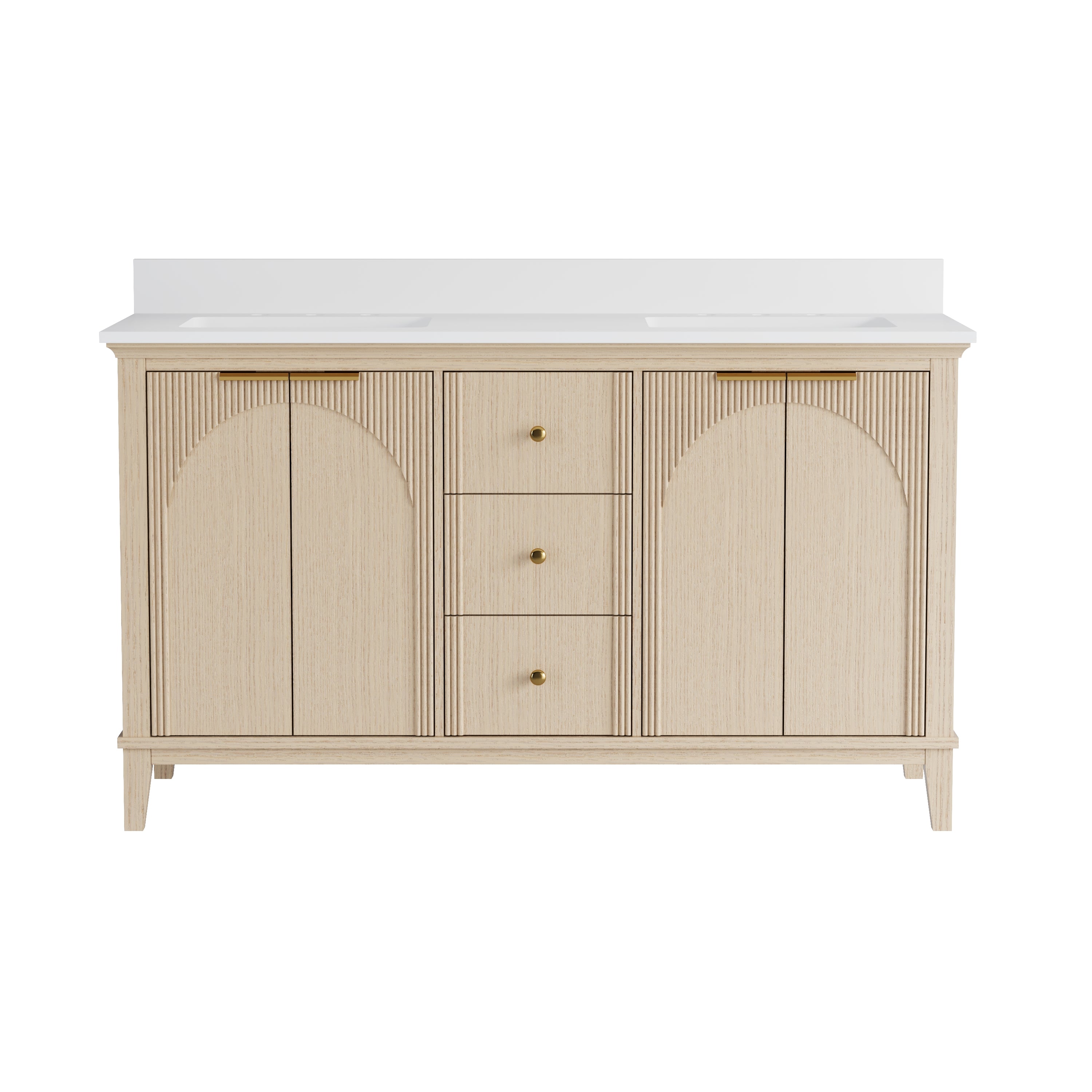
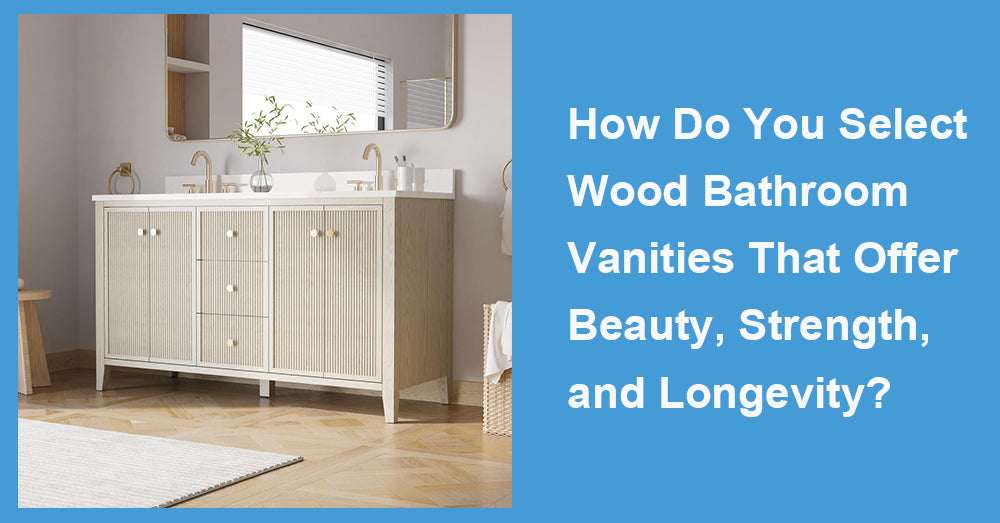
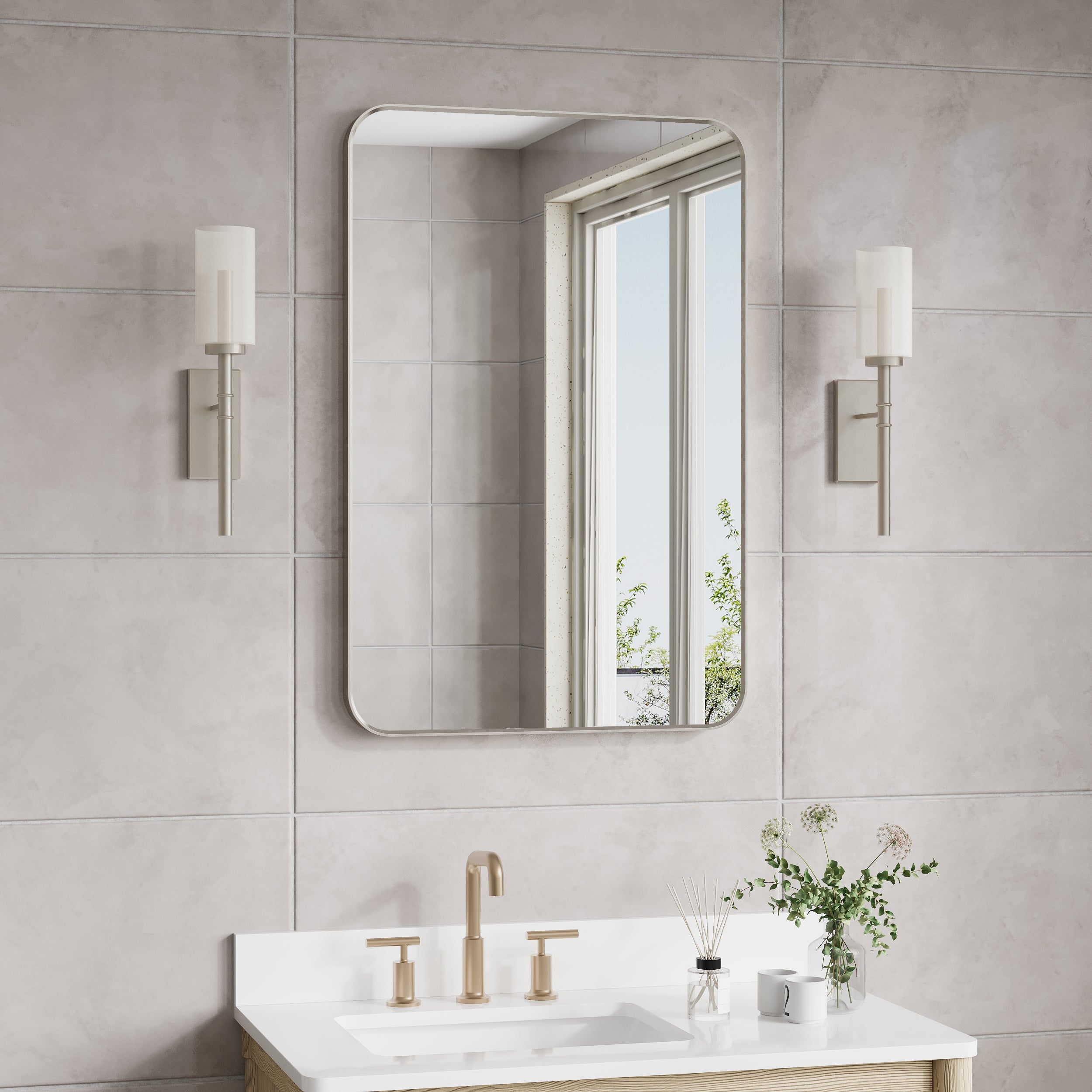
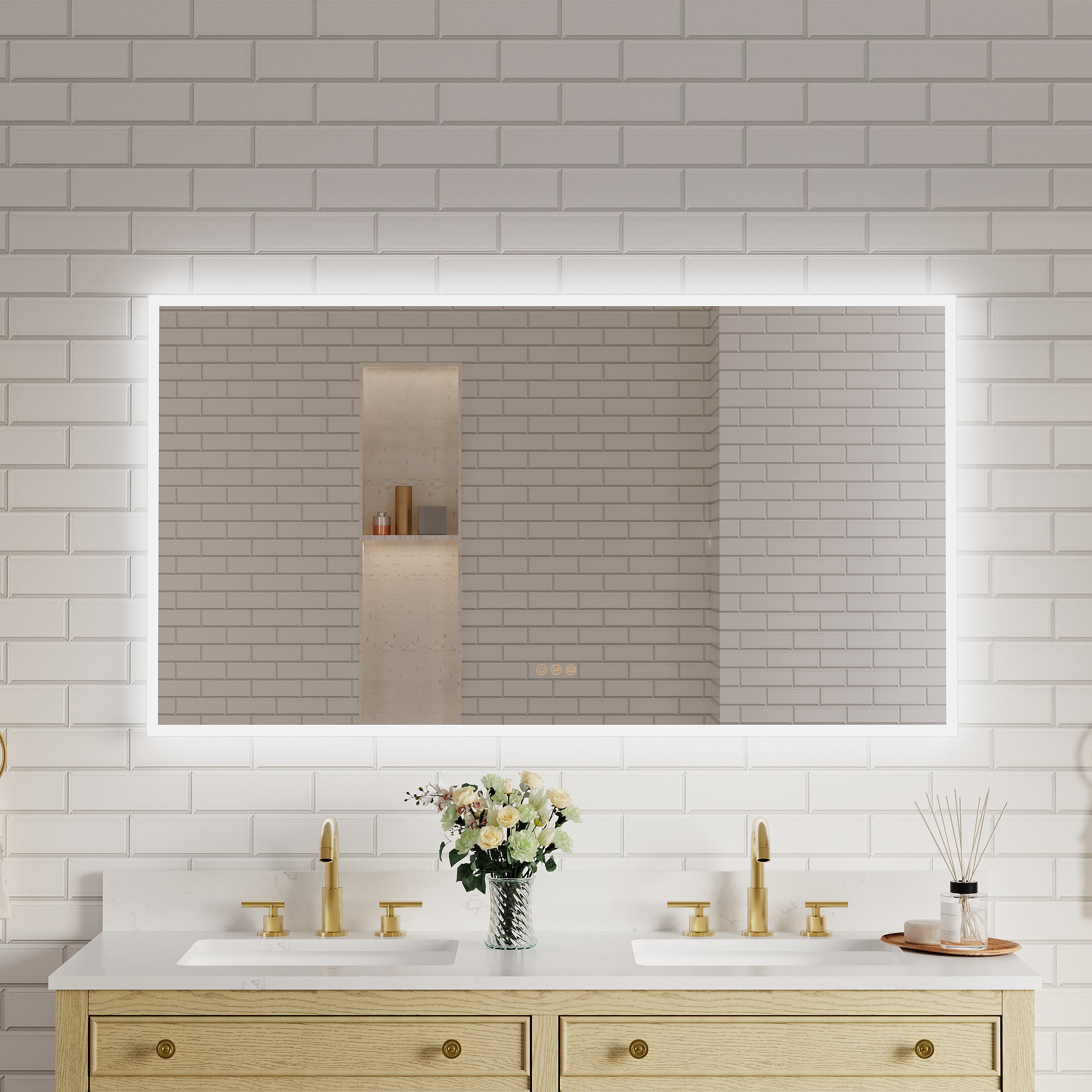
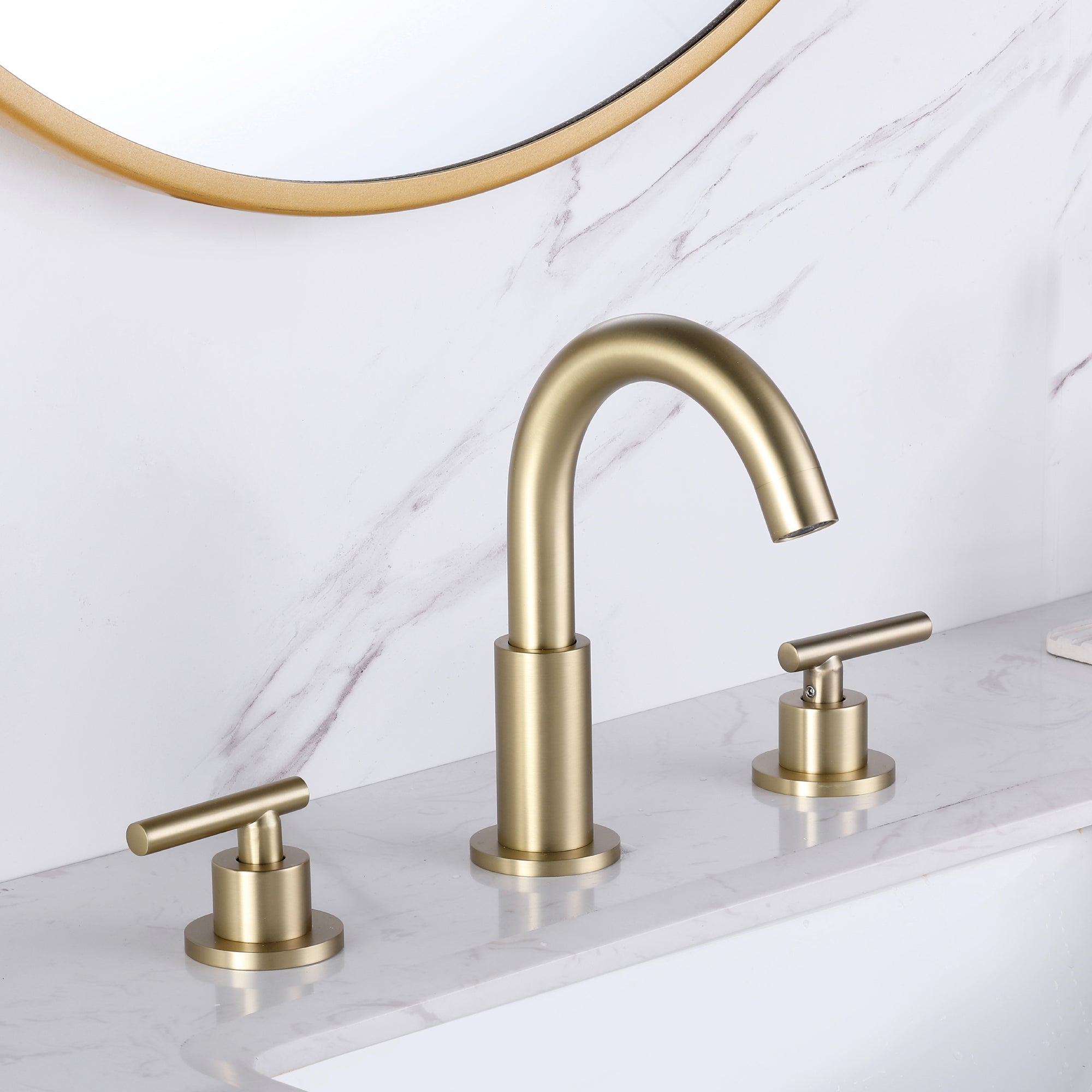
In today’s bath refresh cycle, wood bathroom vanities are being chosen not just for warmth, but for the way they pair with clean, modern details like frameless mirrors and simple stone surfaces. The broader remodeling backdrop helps explain why buyers are scrutinizing longevity more closely: home improvement and repair spending vaulted from $404 billion in 2019 to $611 billion in 2022 and was expected to remain above $600 billion through 2025, which keeps “buy once, buy well” front and center.
1. Follow the Data: Wood Is Winning, and Species Choices Are Getting Clearer
Recent survey-based trend research shows a strong tilt toward real wood in vanities. In the 2025 Houzz Bathroom Trends findings, nearly three-quarters (74%) of renovating homeowners chose solid wood for their vanity, making it the dominant pick among materials. The same report breaks down which solid woods were selected most often: maple (29%) and white oak (23%) lead the list, followed by birch (12%), walnut (9%), cherry (7%), and alder (5%).
Design-trend reporting from NKBA also points to a bigger aesthetic shift: wood-faced vanities surpassed painted finishes, reinforcing a move toward warmer, more organic bathrooms and lower-maintenance surfaces. Translation: if you want a vanity that will still look current in five to ten years, natural wood tones (or a high-quality wood veneer) are increasingly the “safe modern” choice.
2. Size the Vanity Like a Pro: Width Is Only Half the Story
A vanity can be beautiful and still fail if it crowds the room. Start with real-life circulation. NKBA planning guidance recommends at least 30 inches of clear floor space from the front edge of fixtures to the opposite wall or obstacle, while 21 inches is treated as a tight minimum in many code contexts.
Then pick a vanity size that fits the layout and your storage needs:
· 24-inch to 30-inch vanities often suit powder rooms and compact full baths
· 36-inch to 48-inch works well for many primary baths that want more drawer storage
· 60-inch vanities are common for double-sink setups, but only if the room supports comfortable clearance in front and between users
Depth matters as much as width. In tight bathrooms, a deeper cabinet can steal the standing space you feel every single morning. If you’re planning a double-sink setup, also consider how people move around each other—bigger isn’t always better if it creates daily traffic jams.
3. Choose Construction That Survives Moisture, Not Just a Pretty Door Front
Bathrooms are humidity machines. Wood is hygroscopic, meaning it exchanges moisture with surrounding air; changes in moisture content can contribute to dimensional movement and long-term stress on joints and finishes. So longevity starts inside the box.
Look for this construction hierarchy:
· Best (longest life): solid-wood frames with plywood cabinet boxes and good joinery
· Very good: solid-wood frames with high-grade plywood + durable veneer panels
· Proceed with caution: heavy MDF/particleboard in structural areas, especially near the floor or plumbing
If you like the look of white oak, there’s a practical reason it shows up in durable applications: wood engineering references note white oak is tough, strong, and historically valued for demanding uses. That doesn’t make it “waterproof,” but it does support why it’s often chosen when strength and longevity are priorities.
4. Demand a Moisture Strategy: Finish, Seams, and Airflow

A vanity’s finish is not just cosmetic—it’s a moisture barrier. For long-term durability, ask what protects the cabinet from:
· daily splashes around the sink rim
· drips at plumbing connections
· high humidity after hot showers
Practical signs of a stronger moisture strategy include sealed edges, well-finished interiors (not raw panels), and tighter joinery that reduces seam gaps. Also plan for airflow: even a great finish performs better when humidity can escape. If your bathroom regularly fogs up, a properly sized exhaust fan and consistent use do more to protect wood than any single “water-resistant” marketing claim.
And don’t ignore the toe-kick zone. Water on the floor is common; cabinets that sit too low without protection are more exposed. A slightly raised base, a well-sealed bottom edge, and careful caulking where appropriate can dramatically reduce swelling and delamination risk.
5. Pick a Countertop and Sink Setup That’s Easy to Keep Dry
Longevity is often lost at the sink line. The best wood vanity in the world will struggle if water constantly pools at the rim or if the faucet splashes onto unfinished seams.
A few practical pairings:
· Undermount sink + sealed stone/quartz top: often easiest to wipe clean and helps keep water off cabinet seams
· Integrated top: reduces seam count and can simplify cleaning
· Vessel sink: looks striking, but can increase splash if faucet reach and height aren’t matched correctly
Whichever style you choose, prioritize a setup that lets you wipe water off quickly. Daily wipe-down time is a real “maintenance cost,” and the easiest vanity to maintain is the one designed to stay dry with minimal effort.
6. Verify Indoor-Air and Material Compliance for Composite Components
Even “solid wood” vanities often include plywood panels, drawer bottoms, or engineered components. For those composite wood parts, look for compliance cues.
This matters for longevity and quality control: compliance programs typically require testing and certification pathways that can reduce risk and improve consistency across production runs. It’s not the only quality signal, but it’s a meaningful one when you’re comparing otherwise similar vanities.
7. A Simple Longevity Checklist Before You Buy
Use this as a fast filter when you’re deciding between two “similar-looking” wood vanities:
· Layout: you can maintain about 30 inches of clear space in front of the vanity for comfortable daily use
· Box build: plywood box preferred; minimal structural MDF near wet zones
· Finish quality: sealed edges, finished interior surfaces, tight seams
· Hardware: soft-close hinges/slides with sturdy mounting points
· Moisture plan: raised base or well-protected bottom edge + good ventilation habits
· Compliance cues: TSCA Title VI labeling where composite components are used
· Style longevity: natural wood tones align with current trend momentum toward wood-faced vanities
A wood bathroom vanity that truly offers beauty, strength, and longevity is rarely the cheapest one on the page. It’s the one built with stable materials, protected like it will live in a humid environment (because it will), and sized to the room so it feels effortless every day.











Leave a comment
This site is protected by hCaptcha and the hCaptcha Privacy Policy and Terms of Service apply.