














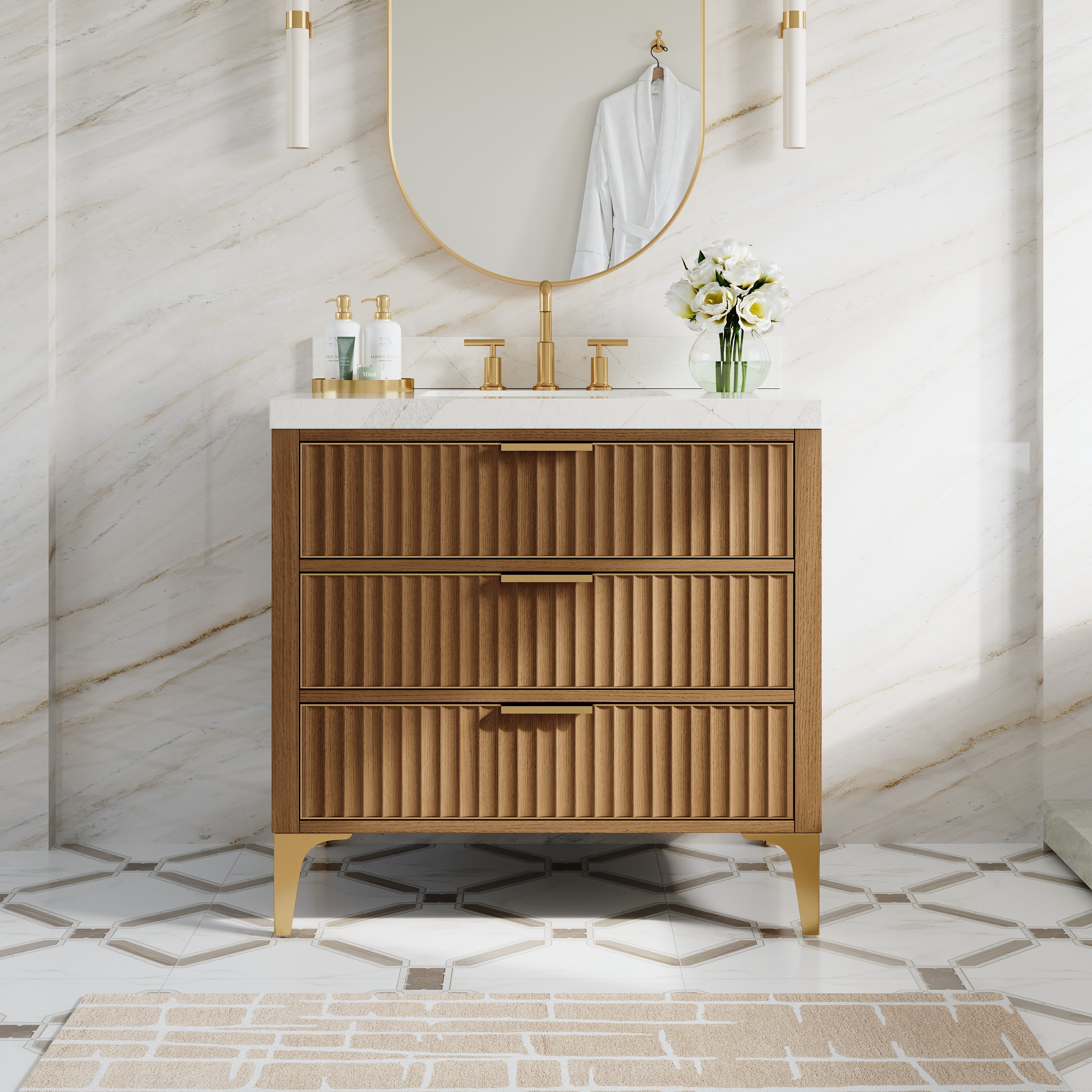
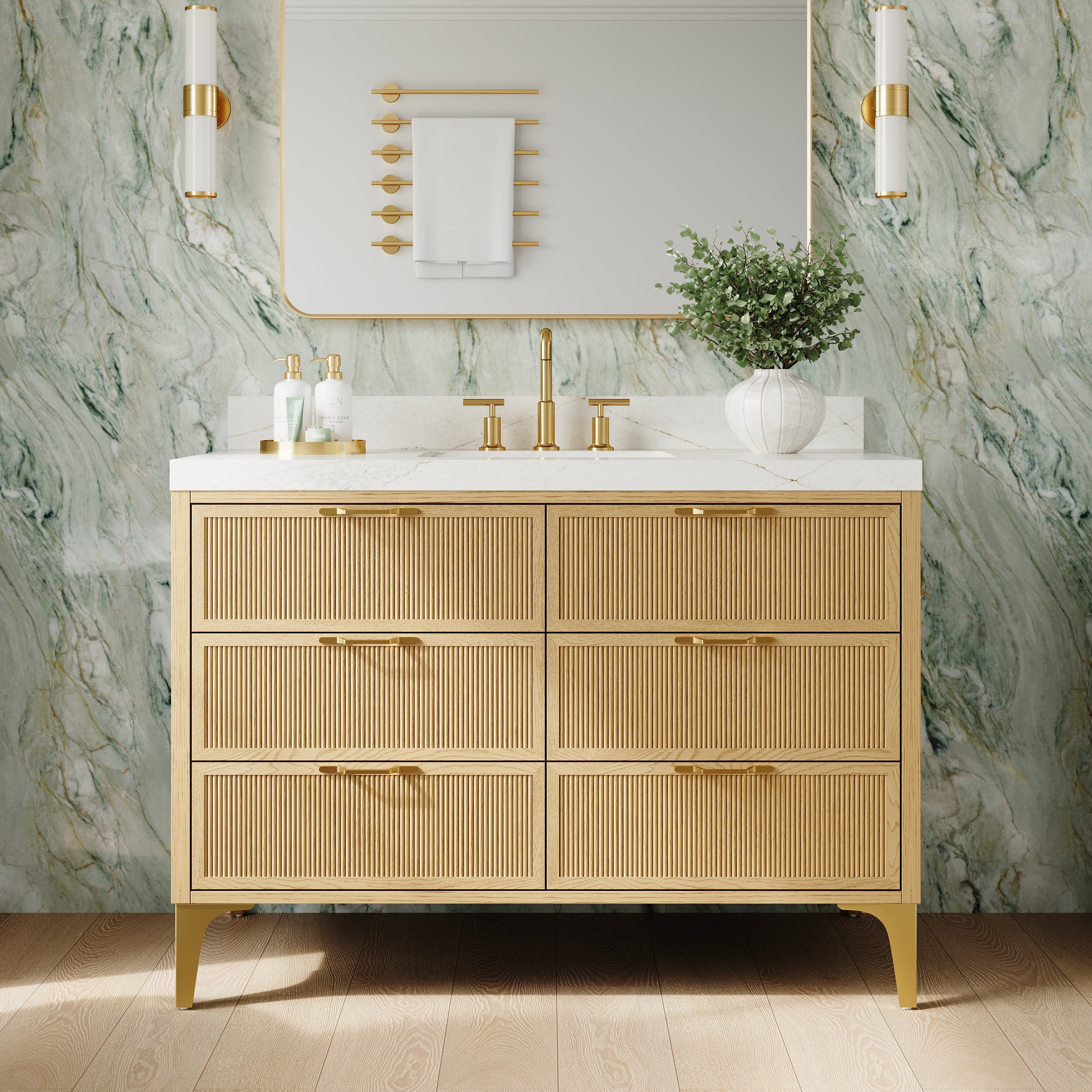


A large bath mirror can instantly make a luxury bathroom feel brighter, taller, and more intentional—especially when it’s paired with layered lighting and calm, low-clutter surfaces. The best results come from treating the mirror as architecture, not decoration: it should reinforce your layout lines, support grooming tasks, and reflect something worth seeing. That matters even more today, as remodeling spending has stayed elevated—home improvement and repair spending rose from $404 billion in 2019 to $611 billion in 2022 and was expected to remain above $600 billion through 2025 (Source: Joint Center for Housing Studies of Harvard University).
1. Start With Proportion: Mirror-to-Vanity and Mirror-to-Wall
A large bath mirror can instantly make a luxury bathroom feel brighter, taller, and more intentional—especially when it’s paired with layered lighting and calm, low-clutter surfaces. The best results come from treating the mirror as architecture, not decoration: it should reinforce your layout lines, support grooming tasks, and reflect something worth seeing. That matters even more today, as remodeling spending has stayed elevated—home improvement and repair spending rose from $404 billion in 2019 to $611 billion in 2022 and was expected to remain above $600 billion through 2025 (Source: Joint Center for Housing Studies of Harvard University).
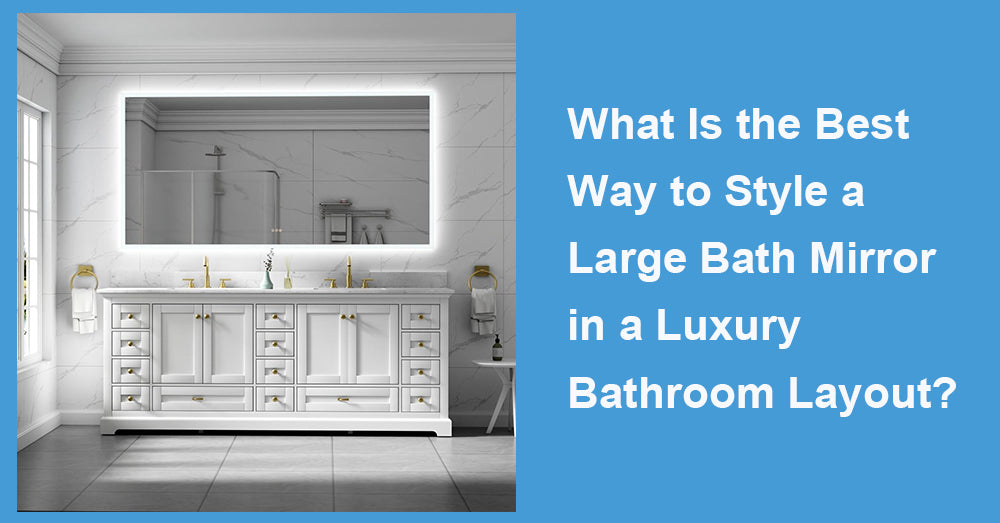
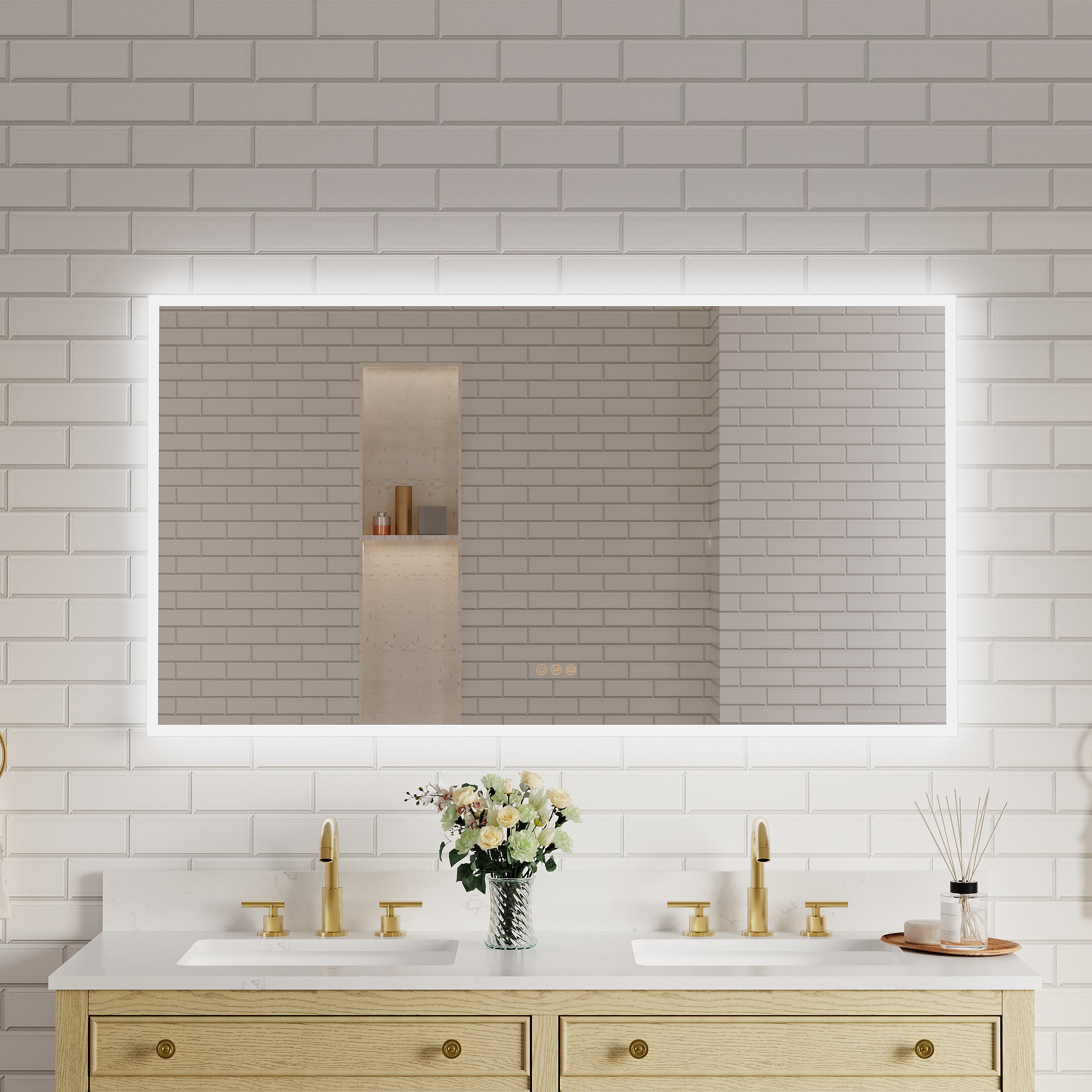
Begin with the vanity width and decide whether you want a single statement mirror (common in double-vanity layouts) or two mirrors aligned to each sink.
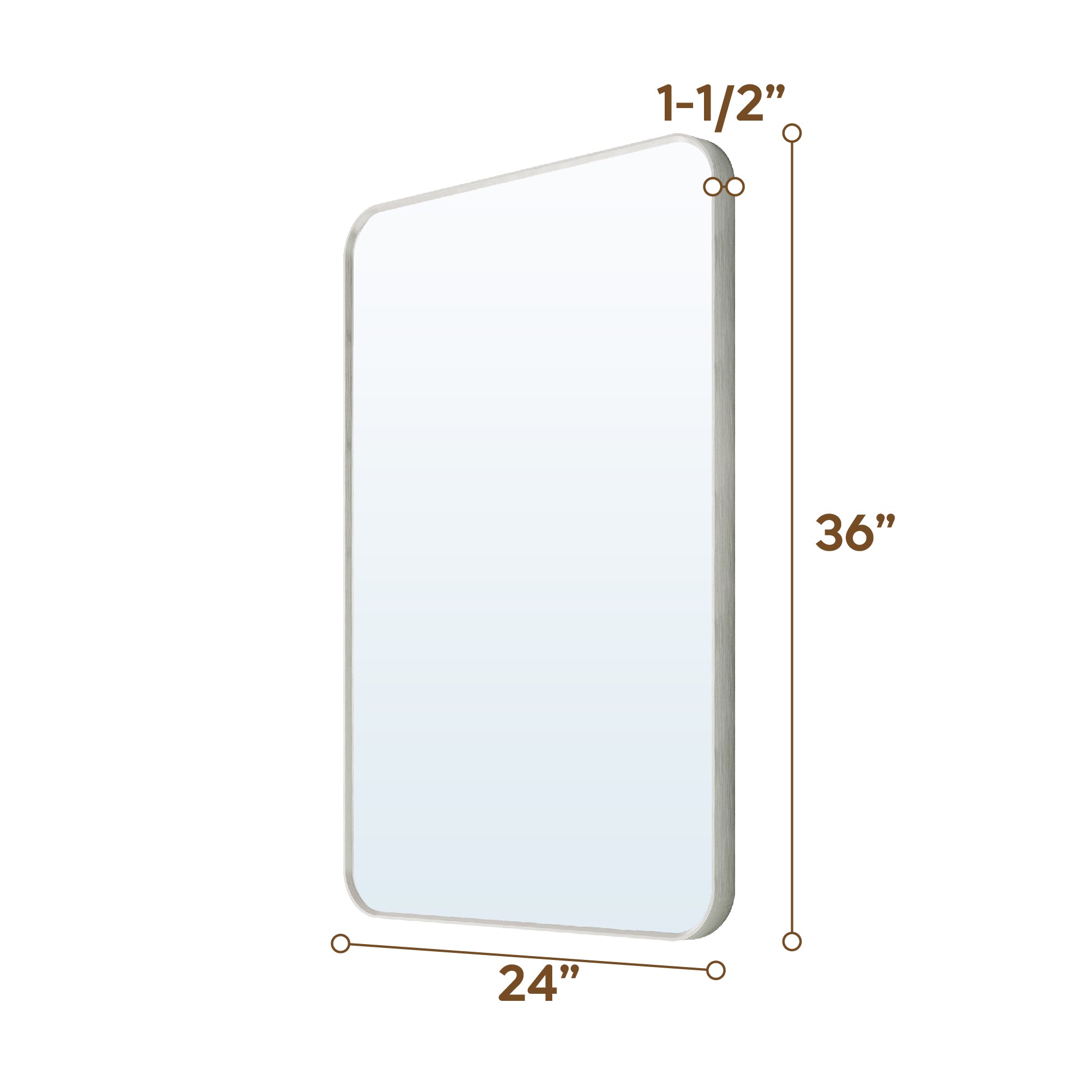
A dependable sizing rule is to keep the mirror slightly narrower than the vanity. The Home Depot’s mirror guidance suggests a quick rule of thumb: choose a mirror width that is 2 to 4 inches narrower than the vanity (Source: The Home Depot).
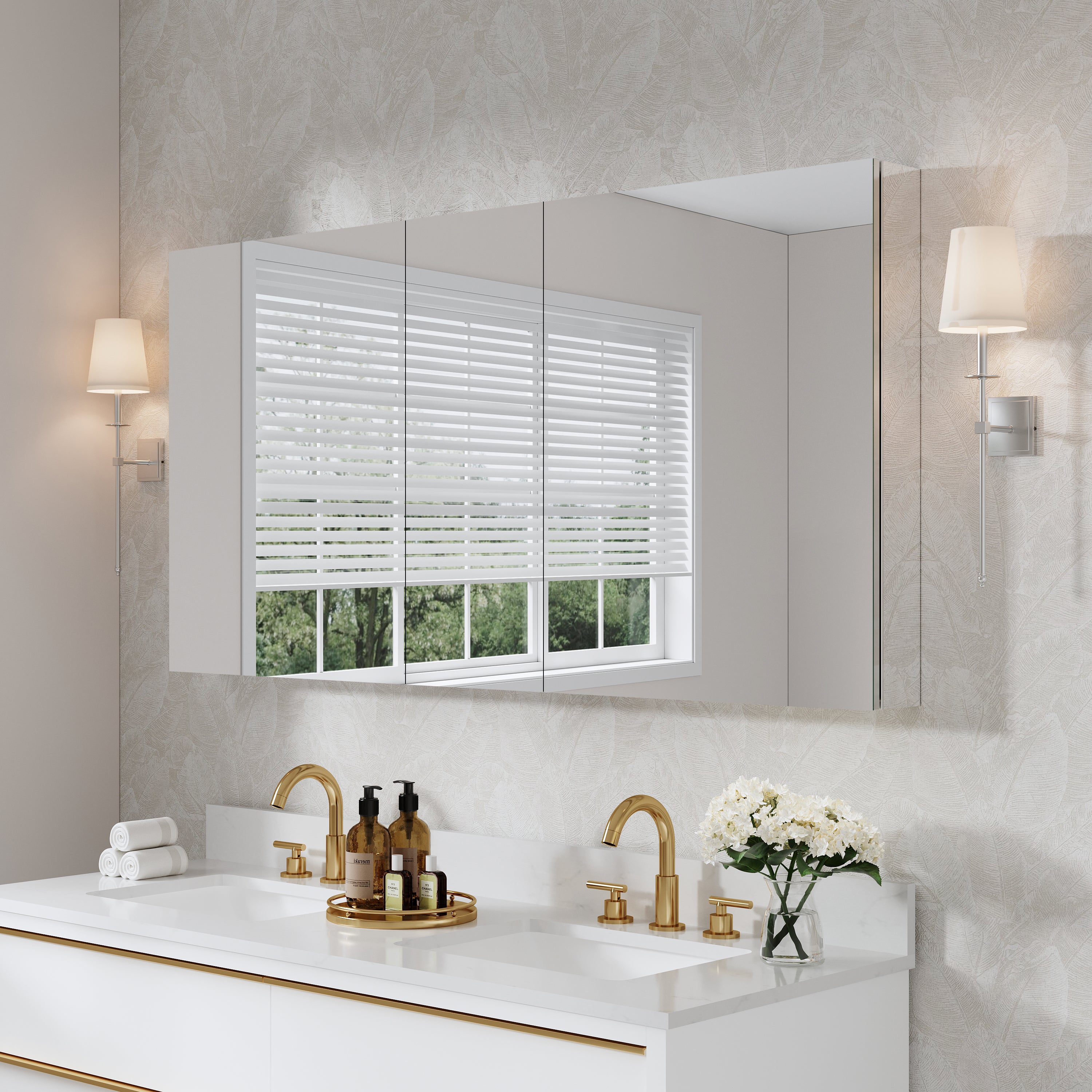
When the wall allows it, a wall-to-wall mirror can feel ultra-luxurious—especially behind a long vanity. If you go this route, detail matters: align the mirror edges with wall panels, cabinet end panels, or vertical tile joints so the mirror reads like a deliberate design move instead of a big sheet of glass.
2. Make Lighting the “Jewelry” Around the Mirror
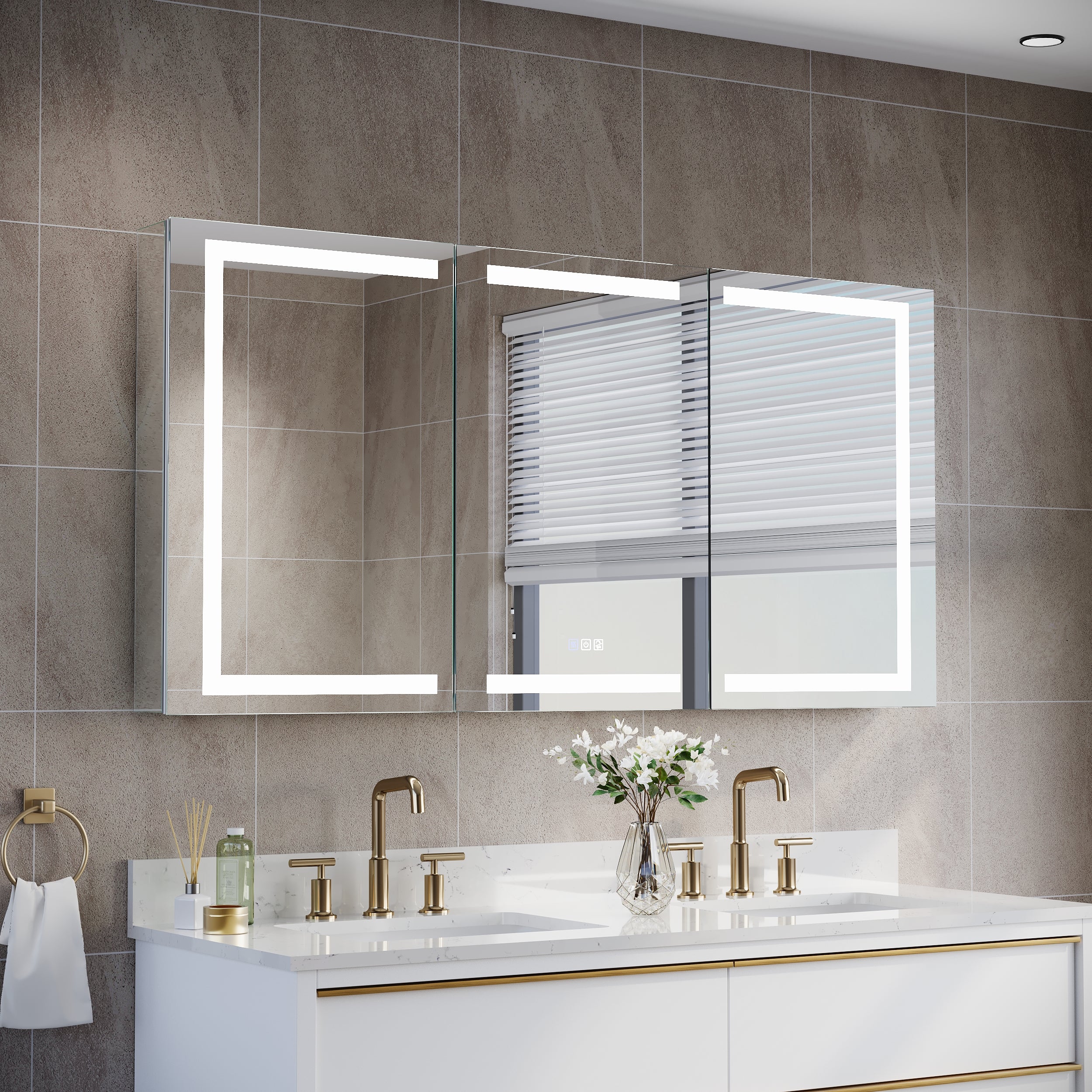
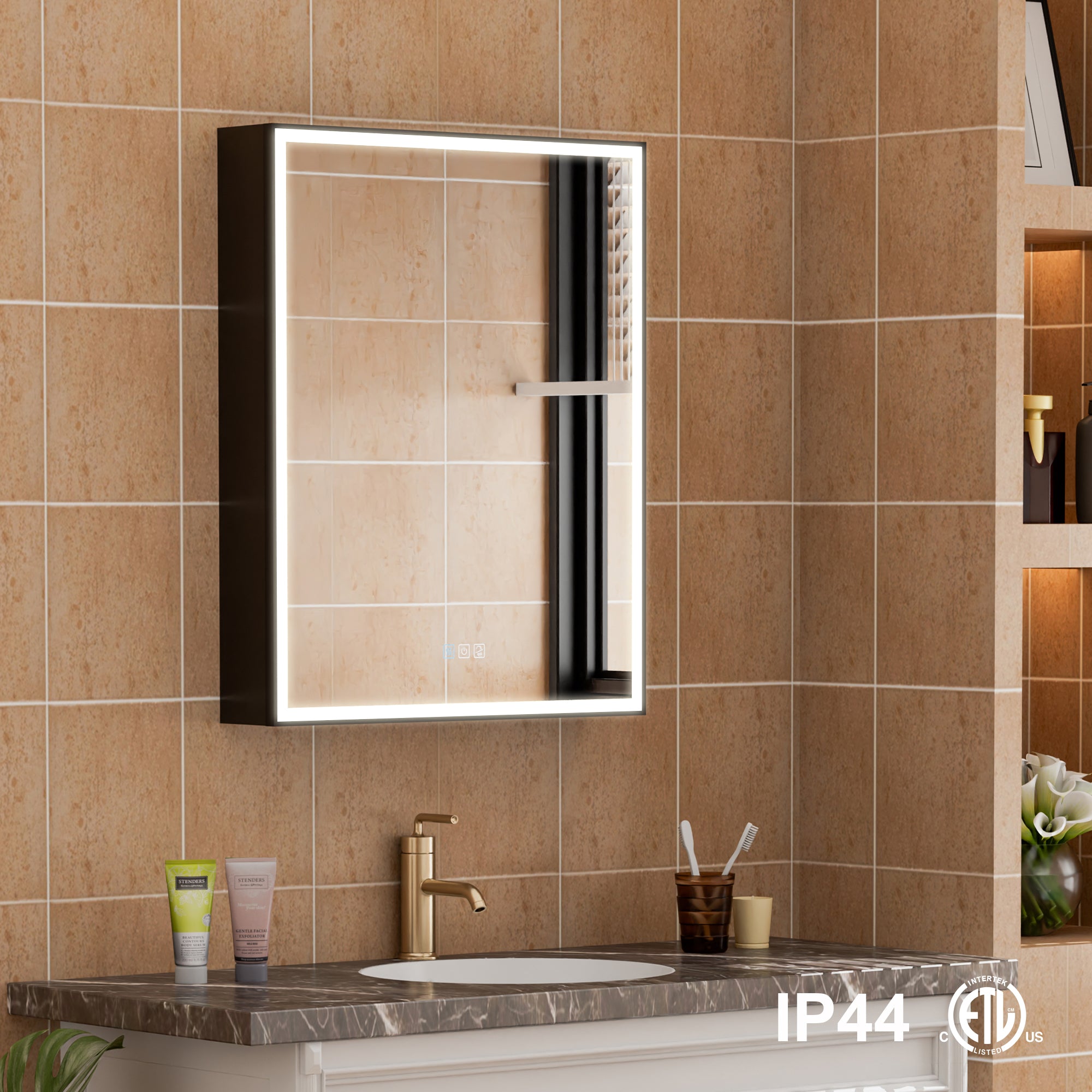
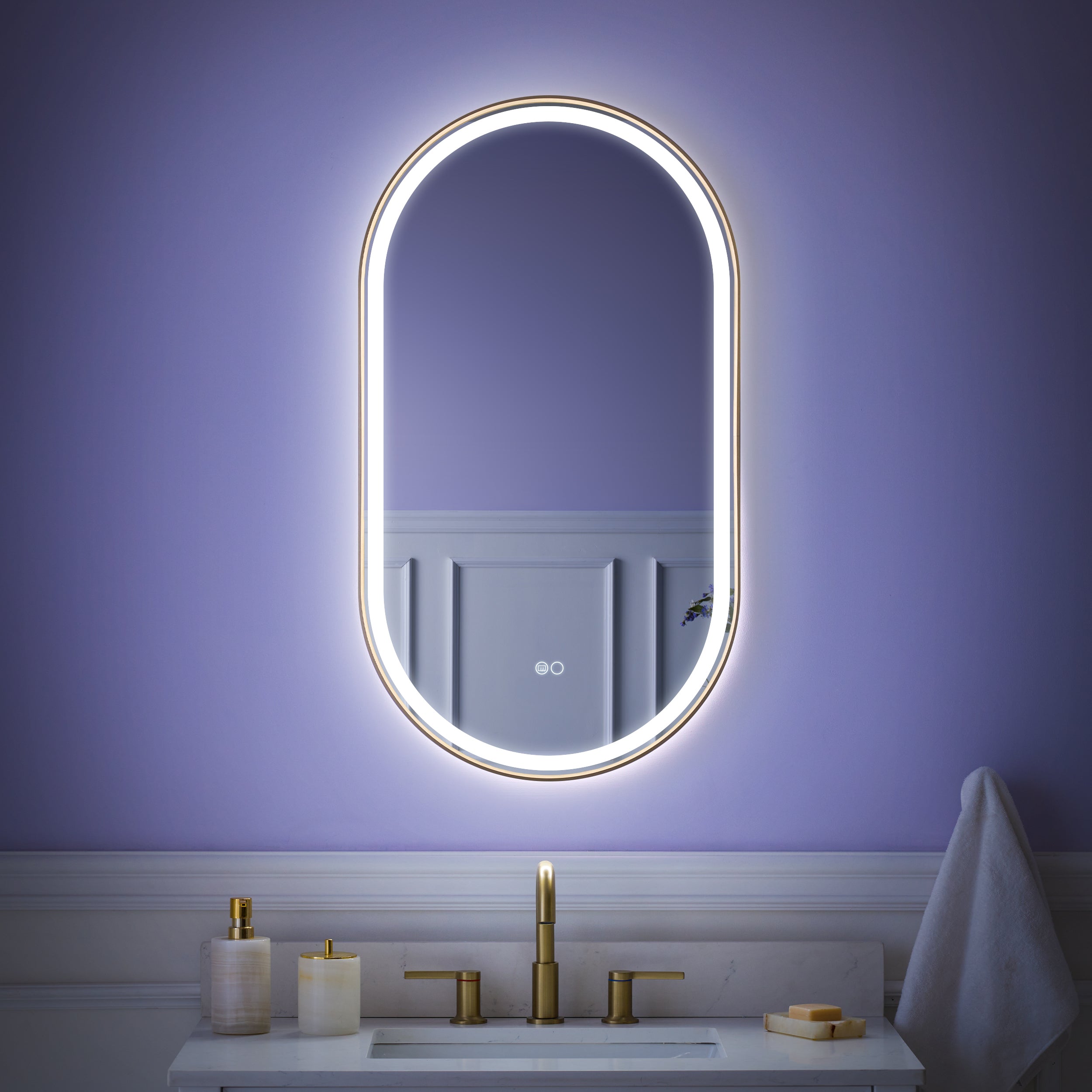
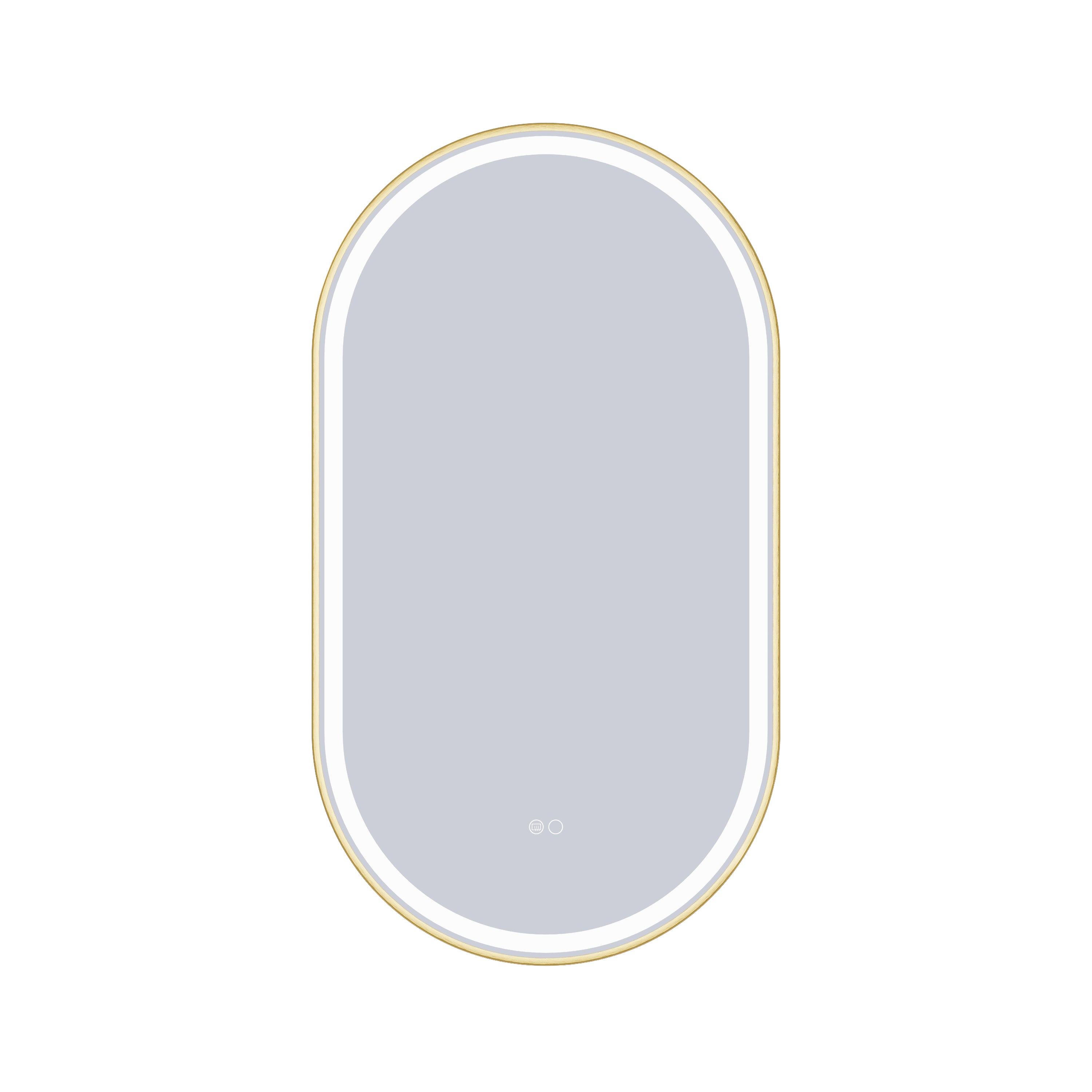
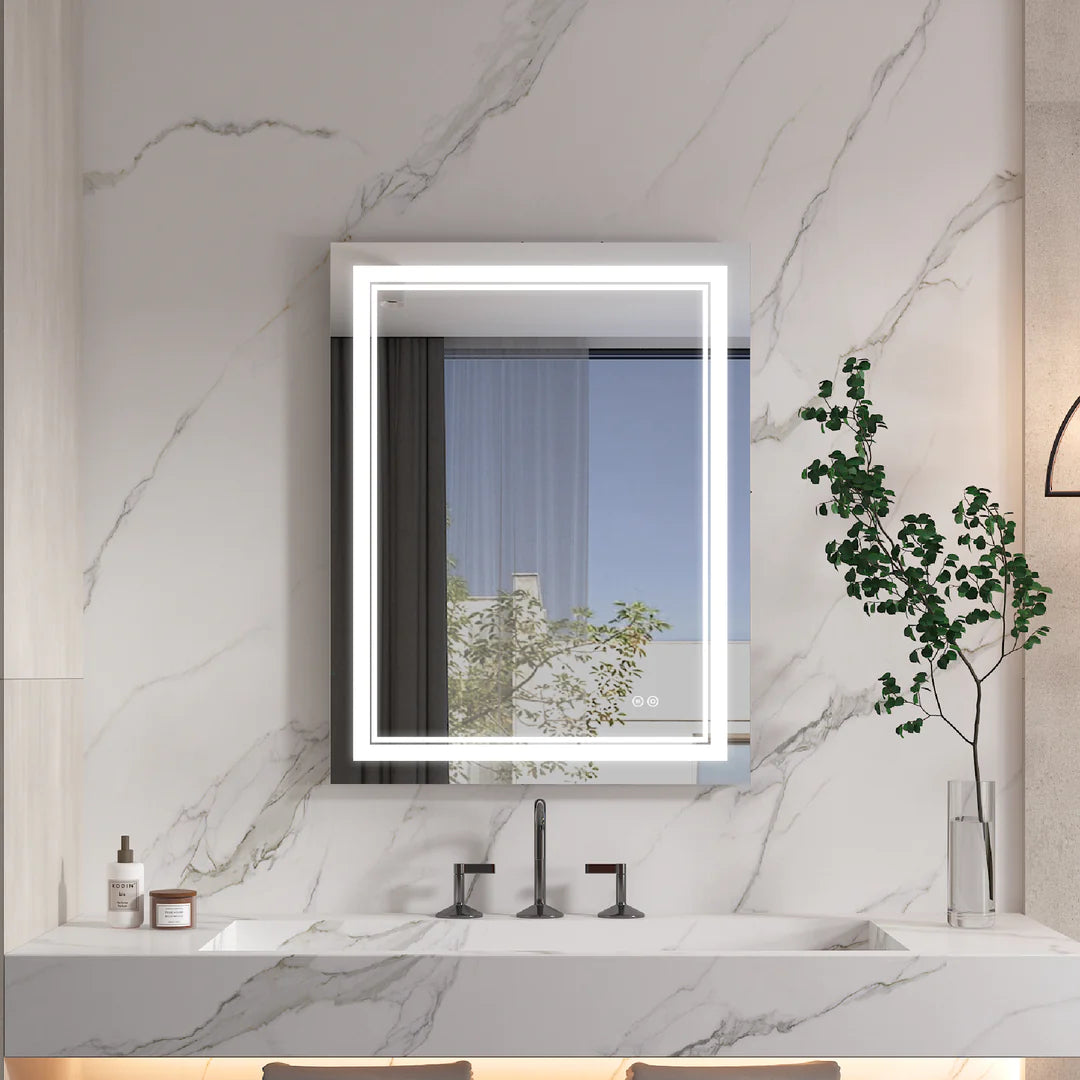
Lighting is where luxury styling lives or dies. Trend data shows lighting choices are becoming more layered, and lighted mirrors are increasingly common. In Houzz’s 2025 bathroom features reporting, lighted mirrors rose to 22% of renovated bathrooms (Source: Houzz).
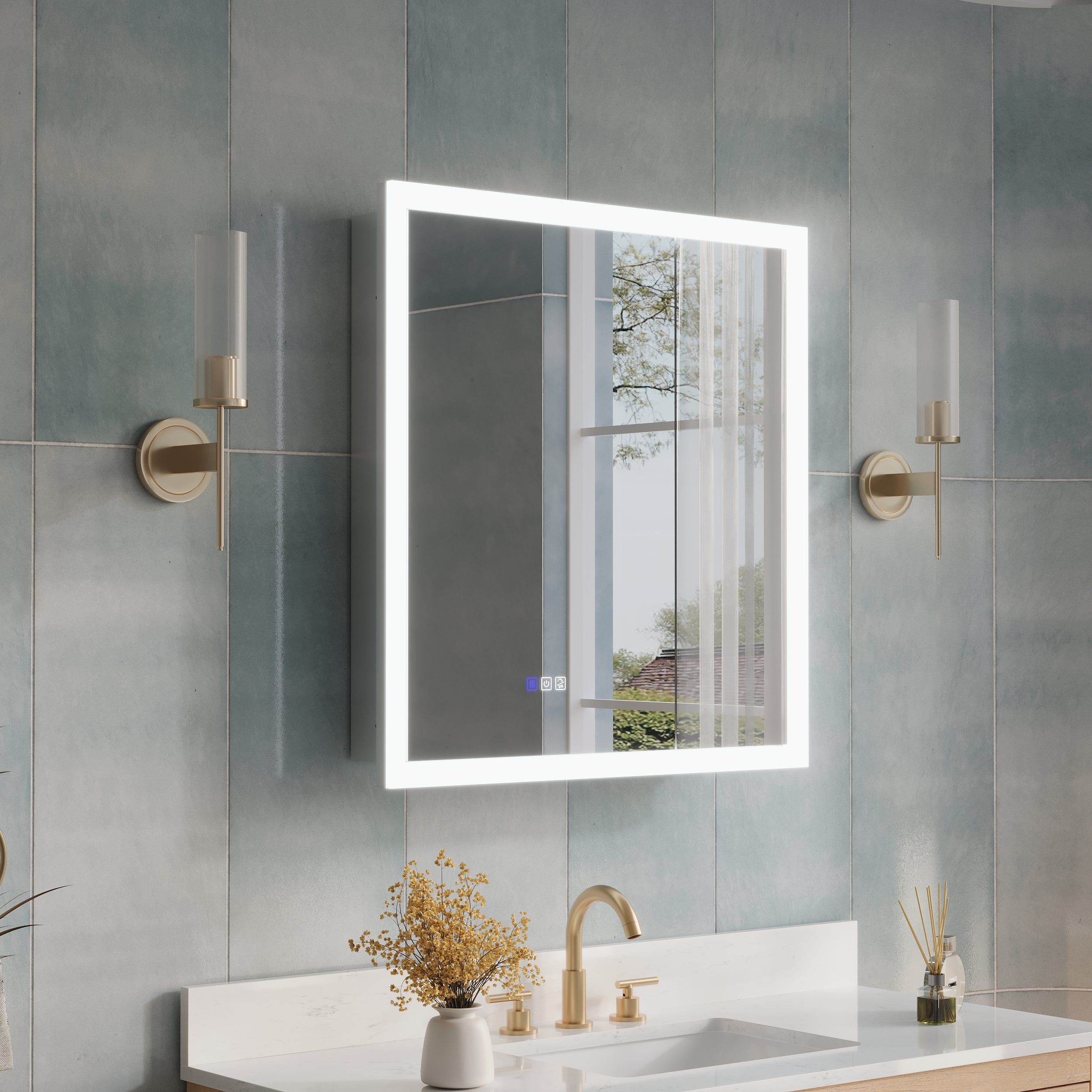
For the most flattering light at the vanity, side lighting is typically best because it reduces shadows on the face. NKBA planning guidance recommends vanity task lighting beside the mirror at eye level, with the lamp not visible to the eye (Source: NKBA Bathroom Planning Guidelines).
If side sconces aren’t possible, a well-placed bath bar above the mirror can work, but you’ll want a wide fixture with diffused light to avoid harsh “downlight” shadows.
Also, build in control. Dimmable lighting is strongly tied to relaxation in bathrooms: the Houzz 2025 Bathroom Trends Study notes dimmable lighting (39%) and natural light (43%) as major relaxation helpers (Source: Houzz 2025 Bathroom Trends Study PDF).
In luxury layouts, dimming lets the same mirror zone shift from morning task mode to evening spa mode.
3. Choose Frameless vs. Framed Based on Your Architecture
A large mirror can either disappear (frameless) or become a focal point (framed). Use the room’s architecture to decide.
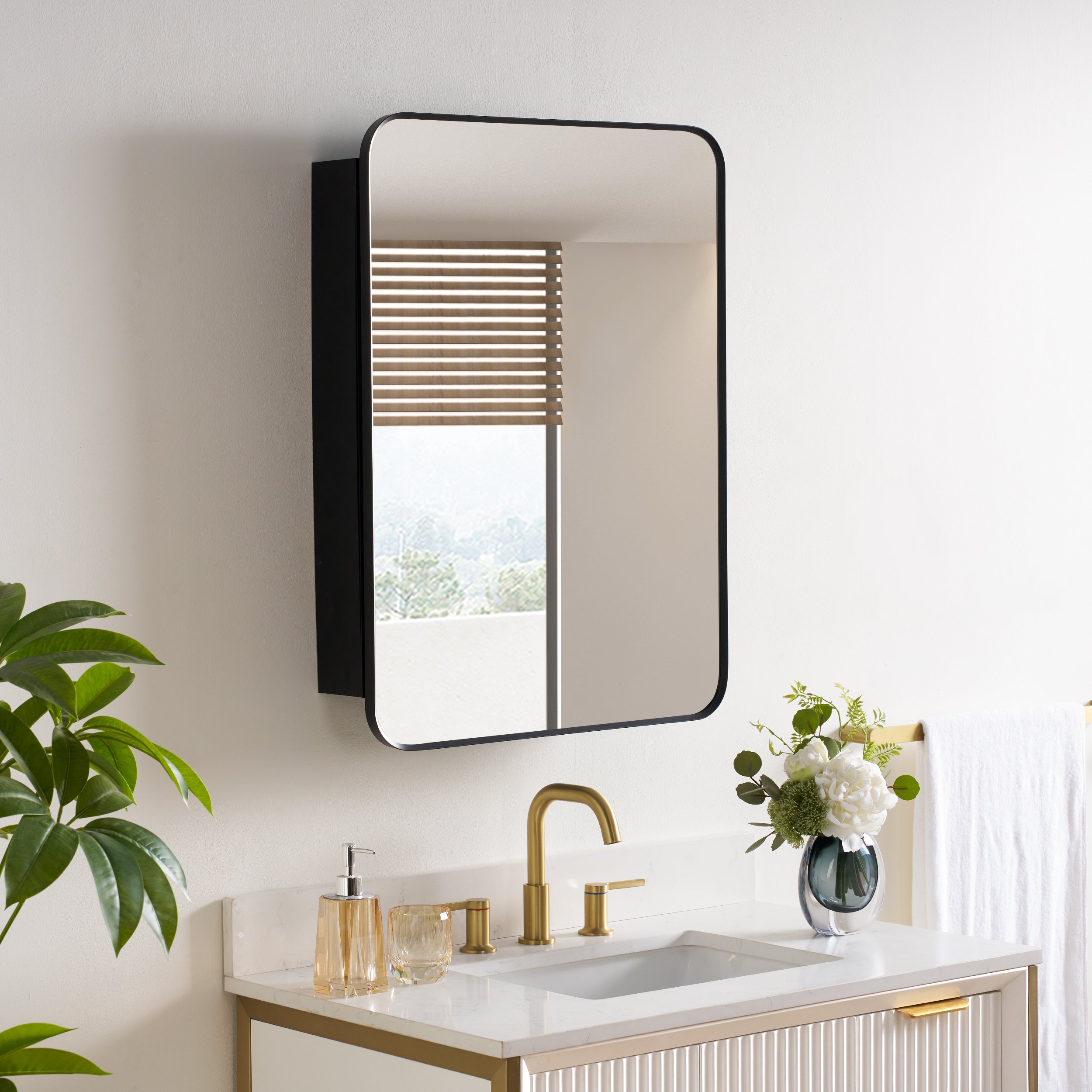
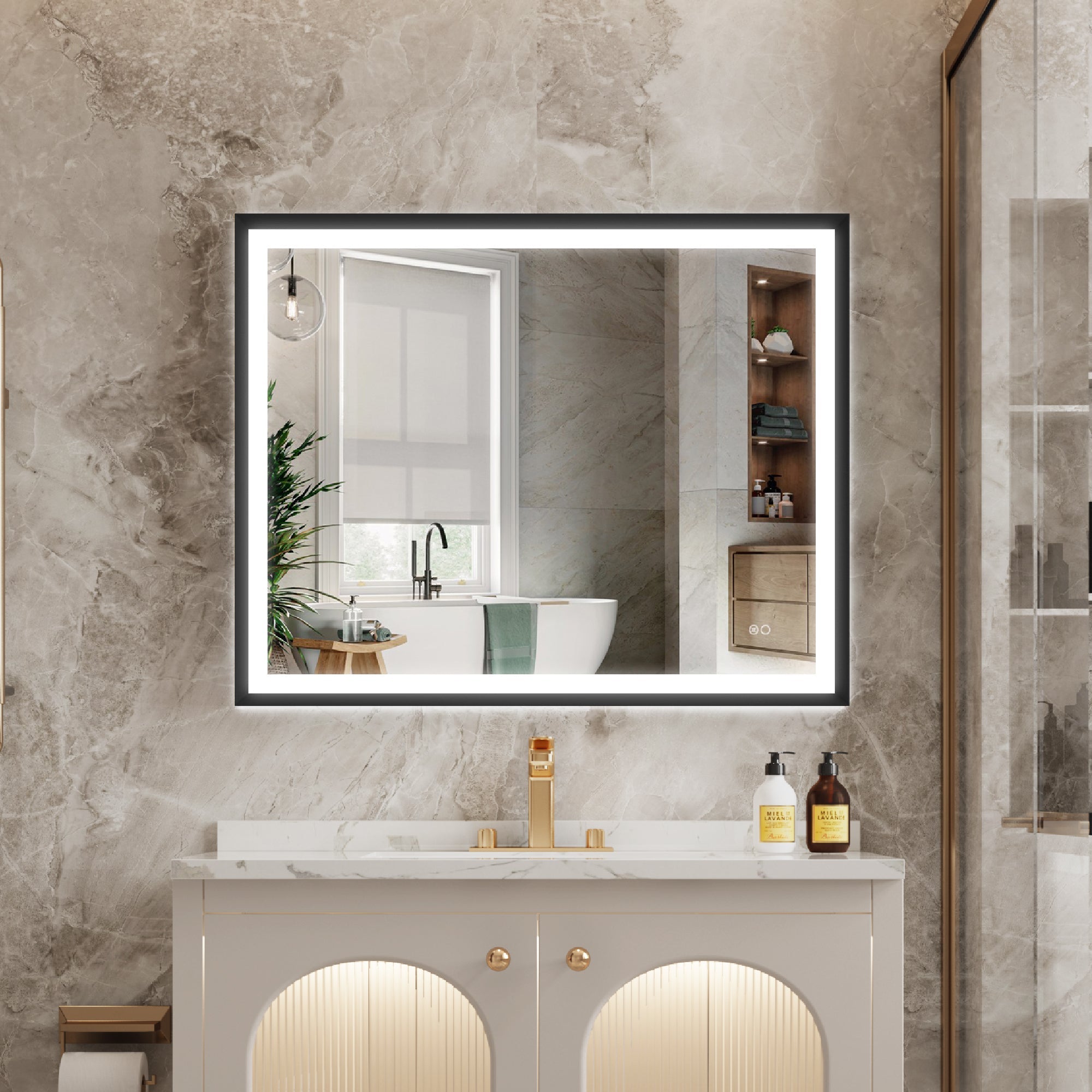
Frameless mirrors tend to look modern and “gallery clean,” which pairs well with slab walls, large-format tile, floating vanities, and minimal hardware. They also visually expand tight layouts because the eye reads more wall and less border.
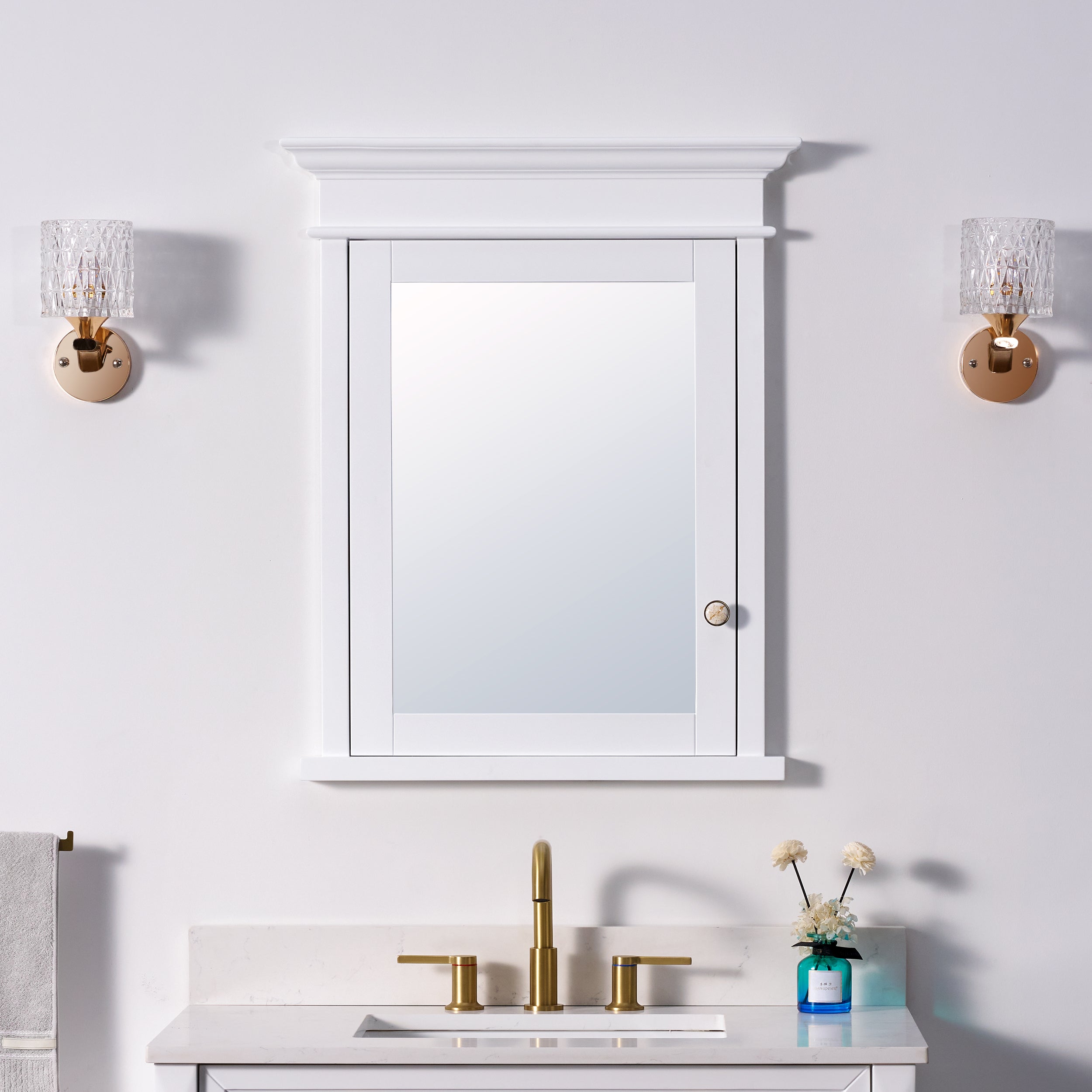
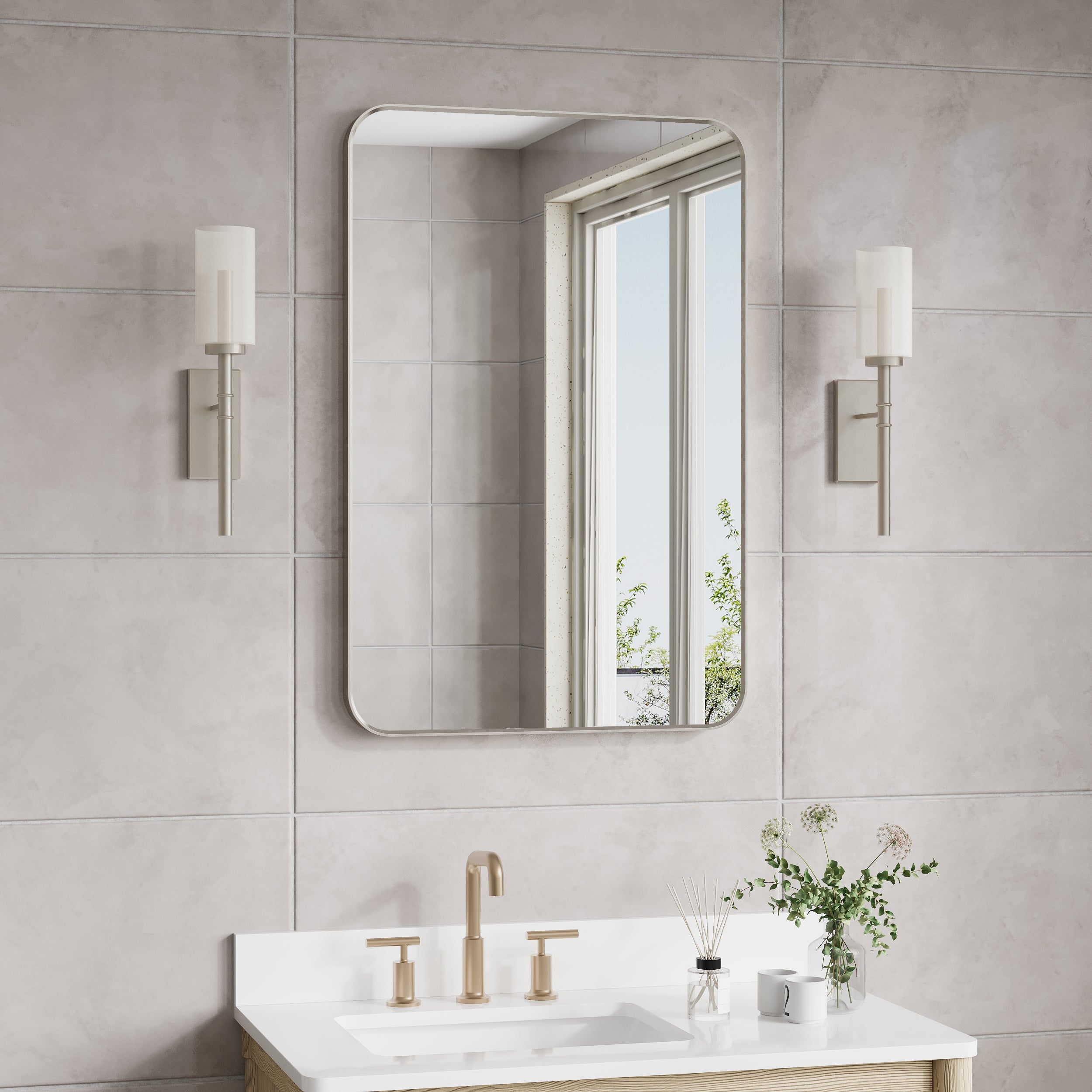
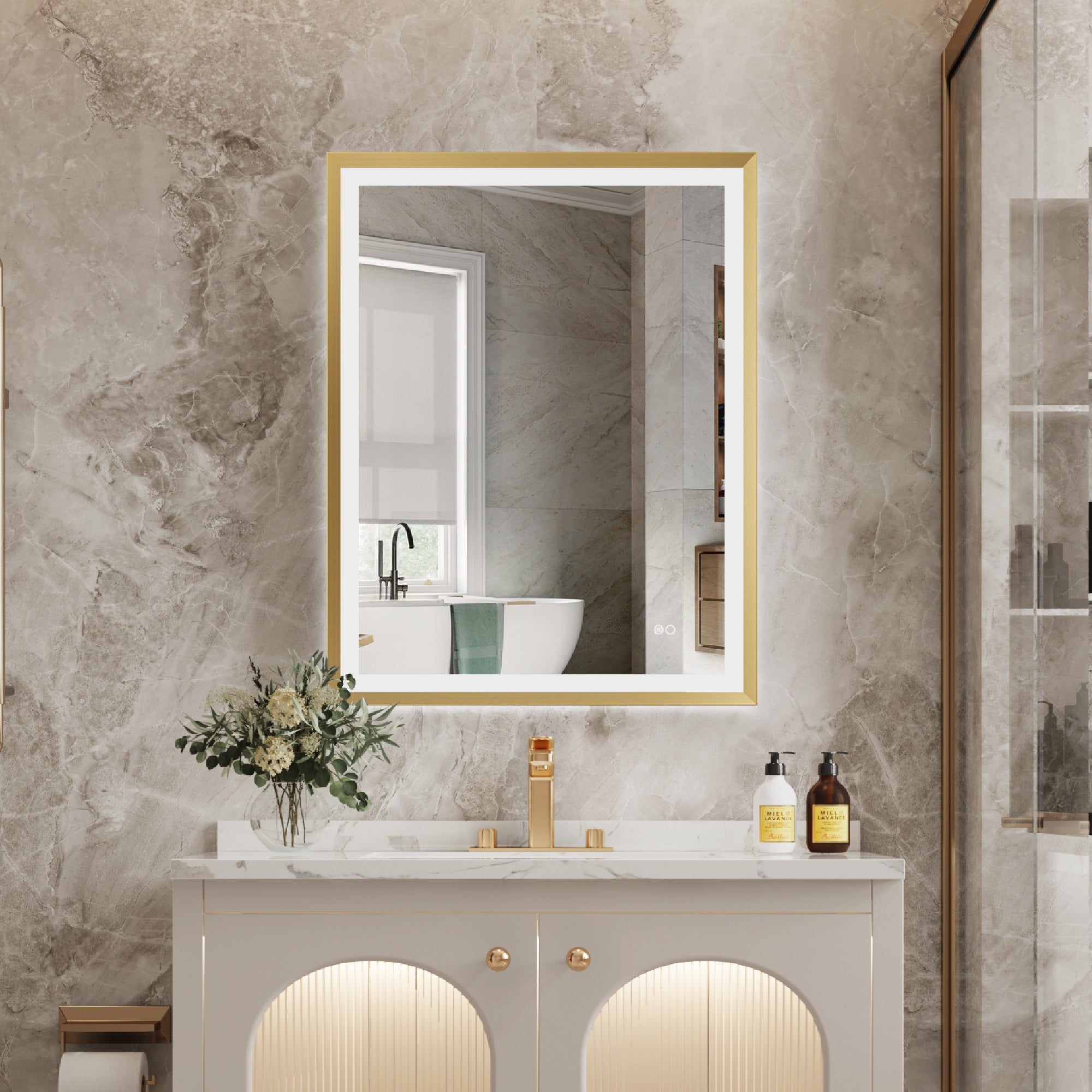
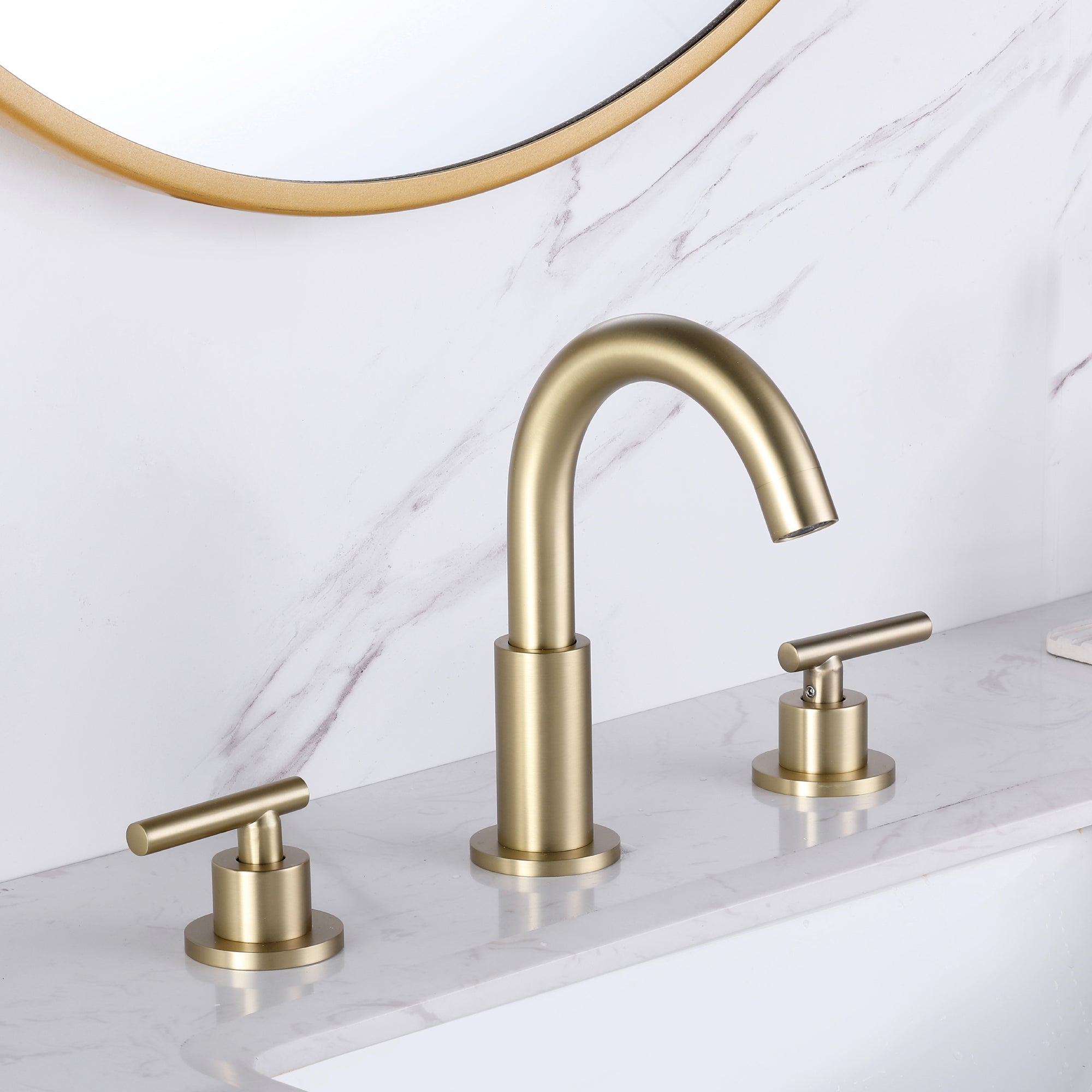
Framed mirrors feel more tailored when the bathroom includes traditional millwork, arched doorways, picture-frame molding, or warmer classic finishes. If you choose a frame, match it to one metal family in the room (faucet, sconces, or cabinet hardware) so the wall looks coordinated, not busy.
Either way, align the mirror with something structural: the centerline of the faucet, the centerline of the sink, and the vertical rhythm of the wall.
4. Style for Cleanliness: The Fastest Way to Keep “Luxury” Looking Luxurious

Luxury bathrooms don’t look luxurious when they look hard to maintain. Cleanliness isn’t a small preference—it’s a dominant driver of satisfaction. In the Houzz 2025 Bathroom Trends Study PDF, cleanliness is cited as the most frequently mentioned factor supporting relaxation (74%) (Source: Houzz 2025 Bathroom Trends Study PDF).
So the mirror styling should reduce visual noise and reduce cleaning friction:
· Go bigger (within proportion). Tiny mirrors tend to look cheaper and create more “busy wall” around them.
· Favor simple edges. A clean bevel or polished edge is easier to wipe than ornate grooves.
· Consider anti-fog if your bathroom steams up often, especially when the mirror sits near a shower or tub zone.
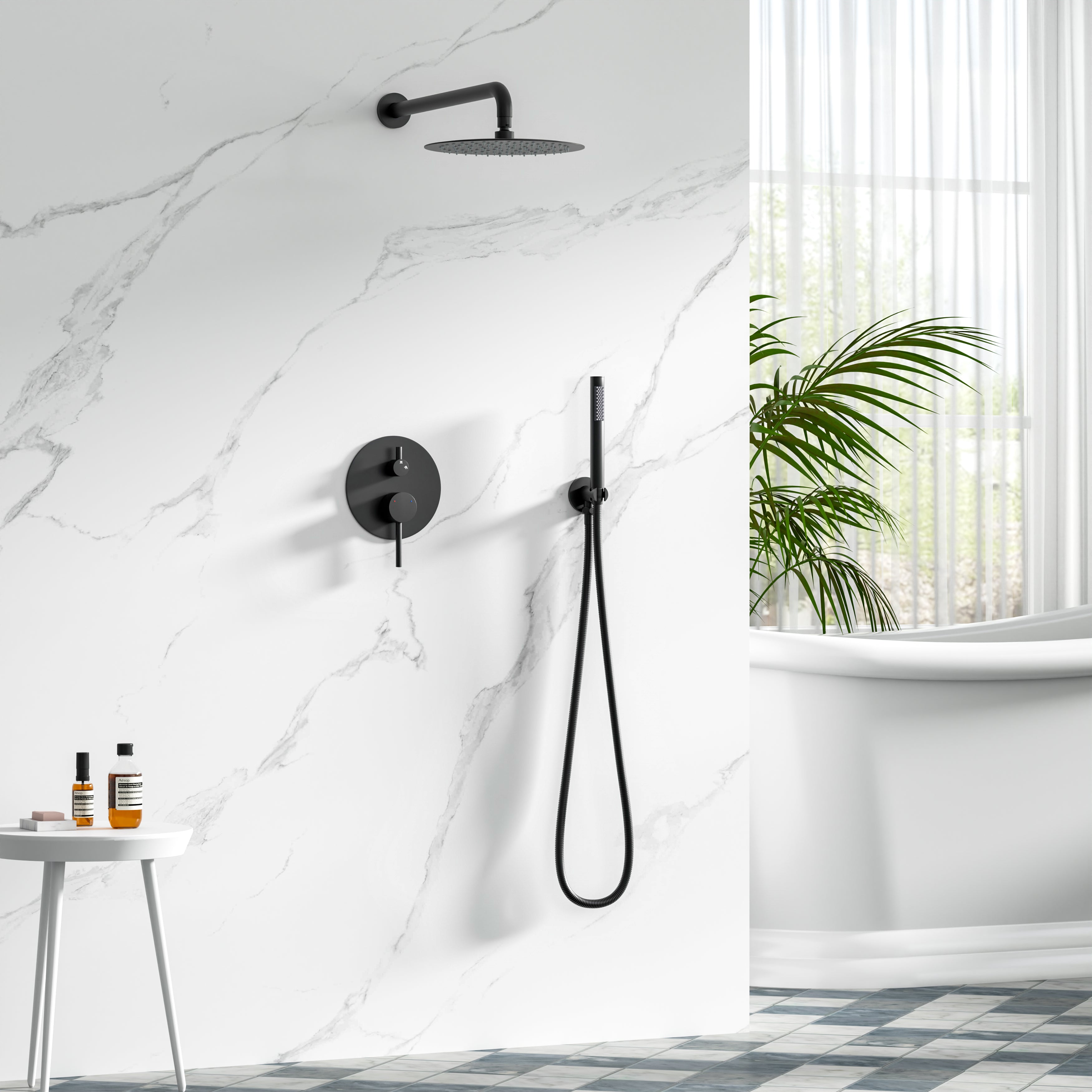
· Plan drip control. If you’re using a wall-mounted faucet, confirm the spout reach and splash pattern so you aren’t constantly wiping water spots off the mirror.
5. Build a Layered “Luxury Wall” Around the Mirror
The mirror is the centerpiece, but the wall composition creates the luxury effect. A few high-impact approaches:
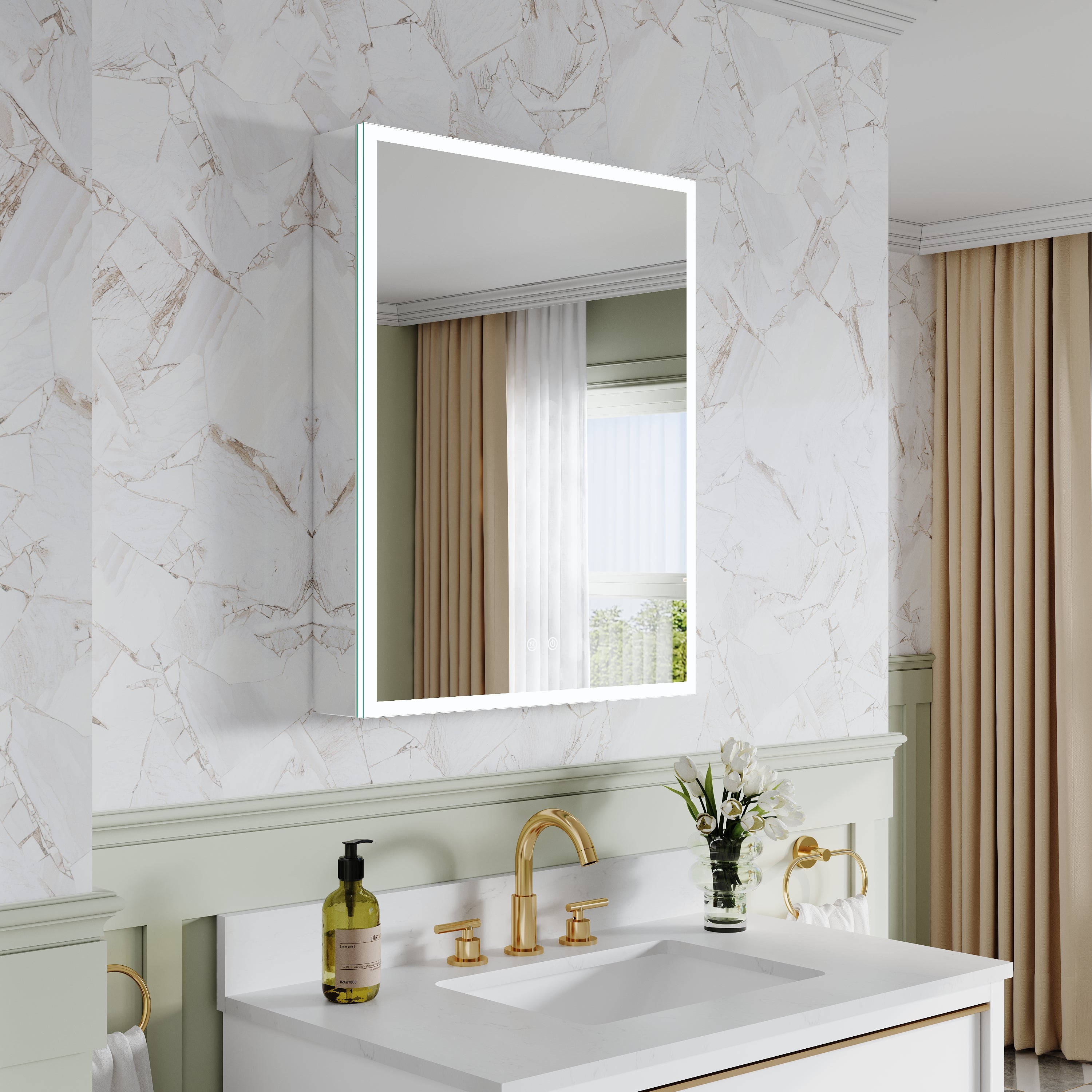
· Stone or slab-look backdrop: If you use a bold stone, keep the mirror shape simple so the vein pattern and reflection don’t compete.
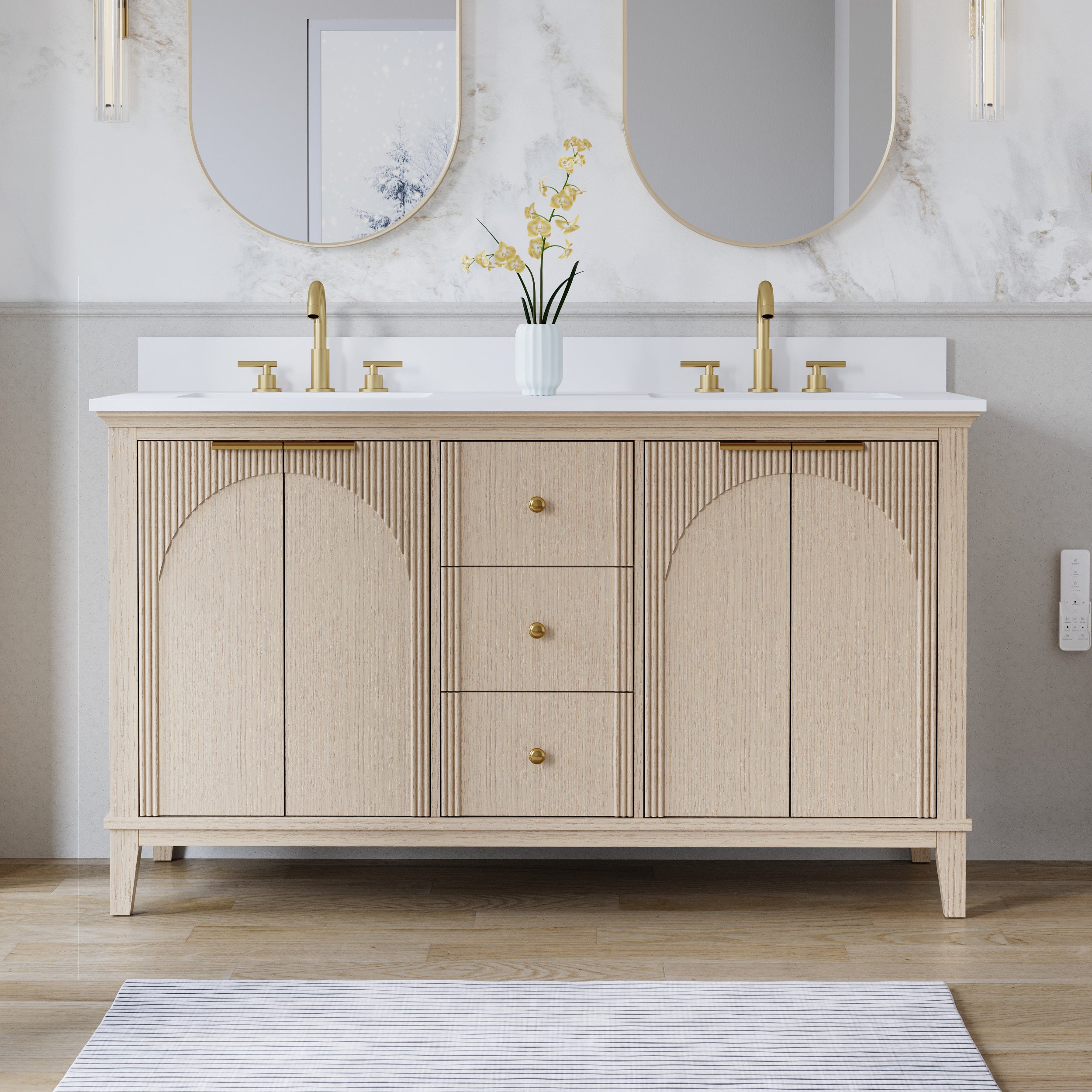
· Fluted or ribbed panels: Great behind a mirror because they add depth without relying on extra décor.
· Symmetry: In luxury layouts, symmetry reads as calm. Matching sconces and matching countertop accessories (soap dispenser, tray) look intentional.
· One hero object reflected: Mirrors double what they see. Make sure the reflection captures a window, a pendant, a plant, or a piece of art—not storage clutter.
6. Get the Height and Placement Right for Real People
A mirror that’s “pretty” but awkward to use will never feel premium. NKBA guidance recommends placing a mirror above or near the lavatory at a height that considers the user’s eye height, and notes an access standard reference that mirrors above lavatories should have the bottom edge of the reflecting surface no more than 40 inches above the floor (Source: NKBA Bathroom Planning Guidelines).
In practice, many luxury bathrooms solve this by going taller—either a full-height mirror or a large vertical mirror—so it works for different heights and for both standing and seated use. If you’re installing a large horizontal mirror over a long vanity, consider a height that allows comfortable face-level viewing while still leaving space for lighting and (if desired) a small ledge or backsplash.
7. Add Integrated Features Without Making the Wall Look “Techy”
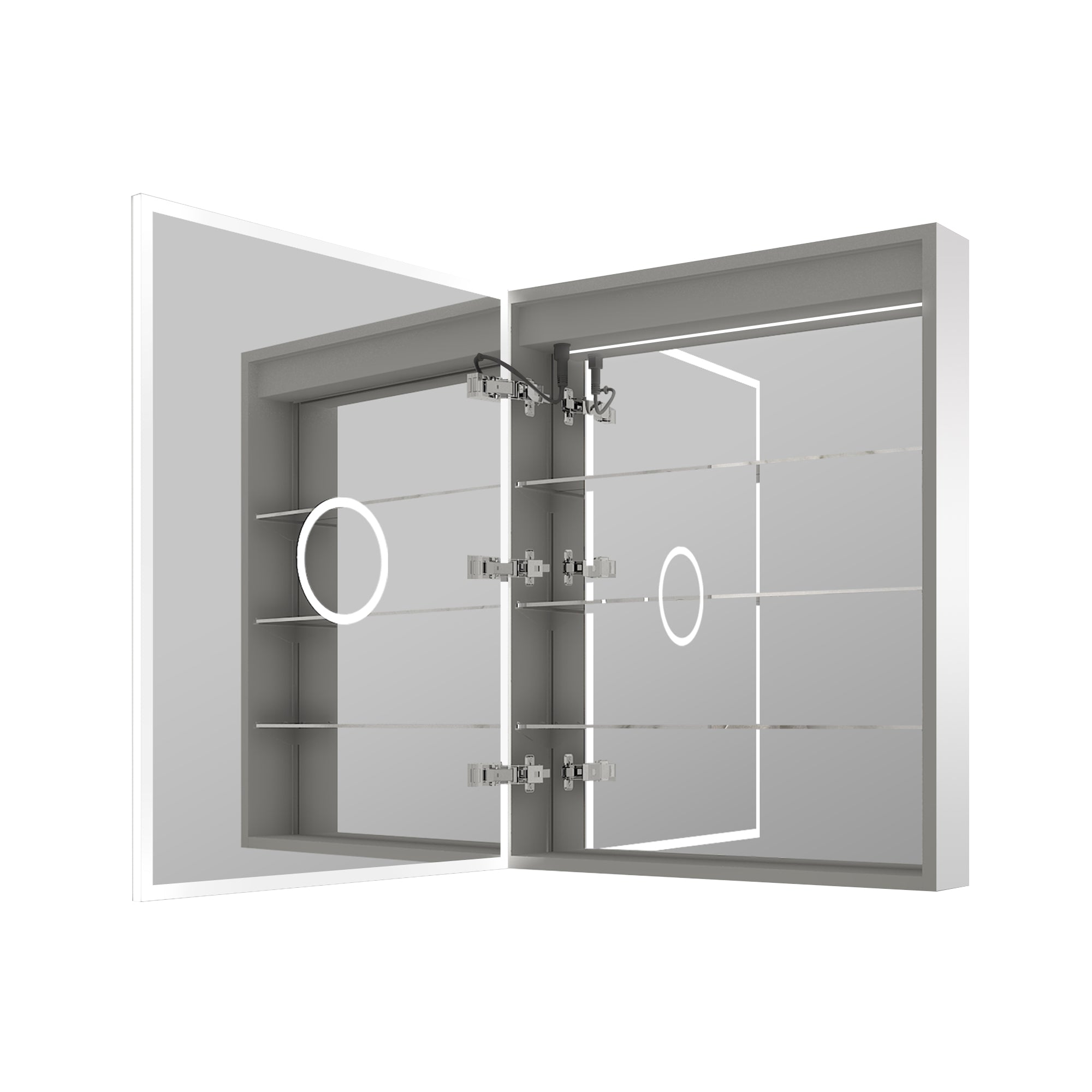
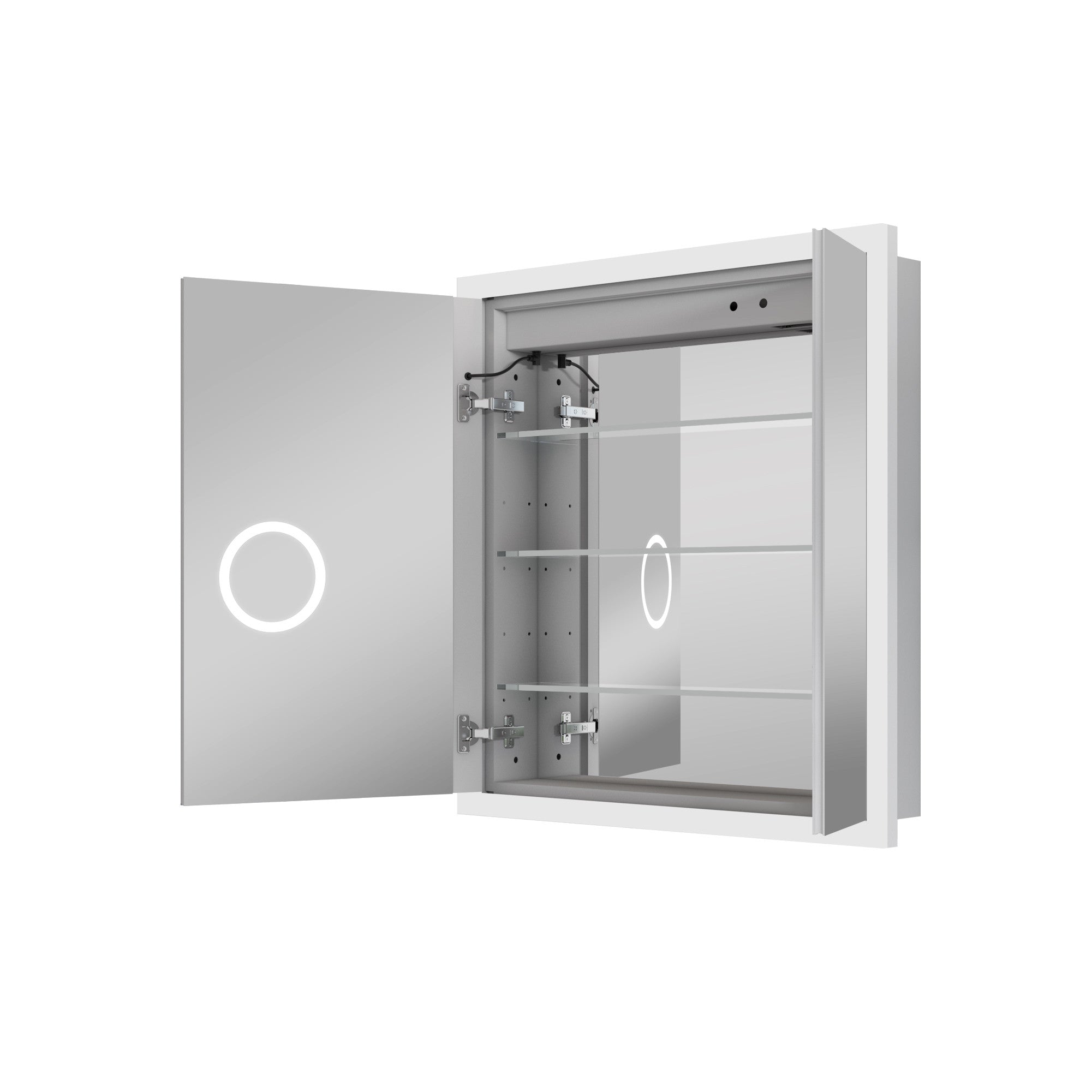
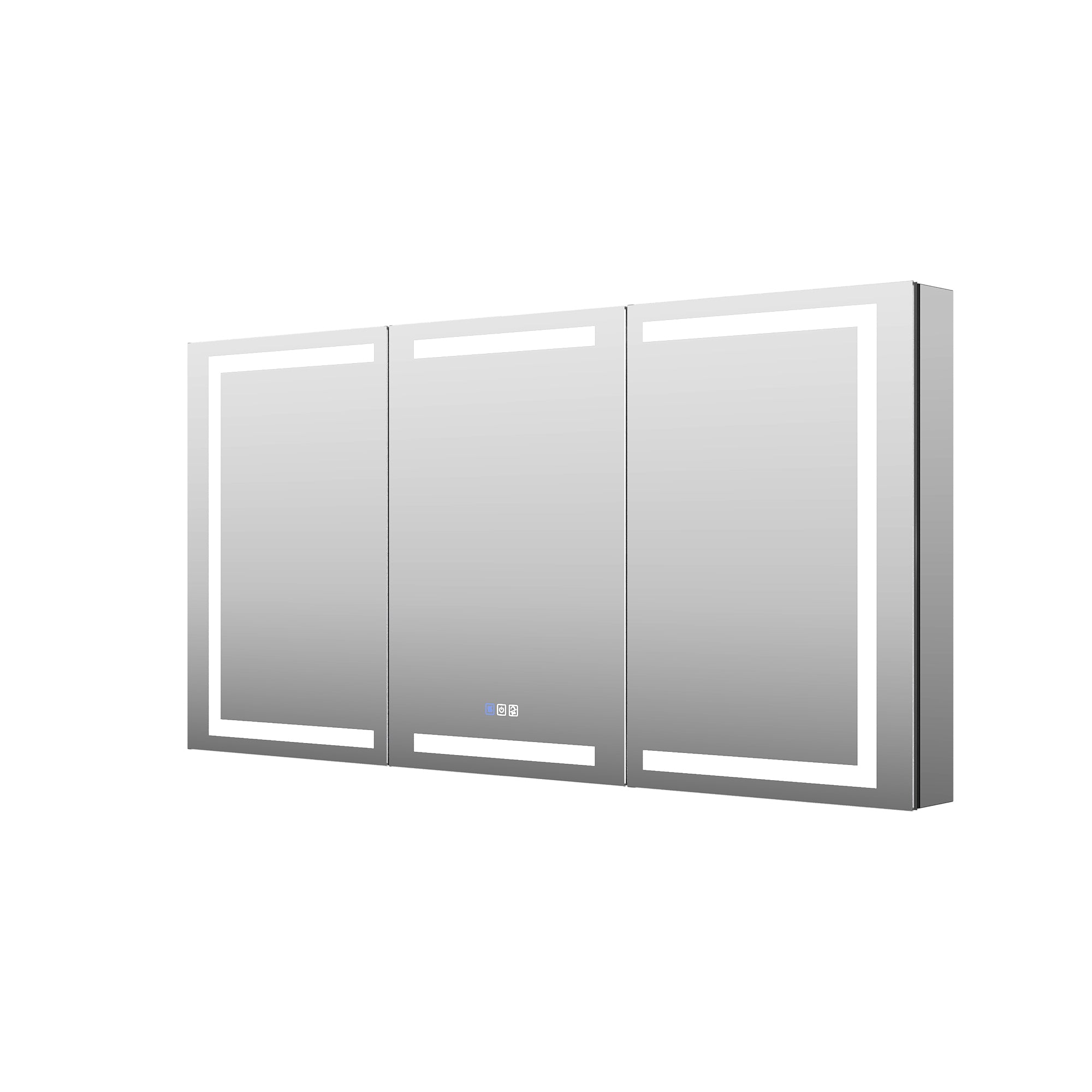
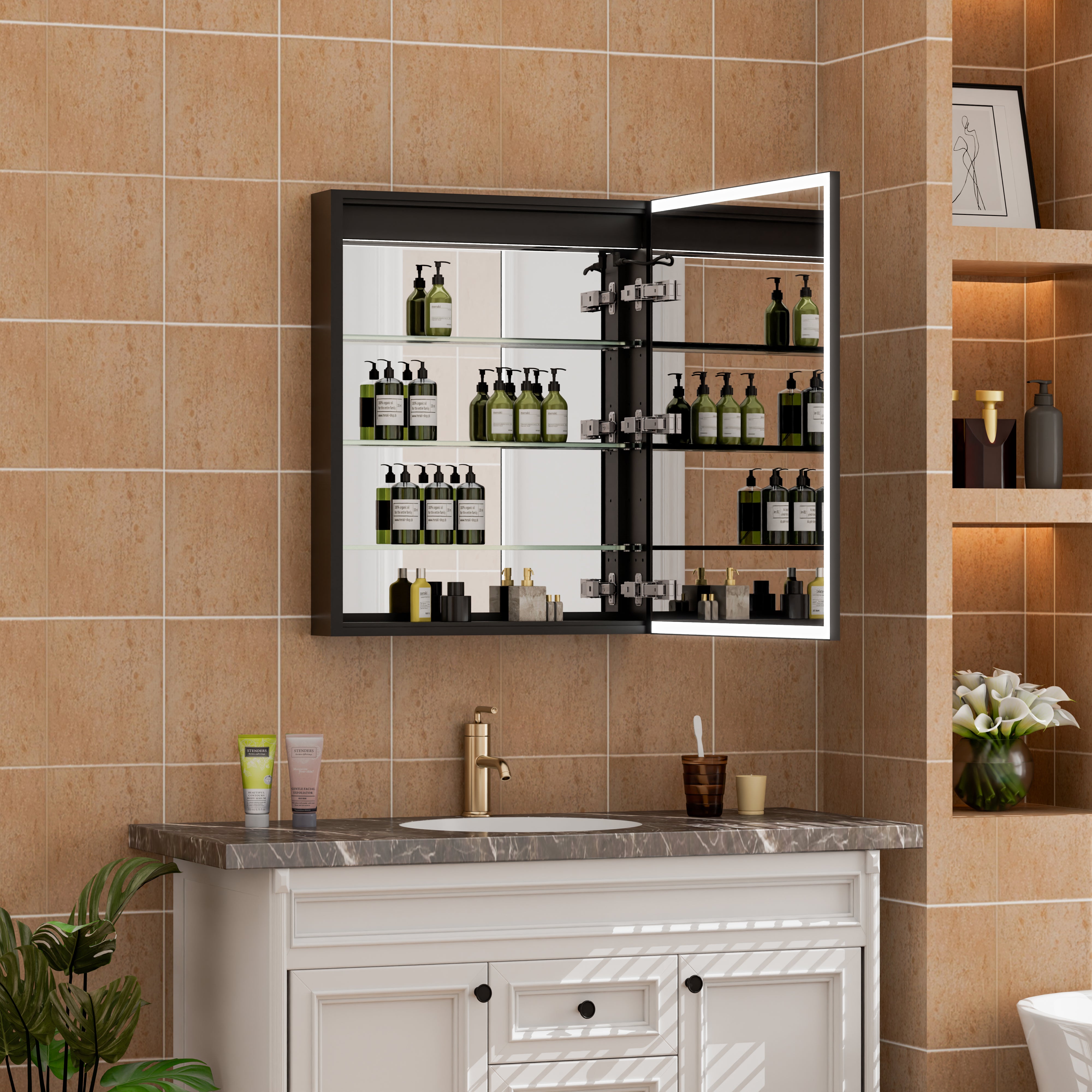
Luxury today often means invisible function. If you choose a lighted mirror, prioritize:
· Dimming (for mood control)
· Even diffusion (no “hot spots”)
· Practical color temperature for grooming
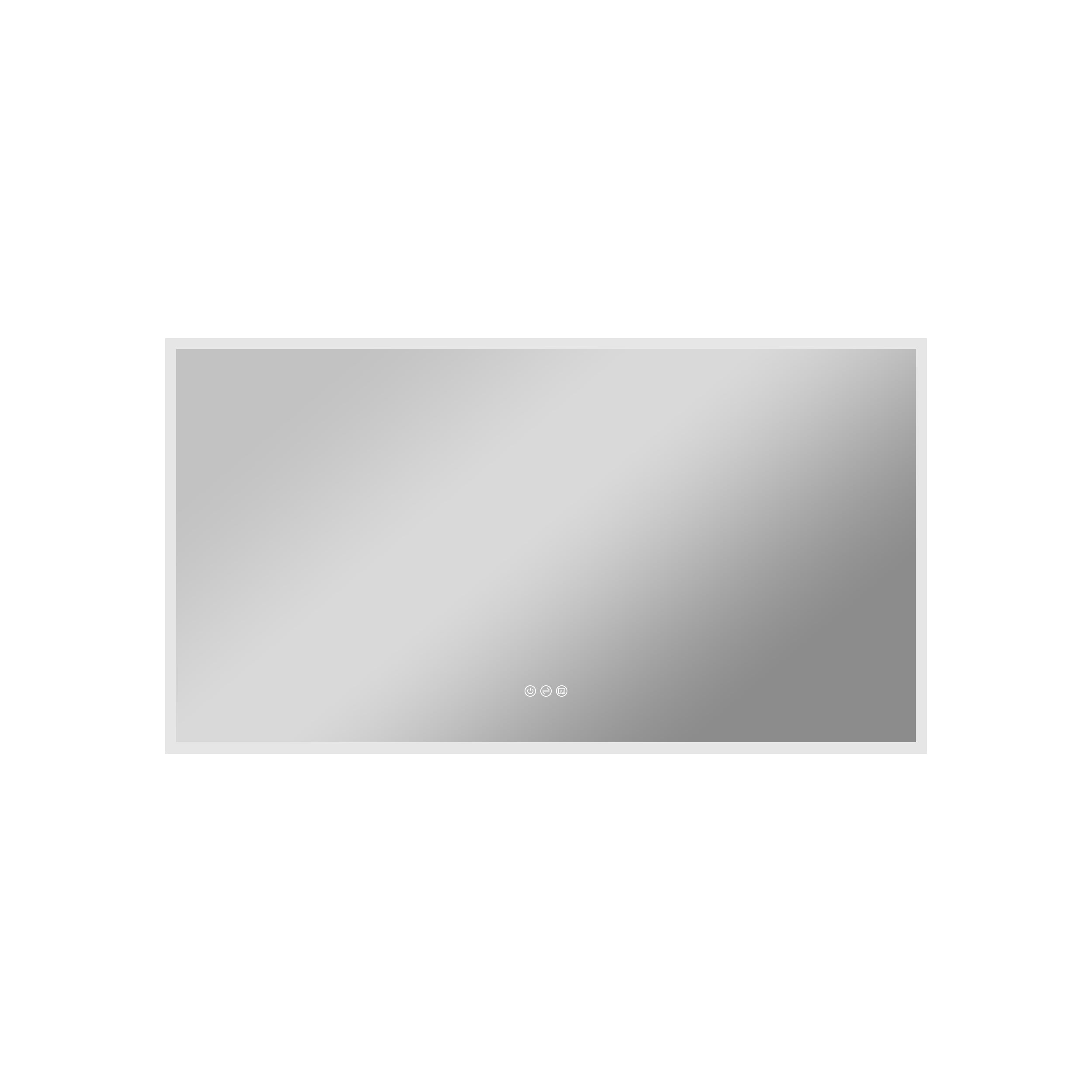
· A clean control interface (touch controls that don’t dominate the look)
Even if the bathroom is a small part of a home’s total energy use, this supports why LED-integrated mirror lighting has become a mainstream upgrade.
The Best Styling Is “Architectural, Layered, and Easy to Live With”
The best way to style a large bath mirror in a luxury bathroom layout is to make it feel integrated: proportional to the vanity, aligned to architectural lines, paired with flattering layered lighting, and planned for real-life cleanliness. Use data-driven cues—like the rise of lighted mirrors and the importance of dimmable and natural light—and combine them with practical placement guidance so the mirror looks expensive and functions beautifully every day.










Leave a comment
This site is protected by hCaptcha and the hCaptcha Privacy Policy and Terms of Service apply.