
















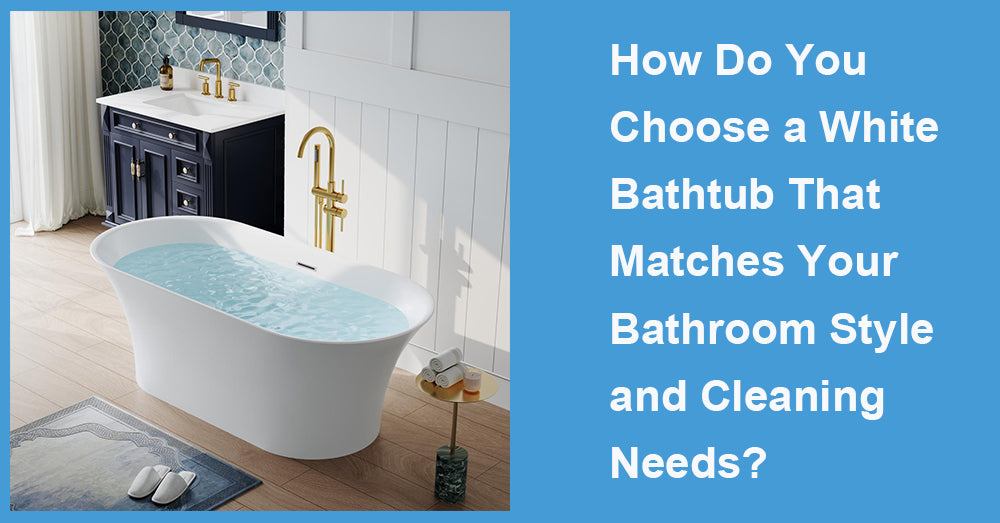
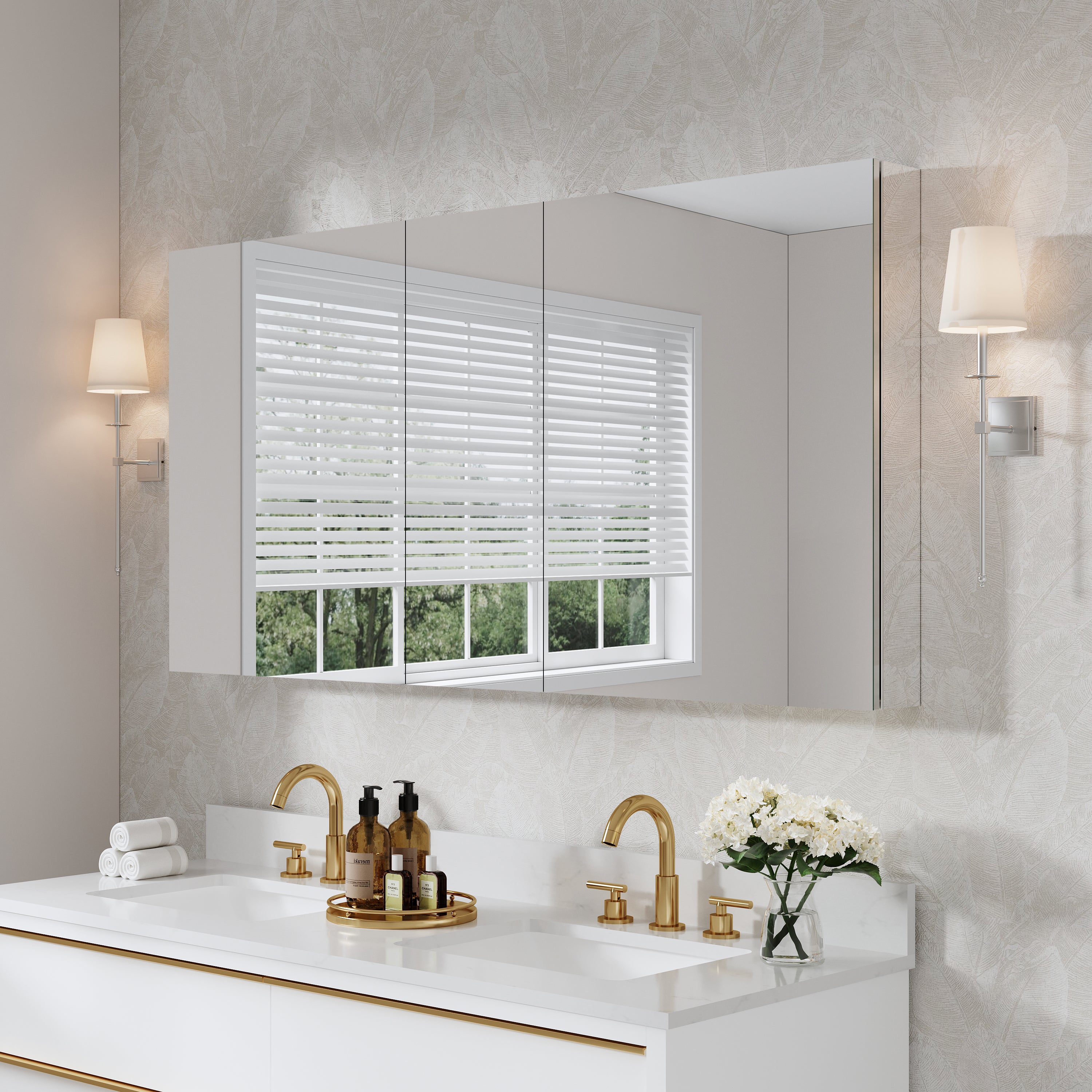
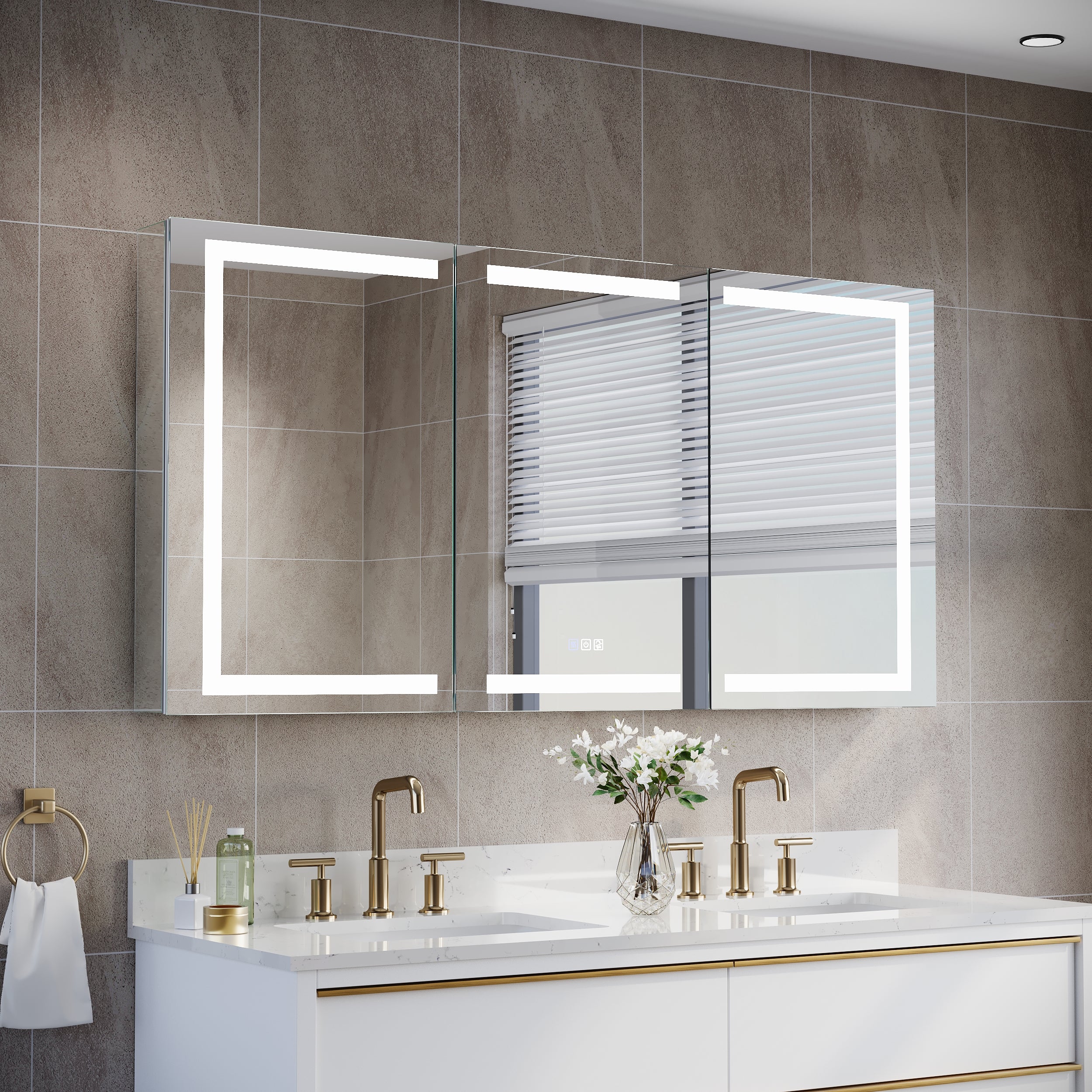
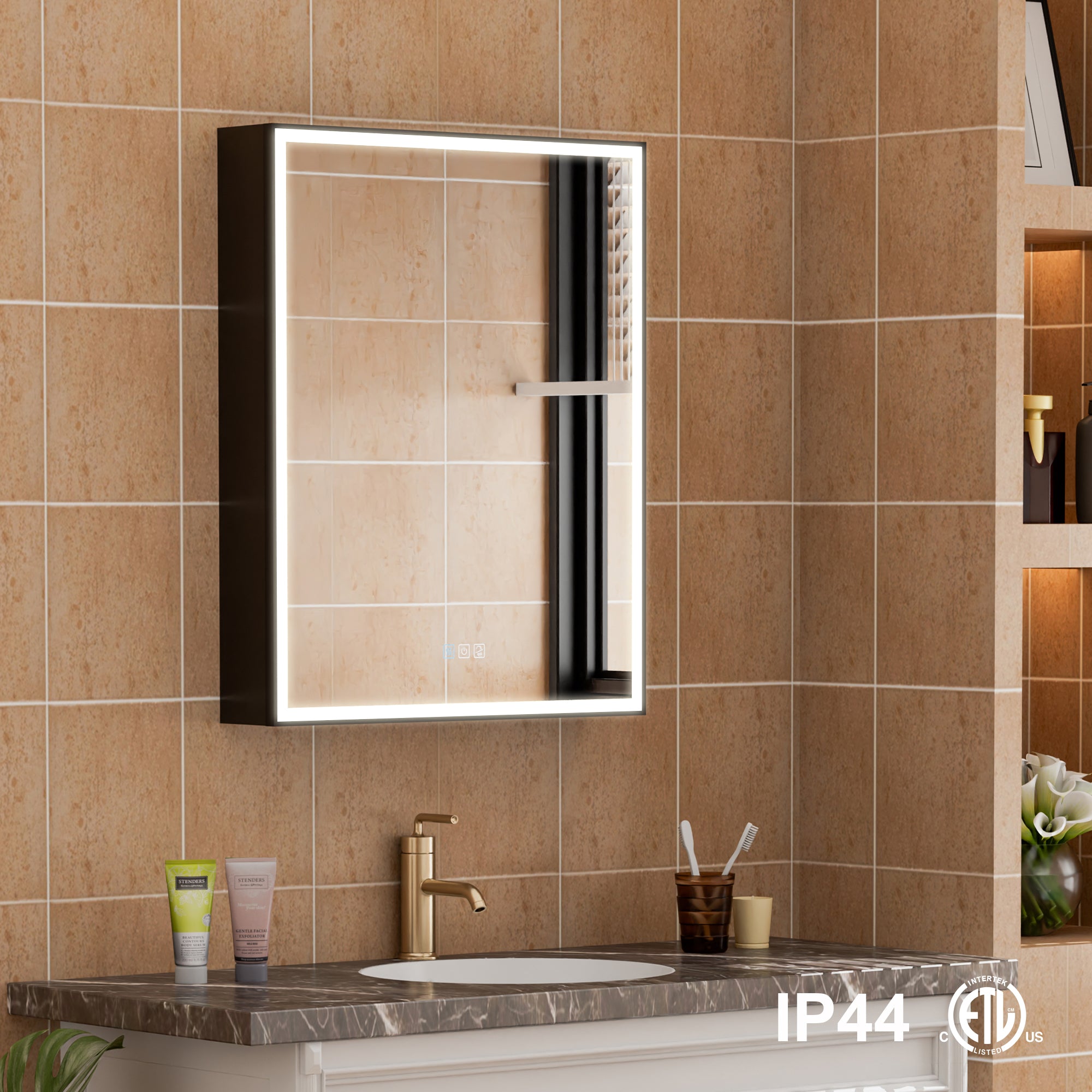
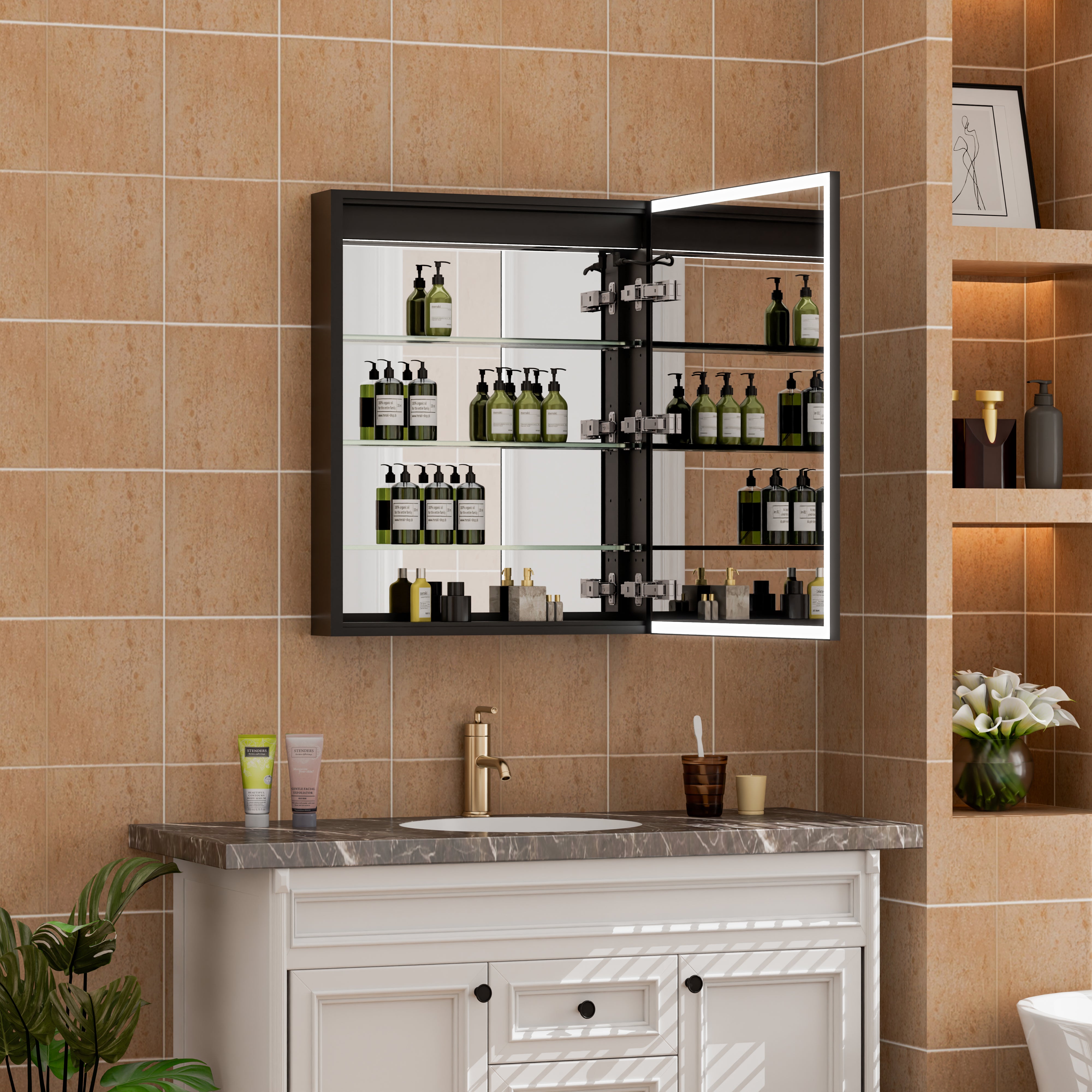
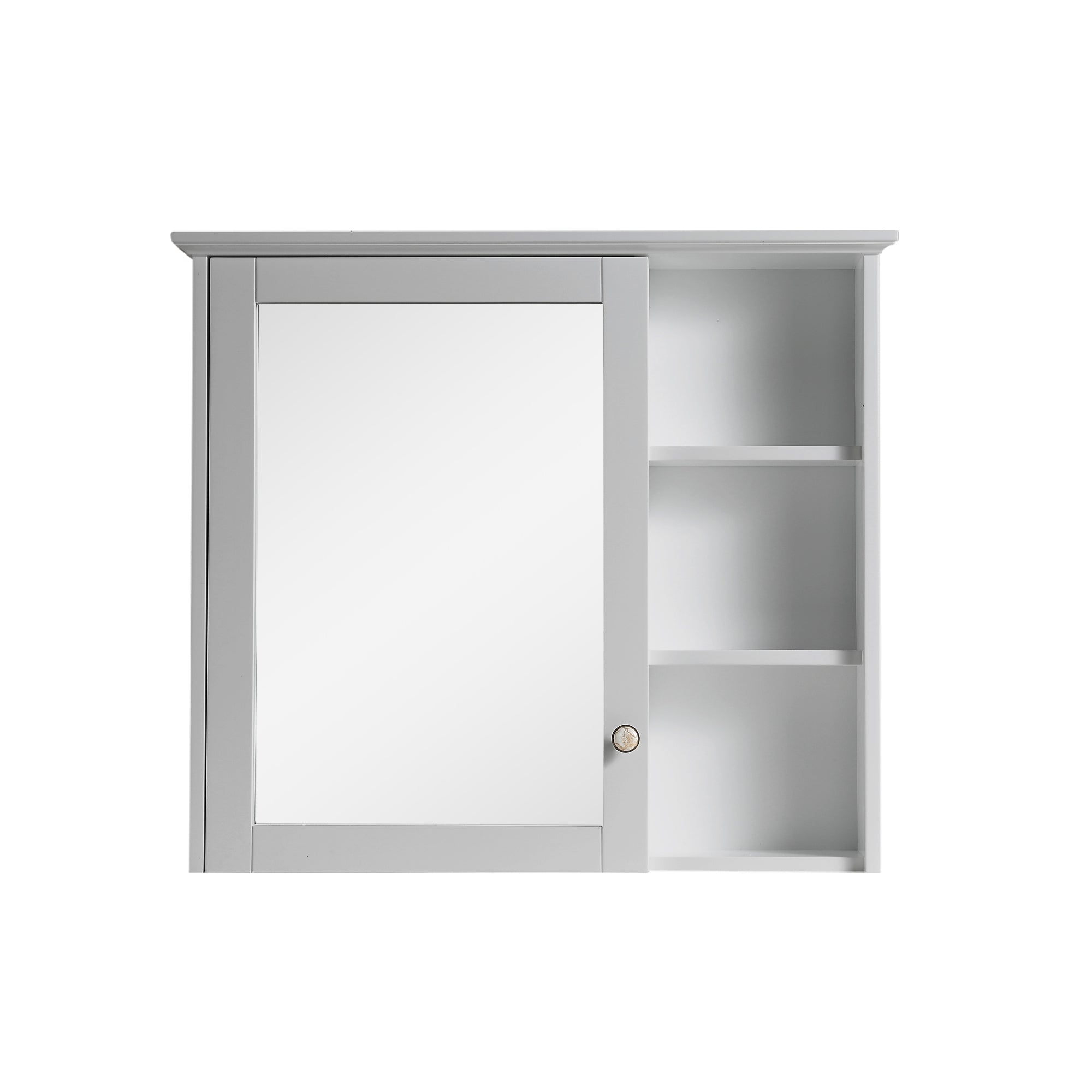
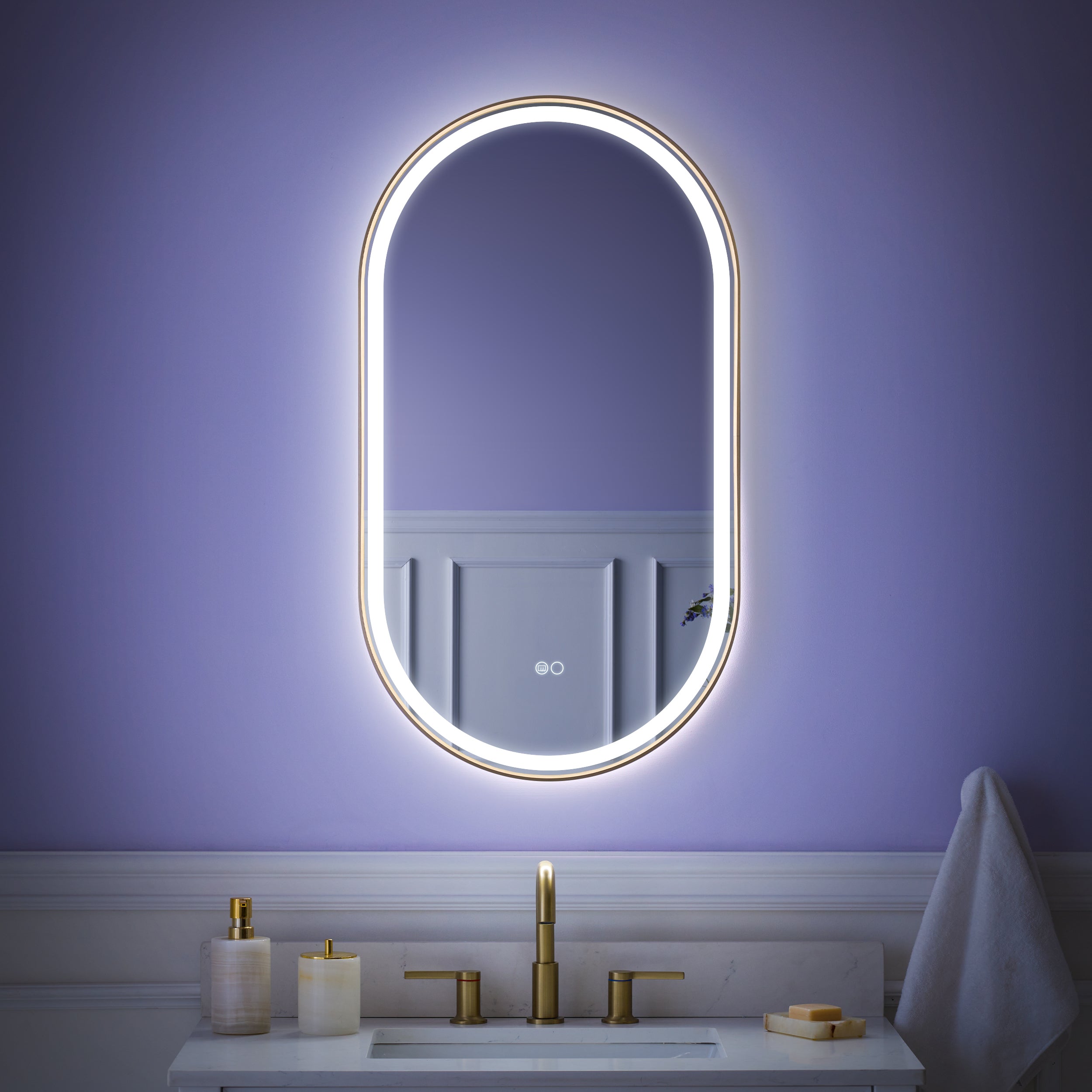
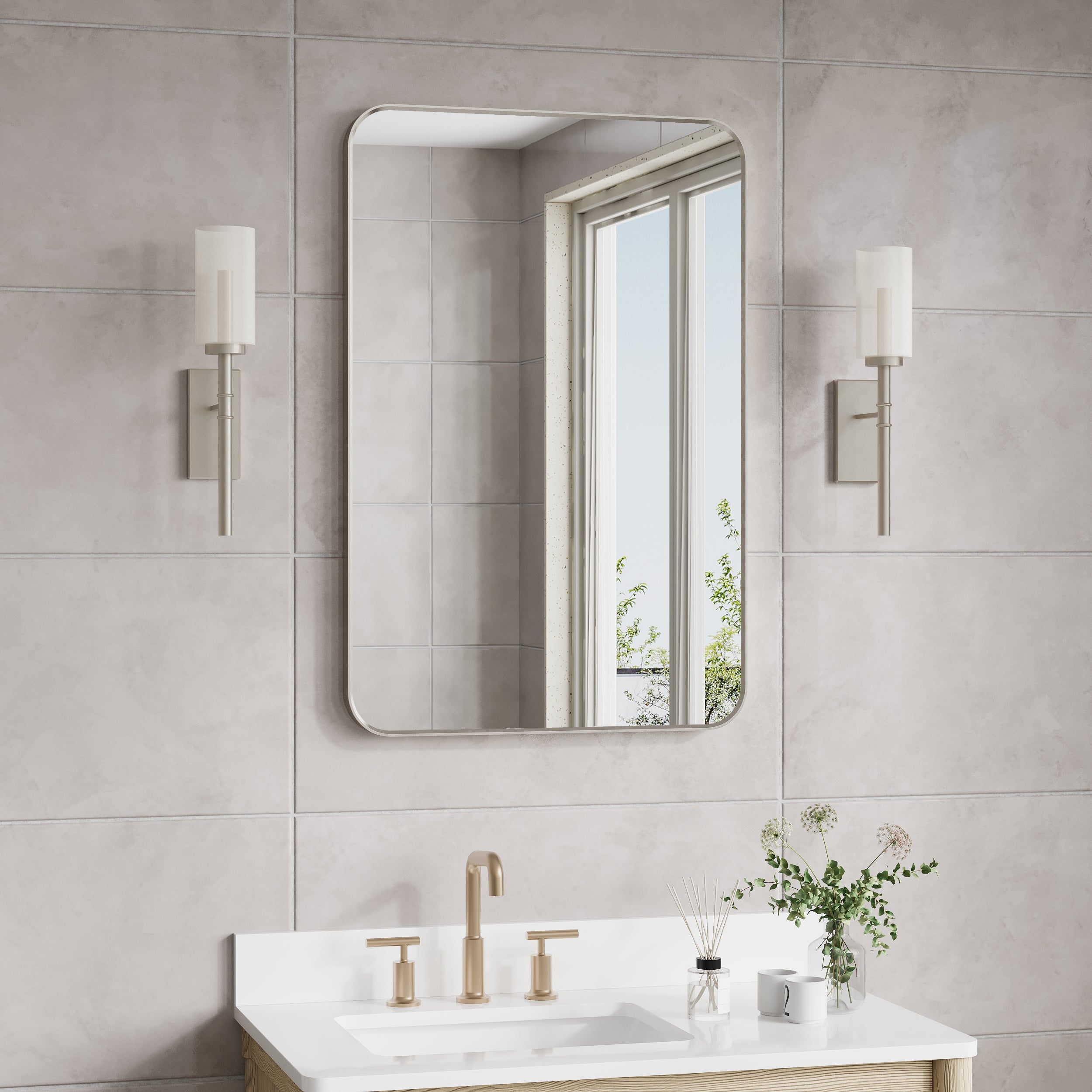
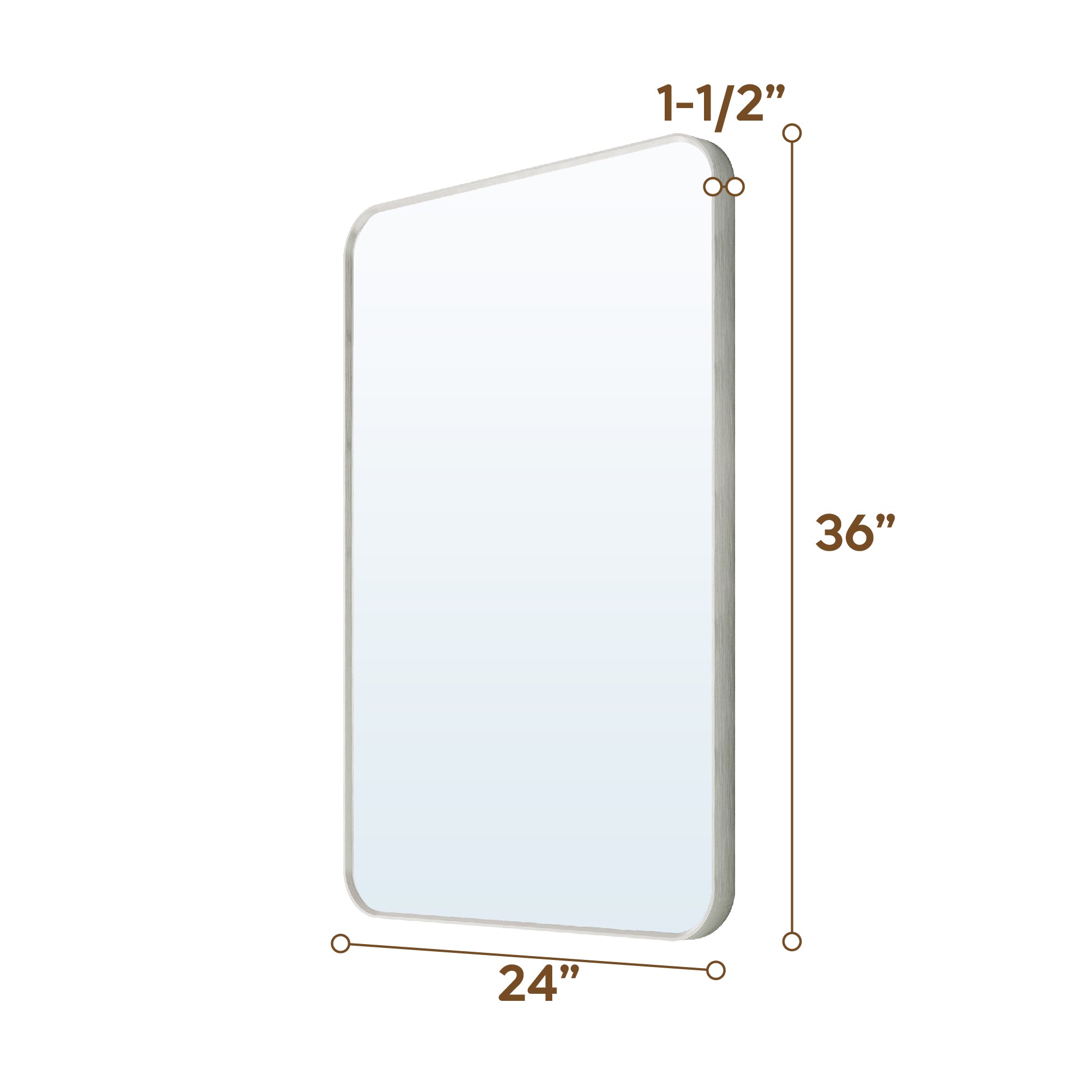
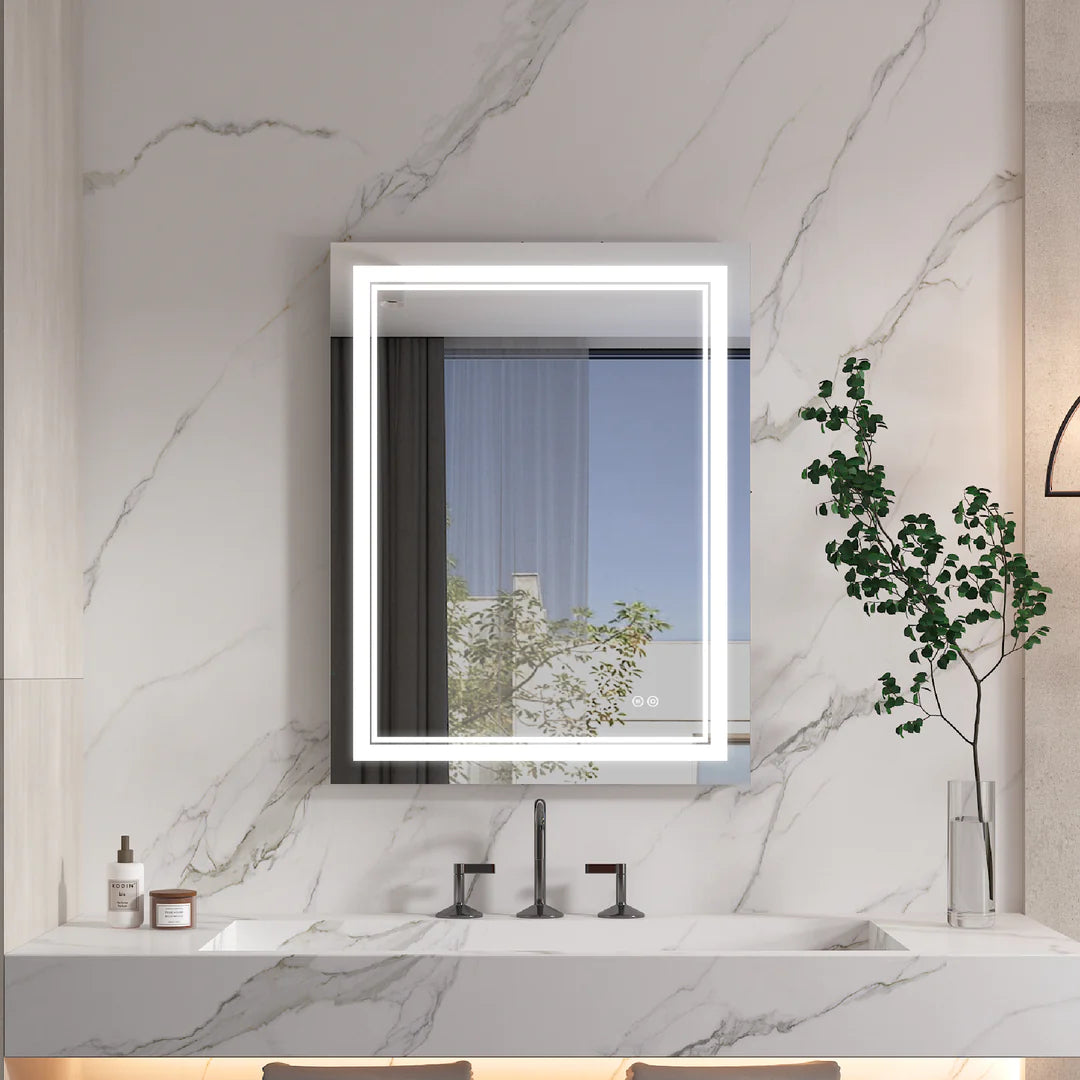
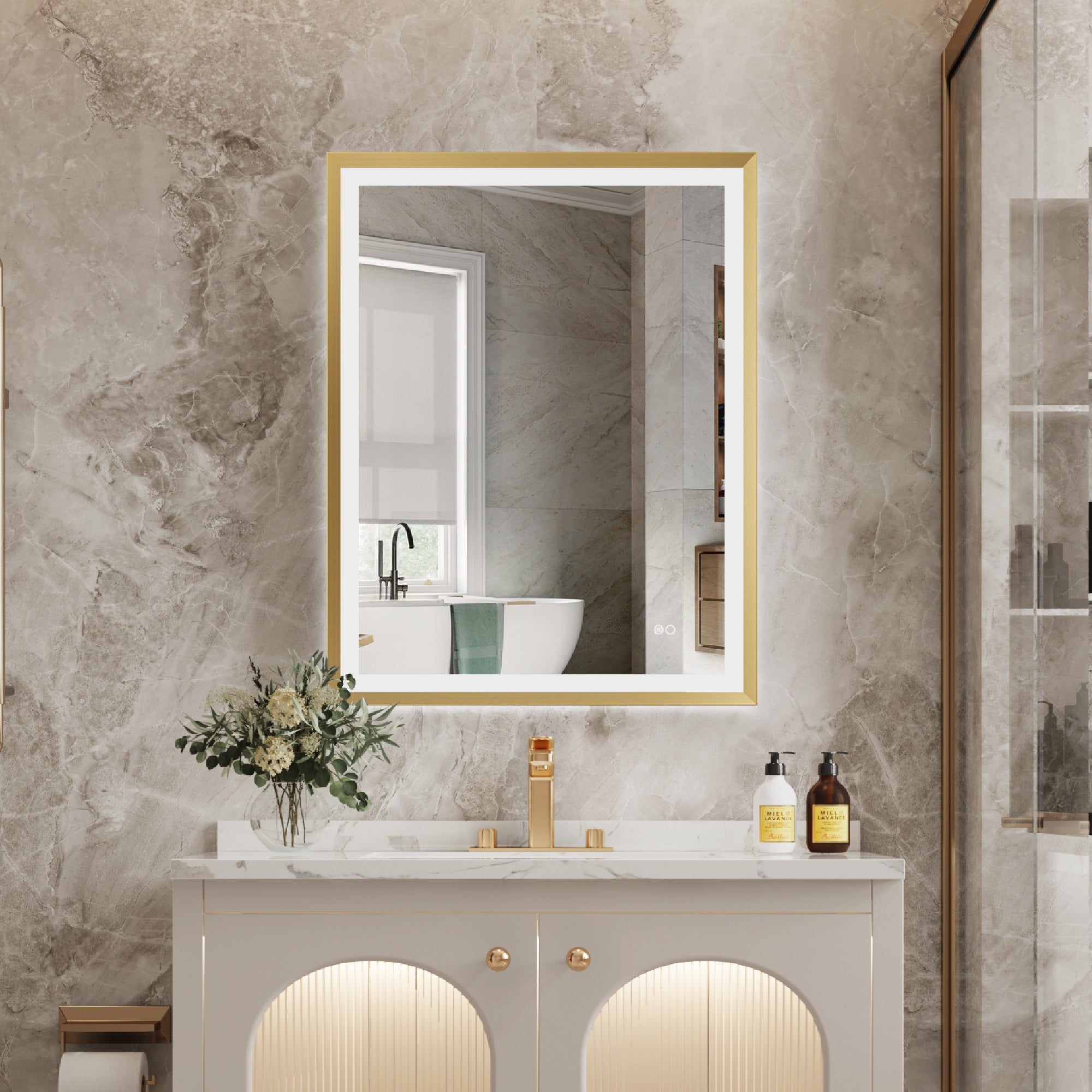
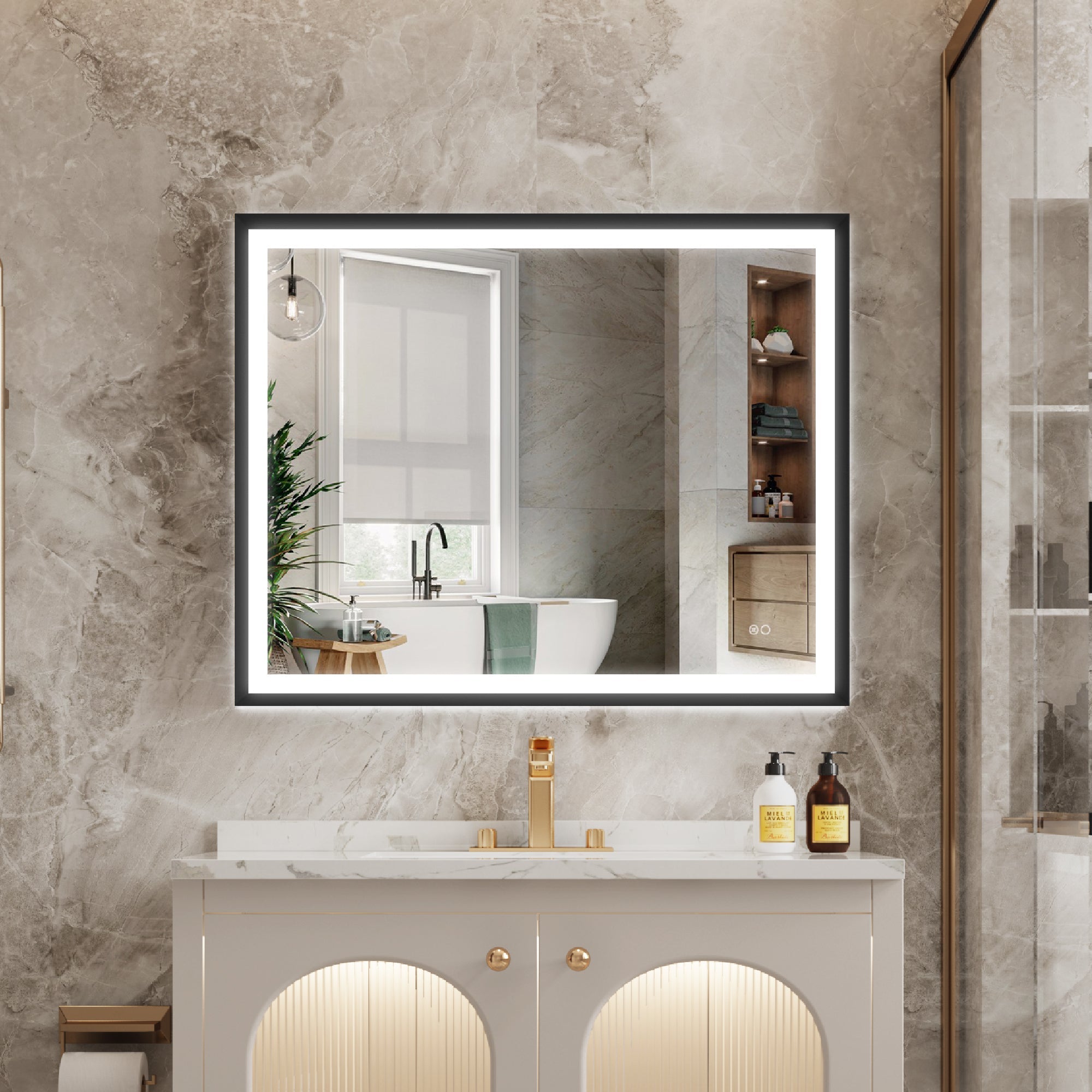
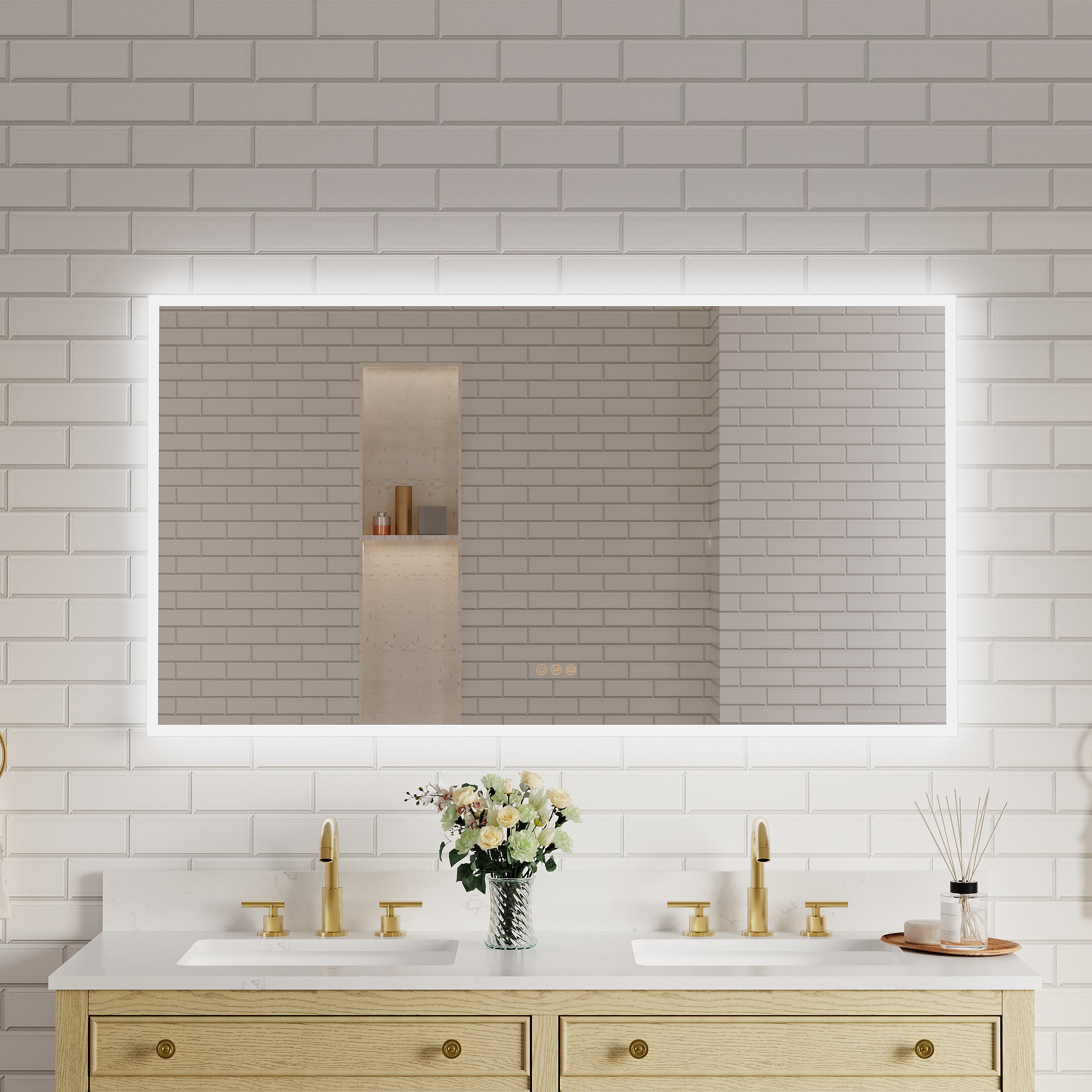
A white bathtub stays popular because it plays well with almost any palette, especially when paired with clean-lined details like frameless mirrors and soft, neutral surfaces. What’s changing is how people choose: the decision is increasingly driven by layout efficiency, wellness comfort, and “low-effort” cleaning—important in a remodeling world that has remained exceptionally active, with the home improvement market staying above $600 billion in recent years.
1. Why White Works Across Styles (and When It Doesn’t)
White reads as “intentional” in modern, classic, farmhouse, and transitional bathrooms because it reflects light and visually simplifies the room. Current design reporting also notes a steady preference for light neutrals and calmer, organic aesthetics, which makes white tubs feel less like a trend and more like a long-term anchor.
That said, not every white looks the same. Some whites lean cool (crisper, slightly blue-gray), while others lean warm (creamier). If your tile and lighting are warm, a cool white can feel stark; if your finishes are cool, a warm white can look slightly yellow. The best move is to align the tub’s white tone with the dominant “temperature” of your hard finishes (tile, countertop, wall paint) and your lighting.
2. Start With Space Planning Before You Pick a Shape
A tub that looks perfect online can feel intrusive if the room doesn’t support comfortable circulation. While dimensions vary by model, the most common planning baseline remains the standard alcove footprint around 60 inches long by 30 inches wide, which is why it continues to fit so many everyday layouts.
Use the bathroom’s movement paths to narrow your options:
· Tight layouts: alcove tubs or skirted tubs typically keep the room functional.
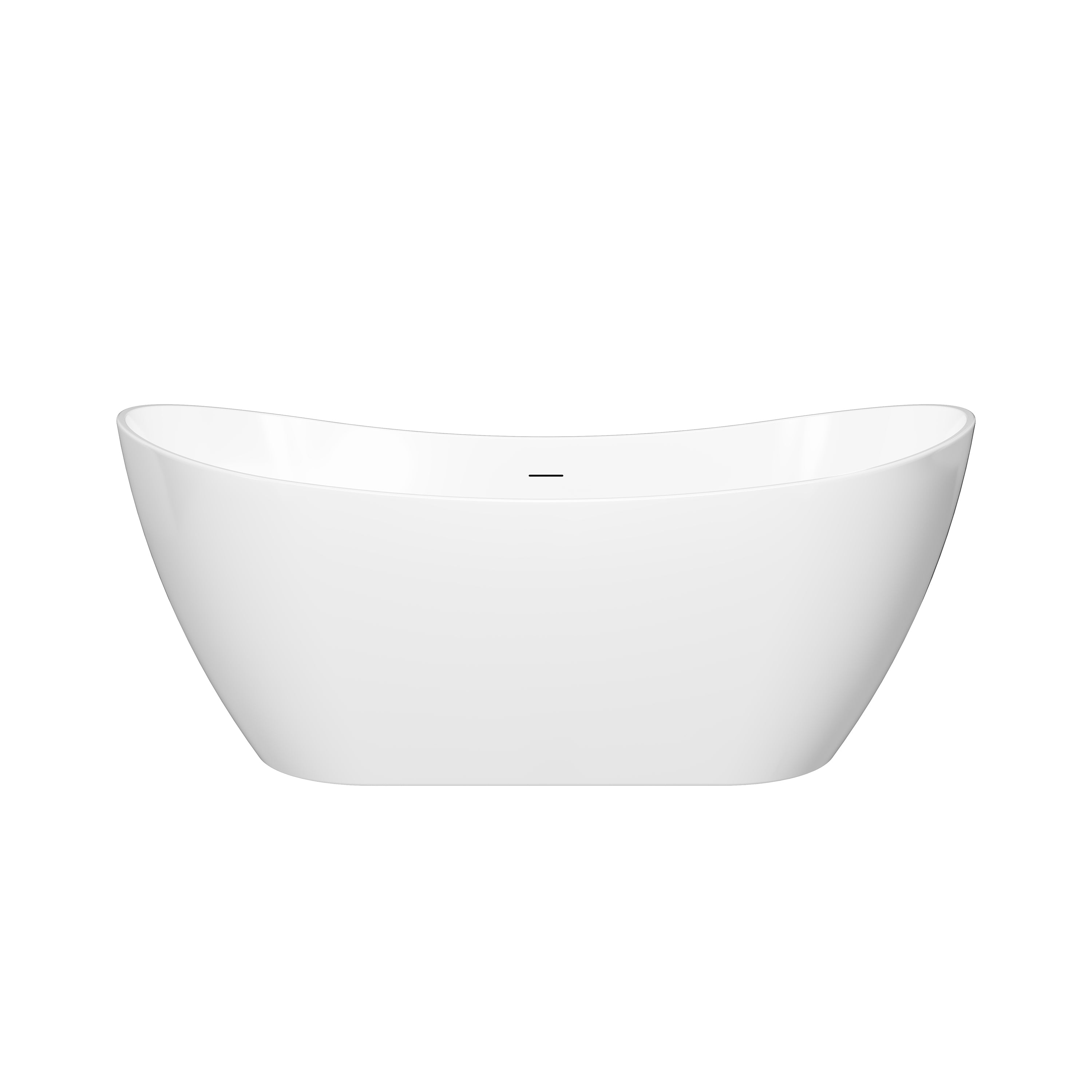
· Open primary baths: freestanding tubs can work if there’s enough clearance for cleaning and walking.
· Awkward corners: corner tubs can fit, but they often consume more visual and floor space than expected.
Industry trend data also supports the idea that layout is leading the decision. Houzz reports wet rooms now account for 16% of renovated bathrooms, often chosen to make better use of space and improve accessibility.
3. Comfort Comes From Interior Geometry, Not the Exterior Silhouette
If you want a tub that genuinely gets used, focus less on the outline and more on the inside:
· Backrest slope: A gentle recline supports the lower back and shoulders.
· Soaking depth: Deeper wells feel more relaxing, but step-in height matters too.
· Bottom design: A stable, slip-resistant floor can make entry and exit feel safer.
· Width where it counts: Shoulder room and hip room are often the difference between “looks spa-like” and “feels spa-like.”
Wellness features are becoming more mainstream. Houzz reports 36% of renovated bathrooms include wellness-oriented features, and 18% include soaking tubs or spa baths—clear evidence that comfort is a priority rather than a luxury add-on.
4. Pick a Material That Matches Both Feel and Maintenance
Material affects heat retention, weight, surface feel, and how forgiving the finish is with daily cleaning.
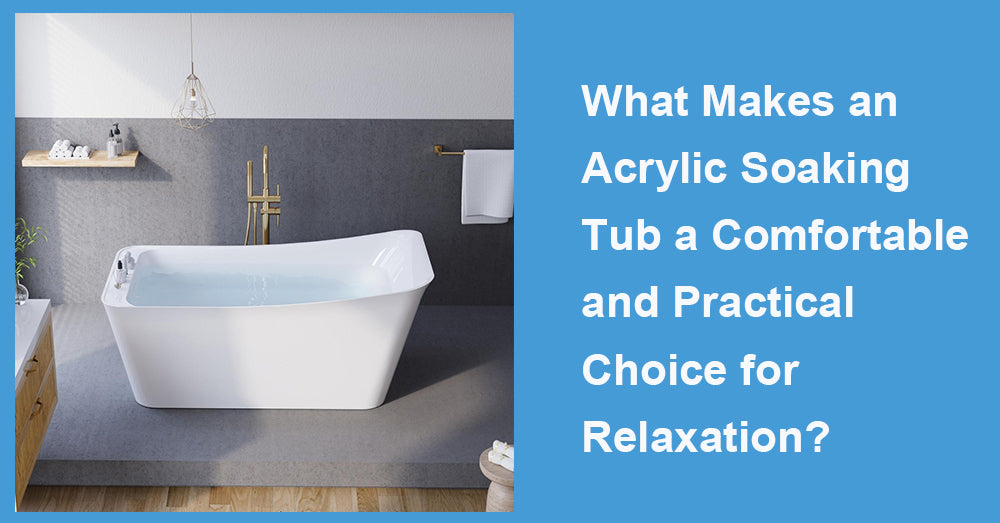
· Acrylic: Lightweight and common, often easier to install and maintain. Great for most households that want simple weekly cleaning.
· Fiberglass: Budget-friendly and light, but can show wear sooner in heavy-use bathrooms.
· Enameled steel: Bright and classic, but can feel cooler to the touch and may chip if impacted.
· Enameled cast iron: Durable and excellent at holding heat, but heavy—delivery and structural considerations matter.
· Solid surface / stone resin: Popular for a refined, spa-like look and a more “substantial” feel; maintenance is usually straightforward with gentle cleaners, but avoid abrasives.
If your “cleaning style” is quick wipe-downs and occasional deeper cleaning, choose a material and finish known for resilience and easy care rather than one that demands constant polishing.
5. Choose the Right Finish for Your Cleaning Reality
Finish is where style and maintenance collide:
· High-gloss white: Reflects light beautifully and often wipes clean quickly, but can show water spots and drip marks.
· Matte or satin white: Softer and more modern, often hides minor spotting, but soap film can build up if you don’t rinse/wipe regularly.
Industry reporting has highlighted the shift toward matte and brushed finishes because they better hide wear and support a calmer visual look.
Also consider what surrounds the tub. Large-format surfaces and minimal grout lines are repeatedly emphasized as a maintenance win—less grout means fewer places for discoloration and buildup.
6. Understand the Tub vs. Shower Trade-Off Happening Now
One reason tub selection feels higher-stakes is that showers are getting larger. Houzz reports that among homeowners who remove a bathtub, 82% use the extra space to enlarge their shower, and 20% relocate the shower altogether.
There’s also an efficiency layer to this decision. EPA WaterSense educational materials note a full bathtub can require up to 70 gallons, while a 5-minute shower uses about 10 to 25 gallons.
The takeaway isn’t “don’t buy a tub.” It’s: buy a white bathtub when it delivers a real benefit (soaking, recovery, family bathing routines, design focal point) that outweighs the daily convenience of a bigger shower.
7. A Practical Selection Framework That Works in Real Homes

To keep the decision clear, match your choice to one of these scenarios:
· Space-led choice: If the bathroom is compact, a standard alcove size near 60 inches by 30 inches keeps circulation manageable and supports tub/shower flexibility.
· Comfort-led choice: If you soak often, prioritize interior depth, back support, and a stable floor over a dramatic rim shape.
· Cleaning-led choice: If you want “easy bright white,” pick finishes that tolerate quick wipe-downs and pair them with low-grout surrounding surfaces.
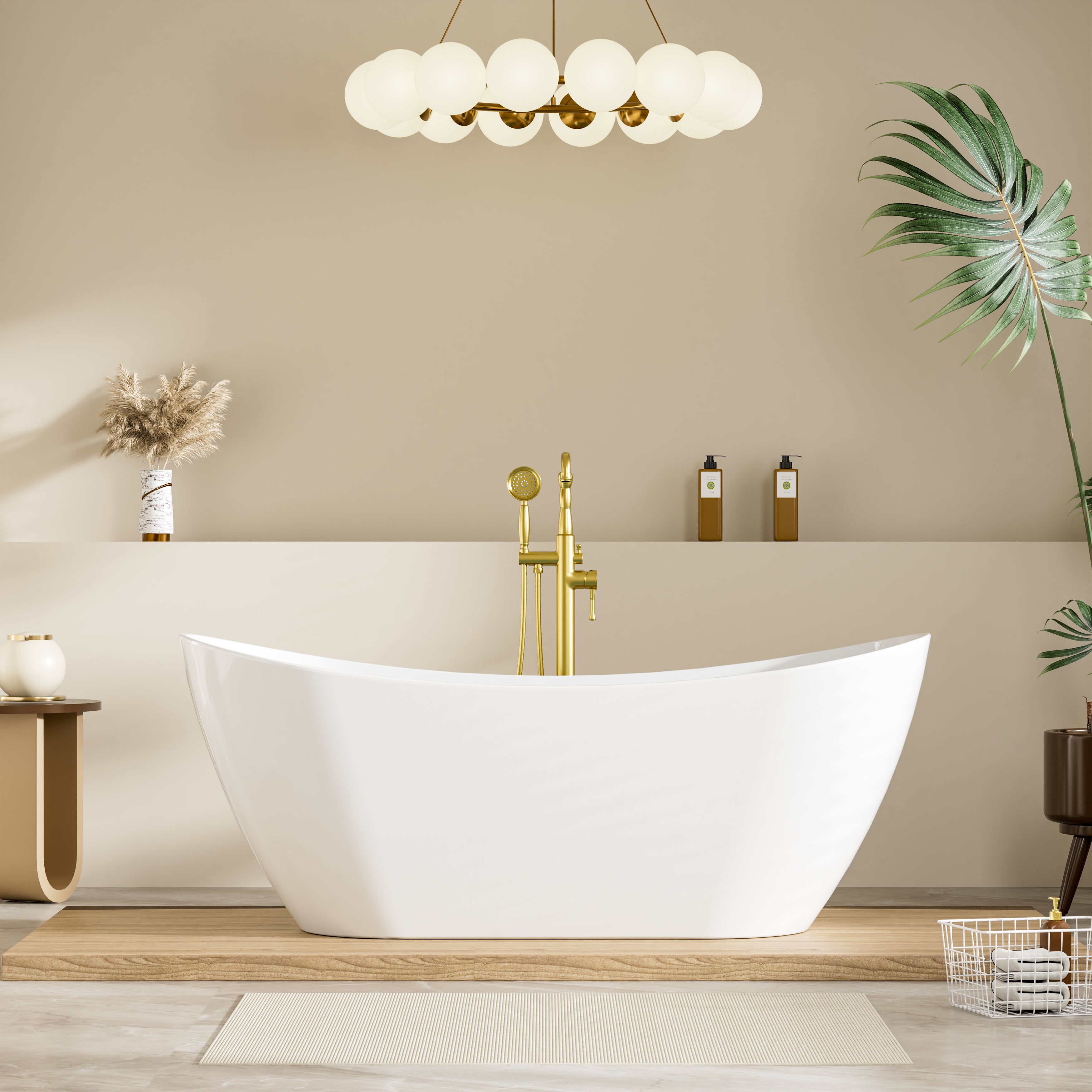
· Design-led choice: If the room is calm and open, a freestanding white tub can become the centerpiece—especially with streamlined details like frameless mirrors, soft lighting, and minimal visual clutter.
8. The Bottom Line
The best white bathtub is the one that fits the room’s usable space, supports real comfort, and stays easy to keep clean in your day-to-day routine. Industry data shows bathrooms are being designed more like personal retreats (wellness features rising), but also more like high-performance rooms (low-upkeep surfaces, smarter layouts, and larger showers). When you choose a tub with the right size, material, and finish—and you plan the surrounding surfaces for easy care—white stops being “basic” and becomes exactly what it should be: timeless, practical, and consistently beautiful.













Leave a comment
This site is protected by hCaptcha and the hCaptcha Privacy Policy and Terms of Service apply.