
















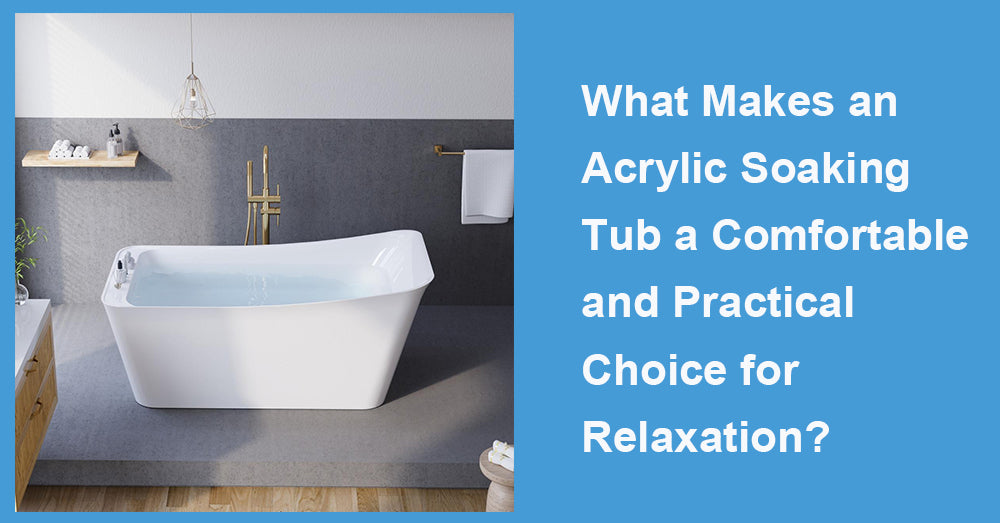
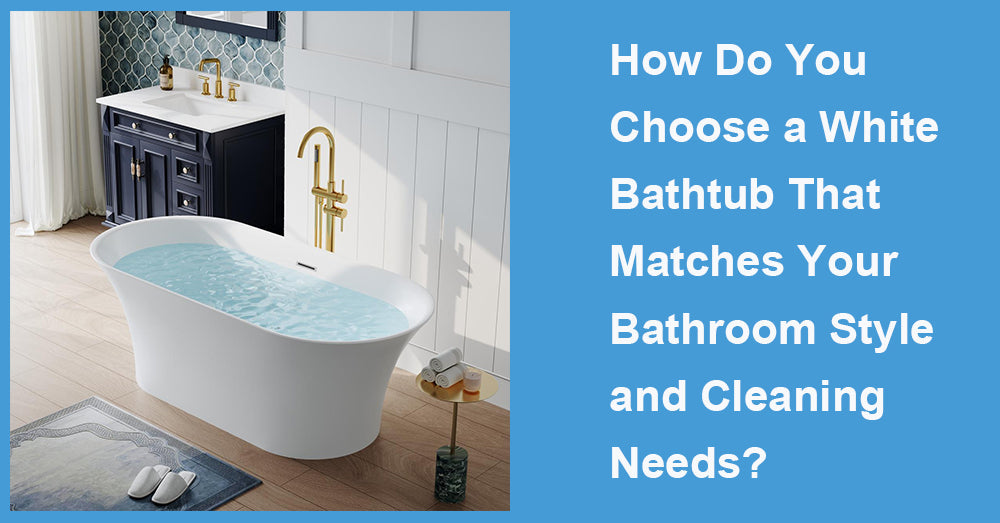
In the fast-paced modern life, the "bathroom culture" is undergoing earth-shattering changes. According to the 2026 Global Bathtub Market Insights Report, the global bathtub market is expected to reach $8.96 billion this year, with the North American market continuing to dominate with a 36.5% share. Among various materials, acrylic has become the preferred choice for most households and high-end hotels, occupying approximately 46.5% of the market share.

Why can the acrylic soaking tub stands out from traditional cast iron and fiberglass products and become synonymous with comfort and practicality? This article will combine the latest industry data and cases to analyze the logic in depth.
1. Touch and Insulation: Reshaping the Temperature of Home SPA
For users seeking ultimate relaxation, the bathtub's touch and thermal stability are the first indicators.
Natural "skin-friendly feeling."
Unlike the cold and hard metal initial feel of cast iron or steel plate bathtubs, acrylic material has a warm surface that is closer to human body temperature. This means that even on a cold winter day, the moment you step into the bathtub, you won't feel the piercing chill.
Excellent insulation performance
Acrylic is an excellent thermal insulator. According to industry comparison tests:
Heat loss rate: At the same room temperature, the water temperature in an acrylic bathtub drops about 15-20% slower than that in a cast-iron bathtub.
Energy-saving effect: Better heat retention means users do not need to frequently add hot water during the soaking process, which not only improves comfort but also has environmental benefits in 2026, when energy costs fluctuate.
2. The Victory of Pragmatism: Lightweight and Low Maintenance Costs
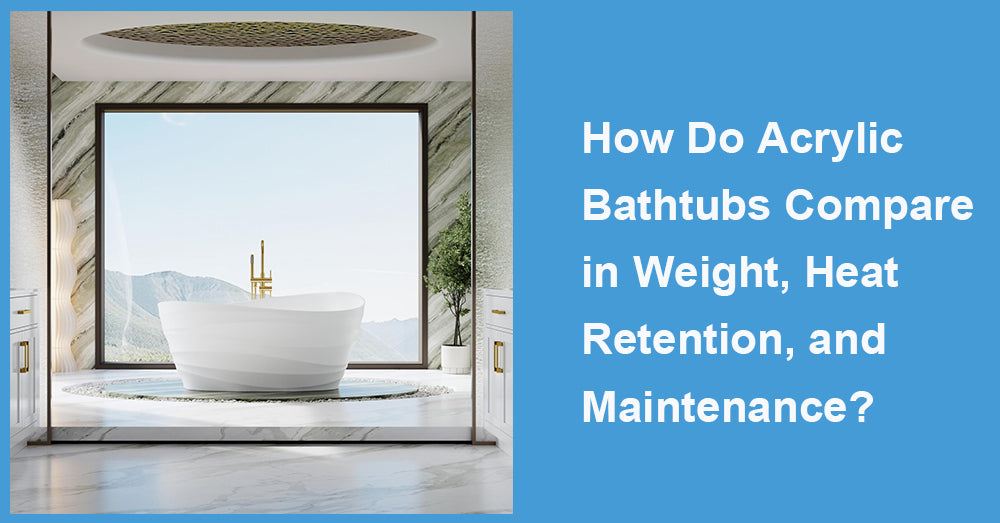
In terms of practicality, acrylic solves the two biggest headaches for architects and homeowners with traditional bathtubs: weight and maintenance.
Installation advantages brought by the lightweight design
A standard-sized cast-iron bathtub typically weighs over 300 pounds, while an acrylic bathtub of the same size weighs only about 75 pounds.
Structural safety: Acrylic bathtubs do not require expensive reinforcement treatment for the second-floor flooring.
Logistics efficiency: In the renovation project of old houses, lightweight acrylic bathtubs are easier to pass through narrow corridors and elevators, and the installation labor cost is 30% lower than that of heavy-duty materials.
Convenient cleaning of non-permeable surfaces
The acrylic surface is non-porous and has anti-fouling properties. The antibacterial coating added by modern technology in the production process makes it difficult for soap stains and mold to adhere.
Industry Data Analysis: Surveys show that the average annual maintenance time for an acrylic bathtub is 40% less than that of a fiberglass bathtub, and a simple non-abrasive cleaner can maintain long-lasting shine.
3. Design flexibility: meet diverse aesthetic preferences
Due to its strong plasticity when heated, acrylic can achieve many complex and ergonomic shapes.
Soaking Depth: Depth is the key to relaxation. Acrylic can be easily molded into an inner liner that can reach 18-22 inches deep, allowing adults to soak their entire bodies.
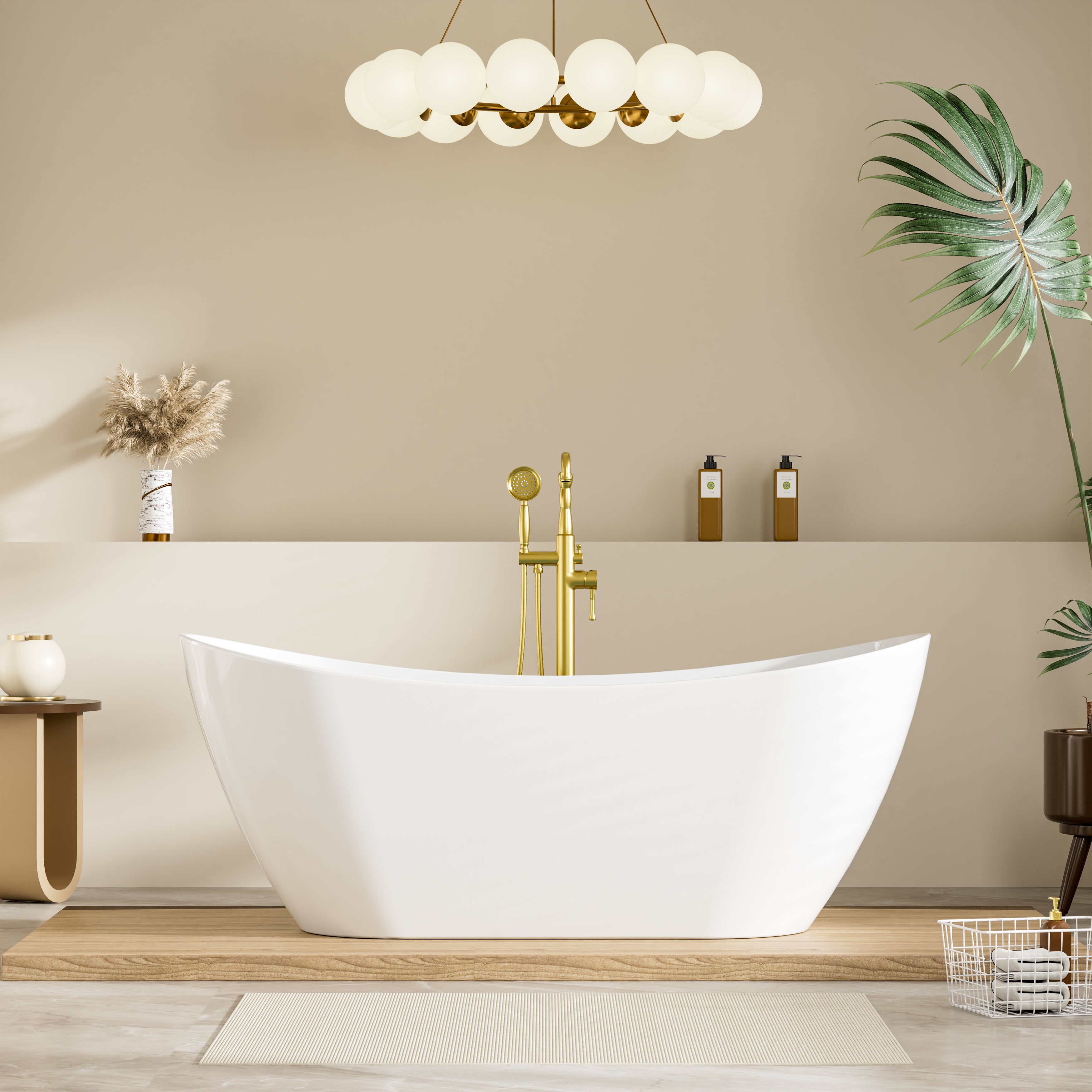
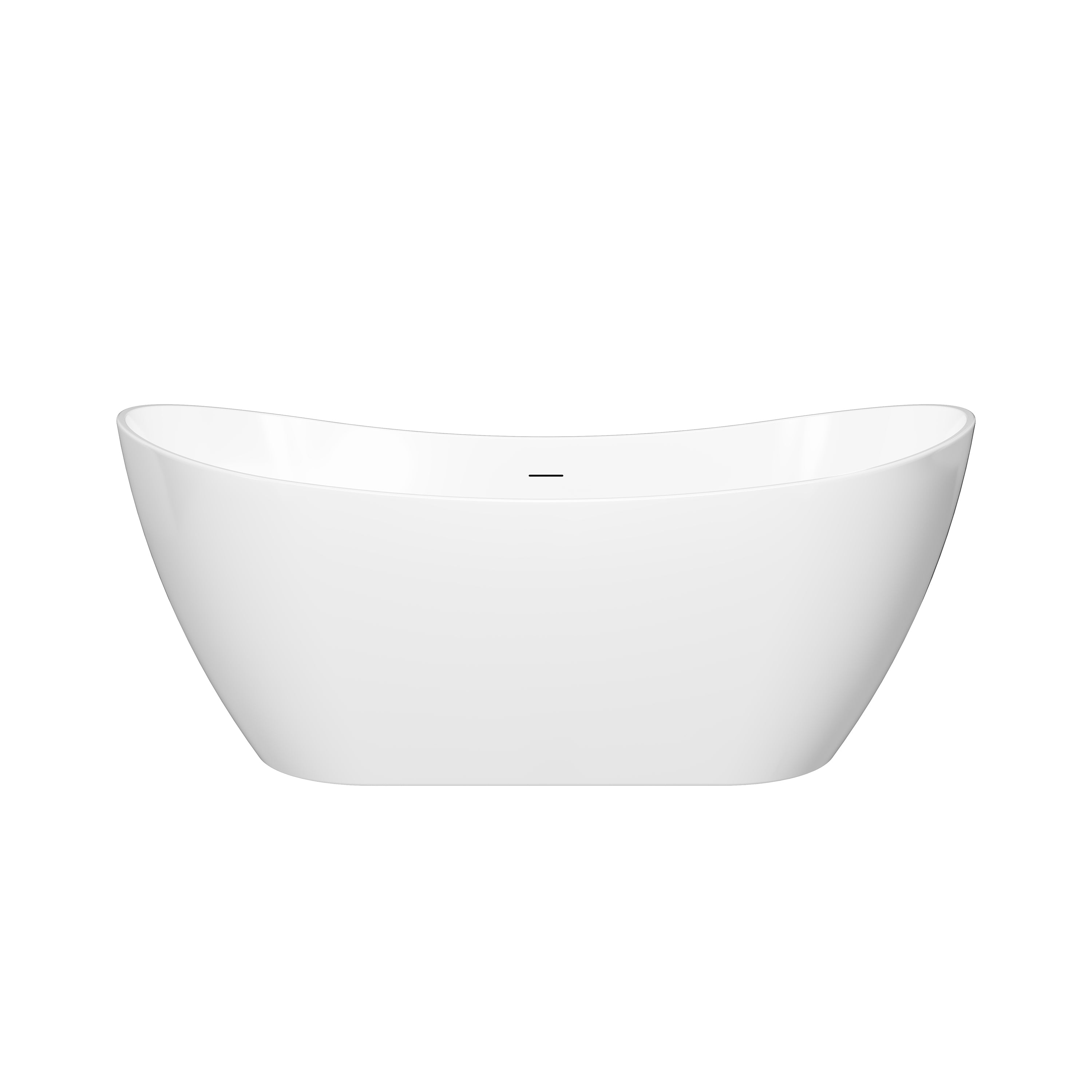
Appearance: Whether it's a minimalist freestanding, space-saving alcove, or a special-shaped bathtub with a massage nozzle, acrylic can accurately present it.
4. Project Spotlight: Miami's Boutique Luxury Apartment "Relaxation Revolution"
At the end of 2025, the famous Azure Horizon luxury apartment project in Miami will face a choice when renovating the top-floor suite: whether to use the traditional stone composite bathtub or switch to a customized high-end acrylic deep soaking bathtub.
Decision factors:
Load-bearing challenge: This building is a historically protected structure with strict structural load capacity limitations.
Customer feedback: Potential buyers (mainly young Silicon Valley elites and financial executives) value "instant heating" and "easy maintenance" more.
Result:
The project team ultimately chose the BCI Acrylic series customized deep soaking bathtub. This product has added a fiberglass reinforcement layer and is equipped with a backrest design that conforms to the neck curve.
Feedback data: Follow-up after handover shows that 92% of residents ranked "relaxation in bathroom space" as one of the top three items with the highest satisfaction.
Maintenance costs: The apartment management office reported that due to the durability of acrylic material, the hardware maintenance expenses in the first year decreased by 12% compared to expectations.
5. Selection suggestion: How to identify high-quality acrylic?
Not all acrylic bathtubs perform consistently. As industry news, we recommend that consumers pay attention to the following core parameters:
Thickness: A high-quality acrylic sheet should be 3-5 mm thick.
Reinforcement layer: The bottom should have a sufficient fiberglass support layer and a reinforced bottom plate to prevent the "hollow feeling" when stepping on.
Warranty Commitment: Renowned brands such as Kohler, American Standard, or BCI, specializing in acrylic, typically offer a 10-15 year warranty.
6. Future Outlook: 2026+ — The Three Major Evolutions of Acrylic
Bathtubs.
As the bathroom space transforms into a "home wellness sanctuary," acrylic bathtubs are undergoing a significant leap forward in both technology and aesthetics:
"Quiet Luxury" Style: A Revolution in Matte Finishes and Tactility.
Matte Finishes: By 2026, velvet-textured matte acrylic is displacing high-gloss surfaces. Not only is it fingerprint-resistant and glare-free, but its tactile quality also closely mimics natural stone, perfectly aligning with the "Quiet Luxury" interior design trend.
Ultra-Narrow Rim Design: Leveraging the material's high moldability, the rims of new bathtub models are breaking the 10mm thickness barrier, creating a visually "borderless" sense of immersion.
Deep Integration of Invisible Technology.
Heated Backrests: Capitalizing on the lightweight and slender nature of acrylic sheets, the new generation of products features electric heating films directly embedded into the backrest of the tub body. Users no longer need to top up the water frequently; instead, their backs remain in constant contact at a steady 38–40°C.
Acoustic Therapy: "Tub-as-Speaker" technology harnesses the resonant properties of acrylic to transform the entire bathtub into a Bluetooth speaker. The flow of water thus becomes a medium for stress relief that engages not only the sense of touch but also the sense of hearing.
Rapid Maintenance and Eco-Friendly Closed Loops.
Self-Cleaning Nano-Coatings: Laboratory-grade hydrophobic coatings are now being applied, enabling a "rinse-to-clean" effect that reduces household chores to virtually zero.
Application of Recycled Materials: As standards set by the U.S. Green Building Council (USGBC) continue to rise, recycled acrylic (r-PMMA) is increasingly required in construction tenders. By 2027, it is projected that 30% of all newly installed bathtubs across the United States will incorporate recycled components.
Conclusion
The reason acrylic deep-soaking bathtubs will shine in the market in 2026 is that they have successfully struck a balance between luxury experience and practical feasibility. It is not just a bathing tool, but also a low-energy, high-return "psychological comfort space" in modern households. In the next five years, with further breakthroughs in materials science, acrylic bathtubs will make greater strides in terms of scratch resistance and recyclability.
For those of you who are planning a bathroom renovation, choosing acrylic may be the gentlest "pause coupon" for your busy life.











Leave a comment
This site is protected by hCaptcha and the hCaptcha Privacy Policy and Terms of Service apply.