
















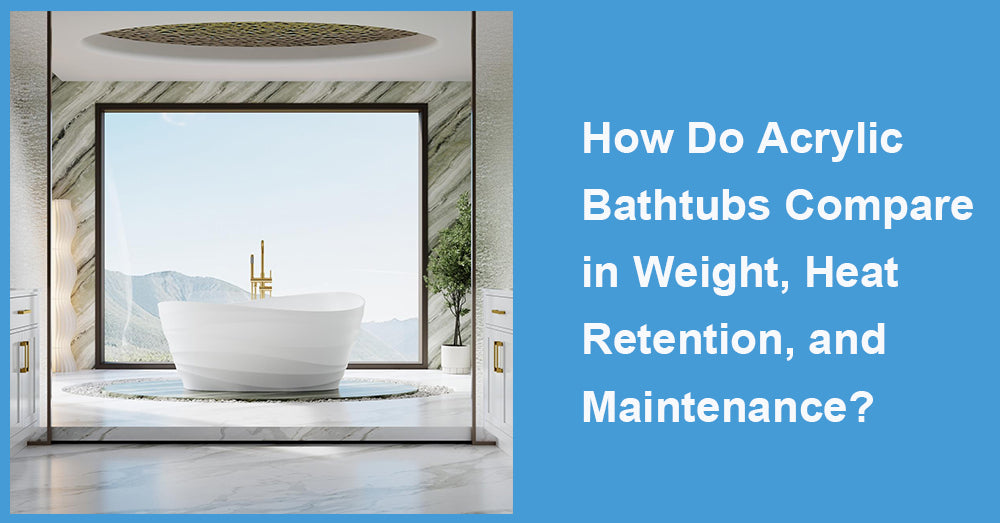
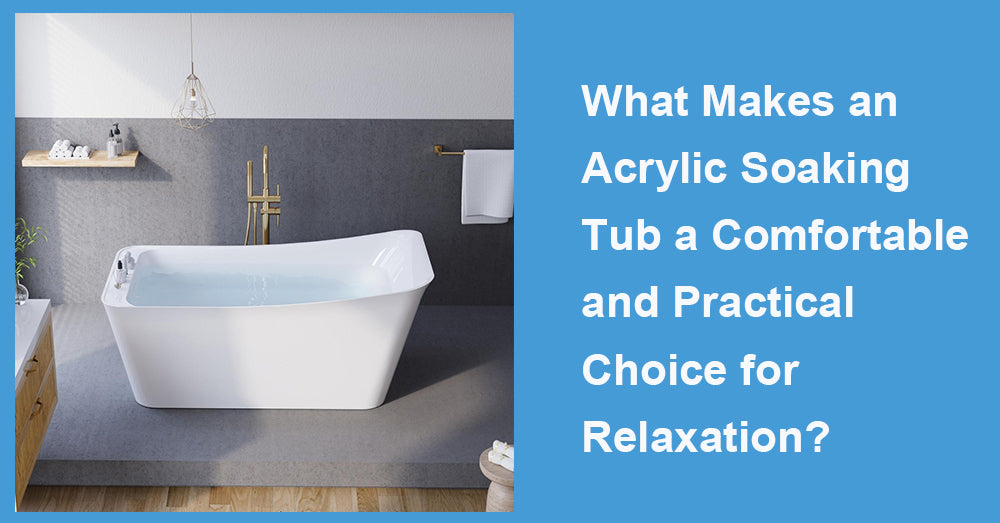
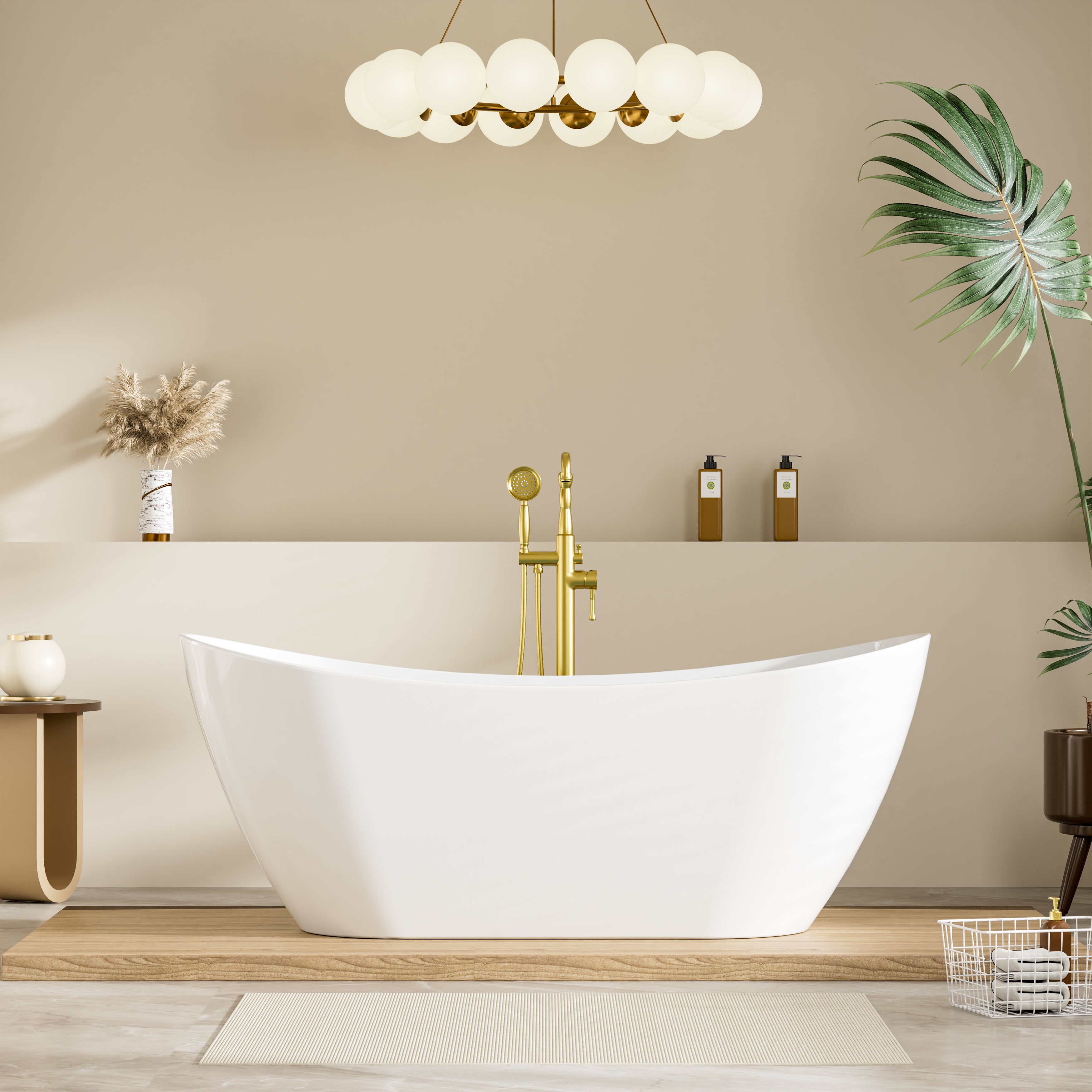
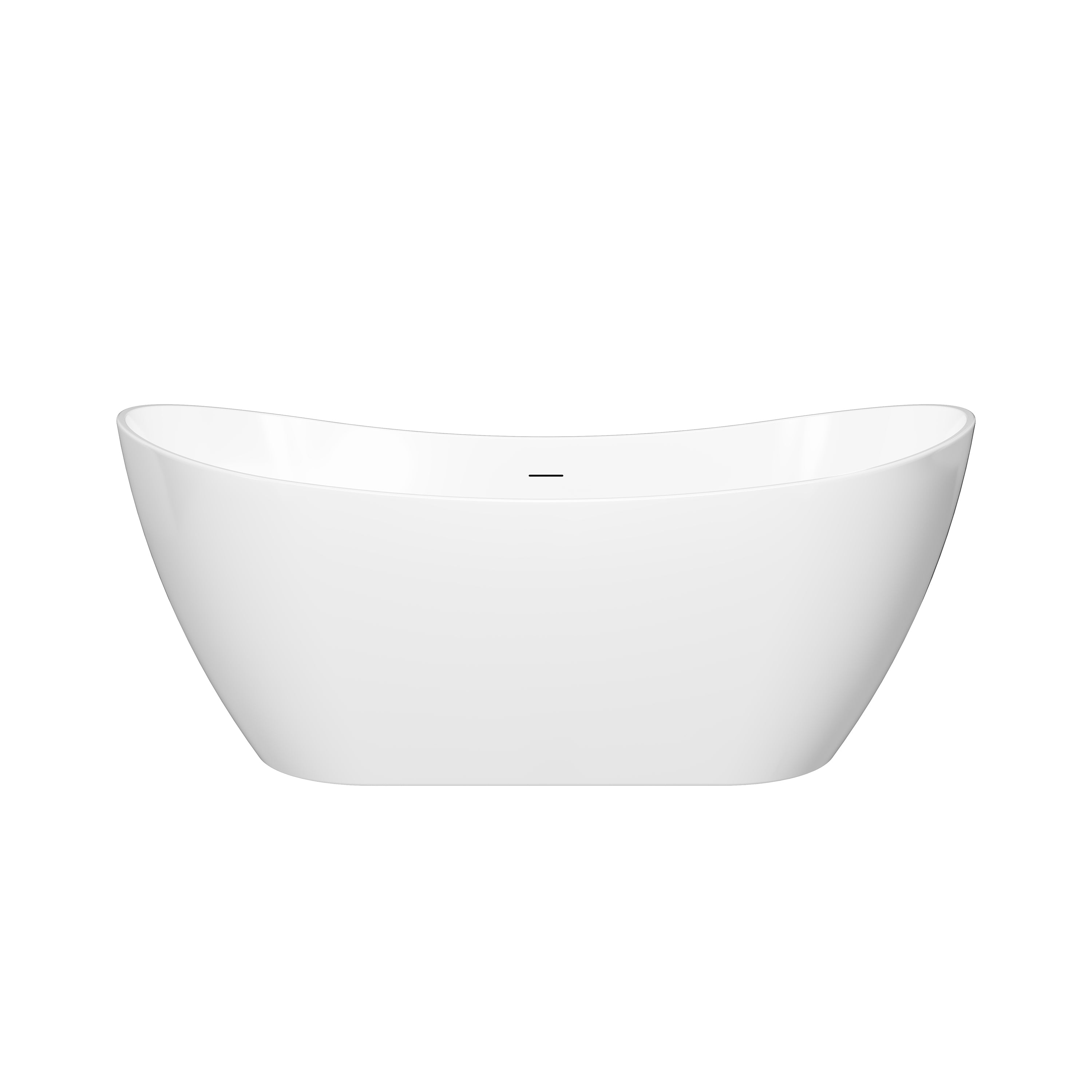
Acrylic bathtubs, a popular choice in modern bathroom design, are widely used not only for their stylish appearance and comfortable bathing experience, but also for their unique functional features and relatively affordable price. Especially in terms of weight, insulation performance, and daily maintenance, acrylic bathtubs have shown significant advantages and challenges. This article will explore in detail the performance of these aspects and combine relevant data and industry trend analysis to help consumers and industry professionals better understand the advantages and disadvantages of acrylic bathtubs.

1. Weight: Lightweight and easy to install
Compared to traditional cast iron and steel bathtubs, acrylic bathtubs are much lighter, giving them significant advantages in installation and handling. According to a report by market research firm IBISWorld, acrylic bathtubs typically weigh between 66 and 132 pounds, while cast iron bathtubs of the same size can weigh over 220 pounds. This difference means that acrylic bathtubs are easier to handle and install, especially during renovations or redecorations, reducing installation costs and time.
Specifically, the lightweight nature of acrylic material allows consumers to easily self-install at home, making it especially suitable for households without extensive construction experience. In addition, compared to heavy-duty bathtubs, acrylic bathtubs reduce the requirement for floor load-bearing, making the floor burden lighter when renovating old houses.
2. Thermal insulation performance: ideal but with room for improvement
The insulation performance of acrylic bathtubs is usually ideal, but compared to cast-iron bathtubs, it is slightly inferior. Acrylic material itself is an excellent insulation material, with a smooth surface and low thermal conductivity, so it can maintain water temperature for a certain period of time. However, due to the thinner walls of acrylic bathtubs, heat loss is faster than that of cast iron bathtubs, resulting in a relatively shorter water temperature retention time.
According to the National Association of Home Builders (NAHB), the insulation performance of acrylic bathtubs usually maintains water temperature for 30-45 minutes, while cast iron bathtubs maintain hot water for 45-1 hour. In addition, with the advancement of technology, many modern acrylic bathtubs have adopted a double-layer design, with insulation materials placed in the middle, significantly improving their insulation performance. According to the survey, using a double-layer structure acrylic bathtub can extend the heat retention time by about 20%.
However, although the insulation performance of acrylic bathtubs can meet daily needs in most cases, for users who soak for a long time or have high insulation requirements, additional insulation equipment (such as bathtub insulation sleeves or heating systems) may need to be considered to enhance the overall user experience.
3. Daily maintenance: Simple but requires careful maintenance
The daily maintenance of acrylic bathtubs is relatively simple, but in order to ensure their long-term effectiveness and aesthetic appearance, certain maintenance work is still required. Firstly, the surface of acrylic material is smooth and easy to clean, usually only requiring gentle cleaning agents and a soft cloth to wipe. Compared to steel or cast iron bathtubs, cleaning acrylic bathtubs is much easier as they are less prone to accumulating scale and stains on the surface.
However, acrylic bathtubs also have their vulnerable side. Although it has good impact resistance, its surface is prone to scratches, especially during long-term use. If sharp cleaning tools or overly rough materials are accidentally used, it may cause scratches or wear. According to data from the National Association of Home Decorators (NARI), approximately 30% of consumers reported experiencing surface damage due to improper cleaning while using acrylic bathtubs.
To avoid these issues, it is recommended that users choose cleaning agents specifically designed for acrylic bathtubs and regularly wipe them with soft fabrics. In addition, avoid using cleaning agents or steel wire balls containing abrasives during cleaning to prevent surface damage.
Another daily maintenance challenge is preventing scale accumulation. Although acrylic has a smooth surface, due to the lightweight material of the bathtub and the large temperature difference, scale deposition may occur in some areas. To solve this problem, users can regularly use cleaning agents to remove scale or use water softening devices to reduce the formation of scale.
4. Price and cost-effectiveness: affordable yet of high quality
Acrylic bathtubs are relatively affordable, making them the first choice for many consumers. According to market research, the price range for acrylic bathtubs is typically $200 to $ 1,500, and prices may fluctuate based on factors such as size, brand, and functionality. Compared with high-end cast-iron bathtubs (usually priced between $1000 and $3000), acrylic bathtubs offer significant advantages in both purchase and installation costs.
Although the price is relatively affordable, acrylic bathtubs do not compromise on quality. Many high-end acrylic bathtubs feature a double-layer design and fine craftsmanship, enhancing comfort while ensuring durability and sturdiness. According to industry reports, the average lifespan of acrylic bathtubs is typically between 10 and 15 years, or even longer. Under proper maintenance, its durability is not inferior to that of cast-iron bathtubs.
5. Case Study: The Application of Acrylic Bathtubs in Home Renovation
During a bathroom renovation project in Los Angeles, California, Laura chose a high-end acrylic bathtub to replace her old cast-iron tub. The bathtub measured 60 inches by 30 inches and cost approximately $1,000. Thanks to the acrylic tub's lightweight nature, the installers completed the installation in just two hours—saving both time and money compared to installing a cast-iron alternative.
Following installation, Laura noted that the acrylic bathtub's heat retention was more than adequate for daily use; the water temperature remained stable for about 45 minutes, meeting her needs. In terms of maintenance, she found the acrylic surface much easier to care for, with fewer issues regarding limescale buildup; a simple wipe-down with a specialized cleaner was all that was required. Overall, Laura was highly satisfied with both the performance and appearance of the acrylic bathtub, deeming it a worthwhile investment.
6. Conclusion: Advantages and disadvantages coexist
In summary, acrylic bathtubs have shown certain advantages in terms of weight, insulation performance, and daily maintenance. Its portability makes installation and handling more convenient, especially suitable for home renovation and small bathroom use. Although the insulation performance is slightly inferior to that of cast-iron bathtubs, it has been greatly improved through innovative design. In terms of daily maintenance, cleaning acrylic bathtubs is relatively simple, but attention should still be paid to avoiding scratches and scale buildup.
For consumers with limited budgets who want a high-quality bathtub experience, acrylic bathtubs are an ideal choice. Although there is room for improvement in certain aspects, with technological and material innovations, the performance and comfort of acrylic bathtubs will continue to be optimized, and their competitiveness in the market will be further enhanced in the future.













Leave a comment
This site is protected by hCaptcha and the hCaptcha Privacy Policy and Terms of Service apply.