














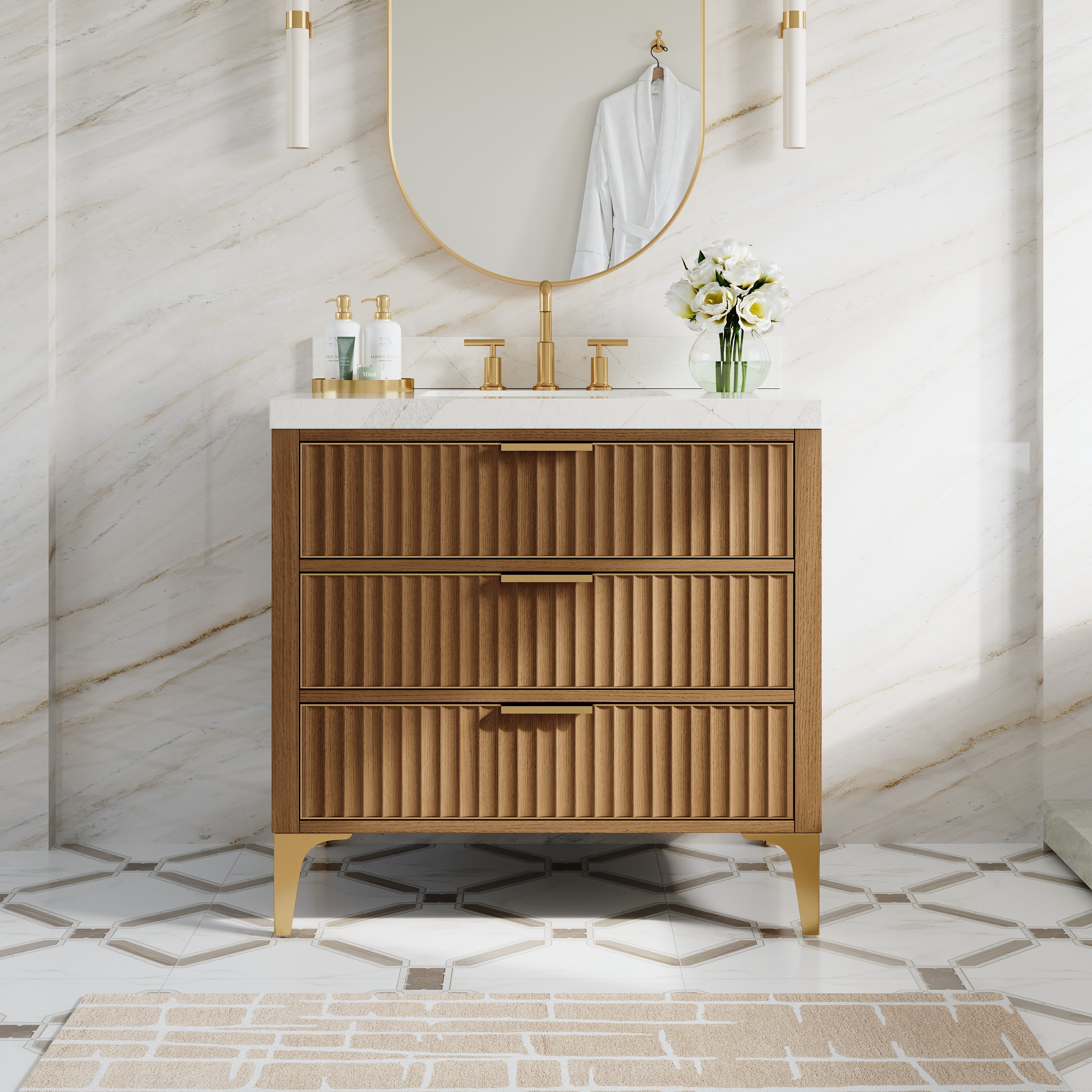
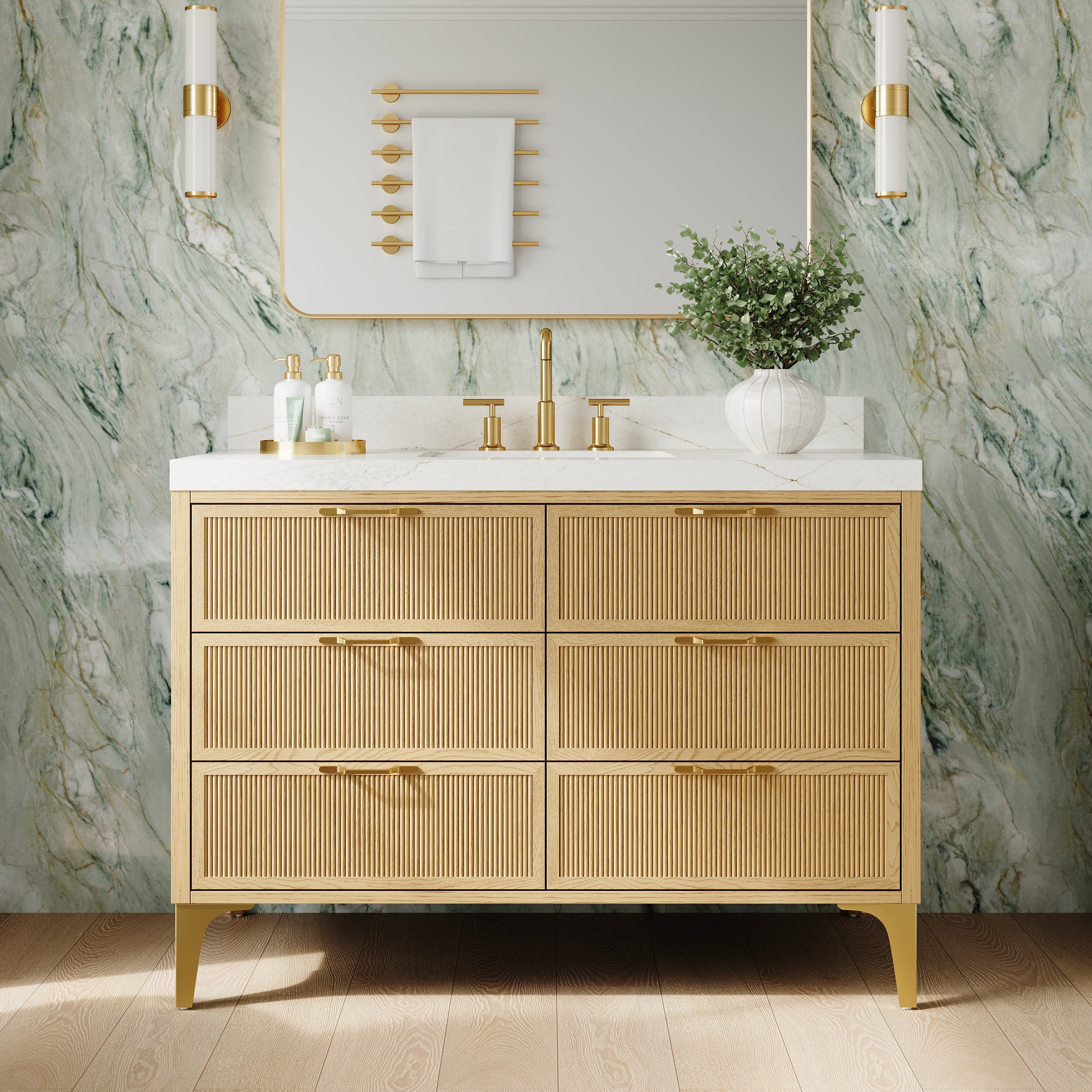


The “best” vanity mirror for bathroom use in 2026 is increasingly defined by lighting performance, not just shape or frame style. Bathrooms are being designed more like daily-use grooming studios, with mirrors expected to deliver clear facial illumination, reduce shadows, and support flexible routines from early mornings to nighttime wind-down. In the Houzz 2025 Bathroom Trends Study, 36% of renovated bathrooms include wellness-oriented features, and upgraded lighting leads the list at 30%. Nearly as many homeowners say they use the primary bath for beauty and pampering routines, which keeps the mirror-and-lighting zone in the spotlight.
1. Define “Best” by the Job the Mirror Must Do
A mirror that looks great in photos may still fail in real life if it produces harsh shadows or inaccurate color on skin tones. Start by deciding which job matters most:
· Daily grooming accuracy: prioritize even front lighting, dimming, and color consistency.
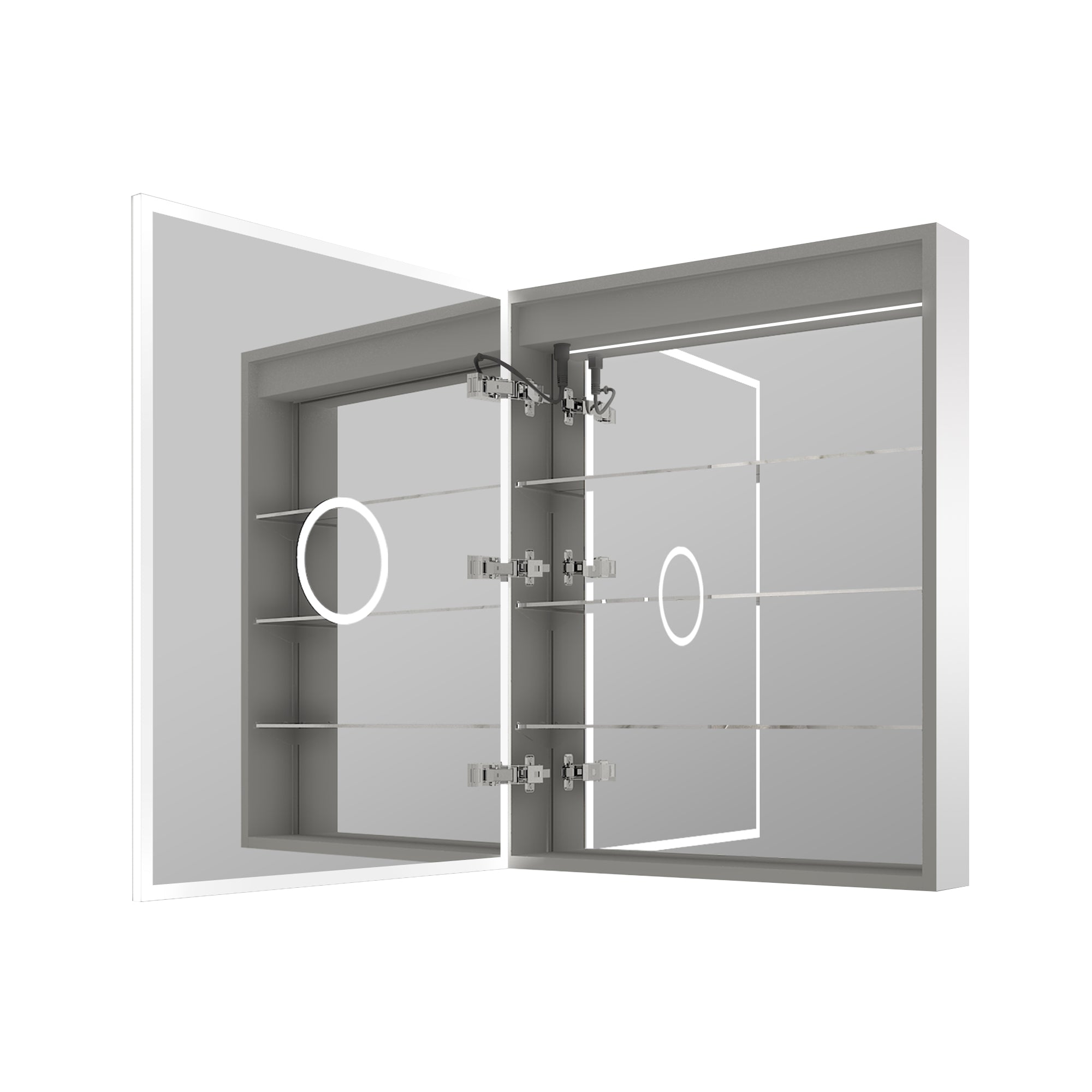
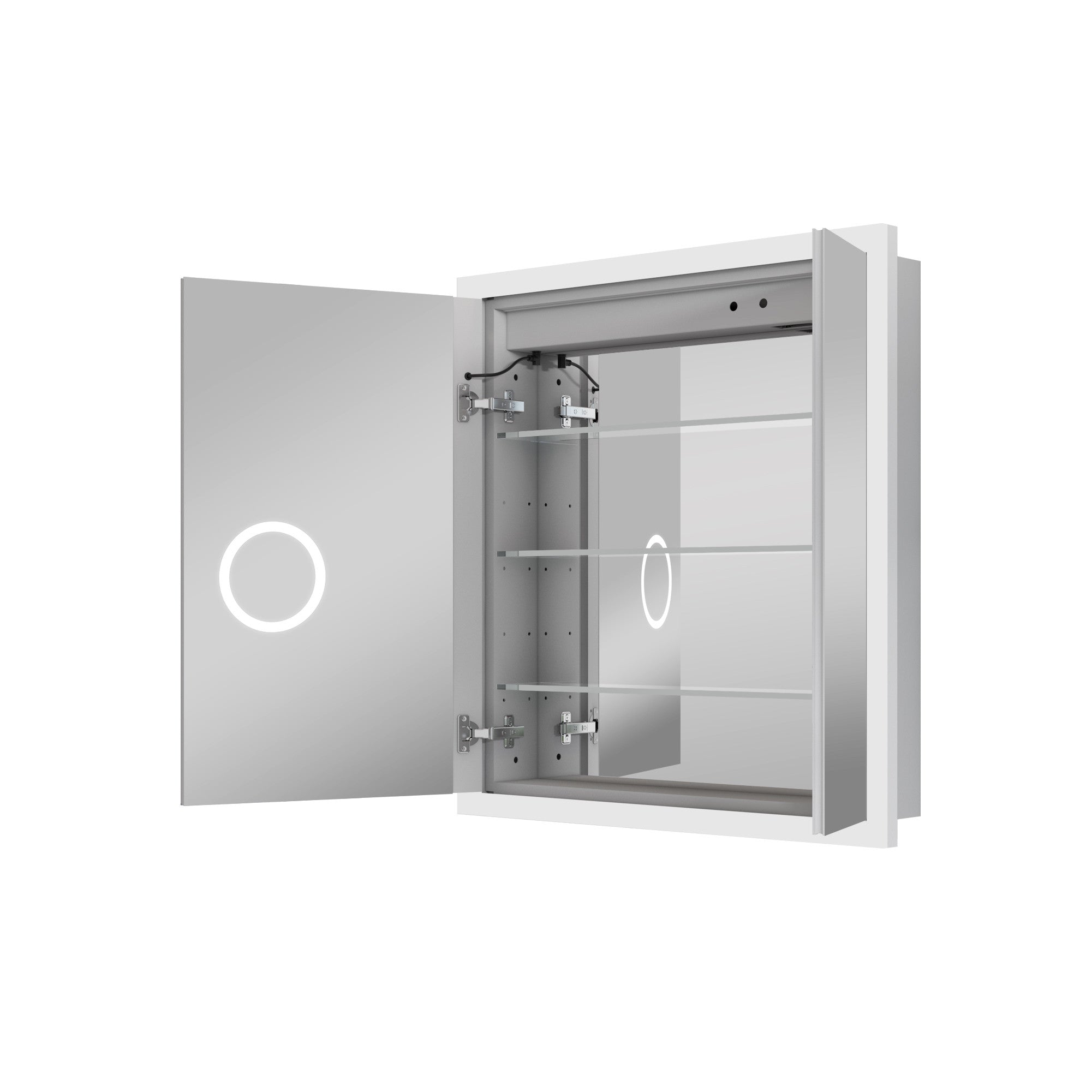
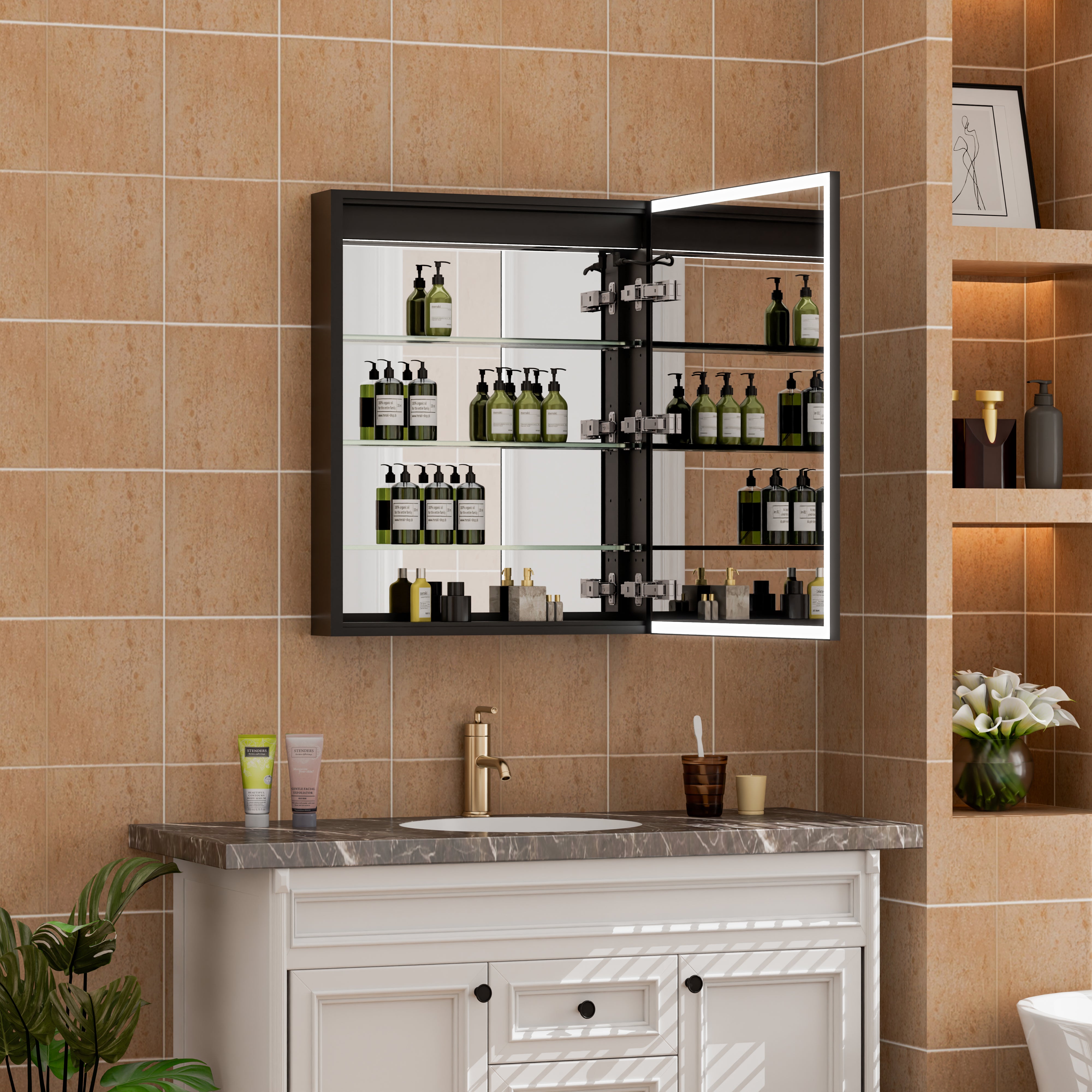
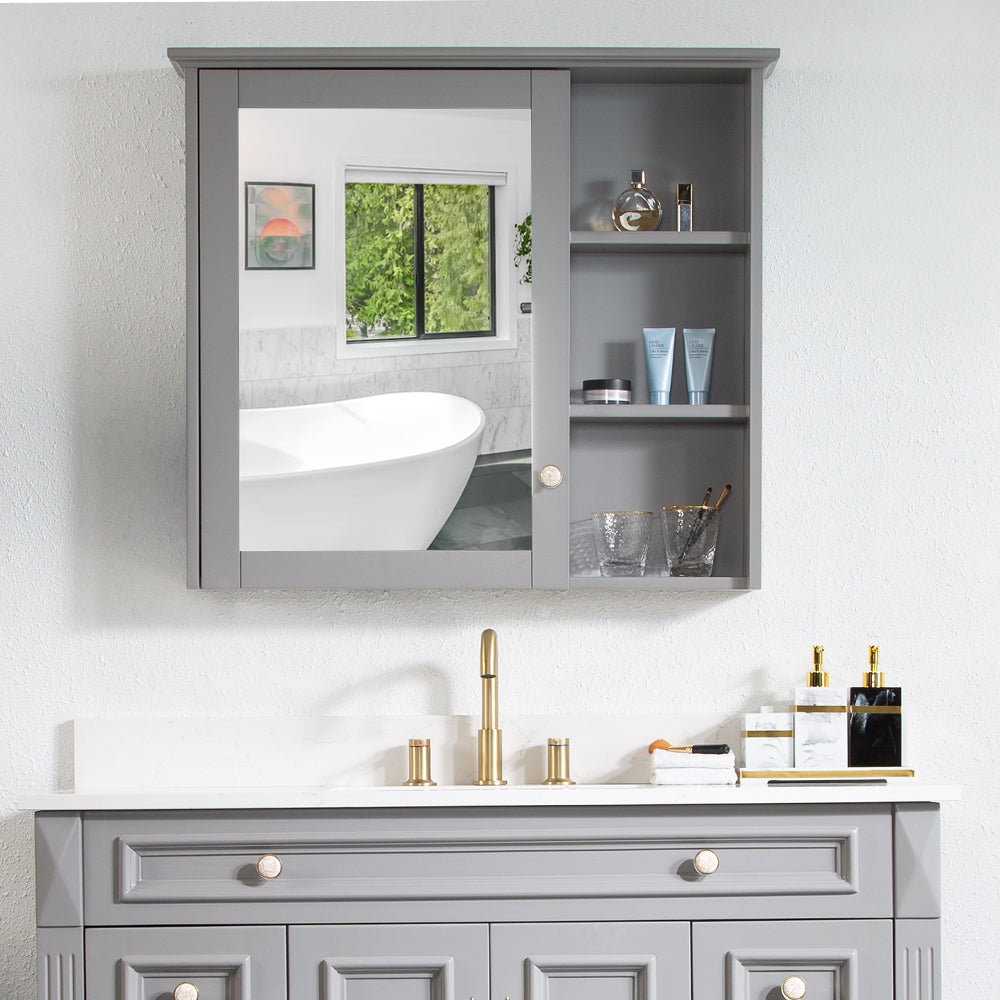
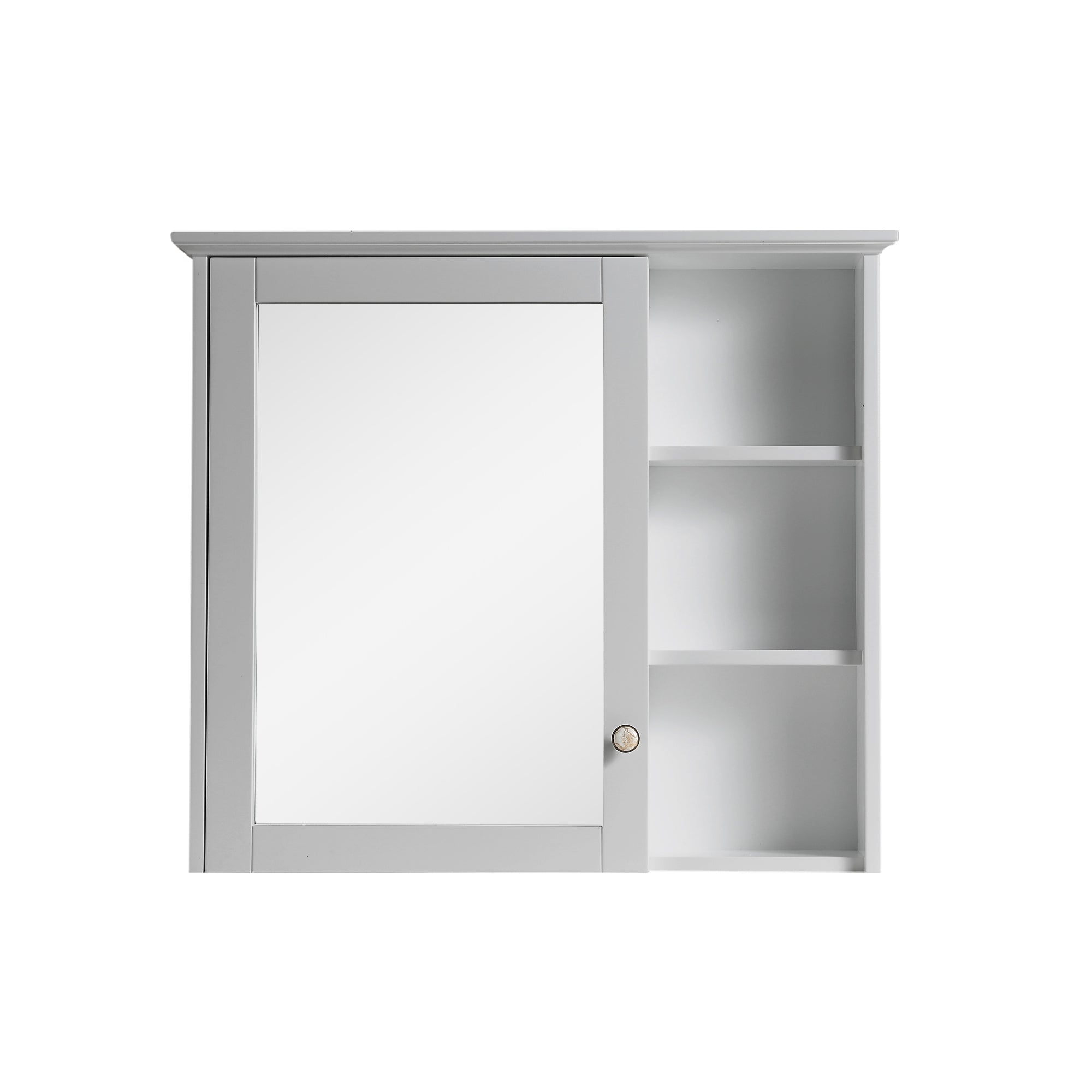
· Space efficiency: consider a mirrored medicine cabinet or a slimmer frame profile.
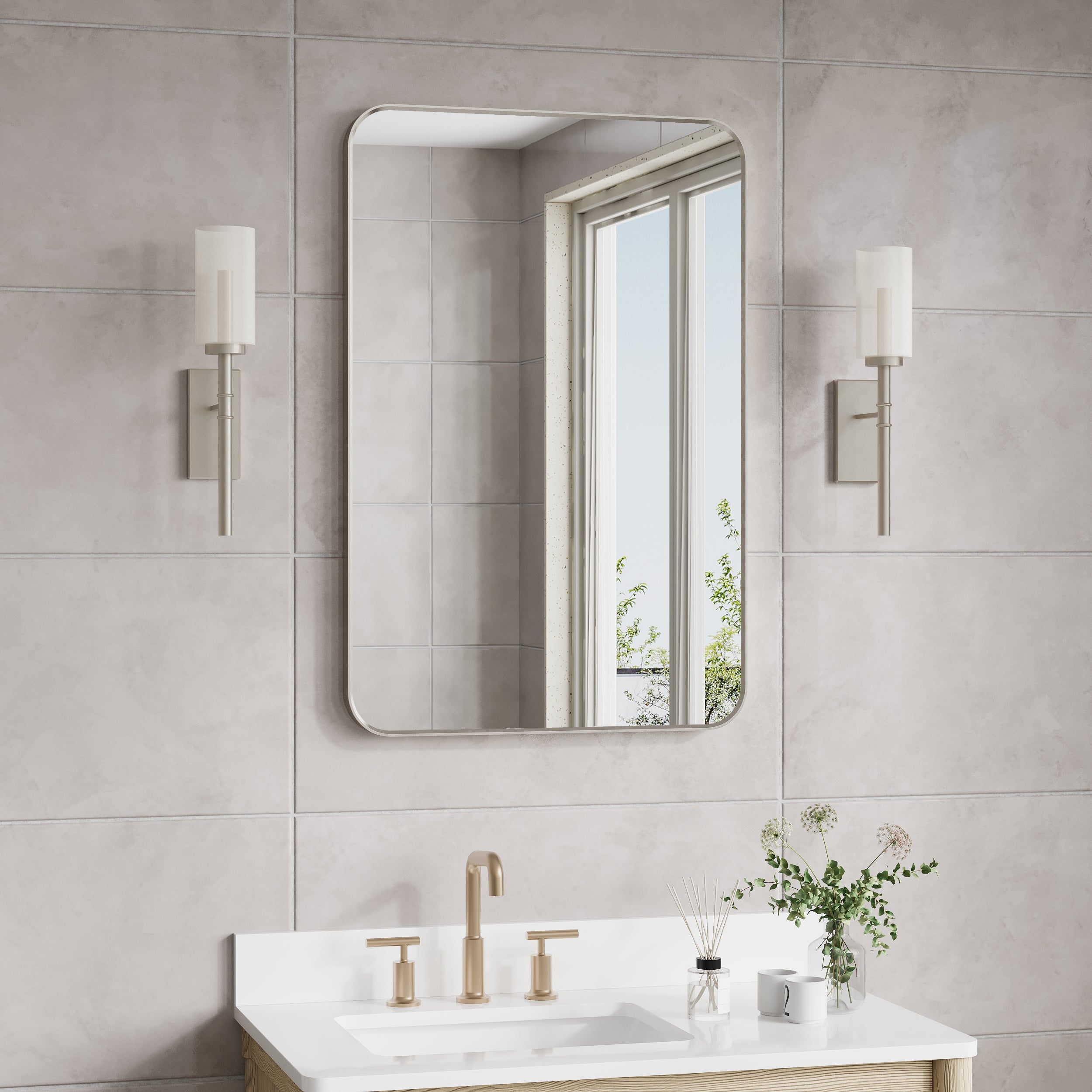
· Design impact: choose a shape and finish that complements faucets, hardware, and wall color.
· Shared bathroom convenience: anti-fog, memory settings, and simple controls become more valuable.
This “job-first” approach mirrors where the industry is heading. In the NKBA 2026 Bath Trends Report, lighting quality is cited as a top consideration by 91% of respondents, and 92% agree that task lighting should always be included in primary bath design.
2. Pick the Right Size Using Inches, Not Guesswork
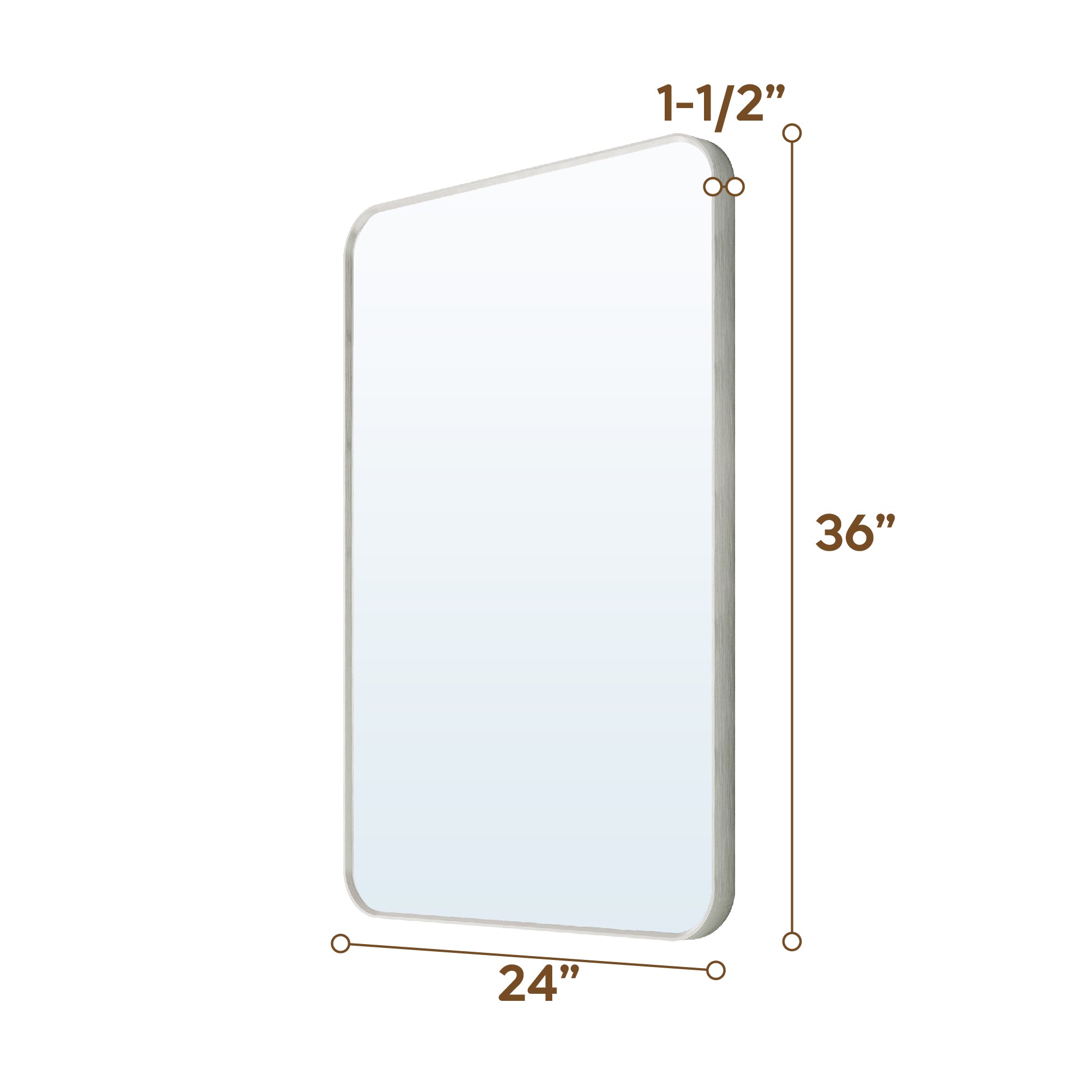
Size is the fastest way to make a vanity wall look either polished or awkward. As a practical starting point, choose a mirror that is slightly narrower than the vanity so the edges do not fight the countertop line. Many designers leave about 2 inches to 4 inches of breathing room on each side.
Examples that often look balanced:
· 24-inch vanity: mirror around 20 inches to 22 inches wide
· 30-inch vanity: mirror around 24 inches to 28 inches wide
· 36-inch vanity: mirror around 30 inches to 34 inches wide
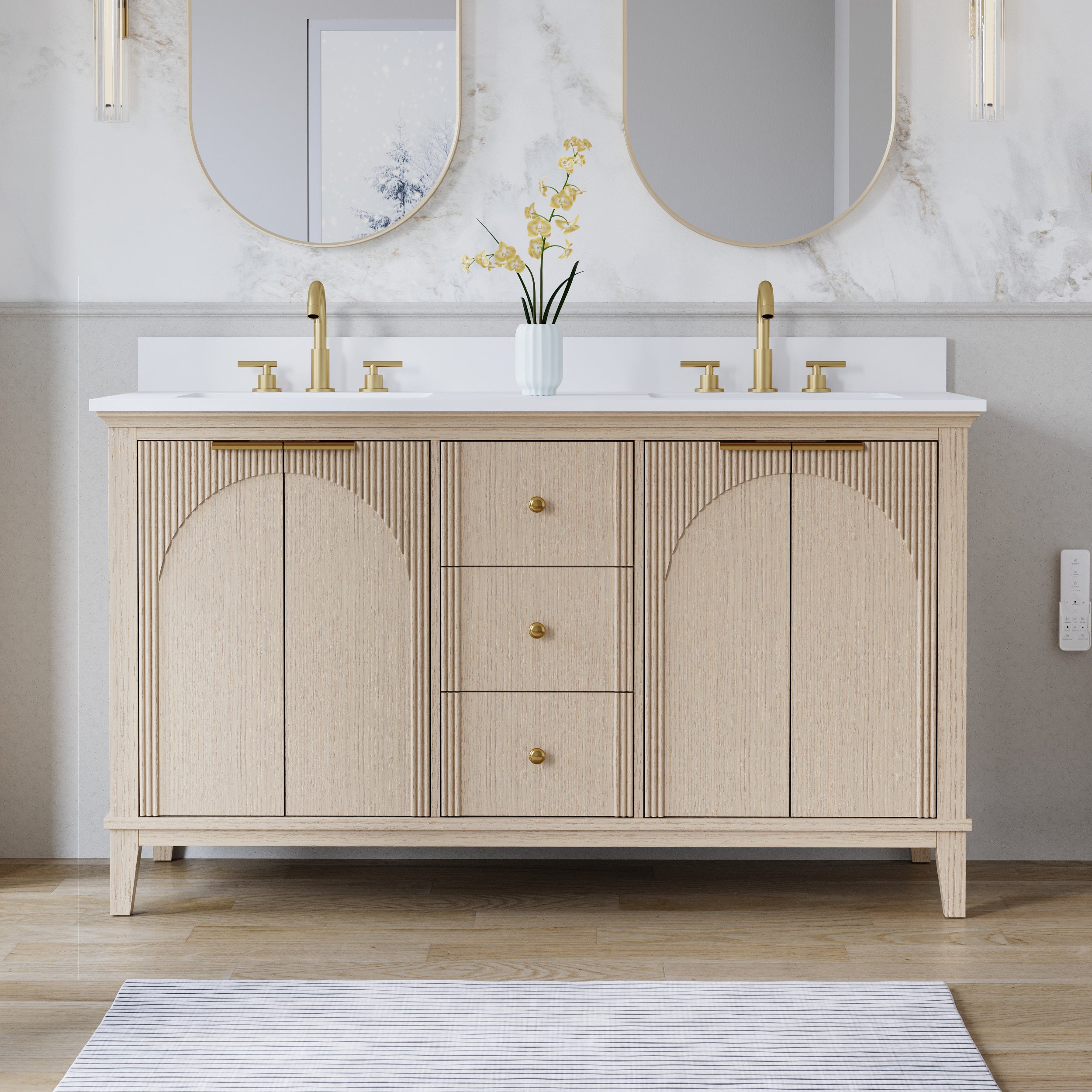
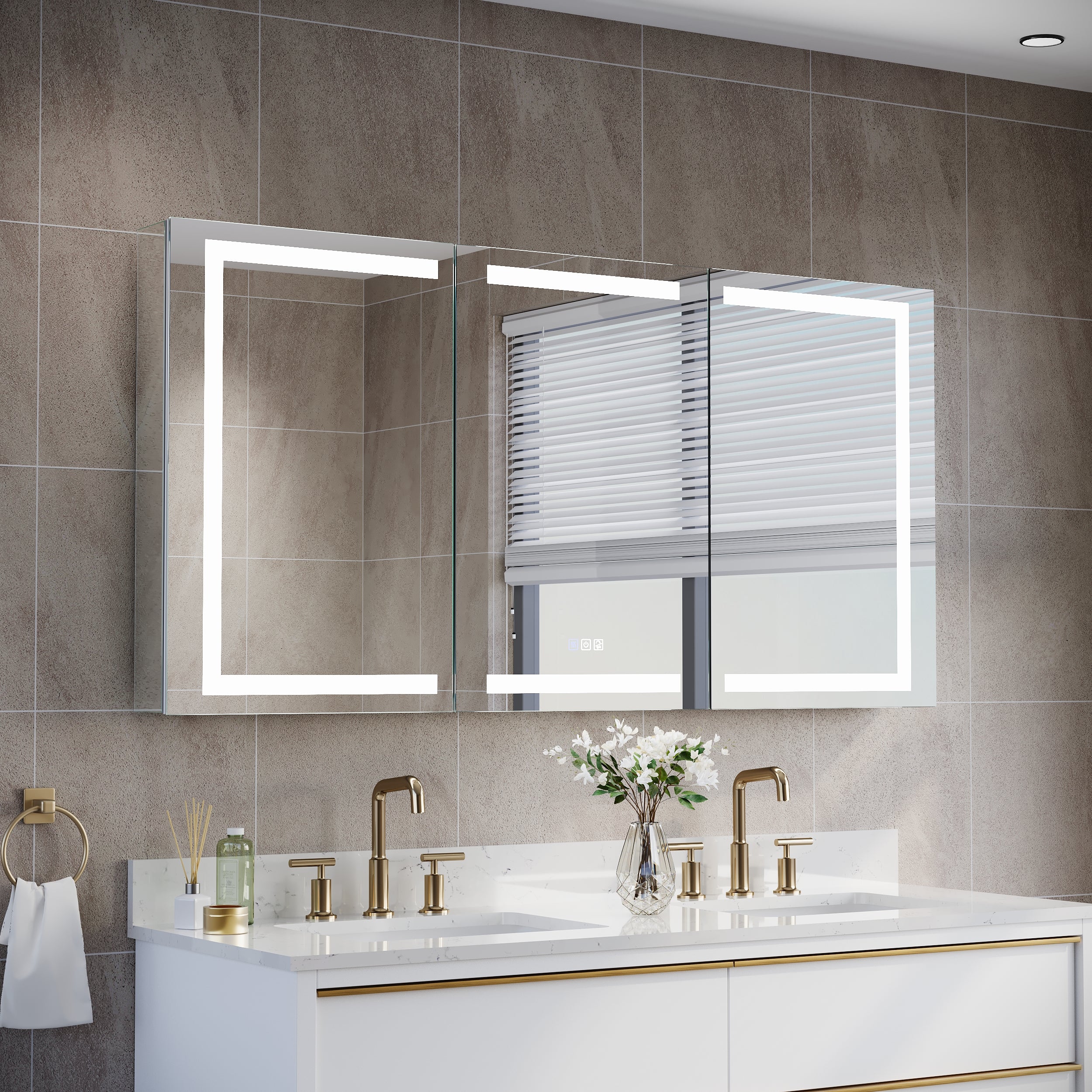
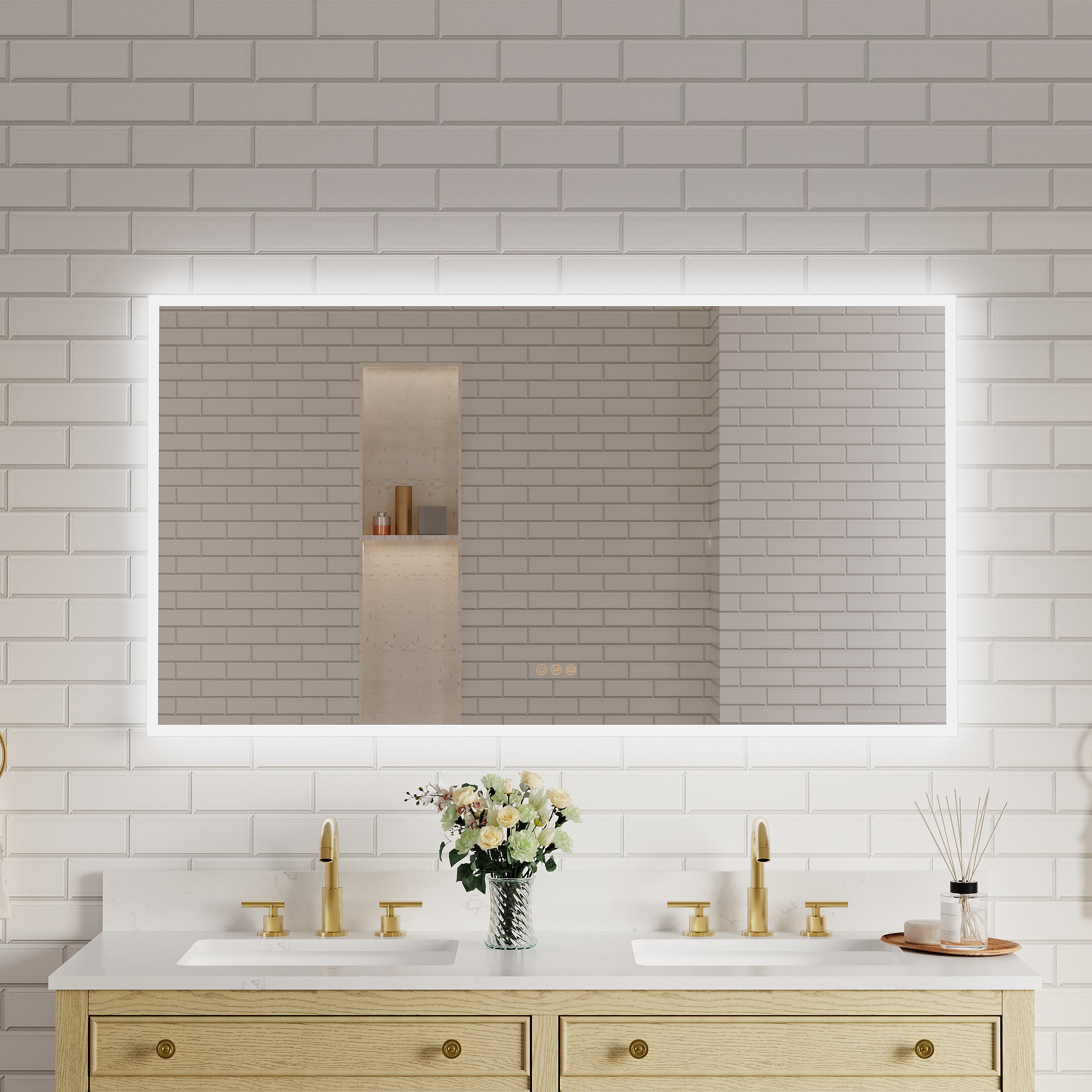
For double vanities, two mirrors typically create better personal lighting zones. A single wide mirror can make the room feel larger, but it needs thoughtful lighting so both sinks get even illumination.
3. LED Mirrors Are Winning Because Lighting Is Winning
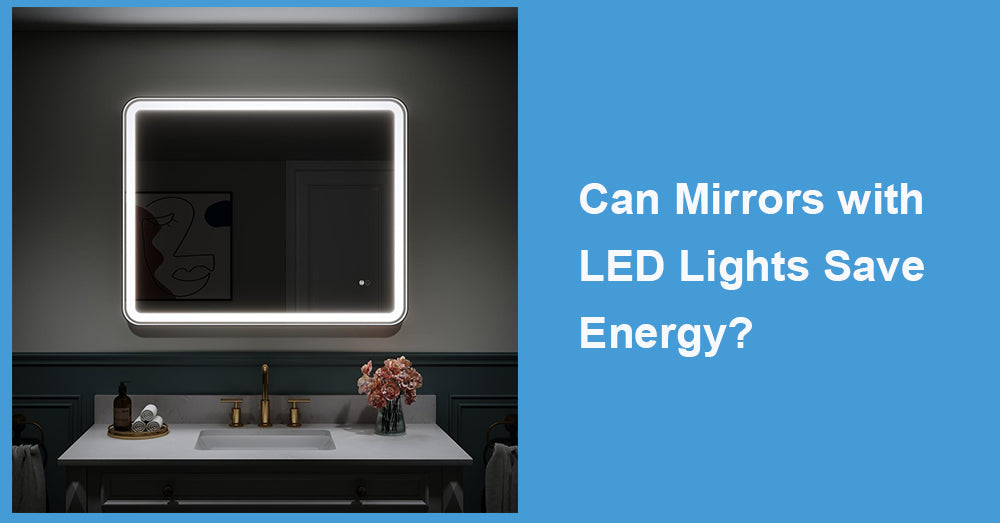
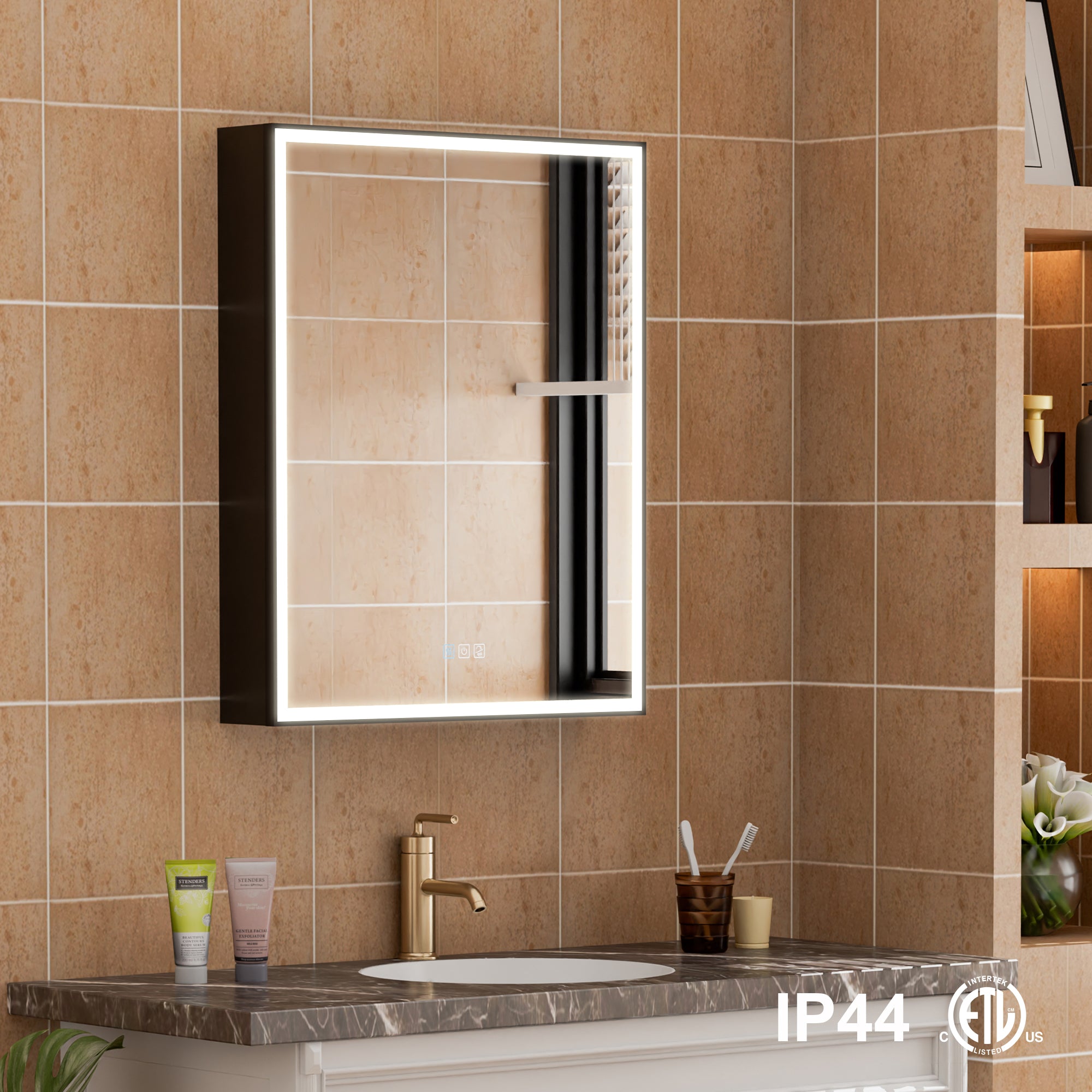
LED mirrors are not just a style trend; they are a direct response to the demand for better task lighting at the vanity. Energy and longevity also matter. The Department of Energy notes that residential LEDs use at least 75% less energy and can last up to 25 times longer than incandescent lighting.
That efficiency advantage is one reason integrated lighting is gaining relevance. The NKBA report notes that 47% favor integrated lighting in mirrors over the next three years, reinforcing that the mirror is increasingly treated as part of the lighting plan, not a separate accessory.
4. Front-Lit vs Backlit: Which Looks Better on a Face?
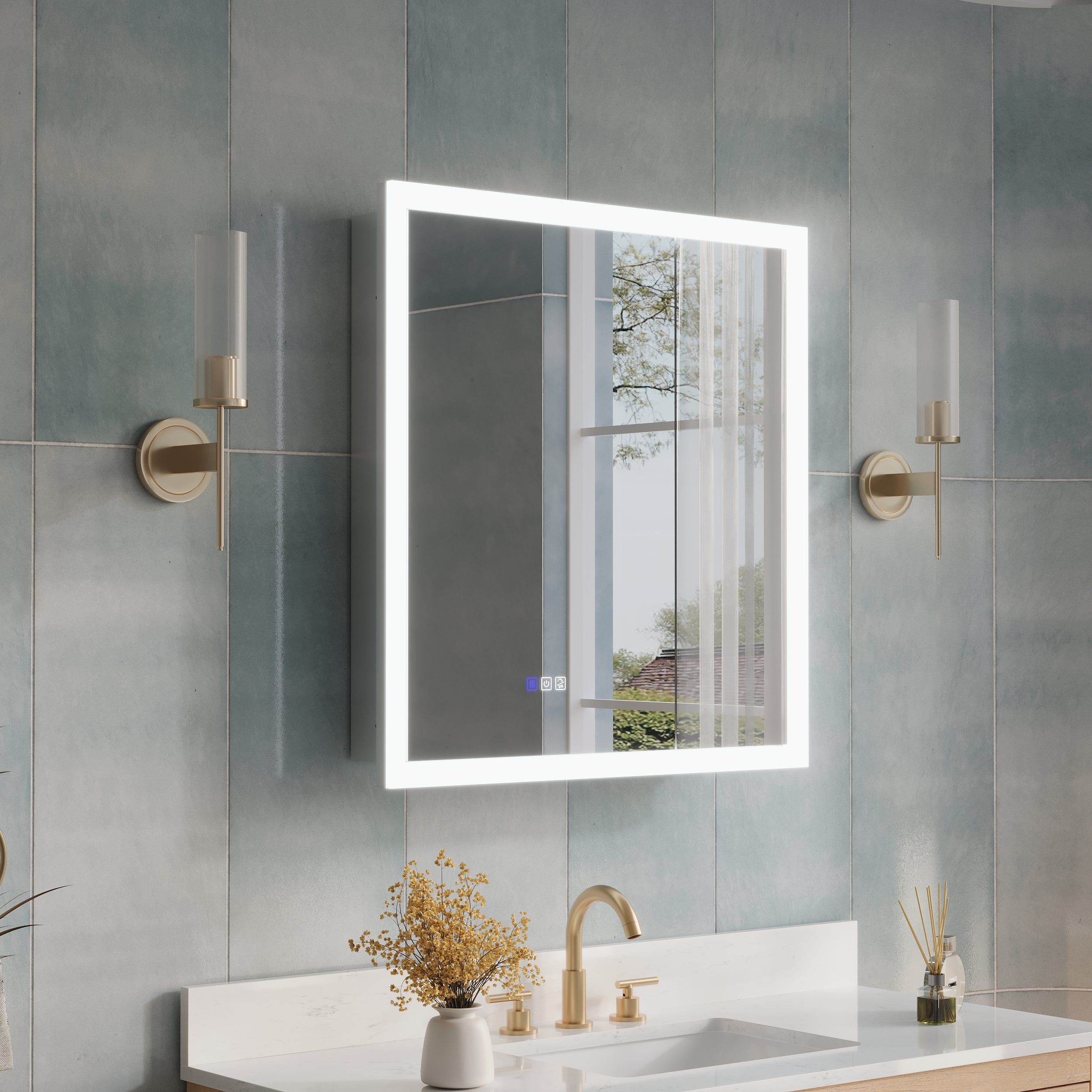
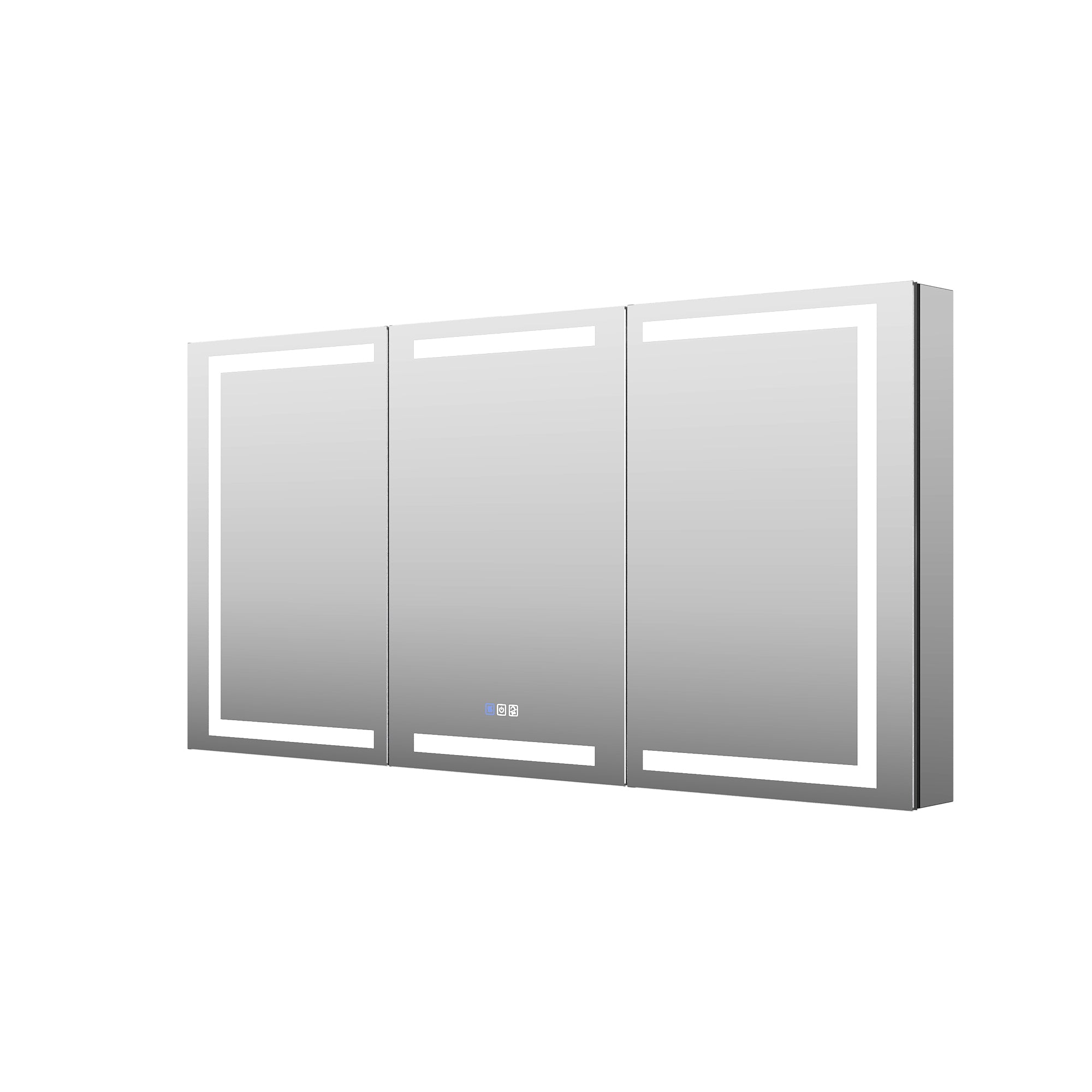
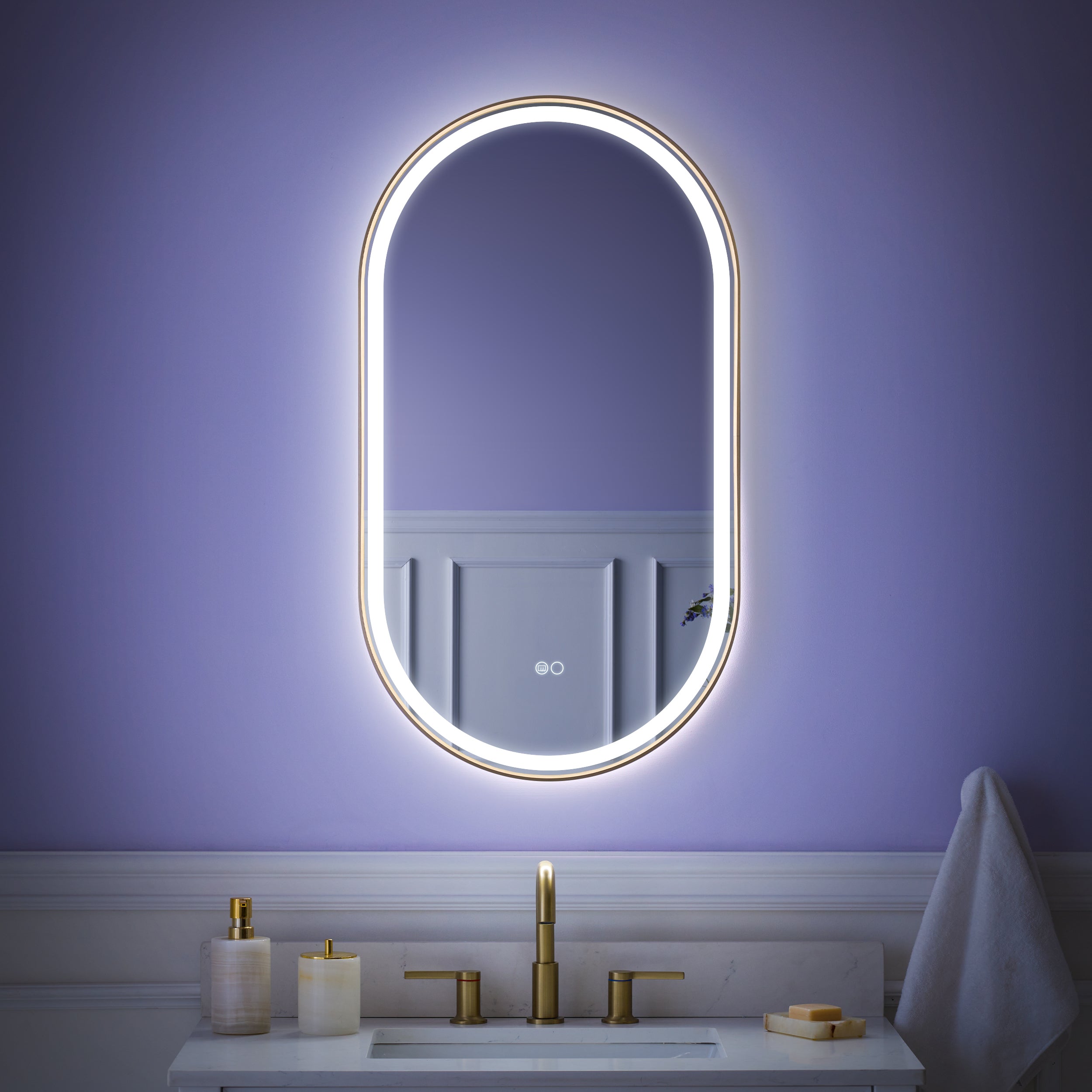
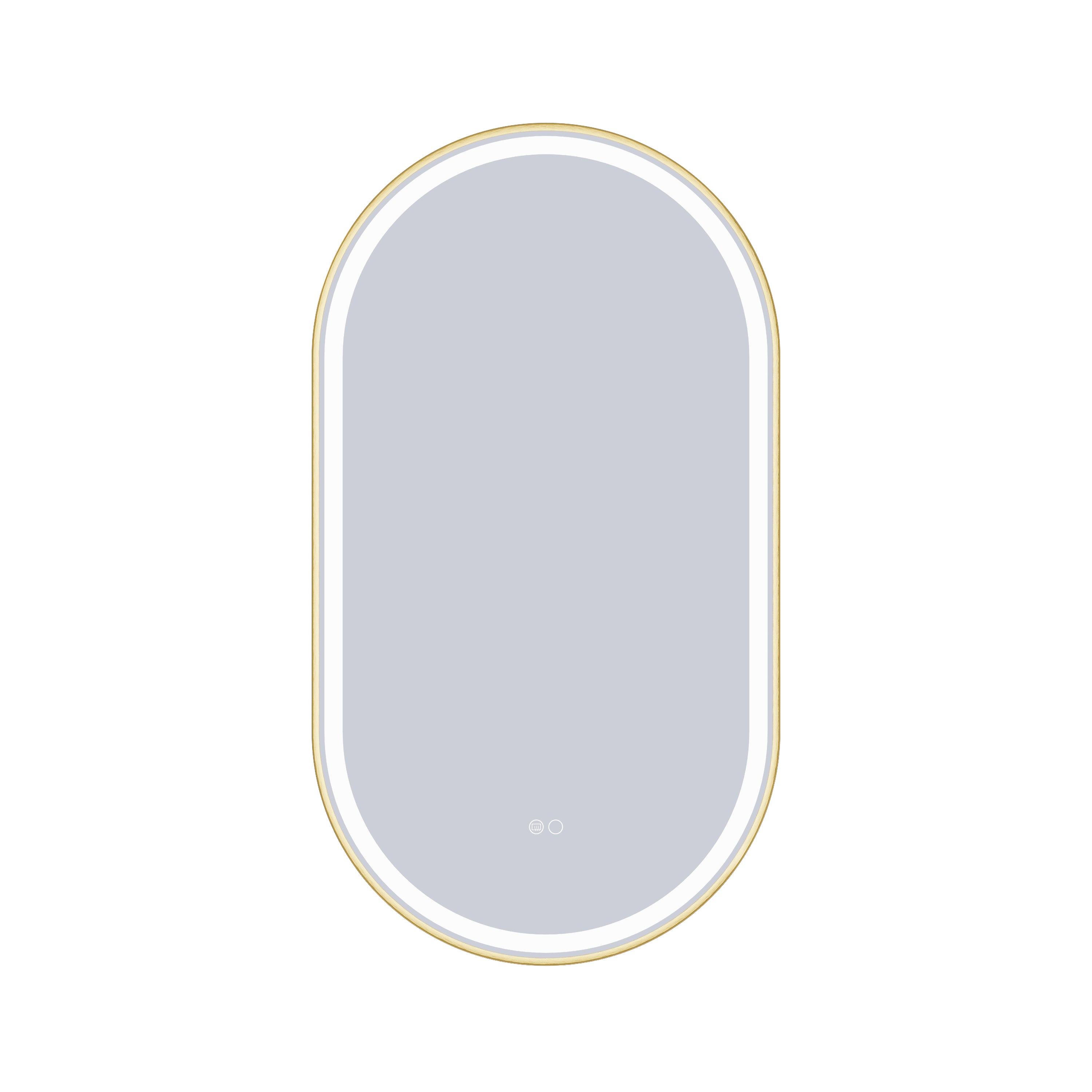
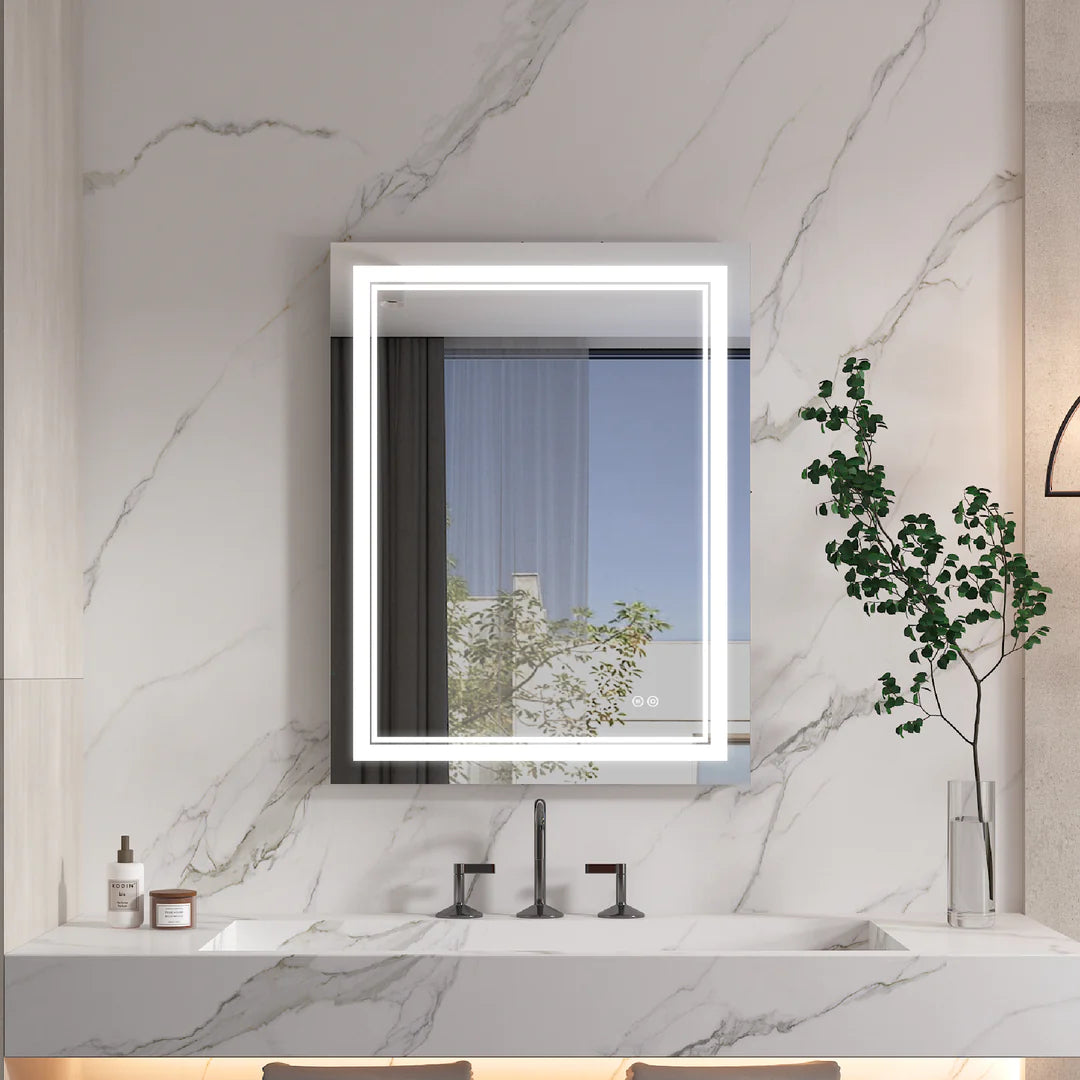
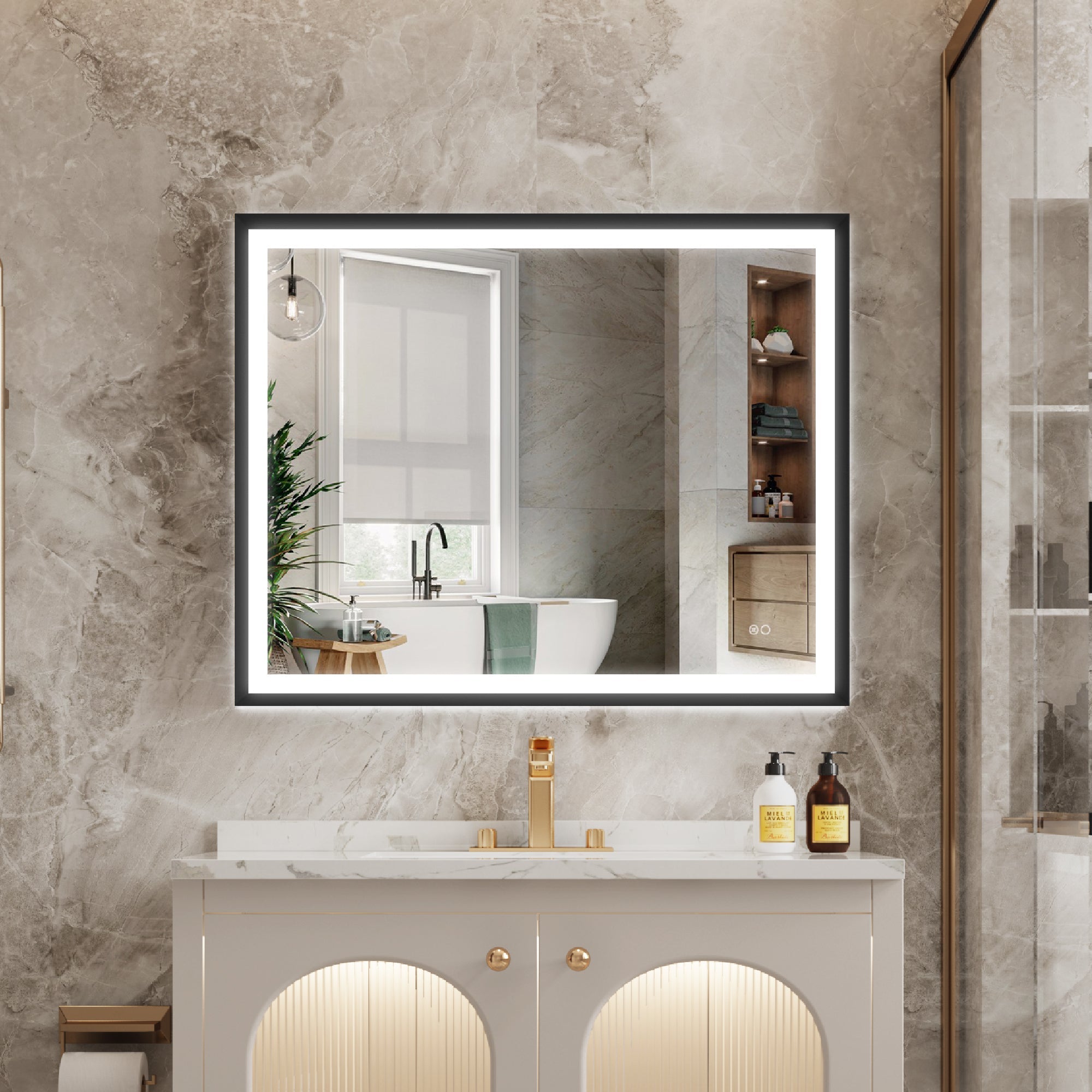
If your priority is clarity, a front-lit setup is usually the safer choice because it directs light toward the face and reduces shadows under the eyes and chin. Backlit mirrors create a softer halo effect and can make a bathroom feel calmer, but they may not provide enough direct facial illumination on their own.
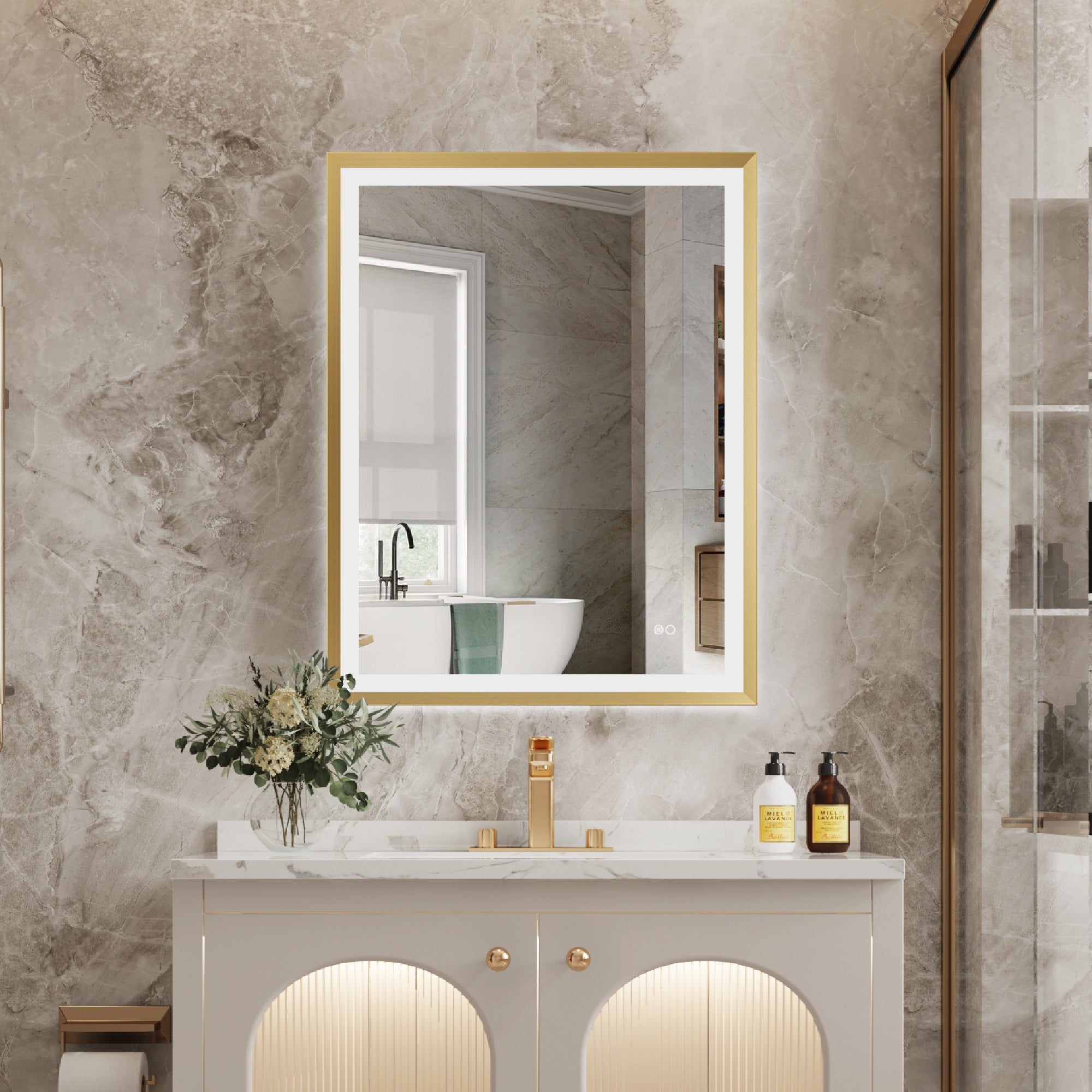
A strong “best-of-both” option is a mirror that blends front task lighting with a gentler back glow for ambiance. This matches the broader shift toward layered lighting. NKBA trend commentary emphasizes moving away from single-source overhead lighting and toward multiple layers, including task and mood lighting.

5. Color Quality: Do Not Shop Without Looking at CRI and Beyond
Color accuracy affects everything from makeup matching to how tile and paint appear in the mirror. CRI is still the most common shorthand, but it has limits. NIST notes that CRI evaluates color fidelity and misses other aspects of color quality, which is why more advanced approaches were developed.
That said, many lighting designers still aim for high CRI at the vanity because it generally improves color appearance for grooming. Meanwhile, the Illuminating Engineering Society highlights TM-30 as a more robust method for evaluating color rendition than older single-number approaches.
What this means in real shopping terms:
· If a mirror lists CRI, look for a higher value when grooming accuracy matters.
· If a brand provides TM-30 metrics (often shown as Rf and Rg), that is a sign they are taking color quality seriously.
· Match color temperature to the routine: warm light feels softer at night, while neutral-to-cool light can feel clearer for detail work.
6. Anti-Fog and Smart Controls: Useful When They Solve a Real Problem
Anti-fog is not a gimmick in bathrooms where showers are used frequently, and steam reaches the vanity wall. If you often wipe down the mirror after showers, a defogger is a practical upgrade.
Smart features can also be worthwhile, but only if they simplify use:
· Dimming and color temperature adjustment for day-to-night transitions.
· Memory function so users don't have to reset brightness every time.
· Separate controls for light and defogger to avoid wasted energy.
In other words, the “best” smart mirror is the one that reduces friction, not the one with the most buttons.
7. Mounting Height: Make It Comfortable for More People
A mirror can be the perfect size and still feel wrong if it is mounted too high. One helpful reference point comes from accessibility guidance: mirrors above lavatories or countertops can be installed if the bottom of the reflecting surface is no more than 40 inches above the finished floor.
Even when you are not designing to an accessibility standard, this measurement is a strong reality check. It encourages mounting that works for a wider range of heights and reduces the “floating too high” look that makes vanities feel disconnected from the wall mirror.
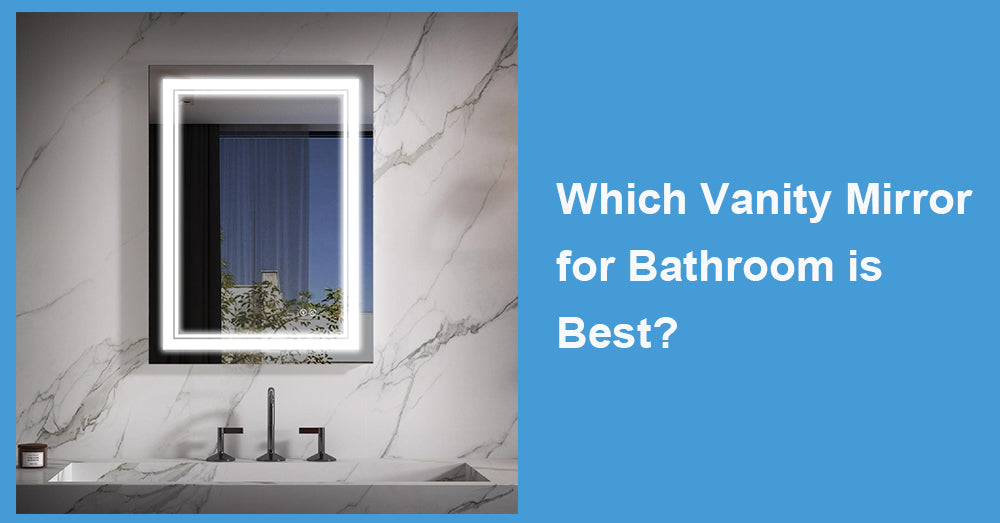
8. So, Which One Is Best?
For most bathrooms, the best overall choice is:
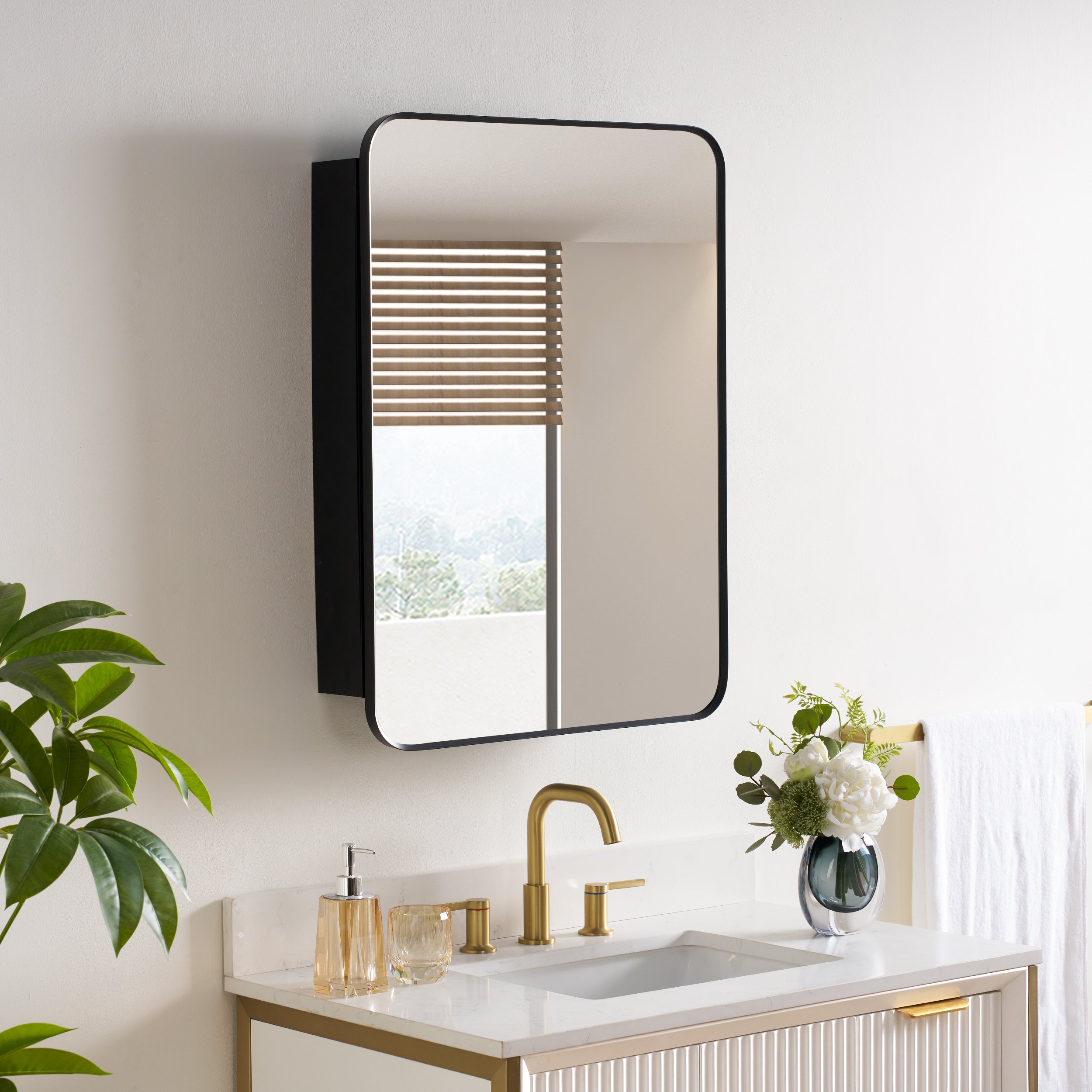
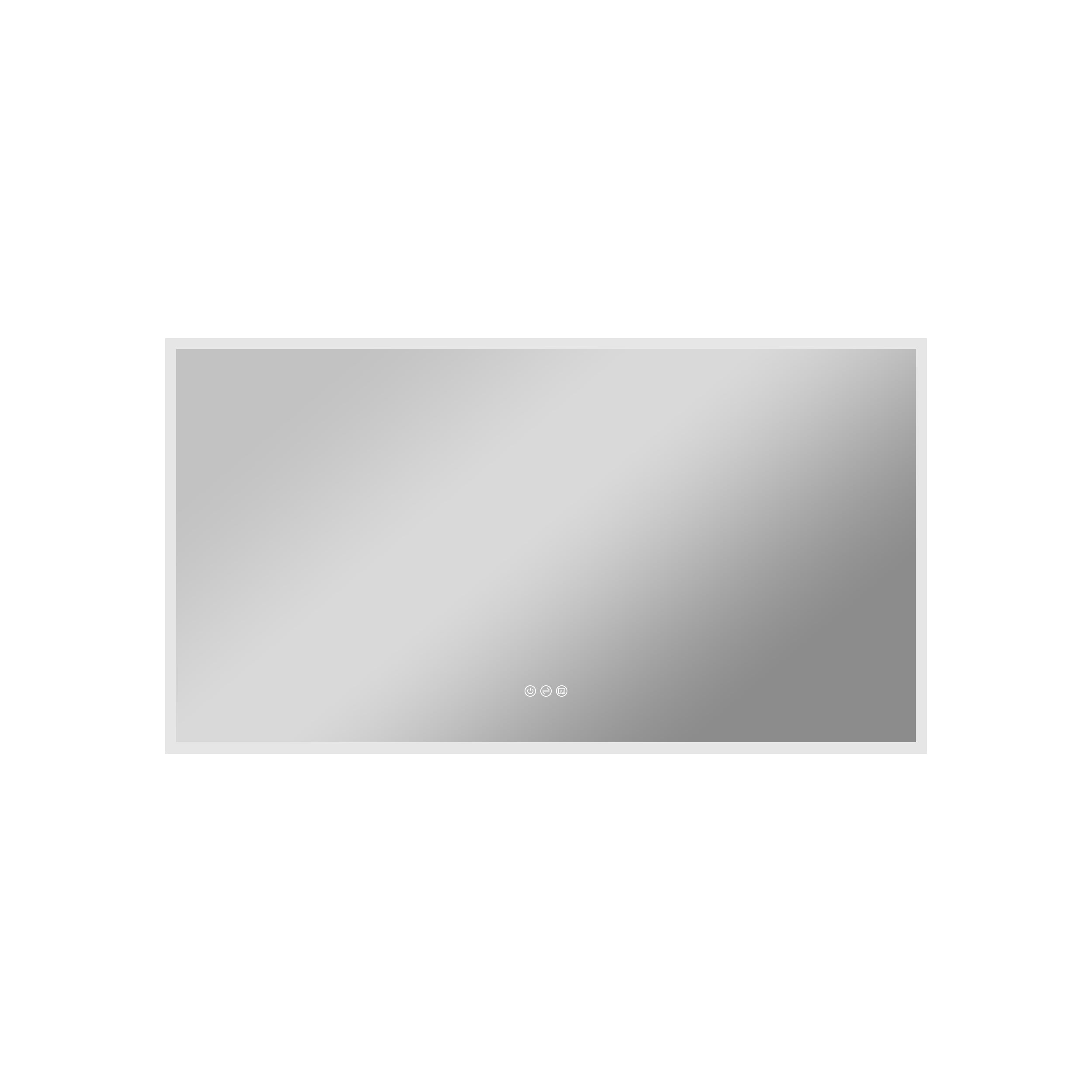
A rectangular or gently arched LED mirror that is slightly narrower than the vanity, with front-focused task lighting, dimming, adjustable color temperature, and optional anti-fog.
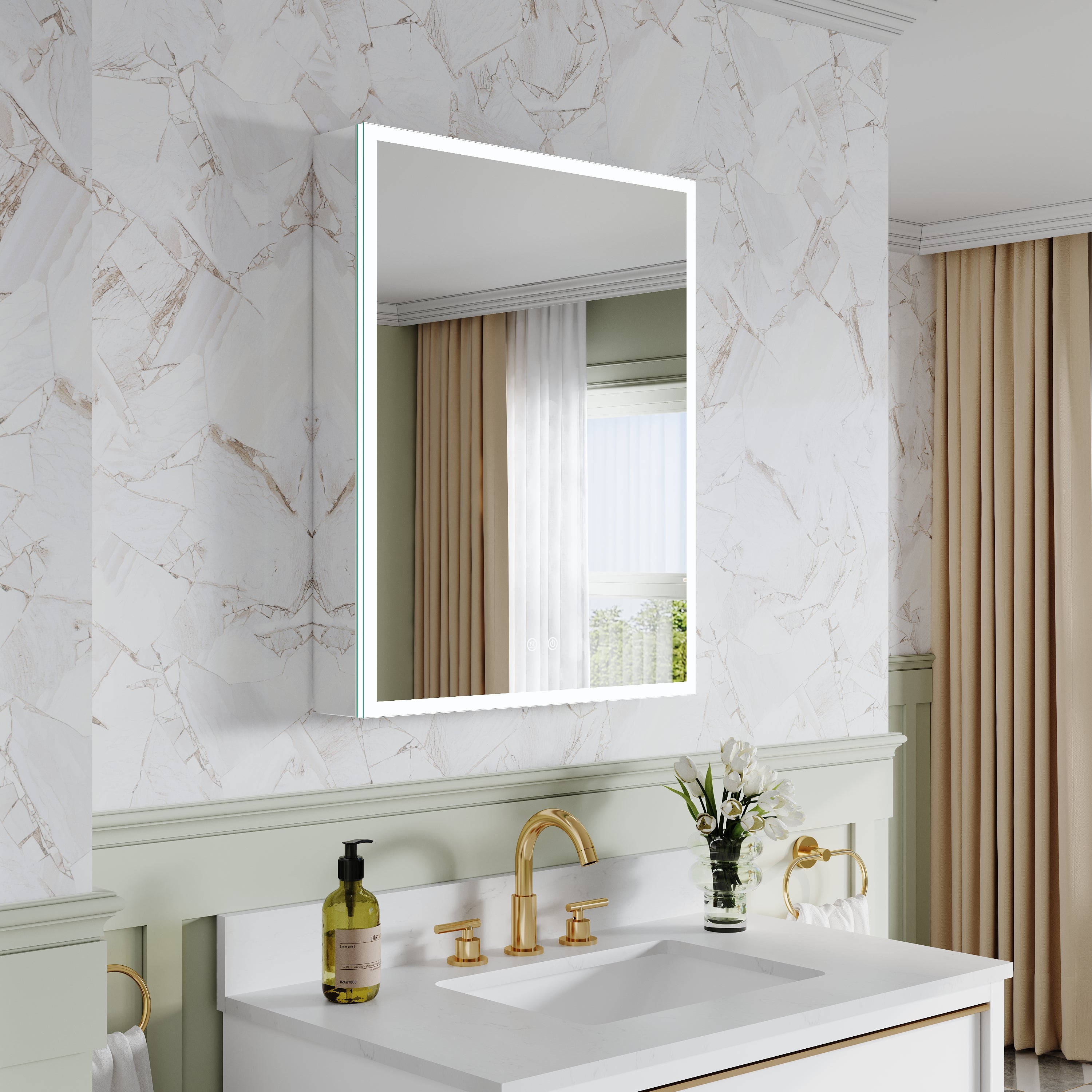
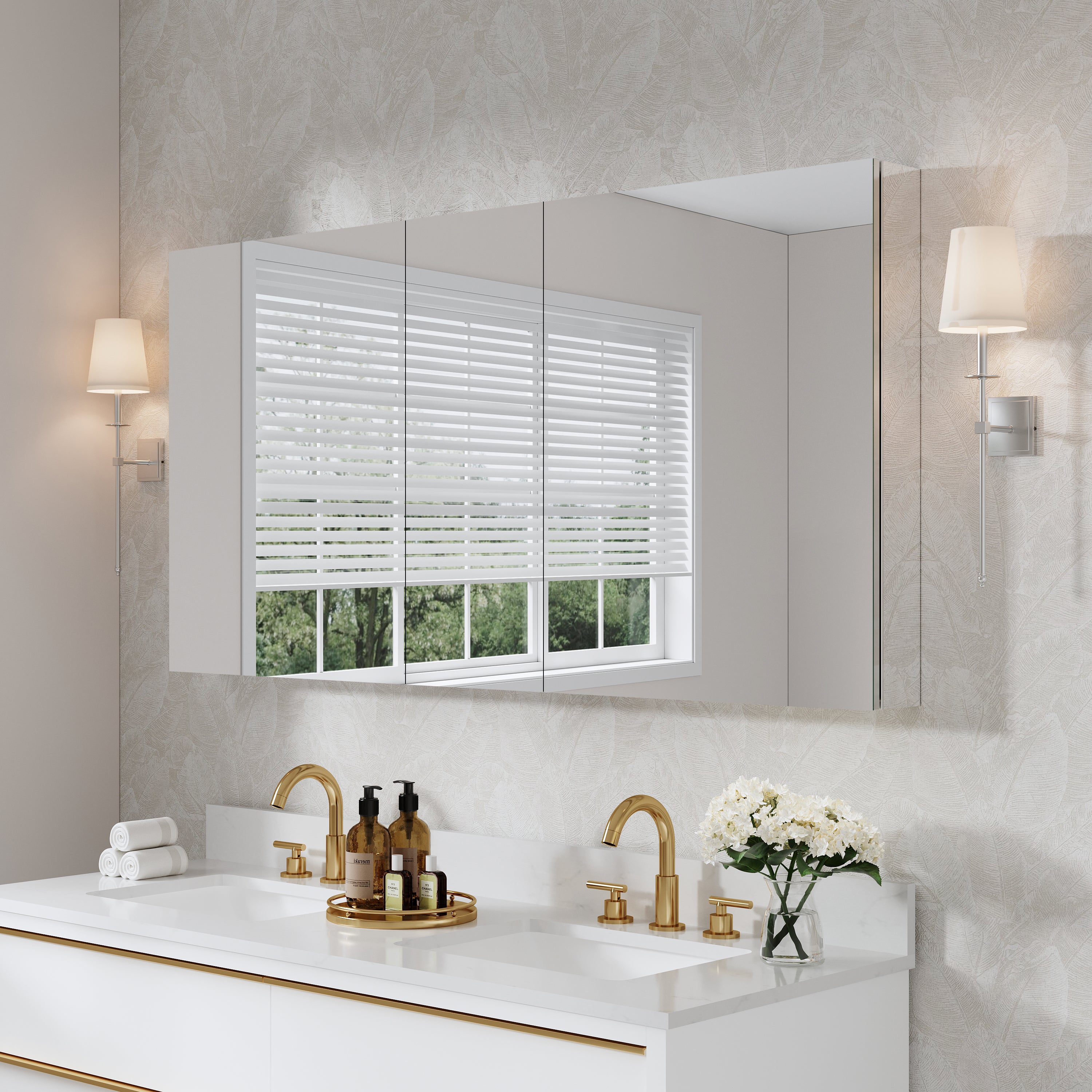
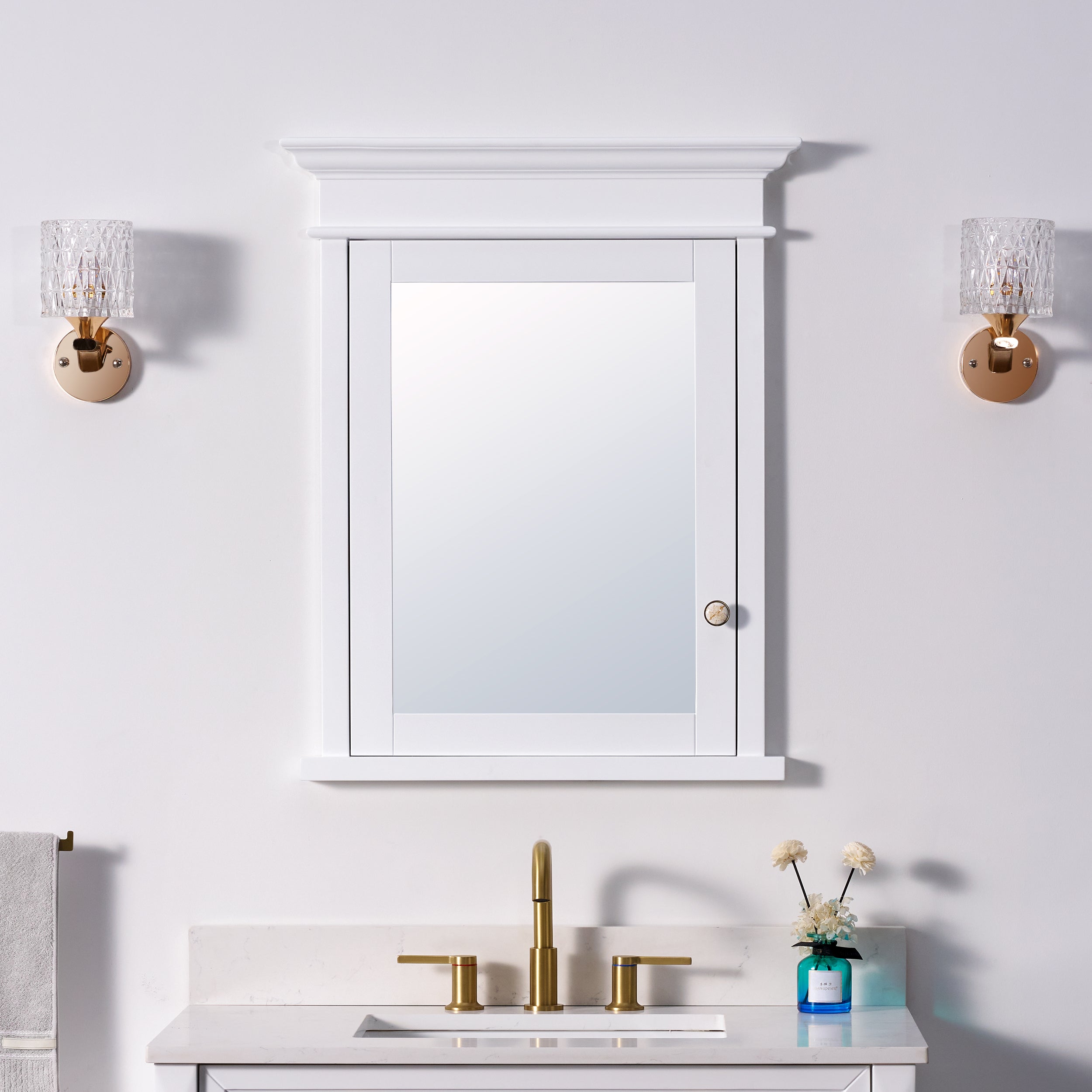
Choose a mirrored medicine cabinet instead when storage is limited, and countertops get cluttered. Choose a backlit mirror when atmosphere matters more than close-up grooming accuracy, or when you already have strong side lighting (sconces) handling the task lighting.
If you want one decision rule to hold onto, use this: the best vanity mirror is the one that makes your face look clear and natural when you actually use the bathroom. The industry data keeps pointing in the same direction, too: lighting upgrades lead wellness-focused renovations, and integrated mirror lighting is gaining preference as bathrooms evolve into more routine-driven spaces.











Leave a comment
This site is protected by hCaptcha and the hCaptcha Privacy Policy and Terms of Service apply.