
















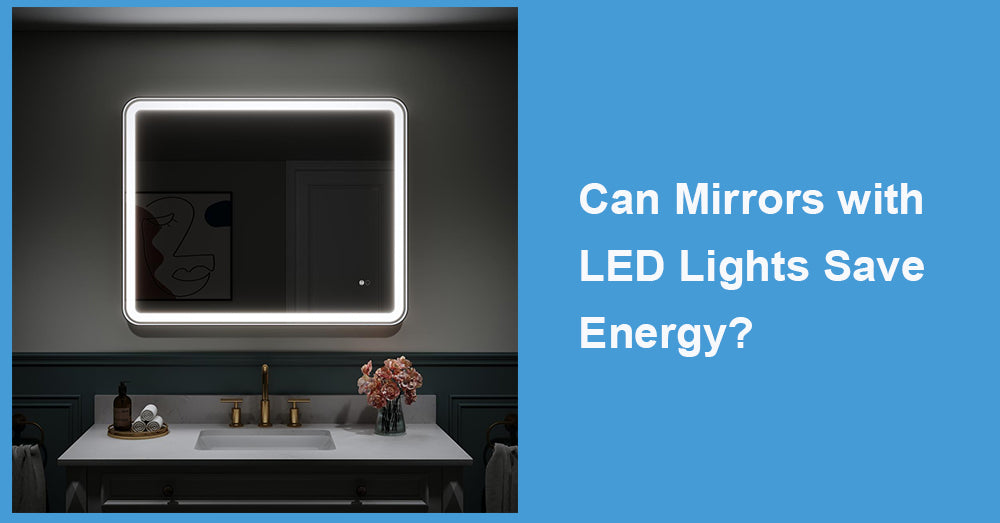
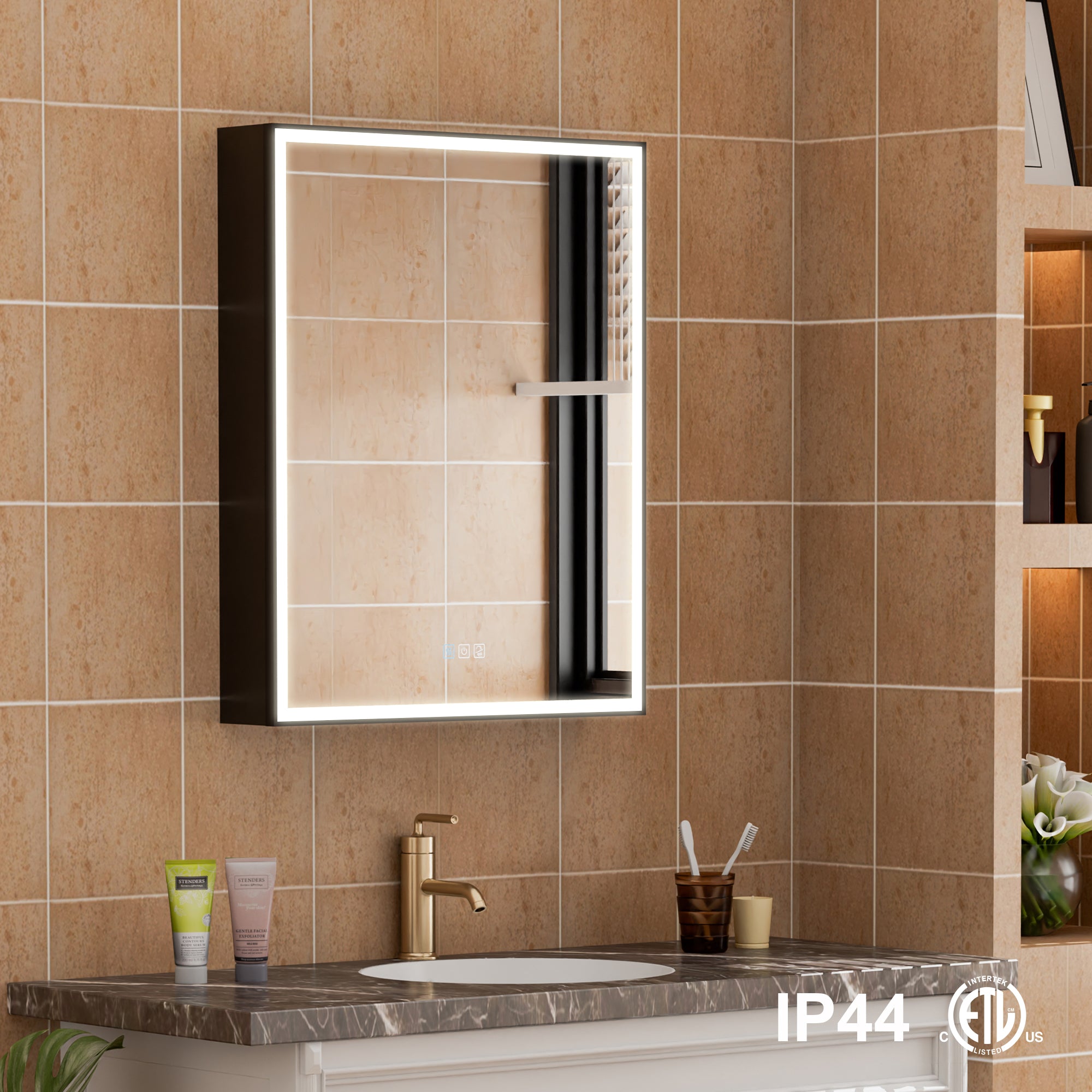
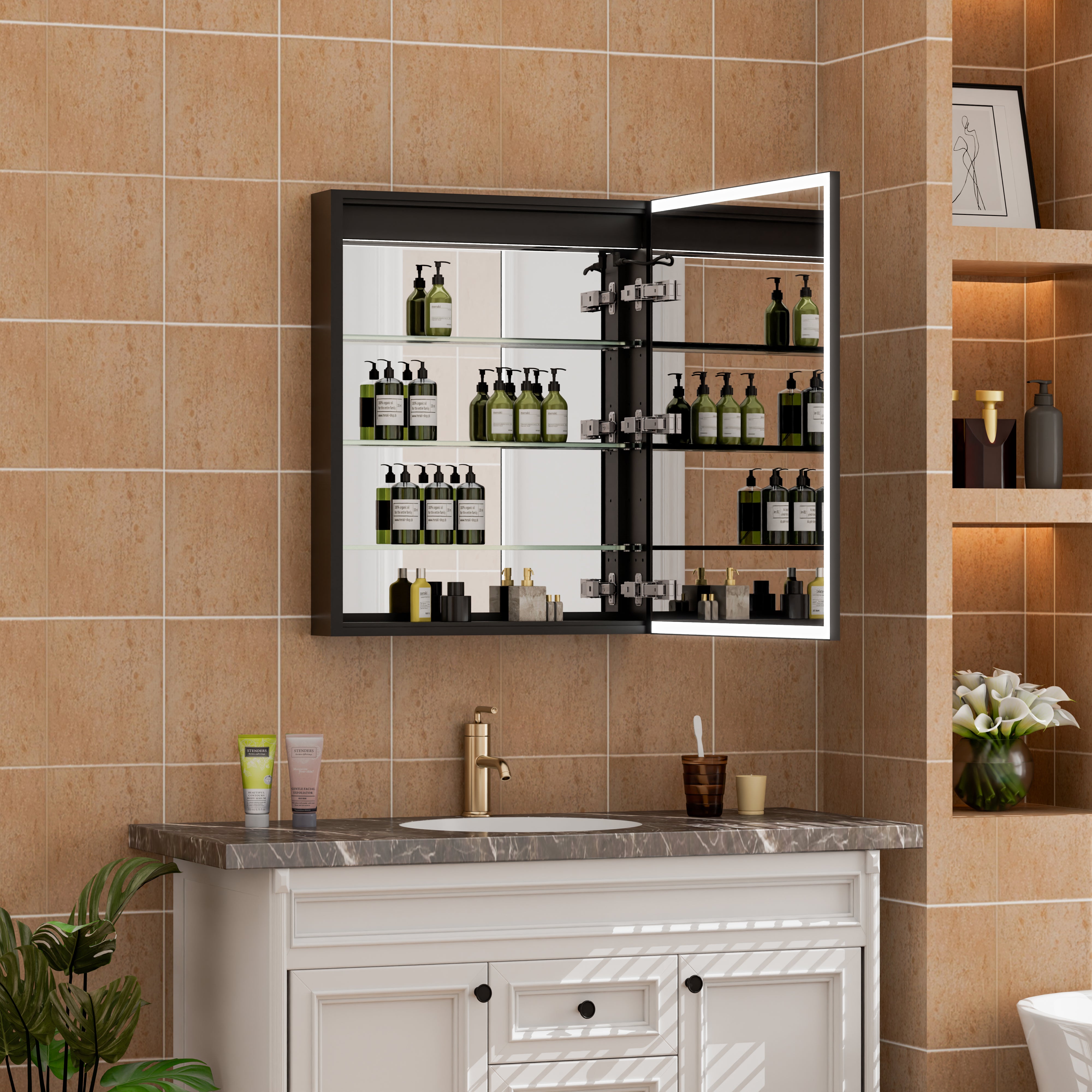
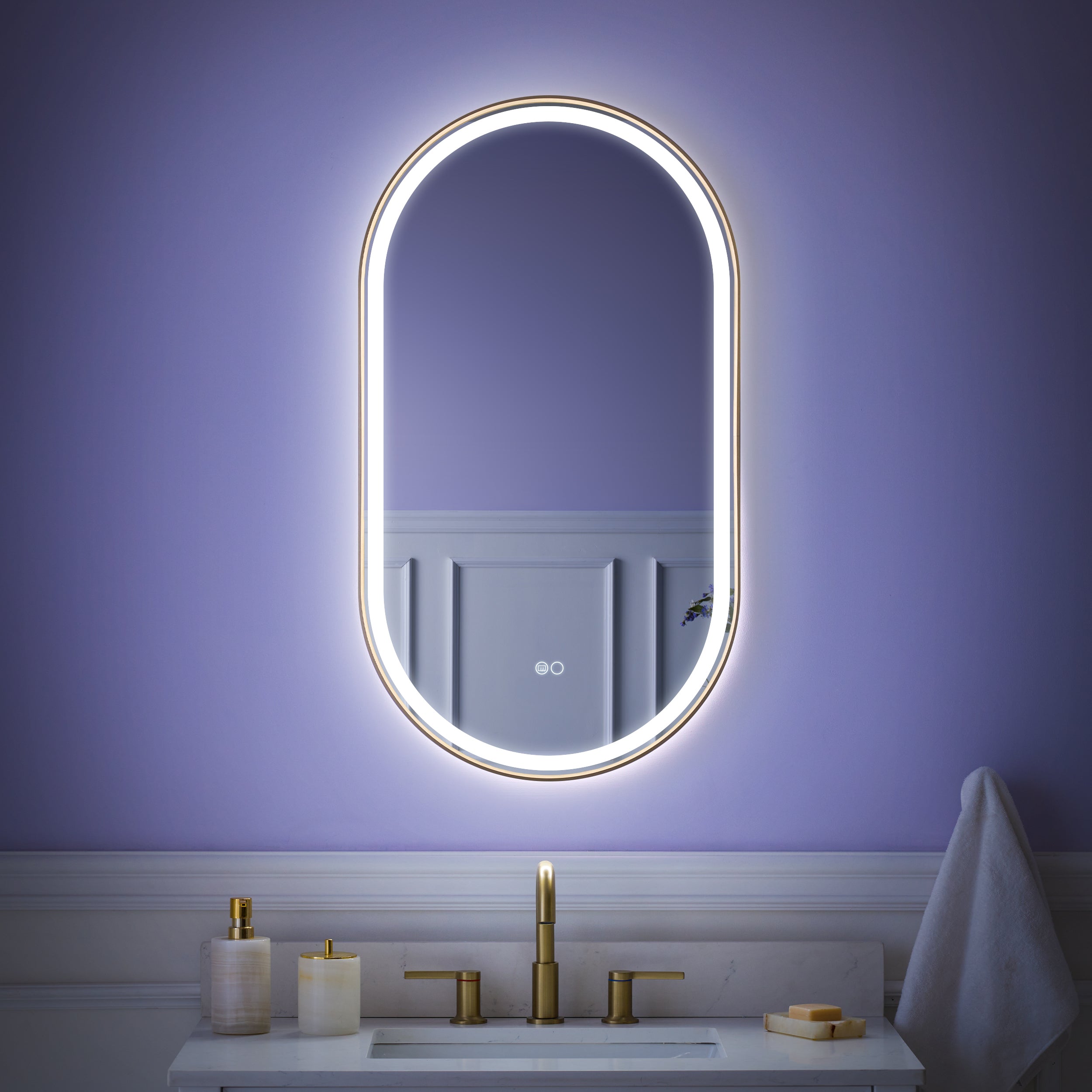
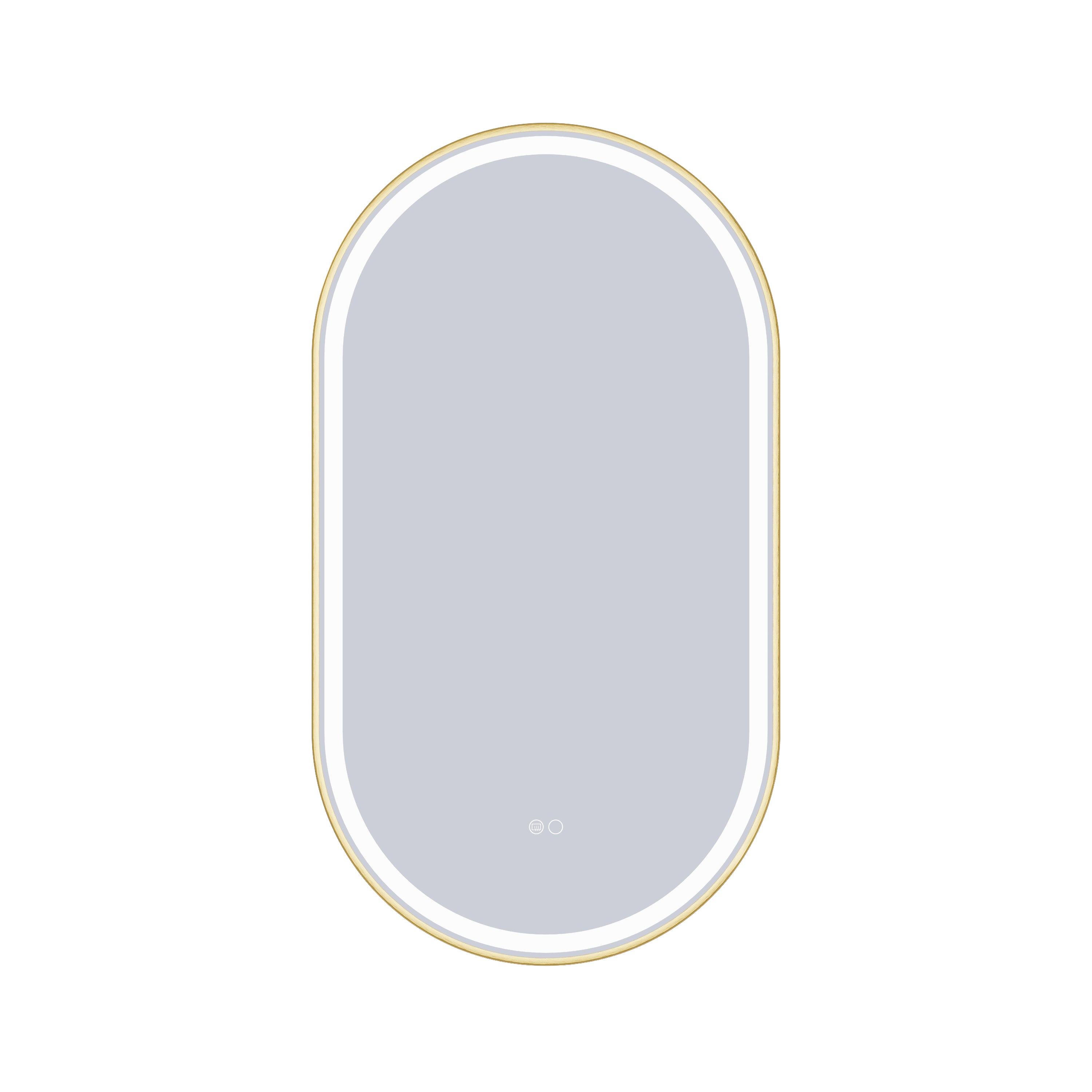
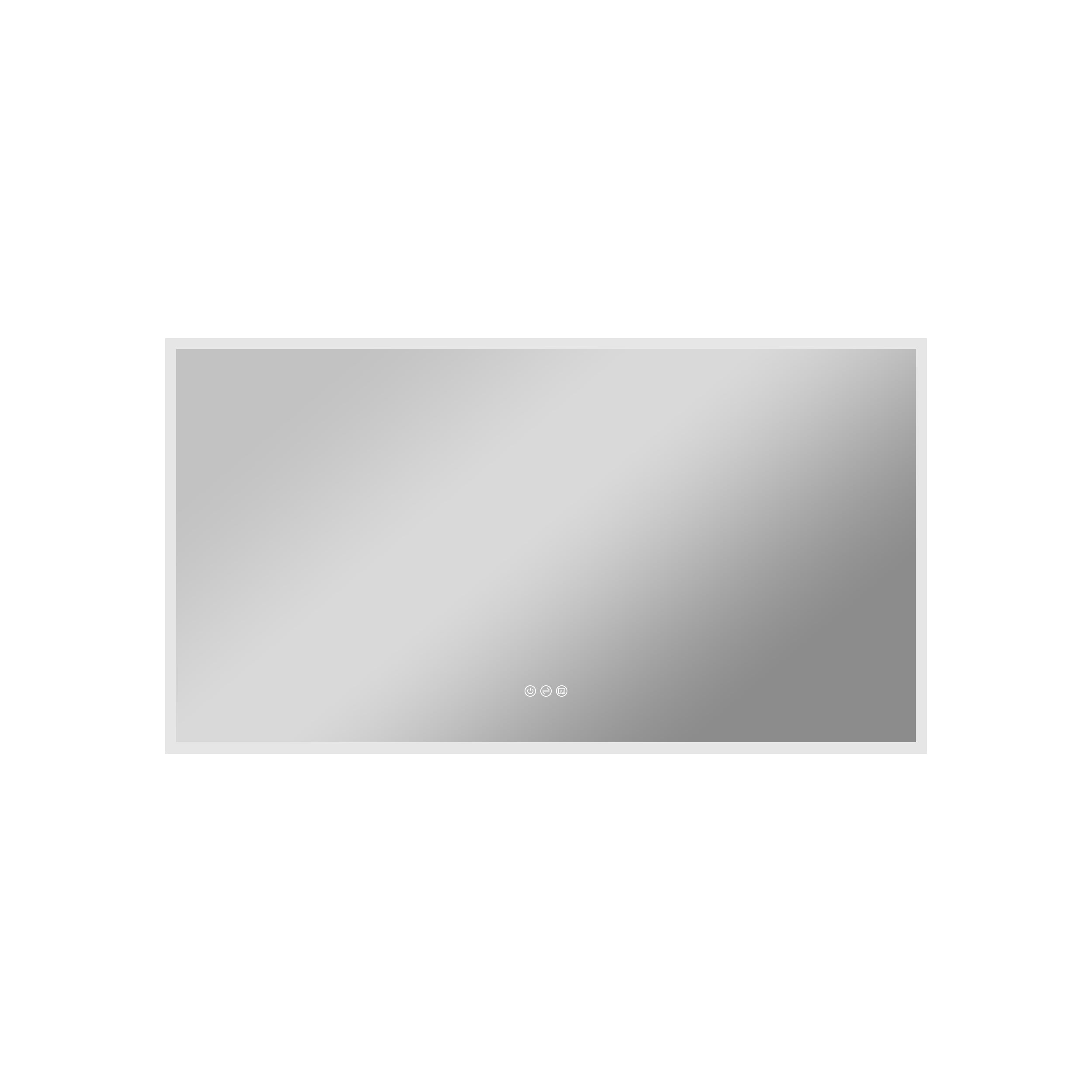
Many people ask when buying mirrors with LED lights: Is it really a "more energy-efficient" IQ tax?
The conclusion is that under the same brightness/usage duration, LED light sources themselves are indeed more energy-efficient; Whether a mirror with LED is "significantly cost-effective" depends on what lighting scheme you originally used, how long you turn on the lights every day, and whether you have reduced the turning on time of other lighting fixtures as a result.
In other words, it can save electricity, but the amount saved is not determined by feeling, but can be calculated.
1. First, clarify: where does power saving come from?
The energy-saving mechanism with illuminated mirrors mainly comes from three mechanisms:
A. LED has higher luminous efficiency
In public information on lighting, LEDs typically achieve significantly lower energy consumption and a longer lifespan than traditional incandescent light sources. This means that, at the same brightness, LEDs require less power.
B. You may turn on fewer other lights
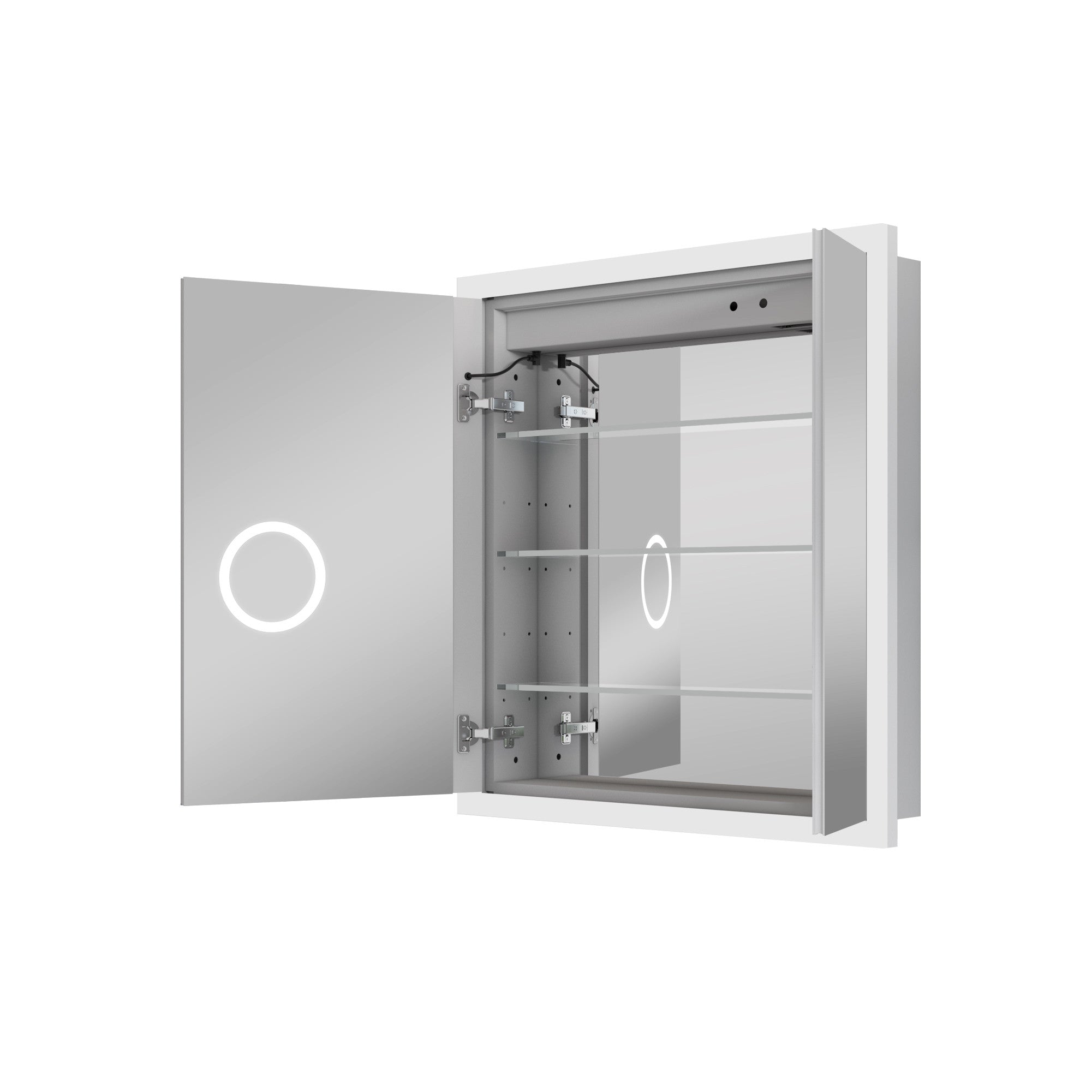
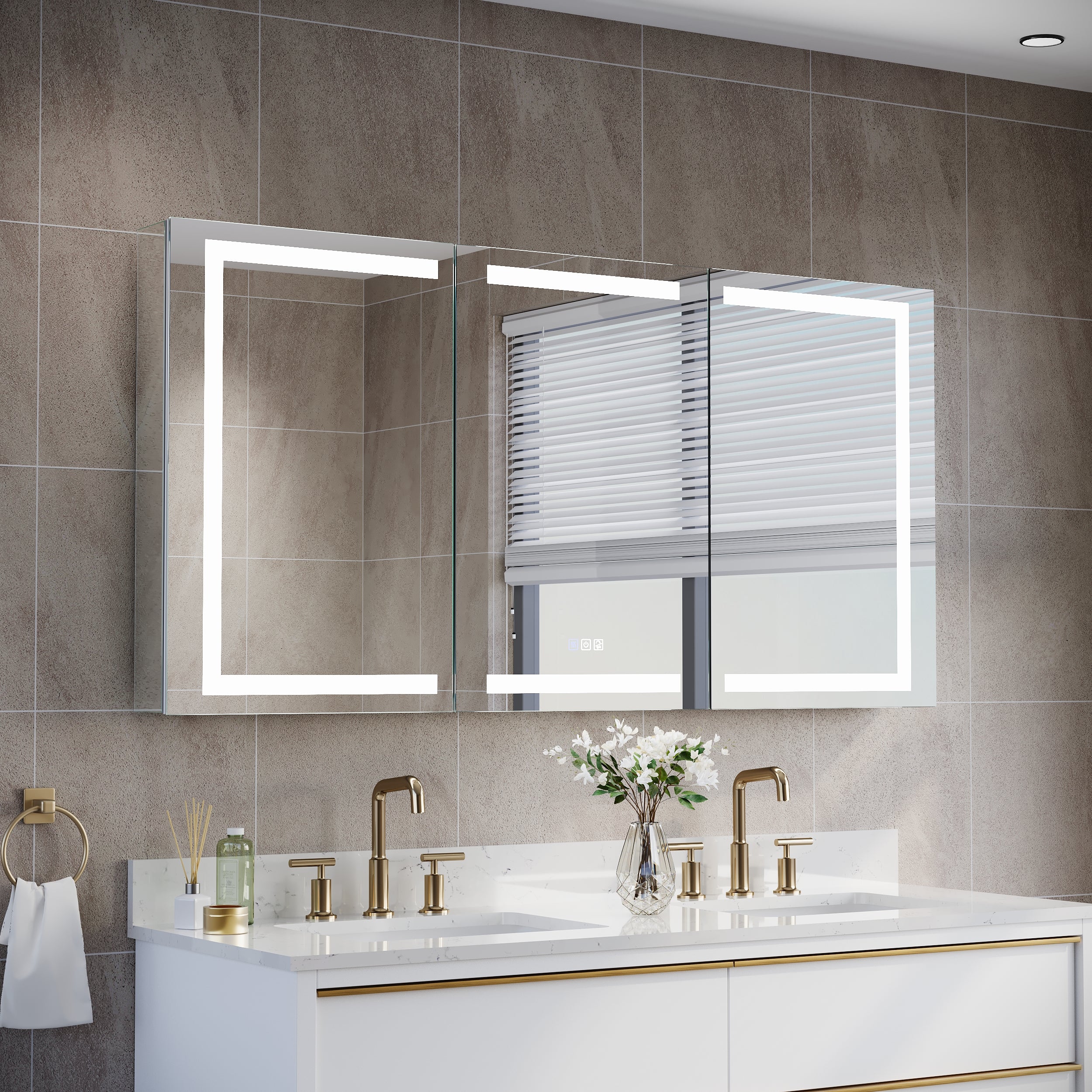
Many bathrooms were originally equipped with a combination of ceiling lights, mirror light strips, and wall lights, which only slightly reduced facial shadows. After placing the fill light near the mirror surface with a light mirror, you may only need to turn on the mirror light or only one overhead light - this part of energy saving is often more intuitive than "light bead efficiency".
C. You prefer to use low light mode
A dimmable mirror is commonly used for low brightness when brushing teeth and washing face at night, without the need to fill up the entire lighting system. The power decreases with brightness (depending on the driving and dimming methods), and it will also save in the long run.
2. Using a replicable algorithm: How much can your family save?
Just remember this formula:
Electricity consumption (kWh)=power (W) ÷ 1000 × usage time (hours)
Then you can multiply the electricity price ($/kWh) by the bill to get the cost difference.
Here are the two most common comparison scenarios for you (without the need for a table, explain the logic directly):
A. Scenario A: You used to use a "mirror light strip/multi bulb", but now you are using a mirror with light as the main fill light.
Assuming your previous mirror light strip had 4 40W bulbs = 160W (which is common in many bathrooms), you now use a 30W mirror light to achieve the same usable facial lighting.
Drive for 2 hours every day:
Original: 160W → 0.16kW × 2h=0.32 kWh/day
Currently: 30W → 0.03kW × 2h=0.06 kWh/day
Daily difference: 0.26 kWh
One year difference: 0.26 × 365 ≈ 94.9 kWh/year
This 94.9 kWh multiplied by your local electricity price is the annual electricity savings. The higher the electricity price and the more frequently the usage, the greater the savings.
B. Scenario B: You used to mainly turn on the ceiling light, but now you only have a light mirror to "add some light."
If you used to turn on only one ceiling light (such as a 15W-25W LED ceiling light) and only an additional 20W-40W with a mirror, it may not save electricity and may even slightly increase power consumption.
In such situations, the value of having a light mirror is more inclined toward "experience (reducing shadows/better shaving and makeup/softer at night)" than toward pure cost savings.
Key judgment: Has the illuminated mirror replaced the originally more power-consuming lighting? The more replacements there are, the greater the energy savings will be.
3. The significance of "9W replacing 60W": why do people say LED saves?
Many energy efficiency projects use a classic example to illustrate LED energy savings: a 9W LED can be nearly as bright as a traditional 60W incandescent lamp.
If you apply this idea to bathroom mirror headlights: the original 3-4 "high-power bulbs are stacked and replaced with LED systems (mirror lights or LED bulbs), the power difference will be very significant.
At the same time, many public materials also emphasize the lifespan advantage of LEDs: the lamps are more durable, so you don't need to replace the bulbs frequently (saving not only money but also maintenance time and trouble). If the house you live in has a high floor height and the lamp position is difficult to change, this "convenience" will be magnified.
4. Don't just focus on "power saving", you also need to consider "heat" and "ventilation."
Energy saving also has an easily overlooked side effect: less heat.
Traditional high-power light sources convert a considerable amount of electrical energy into heat, and bathrooms are humid and hot environments. The accumulation of heat can make people more uncomfortable and the mirror surface more prone to fogging. LEDs are more friendly in this regard: they have a lower thermal burden, and you are more willing to turn on the lights without having to endure darkness for comfort.
But we also need to be more realistic:
• Mirrors with anti-fog heating elements will consume additional power (since they are essentially heaters). If you always turn on the lights and keep the anti-fog on for a long time, a portion of the "energy-saving benefits" will be consumed.
• A more reasonable experience is independent anti-fog control, which can be turned on when needed and off when not.
5. When does it truly save power? Use 5 quick self-tests
If you hit 3 or more of the following 5, mirrors with LED are more likely to bring visible energy-saving benefits:
A. You are currently using multiple bulbs or high-power light strips for illumination in front of the mirror, resulting in a higher total power.
B. You use it in front of the mirror for at least 1-3 hours every day (especially in households with multiple people).
C. You are willing to make the mirror the main fill light, so as to turn on fewer or no other lights.
D. You will use the dimming mode (low light and long on at night are more economical).
E. Anti-fog can be independently controlled, and heating will not be left unattended for a long time.
On the other hand, if you are already an efficient LED ceiling light with a short usage time, then "power-saving" is not its core selling point.
6. The easiest place to get stuck: the parameters look good, but it's not easy to use
If you want it to truly save power (rather than save on paper), you need to avoid these types of designs/usage methods:
• Only pursuing ultra-high brightness and long-term full power: the higher the brightness, the greater the power, and the energy-saving advantage is diluted.
• Anti-fog and light binding, and frequent long on: The heating element is a solid additional load.
• The lamp mirror does not replace any existing lighting fixtures: it simply "turns on one more lamp" and does not save electricity.
• Poor driving quality leads to flicker/attenuation: You may unconsciously adjust the brightness higher to compensate, which actually consumes more power.

7. Conclusion: It can save power, but its value depends on what you replace
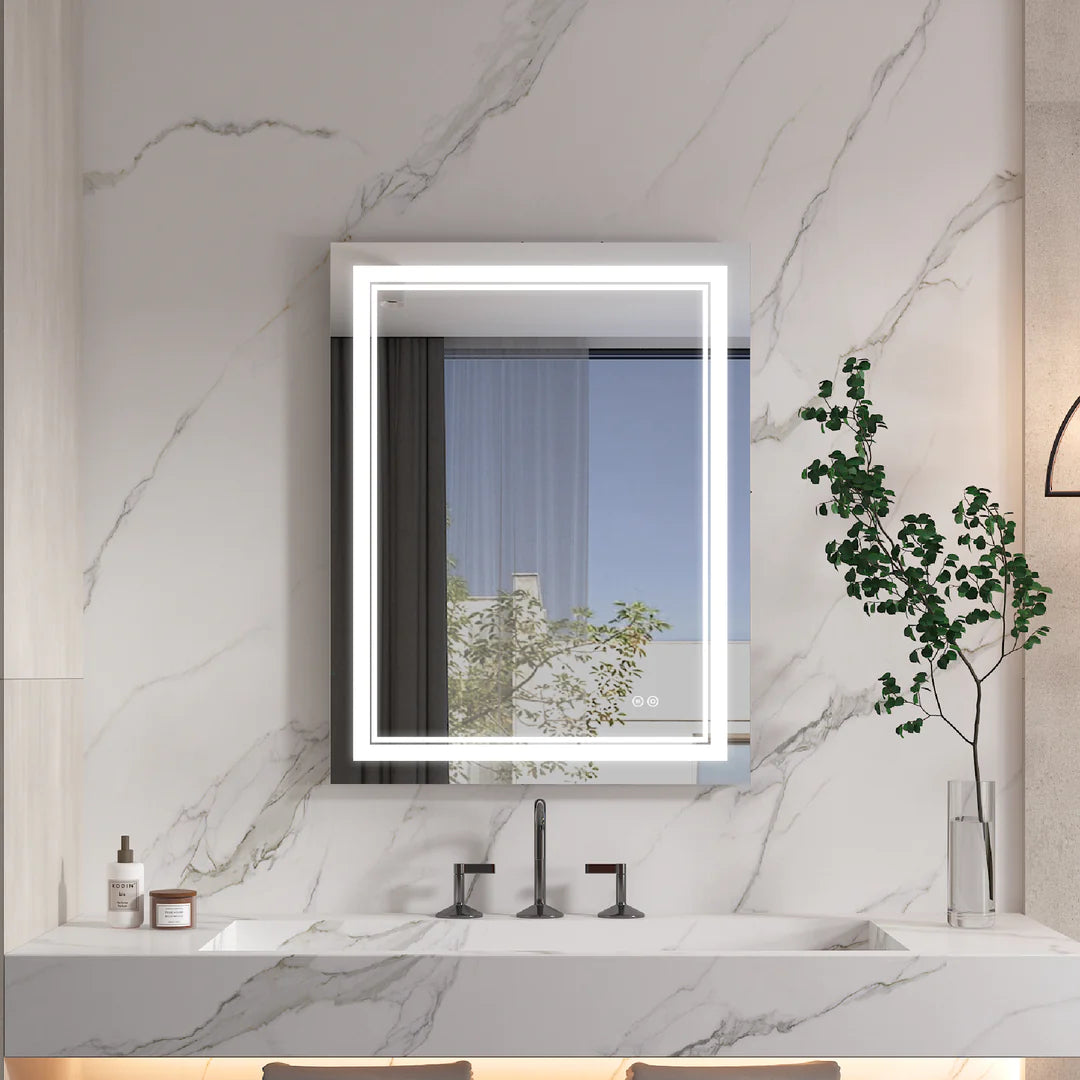
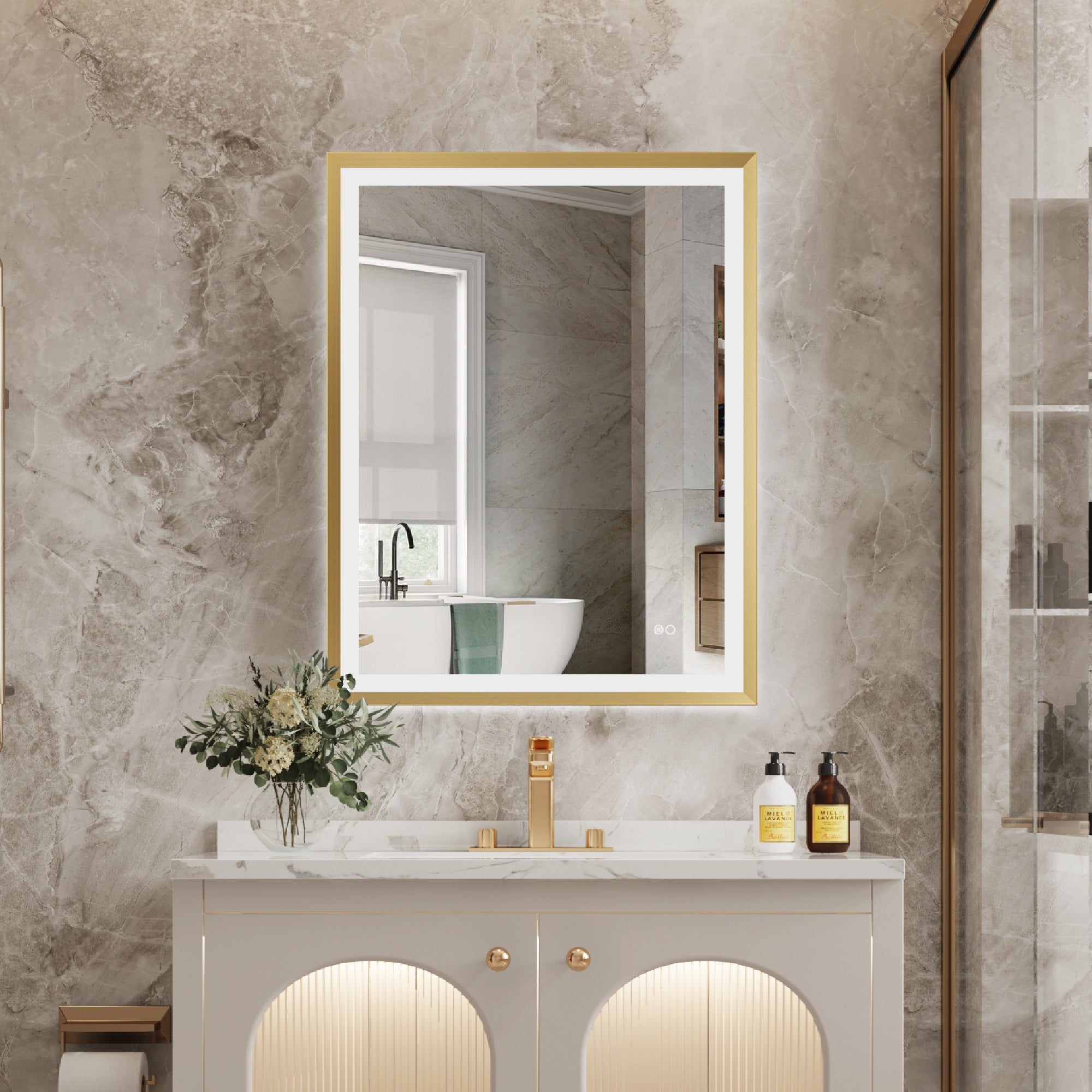
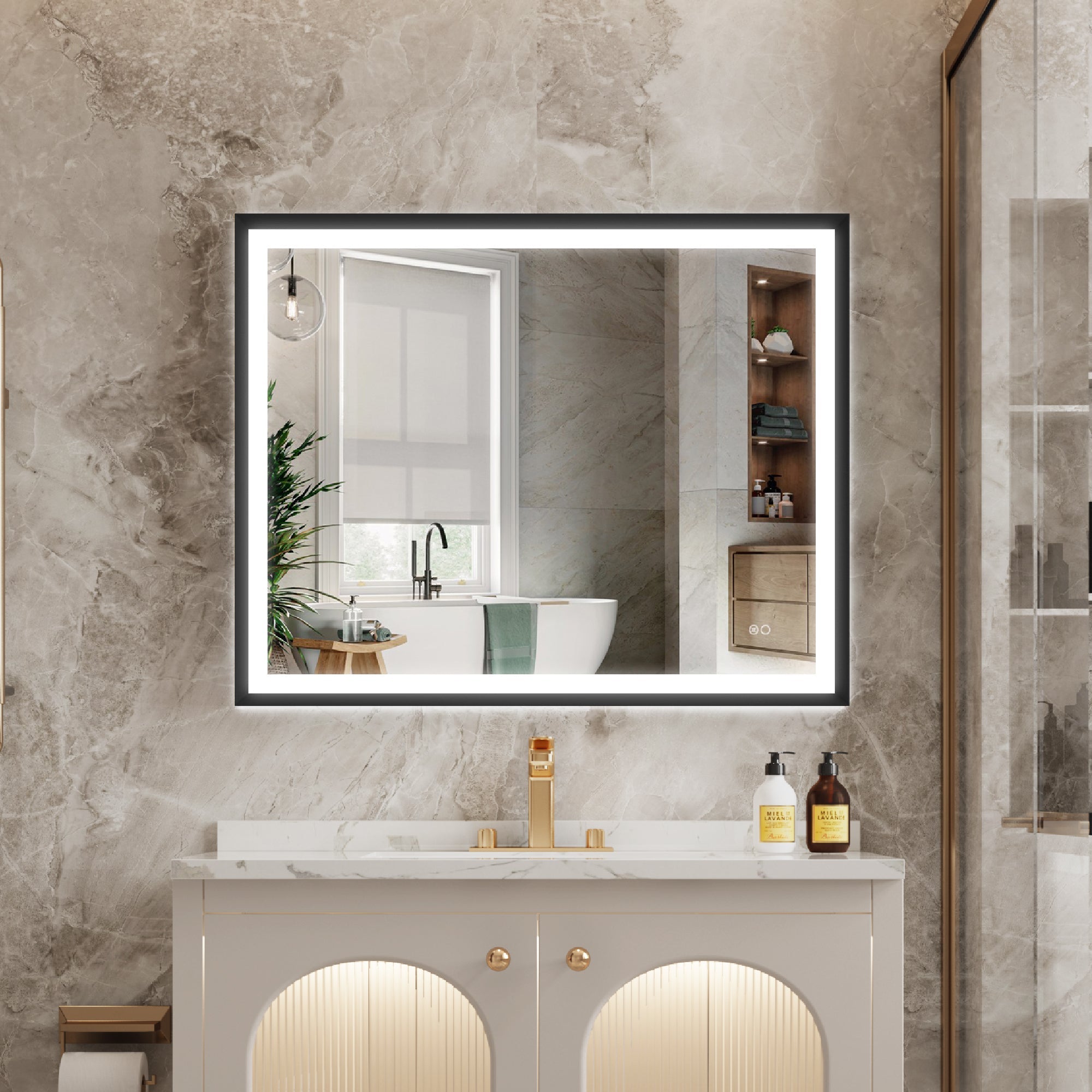
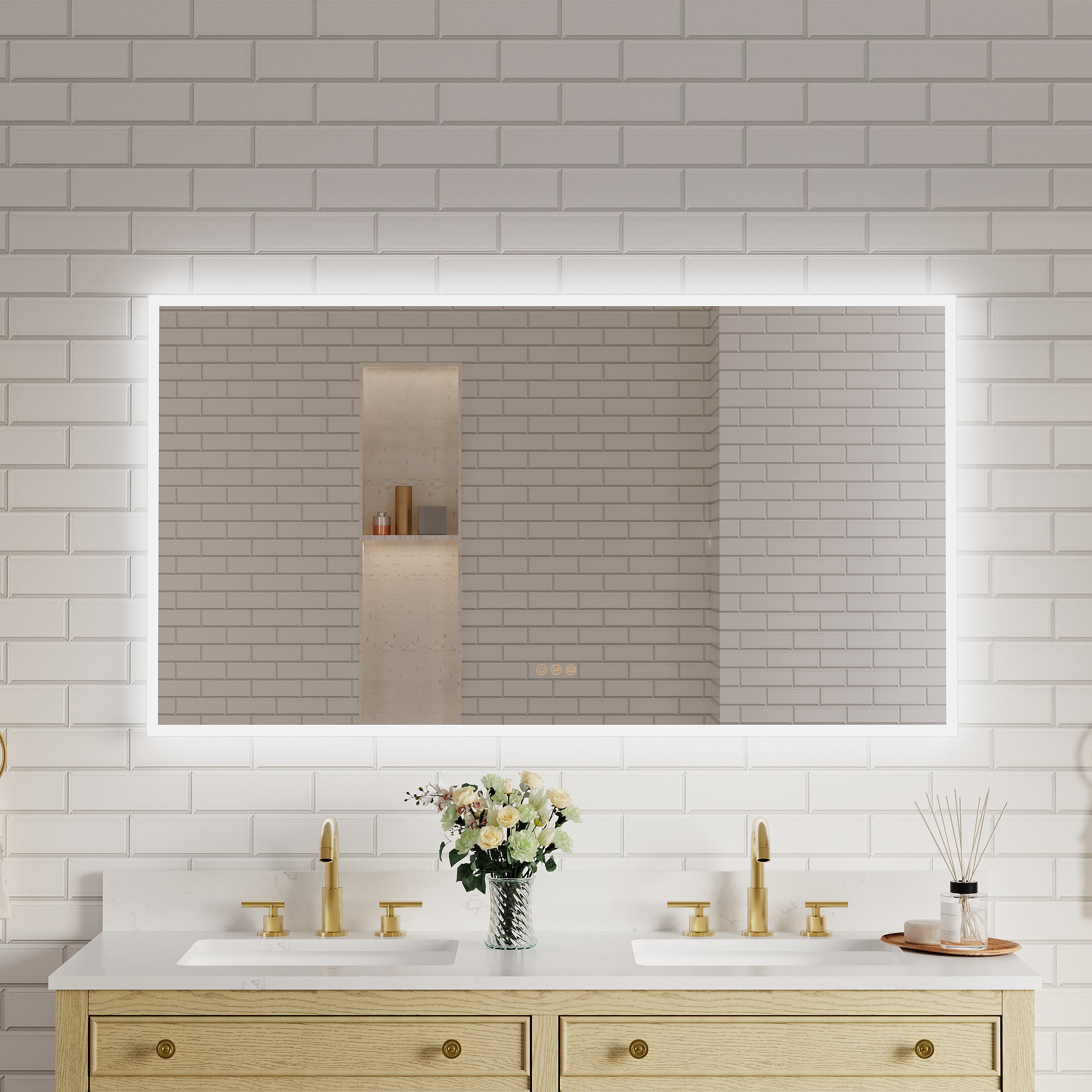
Mirrors with LED lights save electricity mainly when they replace less efficient lighting; if they only add another light source to an already efficient setup, the main benefit is an improved experience, not major cost savings.









Leave a comment
This site is protected by hCaptcha and the hCaptcha Privacy Policy and Terms of Service apply.