














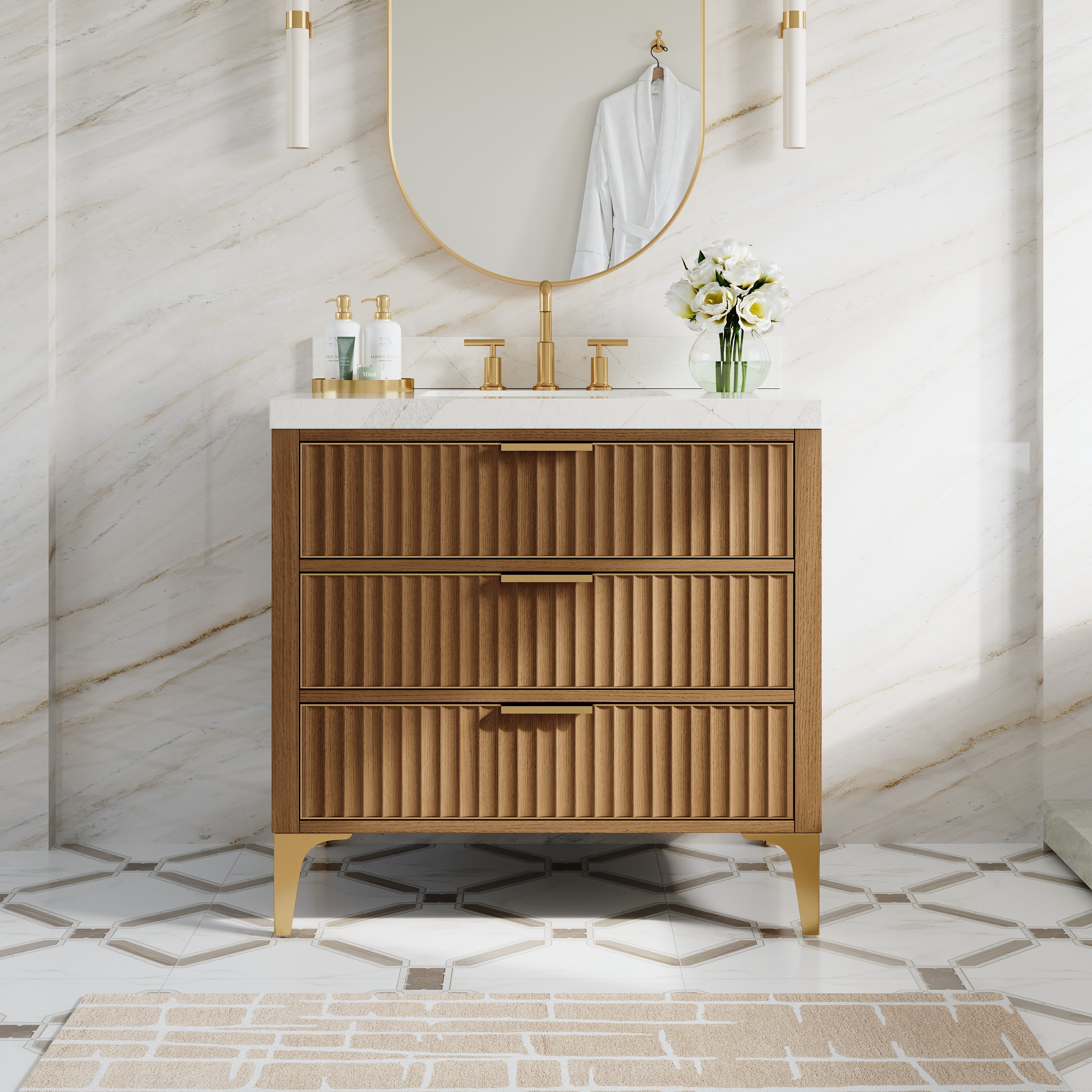
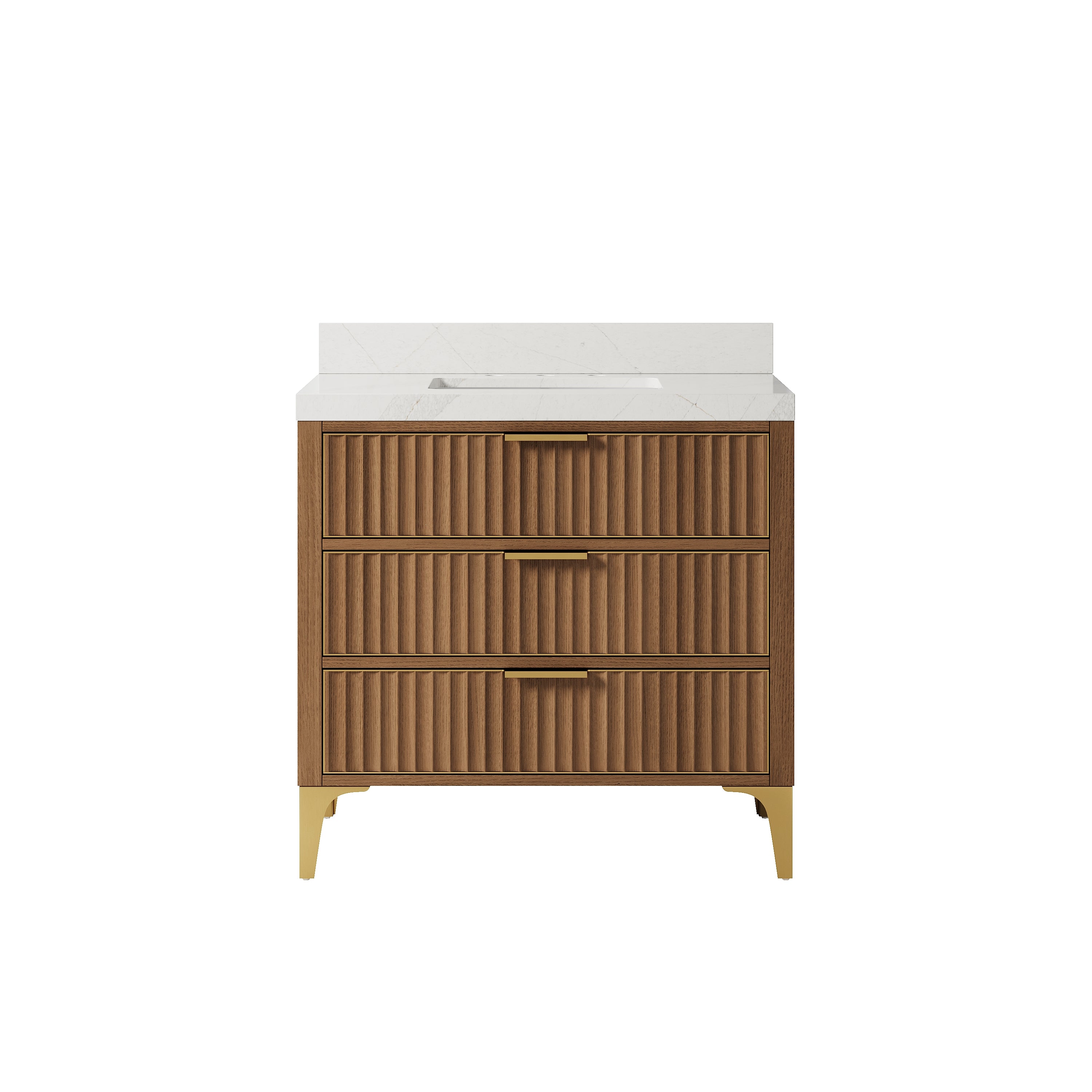
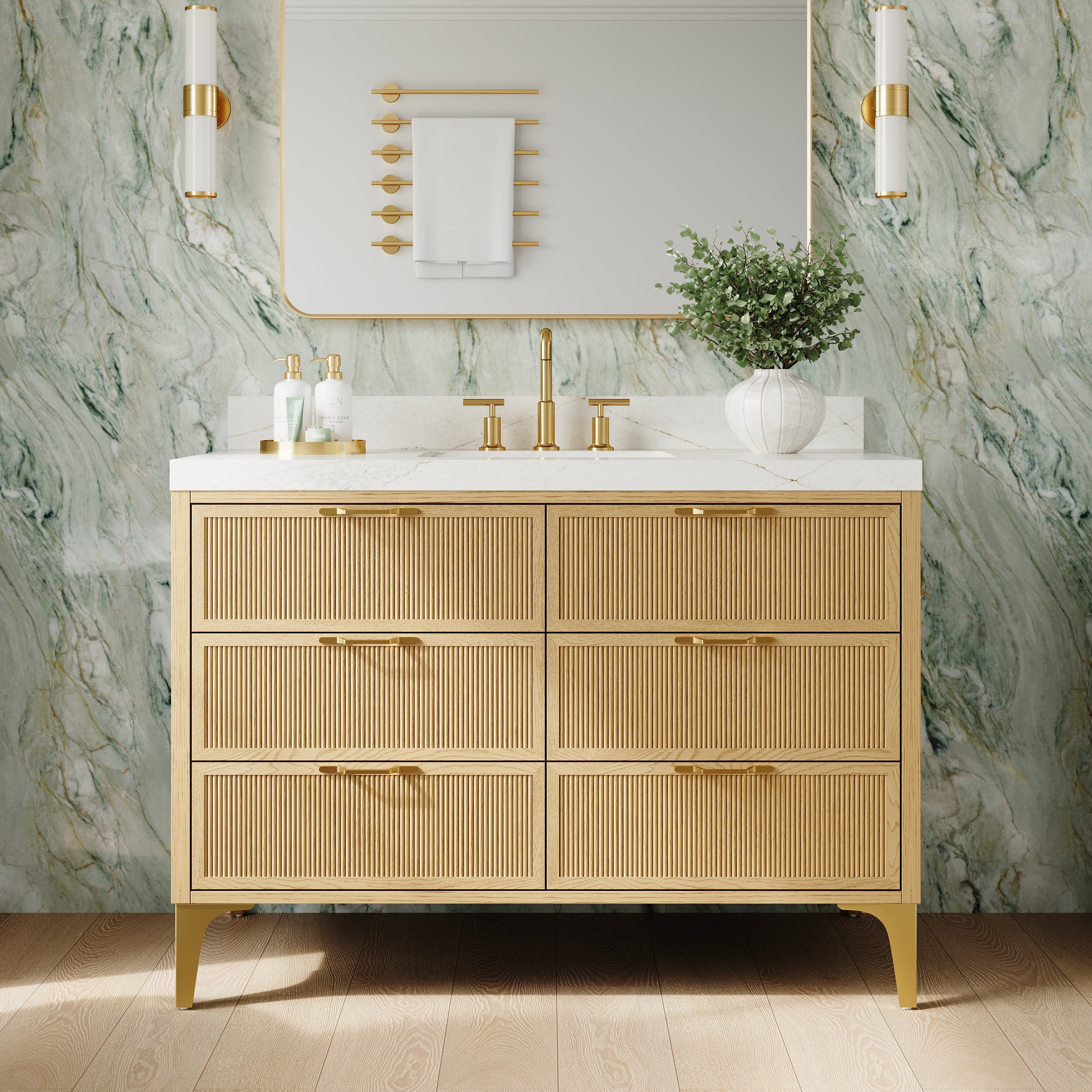
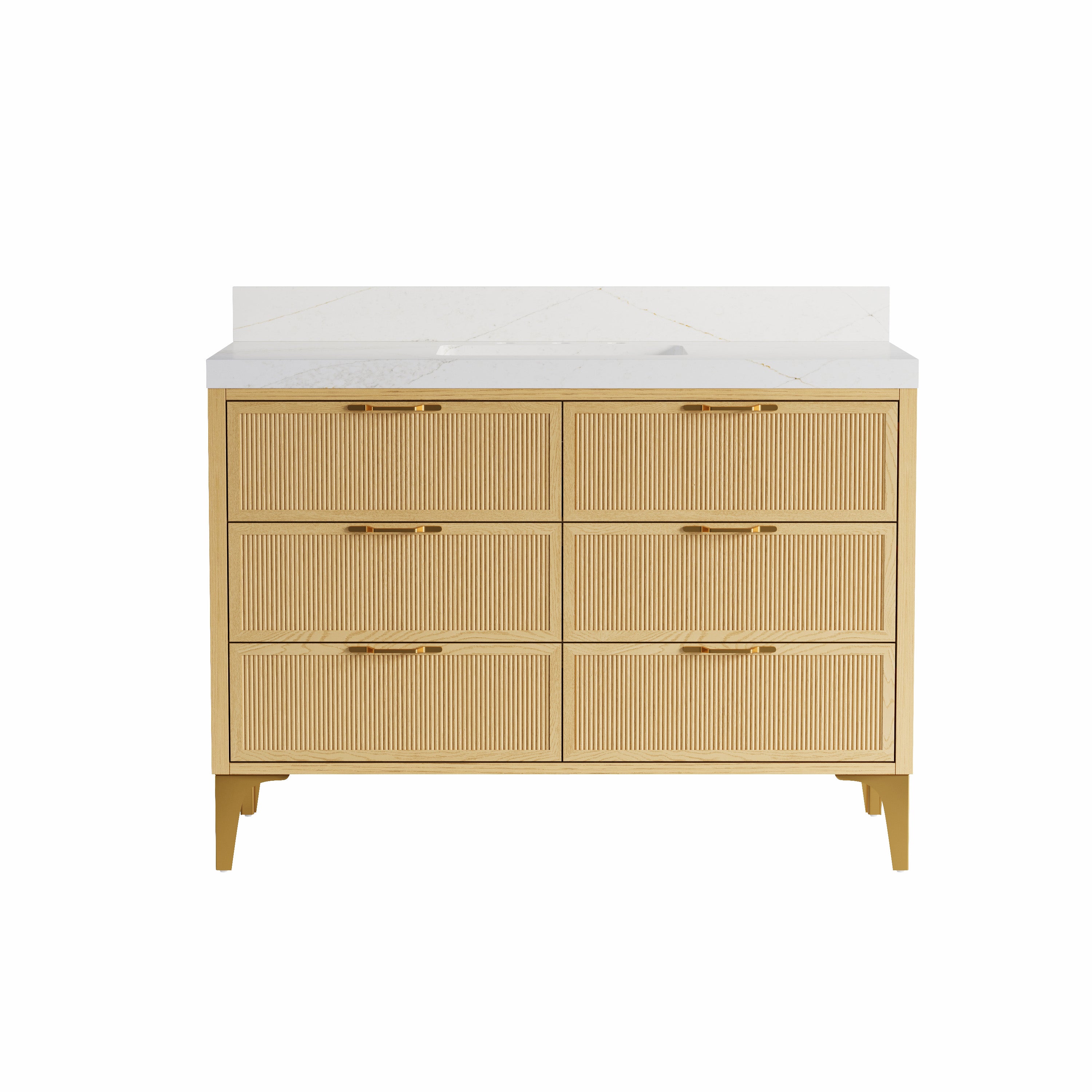


Modern wood bathroom vanities are no longer judged only by their size or storage capacity. In today’s bath design, the smaller details often decide whether a vanity feels thoughtfully built or simply decorative. Hardware, legs, and finishes may look like secondary choices at first, but they affect daily use, cleaning, durability, and how well the vanity fits with surrounding mirrors, faucets, lighting, flooring, and shower details. As bathrooms become more personal and more design-driven, these features are moving from “nice to have” details into practical decision points.
1. Why Wood Vanities Are Getting More Attention
Wood is having a strong moment in bathroom design because it brings warmth into a room that can otherwise feel cold or overly hard. Tile, glass, stone, and metal are common in bathrooms, but wood helps soften the space visually. It also works across many styles, from clean modern bathrooms to transitional spaces with warmer textures.
Recent bathroom renovation data support this shift. Houzz reported that solid wood remains the top vanity material, selected by 74% of renovating homeowners. Maple accounted for 29%, white oak for 23%, birch for 12%, and walnut for 9%. Wood tones were also the leading vanity color choice at 28%, ahead of white at 20%. Source: Houzz 2025 Bathroom Trends Study.
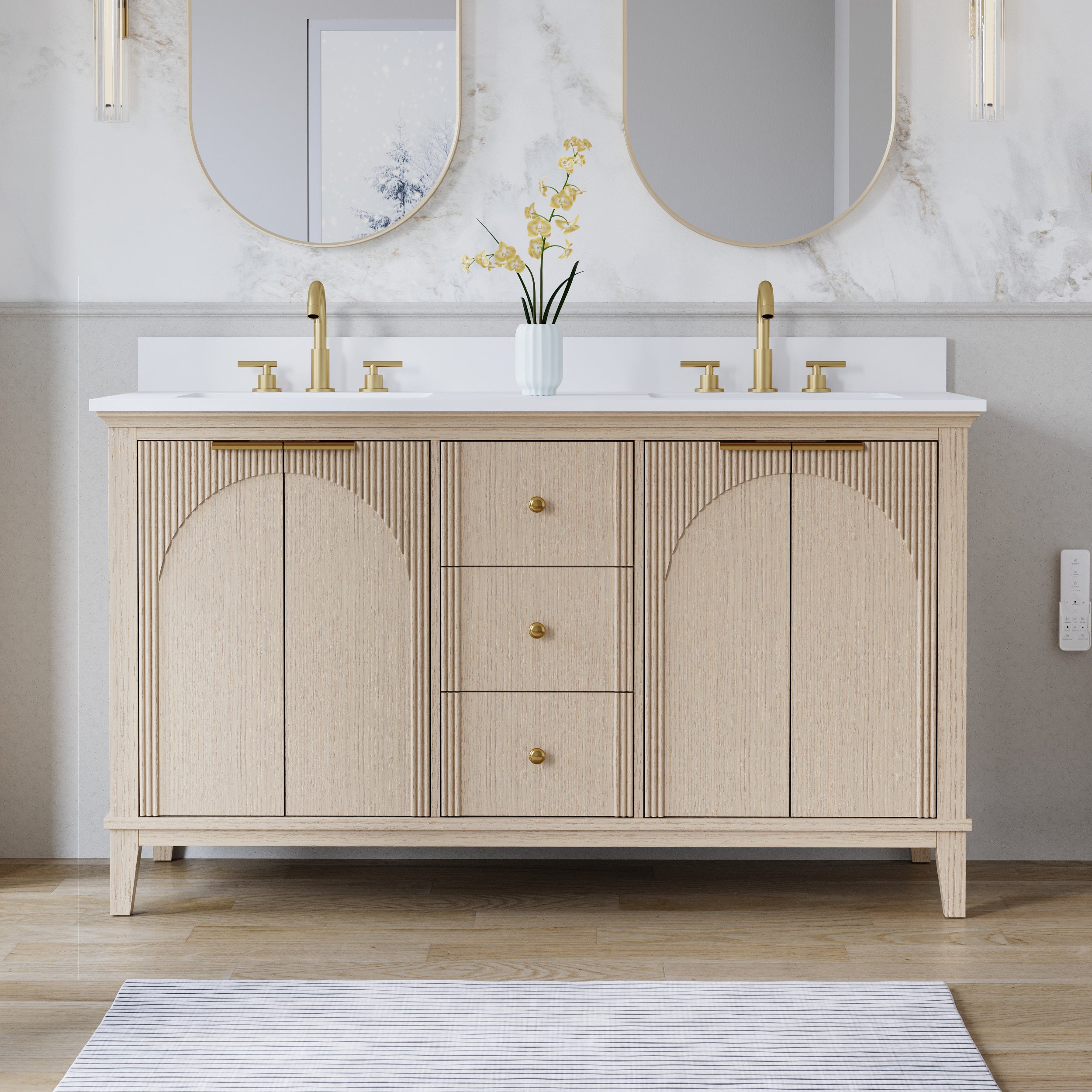
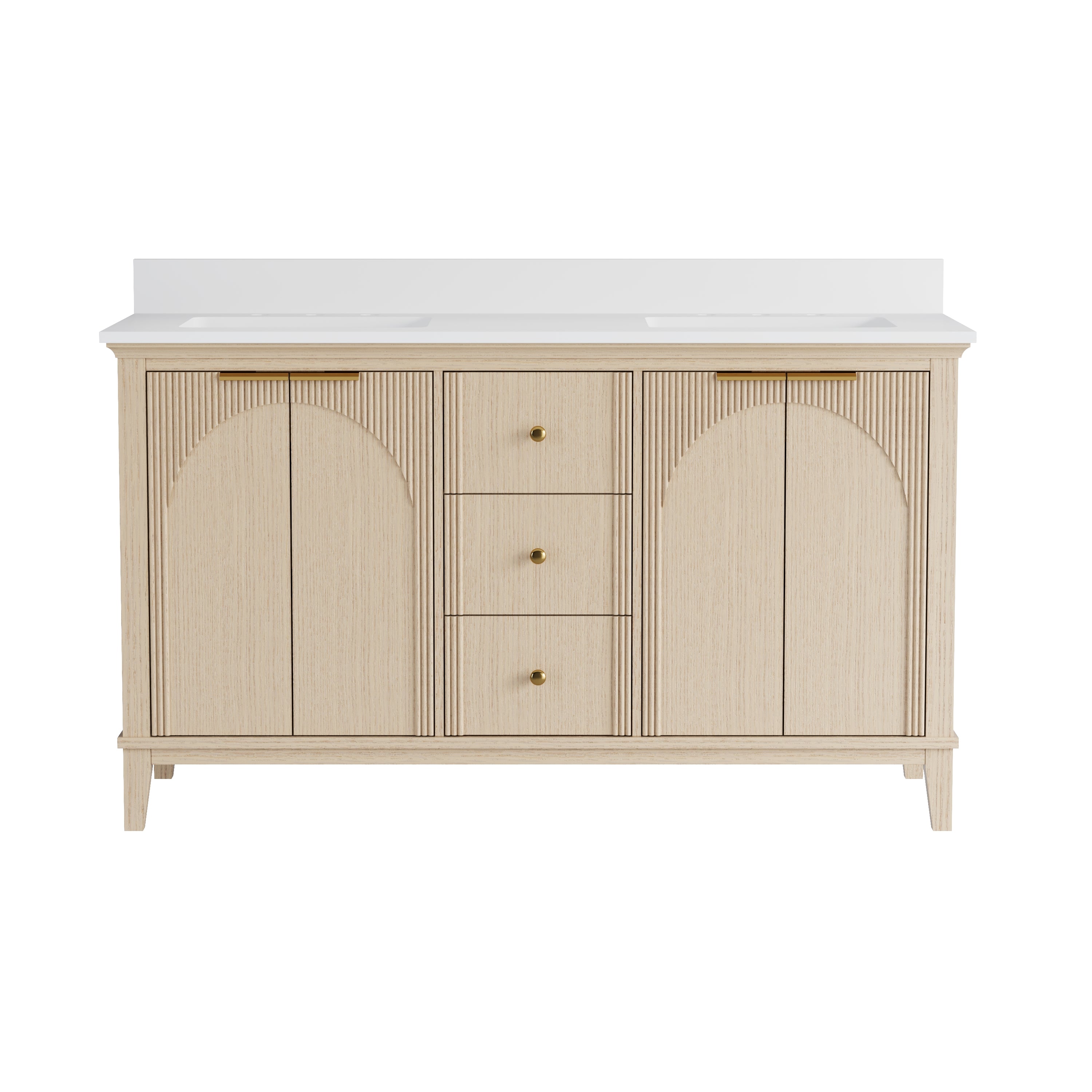
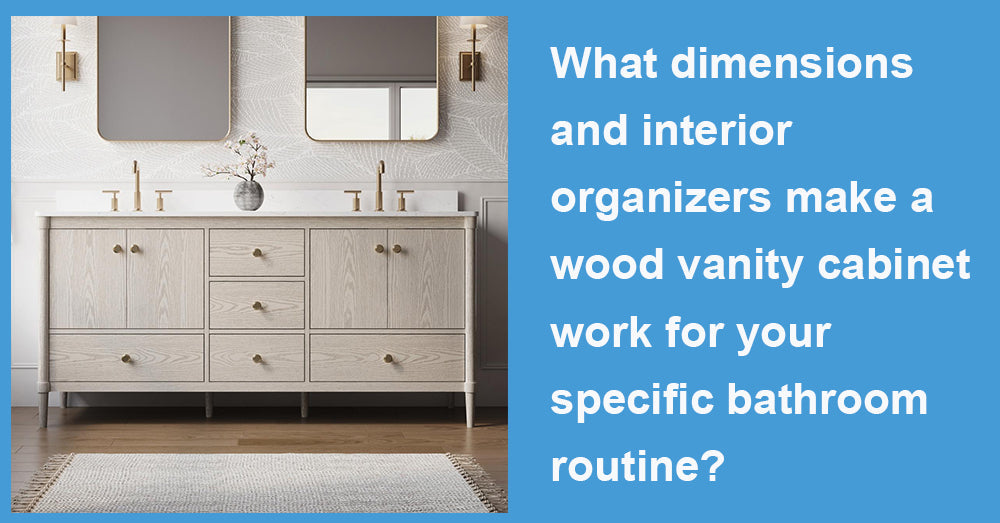
That does not mean every wood vanity automatically feels modern. The details matter. A flat-panel vanity with a clean oak grain, slim metal pulls, and open legs creates a very different impression from a heavy cabinet with oversized hardware and a dark, glossy finish. The best modern designs usually keep the wood visible while using hardware and metal accents to sharpen the overall look.
2. Hardware Matters Because It Is Touched Every Day
Hardware is one of the most visible and most frequently used parts of a vanity. Drawer pulls, door handles, knobs, hinges, and slides all influence how the product feels in daily life. A vanity may look attractive in photos, but if the drawers feel loose, the handles are uncomfortable, or the doors close loudly, the experience quickly feels lower quality.
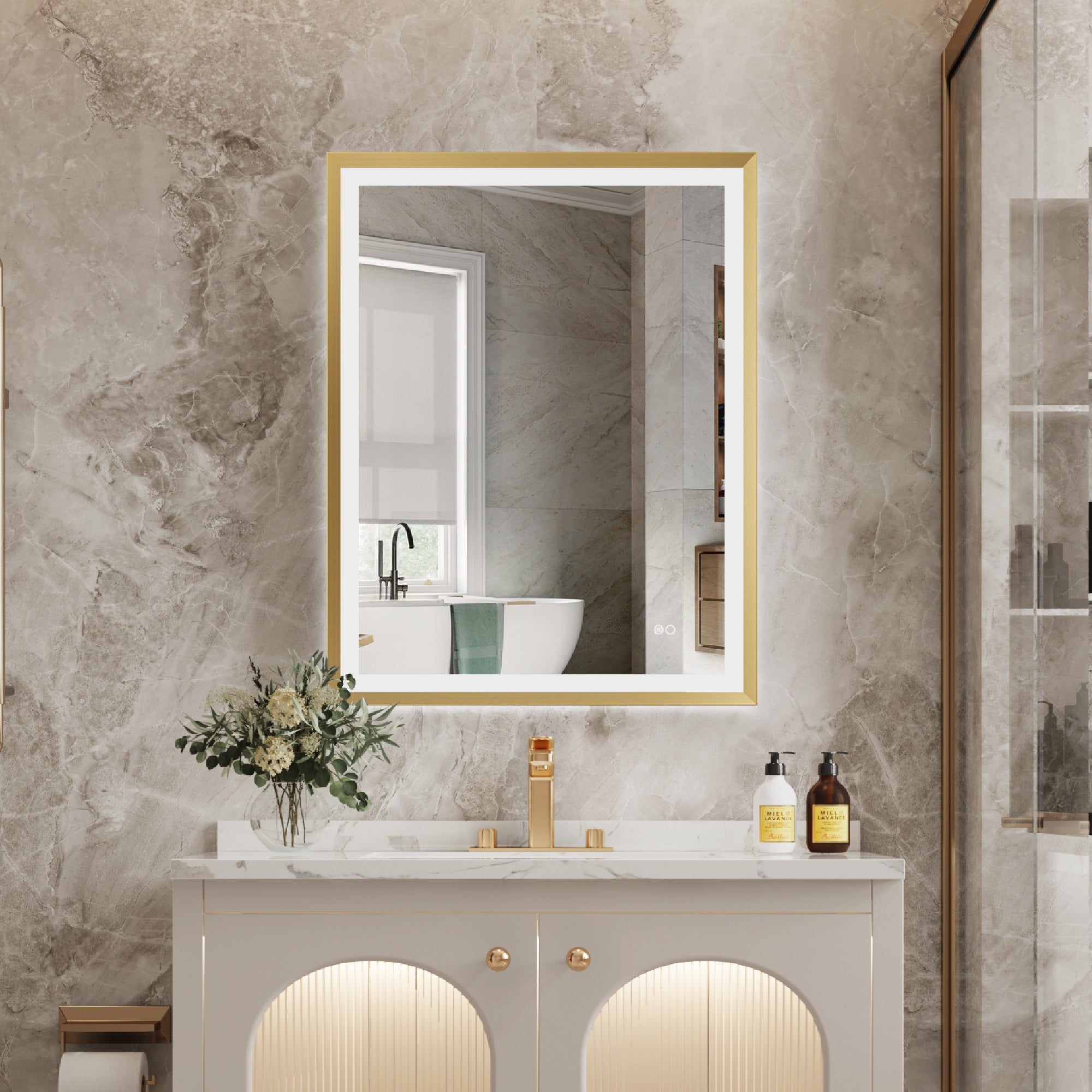
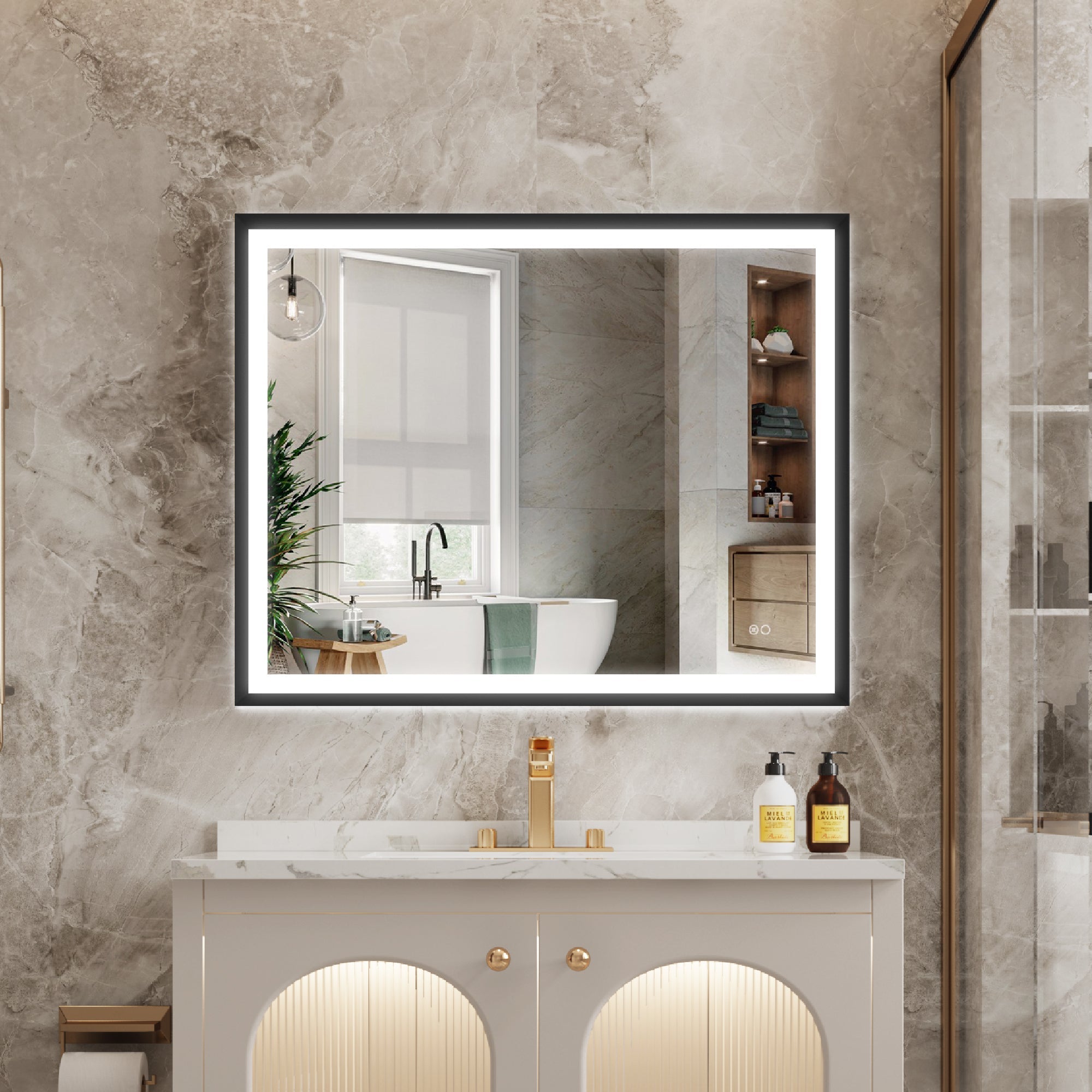
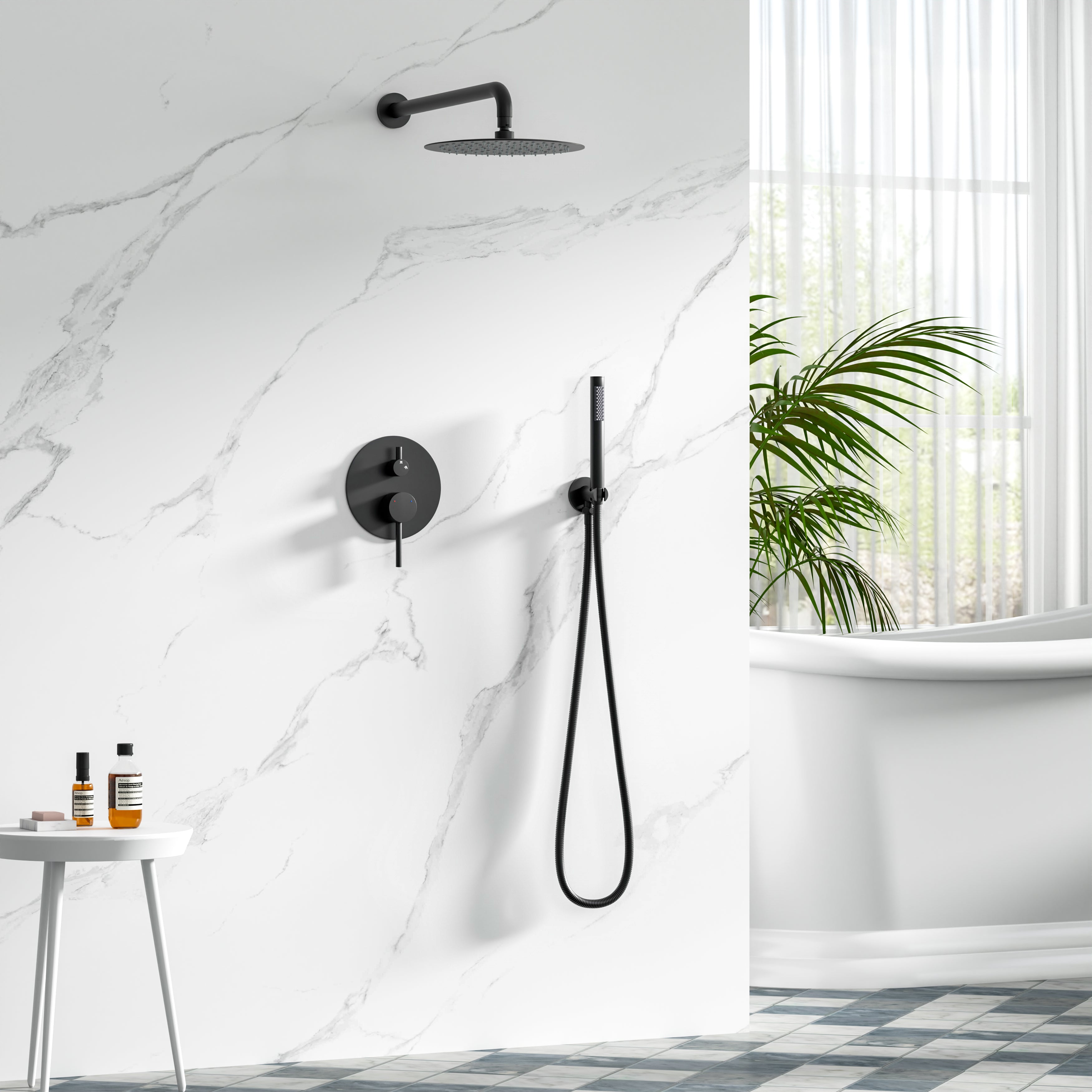
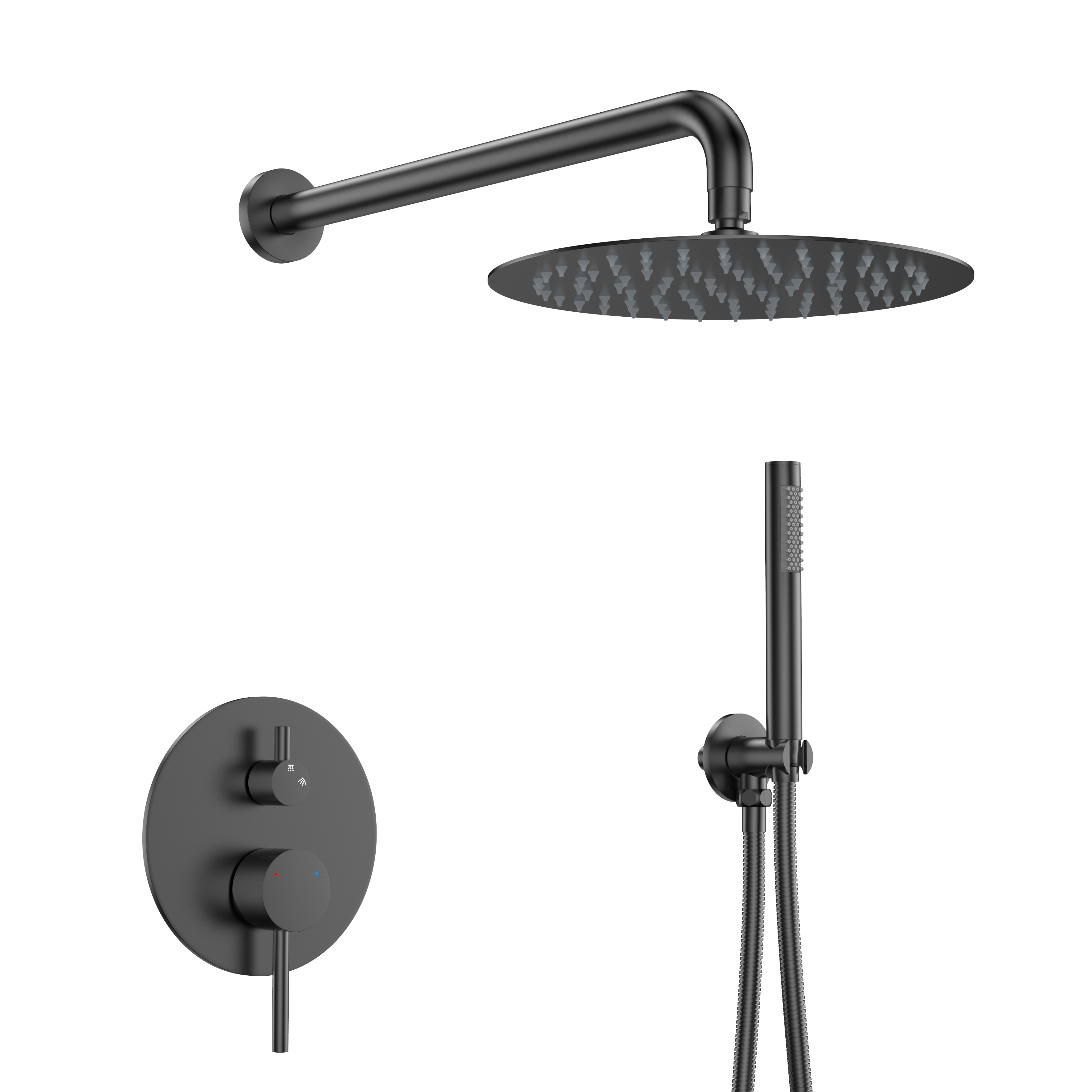
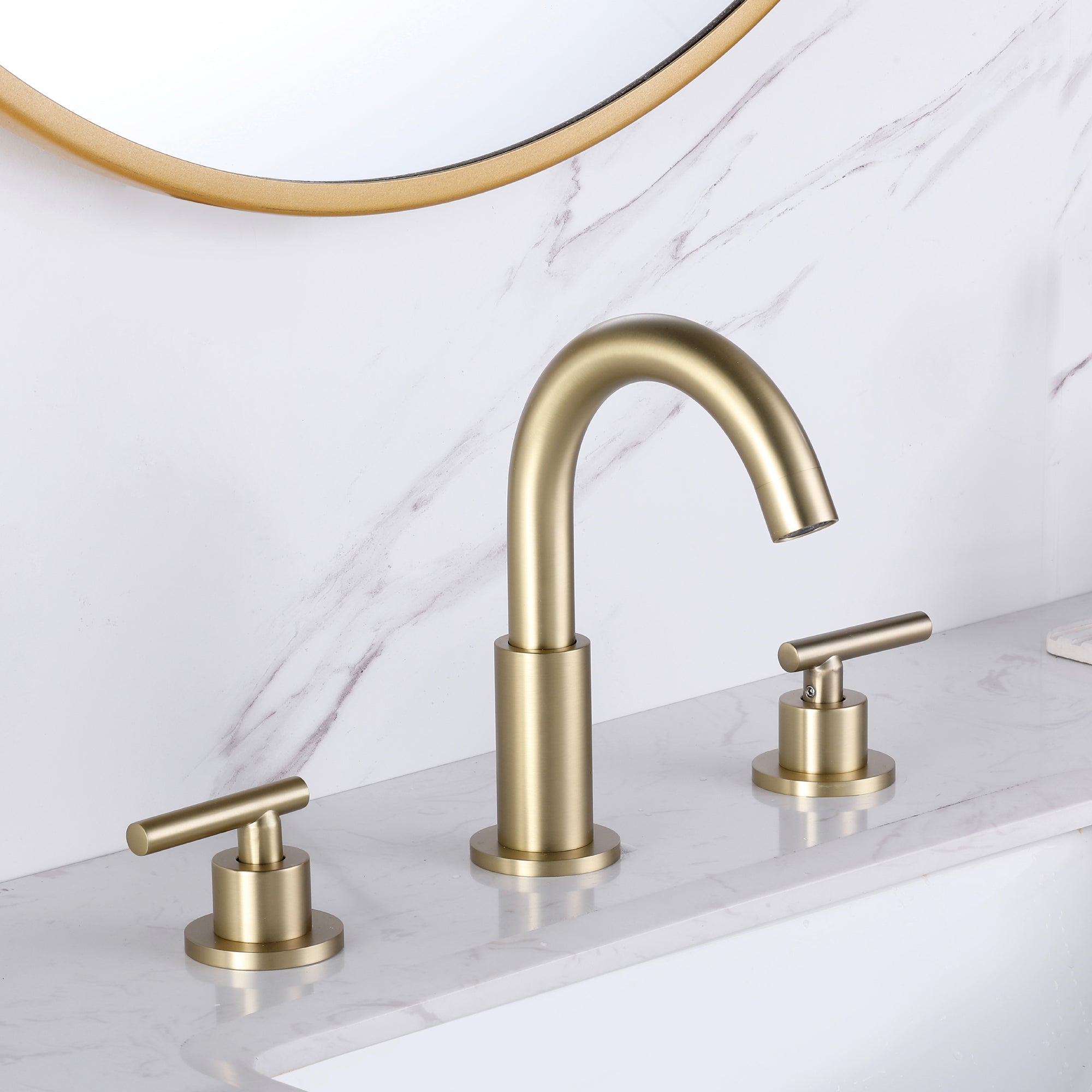
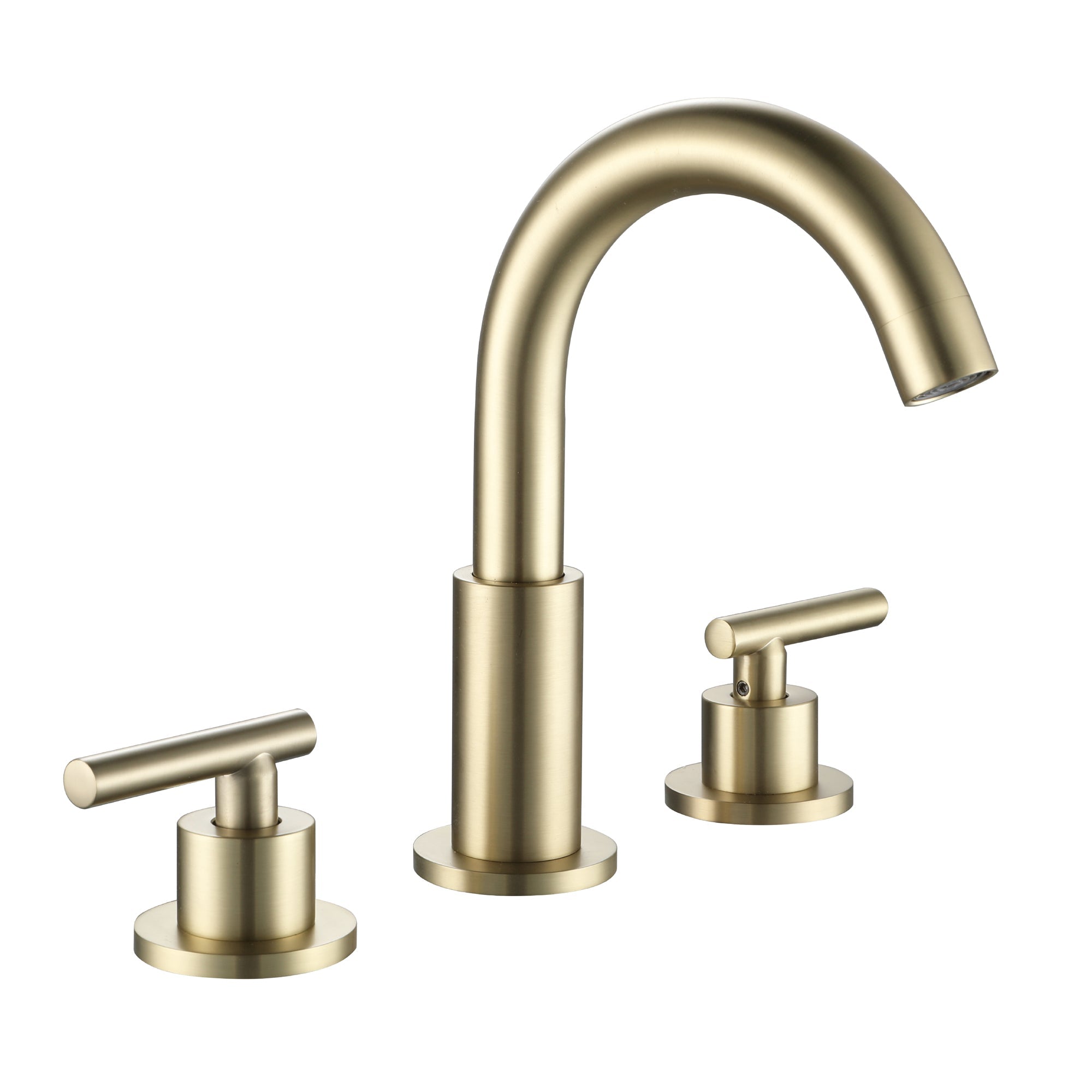
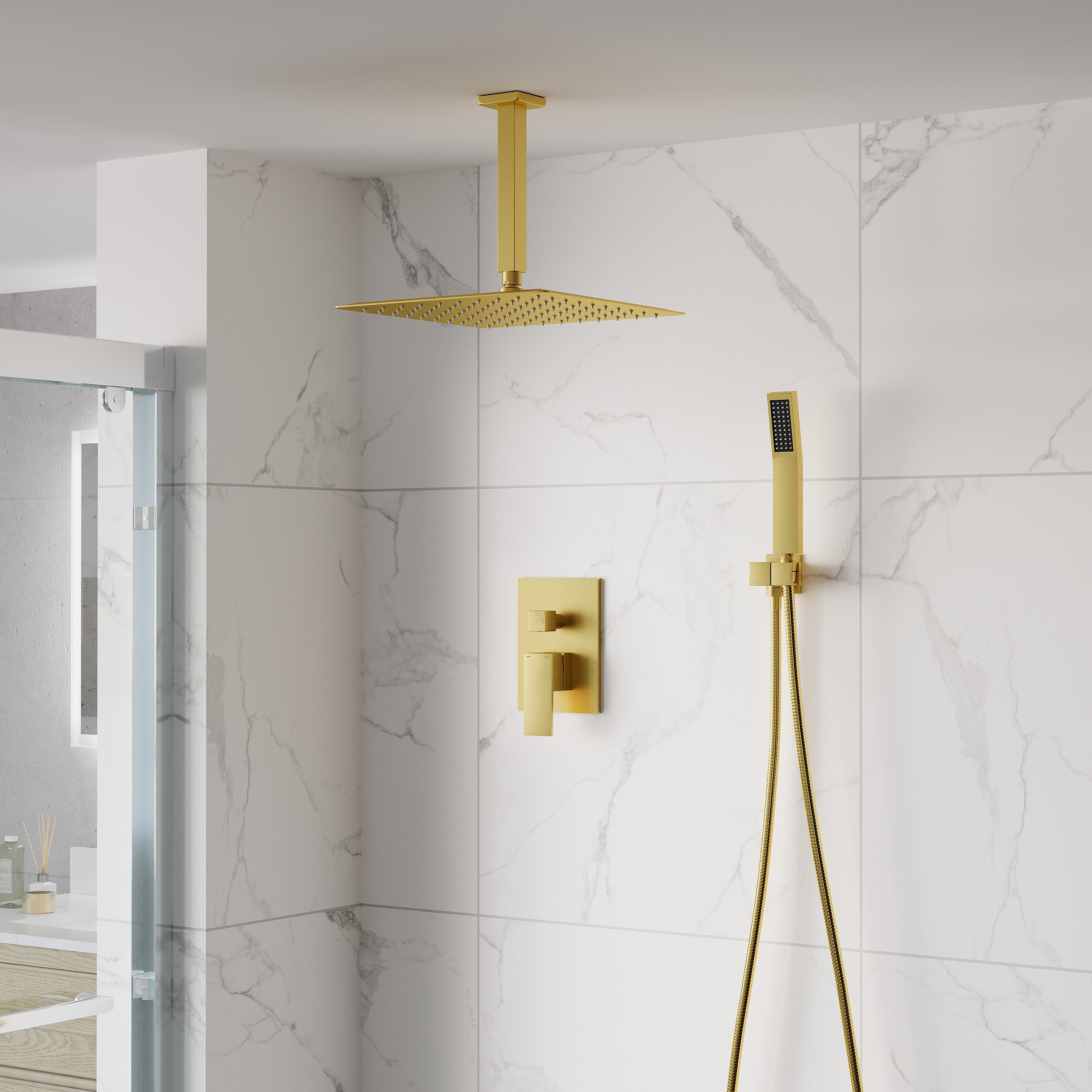
For modern wood bathroom vanities, simple hardware usually works best. Long bar pulls, slim edge pulls, recessed finger pulls, and clean rectangular handles help maintain a quiet, uncluttered look. Brushed gold, matte black, brushed nickel, and stainless finishes remain especially useful because they coordinate easily with faucets, shower door frames, mirrors, and lighting.
The functional side is just as important. Soft-close hinges and full-extension drawer slides are features buyers notice after installation. They reduce slamming, make storage easier to access, and create a more premium feel. In family bathrooms or shared primary bathrooms, this becomes even more valuable because the vanity is used many times a day.
Hardware should also fit the scale of the vanity. A 24-inch vanity can look crowded with oversized pulls, while a 60-inch or 72-inch double vanity may need longer handles to feel balanced. The goal is not to make the hardware disappear completely, but to make it feel intentional.
3. Legs Change the Look and the Cleaning Experience
Vanity legs are more than a style choice. They affect the visual weight of the cabinet, the ease of cleaning, and the overall bathroom layout. A vanity with exposed legs often feels lighter than a full cabinet base. This can help smaller bathrooms appear more open, especially when the flooring continues underneath the cabinet.
Freestanding vanities remain an important category. According to Houzz, built-in vanities were selected by 58% of renovating homeowners, while freestanding vanities accounted for 30% and floating vanities for 11%. Source: Houzz 2025 Bathroom Trends Study.
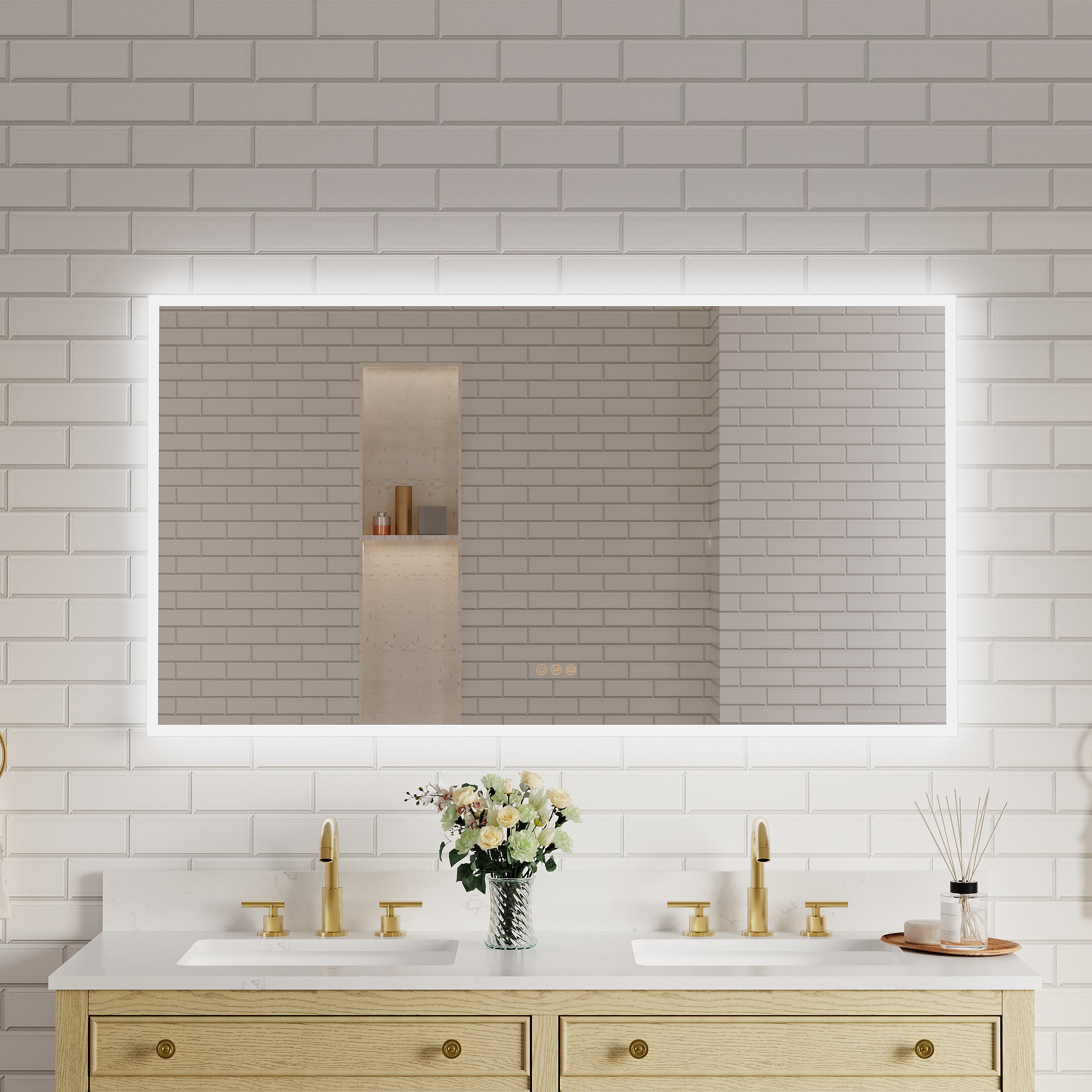
Metal legs are especially common in modern wood vanity design because they create contrast. Brushed gold legs can warm up a natural oak cabinet, while matte black legs can create a more architectural look. Stainless or brushed nickel legs feel cleaner and more restrained, especially in bathrooms with cooler tile or chrome fixtures.
However, the leg design needs to be practical. Thin legs may look elegant, but they should still feel stable. A vanity with a quartz or stone top can be heavy, so the leg structure must support the cabinet properly. For larger sizes, such as 60-inch, 72-inch, or wider double-sink vanities, the support system should feel strong and balanced rather than decorative only.
Open-leg designs also make floor cleaning easier, but they can expose plumbing or wall imperfections if the installation is not planned carefully. This is why leg height, cabinet depth, and plumbing placement should be reviewed before installation.
4. Finishes: Decide Whether the Vanity Feels Timeless or Trend-Driven

Finish is where many vanity designs either succeed or age too quickly. A modern wood finish should show the grain clearly without looking raw or unfinished. Light oak, natural walnut, medium brown, and warm neutral stains are popular because they pair well with white, off-white, beige, gray, and stone-look surfaces.
The NKBA 2025 Bath Trends Report notes that bath design is moving toward calm, warm, and natural aesthetics, while also emphasizing easy upkeep, elegant storage, and personalized spaces. Source: NKBA 2025 Bath Trends Report.
This direction explains why overly glossy finishes are less appealing in many modern bathrooms. Matte, satin, and low-sheen finishes often look more natural and pair more easily with stone countertops, frameless mirrors, and soft lighting. They also help reduce fingerprint visibility compared with high-gloss surfaces.
Moisture resistance should be part of the finish conversation. Bathrooms deal with steam, splashes, and frequent cleaning. A good wood vanity finish should help protect against moisture while still allowing the wood tone to feel real. Edges, seams, drawer fronts, and areas around sinks need special attention because these are the spots most exposed to water.
5. Countertops and Finishes Need to Work Together
A vanity finish should not be selected alone. It needs to work with the countertop. Houzz reported that white remains the top countertop color in renovated bathrooms at 48%, followed by off-white at 20%. Engineered quartz was the leading countertop material at 45%. Source: Houzz 2025 Bathroom Trends Study.
This is good news for wood vanities because white and off-white countertops pair naturally with many wood tones. A white quartz top can make a medium wood vanity feel cleaner and more modern. An off-white top can soften a light oak vanity and make the bathroom feel warmer. Black or dark gray countertops can work too, but they create a stronger contrast and may show water spots more easily.
For hardware, the countertop also matters. Brushed gold can warm up a white quartz top, while matte black can create a strong modern line. Brushed nickel is often the safest choice when the bathroom already includes chrome, stainless, or cooler-toned fixtures.
6. The Features That Actually Matter Most
The features that matter are the ones that improve both appearance and everyday use. For hardware, that means comfortable pulls, durable finishes, soft-close hinges, and smooth drawer slides. For legs, it means stable support, easy cleaning access, and a design that fits the cabinet size. For finishes, it means visible wood grain, moisture resistance, and a tone that can stay relevant for years.
The larger renovation picture also supports careful product selection. Houzz reported that the national median spend for bathroom renovations was $13,000 in 2024, while major remodels reached $22,000. Larger bathrooms of 100 square feet or more held a median spend of $25,000. Source: Houzz 2025 Bathroom Trends Study.
When that much investment goes into a bathroom, the vanity should not feel like an afterthought. The best modern wood bathroom vanities combine practical construction with quiet design details: hardware that feels solid, legs that look refined but support real weight, and finishes that protect the cabinet while keeping the wood natural. In the end, these are the details that make a vanity feel modern, not just on installation day, but after years of daily use.










Leave a comment
This site is protected by hCaptcha and the hCaptcha Privacy Policy and Terms of Service apply.