














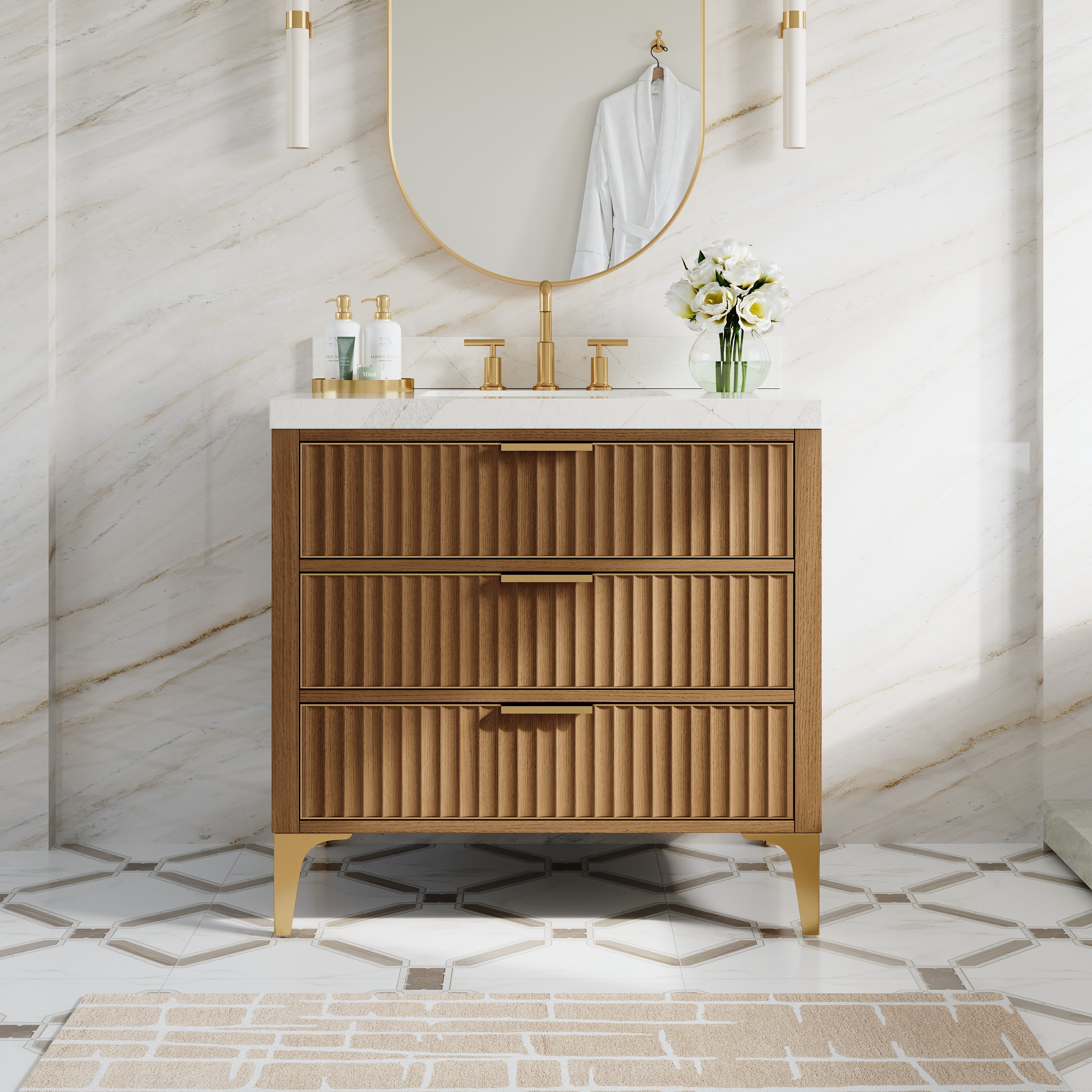
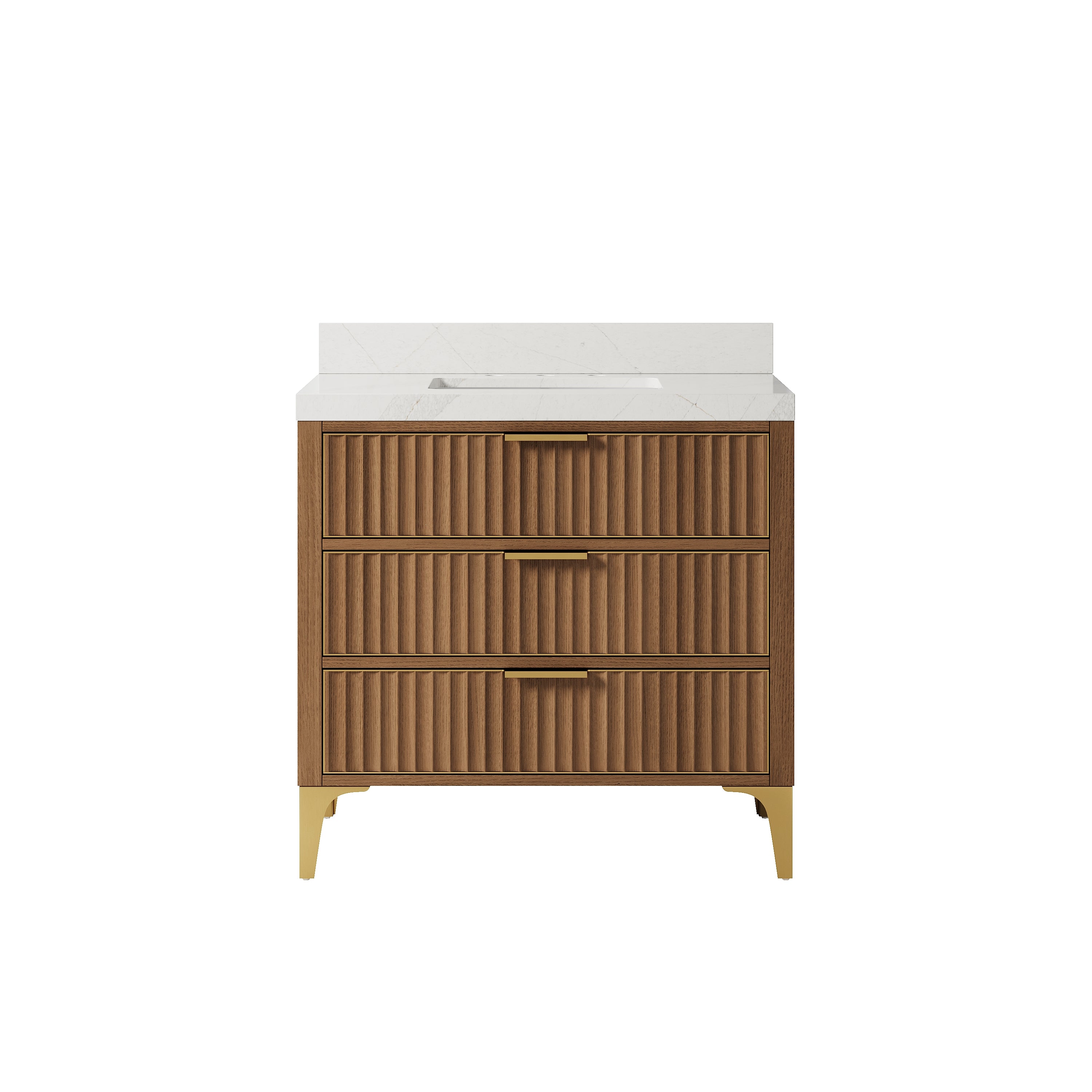
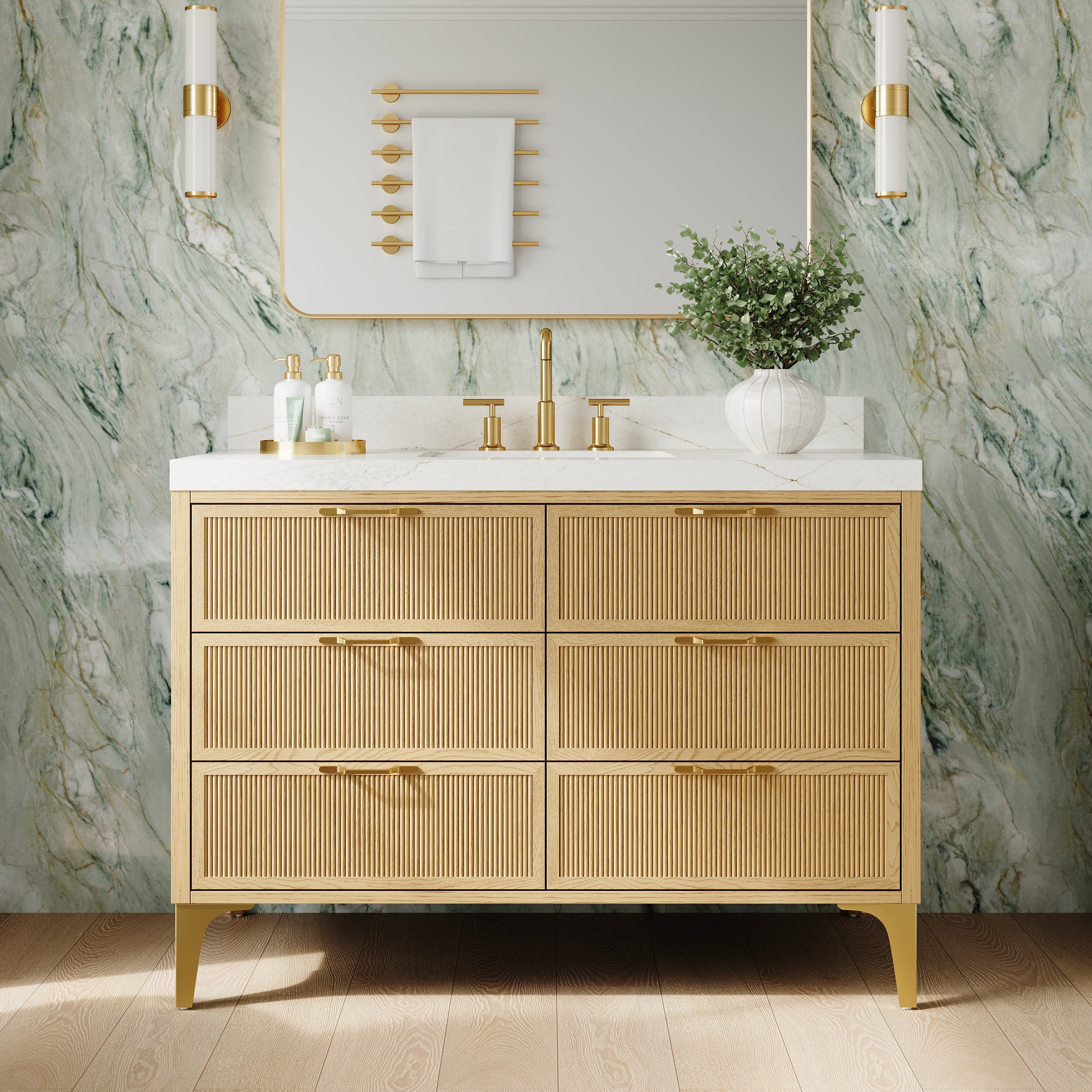
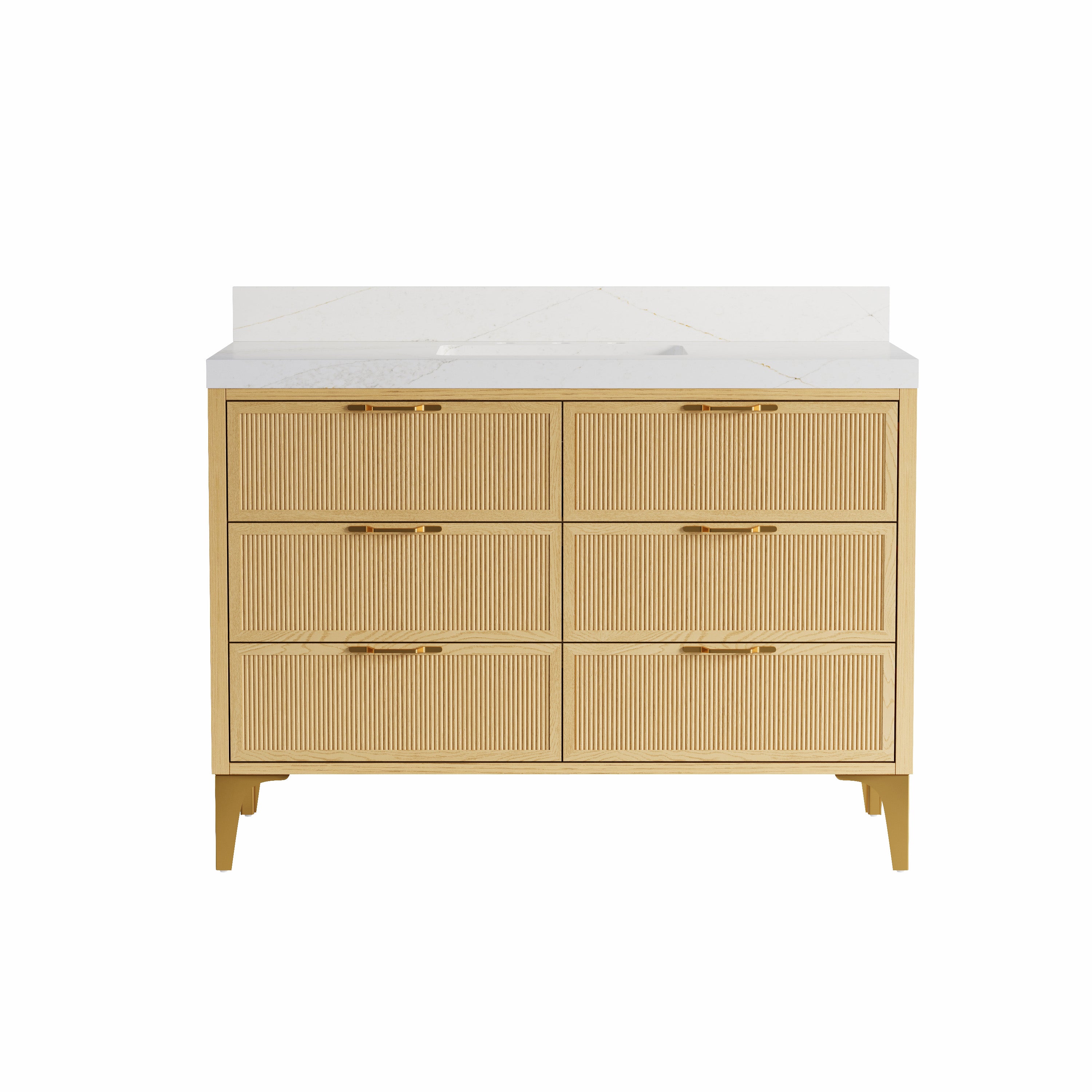


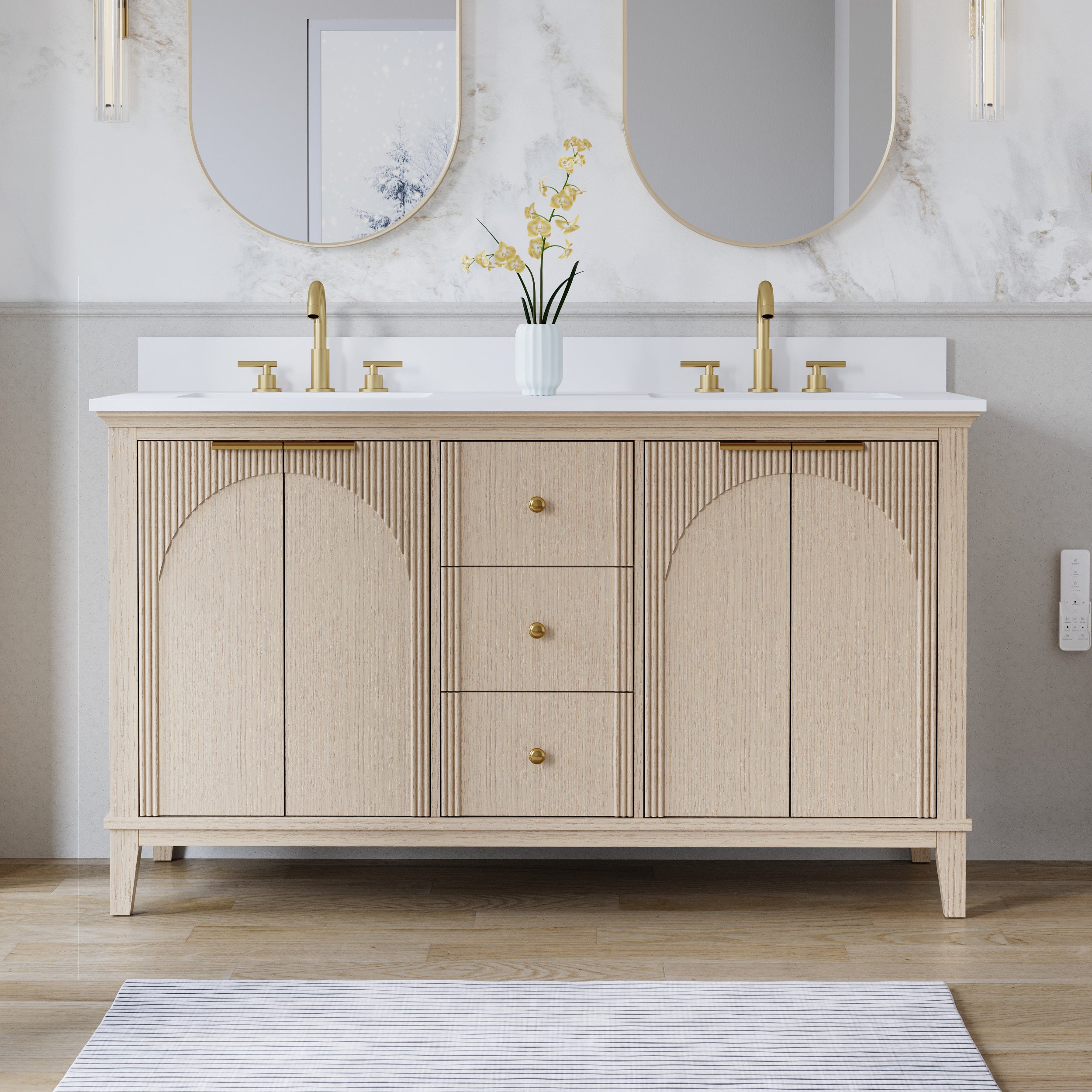
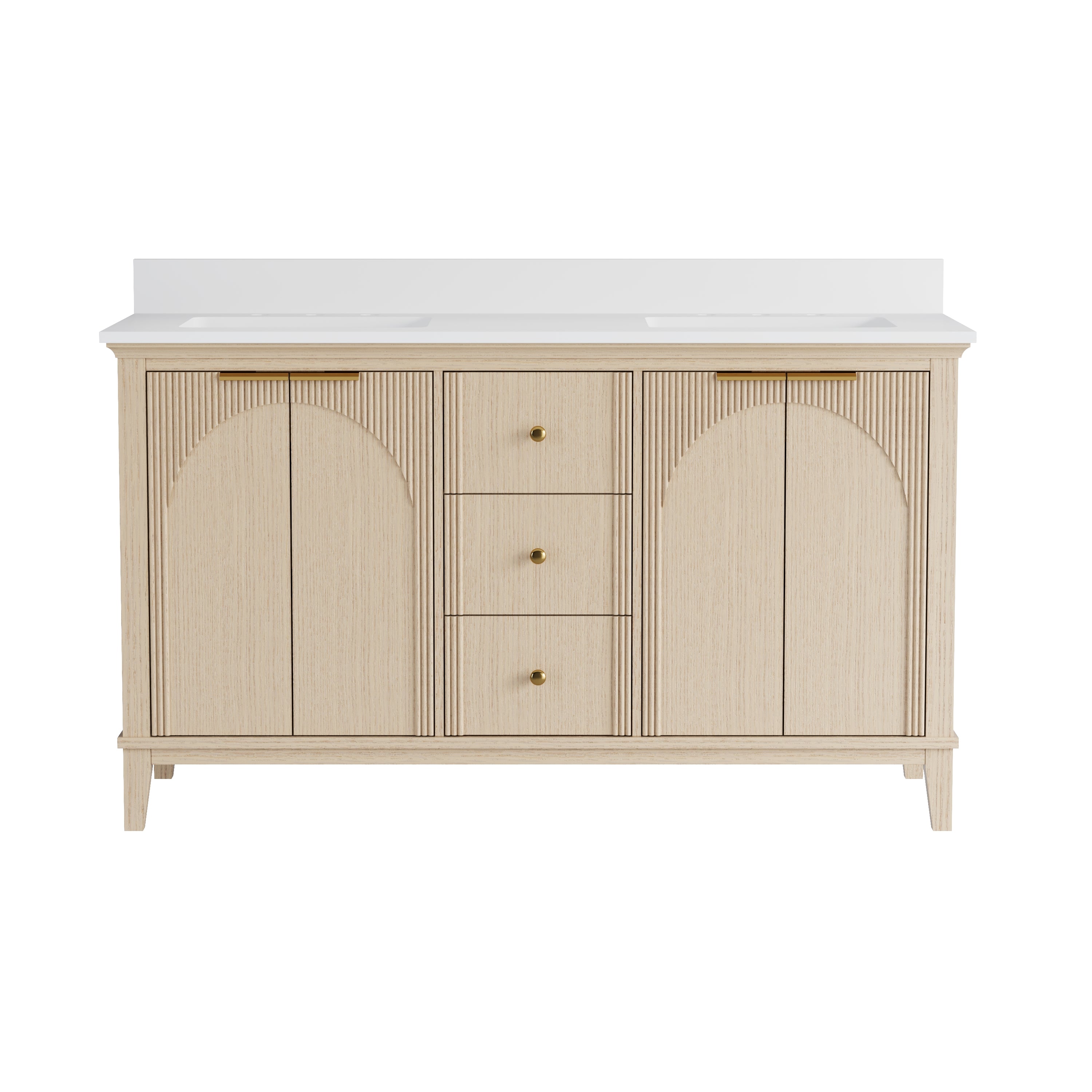
When every inch counts, the right bathroom vanity units can make a small room feel organized instead of cramped. Tight layouts often come down to a few recurring problems: not enough clearance in front of fixtures, doors that collide, and storage that spills onto the countertop. A well-chosen vanity unit solves these by fitting the footprint, protecting circulation space, and using vertical storage to keep essentials close without crowding the room.
1. Start With Clearance, Not Style
In compact bathrooms, comfort and code-friendly spacing are the foundation. The NKBA Bath Planning Guidelines reference minimum clearances like at least 21 in. in front of fixtures (lavatory, toilet, bidet, tub) and at least 24 in. in front of a shower entry, plus toilet placement guidance such as 15 in. from the toilet centerline to any side wall and 21 in. in front of the toilet.
Why this matters: a vanity that is “only 2 in. wider” can quietly steal the clearance you need to stand, towel off, or open a drawer without bumping into the toilet.
2. The Best Vanity Unit Types for Tight Bathrooms
A. Wall-Hung (Floating) Vanity Units
Floating vanities are a go-to for small spaces because they expose more floor, which makes the room feel larger and easier to clean. They also let you choose the mounting height for comfort, and they visually lighten the room.
Best for: narrow rooms, powder rooms, and layouts where you want the floor to read “open.”
Watch-outs: storage can be smaller than a full-depth base, so prioritize drawers and add a medicine cabinet above.
B. Shallow-Depth Vanity Units (Compact Projection)
If the room is tight front-to-back, a shallow-depth vanity can preserve the standing zone while still giving you enclosed storage. The most comfortable small bathrooms usually protect that “in front of the sink” space first, then optimize storage with drawers and vertical solutions.
Best for: door-clearance conflicts and bathrooms where the walkway feels pinched.
Watch-outs: check faucet reach and sink bowl size so water stays in the basin, not on the counter.
C. Drawer-Forward Vanity Units (Even in Small Widths)
In small bathrooms, drawers beat deep cabinets because you can see and reach items without kneeling and digging. They also help keep the countertop clean because everything has a defined home. This aligns with renovation behavior: 78% choose soft-close drawers and 75% choose soft-close doors, showing how common drawer-based vanity function has become.
Best for: shared bathrooms and daily routines with lots of small items.
Watch-outs: choose a layout that accounts for plumbing (U-shaped top drawer or offset trap space).
D. Corner Vanity Units
A corner vanity can rescue an awkward layout where a straight vanity would block circulation or interfere with the door swing. It is especially useful when the toilet and door already compete for space.
Best for: oddly shaped rooms or layouts with tight entry zones.
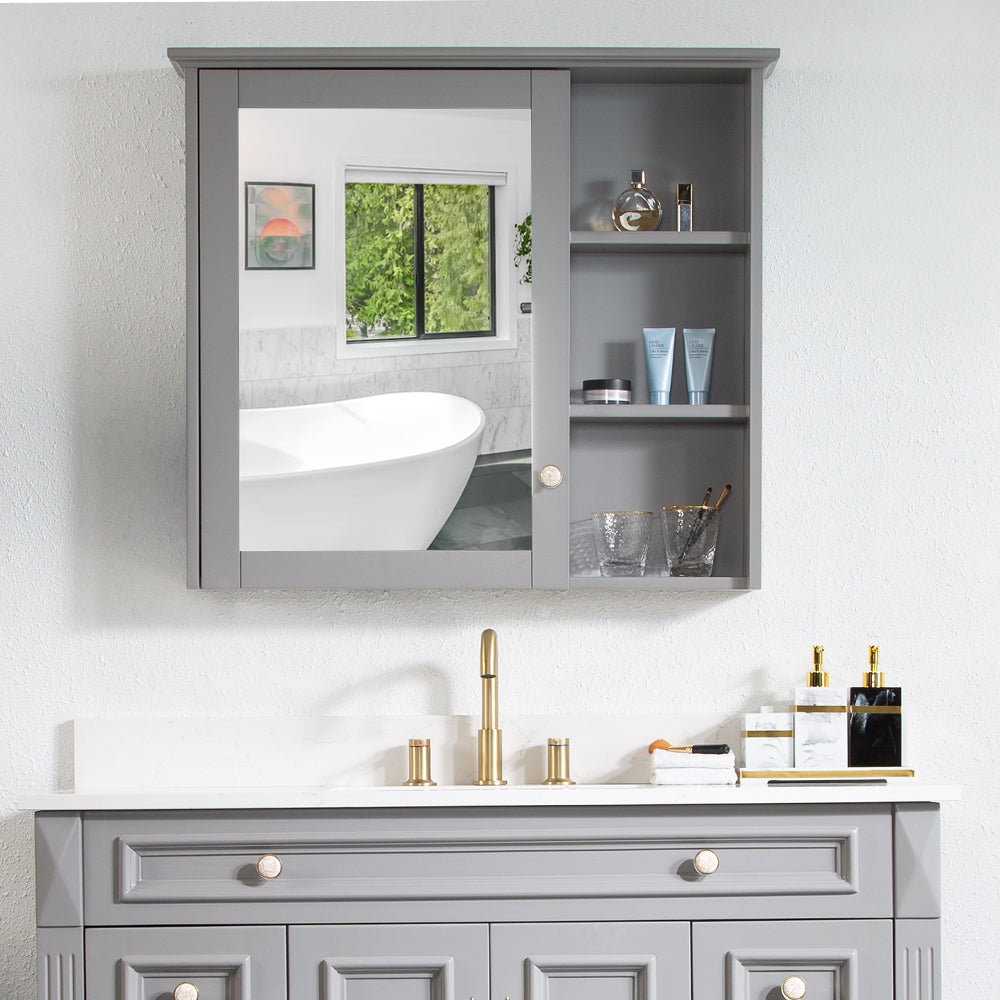
Watch-outs: corner sinks reduce counter space, so pair with a mirrored cabinet for storage.
E. Console-Style Vanity Units (Open Base)
Console vanities (open legs, open shelf) create visual breathing room and make cleaning easy. They are a smart choice when the room feels claustrophobic, but they offer less hidden storage than cabinet-style units.
Best for: powder rooms, guest baths, and minimalist storage needs.
Watch-outs: you may need a tall cabinet or mirrored storage to keep clutter out of sight.
3. Use Common Small-Bath Layouts to Guide Vanity Choice
Many tight bathrooms follow a classic footprint. Houzz describes the 5 ft by 8 ft bathroom as a common size that fits a single-sink vanity, toilet, and a shower or tub-shower combo.
In that kind of layout, vanity placement is usually dictated by the plumbing wall and the door. The most practical vanity units in this scenario tend to be:
· 30 in. to 36 in. freestanding vanities when clearances allow.
· 24 in. to 30 in. vanities when the toilet zone or door swing is tight.
· Floating vanities when you need the floor to feel less crowded.
4. Size Strategy: Go Smaller Only When It Solves a Real Problem
It is tempting to downsize aggressively, but too-small vanities often create clutter elsewhere. Real renovation data shows nearly half of homeowners still choose vanities 48 in. or less (47%), reflecting how common compact widths are even in updated bathrooms.
The takeaway for tight layouts:
· Choose the largest width that preserves clearance.
· If you must go smaller in width, compensate with better drawers and vertical storage.
5. The Storage Multipliers That Matter Most
A. Medicine Cabinets (Especially Recessed)
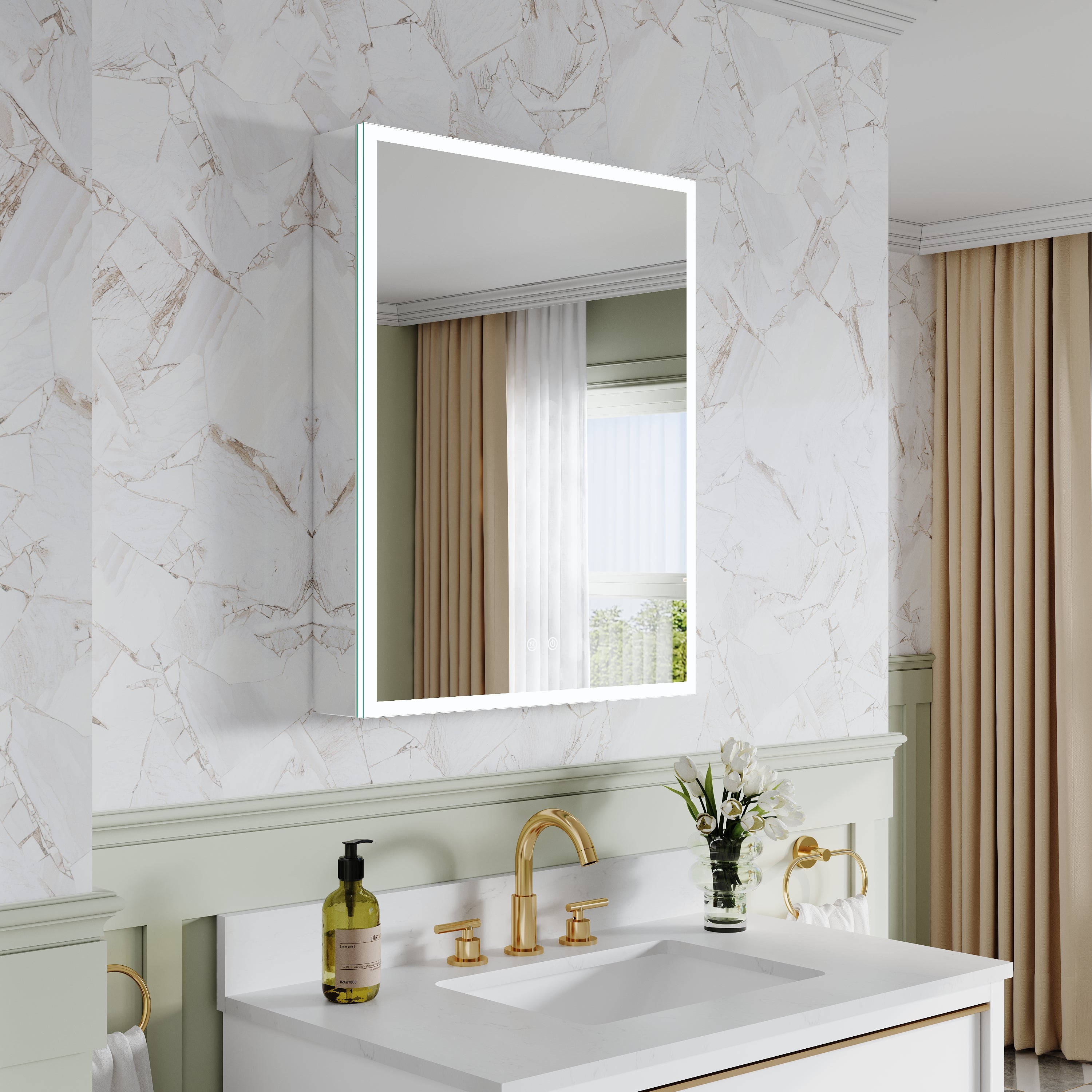
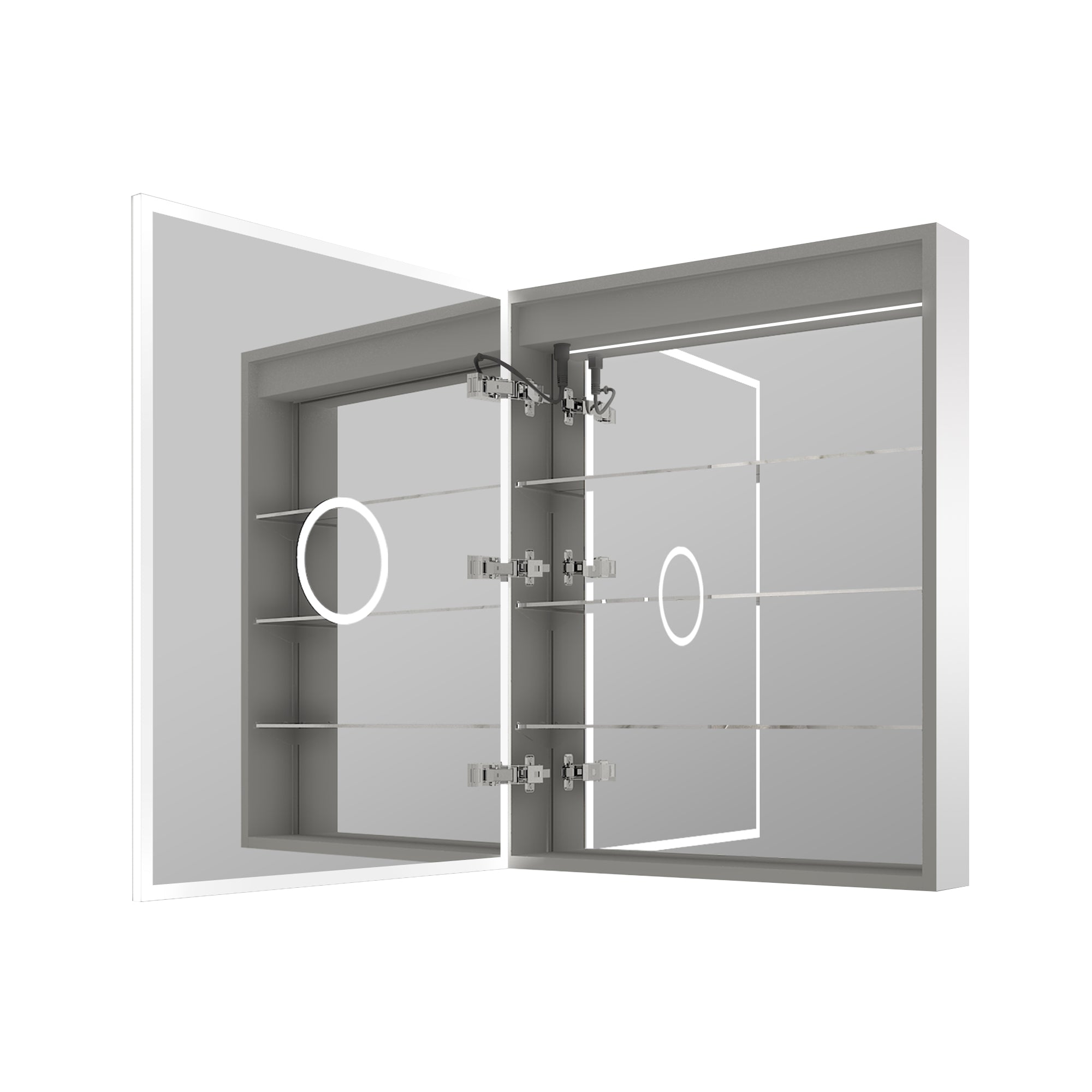
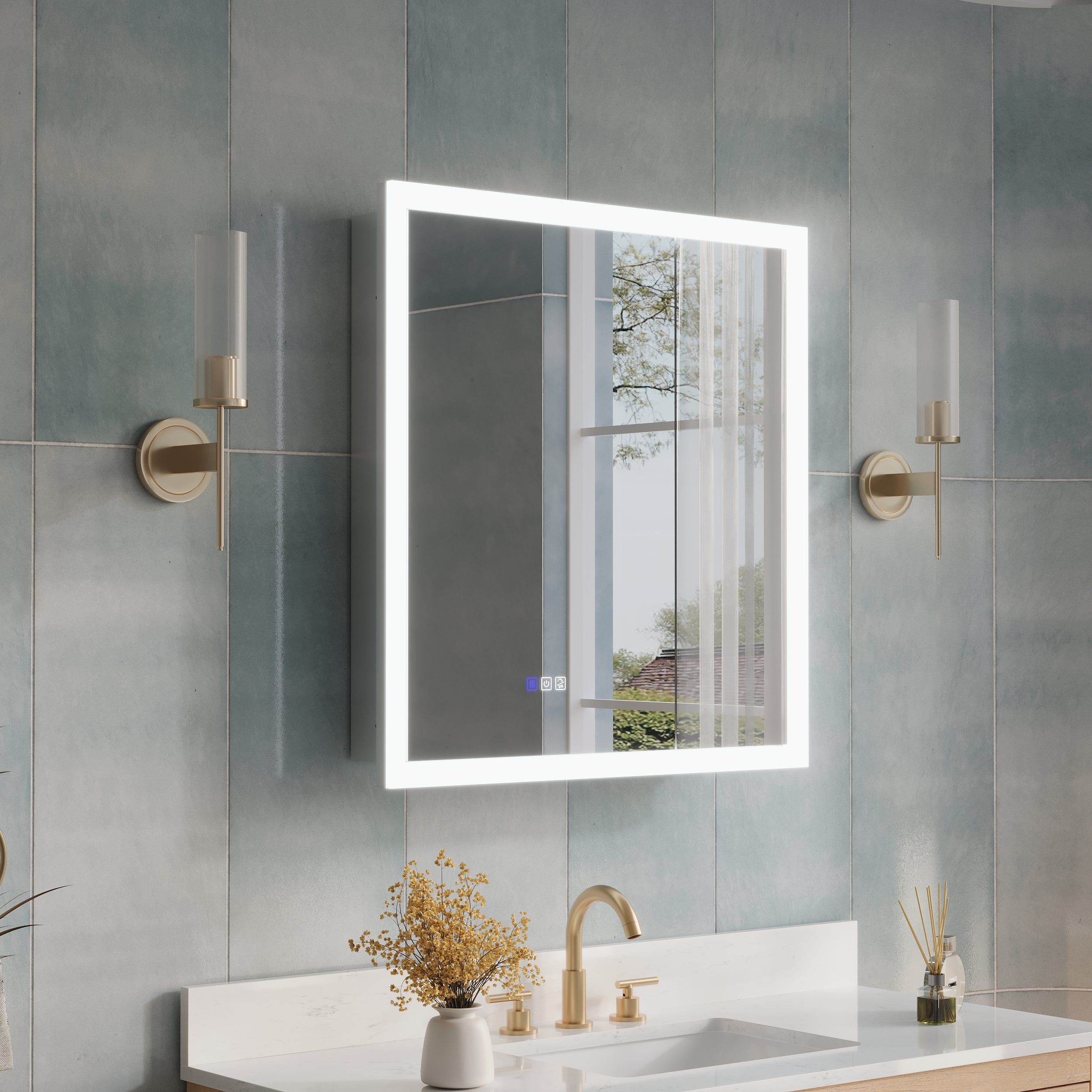
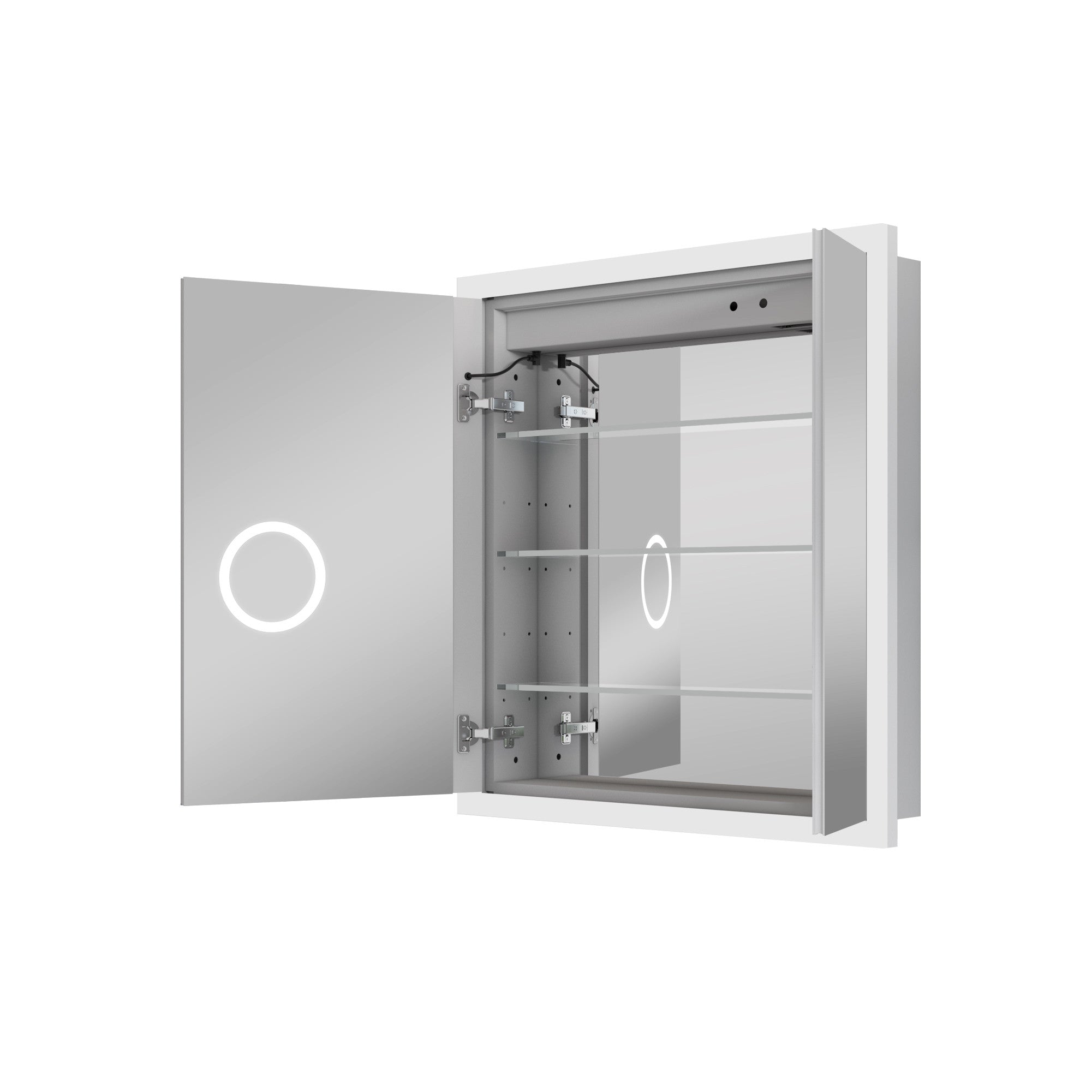
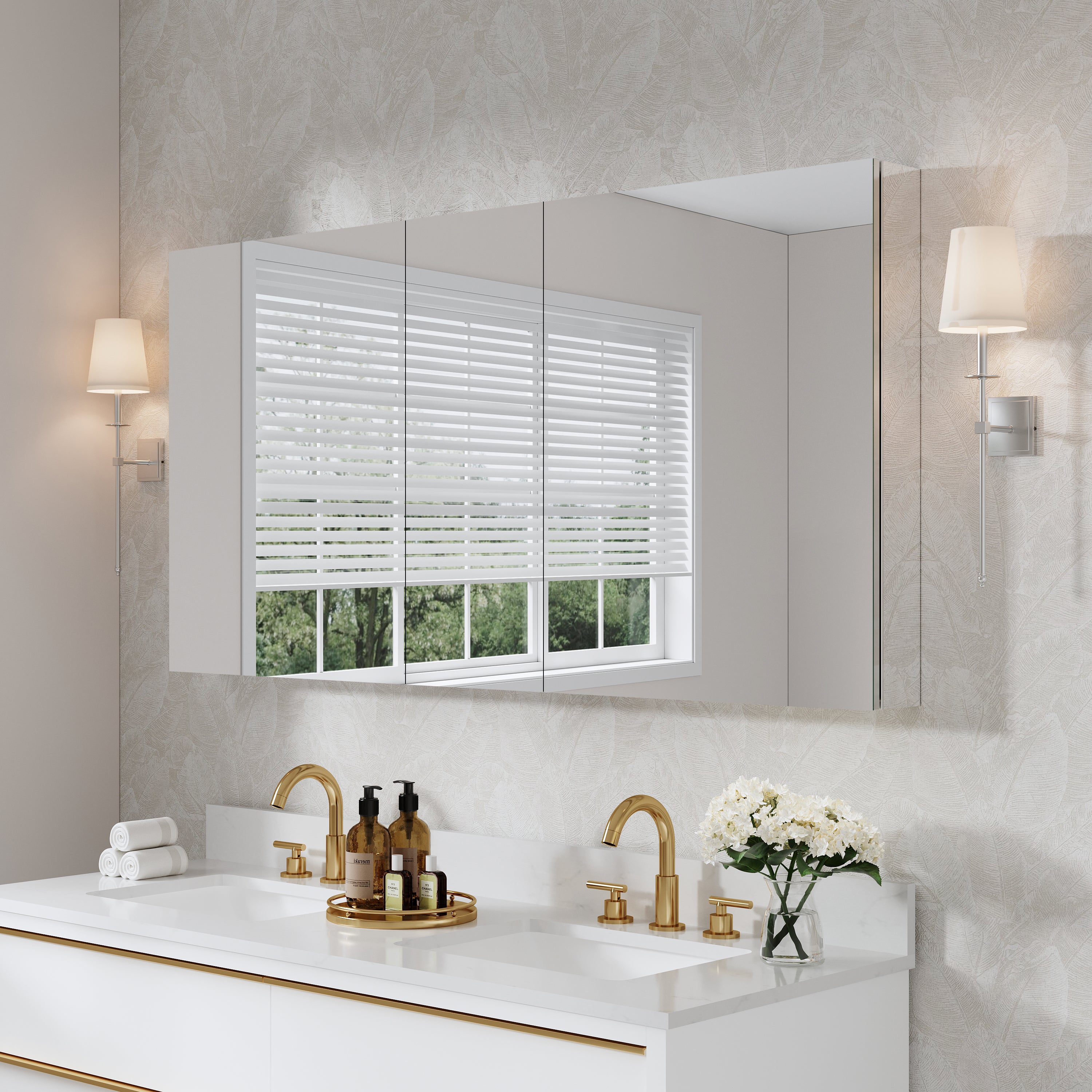
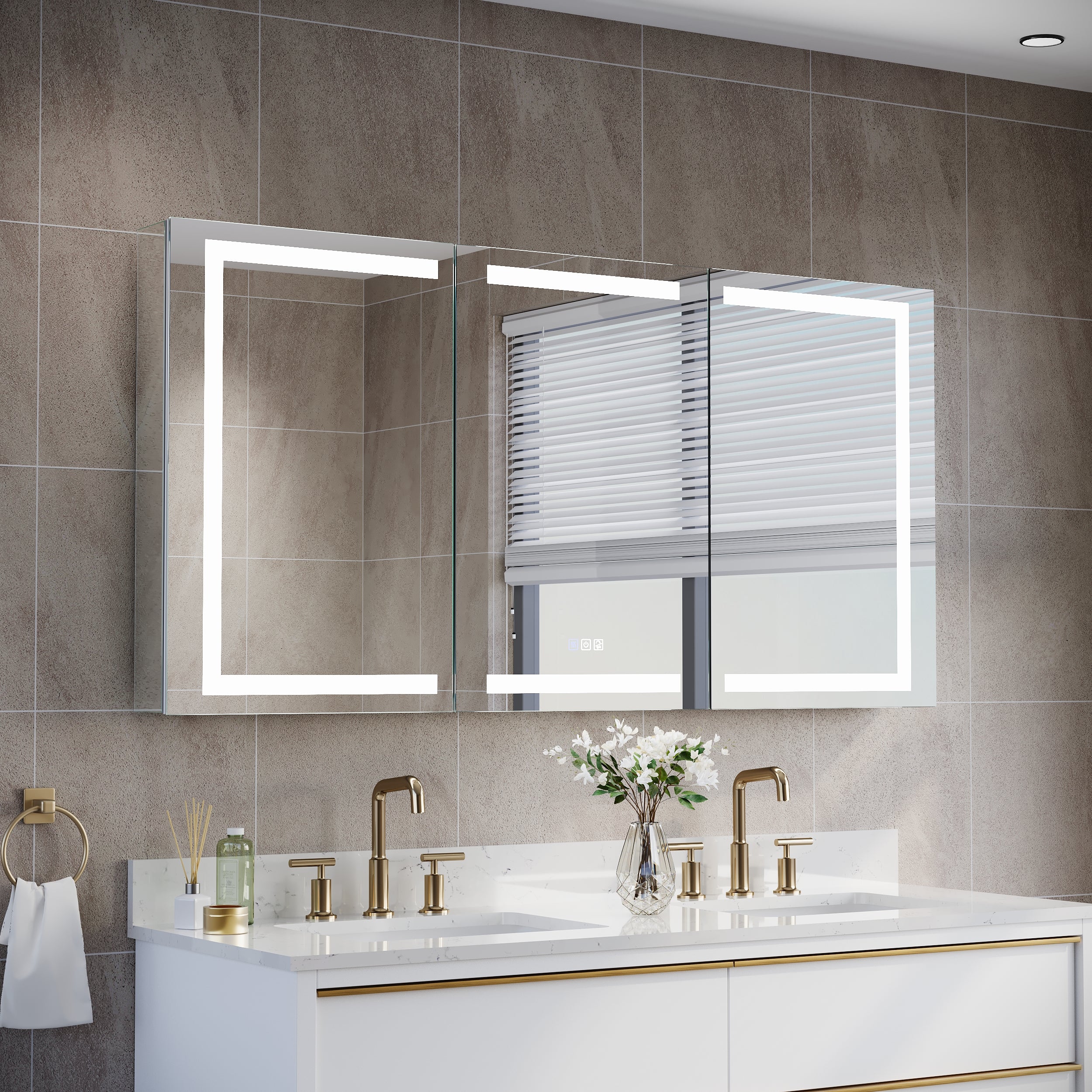
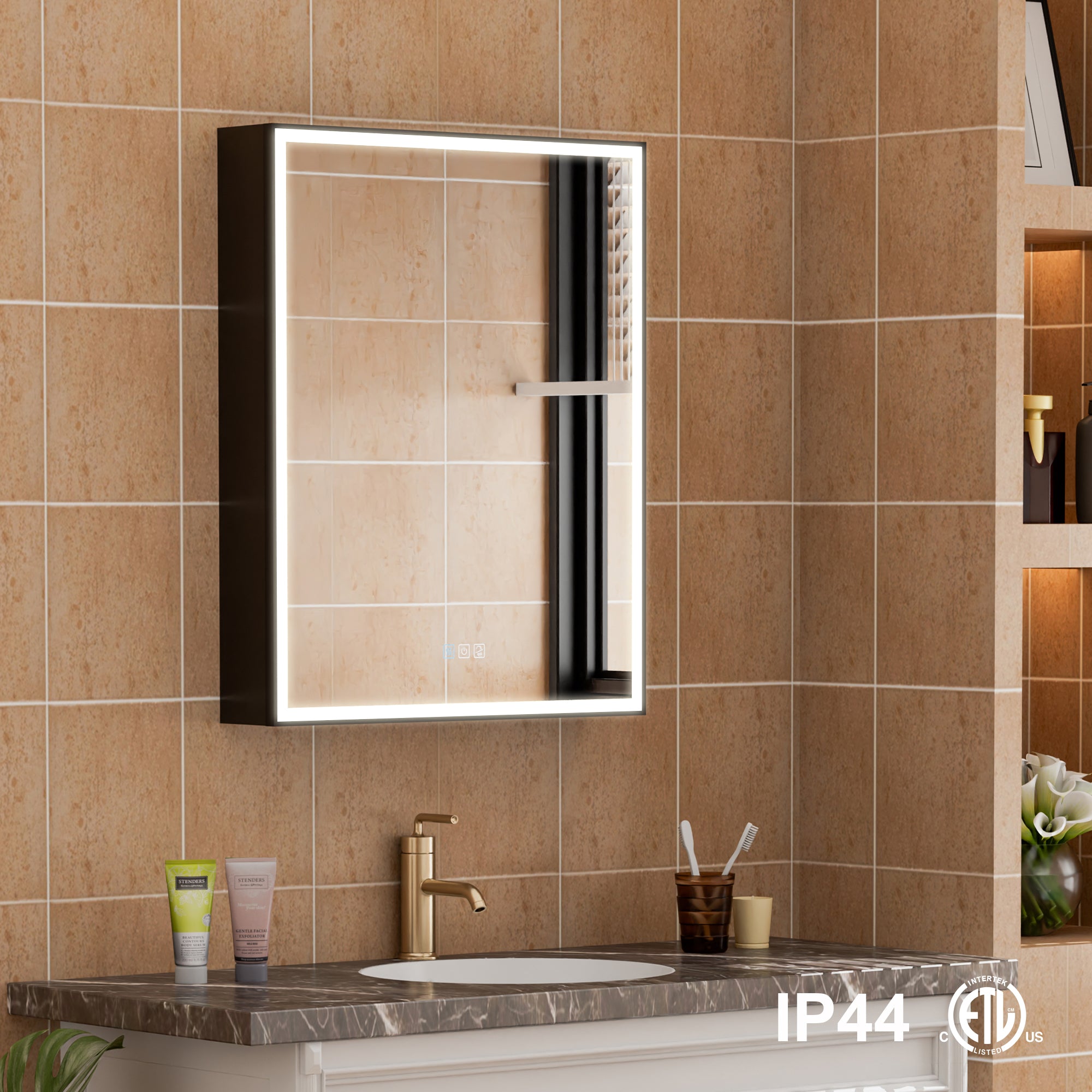
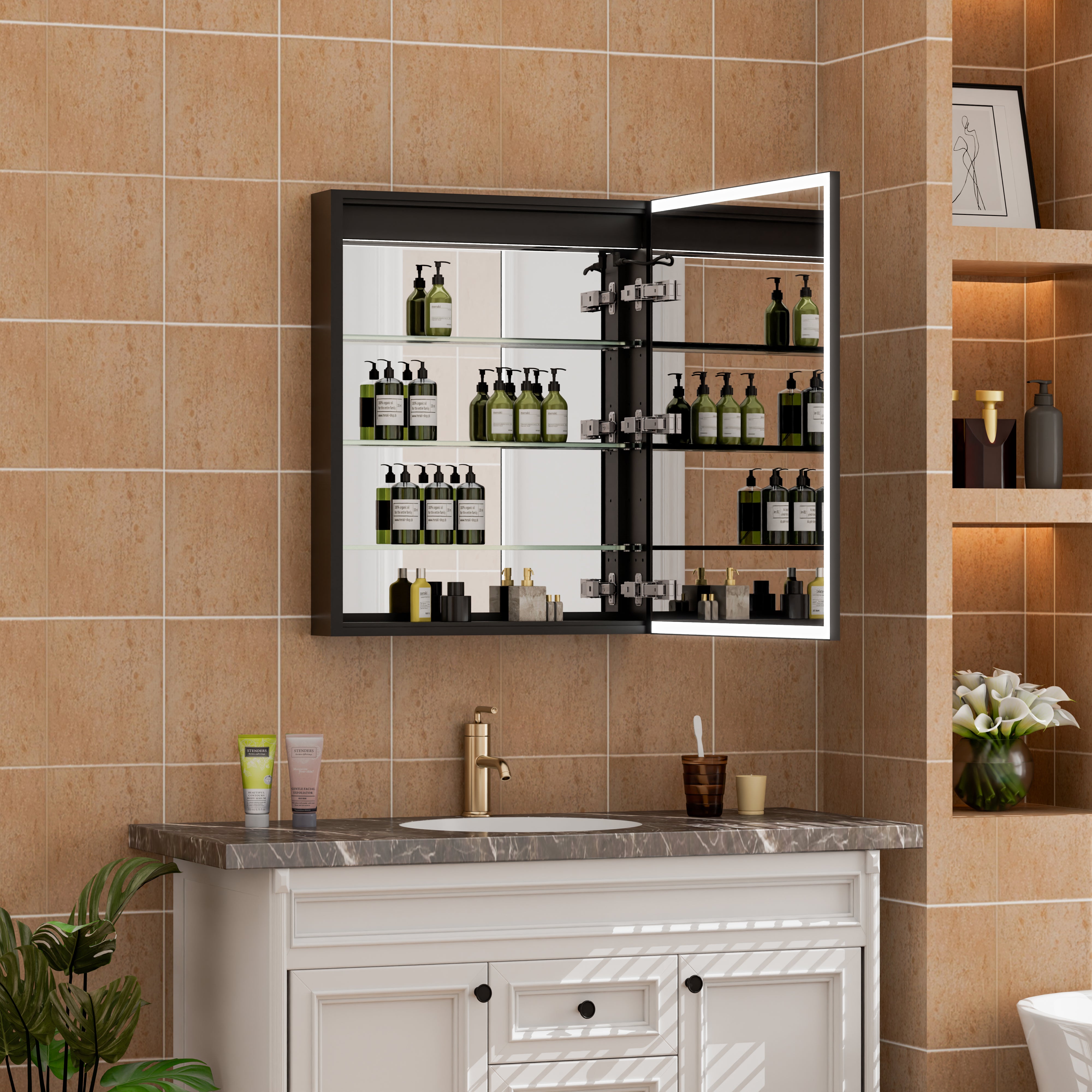
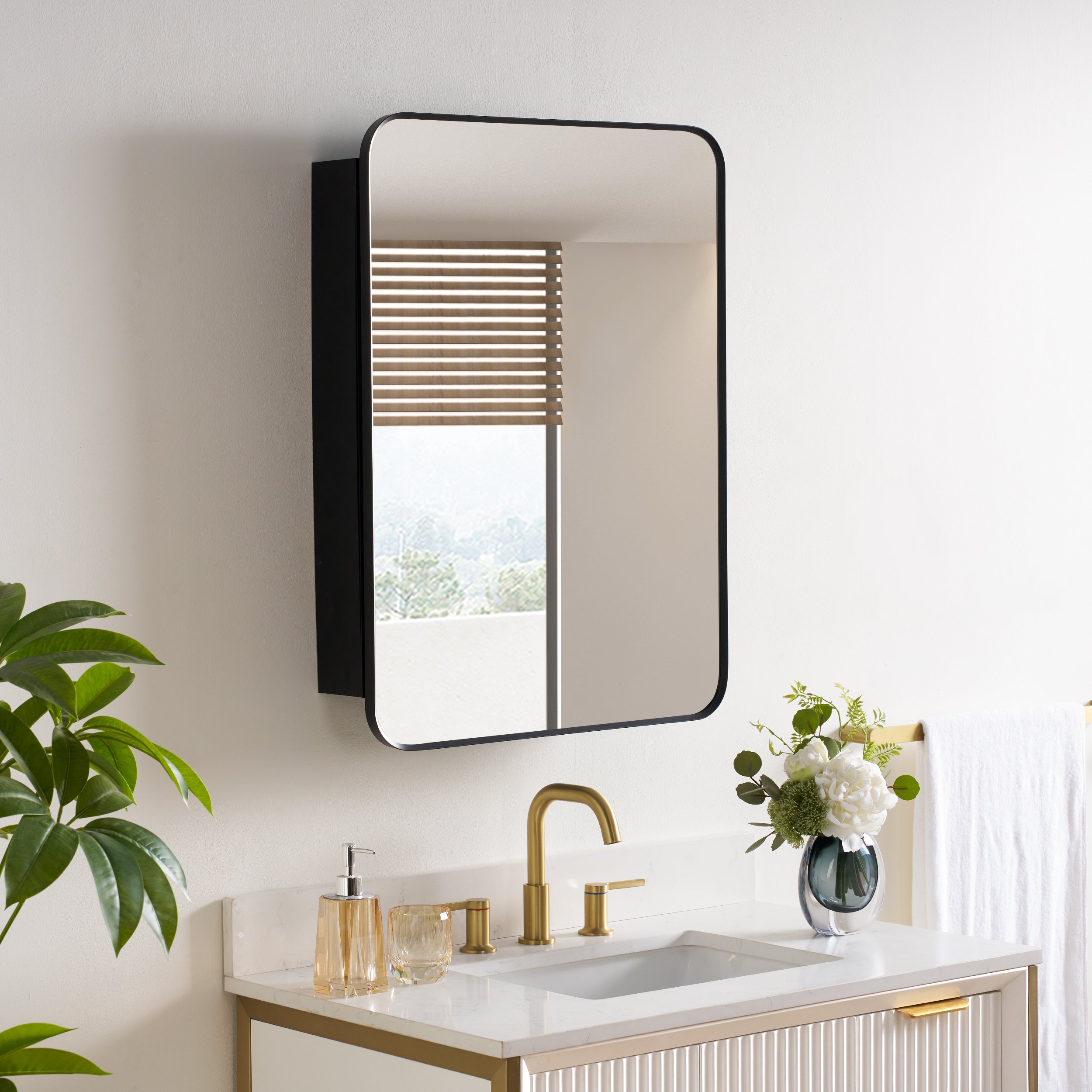
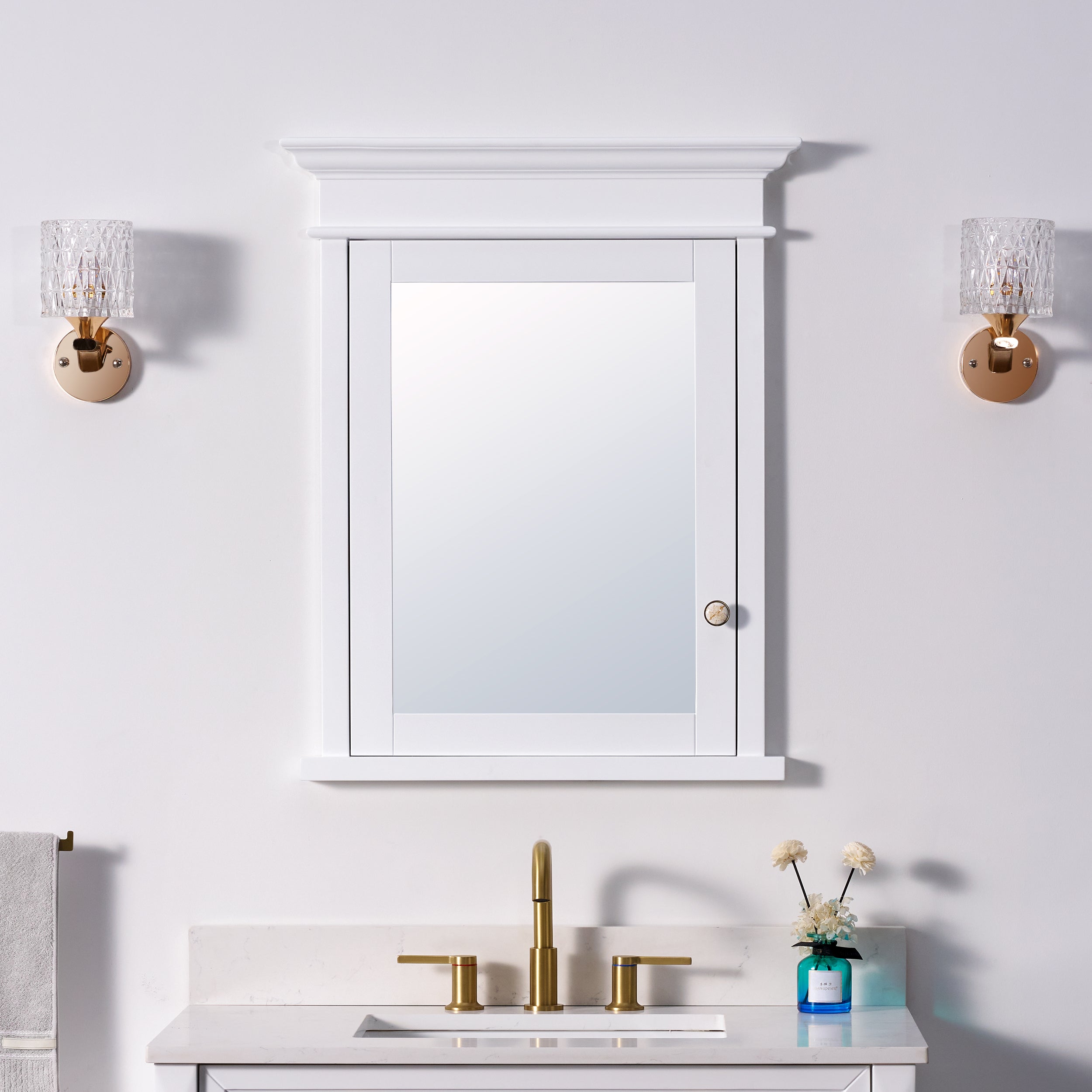
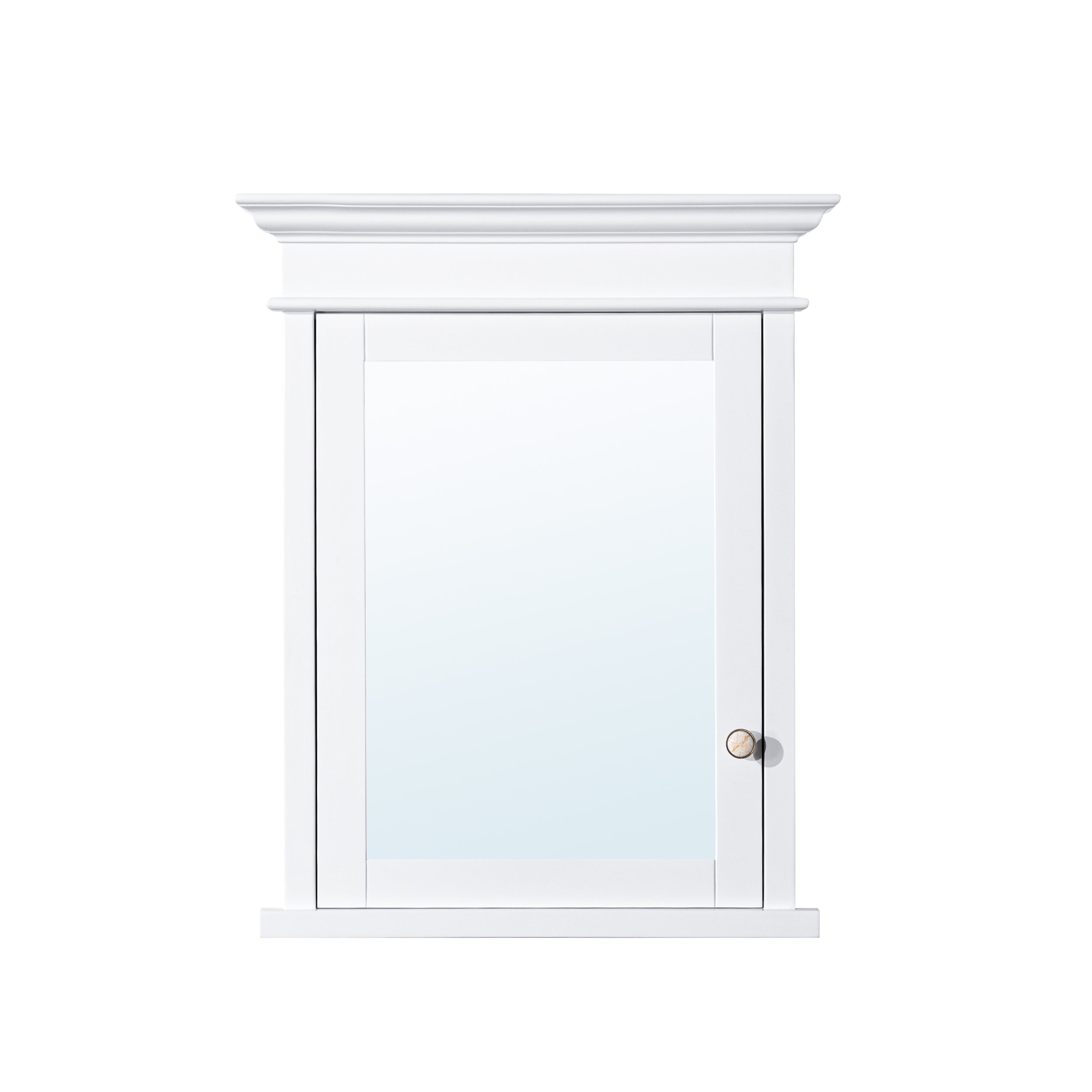
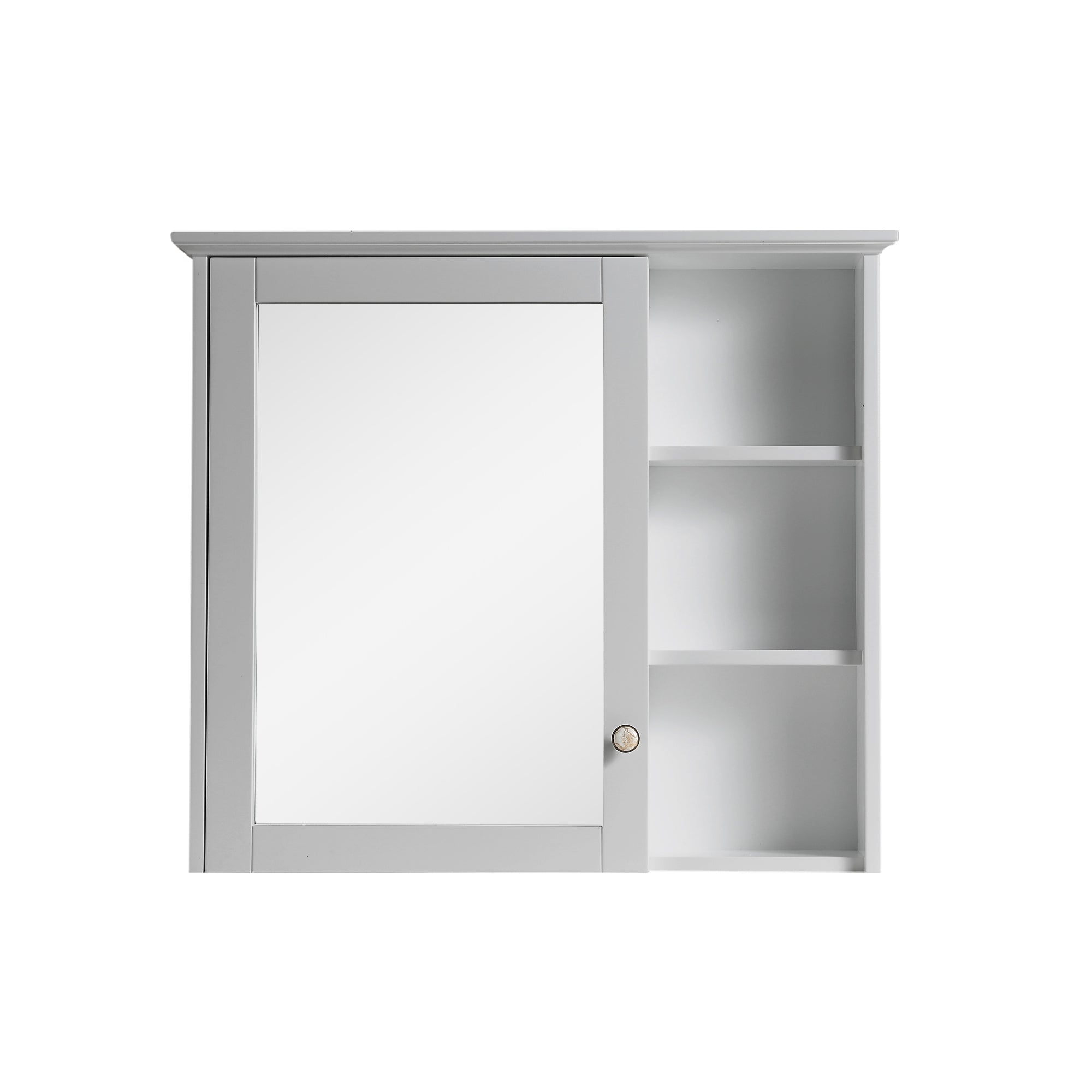
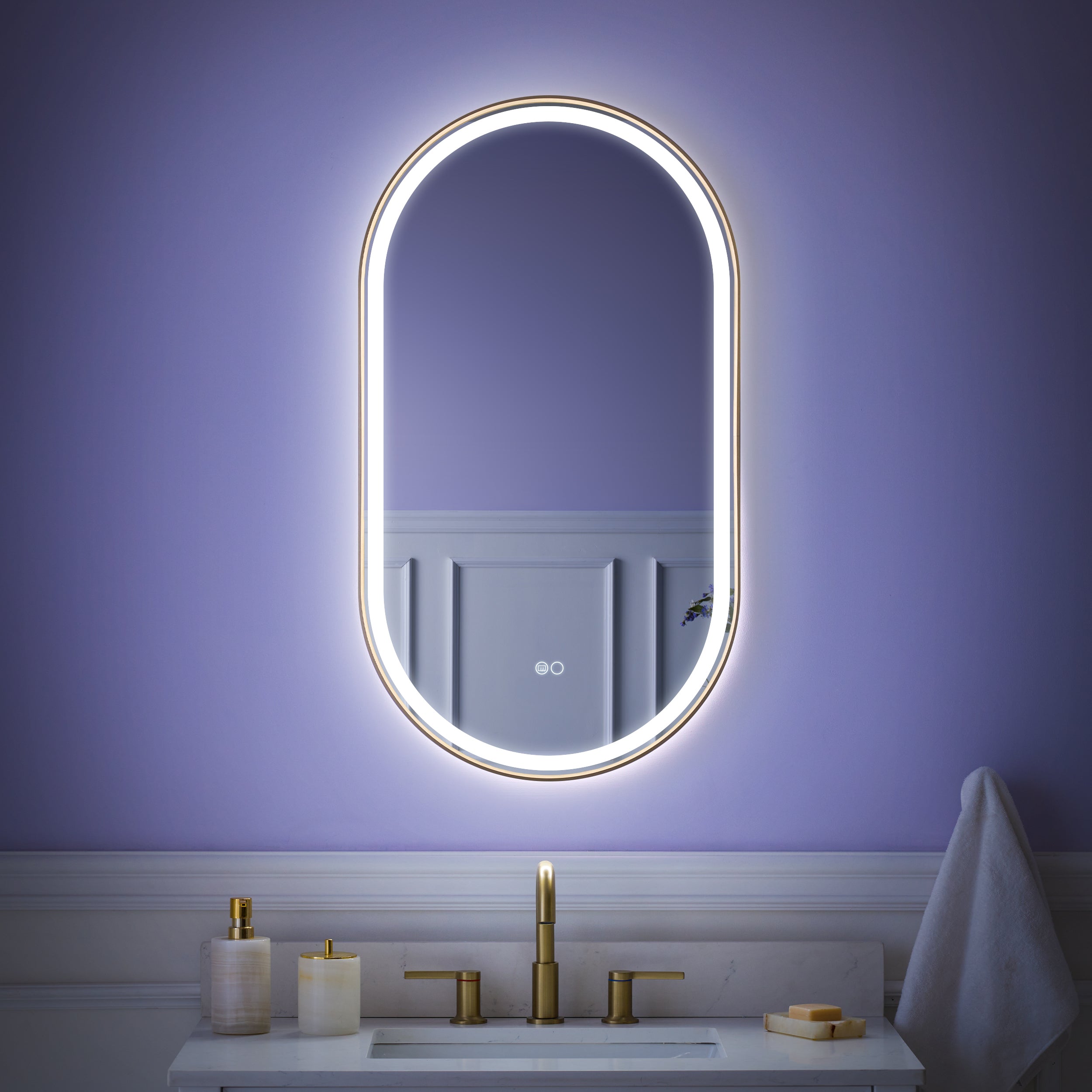
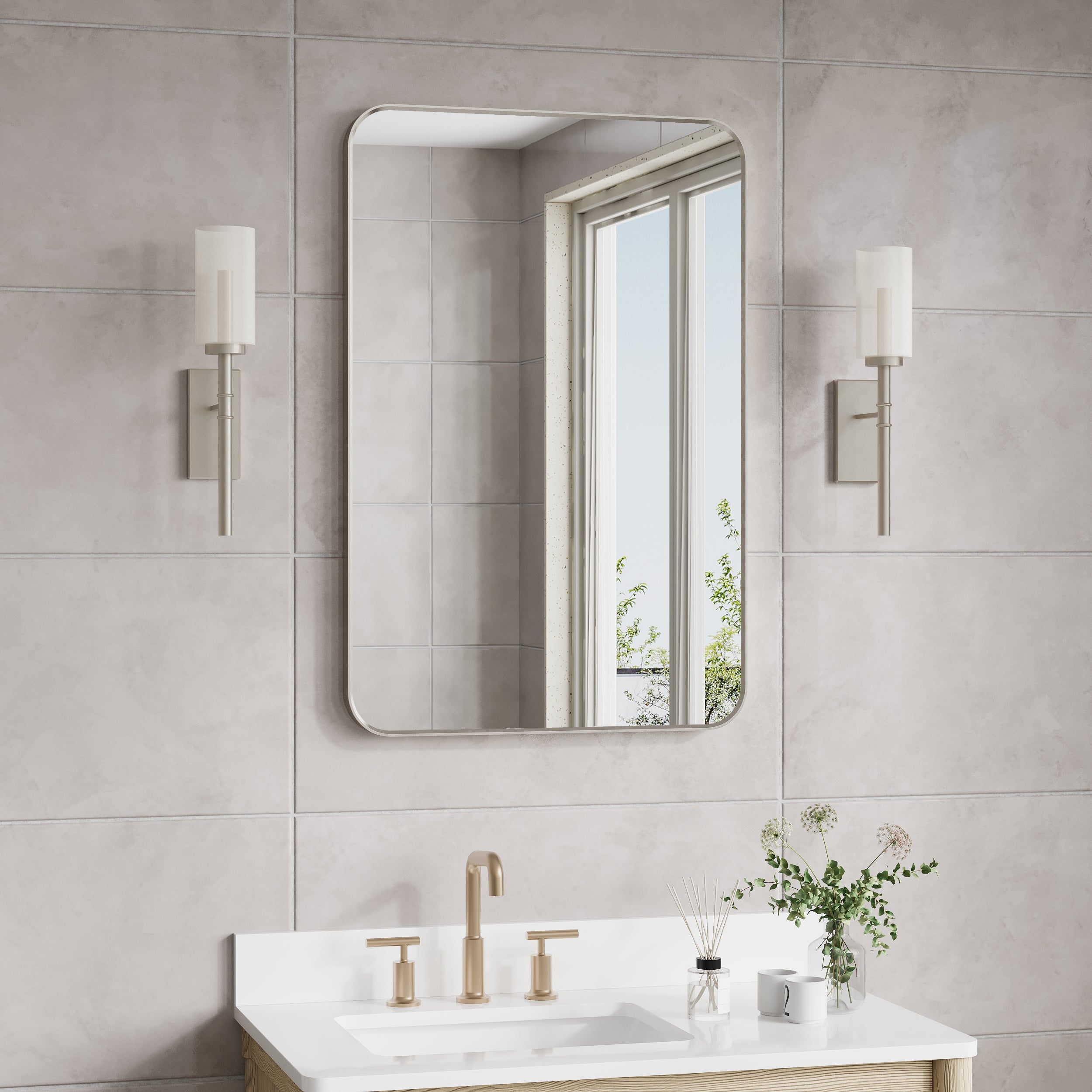
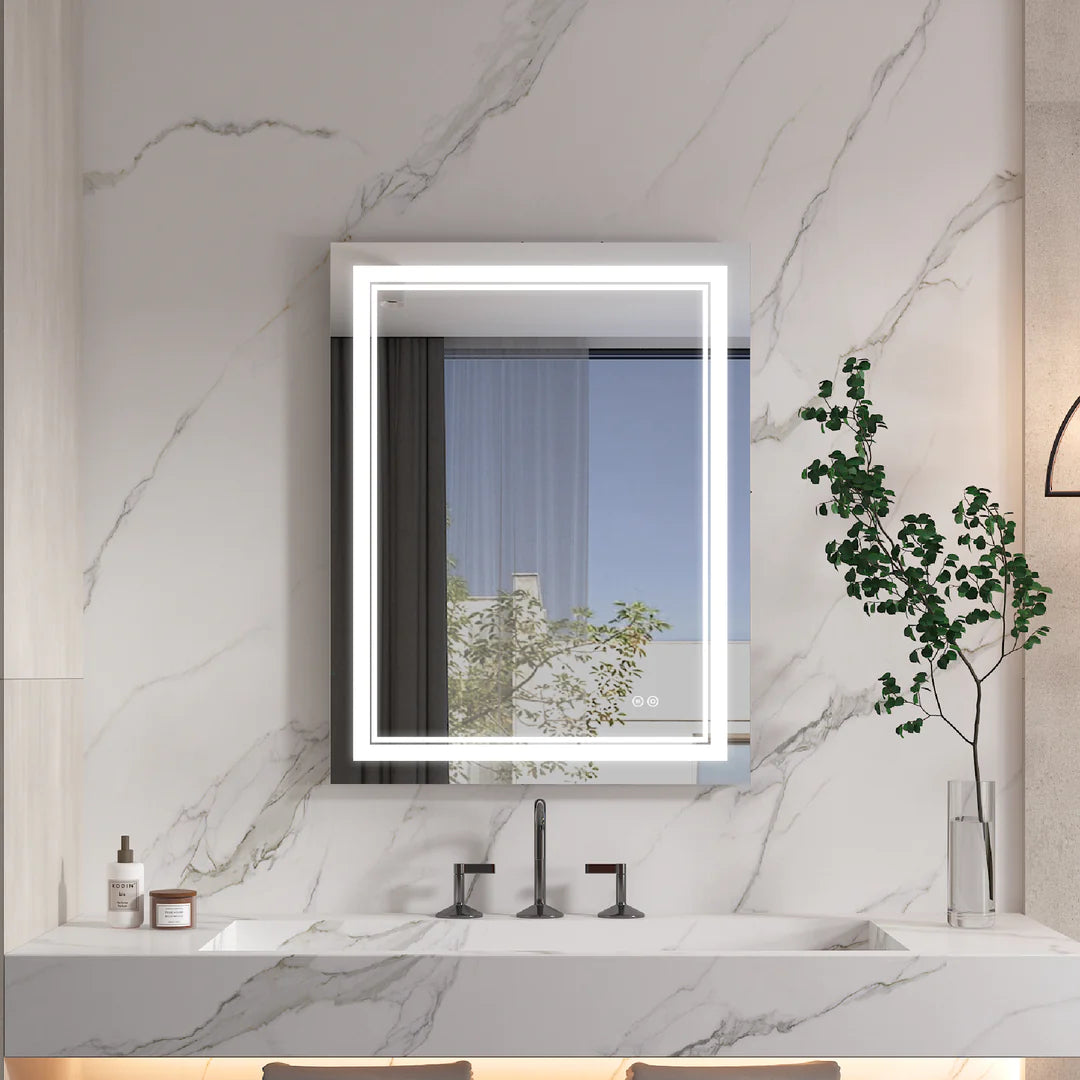
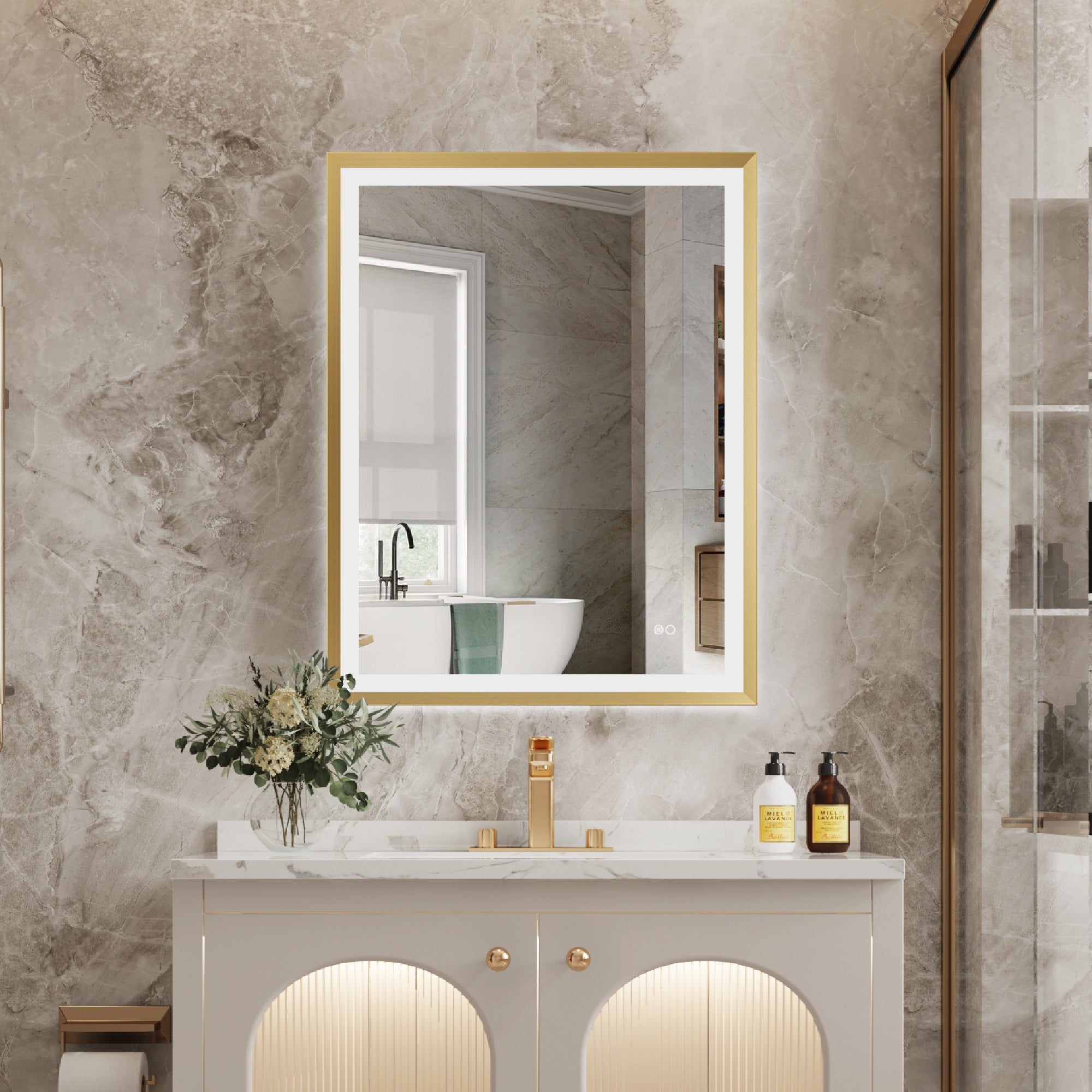
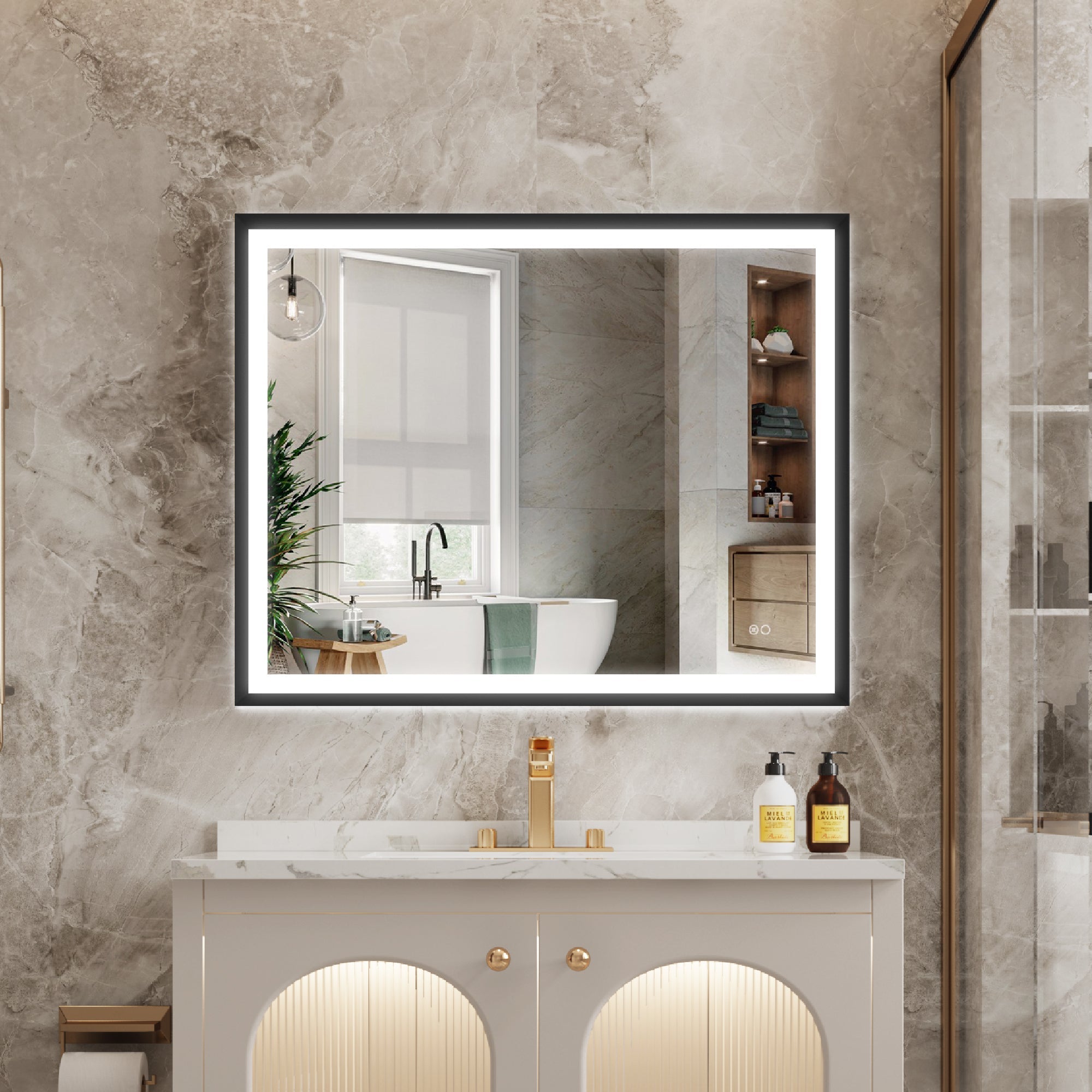
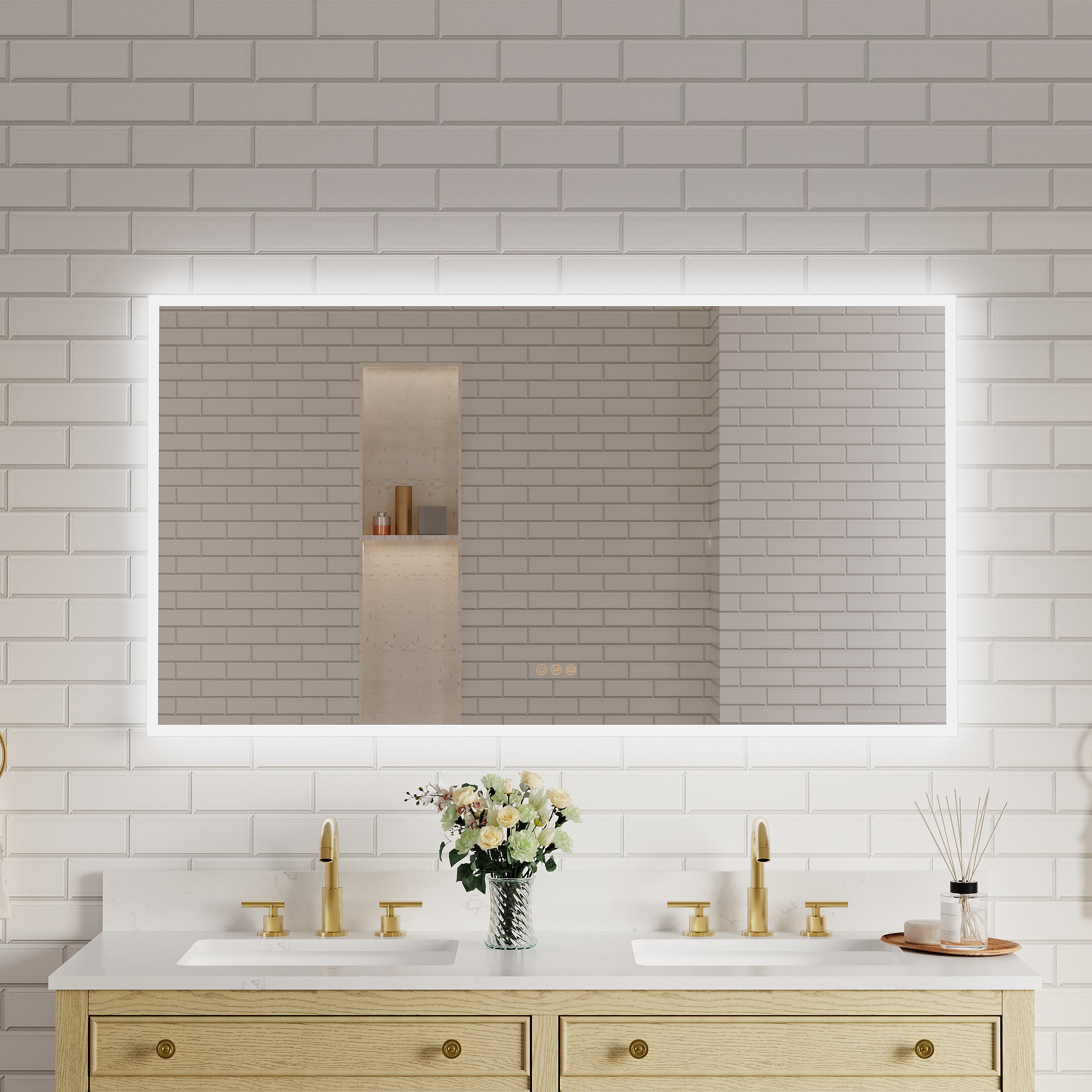
A mirrored cabinet adds storage without stealing floor space. In tight bathrooms, it is often the difference between a clean counter and daily clutter.
B. In-Drawer Organizers and Tool Storage
Small bathrooms fail when items float. Organizers keep drawers usable, and in-drawer solutions can reduce countertop congestion. Houzz highlights vanity features pros recommend, including practical add-ons like in-drawer outlets and storage planning that supports real routines.
C. Toe-Kick Drawers
Toe-kick drawers are an underrated win for tight spaces because they use “dead space” at the cabinet base for slim items.
6. Door Swings: The Silent Space Killer
Many tight bathrooms feel small because a hinged door steals wall space and clashes with a vanity. Pocket or sliding doors often unlock better vanity options, letting you place storage where a swing door used to block.
Even if you cannot change the door, you can choose a vanity that avoids collision:
· Shallow-depth vanity near the entry.
· Floating vanity with a slimmer profile.
· Corner vanity when the door and toilet crowd the same zone.
7. What to Look for When Buying Vanity Units for Tight Layouts
Use this practical checklist:
· Clearance protected: at least 21 in. in front of fixtures, and at least 24 in. at the shower entry.
· Toilet spacing respected: 15 in. from toilet centerline to side wall/obstruction, plus the front clearance guidance.
· Drawer-first storage: full-extension drawers if possible, with soft-close hardware.
· Plumbing-friendly design: U-shaped drawer or offset trap area.
· Vertical storage plan: medicine cabinet or tall cabinet to avoid countertop clutter.
· Finish and durability: sealed edges and moisture-aware construction, especially if the bathroom stays steamy.
8. Best “Combo Plays” for Common Tight Scenarios
· Narrow full bath: shallow-depth vanity + recessed medicine cabinet.
· Door conflict near the sink: floating vanity + wall storage + hooks behind the door.
· Toilet feels cramped beside vanity: reduce vanity width slightly, switch to drawer-forward storage, and reclaim space with vertical storage.
· Awkward corner near entry: corner vanity + mirrored cabinet to replace lost counter space.

Conclusion
The best bathroom vanity units for tight layouts are the ones that protect clearance first, then concentrate storage where it stays usable: drawers, vertical cabinets, and smart compact footprints. Use spacing guidelines like 21 in. minimum in front of fixtures and 24 in. at shower entries as your guardrails, then choose a vanity type that fits the room’s constraints. In many compact bathrooms, floating vanities, shallow-depth units, and drawer-forward designs deliver the biggest day-to-day improvement, especially when paired with a medicine cabinet to keep counters clear.












Leave a comment
This site is protected by hCaptcha and the hCaptcha Privacy Policy and Terms of Service apply.