














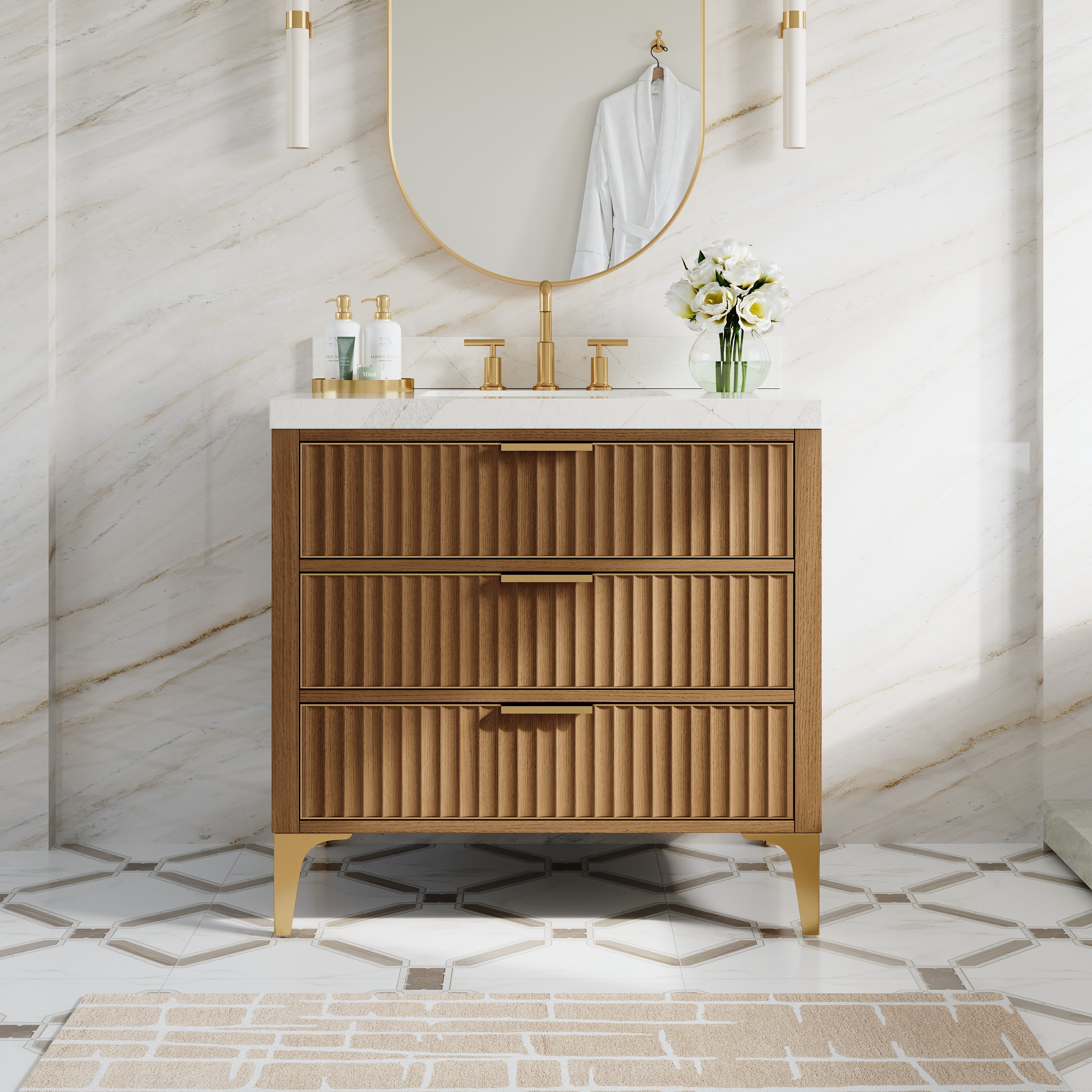
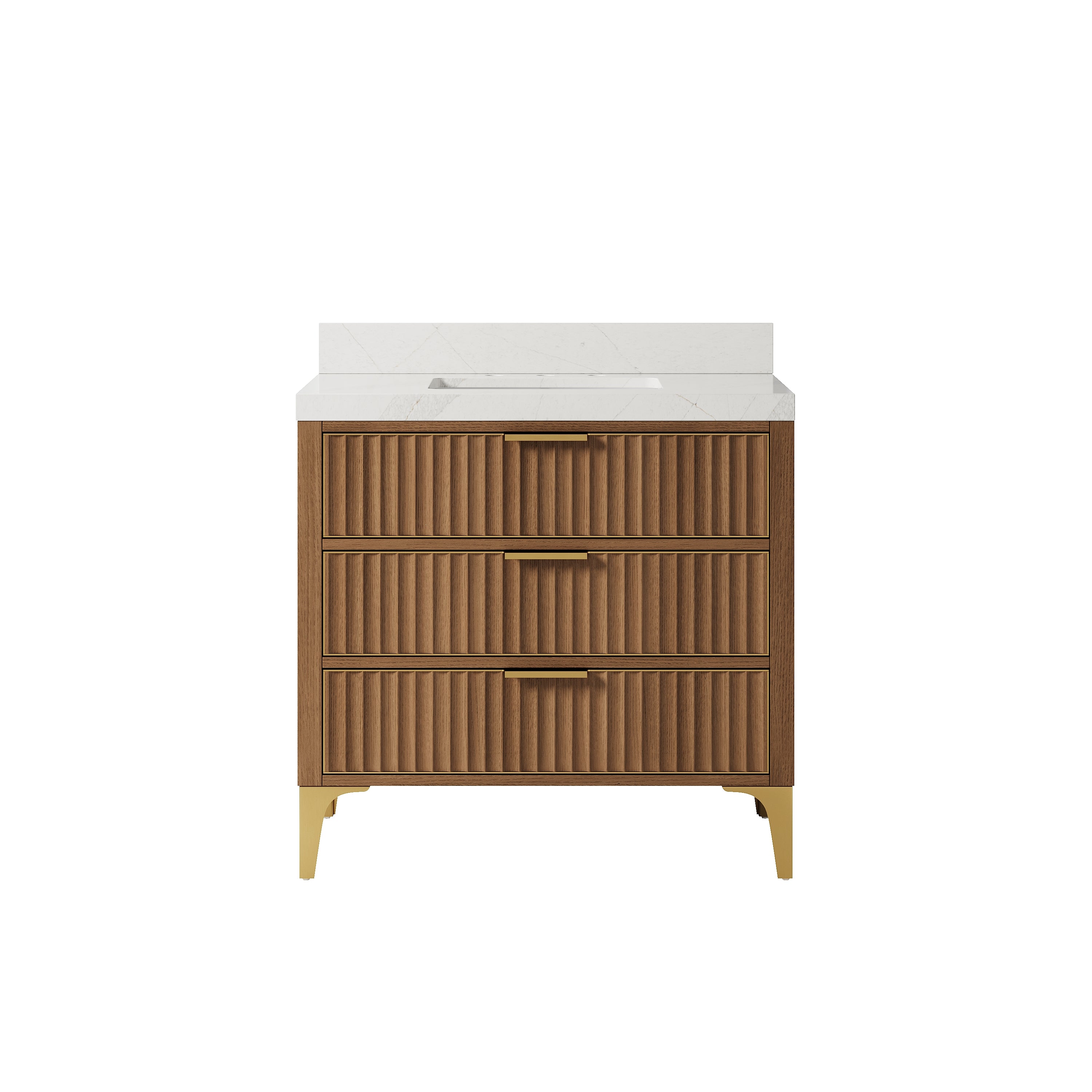
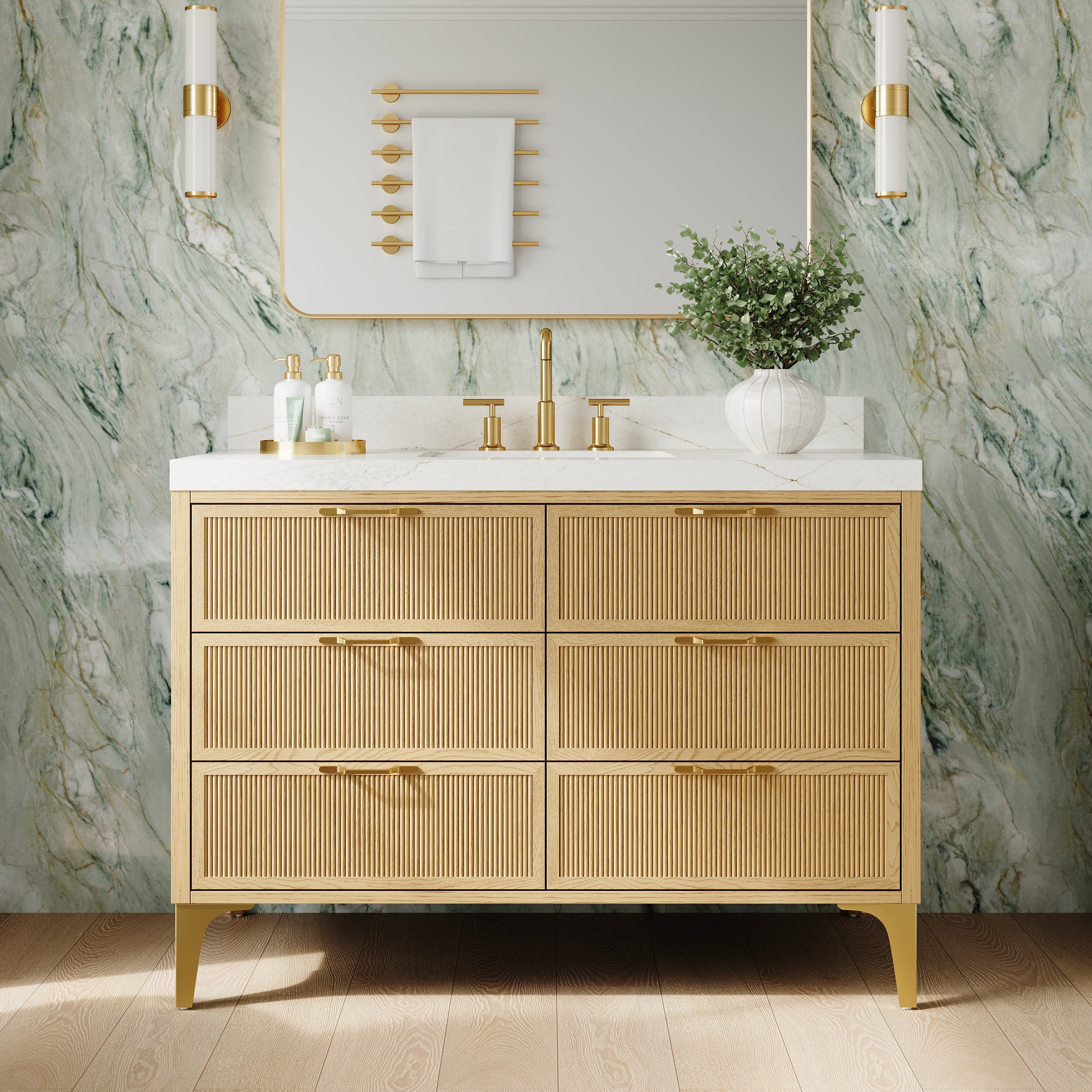
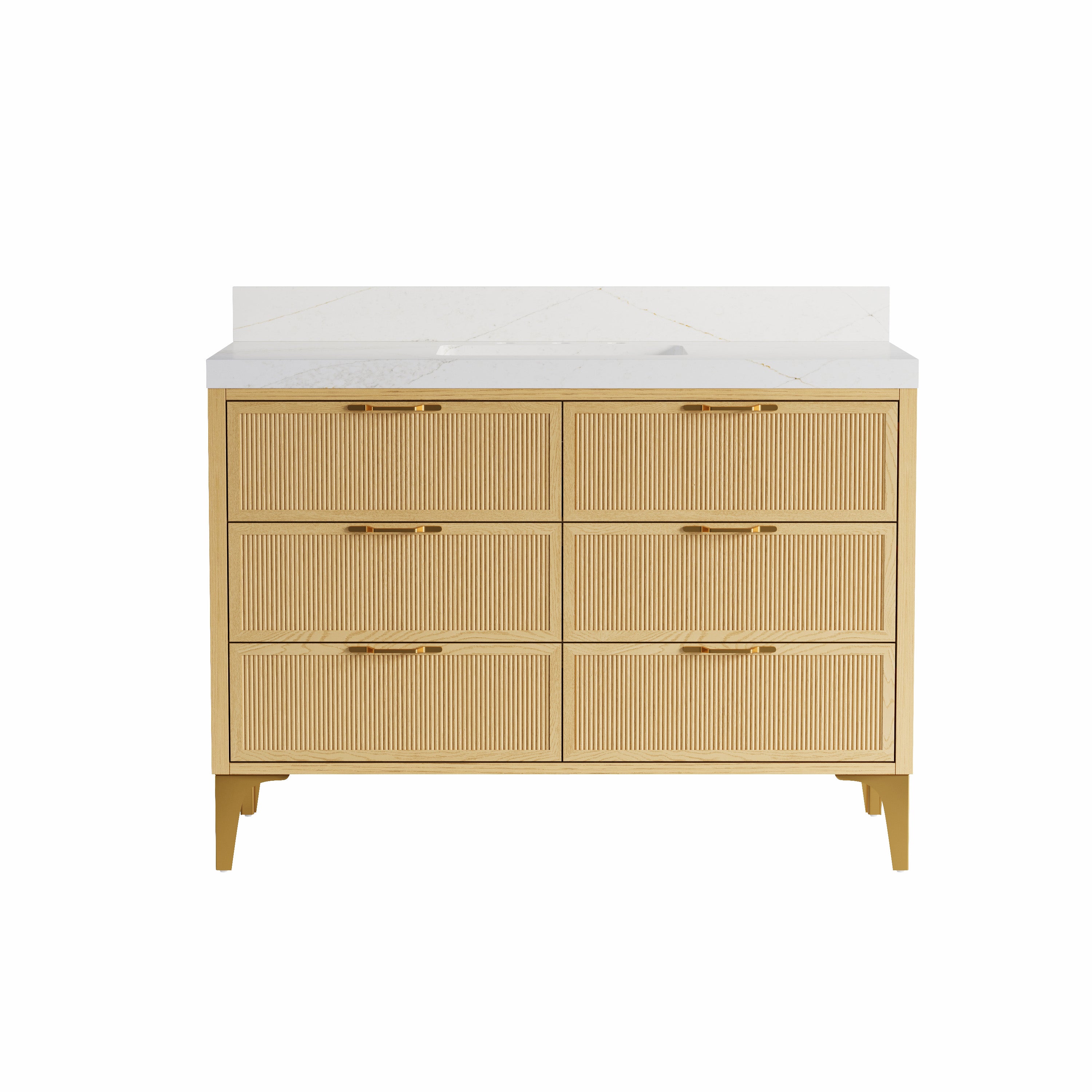


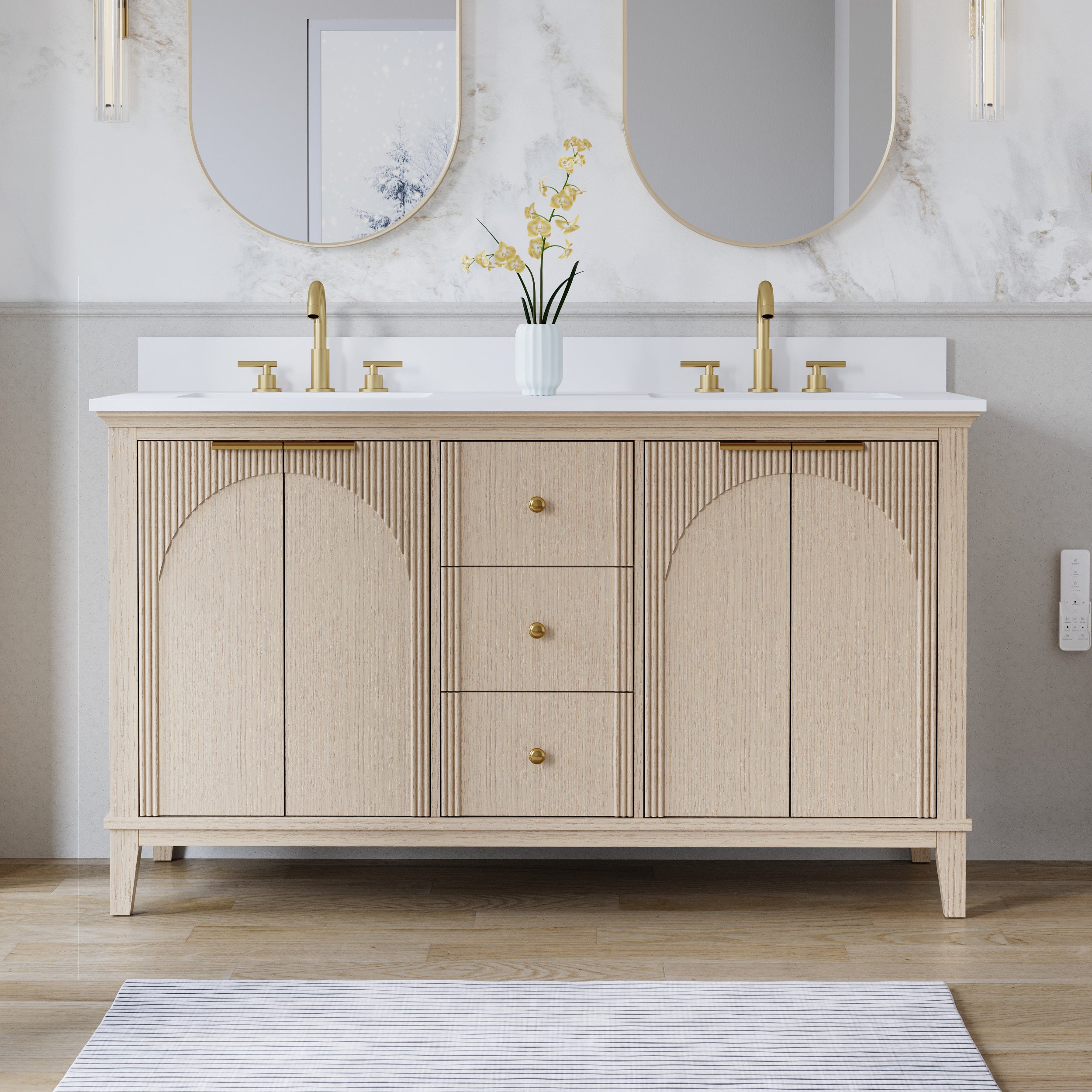
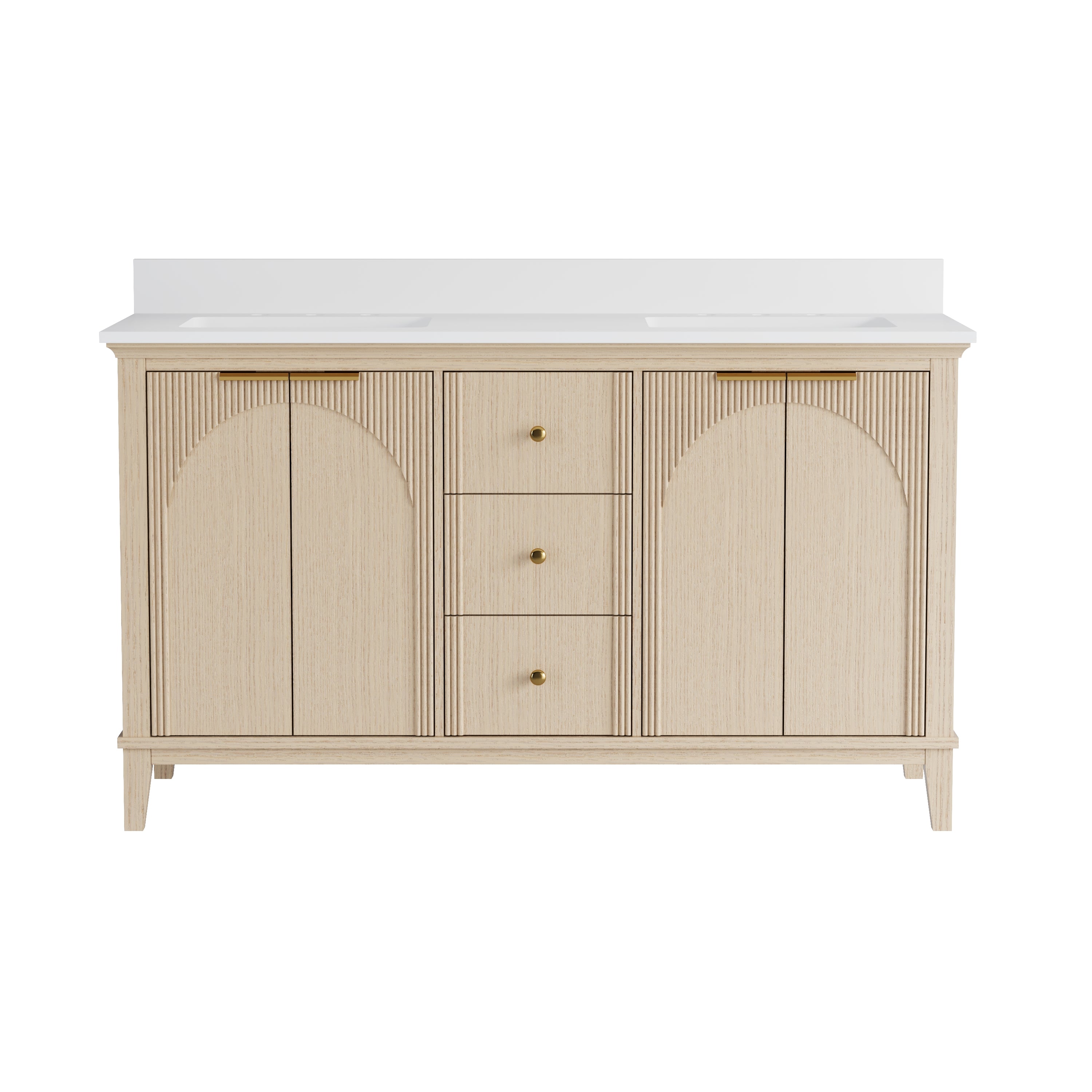
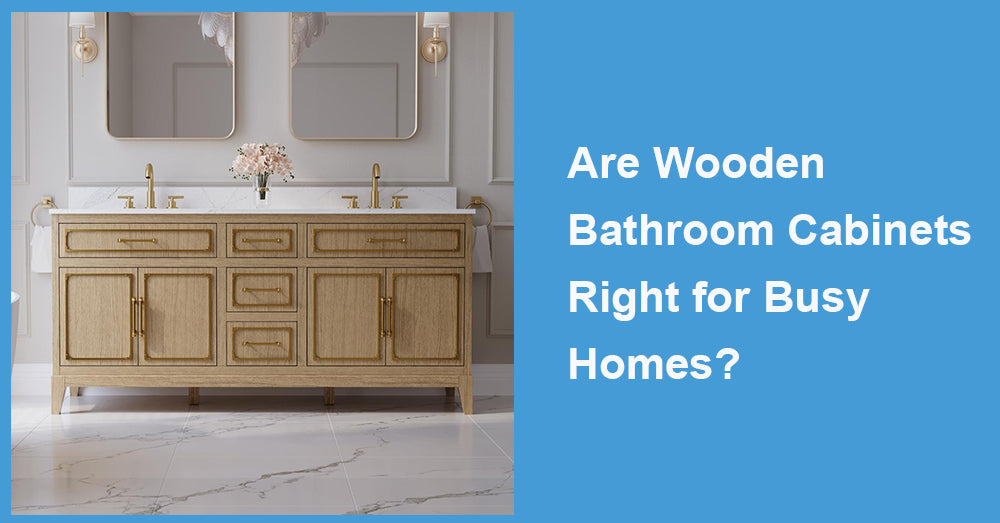
A busy home puts bathrooms under constant stress: back-to-back showers, kids splashing at the sink, drawers opening all day, and cleaning products used more often than anyone admits. The good news is that wooden bathroom cabinets can be a great fit for daily family life when they are built with moisture-smart construction, sealed properly, and paired with basic humidity control. The key is choosing cabinets that stay square, keep hardware tight, and resist the kind of wear that happens in real routines, not showroom conditions.
1. What “Busy Home Durable” Really Means
In a high-traffic bathroom, durability is less about “never getting scratched” and more about:
· Moisture tolerance: steam, condensation, splashes, and occasional drips.
· Hardware strength: hinges and slides that do not loosen or sag quickly.
· Structural stability: the cabinet box stays square so doors and drawers still line up.
· Serviceability: small problems can be fixed instead of forcing replacement.
This is where wood cabinets often shine, especially when solid wood is used in high-stress areas like doors and face frames.
2. Why Wood Can Perform Well in Humid, High-Use Bathrooms
Wood is hygroscopic, meaning it exchanges moisture with the surrounding air, and that moisture relationship influences how wood behaves over time (Source: USDA Forest Service, Forest Products Laboratory, Wood Handbook). In practical terms, wood will expand and contract slightly with humidity changes.
That sounds risky, but it becomes an advantage when the cabinet is built correctly. Good craftsmanship anticipates movement through joinery, panel design, and finish systems, so the cabinet stays stable instead of cracking or warping.
3. Humidity Control Is the “Hidden Feature” That Protects Cabinets
In busy homes, bathrooms often stay damp longer, especially when multiple people shower close together. Moisture control directly affects how long cabinet finishes and joints last.
EPA guidance recommends keeping indoor relative humidity below 60%, ideally between 30% and 50%, to reduce moisture problems and mold risk (Source: U.S. Environmental Protection Agency, Mold Course Chapter 2; Source: U.S. EPA Moisture Control guidance).
Family-friendly rule of thumb: if mirrors stay fogged for a long time after showers, extend fan run time or improve airflow. Keeping humidity in the recommended range helps cabinets dry faster and reduces musty cabinet interiors.
4. Wood vs. MDF in Real Life: Why “One Leak” Can Decide Everything
Many lower-cost bathroom cabinets use MDF or particleboard in the box, shelves, or toe-kick. These materials can look smooth and stable until humidity or a slow leak hits the wrong spot.
A Composite Panel Association technical bulletin notes that when particleboard or MDF swells and expands beyond its original dimensions due to exposure to high humidity or water, that swelling is not reversible upon re-drying (Source: Composite Panel Association, Technical Bulletin on Dimensional Stability).
This is one reason wooden cabinets are often a better match for busy homes: solid wood components are typically more serviceable. They can often be dried, stabilized, and refinished, while swollen fiberboard edges and bases can become permanently distorted.
5. What to Look For in Wooden Cabinets That Can Handle a Busy Home
Not all “wood” cabinets are built the same. For family-proof durability, prioritize these details.
A. Strong cabinet box construction
The cabinet box is what keeps everything aligned. If the box twists out of square, drawers rub and doors stop lining up. Look for a rigid box that feels sturdy when you gently press side panels and the base.
B. Solid wood where stress concentrates
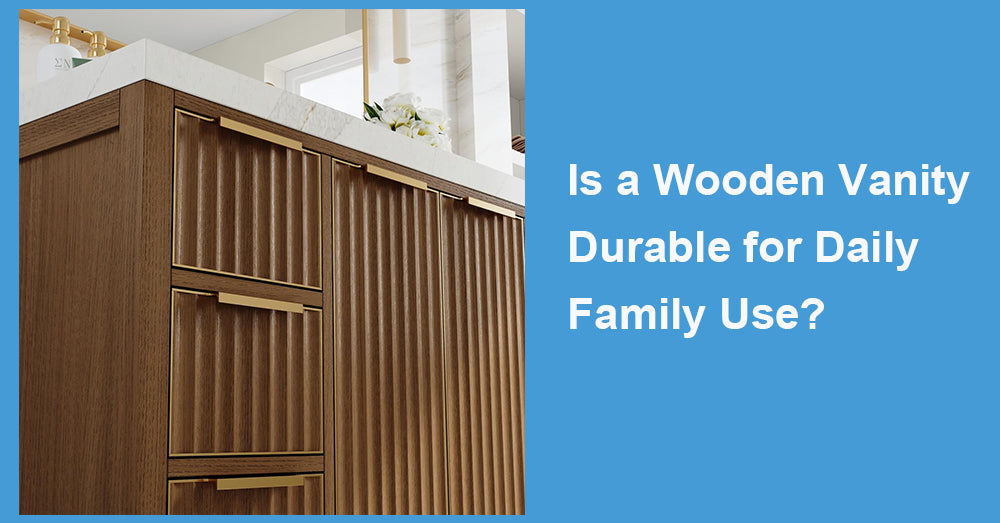
Face frames and doors take the most daily contact and hinge stress. Solid wood in these areas helps hardware stay secure over time.
C. Fully sealed finishes, especially at edges
Most water damage starts at places you do not look:
· Sink cutouts under the countertop
· Plumbing openings
· Toe-kicks and bottom edges near wet floors
· Door and drawer edges where water sits after handwashing
A busy-home cabinet should be sealed in these zones, not just painted on the front.
D. Soft-close hardware to reduce wear
Busy bathrooms create impact stress. Soft-close hardware reduces slamming forces that loosen screws and joints. Renovation data shows soft-close is widely selected: 78% choose soft-close drawers and 75% choose soft-close doors (Source: 2025 U.S. Houzz Bathroom Trends Study).
In daily use, soft-close is not just a luxury feel, it is a durability feature.
6. How Long Can Bathroom Cabinets Last With Good Choices?
Lifespan varies by build quality and maintenance, but a commonly cited range for bathroom vanities is 10 to 20 years, with good materials and consistent upkeep supporting longer service life (Source: Edward Martin, 2025).
In busy homes, the “shorteners” are usually not normal use. They are:
· Persistent high humidity
· Unsealed edges and cutouts
· Slow leaks that go unnoticed
· Overloaded storage and constant slamming
Control those, and wood cabinetry can stay solid for the long haul.
7. Simple Habits That Keep Wooden Cabinets Looking Good
You do not need complicated routines. A few habits make a measurable difference.
· Run the exhaust fan during showers and for 15 to 30 minutes after.
· Wipe standing water from the countertop edge and around the faucet.
· Avoid storing dripping items inside the cabinet.
· Check supply lines and traps twice a year for slow leaks.
· Re-caulk failing seams at the backsplash and sink area.
These habits support the humidity targets (below 60%, ideally 30% to 50%) recommended by EPA guidance.
8. Quick “Busy Home” Buying Checklist
If you want one checklist to shop with, use this:
· Solid wood doors and face frame.
· Rigid cabinet box that stays square.
· Sealed interiors and protected edges, especially at the base.
· Soft-close drawers and doors.
· Clear material disclosure (so you know where composites exist).
· A humidity plan for the room (fan use and airflow).

Conclusion
Yes, wooden bathroom cabinets can be right for busy homes, and they often perform better over time when daily routines are hard on the space. Wood’s moisture behavior is predictable and can be engineered around with good construction and sealing (Source: USDA Forest Service, Forest Products Laboratory, Wood Handbook). The biggest success factors are moisture control (keep indoor RH below 60%, ideally 30% to 50%), strong cabinet construction, and soft-close hardware that reduces daily impact wear (Source: U.S. EPA; Source: 2025 U.S. Houzz Bathroom Trends Study). And if you are comparing materials, remember that MDF or particleboard swelling after high humidity or water exposure may not be reversible once expansion occurs (Source: Composite Panel Association).









Leave a comment
This site is protected by hCaptcha and the hCaptcha Privacy Policy and Terms of Service apply.