














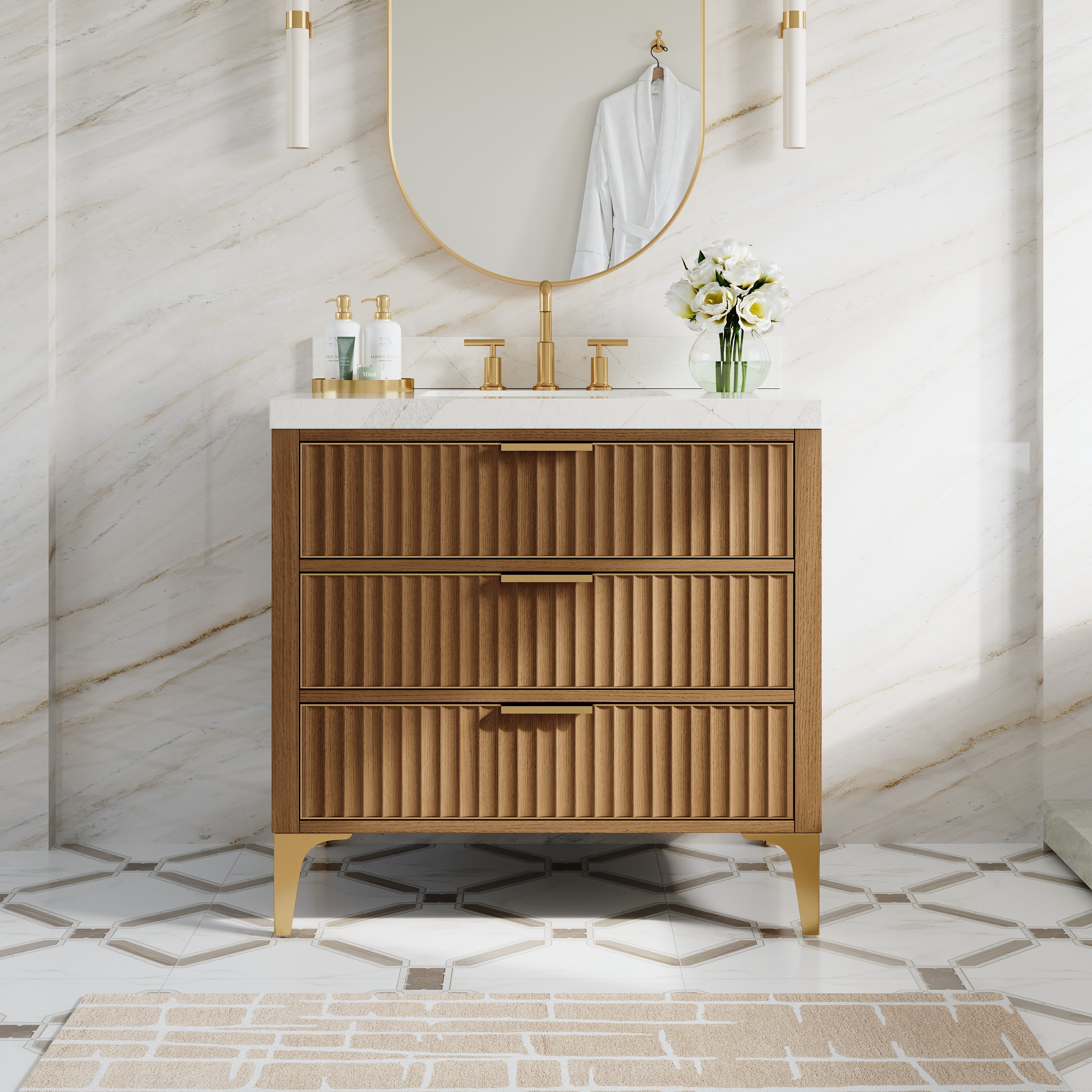
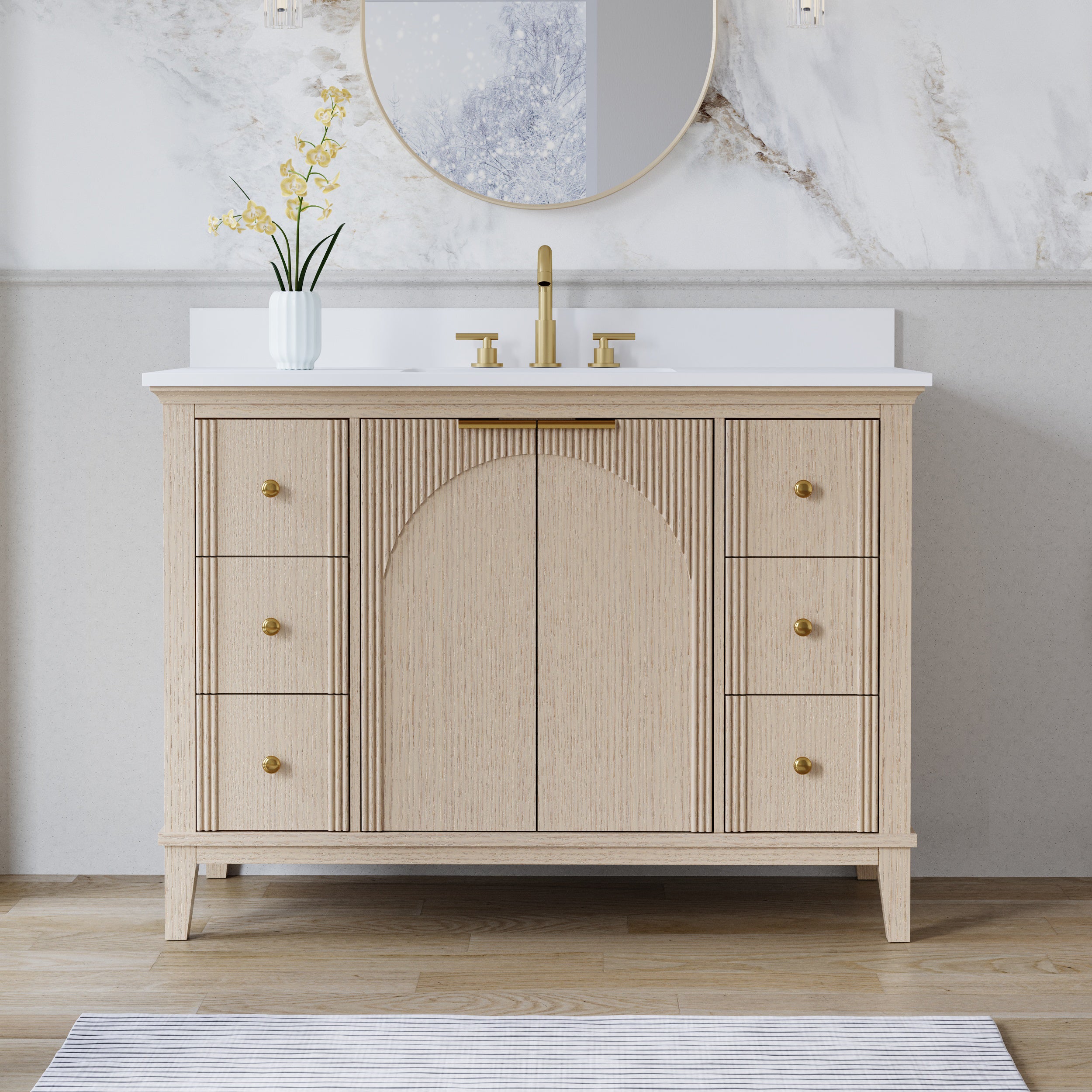


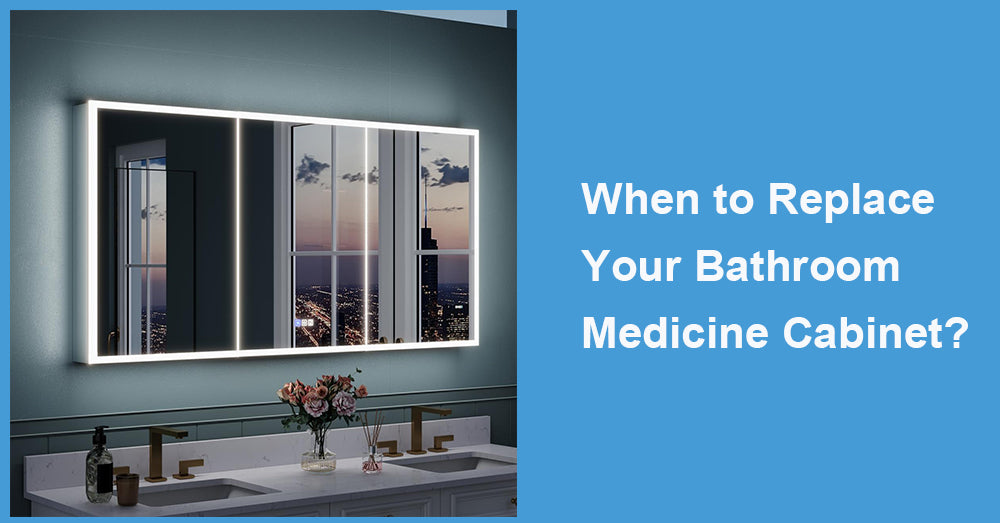
In modern bathrooms, medicine cabinets are no longer simply storage tools; they've become integrated products that incorporate mirrors, storage, lighting, and even intelligent functions. With the improvement of living standards and the acceleration of consumption upgrades, the lifespan and replacement timing of bathroom medicine cabinet is increasingly attracting significant attention from both users and the industry. So, when exactly should a bathroom medicine cabinet be replaced? What are the signs that it's "outlived its useful life"? This article will provide a comprehensive analysis from the perspectives of industry development, product lifespan, damage characteristics, and market trends.
1. Lifespan of Bathroom Medicine Cabinets: Average Lifespan and Influencing Factors
Similar to durable bathroom products like toilets and bathtubs, bathroom medicine cabinets typically have a lifespan of around 7-10 years. However, this figure is not absolute and is influenced by multiple factors, including material, installation environment, and usage habits.
Material Differences
Wooden medicine cabinets: If not properly treated to prevent moisture, they are susceptible to swelling, cracking, or mould caused by bathroom humidity. Their lifespan is generally 5-7 years.
Stainless steel medicine cabinets: They are moisture-resistant, rust-resistant, and corrosion-resistant. With proper maintenance, they can last for over 10 years.
Aluminium alloy medicine cabinets: They are lightweight, durable, and highly resistant to oxidation, with a lifespan of 8-10 years.
Environmental Impacts
Bathrooms are characterized by high humidity and frequent temperature fluctuations. Inadequate ventilation can make medicine cabinets susceptible to moisture. Furthermore, the prolonged storage of chemicals such as detergents and cosmetics can accelerate surface corrosion.
Frequency of Use
In bathrooms with large families and frequent use, the medicine cabinet is frequently opened, leading to increased wear on hardware such as hinges and rails.

2. Typical Signs That a Medicine Cabinet Needs Replacement
During daily use, consumers can identify the need for a replacement medicine cabinet based on the following:
Surface Damage or Rust
Spots or black spots on the mirror surface, or rust or paint peeling on the cabinet surface, directly impact both the appearance and user experience.
Loose Structural Structure
Loose door hinges, stuck rails, or cabinet wobbles indicate structural degradation and may pose a safety hazard.
Internal Dampness or Mould
If condensation, mould, or even an unpleasant odour frequently appear inside the cabinet, it indicates a decrease in moisture resistance and requires replacement with better materials.
Outdated Functionality
Traditional medicine cabinets offer limited storage functions, while modern consumers are increasingly demanding features like lighting, defoggers, USB charging, and smart mirrors. Once your current medicine cabinet no longer meets your daily needs, it's time to replace it.
Safety Hazards
Cracked mirrors, falling hardware, and tilted cabinets not only affect the appearance but can also lead to accidental injuries.
3. From "Necessity" to "Upgrade": Industry Trends Drive Replacement Demand
In recent years, the bathroom medicine cabinet market has evolved from a low-profile, basic bathroom accessory to a key selling point for home improvement.
Design Aesthetics
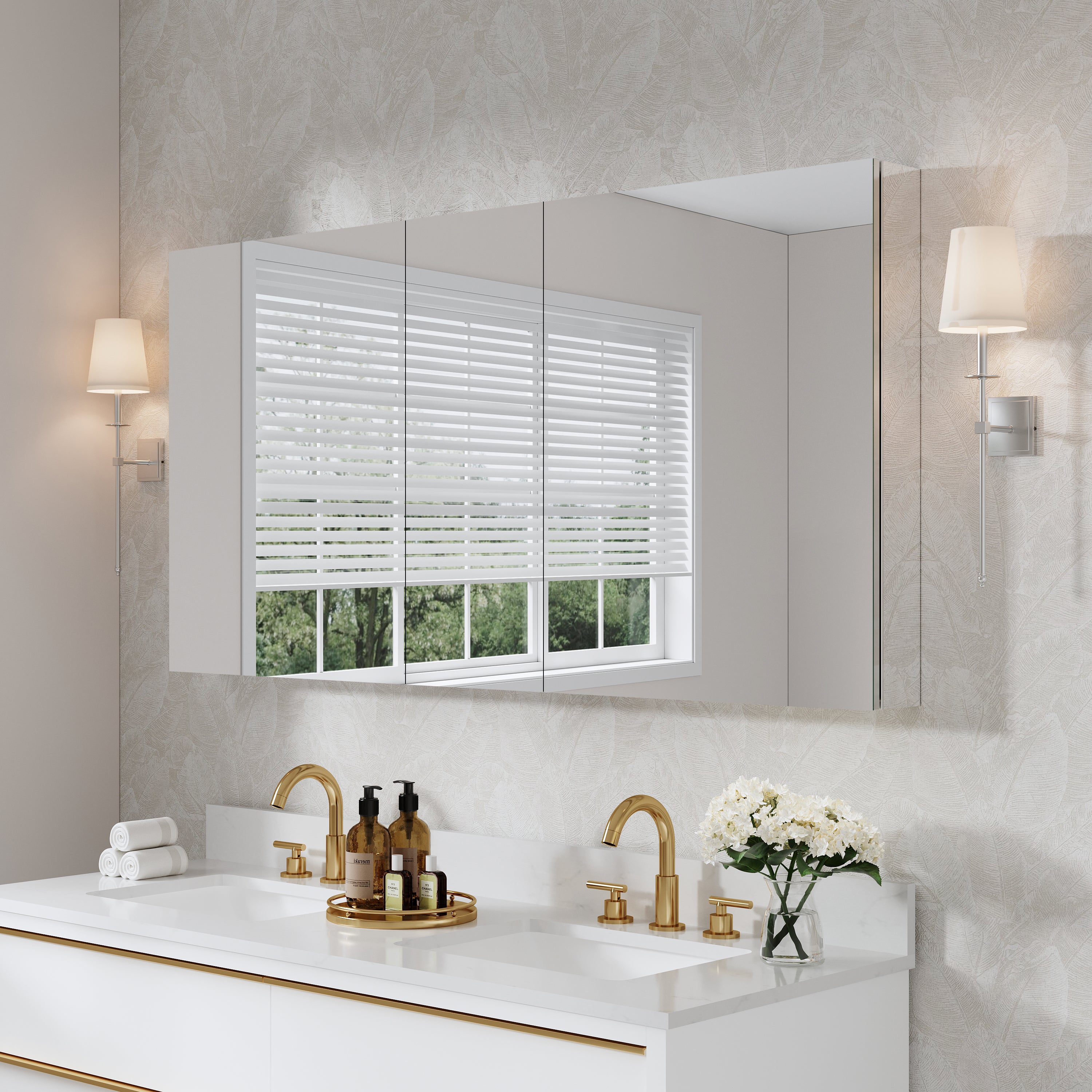
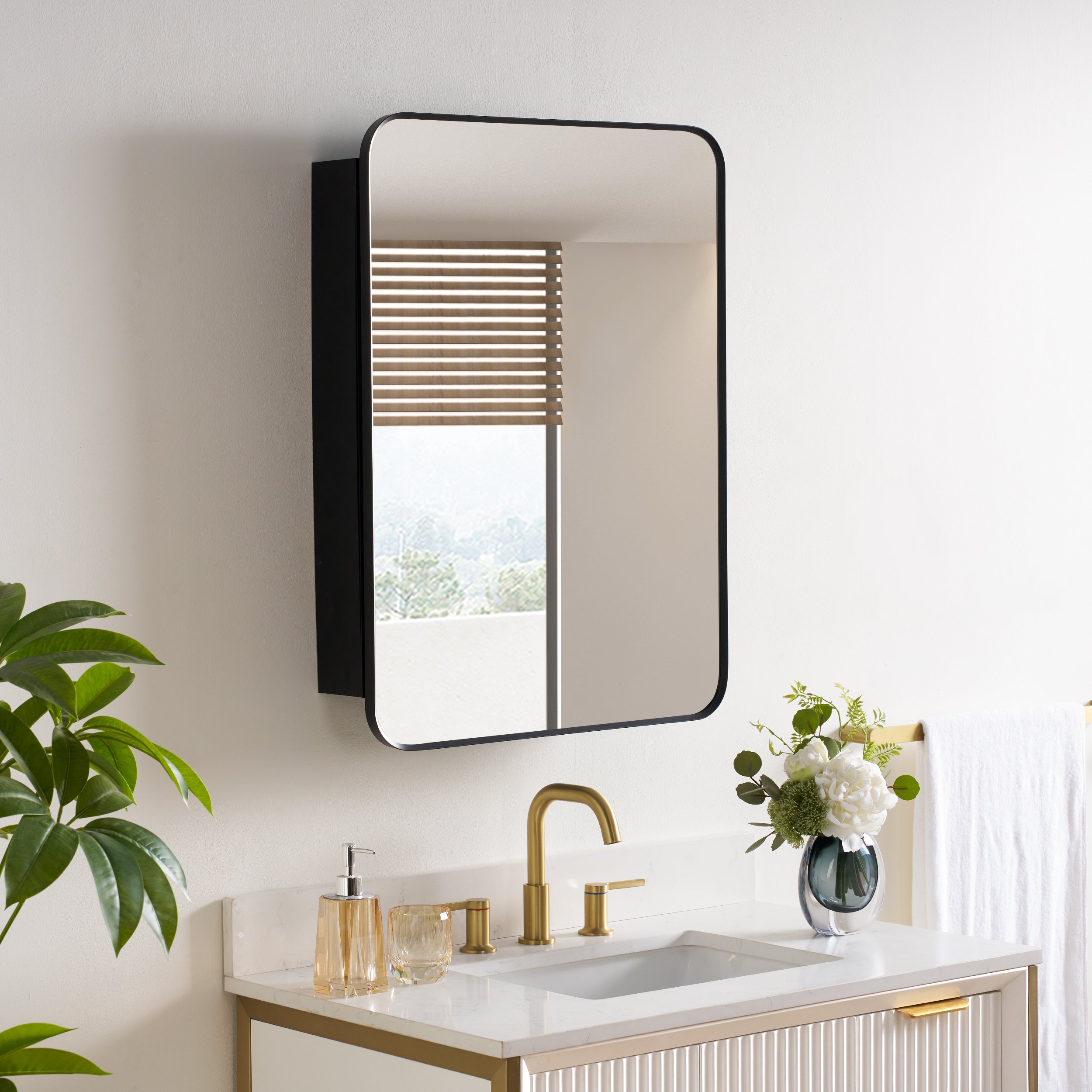
Frameless mirrors, minimalist lines, and hidden storage are gaining popularity among younger consumers, accelerating the replacement of older medicine cabinets.
Intelligent Functionality
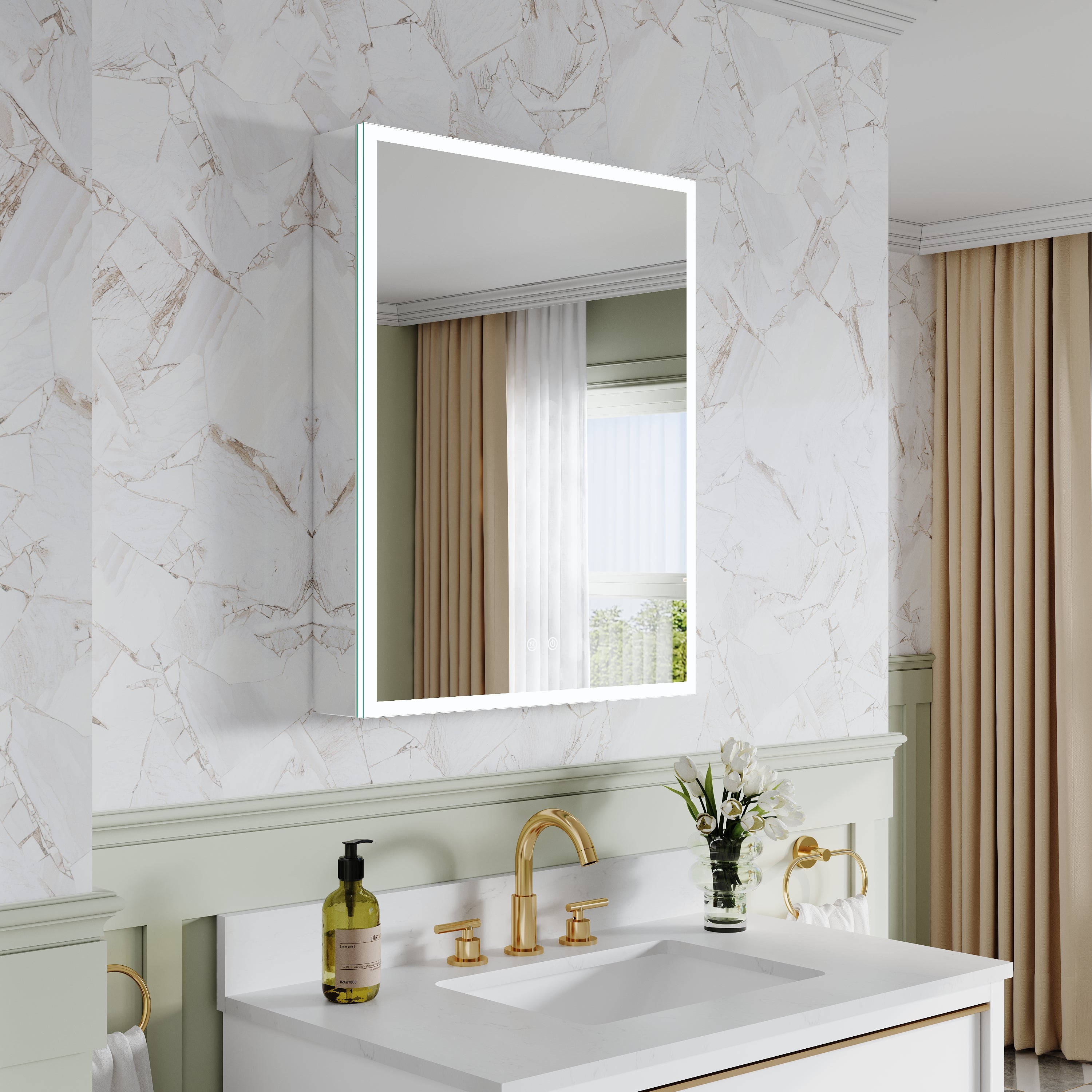
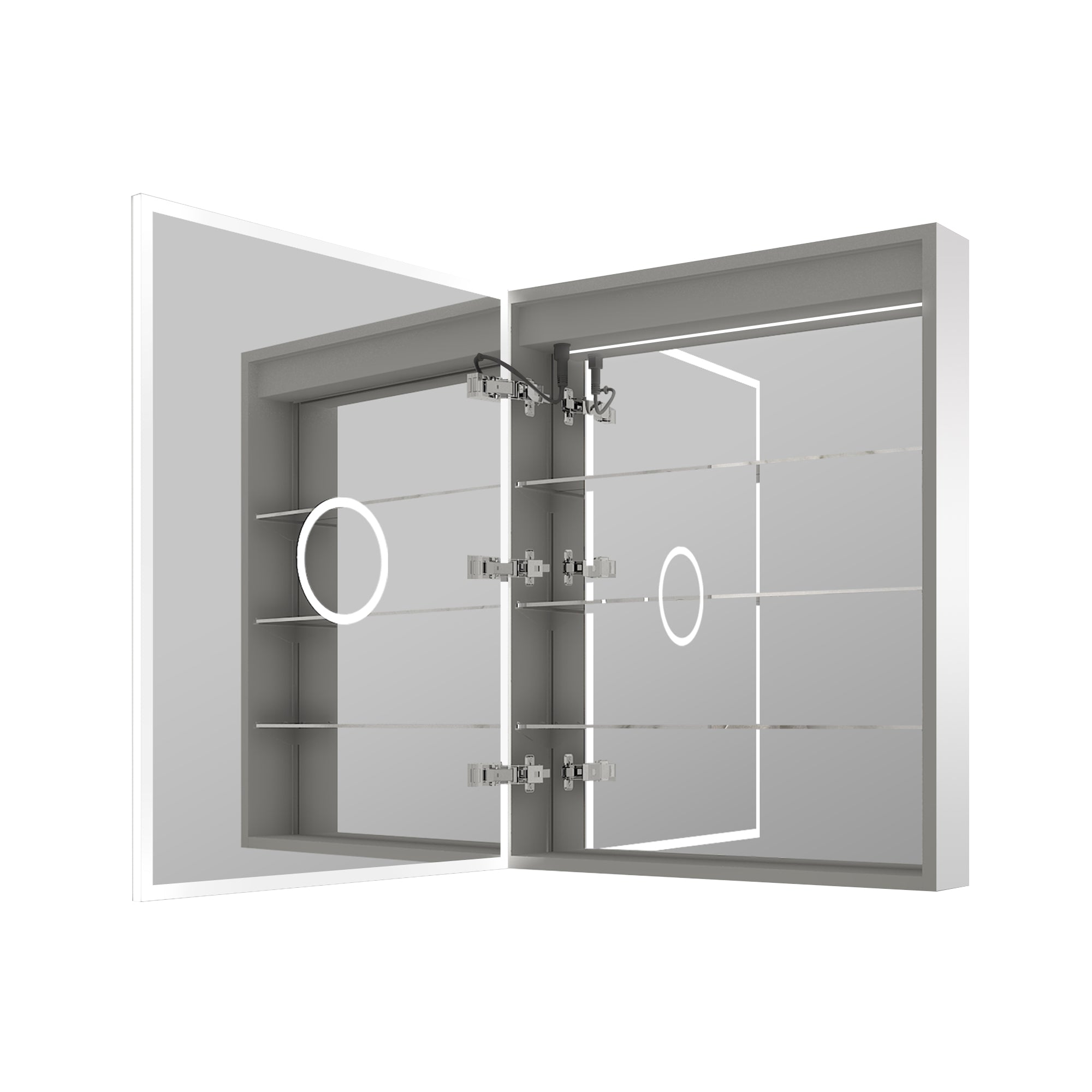
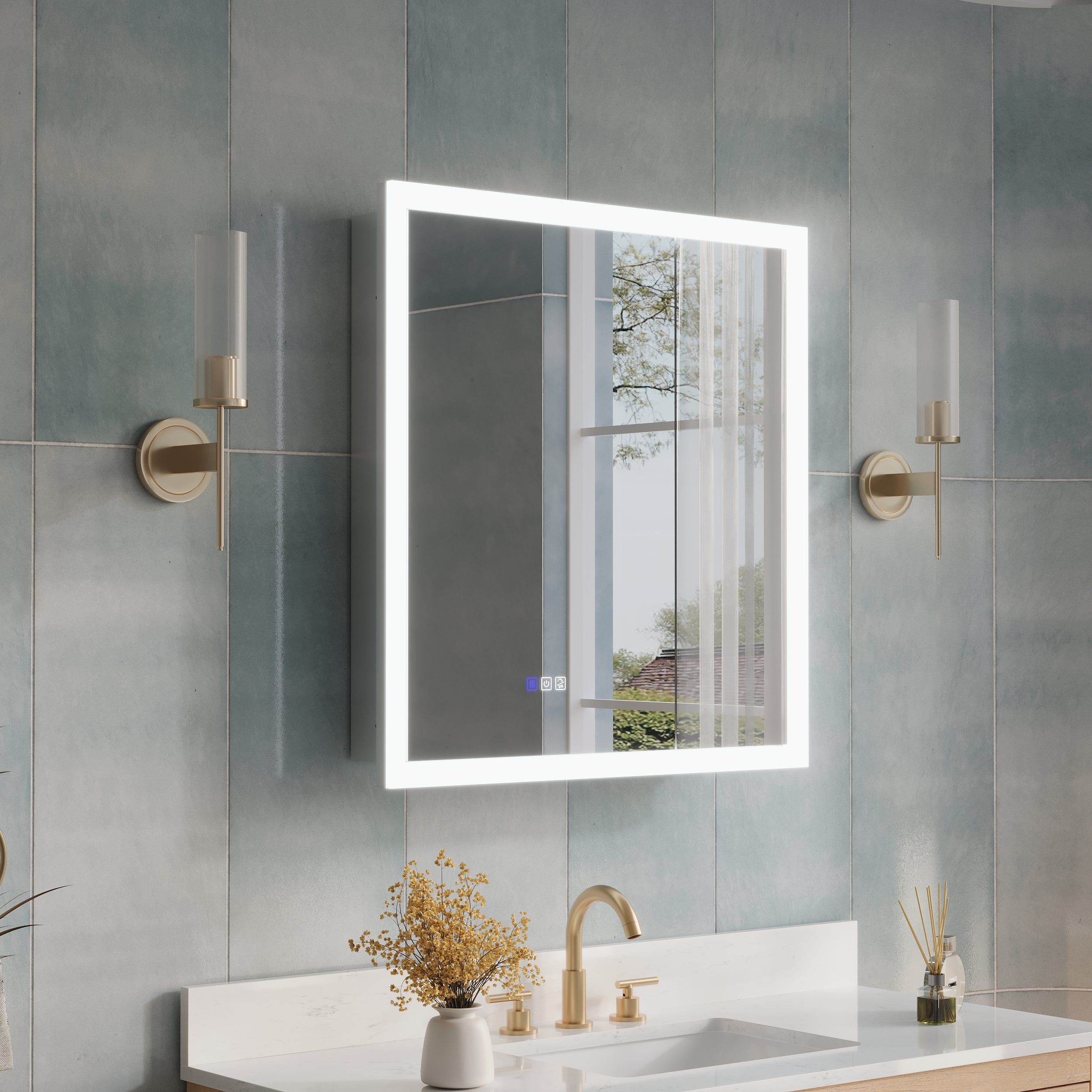
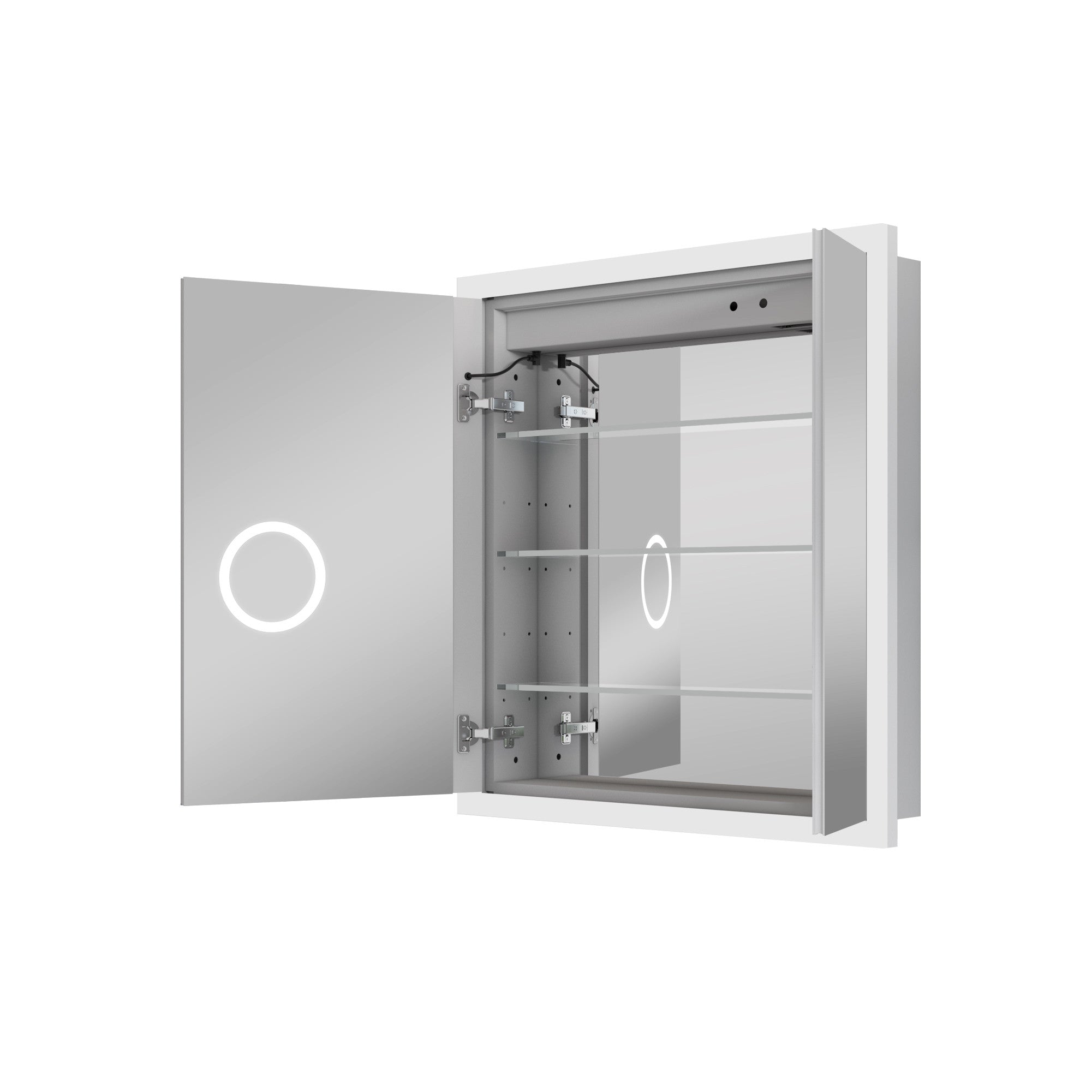
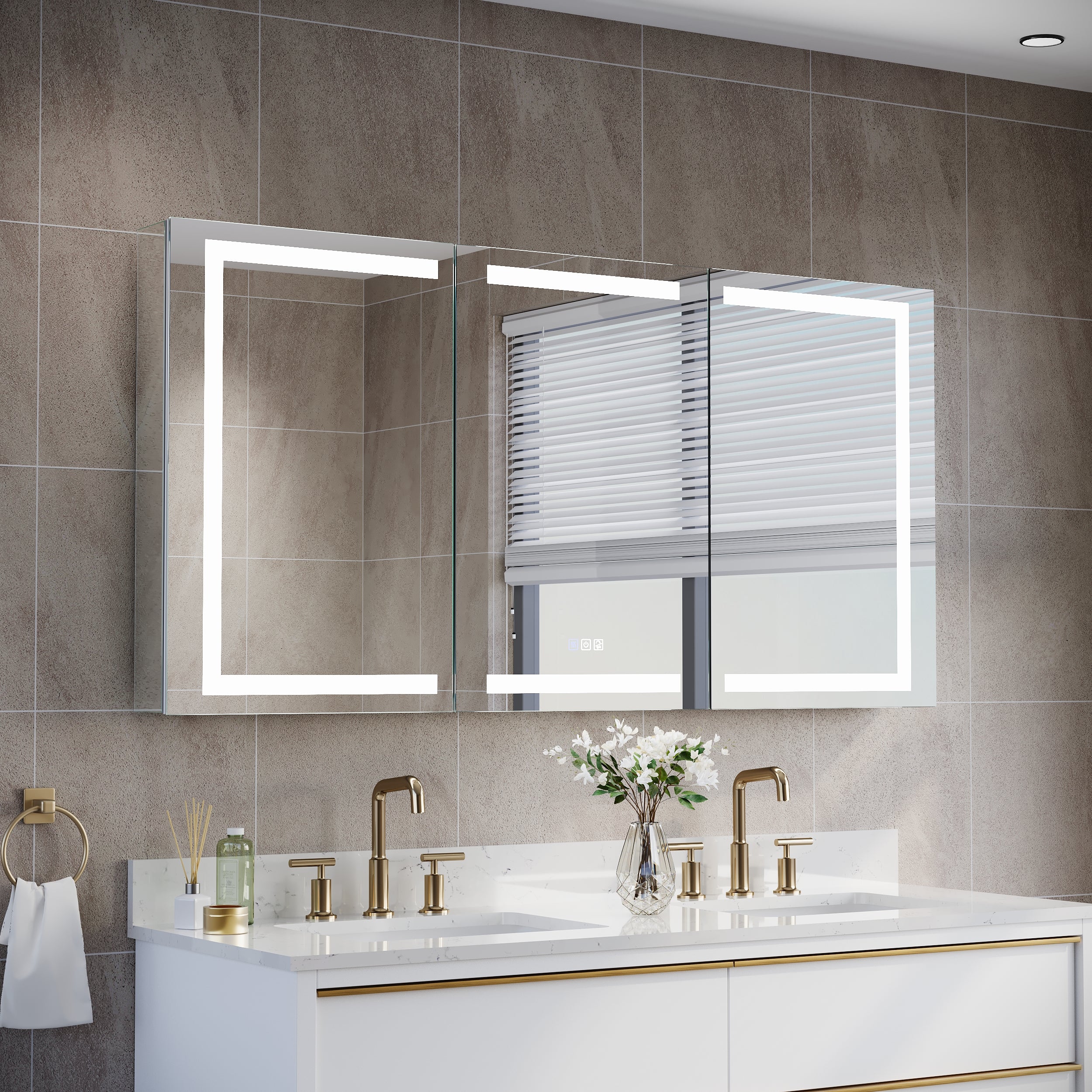
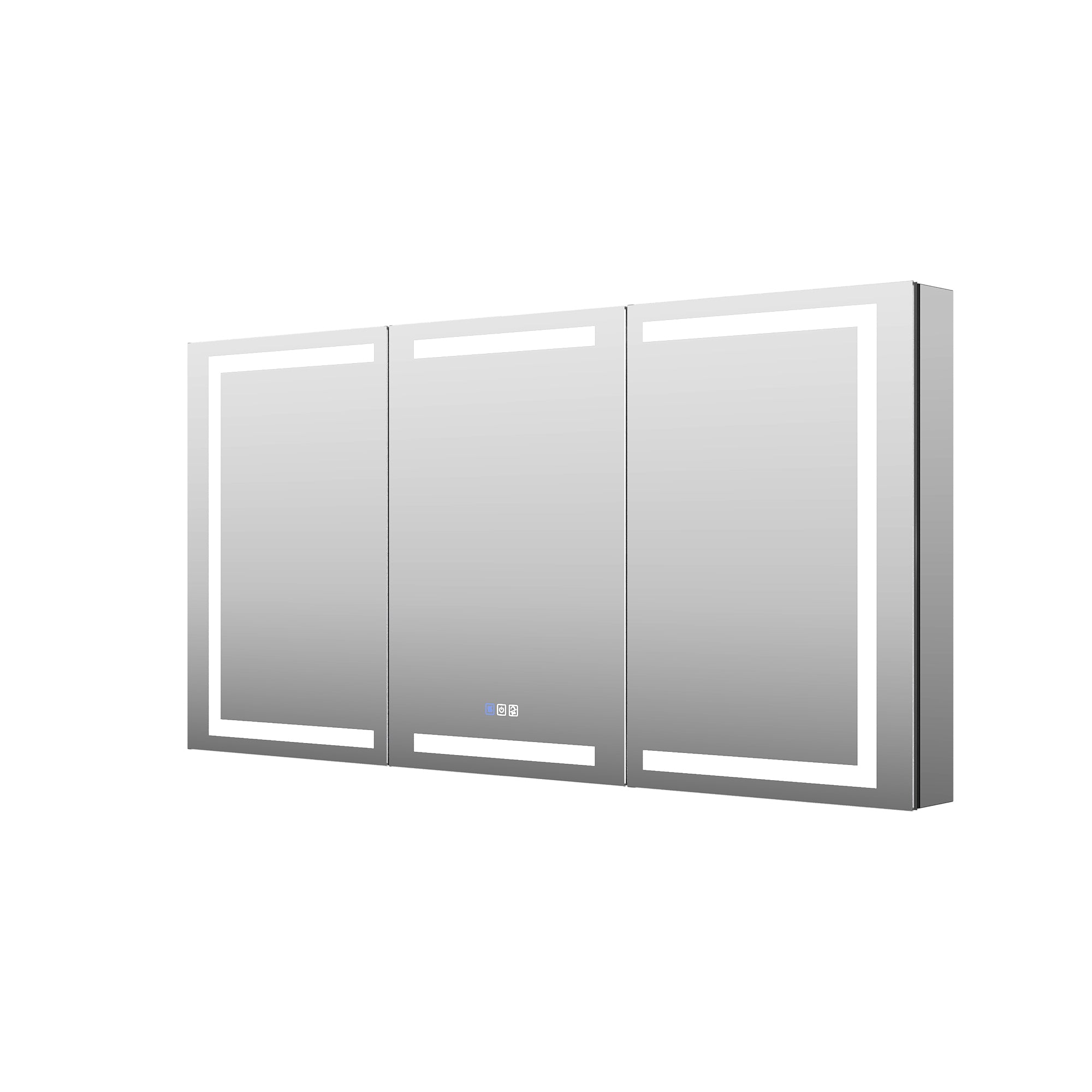
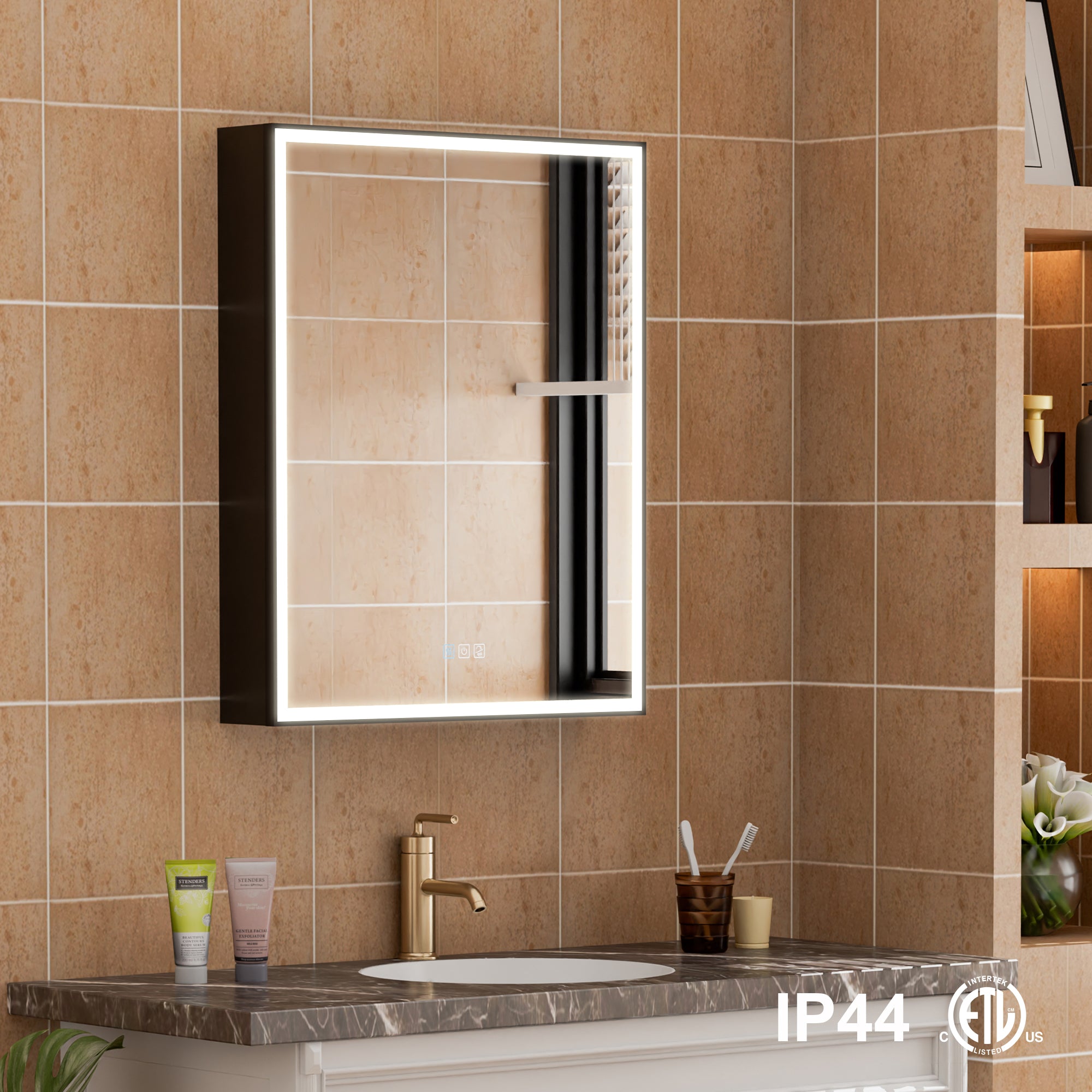
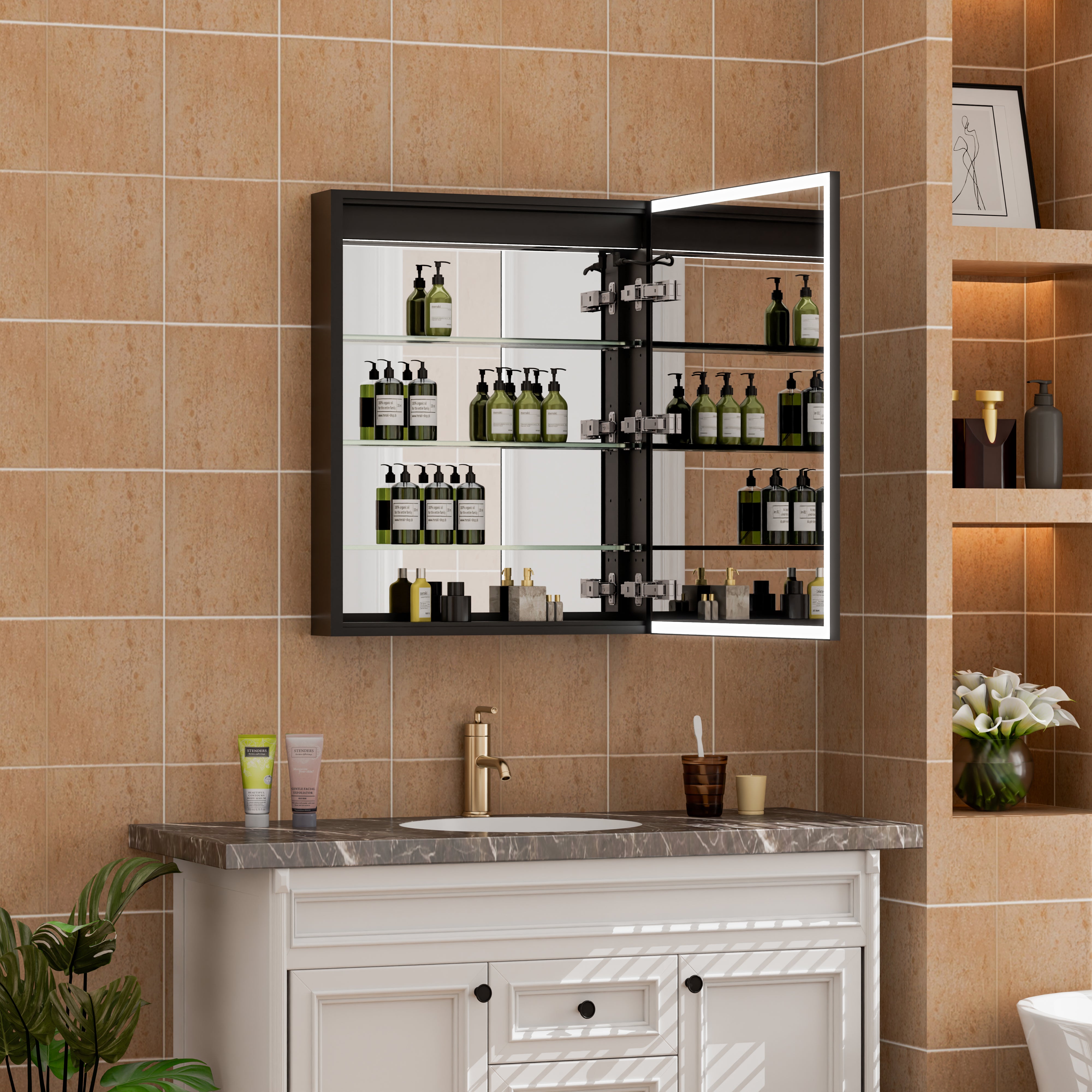
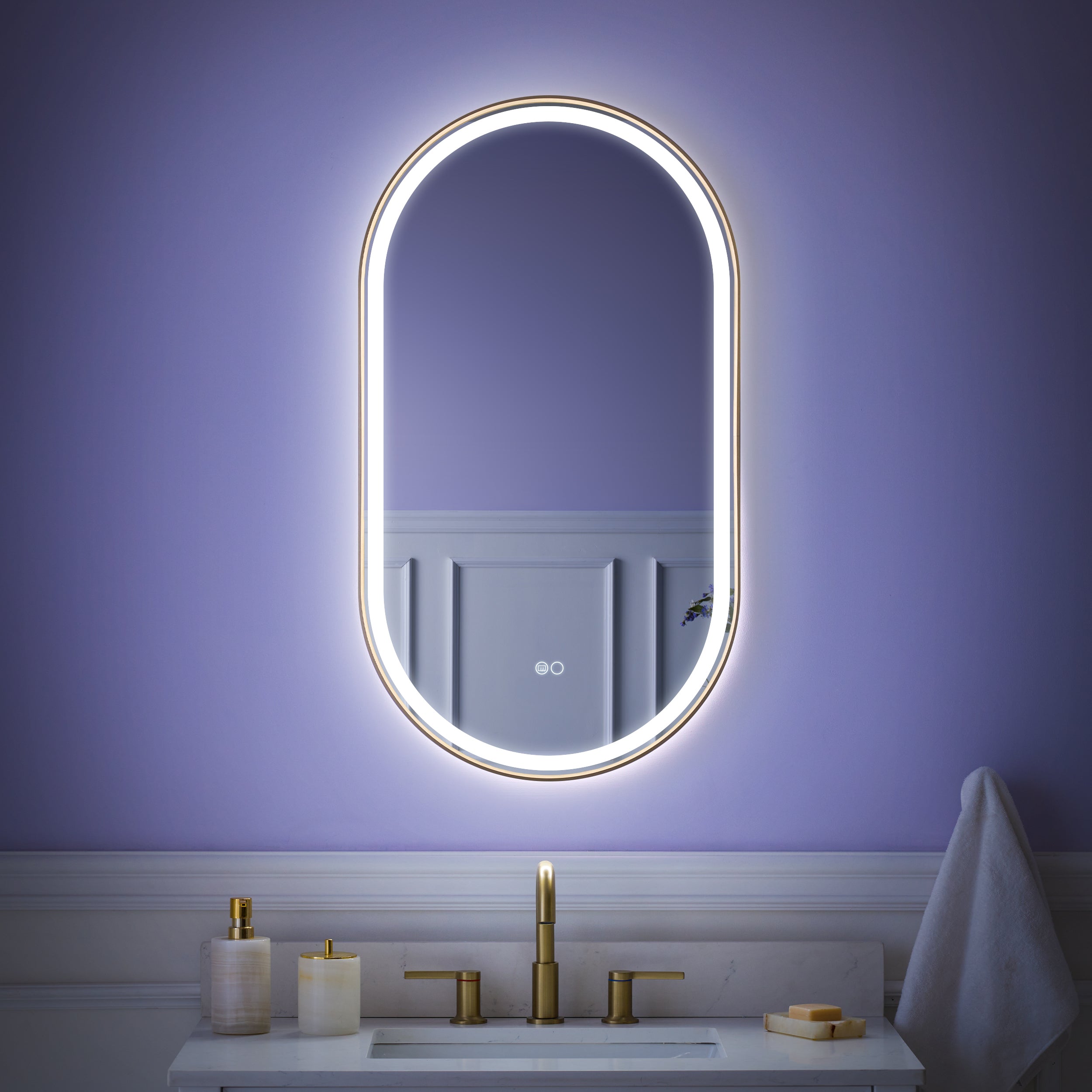
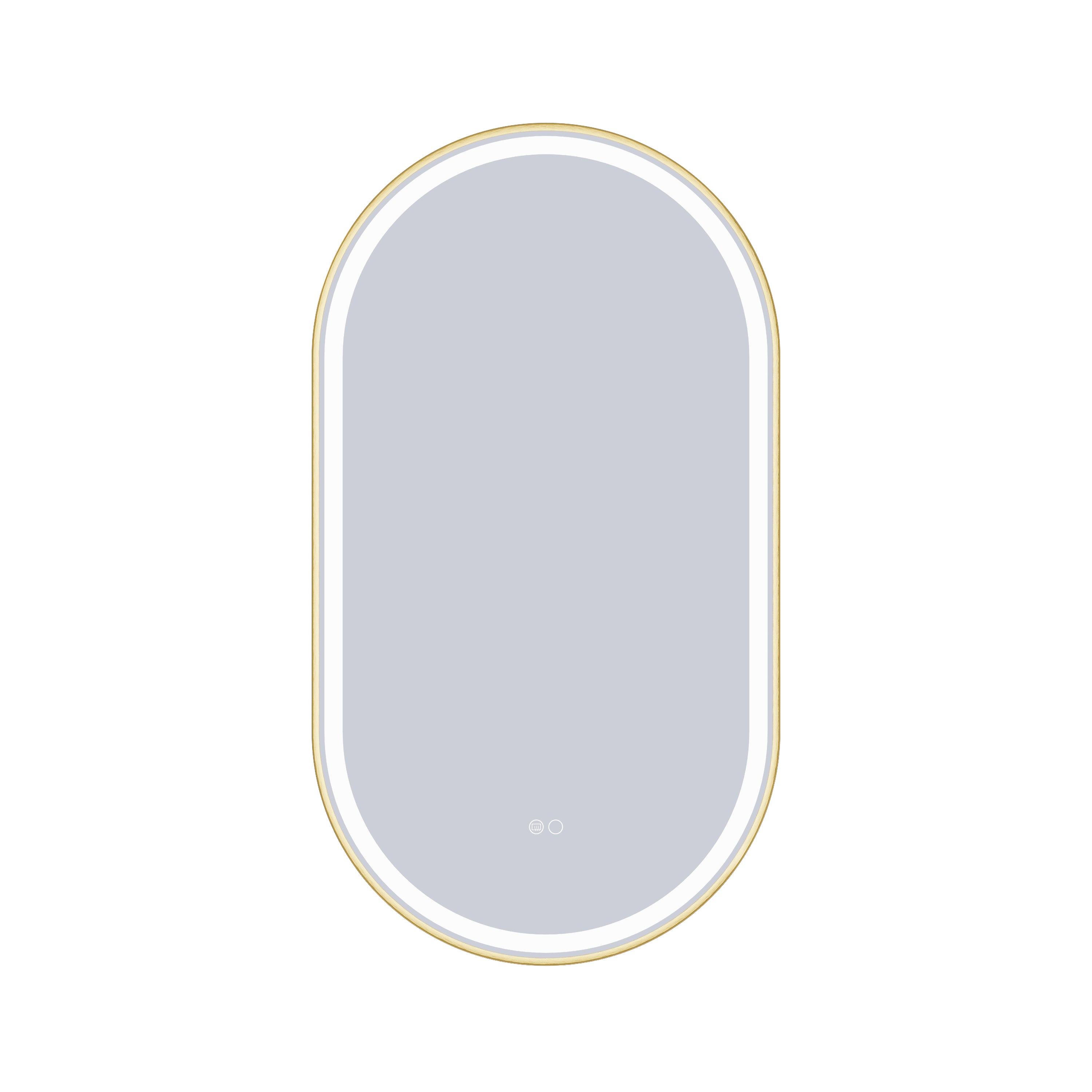
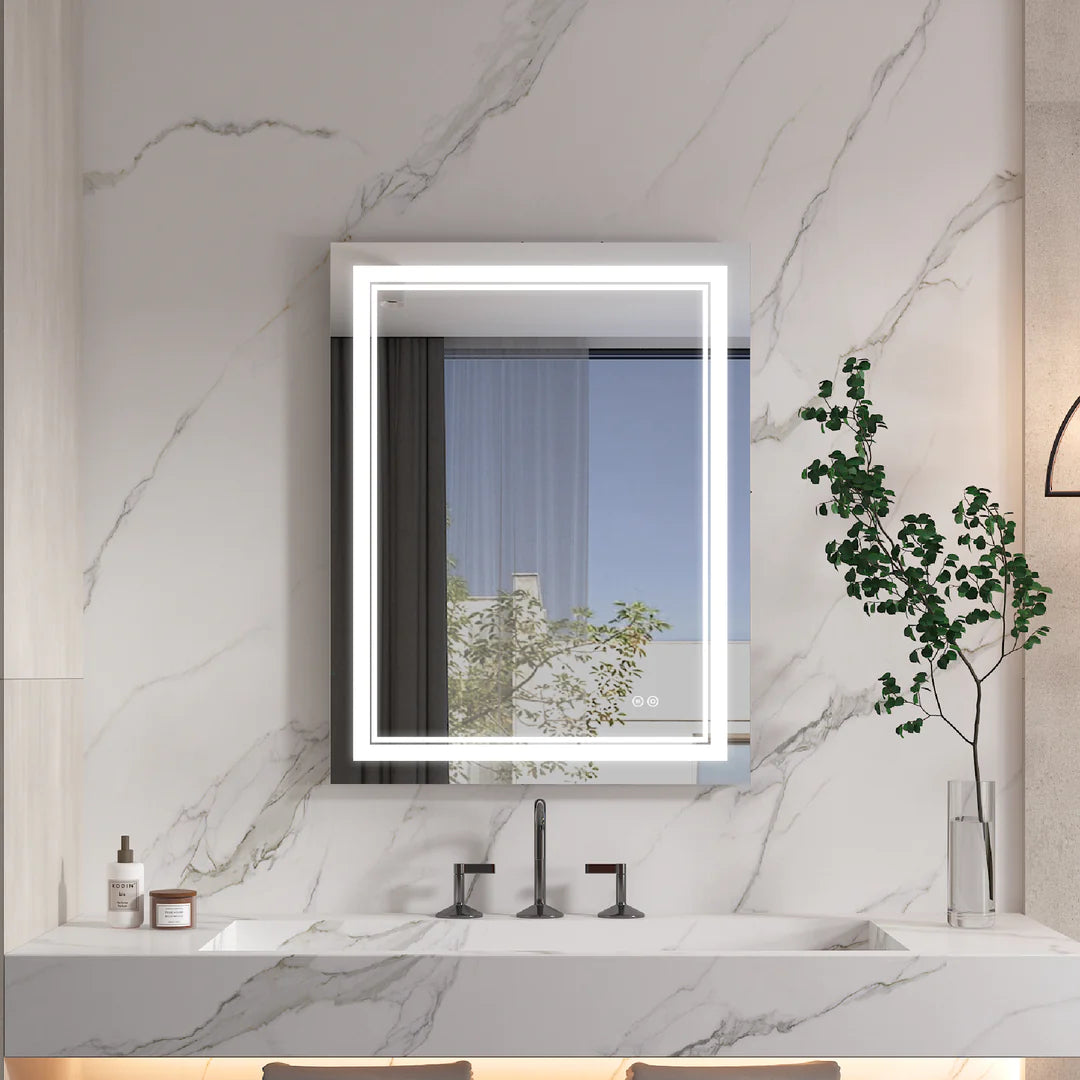
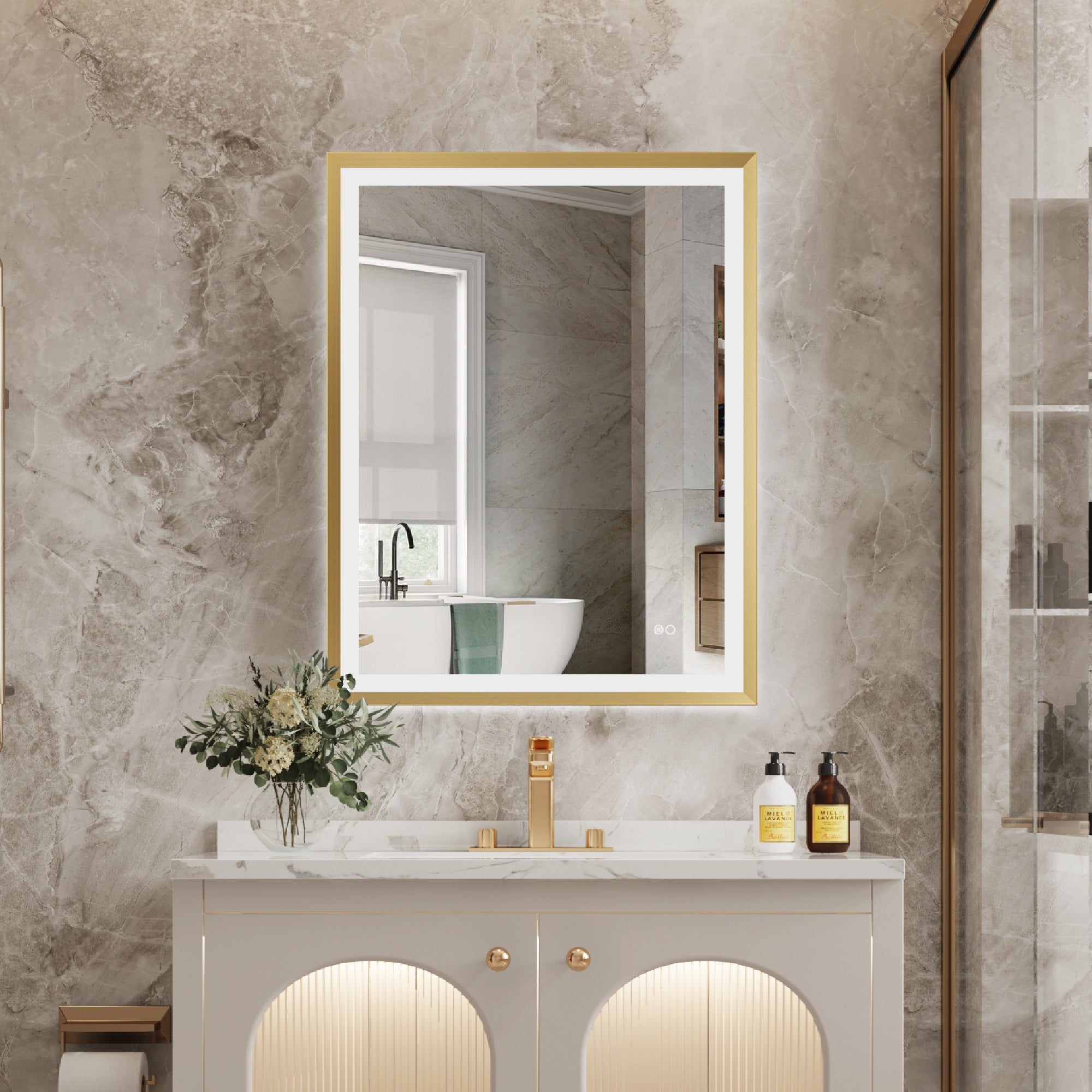
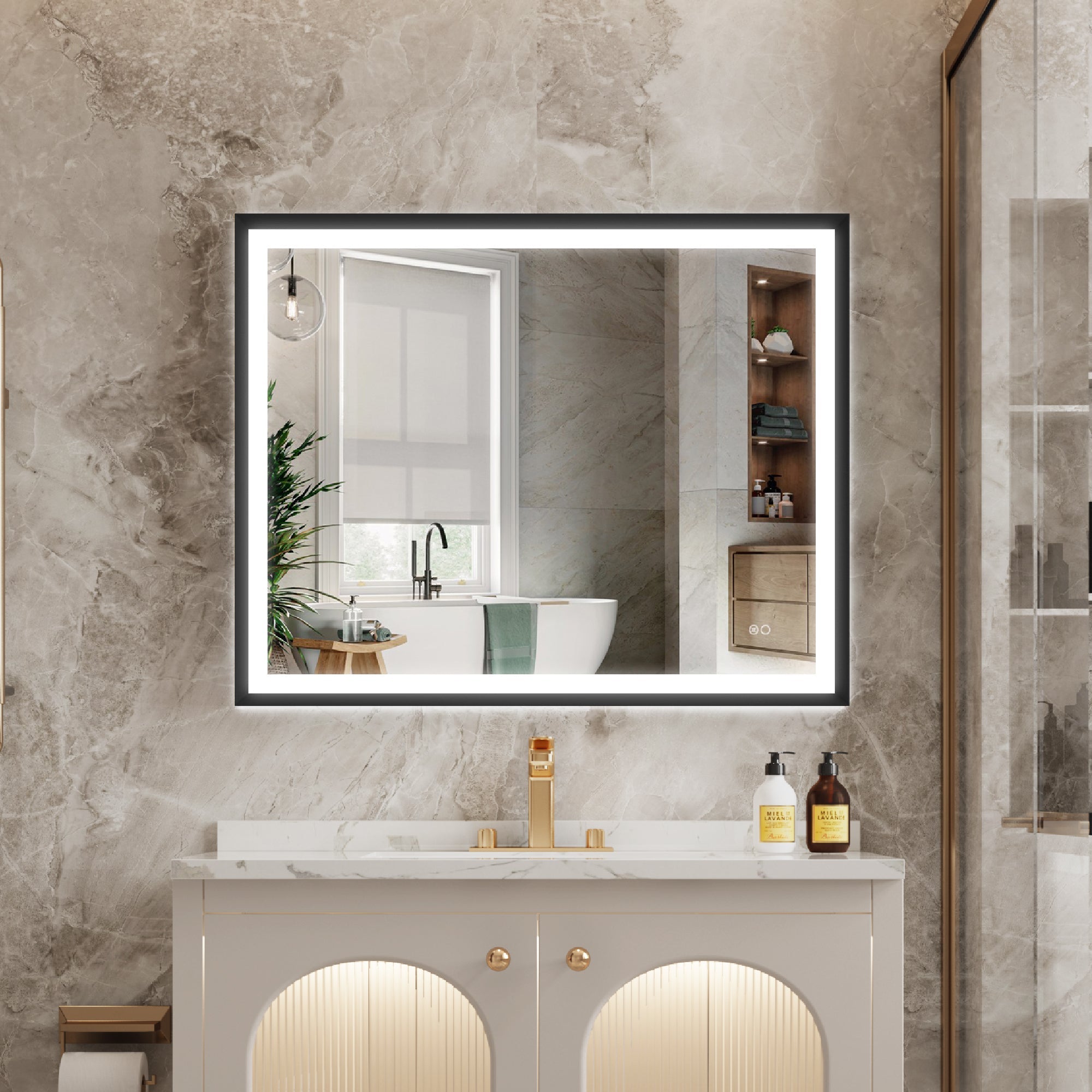
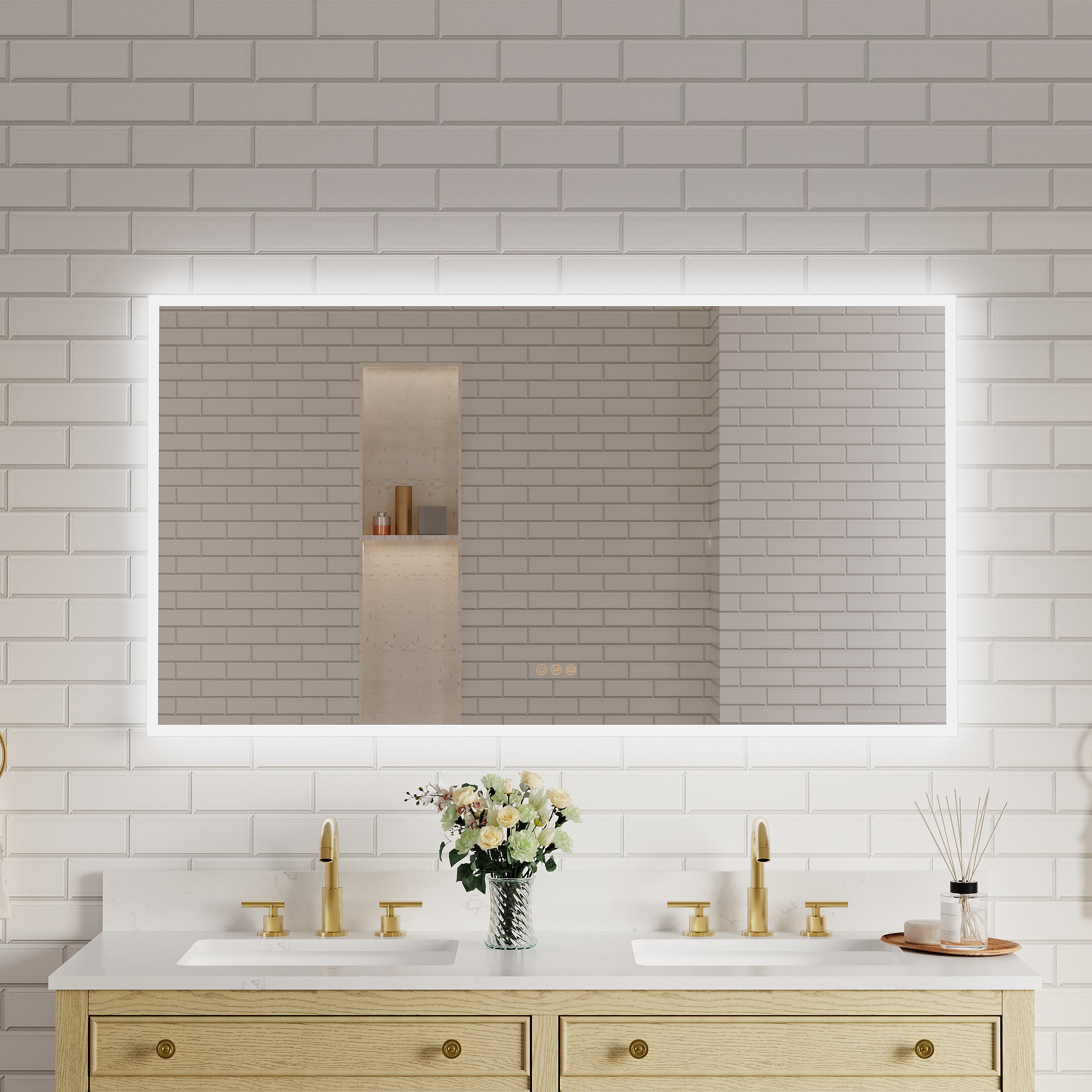
Smart medicine cabinets with LED lights, touch switches, anti-fog heating, and Bluetooth speakers are being introduced, significantly enhancing the user experience. In comparison, traditional medicine cabinets seem outdated.
Green and environmentally friendly concepts
Energy-saving lighting, moisture-resistant and durable materials, and recyclable designs are emerging trends in the bathroom industry. Consumers are more willing to replace old medicine cabinets with environmentally friendly materials.
Consumer Upgrade Trends
With the increasing demand for secondary renovations, renovations, and quality upgrades, the replacement rate of medicine cabinets has increased significantly. According to industry data, the average replacement cycle for medicine cabinets in urban Chinese households has shortened to 6-8 years.
4. How to Determine If a Medicine Cabinet Is Worth Replacing?
For consumers, replacing a medicine cabinet isn't just about damage; it also involves improving quality of life and household budgets. The following questions can help determine whether a replacement is appropriate:
Practicality: Does the medicine cabinet have sufficient storage space? Does it meet daily storage needs?
Functionality: Does it lack practical features such as lighting, anti-fog, and charging?
Safety: Are there any signs of ageing issues with the mirror, cabinet, or hardware?
Aesthetics: Does the medicine cabinet conflict with the overall bathroom style? Does it appear dated?
Cost-Effectiveness: Is the cost of repair close to the cost of replacement? If repairs aren't cost-effective, immediate replacement is a better solution.
5. Industry Perspective: The Best Time to Replace a Medicine Cabinet
Industry experts generally agree that replacing a medicine cabinet doesn't require waiting until it's "unusable"; it should be determined based on health, safety, and comfort.
During a Complete Bathroom Renovation
Replacing the medicine cabinet during a bathroom renovation, toilet, or sink replacement ensures a consistent style.
During a Changing Family Demographic
With the addition of elderly and children, the need for storage and functionality may also necessitate an upgrade.
During the Increasing Demand for Smarter Living
As families demand smart lighting, health monitoring, or lifestyle convenience, opting for smart medicine cabinets with added functionality will become a trend.
6. Conclusion
Although small, bathroom medicine cabinets carry the weight of storage and convenience in daily life. With the development of consumer habits and the bathroom industry, replacing medicine cabinets is no longer simply a matter of ageing and damage; it is now part of a home's quality upgrade. From material durability to functional innovation, from aesthetic design to environmental awareness, the medicine cabinet industry is constantly evolving. Consumers should consider replacing their medicine cabinets if they experience safety hazards, insufficient storage, outdated functionality, or inconsistent styles.
In the future, with the increasing prevalence of intelligent and personalized designs, bathroom medicine cabinets will be replaced more frequently, and the industry will also see greater growth opportunities.










Leave a comment
This site is protected by hCaptcha and the hCaptcha Privacy Policy and Terms of Service apply.