
















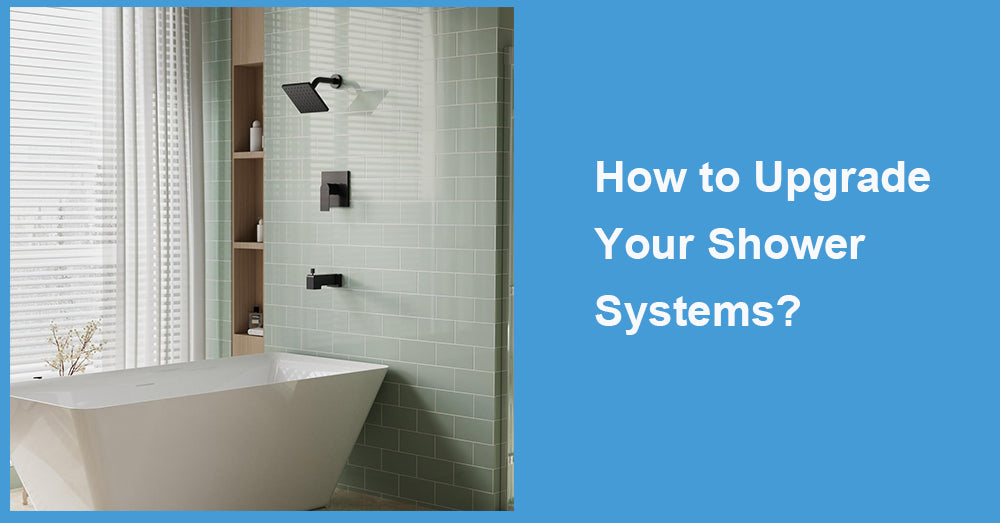
Over the past decade, bathroom design and functionality have evolved. Shower systems have evolved from simple single-head showers to integrated systems featuring multi-functional water flow, intelligent temperature control, energy-saving modes, and personalised customisation. Today, consumers' shower needs extend beyond cleanliness to emphasise comfort, health, intelligence, and sustainability. This trend is driving the shower system market to a new inflexion point in 2026.
(1) Comprehensive Transformation of Market Consumption Trends
Increasing Demand for Wellness
According to the National Kitchen and Bath Association (NKBA), nearly 70% of homeowners prioritise relaxation and wellness when renovating their bathrooms. Rain showers, body jets, and steam functions are becoming increasingly popular.
Post-COVID-19, consumers are placing a greater emphasis on enjoying a spa-like experience at home, which has directly driven the popularity of high-end shower systems.
The Extension of Smart Homes
After smart toilets and smart mirrors, smart showers have become a crucial component of bright bathrooms. In high-end residential markets in California and New York, demand for features like voice control (compatible with Alexa and Google Home) and remote temperature presets via apps has increased significantly.
Consumers want to be able to set water temperature, flow intensity, and spray mode using their phones before even entering the bathroom.
Environmental protection and water conservation are becoming mainstream.
In water-scarce regions like California and Arizona, a shower system's water efficiency directly influences purchasing decisions. The US Environmental Protection Agency (EPA) WaterSense certification has become a key consumer choice.
More and more brands are introducing low-flow, yet high-comfort shower technologies, balancing energy savings with user experience.
Generational differences are evident.
Millennials and Generation Z homebuyers are more inclined to choose intelligent and customizable systems and are willing to pay a premium for innovative technology.
Baby Boomers, on the other hand, prioritise safety, such as anti-scalding temperature controls, accessible shower spaces, and handheld showerheads.
(2) Evolution of Shower System Technology
Temperature Control Technology Upgrades
Traditional mechanical valves are being replaced by electronic temperature control. Smart thermostats can control water temperature within a ±1°F range, preventing hot and cold fluctuations.
Some high-end brands use digital displays, allowing users to see the temperature and water flow pattern.
Diversified Water Flow Patterns
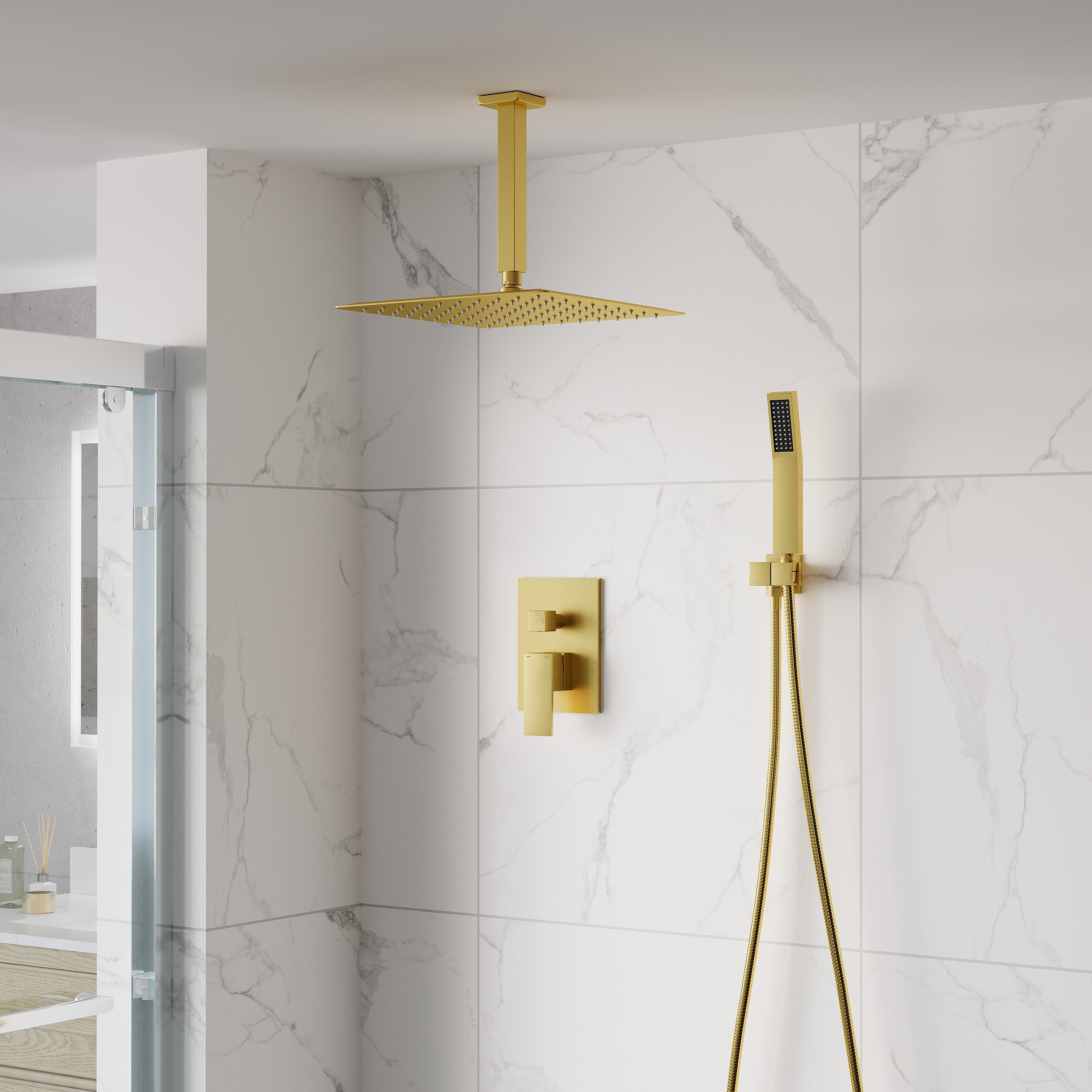
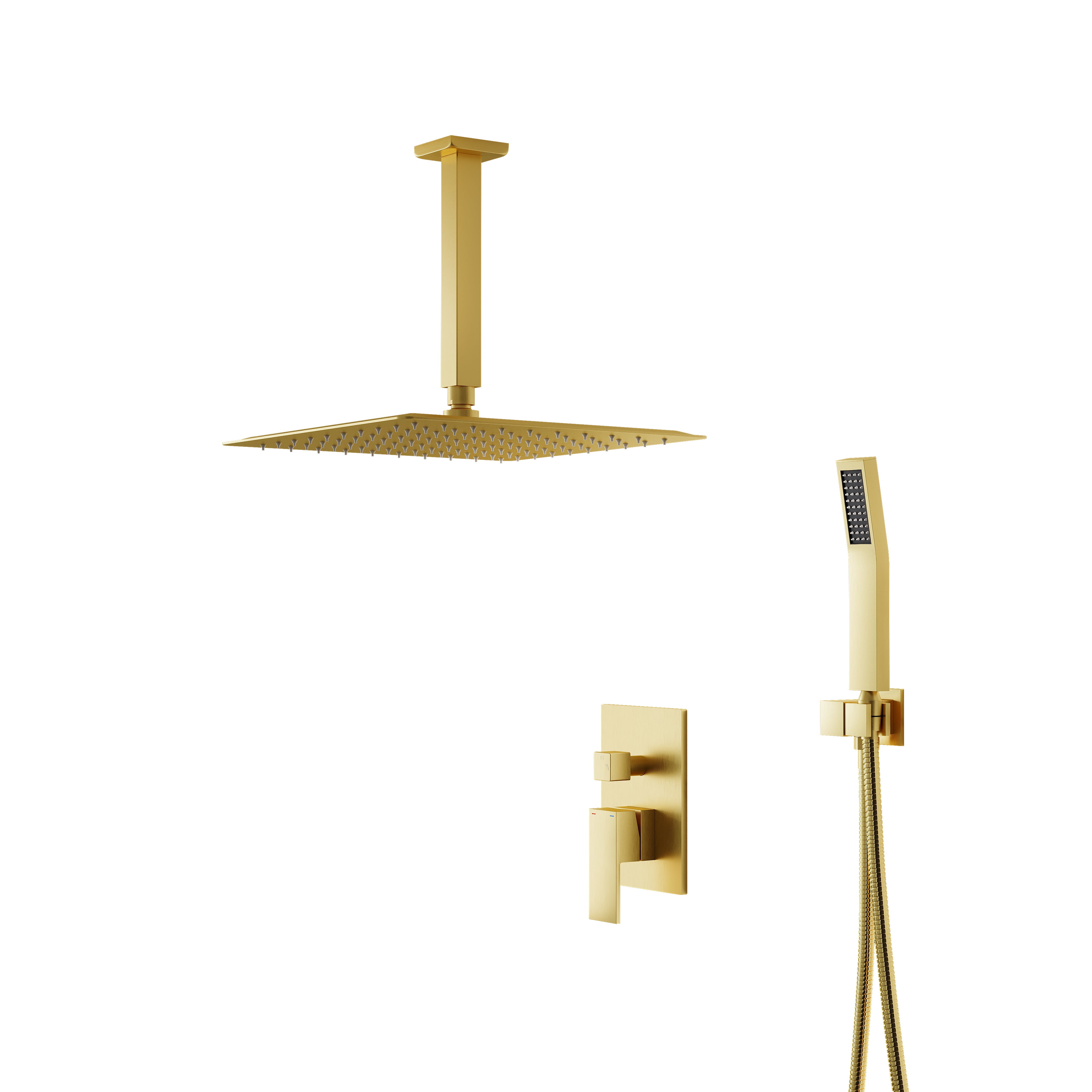
From single showerheads to combinations of overhead, side, and hand showers, to "cascade streams," "atomising sprays," and "pulsating massage jets," modern shower systems are constantly enriching the experience.
Technology has enhanced showerhead design. For example, air injection technology enables even low-flow water to produce a full-flow sensation.
Smart Connectivity and Voice Control
Leading brands, such as Moen's "U by Moen Smart Shower," can be controlled via a smartphone app or voice assistant.
The Kohler Konnect platform allows users to start the shower, set the temperature and time, and even record family preferences using Alexa voice commands.
Sustainable Design
New ceramic valve cartridges, energy-saving heat exchangers, and water-saving showerhead designs help households reduce water and electricity consumption.
Some brands are also developing recycling systems that filter and reuse water used during bathing, which are expected to be gradually implemented in the US market over the next five years.

(3) Market Brand Case Studies
Kohler
As a representative of high-end bathroom fixtures in the US, Kohler is leading the development of smart showers with its Konnect innovative platform. Users can not only remotely control water temperature but also integrate it with the entire home's innovative system to create a holistic experience with lighting, music, and showering.
The innovative shower system Kohler showcased at CES in Las Vegas, with its core selling point of "Spa at Home," is targeted at high-income families.
Moen
The "U by Moen" series features app-based control and water-saving features, positioning itself as a more accessible product than Kohler.
Moen has a very high penetration rate among middle-class households in the US, especially in retail channels such as Home Depot and Lowe's.
Delta Faucet
Known for its innovative showerhead technology, it introduced H2Okinetic® technology, which delivers a rich, immersive water experience even at low flow rates.
Its VoiceIQ technology, compatible with Alexa and Google Assistant, has helped Delta gain market share in the mid- to high-end market.
Emerging e-commerce brands like Wellfor
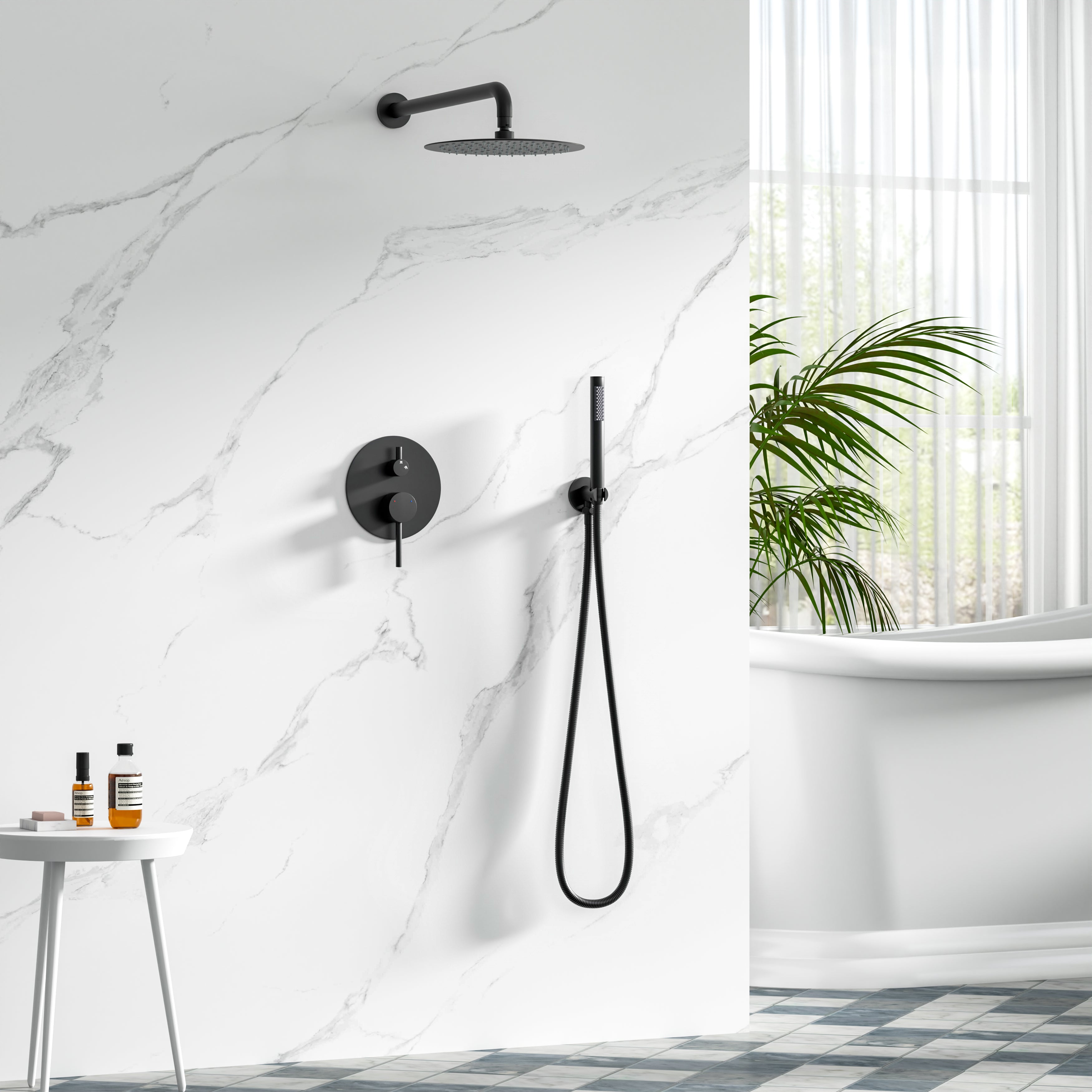
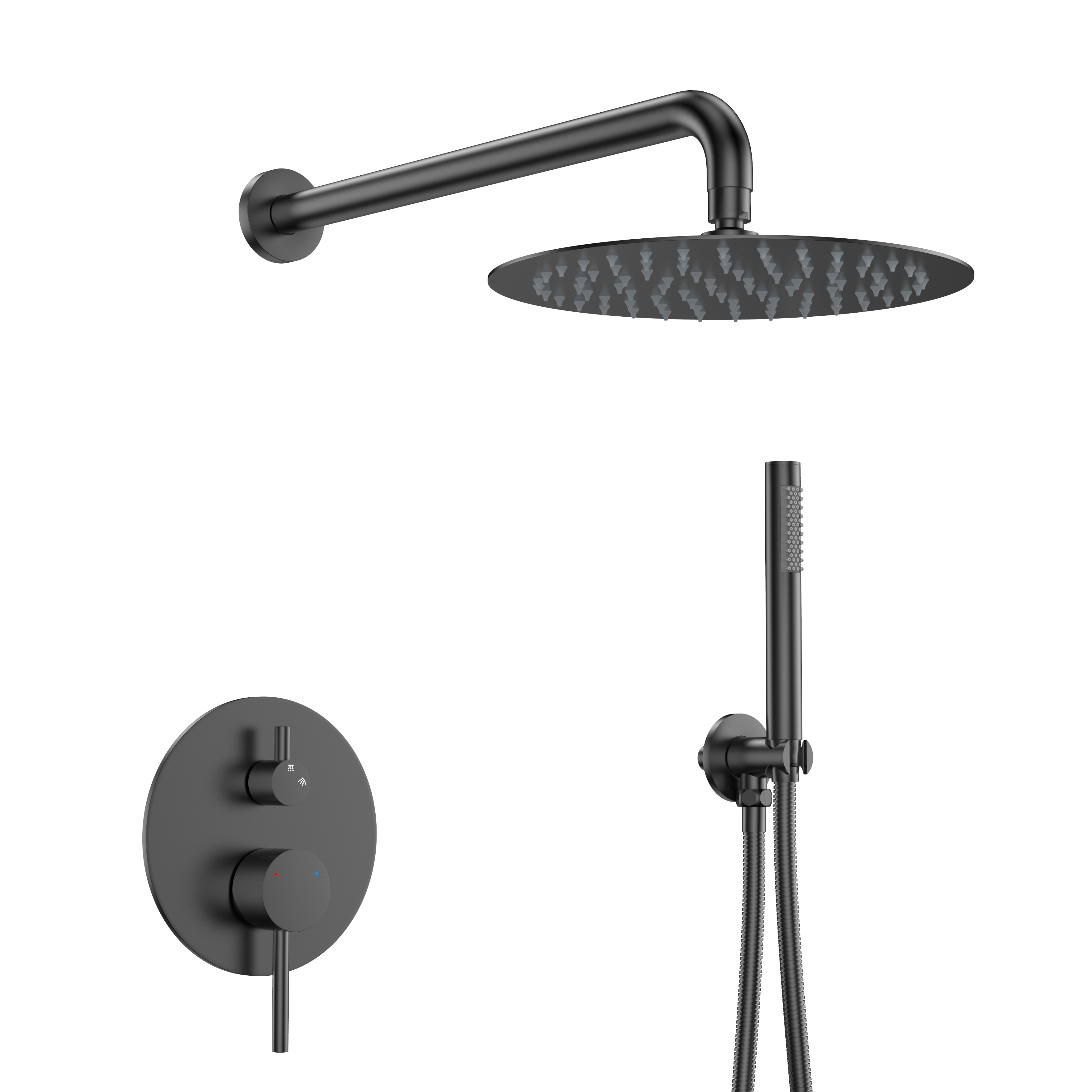
On platforms like Wayfair, Overstock, and Amazon, emerging brands like Wellfor are entering the market with cost-effective packages that offer smart thermostats, water-saving features, and easy installation, attracting young families and DIY users.
Leveraging direct sales from e-commerce platforms, these brands offer prices that are generally 20%-30% lower than those of traditional brands, making them the fastest-growing segment.
(4) Consumption Scenario and Purchasing Principle
New Home Renovation vs. Existing Home Renovation
New homeowners tend to install a complete shower system at once, including a digital control panel, built-in showerhead, and multi-way manifold.
Renovators of existing homes tend to choose packaged, easy-to-install products, such as wall-mounted thermostatic shower systems.
Balancing Price and Features
Shower systems on the market range in price from an entry-level $300 to high-end models costing over $5,000.
Surveys show that most consumers are willing to pay an additional 10%-15% for innovative features, but excessively high premiums are difficult for the general public to accept.
Channel Differences
Offline Retail: Home Depot and Lowe's remain the primary retail channels for shower systems in the US, particularly for middle-aged and older consumers.
Online E-commerce: Wayfair and Amazon are growing rapidly. Young consumers are accustomed to comparing reviews and prices, giving e-commerce brands an advantage in this channel.
(5) Future Trend Forecast
AI and Personalised Experience
Future shower systems will use AI algorithms to record user habits and automatically adjust water temperature and pressure.
In multi-family households, the system will be able to automatically identify different members and switch to preset modes.
Sustainable and Recycled Water Use
Over the next 5-10 years, the US will increase its water resource management efforts, and demand for water-saving shower systems will continue to grow.
It's expected that by 2030, recycled water and intelligent water monitoring will become standard features in shower systems.
Cross-Border Integration
Showers will no longer be just cleansing tools, but will become home wellness centres integrated with music therapy, aromatherapy, light therapy, and more.
For example, Kohler has partnered with audio brands to create innovative shower solutions with built-in speakers.
(6) Conclusion
The shower system market is currently experiencing a triple-driven phase driven by "comfort + intelligence + sustainability." For consumers, choosing the ideal shower system isn't just about price and appearance; it's also a reflection of their lifestyle. From high-end brands like Kohler and Moen to brands catering to diverse consumer segments like Wellfor and Delta, the evolution of shower systems is reshaping the modern bathroom space.
In the future, as AI, the Internet of Things, and environmental awareness deepen, shower systems will continue to become more personalised and technologically advanced. For families, the ideal shower system is not only about comfort but also the best practices for innovative and sustainable living.










Leave a comment
This site is protected by hCaptcha and the hCaptcha Privacy Policy and Terms of Service apply.