














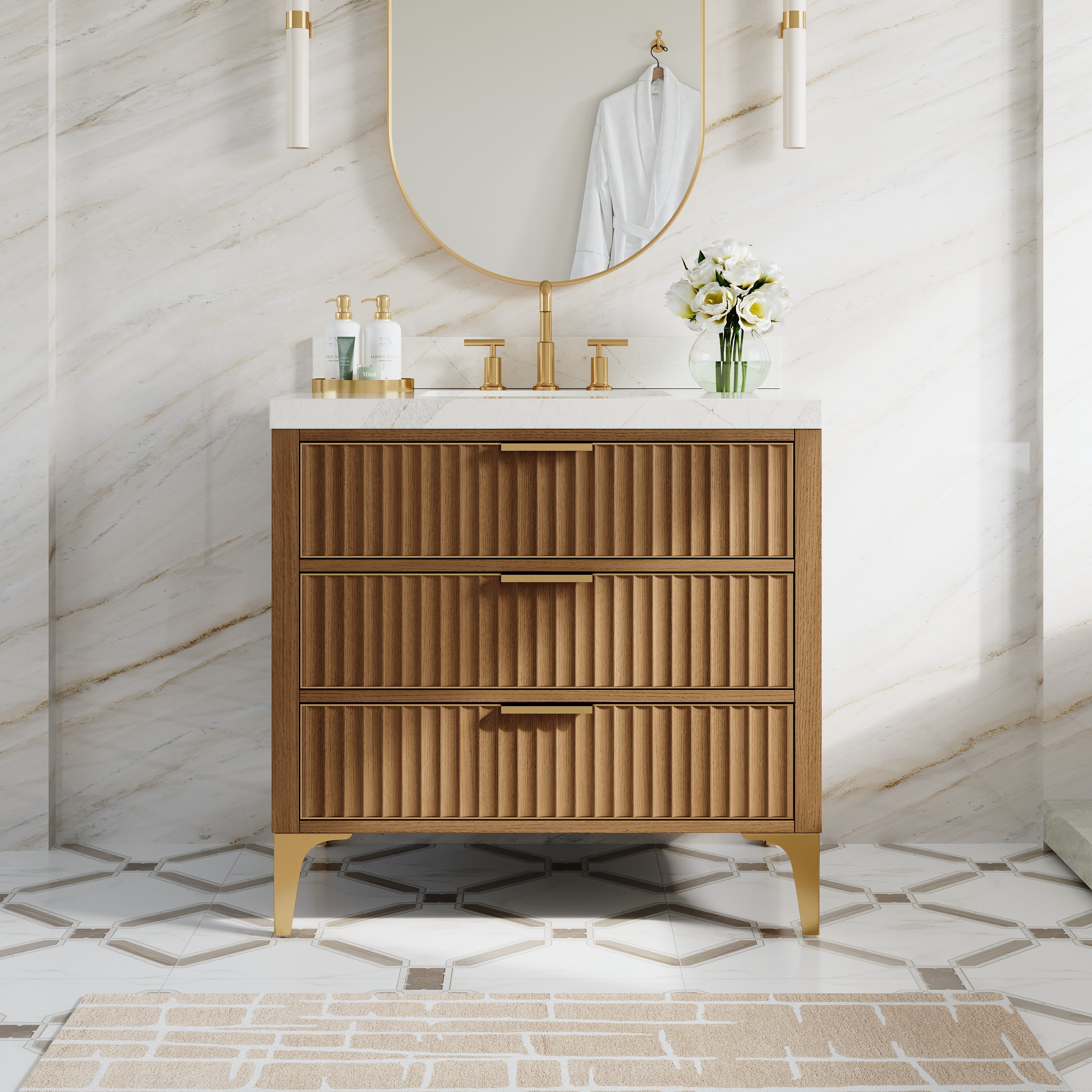
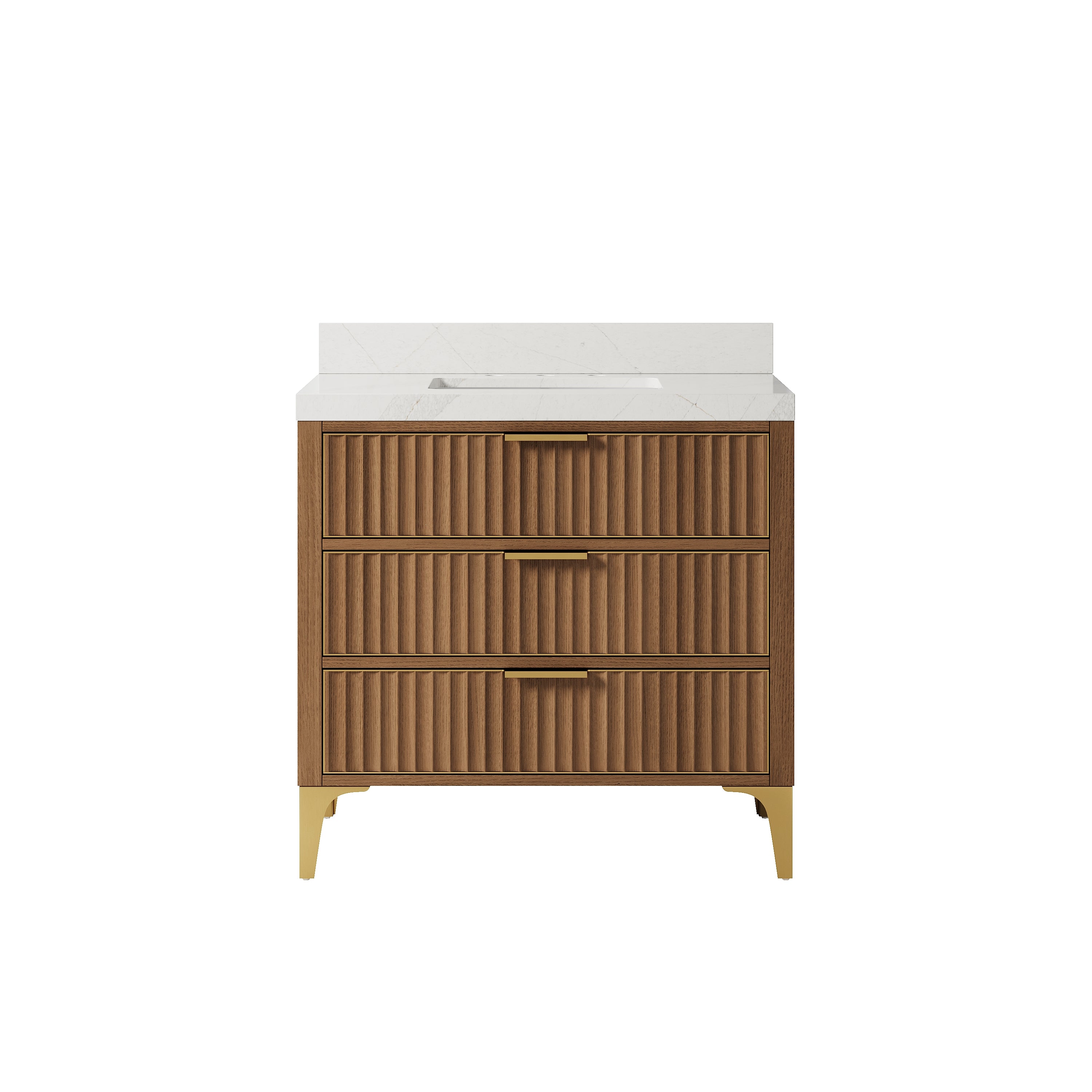
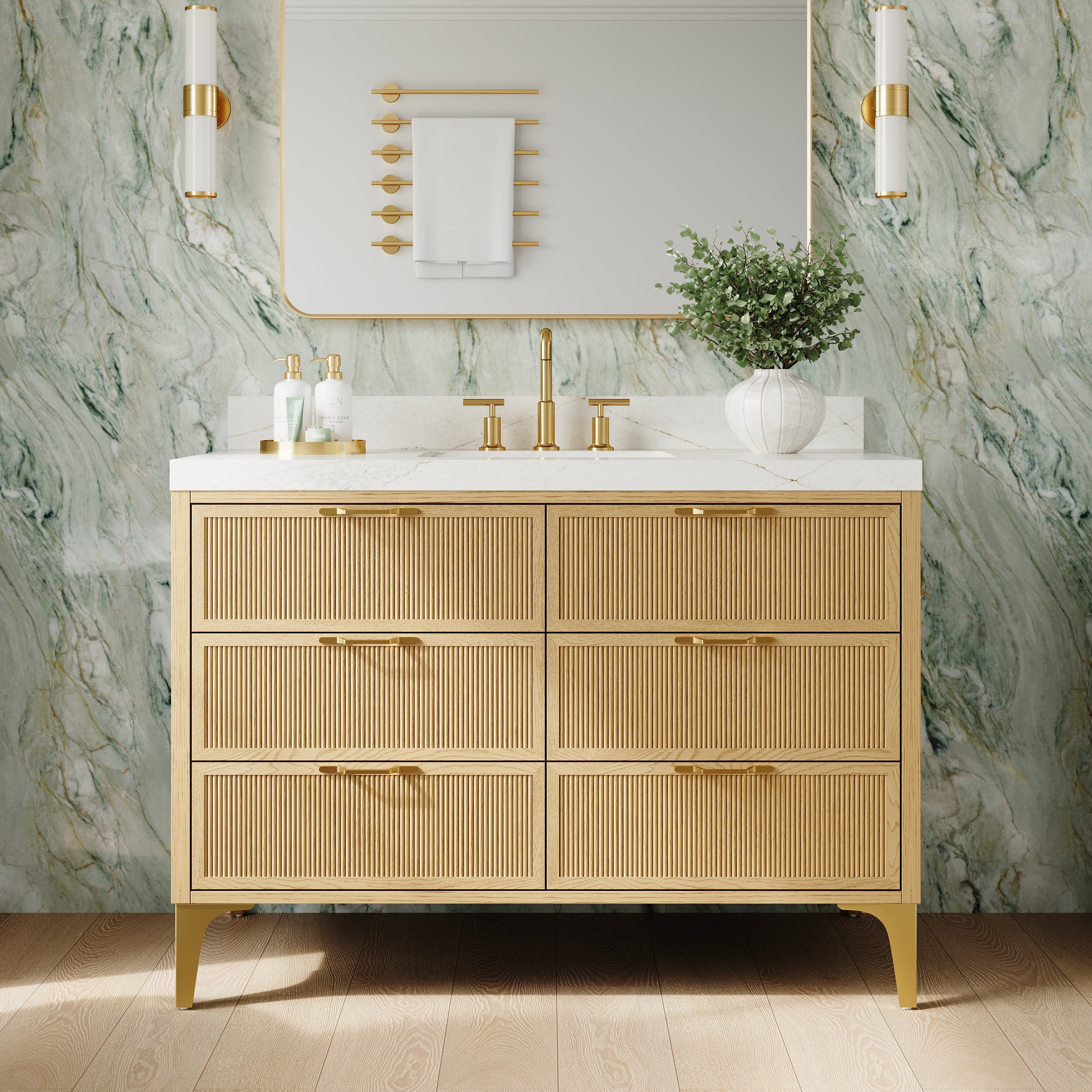
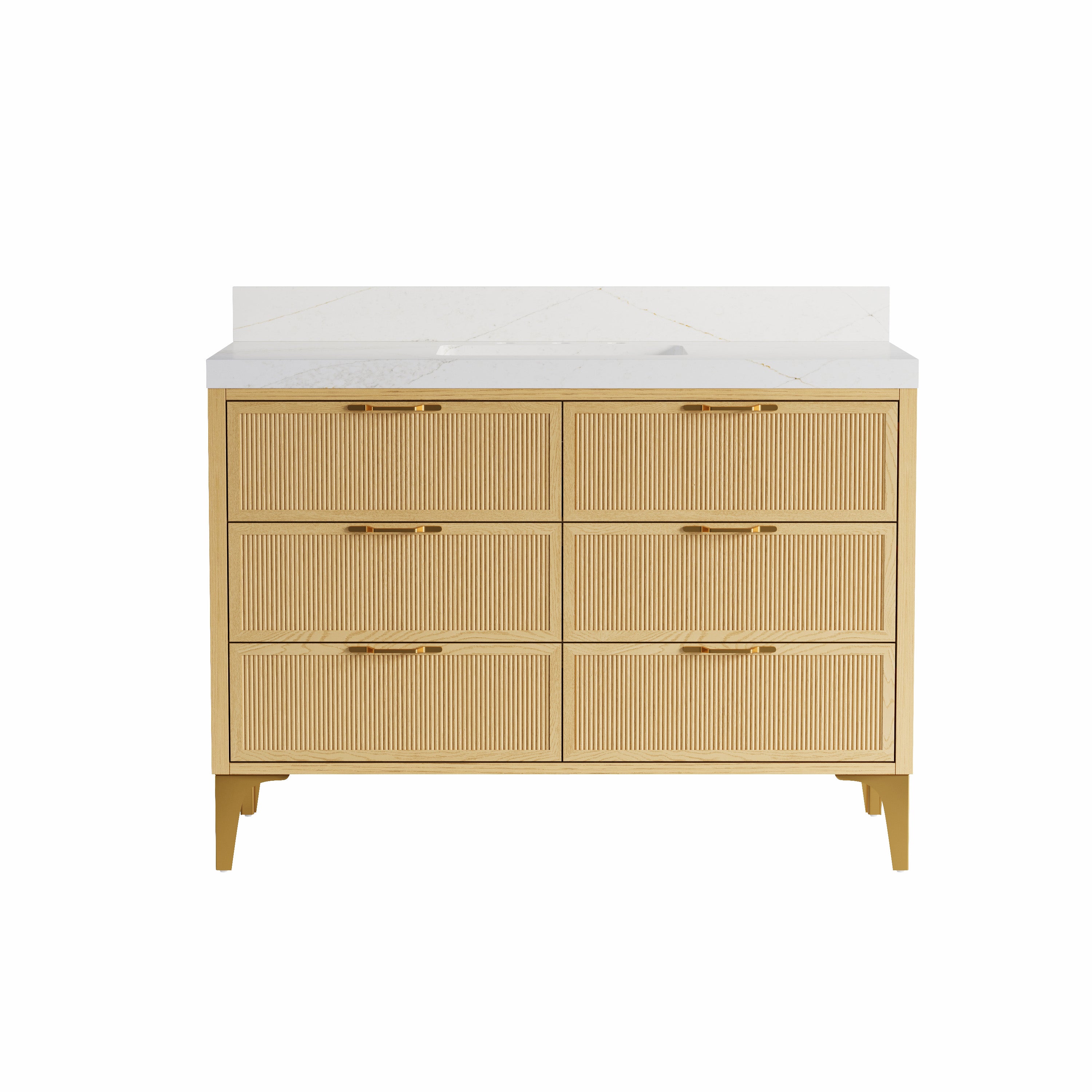


Choosing between materials is one of the most practical decisions you can make in a remodel, because it affects how your bathroom looks and how it behaves after years of steam, splashes, and daily use. Wood bath cabinets are often the better pick when you expect heavier wear, higher humidity, or you want something that can be repaired instead of replaced. MDF can still be a smart option in certain situations, but the “best” choice depends on moisture exposure, construction quality, and how long you plan to keep the space.
1. Choose Wood When the Bathroom Runs Humid or Steamy
Bathrooms can hit high relative humidity quickly, especially with back-to-back showers. Wood responds to humidity in a predictable way because it is hygroscopic: it gains and loses moisture depending on the air’s relative humidity and temperature, and this moisture relationship influences performance.
Humidity targets matter more than most people think. EPA guidance recommends keeping indoor relative humidity below 60%, ideally 30% to 50%, to reduce moisture problems and mold risk.
Why this favors wood in steamy bathrooms:
· Solid wood parts can often be dried, stabilized, and refinished if the finish gets stressed.
· MDF is more vulnerable when moisture gets into seams and edges, especially around the base and sink zone.
If your mirror stays fogged for a long time after showers, you are in the type of bathroom where material tolerance and edge sealing really matter.
2. Choose Wood When “One Leak Could Happen”
Most cabinet failures are not dramatic floods. They are slow leaks from a supply line, valve, or trap that go unnoticed.
This is where wood often wins the long game. A Composite Panel Association technical bulletin explains that when particleboard or MDF swells and expands beyond its original dimensions due to exposure to high humidity or water, that change is not reversible (not fully recovered upon re-drying to the initial equilibrium moisture content).
In practical terms:
· A swollen MDF toe-kick or cabinet bottom can permanently distort the cabinet box.
· Once the box loses its geometry, doors stop aligning and drawers start rubbing.
· A wood cabinet can still be damaged by water, but it is often more serviceable, especially if the issue is caught early.
So if the bathroom is heavily used, or plumbing access is tight and you want more “forgiveness,” wood tends to be the safer bet.
3. Choose Wood When You Want Long-Term Serviceability
A lot of “value” in a bathroom cabinet is whether it can be kept looking good without replacing the entire unit.
Wood tends to offer better serviceability because:
· Surface scratches and worn spots can often be touched up or refinished.
· Small dents can sometimes be repaired more cleanly than on thin foil wraps.
· Door and drawer fronts can often be replaced or refinished without tearing out the whole cabinet.
MDF can be great under paint in dry conditions, but once edges swell or coatings crack at seams, repairs often look more obvious and may not last.
4. Choose Wood When Hardware Durability Matters
Many people replace a vanity because it starts feeling “tired,” not because it collapses. Doors sag, hinges loosen, drawers wobble, and alignment becomes a constant annoyance.
Wood (especially solid wood face frames and door rails) typically holds screws and hinge mounting points more reliably over time. That helps with:
· Keeping doors aligned.
· Keeping drawers running straight.
· Reducing the need for constant hinge adjustments.
Soft-close features also matter for long-term wear because they reduce slamming impact. Renovation research shows soft-close is widely chosen, with soft-close drawers and soft-close doors being common upgrade priorities.
Wood does not automatically guarantee good hardware performance, but higher-quality wood builds often pair with better slides, hinges, and a sturdier cabinet box.
5. Choose Wood When the Cabinet Base Will Face Wet Floors
In real bathrooms, water lands on the floor. Kids splash. Shower mats get wet. Mop water hits the toe-kick.
This is a high-risk zone for MDF because the base and toe-kick are where moisture wicks up and edges are most likely to be exposed. The CPA also notes many particleboard and MDF products are not designed to get wet and should be protected from water and high humidity.
Wood cabinets with well-sealed bottom edges and a finished toe-kick tend to handle this reality better, especially when the finish is continuous and edges are sealed.
6. When MDF Can Actually Be the Better Choice
MDF is not “bad.” It is just more condition-dependent. MDF can be a smart choice when:
A. The bathroom stays dry and ventilation is strong
If humidity is controlled (and you consistently stay below that 60% RH threshold), MDF painted finishes can hold up well.
B. You want a perfectly smooth painted look
MDF is very stable and smooth under paint, and many painted cabinet styles rely on engineered panels for that consistent surface. If your priority is a uniform painted finish, MDF doors or panels can be reasonable, especially when paired with:
· Excellent edge sealing.
· A moisture-aware paint system.
· Good ventilation habits.
C. It is a low-use guest bath or powder room
Less steam, fewer splashes, and fewer daily cycles reduce the risk that MDF’s weaknesses ever get triggered.
The key is honesty about the room’s conditions. MDF is “fine until it isn’t,” and moisture is usually the trigger.
7. The Real Decider: Construction and Sealing, Not the Material Label
Whether you choose wood or MDF, the best outcome depends on how the cabinet is built and protected.
What to look for in wood cabinets
· Solid wood doors and face frame (high-touch zones).
· A rigid cabinet box that stays square.
· Finished interior surfaces.
· Sealed sink cutouts and plumbing openings.
· Protected toe-kick and bottom edges.
What to look for in MDF cabinets
· Moisture-resistant MDF where possible (still not waterproof).
· Fully sealed edges, especially at the base and door edges.
· Strong internal structure and mounting rails.
· A robust paint/finish system and finished interiors.
Remember: wood will still respond to humidity because it exchanges moisture with the air. The difference is how well the cabinet design manages that response and how repairable the material is after real-life wear.
8. Quick Decision Guide
Choose wood bath cabinets over MDF when:
· The bathroom is steamy or frequently humid.
· The vanity base will see wet floors or frequent splashes.
· You want a cabinet that can be refinished or repaired.
· You are more risk-averse about leaks and moisture incidents.
· You want long-term “tight” feel from hinges and drawers.
Choose MDF (or a mixed build) when:
· The bathroom is consistently dry and well-ventilated.
· You want the smoothest painted finish.
· It is a low-use room and budget efficiency is a priority.
· The product has excellent edge sealing and clear finish specs.

Conclusion
Wood bath cabinets are better than MDF options when humidity, splash risk, and long-term serviceability are part of everyday life. Wood’s moisture behavior is well understood and predictable, which allows good cabinet construction to manage it effectively. MDF can perform well in the right conditions, but once MDF or particleboard swells beyond its original dimensions due to high humidity or water, that expansion is not fully reversible, which can permanently compromise cabinet alignment and function.








Leave a comment
This site is protected by hCaptcha and the hCaptcha Privacy Policy and Terms of Service apply.