
















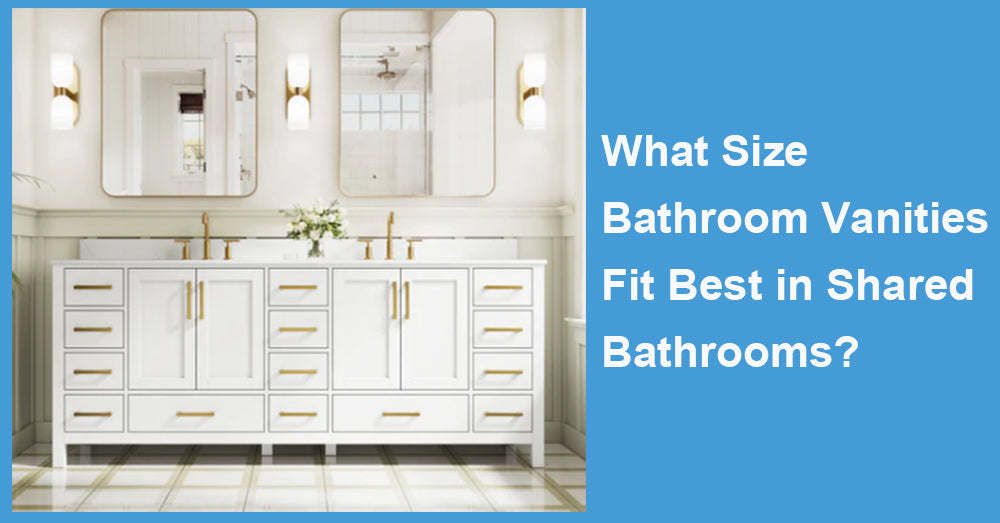
Bathroom vanities in shared bathrooms need to do more than look attractive. They have to support two people’s routines, provide enough storage, leave room for drawers and doors to open, and keep the walkway comfortable. In a shared bath, size mistakes become noticeable very quickly. A cabinet that is too small can lead to clutter around the sink. A cabinet that is too large can block movement, crowd the toilet area, or interfere with a shower door. The best size depends on wall width, floor clearance, sink count, plumbing location, and how the space is used every day.
1. Why Shared Bathrooms Need More Careful Planning
A shared bathroom usually has more traffic and more storage pressure than a powder room or occasional guest bath. Two people may need room for toothbrushes, skincare, shaving items, hair tools, towels, cleaning products, and personal care items. Even when only one person uses the sink at a time, the cabinet still has to organize items for more than one routine.
Recent Houzz bath research shows that remodeling a bathroom is usually not a small purchase. The median project cost reached $13,000, and more involved remodels rose to $22,000. For larger bathrooms of 100 square feet or more, the median spend reached $25,000. That makes the vanity decision more important: the wrong size can affect storage, movement, plumbing access, and daily comfort long after the renovation is finished.
2. Start With Clearance Before Choosing Width
The wall may be wide enough for a large cabinet, but the room still needs usable floor space in front of it. This is especially important in shared bathrooms because people may move around each other while using drawers, doors, and shower entries.
The National Kitchen & Bath Association recommends planning a clear floor area of 30 inches by 48 inches centered at each bath fixture when accessibility and maneuvering are considered. For everyday layout planning, this means the space in front of the vanity matters just as much as the wall behind it.
Before choosing a cabinet width, measure the walkway, door swing, shower door swing, toilet position, towel bars, base trim, and nearby walls. If drawers cannot open fully, the vanity is not truly functional, even if it fits the wall.
3. When a 36 Inch Vanity Makes Sense
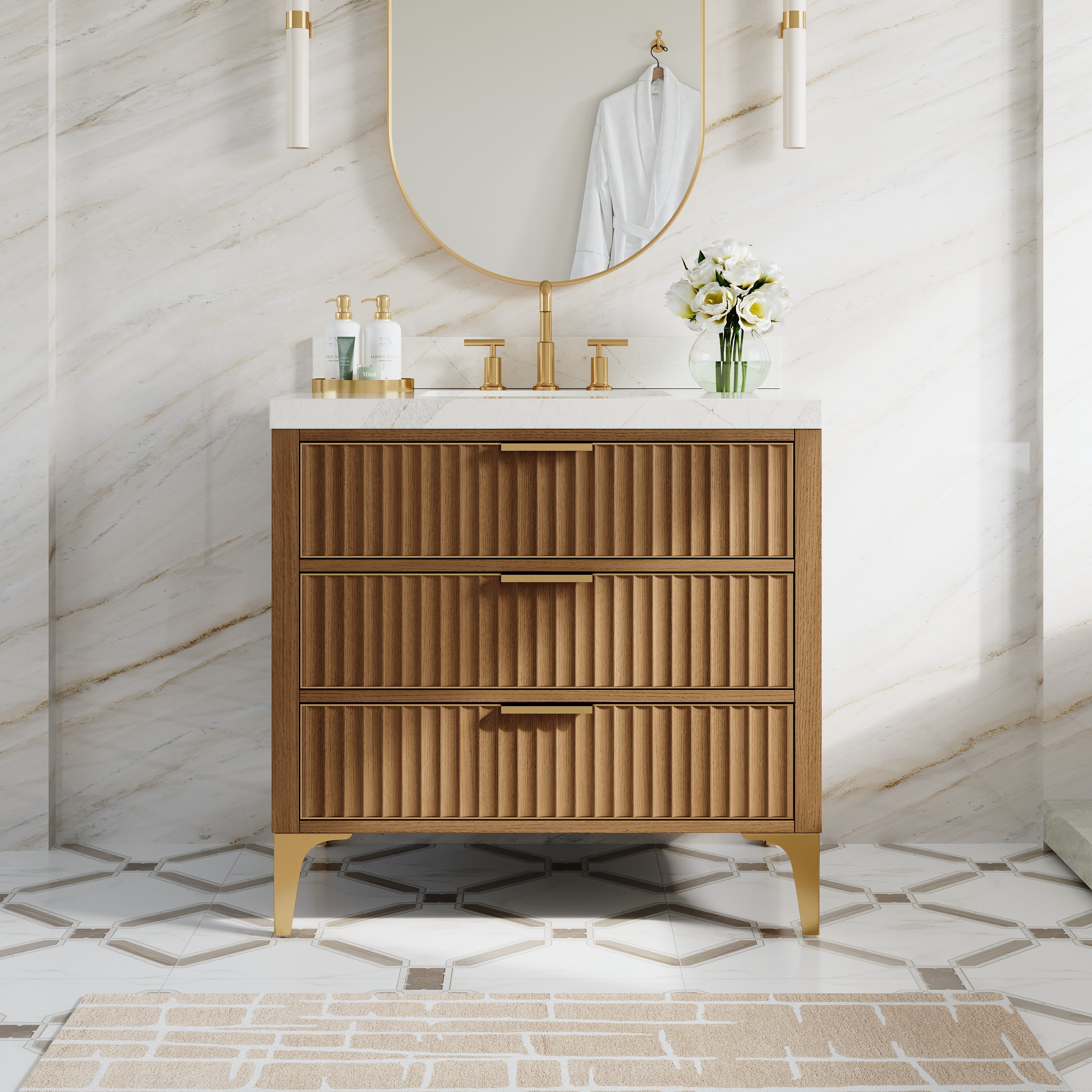
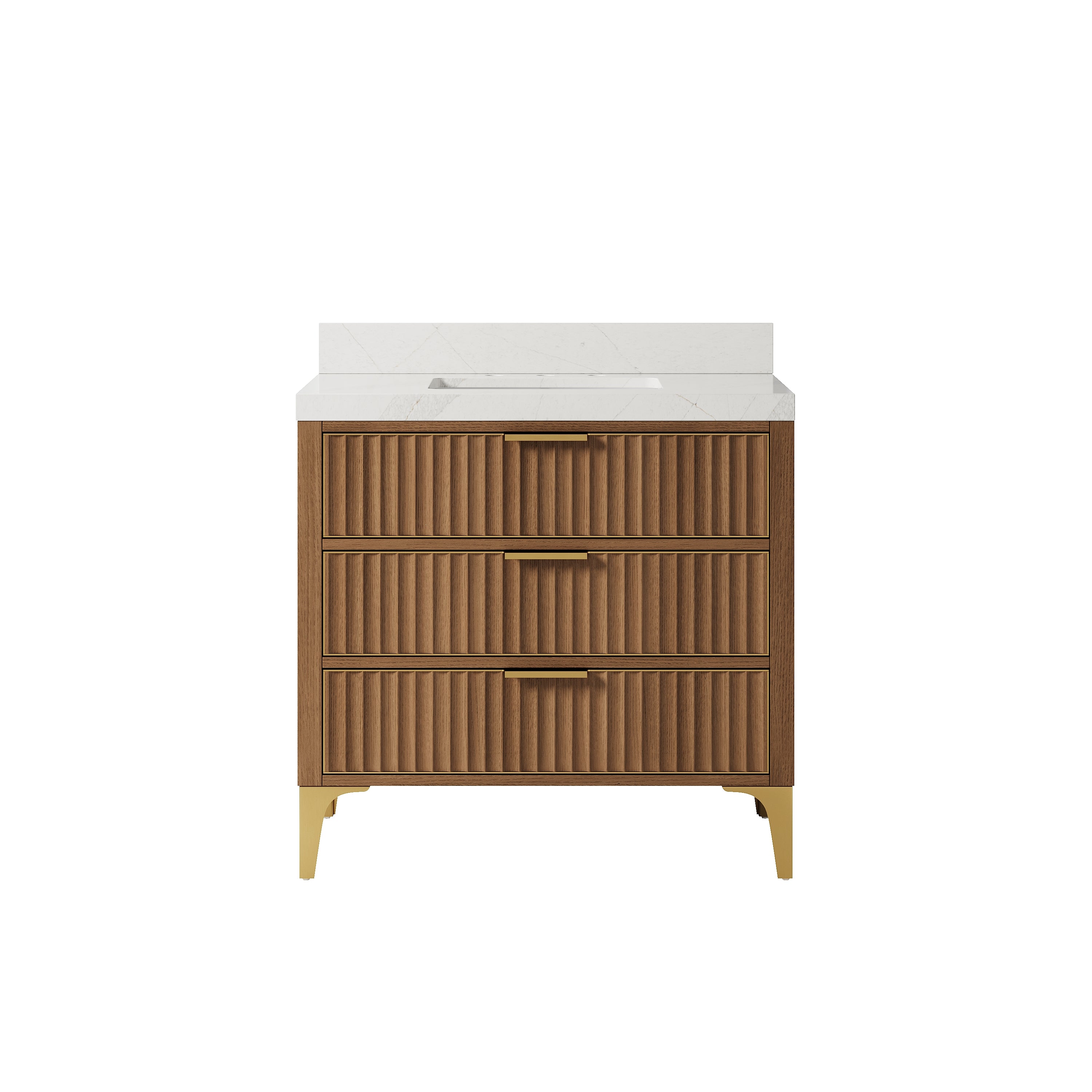
A 36-inch vanity can work well in a small shared bathroom when the room cannot support a wider cabinet. It gives more counter area than a 24-inch or 30-inch model, but it still keeps the layout compact. This size is often useful in a hallway bath, children’s bath, or smaller guest bath.
A 36-inch cabinet is usually best as a single-sink layout. Trying to force two sinks into this width would leave very little counter space and limited storage. A single sink with a wider landing area is usually more useful.
The internal layout matters. Drawers, an adjustable shelf, or a clear under-sink storage area can make a 36-inch cabinet feel much more practical. If the cabinet only has one deep open space behind doors, smaller items may get lost at the back.
4. Why 48 Inch Is a Strong Single-Sink Choice
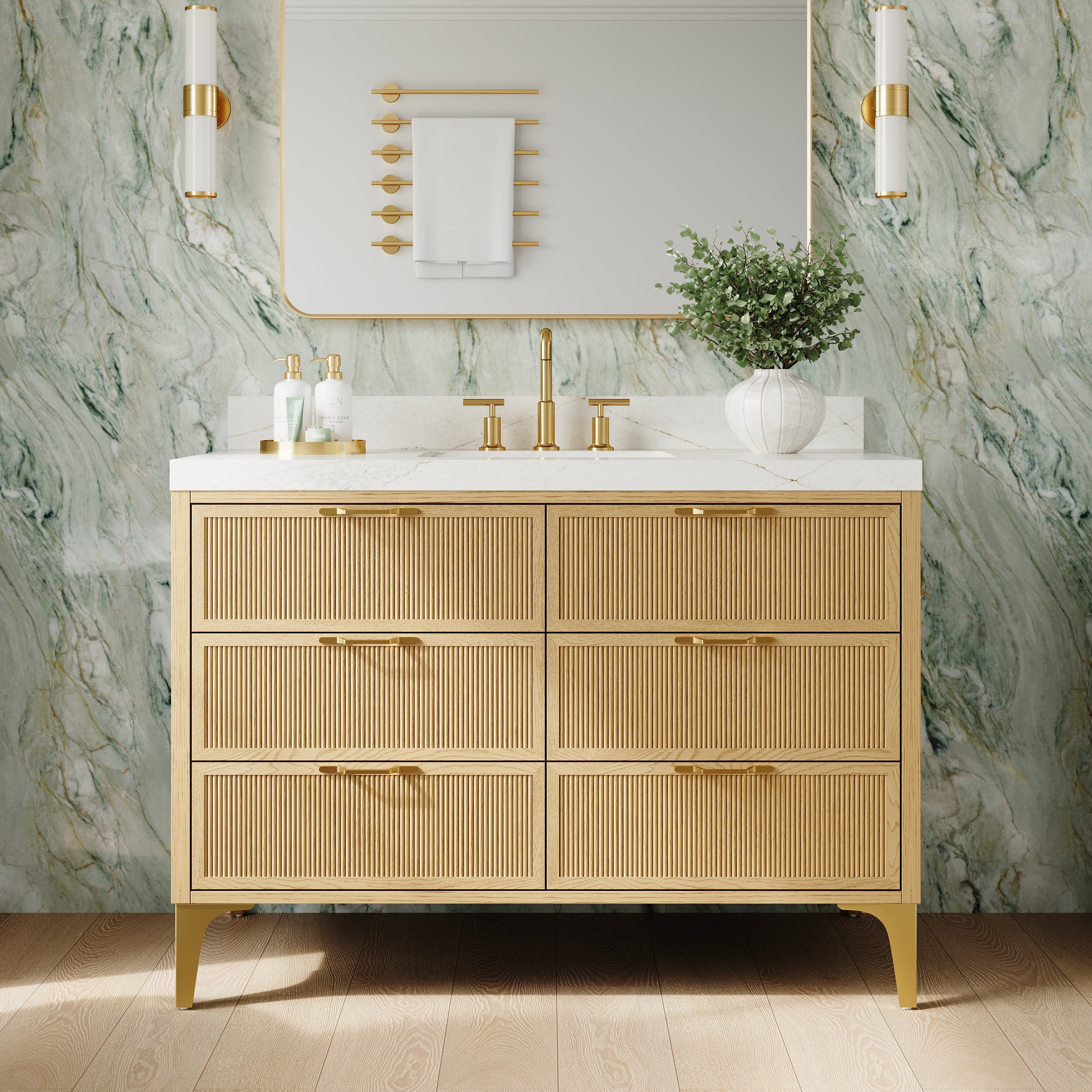
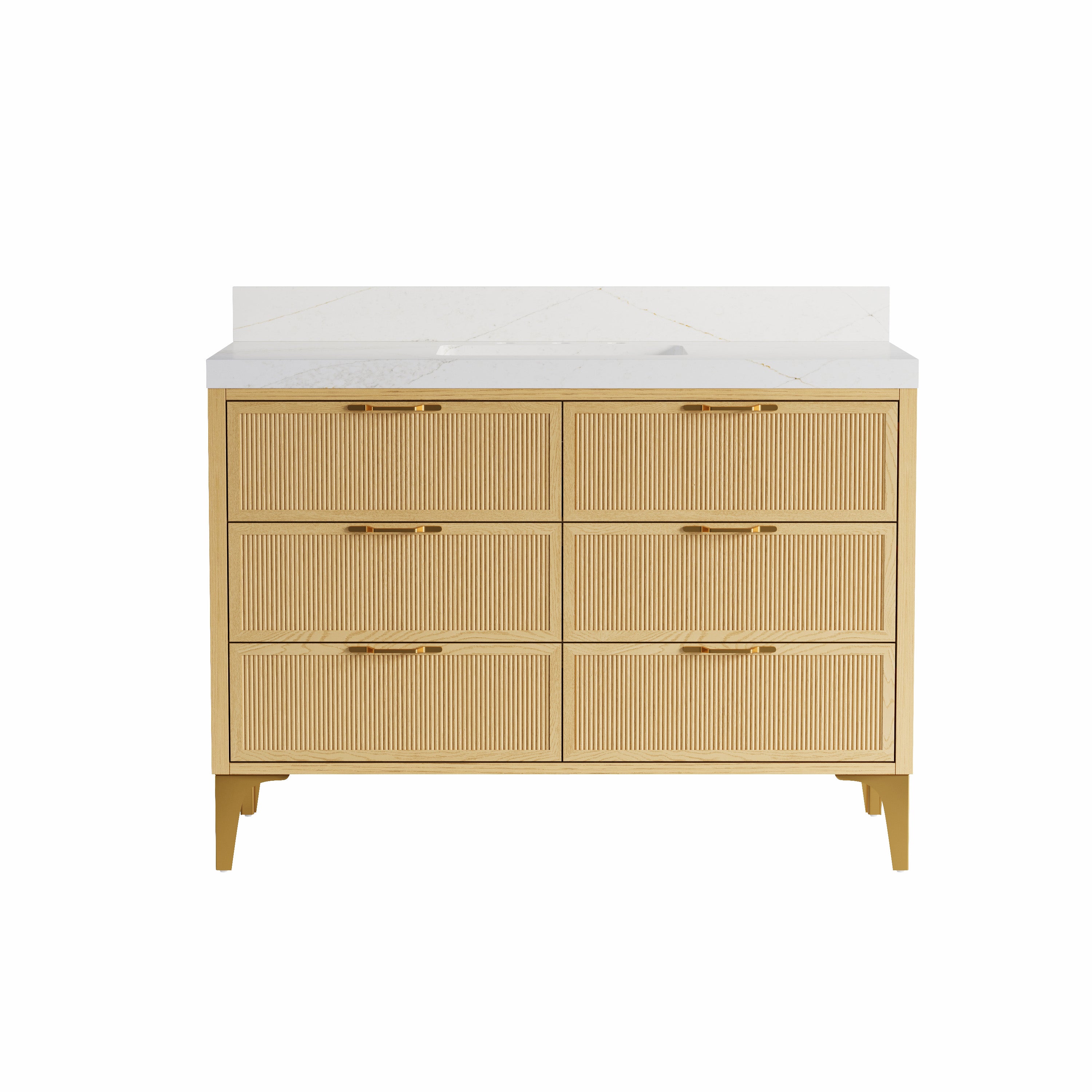
For many shared bathrooms, 48 inches is one of the most balanced sizes. It gives more counter space, better storage, and more design presence without requiring the wall space of a double vanity. It also keeps plumbing simpler because most 48-inch models are designed for one sink.
Houzz’s 2025 bathroom trends research reported that nearly half of renovating homeowners selected vanities that were 48 inch or smaller. That shows compact and mid-size cabinets remain practical, even as larger primary bathrooms continue to get attention.
A 48-inch single-sink vanity works especially well when two people share the room but do not usually use the sink at the exact same time. It leaves room for soap, toothbrush cups, grooming items, and small appliances without making the countertop feel overcrowded.
5. When to Choose a 60 Inch Vanity
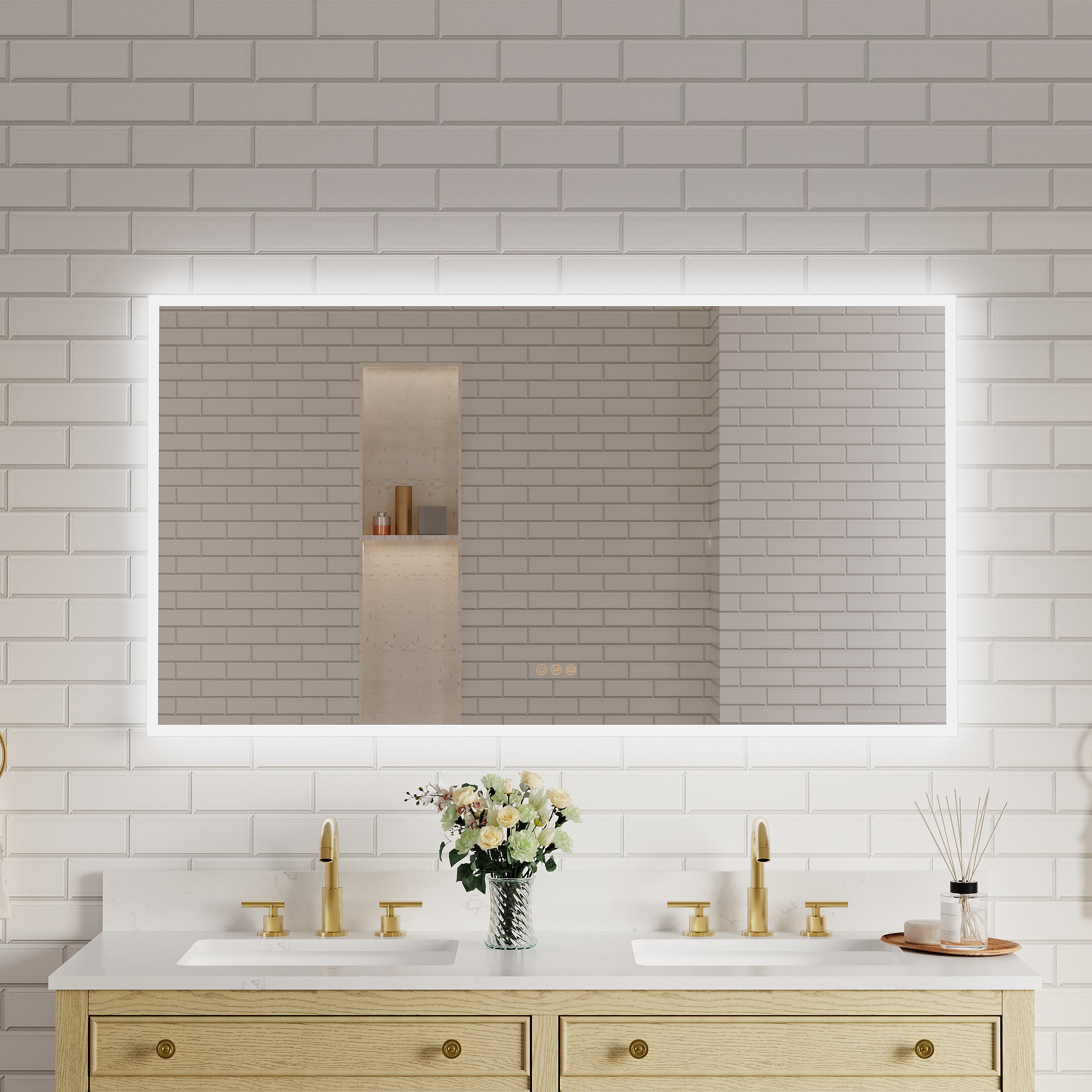
A 60-inch vanity is often the first realistic size for a double-sink layout. It can work in a larger shared bath where two users need separate sink zones. According to Houzz’s 2025 bath study, 60-inch vanities accounted for 19% of selections among renovating homeowners.
However, a 60-inch double vanity is not always the best answer. Two sinks take up counter space, and plumbing below each basin can reduce drawer storage. If users need more storage than simultaneous sink access, a 60-inch single-sink vanity with wider drawers may be more practical.
For a 60-inch double-sink cabinet, check the spacing between basins, the drawer layout, and the amount of countertop left on each side. A design may look balanced in photos but feel cramped during daily use if each person has only a small area for essentials.

6. Why 72 Inch Works Better for Busy Shared Baths
A 72-inch vanity is often better for a shared primary bath where two people use the room regularly. The extra width gives more space between sinks, a more continuous countertop area, and more flexible drawer storage. It can support a double-sink layout without making the countertop feel divided into tiny sections.
This size is especially helpful when two adults share a morning routine. A 72-inch cabinet can provide separate drawer banks, a shared center section, and enough space for two mirrors or one wide mirror. It also allows lighting to be planned more comfortably, especially when wall sconces are used.
The tradeoff is that the room must be large enough. A 72-inch vanity needs a generous wall and enough open space in front. If the room is narrow, a smaller cabinet may actually feel better. The best size is not the biggest one available; it is the largest one that still leaves the bathroom easy to move through.
7. Storage Features Matter as Much as Size
Width alone does not make a shared bathroom easier to use. The storage layout is just as important. Houzz reported that 78% of renovating homeowners chose soft-close drawers and 75% chose soft-close doors in its 2025 bathroom trends study. These features are popular because they make daily use smoother and quieter.
Full-extension drawers are especially useful in shared bathrooms. They make it easier to reach items at the back instead of digging through a deep cabinet. Shallow drawers can hold daily grooming products, while deeper drawers can store towels, hair tools, and extra supplies. Adjustable shelves can help with taller bottles and cleaning products.
NKBA’s 2026 bath trend reporting also points to growing interest in better bath storage and space planning. The organization reported that 89% of surveyed professionals view primary bath space allocation as a major priority, while 72% expect bath footprints to grow for wellness-centered spaces, universal design, and efficient storage.
8. Single Sink or Double Sink?
A double sink is useful when two people regularly get ready at the same time. It gives each person a clear washing zone and can reduce waiting during busy mornings. But two sinks also take away counter space and may limit storage below the top.
A single sink may be better when storage and open counter area matter more than simultaneous use. For example, a 48-inch or 60-inch single-sink vanity can provide wide drawers, a larger usable counter, and simpler plumbing. This can work well for siblings, guests, or couples who use the bathroom at different times.
The decision should come from real habits. If two users truly need the sink at once, choose a double-sink layout. If they mainly need storage, choose one sink and better drawers.
9. The Best Size Depends on the Room and Routine
For small shared bathrooms, a 36-inch vanity can work when the layout is tight and the storage is well planned. For many mid-size shared baths, a 48-inch single-sink vanity offers a strong balance of counter space, storage, and comfort. For larger rooms, a 60-inch vanity can support either a roomy single-sink design or a compact double-sink setup. For busy primary baths, a 72-inch double vanity often gives the best mix of separate zones, storage, and surface area.
The right size is not decided by width alone. It depends on clearance, drawer access, plumbing, sink count, storage needs, and the way people use the room every day. A well-sized vanity makes a shared bathroom feel calmer, cleaner, and easier to use, which is exactly what good bathroom planning should do.













Leave a comment
This site is protected by hCaptcha and the hCaptcha Privacy Policy and Terms of Service apply.