














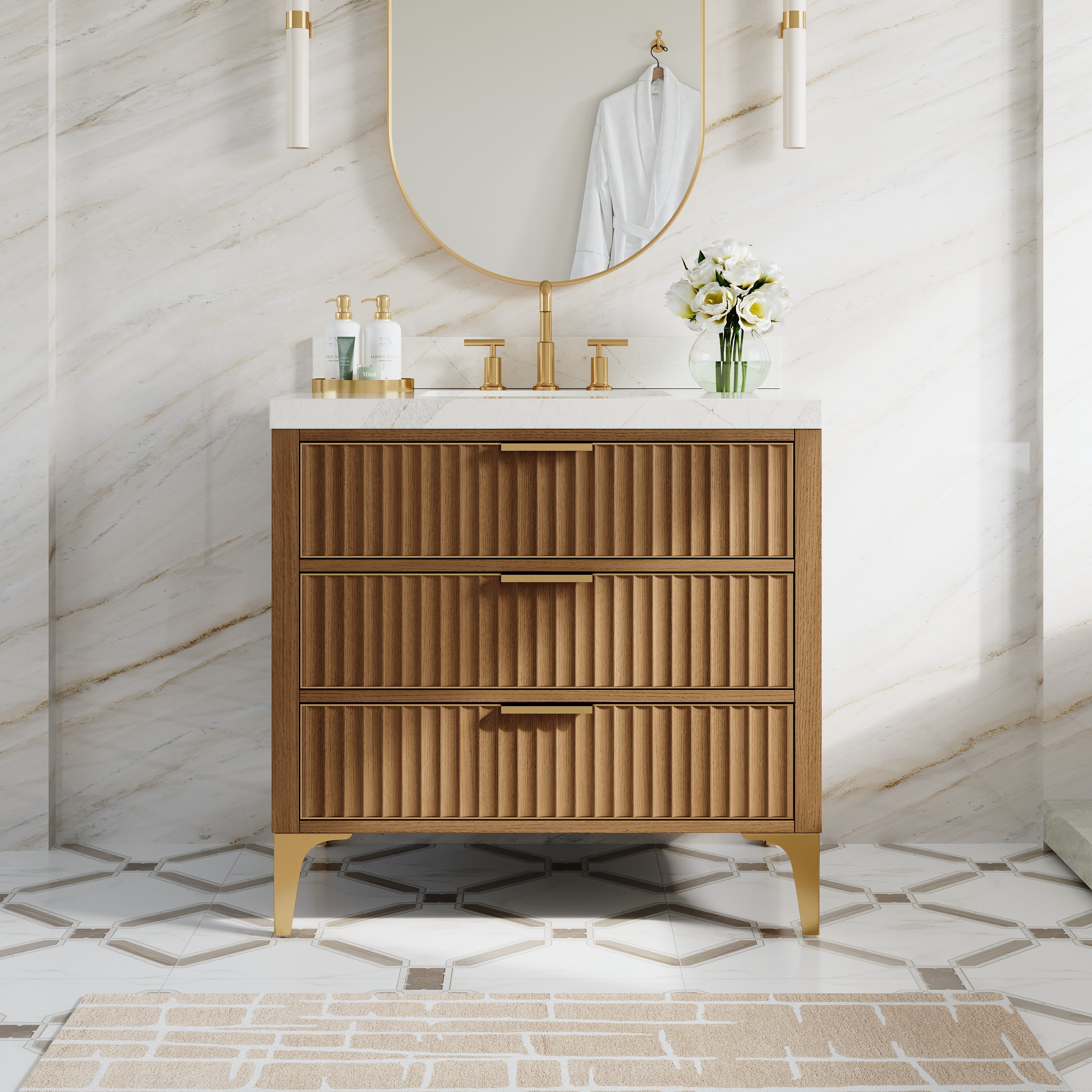
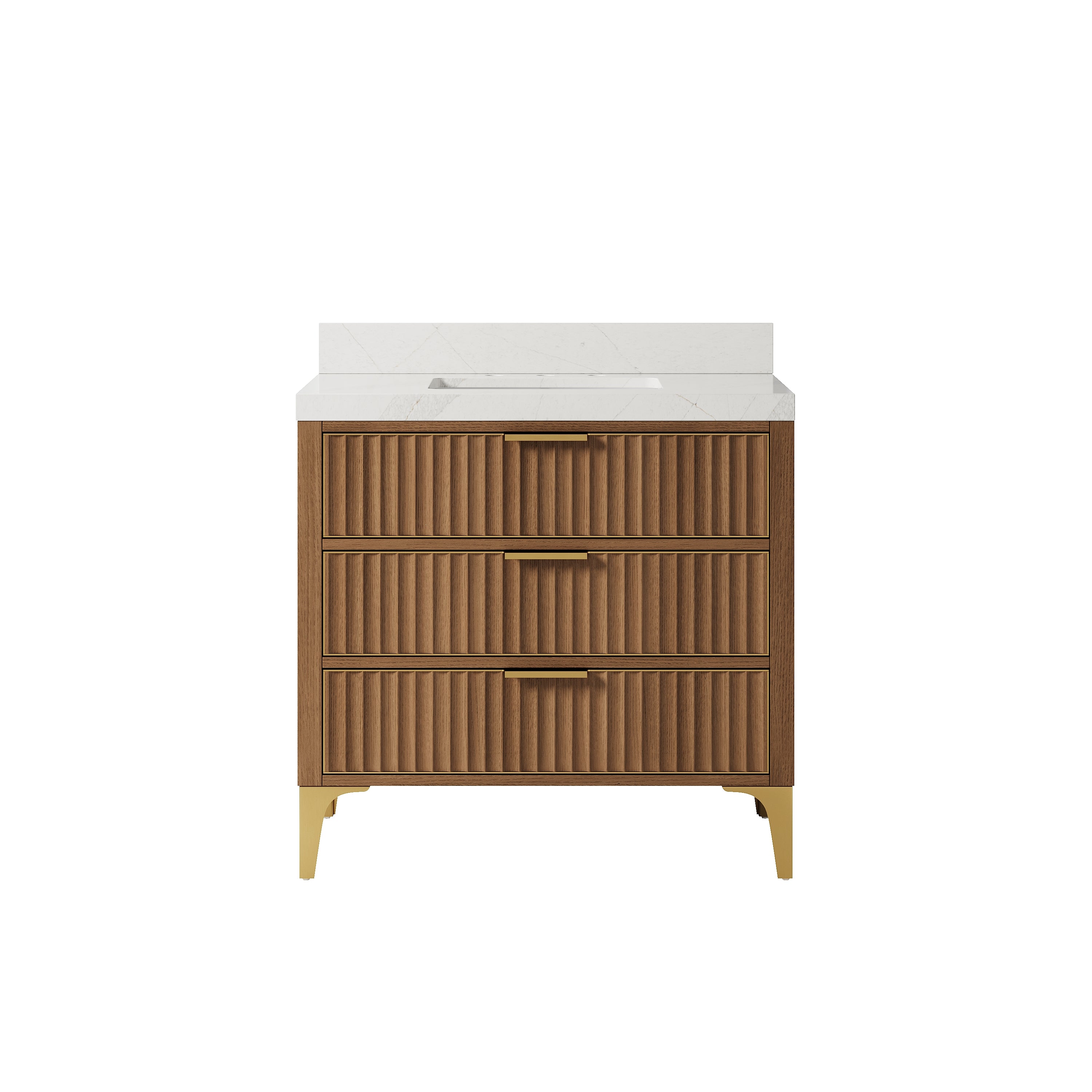
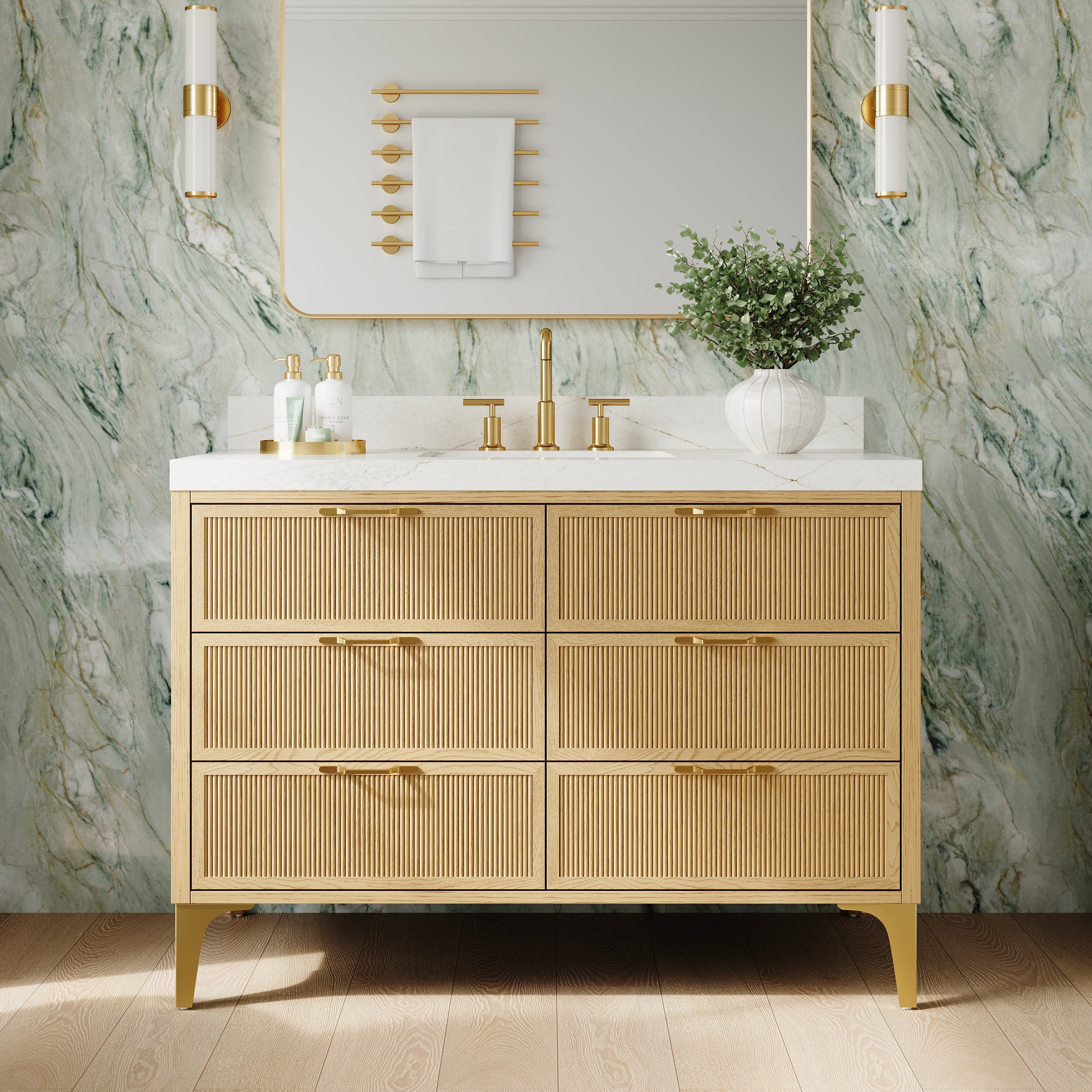
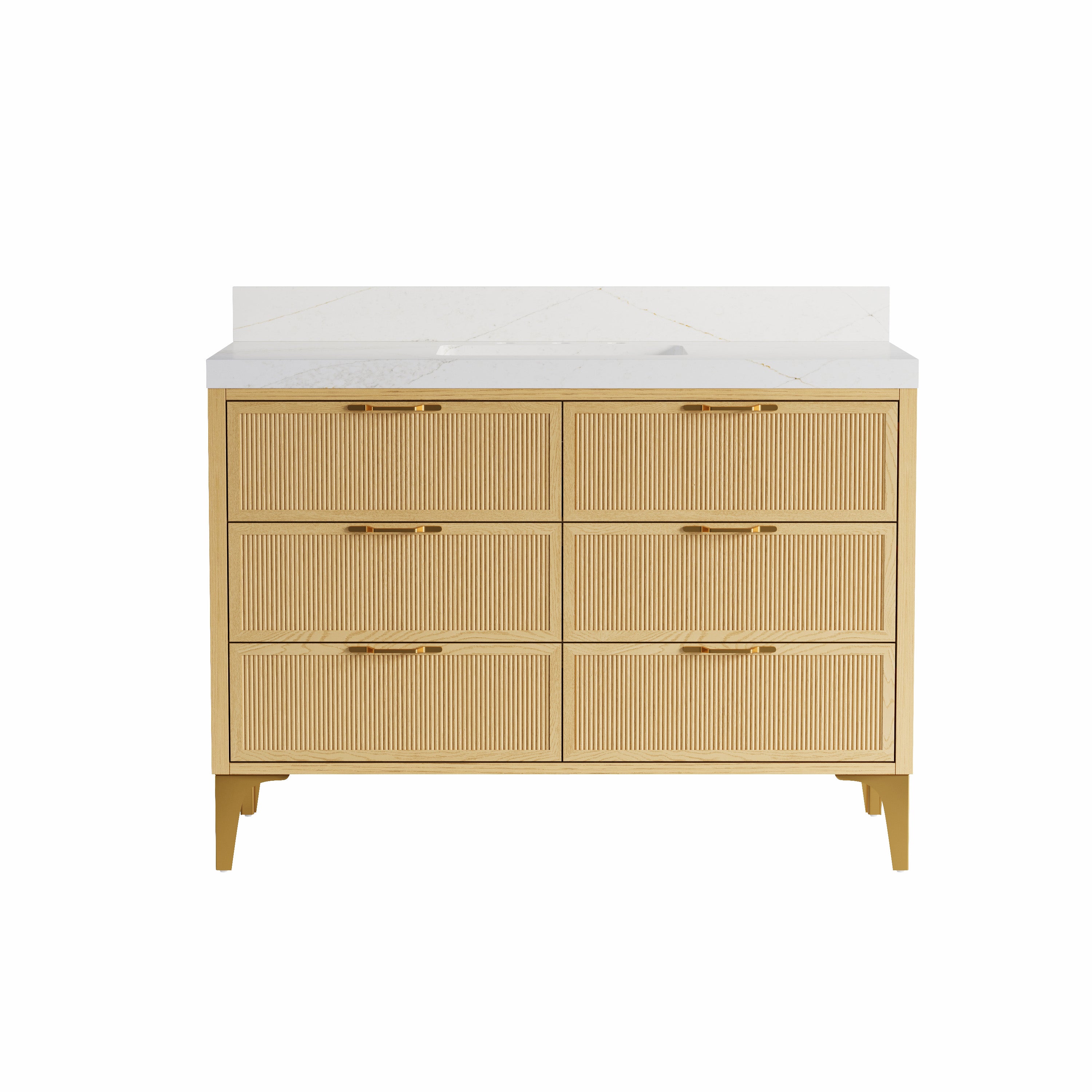


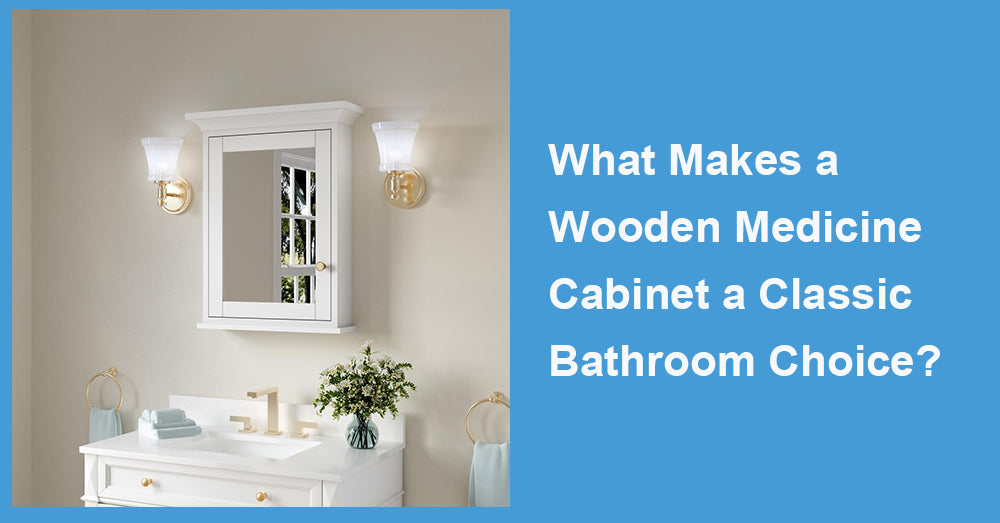
A wooden medicine cabinet earns its “classic” reputation the hard way: it stays relevant through changing trends because it solves real bathroom problems while adding warmth that metal and plastic rarely match. As renovation spending remains elevated—home improvement and repair spending vaulted from $404 billion in 2019 to $611 billion in 2022, and was expected to stay above $600 billion through 2025 (Source: Harvard Joint Center for Housing Studies)—homeowners are looking harder at upgrades that feel timeless and durable, not disposable.
1. Wood Brings Visual Warmth That Doesn’t Date Quickly
Bathrooms can lean cold: tile, glass, polished metal, and bright lighting all read crisp, but sometimes sterile. Wood counters that with a softer, more lived-in warmth. Trend research has been consistent on this point. NKBA’s year-in-review reporting noted that wood-faced vanities surpassed painted finishes, reinforcing a shift toward organic, biophilic design and calmer palettes (Source: NKBA “Top Kitchen & Bath Trends of 2025”).
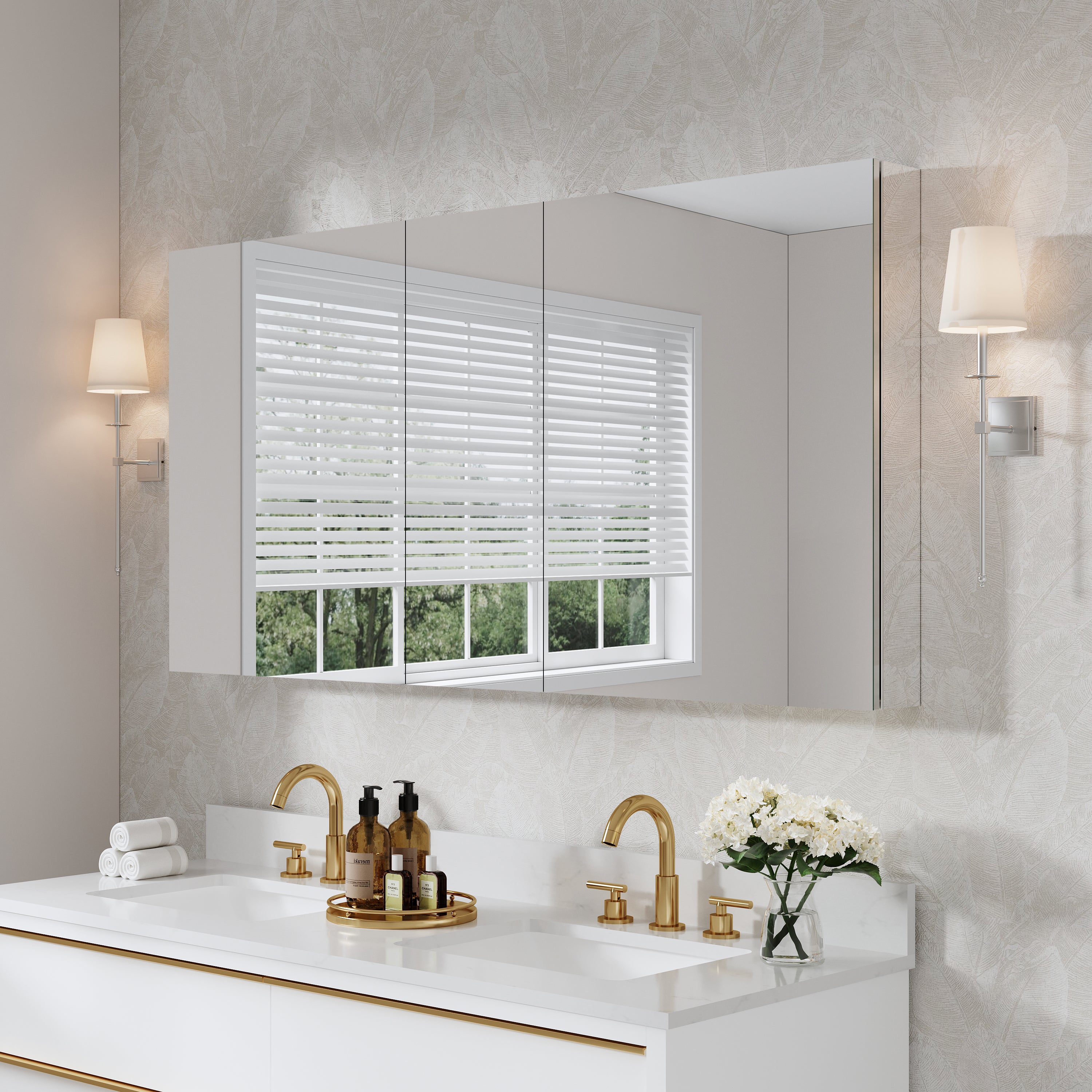
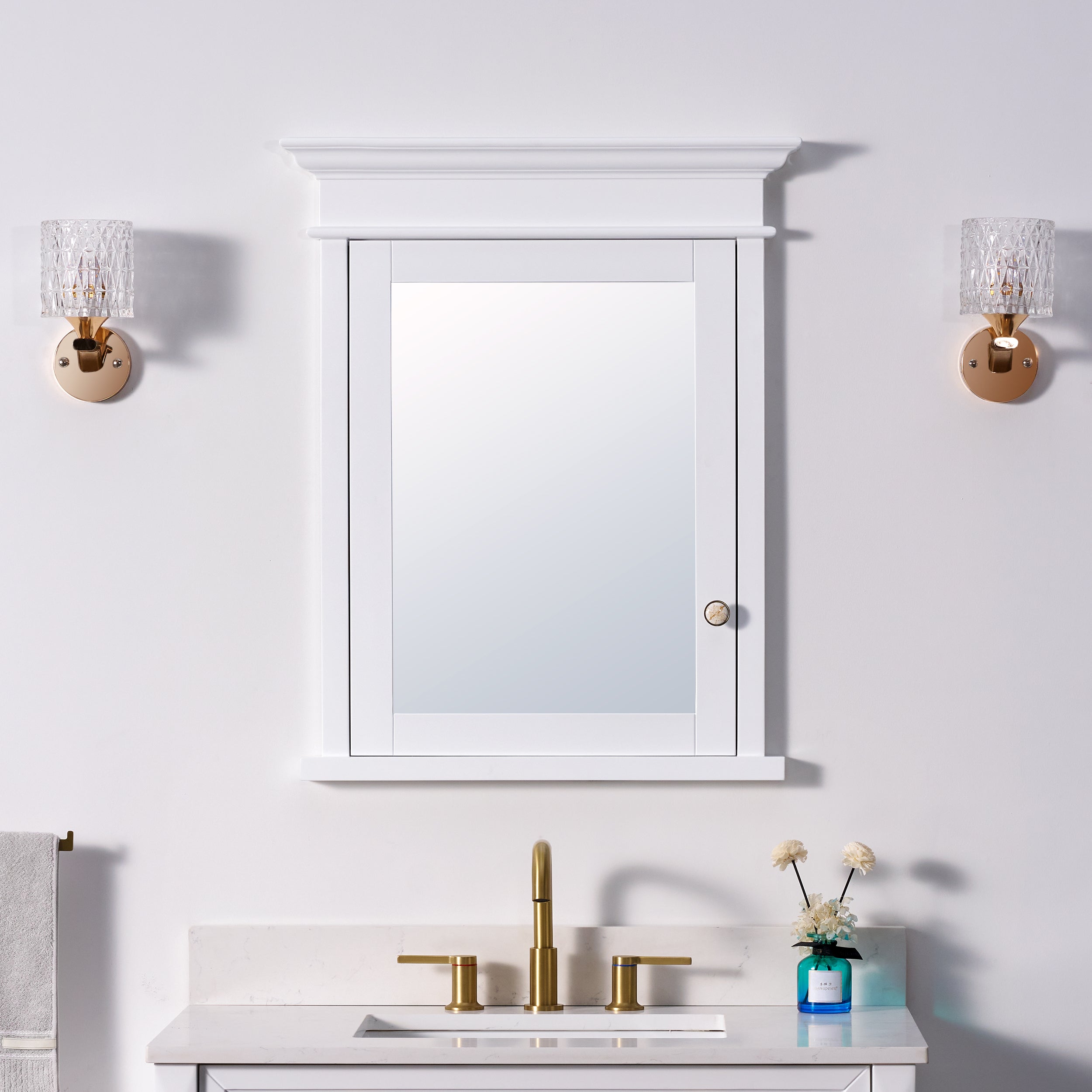
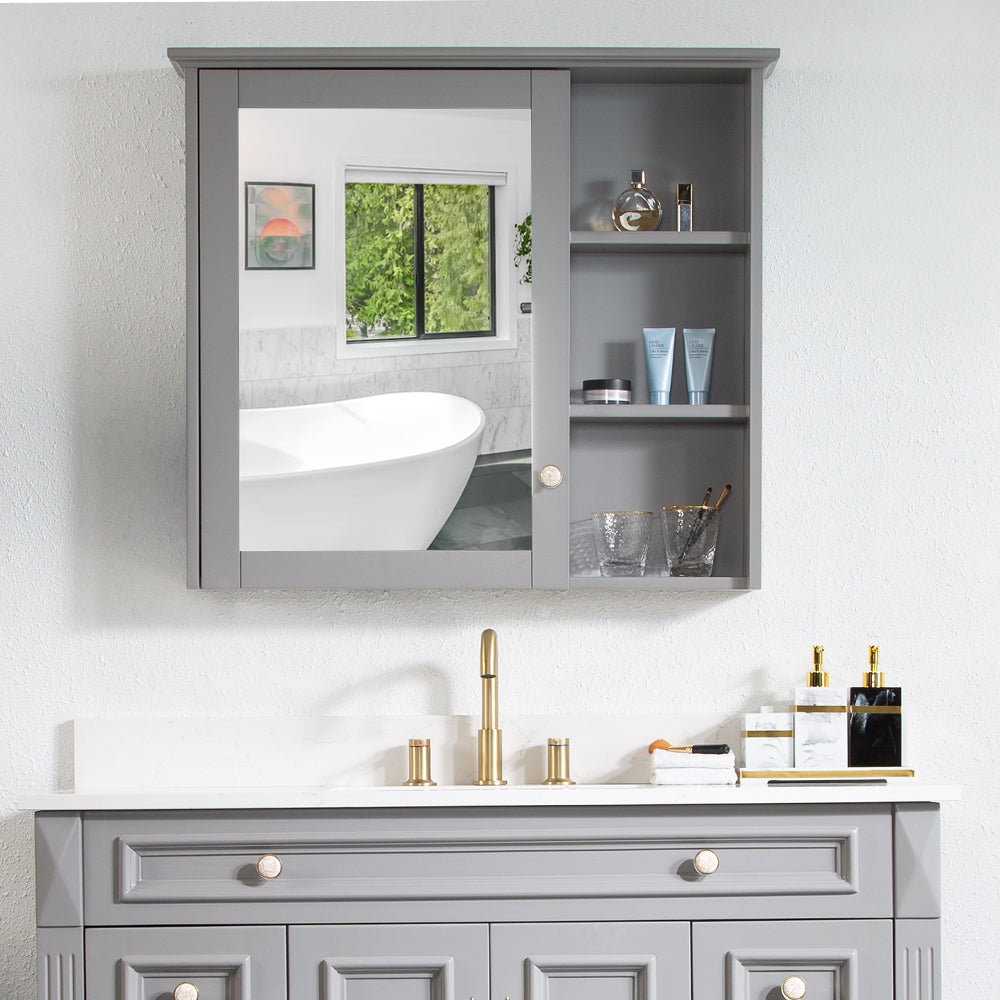
That matters for a medicine cabinet because it often sits at the focal point of the room: eye level, centered above the vanity. A wooden cabinet frame can connect the mirror wall to other elements—vanity, shelving, ceiling beams, or even a small wood stool—so the bathroom feels cohesive instead of “assembled.”
2. It Hides Clutter Without Sacrificing Convenience
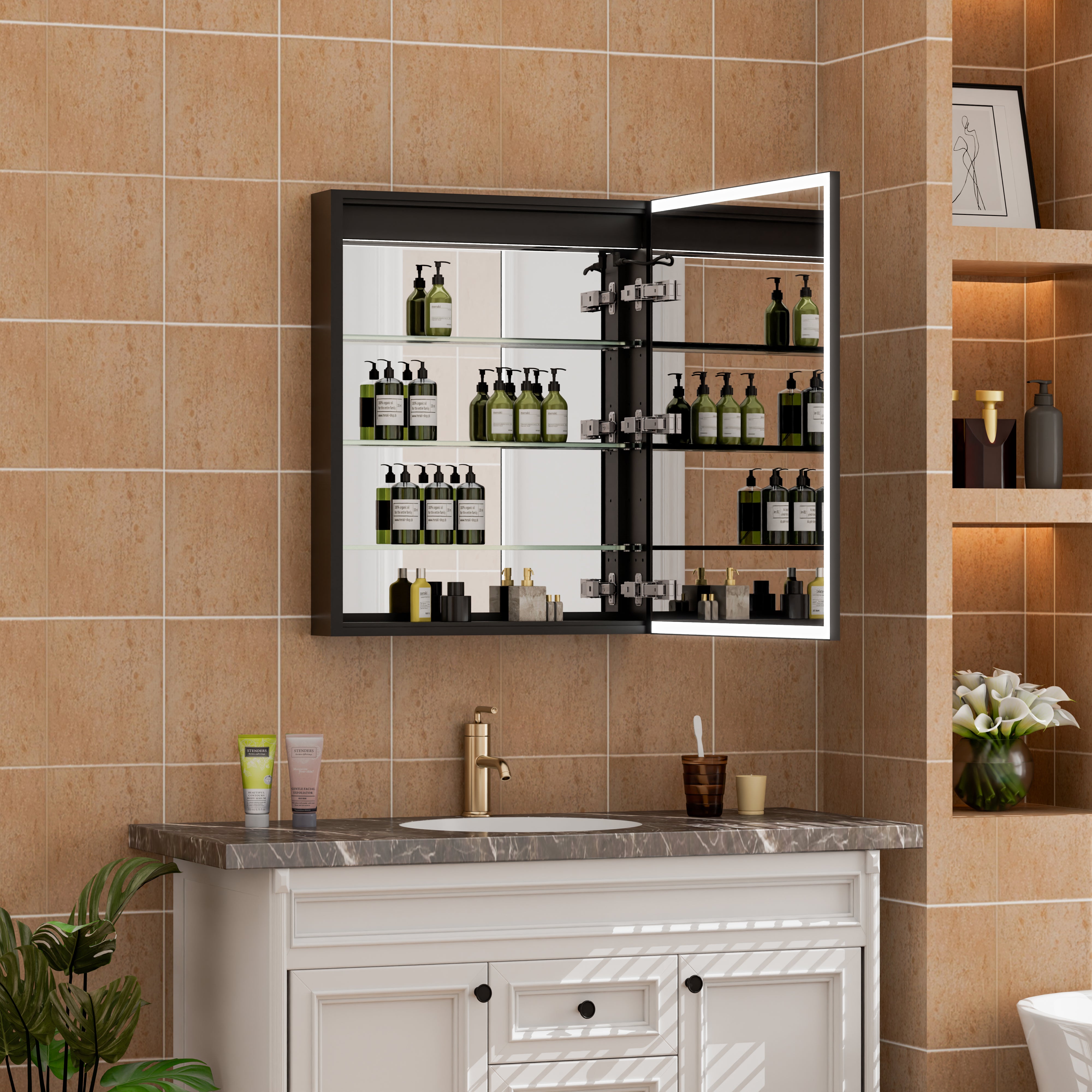
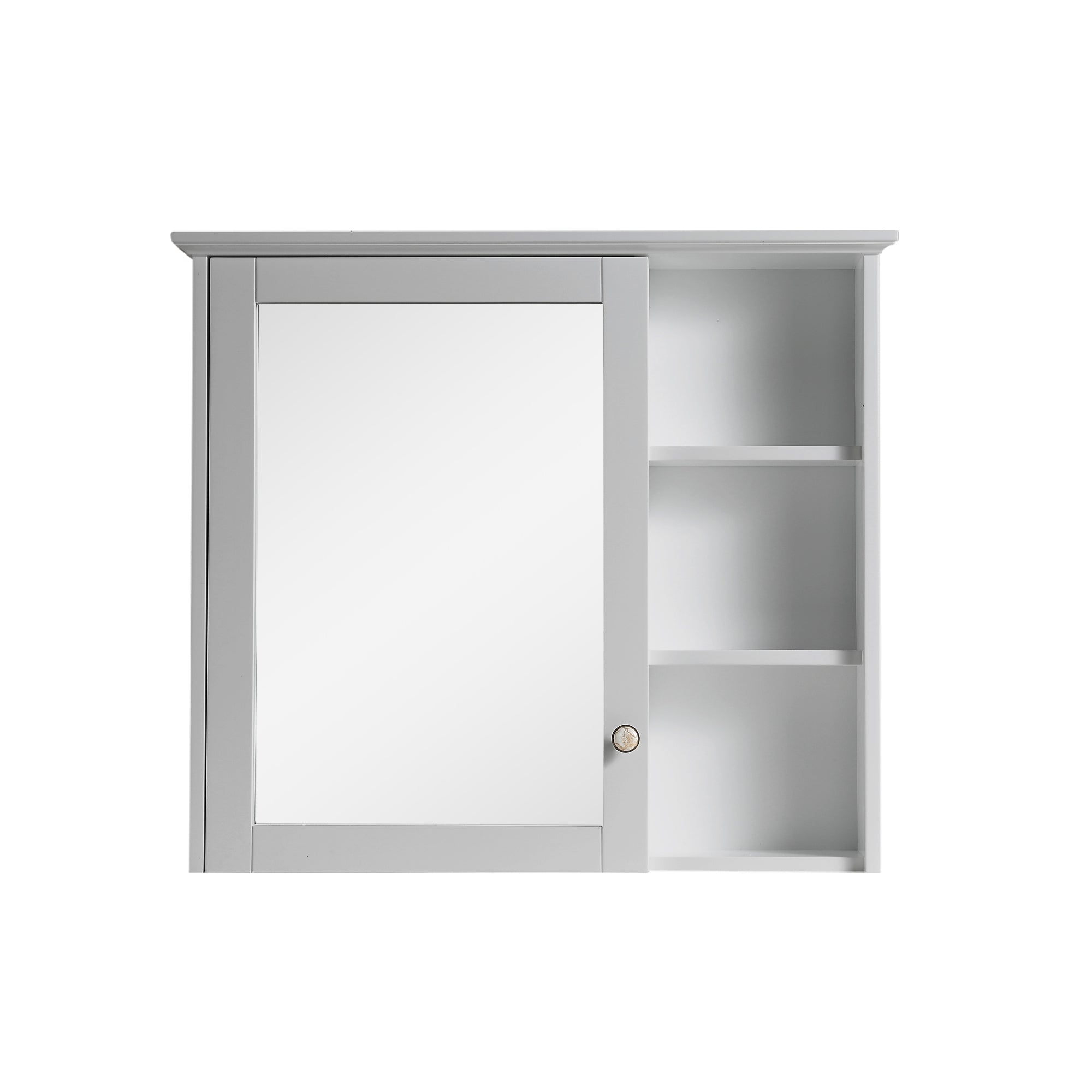
The core functional advantage is simple: storage at face height, behind the mirror, with minimal footprint. That’s why medicine cabinets continue to evolve rather than disappear.
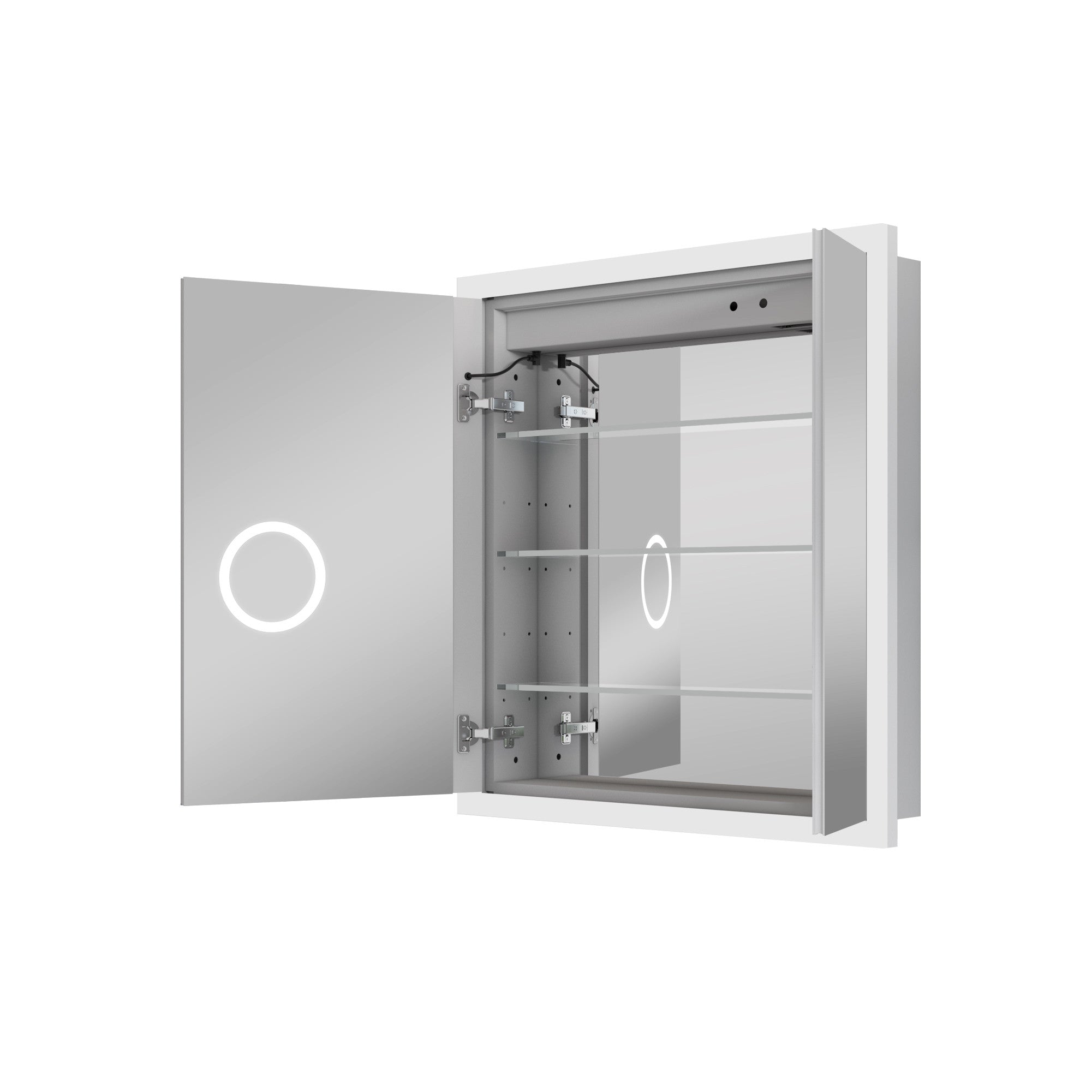
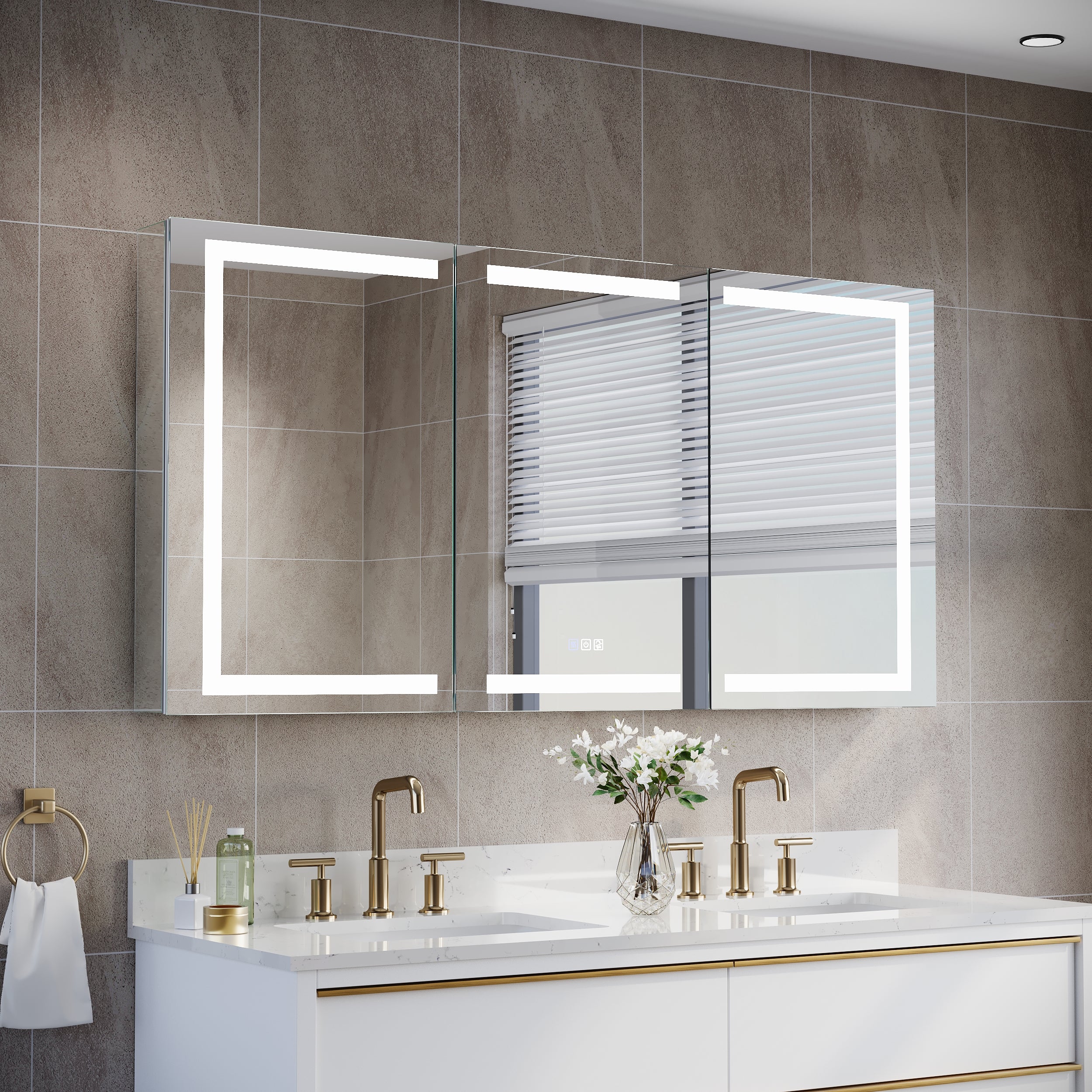
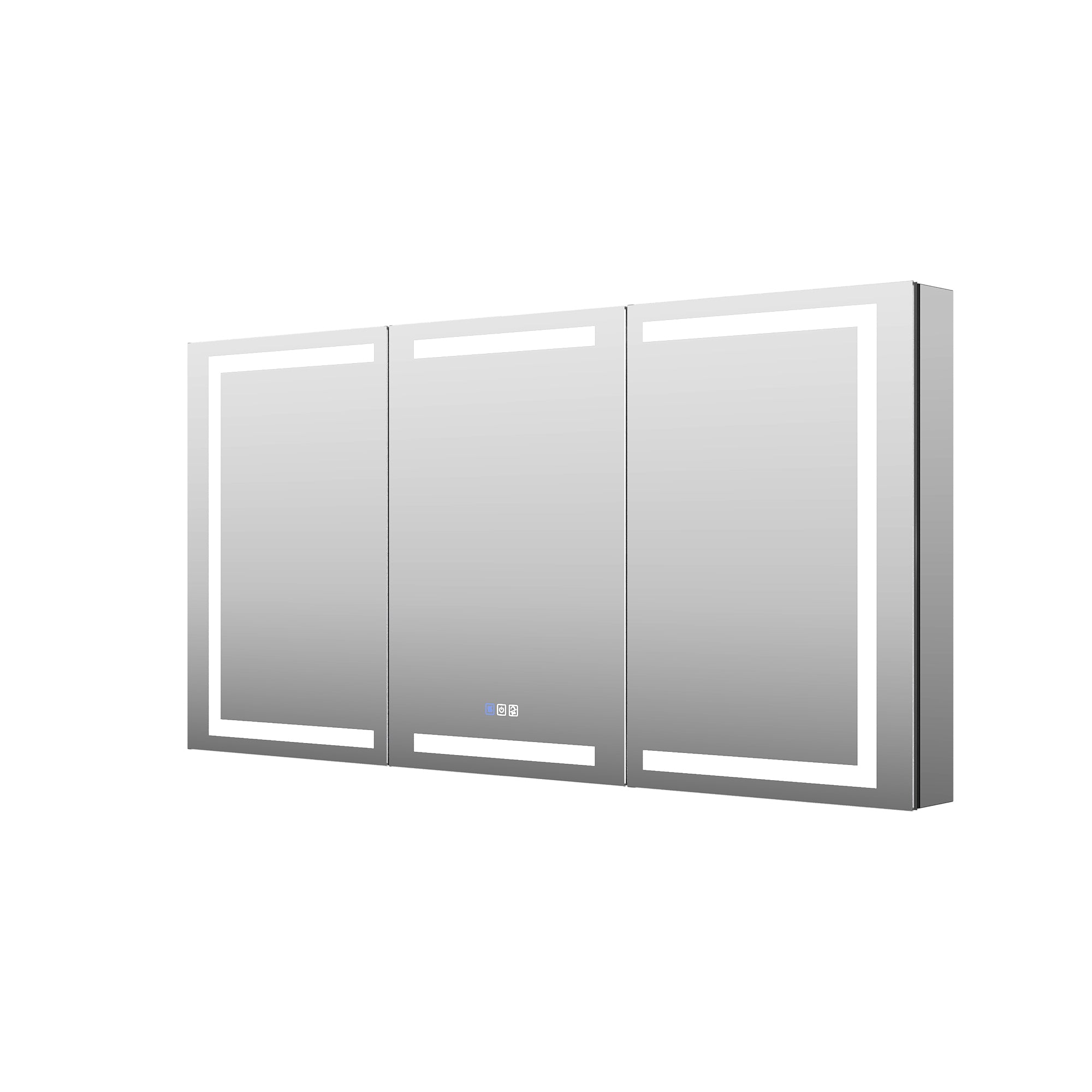
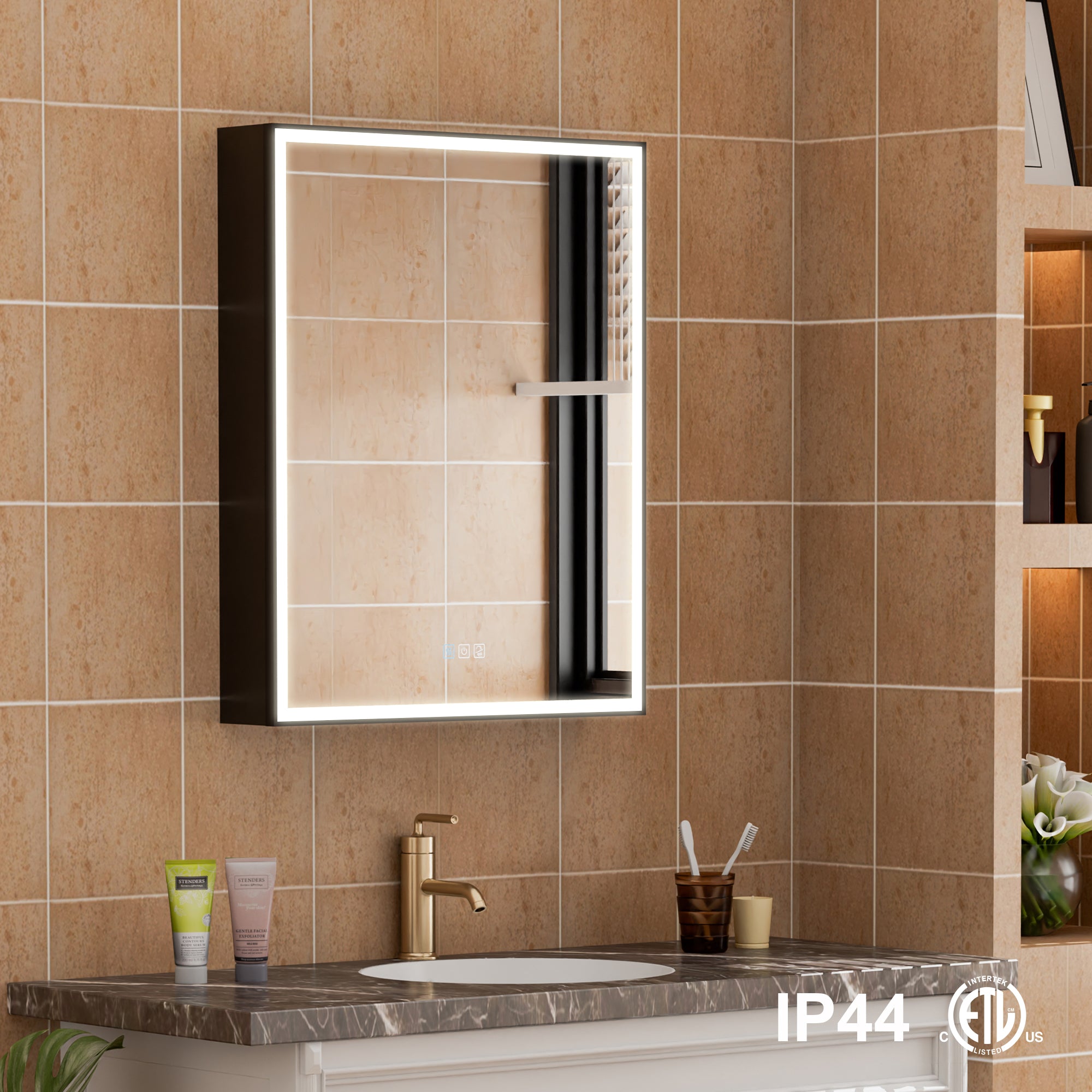
In the 2025 Houzz Bathroom Trends Study, among homeowners who added or upgraded medicine cabinets, the most common feature add-ons were hidden outlets (22%) and antifog systems (17%) (Source: 2025 Houzz Bathroom Trends Study). Mirrors remain the priority, most often installed on the outside (64%) rather than the inside (36%), and lighting is gaining traction with 26% featuring illumination on the outside and 20% on the inside (Source: 2025 Houzz Bathroom Trends Study).
A wooden cabinet can deliver that same modern functionality while keeping the look grounded and classic. When cords, bottles, and small items move off the countertop, the entire vanity area looks calmer—and cleaning gets easier because you’re not constantly lifting and rearranging items.
3. The “Classic” Part Is Also Material Science
Wood performs differently from metal. It’s a natural material, and bathrooms are humid spaces. The key is understanding what wood needs to last.
The Forest Products Laboratory notes that wood is hygroscopic—it takes on moisture from the surrounding environment, and moisture exchange depends on relative humidity and temperature (Source: USDA Forest Products Laboratory, Wood Handbook—Moisture Relations).
A quality wooden medicine cabinet addresses this in three ways:
· Finish and sealing: Look for sealed edges, finished interior surfaces, and consistent coating on door edges and corners where moisture exposure is highest.
· Construction design: Frame-and-panel doors and smart joinery help wood accommodate small seasonal movement without splitting.
· Ventilation habits: Even the best finish benefits from good exhaust fan use and wiping down standing water after steamy showers.
If you love the look of wood but worry about moisture, focus less on the “wood vs. not wood” debate and more on build quality and finish discipline. A well-finished cabinet in a ventilated bathroom can look great for years.
4. Quality Signals: Solid Wood vs. Engineered Components and What to Ask For
Many wooden cabinets use a mix of materials: solid wood for face frames and doors, plus plywood or composite panels where stability and cost efficiency matter. That hybrid approach can be perfectly durable—if it’s made responsibly.
One practical quality and indoor-air signal is compliance for composite wood components. EPA guidance explains that after March 22, 2019, composite wood products must be labeled TSCA Title VI compliant, and this rule also covers finished goods containing hardwood plywood, MDF, or particleboard (Source: EPA, Formaldehyde Emission Standards for Composite Wood Products).
What to do with that information:
· If the cabinet uses plywood or MDF components, look for TSCA Title VI labeling or documentation.
· Favor cabinets that specify materials clearly (solid wood species, plywood grade, finish type).
· Prioritize soft-close hinges and sturdy mounting points; hardware quality affects longevity as much as the box.
A classic cabinet is not just a style choice—it’s a manufacturing choice. Transparency in specs is a strong EEAT signal because it helps buyers evaluate real durability rather than marketing language.
5. Family Safety: Better Storage Habits Start With Better Storage
A medicine cabinet isn’t only about beauty; it also supports safer routines. Families often keep medications, vitamins, first-aid supplies, and personal-care items in the bathroom. Safe organization matters because accidental poisonings remain a serious risk for young children.
The U.S. Consumer Product Safety Commission’s annual report noted 98 fatalities involving unintentional pediatric poisonings in 2022 and estimated 68,600 emergency-department treated injuries that year (Source: CPSC Pediatric Poisoning Fatalities and Injuries Report, 2024).
A larger, well-planned wooden cabinet helps create “safe zones”:
· Store adult medications on the top shelf or in a lockable internal bin.
· Keep everyday items (toothpaste, brushes, skincare basics) on lower shelves so you don’t repeatedly open high-risk compartments.
· Use labeled containers to reduce mix-ups in shared bathrooms.
The cabinet doesn’t replace child-resistant packaging, but it can reduce accidental access and improve household discipline.
6. Fit and Installation: Why Proportions Make It Feel Classic

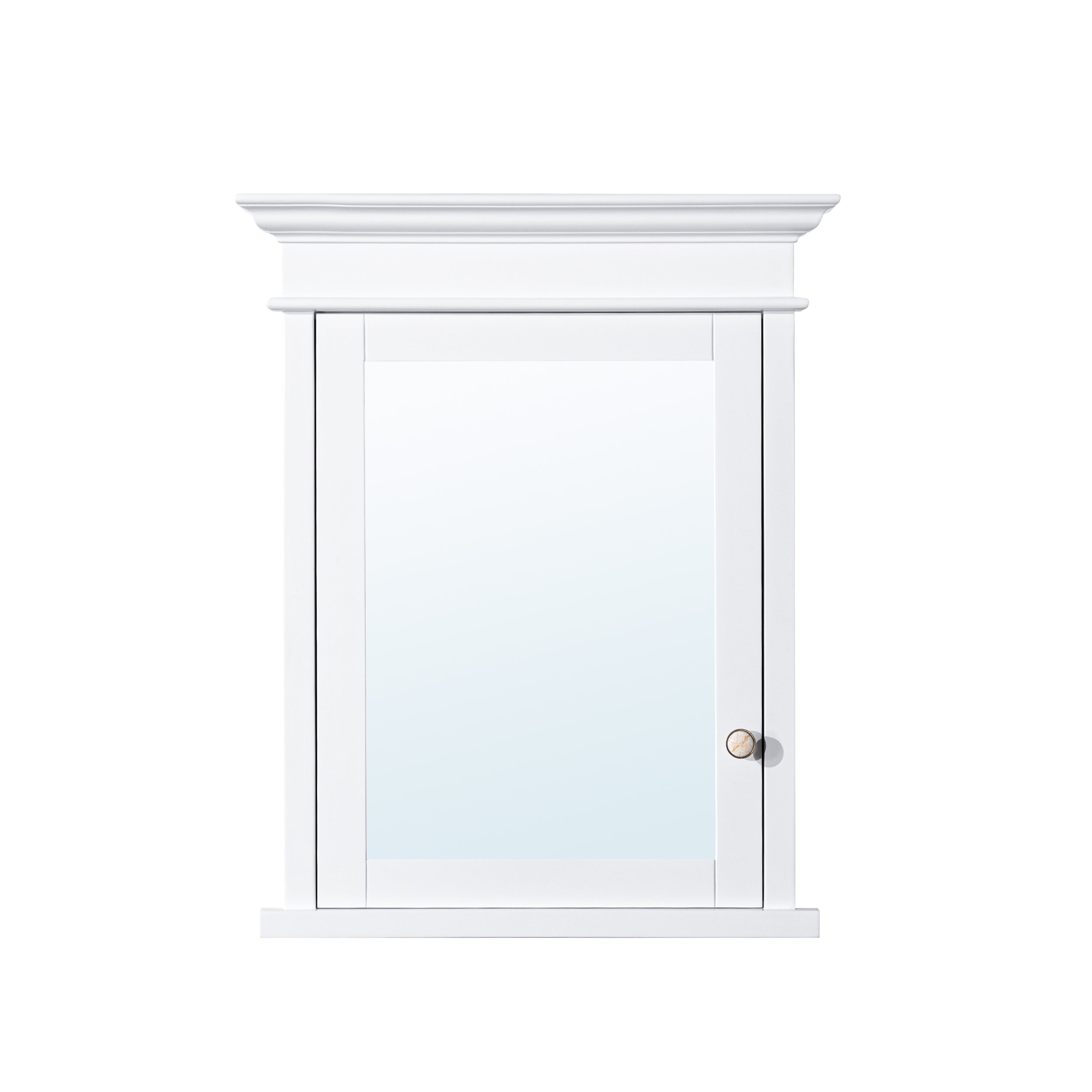
A wooden medicine cabinet looks classic when it feels integrated with the vanity wall. That means choosing the right size and mounting style.
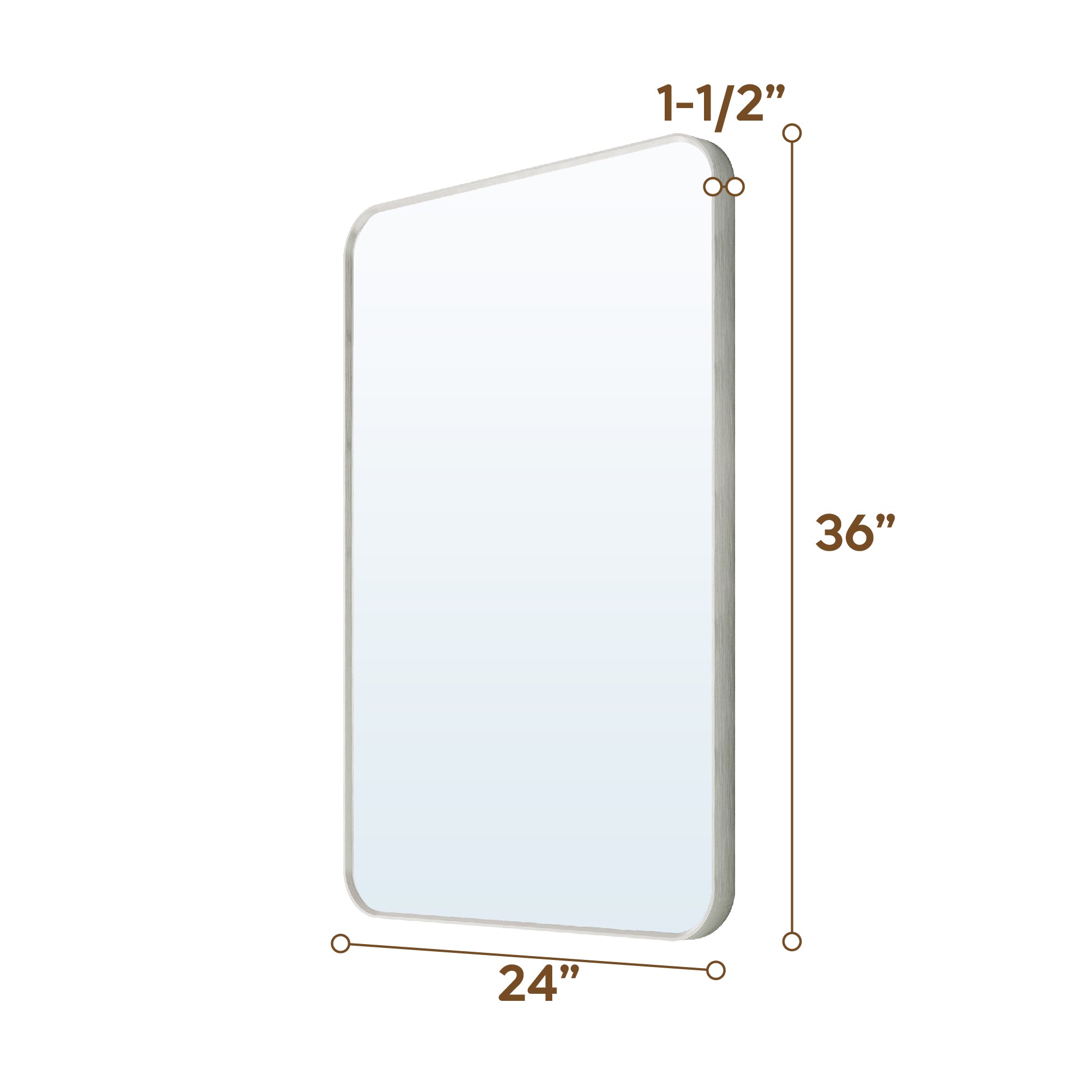
Common “go-to” sizes are easy to find because they suit typical vanity widths and wall framing. Retail listings frequently feature sizes like 24 in. x 30 in. (Source: The Home Depot medicine cabinet listing) and 30 in. x 24 in. (Source: Lowe’s medicine cabinet listing).
Two install approaches create different visual outcomes:
· Recessed (in-wall): Cleaner profile, more built-in look, often the most “classic” visually.
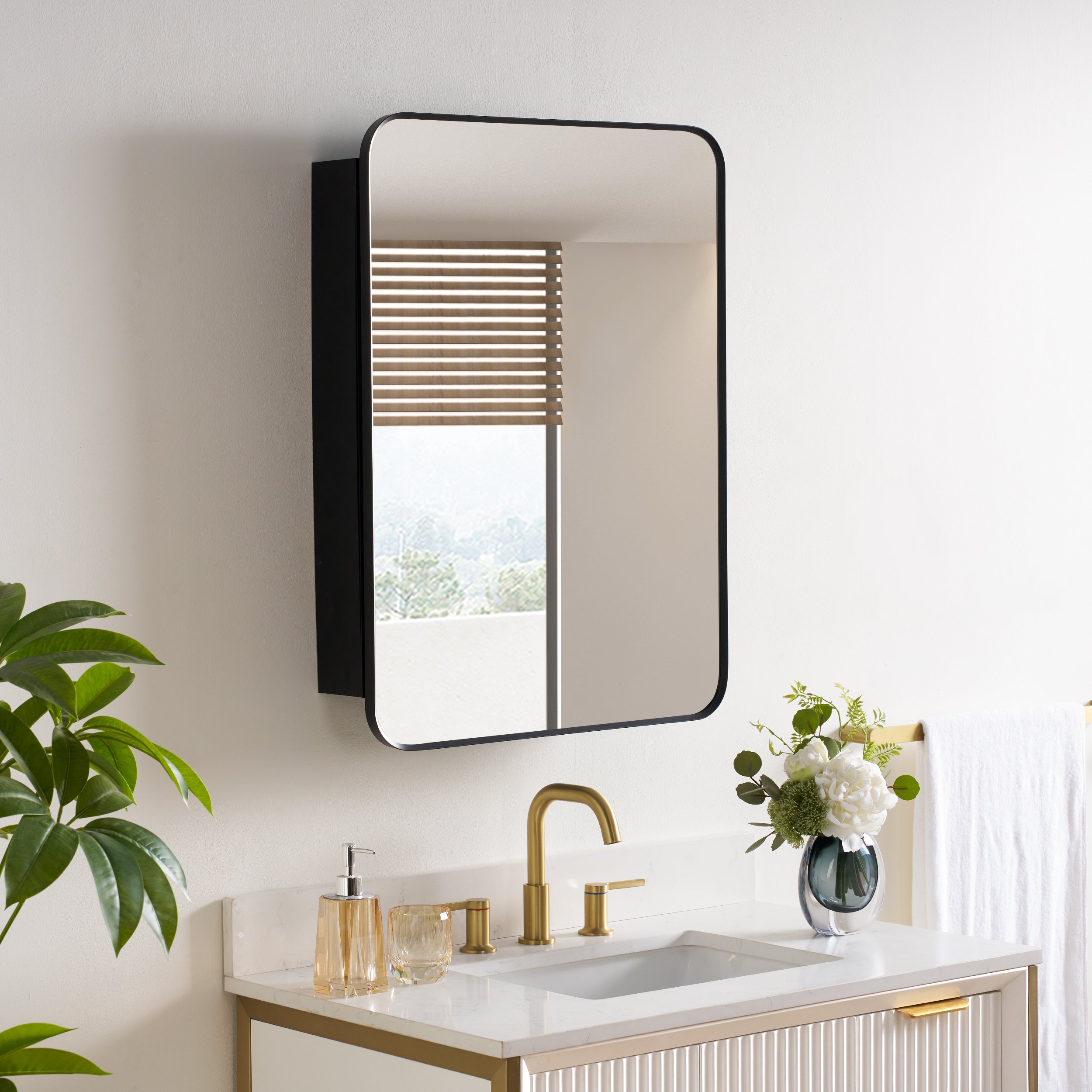
· Surface mount: Easier for remodels with limited wall depth or obstructions; can still look refined with a slim cabinet body and good trim detail.
For a family bathroom, depth matters too. You want enough depth to hold bottles and electric toothbrush heads, but not so deep that the cabinet feels bulky or intrudes into the room.
7. Maintenance That Preserves the Wood Look Long-Term
A wooden cabinet stays beautiful when care is simple and consistent:
· Wipe splashes quickly, especially near door seams and lower corners.
· Use mild cleaners and soft cloths; avoid abrasive pads that can scratch the finish.
· Check hinge screws and door alignment once or twice a year; soft-close hardware performs best when aligned.
· If your bathroom routinely steams up, run ventilation longer after showers to reduce prolonged humidity exposure.
This is where wood often wins aesthetically: small signs of use can read like patina rather than damage—if the finish is solid and the cabinet was built well.
Classic Because It Balances Warmth, Function, and Trustworthy Durability
A wooden medicine cabinet remains a classic bathroom choice because it delivers what modern bathrooms still need: hidden storage, a calmer vanity zone, and a warmer focal point that doesn’t go out of style. Trend reporting supports the broader move toward wood-forward bathroom design (Source: NKBA 2025 Trends), while product data shows medicine cabinets increasingly bundle practical features like hidden outlets and antifog performance (Source: 2025 Houzz Bathroom Trends Study). And when you add quality checks—like TSCA Title VI documentation for composite components (Source: EPA)—you get a cabinet that isn’t just classic-looking, but built for longevity.










Leave a comment
This site is protected by hCaptcha and the hCaptcha Privacy Policy and Terms of Service apply.