














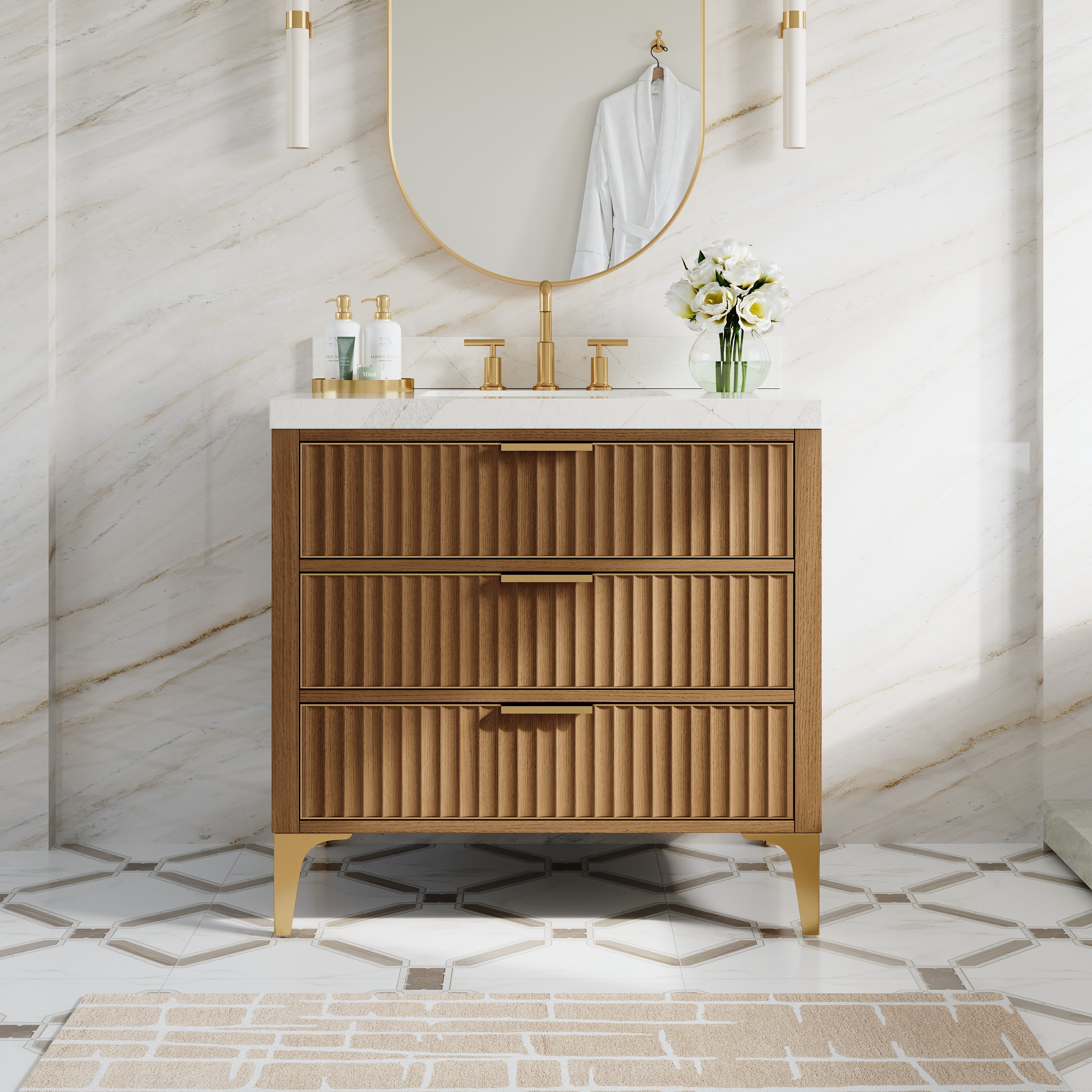
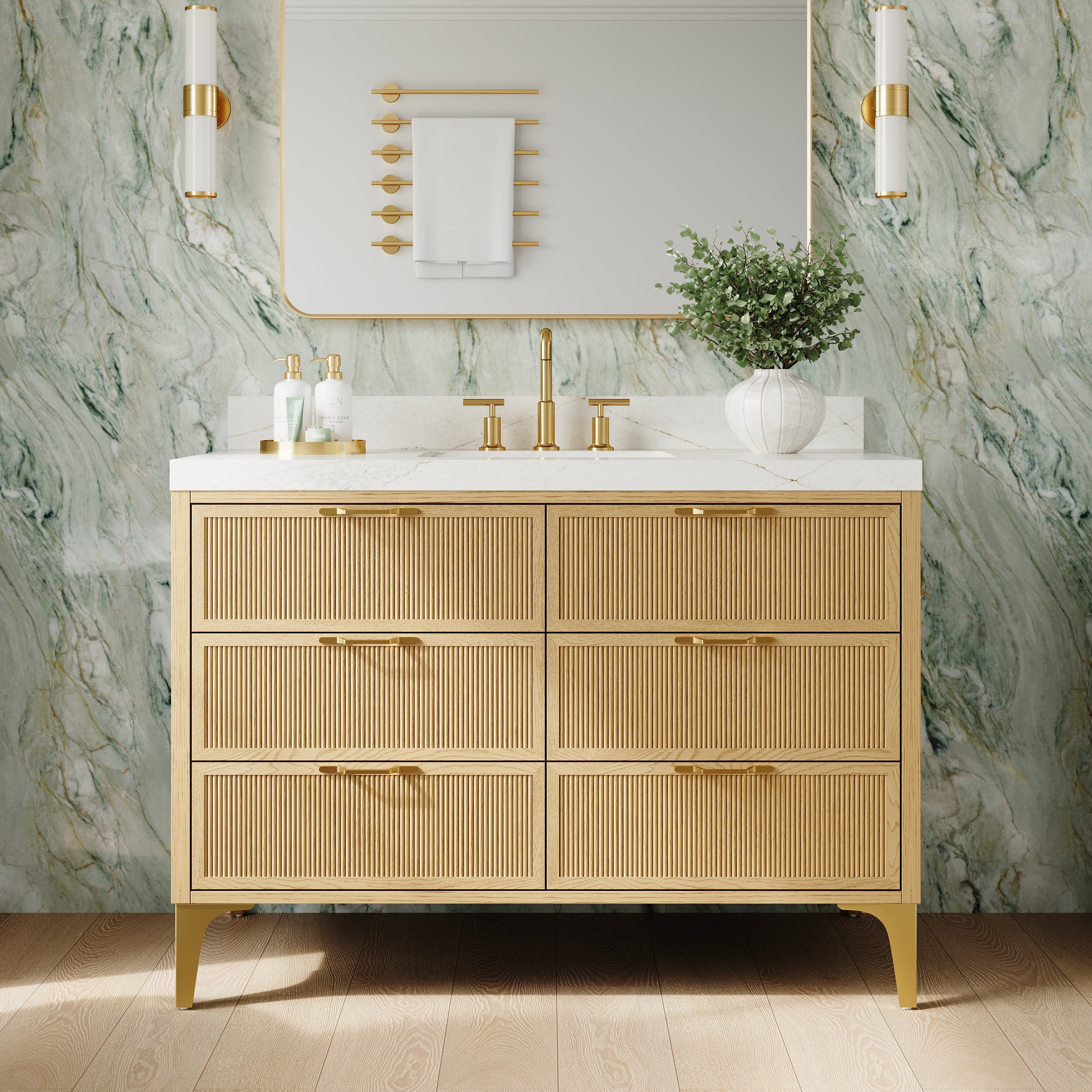


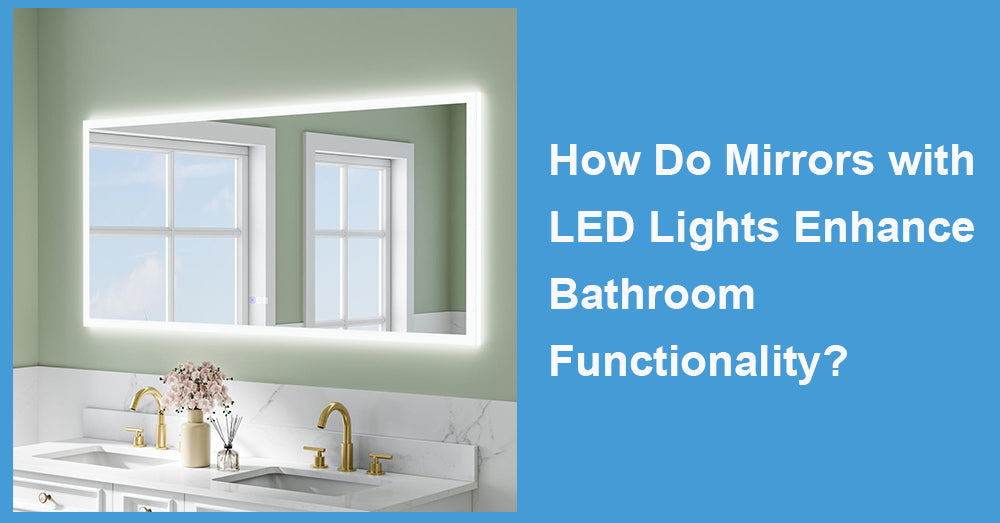
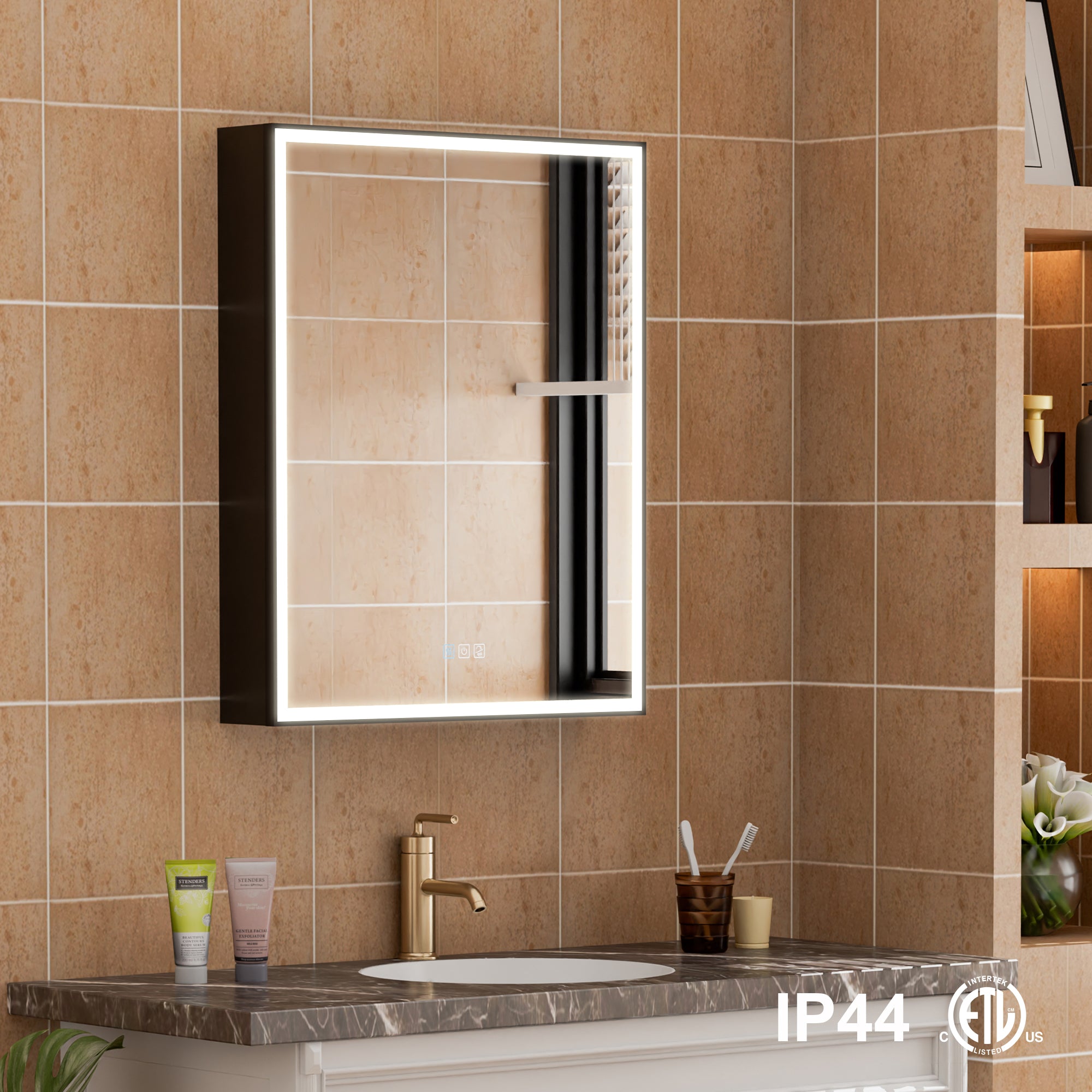
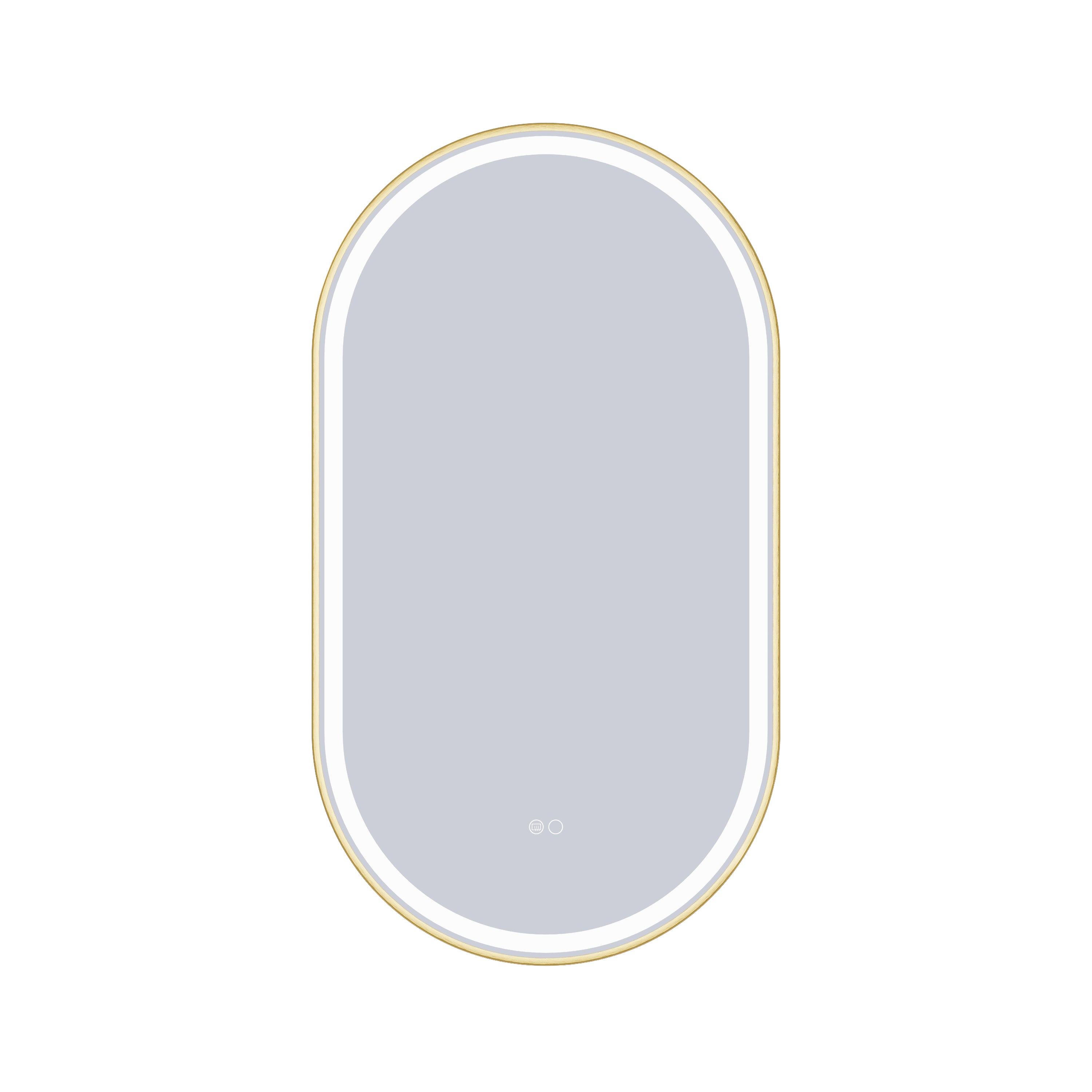
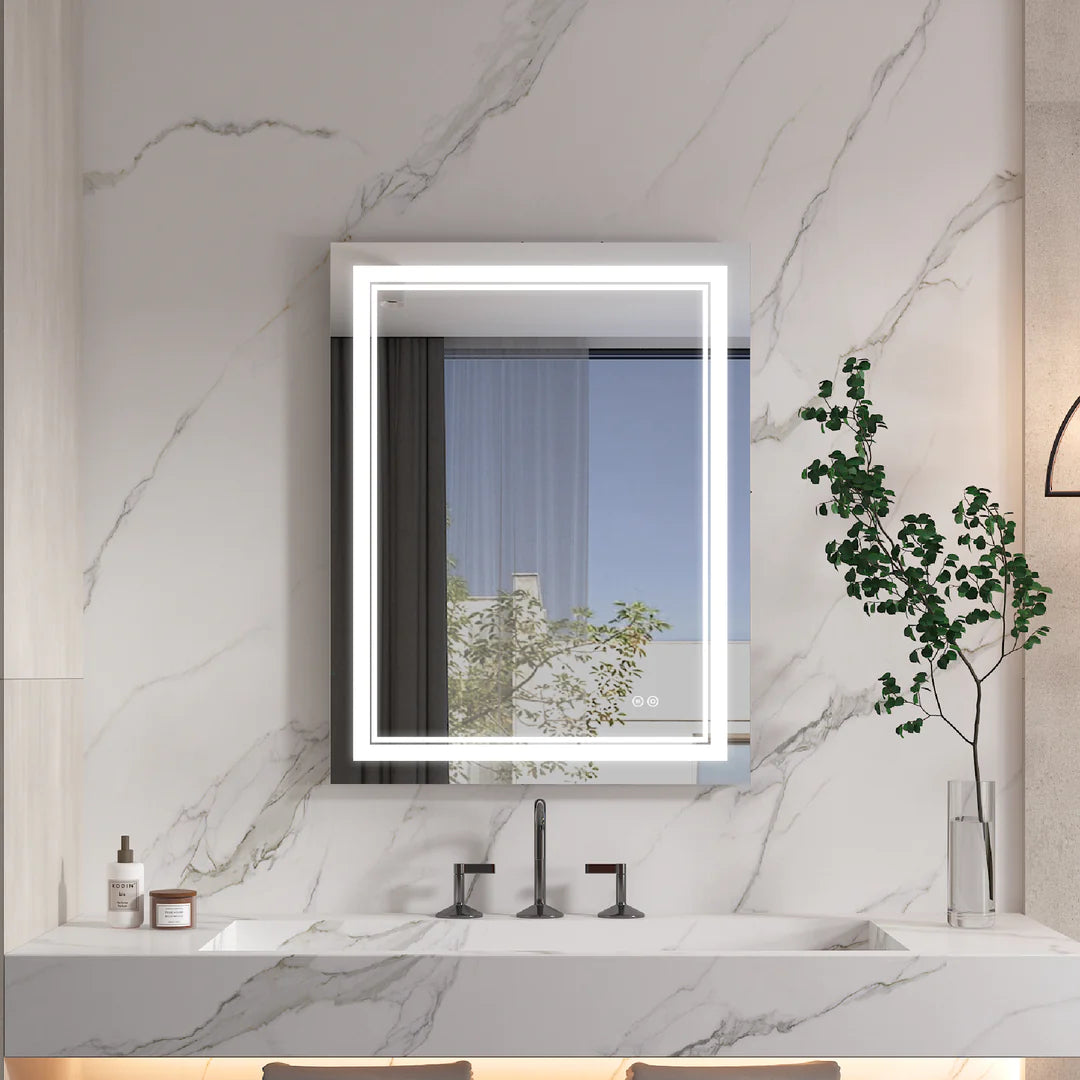
mirrors with led lights have shifted from “nice-to-have” décor to a practical upgrade that changes how a bathroom works every day. Done well, they improve grooming visibility, reduce countertop clutter, and simplify the wall layout by combining mirror and lighting in one clean element. That matters because lighting upgrades are now a common renovation priority: in the 2025 Houzz bathroom trends reporting, upgraded lighting shows up as the leading wellness-oriented feature, included in 30% of renovated bathrooms (Source: 2025 Houzz Bathroom Trends Study).
1. They Deliver Better Task Lighting Where It Counts Most
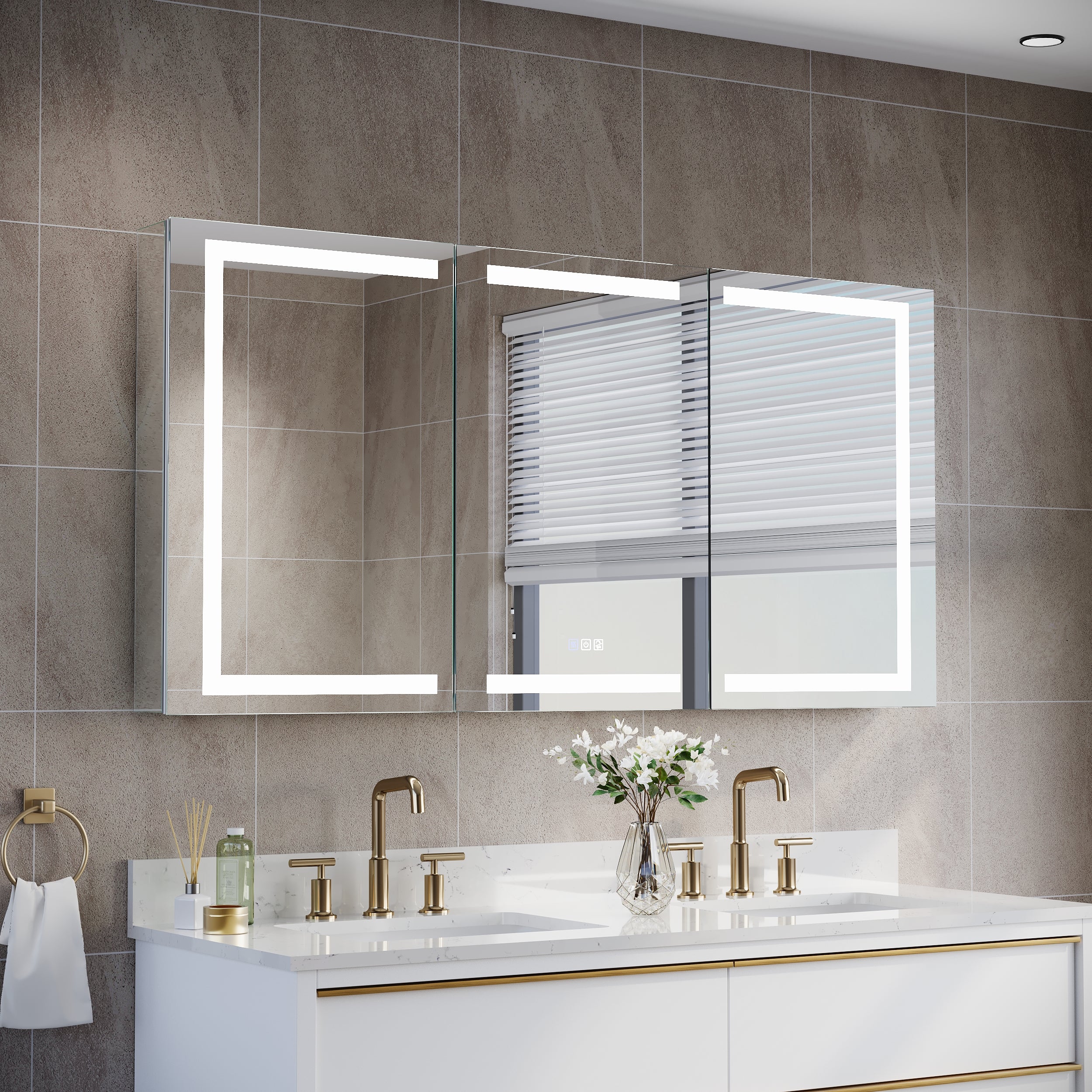
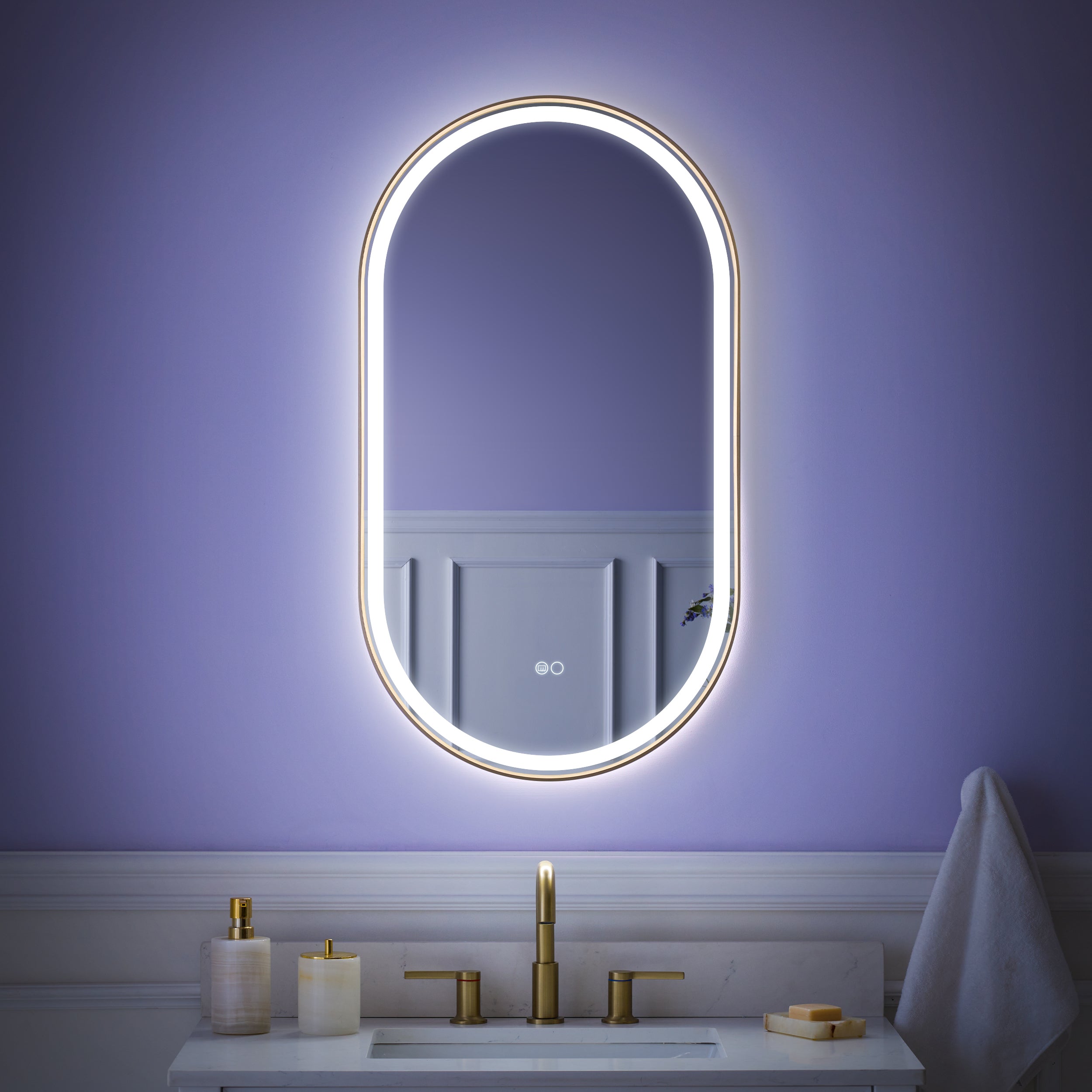
A standard ceiling light often creates shadows under the eyes and chin—exactly where you don’t want them when shaving, applying skincare, or doing makeup. LED-lit mirrors address this by placing light closer to face level, producing more even illumination.
Design guidance from the National Kitchen & Bath Association (NKBA) emphasizes that task lighting at the vanity should be beside the mirror and at eye level, with the lamp not visible to the eye (Source: NKBA Bathroom Planning Guidelines). Even if you choose an LED mirror instead of side sconces, the principle holds: face-level, evenly distributed light improves accuracy and comfort for daily routines.
2. They Support a Clean, Modern Wall Layout With Fewer Fixtures
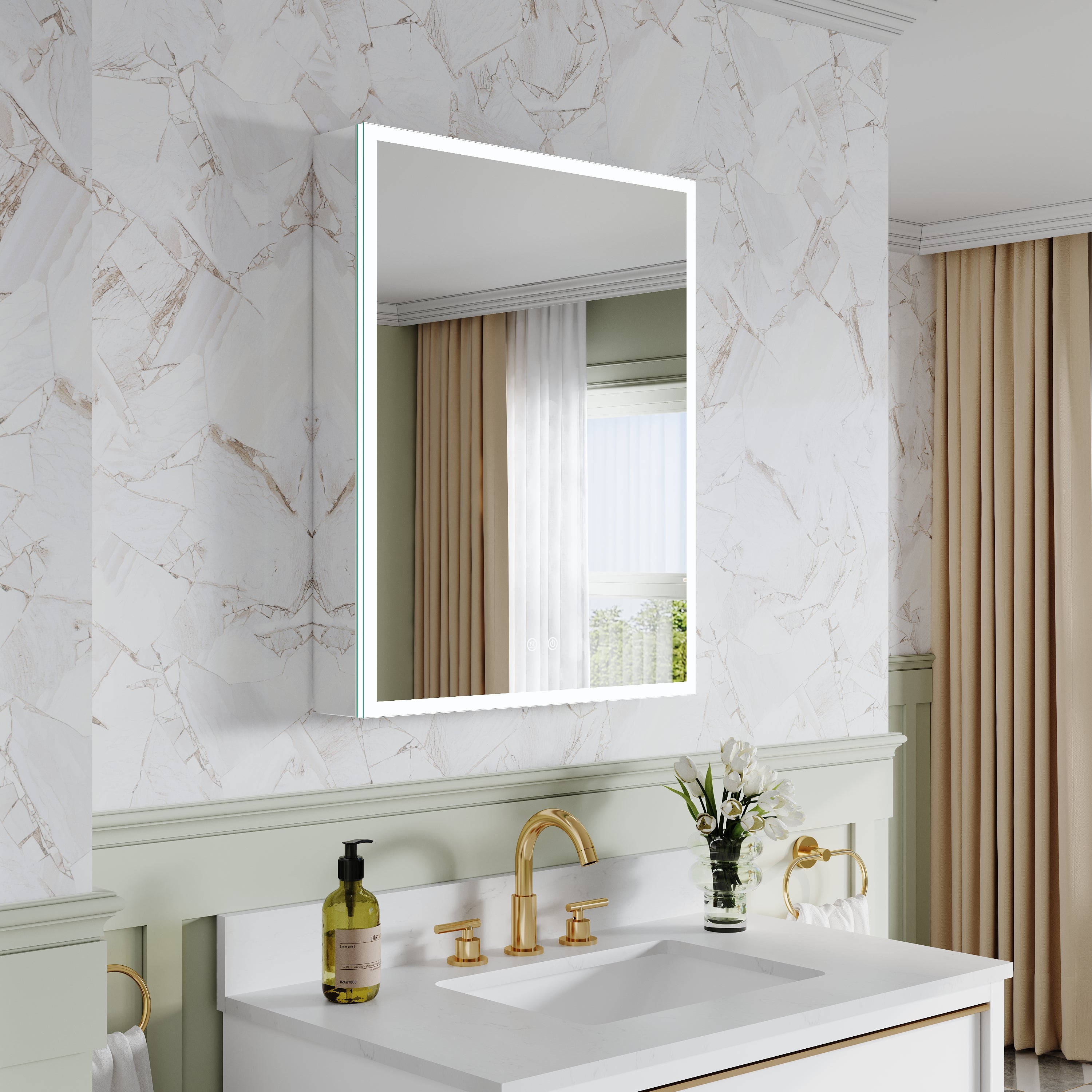
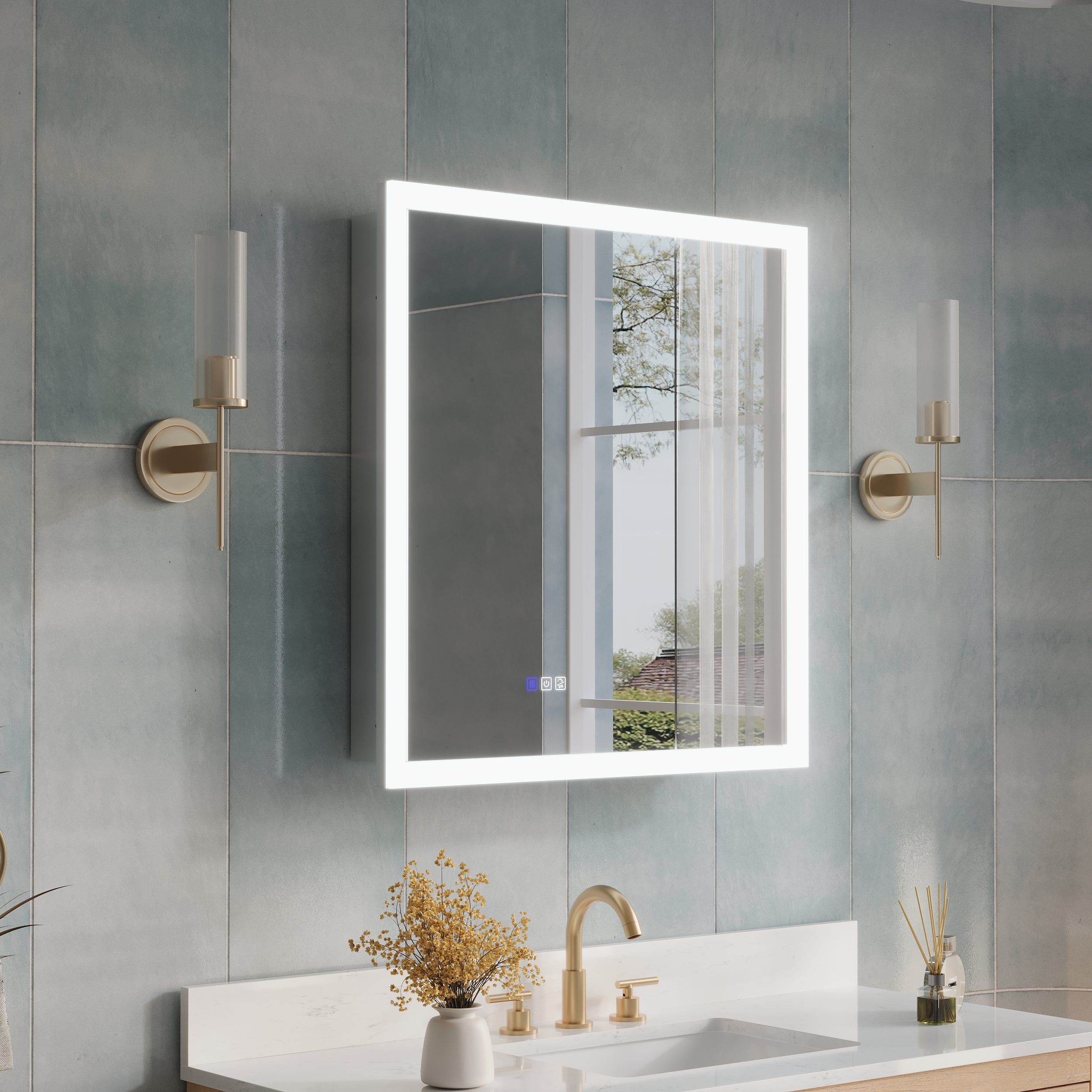
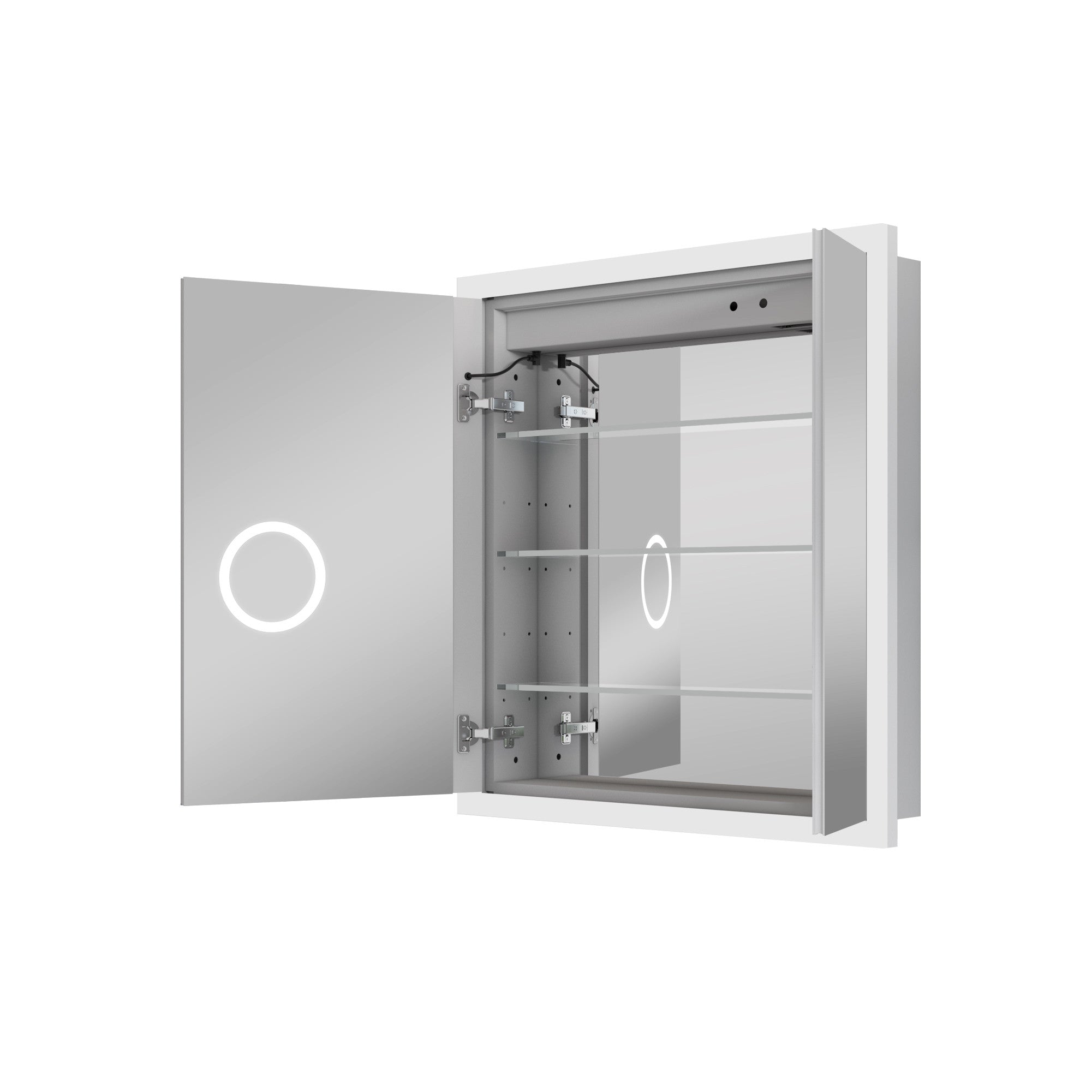
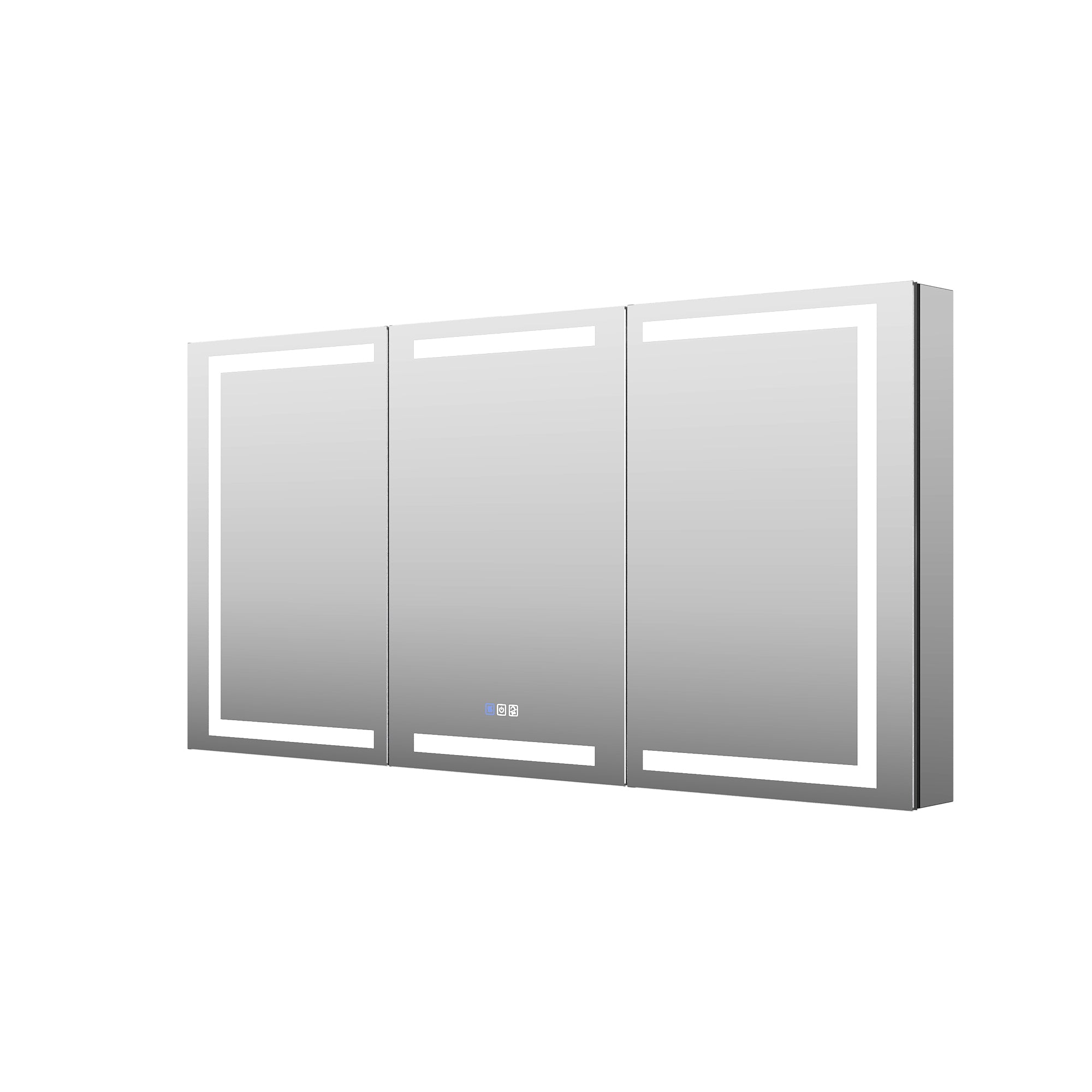
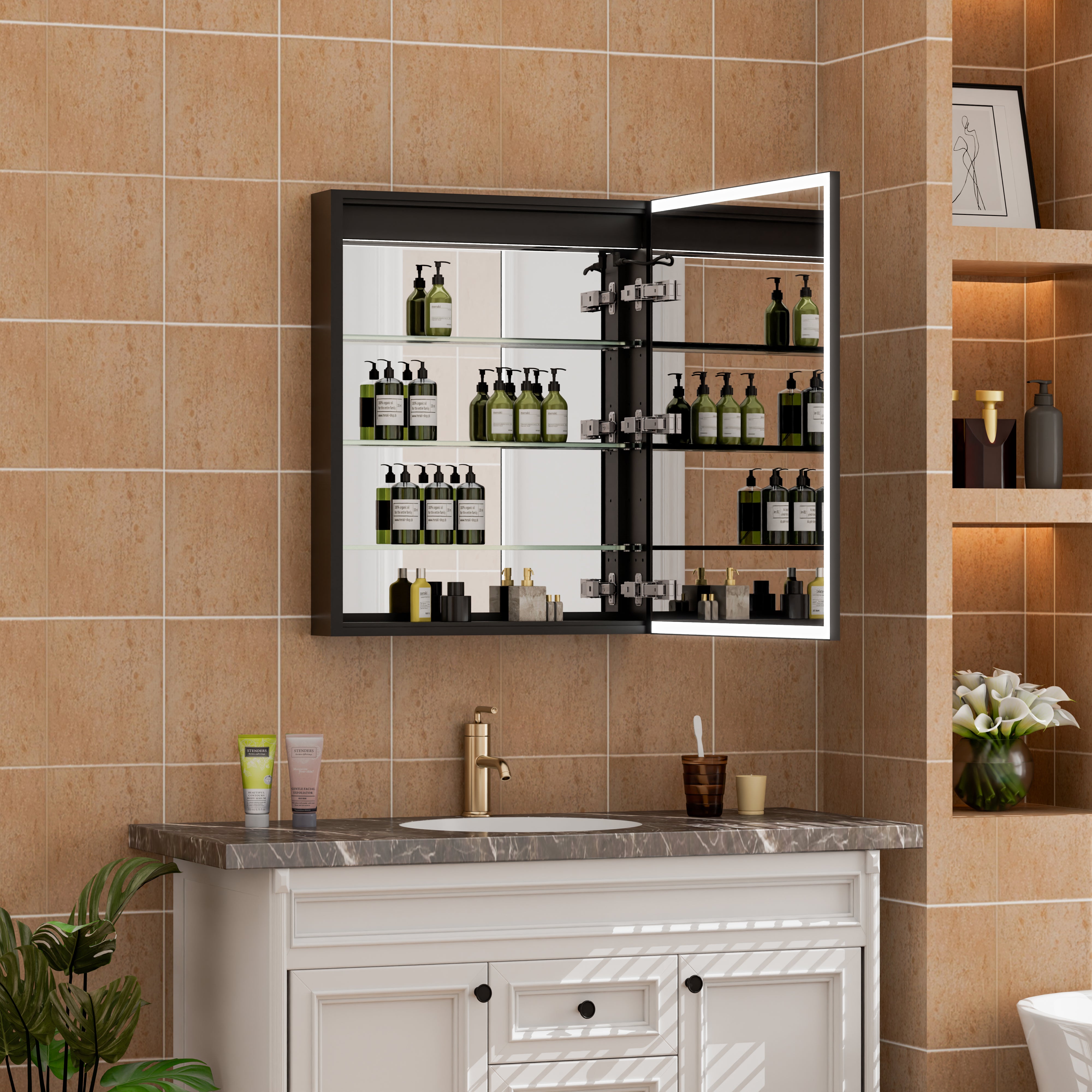
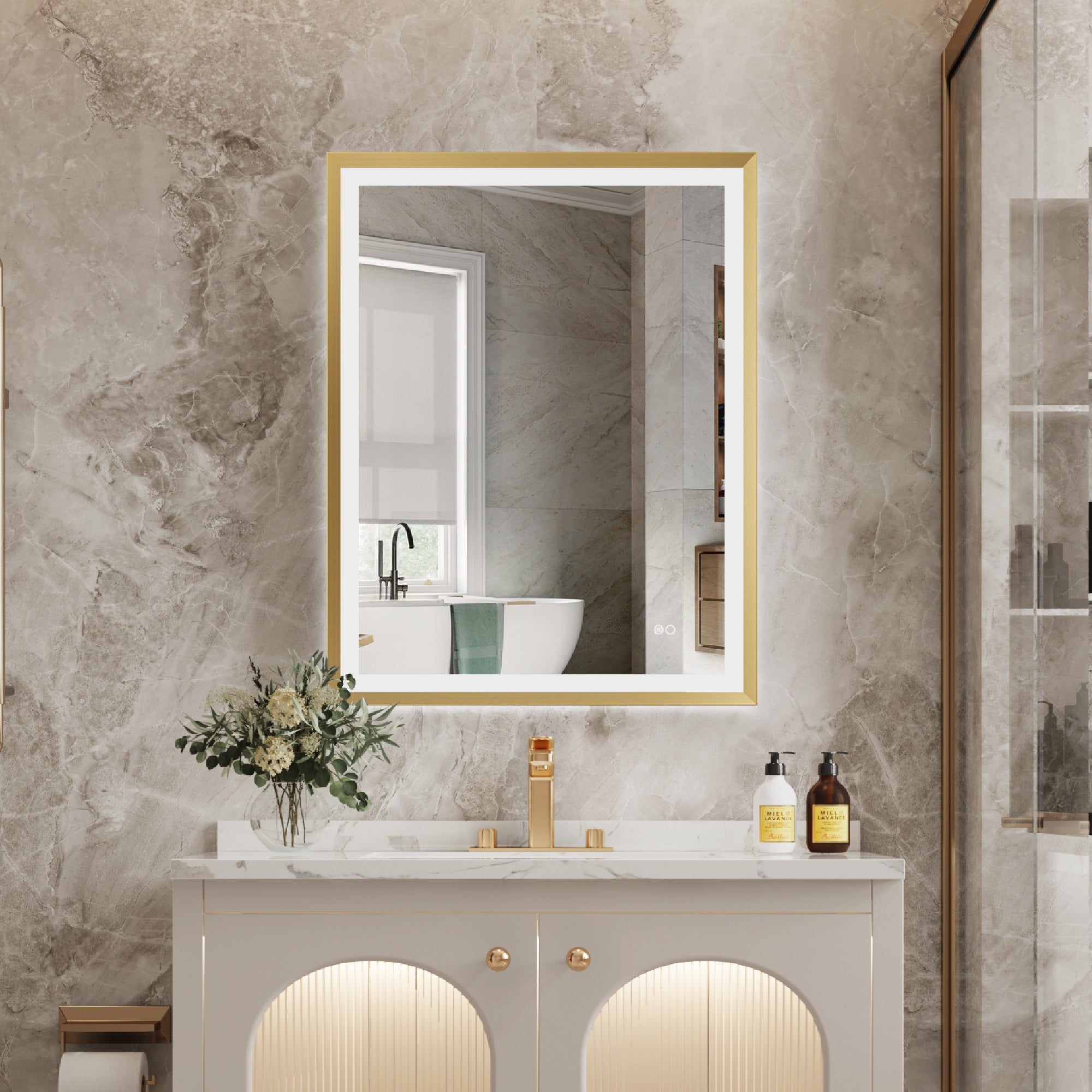
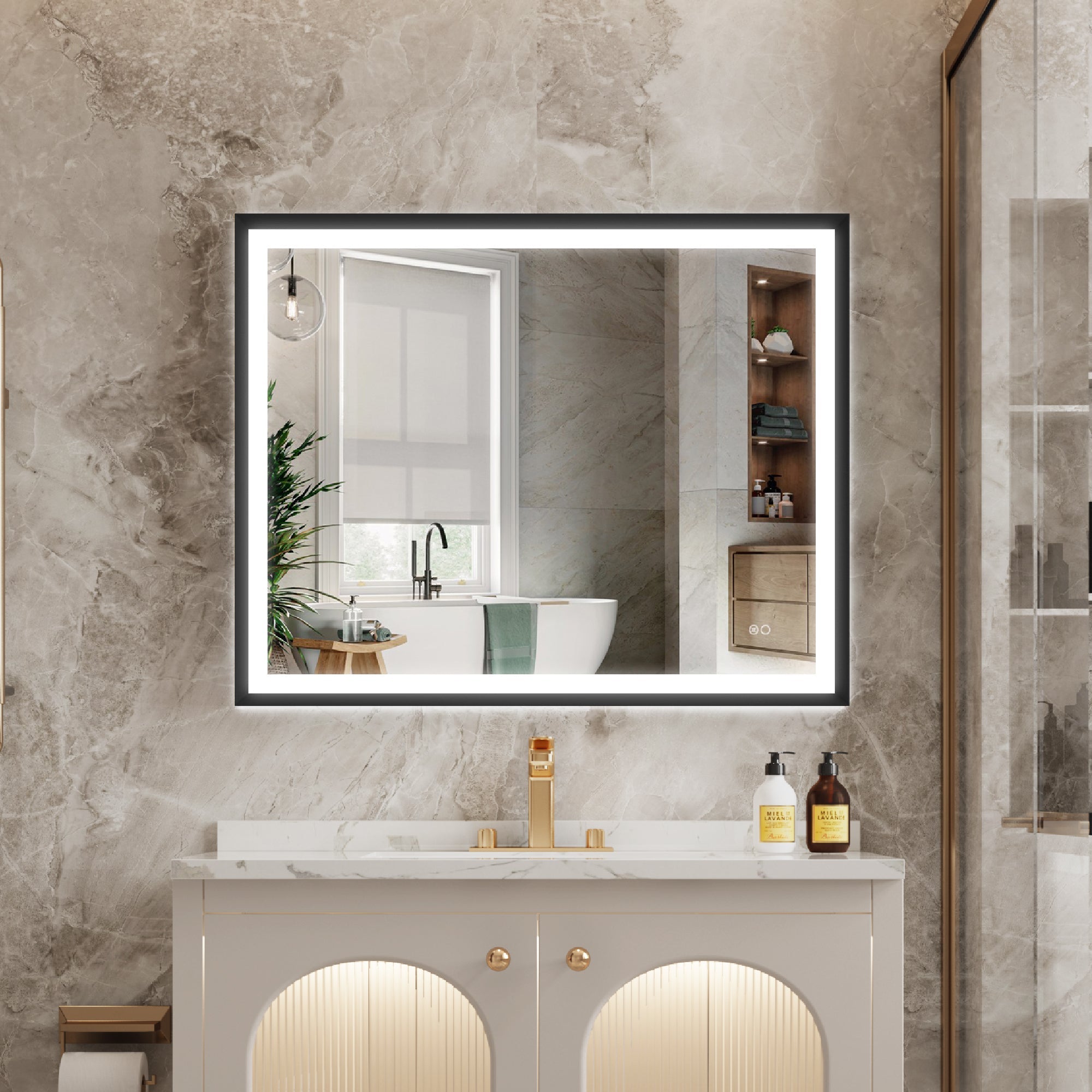
One reason LED mirrors look “finished” is that they can reduce the need for multiple lighting elements around the vanity. In many bathrooms, an LED mirror can replace a traditional vanity light bar or reduce the number of fixtures needed to get usable light, which helps keep the wall visually calm—especially in smaller or busier layouts.
This shift is showing up in real projects. Lighted mirrors are becoming more common in renovated bathrooms, rising 3 points to 22% in 2025 (Source: Houzz, “Bathroom Features Homeowners Want Most in 2025”). When a feature grows like that, it’s usually because it solves a practical problem—not just because it photographs well.
3. They Make the Mirror Area More Functional for Multiple Users
Shared bathrooms have a predictable pain point: people need the vanity at the same time, and the mirror zone becomes a bottleneck. LED mirrors help by making the viewing area brighter and clearer, so quick routines (teeth, hair, skincare) take less time and feel less frustrating.
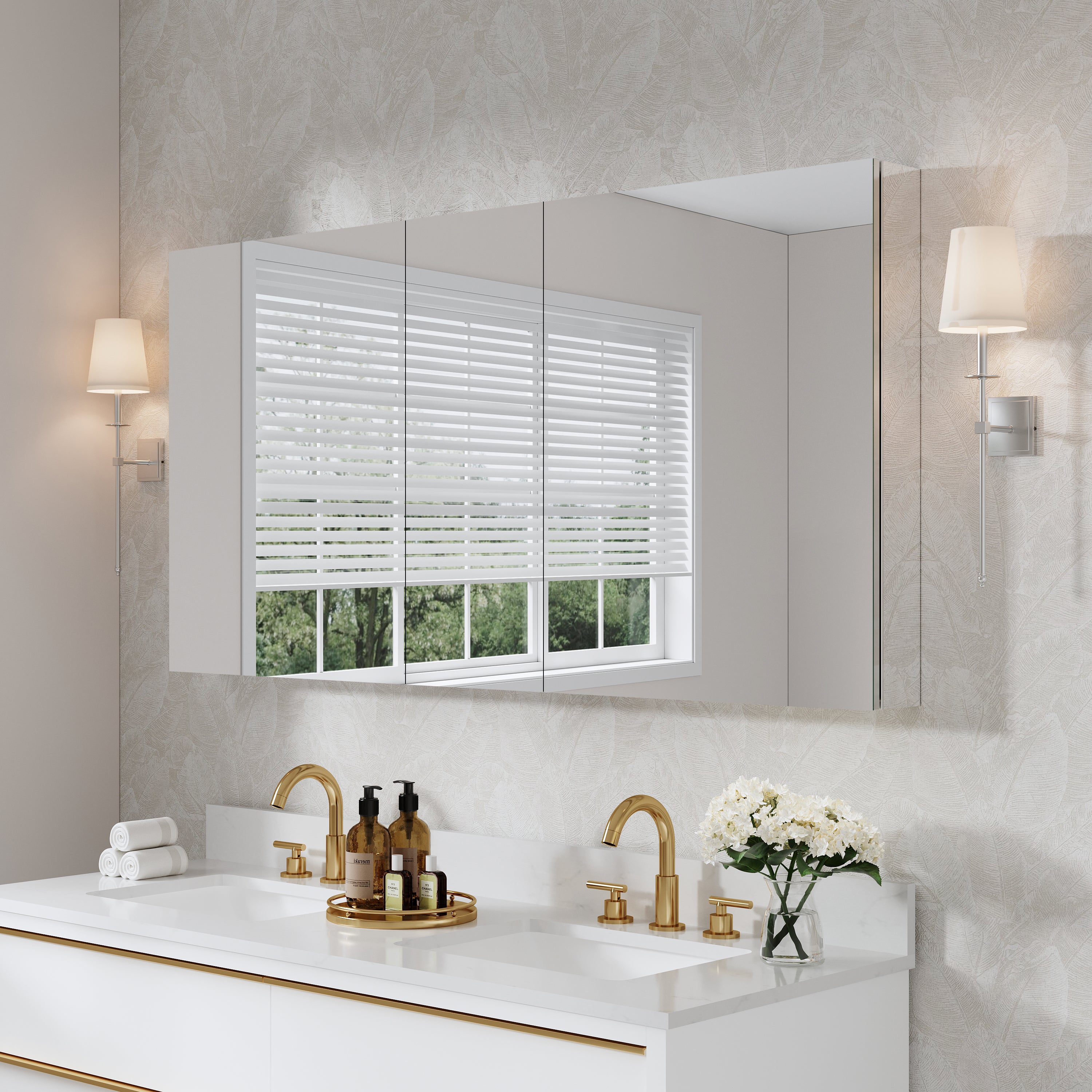
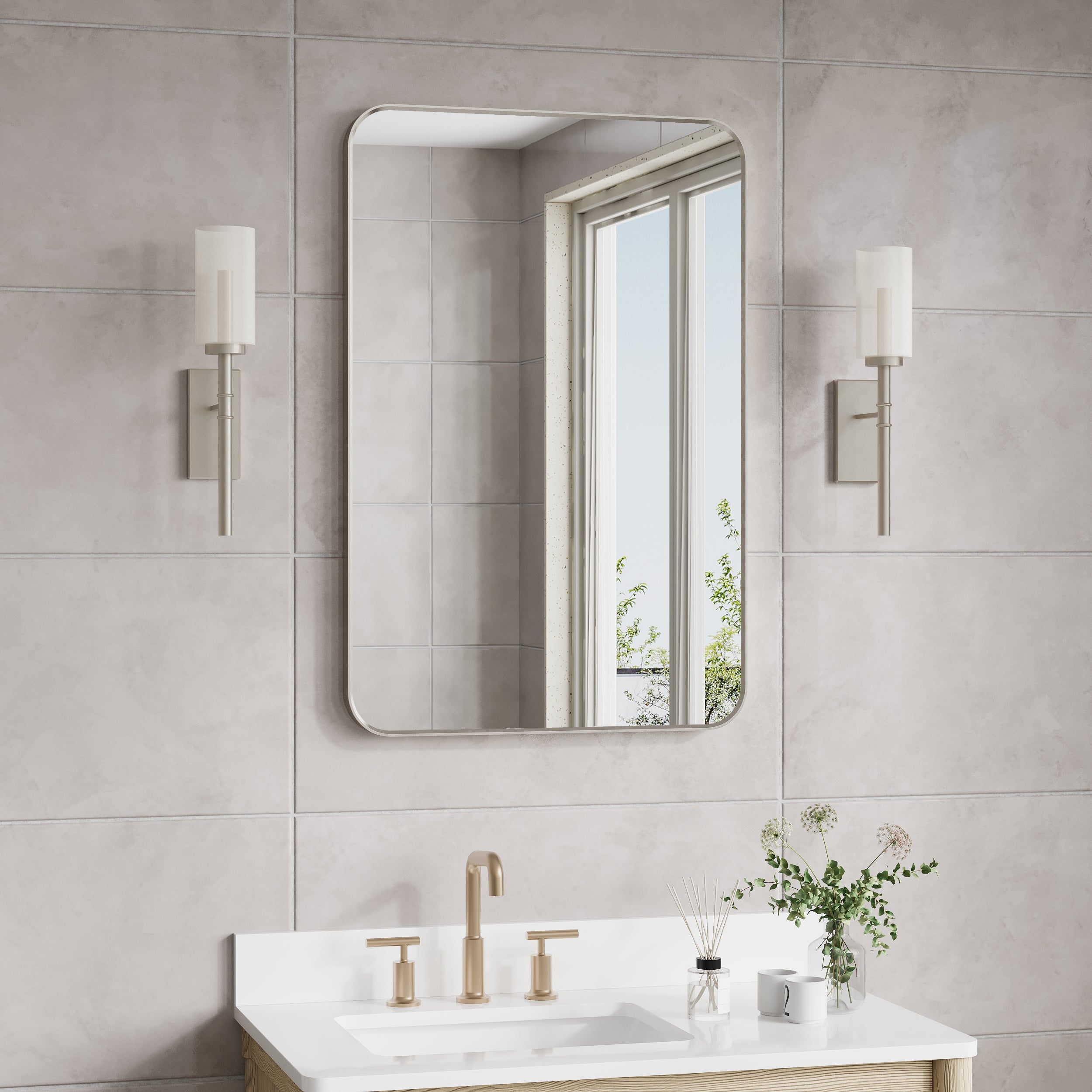
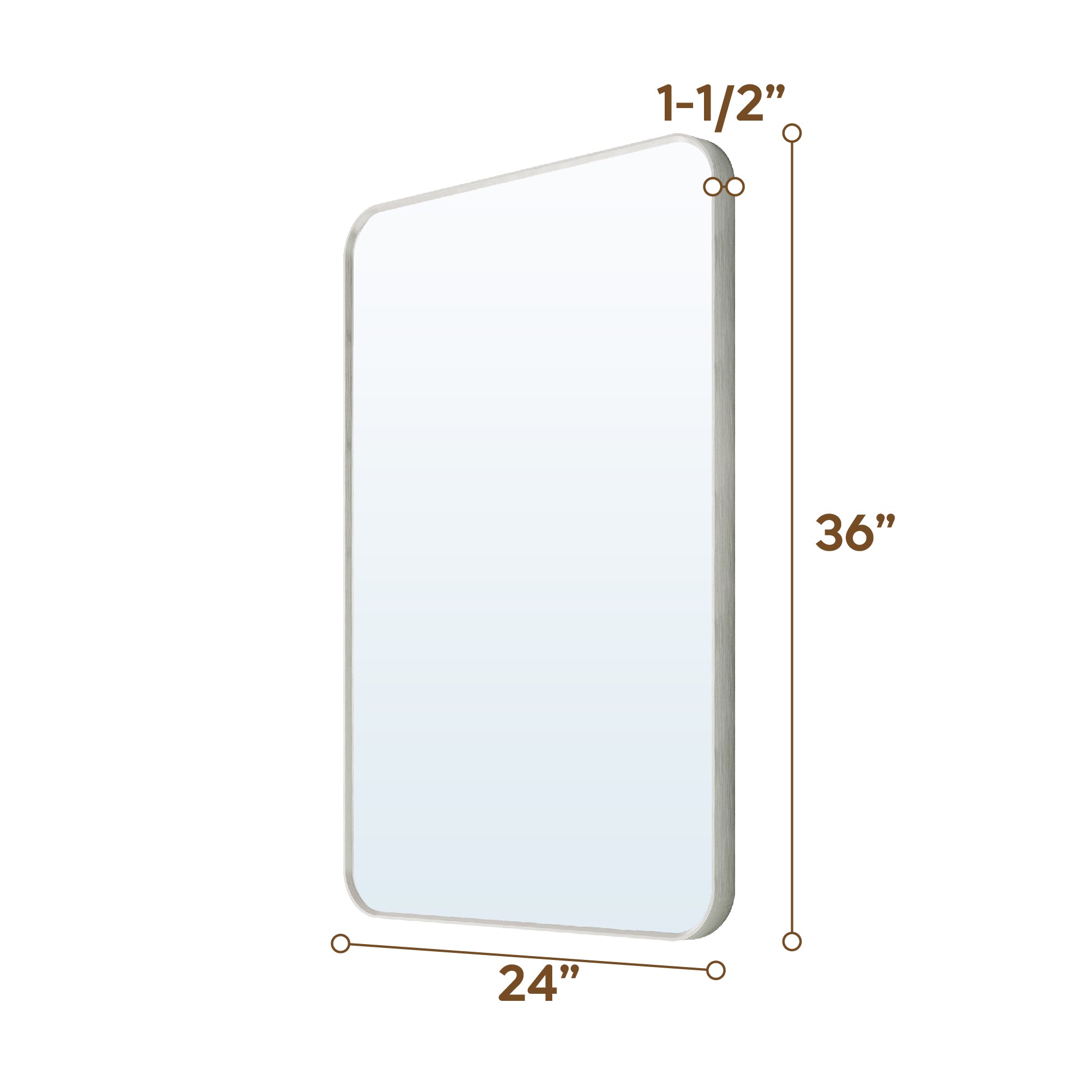
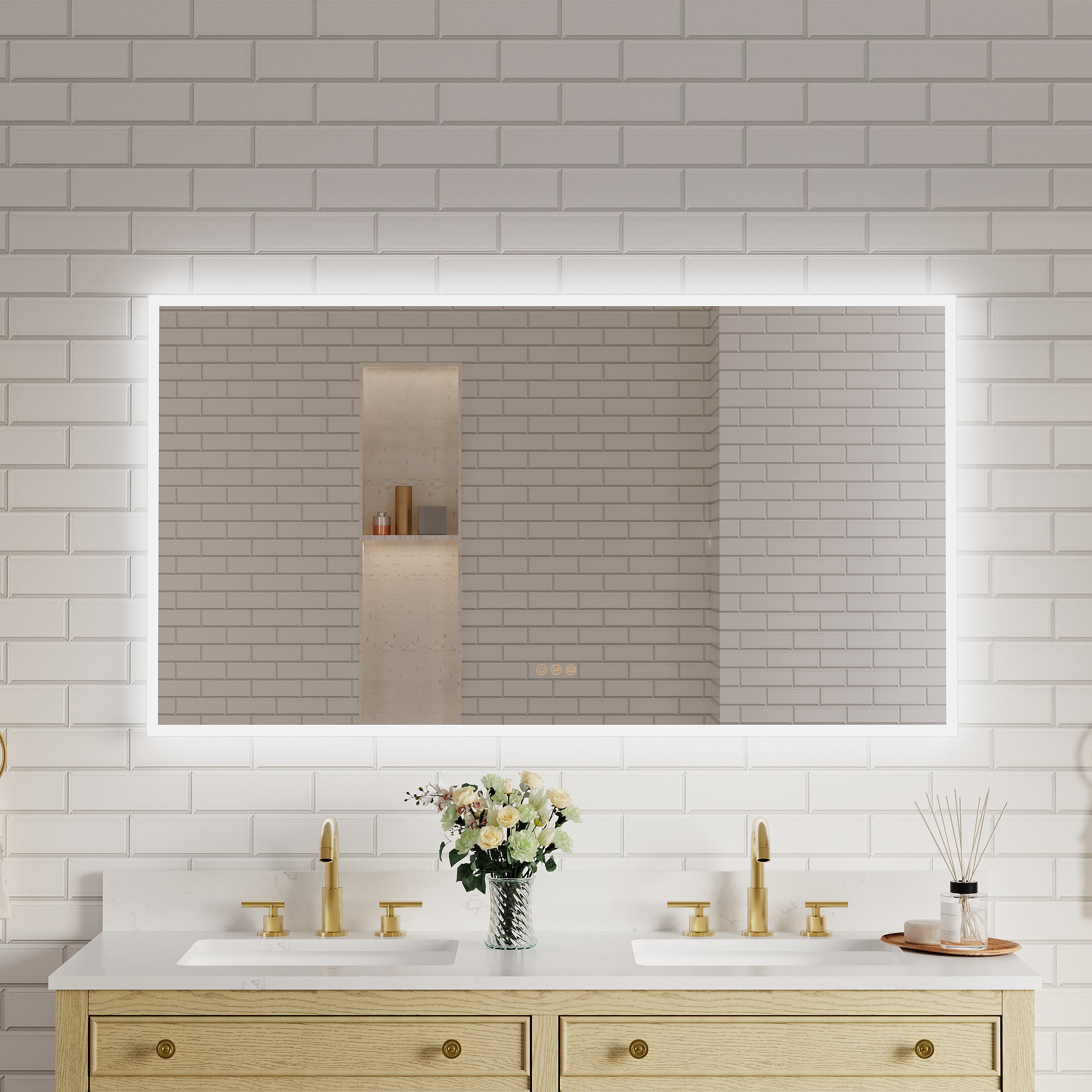
Placement and sizing are important here. A mirror that’s too small forces people to lean in and compete for space. A larger mirror creates a wider “viewing lane” so two people can use the area more comfortably. For proportional sizing, Home Depot’s guidance suggests choosing a mirror that is 2 to 4 inches narrower than the vanity for a balanced look (Source: The Home Depot). That small sizing rule often makes the difference between “floating mirror” and “built-in look.”
4. Dimming Turns One Mirror Into Two Lighting Modes
A bathroom mirror has two jobs: task visibility in the morning and a calmer mood at night. LED mirrors with dimming can do both without adding extra switches or fixtures.
Dimming also supports the trend toward more flexible bathroom lighting. Renovation trend reporting highlights upgraded lighting as a frequent choice (Source: 2025 Houzz Bathroom Trends Study). In practice, dimming is what makes upgraded lighting usable: bright when you need precision, soft when you want a more relaxed feel.
If you’re selecting a mirror, prioritize smooth dimming that doesn’t flicker and a light diffuser that avoids “hot spots.” The most premium-looking LED mirrors have even illumination across the full lit area.
5. LED Efficiency and Lifespan Are Real, Measurable Advantages
LED mirrors aren’t just convenient—they’re efficient. The U.S. Department of Energy notes that using LED lighting in homes—particularly products certified by ENERGY STAR—reduces energy consumption by at least 75% and offers a lifespan up to 25 times longer than that of incandescent bulbs (Source: U.S. Department of Energy).
In a bathroom, where lights are switched on and off repeatedly, that longevity helps reduce replacement hassle. Over time, fewer bulb changes and lower energy use are practical benefits that support the “functionality” side of the upgrade—not just aesthetics.
6. Better Placement Improves Everyday Comfort and Accessibility
Even the best LED mirror won’t feel right if it’s mounted awkwardly. Height, centerline alignment, and control placement all matter.
NKBA’s access-focused guidance notes that lighting controls should typically be placed between 15 inches and 48 inches above the floor and be operable with minimal effort (Source: NKBA Bathroom Planning Guidelines). While mirror touch controls are often on the glass itself, the broader lesson is to avoid placements that require reaching uncomfortably high or leaning over a wet countertop.
For the mirror’s viewing area, aim to center the main reflective zone at typical eye level for the primary users, and choose a height that works for different family members when possible (taller mirrors are often more forgiving).
7. Choosing the Right Light Color Improves Results, Not Just Mood

Many LED mirrors offer adjustable color temperature (warm to cool). This isn’t just a preference feature—it affects how you perceive skin tone, paint color, and tile.
A practical approach:
· Warm light feels relaxing and flattering but can soften detail.
· Neutral light is typically the most accurate for day-to-day grooming.
· Cool light can feel crisp but may emphasize texture and contrast.
If you do makeup or detail grooming regularly, choose a mirror that can hit a neutral setting and hold it consistently. If your bathroom has warm finishes (wood, brass, cream stone), warm-to-neutral settings often look most cohesive. If your finishes are cooler (gray tile, chrome, bright whites), neutral-to-cool can feel cleaner.
8. What to Look For in a High-Quality LED Mirror
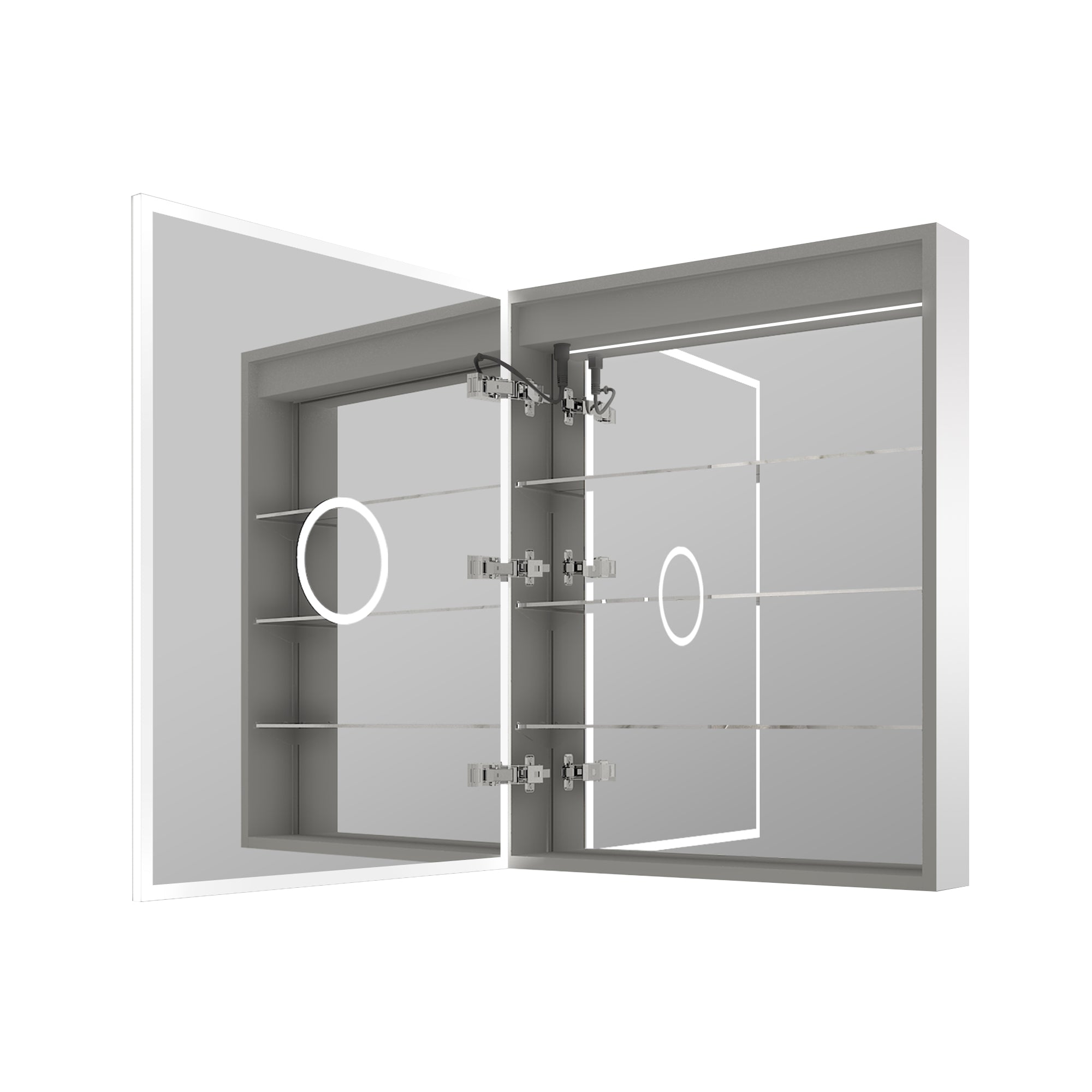
To maximize both performance and design, focus on a few essentials:
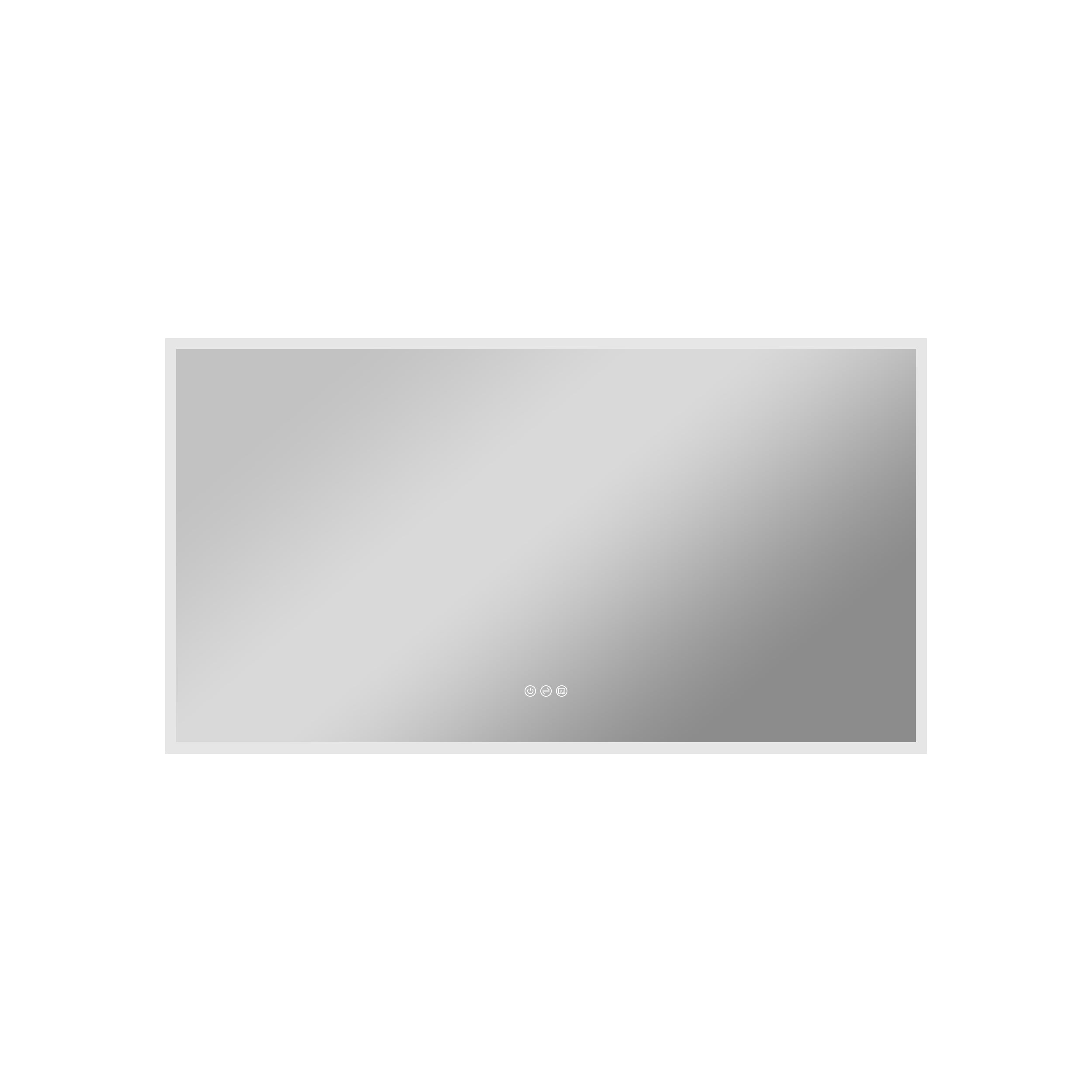
· Even diffusion: No visible LED dots, banding, or bright corners.
· Dimming + memory: So your preferred brightness returns consistently.
· Clean edge detailing: Thin frames or polished edges that look architectural.
· Appropriate sizing: Keep it 2 to 4 inches narrower than the vanity for balance (Source: The Home Depot).
· Reliable specs and warranty: A longer warranty is often a signal of better components.
Also, be realistic about how the mirror will be powered. If it’s hardwired or requires new wiring, use a qualified electrician and follow local requirements and the manufacturer’s installation instructions.
They Upgrade the Bathroom by Combining Light, Clarity, and Simplicity
Mirrors with LED lights enhance bathroom functionality because they improve task visibility, streamline the wall layout, and make shared routines easier—while still delivering a modern, high-end look.










Leave a comment
This site is protected by hCaptcha and the hCaptcha Privacy Policy and Terms of Service apply.