
















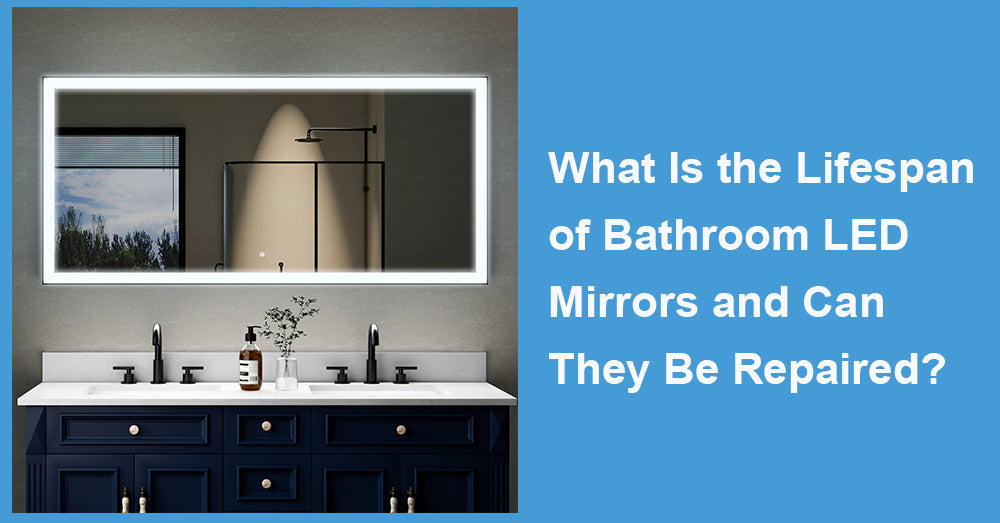
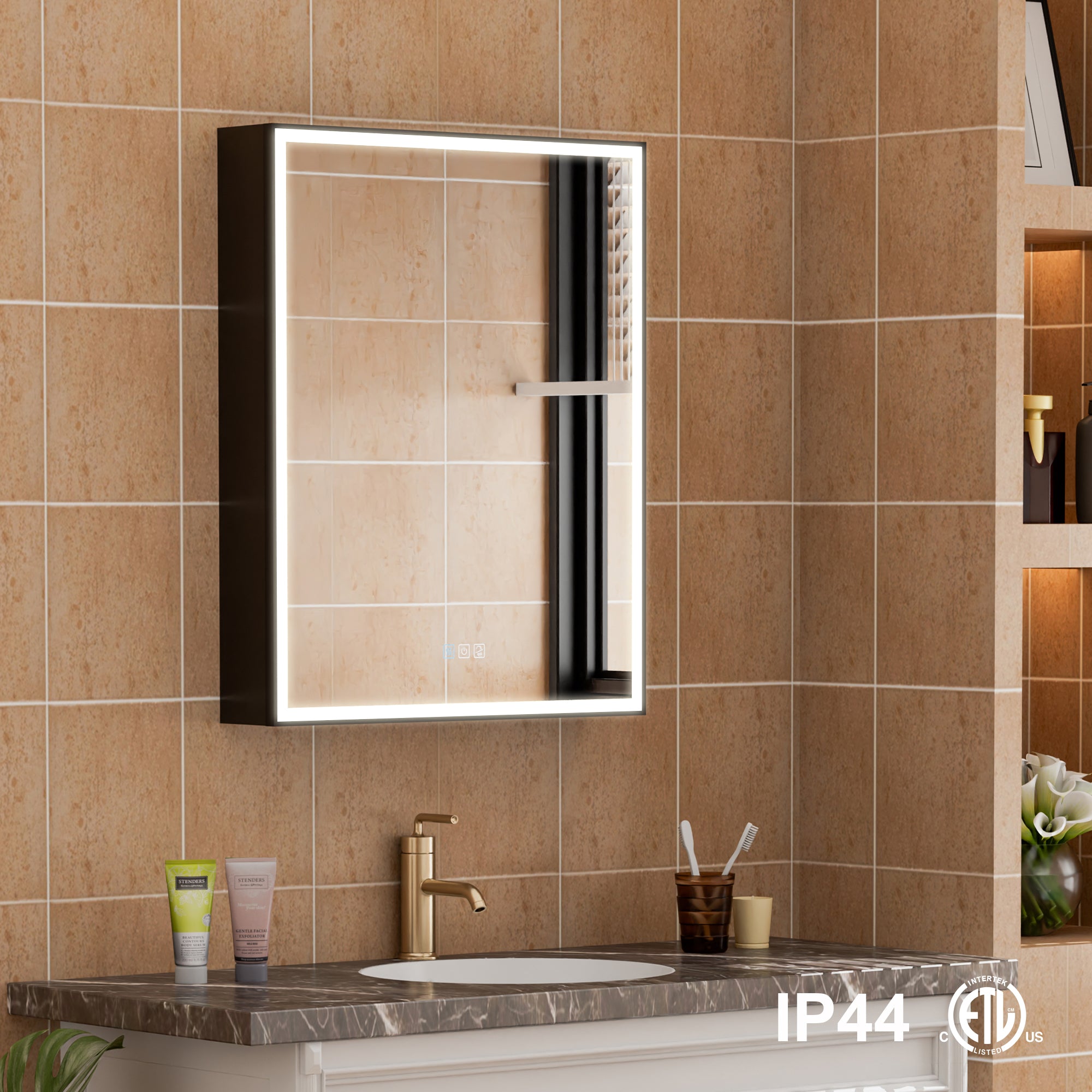
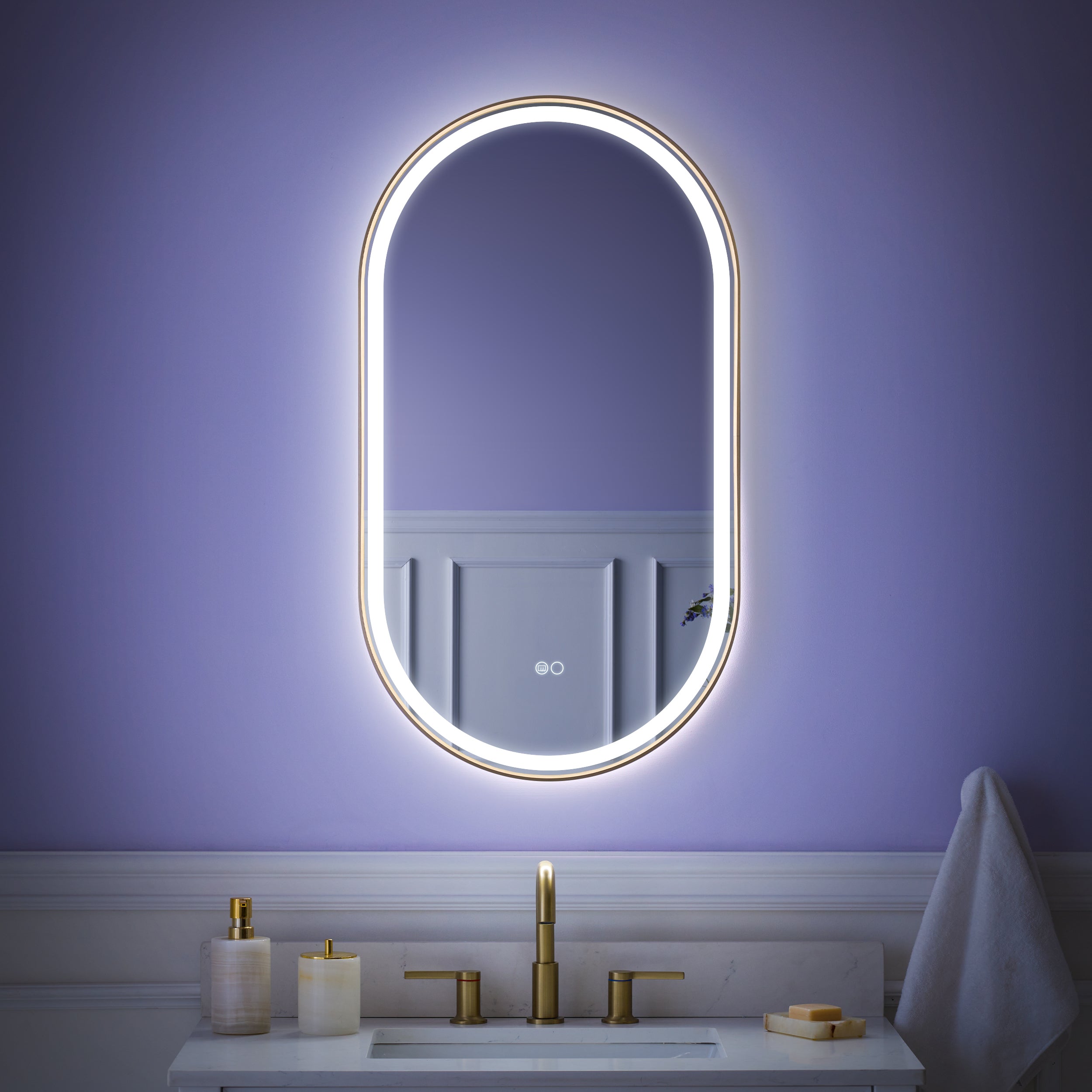
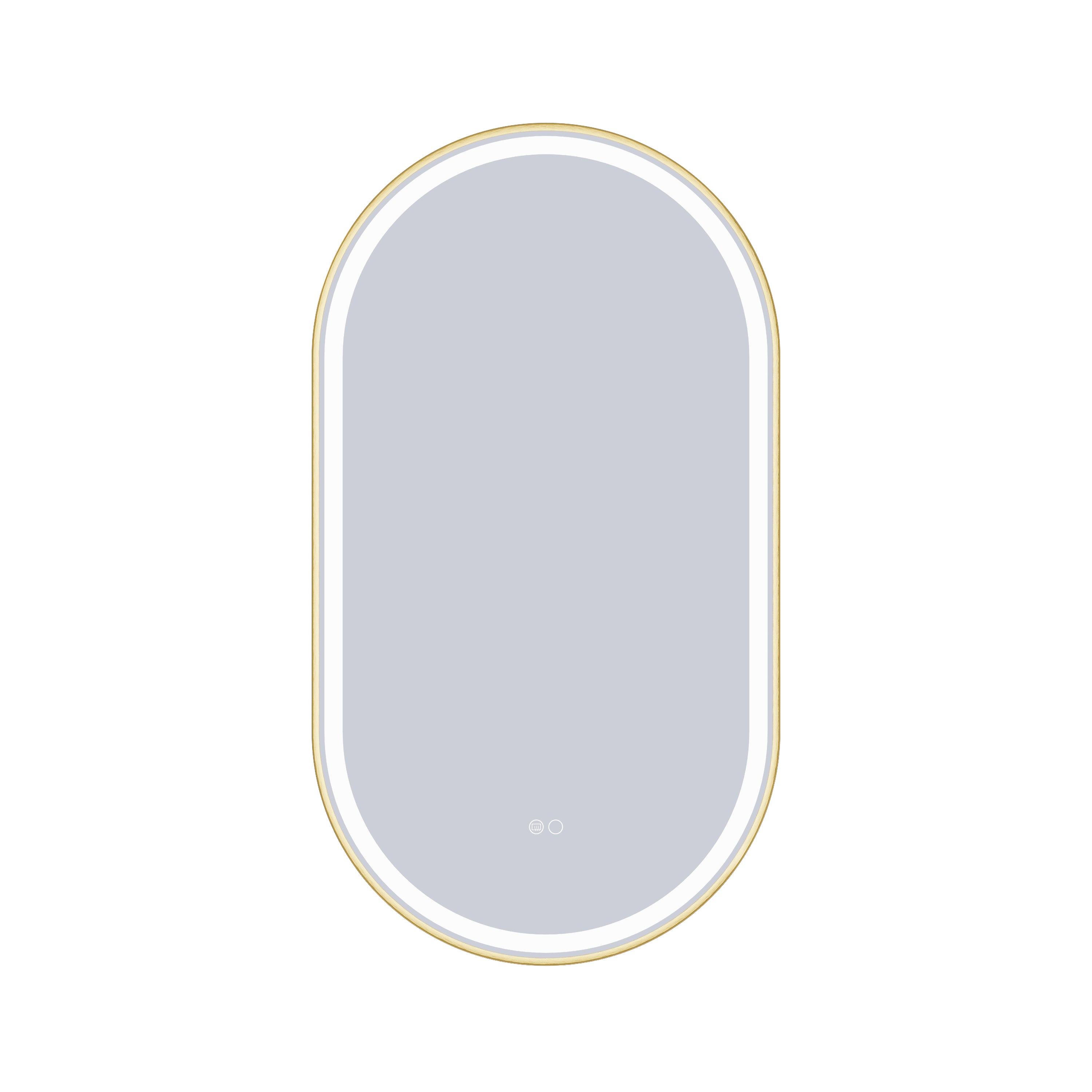
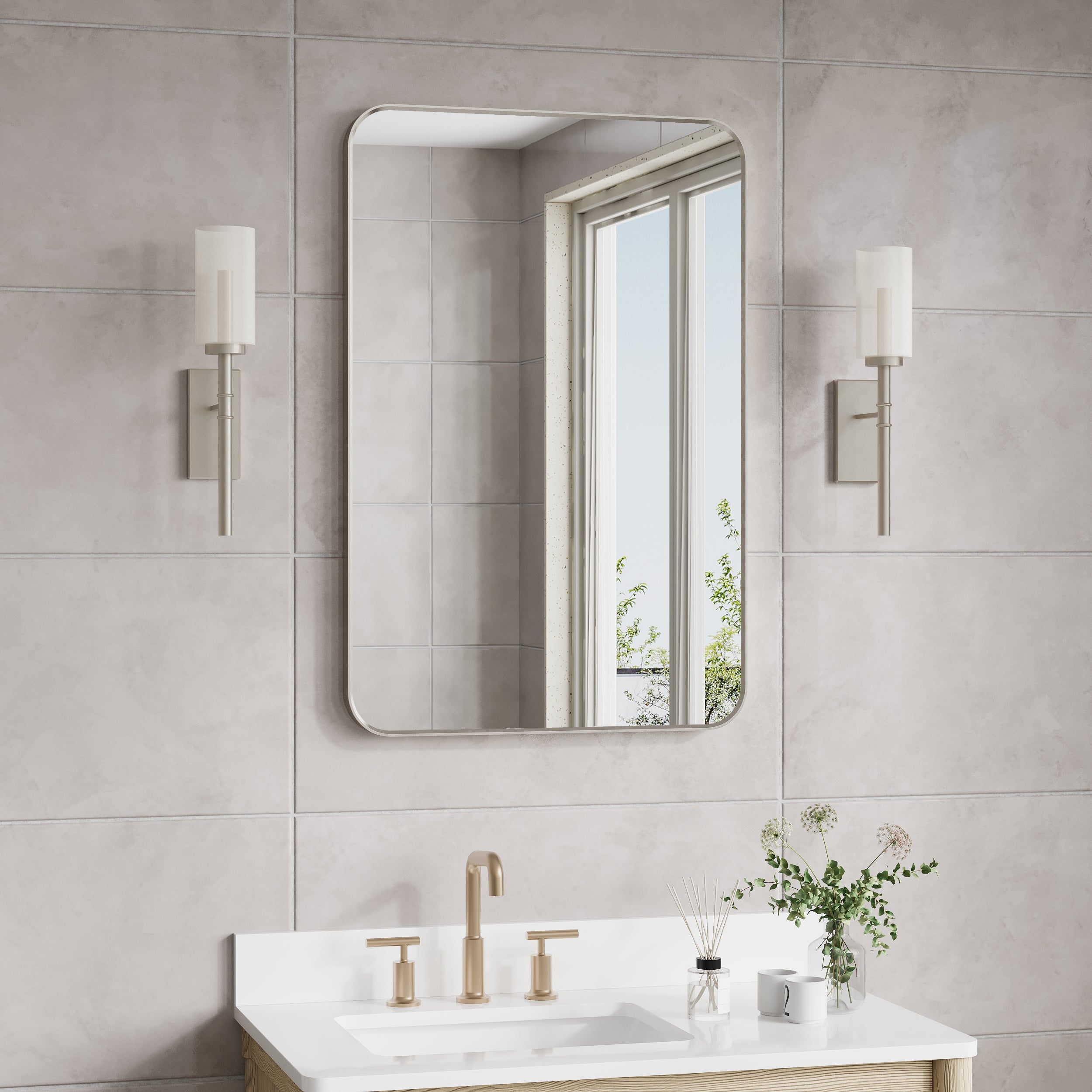
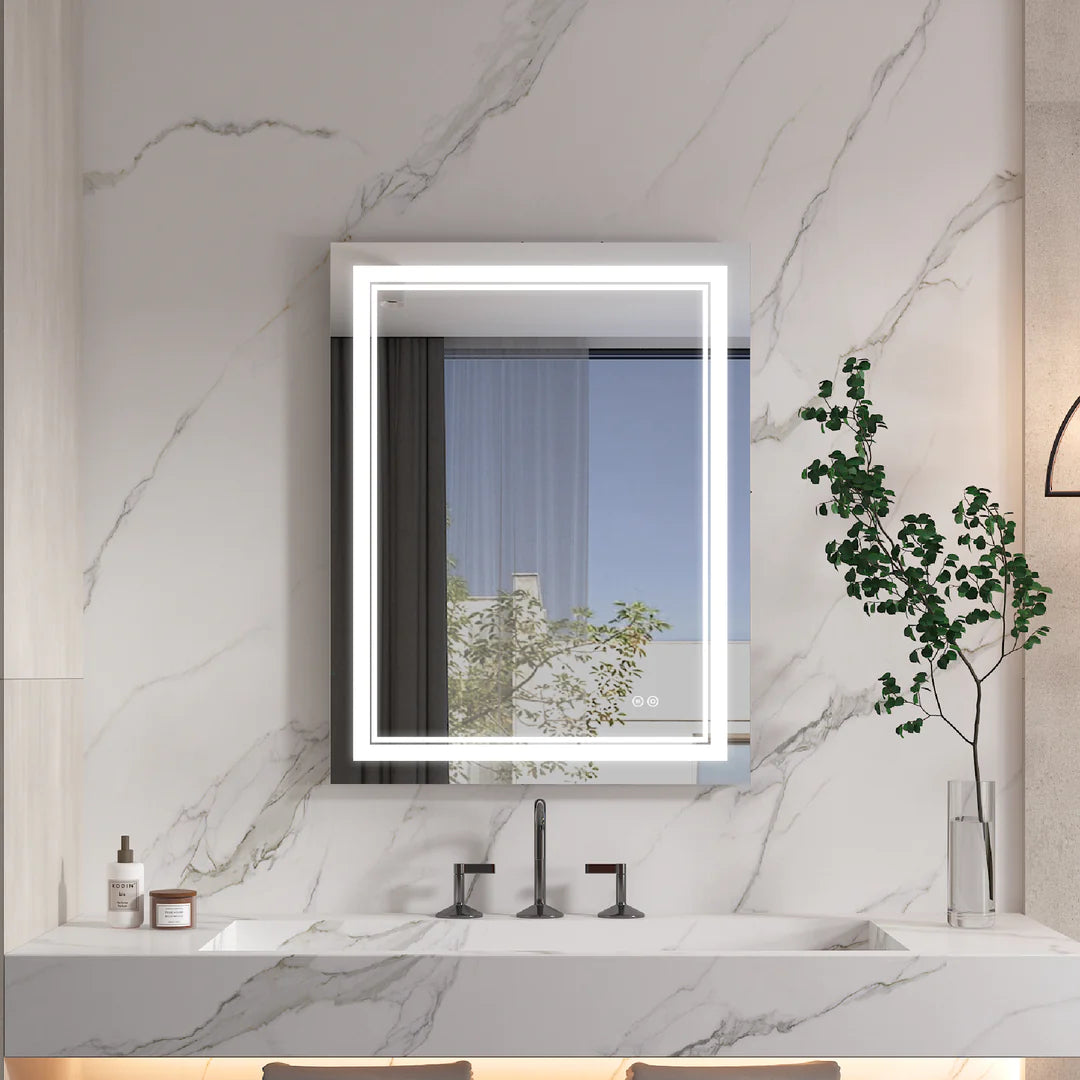
When upgrading your bathroom, some products merely "look good," but bathroom LED mirrors are the kind of choice that delivers tangible improvements every day: more precise makeup application, sharper shaving, enhanced ambiance, plus integrated features like dimming, color temperature adjustment, and anti-fog functionality. However, before placing an order, most people are primarily concerned with two things: how long it will last. And can it be repaired if it breaks?
Here's the bottom line: Most high-quality bathroom LED mirrors will provide reliable service for many years, and many faults are repairable—it all depends on whether the mirror's internal structure is "serviceable," if replacement parts are available, and whether it's still under warranty.
How long do bathroom LED mirrors typically last?
"Lifespan" isn't a single number, because LED mirrors actually consist of multiple systems. Any component failure can make it "look like it's broken."
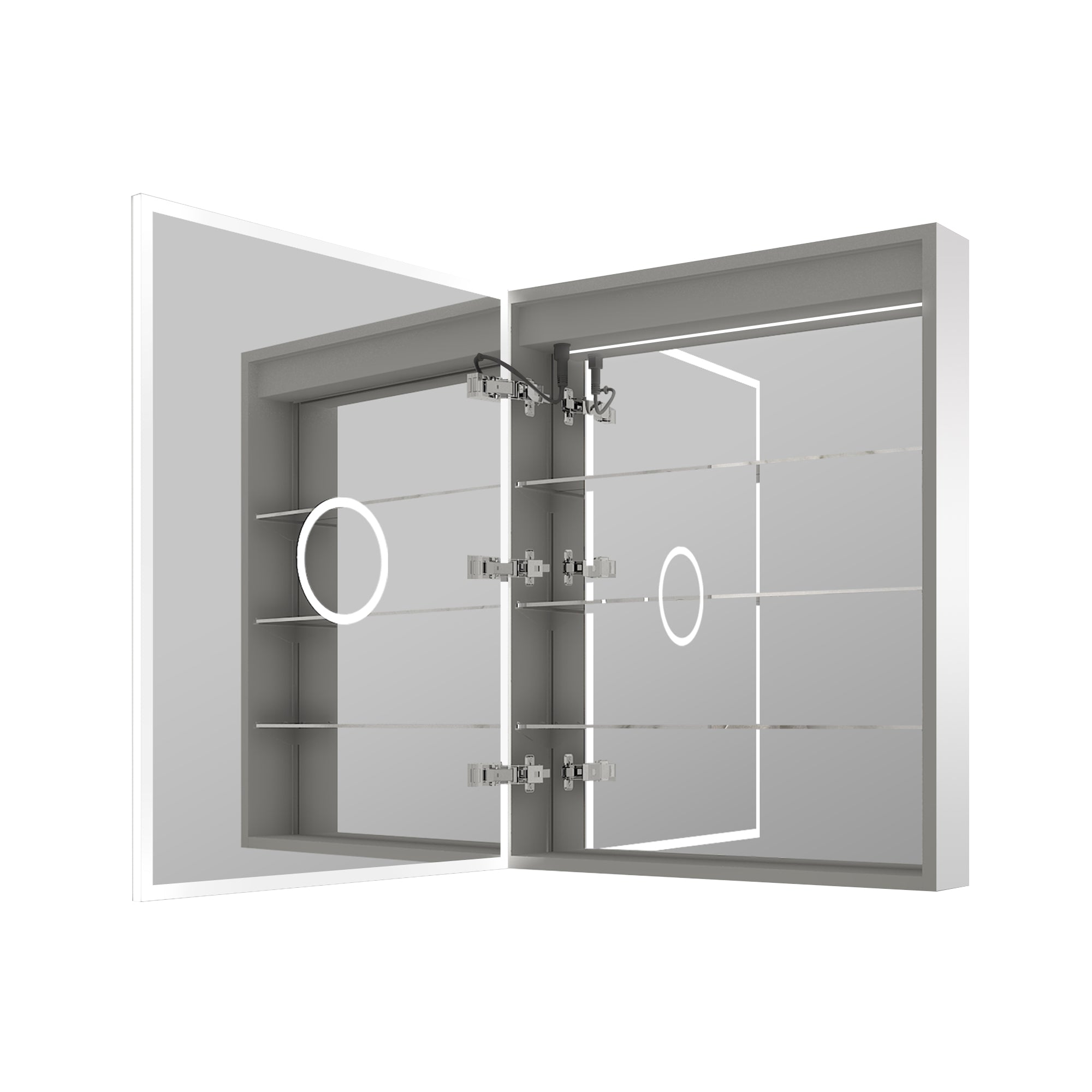
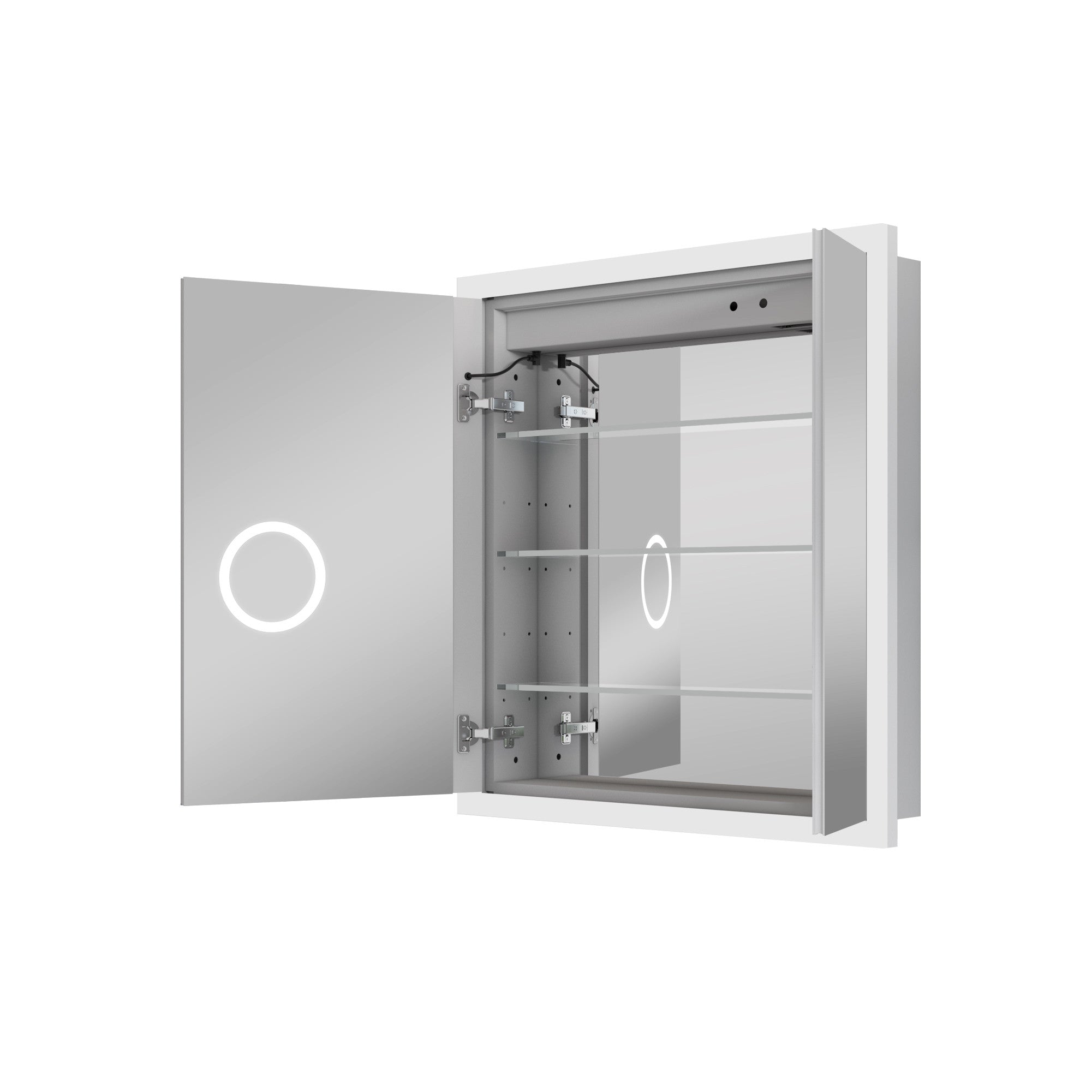
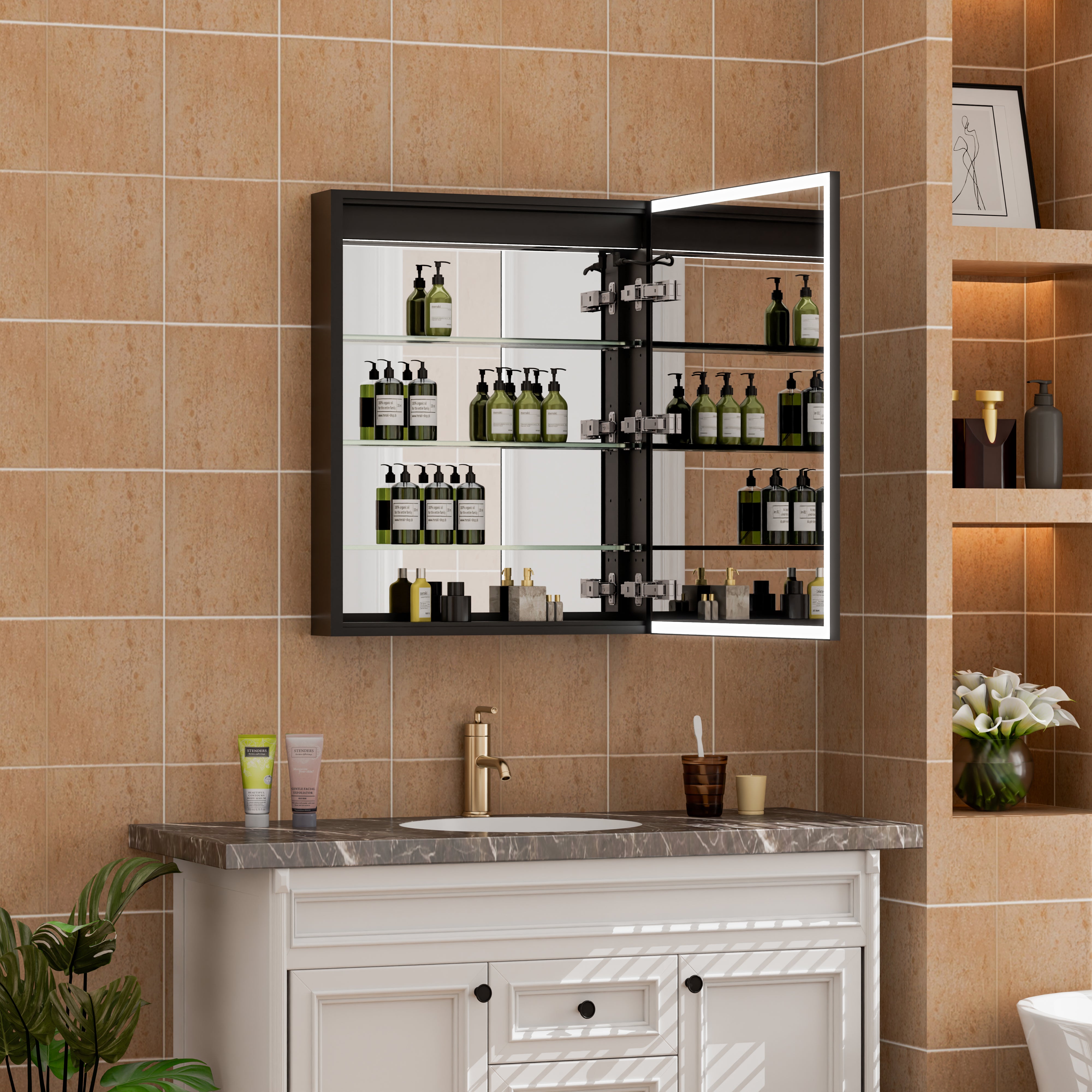
Typically, a bathroom LED mirror consists of the following main components:
LED strips/bulbs (light source)
LED driver (converts household electricity to LED-specific voltage)
Touch/button control module (on/off, dimming, color temperature adjustment)
Anti-fog heating pad (heats to defog, often with timers)
Wiring harness and connectors (connectivity stability, moisture-proof sealing)
Mirror and backing structure (sealing, bonding, heat dissipation, moisture resistance)
In practice, issues typically arise first with the driver or control module, rather than the LED bulbs "reaching natural end-of-life." So when you encounter "flickering, dimming, or unresponsive buttons," it's often an electronic component failure—making repairs more worthwhile.
What factors significantly shorten lifespan?
Bathroom environments are harsh on electronics: high humidity, extreme temperature swings, and risks from cleaning agents and water vapor ingress. Common lifespan reducers include:
Persistent high humidity + poor ventilation
Repeated exposure to hot steam can corrode or cause poor contact in electronic components. This is especially pronounced in bathrooms without exhaust fans or where ventilation is neglected after showers.
Voltage fluctuations/surge
Many power drivers are sensitive to voltage fluctuations. Thunderstorm seasons, aging wiring in older homes, and frequent circuit breakers all increase wear and tear.
Poor heat dissipation
LEDs are vulnerable to heat. If the mirror structure has inadequate heat dissipation, prolonged operation at high brightness accelerates light decay and shortens the lifespan of the power driver.
Long-term use at full brightness
Constant 100% brightness not only generates more heat but also increases the driver's load. Using dimming appropriately extends overall lifespan.
Improper Cleaning Methods
Directly spraying cleaning agents on mirror edges or touch-sensitive areas allows liquid to seep into gaps, accelerating module damage.

What Issues Correspond to Common Fault Symptoms?
You can roughly identify fault points based on symptoms:
Light Flickering: Driver aging, loose connectors, incompatible external wall dimmers
Significant dimming/uneven brightness: Localized strip damage, heat-induced light decay, partial circuit issues
Complete failure: Driver power supply failure, GFCI tripping, wiring/switch problems
Unresponsive/erratic touch: Control board/touch module issues, or moisture intrusion
Anti-fog failure: Faulty anti-fog heating element, connector problems, abnormal timer control
Humming/abnormal noise at power source: High probability signal of impending driver failure
Can a broken bathroom LED mirror be repaired?
Yes, and in many cases it's "worth the repair."
Repairability typically occurs under these conditions:
- Replaceable driver (modular design)
- Internal connectors are plug-in rather than fully potted/soldered
- Touch module and anti-fog element can be replaced individually
The backplate can be opened and resealed to restore moisture resistance after repair.
When is a repair complex?
Repair difficulty and cost significantly increase under these conditions:
Fully sealed product structure where opening compromises waterproofing/sealing
Proprietary parts with no replacement components available from the manufacturer
Water ingress corrosion is causing multiple chain failures.
Complex bonding between light strips and structure, making it challenging to restore flatness or sealing after disassembly
Perform these troubleshooting steps first—many "false faults" can be resolved directly.
Before concluding the mirror is faulty, we recommend a quick check:
Check the GFCI outlet/breaker (bathrooms often have GFCI protection; tripping will cut power immediately)
If the mirror connects to a wall switch, ensure the switch is in the ON position.
Power cycle: Turn off the power for 1–2 minutes before restoring it (effective for occasional control module freezes)
If visible connectors are present (accessible on some mirror backs), check for loose connections.
If using a wall dimmer switch, try replacing it with a standard switch for testing.
Many LED mirrors feature built-in dimming and may not be compatible with external dimmers.
6) The Three Most Common and Worthwhile Repairs
Driver Replacement
This is the most frequent repair point.
Resolves flickering, fluctuating brightness, and occasional failure to illuminate.
Typically, it is easier and more cost-effective than replacing the light strip.
Touch/Control Module Replacement
Fixes unresponsive buttons, inability to dim/adjust color temperature, and random automatic switching.
Requires the brand to provide a compatible replacement module.
Anti-fog Film Replacement
Prioritize this when the lights function normally, but the anti-fog fails
Anti-fog film is a consumable part; many products allow replacement
Note: If still under warranty, avoid disassembly as opening may void coverage. Correct procedure: Contact after-sales first to confirm the repair plan or direct replacement.
Repair or Replace? Use This Simple Decision Guide
Recommended for repair:
- Mirror exterior is intact with no water ingress
- Malfunction is isolated to a single function (e.g., flickering, defogging failure, touch control malfunction)
- Replacement driver/module parts are available
The mirror is large or high-end, and you don't want to repurchase a comparable model.
Recommended for replacement:
Visible moisture intrusion, corrosion, mold on the backplate, or fogging behind the mirror
Multiple functions are malfunctioning simultaneously
Replacement parts unavailable or structurally irreparable
You intend to upgrade anyway (higher brightness, better color rendering, improved anti-fog/timer functionality)
Summary
The lifespan of bathroom LED mirrors is determined not only by the LED bulbs themselves but also by the power supply, control module, anti-fog system, and moisture-proof heat-dissipation structure. Many issues are actually repairable, especially failures in the driver and control modules. Before purchasing, check whether the product is serviceable and if spare parts are available. During use, pay attention to ventilation and cleaning methods—these practices can often extend the product's lifespan and ensure more stable performance.










Leave a comment
This site is protected by hCaptcha and the hCaptcha Privacy Policy and Terms of Service apply.