














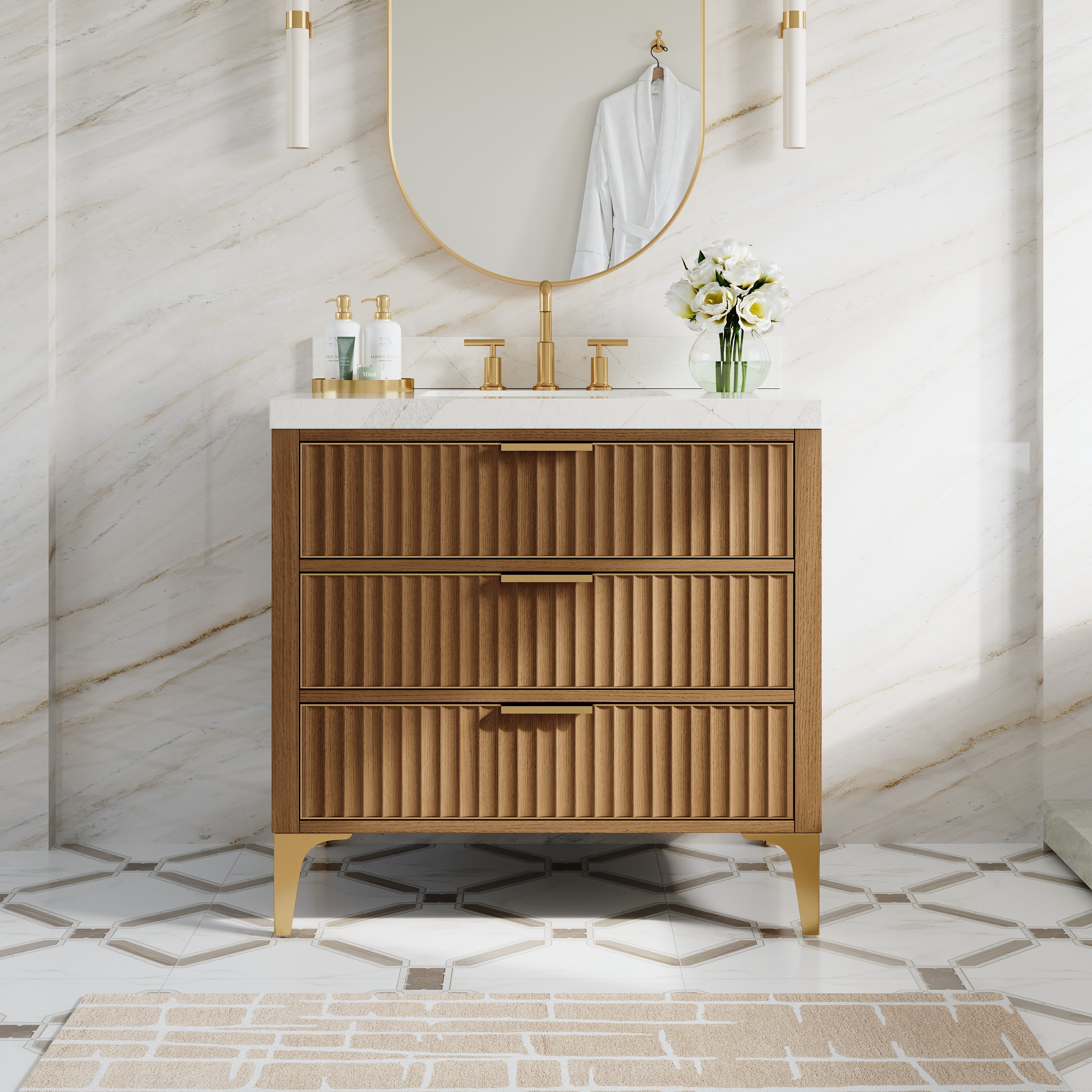
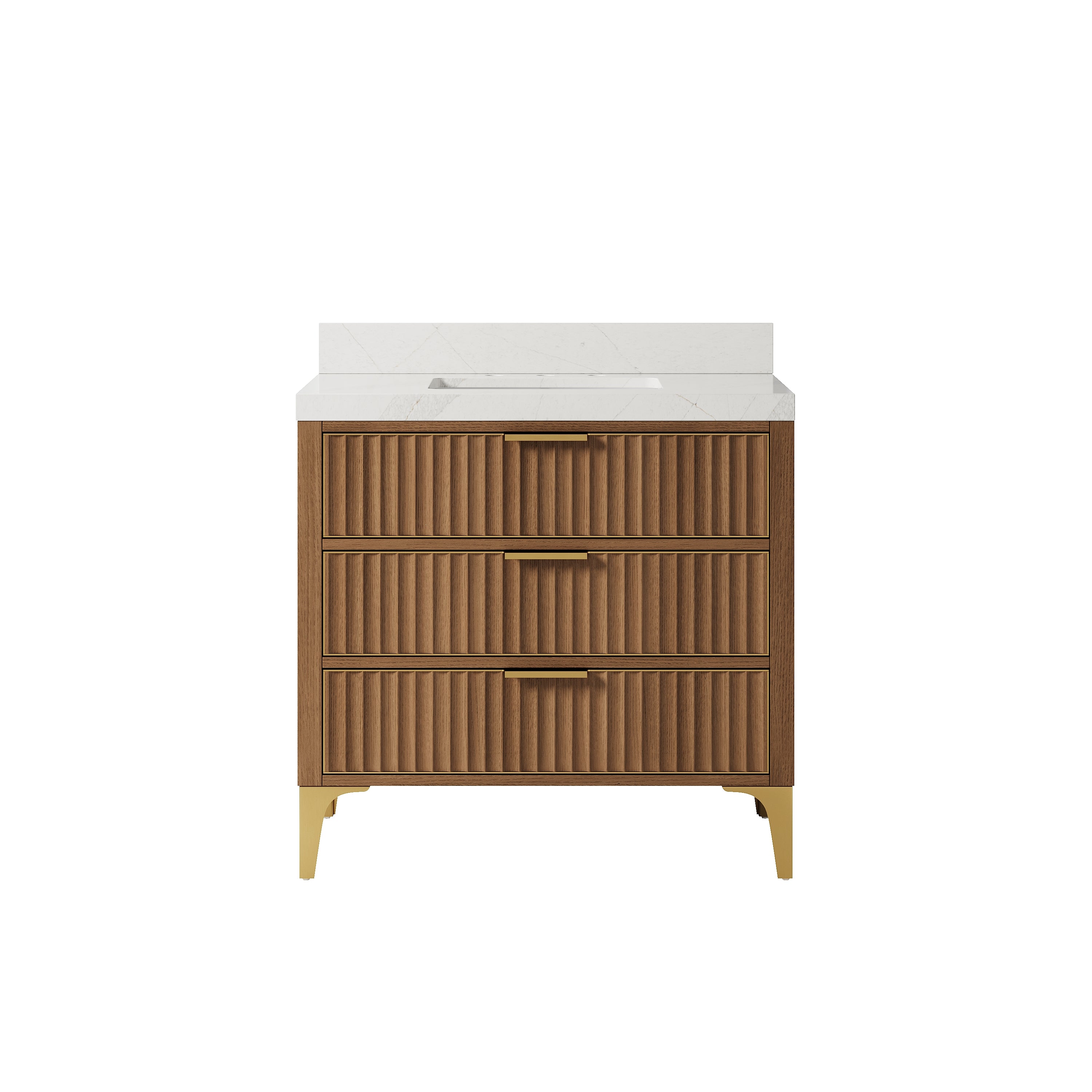
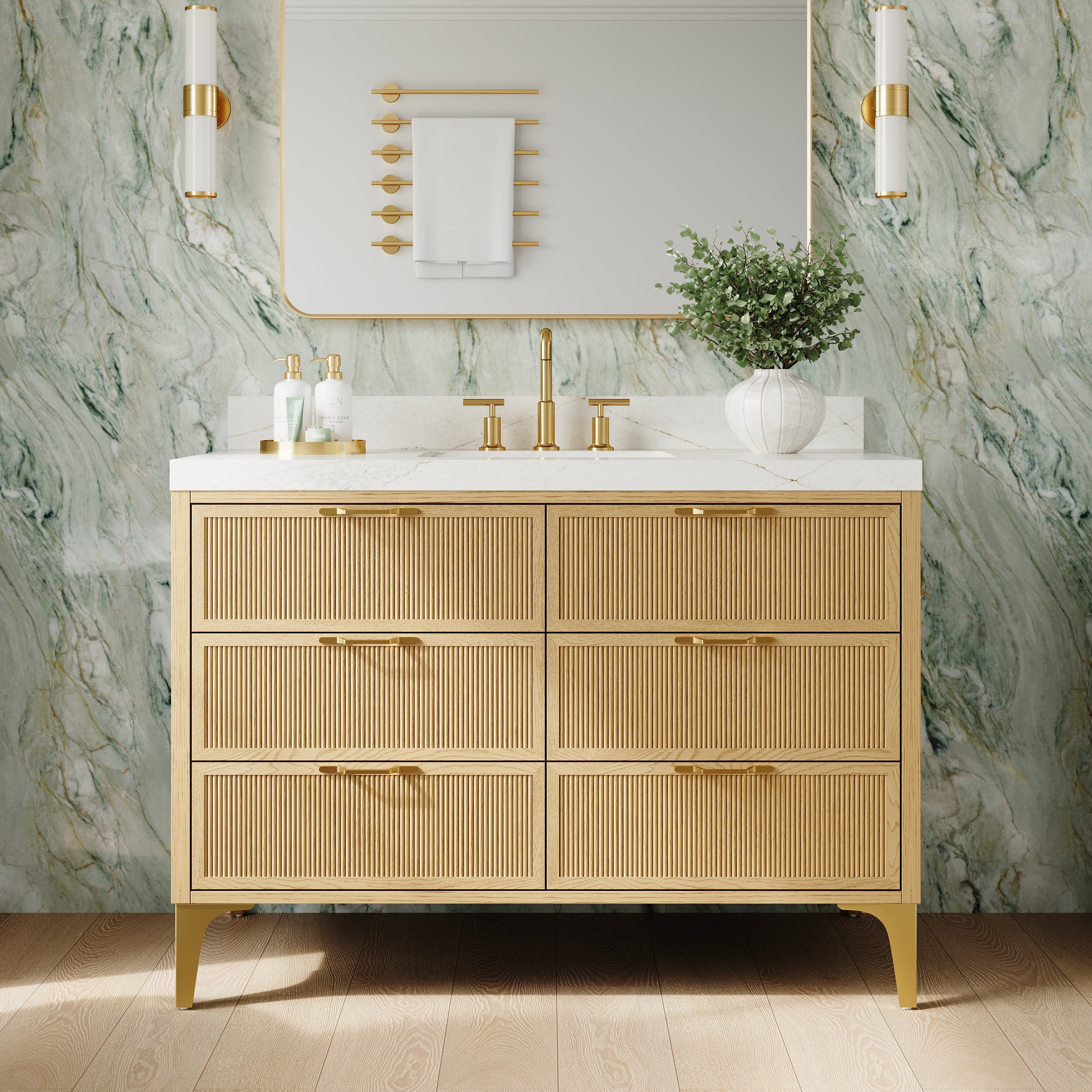
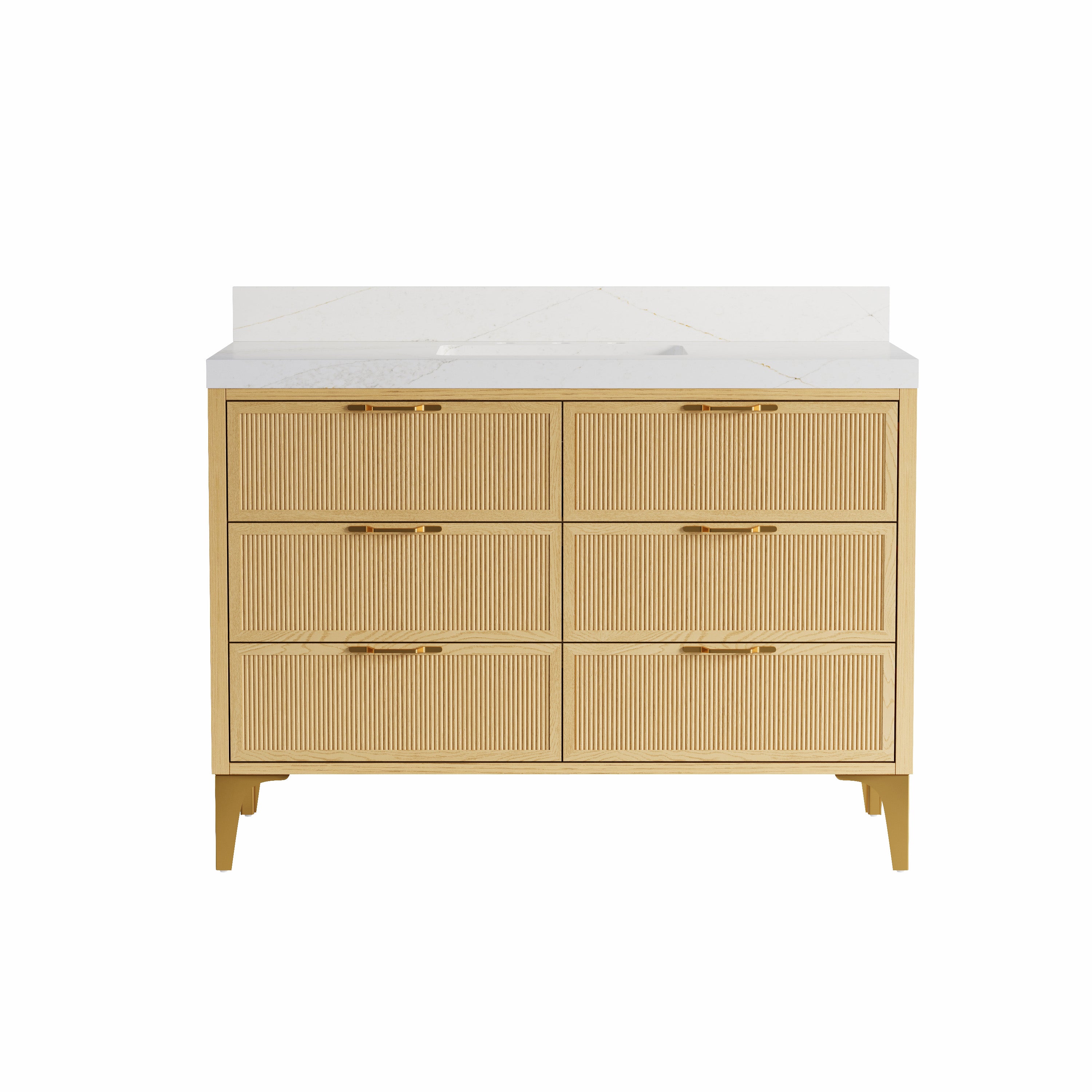


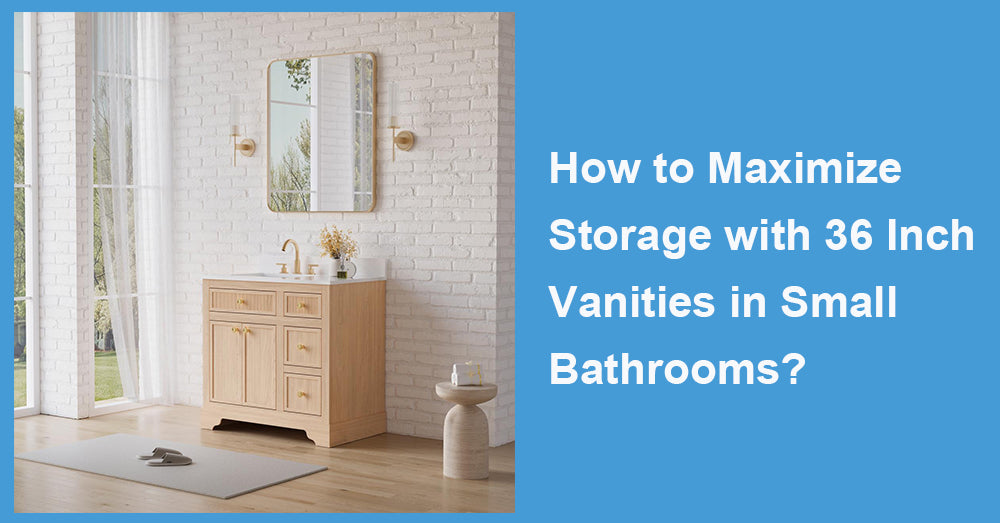
In compact bathroom design, 36 inch vanities are often seen as the "perfect golden size" - neither compressing space like large cabinets, but providing much higher storage potential than small cabinets. Industry spatial planning data shows that in small- to medium-sized bathrooms, a 36-inch width is among the most commonly used ranges for balancing functionality and comfort. The key is not the size itself, but how to transform limited space into an efficient storage system through structural design and layout logic.
1. Why 36 inches is an efficient size node for small bathrooms
From the perspective of space utilization, the 36 inch width is precisely at the critical point between "expandable storage" and "no sense of oppression".
Industry research on bathroom flow and comfort shows that when the width of the bathroom cabinet exceeds 42-48 inches, it is easy to significantly reduce standing space in small spaces; when it is less than 30 inches, storage capacity rapidly decreases. 36 inches is precisely located within this equilibrium range.
That's also why, in many renovation projects, upgrading from a 24-30 inch bathroom cabinet to a 36 inch one actually results in a better space experience rather than making it feel more crowded.
2. Prioritize drawer style structure over single cabinet door design
The internal structural design has a significant impact on storage efficiency at the same 36-inch width.
Industry usage data shows that bathroom cabinets with drawers dominate and have significantly higher actual usable capacity than traditional single-door cabinet structures. Drawers can utilize vertical space in layers, providing clear areas for small toiletries, towels, and spare items.
Especially with the design of double- or three-layer deep combination drawers, it can achieve storage capacity close to that of large-sized cabinets without increasing volume.
3. Make full use of depth and height, rather than just looking at width
The standard depth of 36-inch vans is usually between 18 and 22 inches, while the height is gradually moving towards the comfortable range of 34 to 36 inches.
Industry space-planning experience shows that appropriately increasing the cabinet's internal height is more effective at improving capacity than simply expanding the width. For example, under standard depth conditions, adding internal vertical partitions allows accommodating high bottle cleaning supplies or stacked storage boxes without affecting the external spatial feel.
4. The combination of open and hidden storage is more efficient
In a small bathroom, a completely enclosed storage structure can make the space feel heavy, while a completely open one can make it feel cluttered.
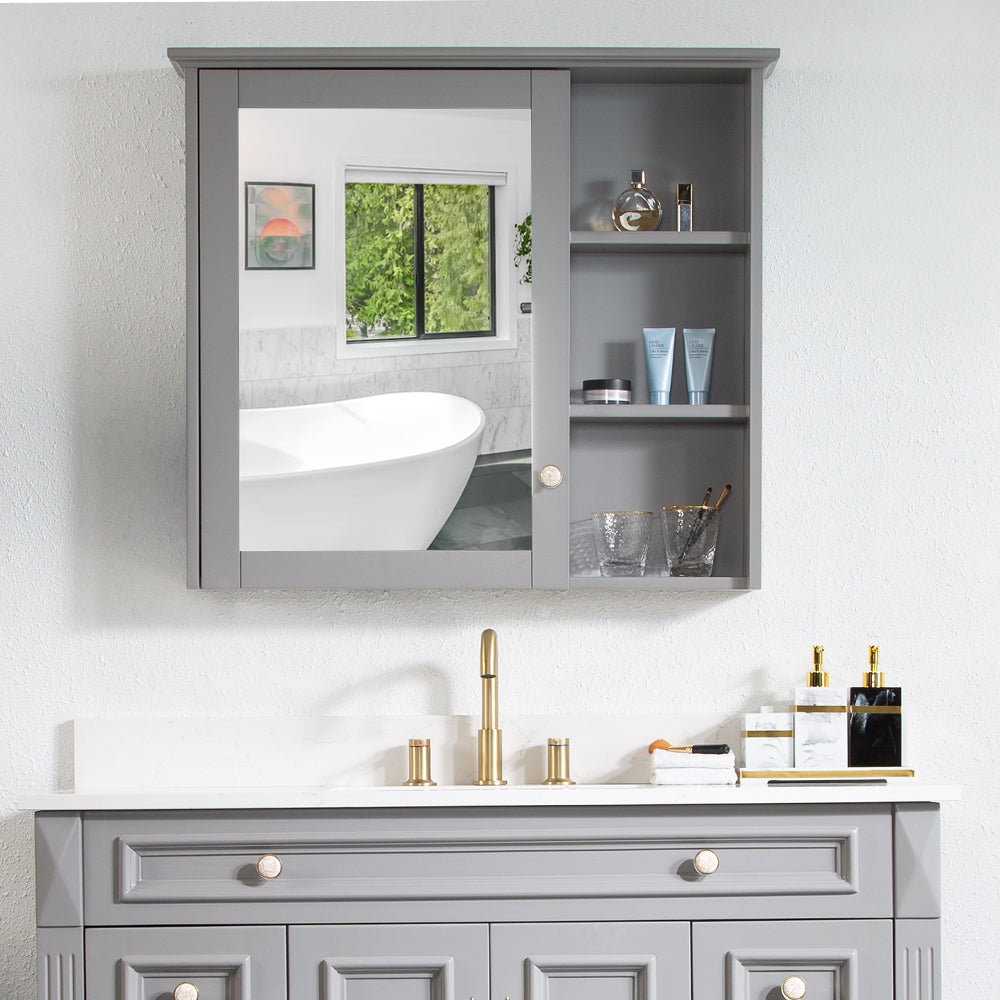
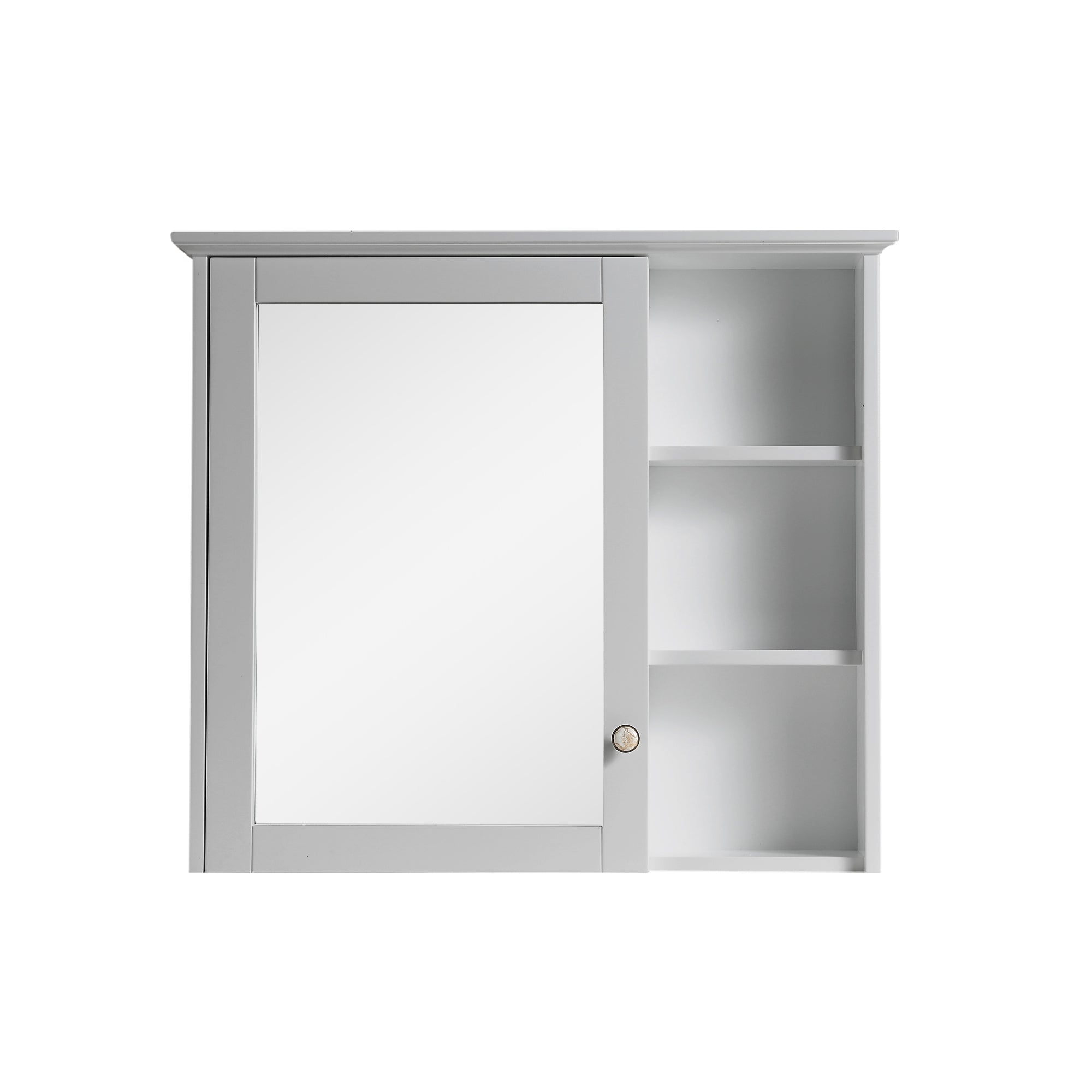
The industry design trend tends to mix two methods in 36-inch cabinets: hiding debris with drawers and cabinet doors at the bottom, and setting small open compartments on the top or sides for high-frequency use items.
This structure not only improves efficiency of use but also maintains visual cleanliness.
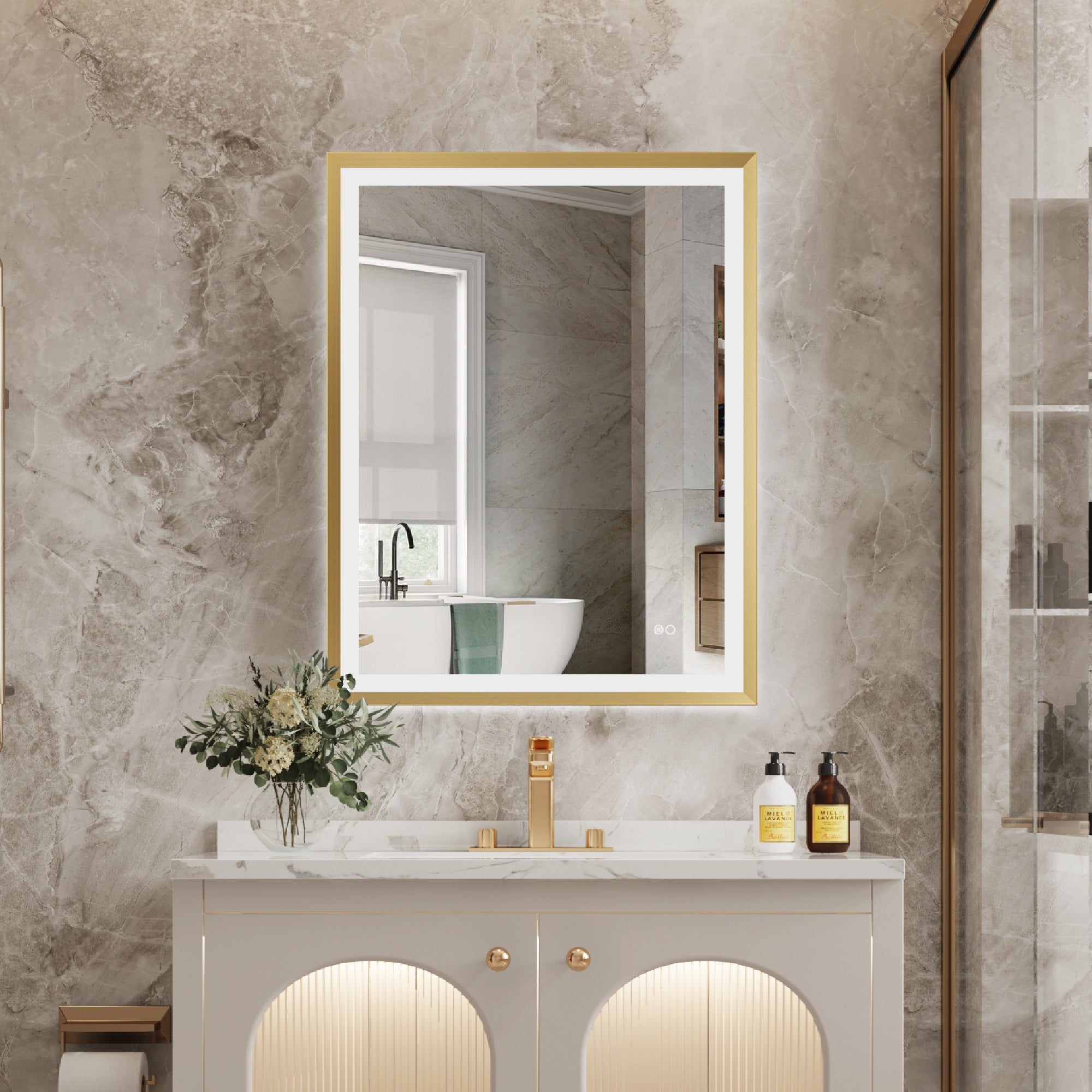
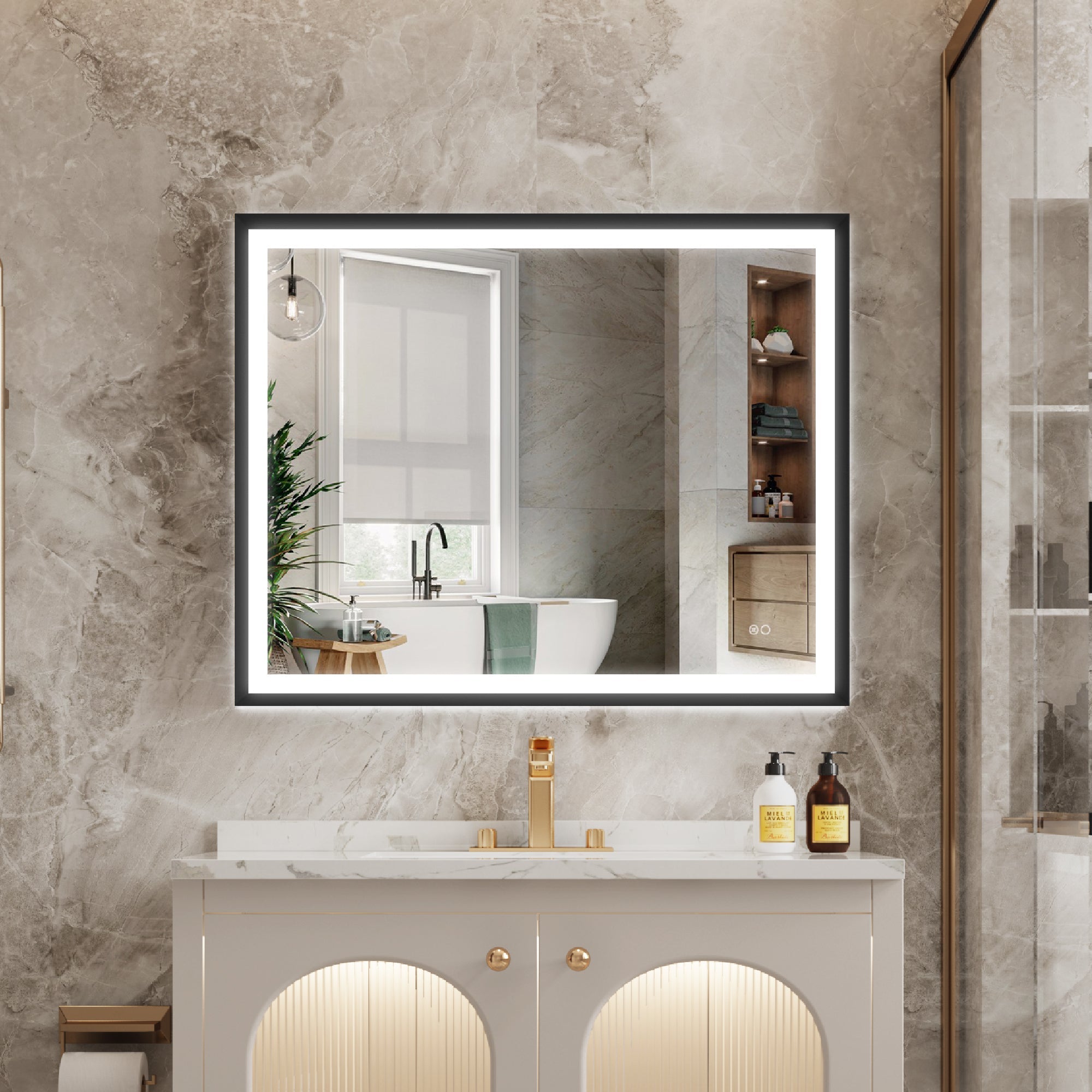
5. Linked with the mirror cabinet system to enlarge the overall storage capacity
Relying solely on bathroom cabinets often fails to meet long-term storage needs.
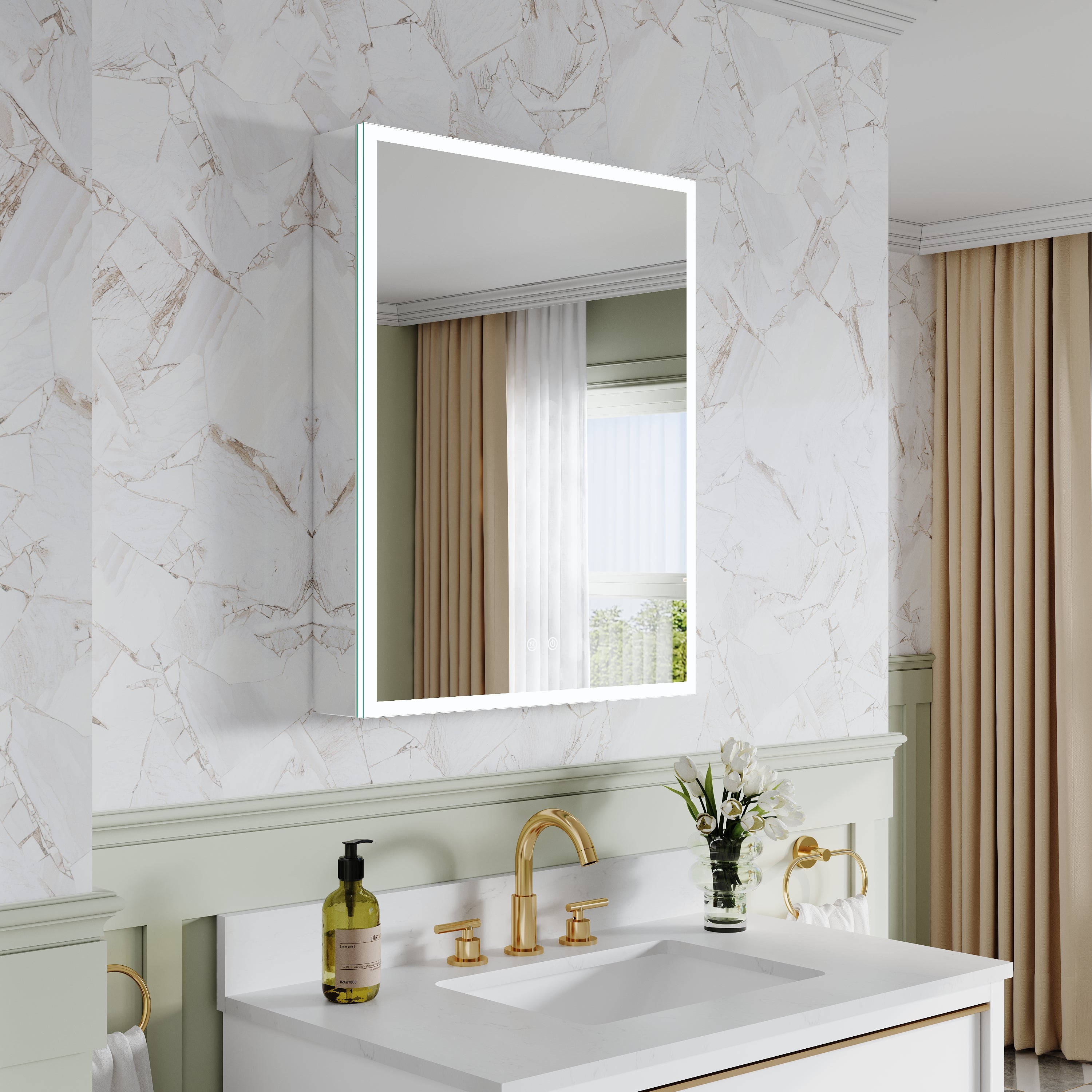
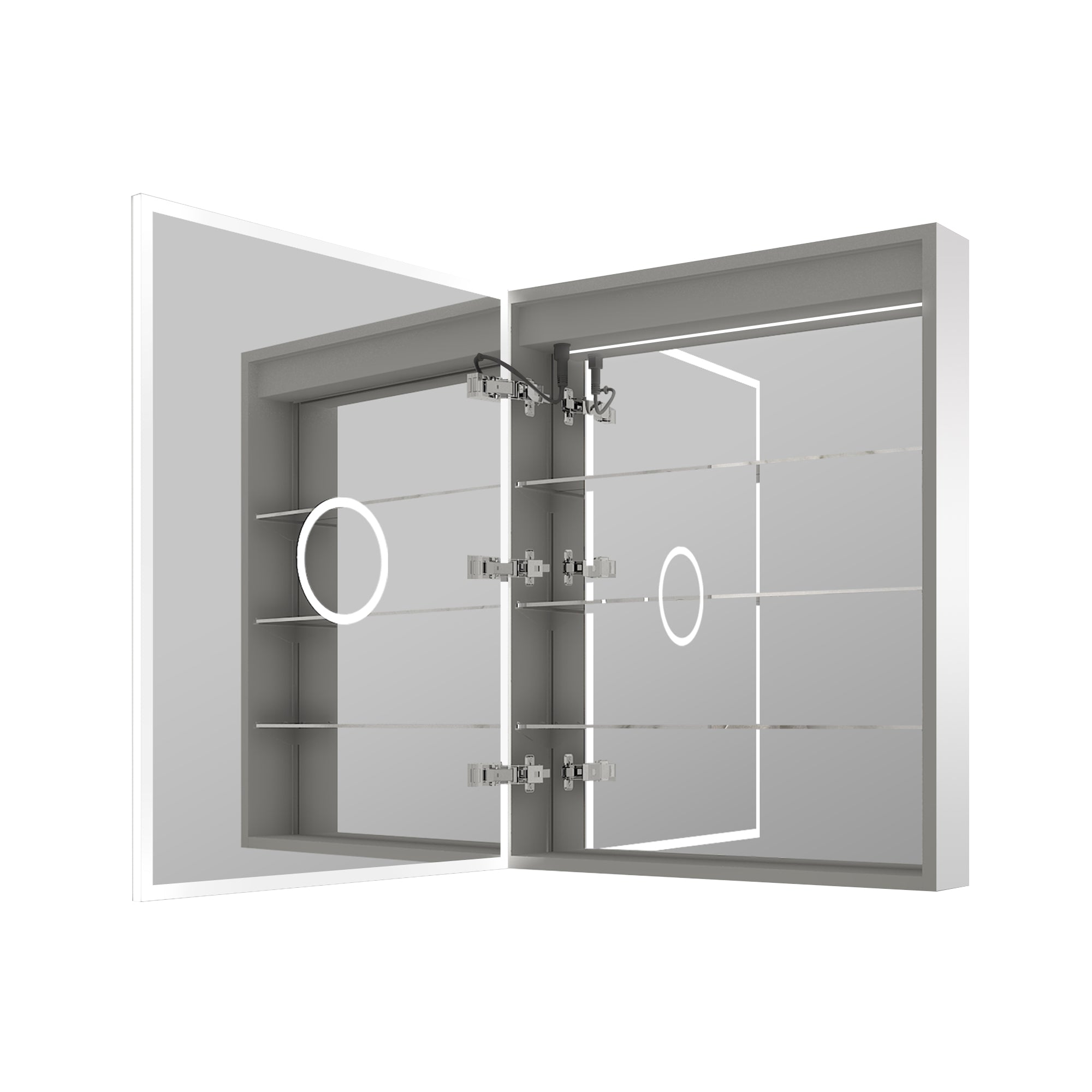
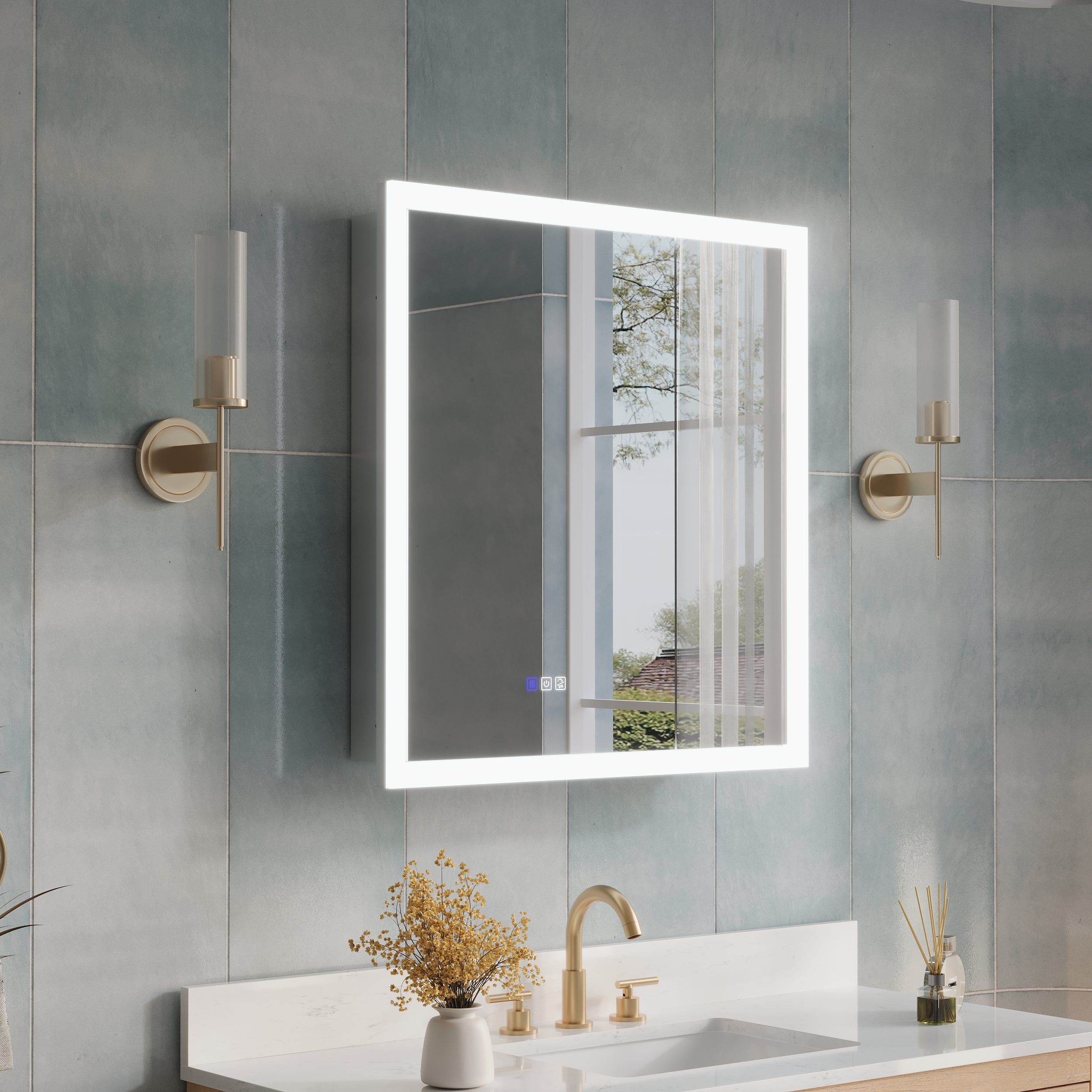
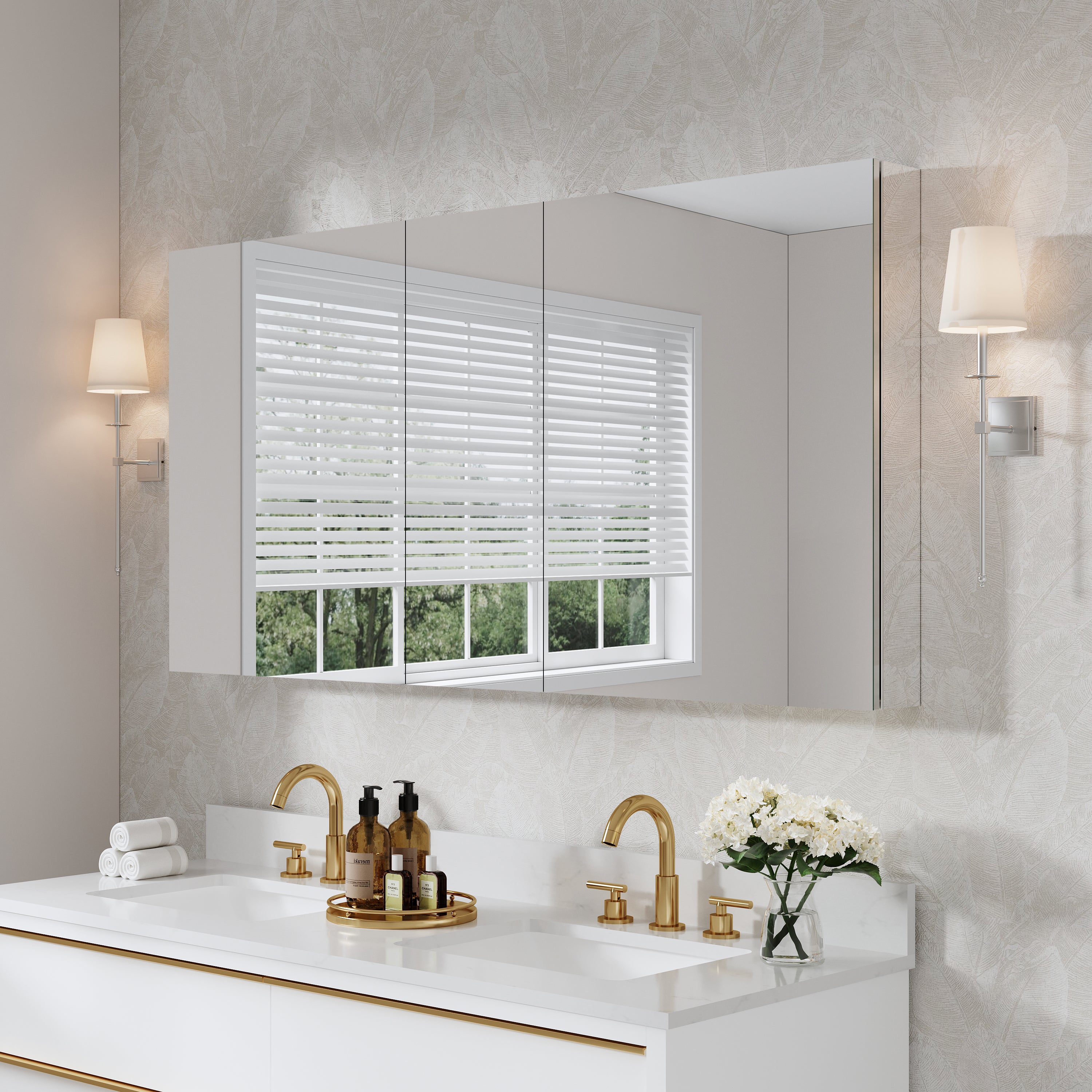
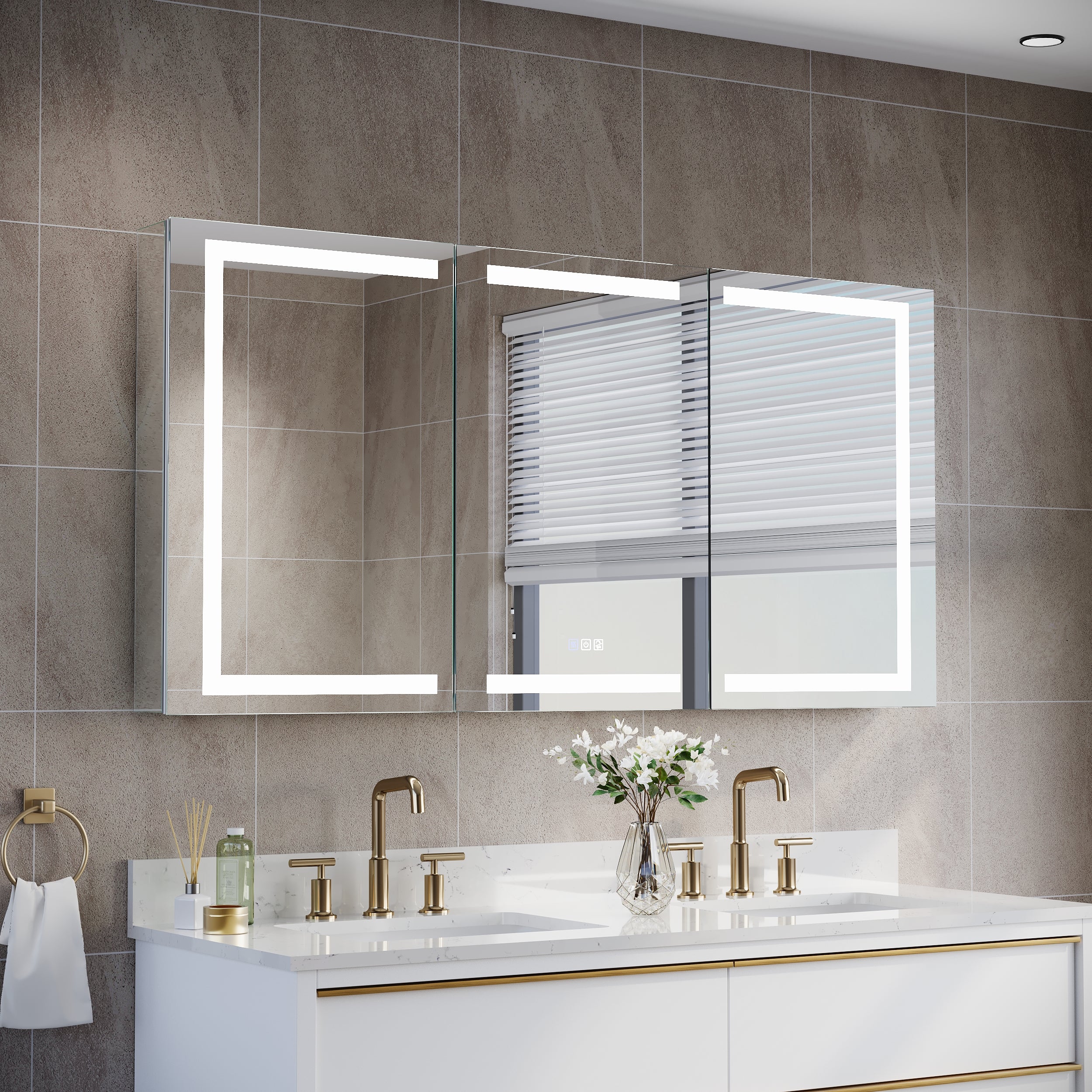
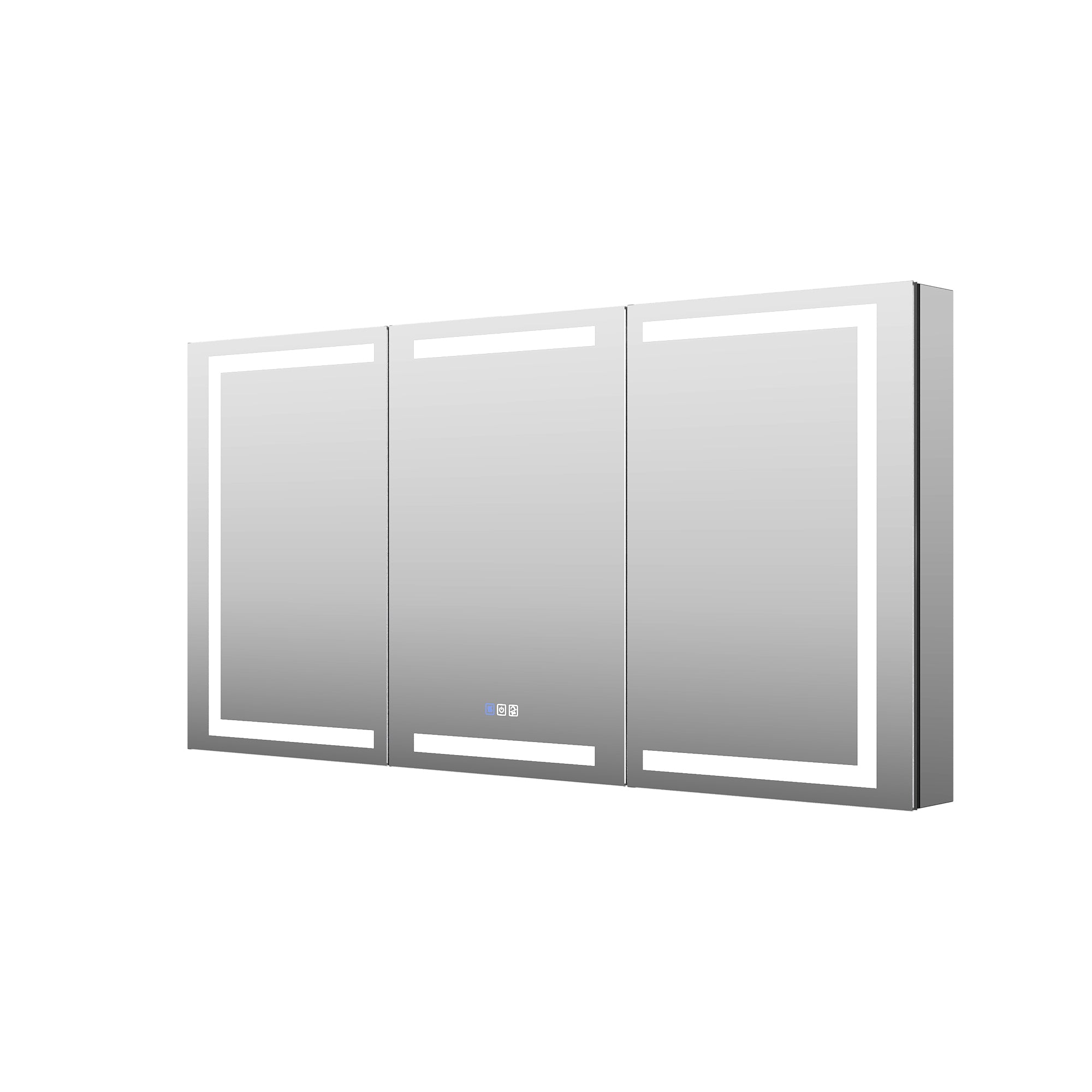
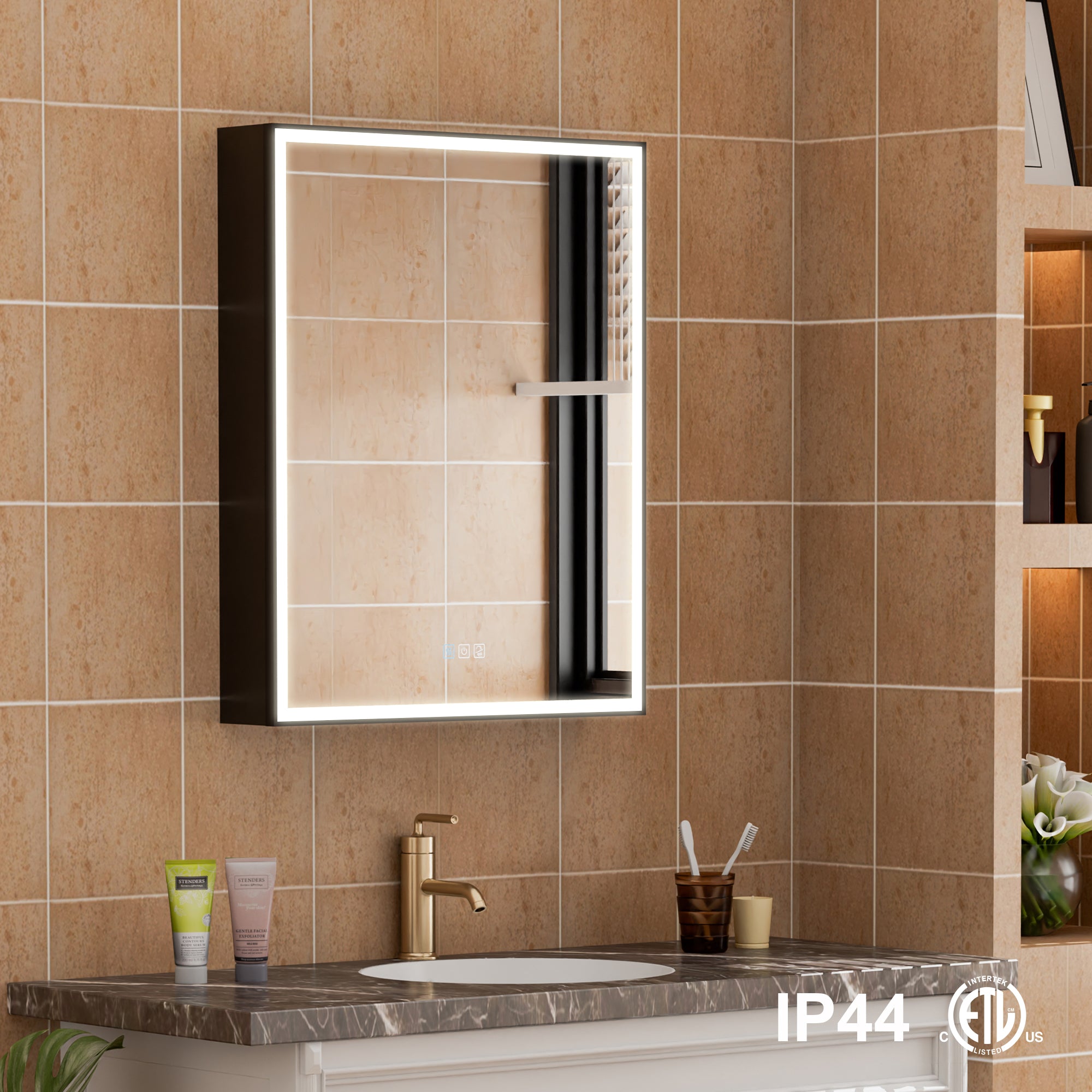
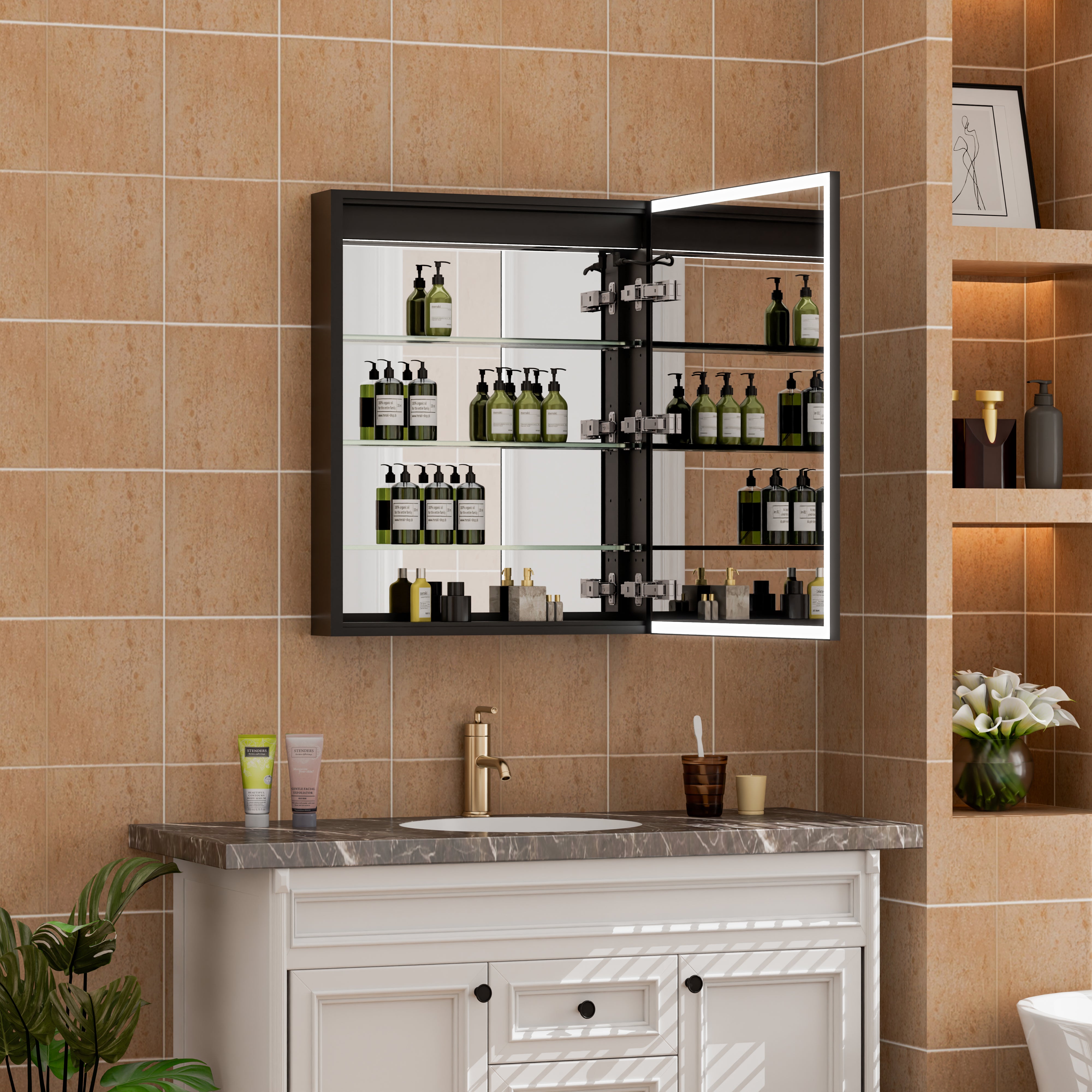
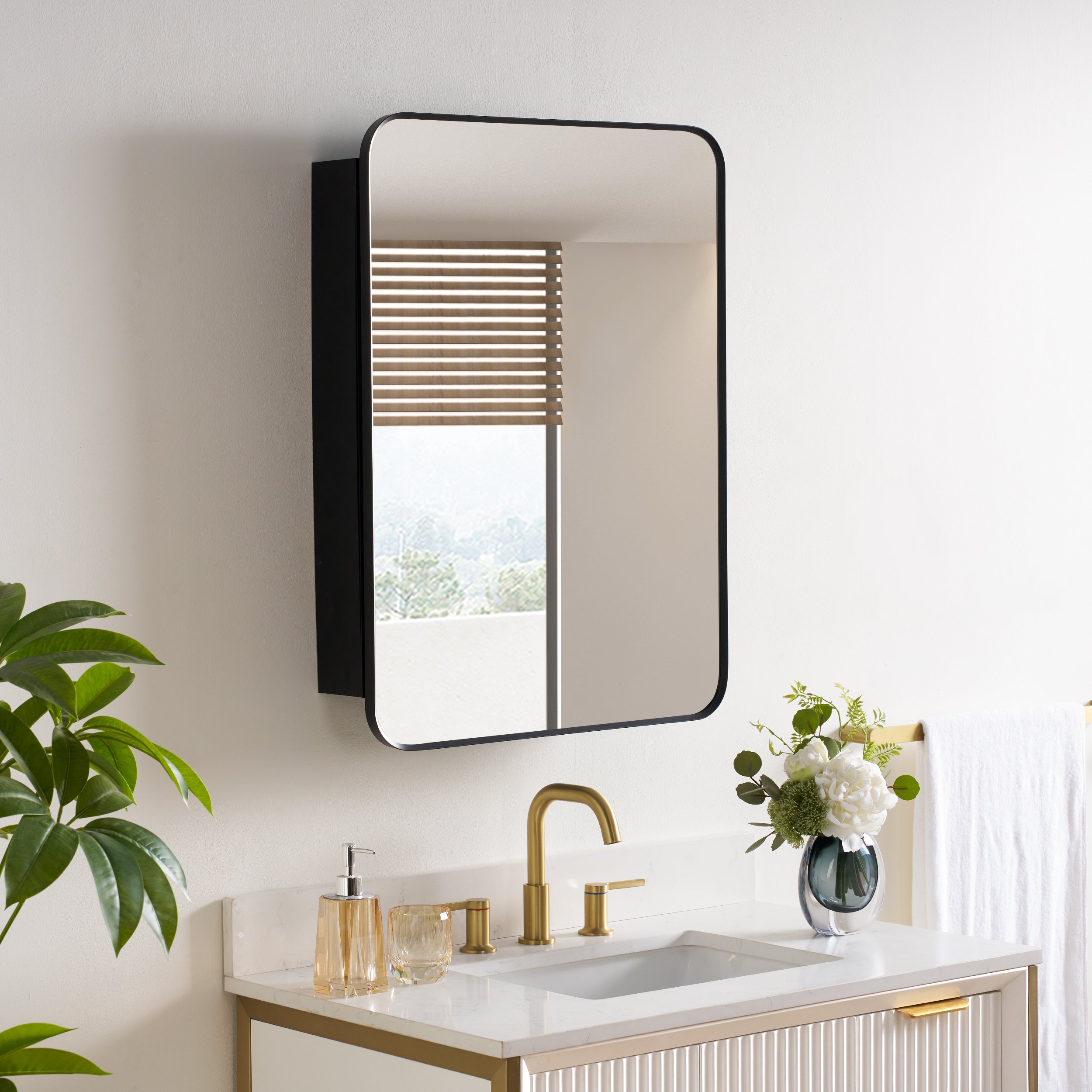
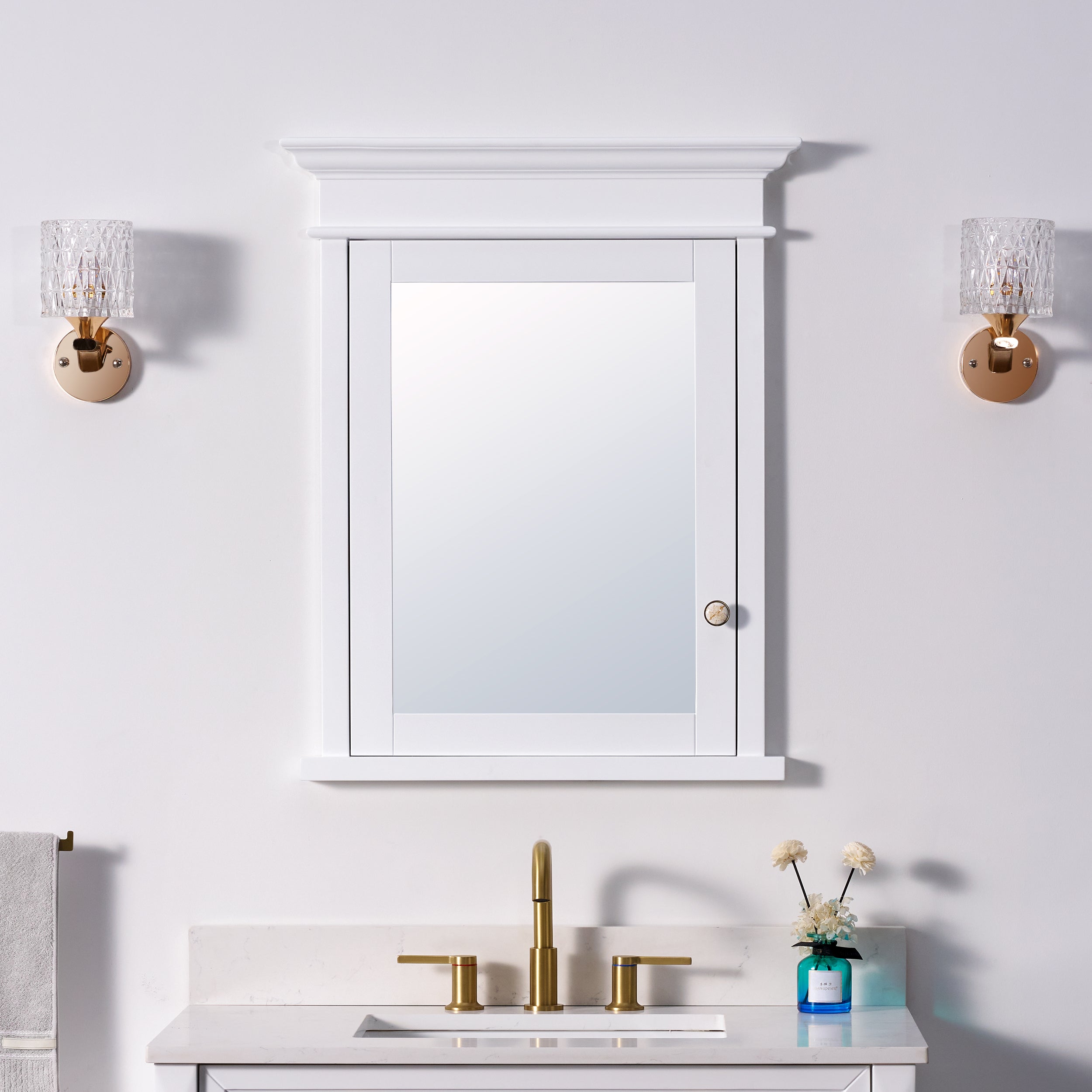
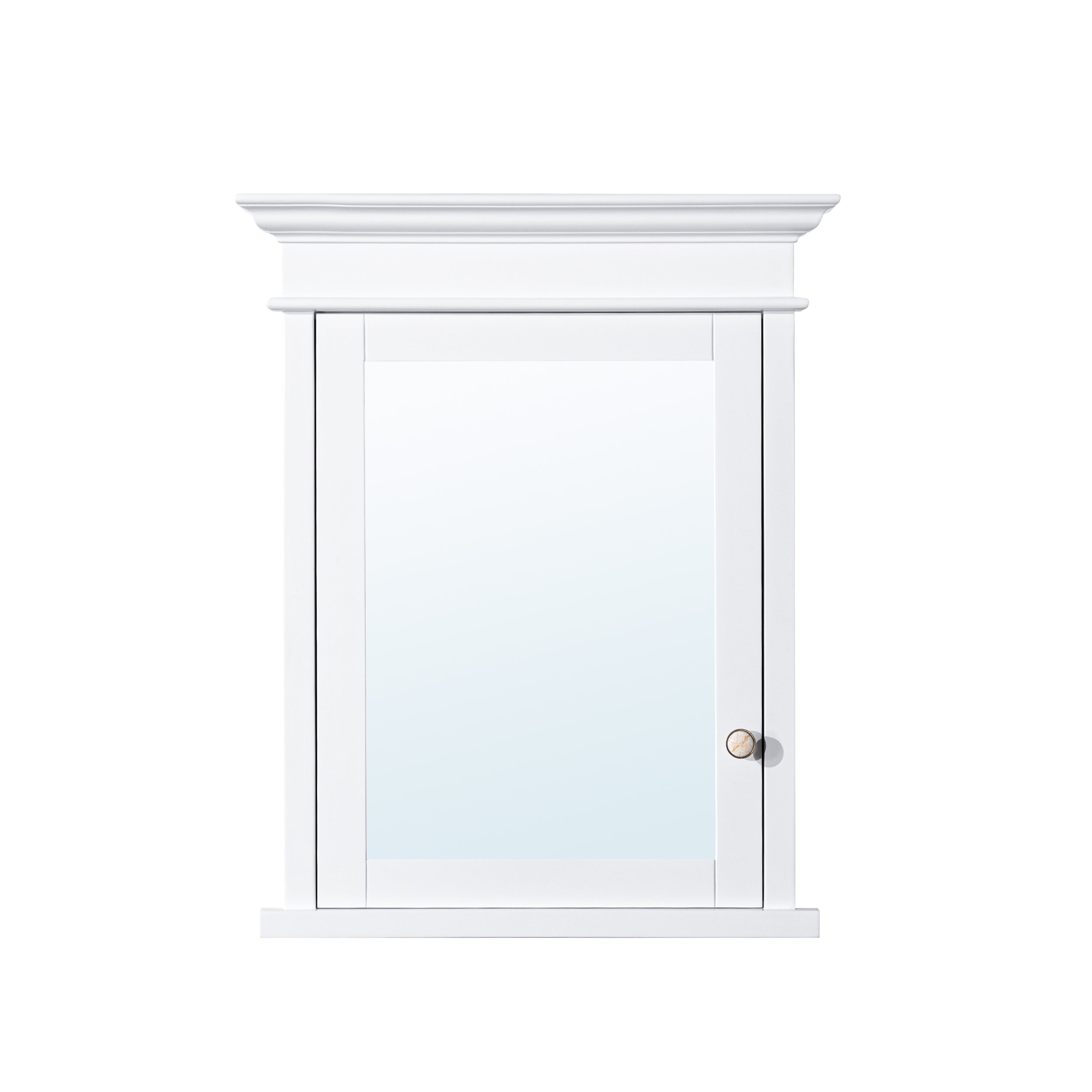
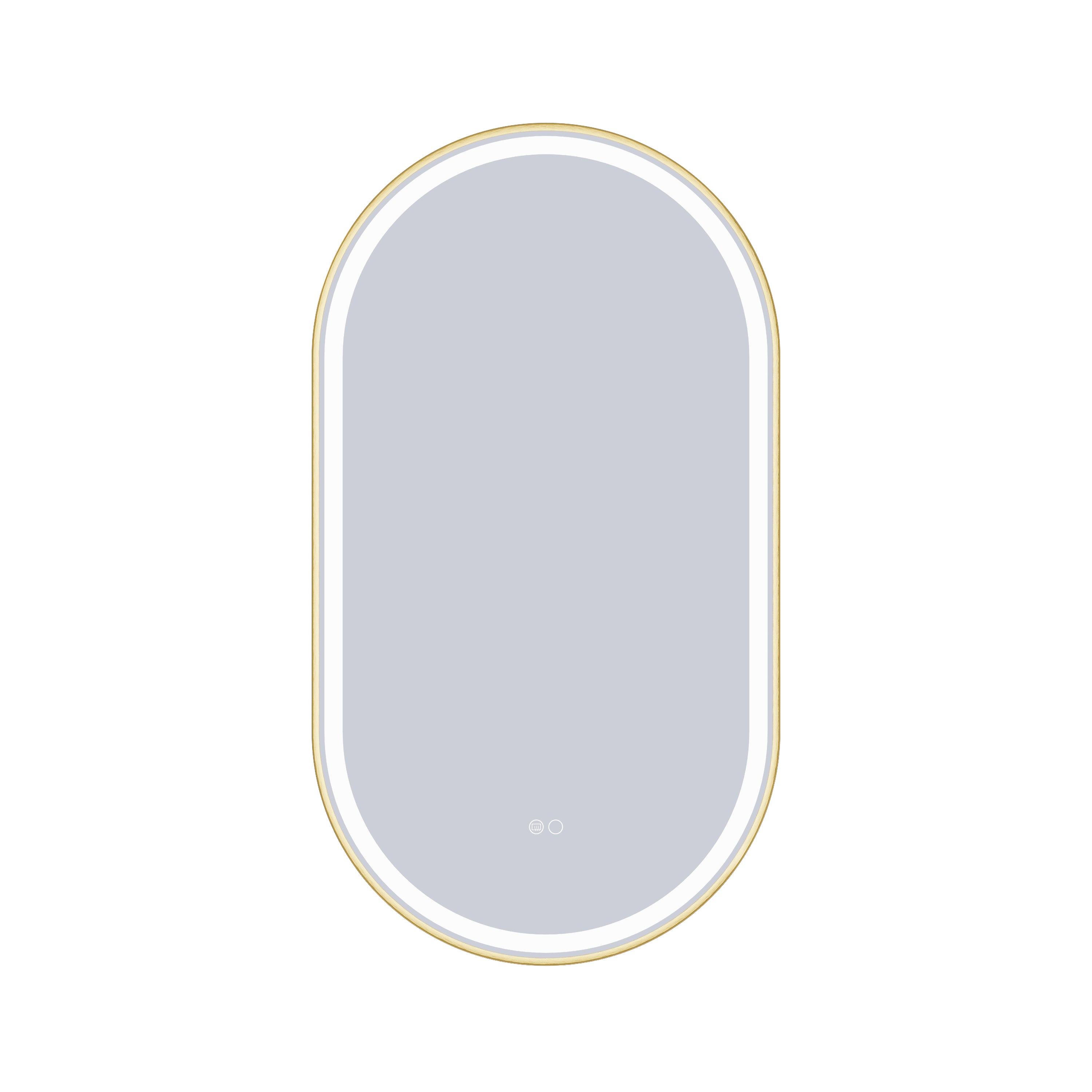
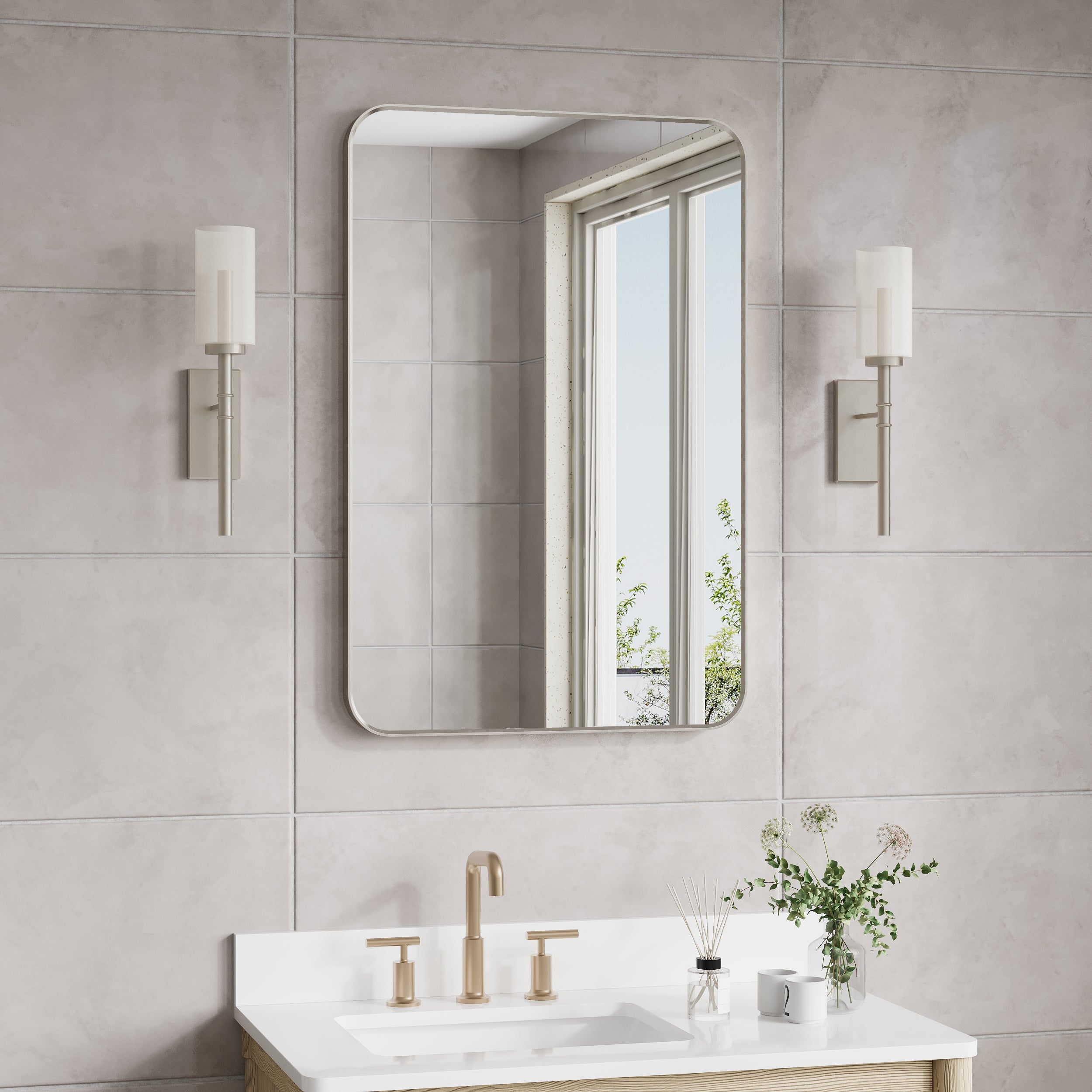
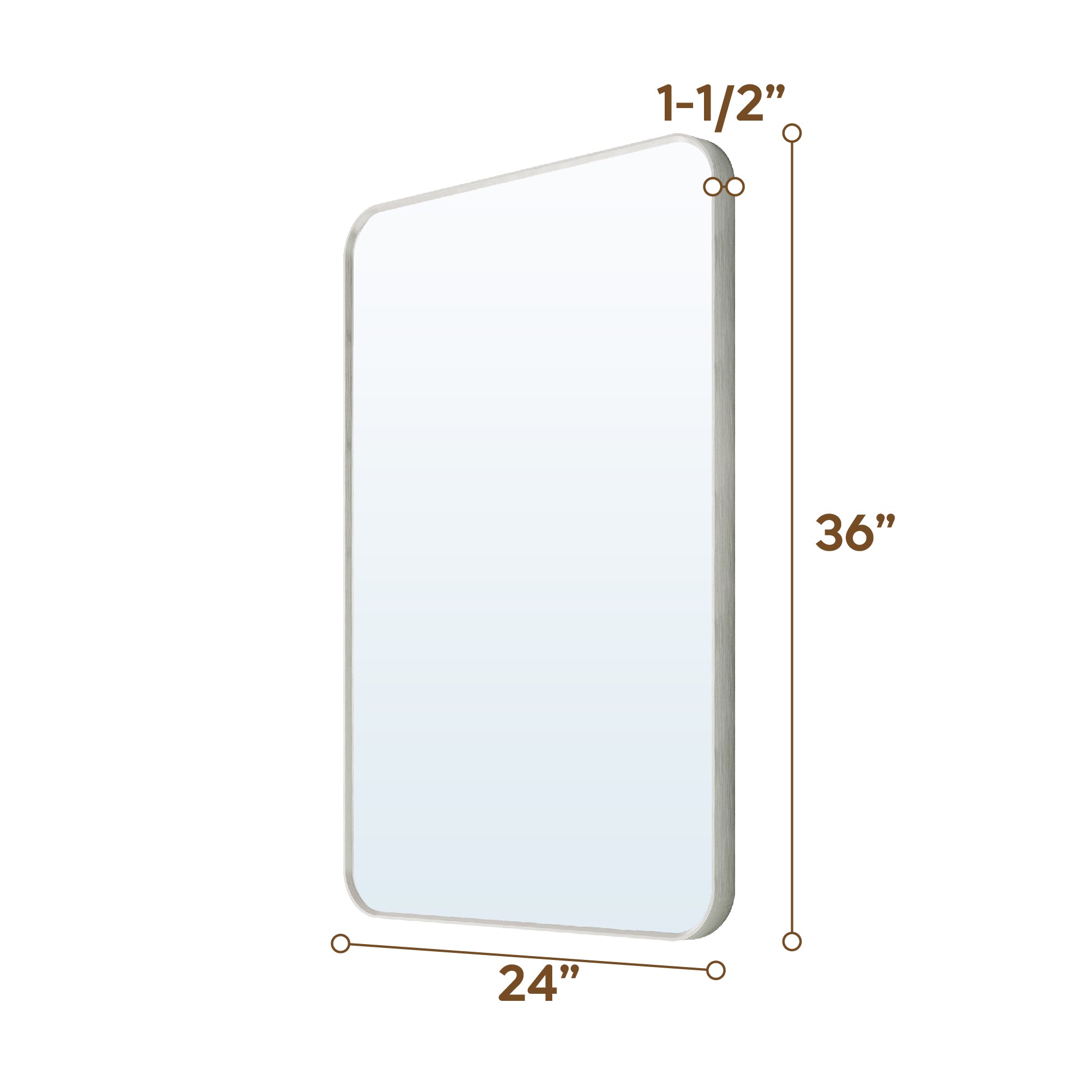
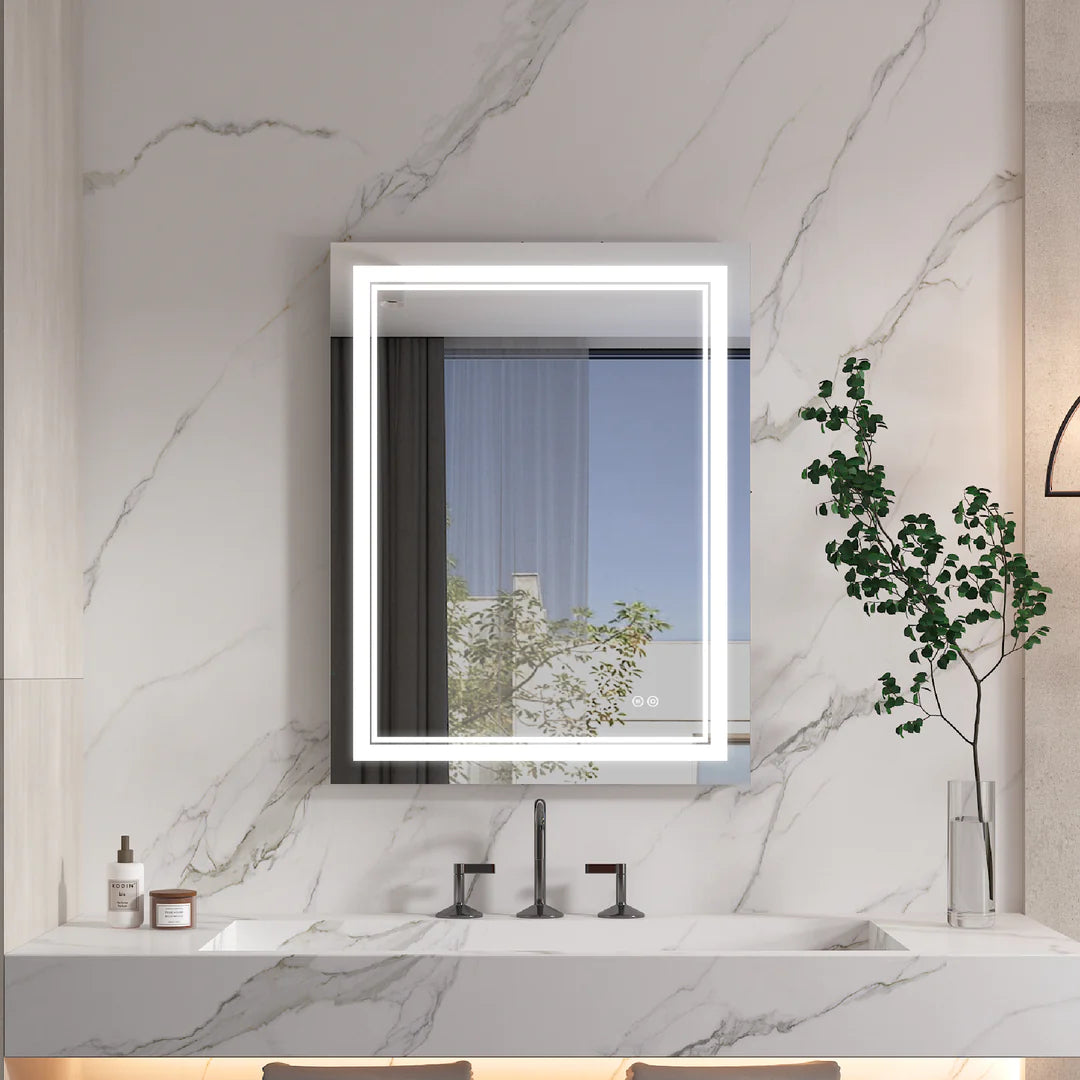
Industry space-optimization data shows that combining 36-inch vans with equally wide medicine cabinets or mirror storage systems can significantly increase overall storage capacity without increasing land use.
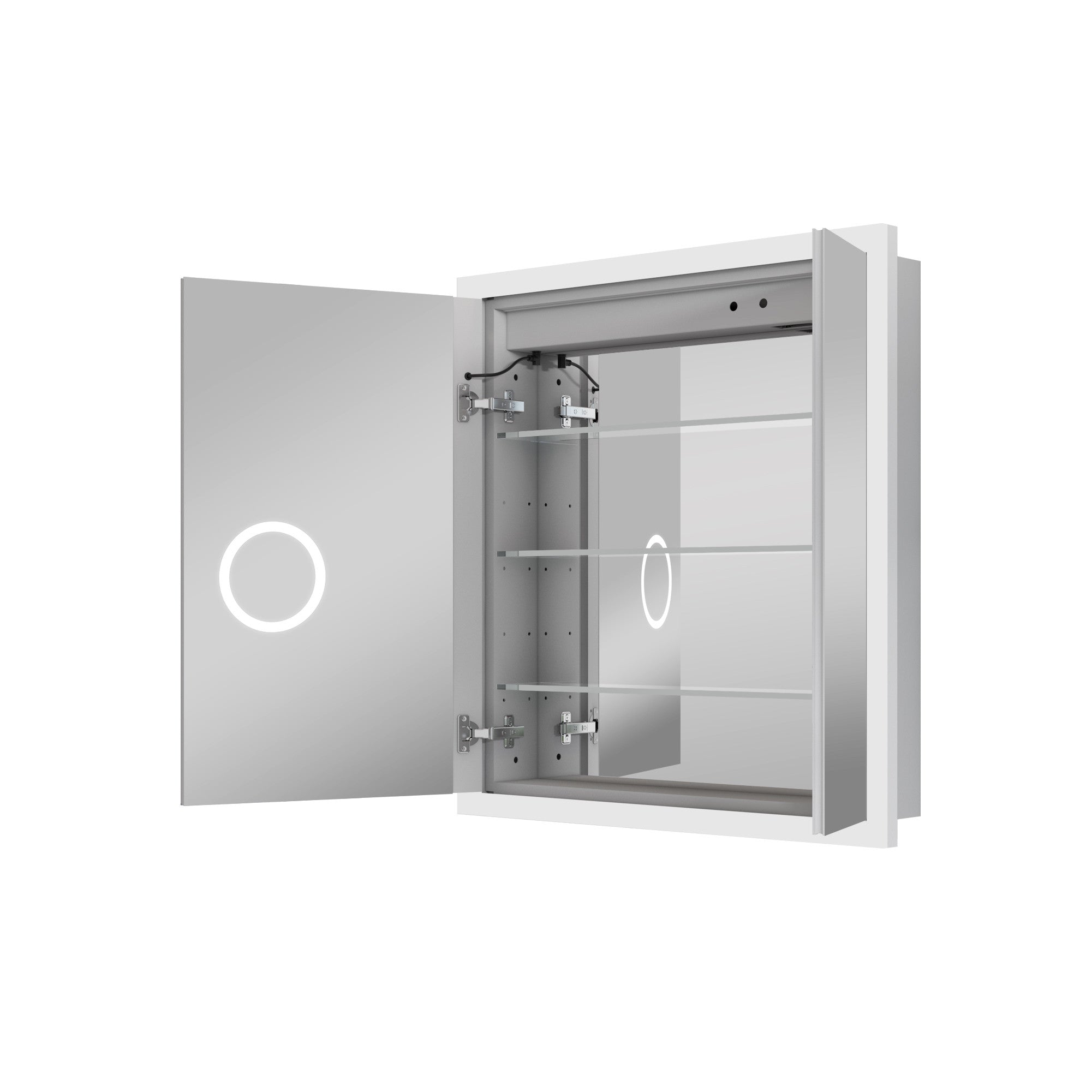
Mirror cabinets typically provide 4-6 inches of hidden space inside or outside the wall, making them ideal for storing small items used frequently in daily life and freeing up space in the lower cabinet for larger items.
6. Desk design also affects storage efficiency
The countertop is not just a decorative element. A reasonable water-blocking edge and width can prevent water stains from entering the cabinet and provide a temporary storage area for toiletries.
Industry feedback shows that countertops with a depth of approximately 20-22 inches are the most balanced between comfort and space efficiency, and are less prone to cluttered stacking.
7. Suspended design makes the space look bigger
Hanging 36-inch vanities is gradually becoming a popular choice in small bathrooms.
By raising the bottom of the cabinet off the ground and exposing the ground area, it can visually expand the space and also facilitate cleaning. Industry research shows that this "disconnected ground volume" design can significantly reduce the sense of spatial pressure.
8. Smart internal lighting can further improve storage usability
In compact bathrooms, lighting inside cabinets is often overlooked but has a strong impact on daily usability.
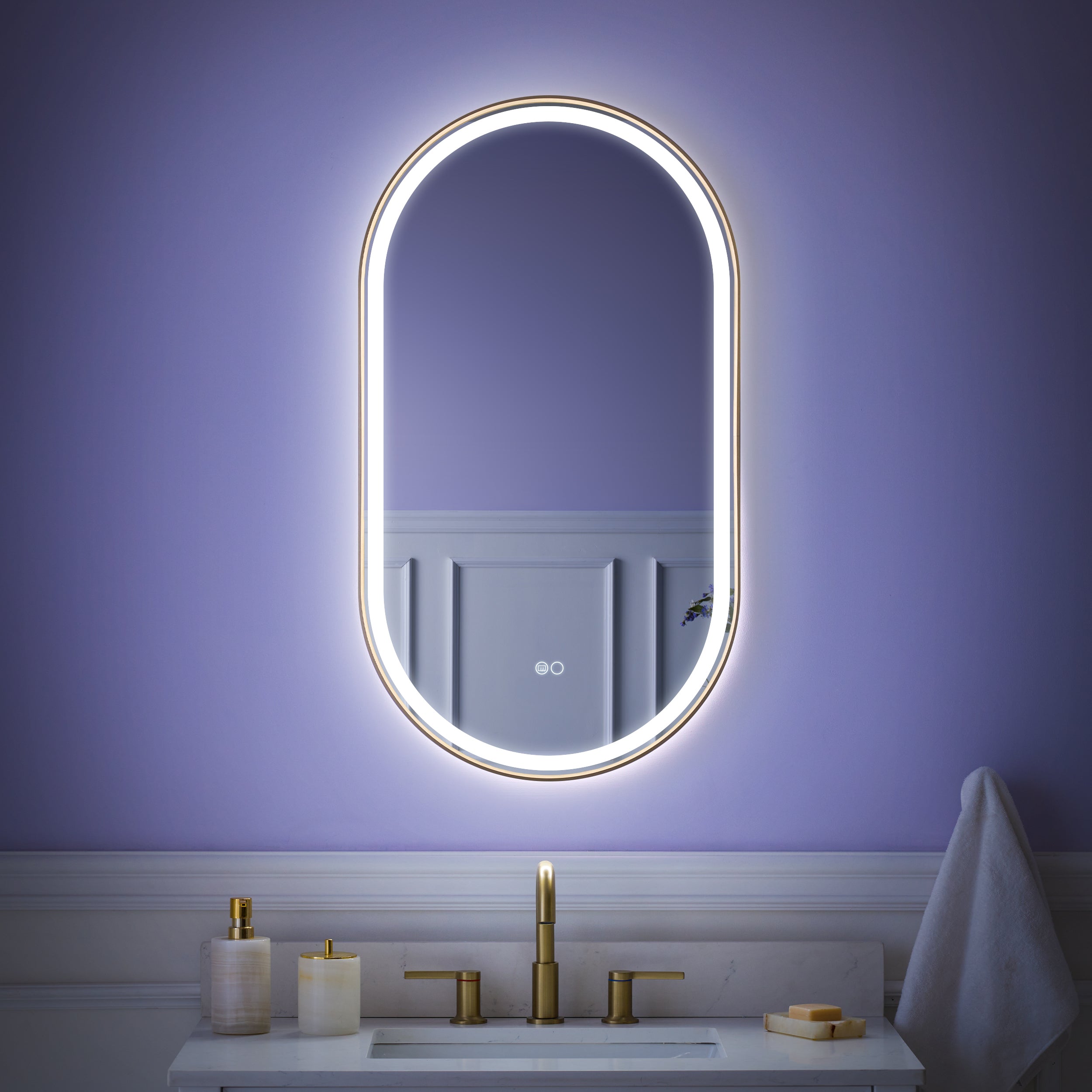
Industry design practice shows that adding soft internal LED strip lighting inside drawers or cabinet compartments makes it much easier to locate items, especially in deep storage zones. This reduces clutter caused by frequent searching and encourages more organized storage habits over time.
Well-lit storage spaces not only feel larger, but also significantly improve efficiency in daily routines.
9. Internal accessories, small details bring significant improvement
High-quality storage systems often rely on detailed accessories such as adjustable dividers, drawer dividers, anti-slip pads, etc.
Industry usage data shows that bathroom cabinets with internal sorting systems have significantly higher long-term cleanliness and user satisfaction than those with hollow structures.

10. Conclusion: The value of 36 inches lies in its systematic utilization
36-inch vans are not a compromise solution for small spaces, but a highly adaptable storage platform.
When drawer structure, height utilization, mirror cabinet coordination, and a reasonable layout work together, a 36-inch width is sufficient to support an efficient and orderly bathroom system without sacrificing space comfort.
The real key is never how big the cabinet is, but whether every inch of space is planned correctly.










Leave a comment
This site is protected by hCaptcha and the hCaptcha Privacy Policy and Terms of Service apply.