
















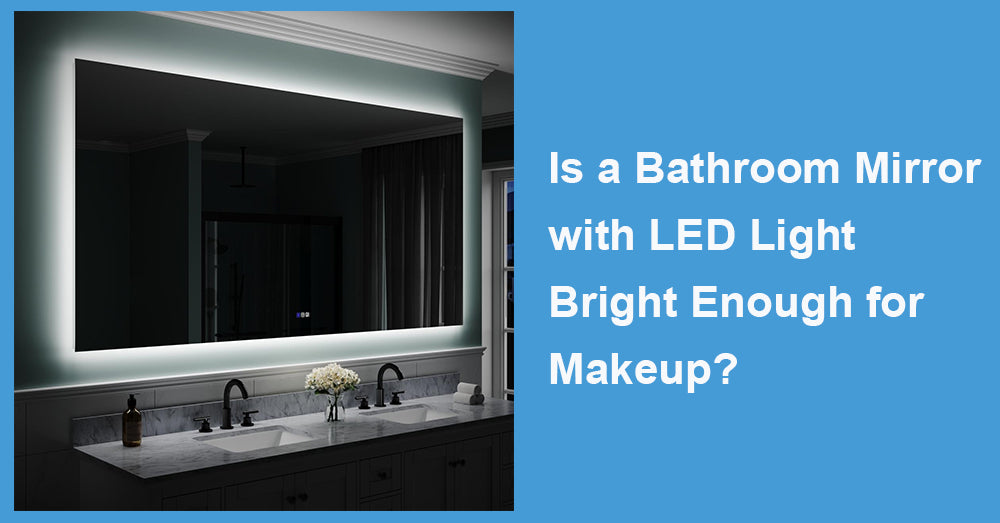
In modern bathroom design, a bathroom mirror with LED light has gradually become an important auxiliary tool for makeup and daily care. Many people have the same question when choosing: Is this type of mirror light really bright enough? Industry lighting testing and usage-behavior research have shown that brightness alone is not the only factor determining makeup effect. The distribution of light, color temperature stability, and mirror size are often more critical than just the lumen value alone.
1. Whether it's bright enough or not is actually a comprehensive issue
Many people mistakenly believe that the key to makeup mirrors is higher brightness. Still, industry lighting research has shown that excessive direct light can easily cause overexposure in high-light areas, masking true skin tone.
The ideal goal of mirror illumination is to create a uniform and shadow-free light field on the face, allowing for precise details without excessive glare. This is also the reason why professional makeup rooms place more emphasis on "even lighting" rather than single-point highlights.
2. The brightness range of LED mirrors has already covered daily needs
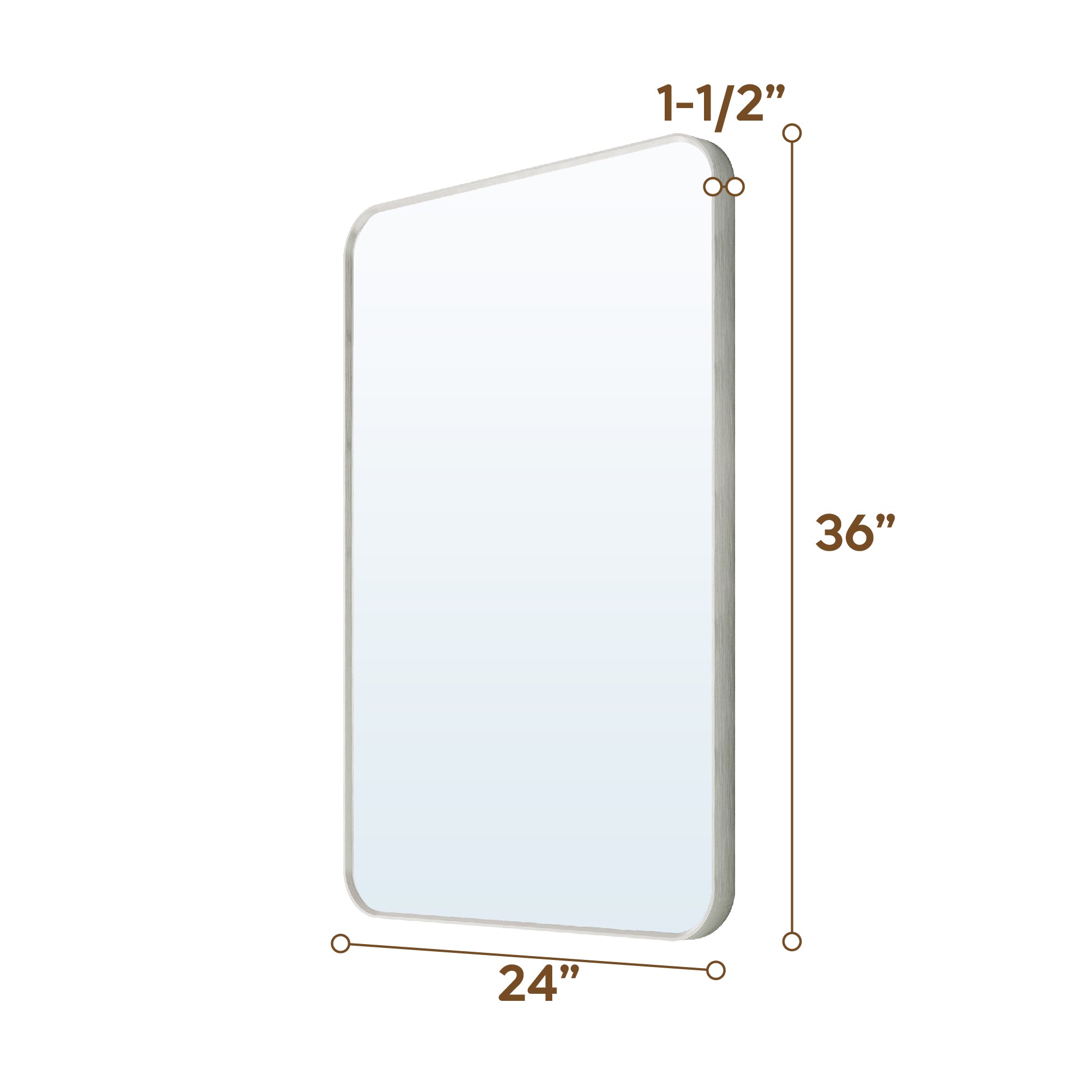
Modern LED mirrors generally feature high-efficiency light sources. In ordinary mirrors measuring 24-36 inches wide, the built-in light strip can already provide sufficient illumination to cover the entire face.
Industry tests have shown that, as long as the lighting distribution is reasonable, the brightness of most LED mirrors can fully meet the high-precision visual needs of tasks such as fine makeup, skincare, and shaving.
The key is not whether the value is "extremely high", but whether it evenly illuminates every area of the face.
3. The position and distribution of lighting determine the actual effect
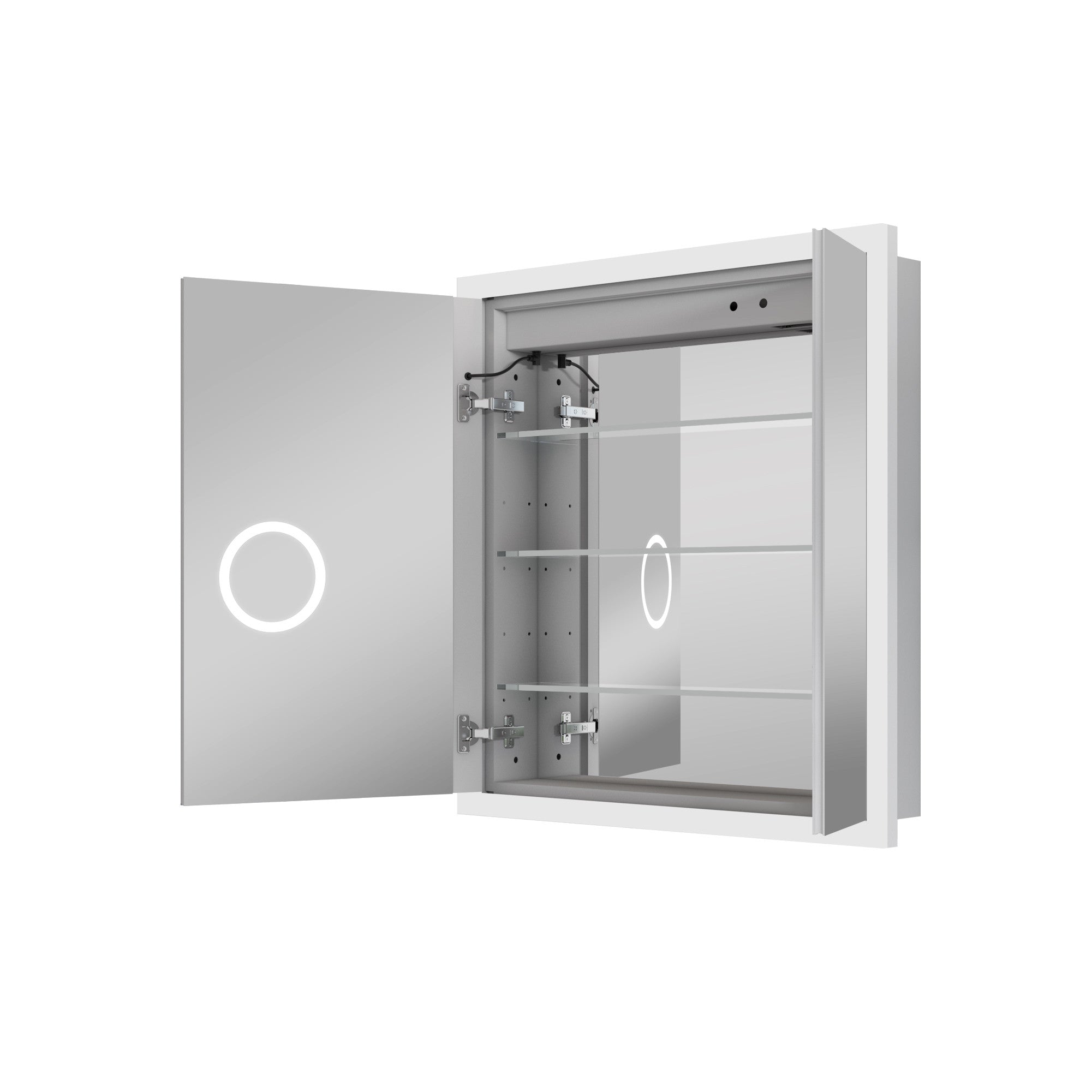
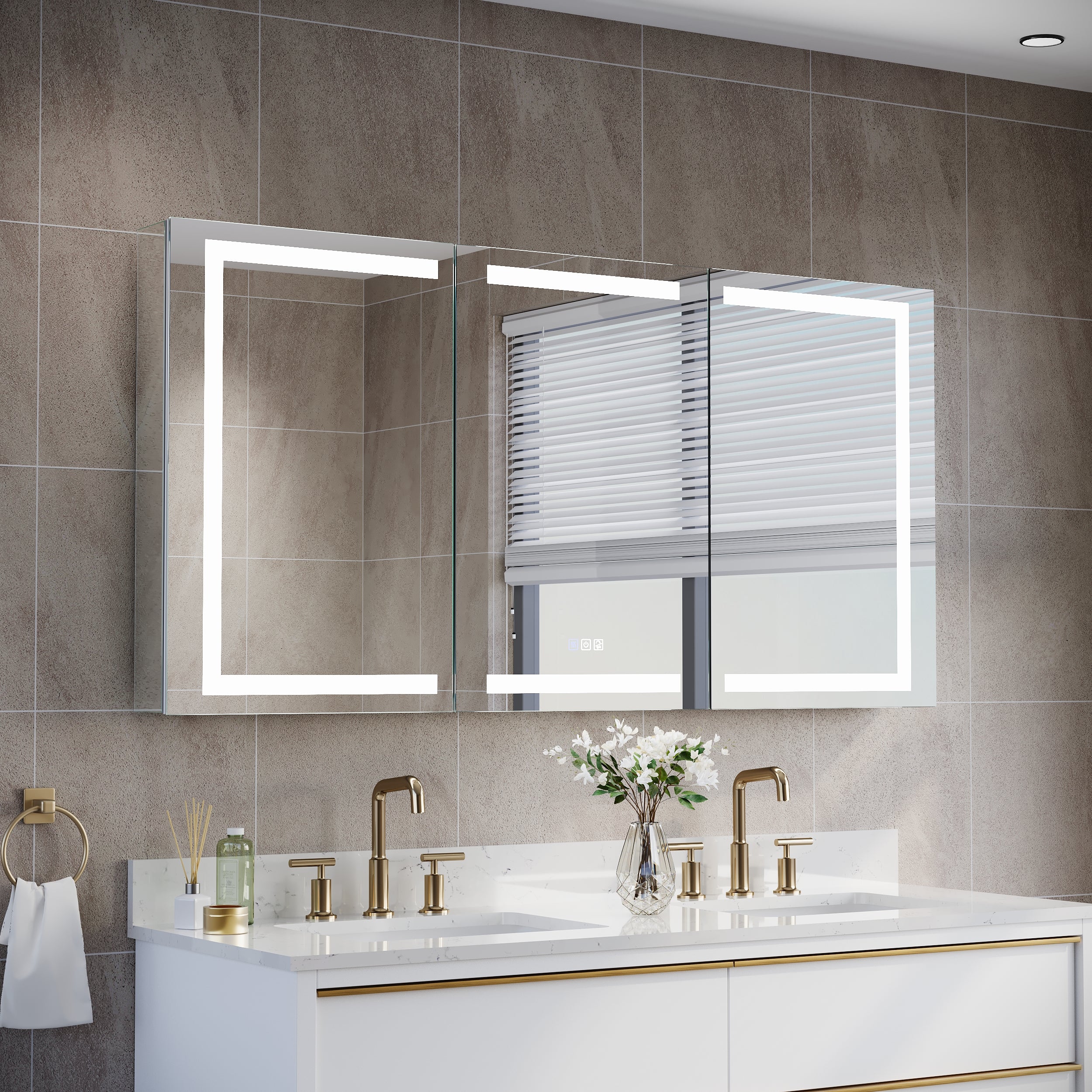
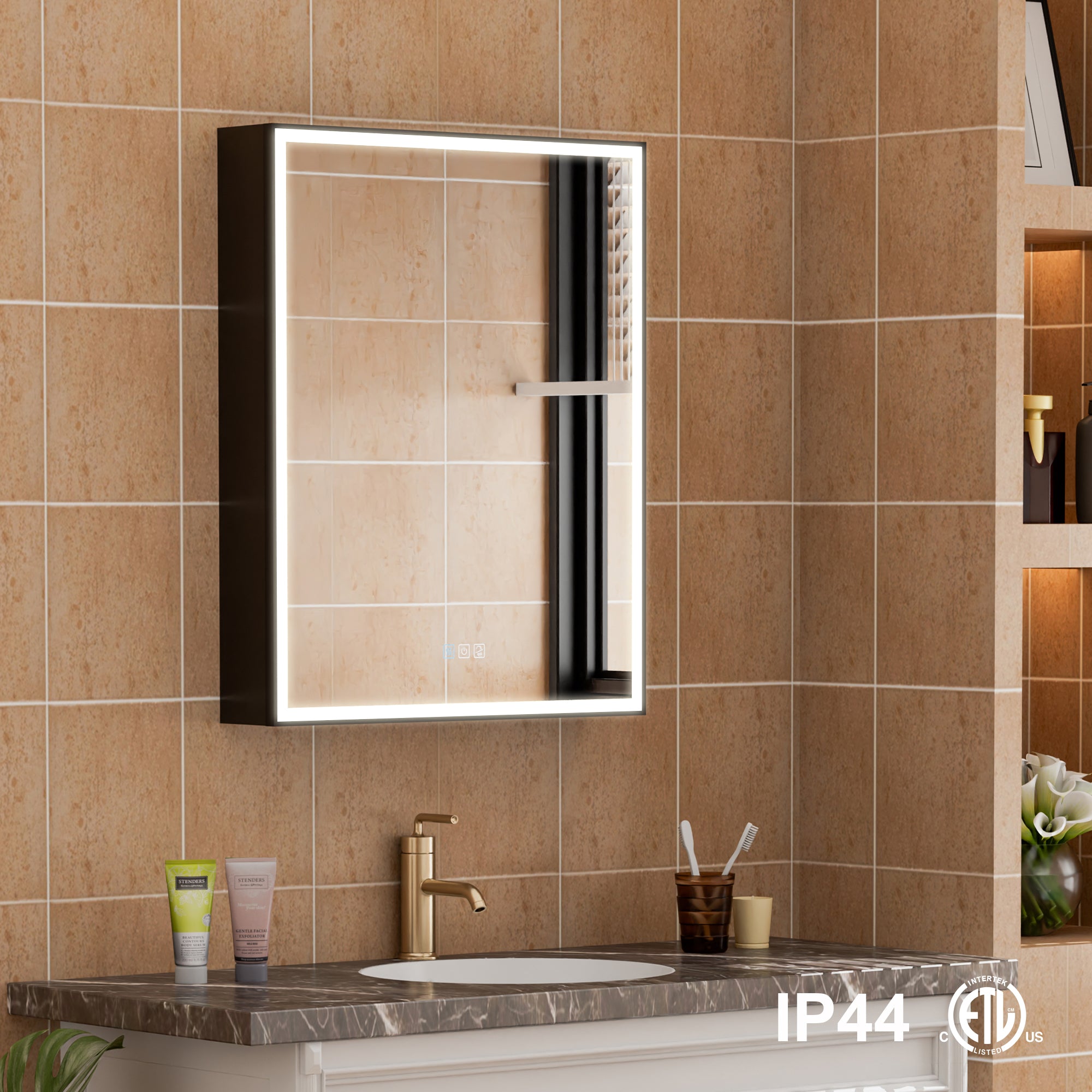
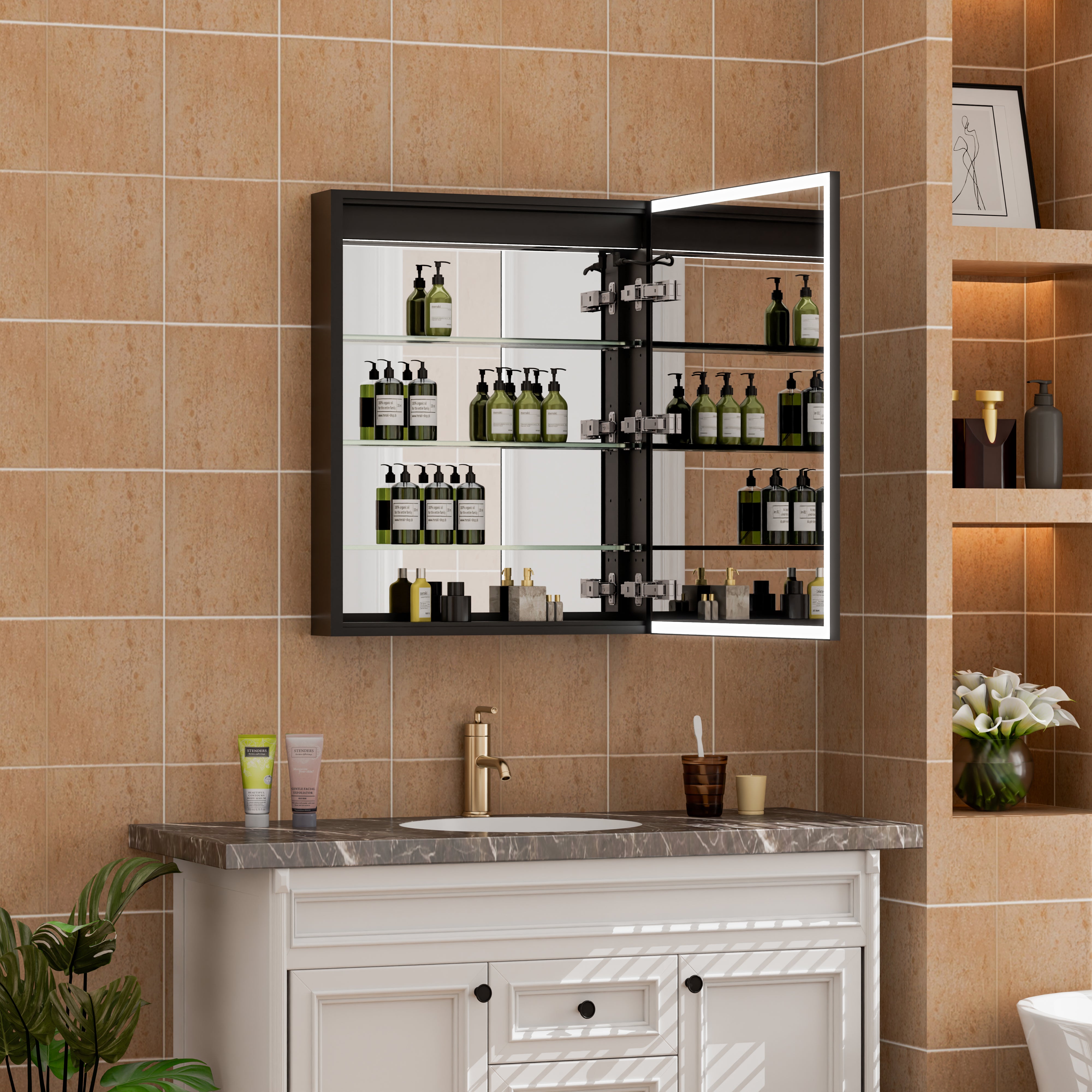
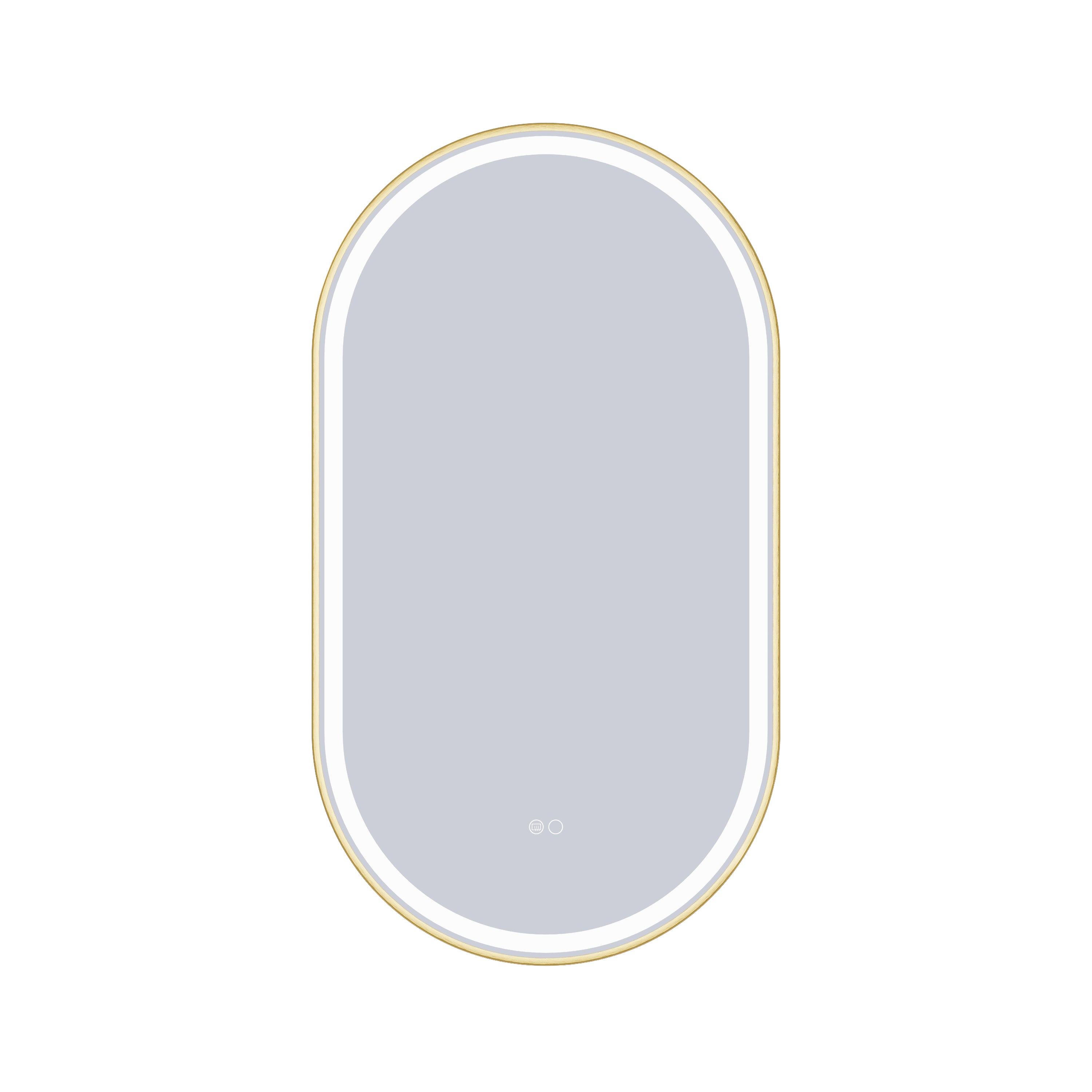
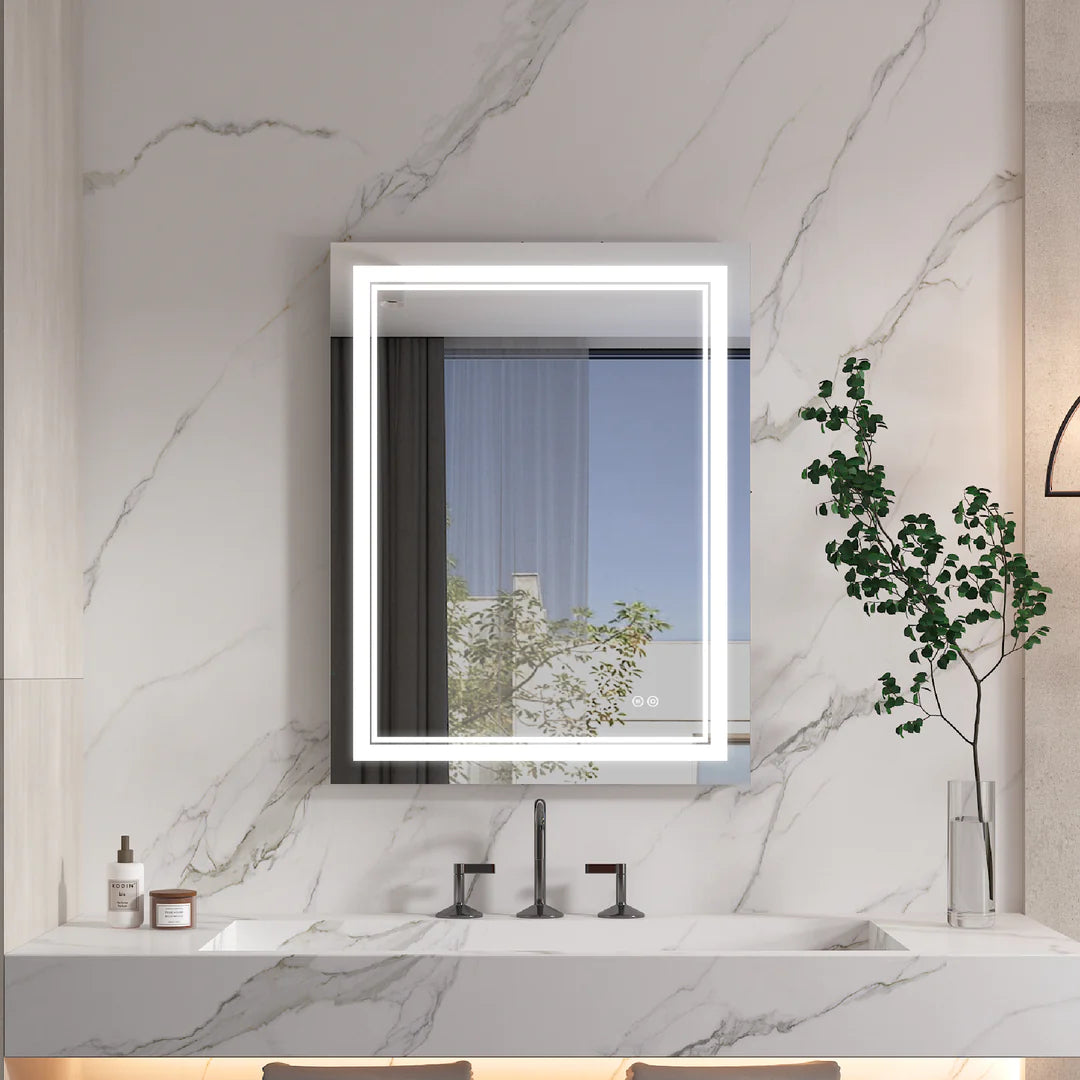
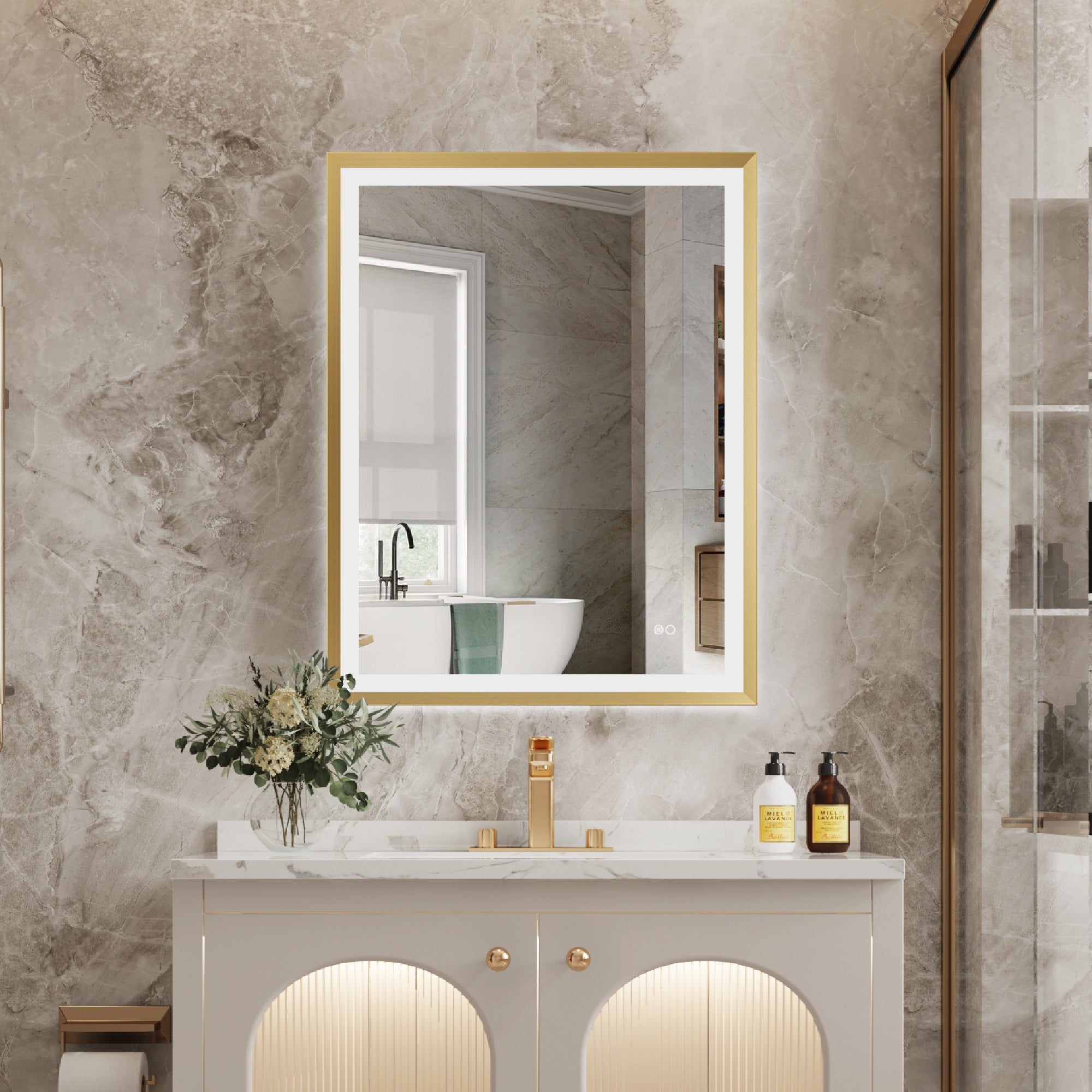
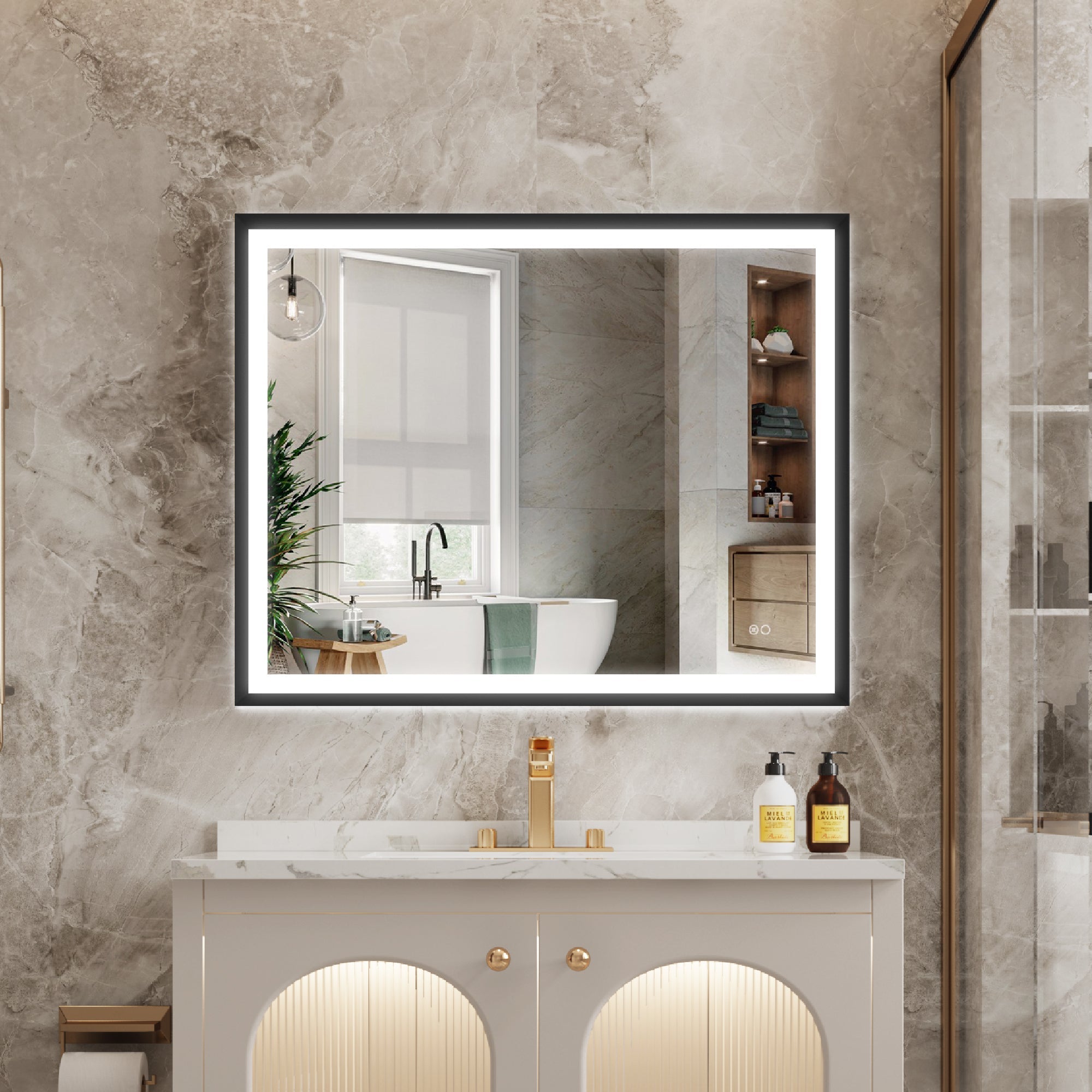
Compared to top single-point lighting, surround or double-sided fill lighting designs can significantly reduce shadows.
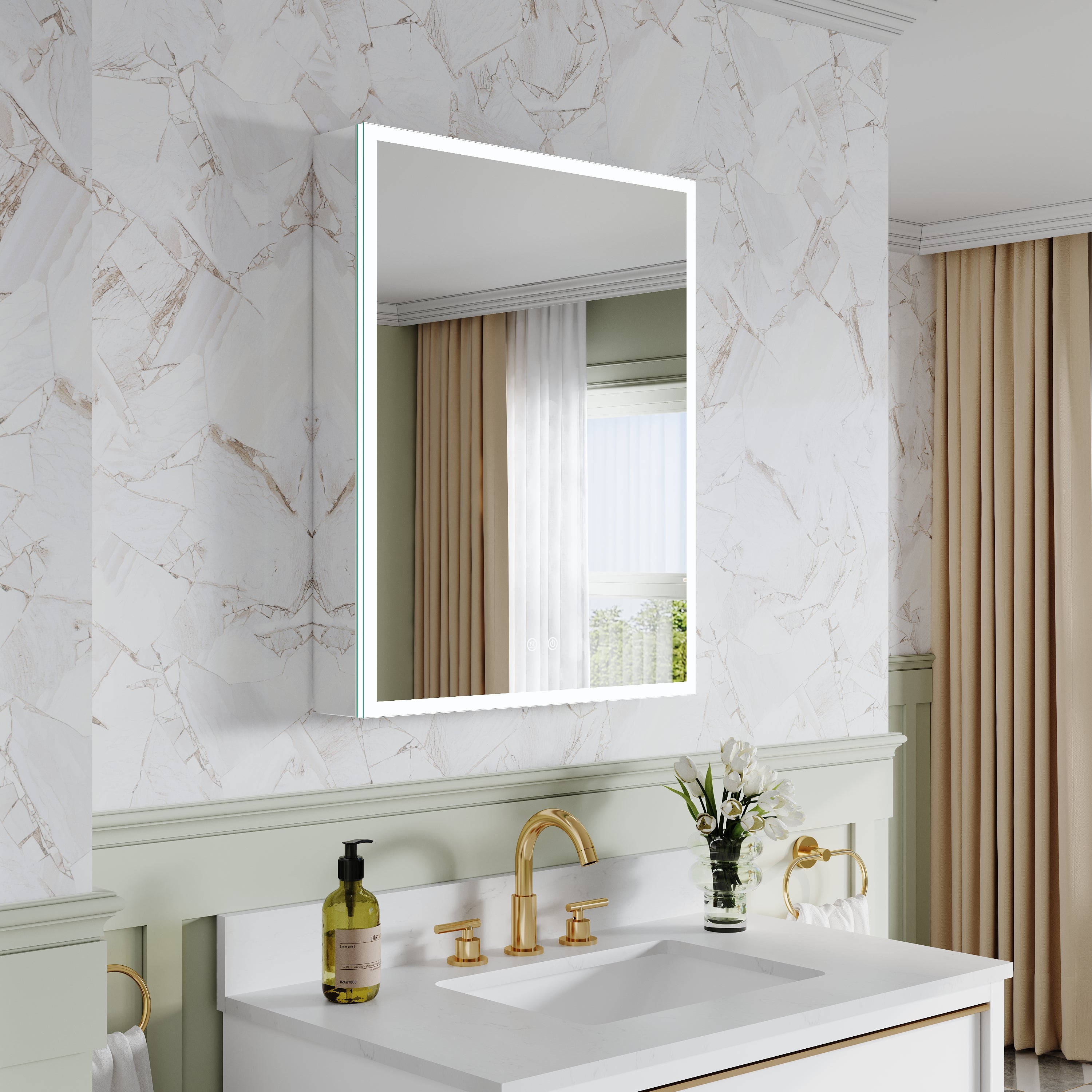
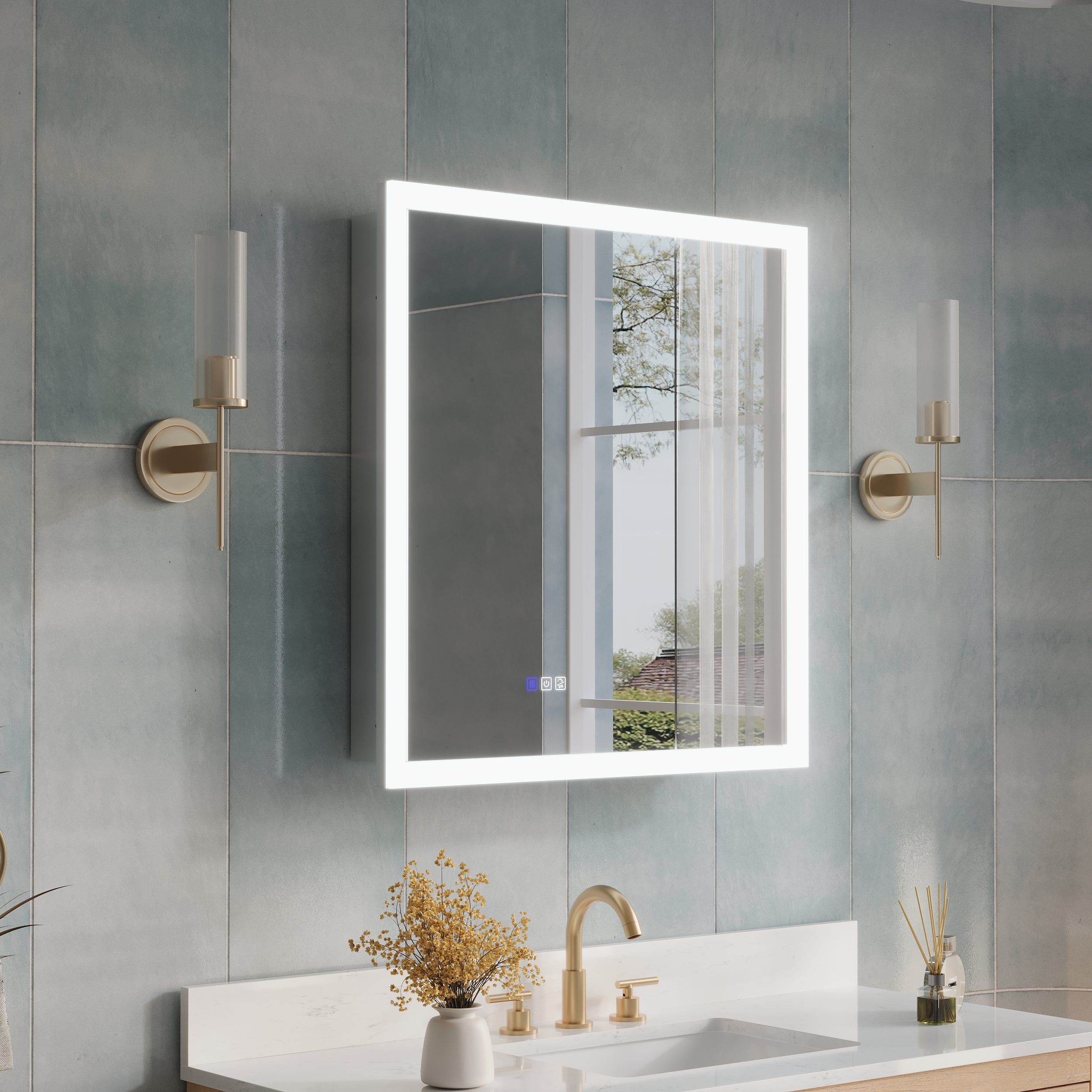
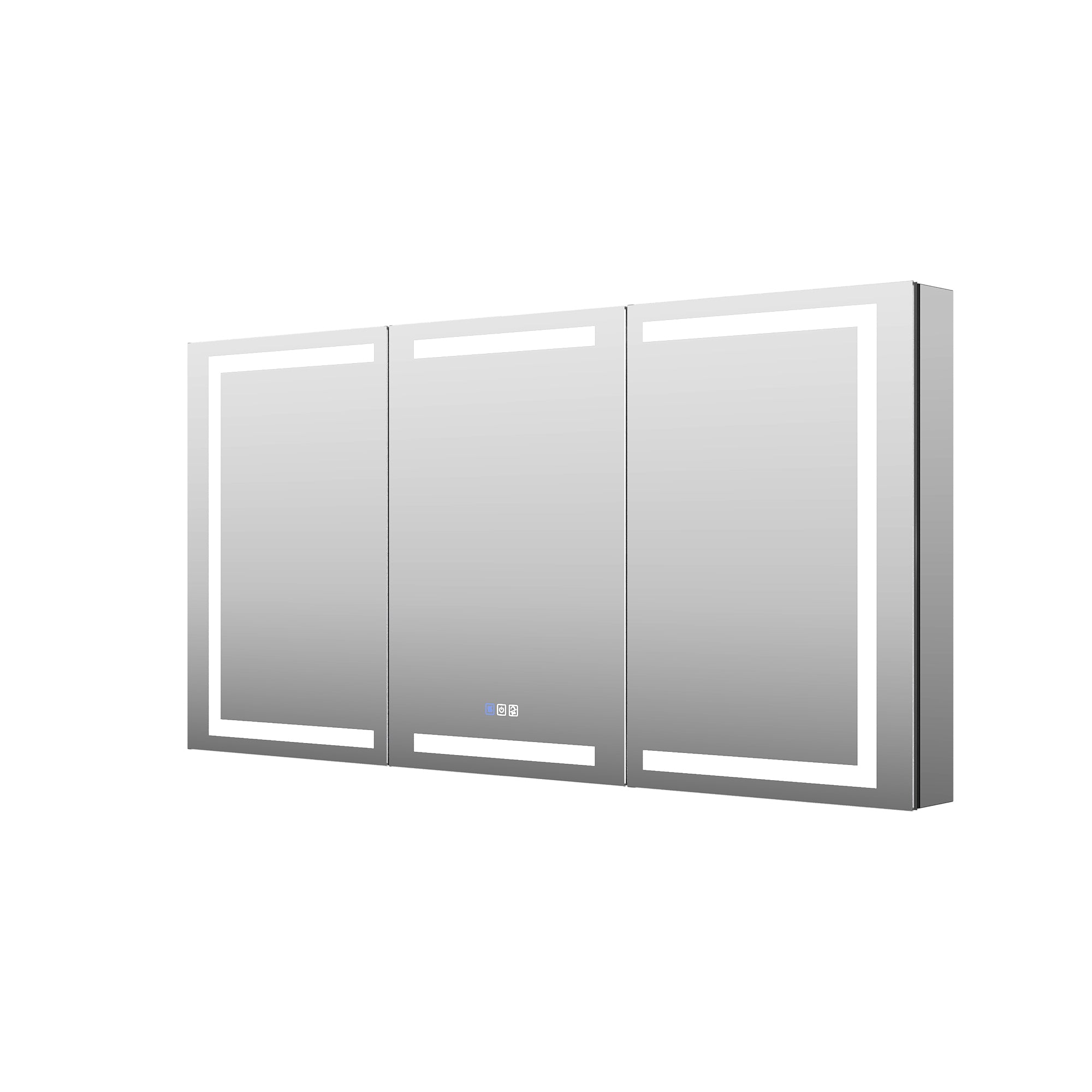
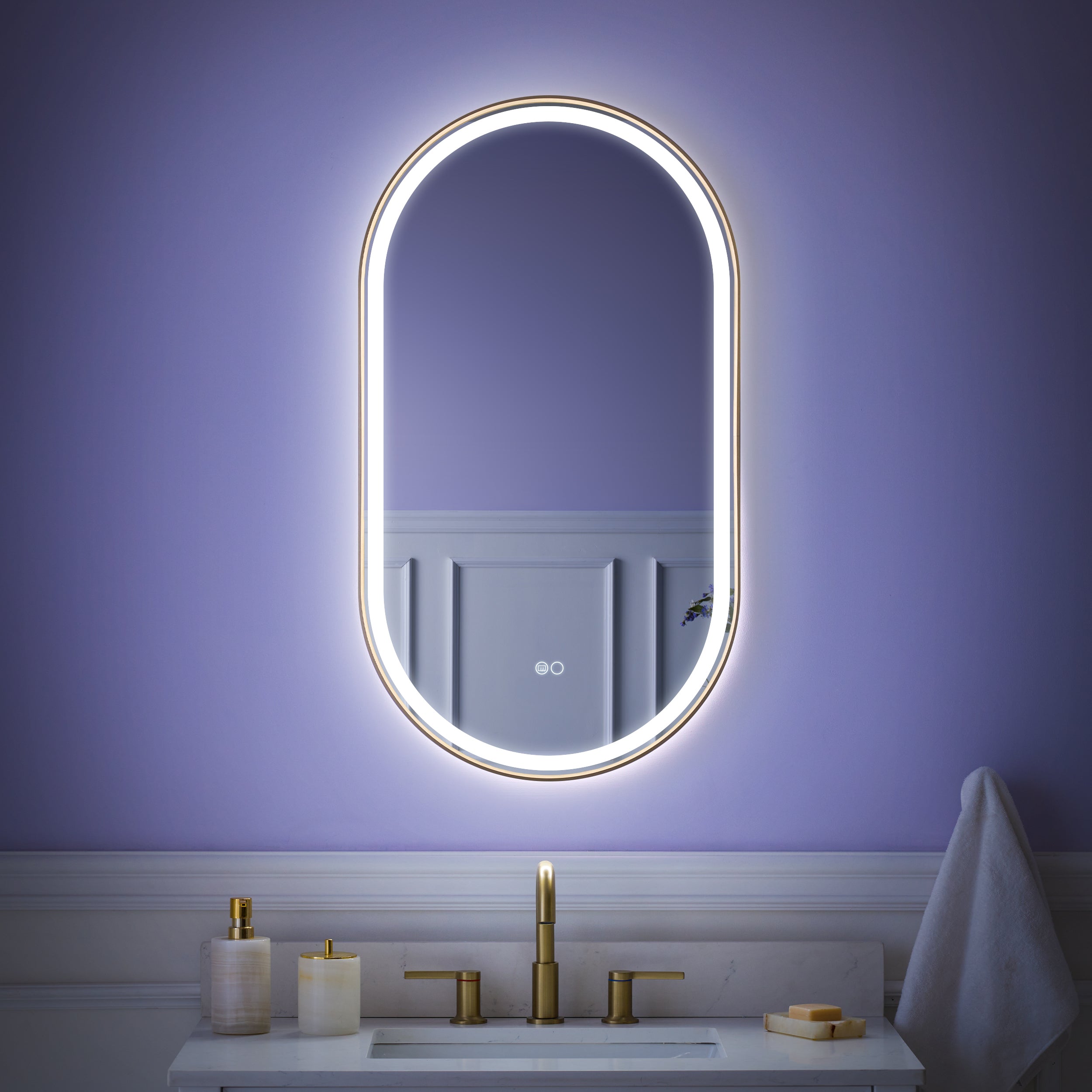
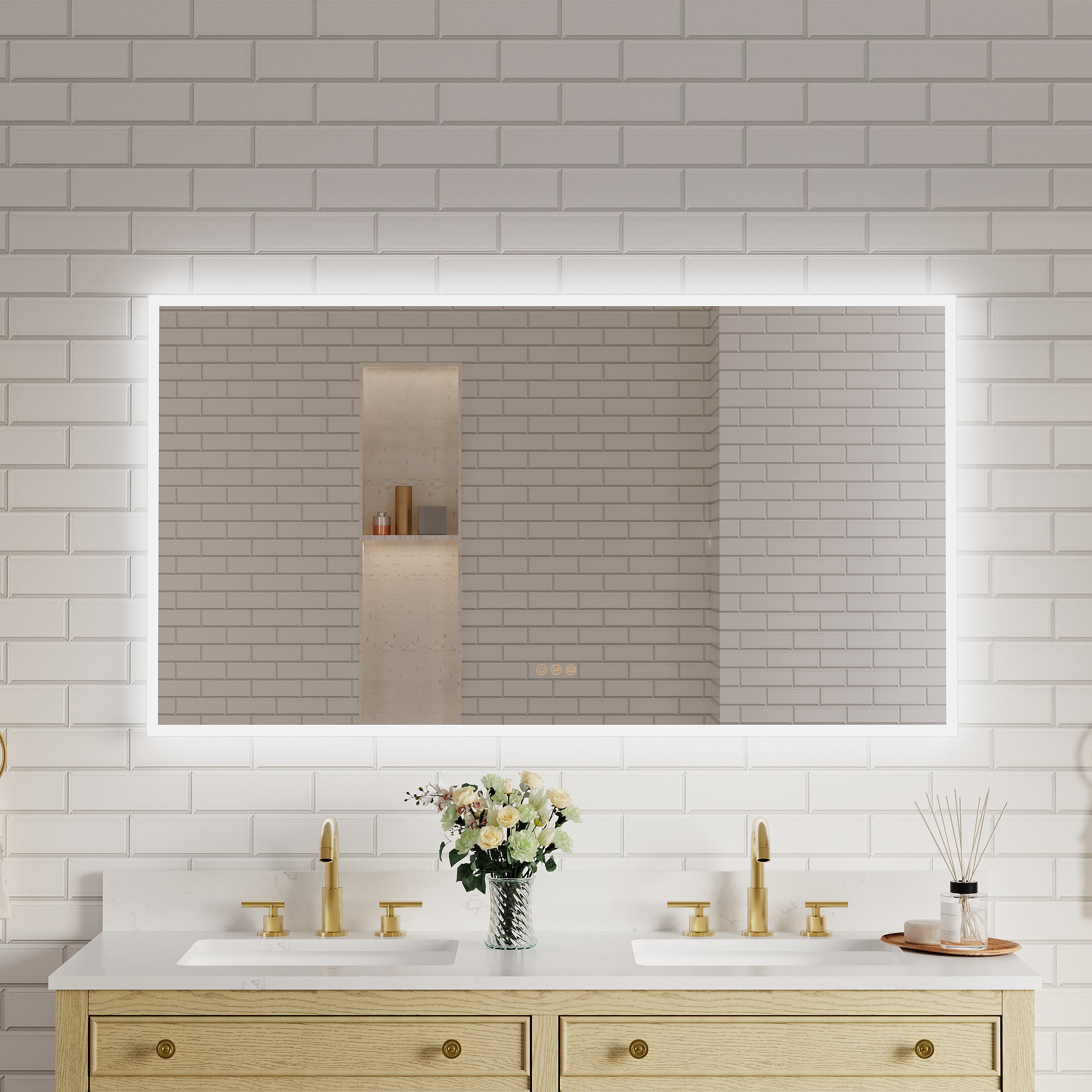
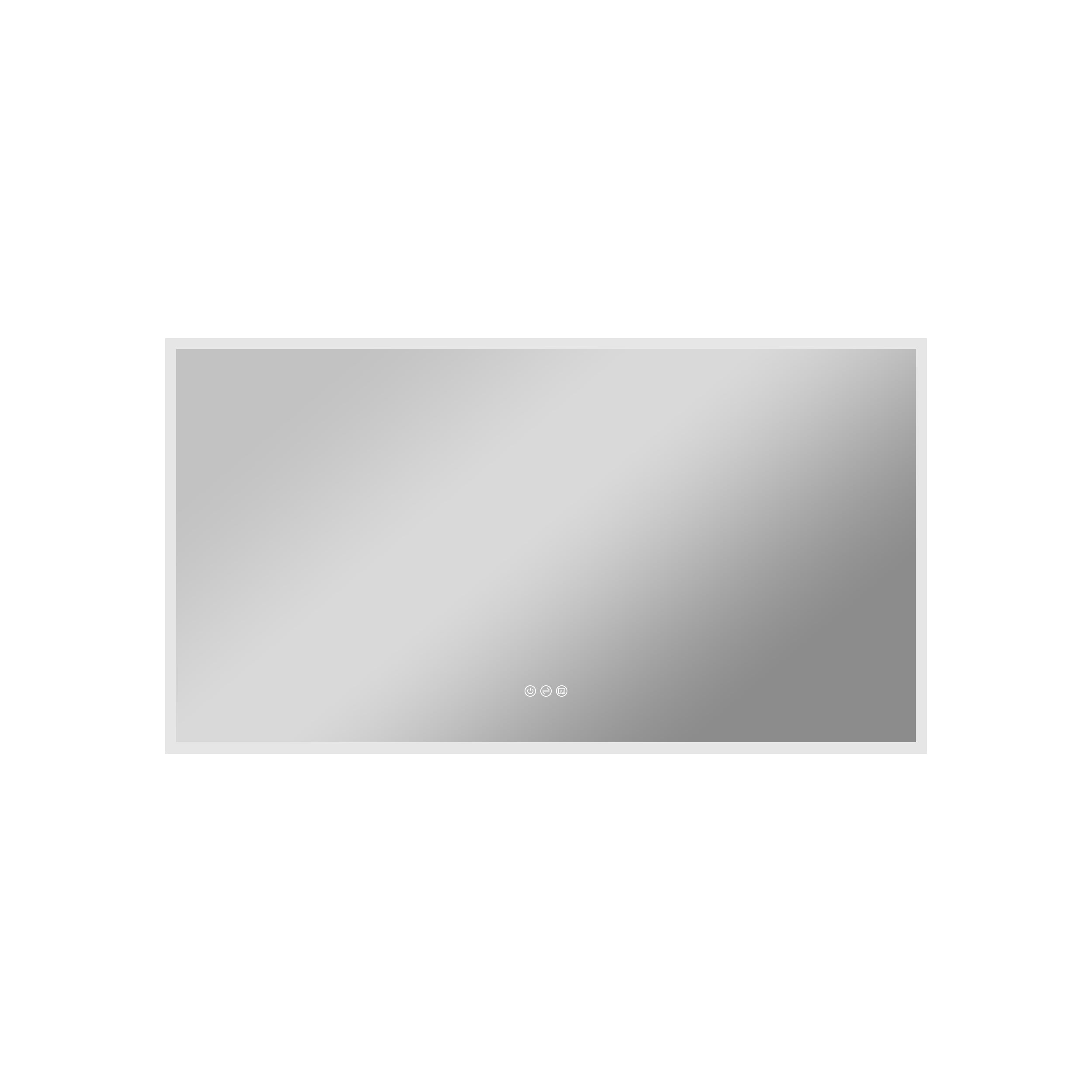
Industry lighting evaluations have found that continuous LED light strips arranged along the edges of the mirror can evenly illuminate the left, right, up, and down directions, keeping the nose, eye sockets, and chin areas clearly visible.
This design is particularly effective in medium- to large-sized mirrors of 30-48 inches, almost simulating natural sunlight from multiple angles.
4. Whether the color temperature is correct or not, it affects makeup judgment more than brightness
Even if the brightness is sufficient, if the color temperature deviation is significant, the makeup is still prone to "distortion".
The industry generally recommends a neutral color temperature range close to natural sunlight (about 4000K-5000K), which is the most stable for skin tone restoration.
Excessive warm light can make the base makeup appear too light, while excessive cold light can easily magnify flaws. Many high-quality LED mirrors now feature adjustable color temperature, allowing users to switch between the most suitable lighting modes in different scenes.
5. The size of the mirror will enlarge or weaken the lighting effect
The smaller the mirror surface, the higher the requirement for light uniformity.
On small mirrors under 20 inches, even with high brightness, it is easy to create a situation where local intense light and shadows coexist. In the standard size of 24-36 inches, the light spreads more evenly, and the actual user experience is significantly better.
That's also why professional makeup spaces tend to use wide-fill mirrors rather than small highlight light sources.
6. Dimming function allows the mirror to adapt to all-day use
Natural light is stronger in the morning, while artificial lighting is almost entirely relied upon at night.
Industry feedback shows that LED mirrors with a brightness adjustment function have significantly higher satisfaction than those with fixed brightness. Users can adjust the light intensity based on ambient light levels to avoid glare during the day and insufficient light at night.
This flexibility allows LED mirrors to maintain ideal makeup conditions at different times.
7. Common misconception: The brightness is sufficient, but it is still not easy to use
Many "bright-looking" mirrors may not have ideal performance in actual use, often due to:
Concentrated light points produce strong shadows.
Color temperature deviation affects skin tone judgment.
Unstable lighting can cause visual fatigue.
Once these problems exist, simply increasing brightness will actually amplify the defects.
8. The answers given by actual feedback on usage
From industry research and long-term usage data, it is clear that most users have significantly improved their evaluations of makeup clarity and convenience after switching to LED mirrors.
Especially in bathroom environments with insufficient natural lighting, LED mirrors have become an irreplaceable source of core lighting.
9. Anti-fog and light diffusion features further enhance makeup accuracy
In real bathroom environments, steam and moisture often interfere with mirror clarity, especially after showers.
Industry product testing shows that LED mirrors equipped with built-in anti-fog heating pads can maintain a clear reflective surface within minutes, preventing makeup interruptions caused by condensation. At the same time, diffused light covers help soften harsh glare, improving skin texture visibility without creating hotspots.
These technologies work together to provide a more stable and professional-level makeup lighting environment.

10. Conclusion: Adequate brightness, the key lies in "using the right method."
The bathroom mirror with LED lighting can fully meet the brightness requirements for makeup and even outperform traditional ceiling lighting in most cases.
What truly determines the experience is whether the lighting is uniform, whether the color temperature is close to natural light, whether the size matches the space, and whether it offers flexible adjustment.
When these factors work together, LED mirrors are not only "bright enough" but also make makeup applications more realistic and stable, making them a valuable functional upgrade in modern bathrooms.










Leave a comment
This site is protected by hCaptcha and the hCaptcha Privacy Policy and Terms of Service apply.